
Reviews

XF18-120mm -A Good Zoom Lens for Photographers?

First of all, I would like to thank Ms Carmen, Marketing Manager of Fujifilm Singapore, for loaning the XF18-120mm and X-S10. By the time this review is online, the units had returned back to Fujifilm Singapore.
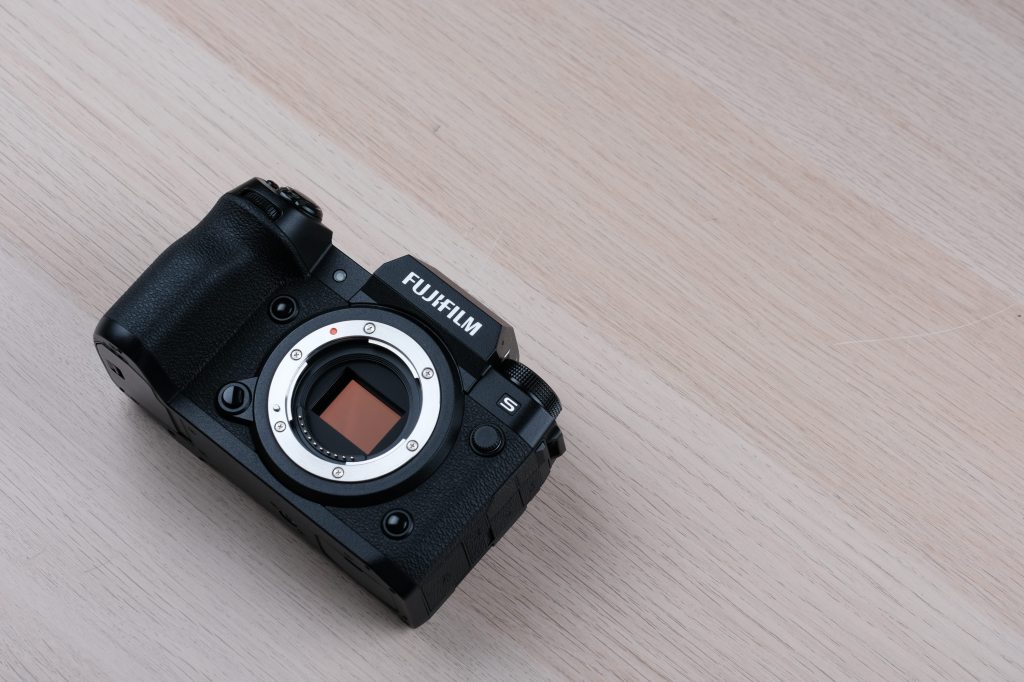
Fujifilm XF18-120mm f4 LM PZ WR

In this hands-on experience, I used this lens for photography only and nothing related to videography. Because I do not know about videography, I shall leave it to the experts to review from the videographers’ point of view.

Conclusion (TL;DR)

I am doing something different and decided to push up my conclusion so that you guys can decide to skip or continue to check out this lens.

Over the course of 2 weeks, as a prime lens user, I enjoy every single moment of using it. It brings me back to the fun of using a zoom lens without sacrificing image quality. As for the power zoom functionality, it took me about half a day to get used to it. After all, I started learning photography in the “power zoom” era.

This is a constant f4 lens and it may not have a large aperture like f2 or f2.8 and might not please some potential videographers. But every lens created has its purpose and every lens does come with pros and cons. Just how we weigh them before getting the lens, it’s up to the individual.

Of course, if you are looking for a faster lens than this and they are already existed in the market, the red badge and the MK lenses.

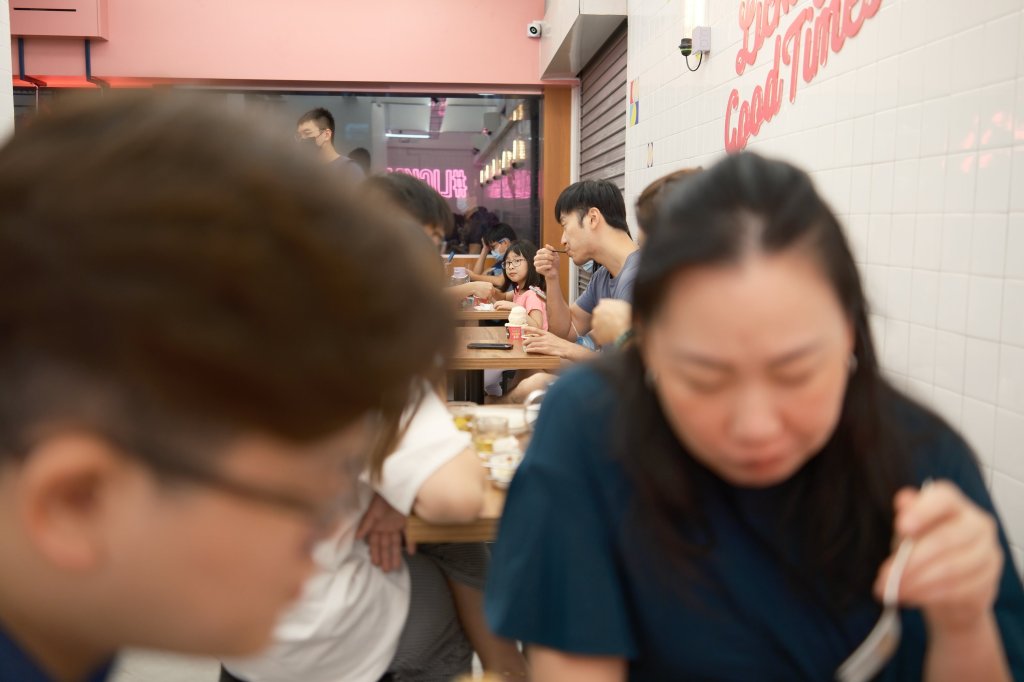
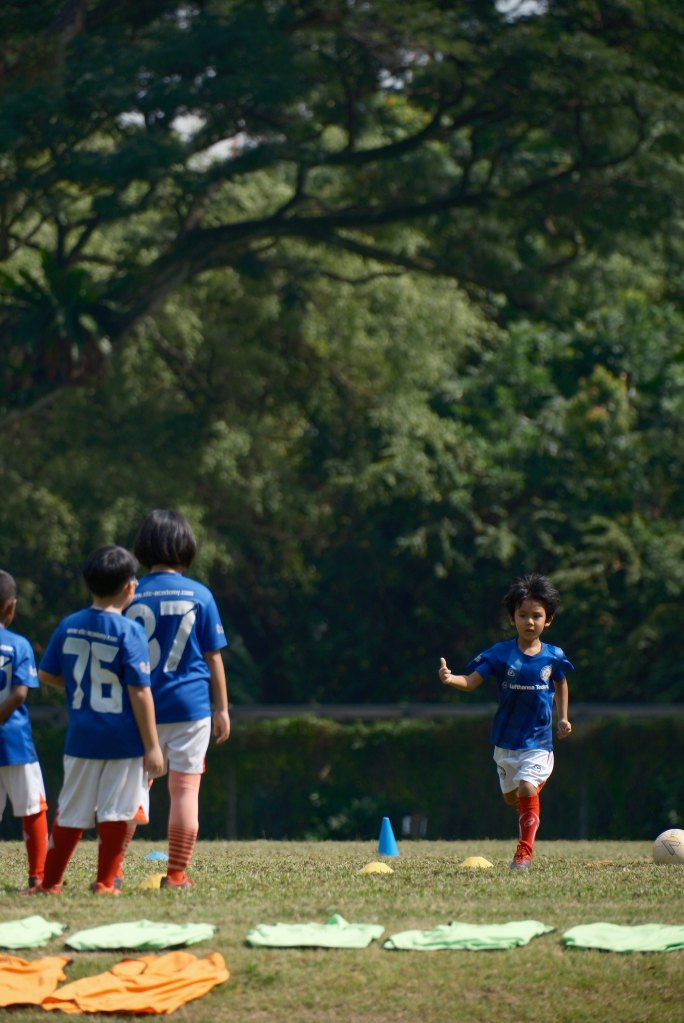
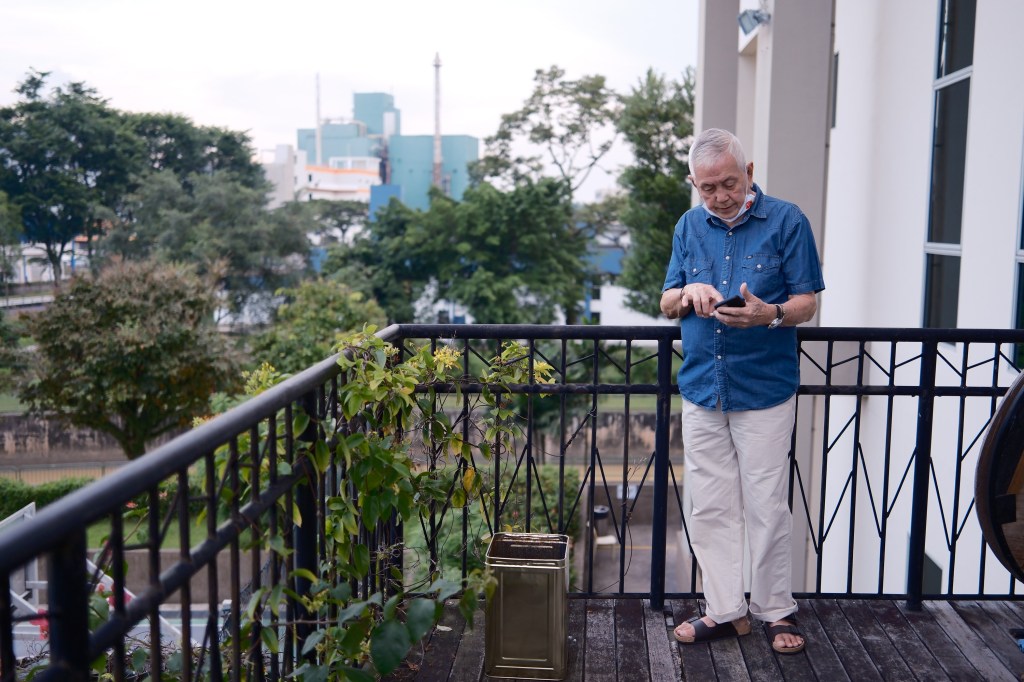
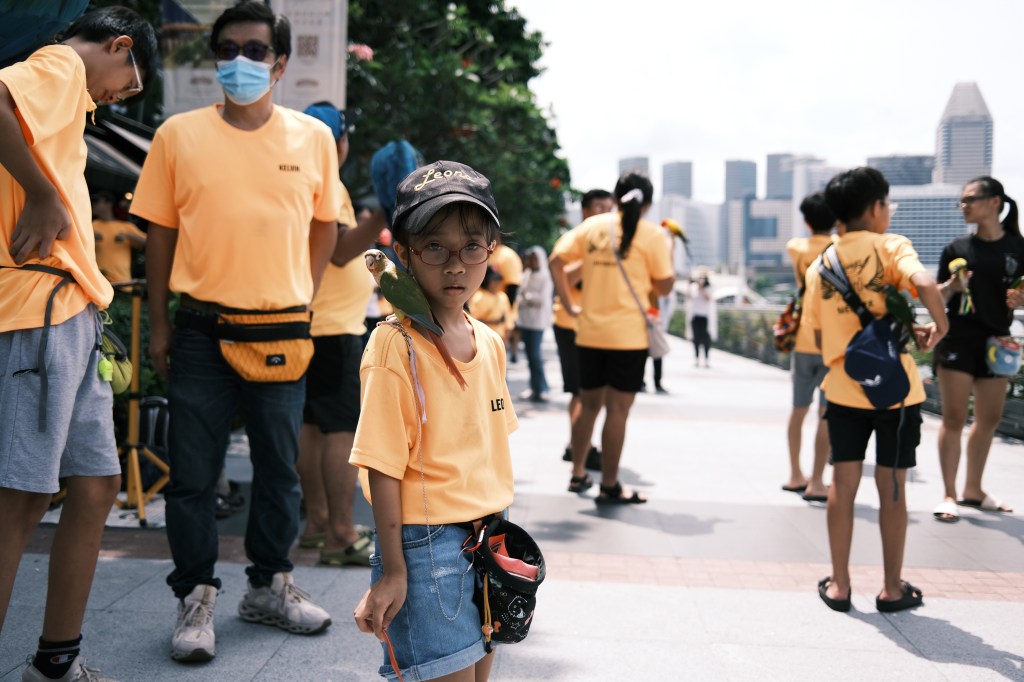
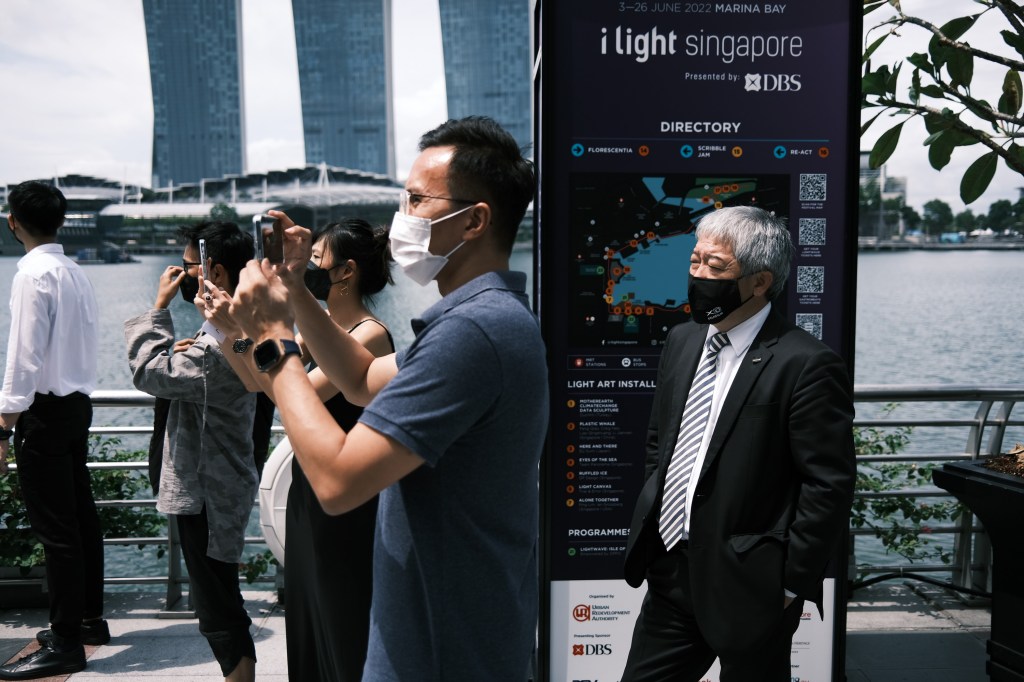
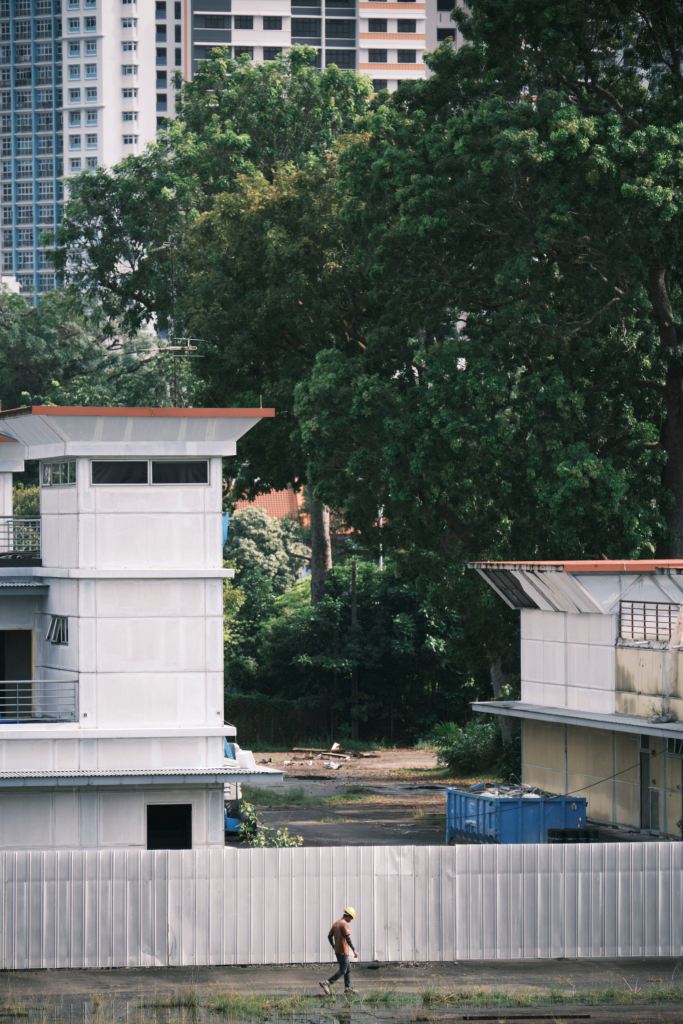
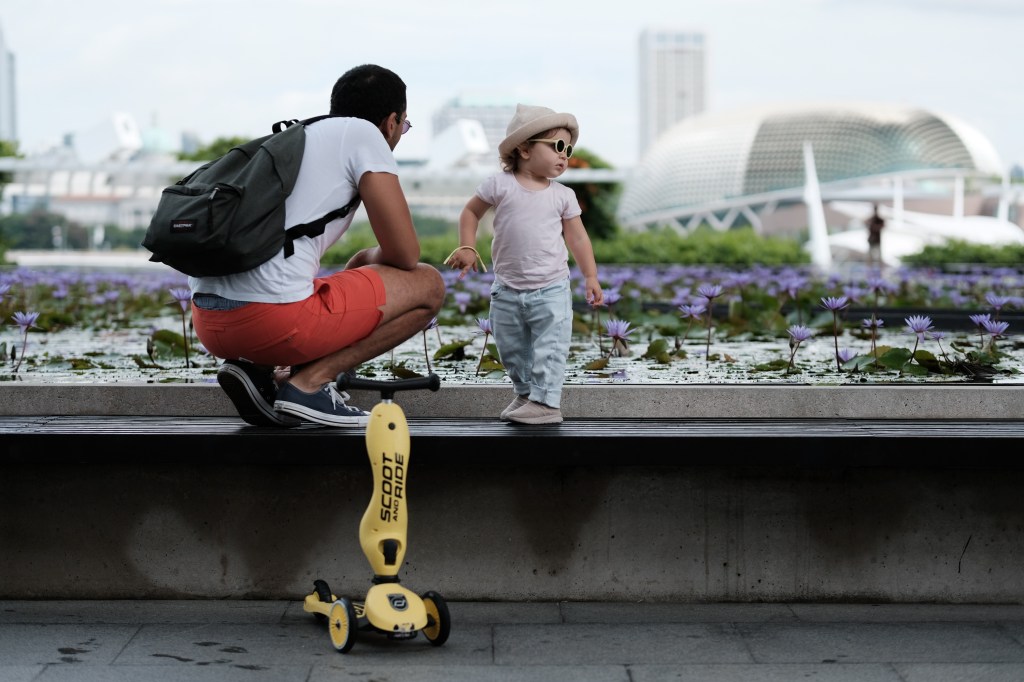
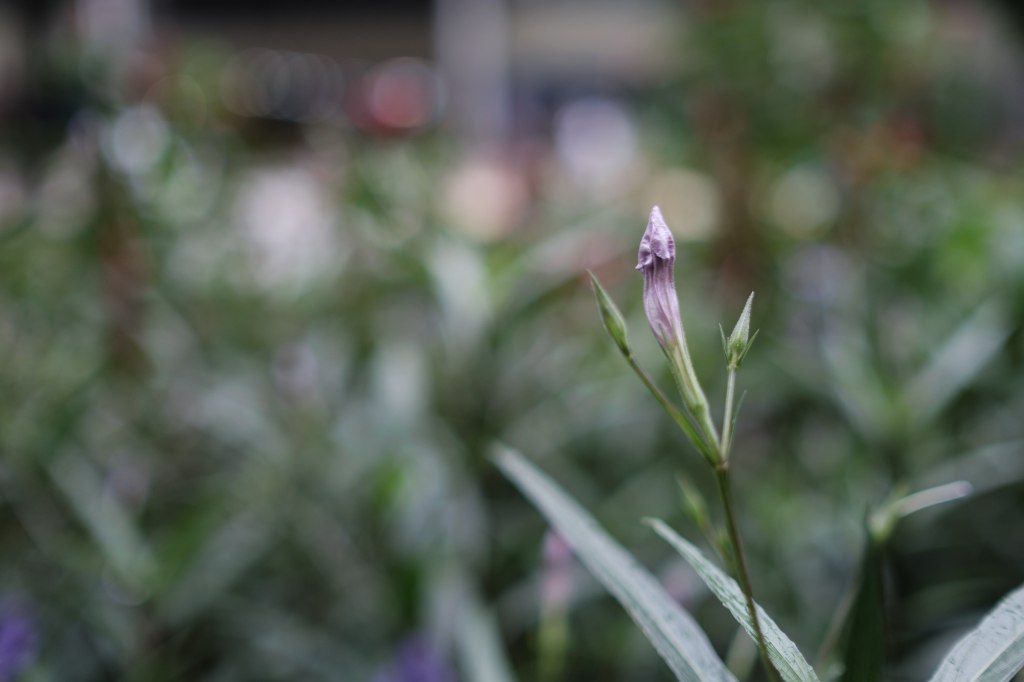
Fuji X-S10 . Fuji XF18-120mm @ 120mm . f5.6 . 1/640″ . ISO 160 . Classic Neg

Personally, this lens is a great lens that has great versatility. Fujifilm strikes a good balance between compactness and image quality, is lightweight and has very useful focal lengths. From a photographer’s perspective, this lens is on my recommendation list.

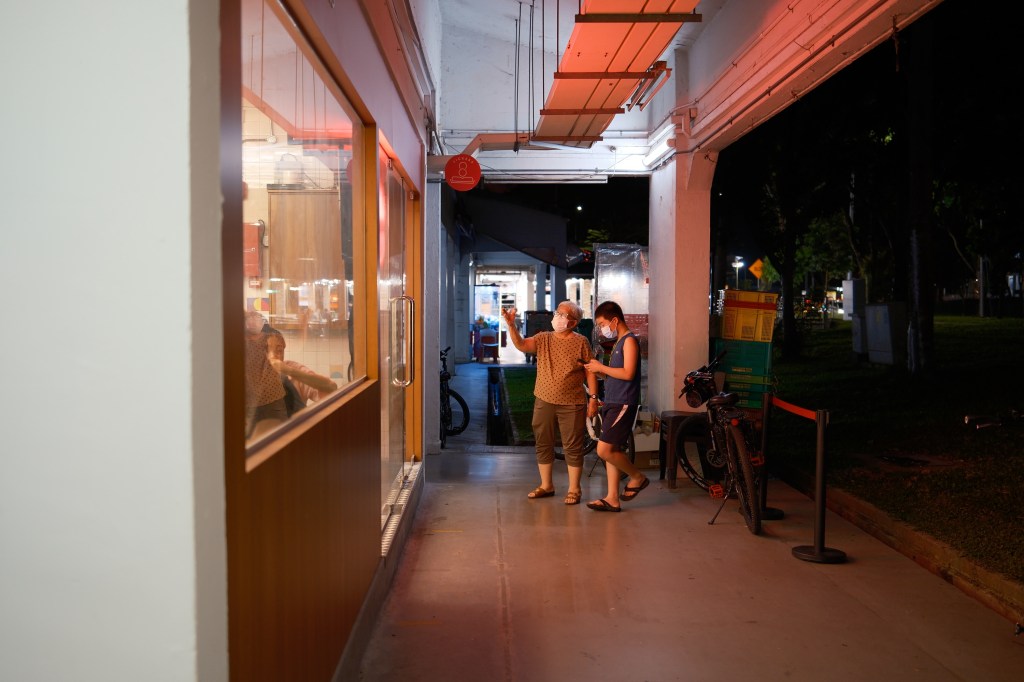
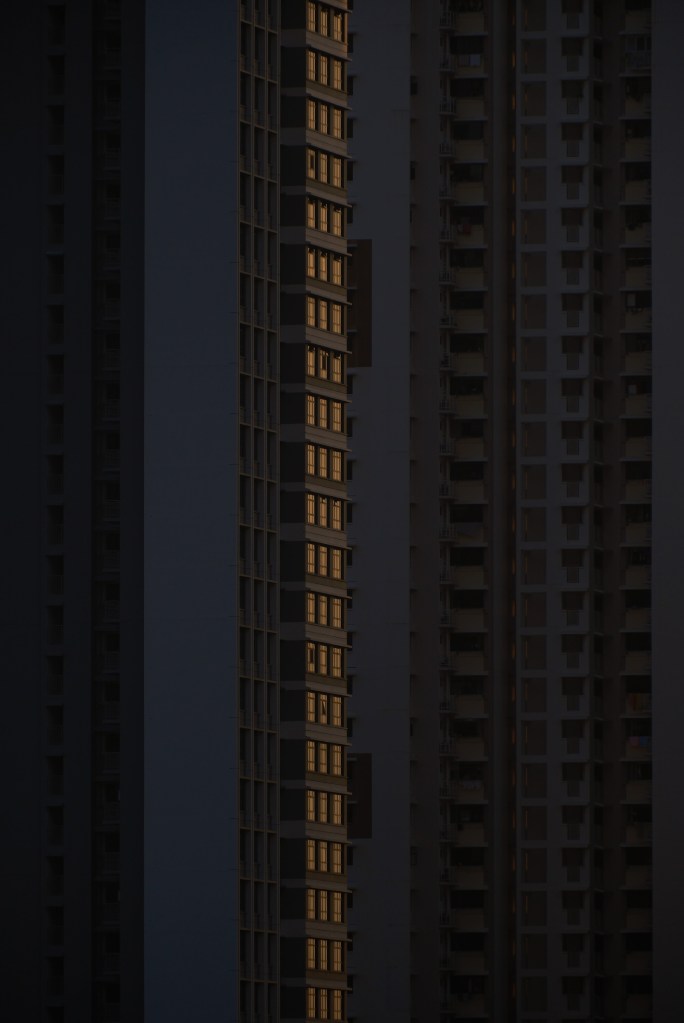
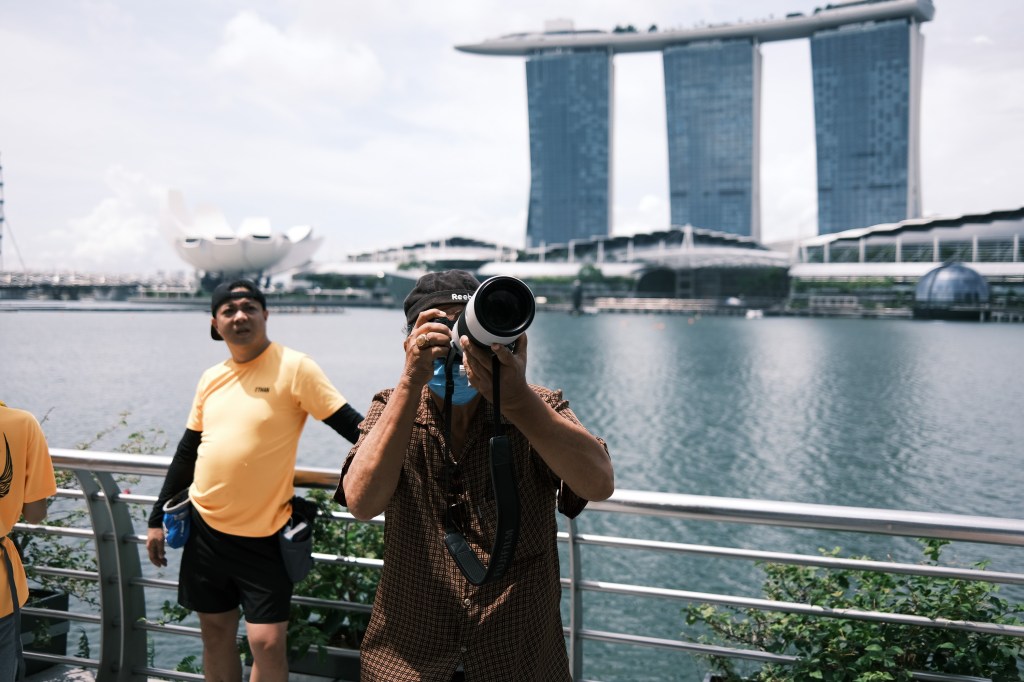
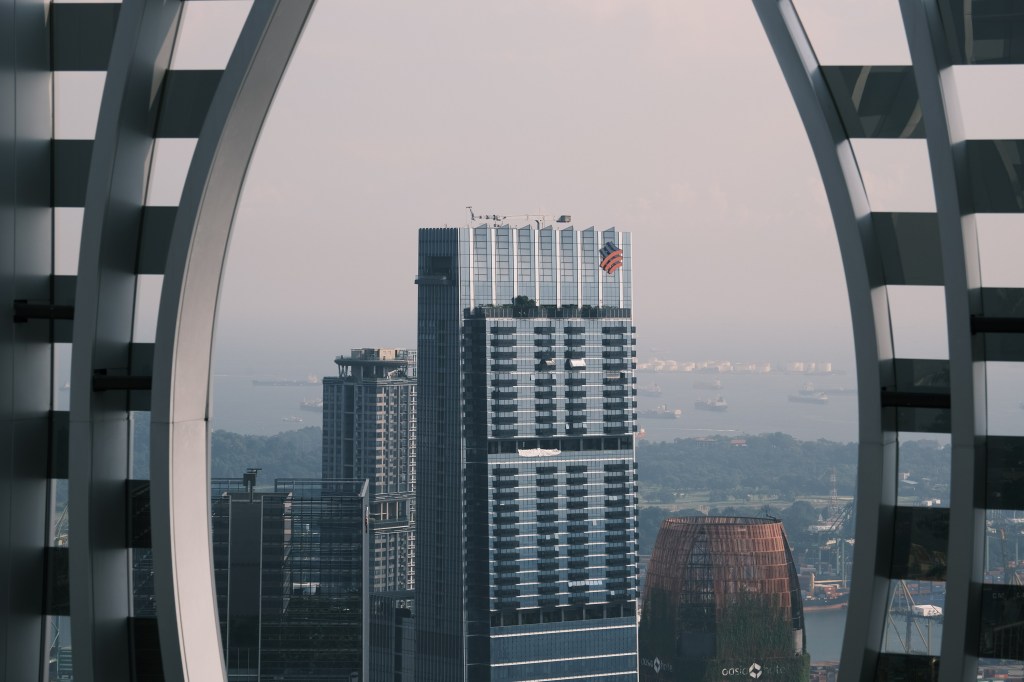
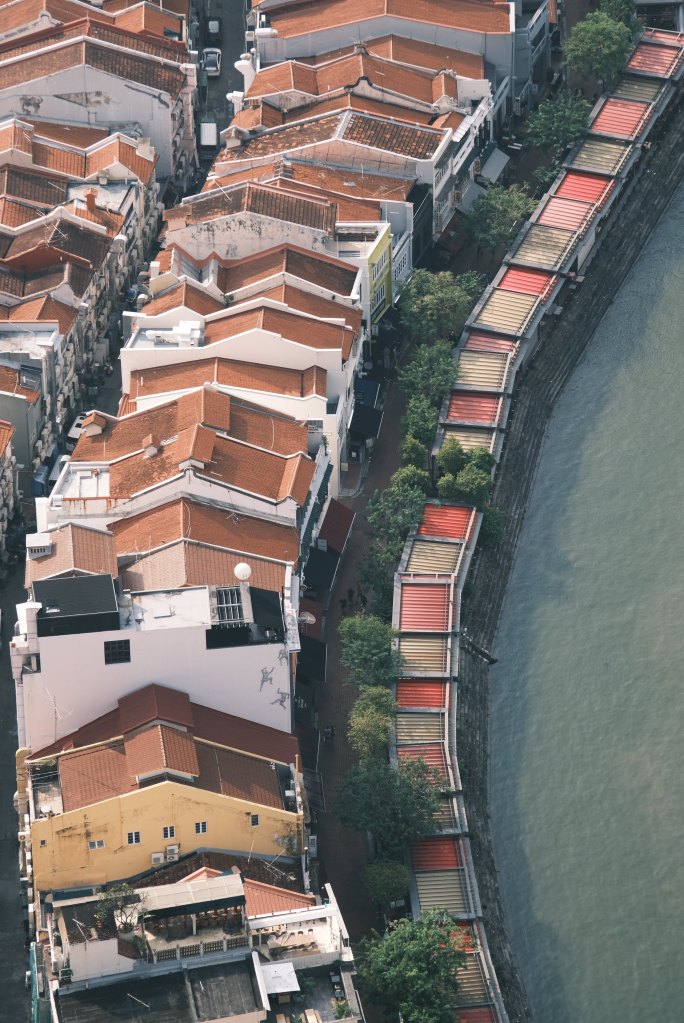
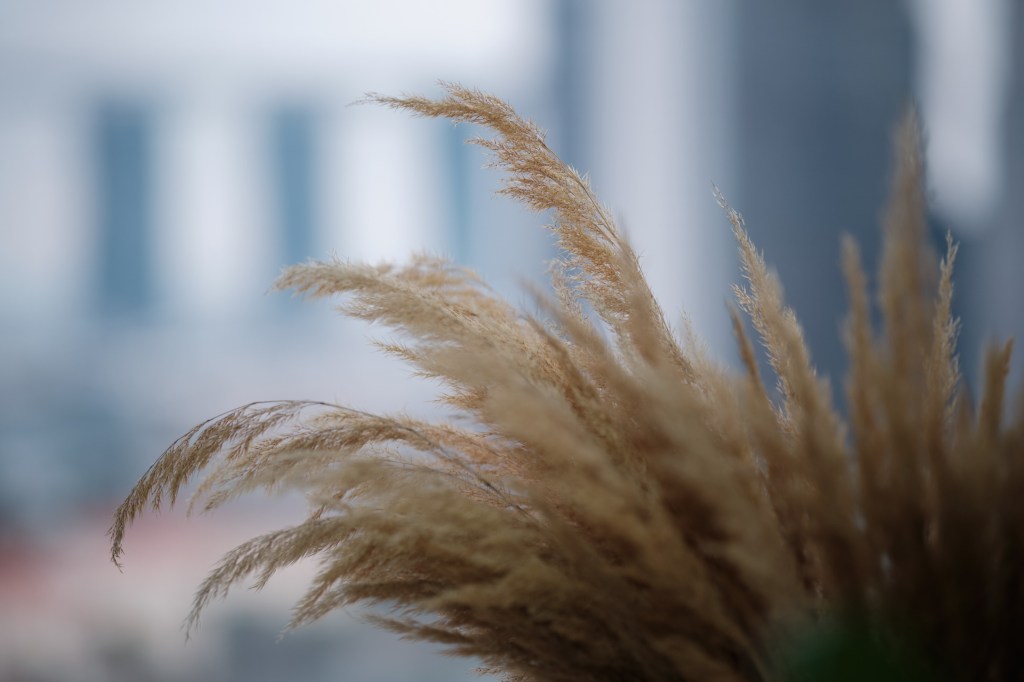
Fuji X-S10 . Fuji XF18-120mm @33.9mm . f4 . 1/1500″ . ISO 160 . Classic Neg

Intro

Fujifilm XF18-120mm f4 LM PZ WR was first teased in X Summit PRIME 2021 and finally announced in X Summit OMIYA 2022. And now, it should starts shipping in September 2022. This lens has a focal length that is equivalent to 27mm – 183mm in the 35mm film format which gives whopping 6.7x times zoom. It is probably the most versatile constant aperture zoom lens from Fujifilm yet.

During the X Summit OMIYA, Fujifilm emphasised that this lens is designed for videographers in mind and based on the expertise Fujifilm has in the broadcast industry. But can photographers use this lens for general photography purposes?

Design & Build Quality & Something more…

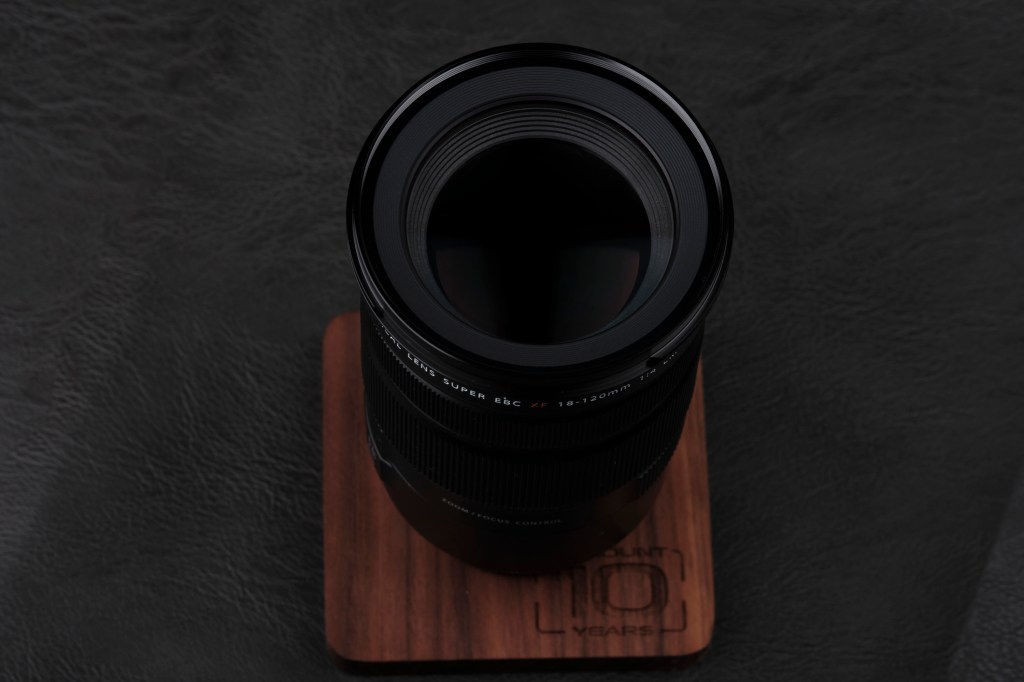
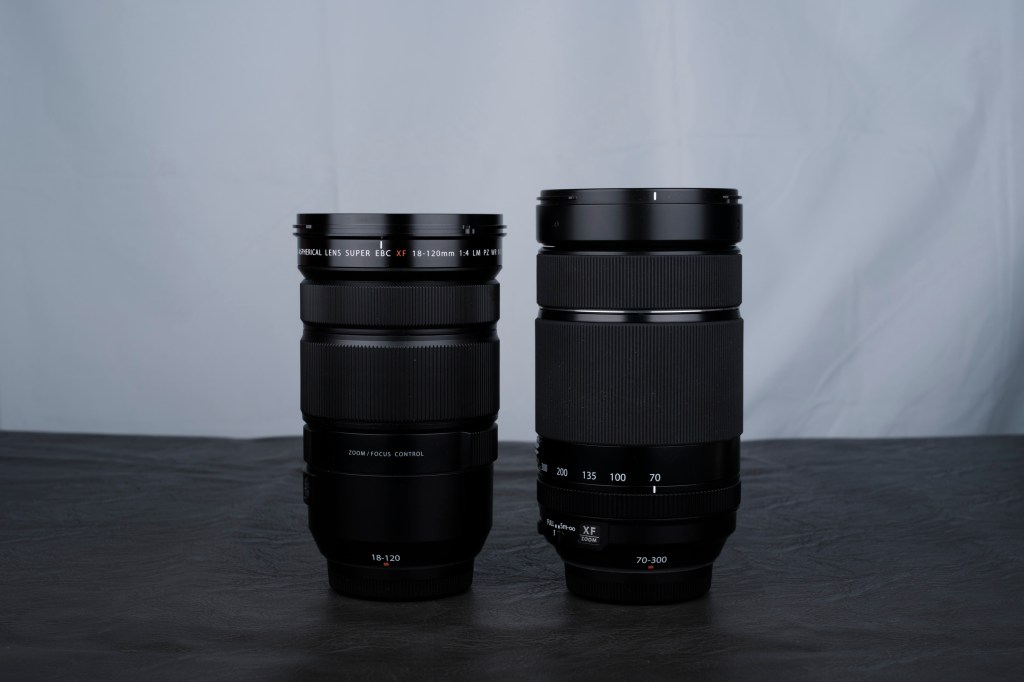
For a start, this lens is tall but a tad shorter than XF70-300mm. It comes with a 72mm filter size and internal zoom (yeah!). From the appearance, it gives an impression that this is a heavy lens but the 460 grams on this lens do not feel that way. The lens body is built out of polycarbonate material but I believe these are some of the reasons to explain why. (These are my guesses and not from any official Fujifilm statement.)

Fujifilm XF18-120mm f4 LM PZ WR and Fujifilm XF70-300mm f4-5.6 R LM OIS WR

First, it helps to reduce the overall weight. The lens is designed for portability so that videographers who wish to pair it with any cameras can balance it well and can use it handheld for long hours without stressing the arms.

Second, it might help bring down some costs and allow more potential videographers to reach out for this lens.

On a side note, when the lens and camera are mounted on a gimbal, the videographer does not need to recalibrate the gimbal when changing to any focal length.

Overall, the built quality is great and does not feel cheap at all. For forgetting that it comes with weather-resistant too!

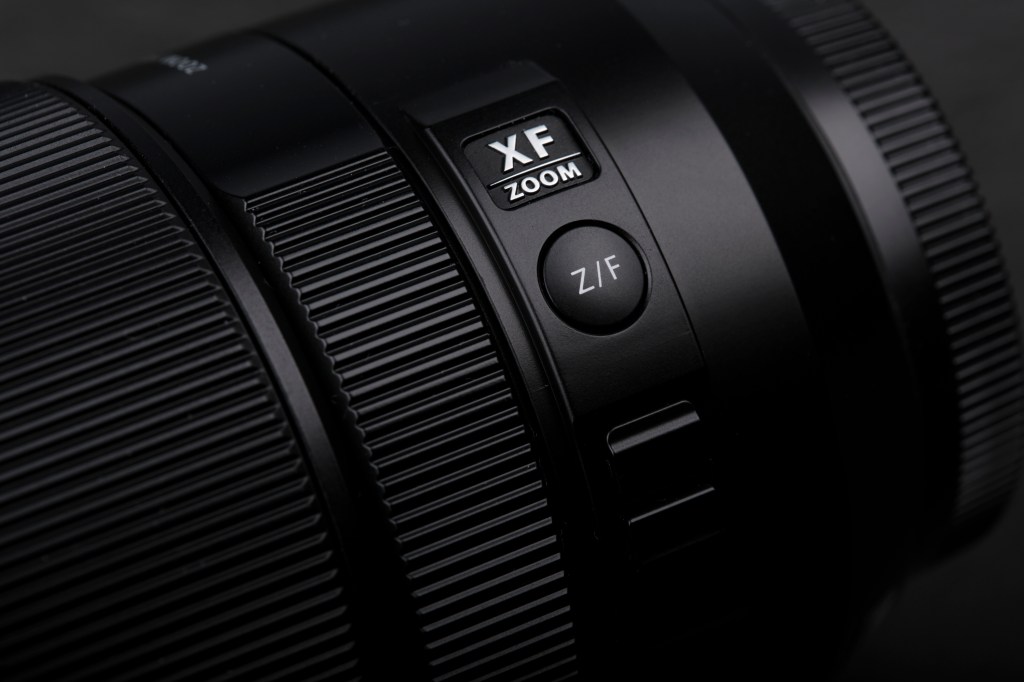
If you have noticed, this lens does not come with an aperture ring. But it comes with 3 ways of zoom functionalities (zoom ring, zoom/focus control ring and zoom button) and a manual focus ring. It also comes with a button named Z/F (Zoom/Focus). This is also the first lens I have ever seen having 3 options to choose from. How do these 3 zoom functions work? Let me try to explain it.

Zoom ring – It works like what it is intended but with a little twist. The focal length actually changes “electronically”. The experience is different from what the usual manual zoom ring has, it does not have that “instant” zoomed focal length. What it gives is a steady zoom in and out. However, I will not recommend photographers to use this zoom ring to change the focal length from 18mm to 120mm and vice versa. The throw is approximately 360° from 18mm to 120mm which takes me 4 times to complete. (Update: the production unit takes approximately 90° from 18mm to 120mm) What I do is to use it as a compliment to the next zoom functionality. For example, some small fine-tuning to the focal length which I feel is easier than using the zoom/focus control ring.

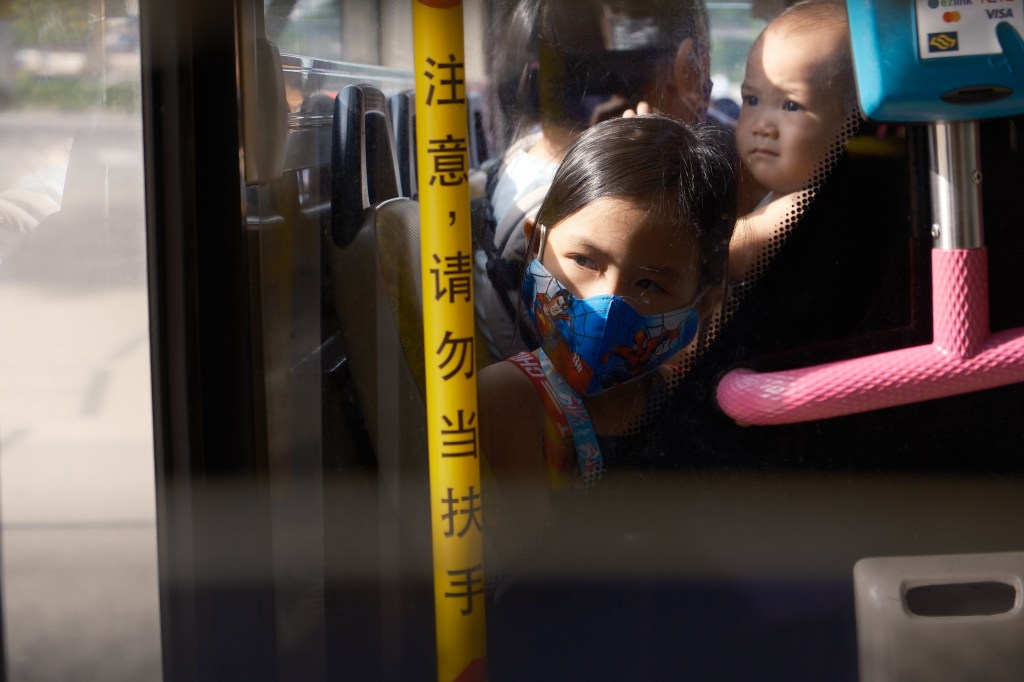
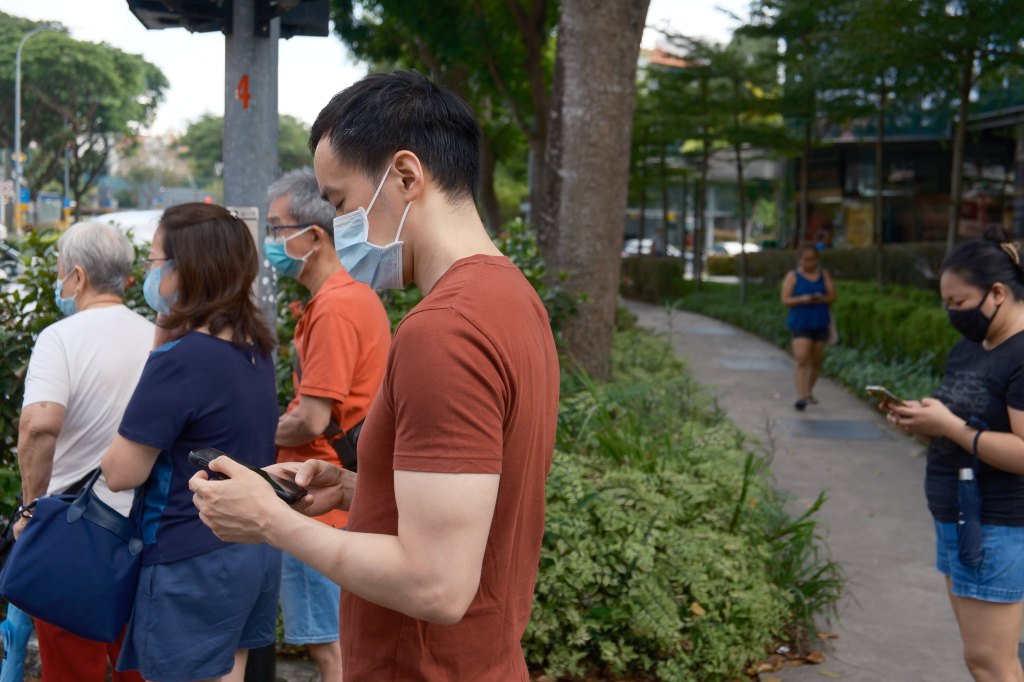
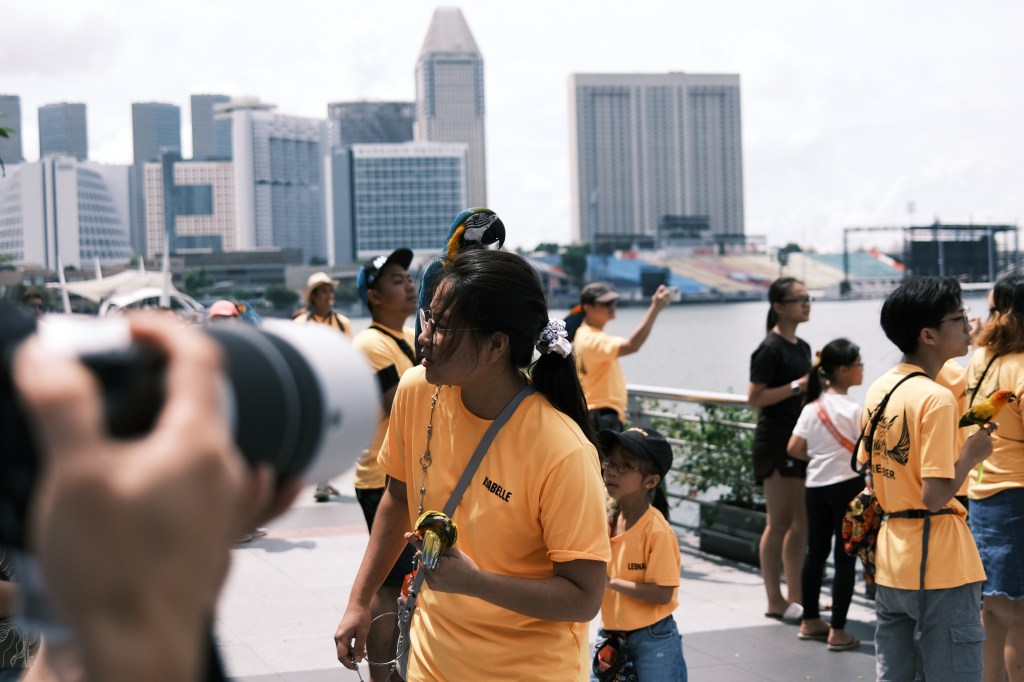
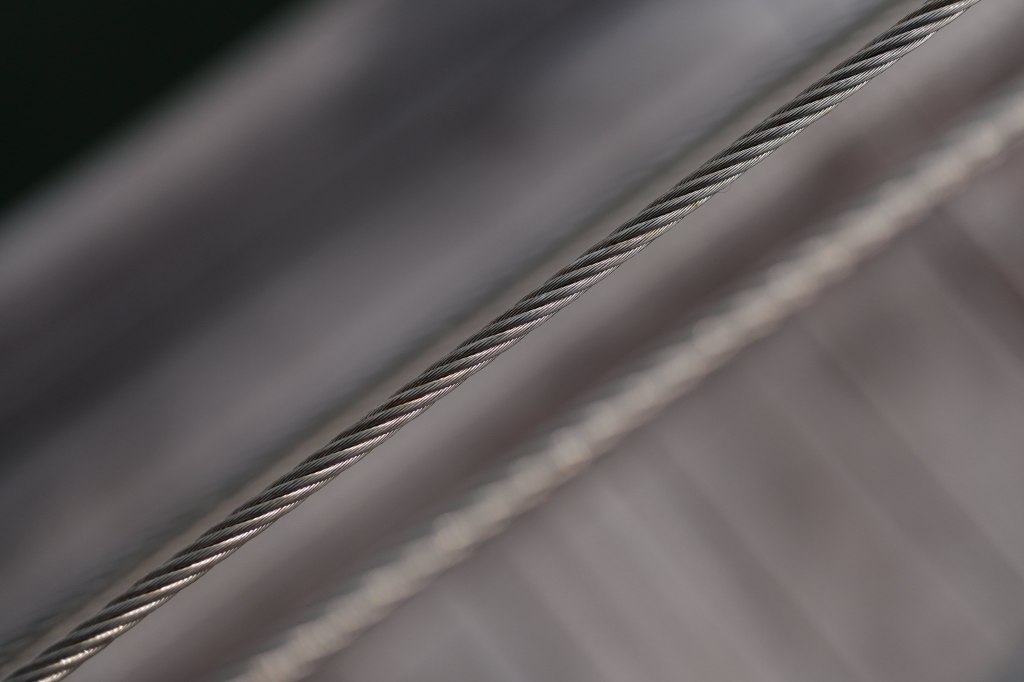
Fuji X-S10 . Fuji XF18-120mm @ 120mm . f4 . 1/800″ . ISO 160 . Classic Neg

Zoom/focus control ring – When I use this control ring, it kind of reminded me of my first camcorder. Clockwise for telephoto-zoom and anti-clockwise for wide-zoom. It is that simple. Sometimes, I overshoot the desired focal length, and I come to have a habit of using the zoom ring to adjust. At least it works for me. Of course, you still can use the zoom control ring to adjust to the desired focal length.

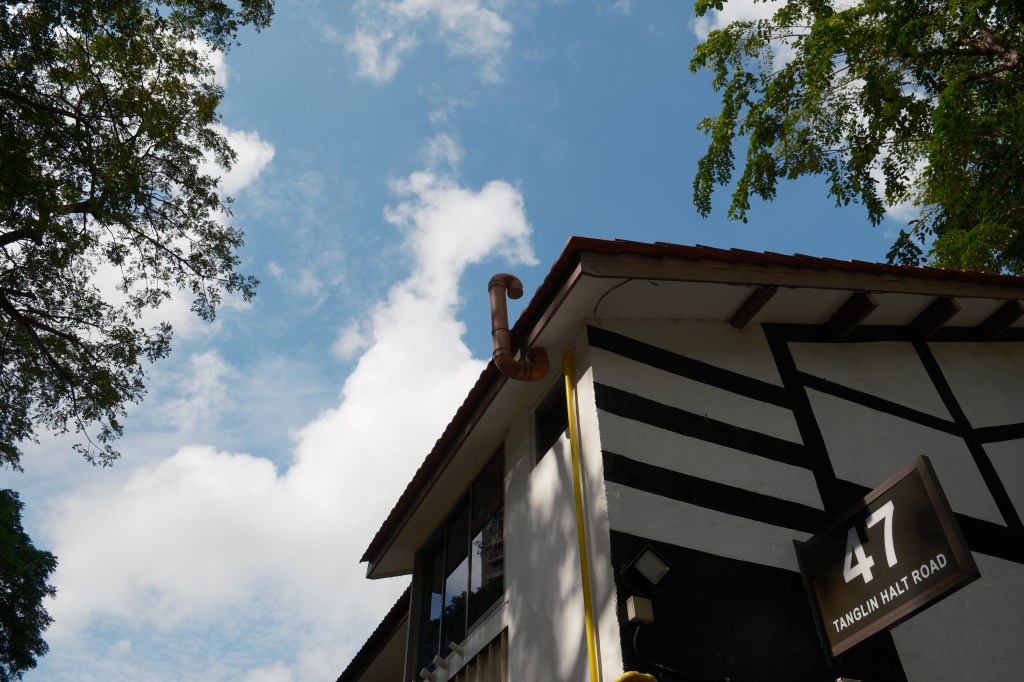
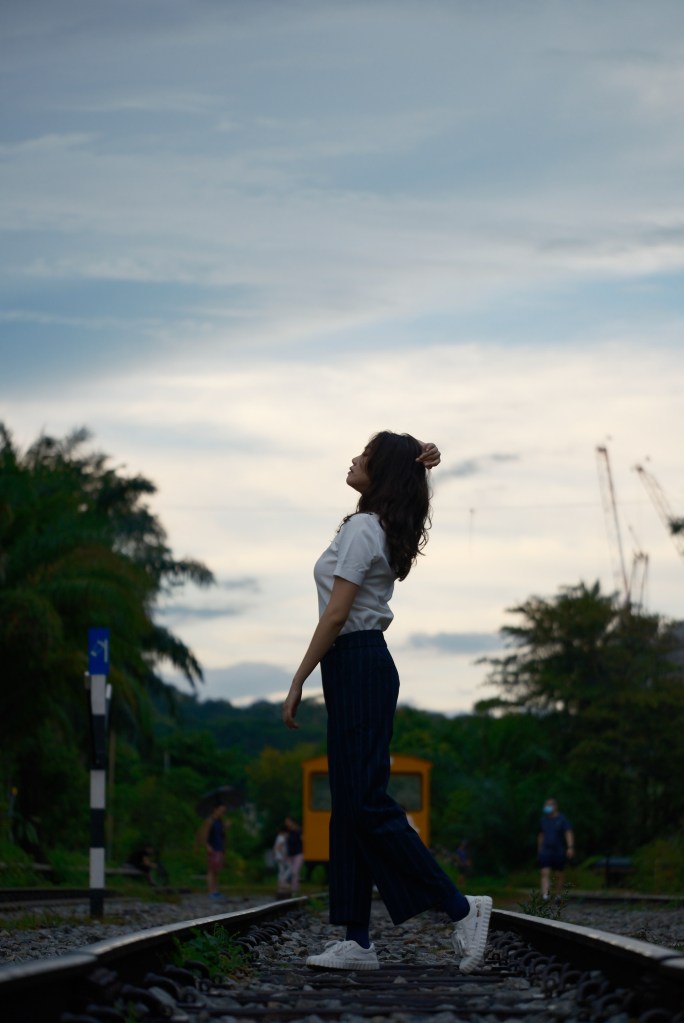
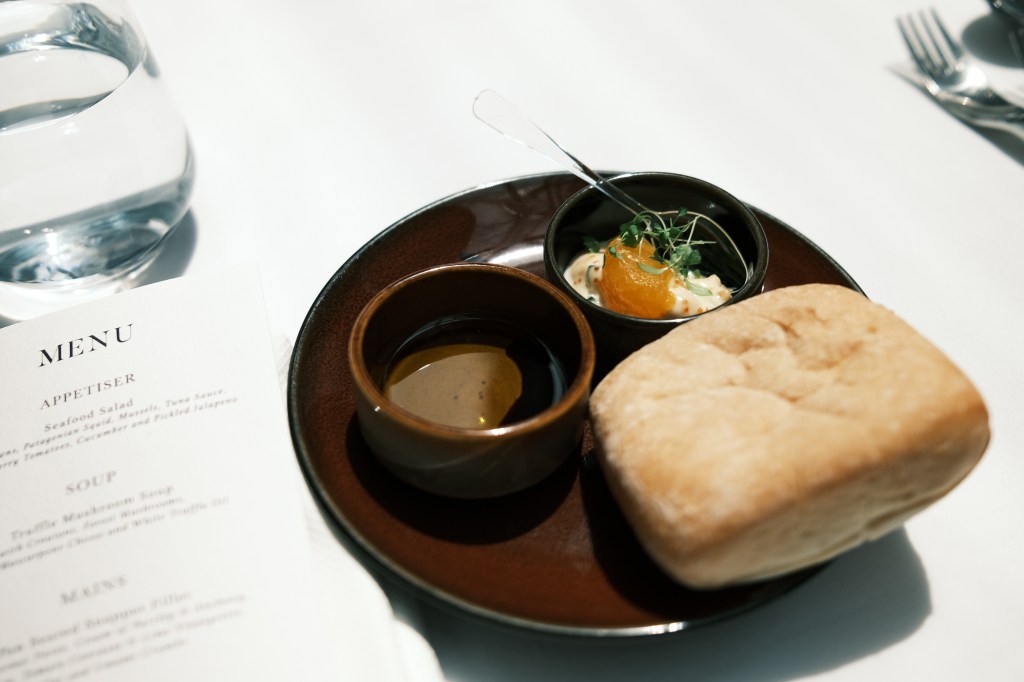
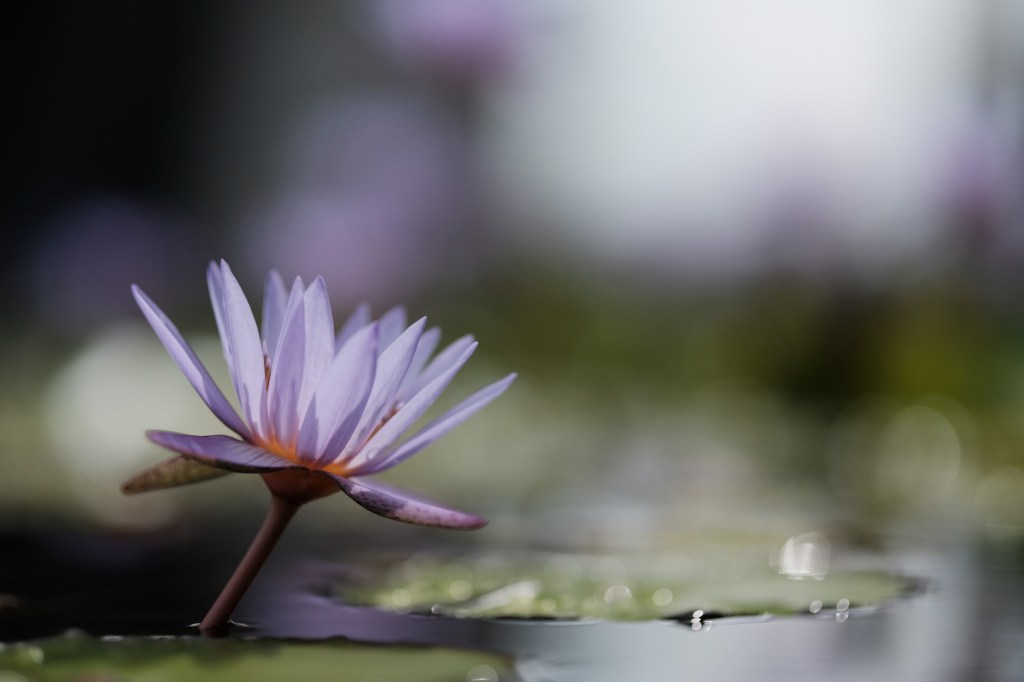
Fuji X-S10 . Fuji XF18-120mm @ 120mm . f4 . 1/680″ . ISO 160 . Classic Neg

Zoom button – there are 2 buttons, the “up” button for telephoto zoom and the “down” button for wide-zoom. Basically, you press once and it will zoom in or out all the way. Press the button again to stop zooming. I did not use these buttons after exploring how it works and I believe this is more useful for videographers.

Image Quality

Usually, when comes to a zoom lens, especially having such a long zoom, I have this mindset indicating that the image quality is probably somewhere sub-par or slight above sub-par image quality.

Fuji X-S10 . Fuji XF18-120mm @ 120mm . f7.1 . 1/280″ . ISO 160 . Classic Neg

Well. I think I have to change my way of thinking. The image quality is great. Sharp and have a good level of contrast. I enjoy the results coming out from this lens. The optical is really great even at wide-open.

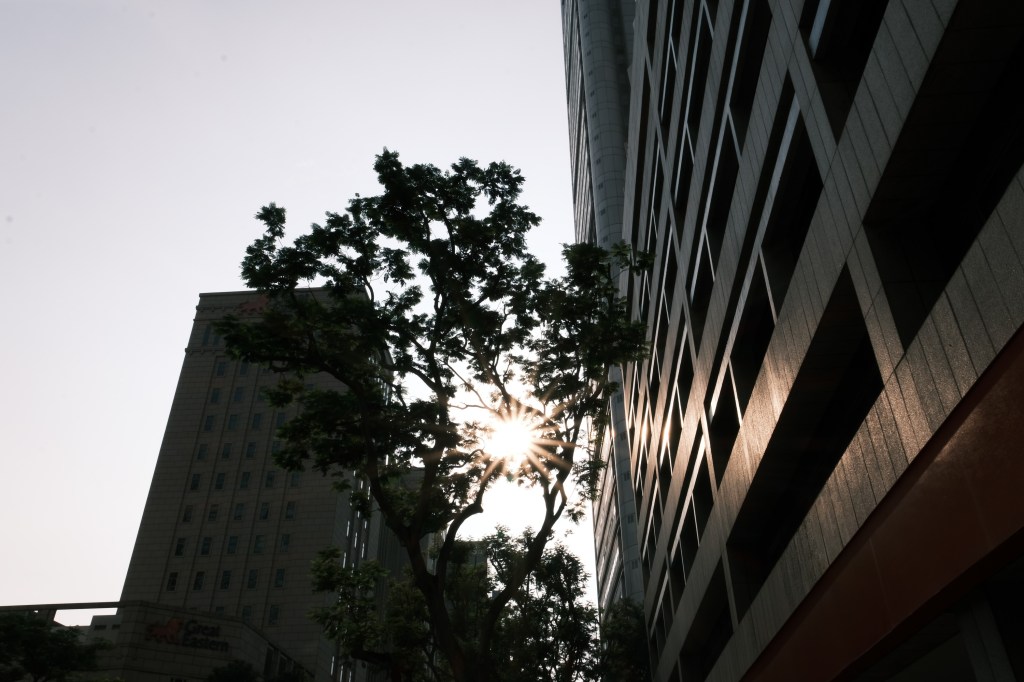
It may not have the most bokehlicious result but it does render pretty smooth for a zoom lens. It does not give harsh and hard bokeh at all. As for the sunny star, this lens doesn’t seem to give a sharp one, even at its smallest aperture.

Fuji X-S10 . Fuji XF18-120mm @ 18mm . f22 . 1/80″ . ISO 160 . Classic Neg

From my observation, chromatic aberration and vignetting are nowhere to be seen or at least very mild. This is something I am not surprised about as Fujifilm has controlled well in this aspect, especially for all the recent newer lenses.

Focusing

When comes to focusing, I have this repute that the focusing speed for a zoom lens is generally slower than a prime lens. Again, I was wrong but not completely wrong. Under the sun, focusing is pretty fast across all focal lengths. Though it is not blazing fast like the new generation prime lenses like XF23mm f1.4, it is just a tad slower. But when comes to low light situations, the wide to mid-tele focal lengths are still considerably fast. You will know that it is not as fast as the day but it is still within my acceptable range. At 120mm, the little struggle comes in. But I still manage to lock my focus after a few tries. For all that, I think it is expected behaviour for a long focal length like other lenses.

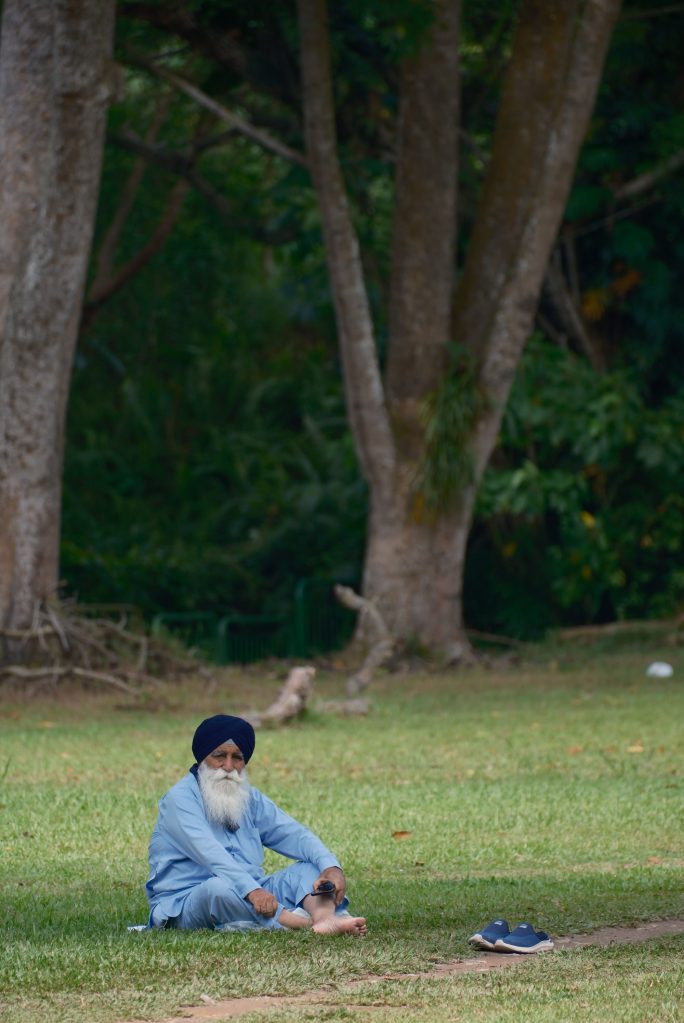
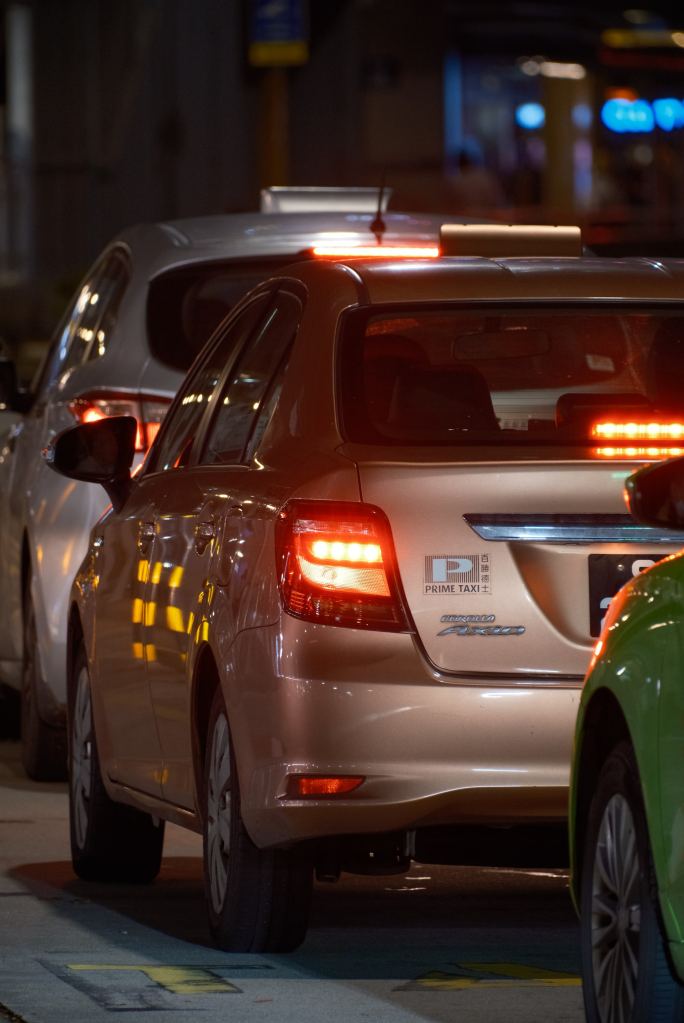
Fuji X-S10 . Fuji XF18-120mm @ 103.7mm . f4 . 1/34″ . ISO 1600 . Classic Neg

One thing to note is that this lens is capable of optically parfocal, which means my subject is able to stay in focus throughout the entire focal length. But I think it is more useful for videography than photography?

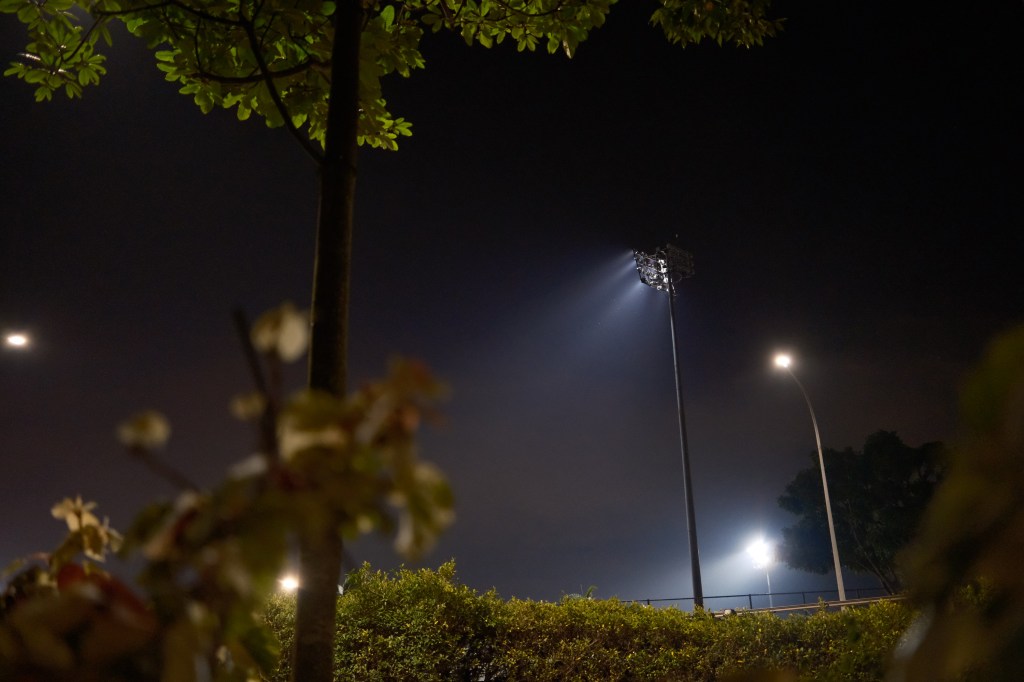
Fuji X-S10 . Fuji XF18-120mm @ 120mm . f4 . 1/40″ . ISO 1600 . Classic Neg

Minimum Focus Distance (MFD)

I also do observe some soft characteristics in the out-of-focus area. I pretty much like this kind of rendering.

The MFD is 60cm. At 18mm, I am not able to get close up, rather, I am pretty far from my subject. When you shoot at 120mm, it appears to be fairly close to the subject. Yet far from what a macro lens can achieve.

Fuji X-S10 . Fuji XF18-120mm @ 120mm . f4 . 1/300″ . ISO 160 . Classic Neg
Fuji X-S10 . Fuji XF18-120mm @ 120mm . f4 . 1/15010″ . ISO 160 . Classic Neg

Something to note.

If you power off your camera, the focal length will be where you left off. Say if you shoot at 50mm and then power it off and on again after some time, it will remain at 50mm. That’s also applied even if you swap lenses and then swap back.

If you want to use this lens to shoot streets, you can but this lens is not as discreet as compact prime lenses. Some strangers might even notice you first before you shoot them.

Fuji X-S10 . Fuji XF18-120mm @ 120mm . f4 . 1/480″ . ISO 160 . Classic Neg

Side by Side

This range of focal length is always very competitive and Fujifilm has quite a few zoom lenses somewhat close to one another in the market. Namely, XF16-80mm, XF18-135mm, and the most underrated XF18-55mm. Not forgetting about the recently announced Tamron 17-70mm f2.8 and upcoming Sigma 18-50mm f2.8 too. Having said that, the most direct competition, for now, is the XF16-80mm.

Fuji X-S10 . Fuji XF18-120mm @ 57.9mm . f4 . 1/85″ . ISO 640 . Classic Neg
Fuji X-S10 . Fuji XF18-120mm @ 52.5mm . f4 . 1/20″ . ISO 1000 . Classic Neg

Both are constant f4 lenses. The typical advantages between both lenses are pretty noticeable. One wider, one has more reach, OIS versus non-OIS. While I do not test the XF16-80mm fully, I understand from some photographers that the lens is soft at wide open. And I may be biased, but the X18-120mm seems to have better image quality. Nevertheless, at the end of the day, both lenses serve different groups of photographers.

Who is this for?

For travelling photographers who might want to go as light as possible, this lens is also a good option to choose from. As this is an f4 lens, which also means that it might be a little struggling for night street shoots, I will suggest pairing it up with an In-Body Image Stabilization camera or an ultra-fast prime lens to go along with it.

Fuji X-S10 . Fuji XF18-120mm @ 120mm . f4 . 1/160″ . ISO 160 . Classic Neg

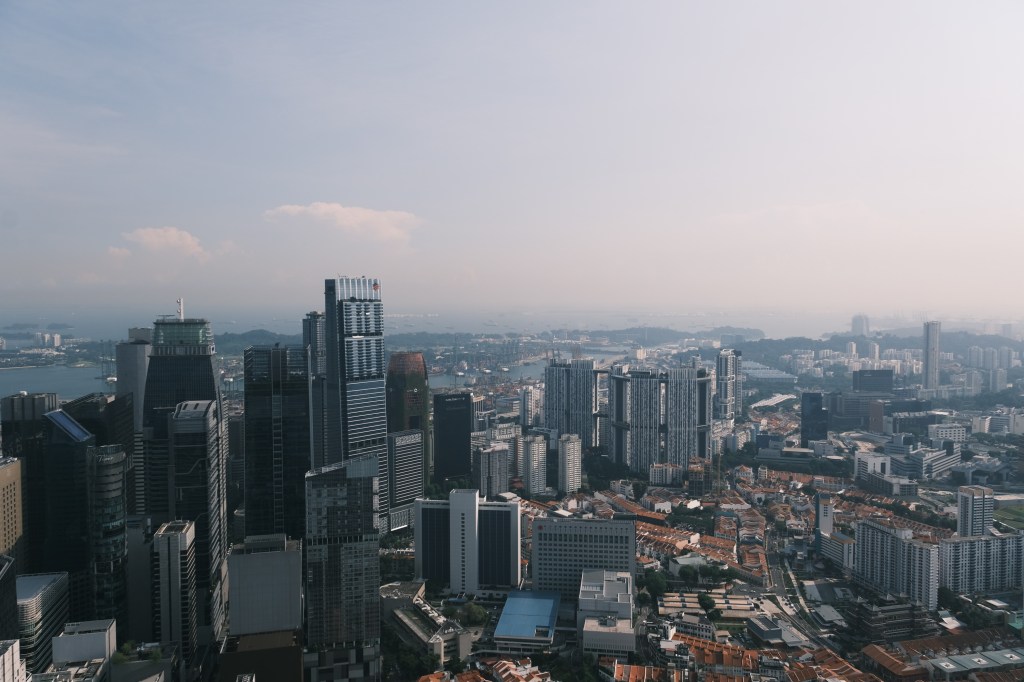
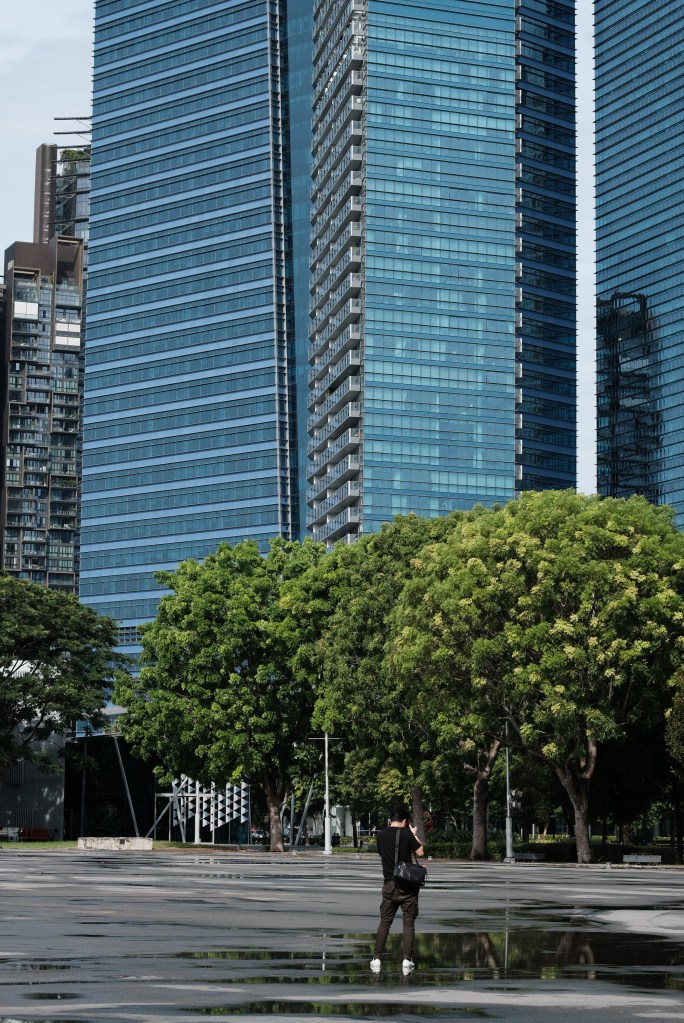
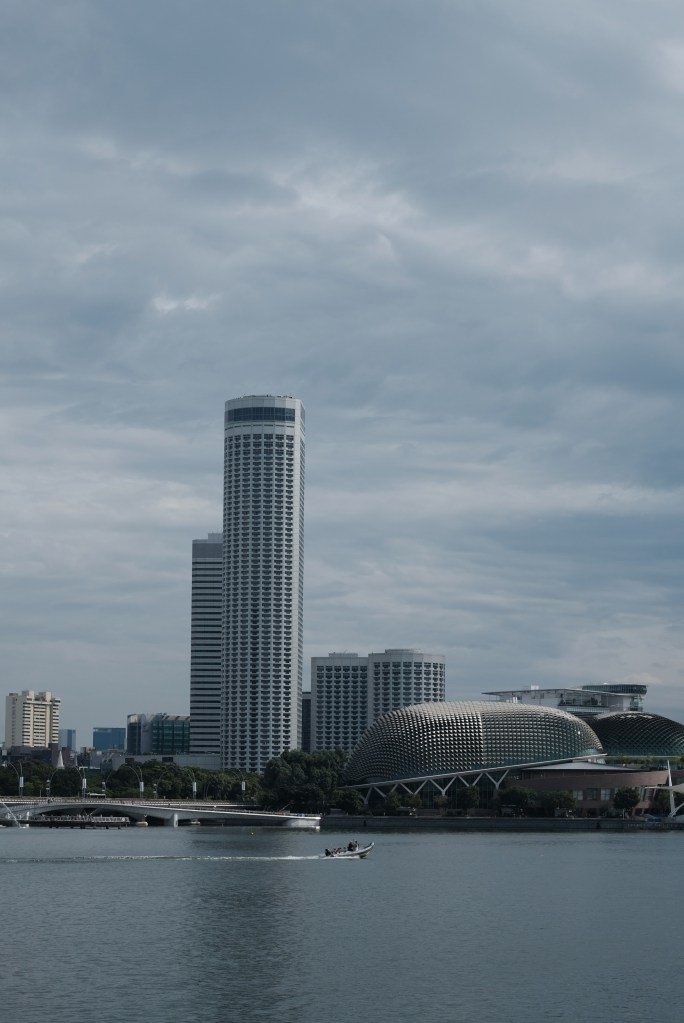
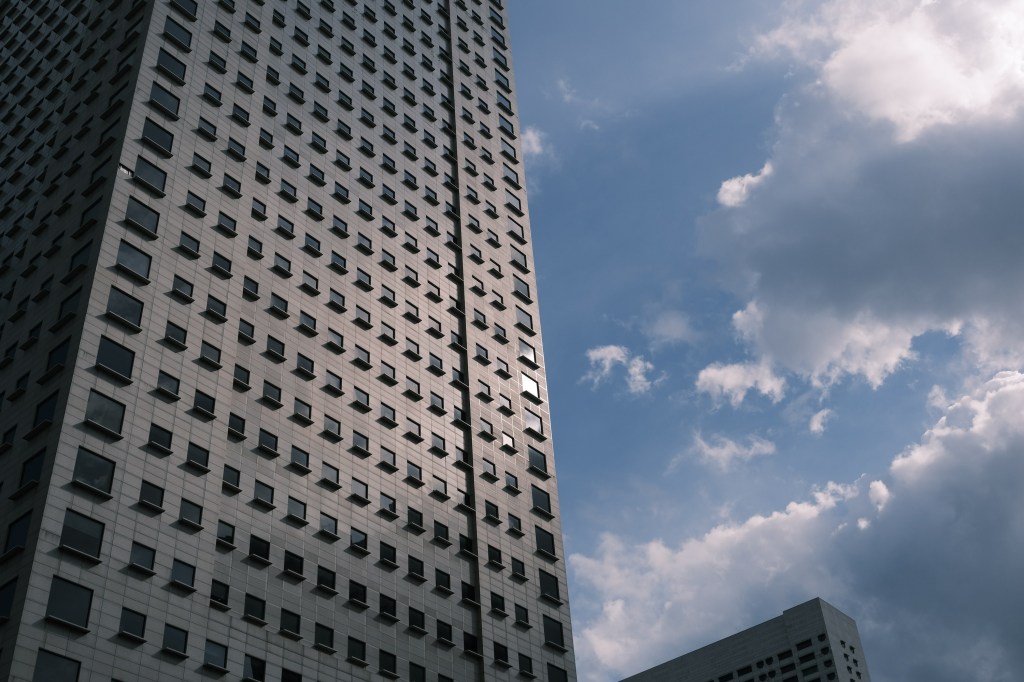
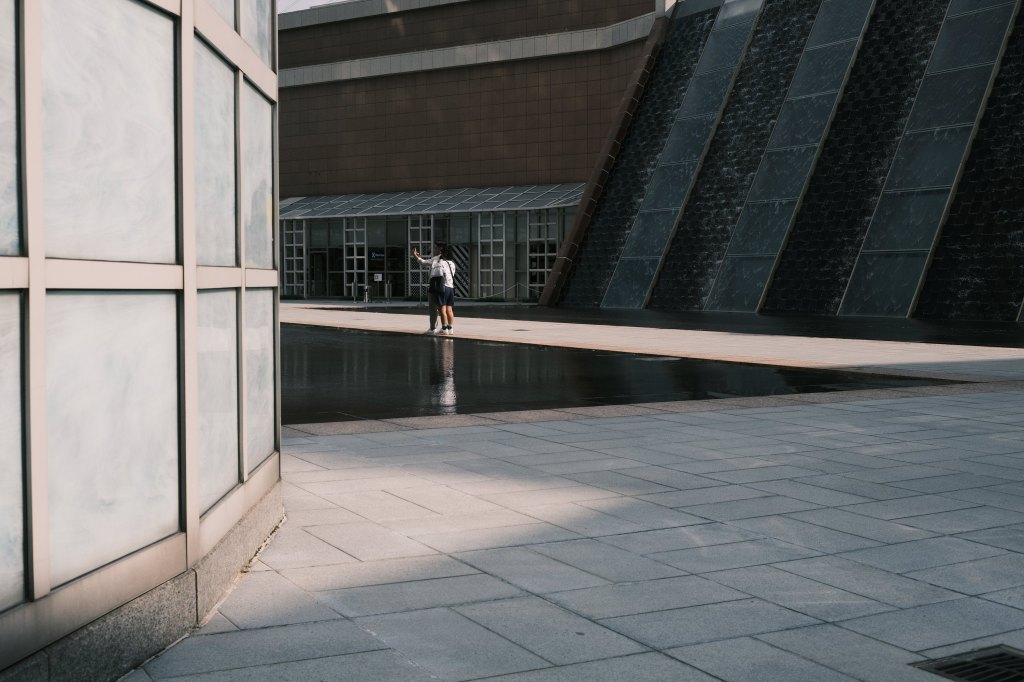
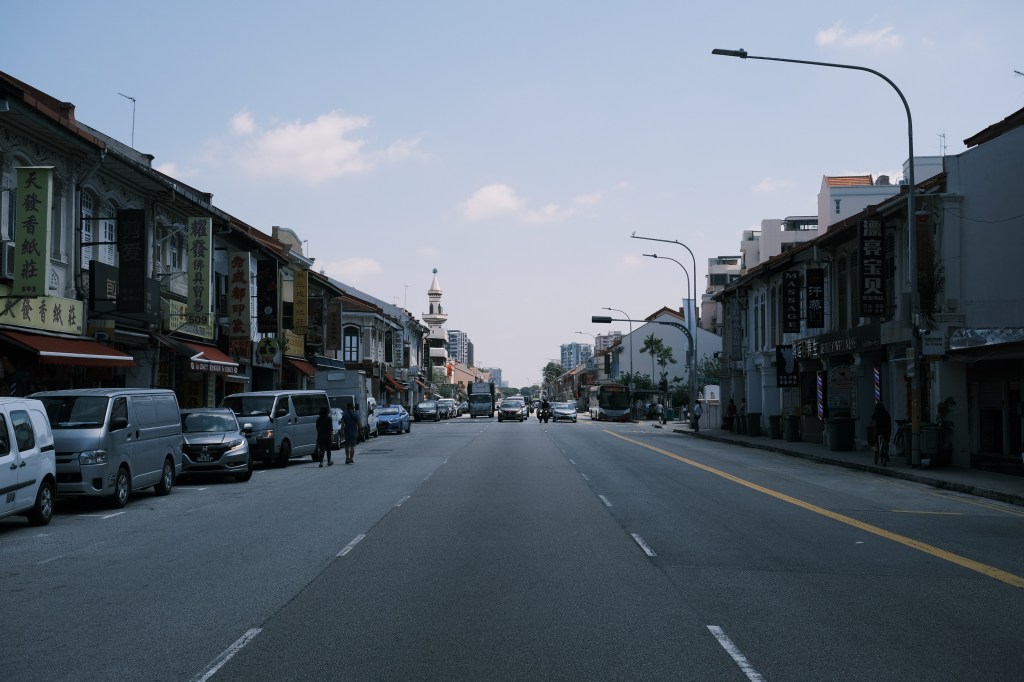
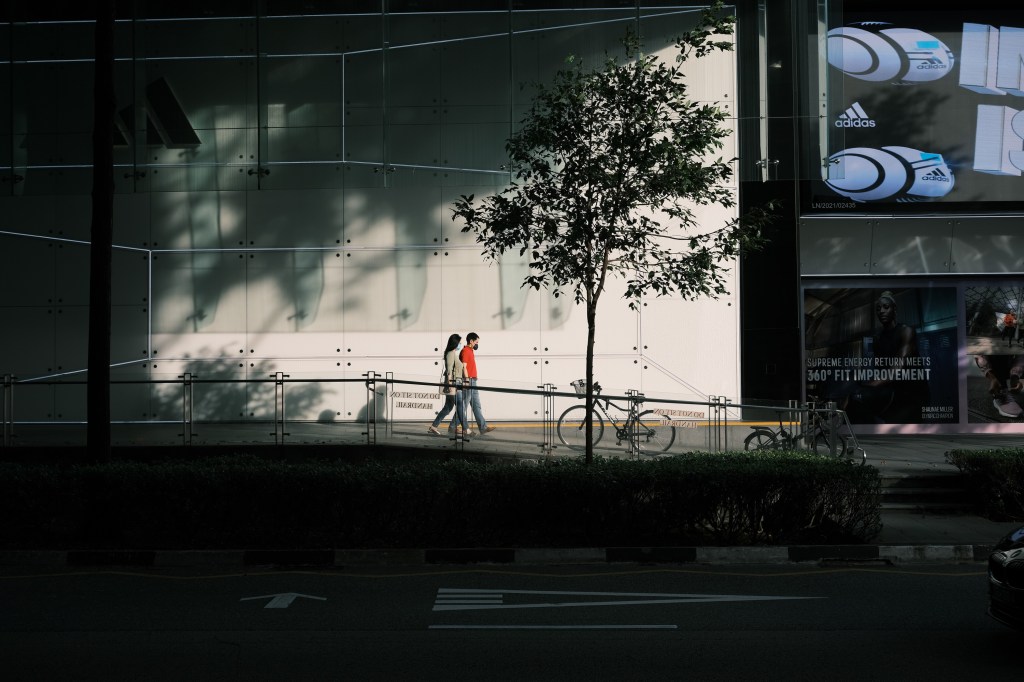
Because it has such great versatility, it can be used for almost anything from streets, editorial, documentaries, landscapes, cityscapes, product shots, and even portraits.

Fuji X-S10 . Fuji XF18-120mm @ 32.3mm . f4 . 1/105″ . ISO 160 . Classic Neg
Fuji X-S10 . Fuji XF18-120mm @ 120mm . f4 . 1/600″ . ISO 160 . Classic Neg

For photographers who do videography occasionally, I also think this is a good piece of glass to have.

Thank you for reading.

Disclaimer:
1. All the shots taken here are shot by me.
2. Some of the shots
 are straight out of the camera while others are edited via In-Camera Raw Processing and Capture One.
3. The opinions are based on my experience. If there is any mistake, please kindly drop me a message and I will gladly make the amendment.
4. I reserve ownership of these images, if you wish to use my images, please notify me.

If you like my works, please follow me on either one of the 2 Instagram accounts:

https://www.instagram.com/alwinkok_

https://www.instagram.com/alwin.portraits

If you like my content and you want to show some support, you can buy me a coffee here.

Discussion

Is X-H2S Priced Right?

X-summit Omiya 2022 has come and gone. It was an announcement of something we have expected and something that we are unexpected.

Thanks to the hints from the previous X-summit and rumors websites, we are pretty much prepared for gears such as X-H2S, XF18-120mm, and XF150-600mm to be announced in this X-summit and truly, they did. Under development XF56mm f1.2 MK II was also finally announced on stage. The statement was sort of confirming what the rumors websites had been suggesting. Of course, I am excited about this piece of the announcement and I can’t wait to get the lens in my hand.

The unexpected announcement, at least to me, is the XF8mm f3.5 and XF30mm f2.8 macro. Fuji hits 2 of my favorites spots; ultra-wide lens and macro lens. I think I will own them some days but I guess I have to prioritize my wishlist first.

*In case you wonder, I am not a G.A.S person and I am not the person who love to buy and sell gears.

Back to the topic, after the price of the X-H2S was announced. A lot of comments flooding the online community. The comments that caught my eyes the most are “X-H2S priced evenly to Canon R6 and Sony A7 IV. Is the price worth it? For this price, I rather go for full-frame.” And many similar statements were made.

Well, if you want to make a comparison, there is no end to comparing this and that. People will always find justification to uphold their judgment. Of course, there is no right or wrong. It is just an individual opinion.

I bring back the comparison on pricing earlier: as Fujifilm indicated that X-H2S is a flagship camera model, so technically we should compare X-H2S with all other flagship models such as Canon R3, Sony A1, Nikon Z9, and OM System OM-1. What is common they all have are stacked BSI sensors. Instead, the comments suggest comparing X-H2S with A7 IV and R6, just because they are in the same price bracket. So is that a fair comparison?

Oftentimes, people might be forgotten to weigh the overall “price” to pay. Because when you are buying a camera, you are buying the ecosystem of that system which includes lenses and accessories. So depending on individual needs, the overall “price” to pay for brand “A” ecosystem might be even more expensive than that of brand “B”. So as a smart consumer/prosumer/professional, I believe one knows how to weigh it. Unless one is too loaded and spending one after another ecosystem means nothing much in his bank, I think you can ignore my statement.

I shall end here and I believe you can understand my point here. Of course, I can further make many comparisons here and there but I cannot find the justification for doing so. Like I mentioned early, there is no end in comparison. My philosophy is simple, buy an ecosystem that can make you go out and enjoy shooting with it.

All in all, I have to highlight that I am not against other camera formats. Rather this is my personal view/opinion on the term “comparision”. Again, is X-H2S priced right?

Reviews

Sigma 56mm f1.4 – The Most Compact Portrait Lens

Before I start with this experience sharing post, I would like to thank and appreciate Mr Lawson from Sigma Marketing (Singapore) for providing me with the loan of Sigma 56mm f1.4 Contemporary DC DN.

Sigma 56mm f1.4 Contemporary DC DN

Intro

Fujifilm has never lacked of lens choices for portrait shooters to choose from. And there are even massive options available from the 3rd party manual lens manufacturers but not so much for autofocus lenses. I think this is the right time for Sigma to jump into the Fuji X-mount bandwagon with its trio lenses, especially the 56mm f1.4.

Sigma 56mm f1.4 Contemporary DC DN
Sigma 56mm f1.4 Contemporary DC DN with 2 XF 27mm f2.8 WR

56mm (85mm in 35mm format equivalent) is one of the popular focal lengths among portrait lovers. That’s because the mid-tele focal length gives good compression and shallow depth of field. But before going down further. I have to confess that I do not own the XF 56mm f1.2 or any 3rd party autofocus lenses of the same focal length. Hence, I am unable to make a good comparison between them. But what I can do is share my experience using this lens with the readers and hope the readers will have a good perspective of this lens.

Fuji X-T3 . Sigma 56 mm f1.4 @ 56mm . f4 . 1/80″ . ISO 400. Classic Chrome

I have reviewed the Sigma 16mm f1.4 and Sigma 30mm f1.4 and now the Sigma 56mm f1.4 Contemporary DC DN is on the table. This is the last piece of the trio prime lenses and let’s see how good the lens performance is.

Design & Build Quality

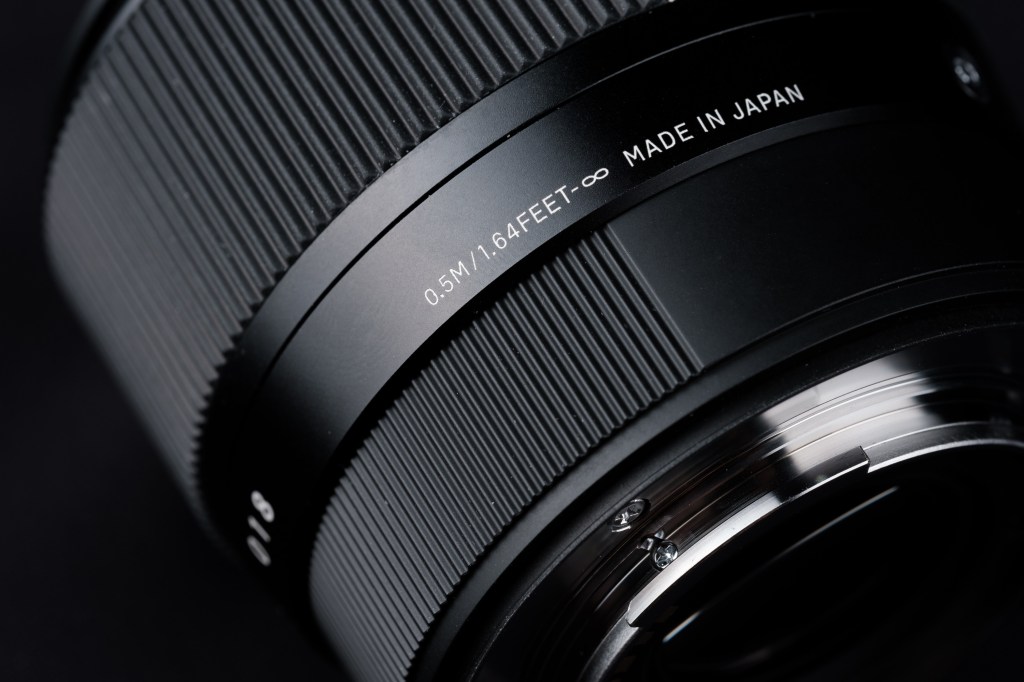
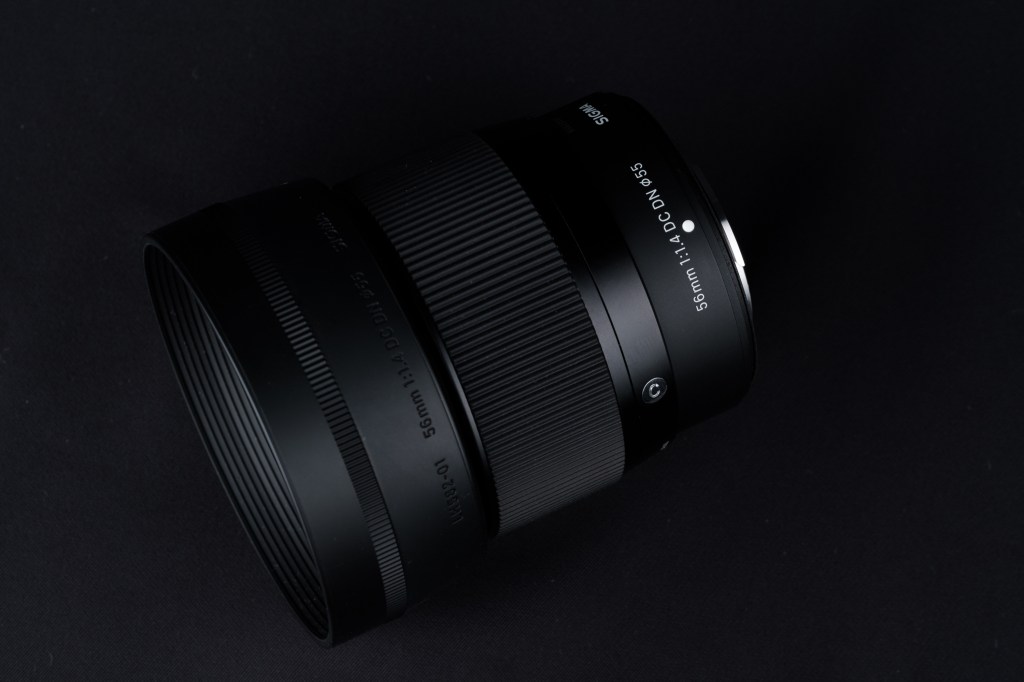
The lens built shared the same design elements as its brothers, giving us a low key minimalistic look. I get more enjoyment with the looks, especially the black labelled wordings on it. Similarly, this lens is also made of “Thermally Stable Composite” (TSC) polycarbonate material. Overall, it provides a very well-built lens body that is easy and lightweight to hold. Something to note, the lens does attract some fingerprints on the glossy material. Although it can be easily wiped off with a piece of cloth, it can be a little annoying and hard not to notice it.

In my opinion, when I talked about the compact lens, a reasonably small filter thread size and weight are part of the elements. This lens comes with a 55mm filter thread and weighs only 280 grams. So I think this lens qualifies as a compact lens.

Likewise, this lens is also equipped with dust and splash resistant sealing that helps to protect the lens from certain weather/environmental conditions. Last but not least, it does not come with an aperture ring either.

Image Quality

According to Sigma Marketing, each and every part of this lens was designed in 2018 (except the mount). Fast forward to 2022, how does the optical quality perform in real-world situations? If you read about how well the Sigma 30mm performed, then you can conceivably conclude that this is as good as that piece of glass or possibly even better. At wide open, the sharpness, details and contrast produced by this lens are comfortably good for my liking.

Fuji X-T3 . Sigma 56 mm f1.4 @ 56mm . f1.4 . 1/4000″ . ISO 320 . Classic Chrome

I do observe some mild vignetting when I shoot at f1.4 but I think that is acceptable. If vignetting is a problem, you can either stop down to lower aperture or remove it via post-processing. As for the chromatic aberration, I do not think I observe any or I barely notice it during my tests. I think Sigma engineers are really doing a great job in this department.

For the sunny star result, the shot taken at f8 produces a softer and less rounded result. Contrastingly, the result looks sharper at f16 and more pronounced than that of f8.

Fuji X-T3 . Sigma 56 mm f1.4 @ 56mm . f1.4 . 1/17,000″ . ISO 320 . Classic Chrome

For a portrait lens, what a photographer wants from a portrait lens is bokeh. Who doesn’t love beautiful bokeh? This lens probably does not produce the best bokeh but rather a pretty decent and comfortable to the eyes. Although the bokeh ball is lemon-shaped like at wide open, it does not distract me from looking at the main subject.

Fuji X-T3 . Sigma 56 mm f1.4 @ 56mm . f8 . 1/125″ . ISO 160 . Post-edited

Focusing

Thanks to the stepping motor, the focusing experience is a great one. It is silent, fast and *accurate. I cannot hear a single motor sound produced by the stepping motor while I am focusing. Apparently, my shutter is louder.

Fuji X-E3 . Sigma 56 mm f1.4 @ 56mm . f1.4 . 1/11,000″ . ISO 400 . Classic Chrome

Unlike its brothers, this lens does not inherit the focusing accuracy issue. On the flip side, I do encounter some rare auto-focus hunting at times. It does not matter whether I used it during the day or night, indoor or outdoor. While I tried to replicate the focus hunting issue right from the moment I experienced it, I failed. The lens somehow just does not has this hurdle anymore.

Fuji X-T3 . Sigma 56 mm f1.4 @ 56mm . f1.4 . 1/1800″ . ISO 320 . Classic Chrome
Fuji X-E3 . Sigma 56 mm f1.4 @ 56mm . f1.4 . 1/5000″ . ISO 400 . Classic Chrome

But do not worry about it. As I understand from Sigma Marketing, their team is constantly updating their lenses to improve the focus quality and accuracy.

Minimum Focus Distance (MFD)

This lens’ MFD is at 50cm. For a glimpse comparison, XF56mm f1.2 is 70cm, XF50mm f2 is 39cm and the XF50mm f1 is also 70cm.

Fuji X-T3 . Sigma 56 mm f1.4 @ 56mm . f1.4 . 1/125″ . ISO 160 . Classic Chrome
Fuji X-E3 . Sigma 56mm f1.4 @ 56mm . f1.4 . 1/10,000″ . ISO 200 . Classic Chrome

While it is not as close as the XF50mm f2, it is definitely better than the other 2 Fuji lenses have to offer. Does MFD matter? In my case, the answer is yes. It allows me to have a shallower depth of field between the subject and the background.

Certain lenses have some level of softness when you shoot at wide-open and at MFD. Fortunately, this lens is otherwise, it is surprisingly sharp & usable. I actually like how it renders and it does not have very harsh bokeh results.

Price Point

Okay, this is “straightforward” and also “challenging” at the same time.

Let’s talk about “straightforward” first, if you are on a budget and compare it with the XF50mm f2 (*SRP SGD749, USD449). I think the Sigma 56mm (SRP SGD688, USD479) is pretty worth it. Hear me out. While you sacrifice the weather resistance that Fuji 50mm f2 offers, you have one full stop of light at your disposal. It is always an advantage when you have that extra stop of light, it will come in handy when you need it. More light is a higher priority in my case.

Fuji X-T3 . Sigma 56 mm f1.4 @ 56mm . f8 . 1/300″ . ISO 320 . Classic Chrome

Here comes the challenging part, Sigma is actually priced right between another 2 third party manufacturers, Viltrox and Tokina. I believe you know which one costs higher and which one is more pocket friendly. I cannot speak on behalf of these 2 manufacturers about their portrait lenses because I did not try them out before. What I searched online is that they shared some similarities (with a little 10% difference) like weight, filter size and MFD. I think it is best for you to visit your local stores to have some hands-on experience with these 3 lenses.

Fuji X-T3 . Sigma 56 mm f1.4 @ 56mm . f1.4 . 1/680″ . ISO 320 . Post-edited

*SRP – Suggested Retail Price

Conclusion

This is a decent portrait lens for its price and compactness. In these few weeks of hands-on, I enjoy shooting with this lens a lot. I mean, I actually used it for street photography and cityscape besides shooting portraits. It gives me a new perspective and sees things differently from my usual 23mm and 35mm focal length.

The optical quality does not tell this lens is actually designed in 2018 and the results are truly usable and sharp and contrast at wide open. In short, Sigma delivers great results in its “Contemporary” series. I am actually excited and looking forward to that one day when Sigma updates its “Contemporary” lenses and distinguishes itself among the third party manufacturers.

Who is this for?

For photographers who are just picking up and want a portrait lens with a modest budget, this might be a wise choice for you. This lens gives you an extra stop of light as compared to XF50mm f2 and is more economical than XF56mm f1.2. It really strikes a good balance in terms of price and performance while minimising the compromise that it has.

Fuji X-T3 . Sigma 56 mm f1.4 @ 56mm . f1.4 . 1/125″ . ISO 320 . post-edited
Fuji X-T3 . Sigma 56 mm f1.4 @ 56mm . f1.4 . 1/220″ . ISO 320 . Post-edited

For street photographers who love to shoot at a distance away from the subject, this is also a good choice but, of course, it does not have as much flexibility as the Sigma 30mm has.

Thank you for reading.

Disclaimer:
1. The lens is a loan unit from Mr. Lawson from Sigma Marketing (Singapore). By the time this review was online, the lens had returned back to Sigma Marketing (Singapore).

2. The lens firmware that I am using is version 1.00.
3. Some of the shots are straight out of the camera while others are edited via In-Camera Raw Processing and Adobe Lightroom Classic & Capture One.

4. The opinions are based on my experience. If there is any mistake, please kindly drop me a message and I will gladly make the amendment.
5. All the shots taken here are shot by me. I reserve ownership of these images, if you wish to use my images, please notify me.

If you like my works, please follow me on either one of the 2 Instagram accounts:

http://www.instagram.com/alwinkok_

http://www.instagram.com/alwin.portraits

If you like my content and you want to show some support, you can buy me a coffee here.

Discussion

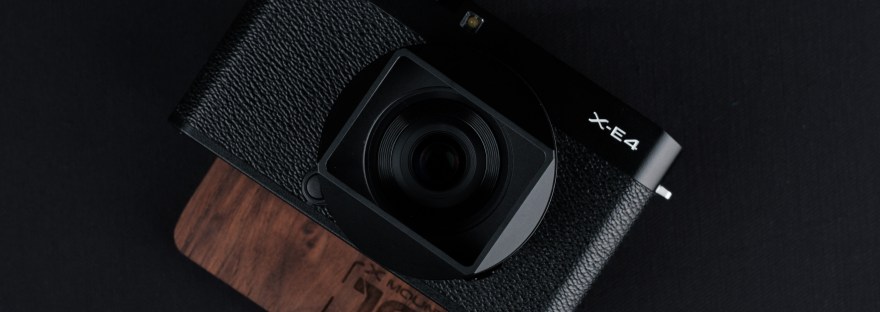
X-E4: Minimalism = Limitation?

Fuji X-E4 . XF27mm f2.8 WR

Is minimalism equal to limitation? In a way, yes. Minimalism is by keeping things as simple as possible, limited yet still functioning as what it suppose to be. In this case, X-E4 has done it and did it right. It has the most minimalistic design Fujifilm has ever created. The design is a bold move. Fujifilm removes some of the hardware functions but still allows photographers to access them when needed via the “Q” menu, setting up the “My Menu” or mapping it to other buttons or dials. While I am not sure by removing the grip from the camera body is a wise choice but honestly speaking, the camera is aesthetically beautiful.

Fuji X-E4 . XF27mm f2.8 WR

X-E4 is not designed in such a way that it will please everyone but rather, it does attract a niche group of people who adore simplicity. In other words, this camera is what represents the life of how the photographer live in. At least I am.

Fuji X-E4 . XF27mm f2.8 WR

A little bit of history here. X-E4 was announced on 27 January 2021 and released a month later. And my first ever review post was actually about this camera together with the XF27mm f2.8. (The review can be found here.)

I love all the camera designs from Fujifilm, especially the X-Pro series but the X-E series still has a special place in my heart. I cannot explain specifically why I love this series so much. But I think a combination of aesthetic, compact and retro-style designs are probably the reasons.

Fuji X-E4 . XF27mm f2.8 WR

Another short history here. I pick up my first X-E series (X-E3) back in 2019. It is a preloved unit but the overall condition is not heavily abused. It’s a simple camera that somehow I love using for my street shutter therapy more than my X-T3. It’s light, compact and less prominent among other camera designs. It does not look like a professional camera but in its gut, it is capable to meet my needs. X-E4, in my opinion, improves way better than its predecessor in many ways.

Back to X-E4. So how do I overcome the limitations of this camera? Well, I just simply preset the desired ISO auto setting (maximum ISO sensitivity and minimum shutter speed) and that’s all. Most of the functions that I need is actually available in the “Q” menu. Honestly, I rarely touch anything else besides the aperture value, exposure compensation value and of course the shutter button.

So who is this camera suitable for?

Besides people who love simplicity, in my opinion, this camera is very suitable for someone who is a retro-style enthusiastic, an everyday camera for casual photographers and of course a good pickup camera for amateurs. Why so? Firstly, it is not as expensive as its other brothers (i.e. X-Pro and X-T series). Secondly, it is equipped with the X-Trans IV sensor, which is a very capable sensor and also not forgetting that this sensor is also equipped in all its other brothers as well. Thirdly, it has a lot of compact lenses to pair up with (both Fujifilm and third parties manual lenses).

To end this, I have been using this camera for months. In these few months of using it, I get to understand what this camera design philosophy is. In my interpretation, the answer is very straightforward. Fujifilm wants to let the photographer concentrate on shooting, enjoy the process of shooting and leave everything else to the camera to handle it. I am glad that Fujifilm dares to design something different from its current line-up of cameras. And I hope this X-E4 will encourage more photographers to bring it out and capture the moments in them. After all, it’s a beauty to hang out with.

Fuji X-E4 . XF33mm f1.4
Fuji X-E4 . XF27mm f2.8

Disclaimer:
1. The camera is a loan unit from Mr. Keitaro So, Divisional Head of Fujifilm Asia Pacific. By the time this review is online, the units had returned back to Fujifilm Asia Pacific.

2. All the shots taken here are shot by me.
3. Some of the shots
 are straight out of the camera while others are edited via In-Camera Raw Processing and Adobe Lightroom Classic.
4. The opinions are based on my experience. If there is any mistake, please kindly drop me a message and I will gladly make the amendment.
5. I reserve ownership of these images, if you wish to use my images, please notify me.

Thank you for reading.

If you like my works, please follow me on either one of the 2 Instagram accounts:

https://www.instagram.com/alwinkok_

https://www.instagram.com/alwin.portraits

If you like my content and you want to show some support, you can buy me a coffee here.

Discussion

XF23mm f1.4 R – is the Classic still worth buying in 2022?

After three months of delay, the successor of the classic XF23mm f1.4 R has finally arrived on our shore this month. While the price of the newly launched lens is priced at USD 900, the predecessor is easily available between USD 600 to 700~ ish. Is it worth saving the $200 ~ $300 difference? In this post, I will share some of the experiences I had with both lenses and hope to help you in your own decision journey.

XF23mm f1.4 R
XF23mm f1.4 R
XF23mm f1.4 R

Before I start my sharing, I would like to thank Ivan Joshua Loh for lending me his XF23mm f1.4 R for a shoot. This has actually landed me an opportunity to have a full 2 days of hands-on with the classic lens.

Image Quality

The classic one gives an overall decent image quality all most focusing distance but I noticed soft results at its minimum focus distance. Chromatic aberration is also quite noticeable, especially in an outdoor sunny environment and shooting wide open. As for the new one, it produces sharper image quality and addresses those flaws that I mentioned earlier. The rendering of the bokeh also seems to be better than the classic one. More pleasant to the eyes if you ask me.

For the new F23mm f1.4 R LM WR, you can have a look at photos taken here and here.

Autofocus speed

This is a very subjective topic when comes to focusing performance. How fast or slow depends on how the individual defines it. Unfortunately, I have both the classic and new lenses mounted on different camera bodies (due to different loan periods) but the cameras are equipped with X-Trans 4 (if that is the concern). For reference, X-E4 is for the classic lens and X-S10 is for the new lens.

To my surprise, the classic one is not that slow with the newer camera. The focusing speed is acceptably fast and I do not really experience any slow-focusing or focus hunting under dim light conditions. However, it is surely noisy.

For the new lens, the focusing speed is indeed very fast and silent. It locks onto the subject really quick and precise.

Minimum Focus Distance

If you are like me who like to take as close up as possible, the classic is not for you. It’s minimum focus distance is at 28 cm as compared to 19cm on the new one.

Size and Weight

To be honest, they are somewhat close to each other. The overall size and weight is nothing much to shout about or compare. While one is slightly wider and shorter, the other is slightly taller and slimmer. Both are about the same weight and still bigger than the f2 variant.

Appearance

The classic one comes with the push/pull clutch manual focus ring. The aperture ring is close to clickless. Overall, the lens gives a very vintage style design element.

As for the new one, it is totally the opposite of the classic. Fujifilm has removed the push/pull clutch, gives the aperture ring better clicky feedback and modernize the overall lens design. Plus it includes the Weather Resistant (WR).

Conclusion

The successor iso truly the winner here. I can see how much effort Fujifilm has improved the lens in almost every aspect of the classic one.

Back to the question. Is it worth saving the $200 ~ $300 difference? Ideally, getting the latest glass is always the better choice. If you have no financial constraints, this is the way to go.

X-E4 . XF23mm f1.4 R @ F5.6

But if you are just picking up photography with a limited budget, I think there are a few more options besides getting the used XF23mm f1.4 R. I think starting off with 3rd party lenses from Sigma and Viltrox is also another good option (if you are willing to accept their strengths and drawbacks).

X-E4 . XF23mm f1.4 R @ F1.4

What is your opinion? Share with me in the comment below or DM me in instagrams. Cheers!

As for me, I have a lot of concerns when purchasing a used lens and that’s just my two cents. I am kind of biased to the successor and that’s because I started using the successor before using the classic lens. On that account, I have unconsciously set a high standard for image quality and I cannot turn it back. Yes, it is not a cheap lens but it is unarguably a futureproofing lens for the newer camera bodies which will harness the power of the lens.

X-E4 . XF23mm f1.4 R @ F1.4

Disclaimer:
1. All the shots taken here are shot by me.
2. Some of the shots
 are straight out of the camera while others are edited via In-Camera Raw Processing and Adobe Lightroom Classic.
3. The opinions are based on my experience. If there is any mistake, please kindly drop me a message and I will gladly make the amendment.
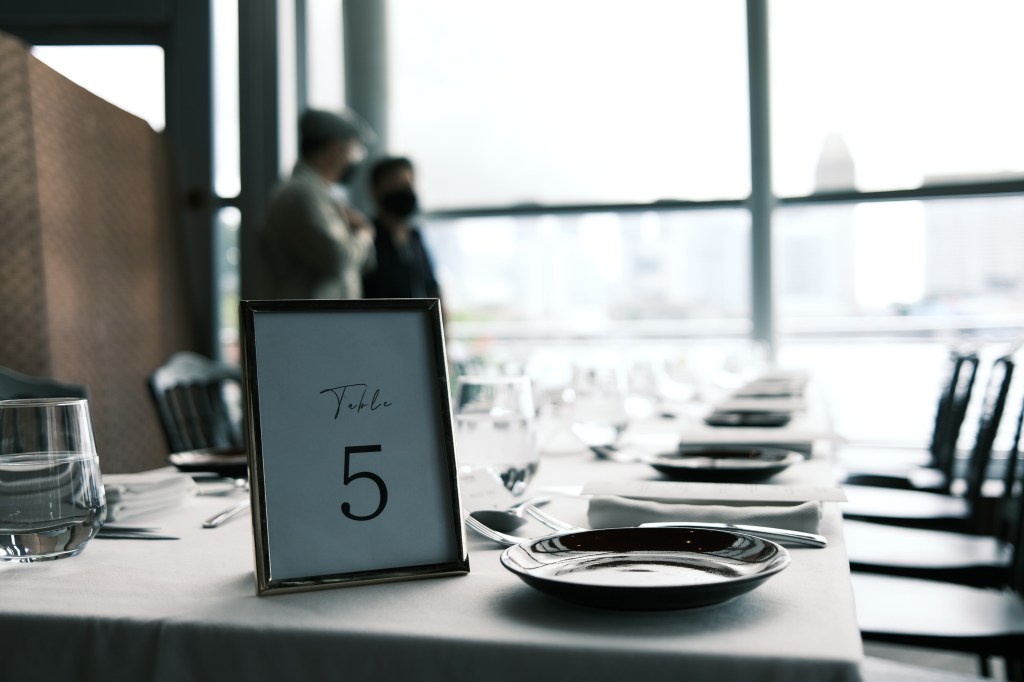
4. I reserve ownership of these images, if you wish to use my images, please notify me.

Thank you for reading.

If you like my works, please follow me on either one of the 2 Instagram accounts:

https://www.instagram.com/alwinkok_

https://www.instagram.com/alwin.portraits

If you like my content and you want to show some support, you can buy me a coffee here.

Discussion

My Top 12 Most Favorite Photos in 2021

2021 comes and goes. In this pandemic year, I have gained quite fruitful experiences. In this year, I have a total of 22 posts, 11 of them are reviews of camera gears and lenses. All thanks to the opportunities given by Mr. Keitaro So, Divisional Head of Fujifilm, and Cles Distribution of Tamron Singapore and Sony, Singapore. Without them, I won’t be able to share my opinions and having these opportunities to wander around Singapore to capture some of the photos that have become to be my favorite. And these are my 12 most favorite photos in 2021. (They are not listed in order.)

#12

Fuji X-S10 . Fuji XF18mm F1.4 R LM WR @27mm . f1.4 . 1/60” . ISO 640 . Classic Chrome

#11

Fuji X-T3 . XF70-300mm @ 127.1mm . F5.6 . 1/125″ . ISO 500 . Post-edit

#10

Fuji X-T3 . Fuji XF50mm F1 R WR @50mm . f1 . 1/550” . ISO 160 . Pos-edit.

#9

Fuji X-E4 . Fuji XF70-300mm F4-5.6 R LM OIS WR @300mm . f6.4 . 1/500” . ISO 320 . Classic Chrome

#8

Fuji X-Pro 1 . XF70-300mm F4-5.6 @300mm . f5.6 . 1/3200” . ISO 200 . Post-edit

#7

GFX 50SII . GF 32-64mm F4 @32mm . f8 . 1/100” . ISO 100

#6

GFX 50S II . GF 80mm F1.7 @ 80mm . f1.7 . 1/160″ . ISO 800 . Post-edit

#5

Fuji X-T3 . Tamron 18-300mm @ 34.5mm . f4 . 1/160″ . ISO 2500 . Classic Chrome

#4

Fuji X-Pro3 . Fuji 27mm F2.8 WR @27mm . f5.6 . 1/200” . ISO 320 . Classic Negative

#3

Fuji X-T3 . TTArtisan 23mm f1.4 @ 23mm . f1.4 . 1/5400 . ISO 160 . Post-edit

#2

Fuji X-T3 . Tamron 18-300mm @ 300mm . f6.3 . 1/75″ . ISO 400 . Classic Chrome

#1

Fuji X-S10 . XF 23mm F1.4 WR @ 23mm . f1.4 . 1/160″ . ISO 320 . Classic Neg

Is there any that you like? Let me know if you have one.

Disclaimer:
1. All the shots taken here are shot by me.
2. Some of the shots 
are slightly edited in Lightroom Classic to my preferences. Otherwise, the shots are straight out of the camera.
3. The opinions are based on my experience. If there is any mistake, please kindly drop me a message and I will gladly make the amendment.

4. I reserve ownership of these images, if you wish to use my images, please notify me

Thank you for reading.

If you like my works, please follow me on either one of the 2 Instagram accounts:

https://www.instagram.com/alwinkok_

https://www.instagram.com/alwin.portraits

If you like my content and you want to show some support, you can buy me a coffee here.

travel

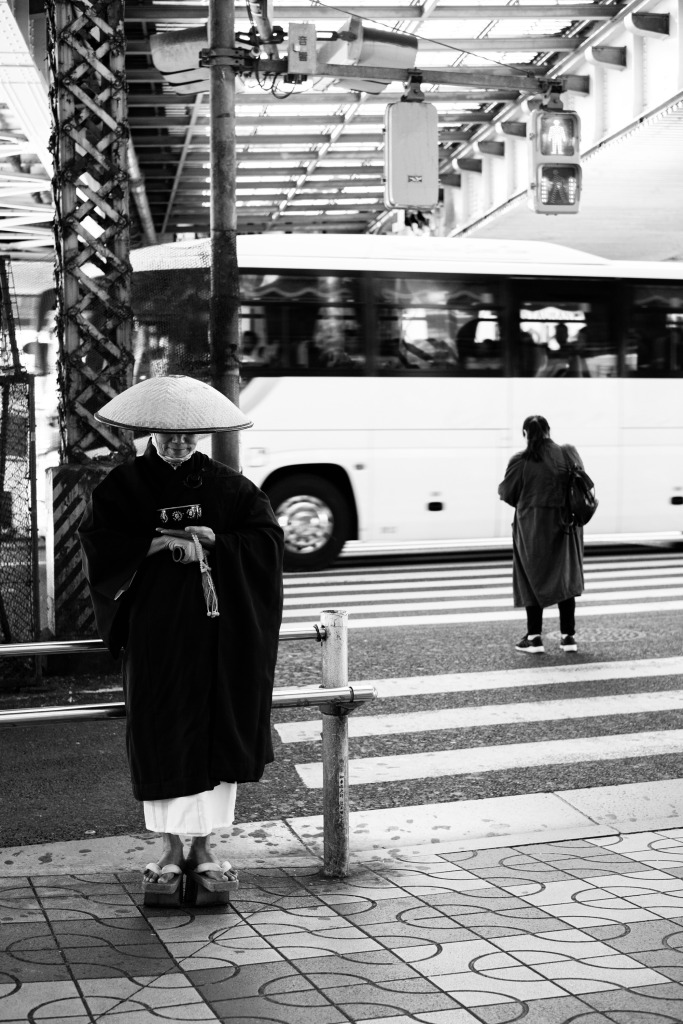
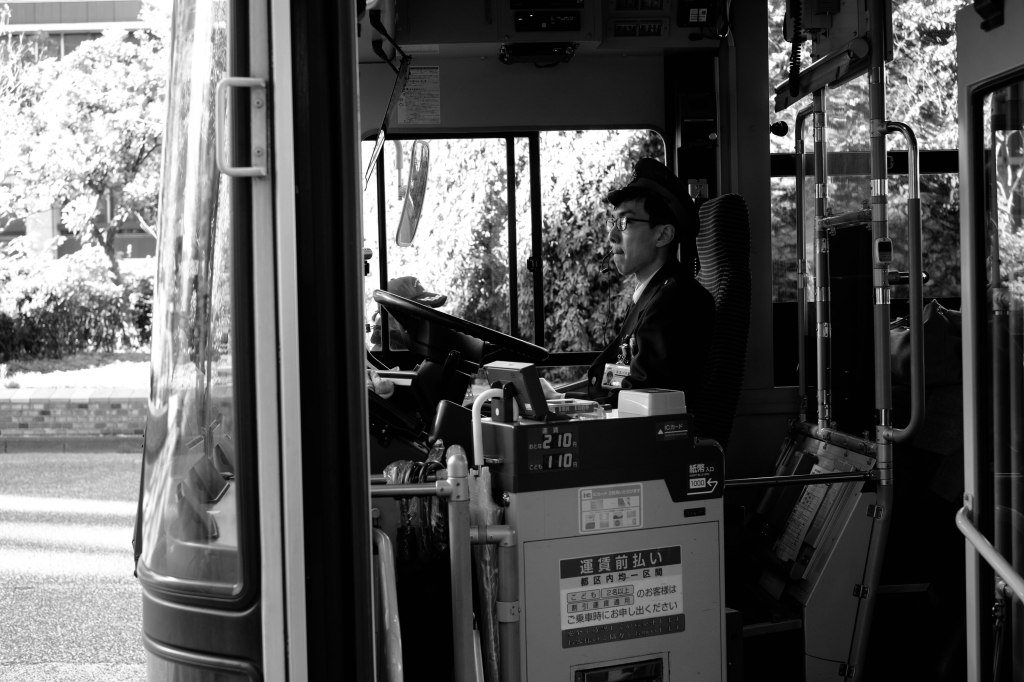
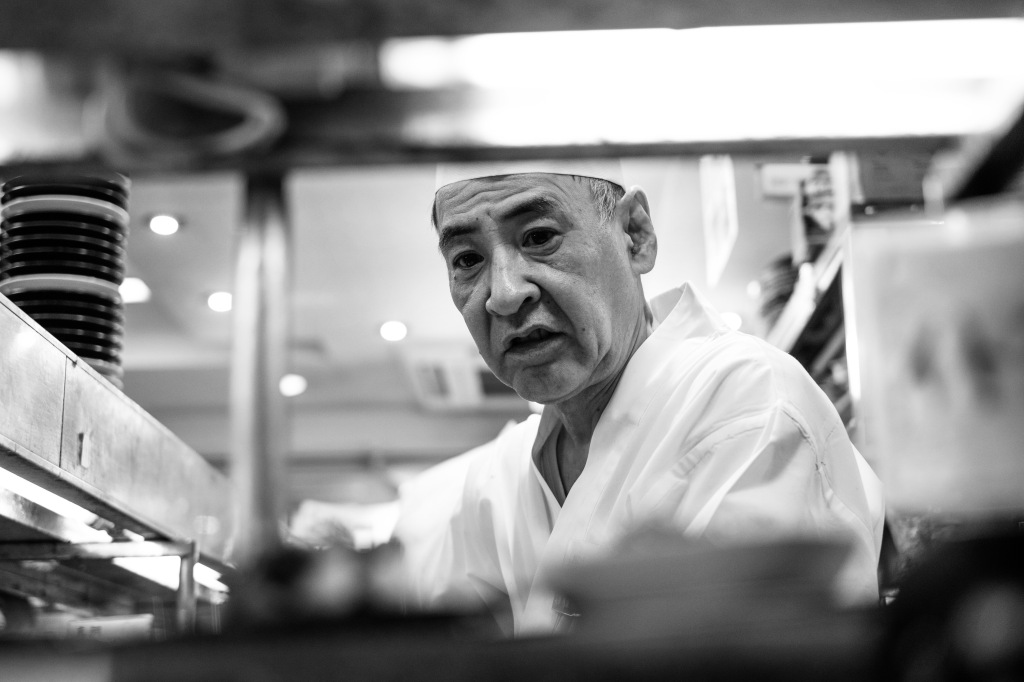
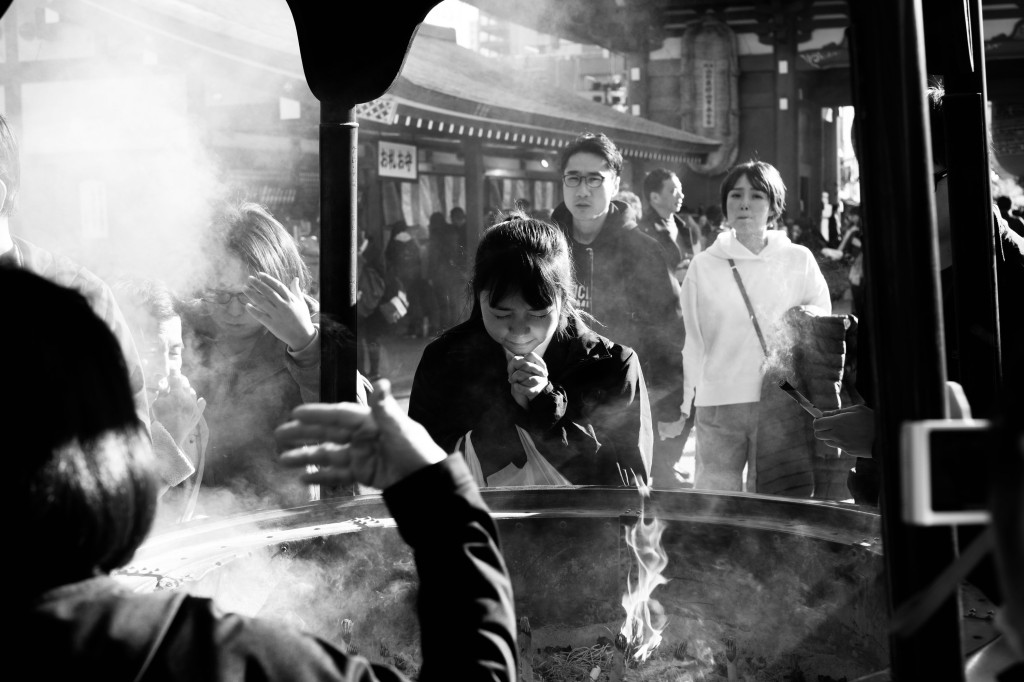
Looking back my Japan trip in monochrome

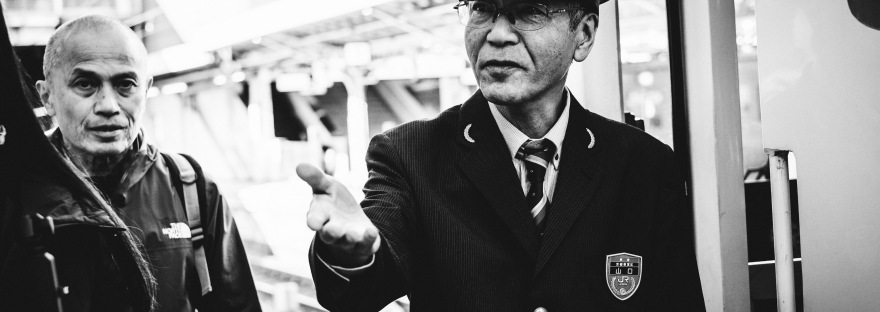
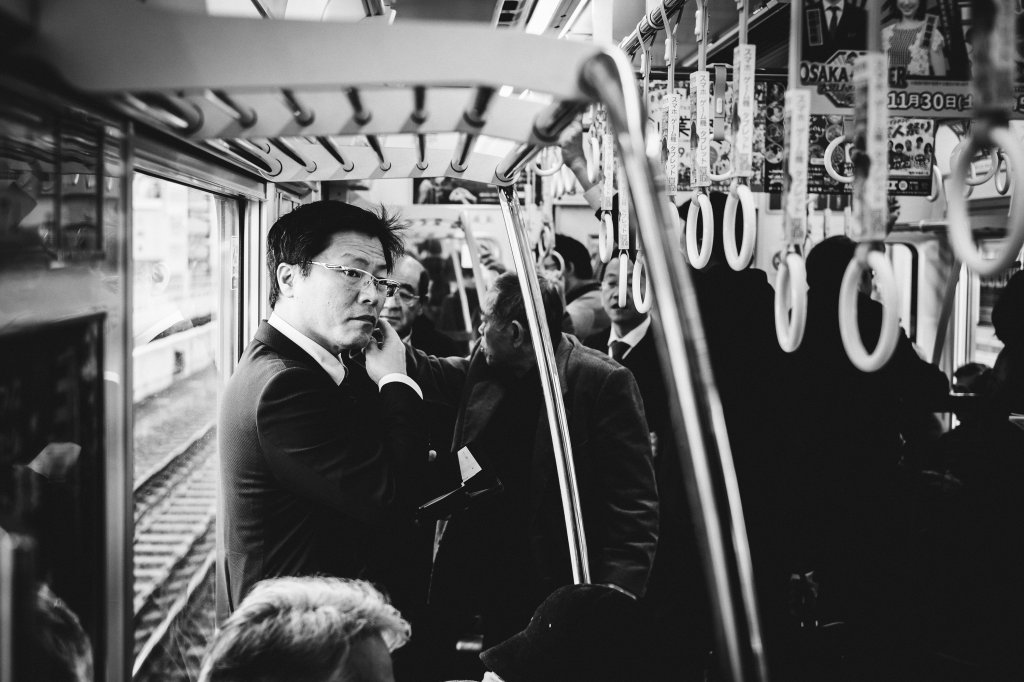
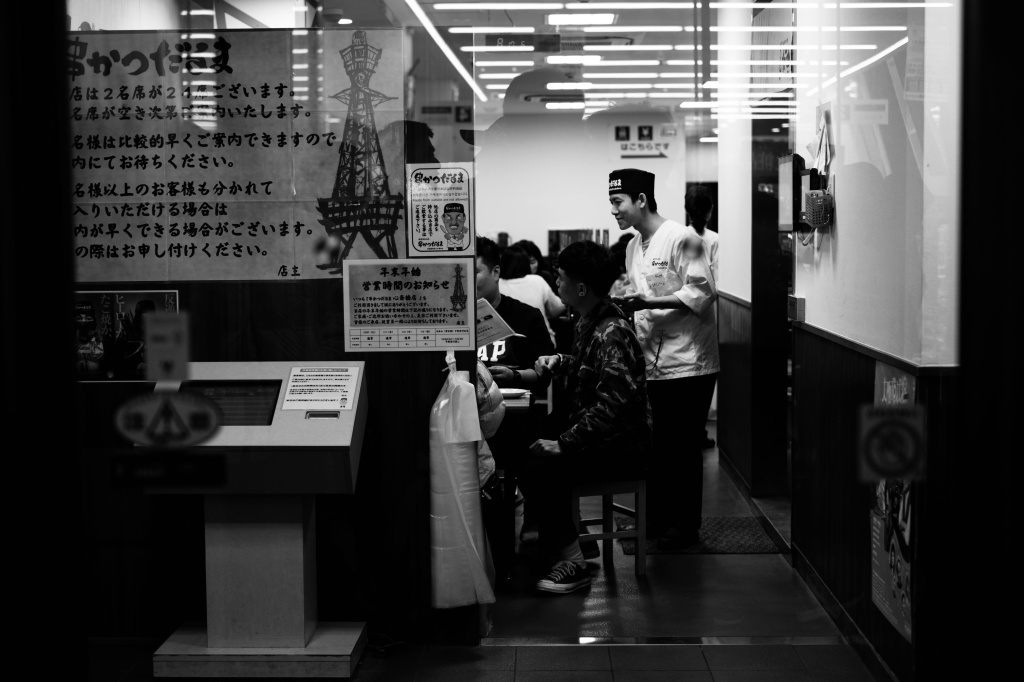
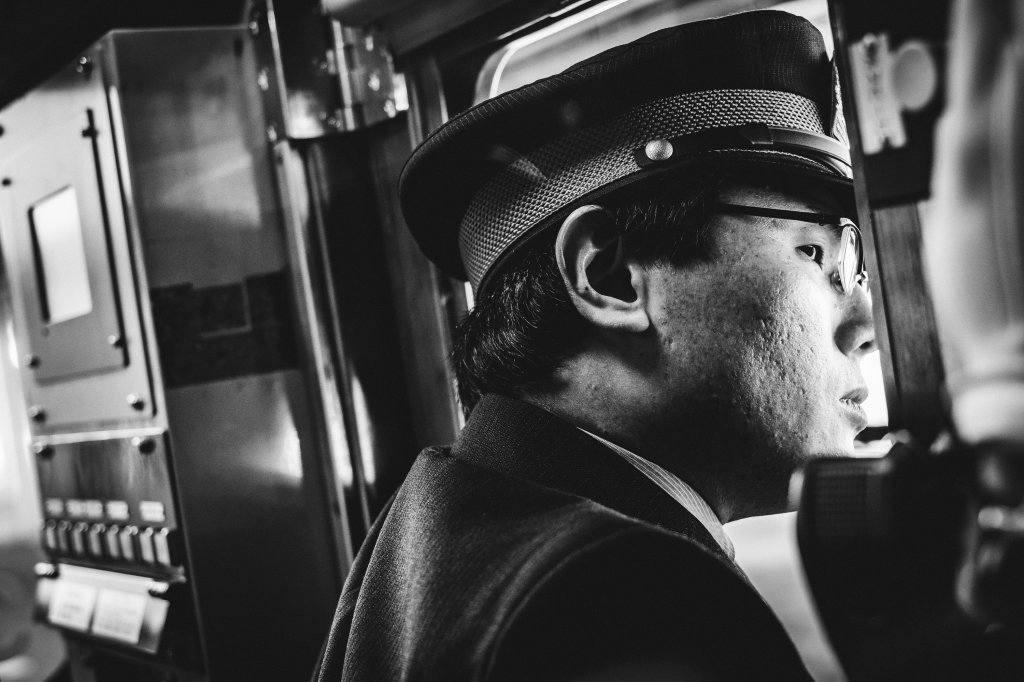
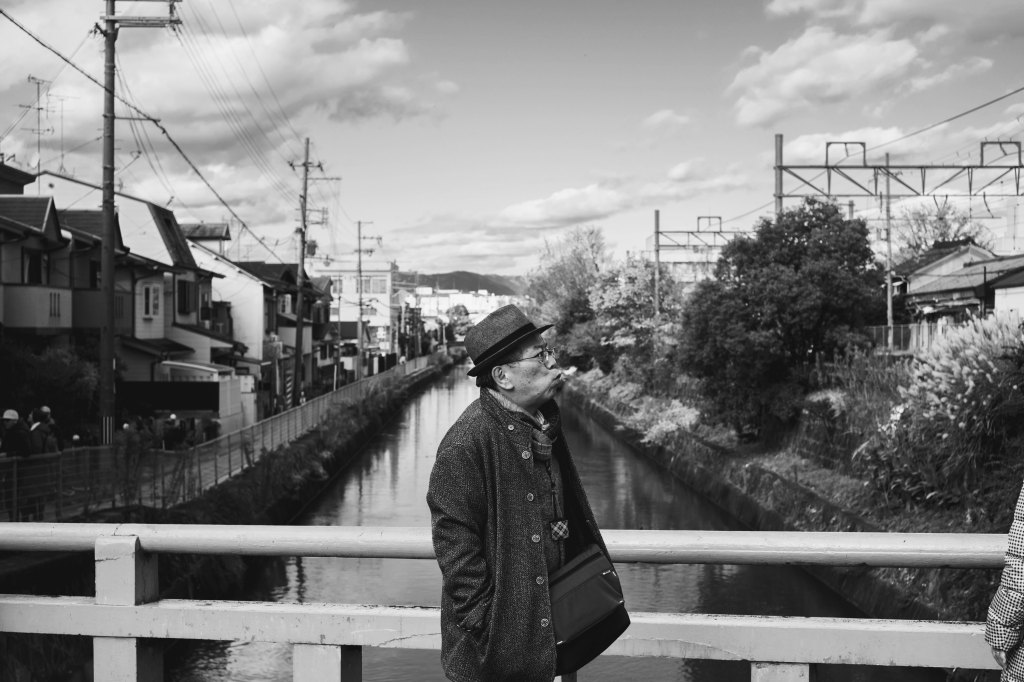
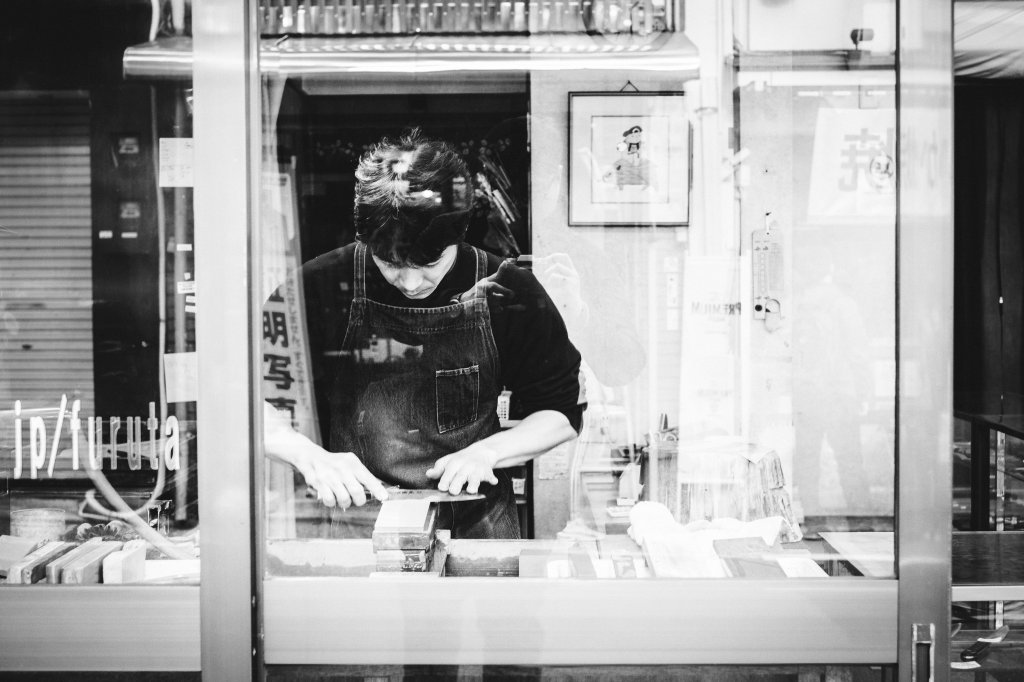
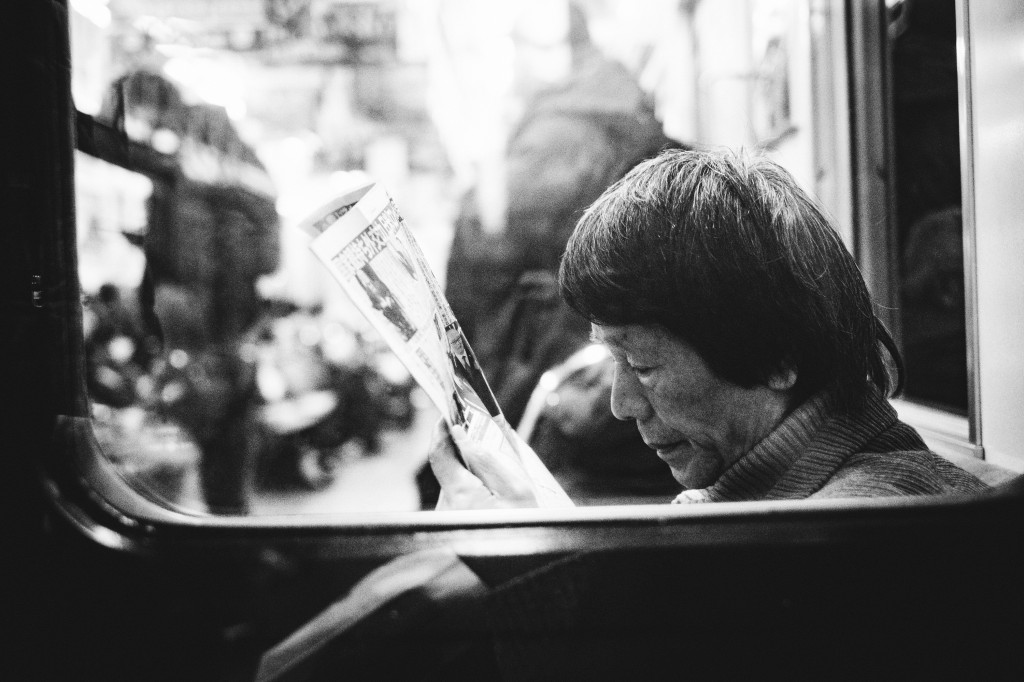
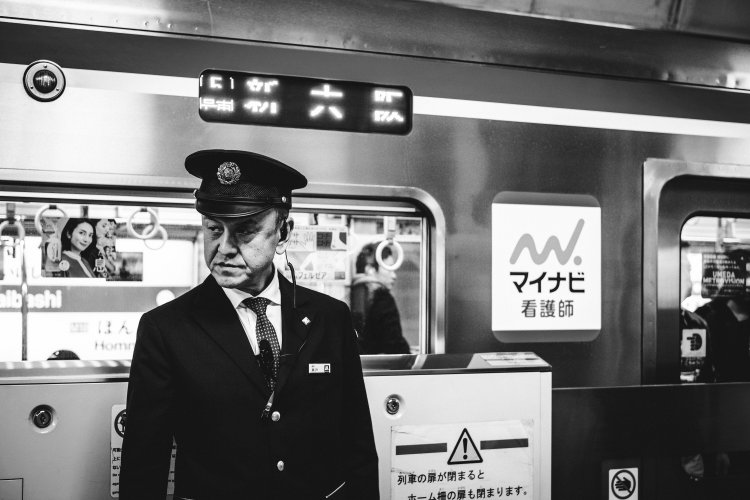
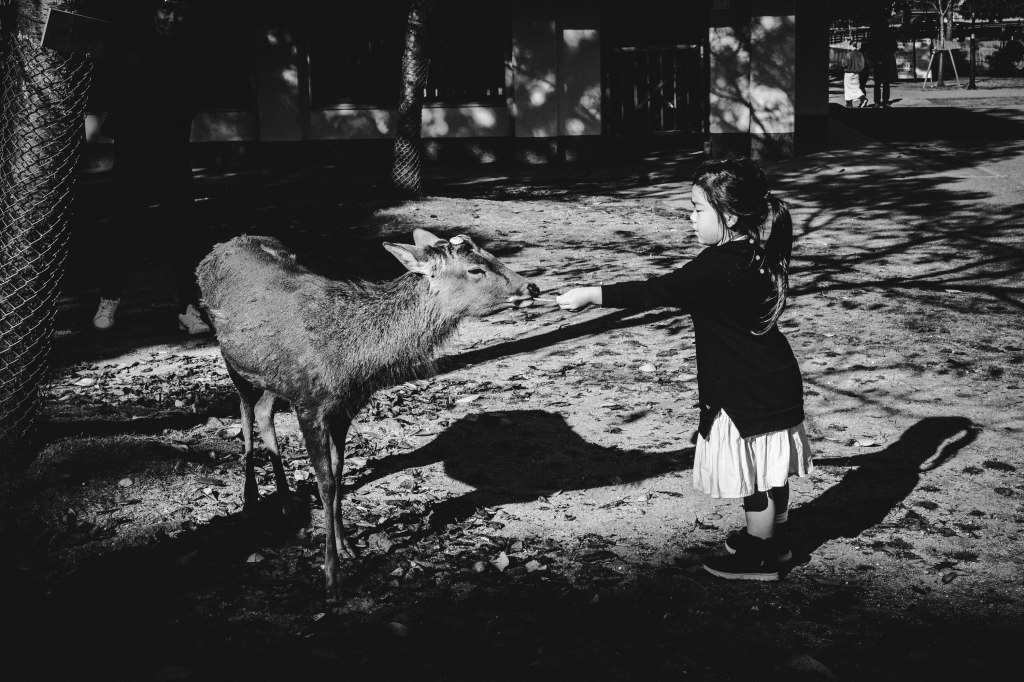
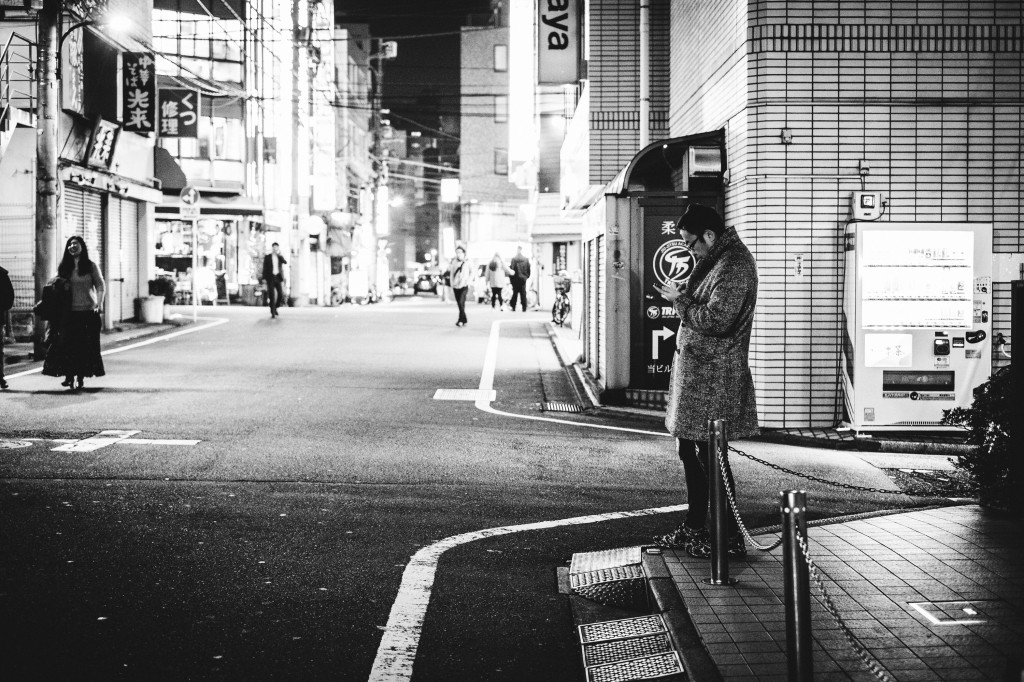
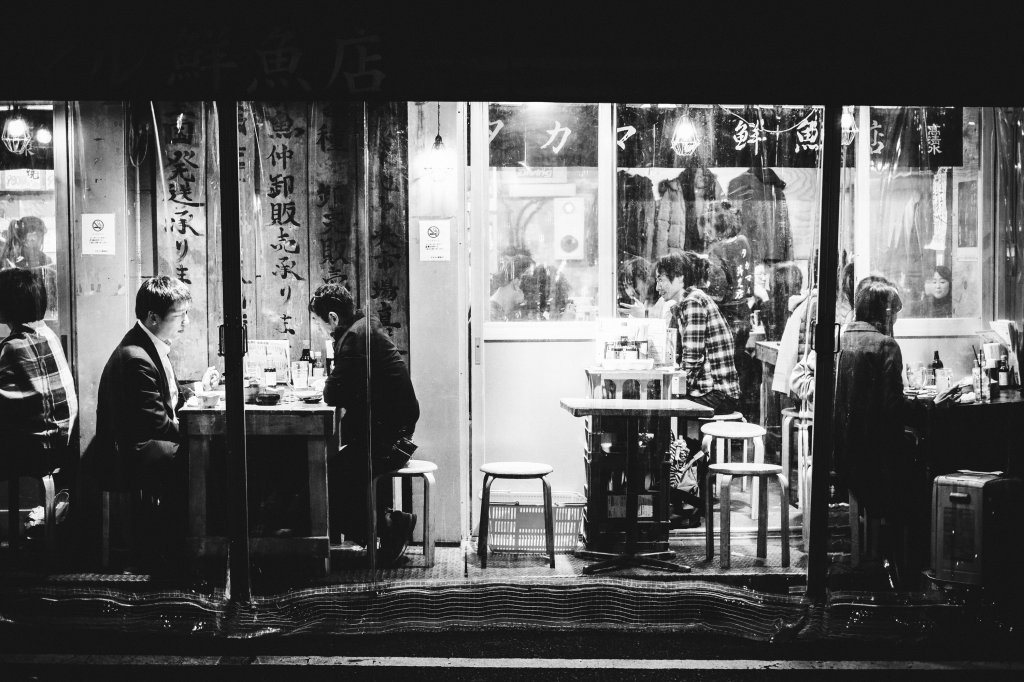
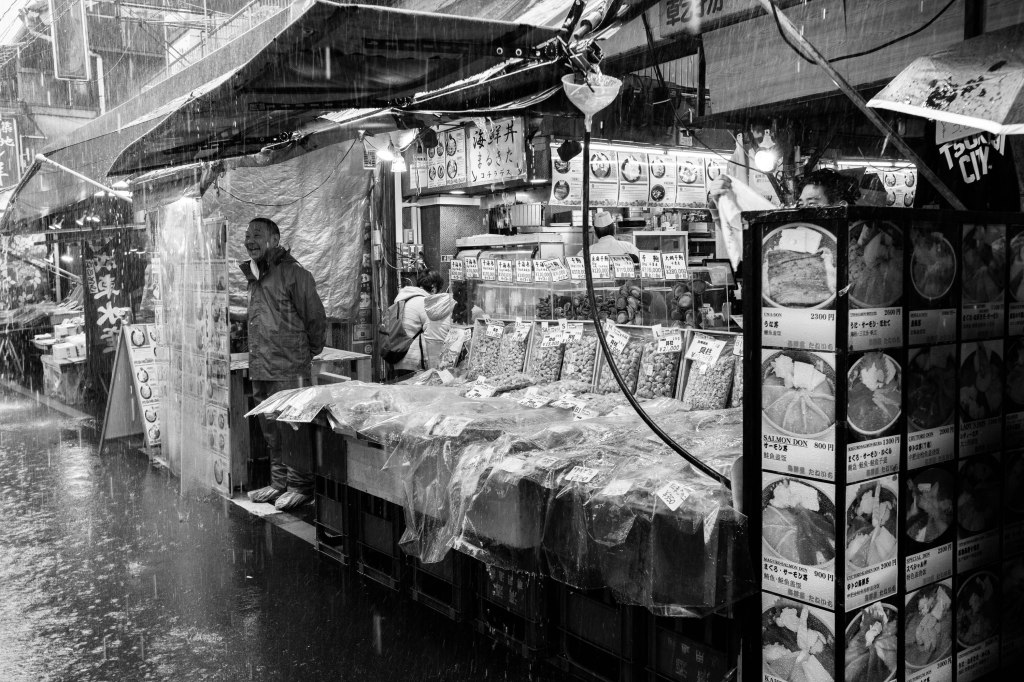
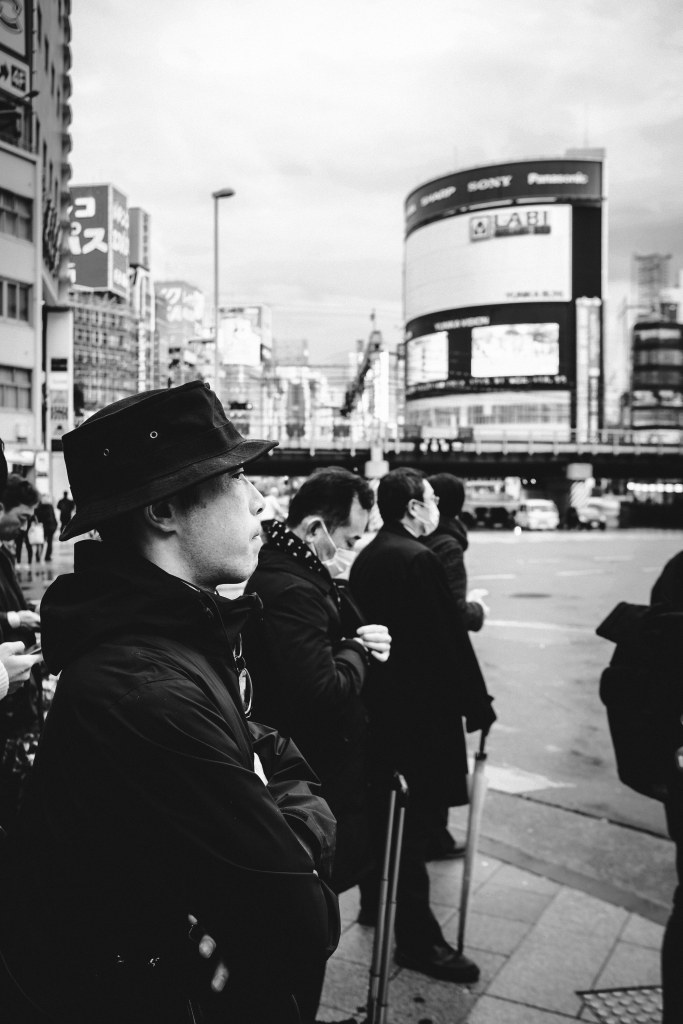
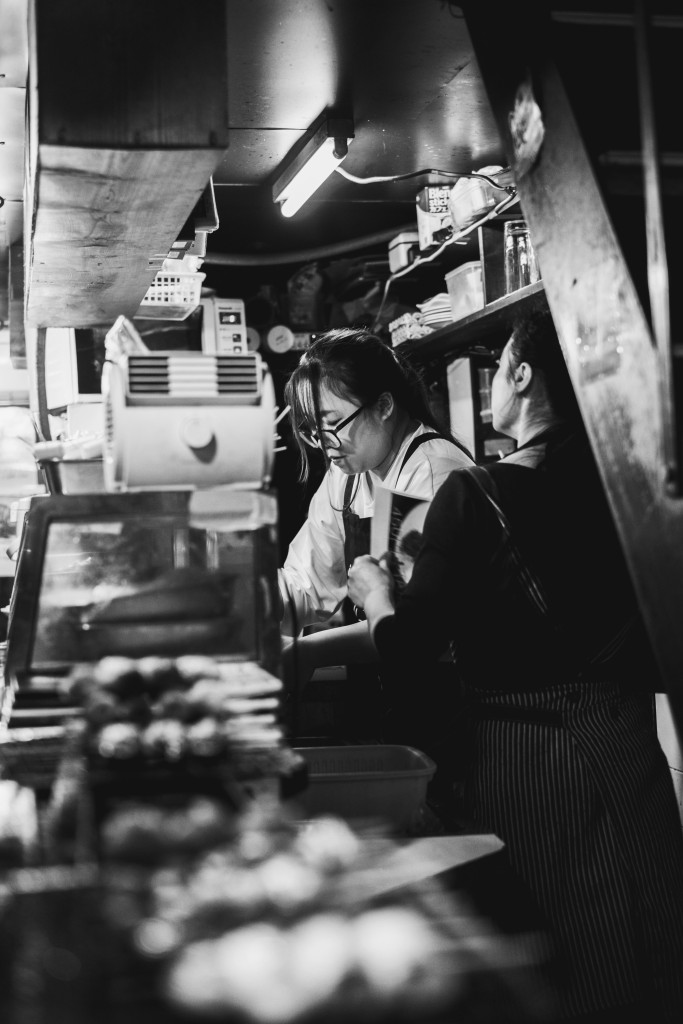
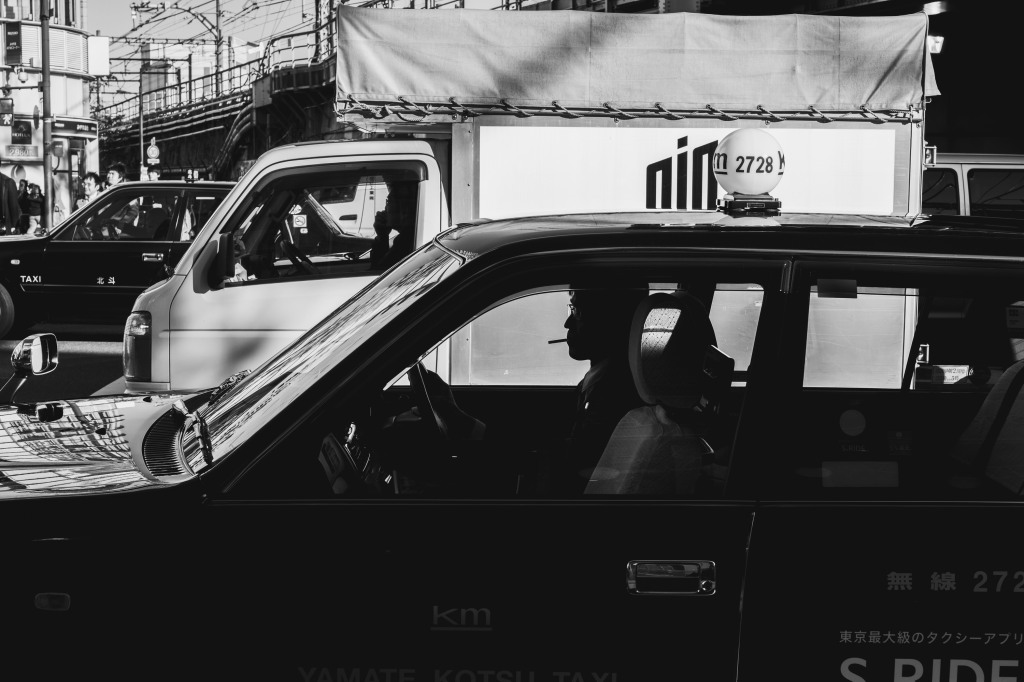
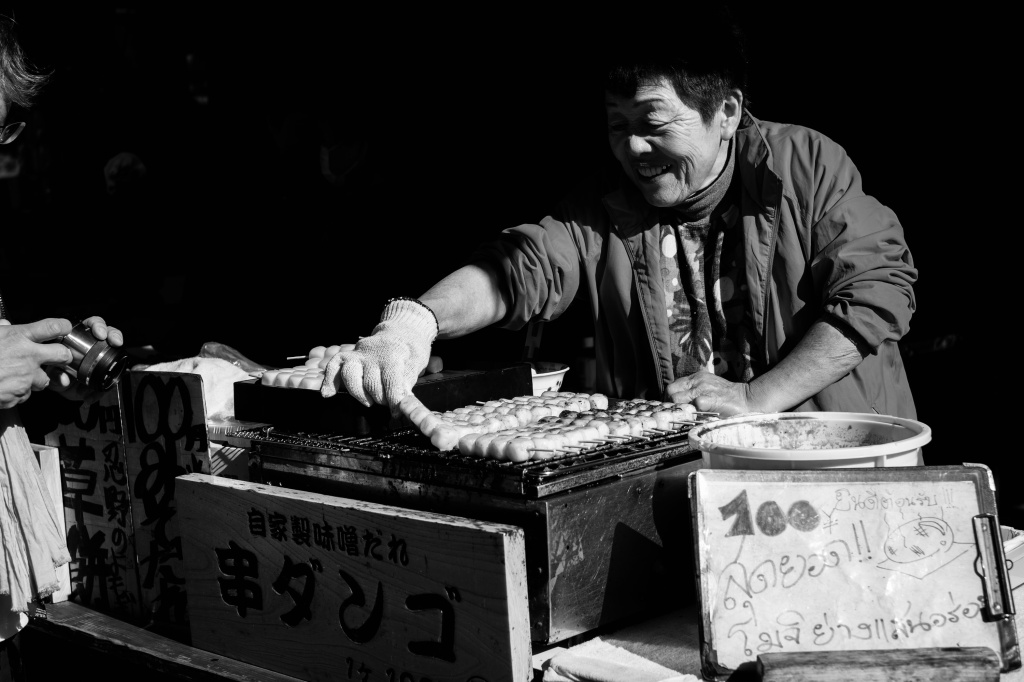
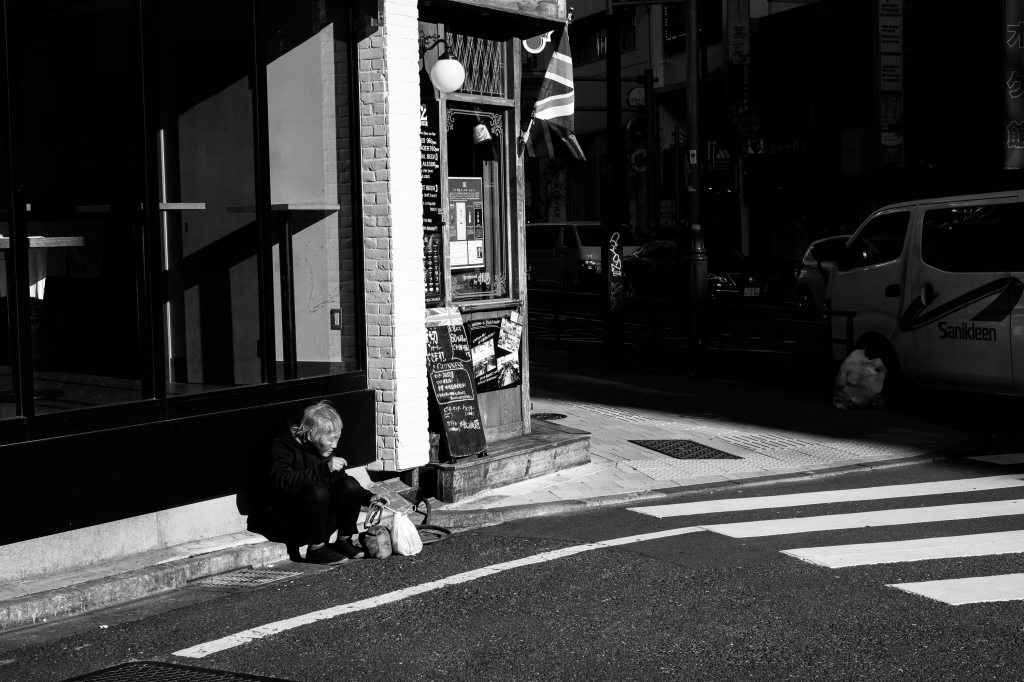
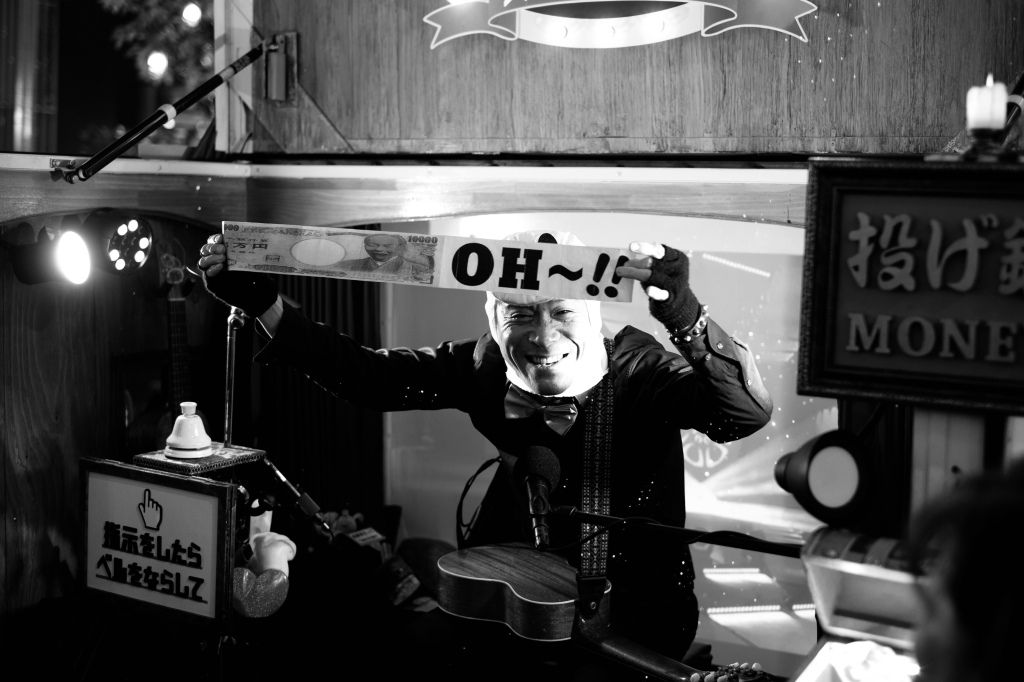
It was a blink of an eye that 2 years has passed since my last overseas holiday trip. It was in November 2019 and then covid-19 begans. Friends who know me and follow my Instagram are kinda irate about me sharing my belated Japan trip photos since early this year. (It is coming to an end… Soon…) People who love Japan wish to visit Japan as soon as the border is open, so am I. But this is not my point in this post.

The reason why I write this post is that it is going to be my last post in 2020 and I think it is a good opportunity to revisit some of my shots taken during my Japan trip. I pick some of the photos that I think are the essence of what Japanese is like in my own eyes and edit them in monochrome. (You can look for these shots in colours via my IG posts.)

Disclaimer:
1. All the shots taken here are shot by me.
2. Some of the shots 
are slightly edited in Lightroom Classic to my preferences. Otherwise, the shots are straight out of the camera.
3. The opinions are based on my experience. If there is any mistake, please kindly drop me a message and I will gladly make the amendment.

4. I reserve ownership of these images, if you wish to use my images, please notify me.

Thank you for reading.

If you like my works, please follow me on either one of the 2 Instagram accounts:

https://www.instagram.com/alwinkok_

https://www.instagram.com/alwin.portraits

If you like my content and you want to show some support, you can buy me a coffee here.

Reviews

TTArtisan 17mm f1.4: The Economical Ultra-wide Angle Lens

Due to my work and other personal commitment, this short lens review takes me quite a while to write and share. Here is the review:

I win the TTArtisan 17mm f1.4 over an online photography competition early this year. Coincidentally, this lens completes the uncostly quaternity lenses of my Fujifilm camera setup. Together with the TTArtisan 23mm f1.4, 35mm f1.4, and 50mm f1.2 lens, these 4 lenses give a basic setup that covers most focal lengths for landscape and streets.

Fuji X-S10 . TTArtisan 17mm f1.4 . @17mm . f2 . 0.9″ . ISO 160 . Classic Negative
Fuji X-S10 . TTArtisan 17mm f1.4 . @17mm . f2 . 1/6″ . ISO 3200 . Classic Negative
Fuji X-S10 . TTArtisan 17mm f1.4 . @17mm . f2 . 1/10″ . ISO 640 . Classic Negative

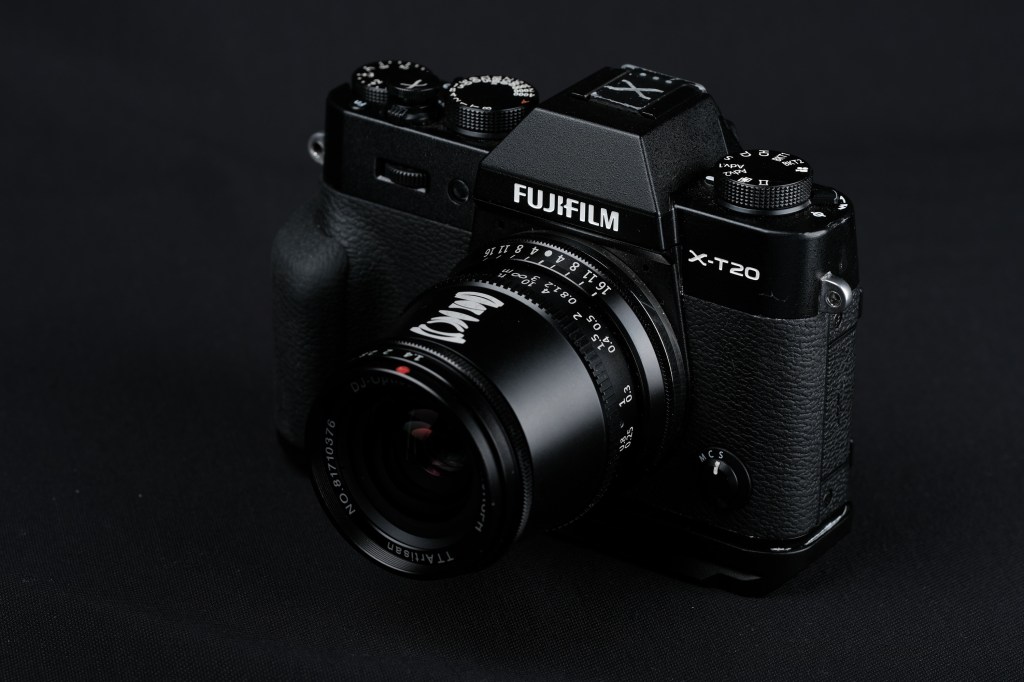
Special thanks to Den Poh for lending me the X-T20 for being the model for the lens.

Disclaimer:
1. All the shots taken here are shot by me.
2. Some of the shots
 are straight out of the camera while others are edited via In-Camera Raw Processing and Adobe Lightroom Classic.
3. I reserve ownership of these images, if you wish to use my images, please notify me.
4. The opinions are based on my experience. If there is any mistake made, please kindly drop me a message and I will gladly make the amendment.

Fuji X-Pro1 . TTArtisan 17mm f1.4 . @17mm . f5.6 . 1/2400″ . ISO 400 . Post-edited
Fuji X-S10 . TTArtisan 17mm f1.4 . @17mm . f2 . 1/150″ . ISO 320 . Classic Chrome

About this lens

By looking at the name of this lens, I am sure everyone should have noticed that this is an uncommon focal length for a prime lens. It sits right between the popular focal lengths from Fujifilm 16mm and 18mm. It seems to me that TTArtisan is trying to do away with the “common” focal lengths that Fujifilm has. This approach also gives the photographers more choices to look out for.

Fuji X-T20 . TTArtisan 17mm f1.4

Based on the full-frame equivalent, the focal length is 25.5mm. On paper, it is wider than 28mm but slightly narrower than 24mm. In this case, we already know that what is the purpose of this lens. But does it make a huge difference with the 1.5m? Personally, I don’t think so.

TTArtisan 17mm f1.4

When I first hold this lens in my hand, I can feel the metal-constructed premium quality built similar to other TTArtisan lenses. It is small but slightly taller than its 35mm brother. Despite its small size, I can too feel some weight on this lens (248 grams). It has a relatively small filter size of 40.5mm. Not a common filter size if you are looking to give extra protection to the front lens element (which I do not think is necessary to do so) or doing planning to do creative works. But it is also not that difficult to look for one.

The aperture gives a nice and satisfying clicky feedback when I change the aperture value. The manual focus ring gives a comfortable rotation with a little friction to hold me back.

TTArtisan 17mm f1.4

Like all the TTArtisan lenses, this lens also does not come with a lens hood. Hence, lens flare can be an issue when you are shooting directly towards the sun. Unless lens flares are intended for your shots, try to avoid it or try getting a third-party lens hood to overcome the lens flare.

Image Quality

The image quality is decent and sharp. However, if you are shooting wide open, vignetting is considerably strong at the corners, but it is easy to post-process to remove it.

Left: Fuji X-T3 . TTArtisan 17mm f1.4 . @17mm . f1.4 . 1/120″ . ISO 320 . Classic Chrome
Right: Fuji X-T3 . TTArtisan 17mm f1.4 . @17mm . f2 . 1/80″ . ISO 2000 . Classic Chrome

For this lens, I prefer to use an aperture number from f2 onwards. It gives me an acceptable balance between image softness and image sharpness. At wide-open, it gives some sort of softness (or character) to the shot, and unfortunately, it is not my preferred kind of result.

Fuji X-T3 . TTArtisan 17mm f1.4 . @17mm . f2 . 1/5800″ . ISO 320 . Post-edited
Fuji X-T3 . TTArtisan 17mm f1.4 . @17mm . f5.6 . 1/550″ . ISO 320 . Classic Chrome

As usual, I do not have high expectations for the third-party lens’ bokeh performance. At f1.4, it gives the overall picture a softer, dreamy look. I believe there are some photographers who actually know how to appreciate this kind of result. I am still learning to appreciate this. the background blur falls off remarkably nice from the subject and it does not give a harsh background blur too.

Sunny star effects are formed easily from F5.6 and the results are more beautiful and sharper from F8 onwards. But on a side note, flares can noticeable too if the lens is facing directly at where the sun direction is.

Fuji X-S10 . TTArtisan 17mm f1.4 . @17mm . f8 . 30″ . ISO 160 . Classic Chrome
Fuji X-T3 . TTArtisan 17mm f1.4 . @17mm . f8 . 1/200″ . ISO 320 . Classic Chrome

Minimum Object Distance (MOD)

The MOD is 20 cm and it is considerably close for a compact wide-angle lens like this. With this MOD, we can create different perspectives and creative shots that we cannot achieve with our common lens.

Fuji X-S10 . TTArtisan 17mm f1.4 . @17mm . f2 . 1/100″ . ISO 160 . Classic Chrome
Fuji X-Pro1 . TTArtisan 17mm f1.4 . @17mm . f4 . 1/2900″ . ISO 800 . Post-editd
Fuji X-T3 . TTArtisan 17mm f1.4 . @17mm . f2 . 1/900″ . ISO 320 . Classic Chrome

To give you some sensing on how close it is as compared to the Fujifilm 16mm f1.4 and 18mm f1.4, it has the same MOD as the XF18mm f1.4.

Manual Focusing

The smooth yet gentle friction experience on this manual focusing lens is as enjoyable as the rest of the TTArtisan lenses. I can’t find any reason to complain about it.

The focus throw from MOD to infinity is about 160°. Unlike some other lenses which take a huge throw to reach from one end to the other, the TTArtisan 17mm f1.4 is considered reasonable. I suppose there are some benefits for larger focus throw but I prefer a shorter one.

Who is this for?

This focal length is not my commonly used focal length for my shutter therapy. But I will bring this lens along with my other lenses. After all, it is compact and easy to place inside my camera bag.

Fuji X-E3 . TTArtisan 17mm f1.4 . @17mm . f5.6 . 1/280″ . ISO 200 . Post-edited
Fuji X-R3 . TTArtisan 17mm f1.4 . @17mm . f2 . 1/60″ . ISO 640 . Classic Chrome

This lens is suitable for Landscape, architecture photographers, and probably astrography photographers who are on a limited budget and yet want a fast prime lens. I also tested this lens for portraits and I think it is a good lens to catch some environmental portraits with your loved ones.

Fuji X-S10 . TTArtisan 17mm f1.4 . @17mm . f2 . 1/25″ . ISO 320 . Post-edited
Fuji X-S10 . TTArtisan 17mm f1.4 . @17mm . f2 . 1/60″ . ISO 320 . Post-edited
Fuji X-S10 . TTArtisan 17mm f1.4 . @17mm . f2 . 1/60″ . ISO 640 . Post-edited
Fuji X-T3 . TTArtisan 17mm f1.4 . @17mm . f5.6 . 1/2000″ . ISO 320 . Post-edited

If you are a photographer who wants to have experience shooting with a full manual lens, you are welcome to try this lens out but I will recommend TTArtisan 23mm f1.4 to start with.

Conclusion

TTArtisan is really good at striking a balance between the price and lens quality. I cannot find any player in the market that can compete with them without sacrificing either one of them. At USD118, I think the money is worth spending if you know what you can do with this lens.

Fuji X-T3 . TTArtisan 17mm f1.4 . @17mm . f4 . 1/80″ . ISO 320 . Post-edited
Fuji X-T3 . TTArtisan 17mm f1.4 . @17mm . f4 . 1/1600″ . ISO 320 . Classic Chrome
Fuji X-S10 . TTArtisan 17mm f1.4 . @17mm . f2 . 1/30″ . ISO 1000 . Classic Chrome

This lens gives me a fun and enjoyable experience. If you are willing to accept the flaws in this piece of glass, you will enjoy what it can give you.

Thank you for reading.

If you like my works, please follow me on either one of the 2 Instagram accounts:

https://www.instagram.com/alwinkok_

https://www.instagram.com/alwin.portraits

If you like my content and you want to show some support, you can buy me a coffee here.

Reviews

GFX 50S II: A Taste of “More Than Full Frame”

Before I begin, I would like to thank Mr. Keitaro So, Divisional Head of Fujifilm for providing the loan for GFX 50S II, GF 45mm, GF 50mm, GF 80mm, and GF 32-64mm. The units were loaned from Fujifilm Asia Pacific and had returned back to them by the time of releasing this review.

GFX 50S II
GFX 50S II
GFX 50S II

Disclaimer:
1. All the shots taken here are shot by me.
2. Some of the shots
 are straight out of the camera while others are edited via In-Camera Raw Processing and Adobe Lightroom Classic.
3. I reserve ownership of these images, if you wish to use my images, please notify me.
4. I have posted my preview photos in my previous post. You can see it here.

In my own words
Allow me to start off with my conclusion to this review. GFX 50S II is set to be the cheapest medium format camera in the industry. Every camera does come with pros and cons and this camera sure has them too. Instead of making comments on why there is missing hardware or function in its gut, we have to really understand what really serves our needs, achieve our goal, and we have to ask ourselves if we can actually live with the cons.

GFX 50S II . GF 32-64mm F4 @ 64mm . f8 . 1/105″ . ISO 100 . Nostalgic Neg
GFX 50S II . GF 45mm F2.8 @ 45mm . f2.8 . 1/80″ . ISO 2000 . Nostalgic Neg
GFX 50S II . GF 32-64mm F4 @ 32mm . f8 . 1/105″ . ISO 200 . Nostalgic Neg
GFX 50S II . GF 32-64mm F4 @ 64mm . f4 . 1/1000″ . ISO 200 . Nostalgic Neg

I have had the opportunity to test out this beauty for merely 2 weeks. And in these 2 weeks of testing, I am flooded with stunning photos that this camera can give. This makes me believe that if you are someone who is looking for fantastic image quality but do not dare to tip your toe in the world of medium format because of the price, then this camera might be the one you are looking for. I am sure that you will be rewarded handsomely with the results from this medium format camera. If you are interested to find out why, please continue to read.

Left: GFX 50S II . GF 32-64mm F4 @ 64mm . f4 . 1/850″ . ISO 100 . Nostalgic Neg
Right: GFX 50S II . GF 32-64mm F4 @ 64mm . f4 . 1/1600″ . ISO 200 . Nostalgic Neg

Introduction

Remember that GFX 50R was once the cheapest medium format camera? Now it is GFX 50S II. Fujifilm promise of making affordable medium format cameras and they still keep their promise. This also means there they are also creating more opportunities for more photographers to have a taste of what it is like to have the “more than full frame” experience.

GFX 50S II . GF 32-64mm F4 @ 64mm . f4 . 1/1300″ . ISO 100 . Nostalgic Neg
GFX 50S II . GF 32-64mm F4 @ 64mm . f32 . 1/125″ . ISO 320 . Nostalgic Neg
GFX 50S II . GF 32-64mm F4 @ 32mm . f4 . 1/500″ . ISO 200 . Nostalgic Neg
GFX 50S II . GF 32-64mm F4 @ 64mm . f4 . 1/170″ . ISO 200 . Nostalgic Neg

In this review, I am sharing more of my personal experience and not much on the technical side of this camera.

Design

It is actually the same as the GFX 100S. Every single bit of it is identical to its brother except for one thing. There is a label on the left of the camera to indicate it is a GFX 50S II. I quite like the look of it and I am happy that Fujifilm has brought the same look to the 50S II too.

GFX 50S II . GF 50mm F3.5 @ 50mm . f3.5 . 1/30″ . ISO 3200 . Nostalgic Neg
GFX 50S II . GF 80mm F1.7 @ 80mm . f1.7 . 1/450″ . ISO 200 . Nostalgic Neg
GFX 50S II . GF 32-64mm F4 @ 32mm . f4 . 1/90″ . ISO 3200 . Nostalgic Neg
GFX 50S II . GF 50mm F3.5 @ 50mm . f3.5 . 1/1500″ . ISO 200 . Nostalgic Neg

Handling

The weight and the build of this camera assure you that you are holding professional and quality workhorse gear. Although it weighs 900 grams, it comes with a comfortable handgrip. The grip is deep enough to allow you to hold the camera well and confidently with one hand. To be honest, I think the grip is even better than the DSLRs I had previously.

The Shutter

This is probably one of the most enjoyable and satisfying mechanical shutters I have experienced so far. When I click the shutter, I can feel the gentle mechanic shutter feedback it gives and also a sense of assurance that I have clicked the shutter. The shutter sound is actually considerably silent and hardly anyone else notices it when I shoot with it.

GFX 50S II . GF 50mm F3.5 @ 50mm . f3.5 . 1/340″ . ISO 100 . Classic Chrome
GFX 50S II . GF 50mm F3.5 @ 50mm . f5.6 . 1/250″ . ISO 200 . Classic Chrome
GFX 50S II . GF 50mm F3.5 @ 50mm . f3.5 . 1/125″ . ISO 2500 . Classic Chrome
GFX 50S II . GF 50mm F3.5 @ 50mm . f5.6 . 1/125″ . ISO 400 . Classic Chrome

The Viewfinder & The LCD Screen

GFX 50S II is equipped with the 3.69M-dot OLED electronic viewfinder (EVF) with a magnification of 0.77x. Although it is not the best EVF I have tried, but it still gives me a comfortable viewing experience.

The LCD screen is my preferred kind of screen and this is one of the reasons why I do not upgrade my X-T3 to X-T4. I love and enjoy using this 3 ways tilted screen for my shooting. I am pleased that Fujifilm keeps this 3 ways tilted screen in their professional workhorse.

GFX 50S II . GF 80mm F1.7 @ 80mm . f1.7 . 1″ . ISO 3200 . Post-edited
GFX 50S II . GF 50mm F3.5 @ 50mm . f3.5 . 1/320″ . ISO 1250 . Classic Chrome
GFX 50S II . GF 50mm F3.5 @ 50mm . f3.5 . 1/125″ . ISO 320 . Nostalgic Neg

Image Quality

This is really where the medium format sensor shines gloriously. My words might be over-exaggerating but this is my way of expressing how awesome it is. The bokeh really falls off nicely and renders smoothly. To be honest, the image result is quite distinguishable from other image sensor sizes.

GFX 50S II . GF 50mm F3.5 @ 50mm . f3.5 . 1/42″ . ISO 3200 . Nostalgic Neg
GFX 50S II . GF 50mm F3.5 @ 50mm . f3.5 . 1/100″ . ISO 3200 . Nostalgic Neg

Unless my photos happen to be slanted a little, I am not a person who loves to crop my photos. Nonetheless, this camera has a whopping 51 megapixels for me to experience the fun of cropping without sacrificing the details. The photos will speak for themselves. Frankly, I am stunned by the cropped results.

GFX 50S II . GF 50mm F3.5 @ 50mm . f3.5 . 1/125″ . ISO 200 . Classic Chrome
GFX 50S II . GF 50mm F3.5 @ 50mm . f3.5 . 1/125″ . ISO 800 . Nostalgic Neg
GFX 50S II . GF 80mm F1.7 @ 80mm . f8 . 1/800″ . ISO 100 . Post-edited

Dynamic range is absolutely stunning and it can recover most of the data very well. Although the color might be off a little, I believe the professional should be able to recover the color back to the desired one easily.

GFX 50S II . GF 80mm F1.7 @ 80mm . f1.7 . 1/100″ . ISO 1000 . Post-edited
GFX 50S II . GF 80mm F1.7 @ 80mm . f1.7 . 1/110″ . ISO 640 . Post-edited
GFX 50S II . GF 80mm F1.7 @ 80mm . f1.7 . 1/80″ . ISO 500 . Post-edited
GFX 50S II . GF 80mm F1.7 @ 80mm . f1.7 . 1/340″ . ISO 640 . Post-edited

Performance

Unlike the other medium format cameras I have played before, the focusing speed on this camera is incredibly fast and I have also experienced less hunting too. I think it has to do with the X-Processor 4 in its gut because I can hardly tell that I am shooting with a medium format camera.

But on a side note, I do experience somewhat slow focusing speed with the GF 80mm, probably unlike the other lenses, it lacks the Linear Motor (LM).

GFX 50S II . GF 50mm F3.5 @ 50mm . f4 . 1/150″ . ISO 100 . Nostalgic Neg
GFX 50S II . GF 50mm F3.5 @ 50mm . f3.5 . 1/27″ . ISO 3200 . Nostalgic Neg
GFX 50S II . GF 50mm F3.5 @ 50mm . f4 . 1/340″ . ISO 125 . Nostalgic Neg

When I first learned about the 50S II will be using the 4 years old 50S sensor (based on the year it went on sales), I give my disappointment. But on second thought, given that it is the cheapest medium format camera, the manufacturer has to reduce their cost somewhere. However, after using this camera, I dismiss my misconception that this sensor is “old” and “unusable”. Instead, this sensor still stays strong for at least another 5 to 10 years.

GFX 50S II . GF 32-64mm F4 @ 64mm . f4 . 1/125″ . ISO 320 . Nostalgic Neg
GFX 50S II . GF 32-64mm F4 @ 32mm . f5.6 . 1/200″ . ISO 200 . Nostalgic Neg
GFX 50S II . GF 80mm F1.7 @ 80mm . f1.7 . 1/4700″ . ISO 200 . Nostalgic Neg
GFX 50S II . GF 80mm F1.7 @ 80mm . f1.7 . 1/1300″ . ISO 200 . Nostalgic Neg

Since the 50S II uses the original 50S sensor, this also means that it comes with contrast detection only. Hence, it is missing the hybrid system with phase detection technology that most of the modern mirrorless camera has. Despite lacking phase detection, Fujifilm has actually reworked the algorithm and together with the new processing engine to improve the photographer’s overall shooting experience. In other words, the shooting experience is far better for 50S II than the 50S. In short, I have no problem shooting in most of the scenarios in my testing period.

IBIS

On paper, 50S II offers an incredible 6.5 stops of compensation. How does it translate into real-world usage? A successful 1-second handheld shot. Of course, it comes with a few tries before I manage to get a decent shot. This pretty much has become an achievement for me.

GFX 50S II . GF 50mm F3.5 @ 50mm . f6.4 . 1″ . ISO 100 . Nostalgic Neg
GFX 50S II . GF 50mm F3.5 @ 50mm . f9 . 0.8″ . ISO 100 . Classic Chrome

Feedback

Actually, I am struggling to say this but I do miss the retro dials that Fujifilm has in most of their X system cameras but they replace the dials with the top-panel status LCD. I am not saying it is bad because both of them serve their purposes well with useful information for individuals. But it is just me that I love those retro dials and I am going to miss them if I ever own one.

GFX 50S II . GF 45mm F2.8 @ 45mm . f5.6 . 1/900″ . ISO 200 . Nostalgic Neg
GFX 50S II . GF 32-64mm F4 @ 32mm . f8 . 14″ . ISO 100 . Nostalgic Neg
GFX 50S II . GF 45mm F2.8 @ 45mm . f11 . 1/280″ . ISO 100 . Nostalgic Neg

When I need to use the exposure compensation function, I need to press the exposure compensation button together with the rear command dial. This is different from the X-system I am using, where I can assign the exposure compensation function to the front command dial and use it straight away. It is a personal preference and personal habit and I hope that Fujifilm can allow users to have straight away access to the exposure compensation.

GFX 50S II . GF 45mm F2.8 @ 45mm . f2.8. 1/100″ . ISO 3200 . Nostalgic Neg
GFX 50S II . GF 45mm F2.8 @ 45mm . f5.6 . 1/125″ . ISO 2000 . Nostalgic Neg

GFX 50S II . GF 80mm F1.7 @ 80mm . f1.7 . 1/340″ . ISO 200 . Nostalgic Neg
GFX 50S II . GF 80mm F1.7 @ 80mm . f2 . 1/125″ . ISO 1250 . Nostalgic Neg

Who is this for?

If you are thinking to purchase a full-frame camera but does not rely on fast burst rate for your shoot, you may consider this powerhouse in your next purchase. This camera is suitable for photographers who are looking to advance their image quality to the next level. Whether you are a landscape photographer, portrait photographer, documentary photographer, or travel photographer, by pairing with some decent GF lenses, I believe you can harness the power of GFX 50S II and enjoy every single moment of it.
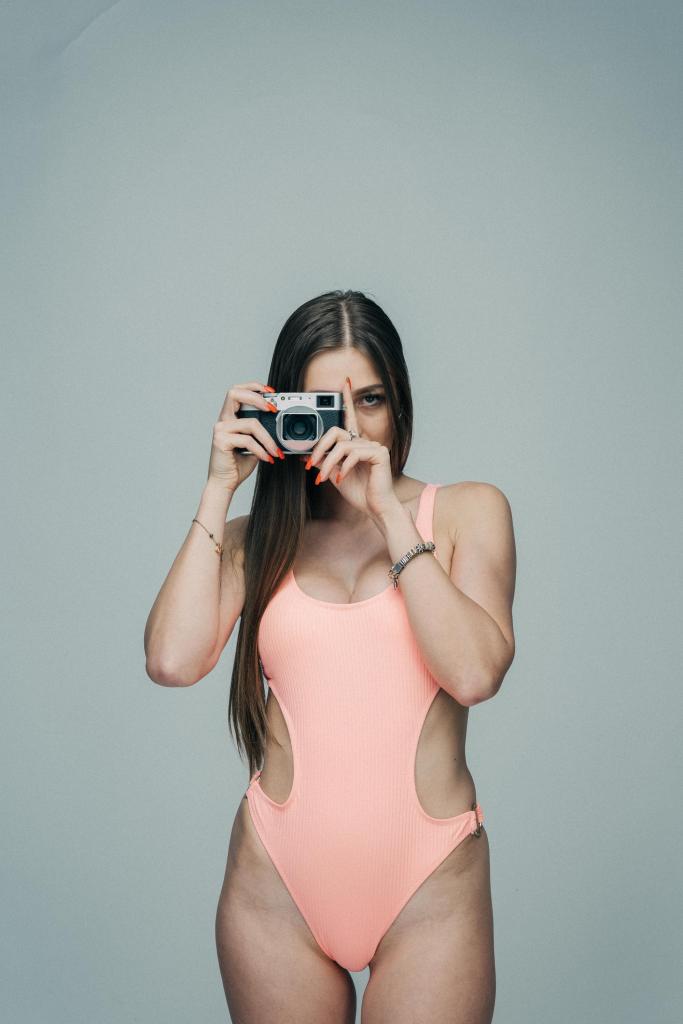
GFX 50S II . GF 80mm F1.7 @ 80mm . f1.7 . 1/125″ . ISO 2500 . Post-edited
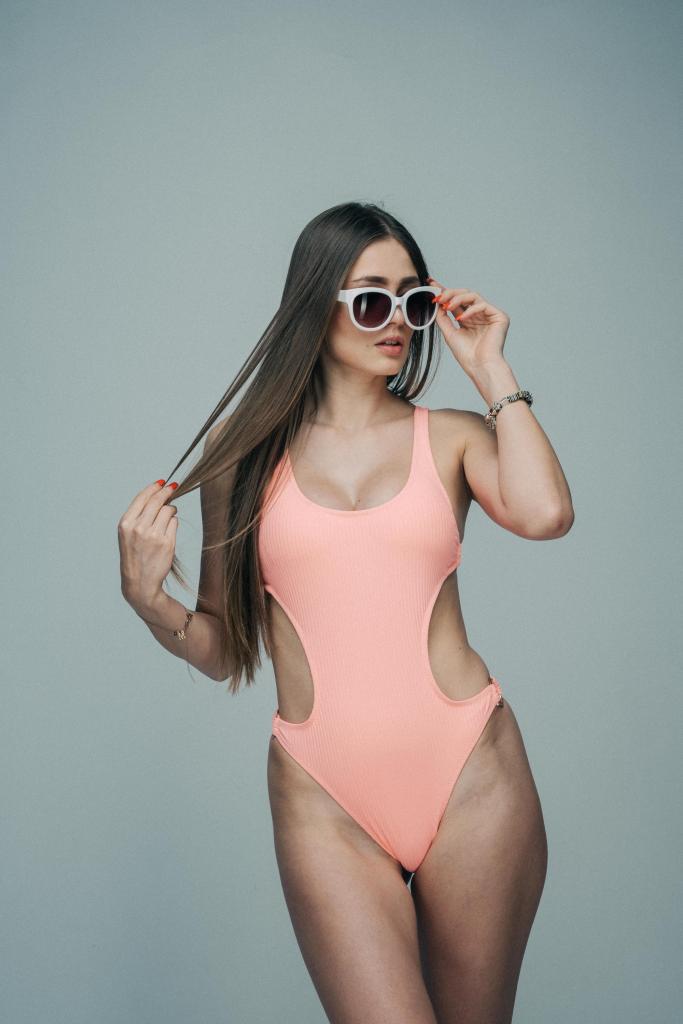
GFX 50S II . GF 80mm F1.7 @ 80mm . f1.7 . 1/120″ . ISO 3200 . Post-edited
GFX 50S II . GF 45mm F2.8 @ 80mm . f2.8 . 1/125″ . ISO 2500 . Post-edited
GFX 50S II . GF 80mm F1.7 @ 80mm . f1.7 . 1/125″ . ISO 1250 . Post-edited
GFX 50S II . GF 80mm F1.7 @ 80mm . f1.7 . 1/160″ . ISO 800 . Post-edited

If you are a commercial photographer, I believe you know what you need to deliver your jobs. So I leave it to you to decide.

Thank you for reading.

If you like my works, please follows me on either one of the 2 Instagram accounts:

https://www.instagram.com/alwinkok_

https://www.instagram.com/alwin.portraits

Reviews

Staycation With GFX 50S II

It was a last minute arrangement with Mr. Keitaro So, Divisional Head of Fujifilm for providing the loan unit of GFX 50S II and 4 GF lenses (GF 45mm f2.8, 50mm f3.5, 80mm f1.7 and GF32-64mm f4). We discussed over the night and the gears are on my hands the very next day. I am very grateful to Mr. Keitaro So for the effort and time for this arrangement and support.

GFX 50S II . GF 45mm F2.8

This is my first time holding the GFX camera and I happened to have a short staycation at Sofitel Singapore City Centre. So, I think this is a good opportunity for me to test out this large format camera.

GFX 50S II . GF 45mm F2.8

I will be sharing my full experience in another blog post and that will be available in a few weeks time. Meanwhile, I will not share too much about the details over here but photos!

Disclaimer:
1. All the shots taken here are shot by me.
2. All the shots
are straight out of the camera with some shots are edited via In-Camera Raw Processing.
3. I reserve ownership of these images, if you wish to use my images, please notify me.

GFX 50S II . GF 50mm F3.5

I think I can see the stars…

GFX 50S II . GF 50mm F3.5

Couples…

GFX 50S II . GF 32-64mm F4

The Depth of Field is so impressive at F4.

GFX 50S II . GF 32-64mm F4

Flower on the pool…

GFX 50S II . GF 32-64mm F4

Can you see the man at work?

GFX 50S II . GF 32-64mm F4
GFX 50S II . GF 50mm F3.5

Morning sunrise…

GFX 50S II . GF 50mm F3.5

Breakfast at Racines.

GFX 50S II . GF 32-64mm F4

The only mini cooper I can afford.

GFX 50S II . GF 80mm F1.7

Thank you for reading.

If you need helps, you may direct message me in either one of the 2 Instagram accounts:

https://www.instagram.com/alwinkok_

https://www.instagram.com/alwin.portraits