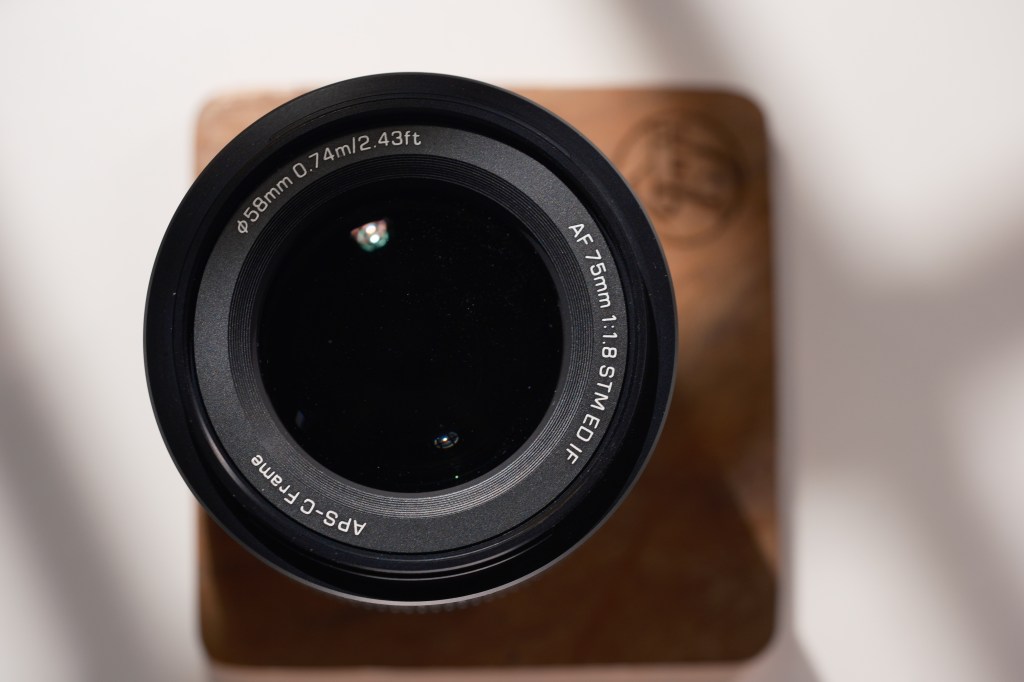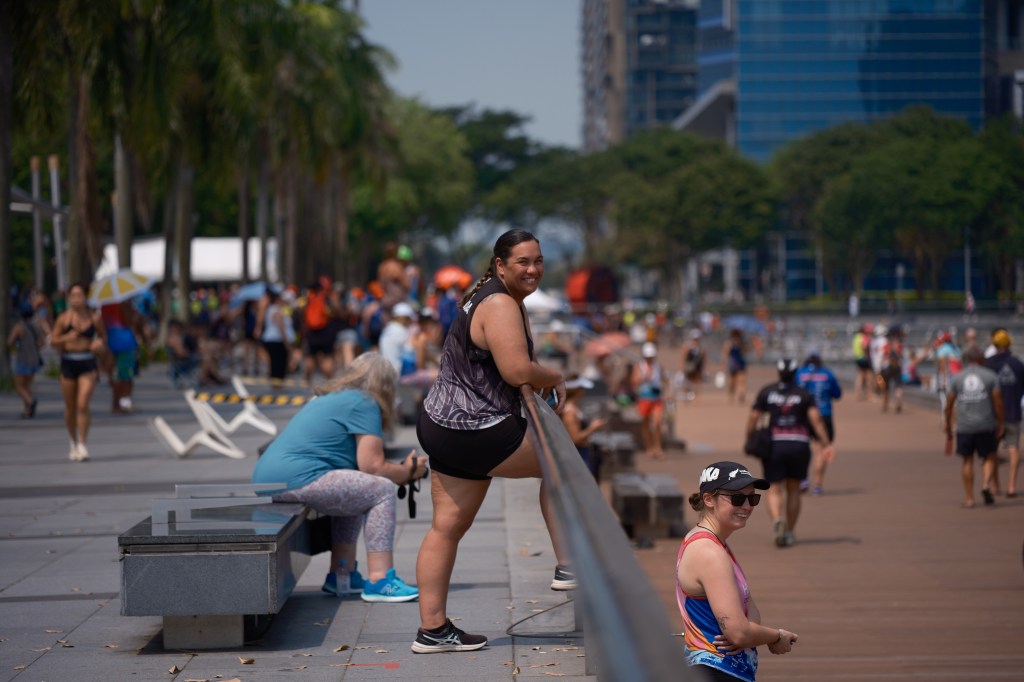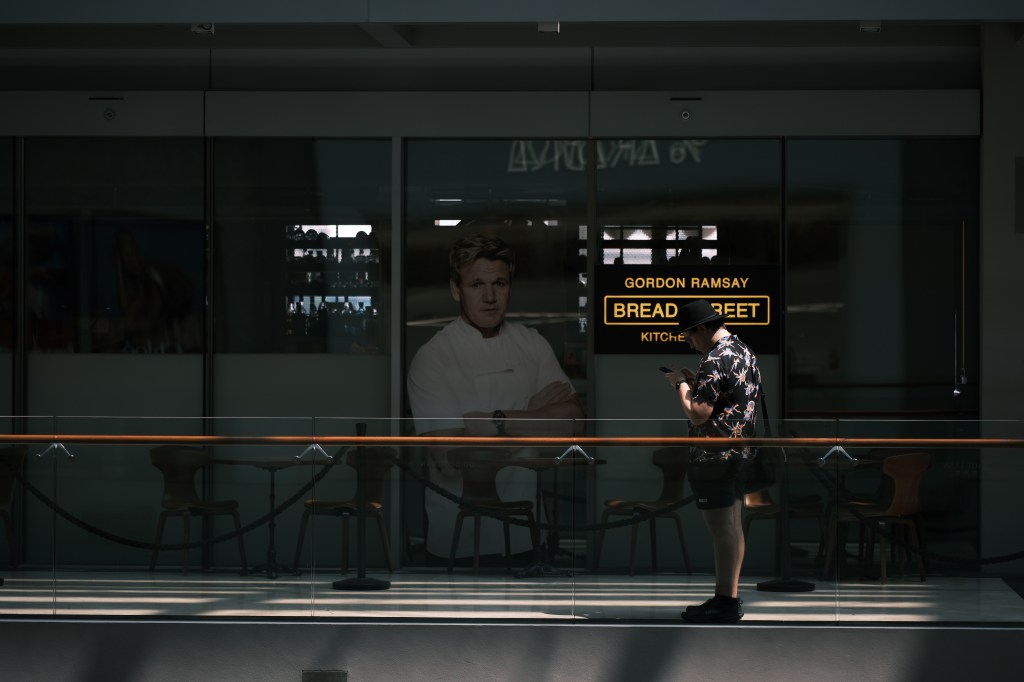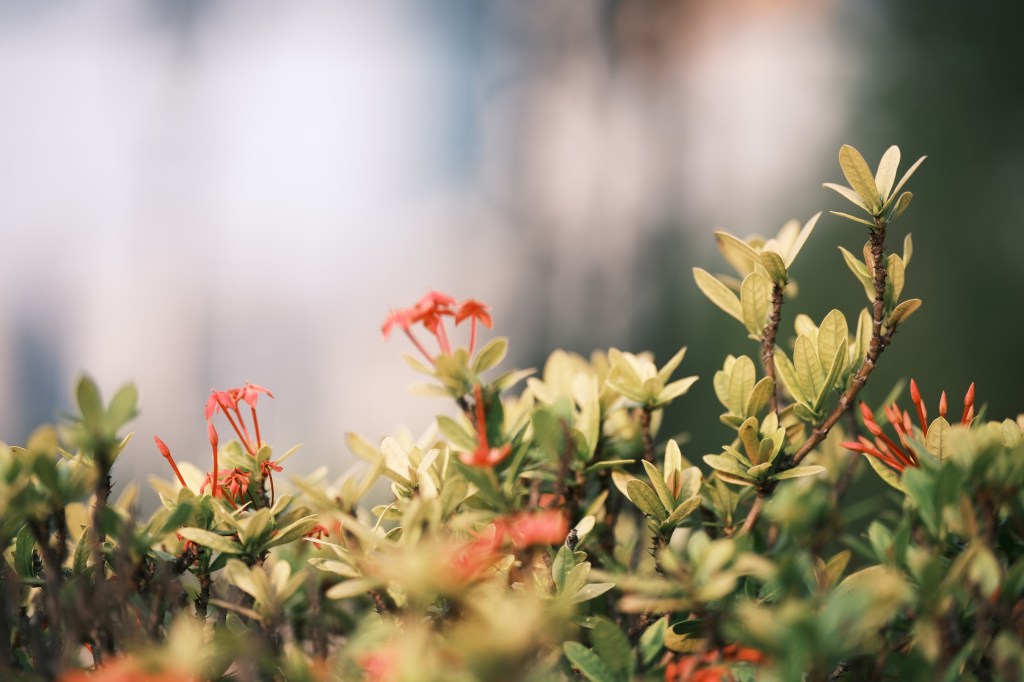

Reviews

Viltrox 90mm f2.2 EVO – One-Third the Price, Close to the Legend?

When it comes to 90mm lenses for Fujifilm, the XF 90mm f2 R LM WR is probably the first lens that comes to mind for many Fujifilm photographers. But what makes this lens so special? Launched in July 2015, the XF 90mm f2 has built a reputation as one of Fujifilm’s standout portrait lenses, thanks to its impressive sharpness, fast autofocus, beautiful subject separation, and pleasing rendering. For a lens that has been around for more than a decade, it has taken quite a while for a direct third-party autofocus competitor to arrive. Now, with the Viltrox 90mm f2.2 EVO entering the picture, the question is: can it finally challenge the long-standing favourite, or does it have what it takes to carve out a place of its own?
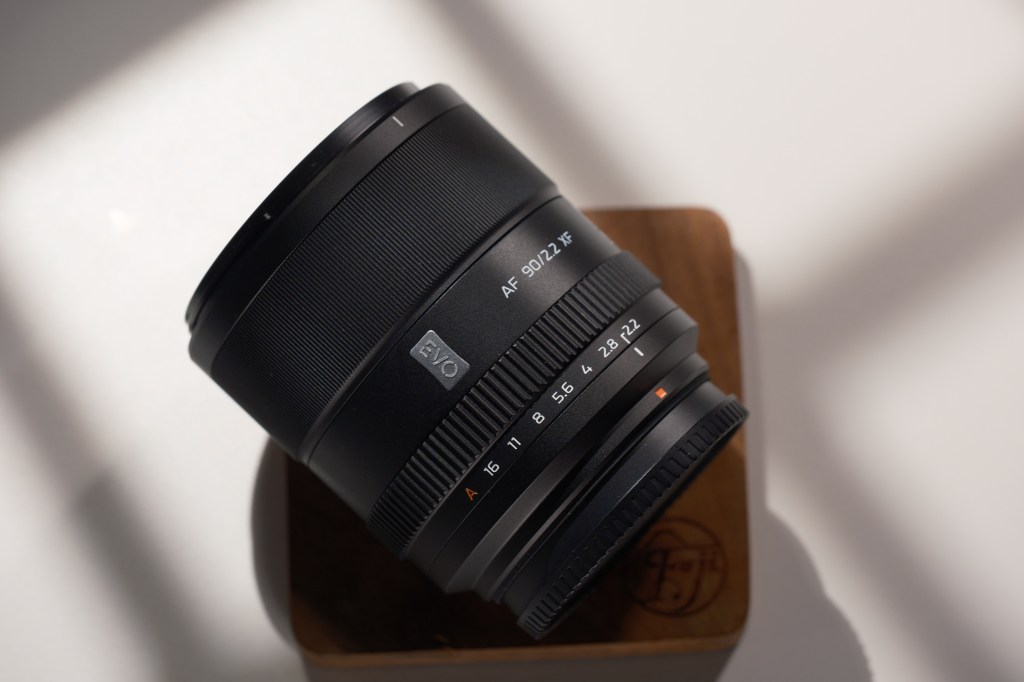
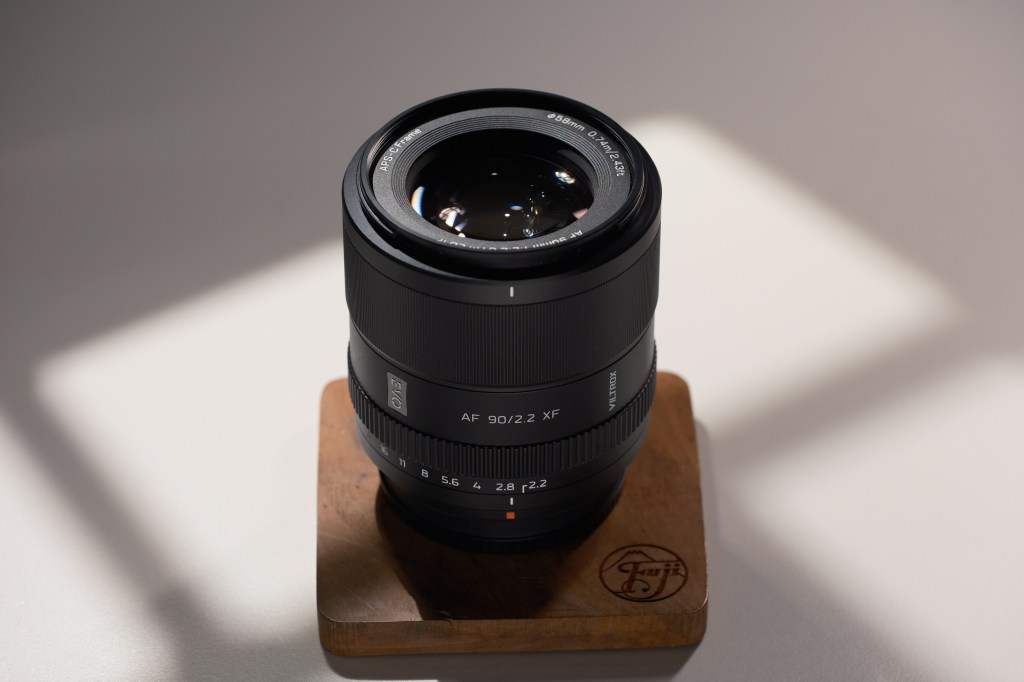
Viltrox 90mm f2.2 EVO

Intro

The Viltrox 90mm f2.2 EVO was announced alongside the Viltrox 75mm f1.8 EVO in June 2026, adding another interesting option to the growing collection of third-party autofocus lenses for Fujifilm X-mount. While 90mm may not be the most conventional focal length for an APS-C system, it certainly has its appeal, especially for portrait photographers who enjoy a tighter field of view and strong subject separation.
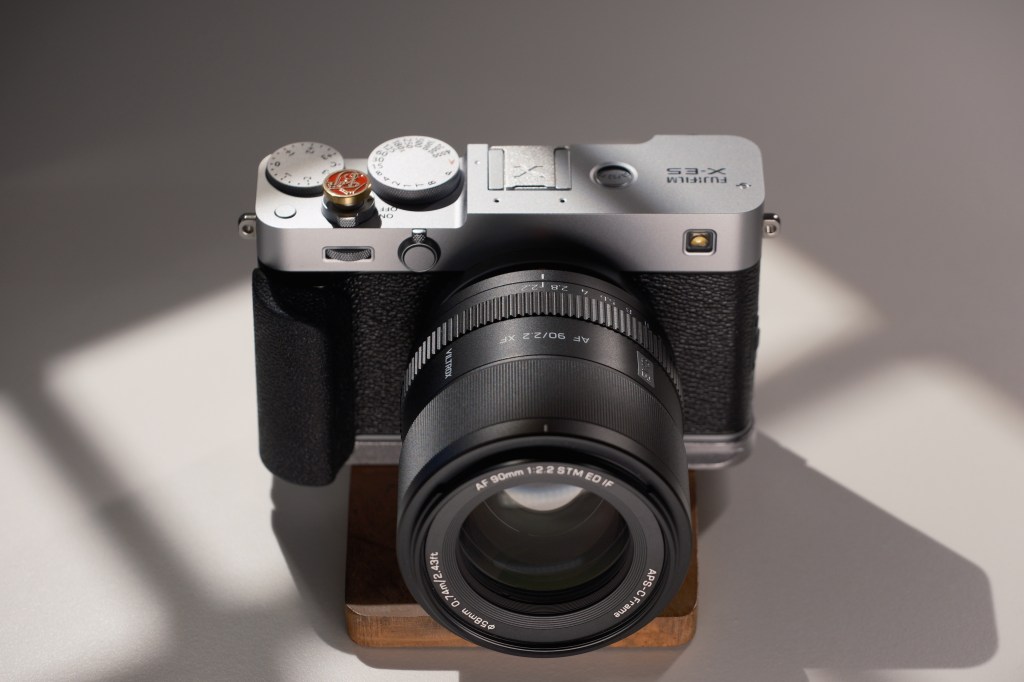
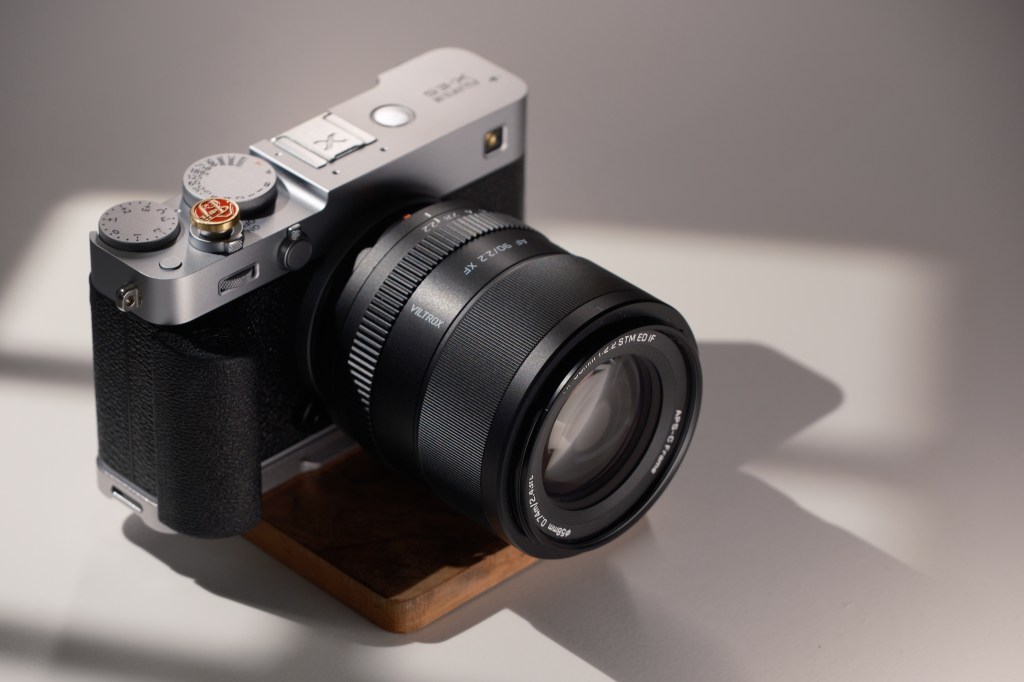
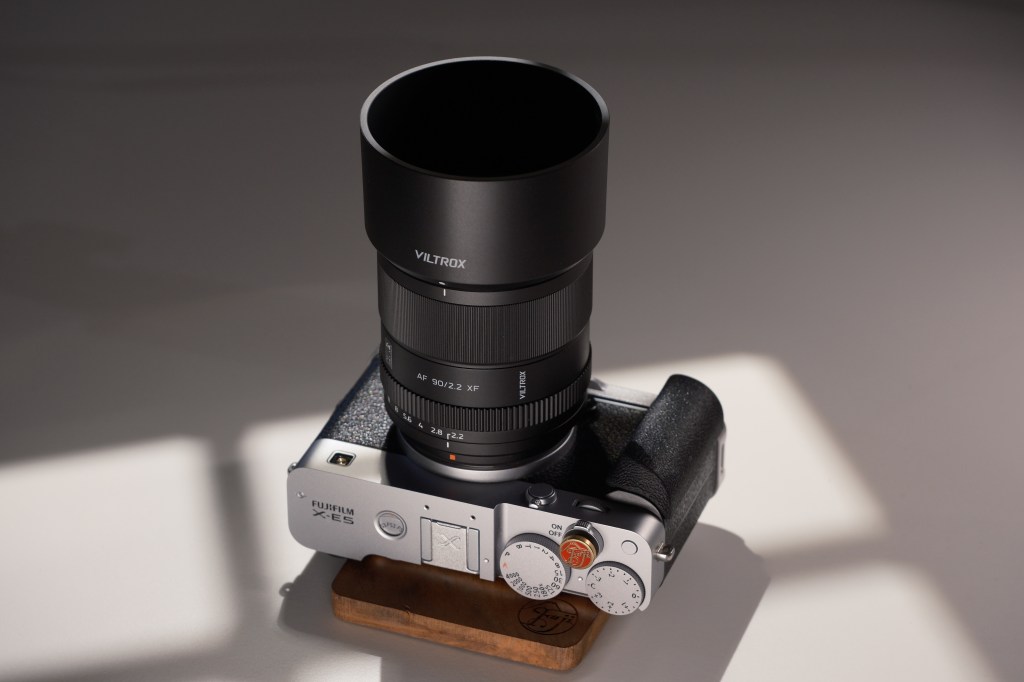
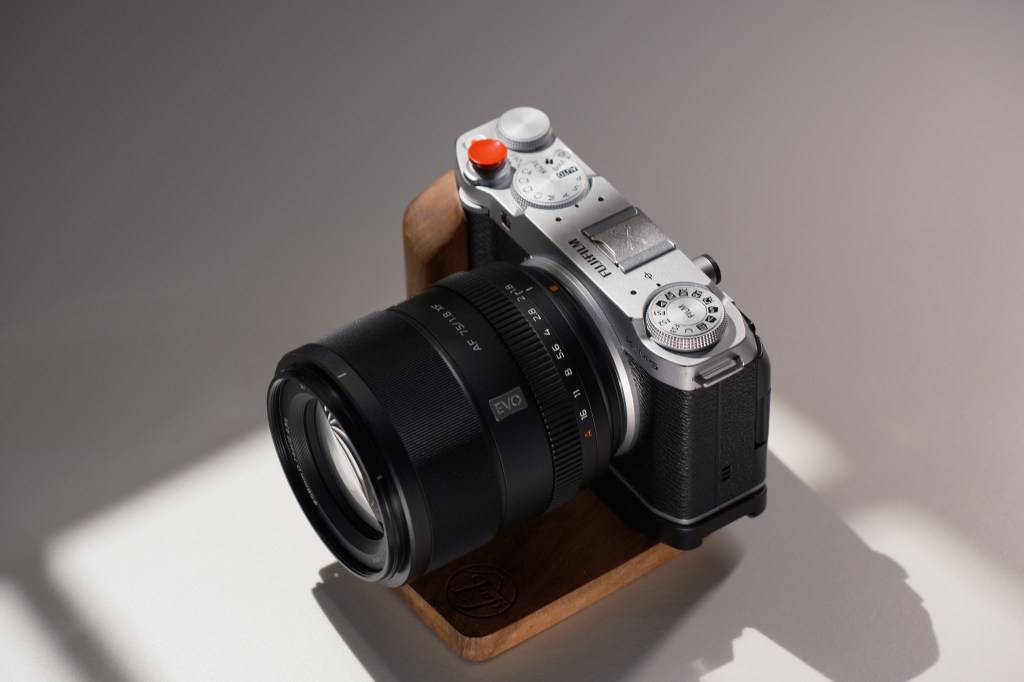
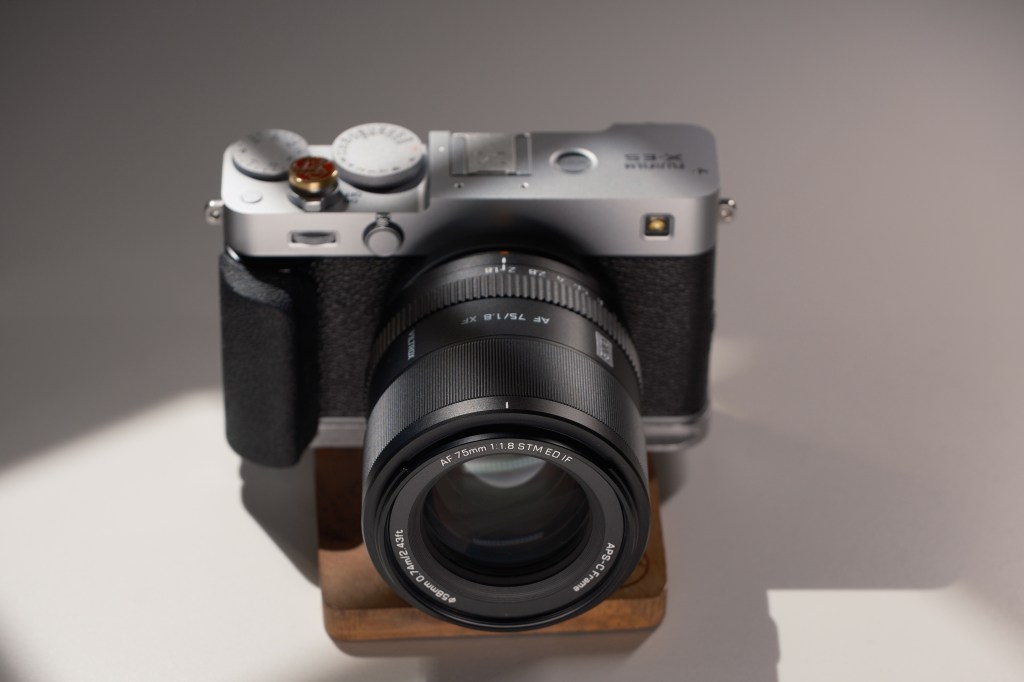
Fujifilm X-E5 with Viltrox 90mm f2.2 EVO

As mentioned in my Viltrox 75mm f1.8 EVO post, Viltrox has been expanding its lens lineup into different product tiers. The “EVO” series sits between the more compact and lightweight “Air” series and the higher-end “Pro” series, while the “LAB” series occupies the top position in its lineup.


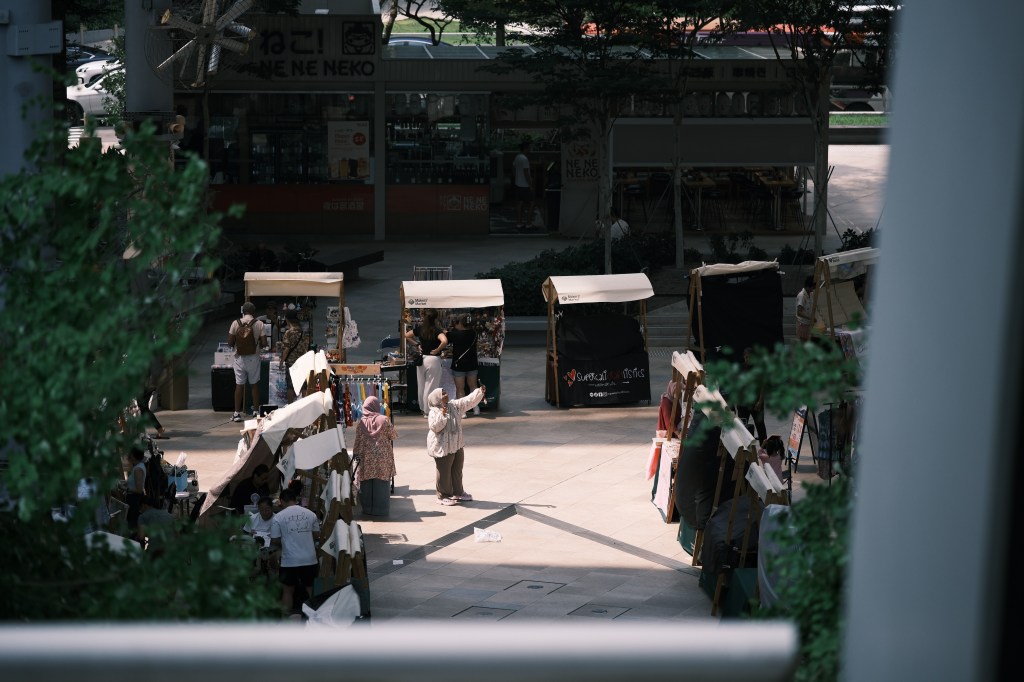
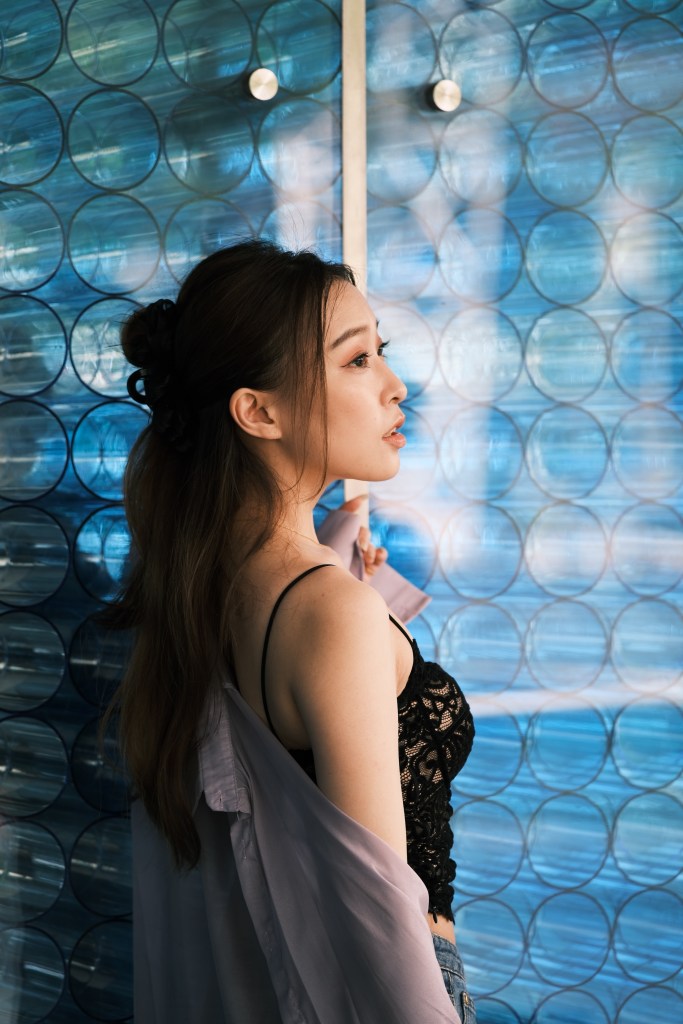
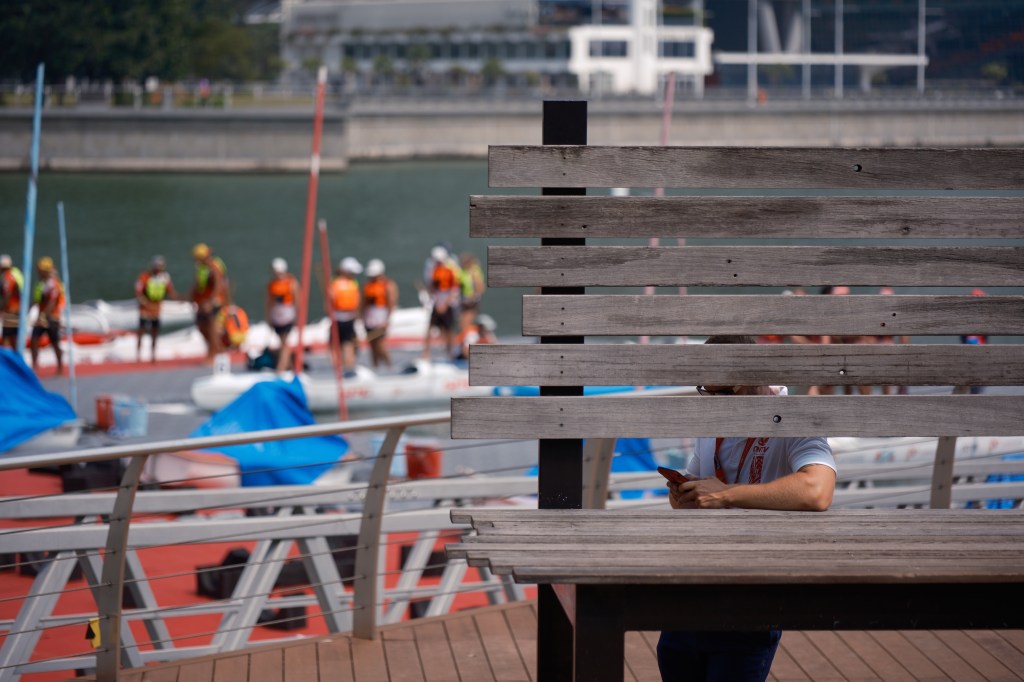
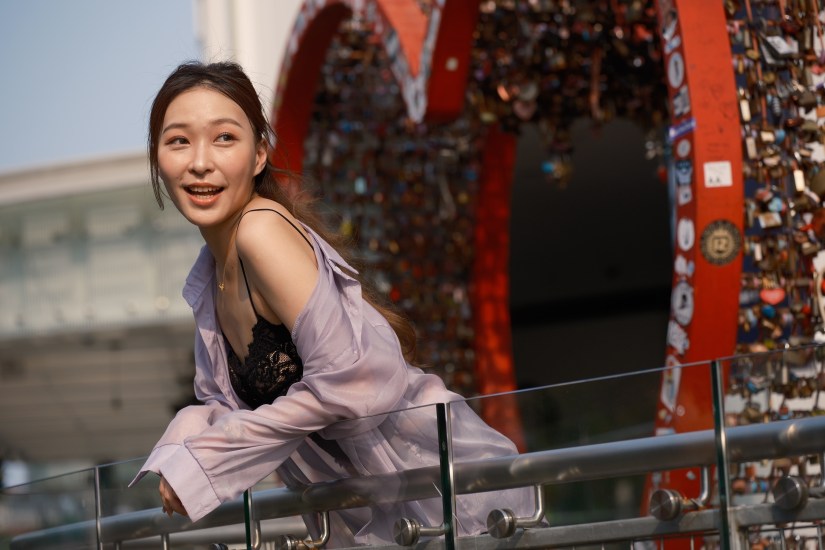
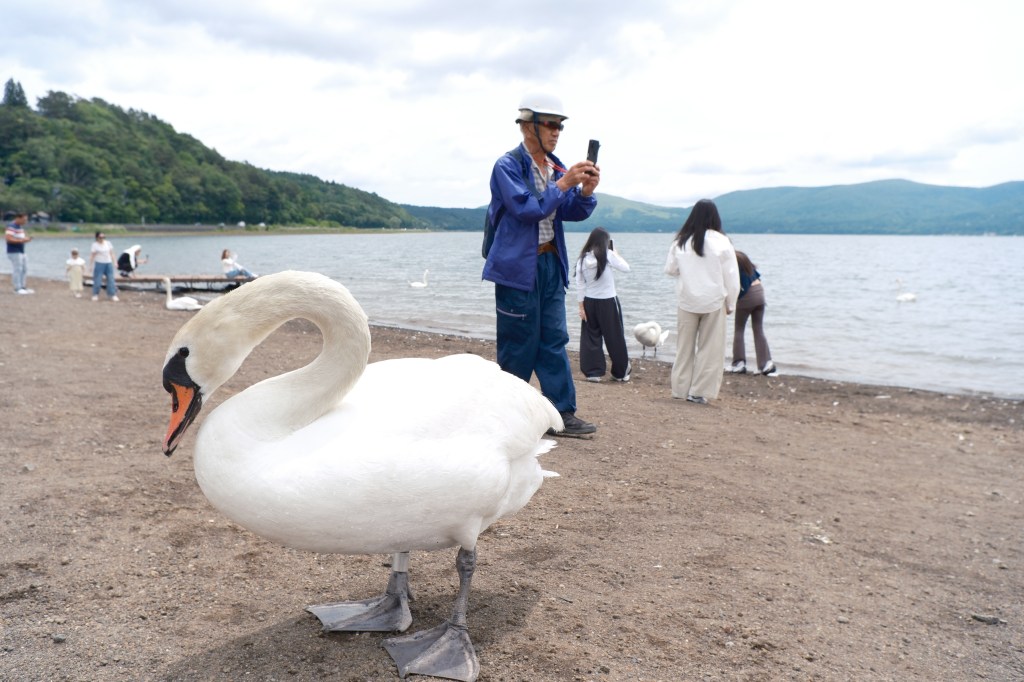
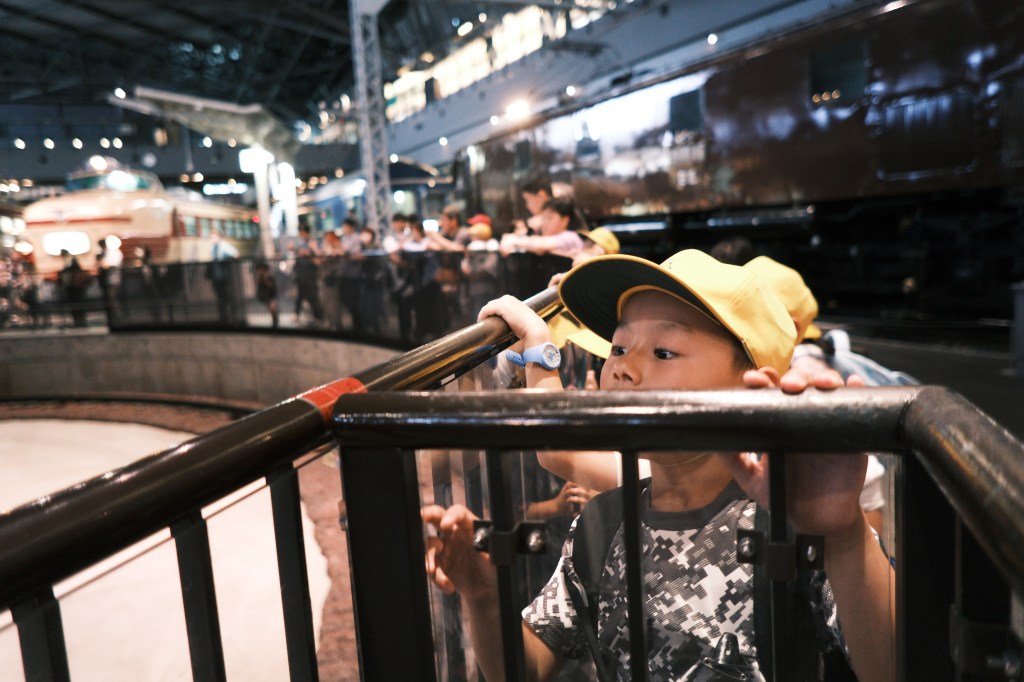
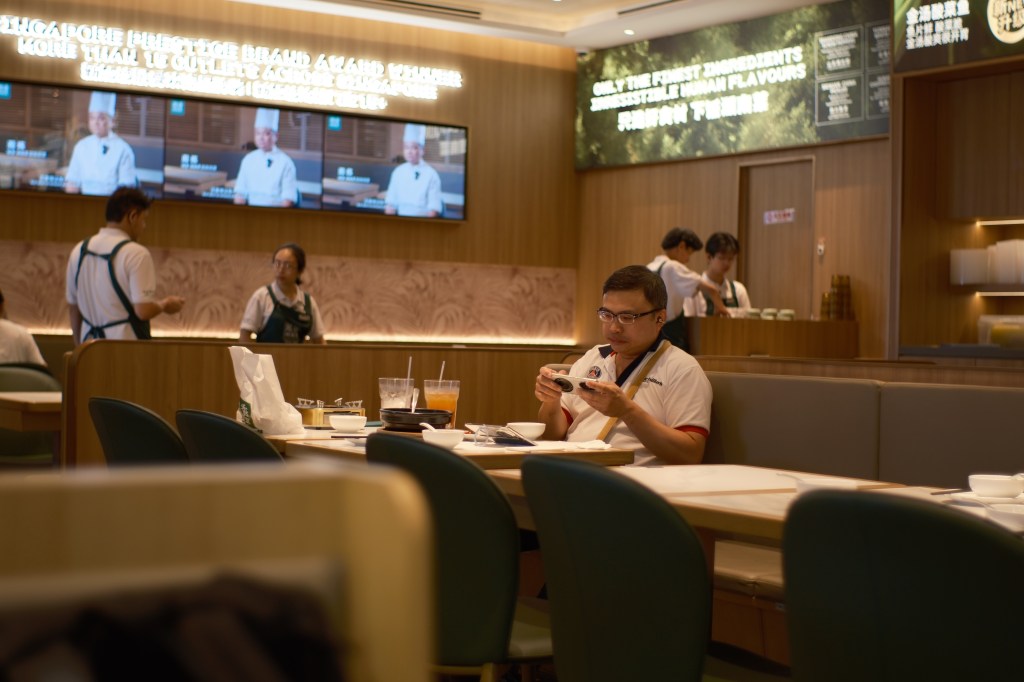
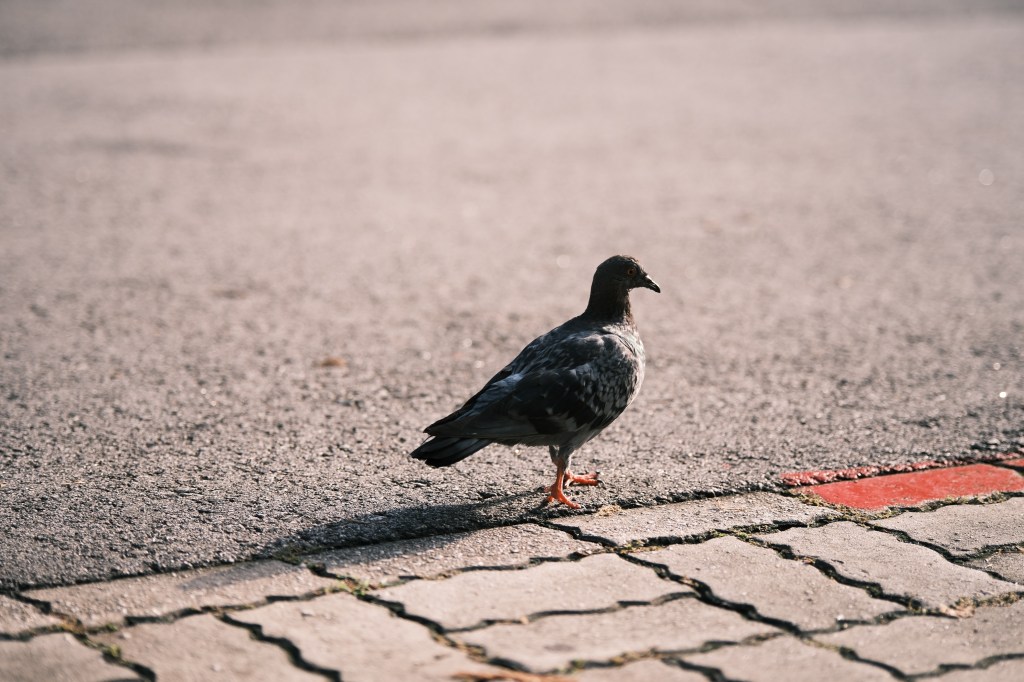
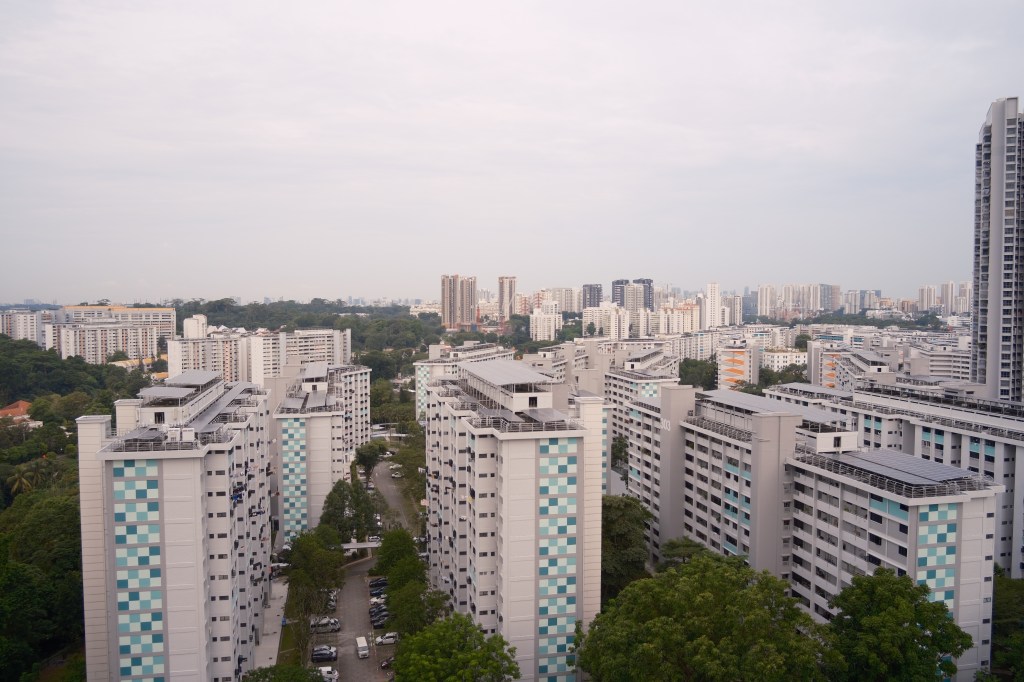
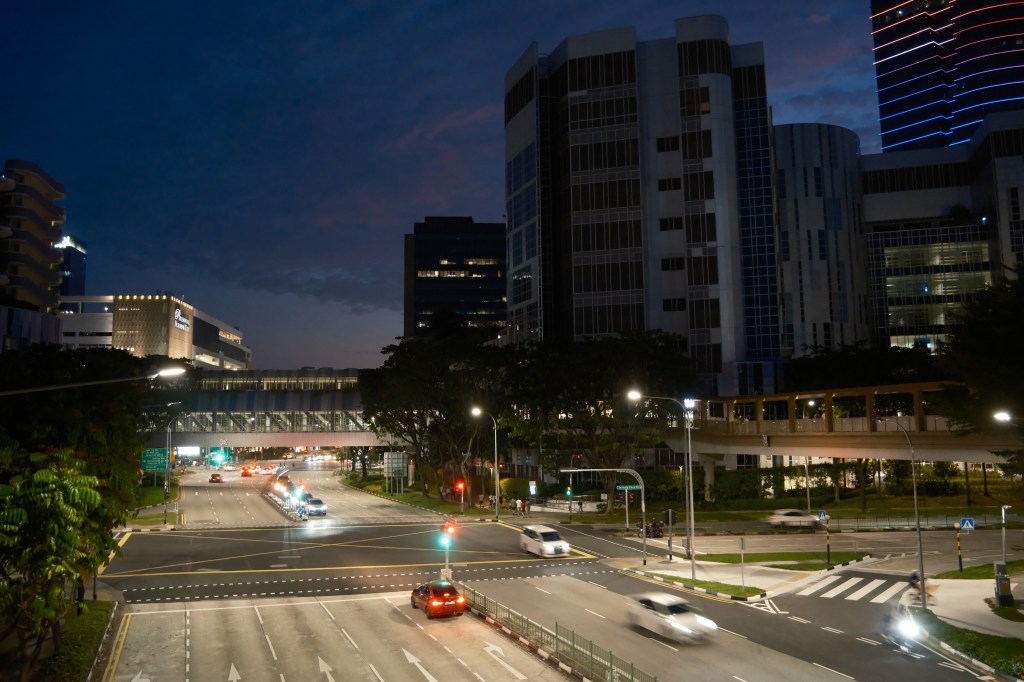
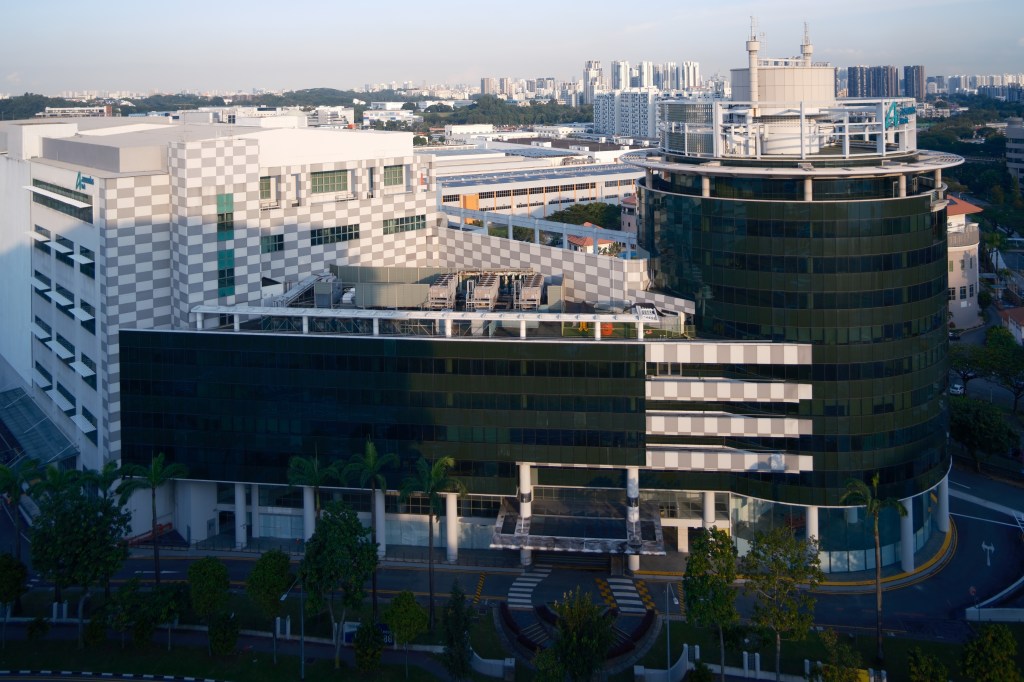
Fuji X-M5 . Viltrox 90mm f2.2 @ 90mm . f2.2 . 1/420″ . ISO 320 . Classic Negative
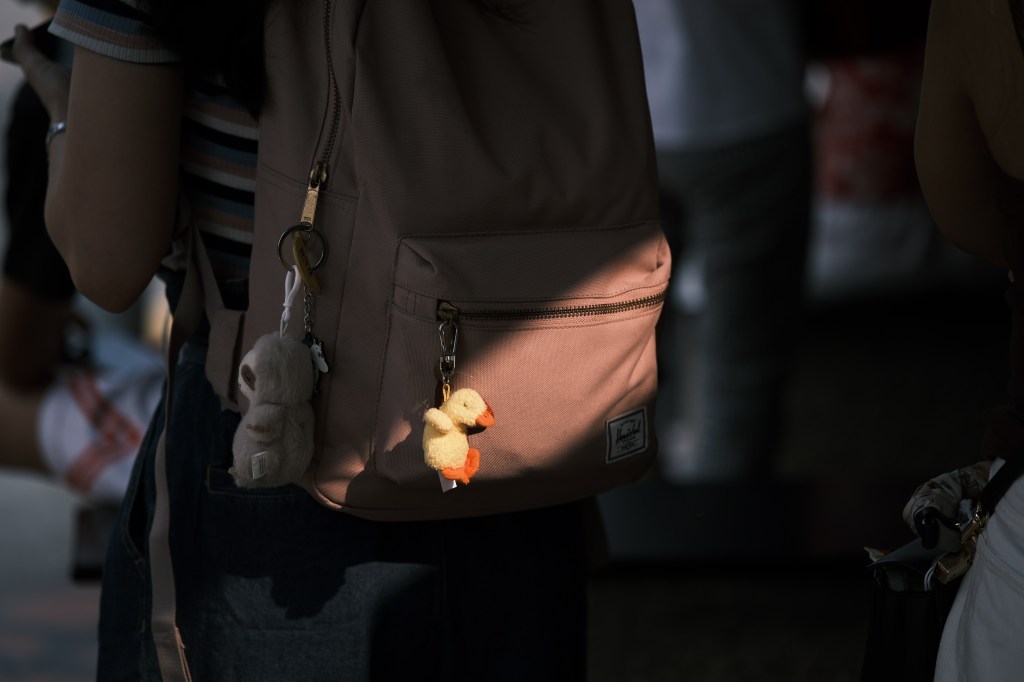
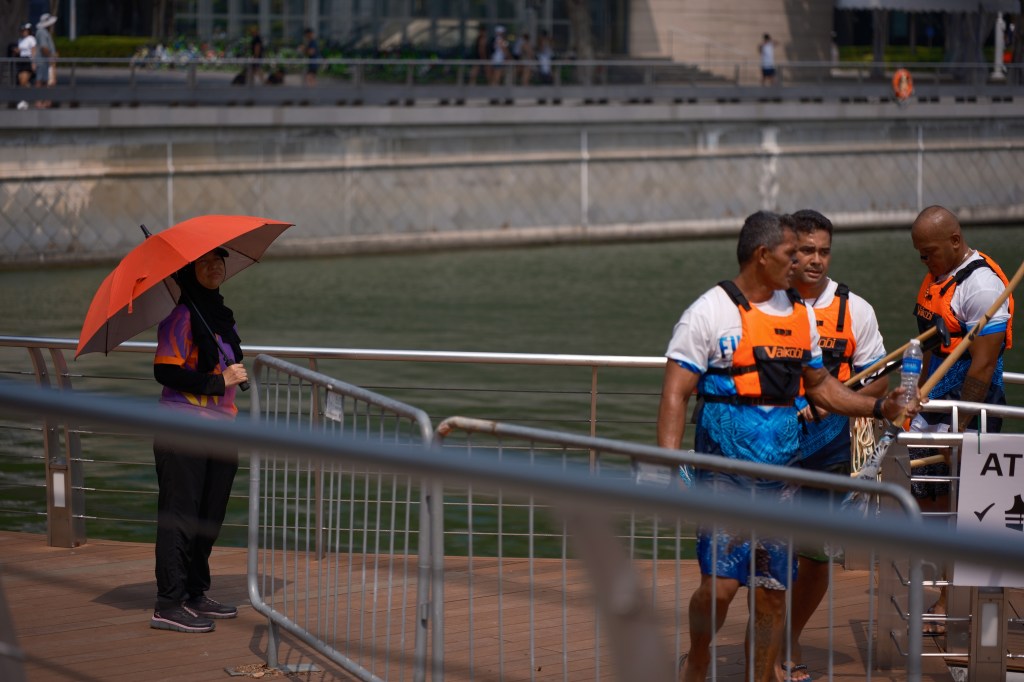
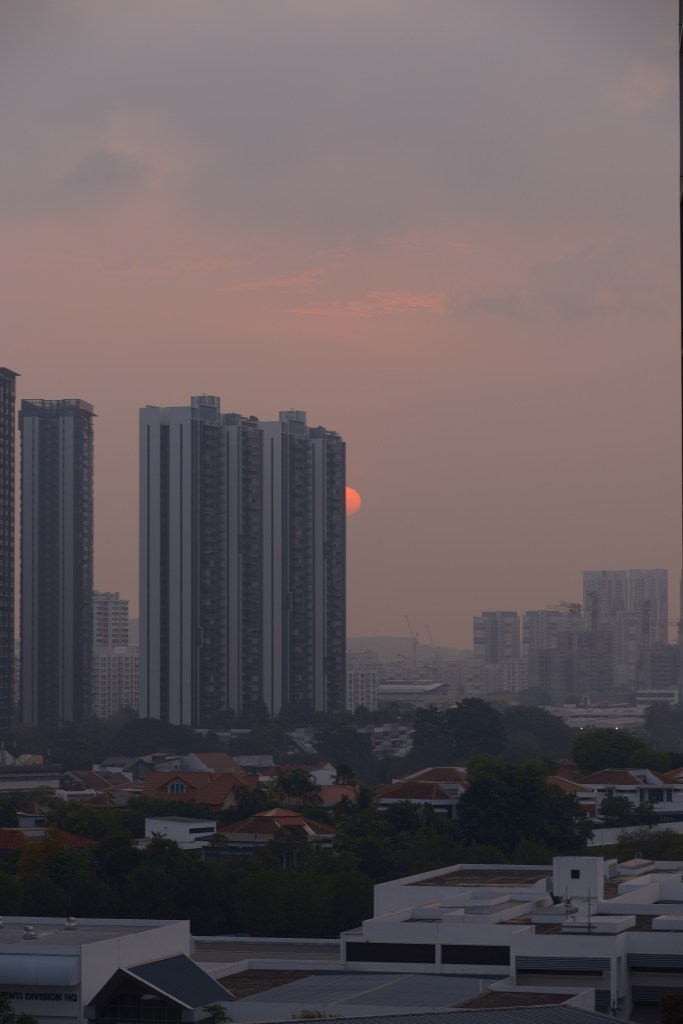
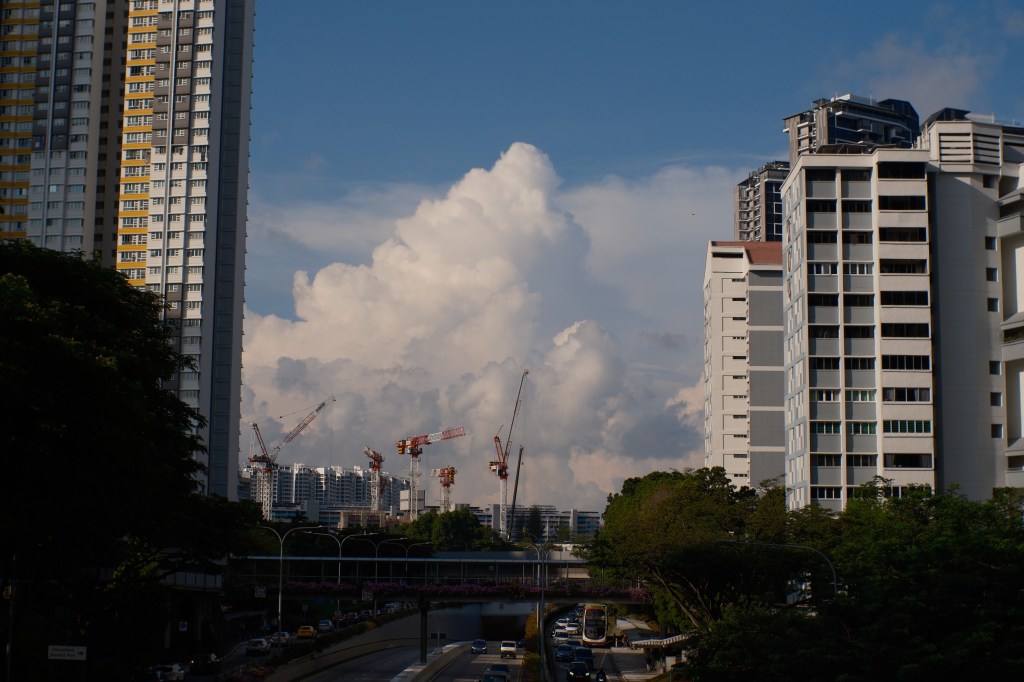
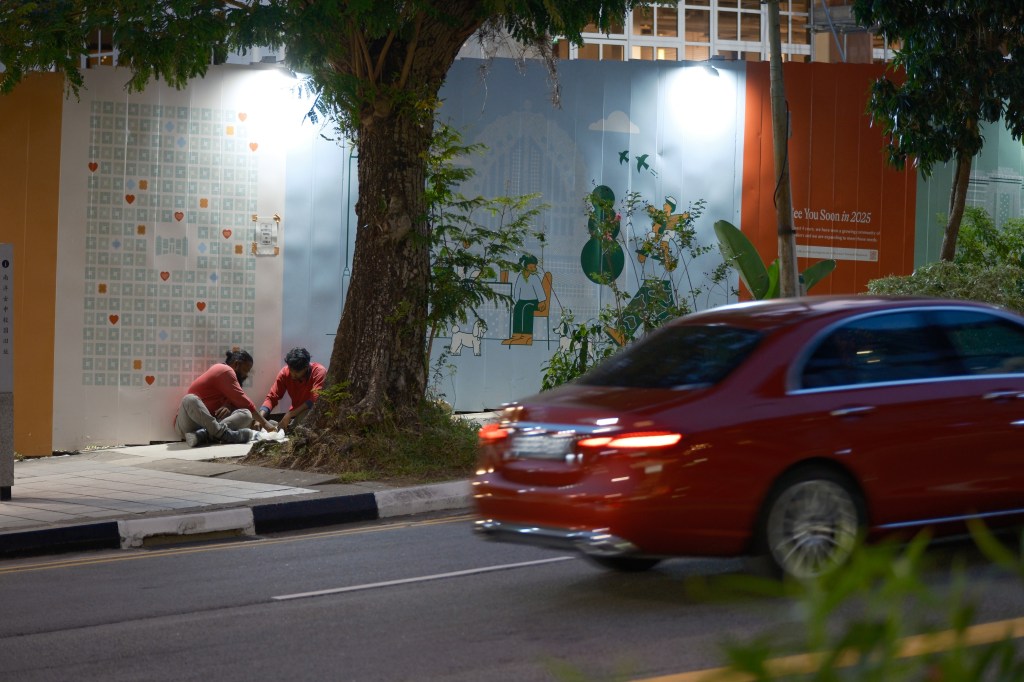
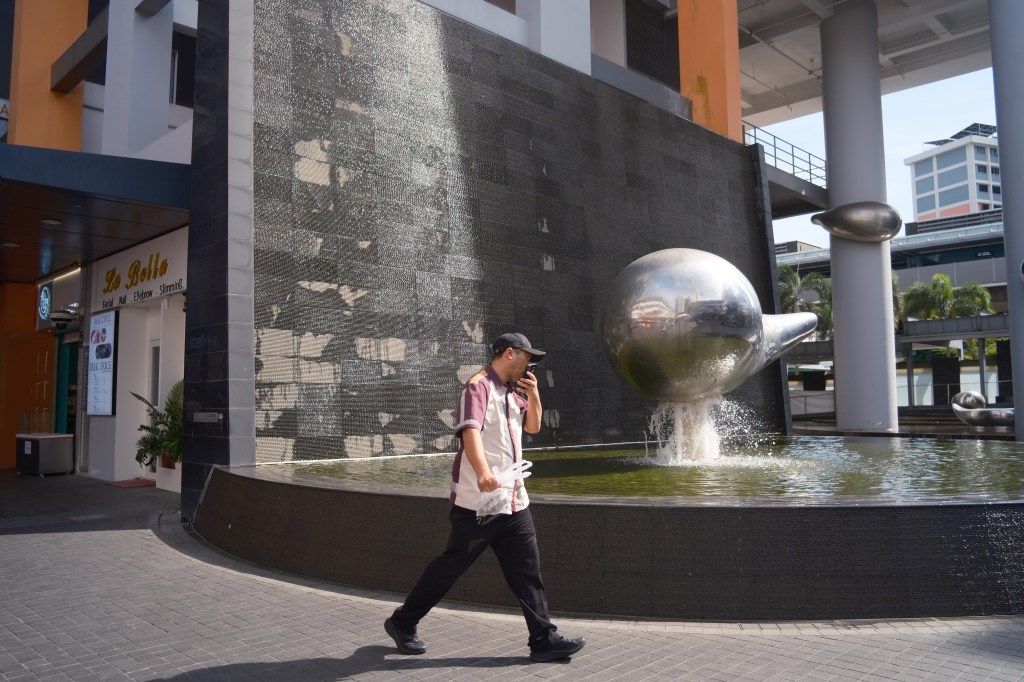
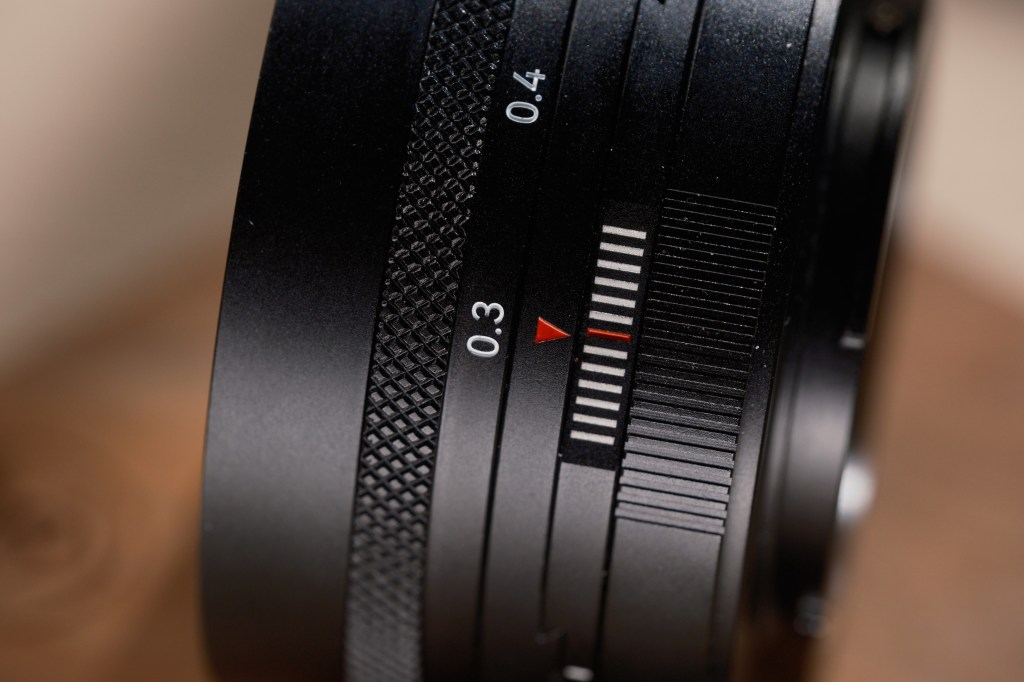
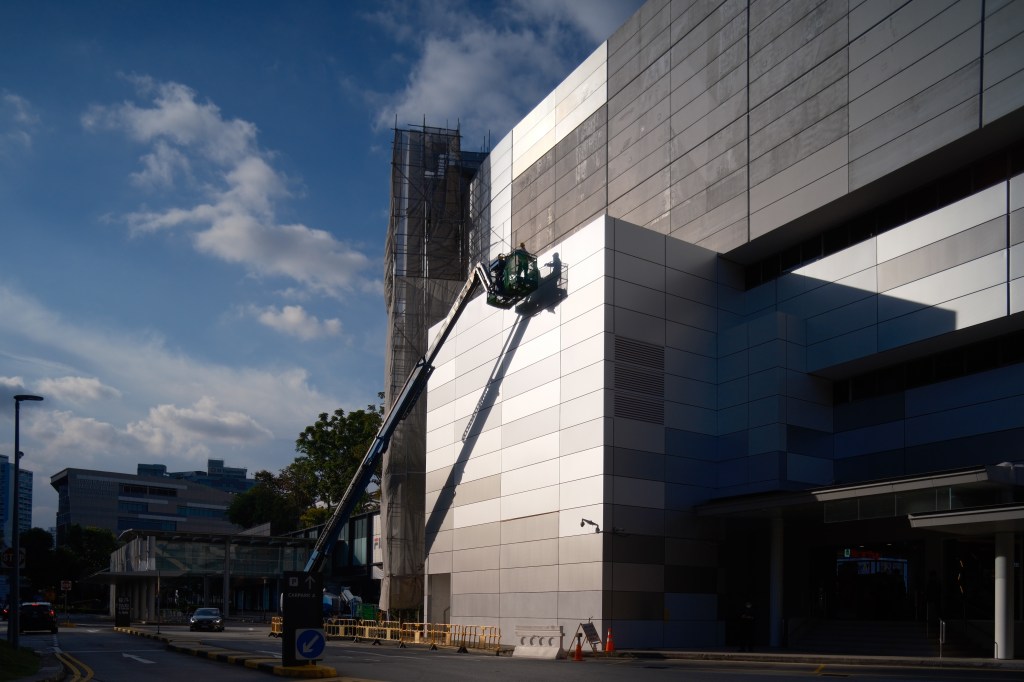
Fuji X-M5 . Viltrox 90mm f2.2 @ 90mm . f2.2 . 1/280″ . ISO 320 . Classic Negative
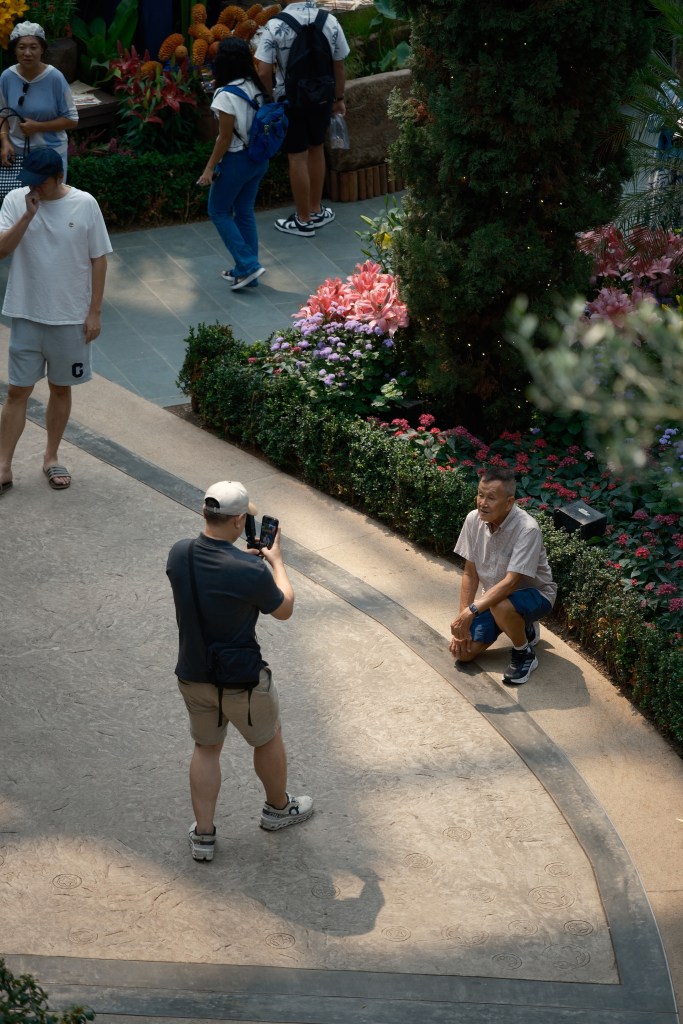
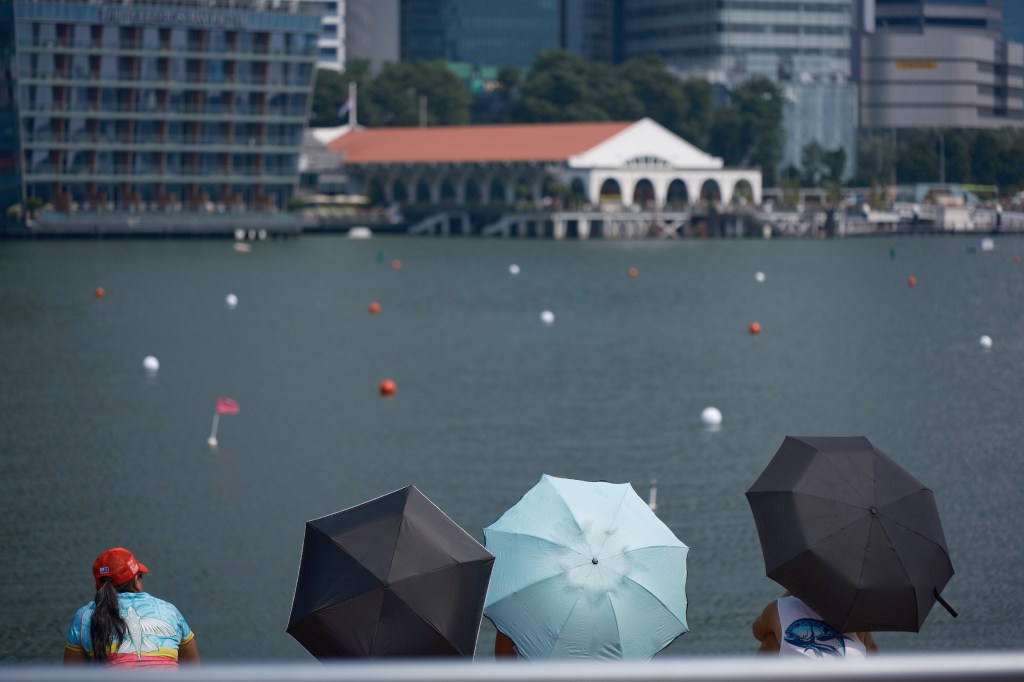
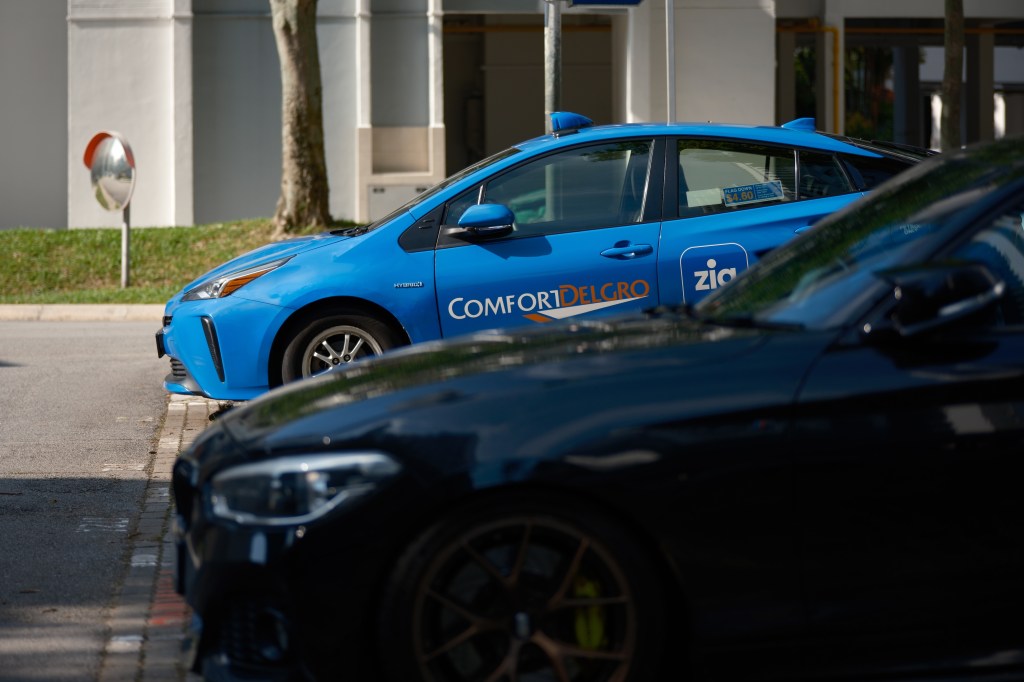
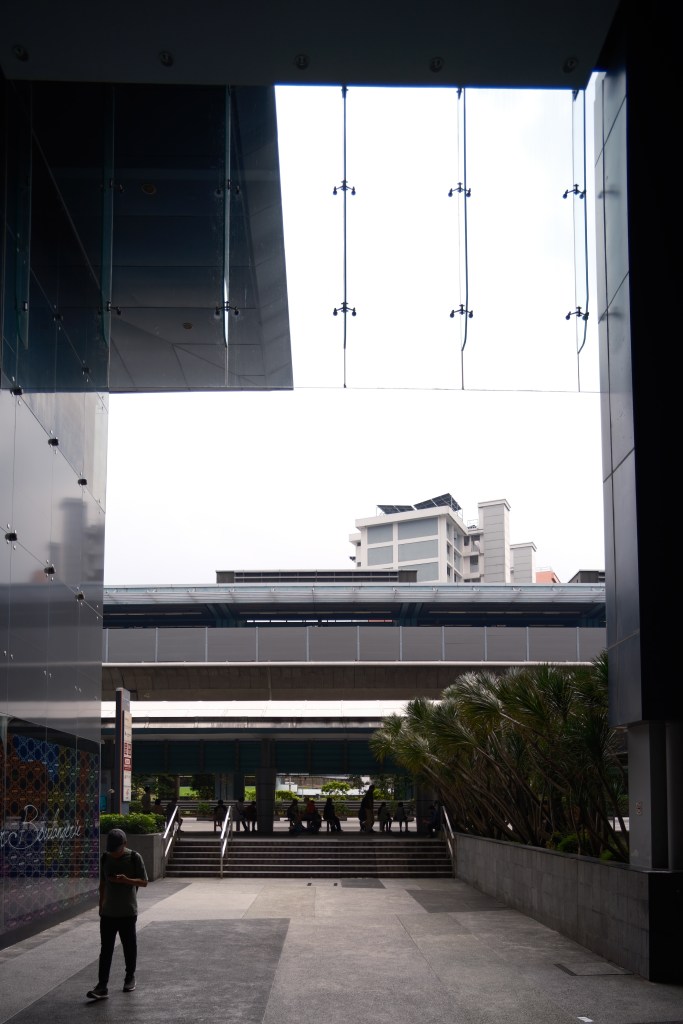
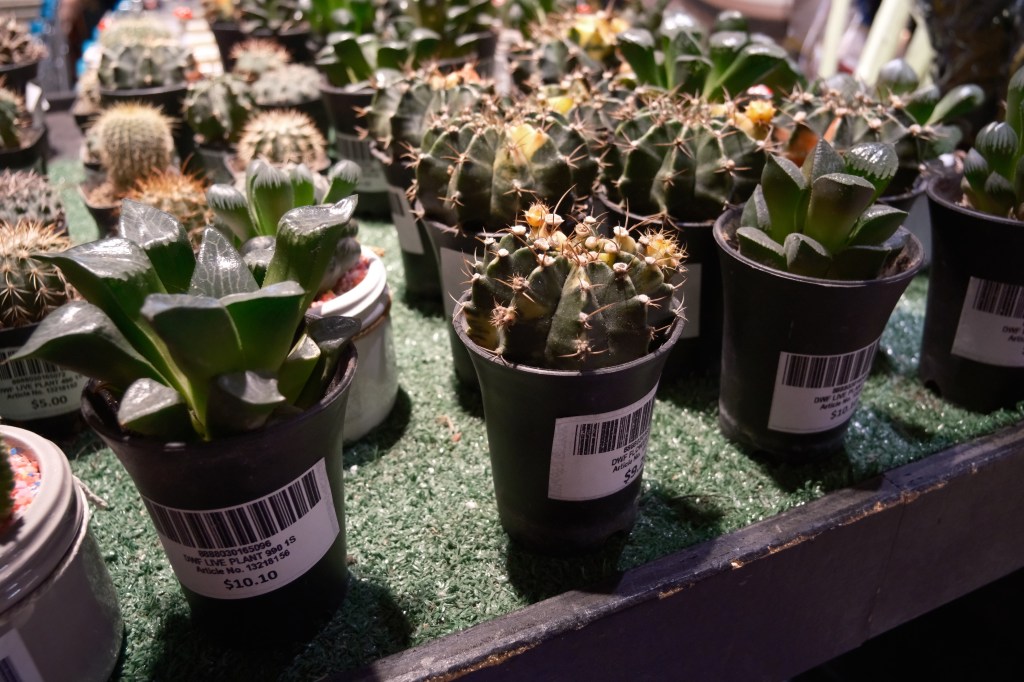
Fuji X-M5 . Viltrox 90mm f2.2 @ 90mm . f2.2 . 1/5000″ . ISO 320 . Classic Negative

In other words, EVO seems to be the middle ground for photographers who want something more substantial than an entry-level lens without necessarily stepping up to Viltrox’s premium offerings.

Besides Fujifilm X-mount, the lens is also available in Nikon Z-mount. Surprisingly, Sony E-mount is missing from the list, despite Sony being one of the major systems for which Viltrox has developed its autofocus lenses. It is an interesting omission at this point in time, although there could be several reasons behind the decision, and Viltrox has not necessarily shared all the details behind its mount selection.

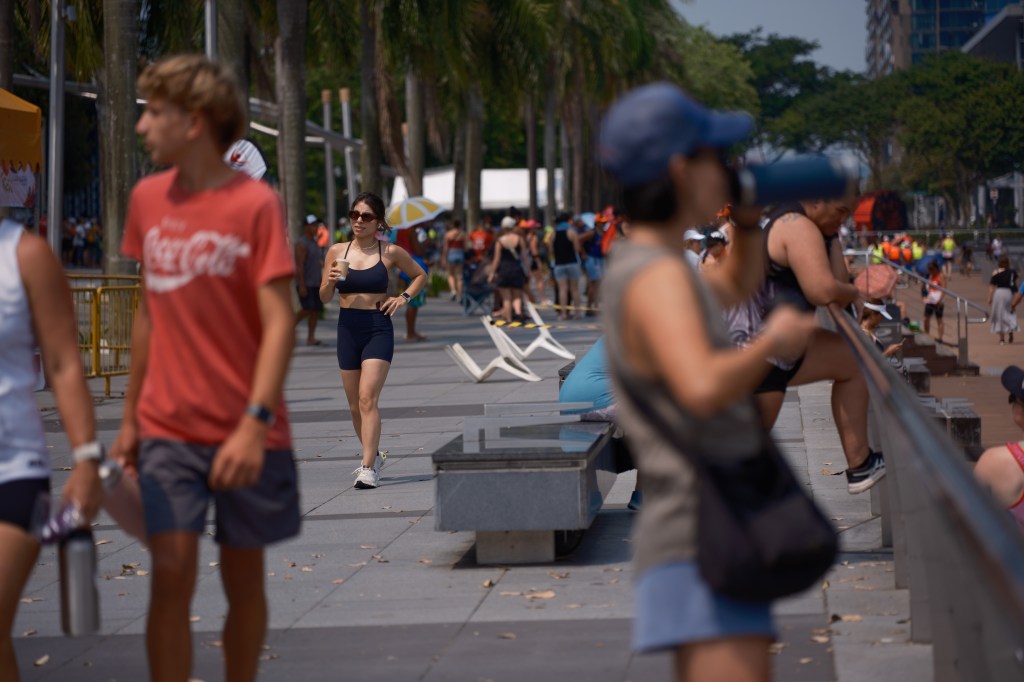
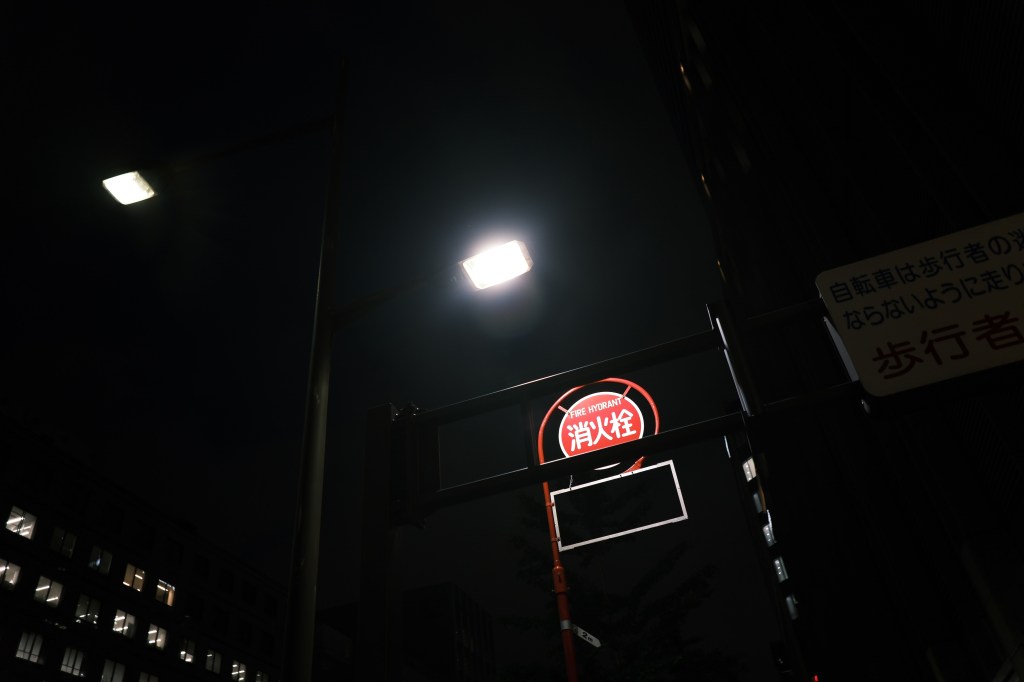
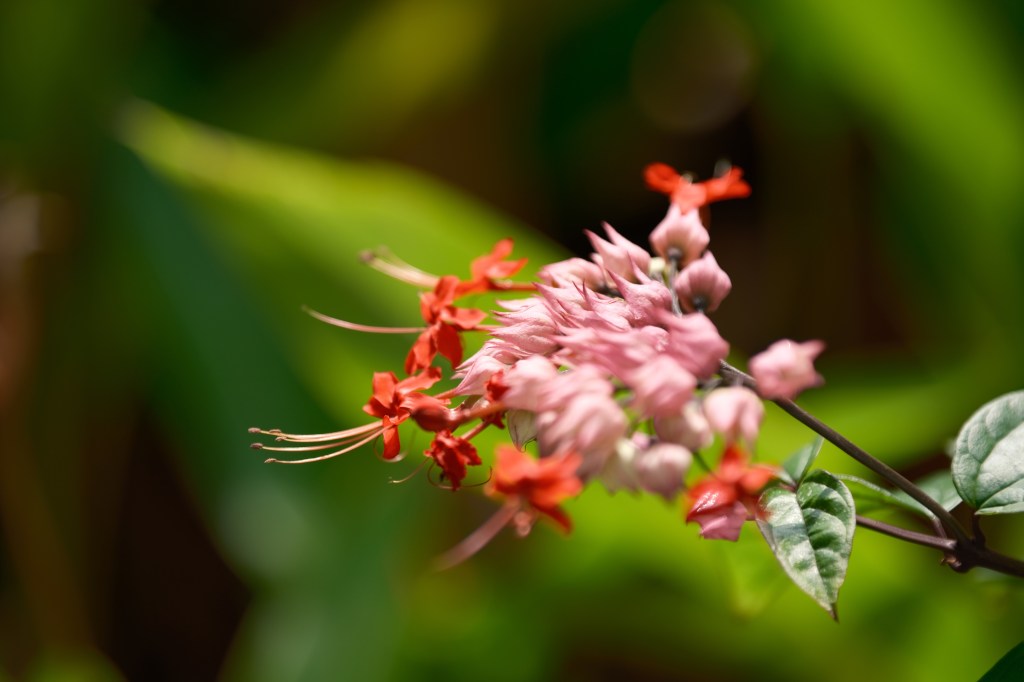
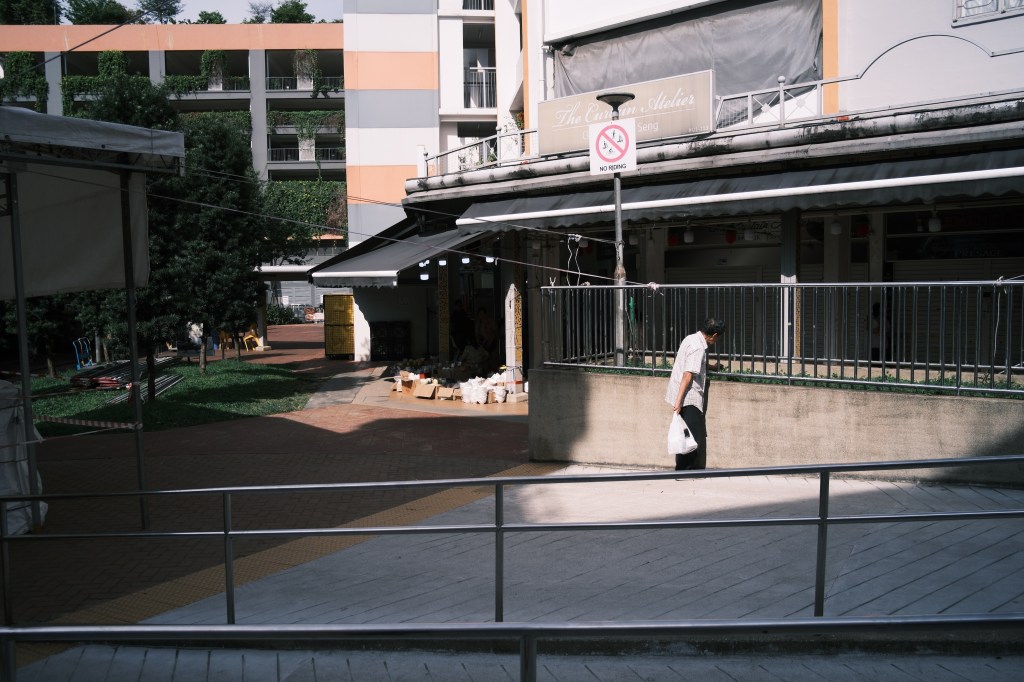
Fuji X-E5 . Viltrox 90mm f2.2 @ 90mm . f2.2 . 1/1600″ . ISO 125 . Nostalgic Negative

Design and Build Quality

The Viltrox 90mm f2.2 EVO shares identical dimensions, weight, and filter size with the Viltrox 75mm f1.8 EVO. You probably won’t be able to tell them apart unless you read the name on the lens barrel. It weighs 325 grams, and the weight is well distributed across the lens. Despite weighing over 300 grams, I don’t really feel the weight when holding it in my hand.
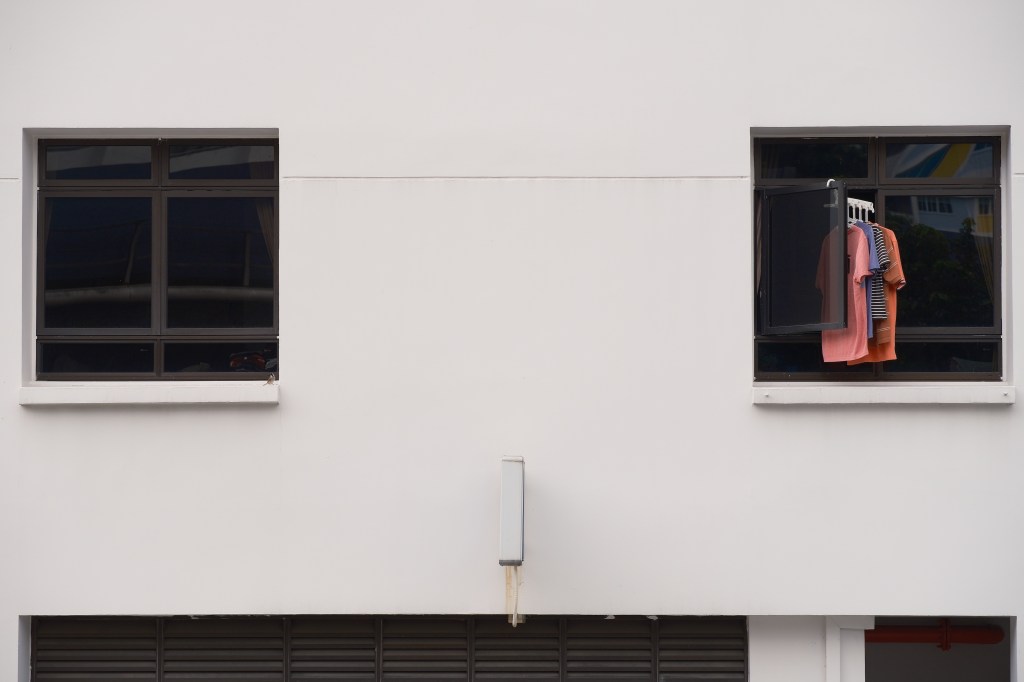
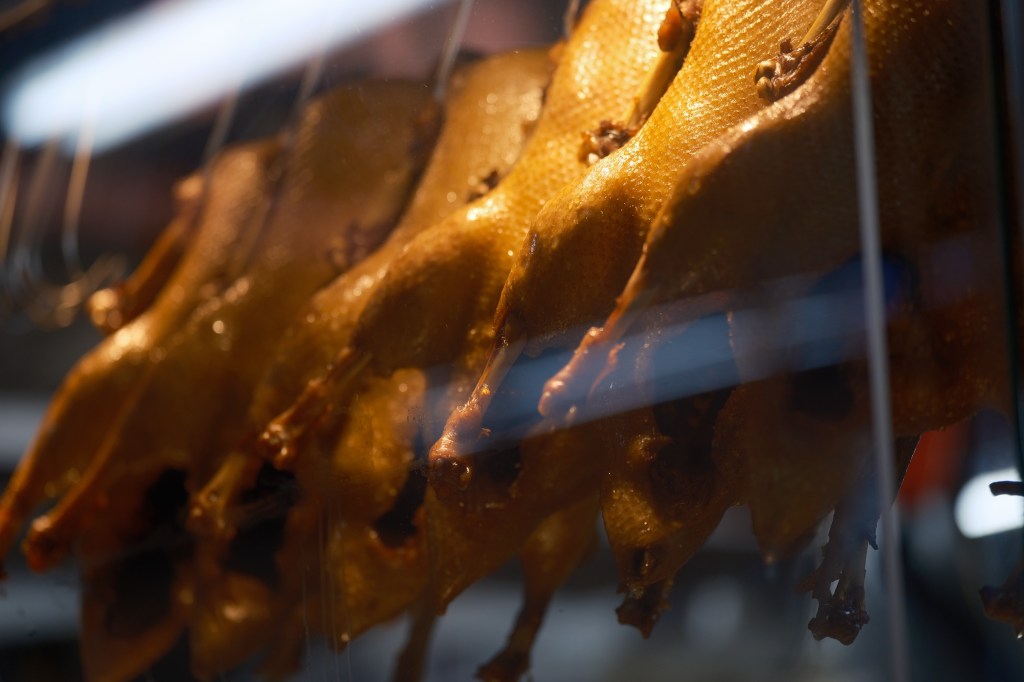
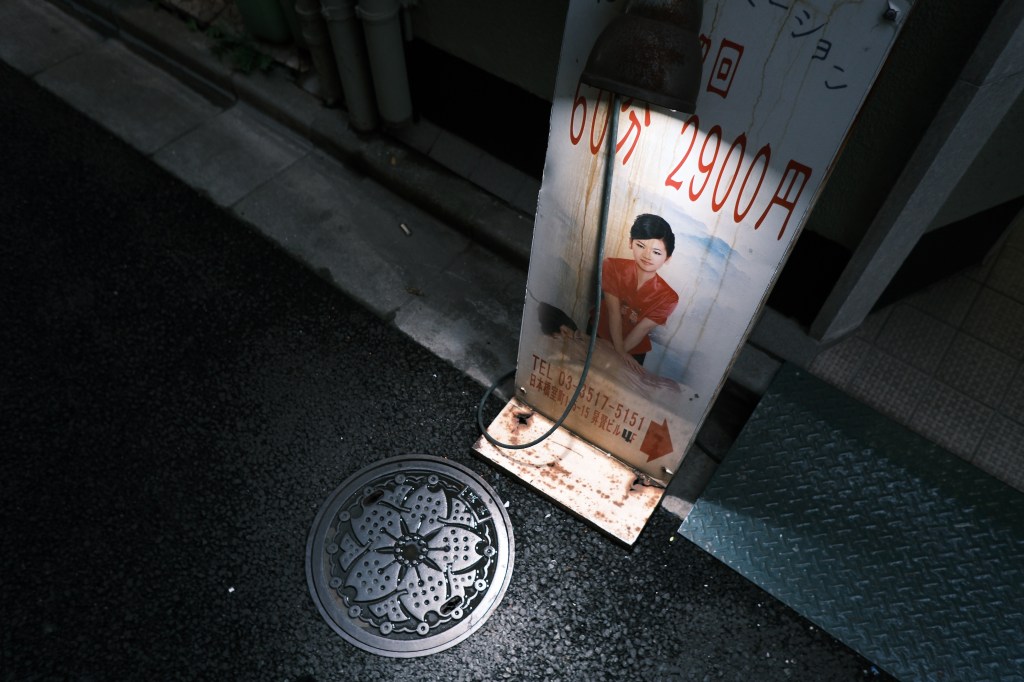
Fuji X-M5 . Viltrox 90mm f2.2 @ 90mm . f2.2 . 1/500″ . ISO 320 . Nostalgic Negative
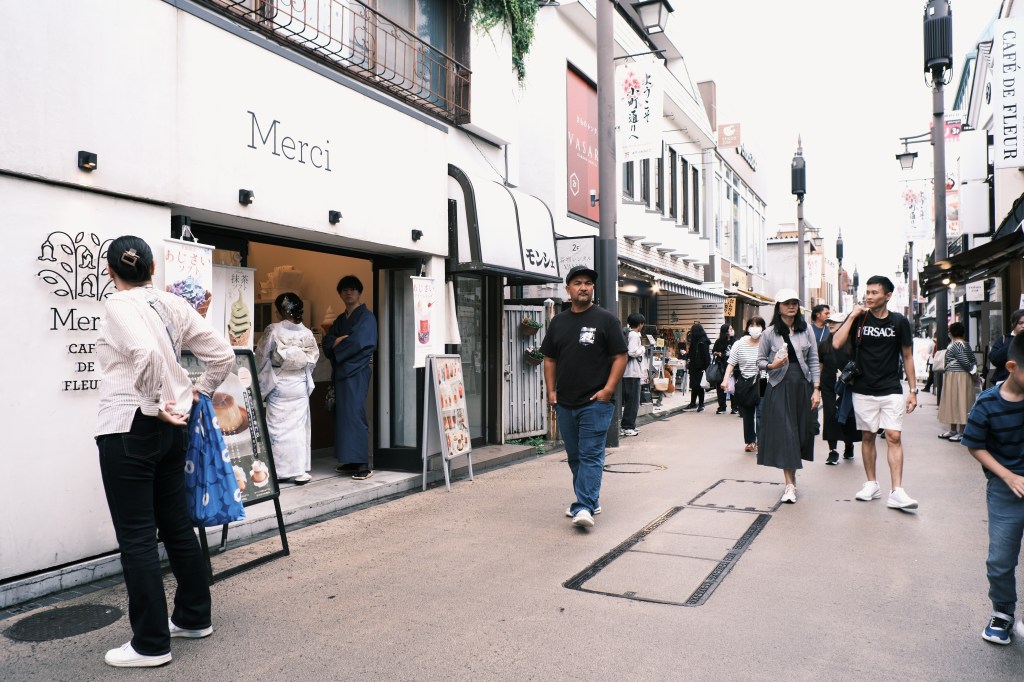
Fuji X-M5 . Viltrox 90mm f2.2 @ 90mm . f2.2 . 1/280″ . ISO 320 . Nostalgic Negative
Fuji X-M5 . Viltrox 90mm f2.2 @ 90mm . f2.2 . 1/2000″ . ISO 320 . Classic Negative

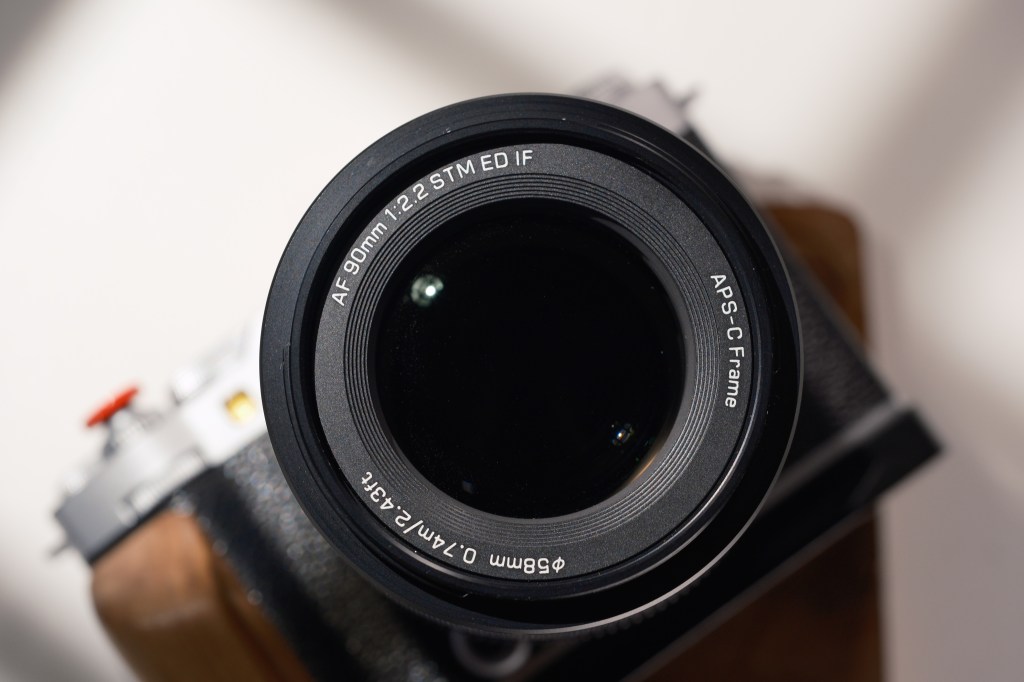
The lens comes with a modern design and great build quality. Many might even mistake it for a metal-bodied lens rather than one made of high-quality plastic. The 58mm filter thread is another plus point, as it allows me to share filters with the Viltrox 75mm f1.8 EVO.

Fuji X-E5 . Viltrox 90mm f2.2 @ 90mm . f2.2 . 1/400″ . ISO 125 . Nostalgic Negative

It also comes with an aperture ring, sharing the same characteristics as its sibling. The clicks are there, but it does not provide that satisfying, deep, and gentle feedback when changing the aperture. It is still not at the same level as what the Pro series offers. I guess this is one of the ways Viltrox tries to differentiate the Pro series from the EVO series.

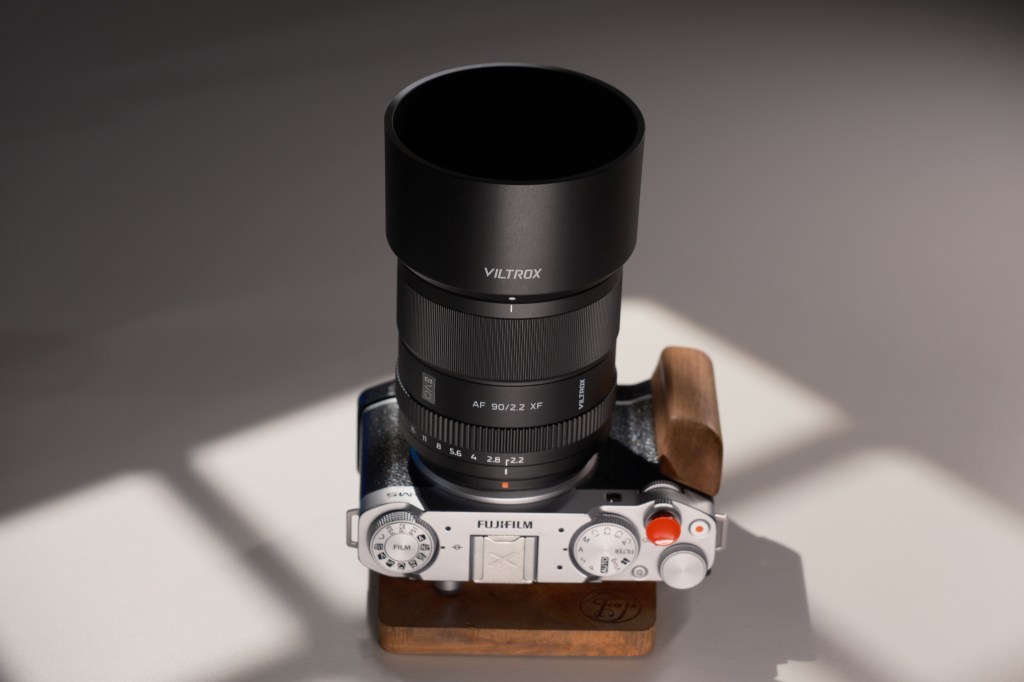
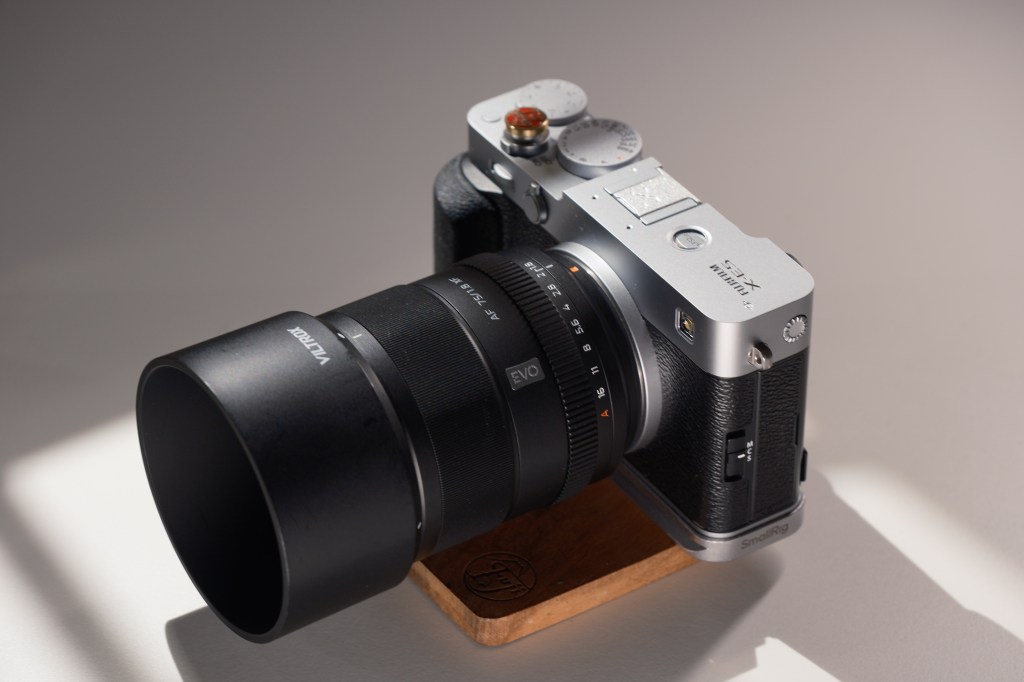
A circular lens hood is also included in the package.
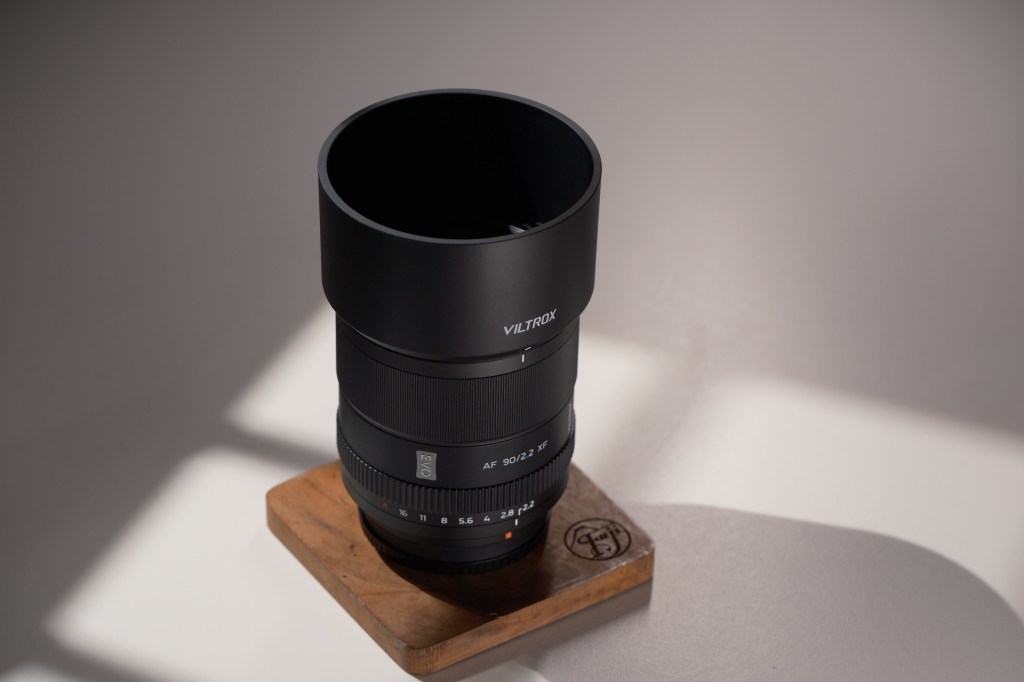
Viltrox 90mm f2.2 EVO with circular lens hood

Image Quality

When it comes to image quality, Viltrox has done a good job in this department. The sharpness and contrast are great. You can tell that the image quality is much better than what the Air series offers, although it is not too far off from the Pro series. Of course, if you dive deeper into pixel-level comparisons, you will start to notice the differences.
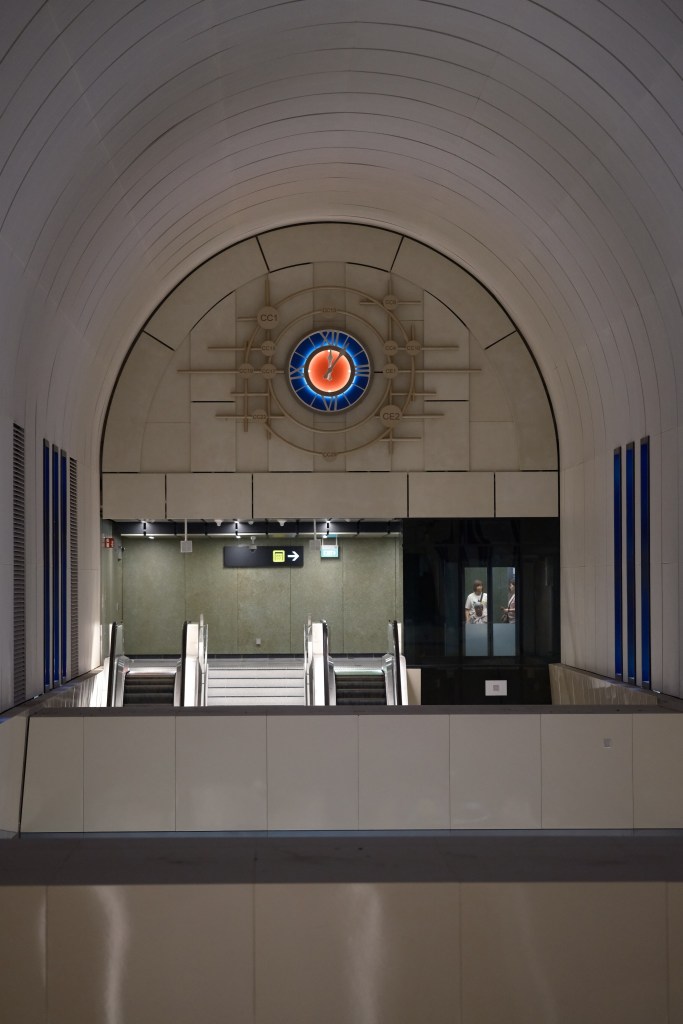

Fuji X-E5 . Viltrox 90mm f2.2 @ 90mm . f2.2 . 1/250″ . ISO 2500 . Nostalgic Negative
Fuji X-E5 . Viltrox 90mm f2.2 @ 90mm . f2.2 . 1/250″ . ISO 320 . Nostalgic Negative
Fuji X-E5 . Viltrox 90mm f2.2 @ 90mm . f2.2 . 1/600″ . ISO 125 . Nostalgic Negative

Chromatic aberration is very well controlled, and I am not able to spot any with my poor eyesight. However, a little vignetting can be observed if you look closely enough. At least it isn’t obvious enough for me to notice during normal shooting.

Background separation is probably one of the more pleasing aspects of this lens. Although it isn’t as bright as those lenses with larger apertures, the background blur and subject separation are comfortable to look at. The background does not distract me from the focused subject, which is what I appreciate most.
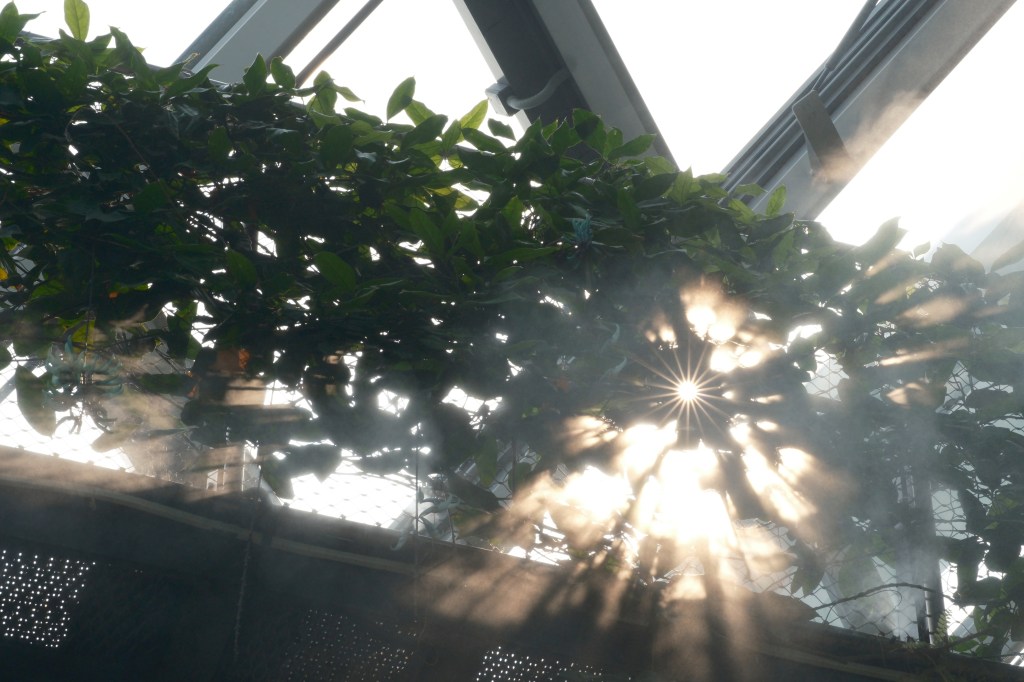
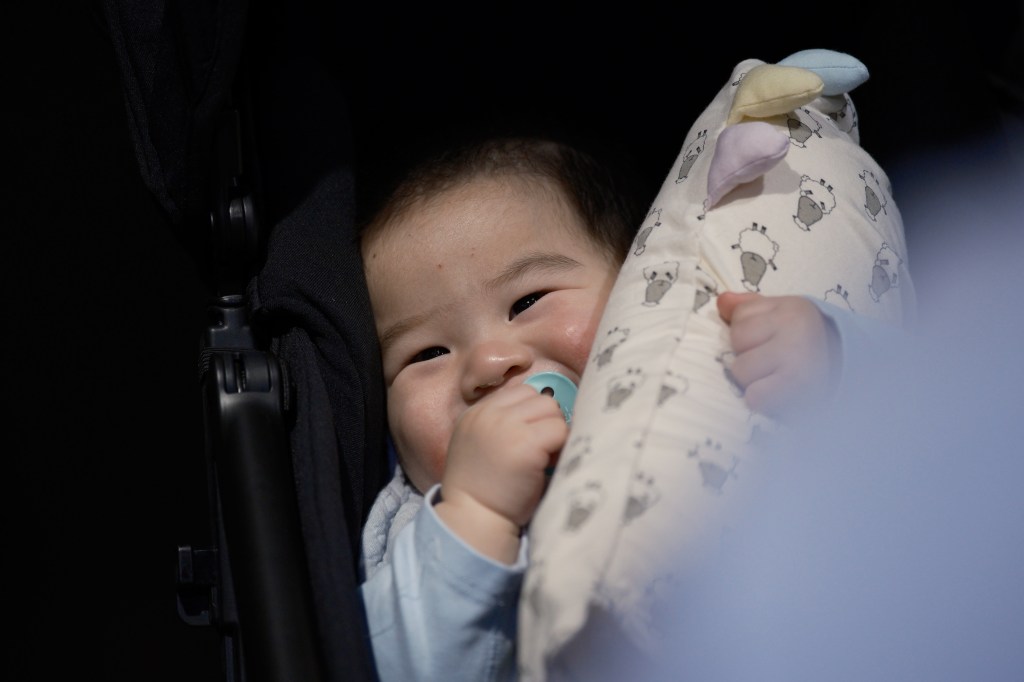
Fuji X-E5 . Viltrox 90mm f2.2 @ 90mm . f16 . 1/250″ . ISO 1250 . Nostalgic Negative
Fuji X-E5 . Viltrox 90mm f2.2 @ 90mm . f2.2 . 1/250″ . ISO1250 . Nostalgic Negative
Fuji X-E5 . Viltrox 90mm f2.2 @ 90mm . f2.2 . 1/500″ . ISO 2500 . Nostalgic Negative

Minimum Focus Distance (MFD)

The MFD is surprisingly close, much closer than I would have expected. At 74cm, it allows me to get closer to my subject, giving me more flexibility when it comes to framing my shots.


Fuji X-M5 . Viltrox 90mm f2.2 @ 90mm . f2.2 . 1/1800″ . ISO 320 . Classic Negative
Fuji X-E5 . Viltrox 90mm f2.2 @ 90mm . f2.2 . 1/900″ . ISO 125 . Nostalgic Negative
Fuji X-E5 . Viltrox 90mm f2.2 @ 90mm . f2.2 . 1/400″ . ISO 125 . Classic Negative

Thankfully, the image quality is retained even when shooting at this distance, with good sharpness and contrast. This makes the lens more versatile than I initially expected, especially when I want to experiment with tighter compositions.


Fuji X-E5 . Viltrox 90mm f2.2 @ 90mm . f2.2 . 1/1700″ . ISO 125 . Nostalgic Negative
Fuji X-E5 . Viltrox 90mm f2.2 @ 90mm . f2.2 . 1/250″ . ISO 500 . Classic Negative
Fuji X-E5 . Viltrox 90mm f2.2 @ 90mm . f2.2 . 1/750″ . ISO 125 . Classic Negative

Focusing

Equipped with a Stepper Motor (STM), the focusing speed is fairly fast. However, you can tell that it isn’t particularly snappy when focusing from MFD to infinity and vice versa.


Fuji X-E5 . Viltrox 90mm f2.2 @ 90mm . f2.2 . 1/950″ . ISO 125 . Nostalgic Negative
Fuji X-E5 . Viltrox 90mm f2.2 @ 90mm . f2.2 . 1/800″ . ISO 125 . Nostalgic Negative
Fuji X-E5 . Viltrox 90mm f2.2 @ 90mm . f2.2 . 1/1300″ . ISO 125 . Nostalgic Negative

Focus pulling can be very irritating, and this is a common focusing behaviour I have experienced with many mid-telephoto lenses. It can be especially obvious when I am trying to shoot close to the MFD.

If you love shooting close to the MFD with this lens, I would suggest manually focusing close to your intended subject before switching to autofocus and taking the shot. This should increase the chances of reducing unnecessary focus pulling.


Fuji X-E5 . Viltrox 90mm f2.2 @ 90mm . f2.2 . 1/500″ . ISO 3200 . Nostalgic Negative
Fuji X-E5 . Viltrox 90mm f2.2 @ 90mm . f2.2 . 1/250″ . ISO 200 . Nostalgic Negative
Fuji X-M5 . Viltrox 90mm f2.2 @ 90mm . f2.2 . 1/500125 . ISO 640 . Nostalgic Negative

Price Point

When it comes to price, there isn’t much competition for the Viltrox 90mm f2.2 EVO in terms of what it offers at this price point.


Fuji X-E5 . Viltrox 90mm f2.2 @ 90mm . f2.2 . 1/640″ . ISO 125 . Classic Negative
Fuji X-E5 . Viltrox 90mm f2.2 @ 90mm . f2.2 . 1/1900″ . ISO 125 . Classic Negative
Fuji X-E5 . Viltrox 90mm f2.2 @ 90mm . f2.2 . 1/640″ . ISO 125 . Nostalgic Negative

Priced at USD 369, it costs about three times less than the Fujifilm XF 90mm f2, which is priced at USD 1149. That is a huge price difference, and I think it clearly separates the target audiences for these two lenses.


Fuji X-E5 . Viltrox 90mm f2.2 @ 90mm . f2.2 . 1/1000″ . ISO 125 . Nostalgic Negative
Fuji X-M5 . Viltrox 90mm f2.2 @ 90mm . f2.2 . 1/500″ . ISO 3200 . Nostalgic Negative
Fuji X-E5 . Viltrox 90mm f2.2 @ 90mm . f2.2 . 1/420″ . ISO 125 . Nostalgic Negative

For those who want a telephoto prime lens without spending too much, the Viltrox offers a much more affordable way to get into this focal length.

Others

Viltrox highlighted that the lens design provides decent protection for outdoor situations, such as light rain and dusty environments, thanks to the rubber seals around the rear lens mount. The front lens element also comes with a water- and smudge-resistant coating.


Fuji X-E5 . Viltrox 90mm f2.2 @ 90mm . f2.2 . 1/250″ . ISO 125 . Nostalgic Negative
Fuji X-E5 . Viltrox 90mm f2.2 @ 90mm . f2.2 . 1/320″ . ISO 125 . Nostalgic Negative
Fuji X-E5 . Viltrox 90mm f2.2 @ 90mm . f2.2 . 1/2000″ . ISO 125 . Nostalgic Negative

While Viltrox has highlighted these protective features, I would still advise against abusing the lens in harsh conditions. After all, having some protection does not mean the lens is invincible.

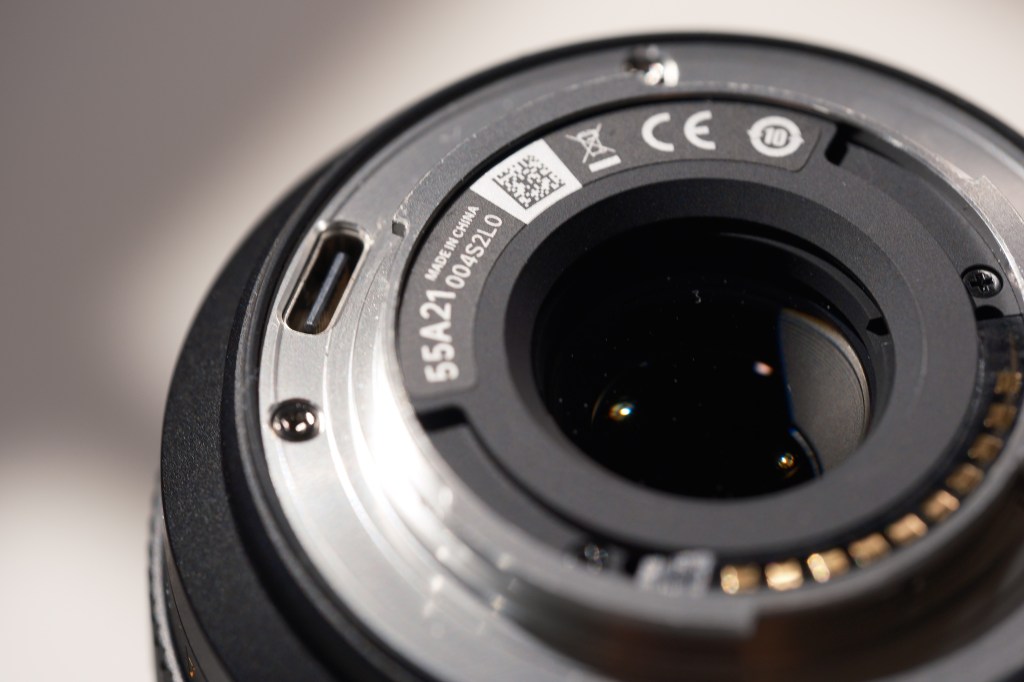
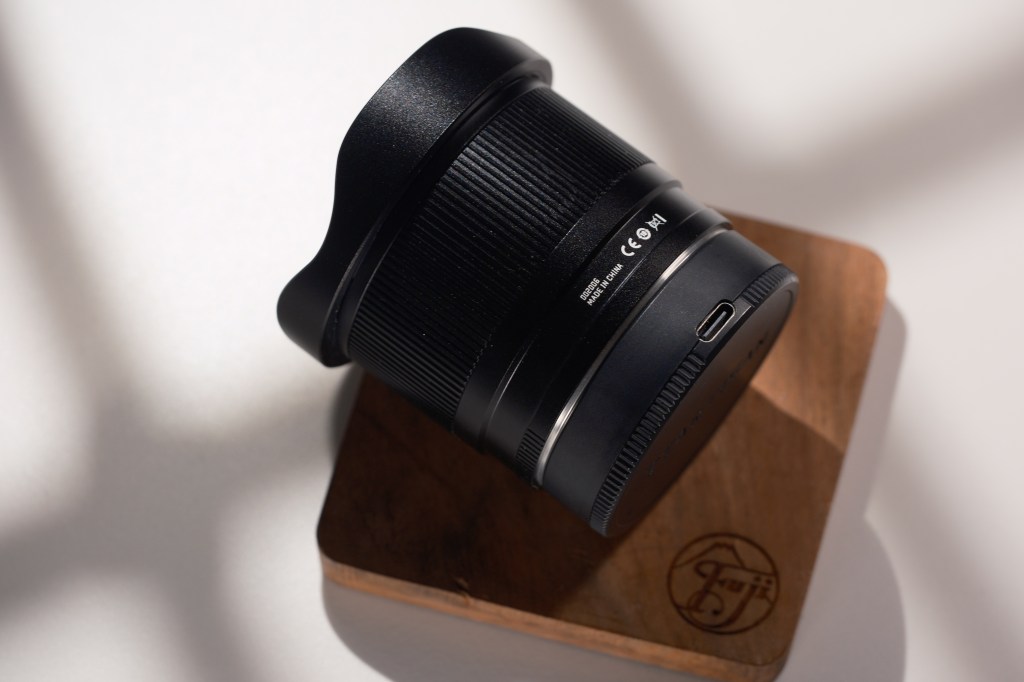
Like other Viltrox lenses, the USB-C port is located at the rear lens mount, allowing photographers to upgrade the firmware whenever a new version becomes available.

Viltrox 90mm f2.2 EVO – USB-C Port

Who is this for?

There is no doubt that this is a great alternative to the Fujifilm XF 90mm f2 for portrait photography. The difference between f2 and f2.2 is relatively small and may be negligible for many photographers. For portrait photographers who have been eyeing the XF 90mm f2 but do not wish to invest that much money in a lens, this alternative is not a bad option to consider.

Fuji X-M5 . Viltrox 90mm f2.2 @ 90mm . f2.2 . 1/180″ . ISO 320 . Classic Negative
Fuji X-M5 . Viltrox 90mm f2.2 @ 90mm . f2.2 . 1/1700″ . ISO 160 . Classic Negative
Fuji X-M5 . Viltrox 90mm f2.2 @ 90mm . f2.2 . 1/2900″ . ISO 320 . Classic Negative

At 135mm full-frame equivalent, this is an unusual focal length for many casual photographers, and it isn’t the easiest focal length to adapt to. I, myself, am one of them.

However, the more I used it, the more I grew to love this focal length. So much so that I didn’t even realise I was using it more often than the Viltrox 75mm f1.8 EVO.

Conclusion

The Viltrox 90mm f2.2 EVO is a good alternative to the Viltrox 75mm f1.8 EVO. While I do not see a compelling reason to recommend buying both lenses together, having either one is a good way to complement a prime lens collection that already covers the ultra-wide to mid-telephoto range. It extends your reach a little further into the telephoto territory.

If you are undecided between the 75mm and 90mm, I would suggest going for the 75mm. But if you are open to exploring other options, I would personally prefer something in the 50mm to 56mm focal length range. I find this range more versatile for everyday photography while still providing good compression in photos. Of course, this is just my personal preference, and your choice will depend on how you intend to use the lens.

Having said that, the overall package for the Viltrox 90mm f2.2 is compact and lightweight, making it a useful addition to a travel setup. Having a lens like this in my bag doesn’t take up too much space, and it gives me another focal length to work with when the situation calls for it.

This is the second EVO series lens I have reviewed, and as I mentioned in my Viltrox 75mm f1.8 EVO review, Viltrox has filled in the gap it created itself, and it is a good one in a way.

I hope to see more EVO series lenses covering the same focal lengths as the Air series, giving photographers a brighter aperture and an aperture ring for a slightly higher price. I believe the EVO series could be a new profitable lineup for Viltrox, as it offers photographers a little more without having to spend too much more.

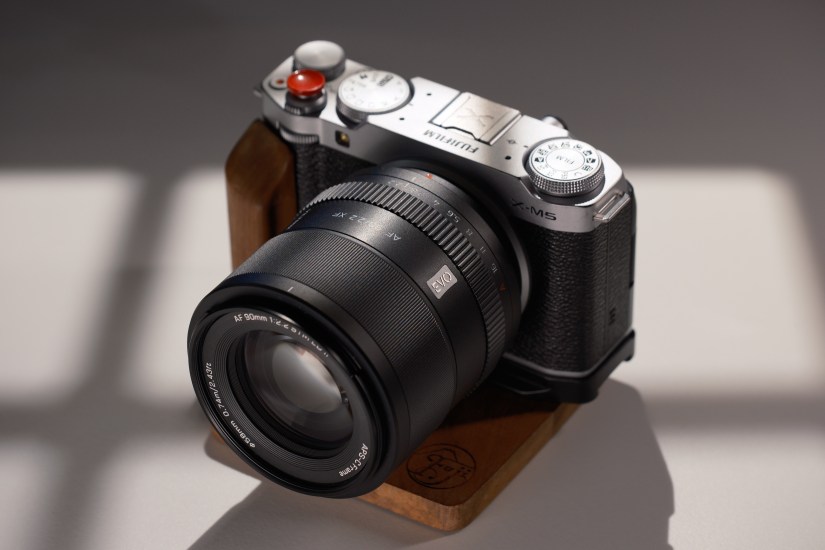
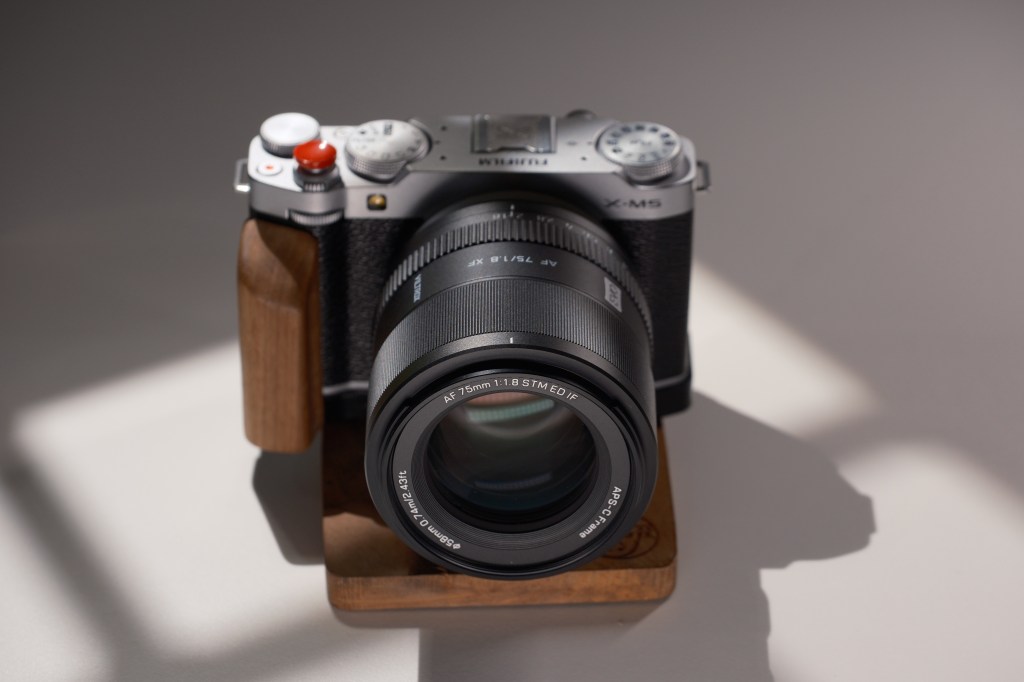
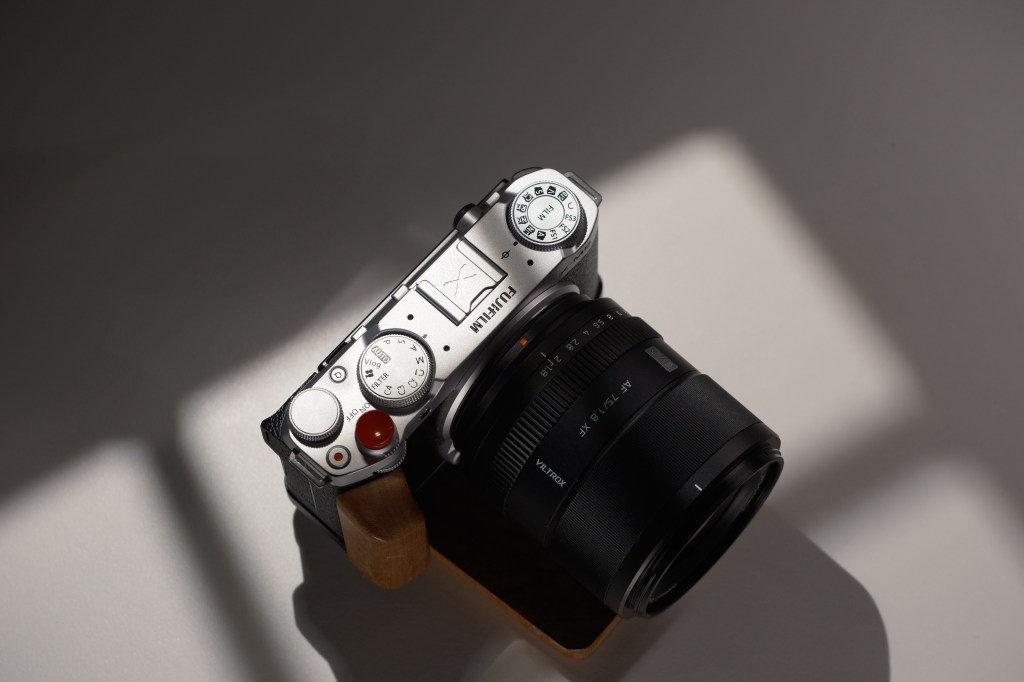
Fujifilm X-M5 with Viltrox 90mm f2.2 EVO

Thank you for reading.

Disclaimer:
1. All the shots taken here are shot by me.
2. Most of the shots are straight out of the camera with some shots edited via In-Camera Raw Processing.

3. The opinions are based on my experience. If there is any mistake, please kindly drop me a message and I will gladly make the amendment.
4. I reserve ownership of these images, if you wish to use my images, please notify me.

If you like my works, please follow me on either one of the 2 Instagram accounts:

https://www.instagram.com/alwin.portraits

If you have a Facebook account, feel free to join Fujifanboys FB group.

If you like my content and you want to show some support and keep this blog alive, you can buy me a coffee here.

Reviews

Viltrox 75mm f1.8 EVO – Too Much For Air, Not Pro Enough To Be Pro

Typically, most manufacturers have two or three different product lines to differentiate their “Pro” and “Consumer” grade lenses. But Viltrox seems to be doing something slightly different from the rest.

They have a total of four levels in their photographic lens lineup. Is it too diverse, or is this a new strategy to attract a new group of photographers?

Viltrox 75mm f1.8 EVO

Intro

The Viltrox 75mm f1.8 EVO was announced together with the Viltrox 90mm f2.2 EVO in June 2026. The EVO series sits between the Air series and the Pro series in Viltrox’s lineup, with the “LAB” series sitting above the Pro lineup.

Viltrox 75mm f1.8 EVO with Lens Hood
Fuji X-E5 with Viltrox 75mm f1.8 EVO

So, is the EVO series justifiable sitting between the Air and Pro series? Does EVO deserve its own position in the lineup, or is it simply another marketing gimmick?

A little background on both the EVO and LAB lineups. The LAB series was first introduced with the AF 135mm f1.8 LAB FE for Sony E-mount back in November 2024, while the EVO series made its debut with the 85mm f2.0 EVO for Sony E-mount in October 2025.

The Viltrox 75mm f1.8 EVO is available in Sony E-mount and Nikon Z-mount too.

Design and Build Quality

When I first held the lens in my hand, it felt very good. So good that I actually thought it was made of metal. But something didn’t feel quite right.

Fuji X-E5 . Viltrox 75mm f1.8 @ 75mm . f1.8 . 1/220″ . ISO 1000 . Nostalgic Negative
Fuji X-E5 . Viltrox 75mm f1.8 @ 75mm . f2.8 . 1/3000″ . ISO 125 . Classic Negative
Fuji X-E5 . Viltrox 75mm f1.8 @ 75mm . f1.8 . 1/280″ . ISO 125 . Nostalgic Negative

After checking what the lens is actually made of, I was quite surprised by how good the quality is. Yes, it is plastic, but honestly, I couldn’t really tell that it was made of plastic. I could be the only one who made this misjudgement, but nonetheless, the build quality impressed me.

At 325 grams, the lens is also very comfortable to handle. The weight distribution feels well balanced throughout the body, and it doesn’t feel front-heavy when mounted on my camera. Visually, the lens gives me a simple, clean, and neat look. It doesn’t have a very loud essence or vibe that screams for attention. I quite like that.

Fuji X-E5 . Viltrox 75mm f1.8 @ 75mm . f4 . 1/220″ . ISO 125 . Nostalgic Negative
Fuji X-E5 . Viltrox 75mm f1.8 @ 75mm . f1.8 . 1/220″ . ISO 125 . Nostalgic Negative

It comes with a clicky aperture ring, but the feedback isn’t particularly deep or gentle. It is just enough to give me the feedback I want whenever I change the aperture.

The 58mm filter size is also pretty small for a telephoto portrait lens, and it comes with a lens hood as well.

Image Quality

Image quality is great, with good sharpness and contrast. While the results are not quite on par with the “Pro” level, the difference between this and the “Air” series is much clearer. The EVO definitely feels like a step up.

Fuji X-E5 . Viltrox 75mm f1.8 @ 75mm . f1.8 . 1/1400″ . ISO 125 . Nostalgic Negative
Fuji X-E5 . Viltrox 75mm f1.8 @ 75mm . f1.8 . 1/350″ . ISO 125 . Nostalgic Negative
Fuji X-E5 . Viltrox 75mm f1.8 @ 75mm . f1.8 . 1/6000″ . ISO 125 . Nostalgic Negative

Background separation from the main subject is fine for an f1.8 lens. Of course, it doesn’t give me the same level of separation as a brighter f1.2 lens, but the result is smooth and comfortable to look at.

Most importantly, the background blur doesn’t distract me from the focused subject, which is something I appreciate. Chromatic aberration is very well controlled and seems to be nowhere to be found with my poor eyesight. The same goes for vignetting, or at least it isn’t visible enough for me to notice.

Focusing

It is equipped with a Stepper Motor (STM), like many other lenses in the market. Focusing is considerably fast enough, although I wouldn’t call it snappy. It also has the common focusing behaviour of many mid-telephoto lenses, which is focus pulling and occassionally just cannot focus at first attempt.

Fuji X-E5 . Viltrox 75mm f1.8 @ 75mm . f1.8 . 1/7000″ . ISO 125 . Nostalgic Negative
Fuji X-E5 . Viltrox 75mm f1.8 @ 75mm . f1.8 . 1/8000″ . ISO 125 . Nostalgic Negative
Fuji X-E5 . Viltrox 75mm f1.8 @ 75mm . f1.8 . 1/5800″ . ISO 125 . Nostalgic Negative

This doesn’t just happen under low-light conditions. I also experienced it during bright daytime conditions and even in well-lit indoor environments.

During my testing, I experienced two or three misfocused shots. I’m not entirely sure whether it was because my subject accidentally shifted while I was shooting, or whether it was simply the lens missing focus.

Nevertheless, the STM does provide silent focusing, which is something many photographers will appreciate, especially when shooting in situations where you don’t want the focusing motor to become part of the experience.

Minimum Focus Distance (MFD)

The minimum focus distance is 74cm, which may sound considerably far. But considering this is a 75mm lens, giving us a 112.5mm full-frame equivalent field of view on a Fuji X-mount sensor, the distance is actually pretty good for a non-macro lens.

Viltrox 75mm f1.8 EVO Top View
Fuji X-E5 . Viltrox 75mm f1.8 @ 75mm . f1.8 . 1/220″ . ISO 1000 . Nostalgic Negative
Fuji X-E5 . Viltrox 75mm f1.8 @ 75mm . f1.8 . 1/1250″ . ISO 125 . Nostalgic Negative

What I like is that the sharpness and contrast remain pretty consistent even when shooting at the minimum focus distance. There isn’t a noticeable drop in image quality, and that is something I appreciate.

Price Point

There aren’t a lot of choices when it comes to 75mm lenses. For Fuji X-mount, there are only three manufacturers offering four lenses, and that includes Viltrox’s own 75mm f1.2 Pro.

Fuji X-E5 . Viltrox 75mm f1.8 @ 75mm . f1.8 . 1/7500″ . ISO 125 . Nostalgic Negative
Fuji X-E5 . Viltrox 75mm f1.8 @ 75mm . f1.8 . 1/950″ . ISO 125 . Classic Negative
Fuji X-E5 . Viltrox 75mm f1.8 @ 75mm . f1.8 . 1/1000″ . ISO 125 . Nostalgic Negative

Here are the prices:

Sirui Sniper 75mm f1.8 1.33× Anamorphic — USD 299

Viltrox 75mm f1.8 EVO — USD 329

Viltrox 75mm f1.2 Pro — USD 580

TTArtisan 75mm f2 — USD 199

At USD 329, the Viltrox 75mm f1.8 EVO isn’t the cheapest option in the market.

Fuji X-E5 . Viltrox 75mm f1.8 @ 75mm . f1.8 . 1/3800″ . ISO 125 . Nostalgic Negative
Fuji X-E5 . Viltrox 75mm f1.8 @ 75mm . f1.8 . 1/3200″ . ISO 125 . Nostalgic Negative
Fuji X-E5 . Viltrox 75mm f1.8 @ 75mm . f2.8 . 1/220″ . ISO 160 . Nostalgic Negative

But with Viltrox’s strong brand recognition and the assurance of the quality of its own products, I think the price is fair enough.

Others

It comes with a USB-C port located at the rear of the lens, like many other modern lenses, for firmware updates. But what surprised me is that it does come with some level of weather protection.

Fuji X-E5 . Viltrox 75mm f1.8 @ 75mm . f1.8 . 1/20″ . ISO 3200 . Nostalgic Negative
Fuji X-E5 . Viltrox 75mm f1.8 @ 75mm . f1.8 . 1/680″ . ISO 125 . Classic Negative
Fuji X-E5 . Viltrox 75mm f1.8 @ 75mm . f1.8 . 1/1500″ . ISO 125 . Classic Negative

Viltrox officially states that the lens is designed with practical protection for outdoor environments, including light rain and dusty conditions. It comes with a rubber-sealed lens mount, while the front element has a water- and smudge-resistant coating.
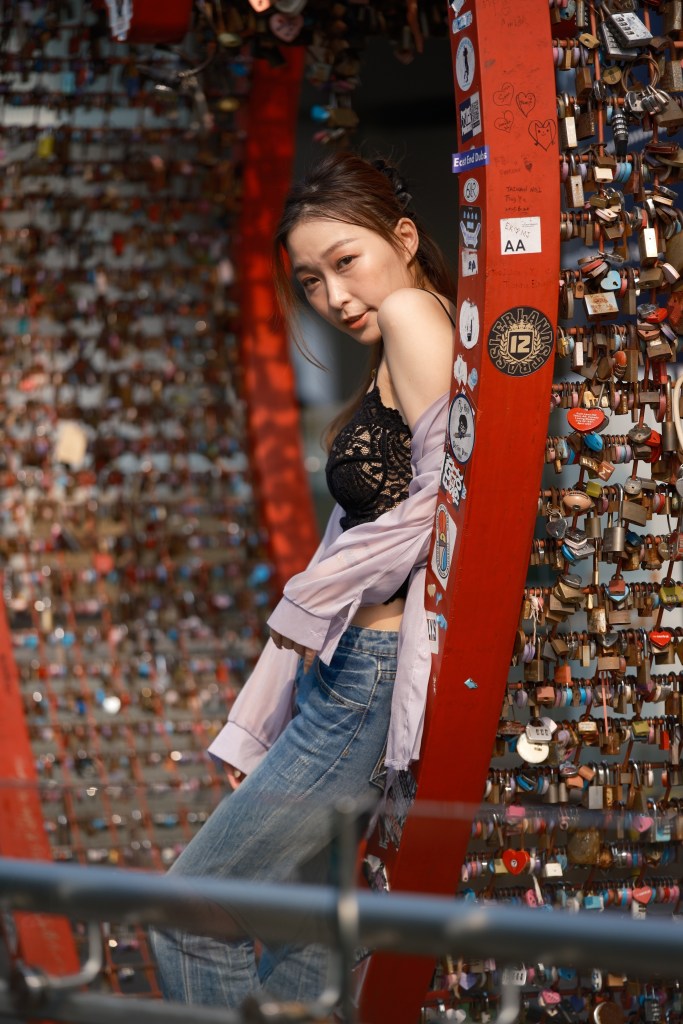
While Viltrox did not elaborate further on the extent of the weather protection, let’s assume that the protection is fairly basic.

In other words, don’t abuse it.

I certainly wouldn’t recommend deliberately testing it under harsh weather conditions just to find out how much punishment it can take. I mean, why should we abuse the lens we bought? Right?

Who is this for?

This is a focal length that isn’t the easiest to get familiar with, especially for the new photographer, as it is not easy for a new photographer to adapt to a tele prime lens.

Fuji X-E5 . Viltrox 75mm f1.8 @ 75mm . f1.8 . 1/220″ . ISO 200 . Classic Negative
Fuji X-E5 . Viltrox 75mm f1.8 @ 75mm . f1.8 . 1/1500″ . ISO 125 . Classic Negative
Fuji X-M5 . Viltrox 75mm f1.8 @ 75mm . f1.8 . 1/320″ . ISO 320 . Nostalgic Negative

With its niche focal length, portrait photography will probably be the main recommendation for many photographers. But for me, I would also recommend this lens as part of a travel photography setup.

The reason is simple: its relatively compact size and weight for such a long focal length.

Fuji X-M5 . Viltrox 75mm f1.8 @ 75mm . f1.8 . 1/25080″ . ISO 320 . Classic Negative
Fuji X-M5 . Viltrox 75mm f1.8 @ 75mm . f1.8 . 1/2900″ . ISO 320 . Nostalgic Negative
Fuji X-M5 . Viltrox 75mm f1.8 @ 75mm . f1.8 . 1/5800″ . ISO 320 . Nostalgic Negative

At 112.5mm equivalent, it gives me enough reach to capture something from a distance without having to carry a much larger and heavier telephoto lens.

I feel this is a good lens to have on standby for something unexpected during a trip. You may not use it all the time, but when you need that extra reach, it can come in handy.

Conclusion

That said, the EVO series is a mid-range series designed to be compact while offering better image quality, better build quality, an aperture ring and slightly better autofocus performance, all at a friendlier price point (from Viltrox’s perspective).

Fuji X-M5 . Viltrox 75mm f1.8 @ 75mm . f1.8 . 1/1250″ . ISO 320 . Nostalgic Negative
Fuji X-M5 . Viltrox 75mm f1.8 @ 75mm . f1.8 . 1/5400″ . ISO 320 . Nostalgic Negative
Fuji X-E5 . Viltrox 75mm f1.8 @ 75mm . f1.8 . 1/480″ . ISO 160 . Nostalgic Negative

That said, I feel it is actually closer to the “Pro” grade than being just a small upgrade from the “Air” series. The problem is that we don’t have a very comparable focal length from Viltrox’s other (Air) series to give us a stronger reference point when positioning this lens and the EVO series within the company’s entire lineup.

But in my opinion, it does sit well where it is. At least Viltrox filled up the gap they had created.

Fuji X-M5 . Viltrox 75mm f1.8 @ 75mm . f5.6 . 1/125″ . ISO 160 . Nostalgic Negative

It feels like Viltrox is trying to create something between the lightweight and affordable Air series and the more premium Pro series, without making the EVO simply a watered-down Pro lens.

If budget is a concern, the TTArtisan 75mm f2 offers a more attractive price point and a metal body. The image quality is actually quite comparable, so it really comes down to individual preference and what you value more in a lens.

For me, the EVO makes sense.

It may not be the cheapest 75mm lens around, nor does it have the brightest aperture, but the combination of size, weight, image quality, aperture ring, autofocus and weather protection makes it a pretty interesting addition to the Viltrox lineup.

Fuji X-M5 with Viltrox 75mm f1.8 EVO

Thank you for reading.

Disclaimer:
1. All the shots taken here are shot by me.
2. Most of the shots are straight out of the camera with some shots edited via In-Camera Raw Processing.

3. The opinions are based on my experience. If there is any mistake, please kindly drop me a message and I will gladly make the amendment.
4. I reserve ownership of these images, if you wish to use my images, please notify me.

If you like my works, please follow me on either one of the 2 Instagram accounts:

https://www.instagram.com/alwin.portraits

If you have a Facebook account, feel free to join Fujifanboys FB group.

If you like my content and you want to show some support and keep this blog alive, you can buy me a coffee here.

Reviews

Meike 56mm f1.7 Air – Nostalgic DNA In The Air

Meike is the latest manufacturer to utilise the “Air” series branding. Viltrox paved the way with the introduction of its “Air” branding, and today, whenever we see an “Air” label on a lens, we already associate the word with something affordable and lightweight.

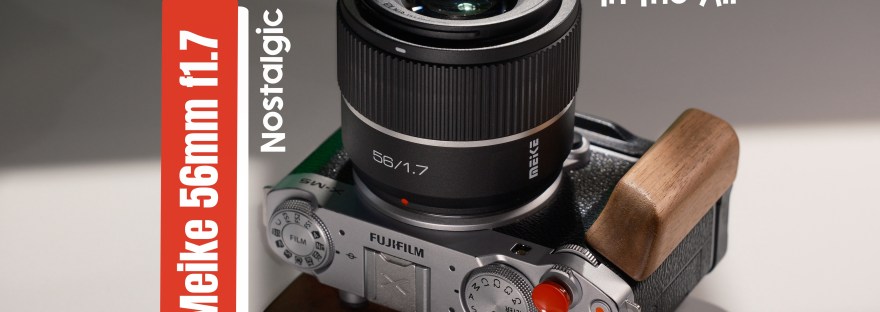
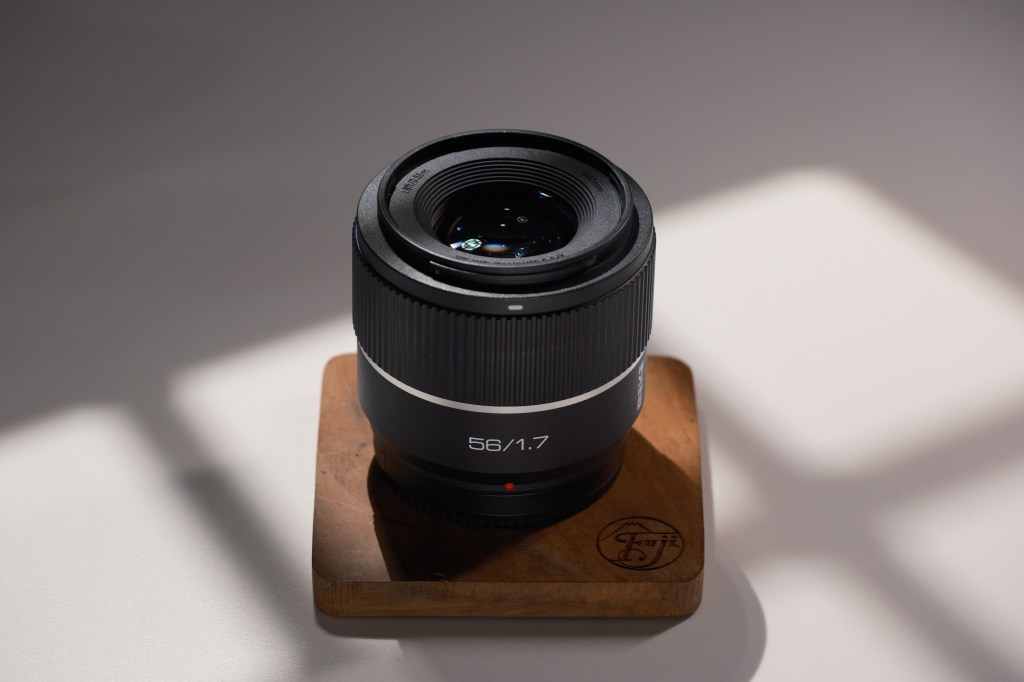
Meike 56mm f1.7

Intro

In early February 2026, Meike teased its new lineup, showcasing the 25mm f1.7, 35mm f1.7, and 56mm f1.7, with a planned launch sometime within the year.

Months later, the Meike 56mm f1.7 Air was officially announced for Sony E-mount on 9 May 2026, with Fuji X-mount and Nikon Z-mount coming later. While there was no official date for when the X-mount and Z-mount versions would be available, both mounts were expected to arrive towards the end of May on various websites, including Meike’s own official website.

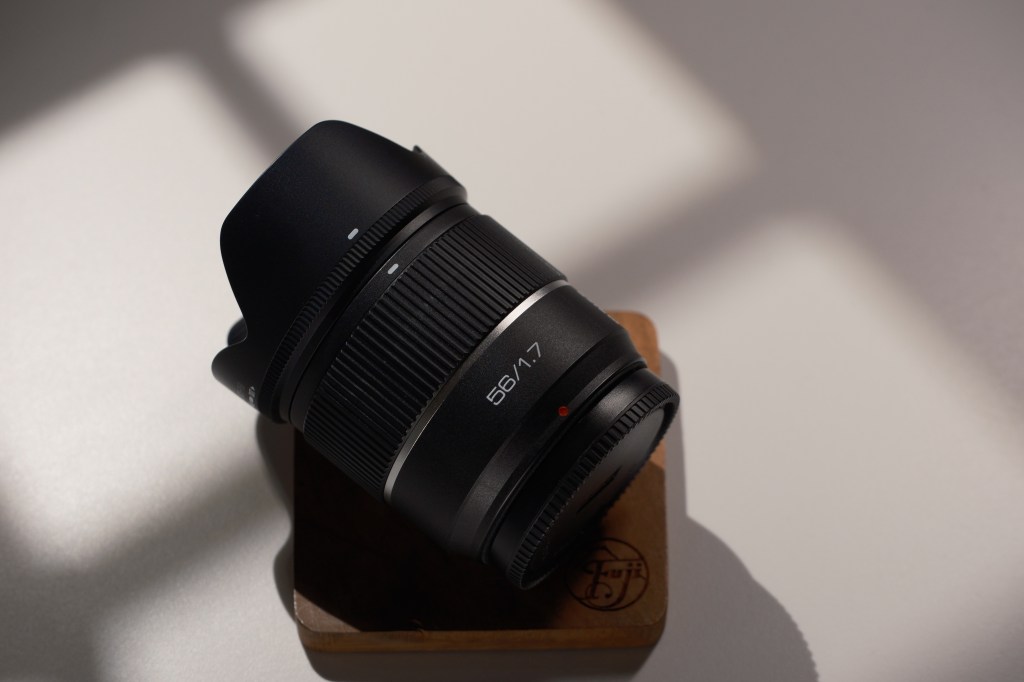
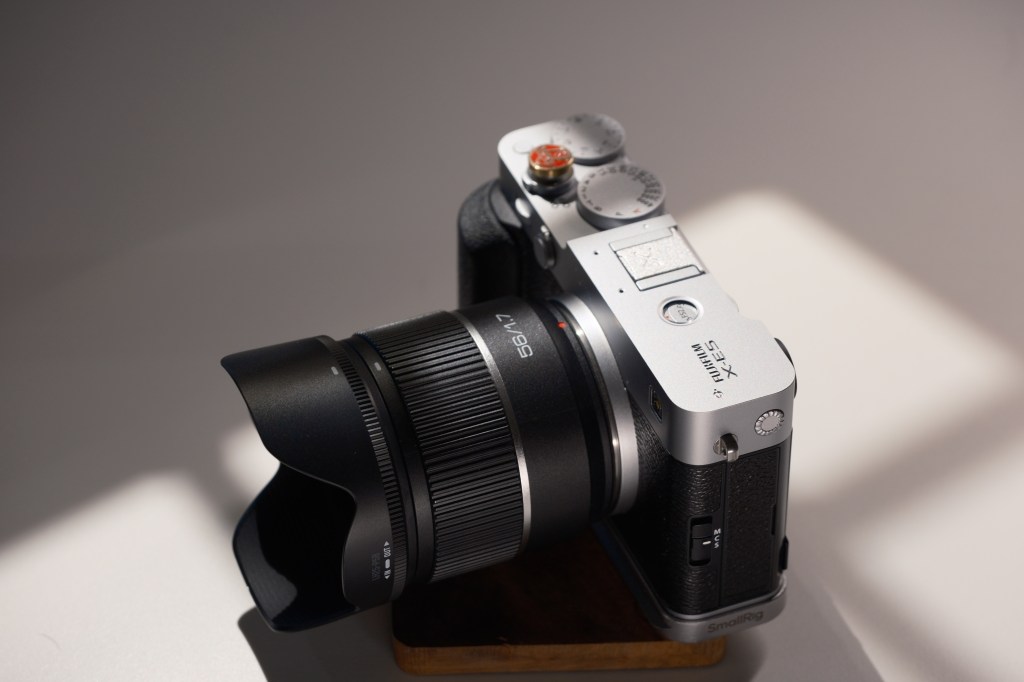
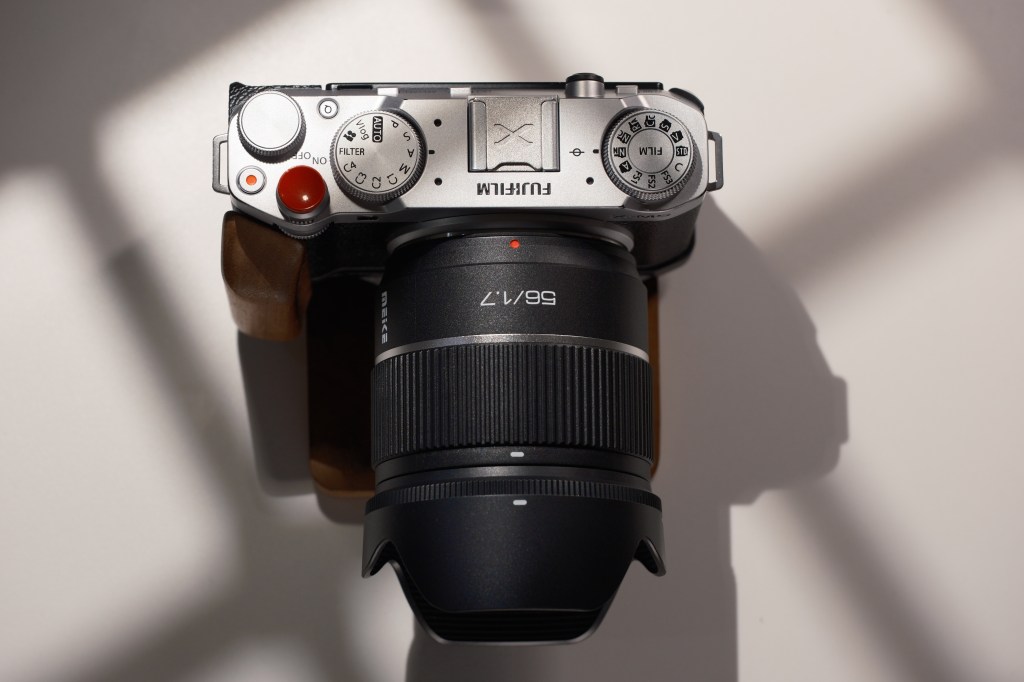
Meike 56mm f1.7 with lens hood
Meike 56mm f1.7
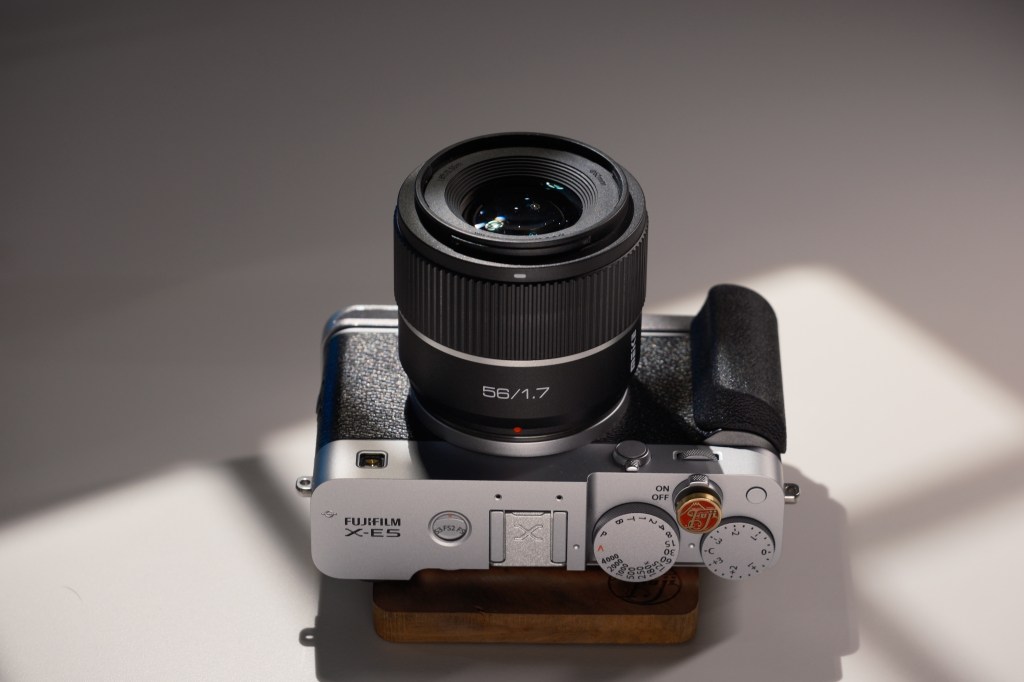
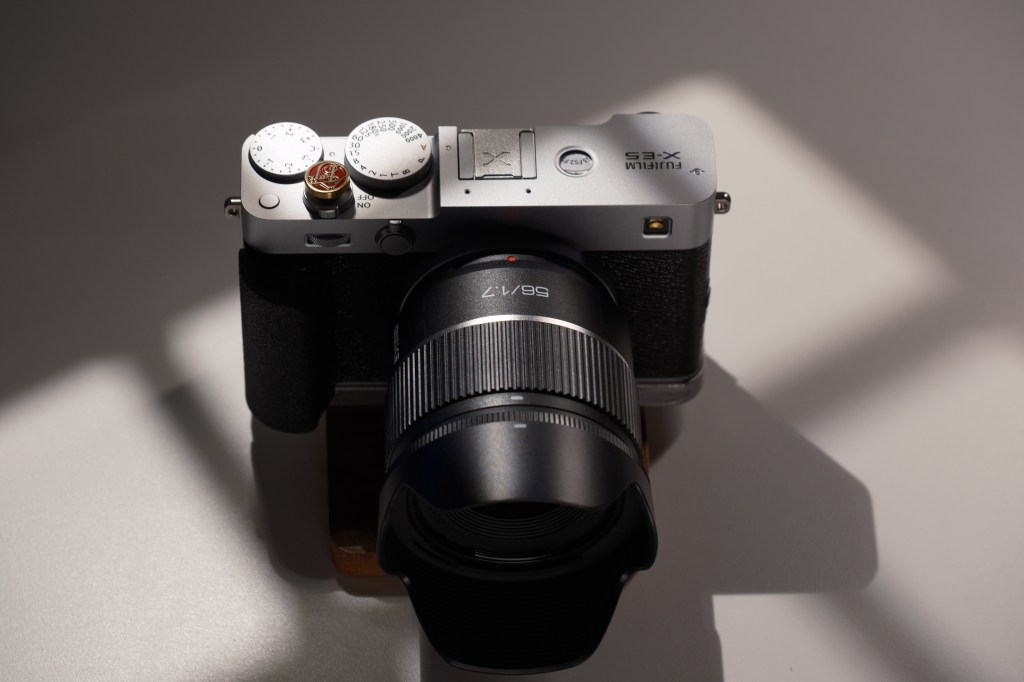
Fuji X-E5 with Meike 56mm f1.7
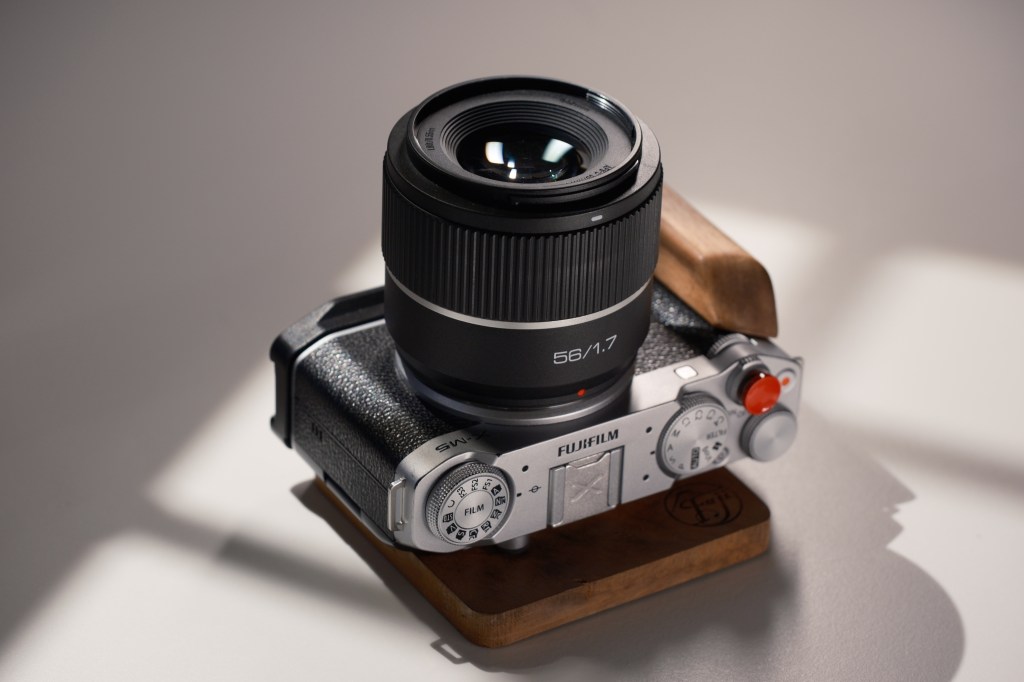
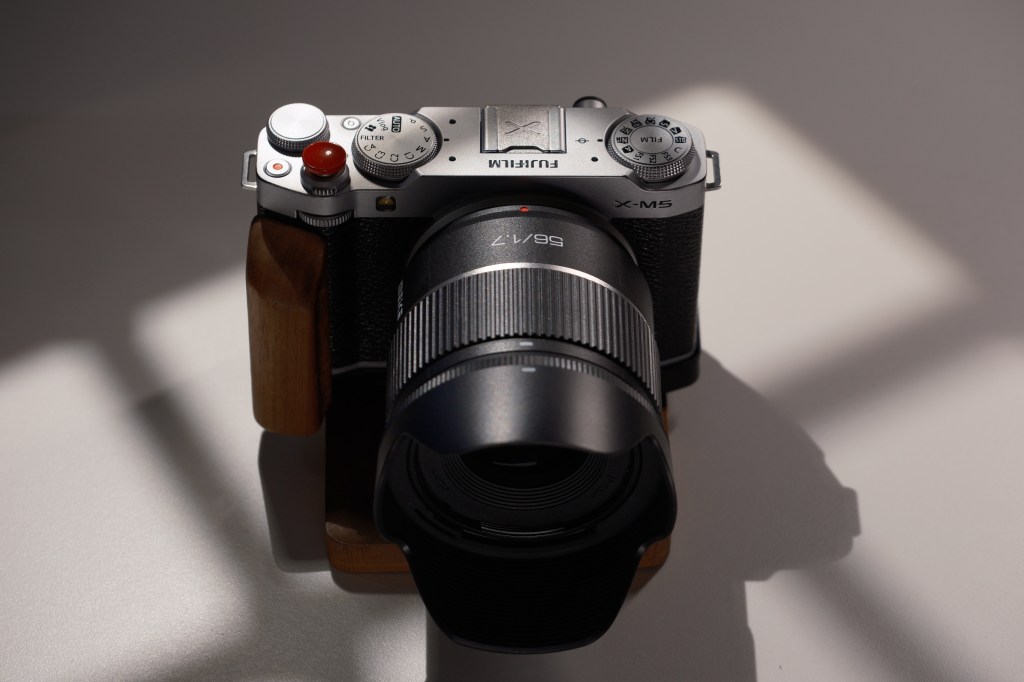
Fuji X-M5 with Meike 56mm f1.7

Before I proceed further and share my experience with this lens, I would like to thank the good people at Meike for sending this lens over for my review. Without their support, this post would not have happened. Nevertheless, the opinions expressed here remain my own, and Meike has no influence over them.

Design and Build Quality

When it comes to lens design, I always feel that Meike has drawn multiple inspirations from the brand with the red line, which always delights me. This lens is no exception. At least, the design vibe it gives me is very similar to what that brand has done with its non-professional, consumer-grade lenses. If you know, you know.

Fuji X-E5 . Meike 56mm f1.7 @ 56mm . f1.7 . 1/1600″ . ISO 125 . Nostalgic Negative
Fuji X-E5 . Meike 56mm f1.7 @ 56mm . f1.7 . 1/170″ . ISO 640 . Classic Negative
Fuji X-E5 . Meike 56mm f1.7 @ 56mm . f1.7 . 1/170″ . ISO 640 . Nostalgic Negative

But Meike did one thing that the other brand probably wouldn’t do with its consumer-grade lenses, and that is giving us a lens hood.

Although the lens hood shares the same plastic build as the lens body, the overall quality of both the lens and hood is actually pretty good and sturdy. It doesn’t feel like cheap materials were used, which is always a good thing because the handling experience is important and forms part of the lens experience.

Fuji X-E5 . Meike 56mm f1.7 @ 56mm . f1.7 . 1/170″ . ISO 125 . Nostalgic Negative
Fuji X-E5 . Meike 56mm f1.7 @ 56mm . f1.7 . 1/170″ . ISO 250 . Classic Chrome
Fuji X-E5 . Meike 56mm f1.7 @ 56mm . f1.7 . 1/4700″ . ISO 125 . Nostalgic Negative

The lens comes with a 52mm filter size and weighs just 190 grams, making it pretty compact and lightweight. Handling the lens is comfortable, and the weight distribution is nicely balanced. There is nothing much to complain about, nor is there anything particularly outstanding to praise, but everything is perfectly acceptable for this price range.

And yes, this lens does not come with an aperture ring. Again, that is pretty acceptable in my opinion.

Apart from the black colour option, the lens is available in a white colour option, but unfortunately, that version is only available for Sony E-mount. Black is the only option for X-mount at the moment.

Image Quality

Image quality is pretty decent when shooting wide open. The sharpness level is fair, with decent contrast as well. The image quality is totally usable for social media sharing and even typical prints for home use.

Fuji X-E5 . Meike 56mm f1.7 @ 56mm . f1.7 . 1/75″ . ISO 3200 . Nostalgic Negative
Fuji X-E5 . Meike 56mm f1.7 @ 56mm . f1.7 . 1/170″ . ISO 1000 . Nostalgic Negative
Fuji X-E5 . Meike 56mm f1.7 @ 56mm . f1.7 . 1/170″ . ISO 800 . Nostalgic Negative

Chromatic aberration seems to be nowhere to be found with my poor eyesight, or at least it is not particularly noticeable when I zoom in to 100%. Vignetting is mild and can be observed when shooting wide open.

As for the sunstar effect, the result from this lens does not produce the finest lines, but it works okay if you need it.

Fuji X-E5 . Meike 56mm f1.7 @ 56mm . f16 . 1/170″ . ISO 400 . Nostalgic Negative

Focusing

With the Stepper Motor (STM), the focusing speed is within my expectations. Focusing works well and is fast enough, although I would not call it snappy or as fast as the higher-tier lenses. It is generally accurate, but there are occasional misfocuses.

Fuji X-E5 . Meike 56mm f1.7 @ 56mm . f2.8 . 1/170″ . ISO 200 . Classic Negative
Fuji X-E5 . Meike 56mm f1.7 @ 56mm . f1.7 . 1/170″ . ISO 320 . Nostalgic Negative
Fuji X-E5 . Meike 56mm f1.7 @ 56mm . f1.7 . 1/170″ . ISO 1000 . Nostalgic Negative

The usual suspects for misfocusing are insufficient light, especially in low-light conditions, along with some unexplained occasions where the lens simply decides not to focus correctly.

Minimum Focus Distance (MFD)

The Minimum Focus Distance is 55cm, and I am glad that the image quality preserves most of its characteristics across the other focusing ranges.

Fuji X-E5 . Meike 56mm f1.7 @ 56mm . f1.7 . 1/640″ . ISO 125 . Nostalgic Negative
Fuji X-E5 . Meike 56mm f1.7 @ 56mm . f1.7 . 1/1800″ . ISO 125 . Nostalgic Negative
Fuji X-E5 . Meike 56mm f1.7 @ 56mm . f1.7 . 1/170″ . ISO 400. Nostalgic Negative
Fuji X-E5 . Meike 56mm f1.7 @ 56mm . f1.7 . 1/1300″ . ISO 125 . Nostalgic Negative

There is no dreamy-looking softness, no heavier vignetting, and no obvious increase in chromatic aberration when shooting close to the minimum focus distance.

All in all, I am happy with it.

Price Point

Priced at USD 159, the Meike 56mm f1.7 Air is slightly on the higher side, especially when its competitors are priced at USD 144 for the Viltrox 56mm f1.7 and USD 129 for the TTArtisan 56mm f1.8.

Fuji X-E5 . Meike 56mm f1.7 @ 56mm . f1.7 . 1/170″ . ISO 2500 . Nostalgic Negative
Fuji X-E5 . Meike 56mm f1.7 @ 56mm . f1.7 . 1/3500″ . ISO 125 . Nostalgic Negative
Fuji X-E5 . Meike 56mm f1.7 @ 56mm . f1.7 . 1/1700″ . ISO 125 . Nostalgic Negative

As this is still a relatively new lens, I am expecting the price to eventually come down closer to its competitors. After all, price matters.

Others

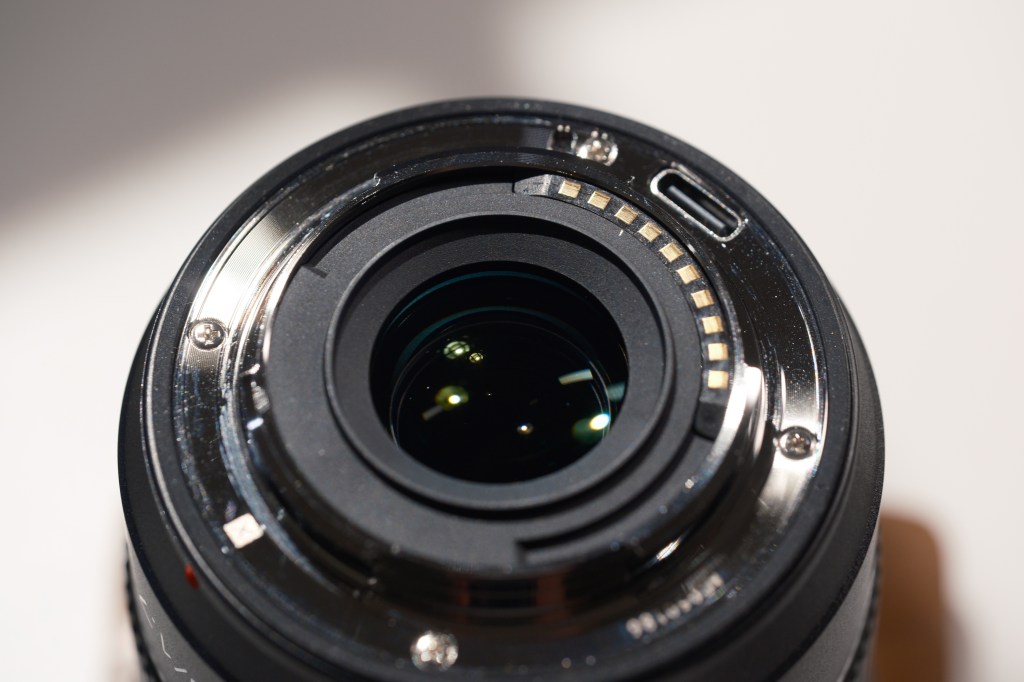
A USB-C port is located at the rear of the lens for potential future firmware updates. Interestingly, they even include a website address on the rear lens cap to let you know where to find the firmware to download. Nice gesture there.

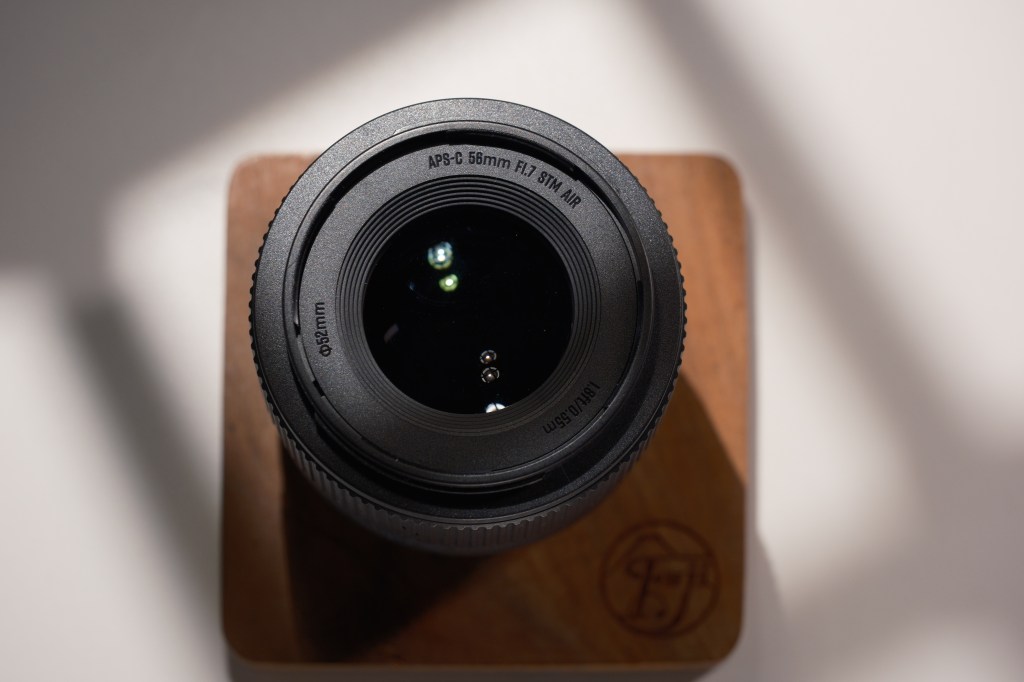
USB-C Port at the rear of the lens
Web address for your information

Who is this for?

As much as I wish to recommend this lens, the Meike 56mm f1.7 sits in a rather weird position.

The price is not particularly competitive compared to its competitors, and it is only about USD 40 cheaper than Meike’s own 55mm f1.4.

Fuji X-E5 with Meike 56mm f1.7
Fuji X-M5 with Meike 56mm f1.7
Fuji X-E5 . Meike 56mm f1.7 @ 56mm . f1.7 . 1/950″ . ISO 125 . Nostalgic Negative

If you are looking for a budget-friendly mid-telephoto lens, the TTArtisan 56mm f1.8 is a good option. It comes with a nice metal build, comparable image quality among these three budget lenses, and decent autofocus performance.

If you can afford to add another USD 40, then the Meike 55mm f1.4 is definitely worth considering. It comes with an aperture ring, sharper image quality, and slightly better autofocus performance: not by a mile, but enough to be noticeable.

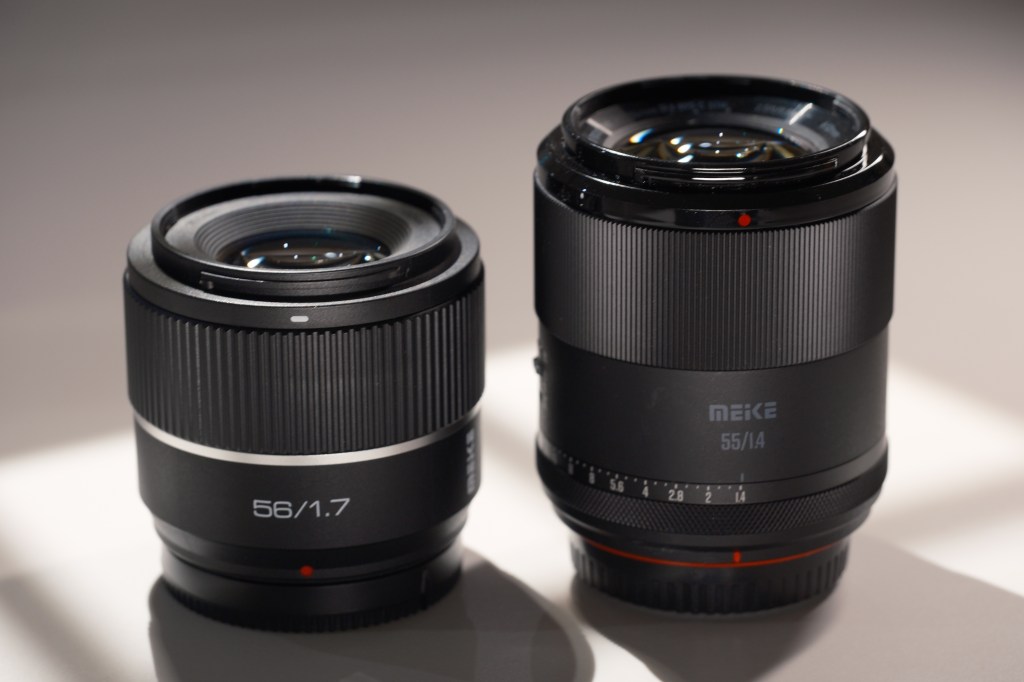
Meike 56mm f1.7 and Meike 55mm f1.4

I personally love this lens and have always recommended it to photographers looking for a good-value portrait lens.

Conclusion

Although the Meike 56mm f1.7 comes with a relatively boring lens design that doesn’t really stand out from the crowded market, the lens itself actually offers decent image quality, build quality, and autofocus performance.

Fuji X-E5 . Meike 56mm f1.7 @ 56mm . f1.7 . 1/15″ . ISO 1250 . Nostalgic Negative
Fuji X-E5 . Meike 56mm f1.7 @ 56mm . f1.7 . 1/240″ . ISO 125 . Nostalgic Negative
Fuji X-E5 . Meike 56mm f1.7 @ 56mm . f5.6 . 1/850″ . ISO 125 . Nostalgic Negative

There is no major technical issue for me to fault at this price point. The biggest problem, however, lies with the price tag. Its competitors are simply coming in at more attractive price points.

The competition in the budget lens bandwagon has always been a tight and tough fight. With Meike now joining the competition, it will be very interesting to see how photographers make their choices, especially if Meike decides to bring the price closer to what the other brands are offering.

Fuji X-E5 with Meike 56mm f1.7
Fuji X-M5 with Meike 56mm f1.7

At the end of the day, the Meike 56mm f1.7 Air is not a bad lens. It is just entering a battlefield where there are already plenty of good and affordable choices.

Thank you for reading.

Disclaimer:
1. All the shots taken here are shot by me.
2. Most of the shots are straight out of the camera with some shots edited via In-Camera Raw Processing.

3. The opinions are based on my experience. If there is any mistake, please kindly drop me a message and I will gladly make the amendment.
4. I reserve ownership of these images, if you wish to use my images, please notify me.

If you like my works, please follow me on either one of the 2 Instagram accounts:

https://www.instagram.com/alwin.portraits

If you have a Facebook account, feel free to join Fujifanboys FB group.

If you like my content and you want to show some support and keep this blog alive, you can buy me a coffee here.
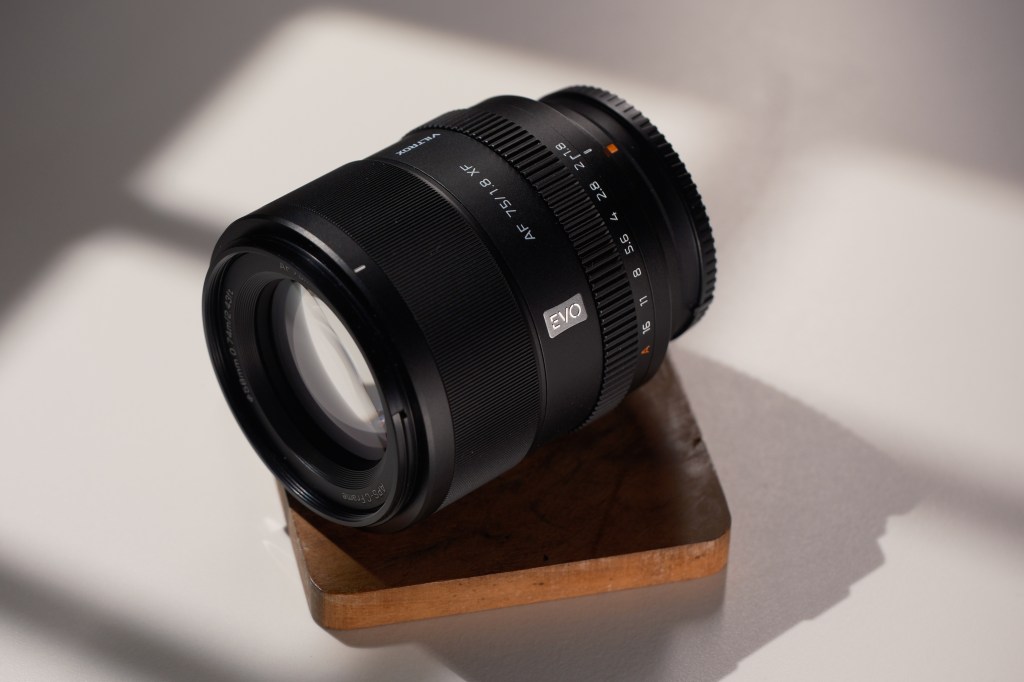
Reviews

TTArtisan 17mm f1.8 Air – Revisiting a Familiar Focal Length

My very first lens review was the TTArtisan 17mm f1.4, a lovely little manual focus lens back in 2021. At that time, only manual focus lenses were available for Fujifilm X-mount users. Fast forward to today, and the landscape has changed dramatically. We now have countless autofocus lenses for the Fujifilm X-mount, giving photographers more choices than ever before.

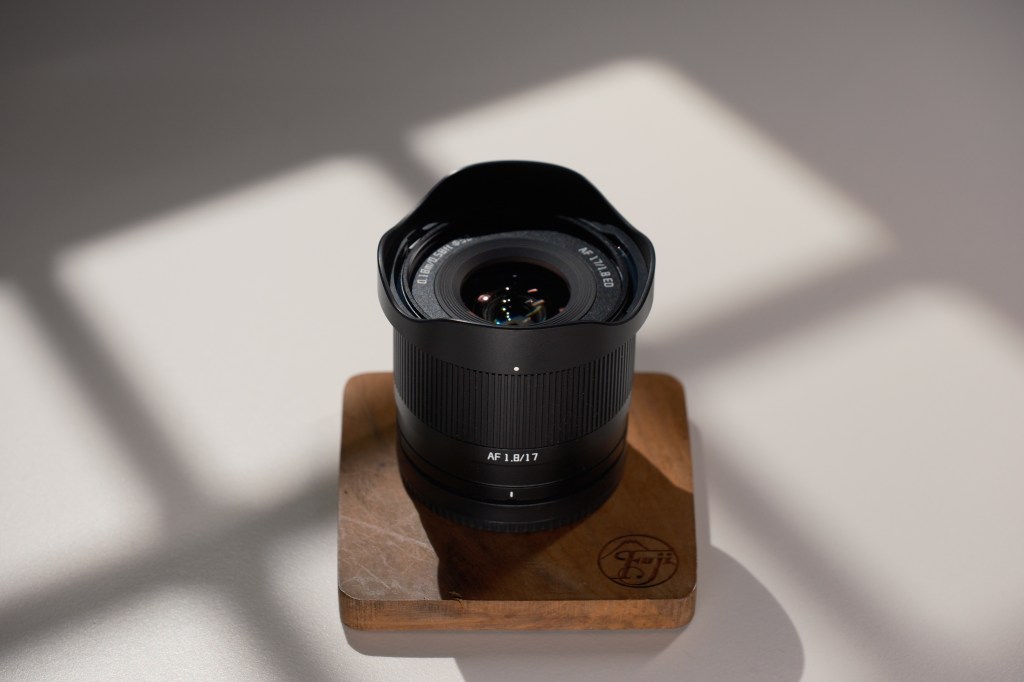
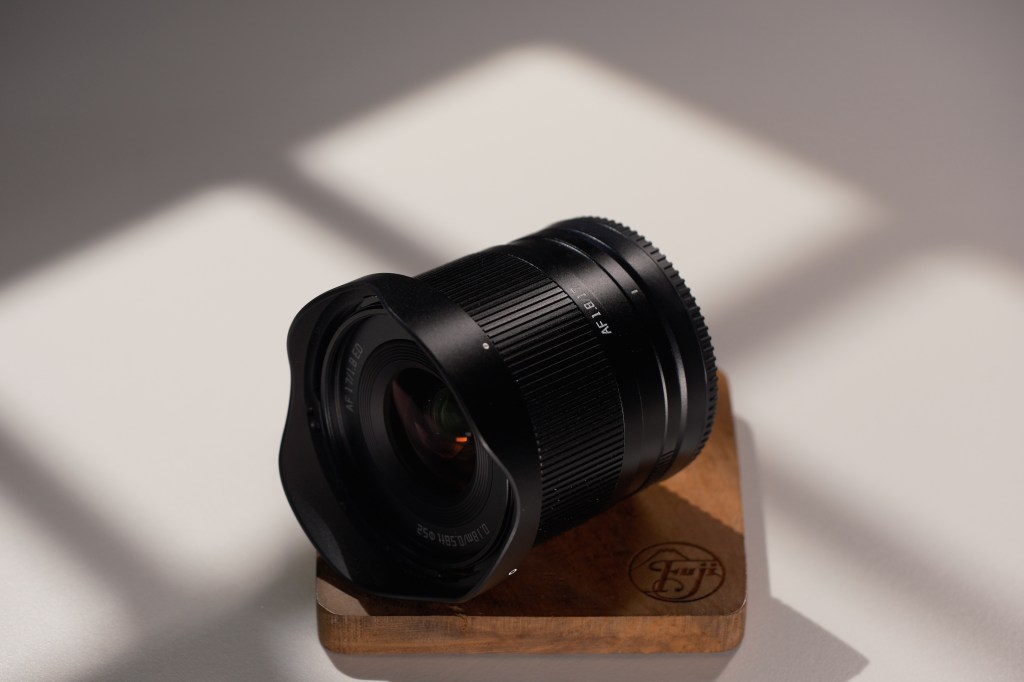
TTArtisan 17mm f1.8 Air

Having said that, this is my second time testing this focal length: 25mm (in full-frame equivalent). It somehow brings back the sentiment of the past, reminding me of where my lens review journey first began.

TTArtisan 17mm f1.8 Air

Intro

TTArtisan announced this compact wide-angle lens on 10 April 2026, launching simultaneously for Fujifilm X-mount and Sony E-mount, with the Nikon Z-mount arriving later.

This is also the first time I have seen TTArtisan use the “Air“ branding in their lineup. From a marketing perspective, I immediately associated the name with a compact and lightweight lens, and yes, the “Air” branding is also used by another manufacturer (you will know soon) for the same reason.

Before I continue further, I would like to thank the good people at TTArtisan for sending this lens over for testing and making sure it reached me just in time for my Japan trip. As always, they have no influence over my opinions, and everything shared in this review is based purely on my own experience using the lens.

Design and Build Quality

The TTArtisan 17mm f1.8 Air continues the company’s simple, minimalistic, and subtle design language. It shares the same design philosophy as their recent autofocus lineup, and I like how clean and understated it looks. Over time, this has become a recognizable design that is closely associated with TTArtisan.

Fuji X-E5 . TTArtisan 17mm f1.8 @ 17mm . f1.8. 1/100″ . ISO 800 . Nostalgic Negative
Fuji X-E5 . TTArtisan 17mm f1.8 @ 17mm . f1.8. 1/200″ . ISO 125 . Nostalgic Negative
Fuji X-E5 . TTArtisan 17mm f1.8 @ 17mm . f1.8. 1/100″ . ISO 1000 . Nostalgic Negative

Weighing only 162 grams, the lens also uses a reasonably sized 52mm filter thread, making filters both affordable and easy to find. The weight is well distributed throughout the lens, and true to its name, it genuinely feels “Air” when held in the hand. Mounted on a compact Fujifilm body, the combination feels incredibly balanced.

Fuji X-E5 . TTArtisan 17mm f1.8 @ 17mm . f2.8. 1/240″ . ISO 125 . Nostalgic Negative
Fuji X-E5 . TTArtisan 17mm f1.8 @ 17mm . f1.8. 1/6400″ . ISO 125 . Classic Chrome
Fuji X-E5 . TTArtisan 17mm f1.8 @ 17mm . f5.6. 1/1600″ . ISO 640 . Nostalgic Negative

And yes, TTArtisan includes a lens hood in the box as well.

Image Quality

Wide open at f1.8, the image quality is sharp enough, although not exceptionally tad sharp. Contrast is decent, while vignetting and chromatic aberration are surprisingly close to non-existent, at least to my imperfect eyes.

Fuji X-E5 . TTArtisan 17mm f1.8 @ 17mm . f1.8. 1/100″ . ISO 200 . Classic Negative
Fuji X-E5 . TTArtisan 17mm f1.8 @ 17mm . f1.8. 1/28″ . ISO 500 . Classic Negative
Fuji X-E5 . TTArtisan 17mm f1.8 @ 17mm . f1.8. 1/100″ . ISO 320 . Classic Negative

Overall, the image quality is more than sufficient for general photography, social media sharing, and small to medium-sized prints.

The background blur is smooth, with a gentle transition between the in-focus and out-of-focus areas during normal shooting distances. One thing worth noting, however, is that the transition becomes a little less pleasing when shooting close-up subjects.

Fuji X-E5 . TTArtisan 17mm f1.8 @ 17mm . f1.8. 1/100″ . ISO 800 . Classic Negative
Fuji X-E5 . TTArtisan 17mm f1.8 @ 17mm . f4. 1/100″ . ISO 160 . Classic Negative

Overall, the rendering feels clean, natural, and pleasant.

This lens does not perform well in sun star results. So I will suggest avoiding it for this.

Fuji X-E5 . TTArtisan 17mm f1.8 @ 17mm . f16. 1/140″ . ISO 125 . Nostalgic Negative

Focusing

Driven by a Stepper Motor (STM), the autofocus performance is reasonably fast. It isn’t the snappiest autofocus system around, but it is quiet enough for general photography.

Fuji X-E5 . TTArtisan 17mm f1.8 @ 17mm . f4. 1/100″ . ISO 800 . Classic Negative
Fuji X-E5 . TTArtisan 17mm f1.8 @ 17mm . f1.8. 1/600″ . ISO 125 . Classic Negative
Fuji X-E5 . TTArtisan 17mm f1.8 @ 17mm . f1.8. 1/100″ . ISO 1600 . Classic Negative
Fuji X-E5 . TTArtisan 17mm f1.8 @ 17mm . f1.8. 1/20″ . ISO 500 . Nostalgic Negative

Accuracy is generally very good, with only a handful of missed focus shots throughout my time with the lens. I believe this is something that could be further refined through future firmware updates.

The autofocus does slow down in lower-light situations and when focusing at close distances, which is something to keep in mind if you frequently shoot close-up subjects.

Minimum Focus Distance (MFD)

With a minimum focusing distance of just 18cm, the lens opens up some interesting creative possibilities.

Fuji X-E5 . TTArtisan 17mm f1.8 @ 17mm . f1.8. 1/550″ . ISO 125 . Classic Negative
Fuji X-E5 . TTArtisan 17mm f1.8 @ 17mm . f1.8. 1/1000″ . ISO 125 . Nostalgic Negative
Fuji X-E5 . TTArtisan 17mm f1.8 @ 17mm . f1.8. 1/1400″ . ISO 125 . Nostalgic Negative

However, image quality at this close focusing distance is noticeably different from the rest of the focusing range. Images tend to become much softer, producing a dreamy look. The transition between the subject and background also isn’t as smooth compared to when shooting at normal distances.

Fuji X-M5 with TTArtisan 17mm f1.8 Air

Stopping the lens down does improve the overall image quality, but in my opinion, it still remains on the softer side.

Some photographers may enjoy and appreciate this characteristic result, while others may not. Personally, I neither like nor dislike it. I simply feel this characteristic may suit certain photography genres better than others: genres that I have yet to discover myself.

Price Point

At US$148, this lens sits at a very attractive price point.

Fuji X-E5 . TTArtisan 17mm f1.8 @ 17mm . f1.8. 1/1700″ . ISO 125 . Classic Negative
Fuji X-E5 . TTArtisan 17mm f1.8 @ 17mm . f1.8. 1/100″ . ISO 640 . Classic Negative
Fuji X-E5 . TTArtisan 17mm f1.8 @ 17mm . f1.8. 1/100″ . ISO 1250 . Classic Negative

Interestingly, there isn’t any direct competition from other manufacturers at the moment. Most alternatives are either 16mm or 18mm, making the 17mm focal length a rather unique offering in today’s market.

Others

Like the rest of TTArtisan’s autofocus lenses, the firmware can be updated via the rear docking lens cap, which has become TTArtisan’s unique approach.

TTArtisan 17mm f1.8 Air with Rear Docking Lens Cap
Fuji X-E5 . TTArtisan 17mm f1.8 @ 17mm . f1.8. 1/100″ . ISO 320 . Nostalgic Negative
Fuji X-E5 . TTArtisan 17mm f1.8 @ 17mm . f1.8. 1/100″ . ISO 400 . Nostalgic Negative

One thing to note is that the lens does not feature any weather or dust resistance. Given its affordable price point, I think this is a perfectly reasonable compromise.

Who is this for?

The TTArtisan 17mm f1.8 Air is aimed at general-purpose photographers who enjoy using a wide-angle lens as their everyday walk-around lens.

Fuji X-E5 . TTArtisan 17mm f1.8 @ 17mm . f2.8. 1/140″ . ISO 125 . Classic Negative
Fuji X-E5 . TTArtisan 17mm f1.8 @ 17mm . f1.8. 1/2500″ . ISO 125 . Nostalgic Negative
Fuji X-E5 . TTArtisan 17mm f1.8 @ 17mm . f1.8. 1/3000″ . ISO 125 . Nostalgic Negative

If you are looking for something that’s wide enough without stepping into ultra-wide territory, this lens is definitely worth considering. The attractive price only makes it even easier to recommend.

Conclusion

After spending 10 days with this lens during my Japan trip, I can confidently say that I am happily bringing it along on my next adventure.

Fuji X-E5 . TTArtisan 17mm f1.8 @ 17mm . f8. 1/550″ . ISO 125 . Nostalgic Negative
Fuji X-E5 . TTArtisan 17mm f1.8 @ 17mm . f1.8. 1/250″ . ISO 125. Nostalgic Negative
Fuji X-E5 . TTArtisan 17mm f1.8 @ 17mm . f2.8. 1/110″ . ISO 125 . Nostalgic Negative

I have always loved the 35mm focal length (full-frame equivalent) as my daily go-to. However, when travelling, I sometimes find it a little too tight. It doesn’t always leave enough room to include the surrounding environment, making it slightly harder to express what I actually see while exploring a new place.

The 25mm equivalent feels like a sweet spot for travel photography. It gives me enough room to tell a story while still keeping my main subject prominent within the frame.

Fuji X-E5 . TTArtisan 17mm f1.8 @ 17mm . f4. 1/1000″ . ISO 125 . Classic Negative
Fuji X-E5 . TTArtisan 17mm f1.8 @ 17mm . f2. 1/280″ . ISO 125 . Nostalgic Negative
Fuji X-E5 . TTArtisan 17mm f1.8 @ 17mm . f1.8. 1/640″ . ISO 125 . Nostalgic Negative
Fuji X-E5 . TTArtisan 17mm f1.8 @ 17mm . f5.6. 1/400″ . ISO 125 . Nostalgic Negative

This was quite a surprising move from TTArtisan. Perhaps they noticed that no one else was making a 17mm autofocus lens, perhaps they simply wanted to stand out in an increasingly crowded market, or perhaps they just wanted to give photographers another focal length to choose from.

Whatever the reason, I am glad they did.

Fuji X-E5 with TTArtisan 17mm f1.8 Air

While this isn’t a professional-grade lens, its overall performance checks almost every box for me. The only area that still needs improvement is its close-up image quality.

Hopefully, TTArtisan will continue refining this lens through future revisions, just as they successfully did with the TTArtisan 35mm f1.8 II. If they can improve the sharpness and image quality at the minimum focusing distance, I think this lens could become an even more compelling option for travel and everyday photography.

Thank you for reading.

Disclaimer:
1. All the shots taken here are shot by me.
2. Most of the shots are straight out of the camera with some shots edited via In-Camera Raw Processing.

3. The opinions are based on my experience. If there is any mistake, please kindly drop me a message and I will gladly make the amendment.
4. I reserve ownership of these images, if you wish to use my images, please notify me.

If you like my works, please follow me on either one of the 2 Instagram accounts:

https://www.instagram.com/alwin.portraits

If you have a Facebook account, feel free to join Fujifanboys FB group.

If you like my content and you want to show some support and keep this blog alive, you can buy me a coffee here.
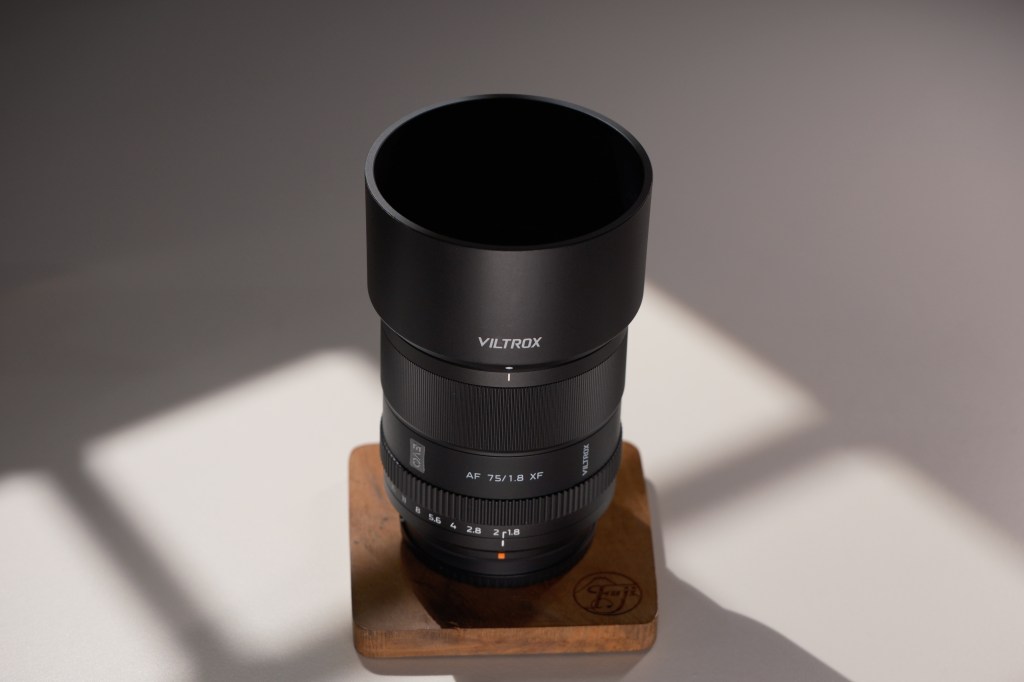
Reviews

Brightin Star 7.5mm f2.8 IV – Distortion With A Huge Personality

This is not my first time trying out a fisheye lens. My first experience dates back to 2019, and it was with the 7Artisans 7.5mm f2.8. Back then, I still remember how rare it was for manufacturers to release an X-Mount version of their lenses.

Brightin Star 7.5mm f2.8 IV

Fast forward to 2026, and things have changed dramatically. Releasing an X-Mount version has become the norm, and honestly, that’s a great thing. Fujifilm’s decision to open up the mount has benefited everyone: the photographers, the community, third-party manufacturers, and of course, Fujifilm themselves. But that’s a story for another day.

Brightin Star 7.5mm f2.8 IV

Intro

Brightin Star released its first 7.5mm fisheye in 2019, followed by updates in 2021, 2024, and now the 4th generation in 2026. Not many manufacturers are willing to keep refining such a niche lens over the years, so I do appreciate the dedication. The real question is, do all these improvements actually make a difference?

Brightin Star 7.5mm f2.8 IV with built in lens hood

Let’s find out.

Before I proceed further, I would like to thank the good people at Brightin Star for sending this lens over for review. As always, they have zero influence over what you’re about to read. Everything here is based purely on my own hands-on experience.

Fuji X-M5 with Brightin Star 7.5mm f2.8 IV

Design and Build Quality

One thing I have always liked about Brightin Star is that their lenses have their own identity.

Their signature bright yellow lettering against the black lens barrel makes their lenses instantly recognizable. For the silver version, the yellow is replaced with red lettering. It still looks good and gives the lens a premium appearance, although I do think the yellow has become part of Brightin Star’s identity and is easier to recognize from afar.

Fuji X-T5 . Brightin Star 7.5mm f2.8 @ 7.5mm . f2.8. 1/60″ . ISO 160 . Nostalgic Negative
Fuji X-T5 . Brightin Star 7.5mm f2.8 @ 7.5mm . f5.6. 1/120″ . ISO 125 . Nostalgic Negative

The lens itself looks modern and feels more compact than I initially expected. Weighing 278 grams, it sits comfortably in the hand without feeling front-heavy. I could immediately notice the difference after using the TTArtisan 7.5mm f2, which weighs around 370 grams. It isn’t exactly a fair comparison since they are different lenses for different photographers’ needs, but it does give you an idea of how lightweight this lens feels.

Fuji X-T5 . Brightin Star 7.5mm f2.8 @ 7.5mm . f2.8. 1/1700″ . ISO 125 . Nostalgic Negative
Fuji X-T5 . Brightin Star 7.5mm f2.8 @ 7.5mm . f2.8. 1/1250″ . ISO 125 . Nostalgic Negative
Fuji X-T5 . Brightin Star 7.5mm f2.8 @ 7.5mm . f2.8. 1/340″ . ISO 640 . Nostalgic Negative

The aperture ring has a softer click than what I am used to on most manual lenses. Personally, I prefer a more pronounced click because it feels slightly more satisfying, but this comes down to personal preference rather than being a flaw.

Like almost every fisheye lens, it comes with a built-in lens hood. Considering how exposed the front element is, this is definitely a welcome addition. Last but not least, it comes with a metal lens cap too.

Brightin Star 7.5mm f2.8 IV with lens cap

Image Quality

One thing I have noticed over the years is that image quality from third-party manufacturers has improved tremendously. Every new generation seems to get better, and this lens is no exception.

Fuji X-T5 . Brightin Star 7.5mm f2.8 @ 7.5mm . f2.8. 1/170″ . ISO 125 . Nostalgic Negative

Wide open at f2.8, the images are already sharp with good contrast, producing results that are more than usable for everyday photography.

Fuji X-T5 . Brightin Star 7.5mm f2.8 @ 7.5mm . f2.8. 1/2200″ . ISO 125 . Nostalgic Negative

As expected from a fisheye lens, the sharpest area is right in the centre of the frame. Sharpness gradually drops towards the edges, and this is something I have observed on almost every third-party fisheye lens I have tested. It isn’t unique to Brightin Star.

Chromatic aberration, surprisingly, is very well controlled. At least throughout my testing, I didn’t come across anything obvious enough to bother me.

Vignetting is visible at f2.8, but that’s hardly surprising for an ultra-wide fisheye. Besides, it’s something photographers can easily correct during post-processing if they wish.

As for the sunstar, it performs reasonably well. The rays are clean and defined, although they aren’t the sharpest or most dramatic I’ve seen. And be mindful of the lens flare if you do not wish to have it in your frame.

Fuji X-T5 . Brightin Star 7.5mm f2.8 @ 7.5mm . f16. 1/7″ . ISO 3200 . Nostalgic Negative
Fuji X-T5 . Brightin Star 7.5mm f2.8 @ 7.5mm . f4. 1/60″ . ISO 2500 . Nostalgic Negative

Focusing

The manual focus ring rotates smoothly with very little resistance.

Fuji X-T5 . Brightin Star 7.5mm f2.8 @ 7.5mm . f8. 1/3″ . ISO 3200 . Nostalgic Negative
Fuji X-T5 . Brightin Star 7.5mm f2.8 @ 7.5mm . f2.8. 1/60″ . ISO 1000 . Nostalgic Negative

Some photographers may prefer a slightly stiffer focusing ring for more tactile feedback, while others will appreciate how effortlessly it turns. Personally, I can live with either.

The focus throw from the minimum focusing distance to infinity is roughly 90 degrees. Some photographers may find this travel a little short if they enjoy making very precise manual focus adjustments.

Fuji X-T5 . Brightin Star 7.5mm f2.8 @ 7.5mm . f4. 1/3500″ . ISO 125 . Nostalgic Negative

That said, this is a fisheye lens. Most of the time, you will be shooting at smaller apertures with everything in focus, so precise focusing isn’t usually a major concern.

Minimum Focus Distance (MFD)

The 15cm minimum focusing distance genuinely surprised me.

Being able to focus this close opens up plenty of opportunities for creative perspective shots, exaggerating foreground subjects while still capturing an incredibly wide background. Image quality remains consistent even at the minimum focusing distance, retaining much of the same characteristics seen at normal shooting distances.

Fuji X-T5 . Brightin Star 7.5mm f2.8 @ 7.5mm . f2.8. 1/60″ . ISO 250 . Nostalgic Negative
Fuji X-T5 . Brightin Star 7.5mm f2.8 @ 7.5mm . f2.8. 1/340″ . ISO 125 . Nostalgic Negative
Fuji X-T5 . Brightin Star 7.5mm f2.8 @ 7.5mm . f2.8. 1/2700″ . ISO 125 . Nostalgic Negative

One thing to keep in mind, though, is the built-in lens hood. Since the front element sits so close to your subject, it’s fairly easy for the hood to cast unwanted shadows if you’re not careful.

Price Point

Priced at around USD160, the Brightin Star sits comfortably in the middle of today’s fisheye market.

Fuji X-T5 . Brightin Star 7.5mm f2.8 @ 7.5mm . f2.8. 1/60″ . ISO 200 . Classic Negative
Fuji X-T5 . Brightin Star 7.5mm f2.8 @ 7.5mm . f5.6. 1/1400″ . ISO 125 . Classic Negative

It isn’t the cheapest option available, nor is it the most expensive. I will leave that decision to you because every photographer values different things. Some prioritise image quality, while others may care more about weight, build quality, or maximum aperture.

Others

Unfortunately, front filters aren’t an option due to the protruding front element.

Brightin Star 7.5mm f2.8 IV rear lens

However, Brightin Star has included a 27mm rear filter slot, allowing photographers to insert compatible rear filters whenever needed. It’s a thoughtful addition that many fisheye lenses simply don’t offer.

Fuji X-T5 . Brightin Star 7.5mm f2.8 @ 7.5mm . f2.8. 1/60″ . ISO 320 . Classic Negative
Fuji X-T5 . Brightin Star 7.5mm f2.8 @ 7.5mm . f2.8. 1/60″ . ISO 500 . Nostalgic Negative

Another thing worth mentioning is just how incredibly wide this lens is. Be mindful of your fingers or anything else that you don’t intend to include in the photo, as they can easily sneak into the frame without you realizing it.

Fuji X-T5 . Brightin Star 7.5mm f2.8 @ 7.5mm . f2.8. 1/1800″ . ISO 125 . Nostalgic Negative
Brightin Star 7.5mm f2.8 IV with rear mist transparent lens cap

Who is this for?

A fisheye lens has always been a specialist tool.

It’s a niche lens designed for photographers who enjoy experimenting with unique perspectives and creative compositions.

Fuji X-T5 . Brightin Star 7.5mm f2.8 @ 7.5mm . f2.8. 1/60″ . ISO 640 . Nostalgic Negative
Fuji X-T5 . Brightin Star 7.5mm f2.8 @ 7.5mm . f2.8. 1/60″ . ISO 160 . Nostalgic Negative
Fuji X-T5 . Brightin Star 7.5mm f2.8 @ 7.5mm . f2.8. 1/60″ . ISO 3200 . Nostalgic Negative

Years ago, fisheye lenses often came with eye-watering price tags, making them difficult to justify unless you regularly shot that style of photography.

Thankfully, things have changed.

Today, you can own a capable fisheye lens for just a fraction of what they used to cost.

Fuji X-T5 . Brightin Star 7.5mm f2.8 @ 7.5mm . f2.8. 1/1800″ . ISO 125 . Nostalgic Negative
Fuji X-T5 . Brightin Star 7.5mm f2.8 @ 7.5mm . f2.8. 1/2700″ . ISO 125 . Nostalgic Negative
Fuji X-T5 . Brightin Star 7.5mm f2.8 @ 7.5mm . f2.8. 1/3000″ . ISO 125 . Nostalgic Negative

Whether it’s this Brightin Star or another modern fisheye within your budget, I genuinely think every photographer should own one at least once. It may not become your everyday lens, but when the occasion calls for it, nothing else can quite replicate the perspective that a fisheye offers.

Conclusion

The Brightin Star 7.5mm f2.8 IV delivers solid image quality, a compact body and a reasonable price, making it a strong option for photographers looking to explore fisheye photography.

Fuji X-E5 with Brightin Star 7.5mm f2.8 IV
Fuji X-E5 With Brightin Star 7.5mm f2.8 IV

It may not be the smallest fisheye Brightin Star has ever made; that title still belongs to the incredibly compact Brightin Star 10mm f5.6, but it strikes a nice balance between portability and optical performance.

Fuji X-T5 . Brightin Star 7.5mm f2.8 @ 7.5mm . f2.8. 1/3000″ . ISO 125 . Nostalgic Negative
Fuji X-T5 . Brightin Star 7.5mm f2.8 @ 7.5mm . f2.8. 1/280″ . ISO 125 . Nostalgic Negative
Fuji X-T5 . Brightin Star 7.5mm f2.8 @ 7.5mm . f2.8. 1/125″ . ISO 125 . Classic Negative

What I appreciate most is Brightin Star’s willingness to continue developing lenses that sit outside the mainstream. While many manufacturers focus on releasing another standard autofocus prime, Brightin Star continues to experiment with unique and niche lenses, proving that they can still be highly usable by today’s standards.

I genuinely hope they continue exploring more interesting lens designs in the future.

Brightin Star 7.5mm f2.8 IV

That said… I’m still patiently waiting for their next autofocus lens since their last release.

Thank you for reading.

Disclaimer:
1. All the shots taken here are shot by me.
2. Most of the shots are straight out of the camera with some shots edited via In-Camera Raw Processing.

3. The opinions are based on my experience. If there is any mistake, please kindly drop me a message and I will gladly make the amendment.
4. I reserve ownership of these images, if you wish to use my images, please notify me.

If you like my works, please follow me on either one of the 2 Instagram accounts:

https://www.instagram.com/alwin.portraits

If you have a Facebook account, feel free to join Fujifanboys FB group.

If you like my content and you want to show some support and keep this blog alive, you can buy me a coffee here.
Reviews

7Artsians 25mm, 35mm & 50mm f1.8 – Three Tiny Troublemakers

The competition among Chinese lens manufacturers has never been fiercer, and this time the battleground is the budget-friendly autofocus prime lens segment. Over the past year, photographers have been spoiled with affordable options from TTArtisan and Viltrox. Now, 7Artisans has entered the ring with its new Lite Series trinity of lenses. The question is: do these newcomers make the buying decision even harder?

7Artisans 25mm, 35mm, and 50mm f1.8

Intro

Introduced in December 2025, the 7Artisans Lite Series consists of three APS-C autofocus prime lenses: 25mm, 35mm, and 50mm f/1.8. These translate roughly to 37.5mm, 50mm, and 75mm in full-frame equivalent terms.

While the focal length selection may seem slightly unconventional, lacking the popular 23mm and 56mm options found elsewhere, the trio covers a practical range for everyday photography. But are they compelling enough to win over photographers looking for an affordable prime lens setup?

7Artisans 25mm, 35mm, and 50mm f1.8 with X-E5

Design and Build Quality

The name “Lite” might suggest compromises, particularly in build quality. Fortunately, that’s not the case here.

To my surprise, all three lenses feature metal construction and feel remarkably solid in hand. In fact, they don’t feel noticeably different from many other metal-bodied lenses on the market. Despite the premium feel, each lens weighs only around 180g, making them genuinely lightweight companions.

Even better, all three lenses share identical dimensions:

  • Weight: approximately 180g
  • Filter size: 58mm
  • Length: 51mm
  • Diameter: 67mm
Fuji X-E5 . 7Artisans 25mm f1.8 @ 25mm . f5.6 . 1/220″ . ISO 125 . Nostalgic Negative
Fuji X-E5 . 7Artisans 35mm f1.8 @ 35mm . f1.8 . 1/8000″ . ISO 125 . Nostalgic Negative
Fuji X-E5 . 7Artisans 50mm f1.8 @ 50mm . f1.8 . 1/1500″ . ISO 125 . Nostalgic Negative

For photographers, this consistency makes carrying the entire trio incredibly convenient. They fit comfortably into a compact camera bag without adding much bulk.

Videographers will appreciate the design even more. Since all three lenses share nearly identical size and weight, there’s no need to rebalance a gimbal every time you switch focal lengths. That’s a significant quality-of-life improvement during shoots.

The downside? They look almost identical. At times, it can be difficult to identify the correct lens quickly. A simple sticker on the rear lens cap indicating the focal length might save some frustration.

As expected for budget-focused lenses, there’s no aperture ring. While some photographers may miss it, it’s an understandable omission considering the price point, and personally, I find it easy to forgive.

Fuji X-M5 . 7Artisans 50mm f1.8 @ 50mm . f1.8 . 1/250″ . ISO 125 . Classic Negative
Fuji X-E5 . 7Artisans 50mm f1.8 @ 50mm . f1.8 . 1/1300″ . ISO 125 . Nostalgic Negative
Fuji X-E5 . 7Artisans 50mm f1.8 @ 50mm . f1.8 . 1/2500″ . ISO 125 . Nostalgic Negative

Image Quality

For lenses carrying the “Lite” branding, image quality is surprisingly impressive.

Both the 25mm and 35mm lenses deliver decently sharp, and a good level of contrast images even when shot wide open at f1.8. The 50mm performs slightly differently, producing images that are a touch softer and lower in contrast, though still perfectly usable.

Chromatic aberration and vignetting are generally well controlled across the lineup. Unless you’re actively pixel-peeping, neither issue is likely to affect your viewing experience. The exception is the 50mm, which shows a slightly higher tendency toward both chromatic aberration and vignetting compared to its siblings.

At f1.8, the background and foreground blur are decent rather than exceptional. The transition from focus to out-of-focus areas isn’t particularly smooth and seamless, but subject separation remains strong enough to create pleasing depth and draw attention to your subject.

Fuji X-E5 . 7Artisans 25mm f1.8 @ 25mm . f1.8 . 1/100″ . ISO 400 . Nostalgic Negative
Fuji X-E5 . 7Artisans 35mm f1.8 @ 35mm . f2 . 1/105″ . ISO 640 . Nostalgic Negative
Fuji X-E5 . 7Artisans 50mm f1.8 @ 50mm . f1.8 . 1/150″ . ISO 640 . Classic Negative

Sunstars are reasonably well rendered, with visible rays that add character to landscape and cityscape shots. Flare, however, appears fairly easily when shooting into strong light sources. If you prefer clean, flare-free images, you’ll need to pay attention to your shooting angles..

Fuji X-E5 . 7Artisans 25mm f1.8 @ 25mm . f16 . 1/100″ . ISO 250 . Nostalgic Negative

Focusing

The performance is generally solid across the lenses. Powered by STM (Stepper Motor) systems, all three lenses focus quietly and smoothly. Focus acquisition is reasonably quick, fast enough for everyday photography and casual action, though not quite as instantaneous or snappy as some higher-end alternatives.

One issue I encountered was with the 50mm lens. On a handful of occasions, fewer than five times in total, the lens appeared to lock focus successfully, yet the resulting image was noticeably out of focus. Interestingly, every occurrence happened in bright daylight conditions.

The behaviour proved difficult to replicate consistently. Once the lens was refocused elsewhere and then returned to the intended subject, everything functioned normally again. While rare, it could be frustrating if it happens during a critical moment. Hopefully, 7Artisans identifies the issue and addresses it through a firmware update.

Fuji X-E5 . 7Artisans 25mm f1.8 @ 25mm . f1.8 . 1/100″ . ISO 500 . Nostalgic Negative
Fuji X-E5 . 7Artisans 35mm f1.8 @ 35mm . f1.8 . 1/105″ . ISO 1000 . Nostalgic Negative
Fuji X-M5 . 7Artisans 50mm f1.8 @ 50mm . f1.8 . 1/1250″ . ISO 320 . Nostalgic Negative

In low-light situations, occasional hesitation or inaccurate focusing can occur. However, this behaviour is not unique to these lenses and is common among many budget and even mid-tier autofocus lenses. In most cases, simply refocusing once or twice solves the issue. If not, the manual focus ring remains available as a reliable backup.

Minimum Focus Distance (MFD)

The minimum focusing distances are:

  • 25mm: 25cm
  • 35mm: 35cm
  • 50mm: 55cm

The 25mm and 35mm lenses perform about as expected, offering practical close-focusing capabilities without particularly standing out.

The 50mm, however, feels a little more restrictive. Its 55cm minimum focus distance means you can’t get as close to your subjects as some competing lenses allow. Whether this matters depends entirely on your shooting style.

Fuji X-E5 . 7Artisans 25mm f1.8 @ 25mm . f1.8 . 1/100″ . ISO 250 . Nostalgic Negative
Fuji X-E5 . 7Artisans 35mm f1.8 @ 35mm . f1.8 . 1/1700″ . ISO 125 . Nostalgic Negative
Fuji X-E5 . 7Artisans 50mm f1.8 @ 50mm . f1.8 . 1/150″ . ISO 160 . Classic Negative

Personally, I would have preferred a closer focusing distance, though it’s not a deal-breaker. Image quality remains strong even at minimum focusing distance, with good sharpness and contrast retention throughout.

Price Point

Pricing is where the Lite Series becomes particularly attractive.

When compared to competing offerings from TTArtisan and the Viltrox Air series, 7Artisans has positioned these lenses very competitively. The pricing is aggressive enough to grab the attention of photographers looking to build a complete prime lens kit without breaking the bank.

Focal Length7Artisans LiteTTArtisanViltrox Air
23–25mmUS$125 (25mm f1.8)US$127 (23mm f1.8)~US$179 (25mm f1.7)
35mmUS$125 (35mm f1.8)US$125 (35mm f1.8 II)~US$179 (35mm f1.7)
50–56mmUS$125 (50mm f1.8)~US$158 (56mm f1.8)~US$189 (56mm f1.7)
Complete TrioUS$375~US$410~US$547
Fuji X-E5 . 7Artisans 25mm f1.8 @ 25mm . f1.8 . 1/100″ . ISO 200 . Nostalgic Negative
Fuji X-E5 . 7Artisans 35mm f1.8 @ 35mm . f1.8 . 1/105″ . ISO 250 . Nostalgic Negative
Fuji X-E5 . 7Artisans 50mm f1.8 @ 50mm . f1.8 . 1/150″ . ISO 200 . Classic Negative

Others

Like many modern third-party autofocus lenses, all three lenses feature a USB-C port for firmware updates.

A lens hood is also included in the box, and conveniently, all three lenses use the same hood design, further reinforcing the system’s consistency.

7Artisans 25mm, 35mm, and 50mm f1.8 with lens hoods

Who is this for?

The 7Artisans Lite Series is well-suited for:

Travel photographers who prioritise lightweight gear, beginners looking to explore the world of prime lenses, casual street photographers, budget-conscious shooters building a three-lens setup, professional photographer sseeking a compact kit for personal outings and off-day shooting,

Fuji X-E5 . 7Artisans 25mm f1.8 @ 25mm . f1.8 . 1/7000″ . ISO 125 . Nostalgic Negative
Fuji X-E5 . 7Artisans 35mm f1.8 @ 35mm . f1.8 . 1/105″ . ISO 250 . Nostalgic Negative
Fuji X-E5 . 7Artisans 50mm f1.8 @ 50mm . f1.8 . 1/1700″ . ISO 125 . Classic Negative

Conclusion

The 7Artisans Lite Series presents itself as a worthy competitor to both TTArtisan and Viltrox in the budget autofocus prime lens market.

It’s a little disappointing that the widest option is 25mm rather than 23mm, and that the telephoto option stops at 50mm instead of extending to 56mm. However, those compromises are likely part of what allows 7Artisans to keep prices so competitive.

Overall, my experience with the Lite Series has been positive, certainly better than the one I tested last year. The combination of metal construction, compact size, respectable image quality, and affordable pricing makes them easy to recommend.

Fuji X-E5 . 7Artisans 25mm f1.8 @ 25mm . f1.8 . 1/5400″ . ISO 125 . Nostalgic Negative
Fuji X-M5 . 7Artisans 35mm f1.8 @ 35mm . f1.8 . 1/125″ . ISO 2500 . Nostalgic Negative
Fuji X-E5 . 7Artisans 50mm f1.8 @ 50mm . f1.8 . 1/210″ . ISO 125 . Classic Negative

That said, if I were spending my own money, I would still lean toward TTArtisan’s offerings. They are typically priced lower than the Viltrox Air series while delivering similar image quality, autofocus performance, and metal build quality. More importantly, TTArtisans offer both wider and longer focal length options, which I personally find more useful.

Nevertheless, the 7Artisans Lite Series deserves a place on any budget-conscious photographer’s shortlist. The competition has become tougher, and that’s great news for photographers.

Fuji X-E5 . 7Artisans 25mm f1.8 @ 25mm . f5.6 . 1/850″ . ISO 125 . Nostalgic Negative
Fuji X-E5 . 7Artisans 25mm f1.8 @ 25mm . f5.6 . 1/320″ . ISO 125 . Nostalgic Negative
Fuji X-E5 . 7Artisans 35mm f1.8 @ 35mm . f1.8 . 1/105″ . ISO 320 . Nostalgic Negative
Fuji X-E5 . 7Artisans 35mm f1.8 @ 35mm . f1.8 . 1/105″ . ISO 400 . Nostalgic Negative
7Artisans 25mm, 35mm, and 50mm f1.8 with lens hoods

Thank you for reading.

Disclaimer:
1. All the shots taken here are shot by me.
2. Most of the shots are straight out of the camera with some shots edited via In-Camera Raw Processing.

3. The opinions are based on my experience. If there is any mistake, please kindly drop me a message and I will gladly make the amendment.
4. I reserve ownership of these images, if you wish to use my images, please notify me.

If you like my works, please follow me on either one of the 2 Instagram accounts:

https://www.instagram.com/alwin.portraits

If you have a Facebook account, feel free to join Fujifanboys FB group.

If you like my content and you want to show some support and keep this blog alive, you can buy me a coffee here.
Uncategorized

Brightin Star 35mm f1.4 – Manual Focus, Maximum Vibes

The 35mm focal length, or roughly 50mm in full-frame equivalent, has always been one of my personal favourites. The versatility of this focal length works beautifully across genres like street, documentary, travel, and even portraits. That is probably why most manufacturers tend to prioritise 50mm equivalent lens before expanding into other focal lengths.

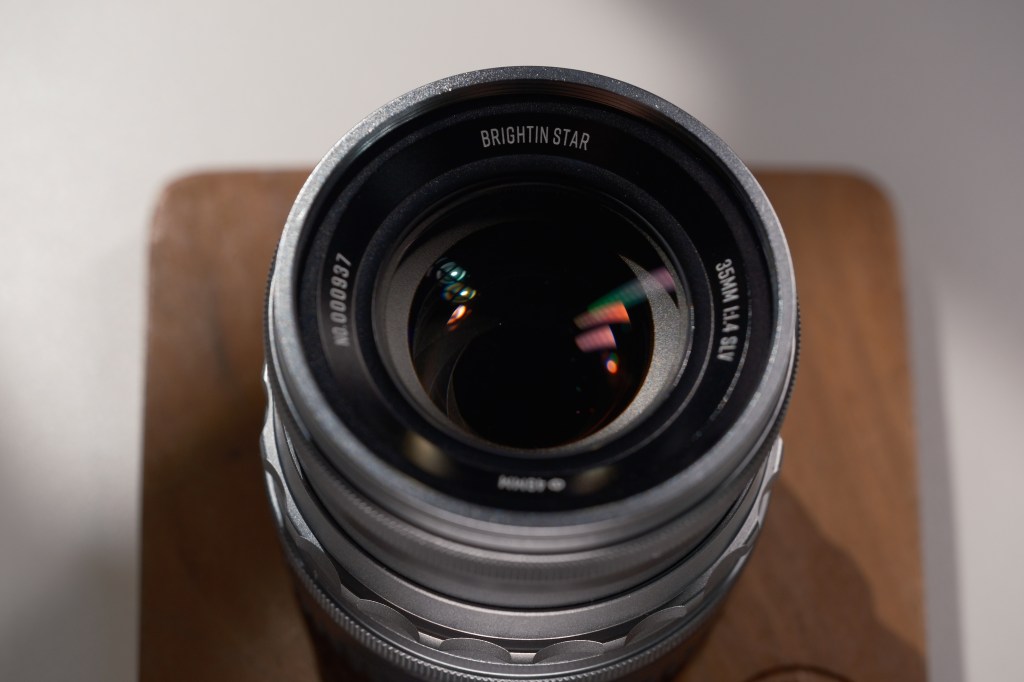
Brightin Star 35mm f1.4

For Brightin Star, however, this marks their very first 35mm f1.4 manual lens.

Intro

While I continue waiting patiently for Brightin Star’s next autofocus release, the company seems determined to keep expanding its manual lens lineup. I suppose the demand for manual lenses is still very much alive in 2026.

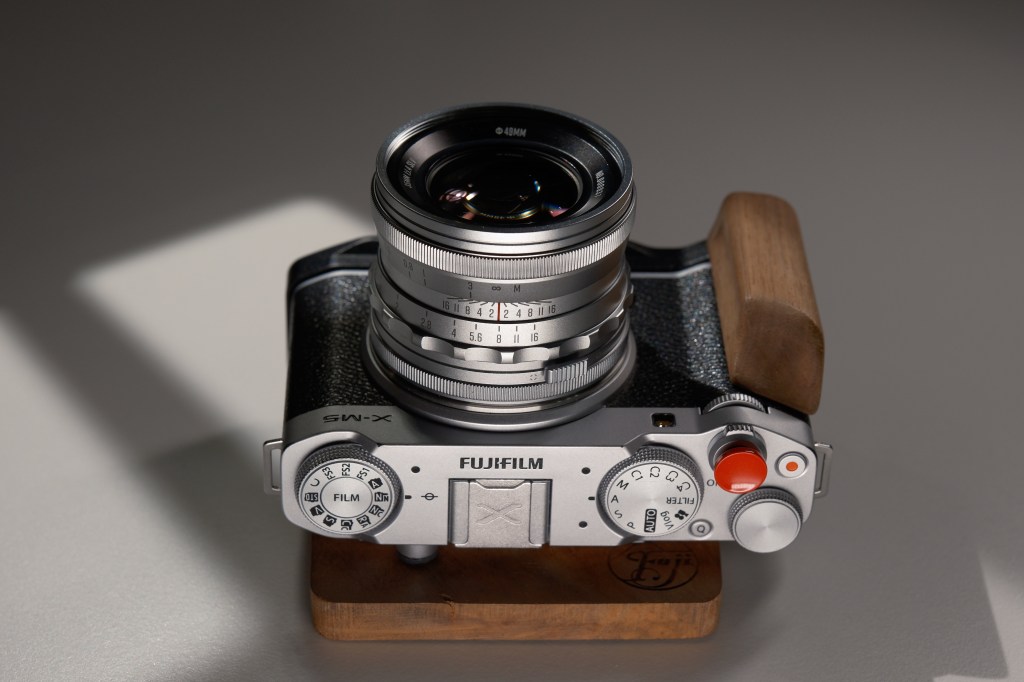
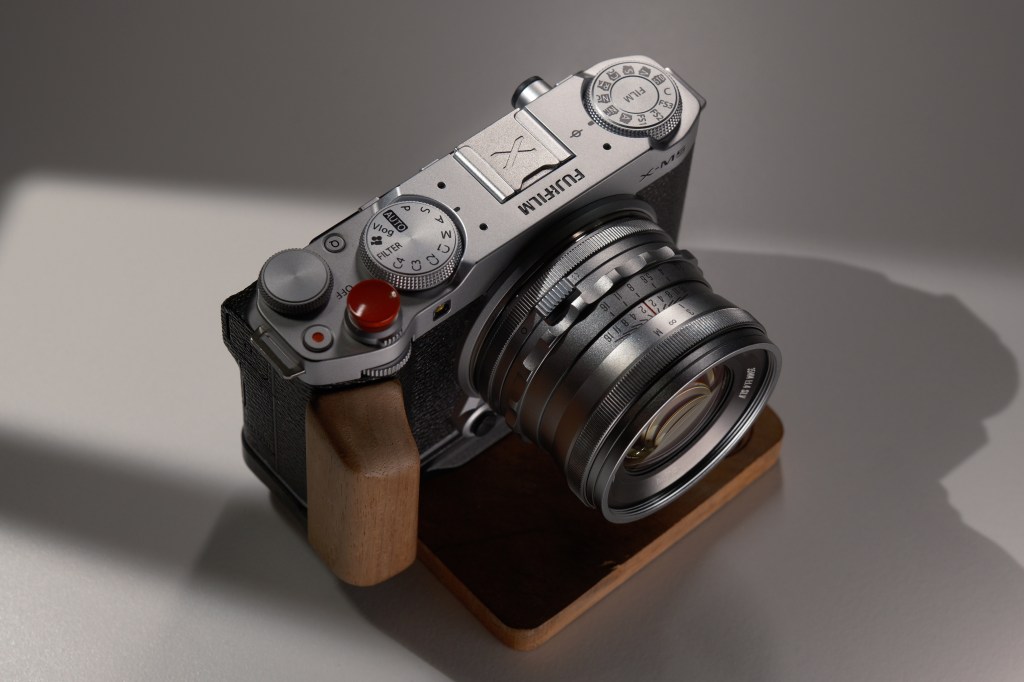
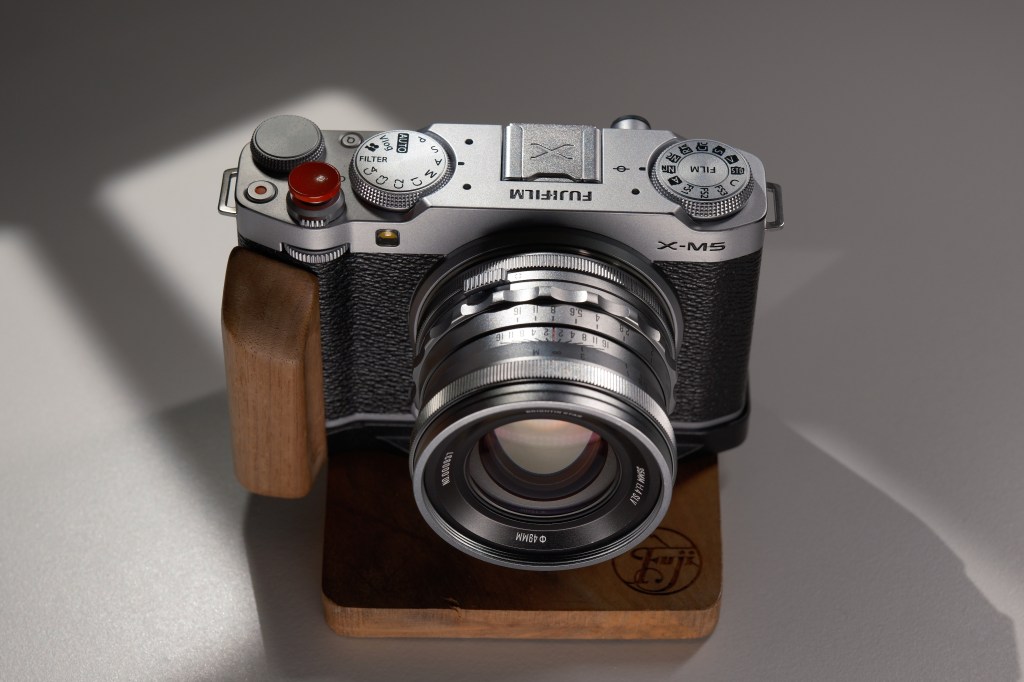
Fujifilm X-M5 with Brightin 35mm f1.4


When I first heard about this lens, my immediate thought was: How many 35mm f1.4 manual lenses are already out there? After digging around, I realised the market is actually crowded with options from third-party manufacturers such as TTArtisan, 7Artisans, Meike, Pergear, Kamlan, Neewer, and Zonlai. Brightin Star is simply the latest name joining the list.

Fuji X-E5 . Brightin Star 35mm f1.4 @ 35mm . f2. 1/5400″ . ISO 125 . Classic Negative
Fuji X-M5 . Brightin Star 35mm f1.4 @ 35mm . f1.4. 1/3500″ . ISO 320 . Nostalgic Negative
Fuji X-M5 . Brightin Star 35mm f1.4 @ 35mm . f1.4. 1/8500″ . ISO 160 . Nostalgic Negative


Before going further, a huge thanks to the great people at Brightin Star for sending this lens over for review. As always, they had absolutely no influence over my opinions. Everything written here is based purely on my own experience with the lens.

Design and Build Quality

Brightin Star really knows how to make an attractive lens.

This 35mm f1.4 carries a completely different visual identity compared to some of their other manual lenses, such as the Brightin Star 35mm f0.95. It feels like the company is trying to create a more distinctive design language for this series, and honestly, I like it a lot. This different visual design is pretty much heavily inspired by Voigtlander lens design. Nonetheless, I still like its look, or I should say I like Voigtlander’s lens design.

[Update 18 August 2026: I was informed by friends that this design is very similar to the Voigtlander 50mm f1.5 ASPH and Voigtlander 35mm f1.7 Ultron, hence I have updated my opinion above.]

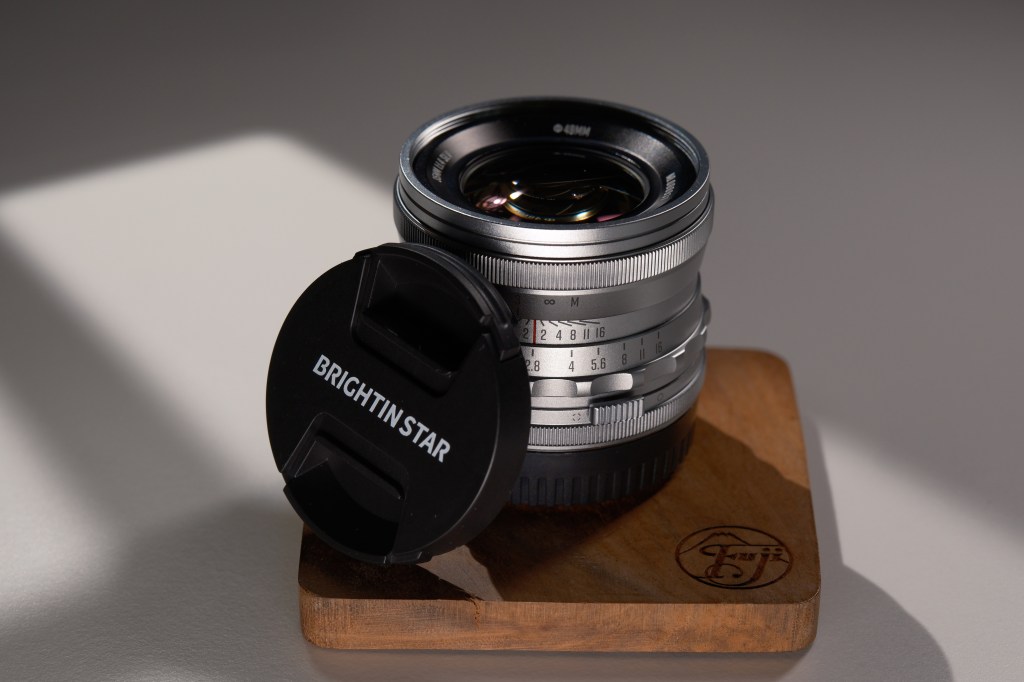
At first glance, the lens blends retro charm with modern styling surprisingly well. It has that classic rangefinder-inspired aesthetic while still looking contemporary. It is one of those lenses that simply looks good mounted on any Fujifilm camera.

Brightin 35mm f1.4

As I had expected, the lens feels solid in my hand. Weighing only 218 grams with a full metal construction, the build quality is excellent. Weight distribution across the body is nicely balanced, making it comfortable to use for extended periods. The small 49mm filter thread also gives you an idea of just how compact this lens really is. Unfortunately, it comes with a plastic lens cap, which I think could be better if it came with a metal one like their f0.95 variant or the Brightin Star 10mm f5.6 Pro.

Brightin Star 35mm f1.4 with Lens Cap

One particularly interesting feature is the aperture ring. Brightin Star includes a small switch that lets you toggle between clicky and clickless aperture control. The clicked mode provides gentle but satisfying tactile feedback, while the clickless option will definitely appeal to videographers.

The switch

Image Quality

Manual lenses from Chinese manufacturers have often been associated with certain characteristics: soft rendering wide open, low contrast, noticeable chromatic aberration, and heavy vignetting. Of course, some photographers intentionally seek out those imperfections because they add character to the images.

Fuji X-E5 . Brightin Star 35mm f1.4 @ 35mm . f1.4. 1/100″ . ISO 160 . Nostalgic Negative

Naturally, I expected something similar here. But after reviewing my shots taken wide open at f1.4, I was genuinely surprised.

No, the lens is not optically perfect, but it is noticeably more refined than many older manual lenses in this category. The improvements are obvious enough that you can immediately tell this is a newer optical design.

Fuji X-E5 . Brightin Star 35mm f1.4 @ 35mm . f1.4. 1/340″ . ISO 125 . Nostalgic Negative

At f1.4, sharpness is decent with a touch of softness, which is fairly expected. Contrast is not especially rich, but it is still respectable. Surprisingly, vignetting is very well controlled to the point where I barely noticed it. Chromatic aberration is present, though thankfully not overly distracting.

The biggest weakness, however, lies in the rendering transition between the focused and out-of-focus areas. The foreground and background blur can sometimes appear harsh or slightly nervous, especially in busy scenes. That said, when the background is cleaner and less cluttered, the bokeh becomes much more pleasant and easier on the eyes.

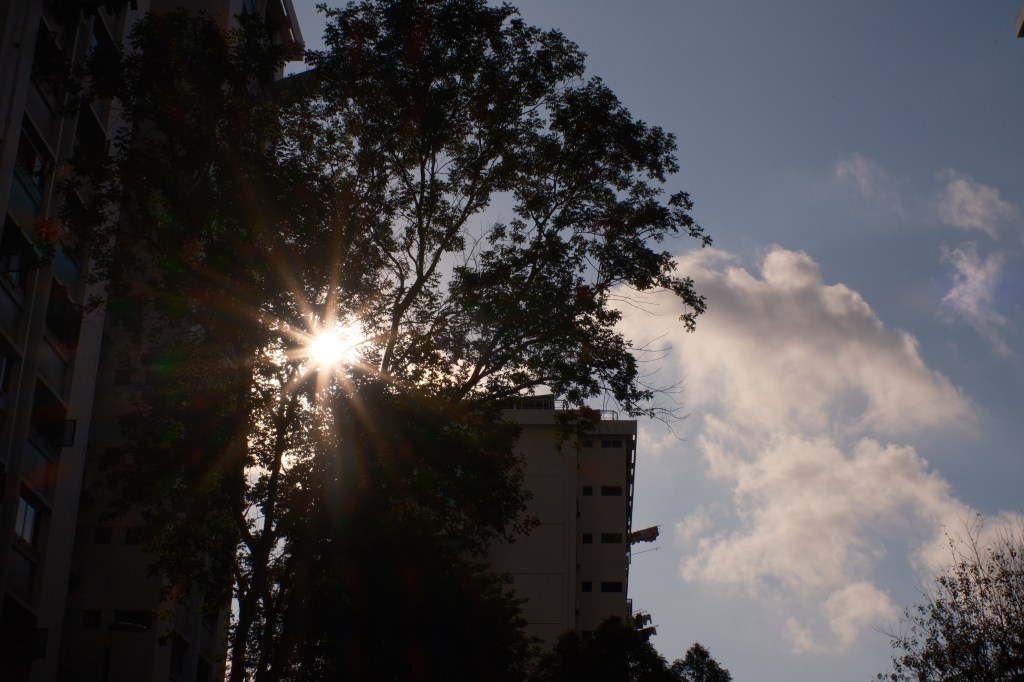
Fuji X-M5 . Brightin Star 35mm f1.4 @ 35mm . f16 . 1/950″ . ISO 320 . Nostalgic Negative

Minimum Focus Distance (MFD)

The lens offers a minimum focusing distance of 30cm, which is relatively close for a lens in this focal range.
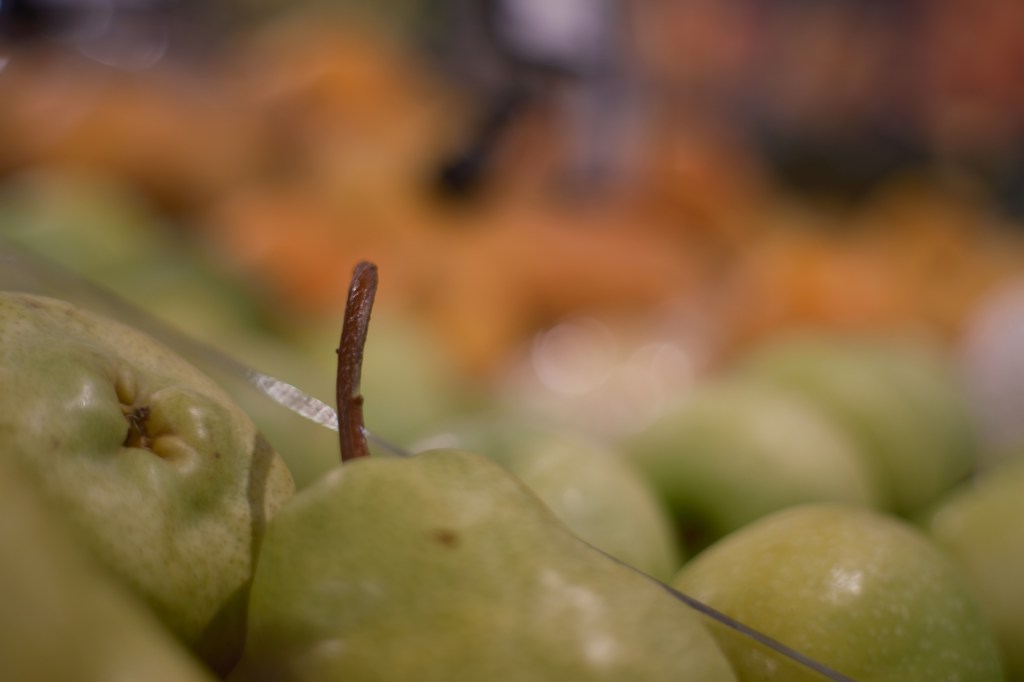
That extra close-focusing capability does add versatility, although image quality becomes noticeably softer when shooting wide open at minimum distance. If maximum sharpness is important, stopping down the aperture will definitely help recover more detail.

Fuji X-E5 . Brightin Star 35mm f1.4 @ 35mm . f1.4. 1/220″ . ISO 160 . Nostalgic Negative
Fuji X-E5 . Brightin Star 35mm f1.4 @ 35mm . f1.4. 1/200″ . ISO 125 . Nostalgic Negative
Fuji X-M5 . Brightin Star 35mm f1.4 @ 35mm . f1.4. 1/180″ . ISO 320 . Nostalgic Negative

Focusing

Compared to the Brightin Star 35mm f0.95, the focusing ring here feels significantly smoother. There is very little resistance, making focus adjustments fluid and enjoyable. That said, some photographers prefer a bit more resistance, or at least “can feel” the resistance feedback.

Fuji X-E5 . Brightin Star 35mm f1.4 @ 35mm . f1.4. 1/100″ . ISO 160 . Nostalgic Negative
Fuji X-M. Brightin Star 35mm f1.4 @ 35mm . f5.6. 1/200″ . ISO 640 . Nostalgic Negative
Fuji X-M5 . Brightin Star 35mm f1.4 @ 35mm . f1.4. 1/210″ . ISO 320 . Nostalgic Negative

The focus throw, from the minimum focus distance to infinity, is approximately 150 degrees. Some photographers love to have this degree of longer throw because it allows for more precise focusing. Others may find it slightly slower during fast-paced shooting situations since it requires more rotation back and/or forth.

Like many manual lenses, true infinity focus is not located exactly at the infinity marking itself. You will need to pull back slightly before the infinity symbol to achieve accurate infinity focus.

Price Point

At around 190 USD, this lens sits on the more expensive side compared to competing with other manual 35mm f1.4 options.

Fuji X-E5 . Brightin Star 35mm f1.4 @ 35mm . f1.4. 1/1250″ . ISO 125 . Classic Negative
Fuji X-E5 . Brightin Star 35mm f1.4 @ 35mm . f5.6. 1/2500″ . ISO 125 . Classic Negative

For comparison:

  • 7Artisans 35mm f1.4: around 69 USD
  • TTArtisan 35mm f1.4: around 73 USD
  • Meike 35mm f1.4: around 100 USD

This definitely makes the buying decision more difficult, especially if you are shopping purely based on value.

However, Brightin Star’s lens is also one of the newest designs in this category, and it does show improvements in optical performance. In theory, the newer optical formula should provide better rendering and image quality than some of the older competitors.

Fuji X-M5 . Brightin Star 35mm f1.4 @ 35mm . f5.6. 1/2900″ . ISO 320 . Nostalgic Negative
Fuji X-M5 . Brightin Star 35mm f1.4 @ 35mm . f1.4. 1/800″ . ISO 320. Nostalgic Negative
Fuji X-M5 . Brightin Star 35mm f1.4 @ 35mm . f1.4. 1/125″ . ISO 400 . Nostalgic Negative

For context, the 7Artisans version was released back in 2023, making it the second newest lens among similar configurations.

Others

Although Brightin Star officially describes this lens as “silver” colour, I would personally describe the finish as more of a gunmetal colour. So do not be surprised if it appears darker than expected in person.

Fuji X-E5 . Brightin Star 35mm f1.4 @ 35mm . f1.4. 1/100″ . ISO 400 . Nostalgic Negative
Fuji X-E5 . Brightin Star 35mm f1.4 @ 35mm . f1.4. 1/105″ . ISO 125 . Classic Negative
Fuji X-E5 . Brightin Star 35mm f1.4 @ 35mm . f1.4. 1/100″ . ISO 200 . Nostalgic Negative

Also, depending on the camera mount you choose, the dimensions and weight of the lens may vary slightly.

Who is this for?

This lens is ideal for photographers who do not mind spending a little extra for a newer manual lens design with improved optical quality and good handling.

Fuji X-E5 . Brightin Star 35mm f1.4 @ 35mm . f1.4. 1/1250″ . ISO 125 . Nostalgic Negative
Fuji X-E5 . Brightin Star 35mm f1.4 @ 35mm . f1.4. 1/5000″ . ISO 125 . Nostalgic Negative
Fuji X-E5 . Brightin Star 35mm f1.4 @ 35mm . f5.6. 1/640″ . ISO 125 . Nostalgic Negative

It is also a surprisingly good option for photographers who are just starting to experiment with manual lenses. Thanks to its versatile focal length, like I mentioned earlier, it works well across multiple genres, including street photography, documentary, and journalism, portraits, and travel photography.

Conclusion

The Brightin Star 35mm f1.4 surprised me in several ways, particularly with its optical improvements. While it is far from being a flawless lens, I genuinely did not expect such decent and usable image quality at f1.4 from a manual lens in this category.

Fujifilm X-E5 with Brightin 35mm f1.4

On top of that, the lens features a beautifully designed exterior that stands apart from Brightin Star’s previous offerings.

It has honestly been a while since I found myself enjoying a slightly bulkier manual lens. Normally, my go-to recommendations are smaller and more compact options like the ArtraLab 24mm f1.7 and TTArtisan 25mm f2. Yet somehow, this Brightin Star 35mm f1.4 has managed to earn a place on that recommendation list as well.

Left to right: Brightin Star 35mm f0.95 (Black), Brightin Star 35mm f1.4, Brightin Star 35mm f0.95 (Silver)

Thank you for reading.

Disclaimer:
1. All the shots taken here are shot by me.
2. Most of the shots are straight out of the camera with some shots edited via In-Camera Raw Processing.

3. The opinions are based on my experience. If there is any mistake, please kindly drop me a message and I will gladly make the amendment.
4. I reserve ownership of these images, if you wish to use my images, please notify me.

If you like my works, please follow me on either one of the 2 Instagram accounts:

If you have a Facebook account, feel free to join Fujifanboys FB group.

If you like my content and you want to show some support and keep this blog alive, you can buy me a coffee here.
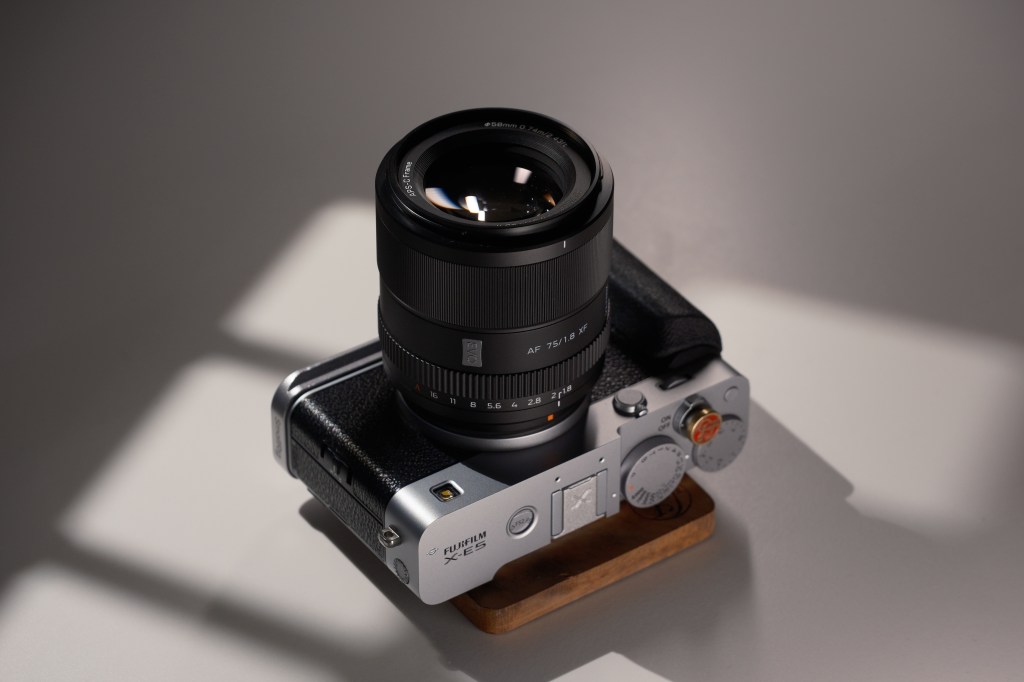
Reviews

Viltrox 56mm f1.2 Pro – Meet the Portrait Diva

The 85mm full-frame equivalent has long been considered the ideal portrait focal length. Its natural facial rendering, flattering compression, and versatility have made it the gold standard among portrait photographers worldwide. The newly release Viltrox 56mm f1.2 Pro is the lens created for this purpose.

Viltrox 56mm f1.2 Pro

Intro

The Viltrox 56mm f1.2 Pro marks the third addition to Viltrox’s growing “Pro” lineup, following the 75mm f1.2 Pro and 27mm f1.2 Pro. Announced on 1 September 2025, this lens comes in both X-mount and E-mount versions.

Fuji X-E5 . Viltrox 56mm f1.2 @ 56mm . f1.2 . 1/12000″ . ISO 125 . Nostalgic Negative

Design and Build Quality

Like its 27mm and 75mm siblings, the Viltrox 56mm f1.2 Pro carries a consistent design language. The all-metal lens barrel immediately feels premium, like you’re holding something worth every dollar spent.

Fuji X-E5 . Viltrox 56mm f1.2 @ 56mm . f1.2 . 1/450″ . ISO 400 . Classic Negative

The aperture ring is satisfyingly clicky, with just the right amount of tension and tactile feedback. Nothing feels loose, sloppy, or overly stiff.

It comes with a 67mm filter thread and weighs 575 grams. It’s definitely not a tiny lens, but it balances reasonably well on bodies like the X-T5 and X-E5 (with grip). For comparison, Fujifilm’s own XF56mm f1.2 WR comes in at 445 grams.

Fuji X-M5 . Viltrox 56mm f1.2 @ 56mm . f5.6 . 1/900″ . ISO 320 . Nostalgic Negative

Image Quality

As expected from a “Pro” lens, the Viltrox 56mm f1.2 does not disappoint. It’s already sharp at wide open, with pleasing contrast and well-controlled chromatic aberration, even to my imperfect eyes. Vignetting is present but mild and easily corrected or avoided by stopping down or process in post.

Fuji X-M5 . Viltrox 56mm f1.2 @ 56mm . f1.2 . 1/14000″ . ISO 320 . Classic Chrome

The background blur is smooth with a gentle transition between in-focus and out-of-focus areas. Overall, the rendering feels clean and pleasant. No real complaints here.

Focusing

Viltrox equipped this lens with its Dual HyperVCM motor, but how does it perform in reality?

Fuji X-M5 . Viltrox 56mm f1.2 @ 56mm . f5 . 1/90″ . ISO 3200 . Classic Negative

On both the X-T5 and X-M5, autofocus is generally snappy, silent, consistent, and accurate. I do get an occasional miss on the first try, but nothing worrying.

Fuji X-M5 . Viltrox 56mm f1.2 @ 56mm . f1.2 . 1/1250″ . ISO 320 . Classic Negative

However, pairing it with the X-E5 gave me a very different experience. The autofocus mechanism jammed repeatedly, so much so that even remounting the lens or swapping with other lenses didn’t fix it. It would jam again after a few shots. I can ’t explain why, but the issue exists. X-E5 users should take note.

Another thing I observed: Eye-AF tends to jump rapidly between eyes and faces more often than other third-party lenses I’ve tested. I’m unsure whether this is a copy-specific issue or a broader batch issue, but I hope a future firmware update will address it.

Fuji X-T5 . Viltrox 56mm f1.2 @ 56mm . f1.2 . 1/350″ . ISO 125 . Nostalgic Negative
Fuji X-T5 . Viltrox 56mm f1.2 @ 56mm . f1.2 . 1/80″ . ISO 200 . Nostalgic Negative

Minimum Focus Distance (MFD)

At 50cm, the MFD is impressive for a mid-telephoto lens, identical to the Fujifilm XF56mm f1.2 WR. You can get quite close without losing image quality, which is great for tighter product shots.

Fuji X-E5 . Viltrox 56mm f1.2 @ 56mm . f1.2 . 1/170″ . ISO 1600 . Nostalgic Negative
Fuji X-M5 . Viltrox 56mm f1.2 @ 56mm . f1.2 . 1/160″ . ISO 320 . Nostalgic Negative
Fuji X-M5 . Viltrox 56mm f1.2 @ 56mm . f1.2 . 1/125″ . ISO 640 . Classic Negative

Price Point

Initially priced at 580 USD, the lens now goes for around 464 USD, making it extremely competitive, especially when the XF56mm f1.2 WR sells for 1099 USD at B&H.

Sirui also offers a 56mm f1.2 variant at $280 USD, but personally, I wouldn’t recommend that one.

Fuji X-T5 . Viltrox 56mm f1.2 @ 56mm . f1.2 . 1/50″ . ISO 3200 . Nostalgic Negative

Others

As with all Viltrox autofocus lenses, the USB-C port is positioned at the rear, which I prefer over the exposed designs (on the lens barrel) with rubber flaps.

Viltrox 56mm f1.2 Pro – USB-C port at the rear lens element

The lens is also weather-sealed, in true “Pro” fashion, though I’m not exactly planning to test the seals anytime soon.

Viltrox 56mm f1.2 Pro with lens hood

A lens hood is included, but it’s a bit disappointing that it’s plastic instead of metal.

Who is this for?

If you shoot portraits, this focal length deserves a place on your wishlist. But portraits aren’t the only thing it can do.

Fuji X-T5 . Viltrox 56mm f1.2 @ 56mm . f1.2 . 1/950″ . ISO 800 . Nostalgic Negative

During my testing, I found it great for product shoots, street photography, and even cityscapes. As long as the framing suits your vision, the lens delivers.

Conclusion

If you already own the Viltrox 27mm f1.2 Pro and 75mm f1.2 Pro, this lens completes the f1.2 Pro “trinity,” making your lineup feel wonderfully cohesive.

Viltrox 56mm f1.2 Pro and XF56mm f1.2 WR
Viltrox 56mm f1.2 Pro and XF56mm f1.2 WR (with lens hoods)

Viltrox has consistently impressed with its Pro series, excellent image quality, reasonable pricing, in exchange for slightly larger size and heavier builds. The 56mm f1.2 Pro follows that philosophy closely.

Fuji X-T5 . Viltrox 56mm f1.2 @ 56mm . f1.2 . 1/80″ . ISO 400 . Nostalgic Negative

Sure, the Fujifilm XF56mm f/1.2 WR edges out a bit in sharpness and autofocus reliability, but at two times the cost, is it worth it? That comes down to your priorities. If you’re chasing image quality but can’t justify the XF56mm f1.2 WR’s premium price, and you don’t mind the extra weight, the Viltrox 56mm f1.2 Pro is definitely worth considering.

X-E5 with Viltrox 56mm f1.2 Pro
X-M5 with Viltrox 56mm f1.2 Pro

Thank you for reading.

If you are interested in this lens, head down to this affiliate link to purchase yours. 

Disclaimer:
1. All the shots taken here are shot by me.
2. Most of the shots are straight out of the camera with some shots edited via In-Camera Raw Processing.

3. The opinions are based on my experience. If there is any mistake, please kindly drop me a message and I will gladly make the amendment.
4. I reserve ownership of these images, if you wish to use my images, please notify me.

If you like my works, please follow me on either one of the 2 Instagram accounts:

If you have a Facebook account, feel free to join Fujifanboys FB group.

If you like my content and you want to show some support and keep this blog alive, you can buy me a coffee here.

Reviews

TTArtisan 75mm f2 – When Short Telephoto Lens Feels Just Right

TTArtisan 75mm f2
TTArtisan 75mm f2

When it comes to a 75mm focal length, it’s not exactly the most common out there. Most photographers are more familiar with 56mm, while 75mm sits in that in-between telephoto zone that can feel a little intimidating, especially if you’re shooting in tight urban spaces like I do. Space is a luxury here, and a longer focal length often means stepping back more than I’d like. Still, I was curious. And that curiosity led me to the TTArtisan 75mm f2, a surprisingly compact tele lens that might just deserve a spot in your camera bag.

X-M5 with TTArtisan 75mm f2

Intro

The TTArtisan 75mm f2 was first launched for Z-mount and E-mount back in September 2024, and it took almost a full year before the X-mount version arrived in August 2025. It’s now available in a total of four mounts, including L-mount, making it accessible to a wide range of photographers.

Fuji X-M5 . TTArtisan 75mm f2 @ 75mm . f2. 1/220″ . ISO 160 . Nostalgic Negative

A quick shoutout to the awesome folks at TTArtisan for sending this lens my way to test, as always, my thoughts here are entirely my own.

Design and Build Quality

Design-wise, this lens follows the familiar TTArtisan aesthetic, very much in line with the 23mm f1.8, 35mm f1.8 II, and 56mm f1.8. But there’s one major difference: this time, there is an aperture ring.

Fuji X-M5 . TTArtisan 75mm f2 @ 75mm . f2. 1/950″ . ISO 160 . Classic Negative

That’s right, an actual clicky aperture ring on an autofocus lens. It’s something we rarely see from TTArtisan, and it’s a welcome addition, though I’ll admit, the clicks are a bit on the stiff side. It’s not the smoothest experience, but it works.

Fuji X-T5 . TTArtisan 75mm f2 @ 75mm . f2. 1/80″ . ISO 800 . Nostalgic Negative

Build quality, as always with TTArtisan, doesn’t disappoint. The metal construction gives it a solid, premium feel. At 326 grams, it’s nicely balanced and not too heavy. The filter size is 62mm, making filters easy and affordable to find. Plus, it now comes with a square lens hood, which looks great and adds a bit of flair.

Image Quality

Let’s talk about performance. Wide open at f2, the TTArtisan 75mm delivers impressively sharp results. It’s not on the same razor-sharp level as the Viltrox 75mm f1.2, but for general use, it’s more than capable, and the images look fantastic.

Fuji X-T5 . TTArtisan 75mm f2 @ 75mm . f2. 1/600″ . ISO 125 . Classic Negative

Chromatic aberration is very well controlled, and vignetting is minimal enough to be a non-issue.

The bokeh is decent, not the creamiest out there, but it has character. The rendering feels a bit on the “hard” side, but for portraits and product shots, it still delivers pleasing separation and depth.

Fuji X-E5 . TTArtisan 75mm f2 @ 75mm . f5.6. 1/1250″ . ISO 125 . Nostalgic Negative

Focusing

Like many telephoto lenses, this one can occasionally experience focus hunting; it’s rare, but it happens unpredictably, both indoors and outdoors.

Fuji X-T5 . TTArtisan 75mm f2 @ 75mm . f2. 1/3200″ . ISO 125 . Nostalgic Negative

Autofocus runs on a Stepper Motor (STM), and it’s quick, accurate, and relatively quiet. Not lightning-fast, but definitely reliable. Eye tracking also performs quite well and stays sticky enough for most portrait situations.

Minimum Focus Distance (MFD)

The minimum focus distance is 75cm, which feels fair for this focal length. For comparison:

  • Viltrox 75mm f1.2: 88cm
  • Samyang/Rokinon 75mm f1.8: 69cm
Fuji X-M5 . TTArtisan 75mm f2 @ 75mm . f2. 1/240″ . ISO 160 . Nostalgic Negative
Fuji X-T5 . TTArtisan 75mm f2 @ 75mm . f2. 1/640″ . ISO 125 . Nostalgic Negative

So the TTArtisan sits comfortably in between. More importantly, image quality stays strong even when shooting near the minimum distance.

Price Point

Here’s where things get wild: it is priced at just USD 200. For context, the Viltrox 75mm f1.2 costs about USD 580, and the Samyang/Rokinon 75mm f1.8 sits at USD 449. That’s more than double (and almost triple) the price. So for $200, this TTArtisan feels like a steal, a budget-friendly telephoto lens that still performs well in all checkboxes.

Fuji X-T5 . TTArtisan 75mm f2 @ 75mm . f2. 1/4400″ . ISO 125 . Classic Negative

Others

Like other TTArtisan AF lenses, the rear lens cap includes a USB-C port for firmware updates, which is always a plus.

Rear lens cap with USB-C port

One thing to note, this lens does not have weather or dust sealing. But honestly, at this price point, that’s perfectly reasonable.

Who is this for?

At a 112mm full-frame equivalent, this lens is clearly made for portraits and product photography. It’s not the most versatile choice for street shooters, unless you like keeping a bit of distance between you and your subjects. In that case, this focal length might be perfect for candid, unobtrusive shots.

Fuji X-T5 . TTArtisan 75mm f2 @ 75mm . f2. 1/80″ . ISO 200 . Nostalgic Negative

For travel photographers, it’s a great lens to pack “just in case.” It’s compact, not too heavy, and covers a nice tele range when you need it.

Conclusion

Alongside TTArtisan’s compact prime lineup: the 23mm f1.8, 35mm f1.8 II, and 56mm f1.8, this new 75mm f2 rounds out a very practical and affordable set of lenses for any prime shooter. For 200 USD, TTArtisan has nailed the balance between build quality, image performance, and price. I honestly can’t find a solid reason not to recommend it.

Fuji X-T5 . TTArtisan 75mm f2 @ 75mm . f2. 1/2200″ . ISO 125 . Classic Negative

It’s compact, capable, and fun to use, the kind of lens that reminds you good gear doesn’t always have to come with a high-end price tag. TTArtisan has been on a roll, releasing lens after lens, and now I can’t help but wonder… what focal length will they surprise us with next?

X-E5 with TTArtisan 75mm f2

Thank you for reading. 

Disclaimer:
1. All the shots taken here are shot by me.
2. Most of the shots are straight out of the camera with some shots edited via In-Camera Raw Processing.

3. The opinions are based on my experience. If there is any mistake, please kindly drop me a message and I will gladly make the amendment.
4. I reserve ownership of these images, if you wish to use my images, please notify me.

If you like my works, please follow me on either one of the 2 Instagram accounts:

If you have a Facebook account, feel free to join Fujifanboys FB group.

If you like my content and you want to show some support and keep this blog alive, you can buy me a coffee here.
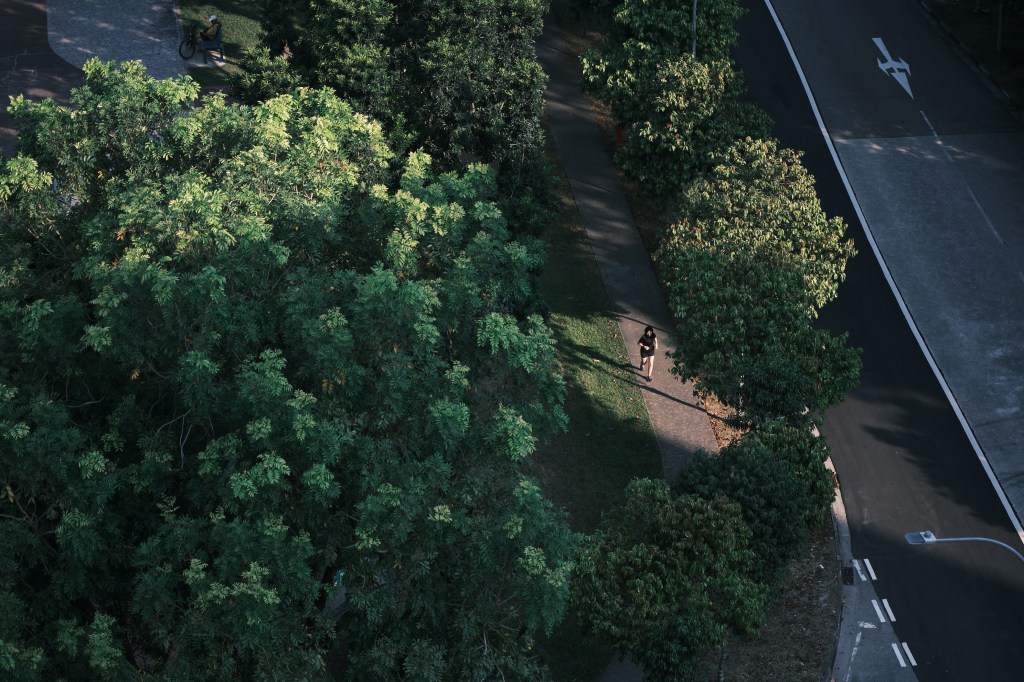
Reviews

AstrHori 18mm f5.6 Shift Lens – Shift Happens

Tilt-shift lenses have always been a niche tool, designed for very specific kinds of photography, the kind most photographers never touch because, well, they used to cost a small fortune.

AstrHori 18mm f5.6 Shift Lens

But times have changed. With the rise of Chinese lens makers, we’re now seeing more affordable alternatives entering the market. These lenses bring once-exclusive creative tools into the hands of curious photographers who’ve always wanted to try tilt or shift lenses without breaking the bank.

Fuji X-E5 with AstrHori 18mm f5.6 Shift Lens

Before proceeding further, I would like to express my gratitude to the team at AstrHori for providing me with this lens for review. Rest assured that the opinion is my own.

Intro

When it comes to shift lenses, options are still rare. As far as I know, only AstrHori and Laowa (Venus Optics)currently make them.

Fuji X-M5 with AstrHori 18mm f5.6 Shift Lens

Now, it’s worth noting the difference between tilt and shift:

Tilt lenses allow you to play with the plane of focus, creating dreamy miniature effects or selective focus shots.

Shift lenses, on the other hand, are all about correcting perspective distortion, like the converging lines you see in architectural photos, while keeping your camera level. They’re also great for stitching large, high-resolution panoramas from overlapping shots.

AstrHori 18mm f5.6 Shift Lens

Design and Build Quality

The AstrHori 18mm f/5.6 feels solid and well-built, with a full-metal construction. You’ll immediately notice the zigzag line around the body — that’s the part where the shifting happens.

Fuji X-E5 . AstrHori 18mm f5.6 @ 18mm . f5.6 . 1/600″ . ISO 125 . Nostalgic Negative

The lens can also rotate, with a satisfying click at each stop. This makes it easy to align your shift direction, whether you’re shooting in landscape or portrait orientation.

At 170 grams, it’s about twice the weight of the Fujifilm XF23mm f2.8 (which is 90g), but still feels light and well-balanced in hand.

Image Quality

This lens has a fixed aperture of f5.6, meaning there’s no way to change it , similar to the Viltrox 28mm f4.5. While that may sound limiting, it simplifies the shooting experience and keeps the design compact.

Fuji X-M5 . AstrHori 18mm f5.6 @ 18mm . f5.6 . 1/480″ . ISO 320 . Nostalgic Negative

For the image quality, I will break down the image performance into two parts: normal and shift shooting.

Normal shooting mode

Image quality is surprisingly good, sharp enough with well-preserved contrast. Chromatic aberration is minimal, and vignetting is very well controlled, almost nonexistent.

Fuji X-E5 . AstrHori 18mm f5.6 @ 18mm . f5.6 . 1/180″ . ISO 125 . Nostalgic Negative

Shift shooting mode

The AstrHori 18mm allows for a ±6mm shift range. Whether or not that’s a standard figure, it’s enough to make a noticeable difference. The perspective correction is clear and effective, with no visible loss in image quality.


Fuji X-E5 . AstrHori 18mm f5.6 @ 18mm . f5.6 . 1/1500″ . ISO 125 . Nostalgic Negative

Since this lens does not come with a lens hood, we have to be mindful of the potential flare introduced into the photos.

Focusing

The focus throw spans about 170°, which gives you a good amount of precision for manual focusing. It’s smooth and consistent, exactly what you want for a lens like this.

Fuji X-M5 . AstrHori 18mm f5.6 @ 18mm . f5.6 . 1/125″ . ISO 2500 . Nostalgic Negative

Minimum Focus Distance (MFD)

With a minimum focus distance of 30cm, it’s not meant for close-up work. But that’s expected; this is a shift lens designed primarily for architecture and perspective correction, not macro photography.

MFD at 30cm
Fuji X-E5 . AstrHori 18mm f5.6 @ 18mm . f5.6 . 1/80″ . ISO 2500 . Nostalgic Negative
Fuji X-M5 . AstrHori 18mm f5.6 @ 18mm . f5.6 . 1/125″ . ISO 320 . Nostalgic Negative

Price Point

At just USD 119, this lens is an absolute steal. It’s inexpensive enough to buy out of curiosity, experiment with, and maybe even surprise yourself with the results. For the price of a nice dinner, you can add a creative tool to your camera bag that might come in handy one day.

Fuji X-M5 . AstrHori 18mm f5.6 @ 18mm . f5.6 . 1/1100″ . ISO 320 . Classic Negative

Others

One thing to watch out for: be mindful of where your fingers rest when shifting the lens. The metal edges can be a little sharp, not enough to hurt, but enough to give you a surprise if you’re not paying attention. Hopefully, AstrHori smooths that out in the next version.

Sharp edges

The shift function works best when shooting upward or downward angles, like from the ground floor looking up at a building. If you’re shooting straight ahead, shifting mainly changes your framing rather than fixing distortion.

Fuji X-E5 . AstrHori 18mm f5.6 @ 18mm . f5.6 . 1/80″ . ISO 1000 . Nostalgic Negative

Who is this for?

While the primary audience is architectural photographers, the 28mm (full-frame equivalent) field of view and f5.6 aperture also make it a fun lens for street photography. And again, at USD 119, it’s an easy lens to buy as a gift, or just to satisfy your curiosity.

Fuji X-M5 . AstrHori 18mm f5.6 @ 18mm . f5.6 . 1/600″ . ISO 160 . Nostalgic Negative

Conclusion

Niche products like this are rare because most manufacturers won’t take the risk. So props to AstrHori for daring to do something different. The 18mm f5.6 Shift Lens is available in multiple mounts (E, L, and Z), opening up creative possibilities for photographers across systems.

Fuji X-M5 . AstrHori 18mm f5.6 @ 18mm . f5.6 . 1/5″ . ISO 320 . Nostalgic Negative

It’s compact, affordable, and genuinely fun to use, proof that innovation doesn’t always have to come with a high price tag. Here’s hoping AstrHori keeps pushing boundaries with more unique releases, while continuing to refine their lineup of everyday lenses like the AstrHori 27mm f2.8.

Fuji X-E5 with AstrHori 18mm f5.6 shift lens

Thank you for reading.

Disclaimer:
1. All the shots taken here are shot by me.
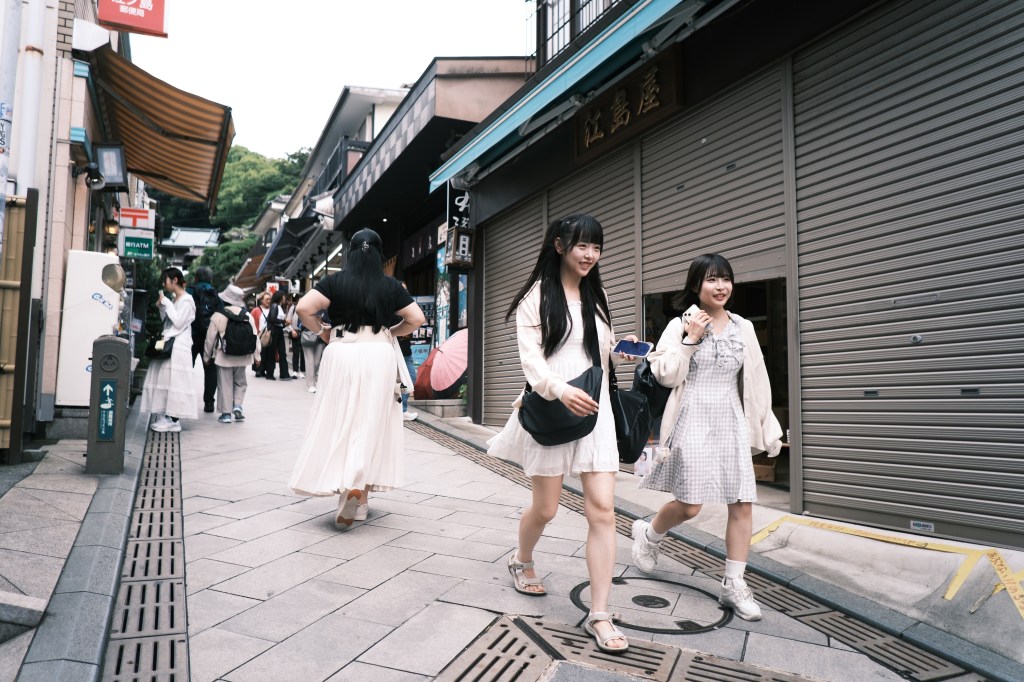
2. Most of the shots are straight out of the camera with some shots edited via In-Camera Raw Processing.
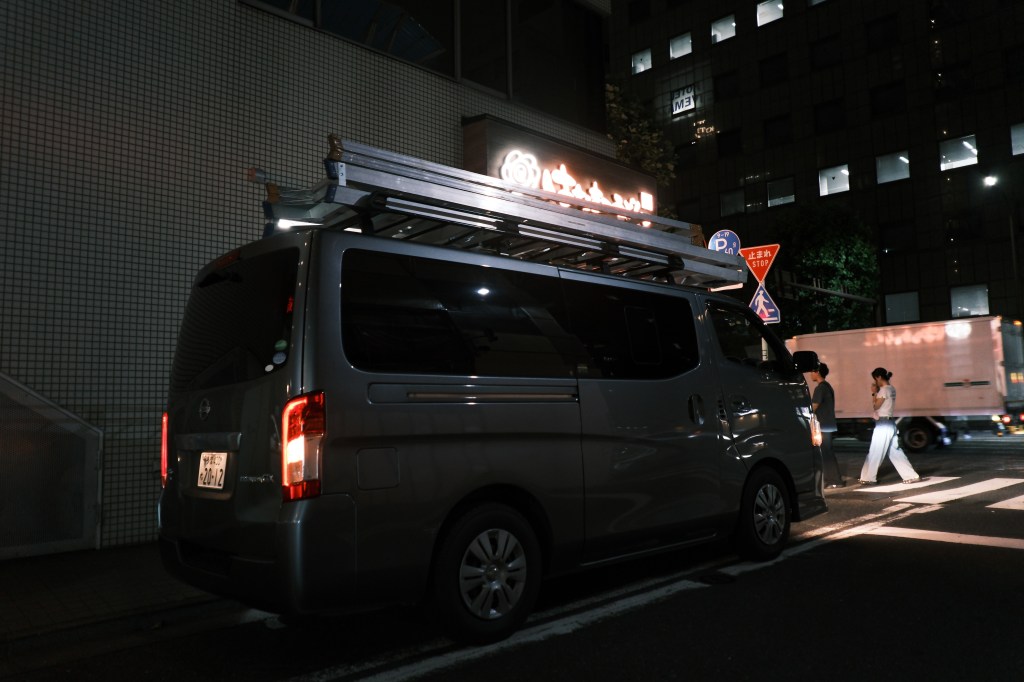
3. The opinions are based on my experience. If there is any mistake, please kindly drop me a message and I will gladly make the amendment.
4. I reserve ownership of these images, if you wish to use my images, please notify me.
5. If you are interested in this lens and also wish to support me, this is the affilinate link to purchase.

If you like my works, please follow me on either one of the 2 Instagram accounts:

If you have a Facebook account, feel free to join Fujifanboys FB group.

If you like my content and you want to show some support and keep this blog alive, you can buy me a coffee here.