

Reviews

TTArtisan 17mm f1.8 Air – Revisiting a Familiar Focal Length

My very first lens review was the TTArtisan 17mm f1.4, a lovely little manual focus lens back in 2021. At that time, only manual focus lenses were available for Fujifilm X-mount users. Fast forward to today, and the landscape has changed dramatically. We now have countless autofocus lenses for the Fujifilm X-mount, giving photographers more choices than ever before.

TTArtisan 17mm f1.8 Air

Having said that, this is my second time testing this focal length: 25mm (in full-frame equivalent). It somehow brings back the sentiment of the past, reminding me of where my lens review journey first began.

TTArtisan 17mm f1.8 Air

Intro

TTArtisan announced this compact wide-angle lens on 10 April 2026, launching simultaneously for Fujifilm X-mount and Sony E-mount, with the Nikon Z-mount arriving later.

This is also the first time I have seen TTArtisan use the Air branding in their lineup. From a marketing perspective, I immediately associated the name with a compact and lightweight lens, and yes, the “Air” branding is also used by another manufacturer (you will know soon) for the same reason.

Before I continue further, I would like to thank the good people at TTArtisan for sending this lens over for testing and making sure it reached me just in time for my Japan trip. As always, they have no influence over my opinions, and everything shared in this review is based purely on my own experience using the lens.

Design and Build Quality

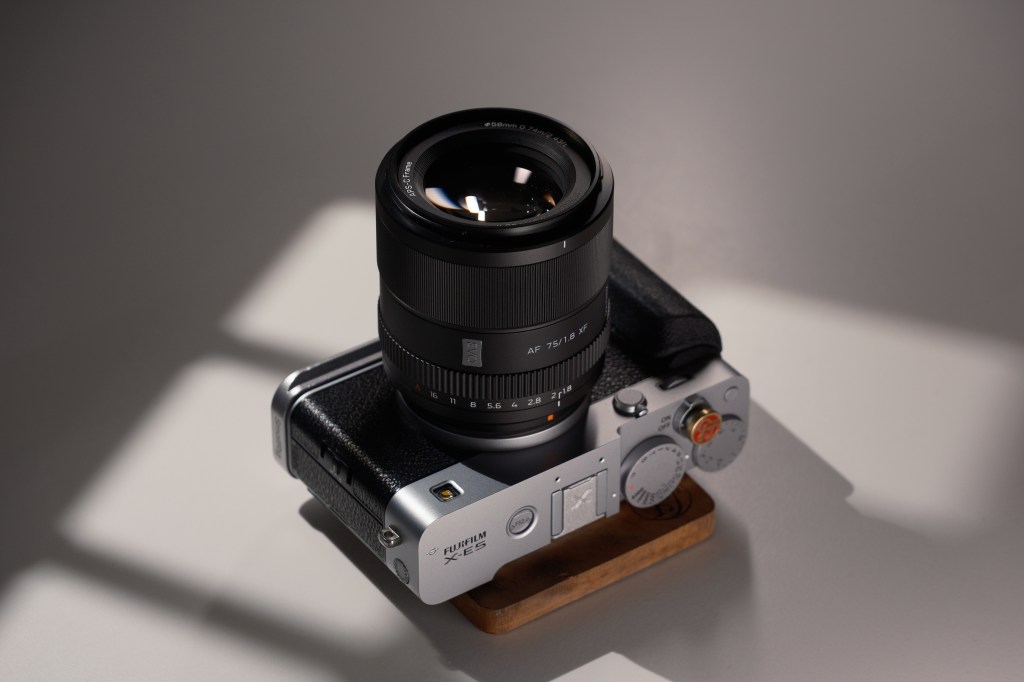
The TTArtisan 17mm f1.8 Air continues the company’s simple, minimalistic, and subtle design language. It shares the same design philosophy as their recent autofocus lineup, and I like how clean and understated it looks. Over time, this has become a recognizable design that is closely associated with TTArtisan.

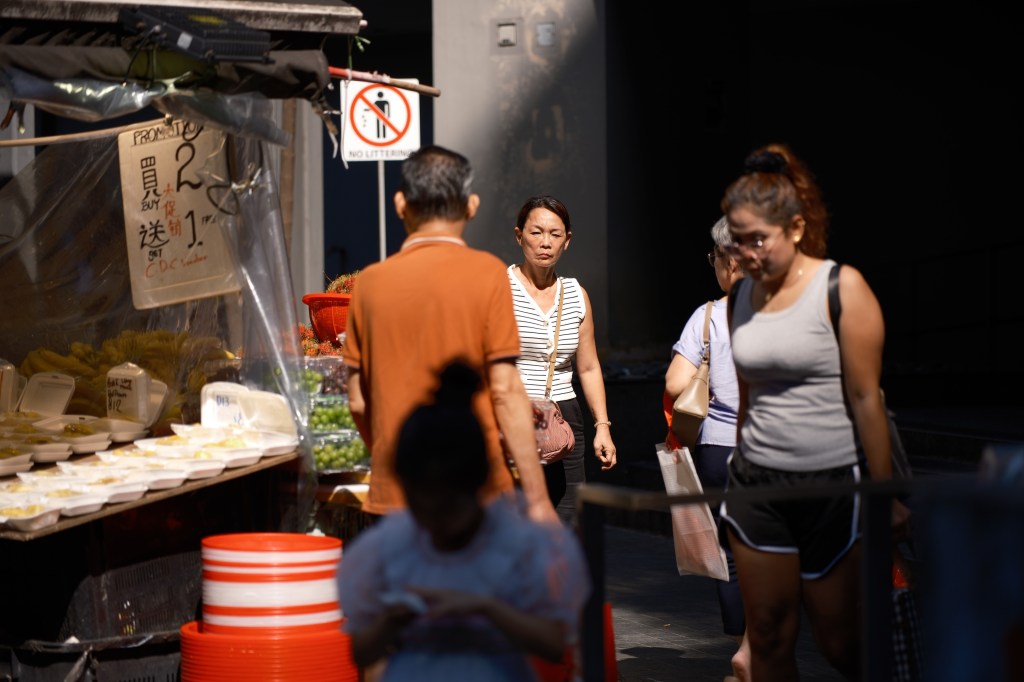
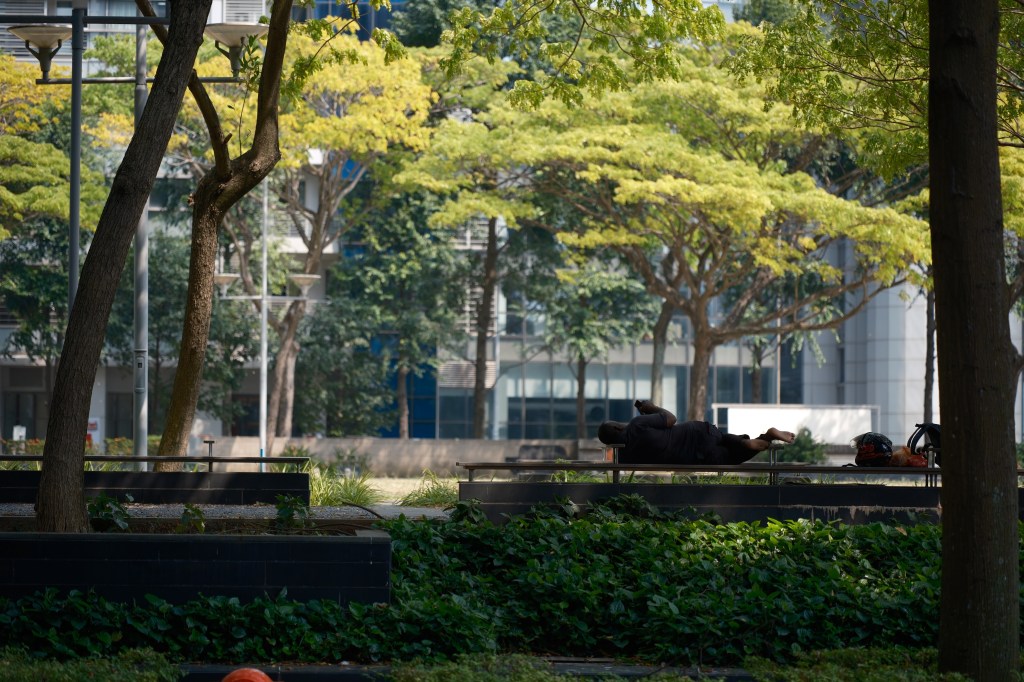
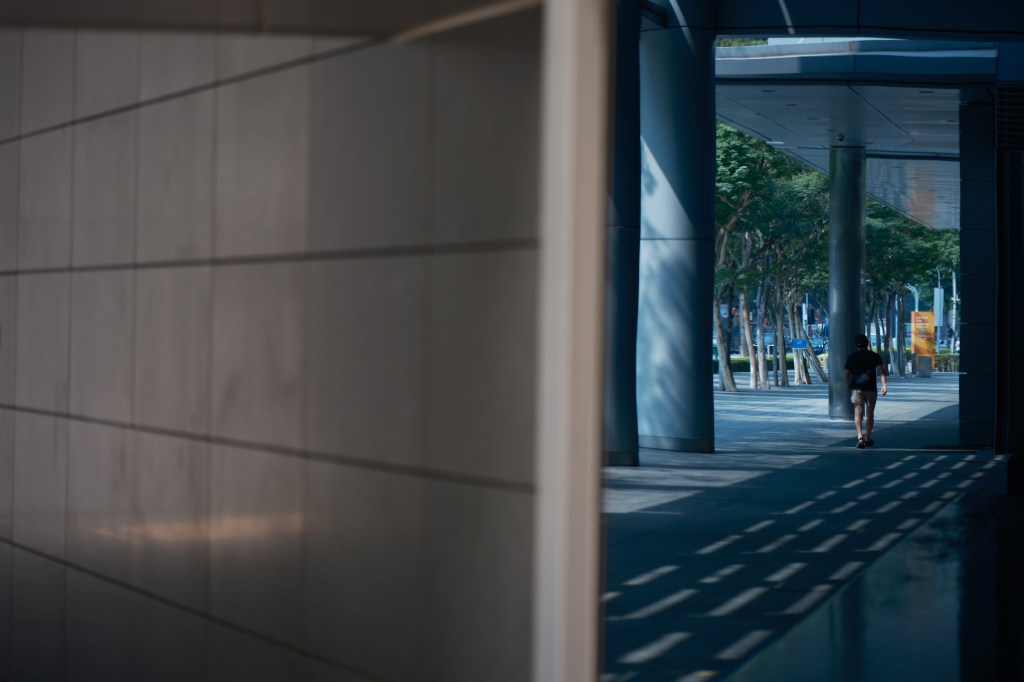
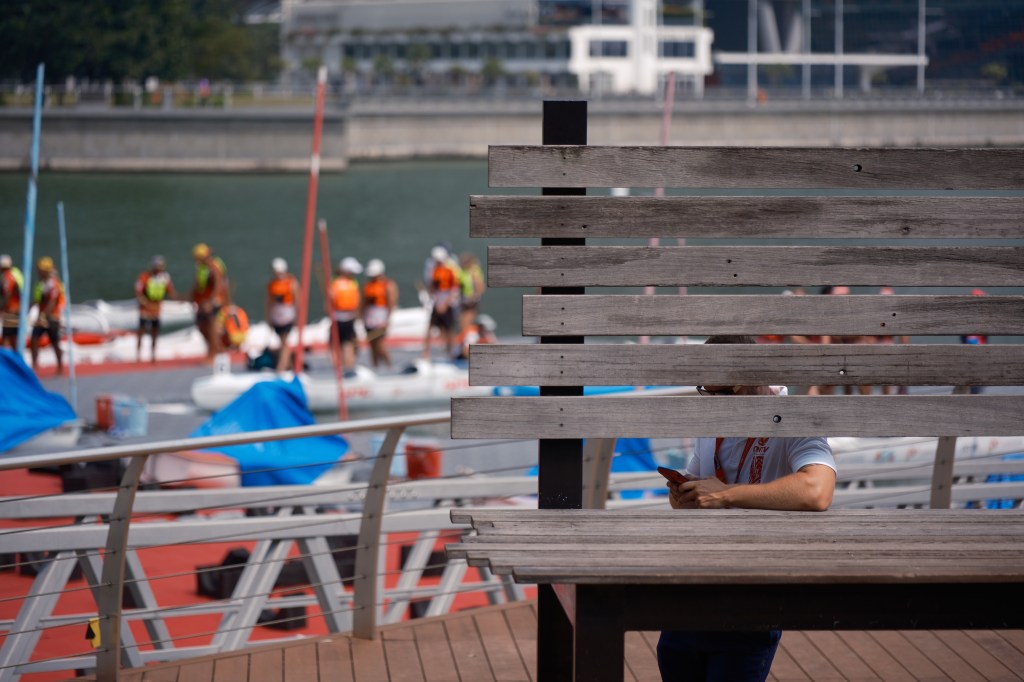
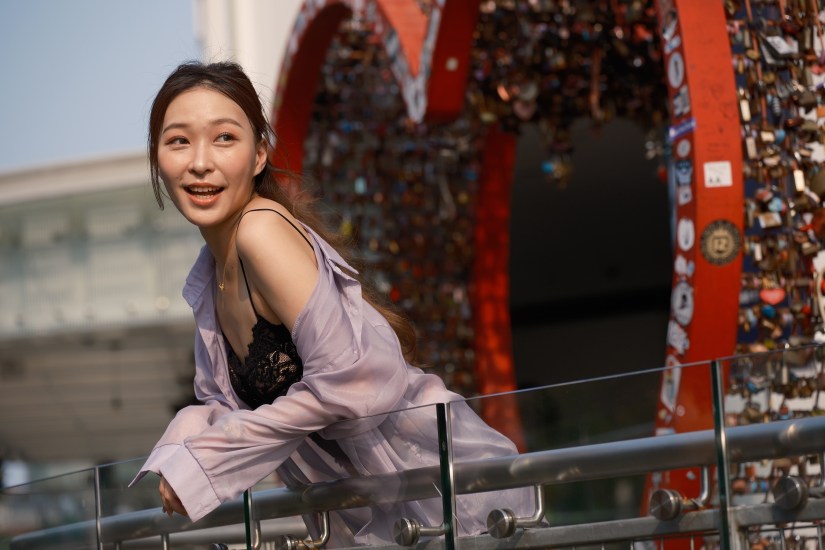
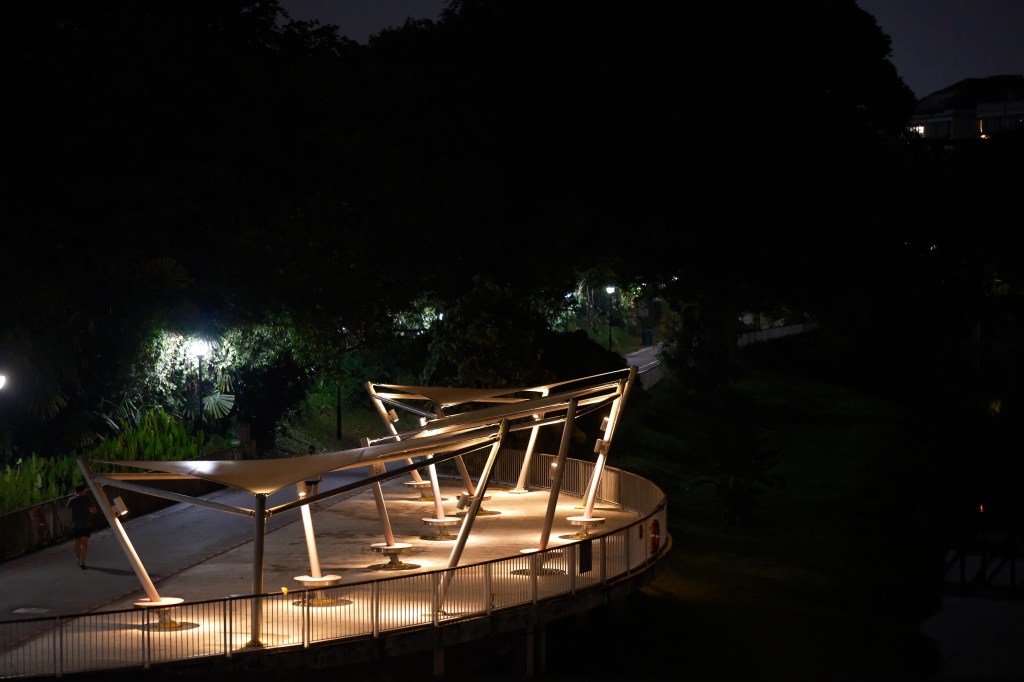
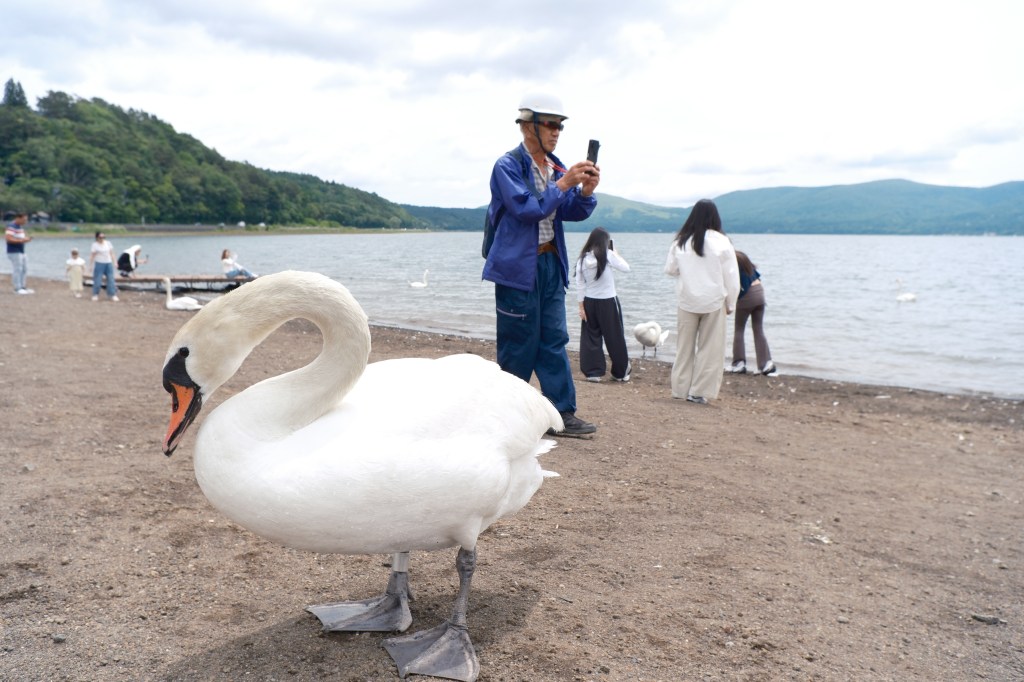
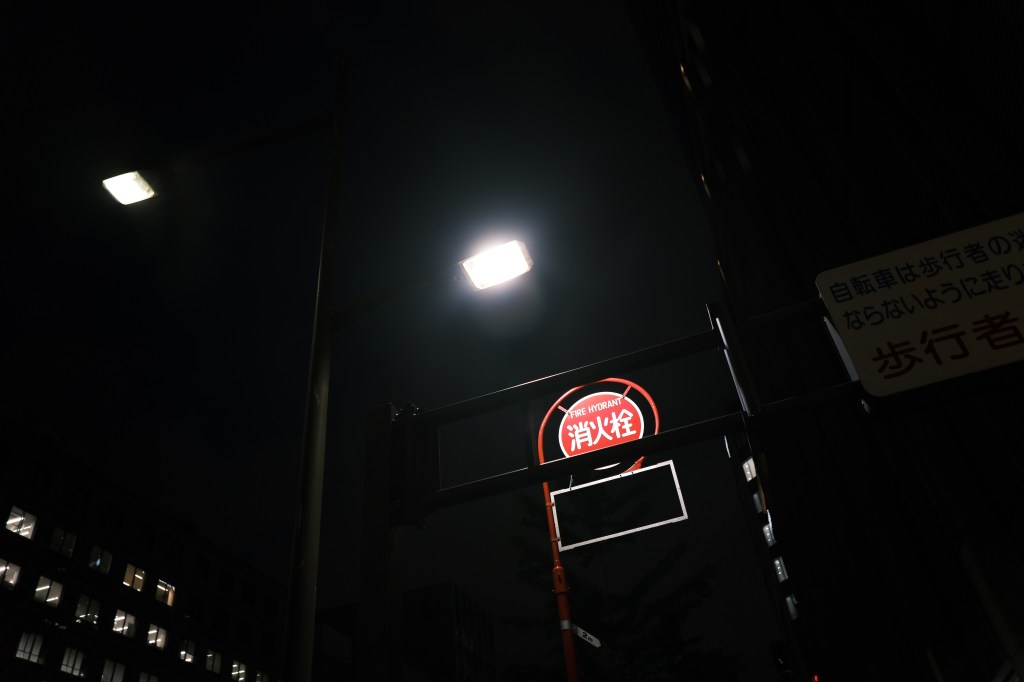
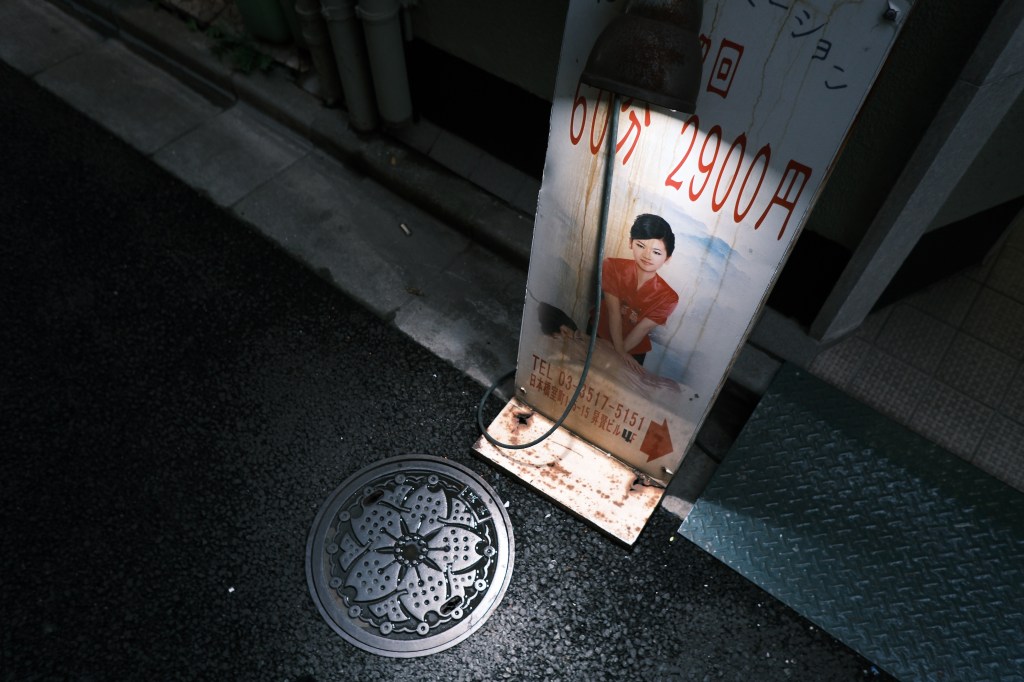
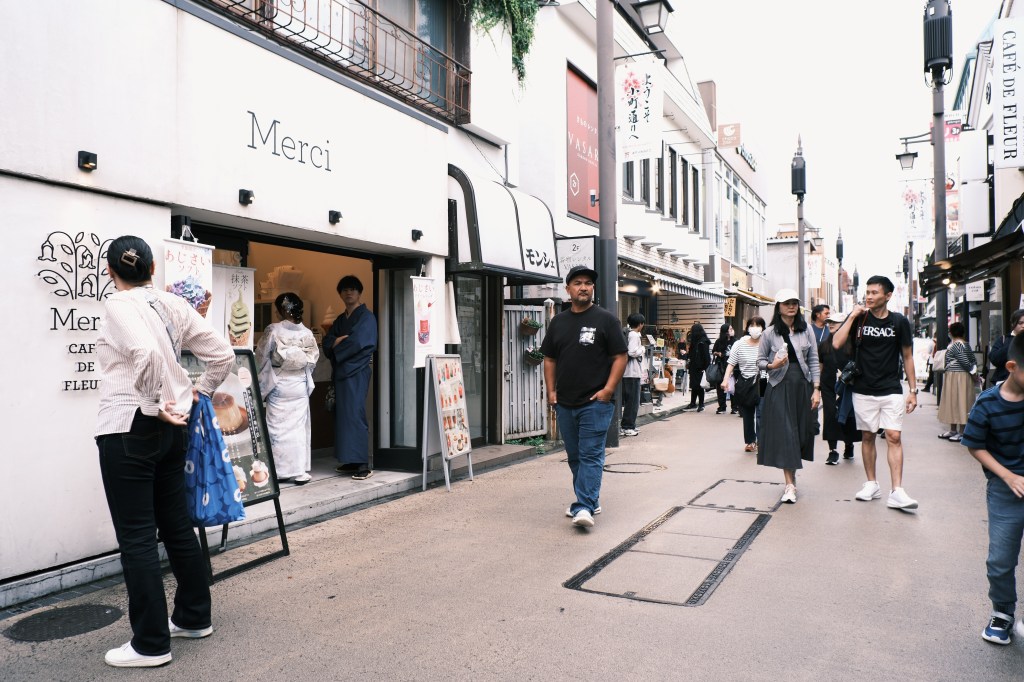
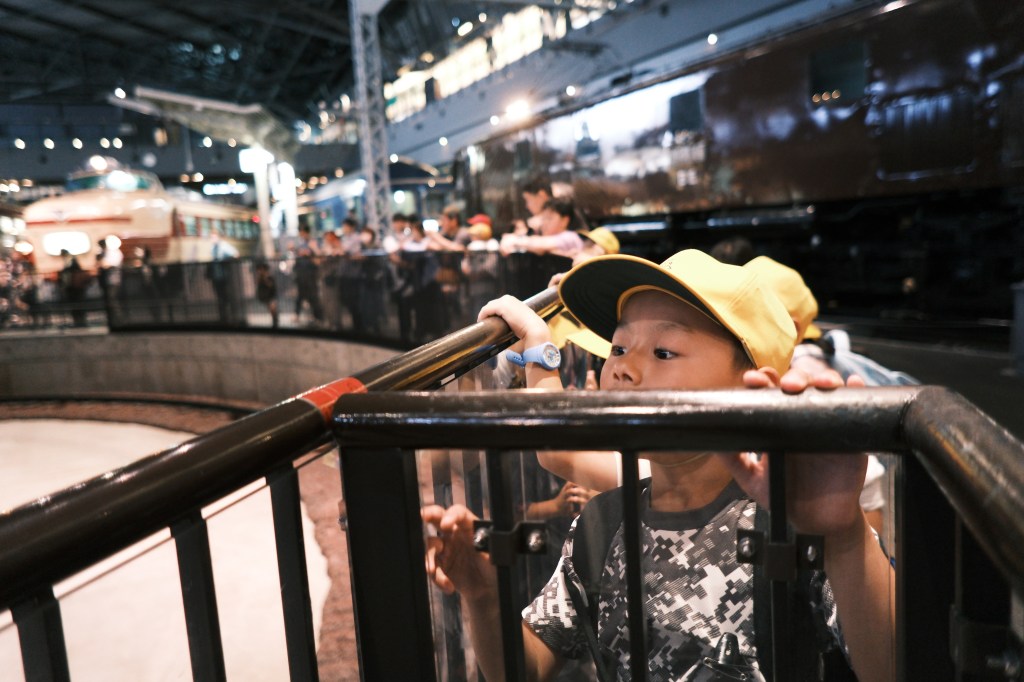
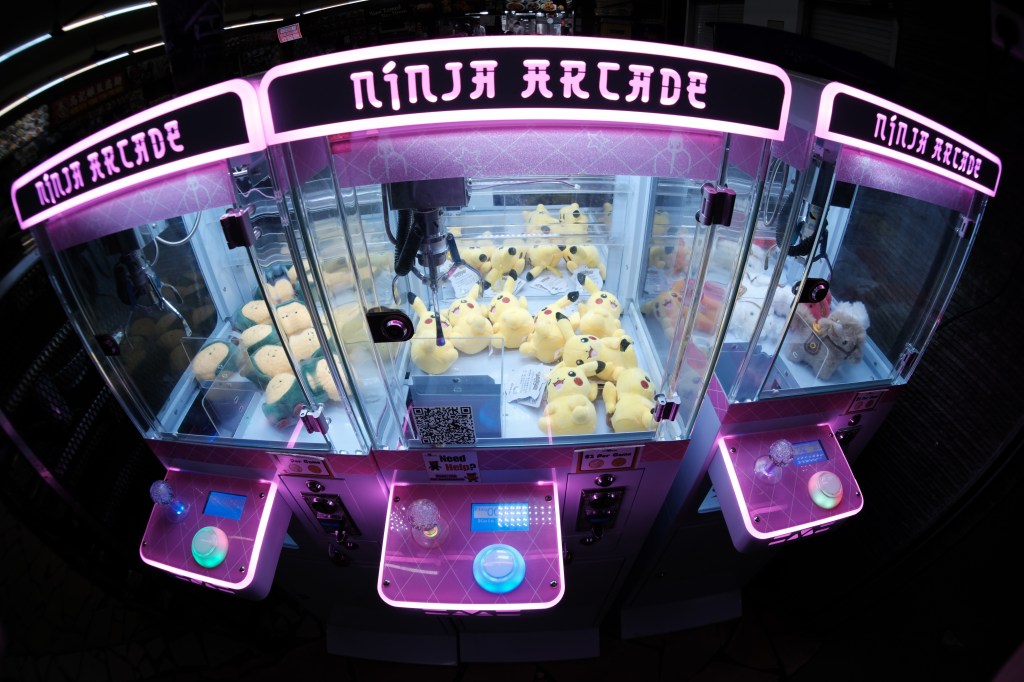
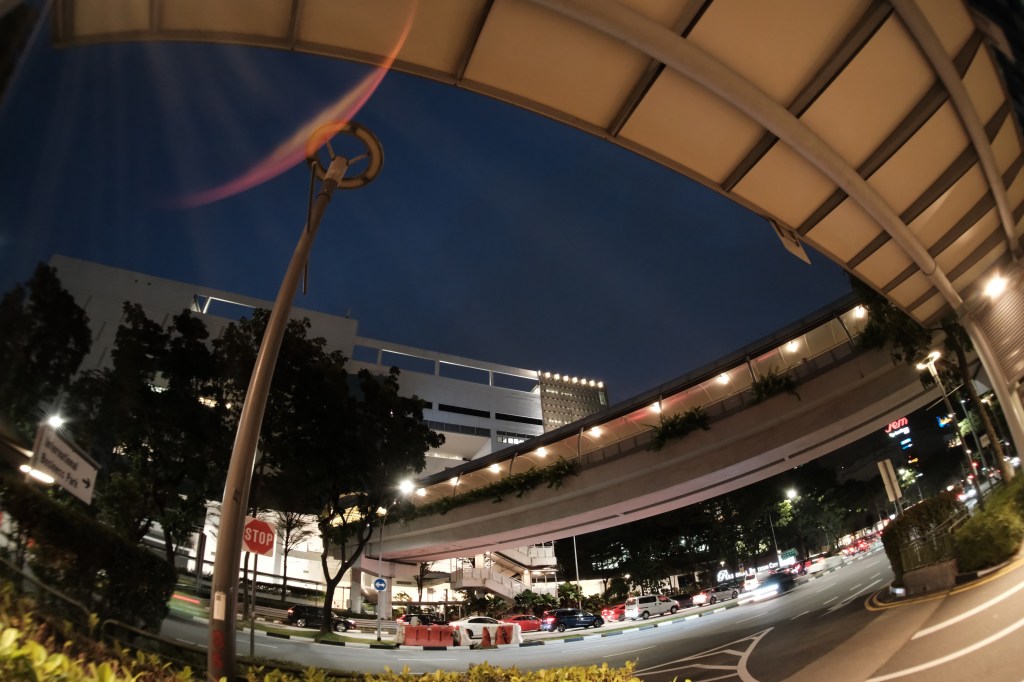
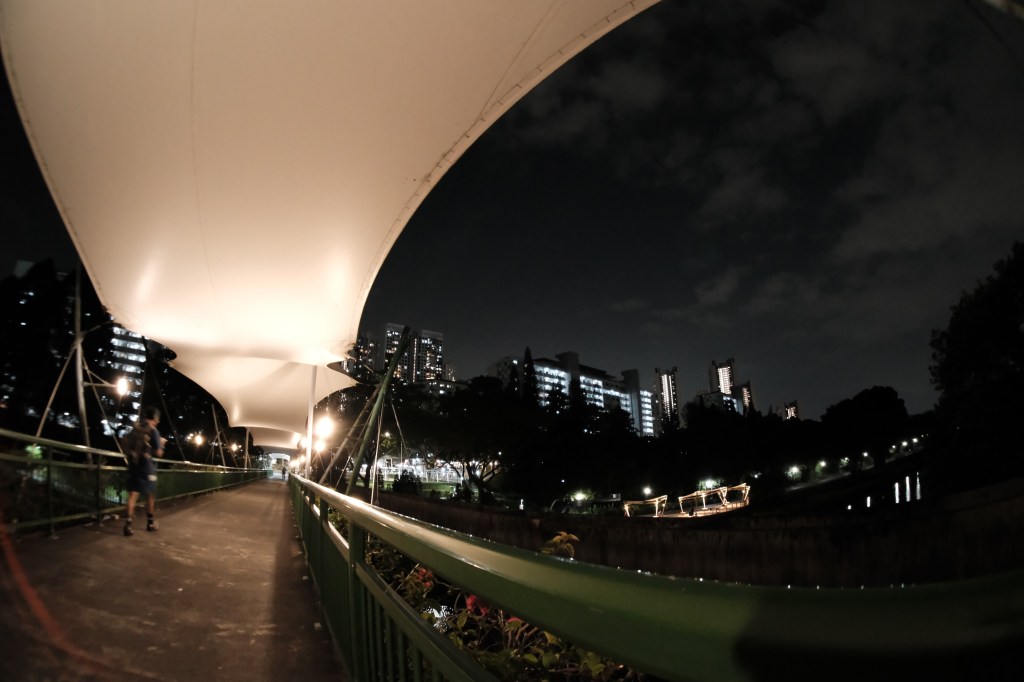
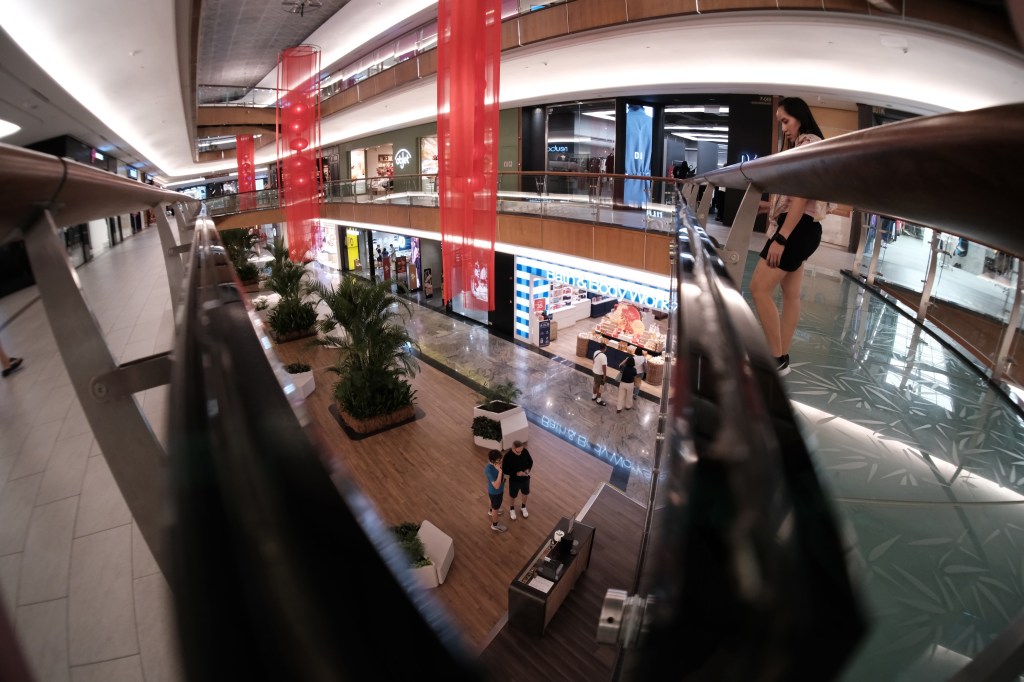
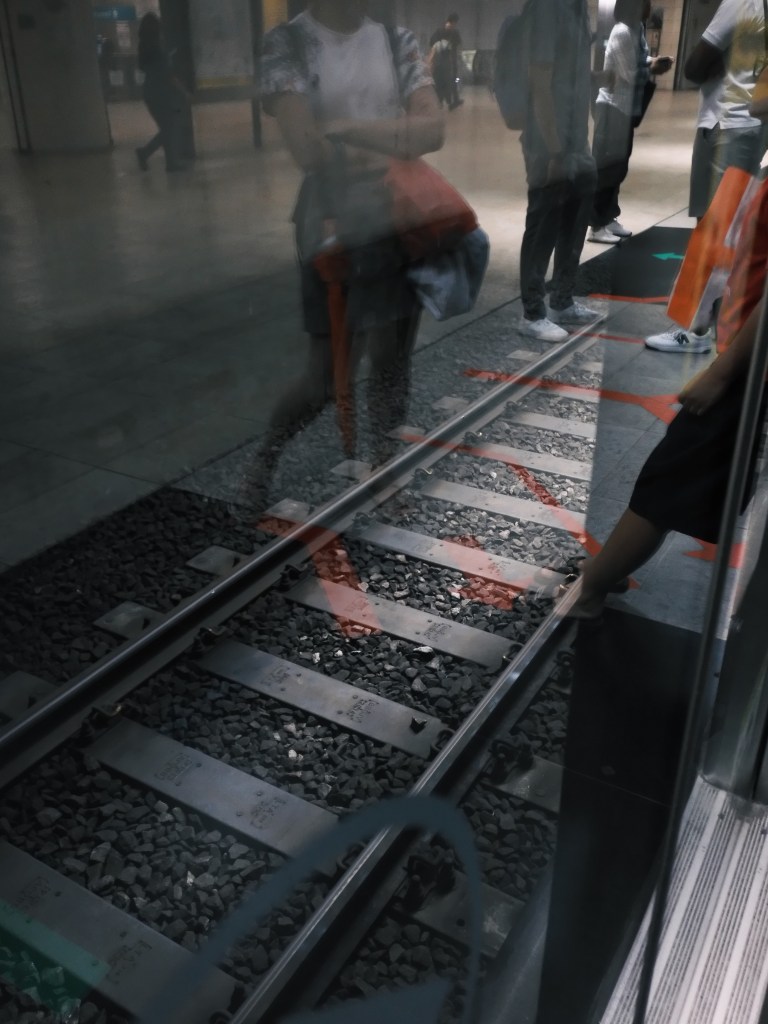
Fuji X-E5 . TTArtisan 17mm f1.8 @ 17mm . f1.8. 1/100″ . ISO 800 . Nostalgic Negative
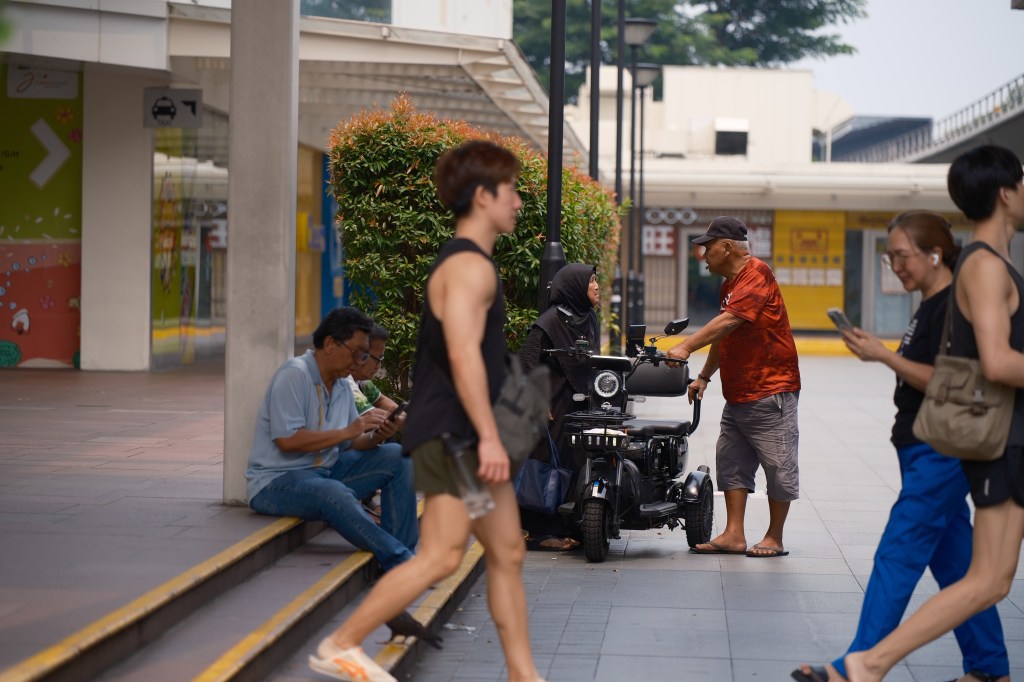
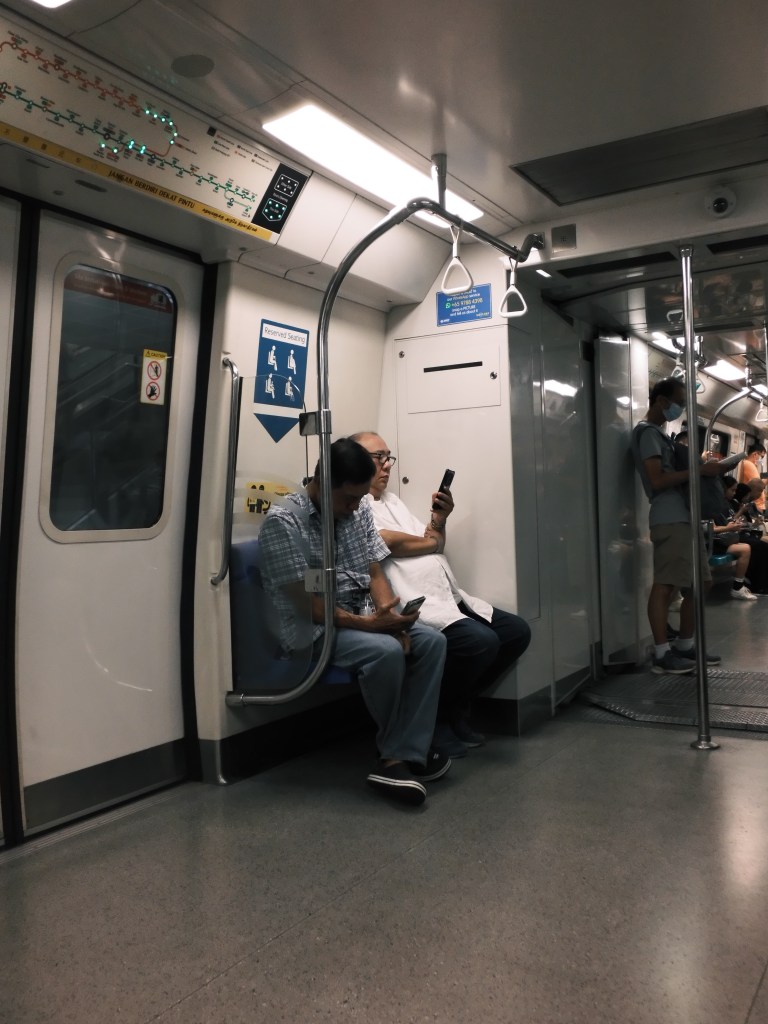
Fuji X-E5 . TTArtisan 17mm f1.8 @ 17mm . f1.8. 1/200″ . ISO 125 . Nostalgic Negative
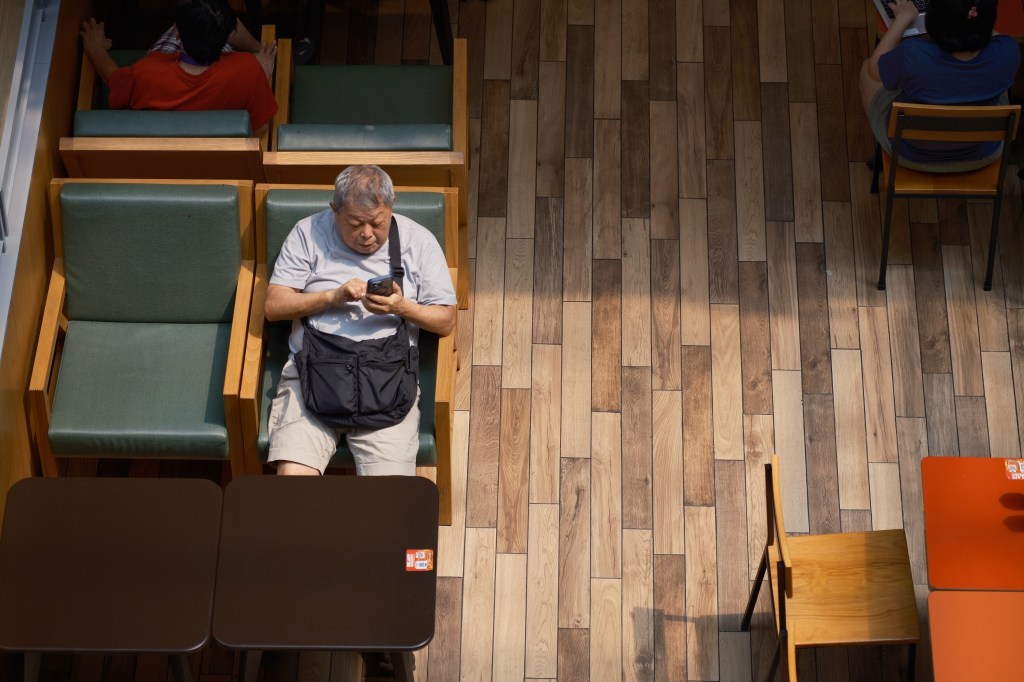
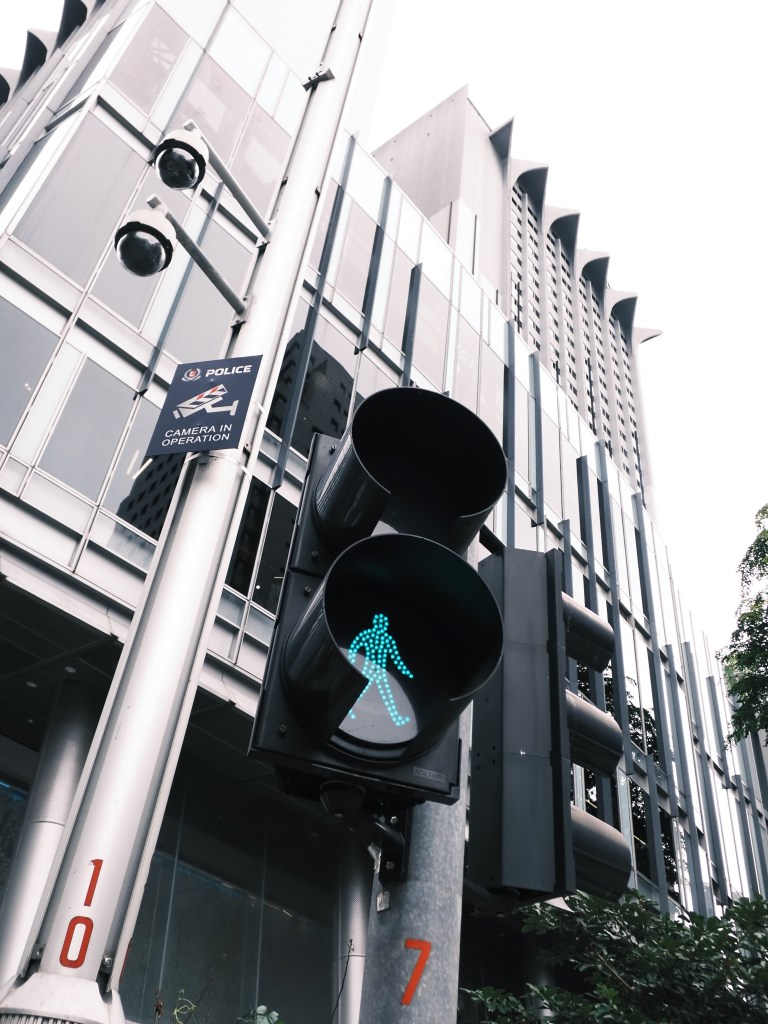
Fuji X-E5 . TTArtisan 17mm f1.8 @ 17mm . f1.8. 1/100″ . ISO 1000 . Nostalgic Negative

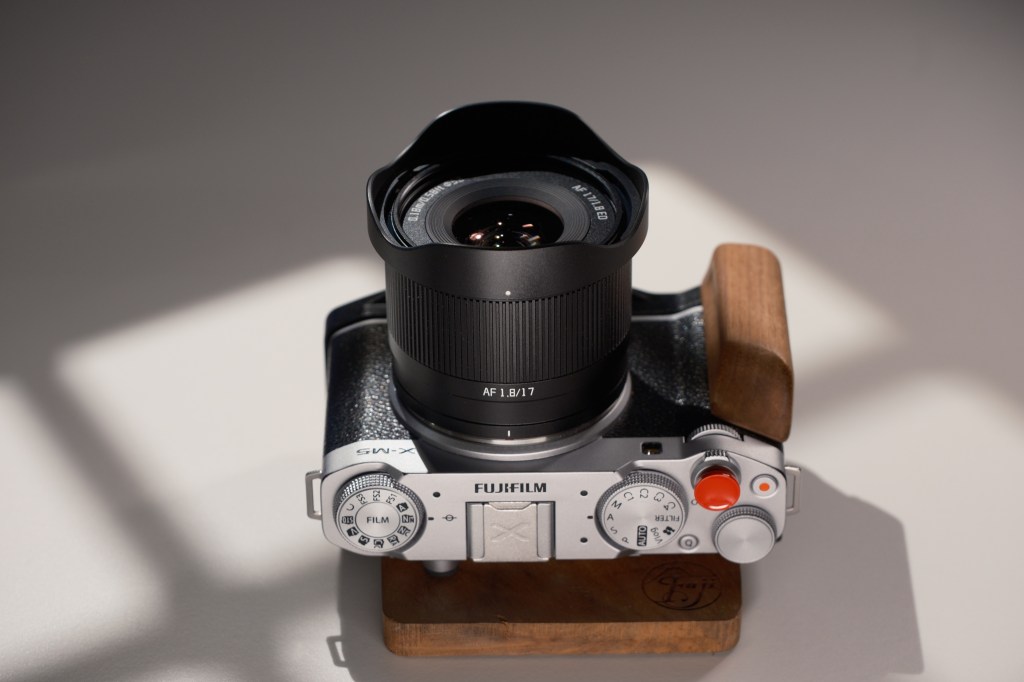
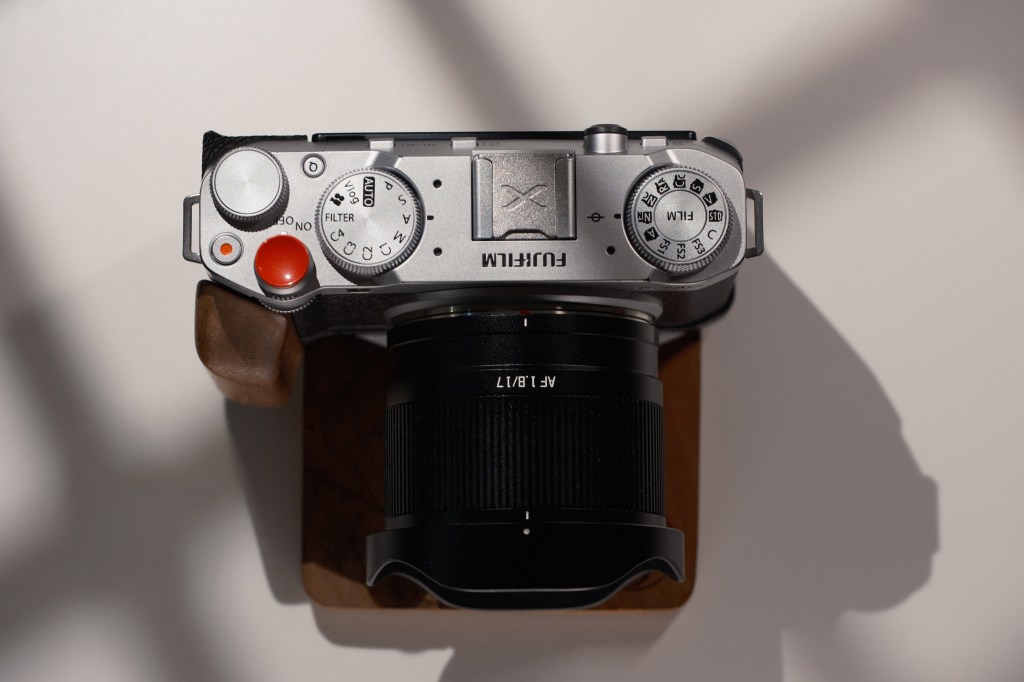
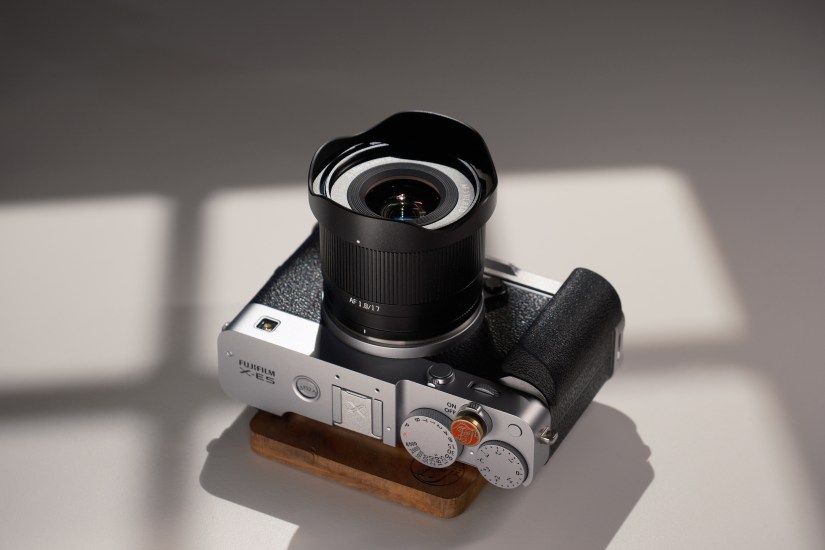
Weighing only 162 grams, the lens also uses a reasonably sized 52mm filter thread, making filters both affordable and easy to find. The weight is well distributed throughout the lens, and true to its name, it genuinely feels “Air” when held in the hand. Mounted on a compact Fujifilm body, the combination feels incredibly balanced.

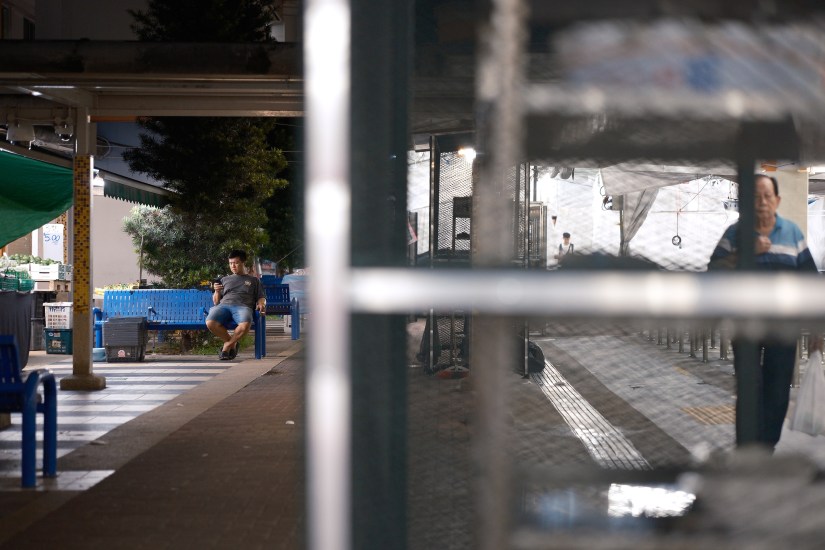
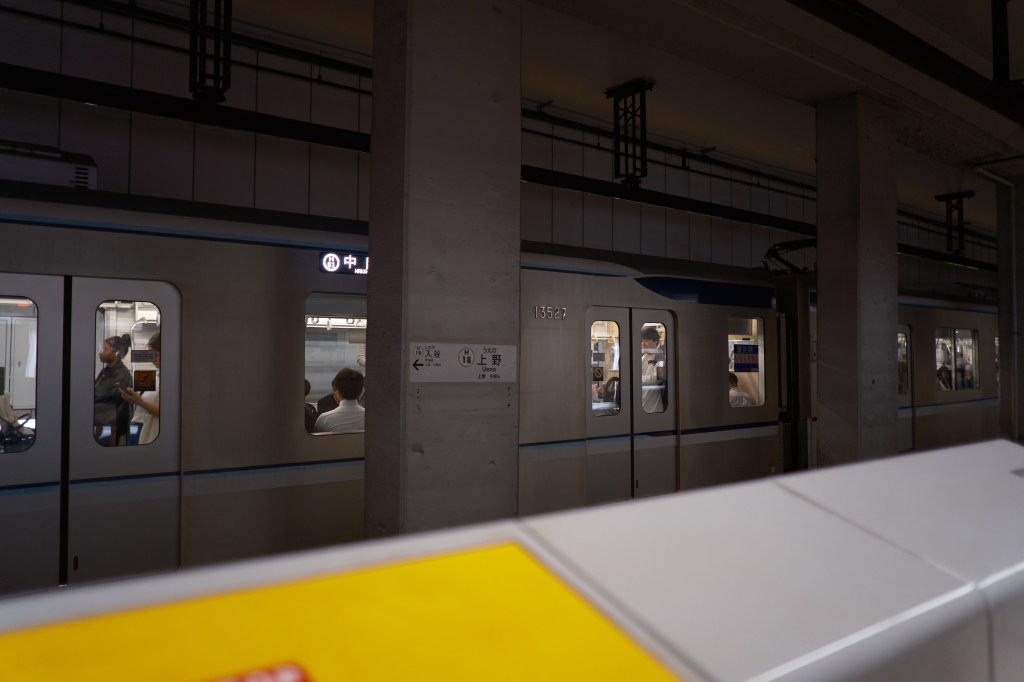
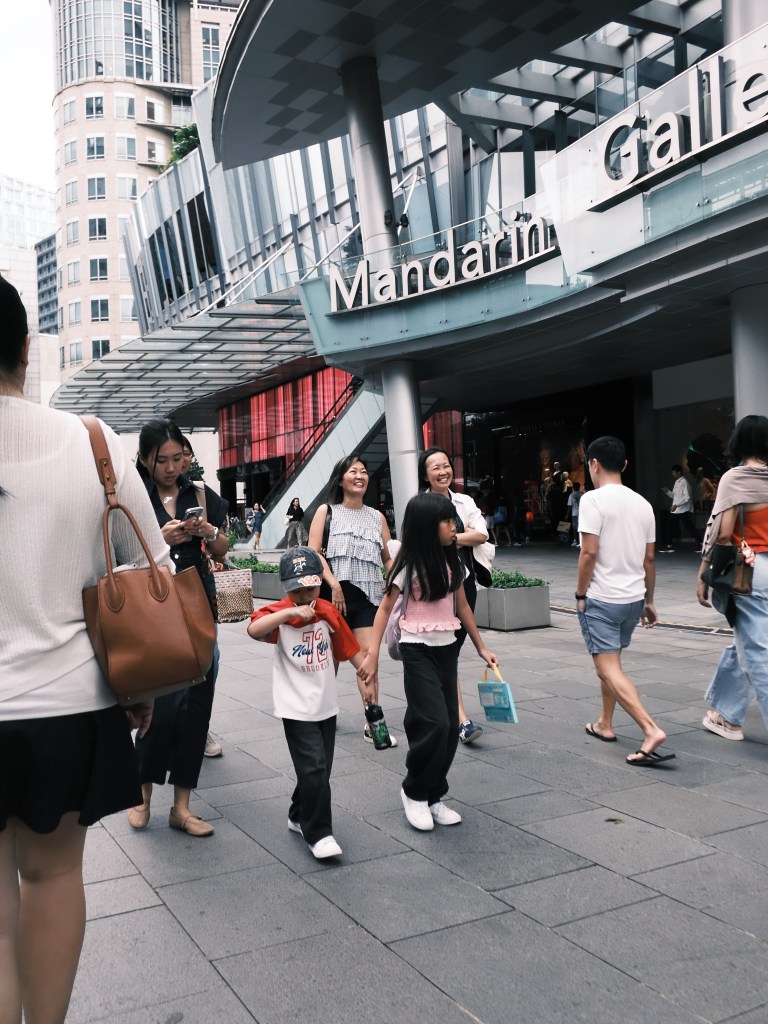
Fuji X-E5 . TTArtisan 17mm f1.8 @ 17mm . f2.8. 1/240″ . ISO 125 . Nostalgic Negative
Fuji X-E5 . TTArtisan 17mm f1.8 @ 17mm . f1.8. 1/6400″ . ISO 125 . Classic Chrome
Fuji X-E5 . TTArtisan 17mm f1.8 @ 17mm . f5.6. 1/1600″ . ISO 640 . Nostalgic Negative

And yes, TTArtisan includes a lens hood in the box as well.

Image Quality

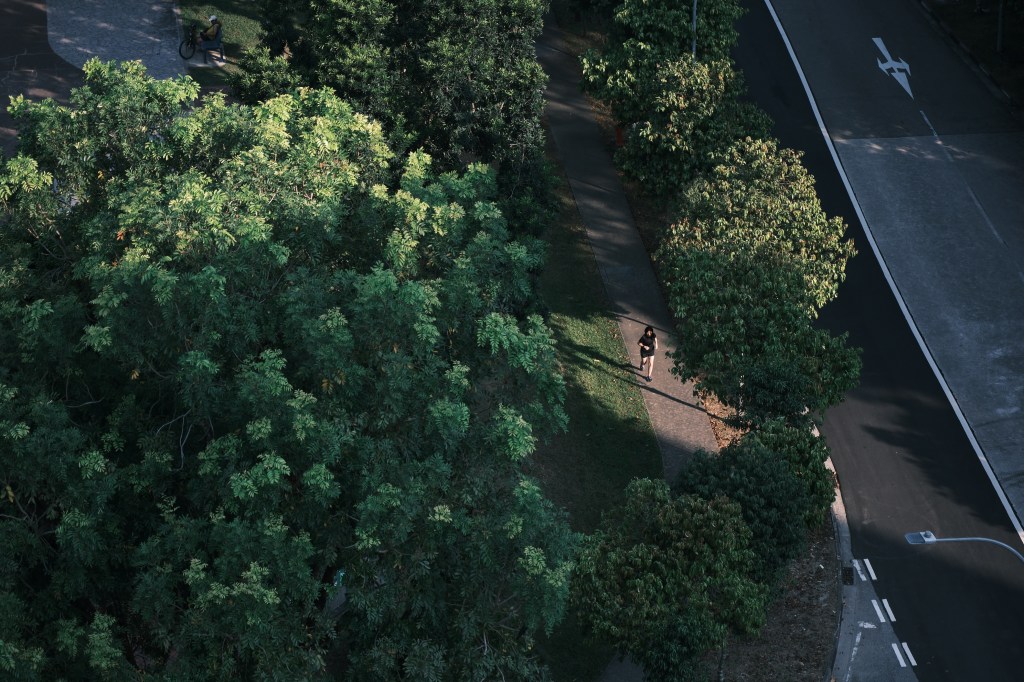
Wide open at f1.8, the image quality is sharp enough, although not exceptionally tad sharp. Contrast is decent, while vignetting and chromatic aberration are surprisingly close to non-existent, at least to my imperfect eyes.

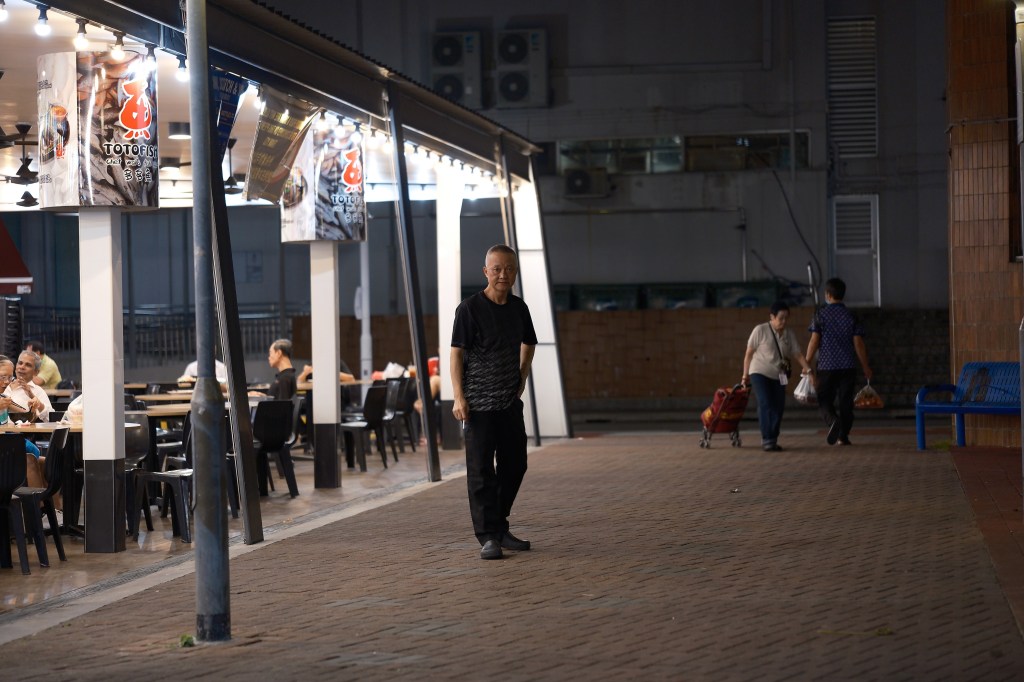
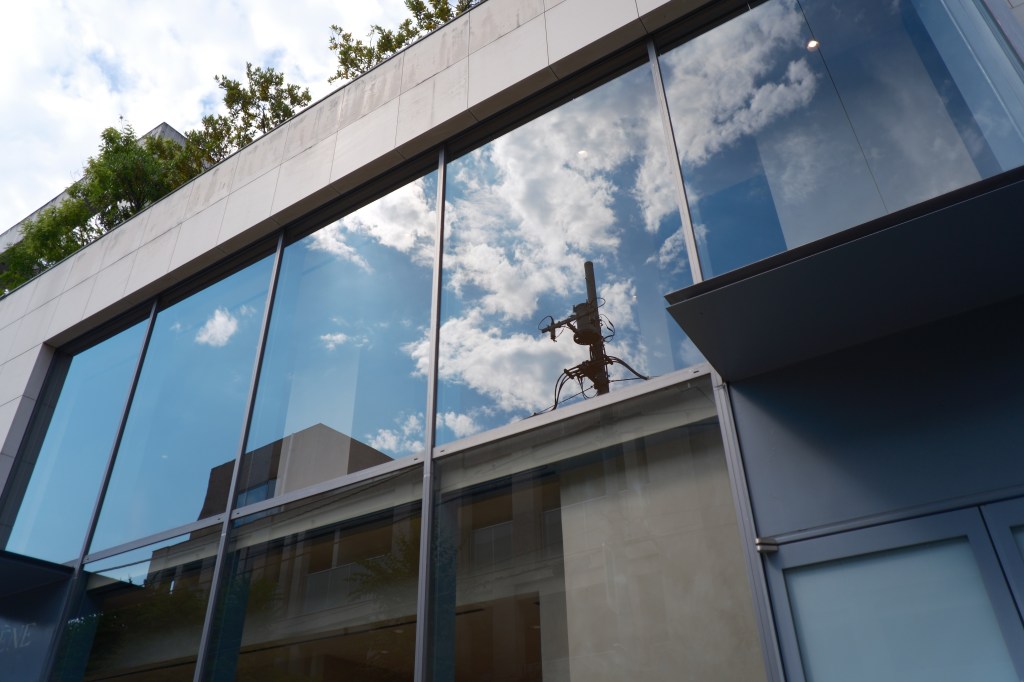
Fuji X-E5 . TTArtisan 17mm f1.8 @ 17mm . f1.8. 1/100″ . ISO 200 . Classic Negative
Fuji X-E5 . TTArtisan 17mm f1.8 @ 17mm . f1.8. 1/28″ . ISO 500 . Classic Negative
Fuji X-E5 . TTArtisan 17mm f1.8 @ 17mm . f1.8. 1/100″ . ISO 320 . Classic Negative

Overall, the image quality is more than sufficient for general photography, social media sharing, and small to medium-sized prints.

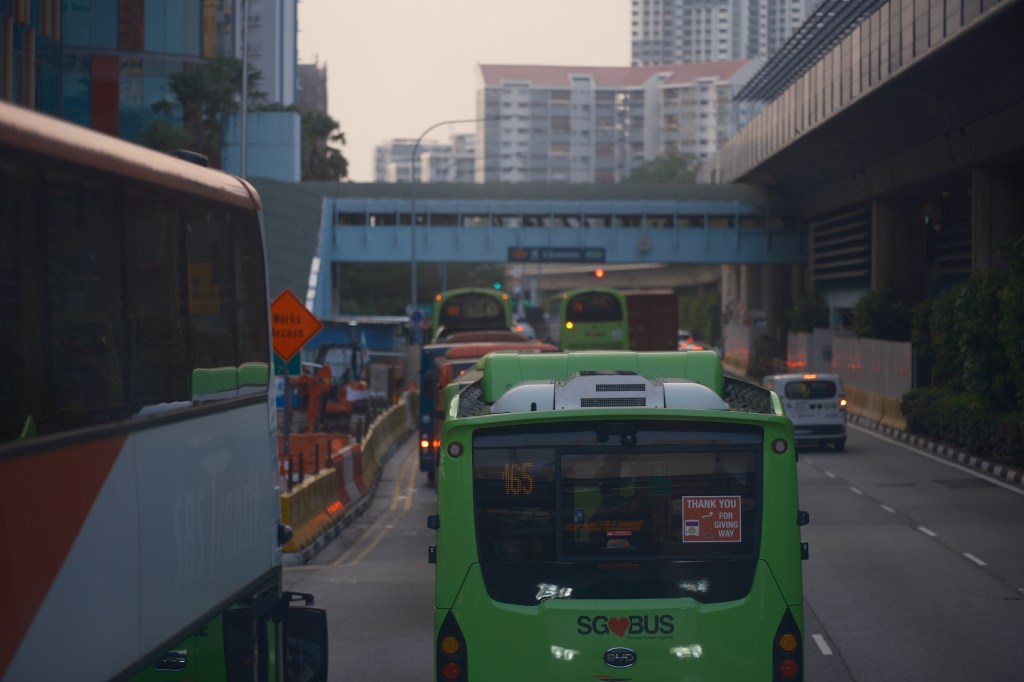
The background blur is smooth, with a gentle transition between the in-focus and out-of-focus areas during normal shooting distances. One thing worth noting, however, is that the transition becomes a little less pleasing when shooting close-up subjects.

Fuji X-E5 . TTArtisan 17mm f1.8 @ 17mm . f1.8. 1/100″ . ISO 800 . Classic Negative
Fuji X-E5 . TTArtisan 17mm f1.8 @ 17mm . f4. 1/100″ . ISO 160 . Classic Negative

Overall, the rendering feels clean, natural, and pleasant.

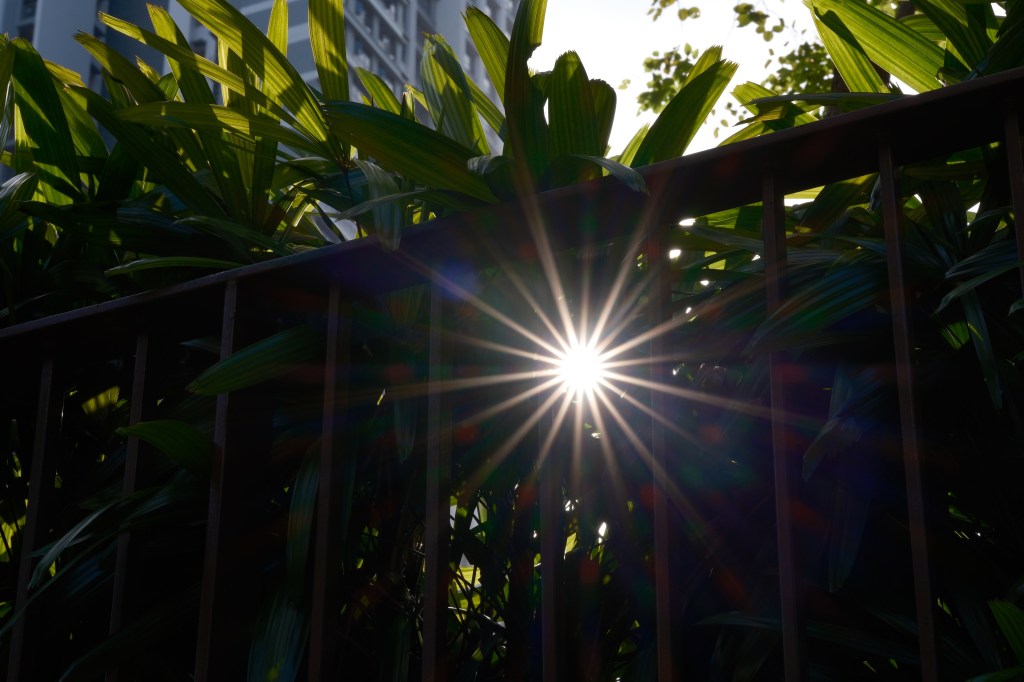
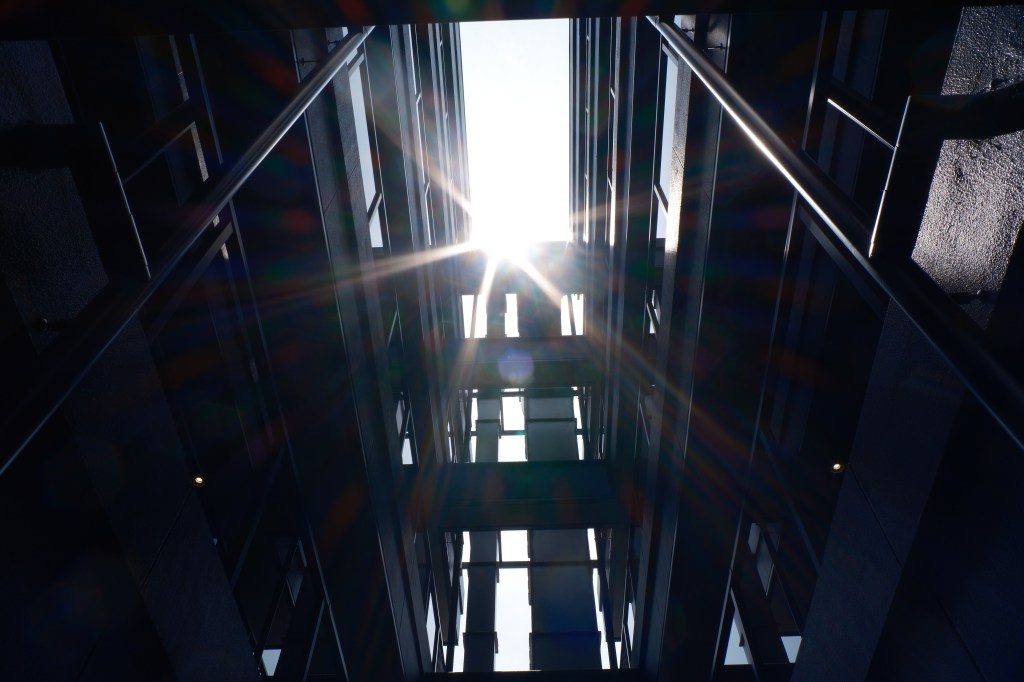
This lens does not perform well in sun star results. So I will suggest avoiding it for this.

Fuji X-E5 . TTArtisan 17mm f1.8 @ 17mm . f16. 1/140″ . ISO 125 . Nostalgic Negative

Focusing

Driven by a Stepper Motor (STM), the autofocus performance is reasonably fast. It isn’t the snappiest autofocus system around, but it is quiet enough for general photography.

Fuji X-E5 . TTArtisan 17mm f1.8 @ 17mm . f4. 1/100″ . ISO 800 . Classic Negative
Fuji X-E5 . TTArtisan 17mm f1.8 @ 17mm . f1.8. 1/600″ . ISO 125 . Classic Negative
Fuji X-E5 . TTArtisan 17mm f1.8 @ 17mm . f1.8. 1/100″ . ISO 1600 . Classic Negative
Fuji X-E5 . TTArtisan 17mm f1.8 @ 17mm . f1.8. 1/20″ . ISO 500 . Nostalgic Negative

Accuracy is generally very good, with only a handful of missed focus shots throughout my time with the lens. I believe this is something that could be further refined through future firmware updates.

The autofocus does slow down in lower-light situations and when focusing at close distances, which is something to keep in mind if you frequently shoot close-up subjects.

Minimum Focus Distance (MFD)

With a minimum focusing distance of just 18cm, the lens opens up some interesting creative possibilities.

Fuji X-E5 . TTArtisan 17mm f1.8 @ 17mm . f1.8. 1/550″ . ISO 125 . Classic Negative
Fuji X-E5 . TTArtisan 17mm f1.8 @ 17mm . f1.8. 1/1000″ . ISO 125 . Nostalgic Negative
Fuji X-E5 . TTArtisan 17mm f1.8 @ 17mm . f1.8. 1/1400″ . ISO 125 . Nostalgic Negative

However, image quality at this close focusing distance is noticeably different from the rest of the focusing range. Images tend to become much softer, producing a dreamy look. The transition between the subject and background also isn’t as smooth compared to when shooting at normal distances.

Fuji X-M5 with TTArtisan 17mm f1.8 Air

Stopping the lens down does improve the overall image quality, but in my opinion, it still remains on the softer side.

Some photographers may enjoy and appreciate this characteristic result, while others may not. Personally, I neither like nor dislike it. I simply feel this characteristic may suit certain photography genres better than others: genres that I have yet to discover myself.

Price Point

At US$148, this lens sits at a very attractive price point.

Fuji X-E5 . TTArtisan 17mm f1.8 @ 17mm . f1.8. 1/1700″ . ISO 125 . Classic Negative
Fuji X-E5 . TTArtisan 17mm f1.8 @ 17mm . f1.8. 1/100″ . ISO 640 . Classic Negative
Fuji X-E5 . TTArtisan 17mm f1.8 @ 17mm . f1.8. 1/100″ . ISO 1250 . Classic Negative

Interestingly, there isn’t any direct competition from other manufacturers at the moment. Most alternatives are either 16mm or 18mm, making the 17mm focal length a rather unique offering in today’s market.

Others

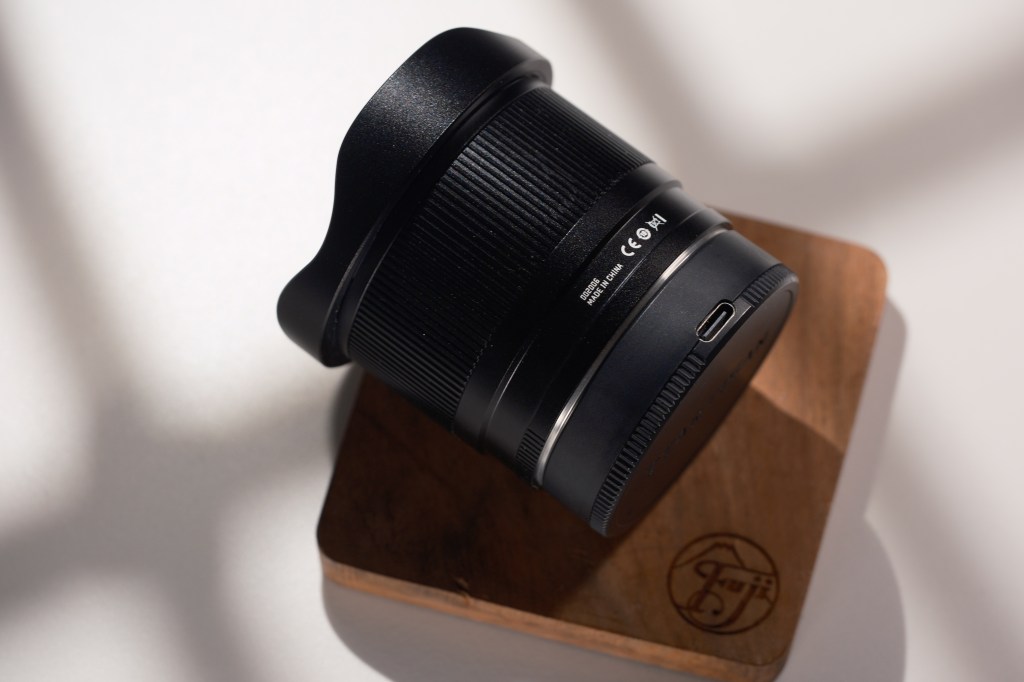
Like the rest of TTArtisan’s autofocus lenses, the firmware can be updated via the rear docking lens cap, which has become TTArtisan’s unique approach.

TTArtisan 17mm f1.8 Air with Rear Docking Lens Cap
Fuji X-E5 . TTArtisan 17mm f1.8 @ 17mm . f1.8. 1/100″ . ISO 320 . Nostalgic Negative
Fuji X-E5 . TTArtisan 17mm f1.8 @ 17mm . f1.8. 1/100″ . ISO 400 . Nostalgic Negative

One thing to note is that the lens does not feature any weather or dust resistance. Given its affordable price point, I think this is a perfectly reasonable compromise.

Who is this for?

The TTArtisan 17mm f1.8 Air is aimed at general-purpose photographers who enjoy using a wide-angle lens as their everyday walk-around lens.

Fuji X-E5 . TTArtisan 17mm f1.8 @ 17mm . f2.8. 1/140″ . ISO 125 . Classic Negative
Fuji X-E5 . TTArtisan 17mm f1.8 @ 17mm . f1.8. 1/2500″ . ISO 125 . Nostalgic Negative
Fuji X-E5 . TTArtisan 17mm f1.8 @ 17mm . f1.8. 1/3000″ . ISO 125 . Nostalgic Negative

If you are looking for something that’s wide enough without stepping into ultra-wide territory, this lens is definitely worth considering. The attractive price only makes it even easier to recommend.

Conclusion

After spending 10 days with this lens during my Japan trip, I can confidently say that I am happily bringing it along on my next adventure.

Fuji X-E5 . TTArtisan 17mm f1.8 @ 17mm . f8. 1/550″ . ISO 125 . Nostalgic Negative
Fuji X-E5 . TTArtisan 17mm f1.8 @ 17mm . f1.8. 1/250″ . ISO 125. Nostalgic Negative
Fuji X-E5 . TTArtisan 17mm f1.8 @ 17mm . f2.8. 1/110″ . ISO 125 . Nostalgic Negative

I have always loved the 35mm focal length (full-frame equivalent) as my daily go-to. However, when travelling, I sometimes find it a little too tight. It doesn’t always leave enough room to include the surrounding environment, making it slightly harder to express what I actually see while exploring a new place.

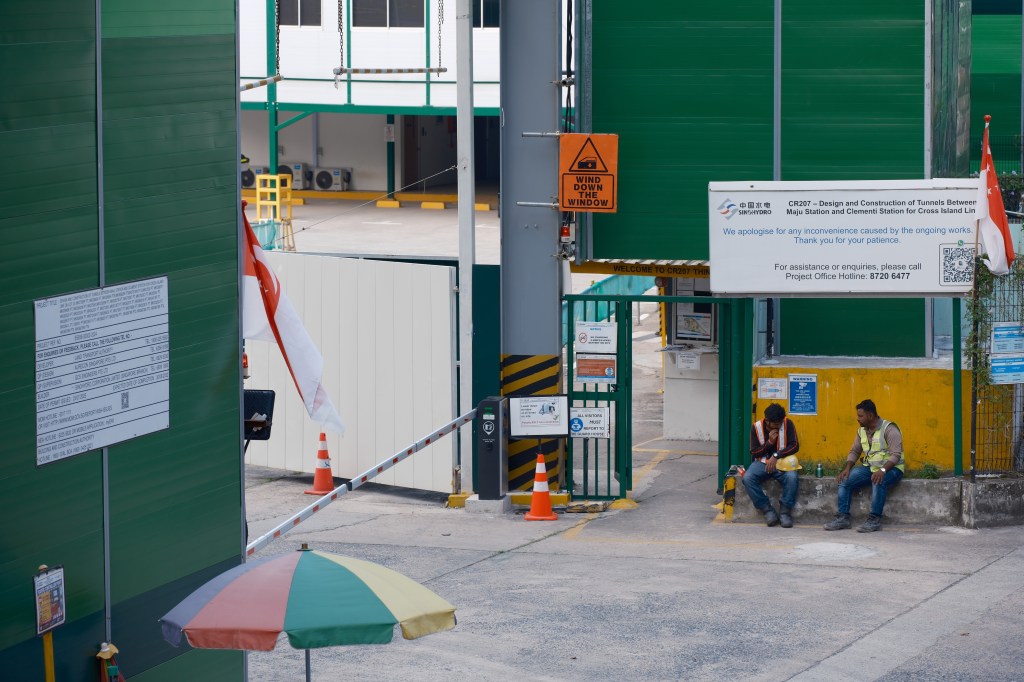
The 25mm equivalent feels like a sweet spot for travel photography. It gives me enough room to tell a story while still keeping my main subject prominent within the frame.

Fuji X-E5 . TTArtisan 17mm f1.8 @ 17mm . f4. 1/1000″ . ISO 125 . Classic Negative
Fuji X-E5 . TTArtisan 17mm f1.8 @ 17mm . f2. 1/280″ . ISO 125 . Nostalgic Negative
Fuji X-E5 . TTArtisan 17mm f1.8 @ 17mm . f1.8. 1/640″ . ISO 125 . Nostalgic Negative
Fuji X-E5 . TTArtisan 17mm f1.8 @ 17mm . f5.6. 1/400″ . ISO 125 . Nostalgic Negative

This was quite a surprising move from TTArtisan. Perhaps they noticed that no one else was making a 17mm autofocus lens, perhaps they simply wanted to stand out in an increasingly crowded market, or perhaps they just wanted to give photographers another focal length to choose from.

Whatever the reason, I am glad they did.

Fuji X-E5 with TTArtisan 17mm f1.8 Air

While this isn’t a professional-grade lens, its overall performance checks almost every box for me. The only area that still needs improvement is its close-up image quality.

Hopefully, TTArtisan will continue refining this lens through future revisions, just as they successfully did with the TTArtisan 35mm f1.8 II. If they can improve the sharpness and image quality at the minimum focusing distance, I think this lens could become an even more compelling option for travel and everyday photography.

Thank you for reading.

Disclaimer:
1. All the shots taken here are shot by me.
2. Most of the shots are straight out of the camera with some shots edited via In-Camera Raw Processing.

3. The opinions are based on my experience. If there is any mistake, please kindly drop me a message and I will gladly make the amendment.
4. I reserve ownership of these images, if you wish to use my images, please notify me.

If you like my works, please follow me on either one of the 2 Instagram accounts:

https://www.instagram.com/alwin.portraits

If you have a Facebook account, feel free to join Fujifanboys FB group.

If you like my content and you want to show some support and keep this blog alive, you can buy me a coffee here.
Reviews

Brightin Star 7.5mm f2.8 IV – Distortion With A Huge Personality

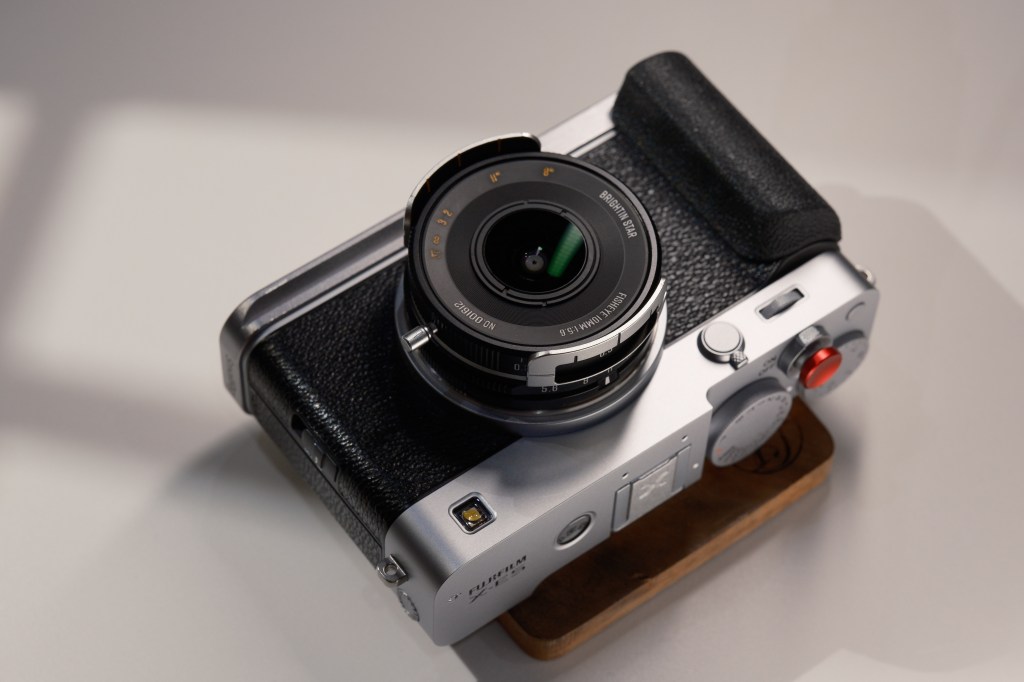
This is not my first time trying out a fisheye lens. My first experience dates back to 2019, and it was with the 7Artisans 7.5mm f2.8. Back then, I still remember how rare it was for manufacturers to release an X-Mount version of their lenses.

Brightin Star 7.5mm f2.8 IV

Fast forward to 2026, and things have changed dramatically. Releasing an X-Mount version has become the norm, and honestly, that’s a great thing. Fujifilm’s decision to open up the mount has benefited everyone: the photographers, the community, third-party manufacturers, and of course, Fujifilm themselves. But that’s a story for another day.

Brightin Star 7.5mm f2.8 IV

Intro

Brightin Star released its first 7.5mm fisheye in 2019, followed by updates in 2021, 2024, and now the 4th generation in 2026. Not many manufacturers are willing to keep refining such a niche lens over the years, so I do appreciate the dedication. The real question is, do all these improvements actually make a difference?

Brightin Star 7.5mm f2.8 IV with built in lens hood

Let’s find out.

Before I proceed further, I would like to thank the good people at Brightin Star for sending this lens over for review. As always, they have zero influence over what you’re about to read. Everything here is based purely on my own hands-on experience.

Fuji X-M5 with Brightin Star 7.5mm f2.8 IV

Design and Build Quality

One thing I have always liked about Brightin Star is that their lenses have their own identity.

Their signature bright yellow lettering against the black lens barrel makes their lenses instantly recognizable. For the silver version, the yellow is replaced with red lettering. It still looks good and gives the lens a premium appearance, although I do think the yellow has become part of Brightin Star’s identity and is easier to recognize from afar.

Fuji X-T5 . Brightin Star 7.5mm f2.8 @ 7.5mm . f2.8. 1/60″ . ISO 160 . Nostalgic Negative
Fuji X-T5 . Brightin Star 7.5mm f2.8 @ 7.5mm . f5.6. 1/120″ . ISO 125 . Nostalgic Negative

The lens itself looks modern and feels more compact than I initially expected. Weighing 278 grams, it sits comfortably in the hand without feeling front-heavy. I could immediately notice the difference after using the TTArtisan 7.5mm f2, which weighs around 370 grams. It isn’t exactly a fair comparison since they are different lenses for different photographers’ needs, but it does give you an idea of how lightweight this lens feels.

Fuji X-T5 . Brightin Star 7.5mm f2.8 @ 7.5mm . f2.8. 1/1700″ . ISO 125 . Nostalgic Negative
Fuji X-T5 . Brightin Star 7.5mm f2.8 @ 7.5mm . f2.8. 1/1250″ . ISO 125 . Nostalgic Negative
Fuji X-T5 . Brightin Star 7.5mm f2.8 @ 7.5mm . f2.8. 1/340″ . ISO 640 . Nostalgic Negative

The aperture ring has a softer click than what I am used to on most manual lenses. Personally, I prefer a more pronounced click because it feels slightly more satisfying, but this comes down to personal preference rather than being a flaw.

Like almost every fisheye lens, it comes with a built-in lens hood. Considering how exposed the front element is, this is definitely a welcome addition. Last but not least, it comes with a metal lens cap too.

Brightin Star 7.5mm f2.8 IV with lens cap

Image Quality

One thing I have noticed over the years is that image quality from third-party manufacturers has improved tremendously. Every new generation seems to get better, and this lens is no exception.

Fuji X-T5 . Brightin Star 7.5mm f2.8 @ 7.5mm . f2.8. 1/170″ . ISO 125 . Nostalgic Negative

Wide open at f2.8, the images are already sharp with good contrast, producing results that are more than usable for everyday photography.

Fuji X-T5 . Brightin Star 7.5mm f2.8 @ 7.5mm . f2.8. 1/2200″ . ISO 125 . Nostalgic Negative

As expected from a fisheye lens, the sharpest area is right in the centre of the frame. Sharpness gradually drops towards the edges, and this is something I have observed on almost every third-party fisheye lens I have tested. It isn’t unique to Brightin Star.

Chromatic aberration, surprisingly, is very well controlled. At least throughout my testing, I didn’t come across anything obvious enough to bother me.

Vignetting is visible at f2.8, but that’s hardly surprising for an ultra-wide fisheye. Besides, it’s something photographers can easily correct during post-processing if they wish.

As for the sunstar, it performs reasonably well. The rays are clean and defined, although they aren’t the sharpest or most dramatic I’ve seen. And be mindful of the lens flare if you do not wish to have it in your frame.

Fuji X-T5 . Brightin Star 7.5mm f2.8 @ 7.5mm . f16. 1/7″ . ISO 3200 . Nostalgic Negative
Fuji X-T5 . Brightin Star 7.5mm f2.8 @ 7.5mm . f4. 1/60″ . ISO 2500 . Nostalgic Negative

Focusing

The manual focus ring rotates smoothly with very little resistance.

Fuji X-T5 . Brightin Star 7.5mm f2.8 @ 7.5mm . f8. 1/3″ . ISO 3200 . Nostalgic Negative
Fuji X-T5 . Brightin Star 7.5mm f2.8 @ 7.5mm . f2.8. 1/60″ . ISO 1000 . Nostalgic Negative

Some photographers may prefer a slightly stiffer focusing ring for more tactile feedback, while others will appreciate how effortlessly it turns. Personally, I can live with either.

The focus throw from the minimum focusing distance to infinity is roughly 90 degrees. Some photographers may find this travel a little short if they enjoy making very precise manual focus adjustments.

Fuji X-T5 . Brightin Star 7.5mm f2.8 @ 7.5mm . f4. 1/3500″ . ISO 125 . Nostalgic Negative

That said, this is a fisheye lens. Most of the time, you will be shooting at smaller apertures with everything in focus, so precise focusing isn’t usually a major concern.

Minimum Focus Distance (MFD)

The 15cm minimum focusing distance genuinely surprised me.

Being able to focus this close opens up plenty of opportunities for creative perspective shots, exaggerating foreground subjects while still capturing an incredibly wide background. Image quality remains consistent even at the minimum focusing distance, retaining much of the same characteristics seen at normal shooting distances.

Fuji X-T5 . Brightin Star 7.5mm f2.8 @ 7.5mm . f2.8. 1/60″ . ISO 250 . Nostalgic Negative
Fuji X-T5 . Brightin Star 7.5mm f2.8 @ 7.5mm . f2.8. 1/340″ . ISO 125 . Nostalgic Negative
Fuji X-T5 . Brightin Star 7.5mm f2.8 @ 7.5mm . f2.8. 1/2700″ . ISO 125 . Nostalgic Negative

One thing to keep in mind, though, is the built-in lens hood. Since the front element sits so close to your subject, it’s fairly easy for the hood to cast unwanted shadows if you’re not careful.

Price Point

Priced at around USD160, the Brightin Star sits comfortably in the middle of today’s fisheye market.

Fuji X-T5 . Brightin Star 7.5mm f2.8 @ 7.5mm . f2.8. 1/60″ . ISO 200 . Classic Negative
Fuji X-T5 . Brightin Star 7.5mm f2.8 @ 7.5mm . f5.6. 1/1400″ . ISO 125 . Classic Negative

It isn’t the cheapest option available, nor is it the most expensive. I will leave that decision to you because every photographer values different things. Some prioritise image quality, while others may care more about weight, build quality, or maximum aperture.

Others

Unfortunately, front filters aren’t an option due to the protruding front element.

Brightin Star 7.5mm f2.8 IV rear lens

However, Brightin Star has included a 27mm rear filter slot, allowing photographers to insert compatible rear filters whenever needed. It’s a thoughtful addition that many fisheye lenses simply don’t offer.

Fuji X-T5 . Brightin Star 7.5mm f2.8 @ 7.5mm . f2.8. 1/60″ . ISO 320 . Classic Negative
Fuji X-T5 . Brightin Star 7.5mm f2.8 @ 7.5mm . f2.8. 1/60″ . ISO 500 . Nostalgic Negative

Another thing worth mentioning is just how incredibly wide this lens is. Be mindful of your fingers or anything else that you don’t intend to include in the photo, as they can easily sneak into the frame without you realizing it.

Fuji X-T5 . Brightin Star 7.5mm f2.8 @ 7.5mm . f2.8. 1/1800″ . ISO 125 . Nostalgic Negative
Brightin Star 7.5mm f2.8 IV with rear mist transparent lens cap

Who is this for?

A fisheye lens has always been a specialist tool.

It’s a niche lens designed for photographers who enjoy experimenting with unique perspectives and creative compositions.

Fuji X-T5 . Brightin Star 7.5mm f2.8 @ 7.5mm . f2.8. 1/60″ . ISO 640 . Nostalgic Negative
Fuji X-T5 . Brightin Star 7.5mm f2.8 @ 7.5mm . f2.8. 1/60″ . ISO 160 . Nostalgic Negative
Fuji X-T5 . Brightin Star 7.5mm f2.8 @ 7.5mm . f2.8. 1/60″ . ISO 3200 . Nostalgic Negative

Years ago, fisheye lenses often came with eye-watering price tags, making them difficult to justify unless you regularly shot that style of photography.

Thankfully, things have changed.

Today, you can own a capable fisheye lens for just a fraction of what they used to cost.

Fuji X-T5 . Brightin Star 7.5mm f2.8 @ 7.5mm . f2.8. 1/1800″ . ISO 125 . Nostalgic Negative
Fuji X-T5 . Brightin Star 7.5mm f2.8 @ 7.5mm . f2.8. 1/2700″ . ISO 125 . Nostalgic Negative
Fuji X-T5 . Brightin Star 7.5mm f2.8 @ 7.5mm . f2.8. 1/3000″ . ISO 125 . Nostalgic Negative

Whether it’s this Brightin Star or another modern fisheye within your budget, I genuinely think every photographer should own one at least once. It may not become your everyday lens, but when the occasion calls for it, nothing else can quite replicate the perspective that a fisheye offers.

Conclusion

The Brightin Star 7.5mm f2.8 IV delivers solid image quality, a compact body and a reasonable price, making it a strong option for photographers looking to explore fisheye photography.

Fuji X-E5 with Brightin Star 7.5mm f2.8 IV
Fuji X-E5 With Brightin Star 7.5mm f2.8 IV

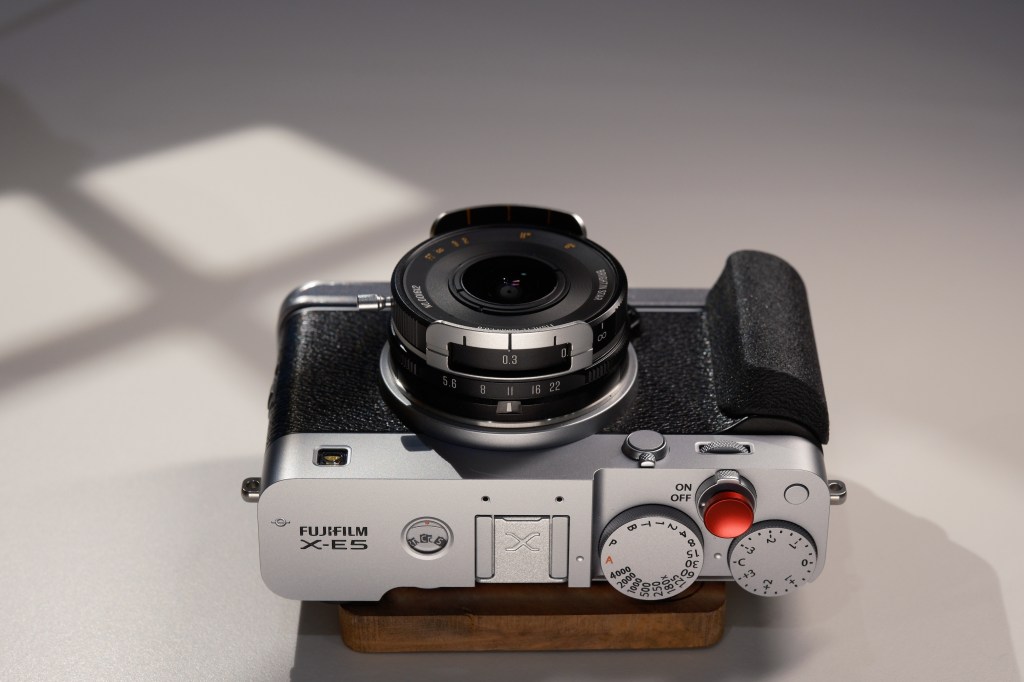
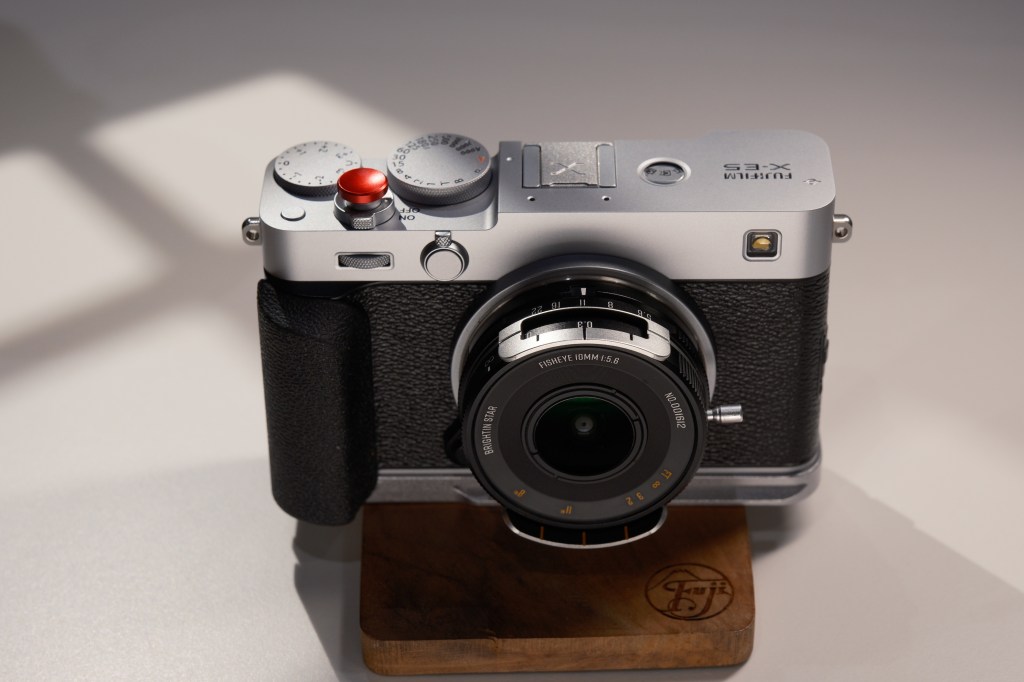
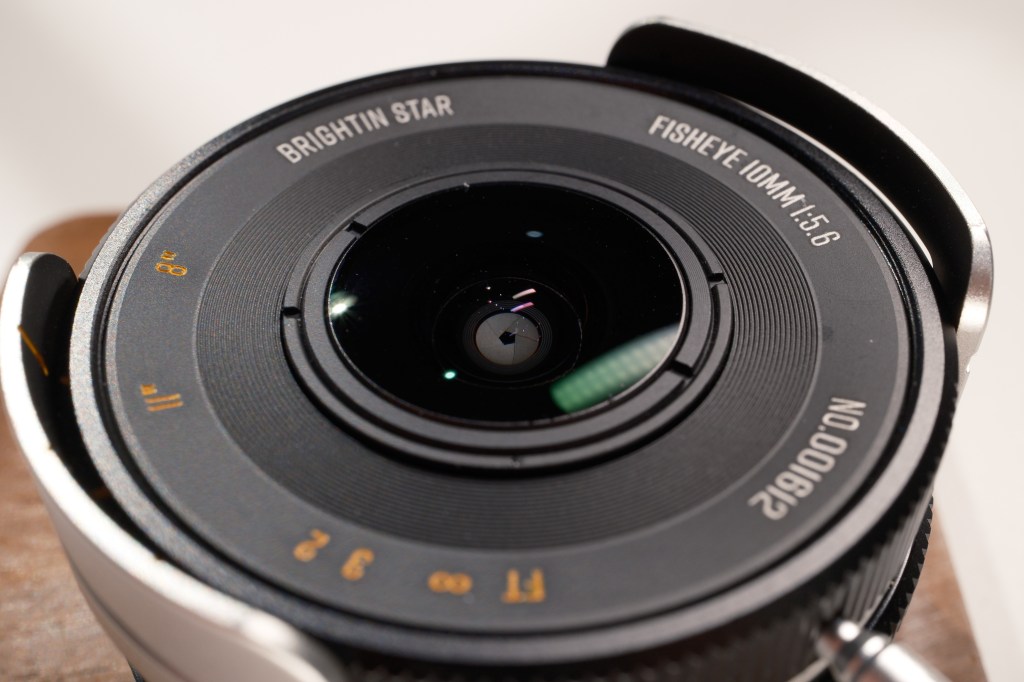
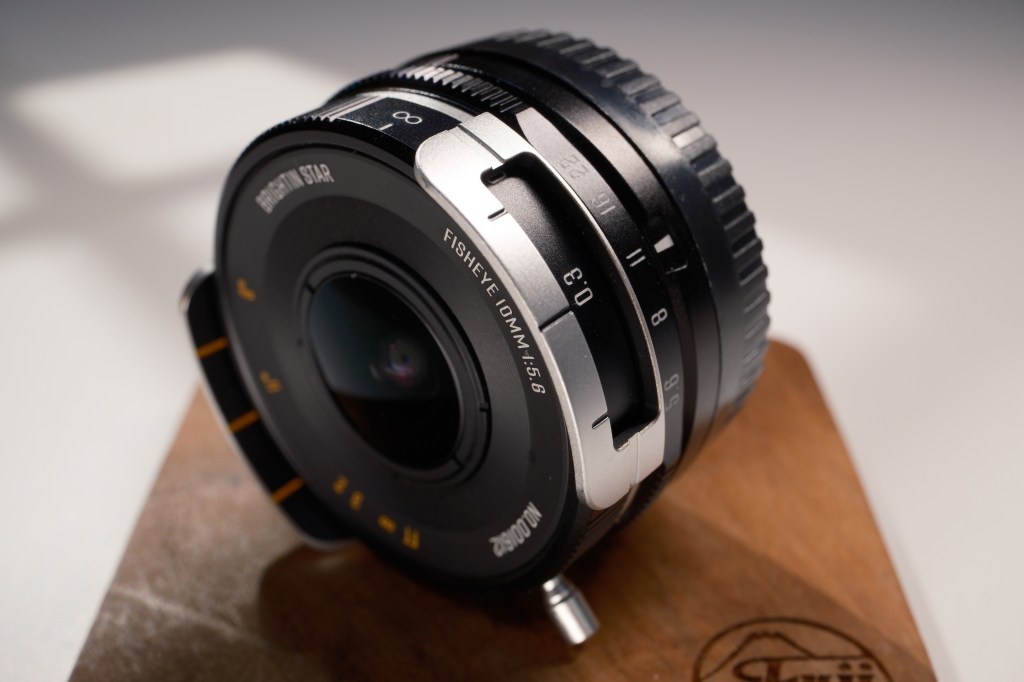
It may not be the smallest fisheye Brightin Star has ever made; that title still belongs to the incredibly compact Brightin Star 10mm f5.6, but it strikes a nice balance between portability and optical performance.

Fuji X-T5 . Brightin Star 7.5mm f2.8 @ 7.5mm . f2.8. 1/3000″ . ISO 125 . Nostalgic Negative
Fuji X-T5 . Brightin Star 7.5mm f2.8 @ 7.5mm . f2.8. 1/280″ . ISO 125 . Nostalgic Negative
Fuji X-T5 . Brightin Star 7.5mm f2.8 @ 7.5mm . f2.8. 1/125″ . ISO 125 . Classic Negative

What I appreciate most is Brightin Star’s willingness to continue developing lenses that sit outside the mainstream. While many manufacturers focus on releasing another standard autofocus prime, Brightin Star continues to experiment with unique and niche lenses, proving that they can still be highly usable by today’s standards.

I genuinely hope they continue exploring more interesting lens designs in the future.

Brightin Star 7.5mm f2.8 IV

That said… I’m still patiently waiting for their next autofocus lens since their last release.

Thank you for reading.

Disclaimer:
1. All the shots taken here are shot by me.
2. Most of the shots are straight out of the camera with some shots edited via In-Camera Raw Processing.

3. The opinions are based on my experience. If there is any mistake, please kindly drop me a message and I will gladly make the amendment.
4. I reserve ownership of these images, if you wish to use my images, please notify me.

If you like my works, please follow me on either one of the 2 Instagram accounts:

https://www.instagram.com/alwin.portraits

If you have a Facebook account, feel free to join Fujifanboys FB group.

If you like my content and you want to show some support and keep this blog alive, you can buy me a coffee here.
Reviews

7Artsians 25mm, 35mm & 50mm f1.8 – Three Tiny Troublemakers

The competition among Chinese lens manufacturers has never been fiercer, and this time the battleground is the budget-friendly autofocus prime lens segment. Over the past year, photographers have been spoiled with affordable options from TTArtisan and Viltrox. Now, 7Artisans has entered the ring with its new Lite Series trinity of lenses. The question is: do these newcomers make the buying decision even harder?

7Artisans 25mm, 35mm, and 50mm f1.8

Intro

Introduced in December 2025, the 7Artisans Lite Series consists of three APS-C autofocus prime lenses: 25mm, 35mm, and 50mm f/1.8. These translate roughly to 37.5mm, 50mm, and 75mm in full-frame equivalent terms.

While the focal length selection may seem slightly unconventional, lacking the popular 23mm and 56mm options found elsewhere, the trio covers a practical range for everyday photography. But are they compelling enough to win over photographers looking for an affordable prime lens setup?

7Artisans 25mm, 35mm, and 50mm f1.8 with X-E5

Design and Build Quality

The name “Lite” might suggest compromises, particularly in build quality. Fortunately, that’s not the case here.

To my surprise, all three lenses feature metal construction and feel remarkably solid in hand. In fact, they don’t feel noticeably different from many other metal-bodied lenses on the market. Despite the premium feel, each lens weighs only around 180g, making them genuinely lightweight companions.

Even better, all three lenses share identical dimensions:

  • Weight: approximately 180g
  • Filter size: 58mm
  • Length: 51mm
  • Diameter: 67mm
Fuji X-E5 . 7Artisans 25mm f1.8 @ 25mm . f5.6 . 1/220″ . ISO 125 . Nostalgic Negative
Fuji X-E5 . 7Artisans 35mm f1.8 @ 35mm . f1.8 . 1/8000″ . ISO 125 . Nostalgic Negative
Fuji X-E5 . 7Artisans 50mm f1.8 @ 50mm . f1.8 . 1/1500″ . ISO 125 . Nostalgic Negative

For photographers, this consistency makes carrying the entire trio incredibly convenient. They fit comfortably into a compact camera bag without adding much bulk.

Videographers will appreciate the design even more. Since all three lenses share nearly identical size and weight, there’s no need to rebalance a gimbal every time you switch focal lengths. That’s a significant quality-of-life improvement during shoots.

The downside? They look almost identical. At times, it can be difficult to identify the correct lens quickly. A simple sticker on the rear lens cap indicating the focal length might save some frustration.

As expected for budget-focused lenses, there’s no aperture ring. While some photographers may miss it, it’s an understandable omission considering the price point, and personally, I find it easy to forgive.

Fuji X-M5 . 7Artisans 50mm f1.8 @ 50mm . f1.8 . 1/250″ . ISO 125 . Classic Negative
Fuji X-E5 . 7Artisans 50mm f1.8 @ 50mm . f1.8 . 1/1300″ . ISO 125 . Nostalgic Negative
Fuji X-E5 . 7Artisans 50mm f1.8 @ 50mm . f1.8 . 1/2500″ . ISO 125 . Nostalgic Negative

Image Quality

For lenses carrying the “Lite” branding, image quality is surprisingly impressive.

Both the 25mm and 35mm lenses deliver decently sharp, and a good level of contrast images even when shot wide open at f1.8. The 50mm performs slightly differently, producing images that are a touch softer and lower in contrast, though still perfectly usable.

Chromatic aberration and vignetting are generally well controlled across the lineup. Unless you’re actively pixel-peeping, neither issue is likely to affect your viewing experience. The exception is the 50mm, which shows a slightly higher tendency toward both chromatic aberration and vignetting compared to its siblings.

At f1.8, the background and foreground blur are decent rather than exceptional. The transition from focus to out-of-focus areas isn’t particularly smooth and seamless, but subject separation remains strong enough to create pleasing depth and draw attention to your subject.

Fuji X-E5 . 7Artisans 25mm f1.8 @ 25mm . f1.8 . 1/100″ . ISO 400 . Nostalgic Negative
Fuji X-E5 . 7Artisans 35mm f1.8 @ 35mm . f2 . 1/105″ . ISO 640 . Nostalgic Negative
Fuji X-E5 . 7Artisans 50mm f1.8 @ 50mm . f1.8 . 1/150″ . ISO 640 . Classic Negative

Sunstars are reasonably well rendered, with visible rays that add character to landscape and cityscape shots. Flare, however, appears fairly easily when shooting into strong light sources. If you prefer clean, flare-free images, you’ll need to pay attention to your shooting angles..

Fuji X-E5 . 7Artisans 25mm f1.8 @ 25mm . f16 . 1/100″ . ISO 250 . Nostalgic Negative

Focusing

The performance is generally solid across the lenses. Powered by STM (Stepper Motor) systems, all three lenses focus quietly and smoothly. Focus acquisition is reasonably quick, fast enough for everyday photography and casual action, though not quite as instantaneous or snappy as some higher-end alternatives.

One issue I encountered was with the 50mm lens. On a handful of occasions, fewer than five times in total, the lens appeared to lock focus successfully, yet the resulting image was noticeably out of focus. Interestingly, every occurrence happened in bright daylight conditions.

The behaviour proved difficult to replicate consistently. Once the lens was refocused elsewhere and then returned to the intended subject, everything functioned normally again. While rare, it could be frustrating if it happens during a critical moment. Hopefully, 7Artisans identifies the issue and addresses it through a firmware update.

Fuji X-E5 . 7Artisans 25mm f1.8 @ 25mm . f1.8 . 1/100″ . ISO 500 . Nostalgic Negative
Fuji X-E5 . 7Artisans 35mm f1.8 @ 35mm . f1.8 . 1/105″ . ISO 1000 . Nostalgic Negative
Fuji X-M5 . 7Artisans 50mm f1.8 @ 50mm . f1.8 . 1/1250″ . ISO 320 . Nostalgic Negative

In low-light situations, occasional hesitation or inaccurate focusing can occur. However, this behaviour is not unique to these lenses and is common among many budget and even mid-tier autofocus lenses. In most cases, simply refocusing once or twice solves the issue. If not, the manual focus ring remains available as a reliable backup.

Minimum Focus Distance (MFD)

The minimum focusing distances are:

  • 25mm: 25cm
  • 35mm: 35cm
  • 50mm: 55cm

The 25mm and 35mm lenses perform about as expected, offering practical close-focusing capabilities without particularly standing out.

The 50mm, however, feels a little more restrictive. Its 55cm minimum focus distance means you can’t get as close to your subjects as some competing lenses allow. Whether this matters depends entirely on your shooting style.

Fuji X-E5 . 7Artisans 25mm f1.8 @ 25mm . f1.8 . 1/100″ . ISO 250 . Nostalgic Negative
Fuji X-E5 . 7Artisans 35mm f1.8 @ 35mm . f1.8 . 1/1700″ . ISO 125 . Nostalgic Negative
Fuji X-E5 . 7Artisans 50mm f1.8 @ 50mm . f1.8 . 1/150″ . ISO 160 . Classic Negative

Personally, I would have preferred a closer focusing distance, though it’s not a deal-breaker. Image quality remains strong even at minimum focusing distance, with good sharpness and contrast retention throughout.

Price Point

Pricing is where the Lite Series becomes particularly attractive.

When compared to competing offerings from TTArtisan and the Viltrox Air series, 7Artisans has positioned these lenses very competitively. The pricing is aggressive enough to grab the attention of photographers looking to build a complete prime lens kit without breaking the bank.

Focal Length7Artisans LiteTTArtisanViltrox Air
23–25mmUS$125 (25mm f1.8)US$127 (23mm f1.8)~US$179 (25mm f1.7)
35mmUS$125 (35mm f1.8)US$125 (35mm f1.8 II)~US$179 (35mm f1.7)
50–56mmUS$125 (50mm f1.8)~US$158 (56mm f1.8)~US$189 (56mm f1.7)
Complete TrioUS$375~US$410~US$547
Fuji X-E5 . 7Artisans 25mm f1.8 @ 25mm . f1.8 . 1/100″ . ISO 200 . Nostalgic Negative
Fuji X-E5 . 7Artisans 35mm f1.8 @ 35mm . f1.8 . 1/105″ . ISO 250 . Nostalgic Negative
Fuji X-E5 . 7Artisans 50mm f1.8 @ 50mm . f1.8 . 1/150″ . ISO 200 . Classic Negative

Others

Like many modern third-party autofocus lenses, all three lenses feature a USB-C port for firmware updates.

A lens hood is also included in the box, and conveniently, all three lenses use the same hood design, further reinforcing the system’s consistency.

7Artisans 25mm, 35mm, and 50mm f1.8 with lens hoods

Who is this for?

The 7Artisans Lite Series is well-suited for:

Travel photographers who prioritise lightweight gear, beginners looking to explore the world of prime lenses, casual street photographers, budget-conscious shooters building a three-lens setup, professional photographer sseeking a compact kit for personal outings and off-day shooting,

Fuji X-E5 . 7Artisans 25mm f1.8 @ 25mm . f1.8 . 1/7000″ . ISO 125 . Nostalgic Negative
Fuji X-E5 . 7Artisans 35mm f1.8 @ 35mm . f1.8 . 1/105″ . ISO 250 . Nostalgic Negative
Fuji X-E5 . 7Artisans 50mm f1.8 @ 50mm . f1.8 . 1/1700″ . ISO 125 . Classic Negative

Conclusion

The 7Artisans Lite Series presents itself as a worthy competitor to both TTArtisan and Viltrox in the budget autofocus prime lens market.

It’s a little disappointing that the widest option is 25mm rather than 23mm, and that the telephoto option stops at 50mm instead of extending to 56mm. However, those compromises are likely part of what allows 7Artisans to keep prices so competitive.

Overall, my experience with the Lite Series has been positive, certainly better than the one I tested last year. The combination of metal construction, compact size, respectable image quality, and affordable pricing makes them easy to recommend.

Fuji X-E5 . 7Artisans 25mm f1.8 @ 25mm . f1.8 . 1/5400″ . ISO 125 . Nostalgic Negative
Fuji X-M5 . 7Artisans 35mm f1.8 @ 35mm . f1.8 . 1/125″ . ISO 2500 . Nostalgic Negative
Fuji X-E5 . 7Artisans 50mm f1.8 @ 50mm . f1.8 . 1/210″ . ISO 125 . Classic Negative

That said, if I were spending my own money, I would still lean toward TTArtisan’s offerings. They are typically priced lower than the Viltrox Air series while delivering similar image quality, autofocus performance, and metal build quality. More importantly, TTArtisans offer both wider and longer focal length options, which I personally find more useful.

Nevertheless, the 7Artisans Lite Series deserves a place on any budget-conscious photographer’s shortlist. The competition has become tougher, and that’s great news for photographers.

Fuji X-E5 . 7Artisans 25mm f1.8 @ 25mm . f5.6 . 1/850″ . ISO 125 . Nostalgic Negative
Fuji X-E5 . 7Artisans 25mm f1.8 @ 25mm . f5.6 . 1/320″ . ISO 125 . Nostalgic Negative
Fuji X-E5 . 7Artisans 35mm f1.8 @ 35mm . f1.8 . 1/105″ . ISO 320 . Nostalgic Negative
Fuji X-E5 . 7Artisans 35mm f1.8 @ 35mm . f1.8 . 1/105″ . ISO 400 . Nostalgic Negative
7Artisans 25mm, 35mm, and 50mm f1.8 with lens hoods

Thank you for reading.

Disclaimer:
1. All the shots taken here are shot by me.
2. Most of the shots are straight out of the camera with some shots edited via In-Camera Raw Processing.

3. The opinions are based on my experience. If there is any mistake, please kindly drop me a message and I will gladly make the amendment.
4. I reserve ownership of these images, if you wish to use my images, please notify me.

If you like my works, please follow me on either one of the 2 Instagram accounts:

https://www.instagram.com/alwin.portraits

If you have a Facebook account, feel free to join Fujifanboys FB group.

If you like my content and you want to show some support and keep this blog alive, you can buy me a coffee here.
Reviews

Brightin Star Aero UV Filters – One More Layer Between You and Regret

Little did I know that Brightin Star is not just a lens manufacturer, but also a maker of camera accessories. Among them is something many photographers use every day: filters. And today, the company is introducing its latest lineup: the Aero UV Filters.

Intro

While Brightin Star has produced filters before, the Aero series marks the brand’s first serious attempt at creating something exceptionally slim and lightweight.

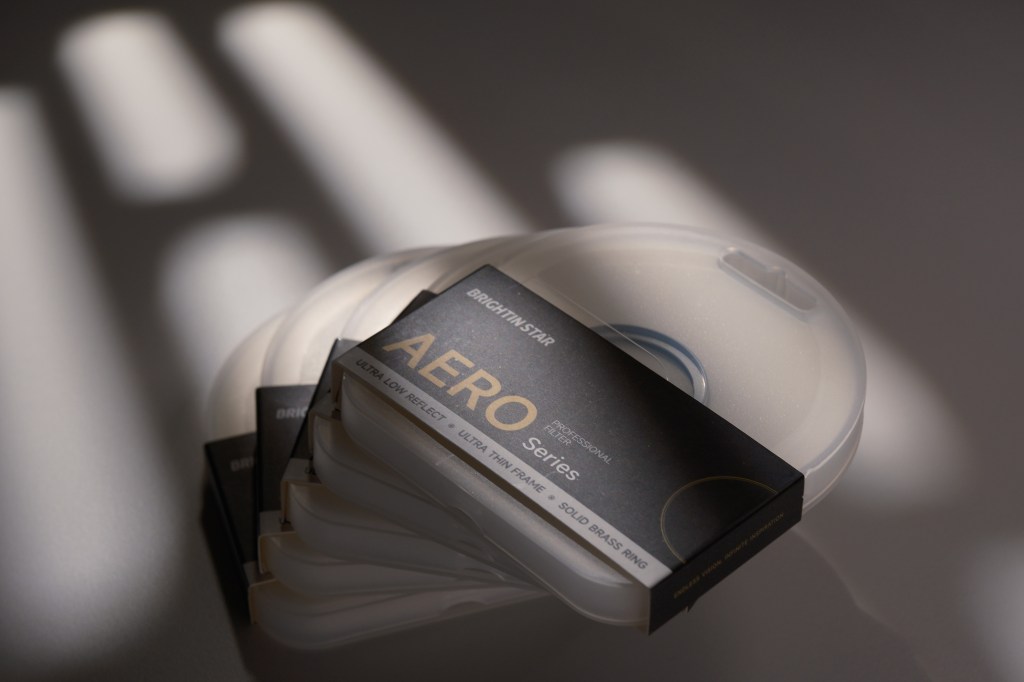
Brightin Star Aero UV filter packaging

Thanks to the good people at Brightin Star, I had the opportunity to try several Aero UV filters in different sizes. As always, the company had no influence over my thoughts or experience with the product.

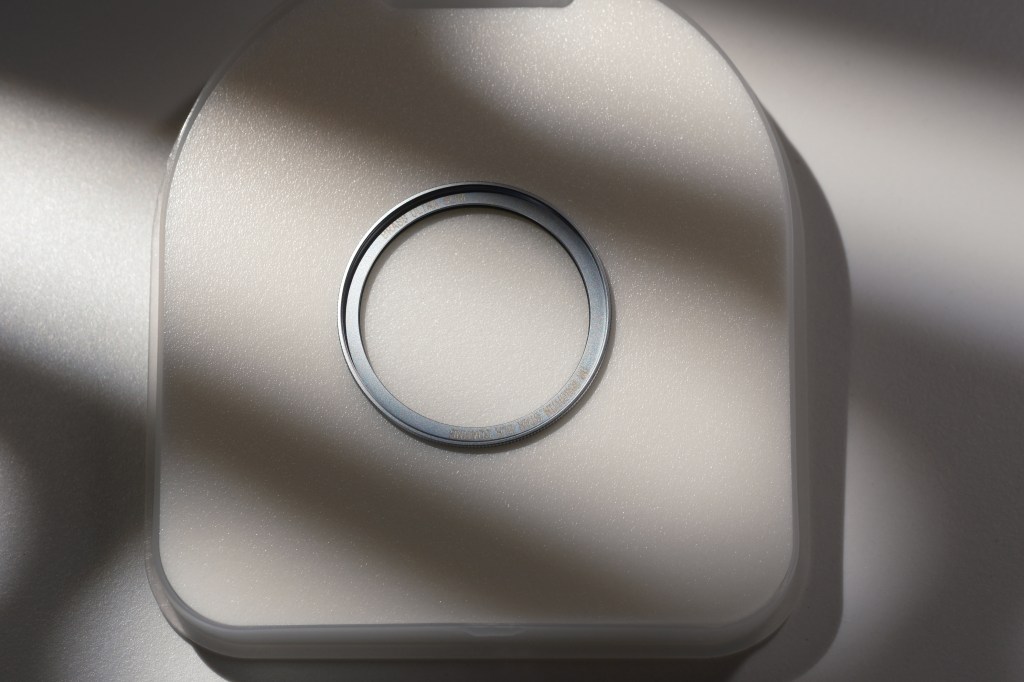
Filter inside the package

Design and Build Quality

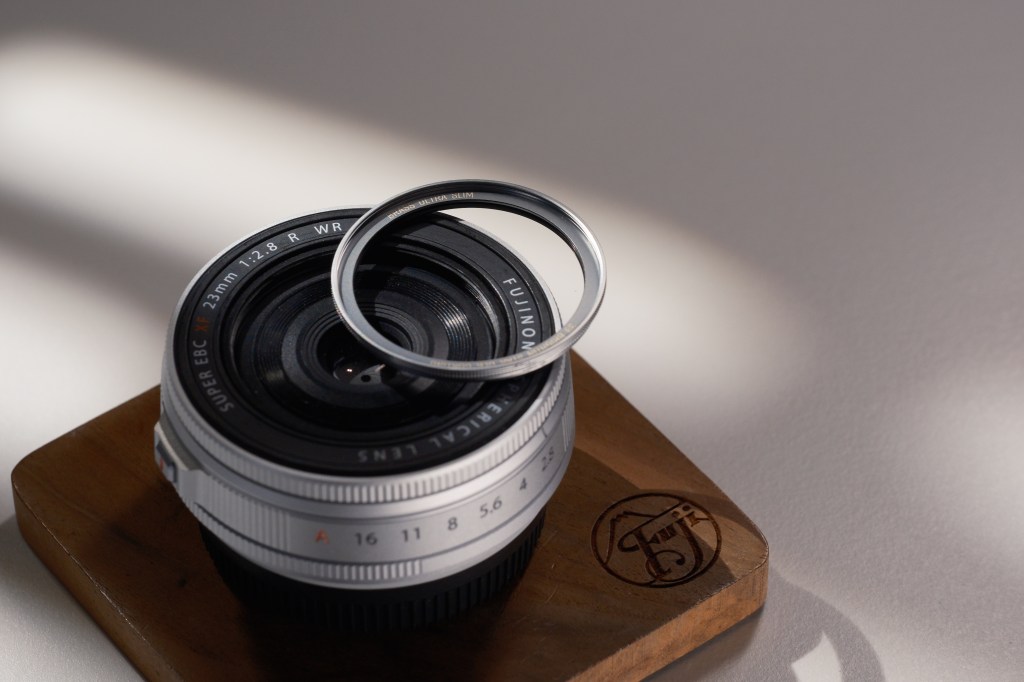
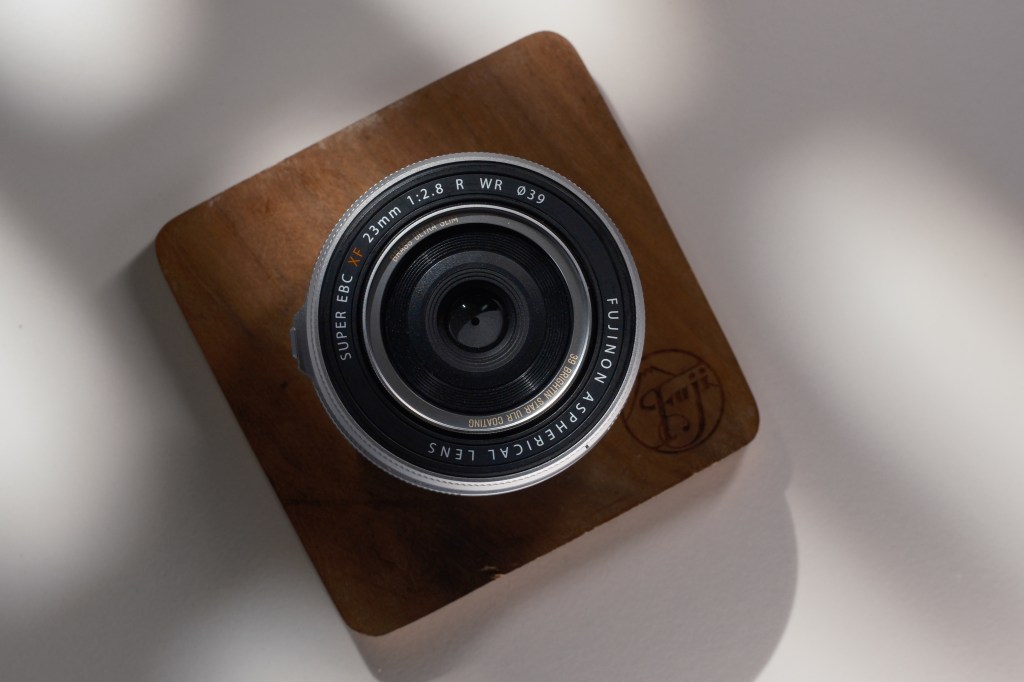
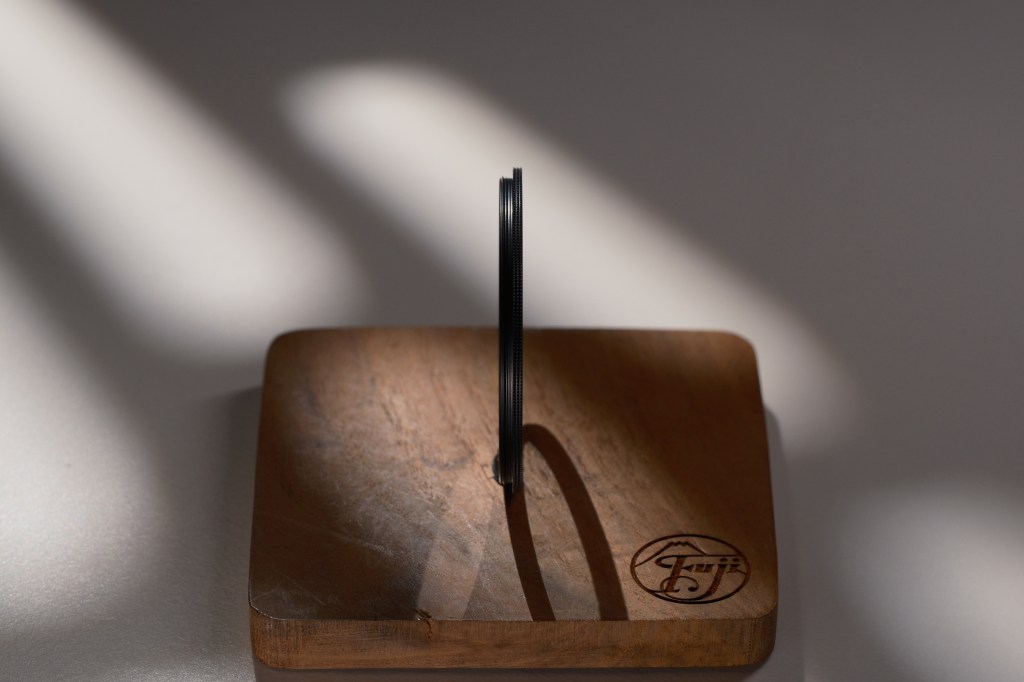
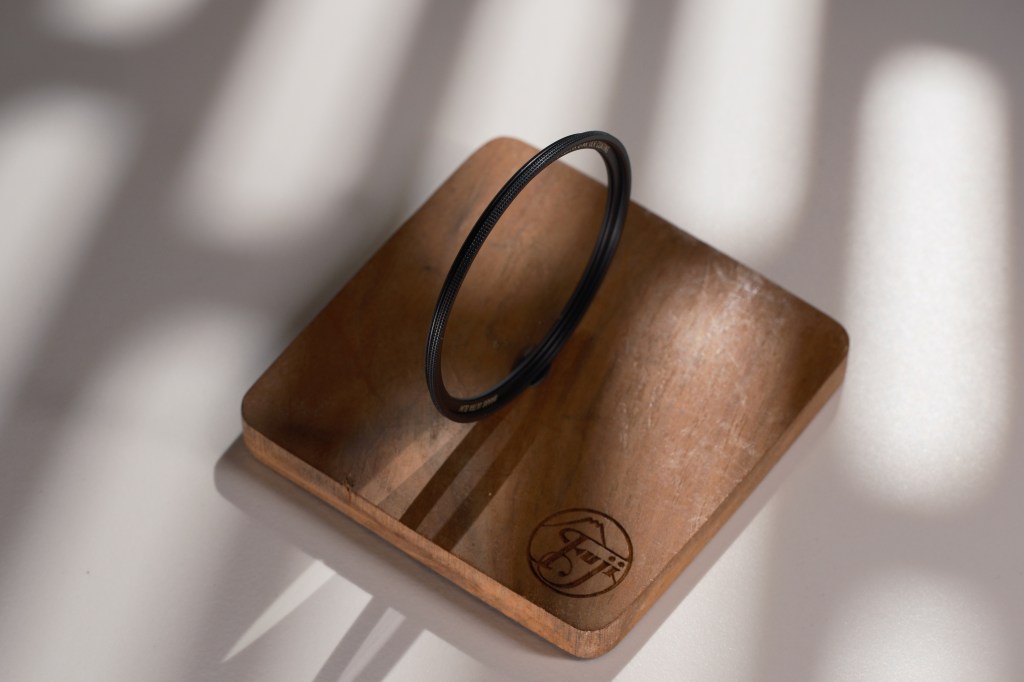
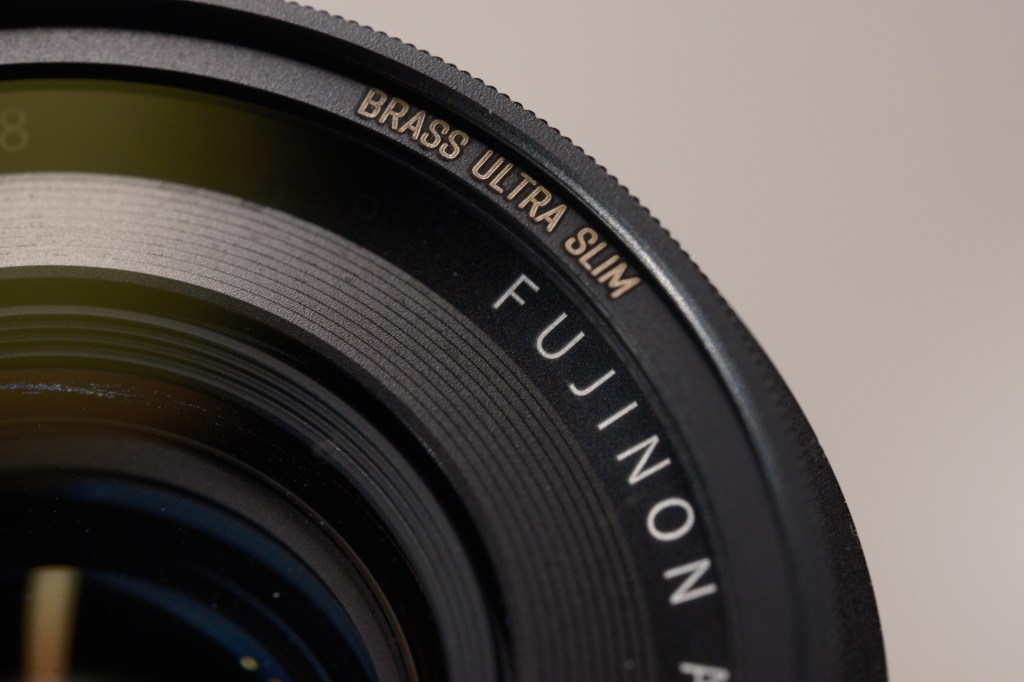
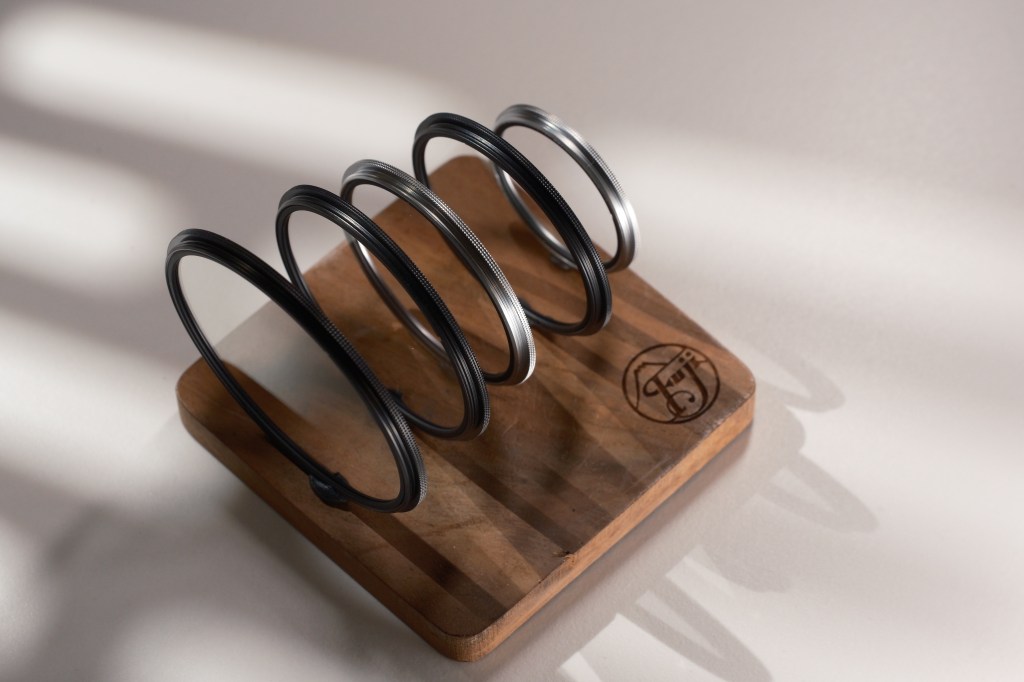
The very first thing that caught my attention was the build quality, especially with the 39mm variant. The 1.5mm ultra-slim profile is genuinely impressive, and the brass frame gives the filter a reassuringly premium feel in hand.

Fujifilm XF 23mm f2.8 with Aero UV filter (before mounting)
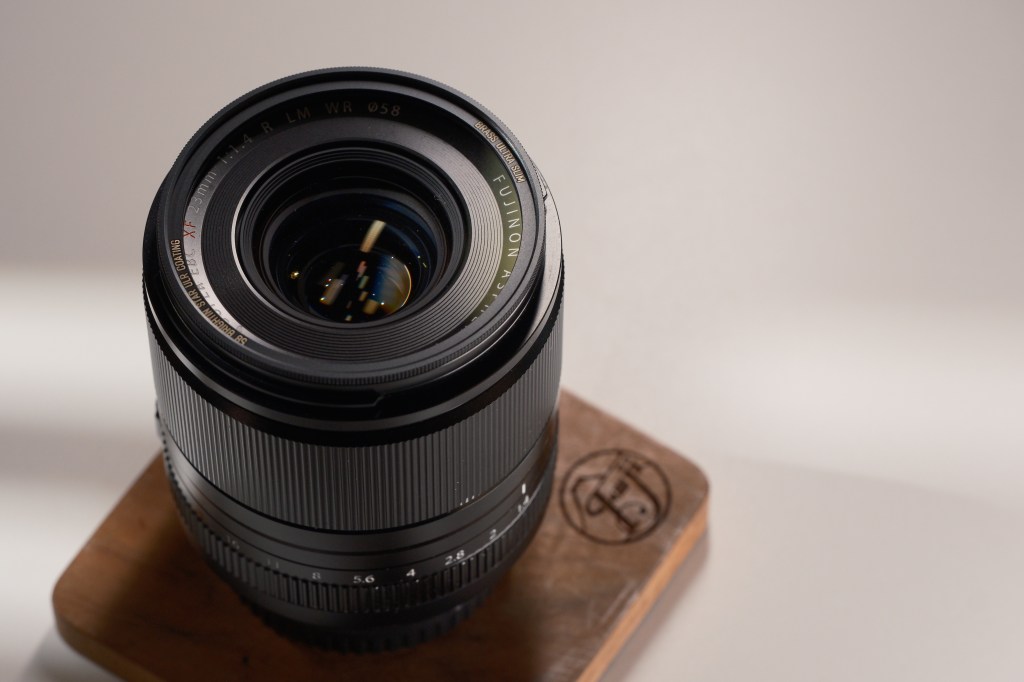
Fujifilm XF 23mm f2.8 with Aero UV filter (after mounting)
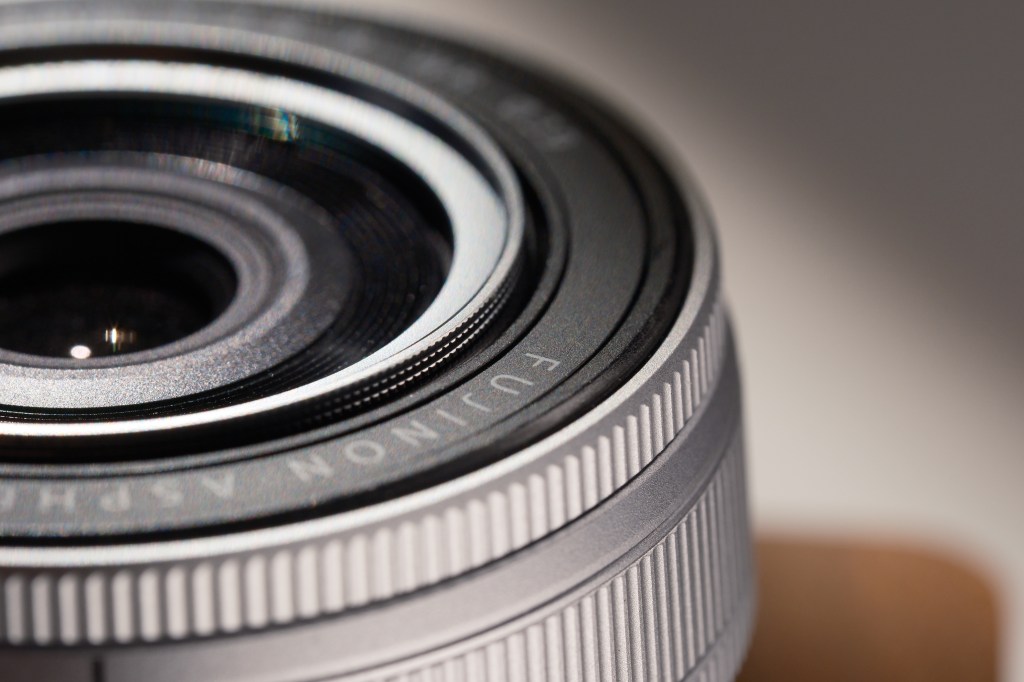
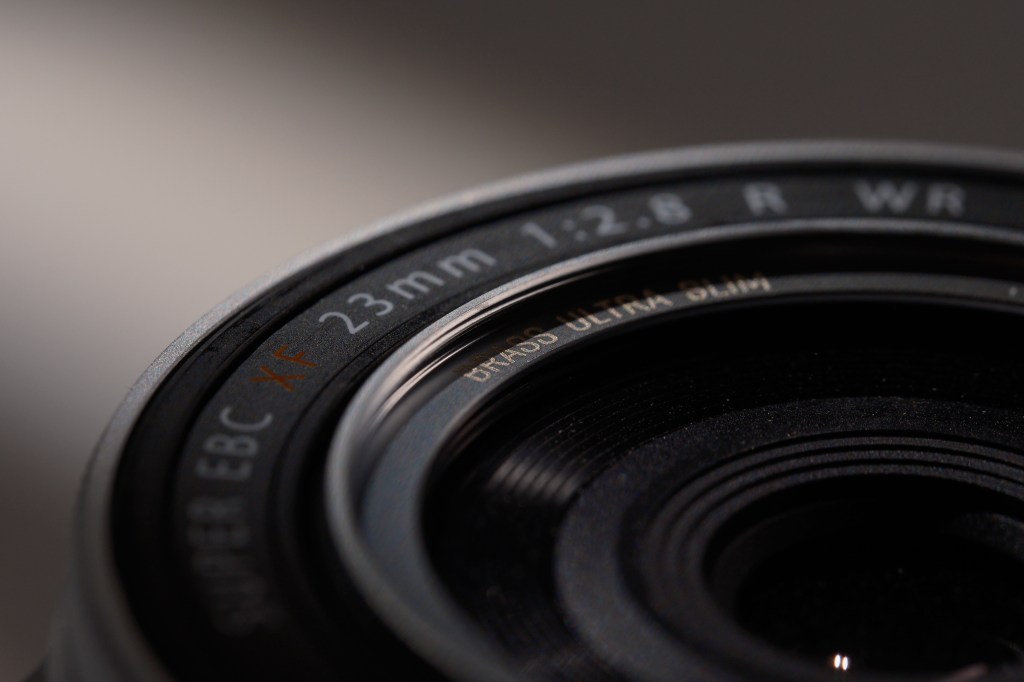
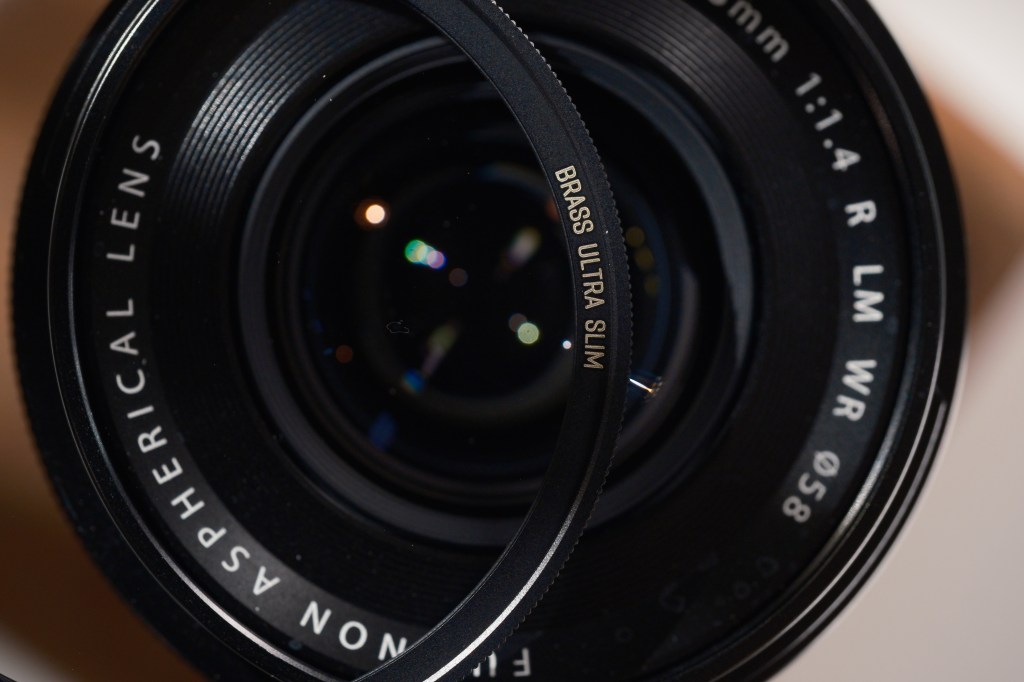
Fujifilm XF 23mm f2.8 with Aero UV filter (Close up)

If you have handled lower-quality graded filters before, you will immediately notice the difference here. The Aero UV filters feel solid, refined, and well-machined despite their incredibly thin design.

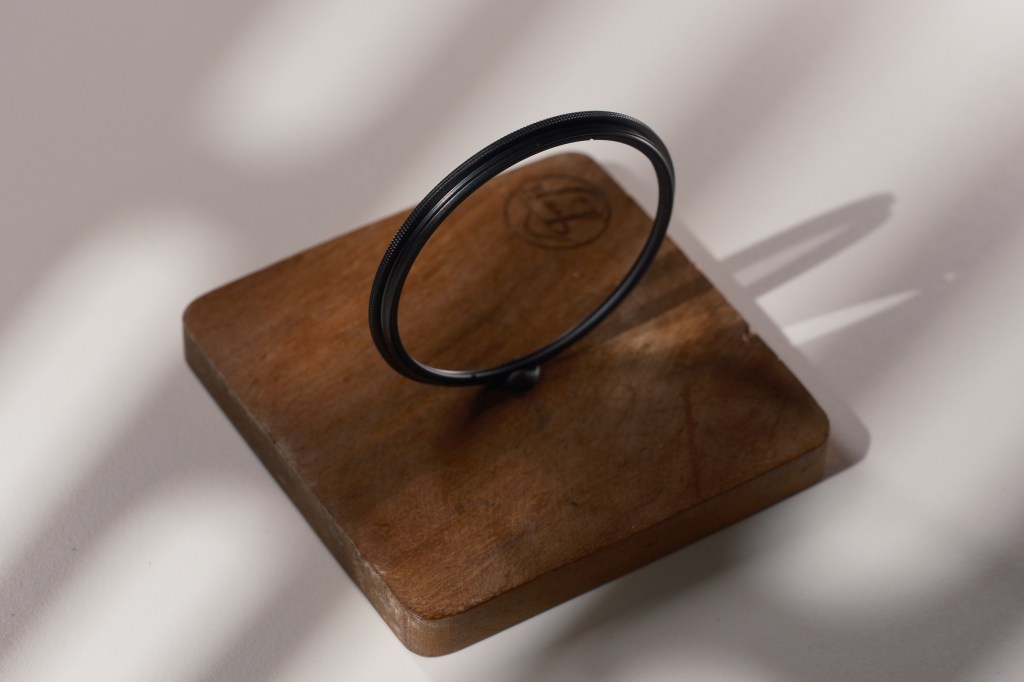
I initially assumed such a slim filter might be difficult to install or remove, particularly for photographers with larger fingers. Thankfully, that wasn’t the case at all. The textured edge around the frame provides excellent grip, making installation and removal surprisingly easy and comfortable.

Fujifilm XF 23mm f2.8 with Aero UV filter (close up)
Fujifilm XF 23mm f2.8 with Aero UV filter

Pairing With The Lens

Once mounted onto a lens, the Aero UV filter almost disappears visually. Its slim profile blends seamlessly into the lens body, creating a very clean and integrated look.

Brightin Star Aero UV filter (Black)

Unless you intentionally choose a contrasting filter color against your lens finish, chances are you will barely notice it after a while. The minimalist design really complements modern mirrorless systems and compact setups.

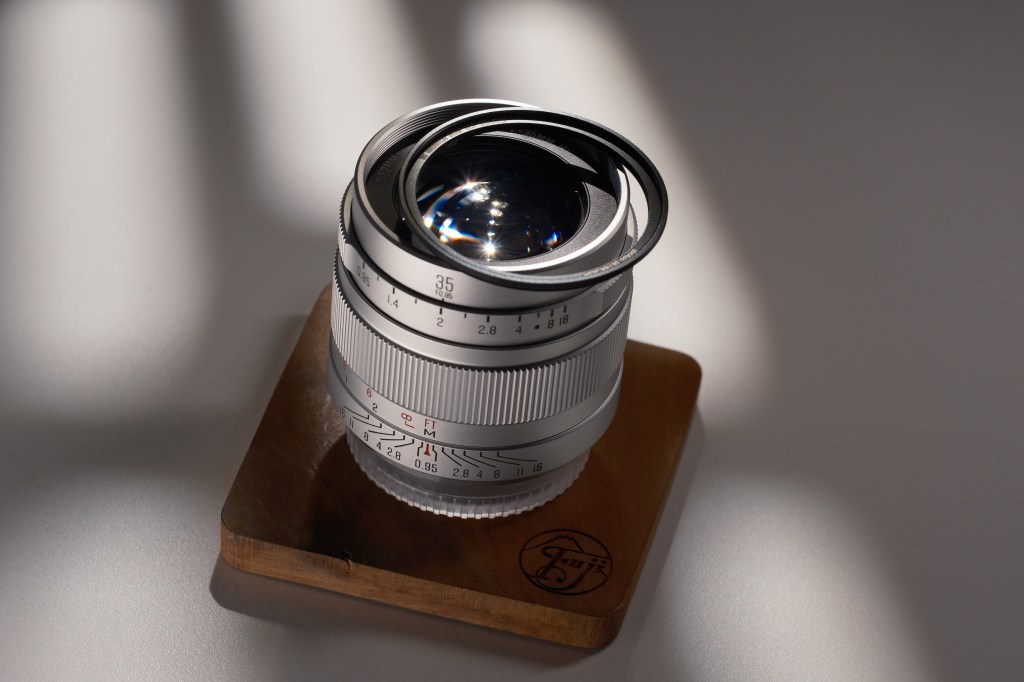
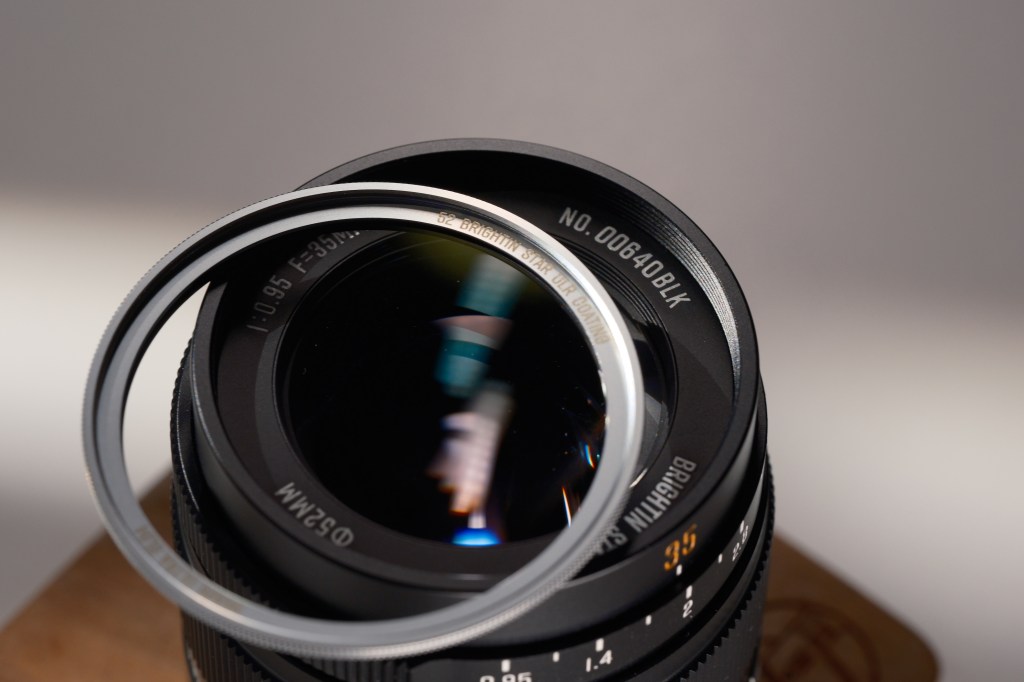
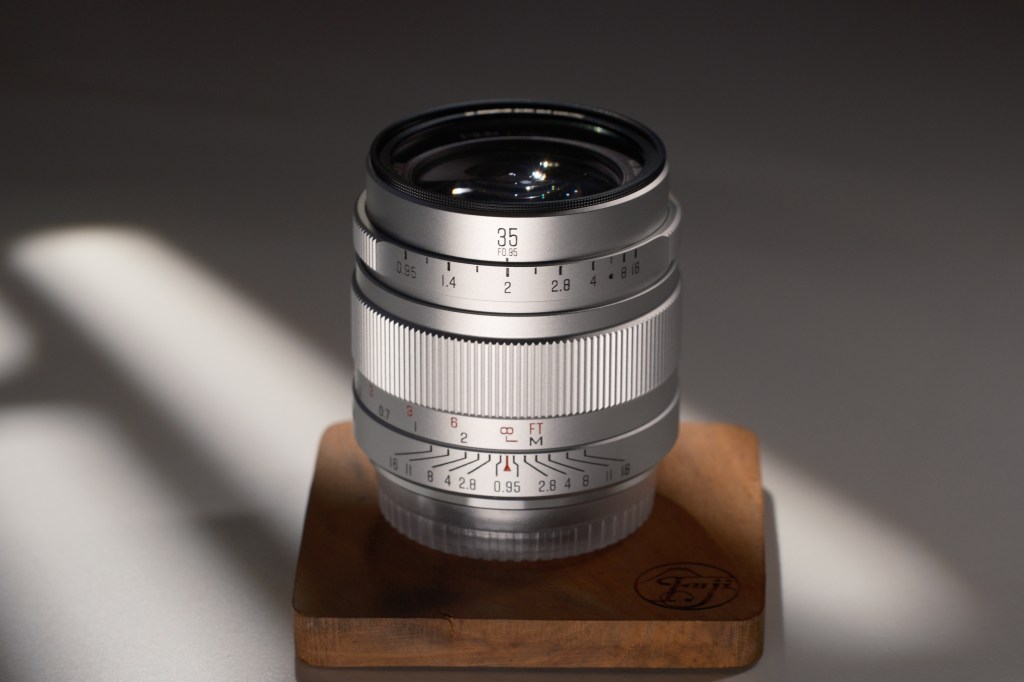
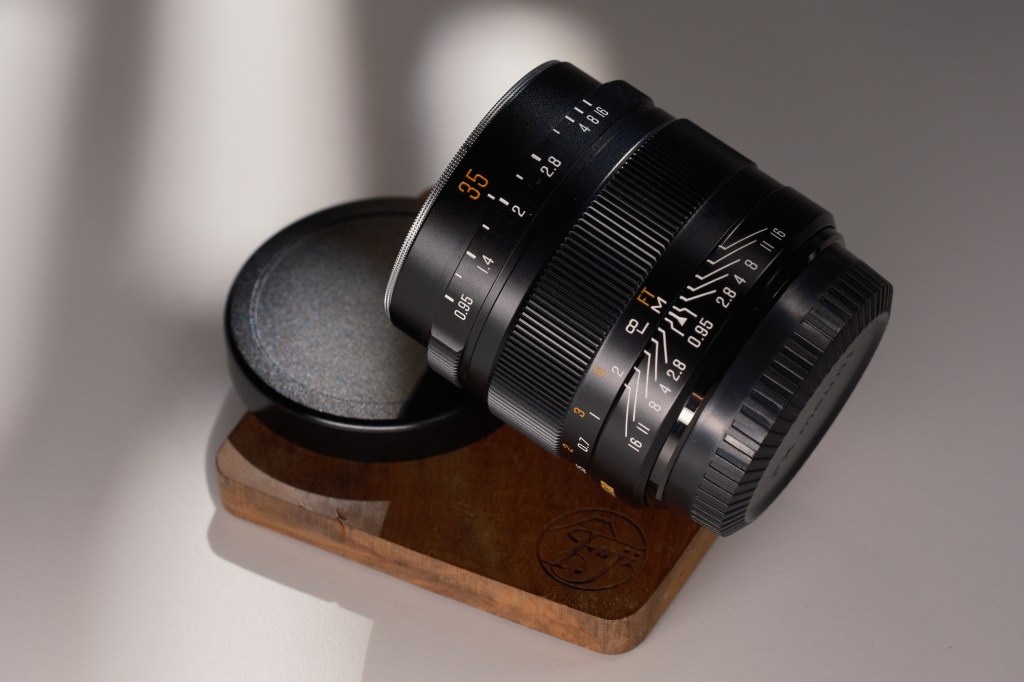
Brightin Star 35mm f0.95 silver with Aero UV filter black (before mounting)
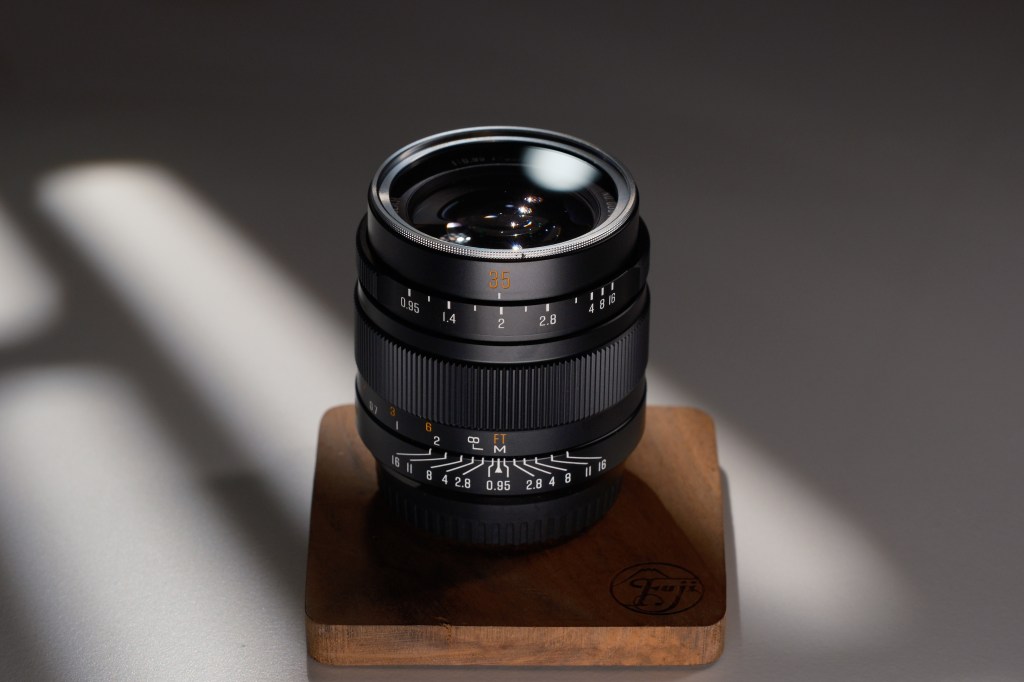
Brightin Star 35mm f0.95 black with Aero UV filter silver (before mounting)

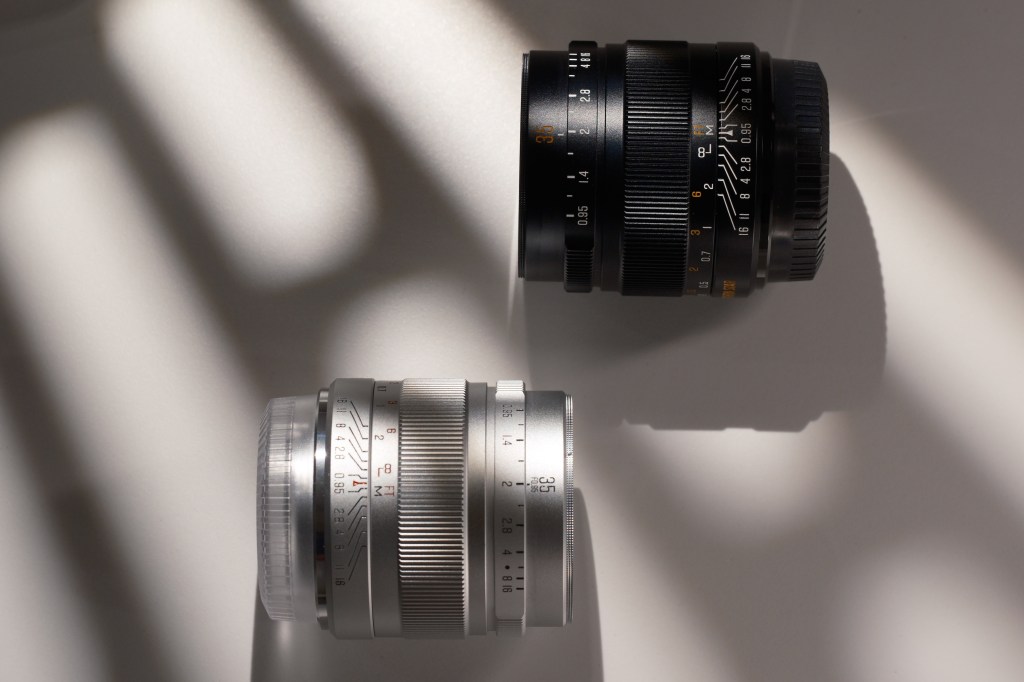
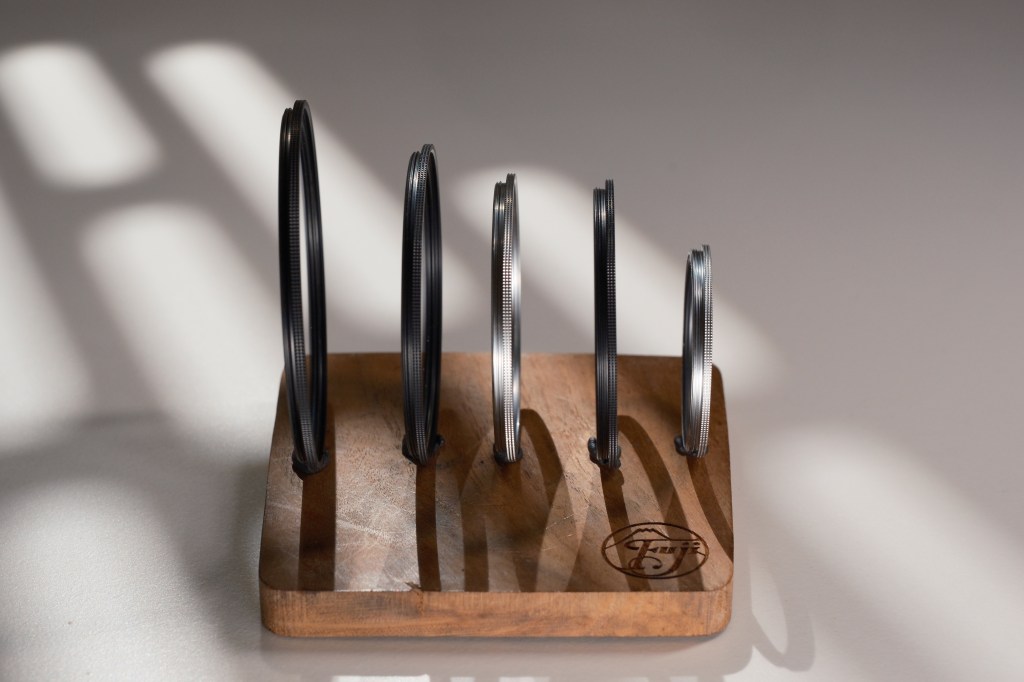
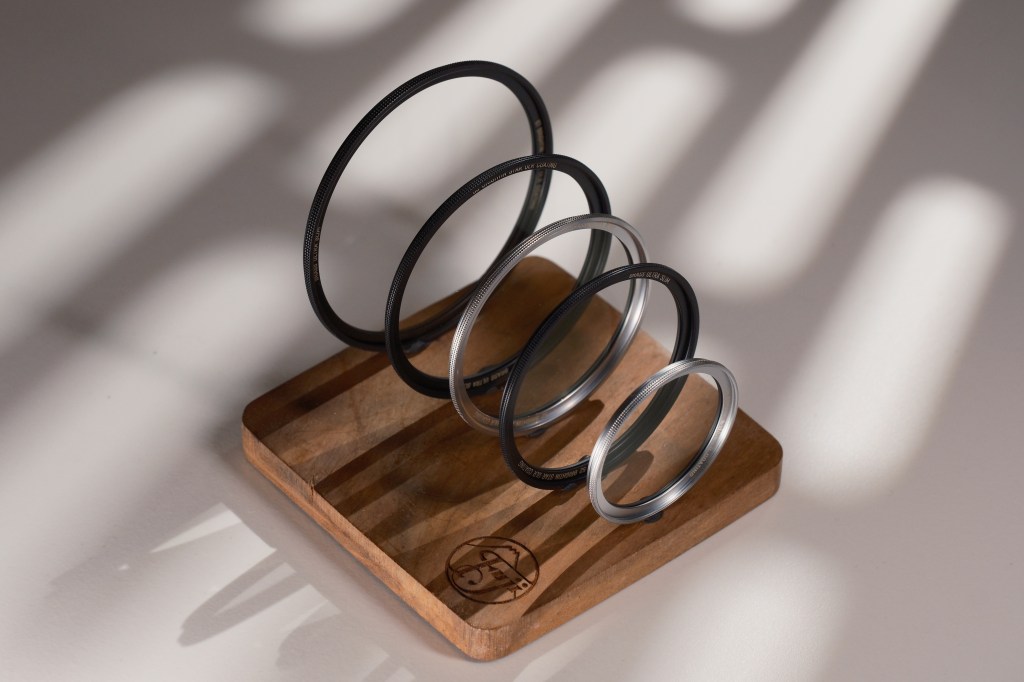
Oh yes. You should be aware by now that it comes with 2 colors: black and silver. This makes it easier to match different lenses and camera styles.

Others

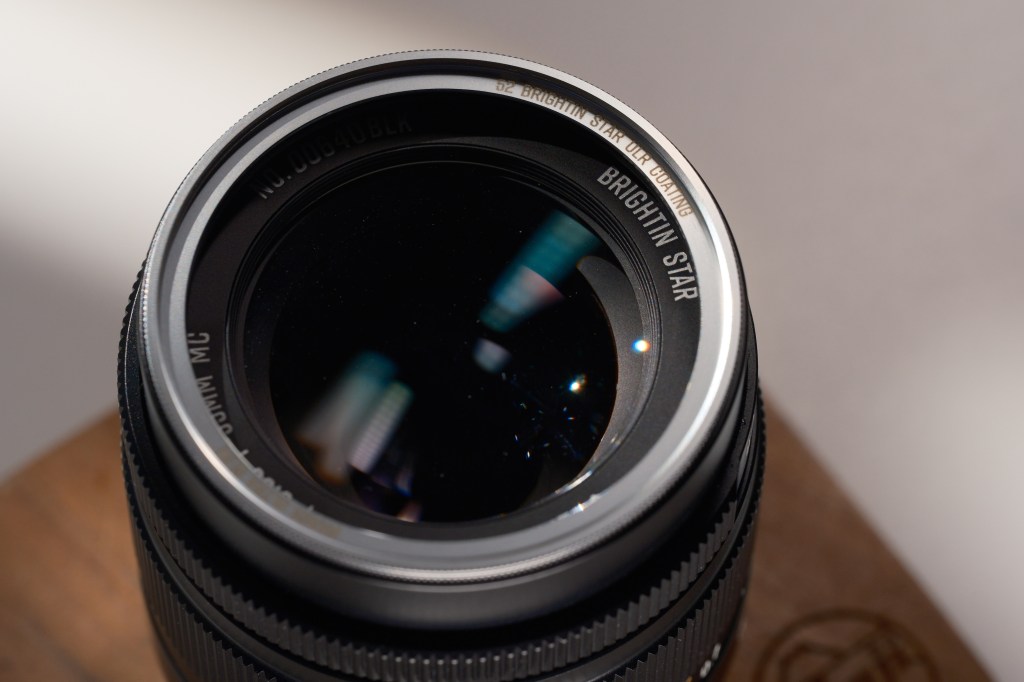
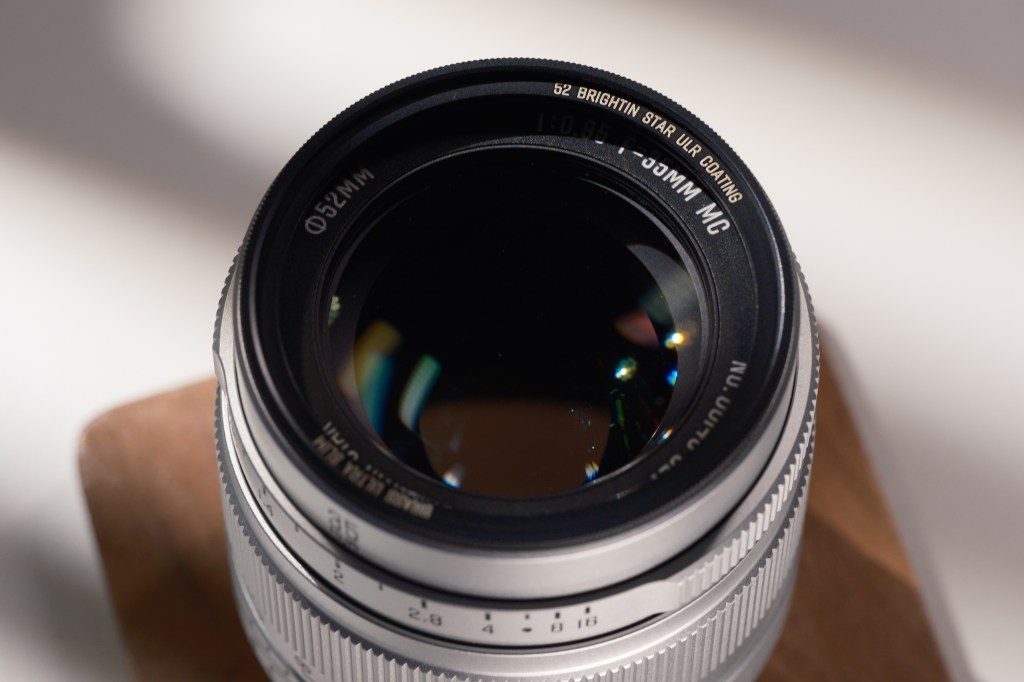
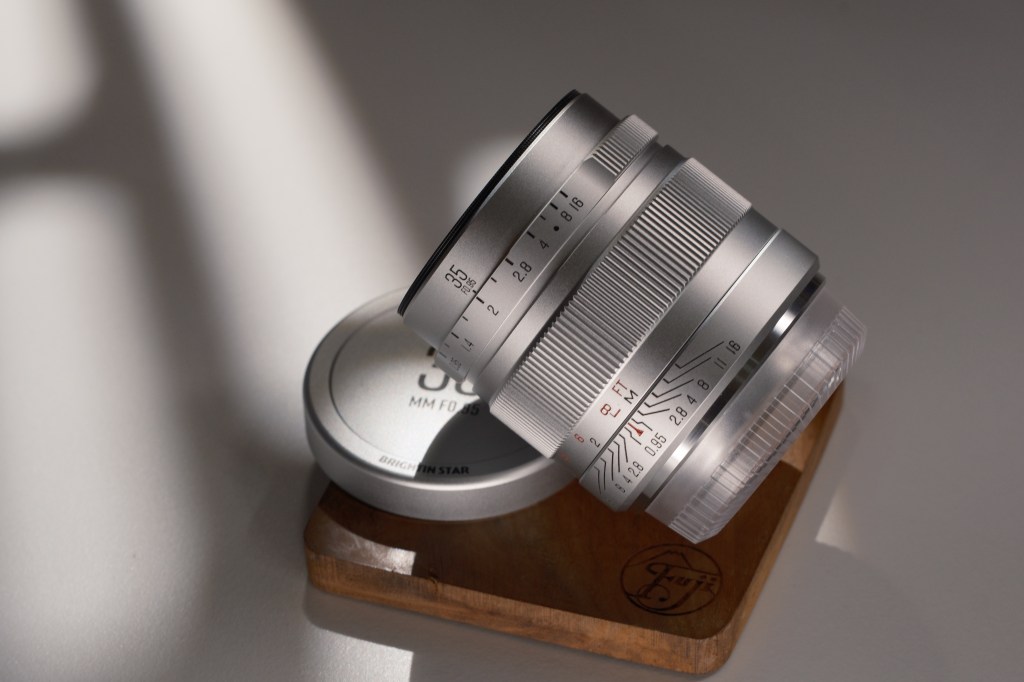
Brightin Star 35mm f0.95 with Aero UV filter

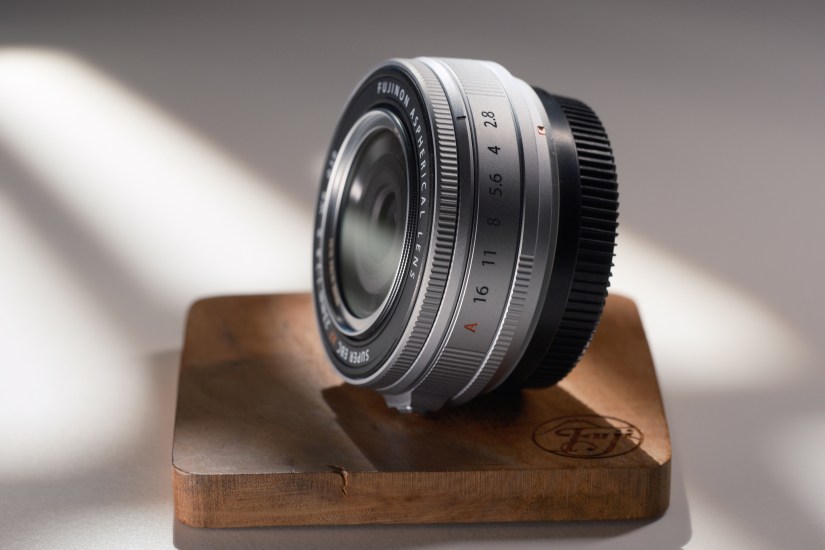
According to Brightin Star, the Aero UV filters use SCHOTT B270 optical glass, a name many photographers and optical enthusiasts will immediately recognize.

For those unfamiliar with this, SCHOTT B270 is one of the most respected optical-grade “super white” glasses used in premium camera filters and optical components. It is known for its excellent clarity and helps minimizing green tint, yellow cast, uneven clarity and low light transmission.

It’s also a material commonly used by many well-established filter manufacturers in the industry.

Fujifilm XF 23mm f1.4 with Aero UV filter
Fujifilm XF 23mm f1.4 with Aero UV filter (before mounting)

Of course, premium glass alone does not automatically guarantee it is a great filter. However, the use of SCHOTT B270 provides a strong foundation for advanced coatings to perform effectively. Brightin Star states that the Aero UV filters feature 28 layers of nano coating, designed to improve light transmission while reducing reflections and improving surface protection.

While I don’t have the equipment to scientifically verify those figures, the official specifications claim 99.807% light transmission and 0.048% reflectivity.

On paper at least, those are impressive numbers for a UV protection filter in this price category.

Fujifilm XF 56mm f1.2 with Aero UV filter (before mounting)
Fujifilm XF 56mm f1.2 with Aero UV filter (after mounting)
Fujifilm XF 56mm f1.2 with Aero UV filter (close up)

Available Sizes

The Aero UV filter series launches with a wide range of sizes, starting from 39mm all the way up to 82mm.

This set of range should comfortably cover most common lenses used today, whether you shoot with compact primes and zooms, or slightly larger telephoto lenses.

Price Point

I was informed that the pricing ranges from approximately 27 USD to 69 USD depending on filter size.

I suppose the 39mm filter size begin around 27 USD, while the largest 82mm version reaches around 69 USD. At the time of writing, I do not have the full pricing breakdown for every size, so checking the official website would be the best option for the latest information.

Who is this for?

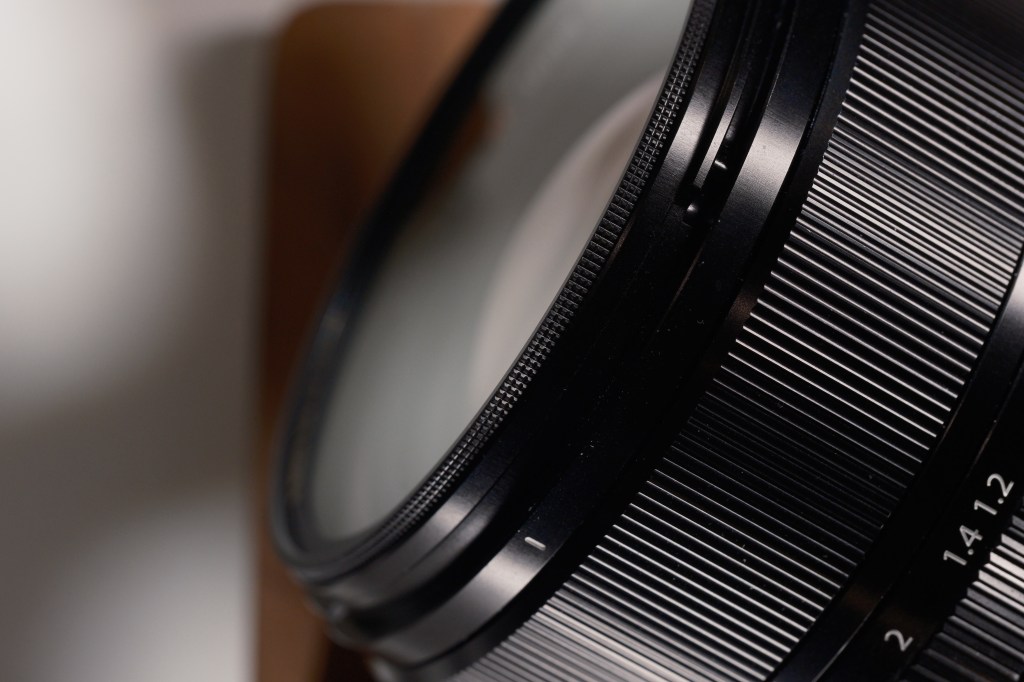
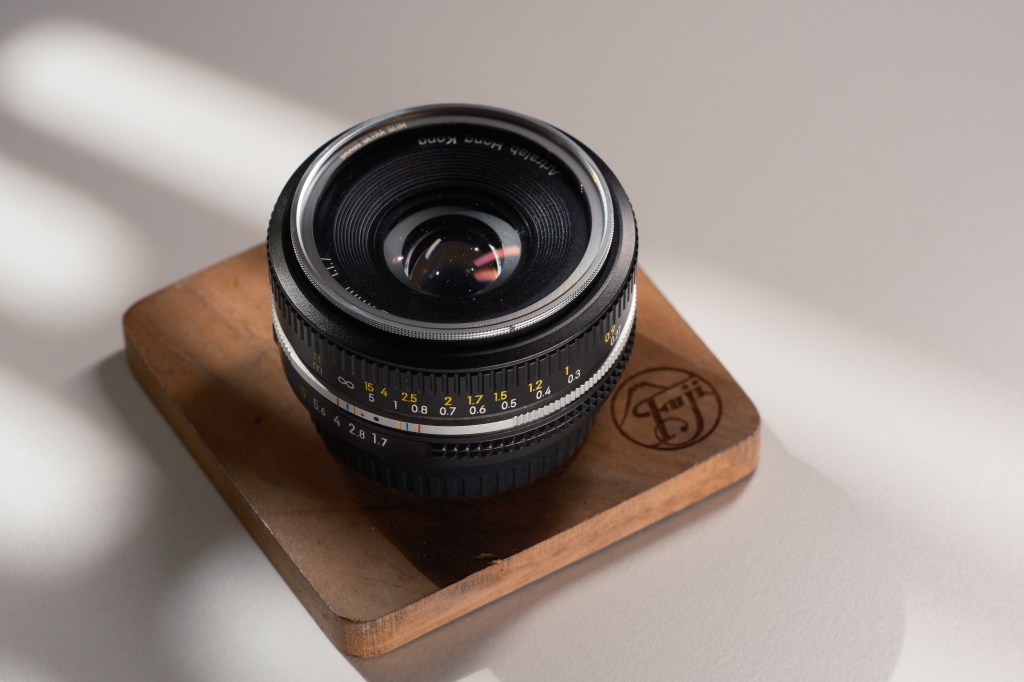
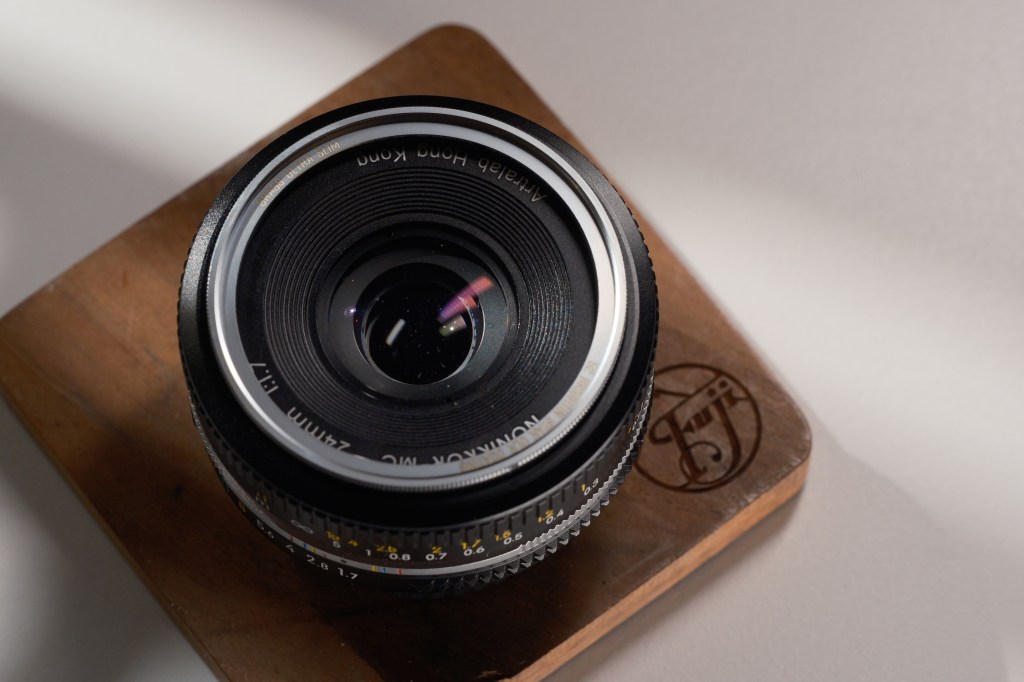
Artralab 24mm f1.7 with Aero UV filter (after mounting)

Many photographers choose to keep a protective filter mounted on their lenses to guard against dust, fingerprints, accidental scratches and front element damage.

For beginners especially, UV filters are often the easiest and safest starting point.

The Aero UV filter makes a strong case for itself by offering that protection in a form factor that barely changes the appearance or handling of the lens. Its slim profile helps preserve the original aesthetics of the lens instead of drawing attention away from it.

Conclusion

Brightin Star Aero UV filters

The Brightin Star Aero UV filters leave a strong first impression with their excellent build quality, ultra-slim profile, and use of premium optical glass while maintaining relatively competitive pricing.

Brightin Star Aero UV filters

The camera filter market is already filled with established and highly respected brands, many of which command premium prices thanks to their long-standing reputation among photographers. That means Brightin Star is entering a very competitive space.

Brightin Star Aero UV filters

Nonetheless, the Aero UV series feels like a promising start. For photographers looking for a slim, stylish, and well-built UV filter without immediately stepping into ultra-premium pricing territory, this could be an option worth considering.

Thank you for reading.

Disclaimer:
1. All the shots taken here are shot by me.
2. Most of the shots are straight out of the camera with some shots edited via In-Camera Raw Processing.

3. The opinions are based on my experience. If there is any mistake, please kindly drop me a message and I will gladly make the amendment.
4. I reserve ownership of these images, if you wish to use my images, please notify me.

If you like my works, please follow me on either one of the 2 Instagram accounts:

If you have a Facebook account, feel free to join Fujifanboys FB group.

If you like my content and you want to show some support and keep this blog alive, you can buy me a coffee here.
Reviews

Freewell Lens Hood For XF23mm f2.8: Dressing Up My Pancake Lens

The Fujifilm XF23mm f2.8 R WR has quickly become a well-loved lens within the Fujifilm community. When it was first introduced, however, getting your hands on one wasn’t so straightforward. The lens was initially bundled exclusively with the Fujifilm X‑E5, which meant the only way to own it was by purchasing the camera kit.

XF23mm f2.8 Freewell Lens Hood

For those who were patient enough to wait, the lens was eventually released as a standalone product in December 2025. Even then, availability has been limited. Here in Singapore, the demand still seems to outpace supply, and the lens often remains out of stock, even today.

Intro

Now, back to the main topic of this post.

X-E5 with Freewell Lens Hood + Filter

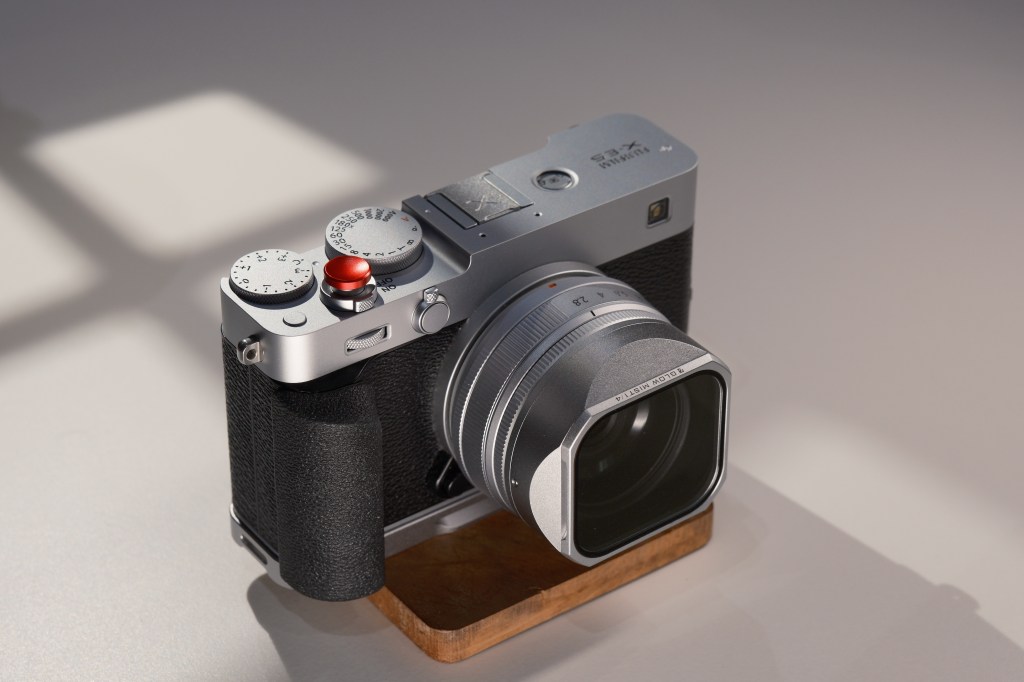
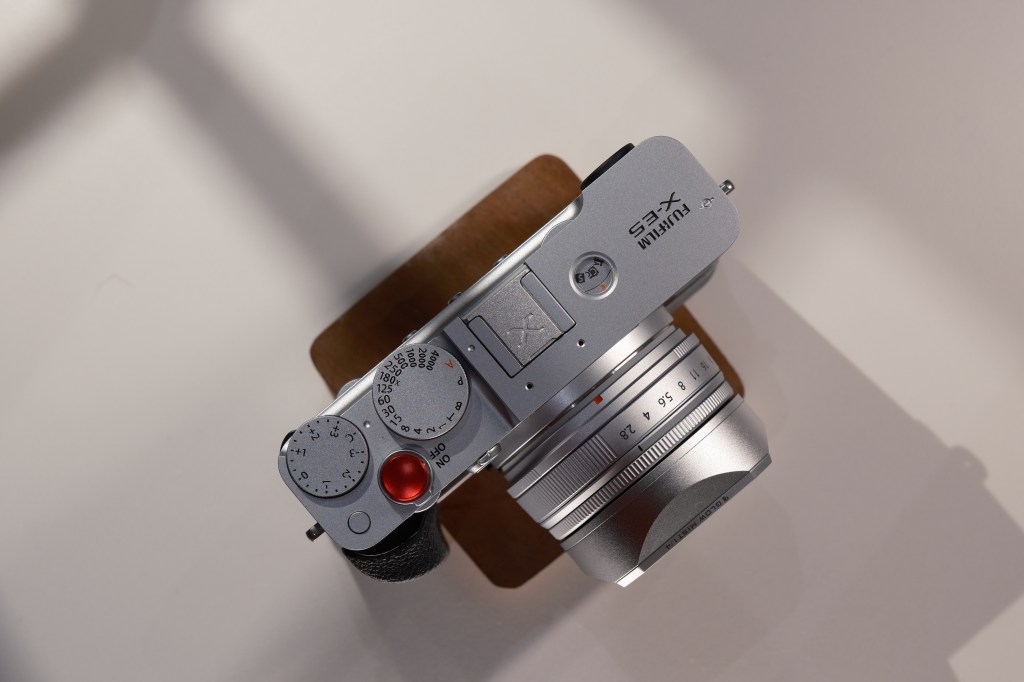
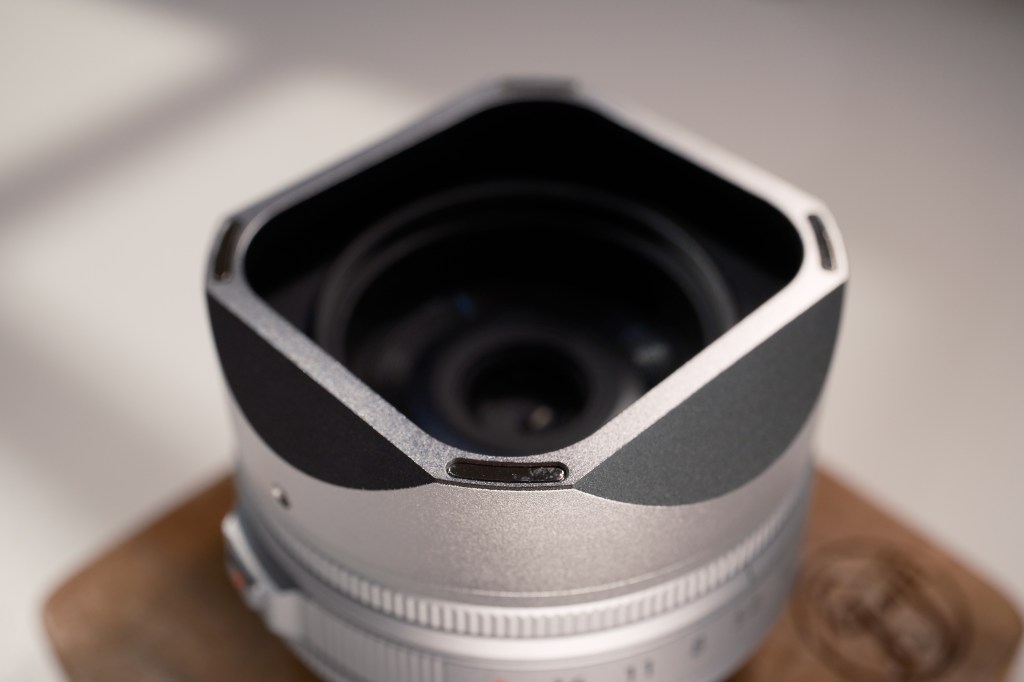
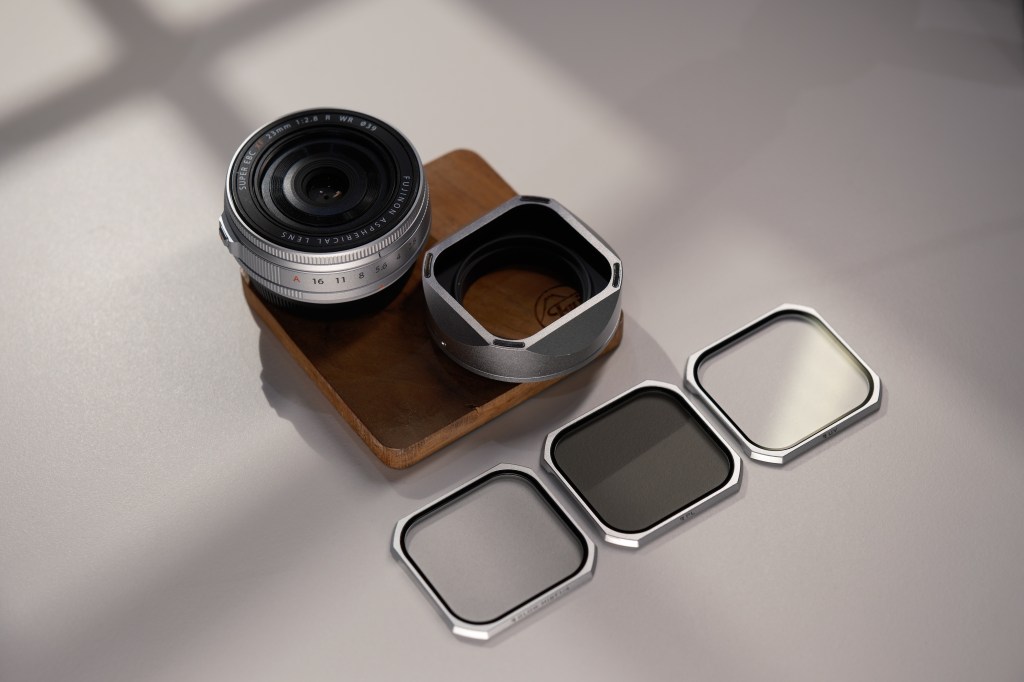
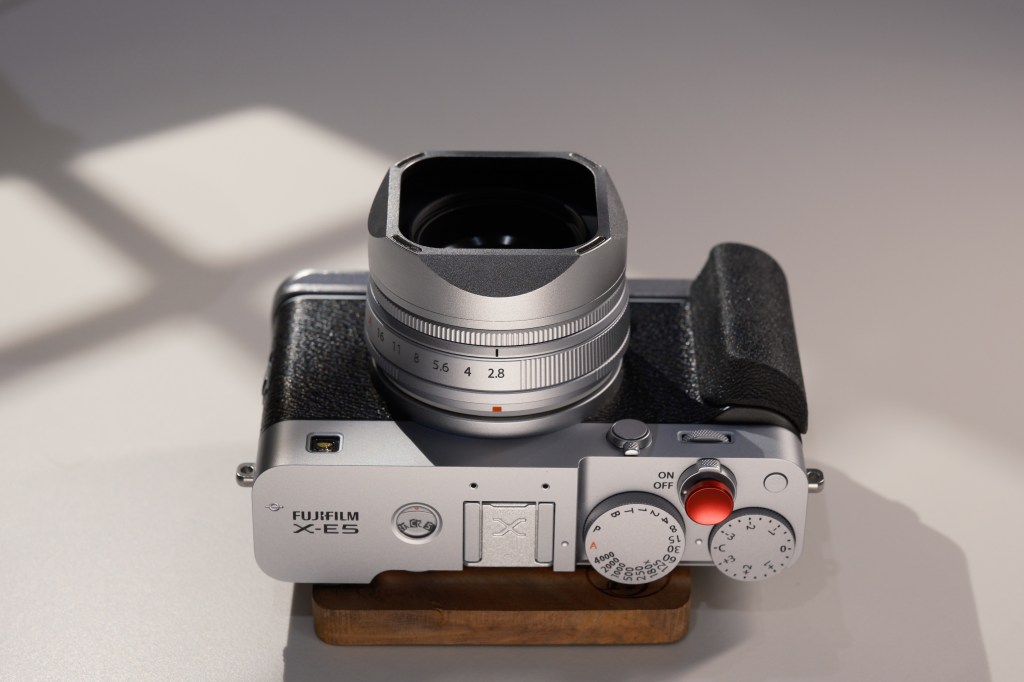
The team at Freewell seems to understand Fujifilm photographers quite well. If there’s one thing many of us want for our beloved pancake lenses, it’s a beautiful square lens hood, something that complements the minimalist aesthetic of the lens while adding functionality. And that’s exactly what they delivered.

Not only did they design a square hood for the XF23mm f2.8, but they also sweetened the deal by including three magnetic filters as part of the package.

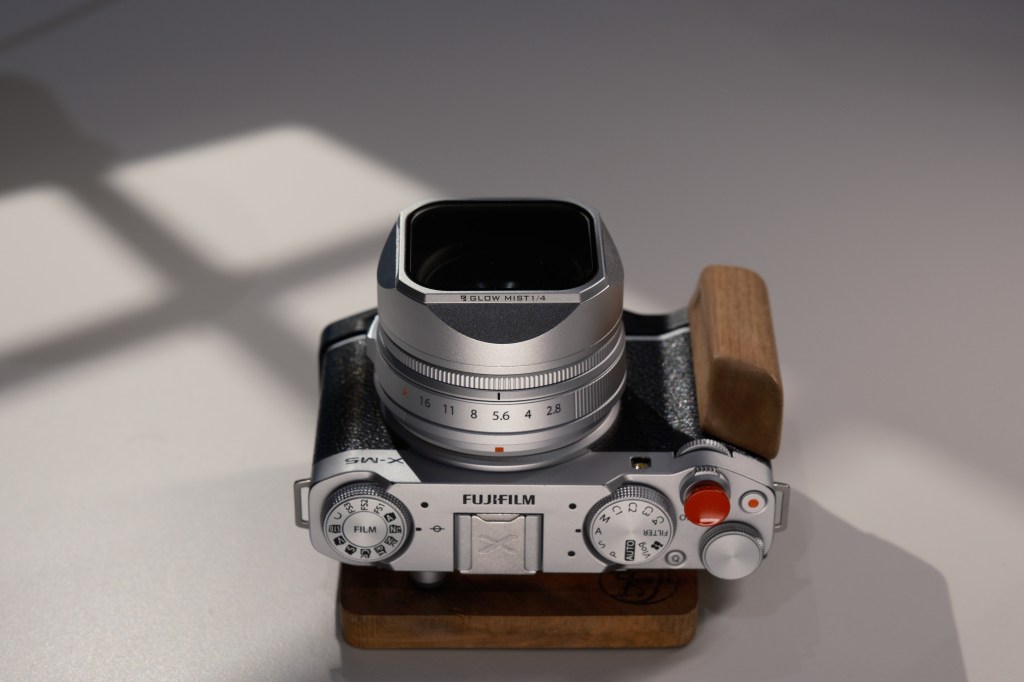
X-M5 with Freewell Lens Hood + Filter

Before going any further, I would like to extend my thanks to the kind people at Freewell for sending this accessory over for review. That said, everything shared in this post reflects my genuine experience, and Freewell has no influence over the content of this review.

Design and Build Quality

When it comes to build quality, Freewell has always impressed me. My first experience with their products was through accessories made for the Fujifilm X100VI, and the positive impression continues here with this lens hood and the filters kit.

X-E5 with Black Glow Mist 1/4 Filter

That said, there is one small disappointment, though thankfully it is nothing critical.

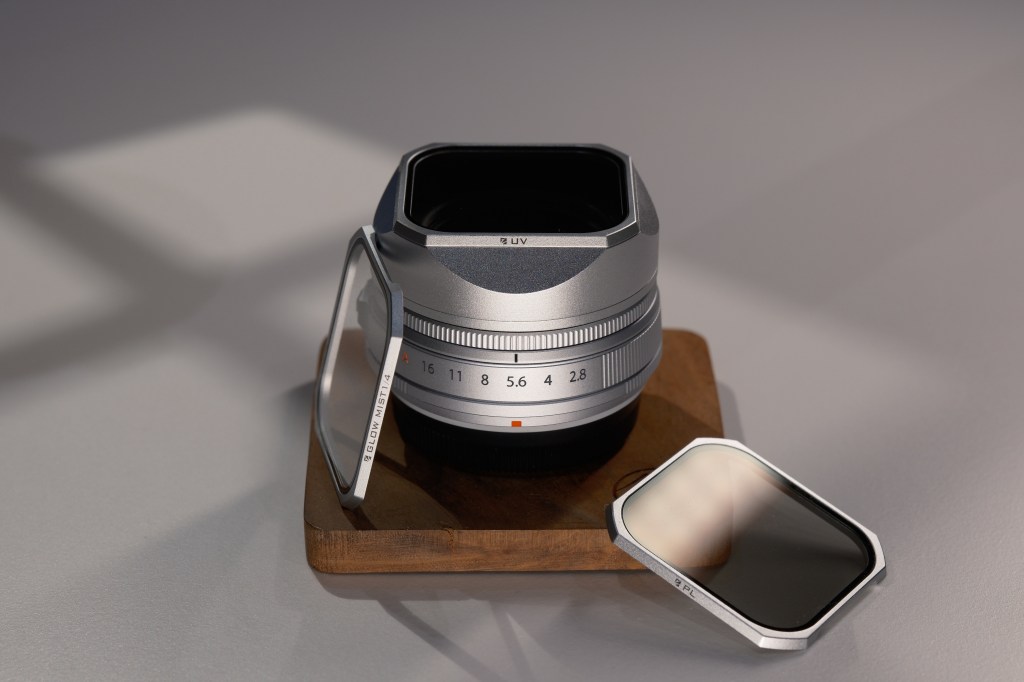
At first glance, the square lens hood may look similar to other square hoods available on the market. But if you look more closely, you’ll notice metal plates on each of the four corners at the front of the hood. These are not merely decorative elements; they are magnets for snapping the filters.

XF23mm f2.8 Freewell Lens Hood magnets

The magnets allow the included filters to snap onto the hood effortlessly. It’s a simple idea, but one that feels incredibly smart and efficient in practice.

Lens hood

Taking a closer look, you may notice that the silver finish of the hood is slightly darker than the silver tone of the XF23mm f2.8 lens. That said, the difference is quite subtle. Unless you’re examining it closely, it’s difficult to notice at first glance or from a distance.

X-E5 with CPL filter
X-E5 with Black Glow Mist 1/4 Filter
X-E5 with UV Filter

Another design detail worth mentioning is the shade depth. Compared to some square hoods that extend further outward, this one has a slightly shorter hood profile. Fortunately, this does not seem to affect image quality or lens performance.

X-E5 with Black Glow Mist 1/4 Filter

Visually, however, the proportions may feel just a little different if you’re used to deeper square hoods. If you use long enough, you might not even notice that anymore.

Filters

Freewell is well known for its filters, and it’s clear that they have applied that expertise here.

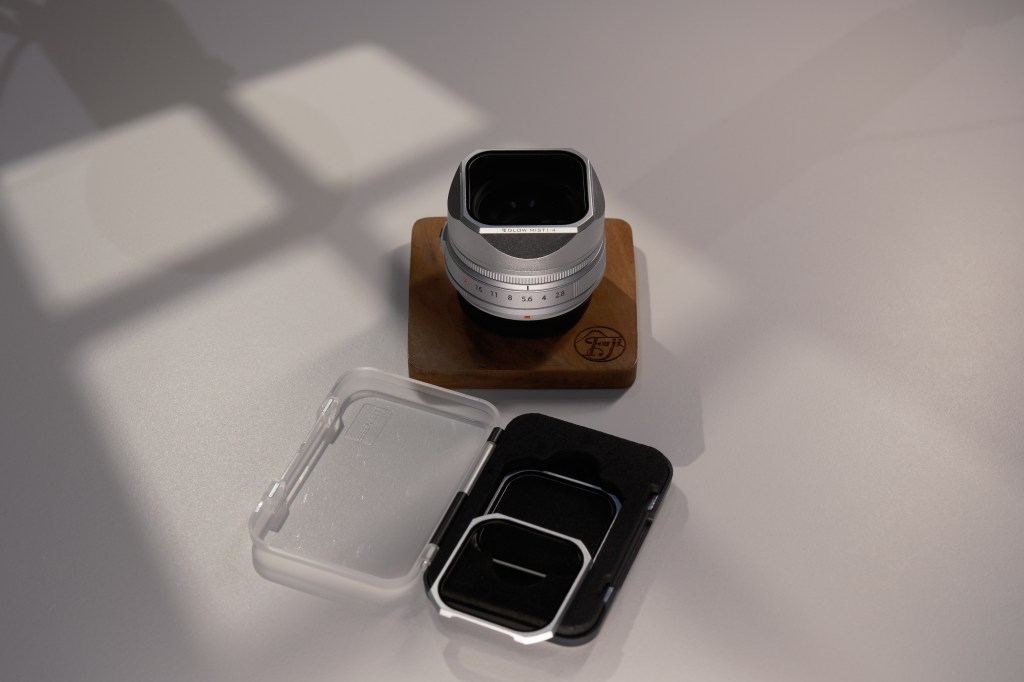
The three filters

Thanks to the magnetic mounting system, attaching or removing filters is incredibly easy. The filters snap onto the hood quickly and securely, making them a natural companion to the lens hood. But it is not easily shifted or removed by accident. The filter remains intact on the lens hood even when I just leave it in the camera bag.

The kit includes three filters:

  • UV Filter
  • CPL (Circular Polarizer)
  • Black Glow Mist 1/4

Together, they form a practical set that covers most day-to-day shooting needs.

X-E5 with UV Filter
X-E5 with Black Glow Mist 1/4 Filter

Personally, my favorite remains the Black Glow Mist 1/4 filter, a filter I already enjoyed using with my X100VI setup. If you notice that I seem a little biased toward using it more than the others… well, you’re probably right. Please pardon my preference.

Freewell also includes a compact storage box, allowing you to keep the two unused filters safe while one remains attached to the hood. However, I wish to have a side-by-side storage compartment for the filters rather than stacking one on top of the others. Making it a little challenge to switch among the filters. This is the disappointment I mentioned earlier.

XF23mm f2.8 Freewell Lens Hood with stacking compact storage box
X-E5 with UV Filter

Price Point

At $100 USD, the bundle feels like a fairly sweet deal. If you were to purchase a square hood and three separate filters individually, the total cost would likely end up significantly higher. Having everything packaged together certainly makes the value proposition more attractive.

Left: UV, Center: CPL, Right: Black Glow Mist 1/4

X-E5 with Black Glow Mist 1/4 Filter
X-E5 with CPL Filter

Who is this for?

Of course, this accessory is designed primarily for photographers using the Fujifilm XF23mm f2.8.

X-M5 with Black Glow Mist 1/4 Filter

Interestingly, Freewell also notes that the hood can be used with the Fujifilm XF27mm f2.8, since both lenses share similar physical dimensions.

However, there is a small caveat. The fit on the 27mm lens isn’t quite as snug. Because the XF27mm has shallower front threads, a slight gap may appear when mounting the hood. It’s still usable, but it’s not a perfect fit compared to how it sits on the XF23mm.

X-E5 with UV Filter
X-E5 with CPL Filter

Others

Nothing is perfect in this world. In this case, these 3 filters might not be what some photographers are looking for. I do agree, but it does meet my day-to-day usage. I hope Freewell will release more creative filters for us to expand the shooting experience even further.

X-M5 with Black Glow Mist 1/4 Filter

Conclusion

Overall, this square lens hood is a great aesthetic and functional upgrade for the XF23mm f2.8. It enhances the visual appeal of the lens while also providing the flexibility of quick magnetic filters to elevate your shooting experience.

X-E5 with UV Filter
X-E5 with Black Glow Mist 1/4 Filter
X-M5 with Black Glow Mist 1/4 Filter

I am glad to see Freewell stepping in with thoughtful accessories like this. It’s a small addition, but one that genuinely enriches the experience of shooting with this compact pancake lens.

X-M5 with Freewell Lens Hood
X-E5 with Freewell Lens Hood

And if this is any indication of what is to come, I am certainly looking forward to seeing more innovative accessories from Freewell in the near future.

Thank you for reading.

Disclaimer:
1. All the shots taken here are shot by me.
2. Most of the shots are straight out of the camera with some shots edited via In-Camera Raw Processing.

3. The opinions are based on my experience. If there is any mistake, please kindly drop me a message and I will gladly make the amendment.
4. I reserve ownership of these images, if you wish to use my images, please notify me.

If you like my works, please follow me on either one of the 2 Instagram accounts:

If you have a Facebook account, feel free to join Fujifanboys FB group.

If you like my content and you want to show some support and keep this blog alive, you can buy me a coffee here.
Reviews

Brightin Star 10mm f5.6 Pro – Everything’s Curvy

If you have landed on this post, chances are you already know what we are talking about. Yes, it’s a fisheye lens.

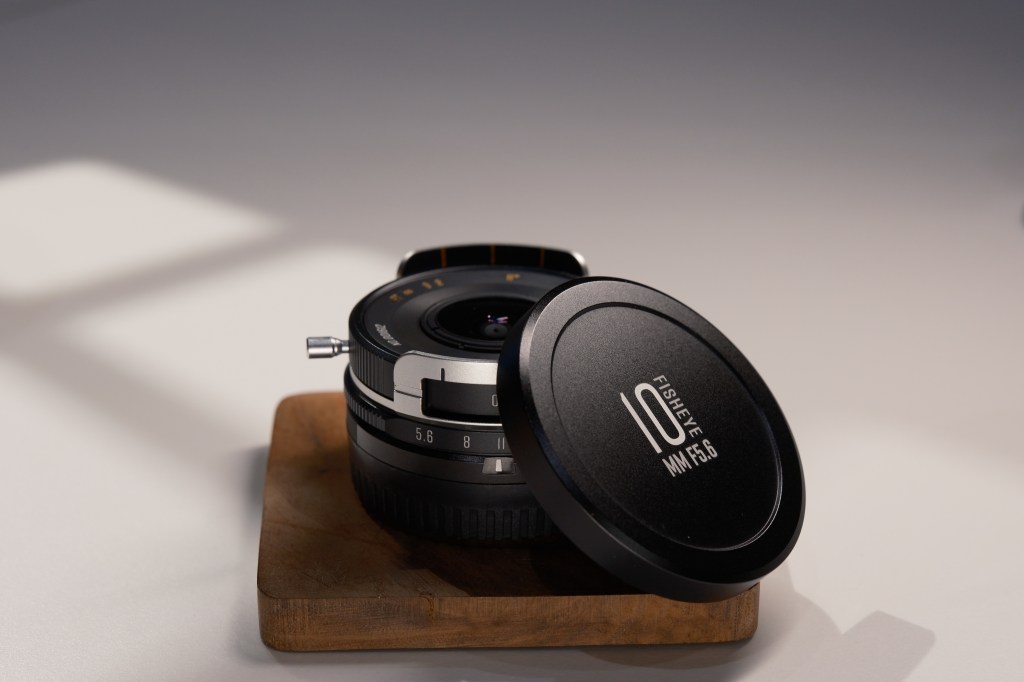
Brightin Star 10mm f5.6 Pro with lens cap
Brightin Star 10mm f5.6 Pro

Fisheye photography has always been a niche within a niche. It’s not the everyday go-to lens for most photographers, yet there’s a dedicated group who absolutely love the exaggerated perspective and dramatic field of view that only a fisheye can offer. It’s bold, unconventional, and when used well, incredibly striking.

Intro

This is not the first fisheye from Brightin Star. In fact, they have released several fisheye manual lenses before this one. But what makes this release particularly interesting is its positioning as a “pro” lens with a maximum aperture of f5.6, and that is an unusual move.

Fuji X-E5 with Brightin Star 10mm f5.6 Pro

Typically, when we hear “pro lens,” we think of wide apertures, heavier builds, and specs that scream performance. A faster aperture and a more extreme focal length are often part of the marketing equation. So naturally, I was curious how an f5.6 fisheye could justify the “pro” badge?

Brightin Star 10mm f5.6 Pro

Before I proceed further, I would like to thank the good guy at Brightin Star for sending this lens over for review. That said, they have zero influence on what you are about to read. Everything here is based purely on my hands-on experience.

Design and Build Quality

At first glance, the lens immediately stands out with its retro-inspired design. It’s compact and weighs just 100 grams. The vintage vibe comes through in several thoughtful details.

Fuji X-E5 . Brightin Star 10mm f5.6 @ 10mm . f5.6. 1/100″ . ISO 250 . Classic Chrome
Fuji X-E5 . Brightin Star 10mm f5.6 @ 10mm . f5.6. 1/110″ . ISO 125 . Classic Chrome

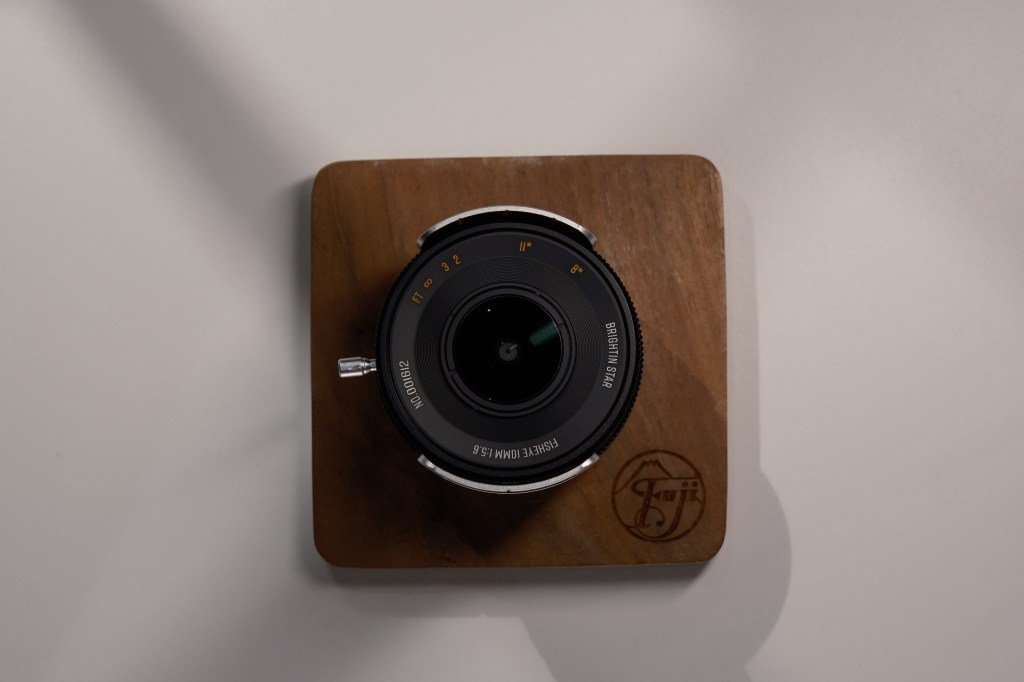
There is a dual silver metallic built-in lens hood that gives it character. The top plate features a small window to display the focusing scale, adding both function and charm. One of my favorite features is the focus lever, which makes manual focusing quicker and more intuitive. The aperture ring has a gentle, satisfying click, and it is something manual lens photographers will appreciate. Even the lens cap is metal-built.

Fuji X-E5 . Brightin Star 10mm f5.6 @ 10mm . f5.6. 1/100″ . ISO 1600 . Classic Chrome

It’s clear that Brightin Star put serious effort into the physical design. The all-metal construction feels solid and reassuring. In terms of build quality, it absolutely meets my expectations of what a “pro-grade” lens should feel like.

Fuji X-E5 . Brightin Star 10mm f5.6 @ 10mm . f5.6. 1/100″ . ISO 2500 . Classic Chrome

And yes, it offers a 175° field of view, which spells decent enough for a fisheye lens.

Image Quality

At its native f5.6 aperture, center sharpness is reasonably good. However, corner softness is noticeable and can sometimes be distracting. On the positive side, chromatic aberration and vignetting are well controlled. I didn’t observe any major issues in those areas.

Fuji X-E5 . Brightin Star 10mm f5.6 @ 10mm . f5.6. 1/110″ . ISO 125 . Classic Chrome

Because the lens starts at f5.6, background blur is not really part of the equation. That said, you can still achieve a bit of subject separation, especially when shooting at the minimum focusing distance.

Fuji X-E5 . Brightin Star 10mm f5.6 @ 10mm . f5.6 . 1/10 . ISO 6400 . Classic Chrome

If you are into sun star effect, this lens works just fine. The lines are considerably defined with some minor ghosting around the light source.

Fuji X-E5 . Brightin Star 10mm f5.6 @ 10mm . f16. 1/2″ . ISO 6400 . Classic Chrome

Focusing

As a fully manual lens, the focusing experience is crucial. The focus lever once again proves to be a practical addition, allowing for more precise adjustments. The movement of the focus ring is smooth and well-damped, exactly the kind of feedback I enjoy when using manual lenses.

Fuji X-E5 . Brightin Star 10mm f5.6 @ 10mm . f5.6. 1/550″ . ISO 125 . Classic Chrome
Fuji X-E5 . Brightin Star 10mm f5.6 @ 10mm . f5.6. 1/100″ . ISO 640 . Classic Chrome

The focus throw spans about 80°. Some photographers may prefer a longer throw for finer control, but personally, I found it perfectly usable and responsive; after all, f5.6 is basically in focus for most situations.

Fuji X-E5 with Brightin Star 10mm f5.6 Pro

Minimum Focus Distance (MFD)

The lens has a minimum focus distance of 20cm. While that sounds reasonably close, but in practice, it does not feel extremely tight due to its ultra-wide 15mm (full-frame equivalent) focal length.

Fuji X-E5 . Brightin Star 10mm f5.6 @ 10mm . f5.6. 1/30″ . ISO 800 . Classic Chrome
Fuji X-E5 . Brightin Star 10mm f5.6 @ 10mm . f5.6. 1/100″ . ISO 400 . Classic Chrome

Price Point

At USD 120, this lens sits in a very attractive price bracket. It’s likely priced lower because it’s neither as wide nor as bright as those alternatives. But at this price, it certainly stands out as one of the more affordable entries into the fisheye world.

Fuji X-E5 . Brightin Star 10mm f5.6 @ 10mm . f5.6. 1/80″ . ISO 3200 . Classic Chrome

For reference: both the 7Artisans 7.5mm f2.8 II Fisheye Lens and the TTArtisan 7.5mm f2 Fisheye Lens at USD 140, Rokinon 8mm f2.8 UMC Fisheye II at USD 240.

Fuji X-E5 . Brightin Star 10mm f5.6 @ 10mm . f5.6. 1/100″ . ISO 320 . Classic Chrome

Others

First note: there’s no front filter thread. You will not be able to mount filters due to the protruding front element, something fairly common with fisheye designs.

Second note: beware of flare at the corners of your frame when there is a light source at that corner.

Fuji X-E5 . Brightin Star 10mm f5.6 @ 10mm . f5.6. 1/7″ . ISO 3200 . Classic Chrome
Fuji X-E5 . Brightin Star 10mm f5.6 @ 10mm . f5.6. 1/8″ . ISO 6400 . Classic Chrome

Who is this for?

If you’re curious about experimenting with fisheye photography and want something compact, lightweight, and budget-friendly, this lens deserves your consideration.

Fuji X-E5 . Brightin Star 10mm f5.6 @ 10mm . f5.6. 1/100″ . ISO 2000 . Classic Chrome

Yes, f5.6 is slower compared to most fisheye lenses on the market. But those brighter options are typically bulkier and heavier. It ultimately comes down to your priorities: portability versus aperture speed.

Fuji X-E5 . Brightin Star 10mm f5.6 @ 10mm . f5.6. 1/100″ . ISO 400 . Classic Chrome

Conclusion

Shooting at f5.6 does present challenges in low-light situations. But given its tiny footprint, solid metal build, and attractive retro design, I can easily see myself packing this lens for travel. It barely takes up space and adds almost no weight to the camera bag.2

Fuji X-E5 . Brightin Star 10mm f5.6 @ 10mm . f5.6. 1/38″ . ISO 6400 . Classic Chrome
Fuji X-E5 . Brightin Star f5.6 @ 10mm . f5.6 . 1/100 . ISO 640 . Classic Chrome

Is it truly a “pro” lens?

From an image quality standpoint, I don’t think it fully earns that badge. However, in terms of handling, design, and build quality, it certainly feels premium.

Fuji X-E5 . Brightin Star 10mm f5.6 @ 10mm . f5.6. 1/80″ . ISO 4000 . Classic Chrome

There is room for improvement, particularly in corner sharpness and perhaps a slightly brighter aperture, but if Brightin Star can maintain this compact size while refining optical performance, they might have something truly special on their hands.

Fuji X-E5 . Brightin Star 10mm f5.6 @ 10mm . f5.6. 1/15″ . ISO 3200 . Classic Chrome
Fuji X-M5 with Brightin Star 10mm f5.6 Pro

Thank you for reading.

Disclaimer:
1. All the shots taken here are shot by me.
2. Most of the shots are straight out of the camera with some shots edited via In-Camera Raw Processing.

3. The opinions are based on my experience. If there is any mistake, please kindly drop me a message and I will gladly make the amendment.
4. I reserve ownership of these images, if you wish to use my images, please notify me.
5. If you are interested in this lens and also wish to support me, this is the affilinate link to purchase.

Reviews

Fujifilm X-Half – A Week of Finding My Other Half

The X-Half, also known as the X-HF1, is a pretty unique product and, honestly, one of the most unusual digital cameras we’ve seen in recent years. It’s probably Fujifilm’s most experimental release in 2025, and it clearly targets a very different crowd compared to the usual X-Series shooters.

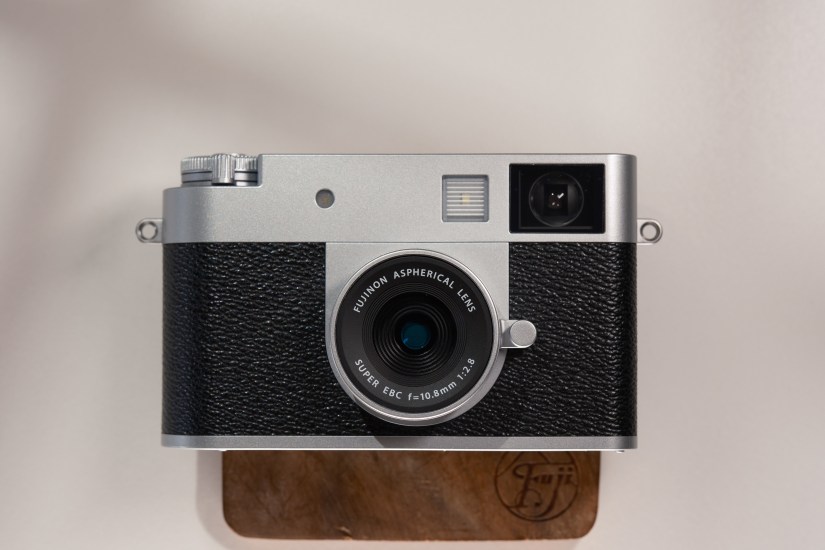
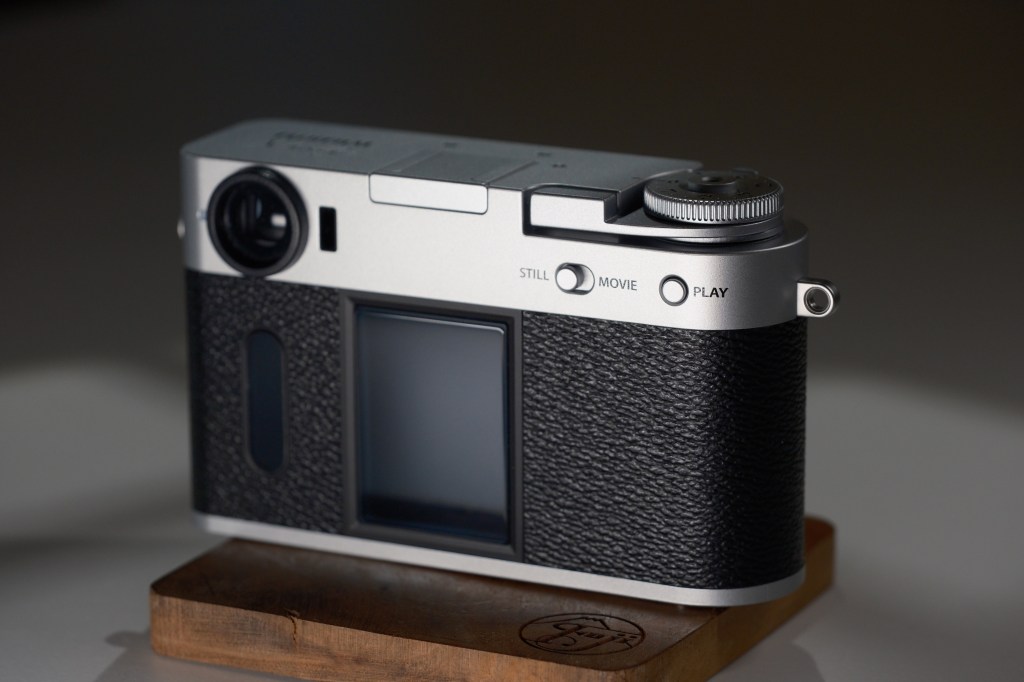
Fujifilm X-Half

As the title suggests, I’ve only spent one week with this little camera. So unlike my usual lens reviews where I give things at least two weeks, everything here is based purely on seven days of real-world use.

Intro

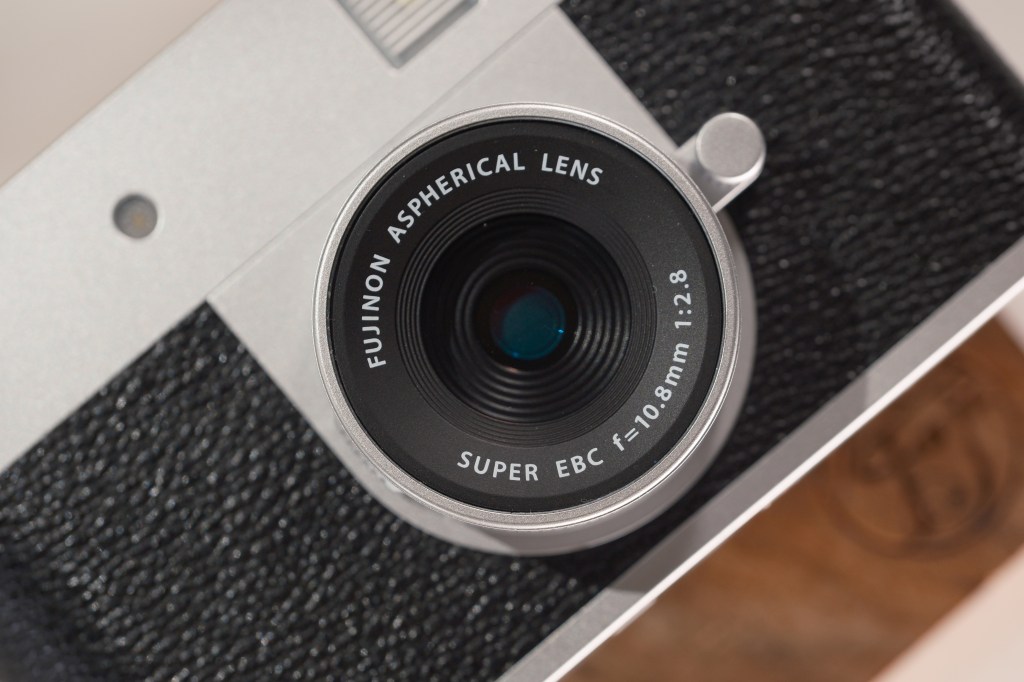
The X-Half was announced on 22 May 2025 and officially released in mid-June 2025. Like the X100 and X70 series, it features a fixed lens, this time with a 10.8mm focal length, which translates to approximately 32mm in full-frame terms. On paper, the focal length seems alright for me since I am a 35mm lover. But how does it actually feel in daily use?

Fujifilm X-Half
Fujifilm X-Half

First, let’s talk about the name. The word “Half” comes straight from the film era, when film was expensive (and honestly, it still is, maybe even more so now). Half-frame cameras used only half of a standard 35mm frame (18×24mm instead of 24×36mm), effectively doubling the number of shots per roll. A 36-exposure roll could suddenly give you 72 photos. These cameras were typically compact, economical, and often encouraged vertical shooting. The results were usually scanned as pairs or as individual frames.

Fuji X-Half . @ 10.8mm . f8. 1/1100″ . ISO 200 . Classic Negative

Once you understand this idea, Fujifilm’s intention with the X-Half becomes much clearer.

Design, Build Quality, Handling & The Shutter…

Fujifilm sticks to its familiar retro rangefinder-style design here, but with a slight twist. The X-Half definitely looks like it belongs to the X-Series family, but does it feel the same to use?

Fuji X-Half . @ 10.8mm . f2.8. 1/140″ . ISO 200 . Classic Negative

The first thing that hit me when I saw it in person was just how small it is. It’s been a long time since I’ve handled a truly compact camera like this. That said, once you pick it up, the plastic build doesn’t exactly inspire confidence. Yes, cameras like the X-M5 are also plastic, but this feels different. The X-Half feels closer to an Instax-style plastic than a traditional budget-friendly X-Series body like the X-M series.

Handling isn’t great either. There’s no hand grip at all, which makes it a bit awkward to hold, especially for larger hands. The Frame Advance Lever does help a little and gives you something to rest your thumb on, but it’s still not ideal. Having said that, 240 grams of lightweight is well distributed across the body, making it a good, balanced camera.

Frame Advance Lever

The shutter, on the other hand, is completely silent. No sound, no vibration, almost like nothing happened at all.

There’s also a small aperture ring lever, which is a nice idea since the aperture ring itself is small and might have a challenge changing the values if needed.

Fuji X-Half . @ 10.8mm . f2.8. 1/850″ . ISO 200 . Classic Negative

Menu and UI

I don’t usually spend much time talking about menus and UI, but the X-Half deserves a mention because it does things differently. The interface is not the same as other X-Series cameras. It uses a combination of a touch bar and a touchscreen, and it took me a few minutes to get used to it.

Fuji X-Half . @ 10.8mm . f2.8. 1/950″ . ISO 200 . Classic Negative

That said, Fujifilm did a decent job making the touch bar feel logical alongside the touchscreen. There’s a small learning curve, especially if you’re coming from the X-Series, but most people will probably get the hang of it pretty quickly.

You’ll also notice that the menu is heavily stripped down. Many familiar X-Series options are simply gone, which makes sense since the camera itself doesn’t support those features anyway.

One important thing to note: there’s no RAW support at all.

Sensor and Processor

The X-Half uses a vertically-oriented 1-inch, 18-megapixel BSI CMOS sensor with a base ISO of 200. This is the first Fujifilm camera to use a sensor like this. As for the processor, Fujifilm hasn’t said what’s inside, but it’s definitely not the X-Processor 5 found in cameras like the X-T5, X-E5, or X-M5. (My guess is it could be EXR Processor II or X-Processor Pro) 

Fuji X-Half . @ 10.8mm . f2.8. 1/1500″ . ISO 200 . Nostalgic Negative

Honestly, that’s not surprising. The latest processor would be overkill for an 18MP sensor, especially when there’s no RAW shooting. You can also feel it in real use: sometimes the camera takes a few seconds to process an image before you can preview it, and startup time is noticeably slower than other X-Series cameras.

A quick side note: you can preview your last shot by pushing the Frame Advance Lever, which is a fun idea, but it’s slow. Pressing the Play button is still the faster way to check your images.

Focal Length

The fixed 10.8mm lens gives you a 32mm full-frame equivalent field of view. That’s slightly wider than my favorite 35mm focal length. In day-to-day shooting, I didn’t really have any major issues with it, though occasionally it did feel just a bit too wide for my framing style. Overall, though, it’s still a very usable focal length.

10.8mm focal length

Image Quality

Image quality is decent and perfectly usable when shooting wide open in good daylight. Once you move into low-light situations, things start to fall apart a bit, images get softer and noisier. Still, for social media use, the results are more than acceptable. At the end of the day, this is a 1-inch sensor.

Fuji X-Half . @ 10.8mm . f2.8. 1/80″ . ISO 12,800 . Nostalgic Negative

Contrast is good, and I didn’t really notice any obvious vignetting or chromatic aberration. Sunstars are present, but they’re nothing dramatic.

Performance

Startup time is slow. I didn’t measure it exactly, but it’s definitely much slower than any other X-Series camera I’ve used. If you’re trying to grab a quick snapshot, there’s a good chance you’ll miss the moment before the camera is ready.

Fuji X-Half . @ 10.8mm . f2.8. 1/1250″ . ISO 200 . Classic Chrome

Autofocus performance is fine in good light, but it struggles in low-light environments. More strangely, I also noticed occasional focus misses even in daylight. This happened regardless of lighting conditions, which was a bit puzzling. Hopefully, this is something Fujifilm can improve with firmware updates.

Minimum Focus Distance

One pleasant surprise: the minimum focus distance is just 10cm. That’s great if you enjoy shooting close-ups with a wide-angle perspective.

Fuji X-Half . @ 10.8mm . f2.8. 1/2000″ . ISO 200 . Nostalgic Negative

Battery Life

The X-Half uses the NP-W126S battery, and honestly, it’s more than enough for a camera like this. I shot over 400 photos, transferred hundreds of them to my phone, and still had more than half a battery left.

For travel, carrying one spare battery should be more than sufficient.

Fuji X-Half . @ 10.8mm . f2.8. 1/1400″ . ISO 200 . Nostalgic Negative

Feedback

The camera comes with a cold shoe, which surprised me, and a lot of other reviewers too. That said, I do wonder why Fujifilm didn’t just include a hot shoe instead. This isn’t a cheap camera, after all. I understand that the target audience may not care, but it’s always nice to have the option.

Another odd choice is the LED flash instead of a xenon flash. It works fine for close subjects, but it’s not powerful enough for full-body portraits. I understand that a xenon flash would consume more power, especially with the NP-W126S battery, but it’s still worth mentioning.

The optical viewfinder is also very small (very much like that from the Instax camera). You’ll probably only use it in analog shooting mode. I really wish Fujifilm had gone with a semi-hybrid solution, something that shows at least basic shooting information, without needing a full X-Pro or X100-style hybrid viewfinder.

Others

The X-Half offers two standout shooting modes.

The first mimics shooting two exposures on a single 35mm frame. It can be fun and creative for storytelling if you know how to use it properly; unfortunately, I’m not very good at it.

Two exposures in 1 frame

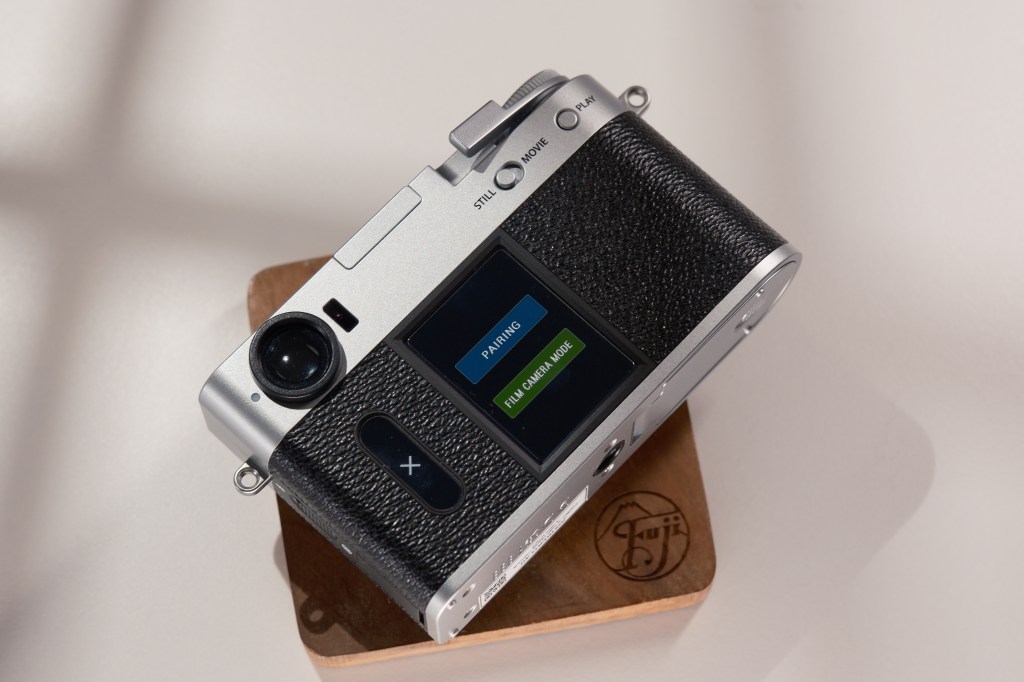
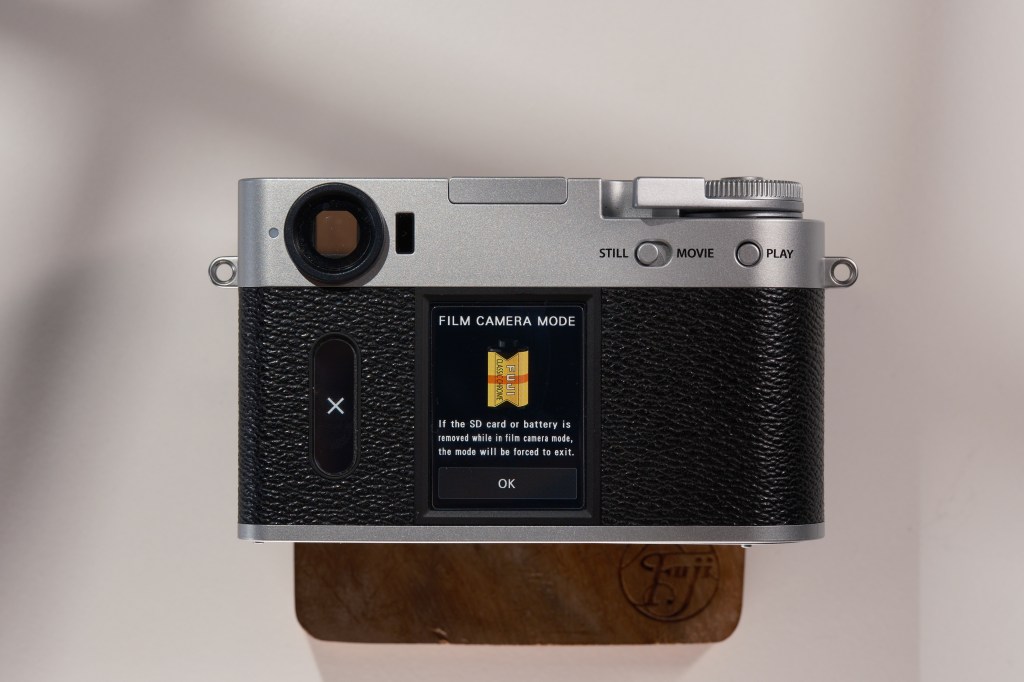
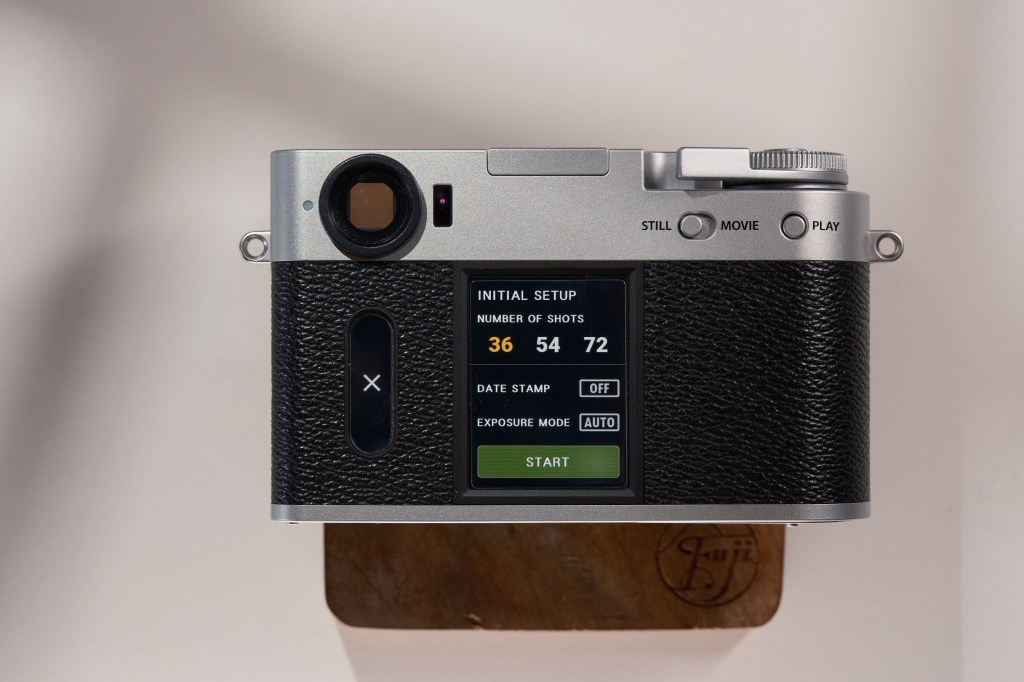
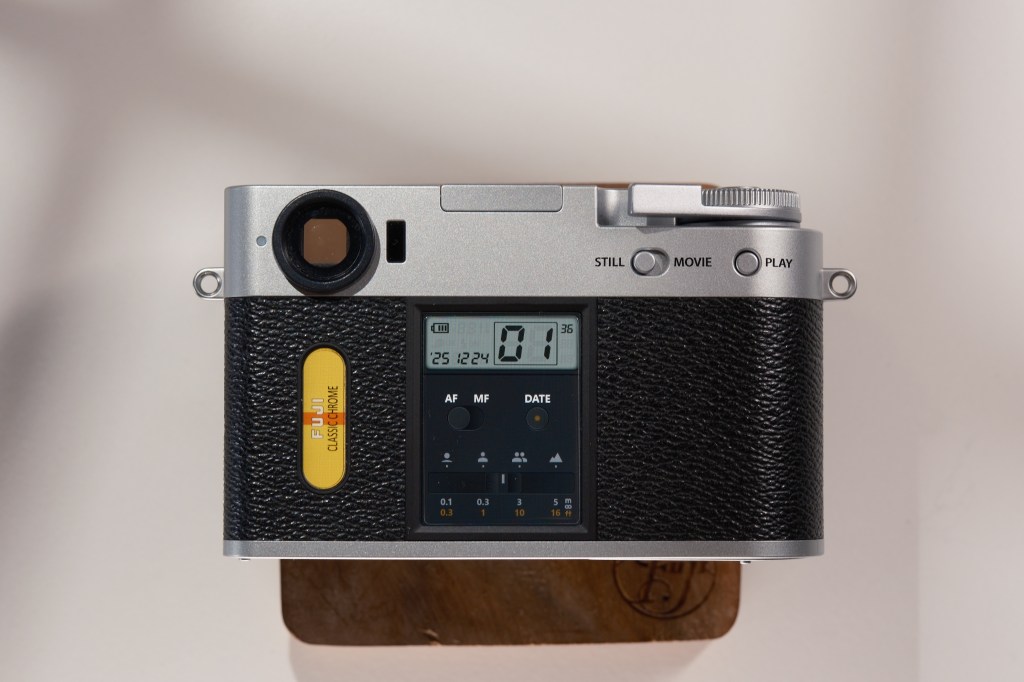
The second mode is the analog film camera mode experience. You choose a film simulation, select how many exposures you want (36, 54, or 72), and start shooting. In this mode, you can’t preview your images, and you must use the Frame Advance Lever after every shot, just like a real film camera.

Entering Film Camera Mode
Select Film Simulation
Select the number of exposures

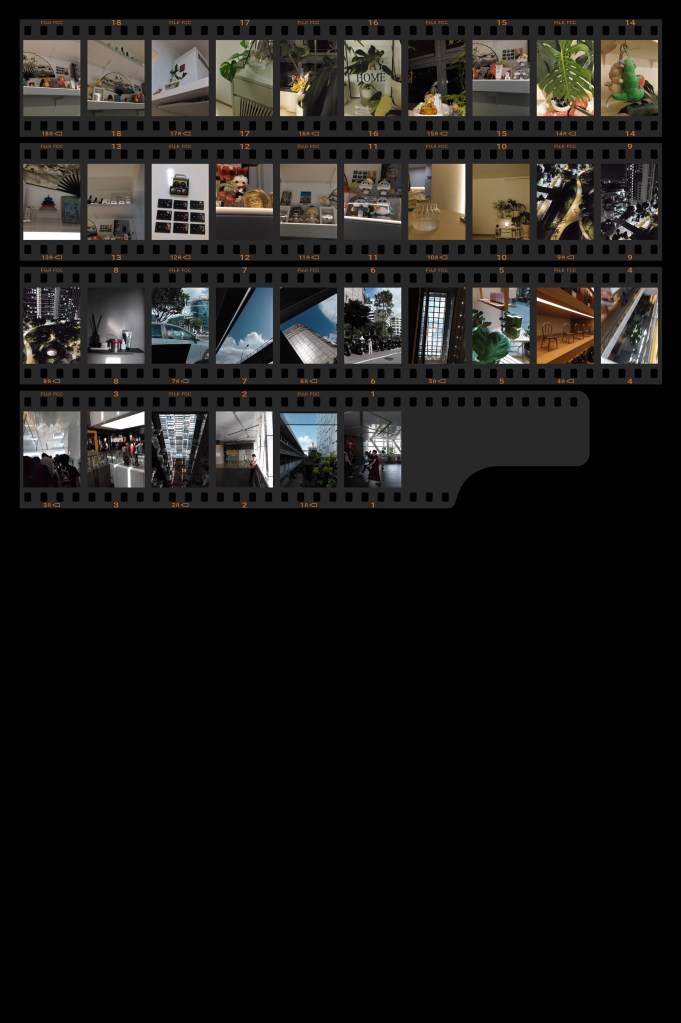
Once you finish the “roll,” the camera shows a film rewind animation and asks you to preview and download your images through the X-Half app on your phone. It sounds troublesome, but it’s still far easier than dealing with real film development or scanning at home.

Film Camera Mode begins
Developing photo via the X-Half app
Delevloped result

The camera also comes with a USB-C port for charging and file transfer, which is always welcome.

USB-C Port
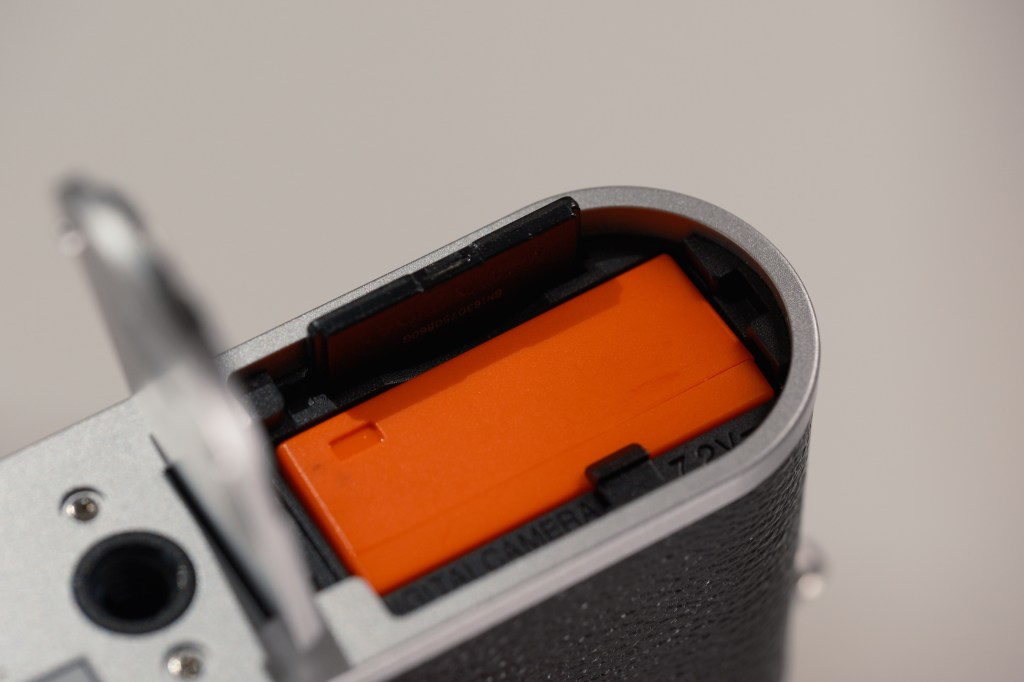
Smallrig NP-W126S and SD card slot

Who is this for?

The X-Half is clearly a tribute to the good old days, wrapped in a modern digital package. It gives photographers a taste of how shooting used to feel.

Fuji X-Half . @ 10.8mm . f8. 1/680″ . ISO 200 . Classic Negative

If you love nostalgia and enjoy using analog film cameras, this camera might be for you. Beyond that, it’s honestly quite hard to justify owning it.

Price Point

At 649 USD/999 SGD, the price feels steep for such a limited shooting experience. If you really love the size and concept, I’d recommend waiting for a sale.

Conclusion

The X-Half is a unique camera with a very unique and somewhat awkward, priced position. Personally, I think it’s a fun camera to bring along to parties, casual gatherings, or events. Its small size makes it easy and approachable for almost anyone to use, and it can work as a street camera if image quality isn’t your top priority.

From left to right: Fujifilm X-E5, Fujifilm X-Half and Fujifilm X100VI
Behind: Fujifilm X-E5, and Fujifilm X100VI
Front: Fujifilm X-Half

What excites me most, though, is Fujifilm’s move to a 1-inch sensor. This opens up a lot of possibilities for future cameras, maybe even a revival of something like the X10 series. Will we see that happen? I really hope so.

Thank you for reading.

If you are interested in this lens, head down to this affiliate link to purchase yours. 
Disclaimer:
1. All the shots taken here are shot by me.
2. Most of the shots are straight out of the camera with some shots edited via In-Camera Raw Processing.

3. The opinions are based on my experience. If there is any mistake, please kindly drop me a message and I will gladly make the amendment.
4. I reserve ownership of these images, if you wish to use my images, please notify me.
If you like my works, please follow me on either one of the 2 Instagram accounts:
https://www.instagram.com/alwinkok_
https://www.instagram.com/alwin.portraits
If you have a Facebook account, feel free to join Fujifanboys FB group.


If you like my content and you want to show some support and keep this blog alive, you can buy me a coffee here.
Reviews

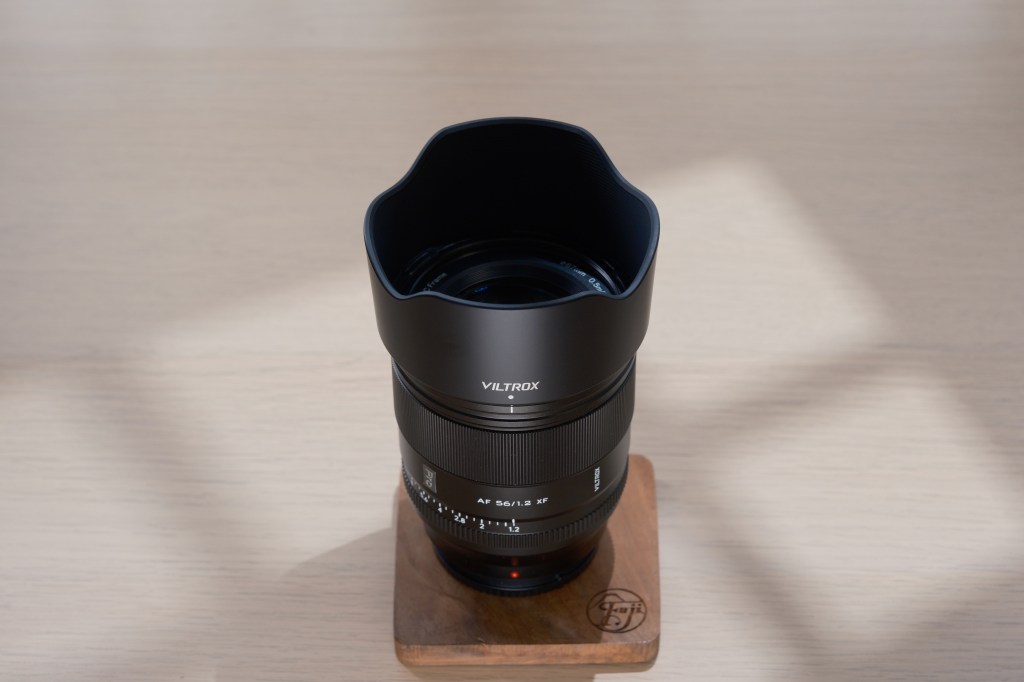
Viltrox 56mm f1.2 Pro – Meet the Portrait Diva

The 85mm full-frame equivalent has long been considered the ideal portrait focal length. Its natural facial rendering, flattering compression, and versatility have made it the gold standard among portrait photographers worldwide. The newly release Viltrox 56mm f1.2 Pro is the lens created for this purpose.

Viltrox 56mm f1.2 Pro

Intro

The Viltrox 56mm f1.2 Pro marks the third addition to Viltrox’s growing “Pro” lineup, following the 75mm f1.2 Pro and 27mm f1.2 Pro. Announced on 1 September 2025, this lens comes in both X-mount and E-mount versions.

Fuji X-E5 . Viltrox 56mm f1.2 @ 56mm . f1.2 . 1/12000″ . ISO 125 . Nostalgic Negative

Design and Build Quality

Like its 27mm and 75mm siblings, the Viltrox 56mm f1.2 Pro carries a consistent design language. The all-metal lens barrel immediately feels premium, like you’re holding something worth every dollar spent.

Fuji X-E5 . Viltrox 56mm f1.2 @ 56mm . f1.2 . 1/450″ . ISO 400 . Classic Negative

The aperture ring is satisfyingly clicky, with just the right amount of tension and tactile feedback. Nothing feels loose, sloppy, or overly stiff.

It comes with a 67mm filter thread and weighs 575 grams. It’s definitely not a tiny lens, but it balances reasonably well on bodies like the X-T5 and X-E5 (with grip). For comparison, Fujifilm’s own XF56mm f1.2 WR comes in at 445 grams.

Fuji X-M5 . Viltrox 56mm f1.2 @ 56mm . f5.6 . 1/900″ . ISO 320 . Nostalgic Negative

Image Quality

As expected from a “Pro” lens, the Viltrox 56mm f1.2 does not disappoint. It’s already sharp at wide open, with pleasing contrast and well-controlled chromatic aberration, even to my imperfect eyes. Vignetting is present but mild and easily corrected or avoided by stopping down or process in post.

Fuji X-M5 . Viltrox 56mm f1.2 @ 56mm . f1.2 . 1/14000″ . ISO 320 . Classic Chrome

The background blur is smooth with a gentle transition between in-focus and out-of-focus areas. Overall, the rendering feels clean and pleasant. No real complaints here.

Focusing

Viltrox equipped this lens with its Dual HyperVCM motor, but how does it perform in reality?

Fuji X-M5 . Viltrox 56mm f1.2 @ 56mm . f5 . 1/90″ . ISO 3200 . Classic Negative

On both the X-T5 and X-M5, autofocus is generally snappy, silent, consistent, and accurate. I do get an occasional miss on the first try, but nothing worrying.

Fuji X-M5 . Viltrox 56mm f1.2 @ 56mm . f1.2 . 1/1250″ . ISO 320 . Classic Negative

However, pairing it with the X-E5 gave me a very different experience. The autofocus mechanism jammed repeatedly, so much so that even remounting the lens or swapping with other lenses didn’t fix it. It would jam again after a few shots. I can ’t explain why, but the issue exists. X-E5 users should take note.

Another thing I observed: Eye-AF tends to jump rapidly between eyes and faces more often than other third-party lenses I’ve tested. I’m unsure whether this is a copy-specific issue or a broader batch issue, but I hope a future firmware update will address it.

Fuji X-T5 . Viltrox 56mm f1.2 @ 56mm . f1.2 . 1/350″ . ISO 125 . Nostalgic Negative
Fuji X-T5 . Viltrox 56mm f1.2 @ 56mm . f1.2 . 1/80″ . ISO 200 . Nostalgic Negative

Minimum Focus Distance (MFD)

At 50cm, the MFD is impressive for a mid-telephoto lens, identical to the Fujifilm XF56mm f1.2 WR. You can get quite close without losing image quality, which is great for tighter product shots.

Fuji X-E5 . Viltrox 56mm f1.2 @ 56mm . f1.2 . 1/170″ . ISO 1600 . Nostalgic Negative
Fuji X-M5 . Viltrox 56mm f1.2 @ 56mm . f1.2 . 1/160″ . ISO 320 . Nostalgic Negative
Fuji X-M5 . Viltrox 56mm f1.2 @ 56mm . f1.2 . 1/125″ . ISO 640 . Classic Negative

Price Point

Initially priced at 580 USD, the lens now goes for around 464 USD, making it extremely competitive, especially when the XF56mm f1.2 WR sells for 1099 USD at B&H.

Sirui also offers a 56mm f1.2 variant at $280 USD, but personally, I wouldn’t recommend that one.

Fuji X-T5 . Viltrox 56mm f1.2 @ 56mm . f1.2 . 1/50″ . ISO 3200 . Nostalgic Negative

Others

As with all Viltrox autofocus lenses, the USB-C port is positioned at the rear, which I prefer over the exposed designs (on the lens barrel) with rubber flaps.

Viltrox 56mm f1.2 Pro – USB-C port at the rear lens element

The lens is also weather-sealed, in true “Pro” fashion, though I’m not exactly planning to test the seals anytime soon.

Viltrox 56mm f1.2 Pro with lens hood

A lens hood is included, but it’s a bit disappointing that it’s plastic instead of metal.

Who is this for?

If you shoot portraits, this focal length deserves a place on your wishlist. But portraits aren’t the only thing it can do.

Fuji X-T5 . Viltrox 56mm f1.2 @ 56mm . f1.2 . 1/950″ . ISO 800 . Nostalgic Negative

During my testing, I found it great for product shoots, street photography, and even cityscapes. As long as the framing suits your vision, the lens delivers.

Conclusion

If you already own the Viltrox 27mm f1.2 Pro and 75mm f1.2 Pro, this lens completes the f1.2 Pro “trinity,” making your lineup feel wonderfully cohesive.

Viltrox 56mm f1.2 Pro and XF56mm f1.2 WR
Viltrox 56mm f1.2 Pro and XF56mm f1.2 WR (with lens hoods)

Viltrox has consistently impressed with its Pro series, excellent image quality, reasonable pricing, in exchange for slightly larger size and heavier builds. The 56mm f1.2 Pro follows that philosophy closely.

Fuji X-T5 . Viltrox 56mm f1.2 @ 56mm . f1.2 . 1/80″ . ISO 400 . Nostalgic Negative

Sure, the Fujifilm XF56mm f/1.2 WR edges out a bit in sharpness and autofocus reliability, but at two times the cost, is it worth it? That comes down to your priorities. If you’re chasing image quality but can’t justify the XF56mm f1.2 WR’s premium price, and you don’t mind the extra weight, the Viltrox 56mm f1.2 Pro is definitely worth considering.

X-E5 with Viltrox 56mm f1.2 Pro
X-M5 with Viltrox 56mm f1.2 Pro

Thank you for reading.

If you are interested in this lens, head down to this affiliate link to purchase yours. 

Disclaimer:
1. All the shots taken here are shot by me.
2. Most of the shots are straight out of the camera with some shots edited via In-Camera Raw Processing.

3. The opinions are based on my experience. If there is any mistake, please kindly drop me a message and I will gladly make the amendment.
4. I reserve ownership of these images, if you wish to use my images, please notify me.

If you like my works, please follow me on either one of the 2 Instagram accounts:

If you have a Facebook account, feel free to join Fujifanboys FB group.

If you like my content and you want to show some support and keep this blog alive, you can buy me a coffee here.

Reviews

Godox iT20 and iT22 – When Cute Meets Powerful

Godox has been on a roll lately, launching compact flashes faster than any competitor can catch up. The new Godox iT20 and iT22 are perfect examples of this momentum, proving once again that small doesn’t mean weak.

Fuji X-M5 with Godox iT20

Intro

Both flashes were announced in July 2025, just two months before the iT30 Pro hit the scene. The best part? Both support TTL, which is impressive for flashes this size and price.

Fuji X-E5 with Godox iT22

Design and Build Quality

Right out of the box, both models feel premium. The all-metal construction gives them a solid, confident feel in hand. The buttons are clearly laid out, well-spaced, and tactile with satisfying feedback.

One thoughtful detail: the power button (which also doubles as the test flash button) is concave, unlike the other convex buttons, making it easy to distinguish by touch.

Fuji X-M5 with Godox iT20
Fuji X-E5 with Godox iT22

Weight-wise, the iT20 tips the scale at 45g, and the iT22 at 52g, practically indistinguishable when you’re holding them.

Both use a small dot-matrix display, and despite the compact size, the information is crisp and easily readable in both bright outdoor light and darker indoor environments.

Godox iT20 dot matrix display
Godox iT22 dot matrix display

Design-wise, the difference is clear:

iT22 stands a little taller, a clever move to avoid interference from larger lenses or lens hoods.

iT20 has a sleek, low-profile shape, perfect for compact cameras and smaller lenses.

Control

Godox kept things simple and intuitive. You’ll find just four buttons: power, mode, plus, and minus, along with a release button to detach the flash from the hot shoe.

Magnetic Diffuser, 1/1 CTO Magnetic Color Filter, 1/2 CTO Magnetic Color Filter

Adjustments are straightforward. Flash power can be fine-tuned in six steps (1/32 to 1/1), and recycle time for a full-power flash sits at a very reasonable 1.5 seconds, quite good for a flash this size.

Flash Power

As their names suggest, the iT20 and iT22 have Guide Numbers of 20 and 22 (ISO 100). While those numbers may not sound huge on paper, they’re more than enough for most real-world uses, such as street photography, travel snaps, or casual portraits.

Fuji X-T5 with Godox iT20 & Magnetic Diffuser

Price Point

Both flashes retail for around USD 45, a very attractive price given the metal build, TTL support, and overall performance.

Godox iT20 USB-C port

Battery Life

Battery life is surprisingly solid. Each flash is rated for up to 700 full-power pops from the built-in 300 mAh battery. Even if you shave 20% off that for real-world use, that’s still over 500 shots, easily enough for a day of casual shooting.

Godox iT22 USB-C port

Charging is simple via the USB-C port, which is always appreciated.

Others

Godox adds a clever touch here: both models support magnetic accessories, letting you quickly attach diffusers, color gels, or other light shapers.

Fuji X-T5 with Godox iT22 & Magnetic Diffuser

Compatibility is also broad, available for Canon, Nikon, Sony, Fujifilm, OM System, and Panasonic. Just be sure to pick the correct version for your camera if you want TTL to work properly.

X-E5 with Godox iT22 and X-M5 with Godox iT20

Who is this for?

The iT20 and iT22 fit perfectly into the current direct flash trend that’s taking over social media and street photography. They’re also great for travel shooters, beginners, or anyone using a camera without a built-in flash.

Without flash

In short, they’re ideal little companions for photographers who want portability, simplicity, and versatility, and they make a great Christmas gift that won’t burn a hole in your pocket.

Conclusion

When it comes to compact flashes, Godox has effectively filled every niche a photographer might need. With premium build, TTL support, and affordable pricing, the iT20 and iT22 prove that sometimes the best things really do come in small packages.

X-E5 with Godox iT22 and X-M5 with Godox iT20

Thank you for reading. 

Disclaimer:
1. All the shots taken here are shot by me.
2. Most of the shots are straight out of the camera with some shots edited via In-Camera Raw Processing.

3. The opinions are based on my experience. If there is any mistake, please kindly drop me a message and I will gladly make the amendment.
4. I reserve ownership of these images, if you wish to use my images, please notify me.

If you like my works, please follow me on either one of the 2 Instagram accounts:

If you have a Facebook account, feel free to join Fujifanboys FB group.

If you like my content and you want to show some support and keep this blog alive, you can buy me a coffee here.

Reviews

Freewell X100VI Accessories: Adding a Little Extra Magic to the X100VI

Every now and then, something interesting pops up in the world of camera accessories, small things that somehow make a big difference in your shooting experience. For us Fujifilm X100 users, those little tweaks often go a long way.

The Freewell X100VI Accessories

Recently, the good folks at Freewell reached out and asked if I’d like to try their new X100VI accessories. Of course, I said yes — any excuse to take my favorite walkabout camera, the X100VI, out for another spin is a good one.

Before I dive in, I want to thank Freewell for generously sending not one, but three X100VI accessories for me to test. That said, everything you’ll read here comes straight from my own honest experience, as always.

The lineup includes:

  1. Fuji X100VI Thumb Grip with Cold Shoe Mount
  2. Fuji X100VI L-Bracket Premium Grip
  3. Fuji X100VI Real Lens Hood

Let’s go through each of them in that order.

Design and Build Quality

All three accessories share the same metal construction, giving them a premium and sturdy feel right out of the box. They match the clean, minimalist aesthetic of the X100VI perfectly and add a touch of refinement to the camera’s already sleek design.

Thumb Grip

As simple as it sounds, the thumb grip does exactly what you hope it would, it provides a solid resting spot for your thumb, making the camera much more comfortable to hold for longer periods.

Thumb Grip with Cold Shoe Mount

It doesn’t drastically change how the camera handles, but it adds just enough stability to make a noticeable difference.

Oh yes, the thumbgrip comes with a cold shoe mount if you ever need to use it for microphone or LED video light.

L Bracket Grip

At first glance, I wasn’t too impressed with the grip’s design. The top curve section where the small extended extra wood looked… odd. I couldn’t quite figure out why they designed it that way.

Then I attached it to the camera, and I was completely wrong.

L-Bracket Premium Grip

The curve contour actually makes it surprisingly comfortable, providing a natural resting point for my middle finger. The grip is also deep enough for a firm hold, and the wooden section feels fantastic in hand. You can tell the difference in material quality right away, it’s smooth, solid, and premium.

Base of the L-Bracket Premium Grip

And here’s a nice touch: it comes with a red shutter button, it’s a small detail that really adds to the X100’s charm.

Real Lens Hood

Now, the name “Real Lens Hood” caught my attention. Why “real”? I still don’t know, but the design itself speaks volumes.

The hood feels light yet premium, with a metal body that matches the X100VI’s build. Unfortunately, the lens cap is made of plastic, and not the best kind. It’s a small letdown compared to the rest of the build. Oh, and it even has an NFC tag built in, scan it for product info and support materials (though oddly, my iPhone couldn’t detect it, but my Android did).

Flippable Square Lens Hood with Filter
Flippable Square Lens Hood without Filter

That said, the hood comes with some neat tricks. It features a flippable design, letting you change filters without removing the hood entirely, a small but genuinely smart idea.

Two red rubber-tipped tabs make rotating filters smooth and easy, especially when you’re using Freewell’s included 49mm hybrid filter (a Circular Polarizer combined with a 1/4 Black Mist filter).

Rubber-tipped tab

CPL and Black Mist Filter

This hybrid filter is one of my favorite surprises in the kit. The CPL (Circular Polarizer) helps reduce glare and reflections on water, glass, and foliage while boosting color and contrast. You can control the effect by rotating the filter, that’s where the red tabs really shine.

The 1/4 Black Mist effect adds a gentle bloom to highlights and a soft cinematic glow around light sources. It also slightly reduces contrast in low light, giving your shots a moody, filmic atmosphere.
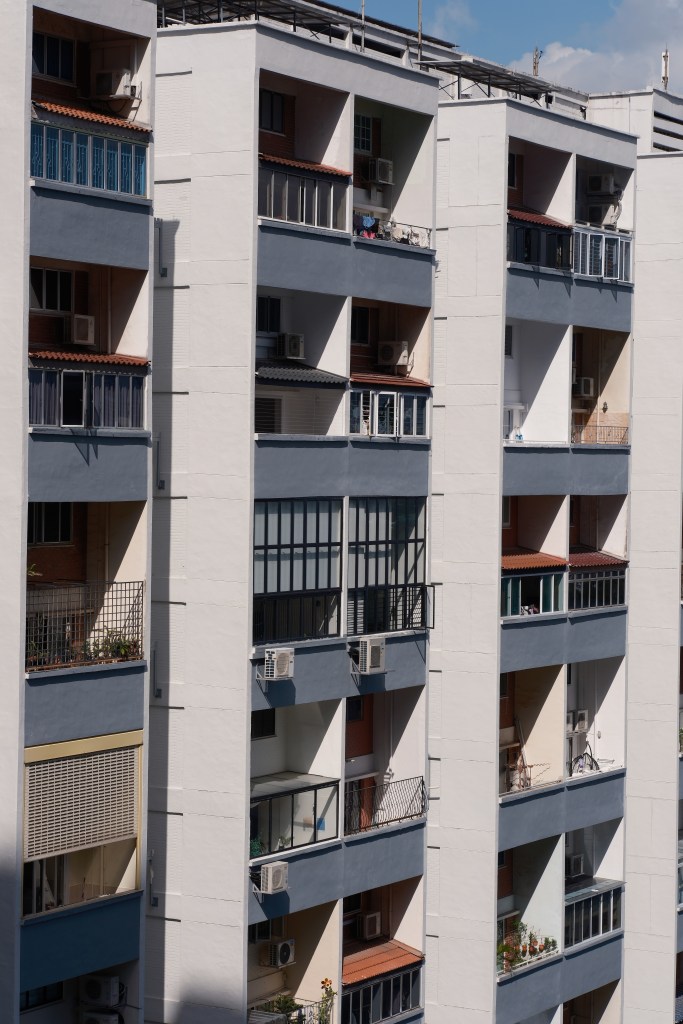
Among the usual 1/8, 1/4, and 1/2 mist options, I personally find 1/4 to be the perfect balance, noticeable but not overdone. It’s one of those filters that might take a bit of experimenting to fully appreciate, but once you get the hang of it, it adds real character to your images.
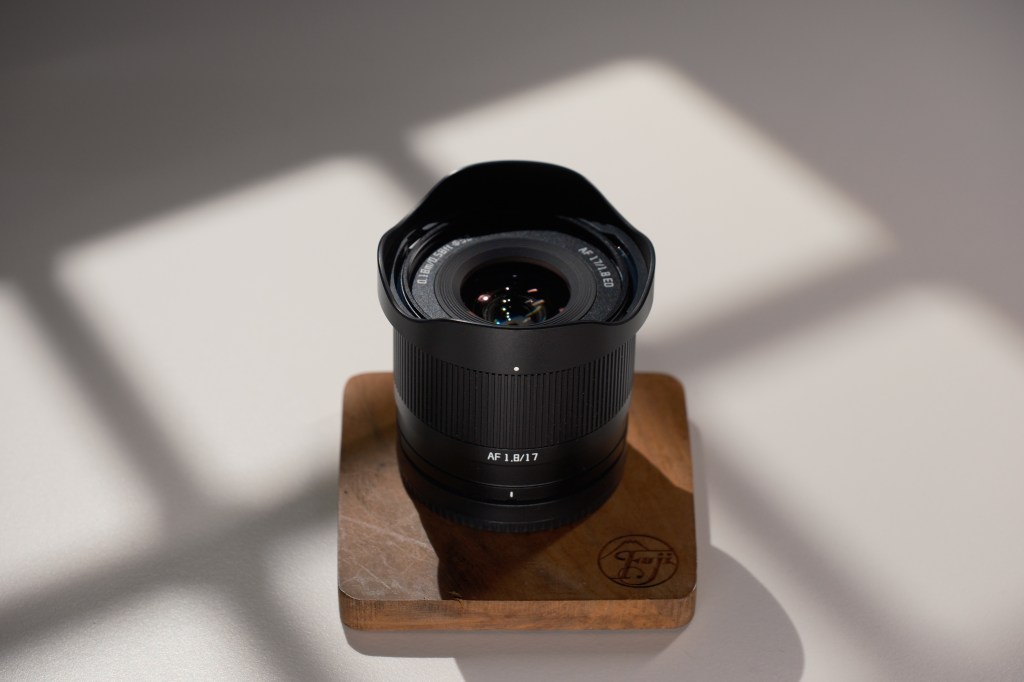
Price Point

Here’s the breakdown:

1. Fuji X100VI Thumb Grip with Cold Shoe Mount – 40 USD

2. Fuji X100VI L Bracket Premium Grip – 80 USD

3. Fuji X100VI Real Lens Hood – 130 USD

Considering the quality and usability, these prices feel reasonable, especially if you’re looking to give your X100VI setup a premium touch without going overboard.

Who is this for?

If you’re looking to enhance your X100VI experience, in handling, comfort, and overall shooting enjoyment, this is a solid trio to consider.

If you only want one accessory, I’d recommend the Real Lens Hood. It not only looks stylish with its square profile but also lets you swap filters easily without removing the hood, perfect for photographers who love working with filters.

Just note that it extends a little beyond the lens, both in width and length, but it adds function and flair at the same time.

Conclusion

Freewell has been around since 2012, earning a reputation for crafting innovative filters and camera accessories, from their popular magnetic filter systems to gear for photographers, drone pilots, action cam users, and now, X100 enthusiasts.

This was my first hands-on experience with Freewell products, and honestly, I’m impressed. The accessories feel high-quality, thoughtfully designed, and genuinely enhance the user experience.

They’ve turned my everyday X100VI into something that feels even more refined, and that’s exactly what good accessories should do.

X100VI with Freewell Accessories

Thank you for reading. 

Disclaimer:
1. All the shots taken here are shot by me.
2. Most of the shots are straight out of the camera with some shots edited via In-Camera Raw Processing.

3. The opinions are based on my experience. If there is any mistake, please kindly drop me a message and I will gladly make the amendment.
4. I reserve ownership of these images, if you wish to use my images, please notify me.

If you like my works, please follow me on either one of the 2 Instagram accounts:

If you have a Facebook account, feel free to join Fujifanboys FB group.

If you like my content and you want to show some support and keep this blog alive, you can buy me a coffee here.