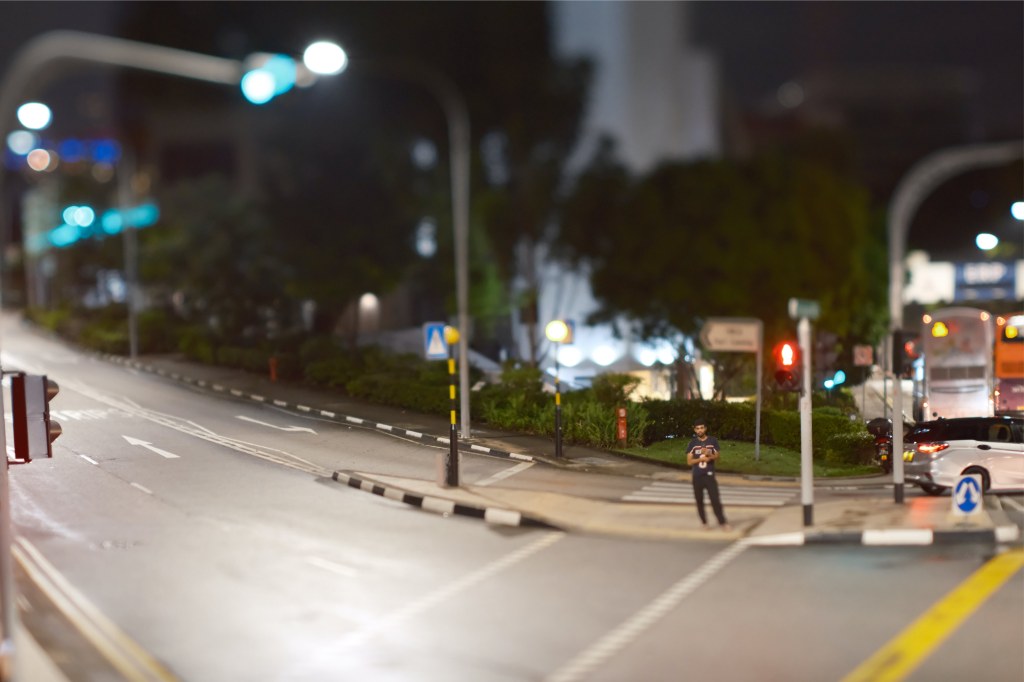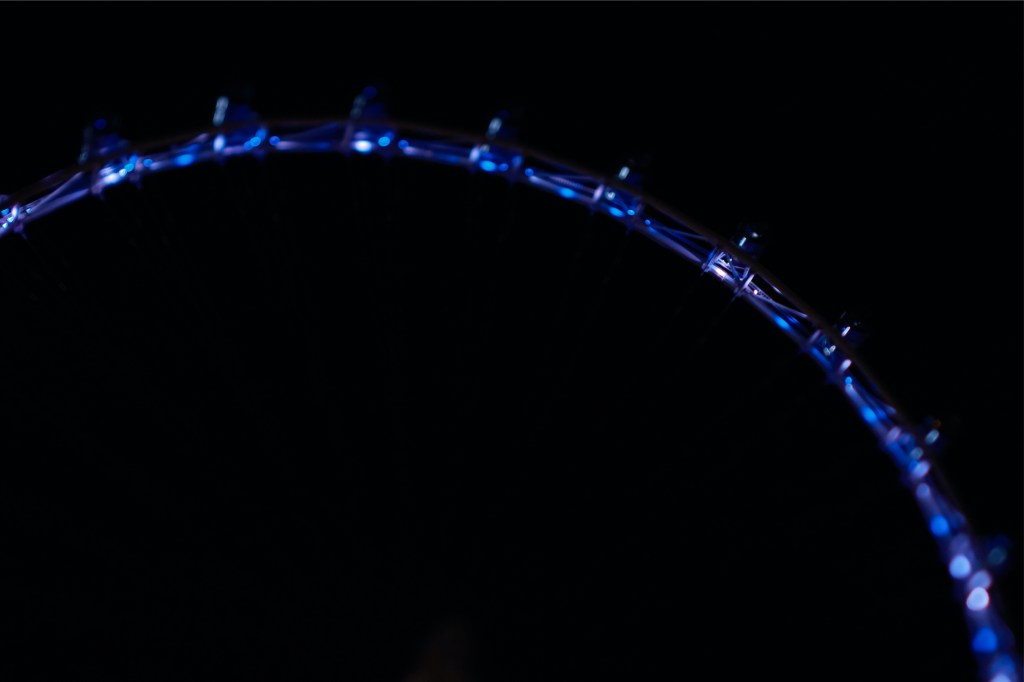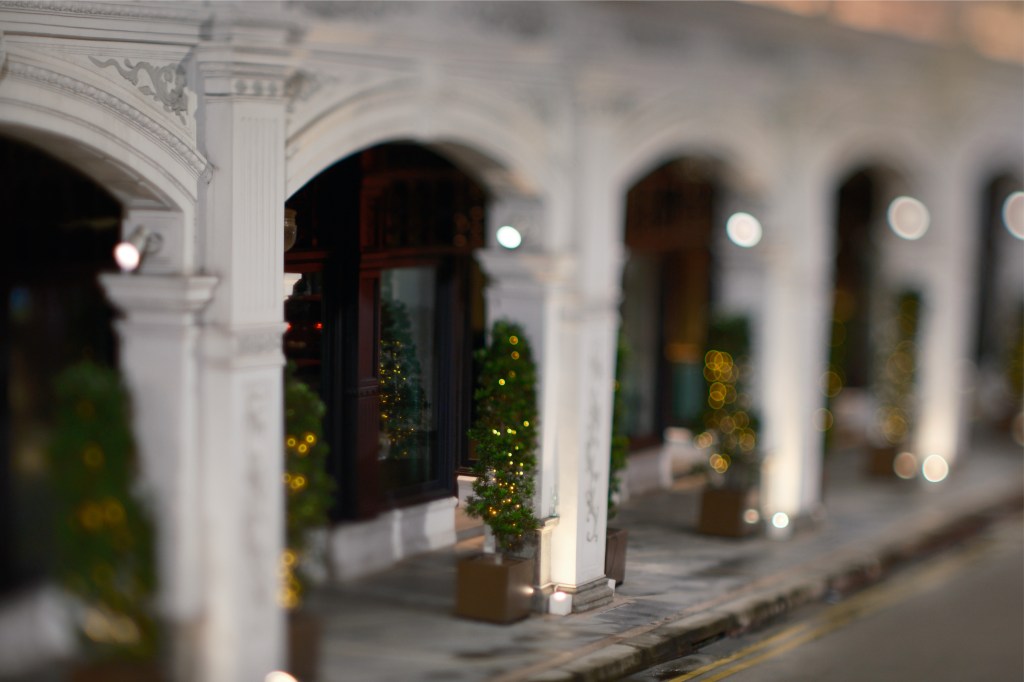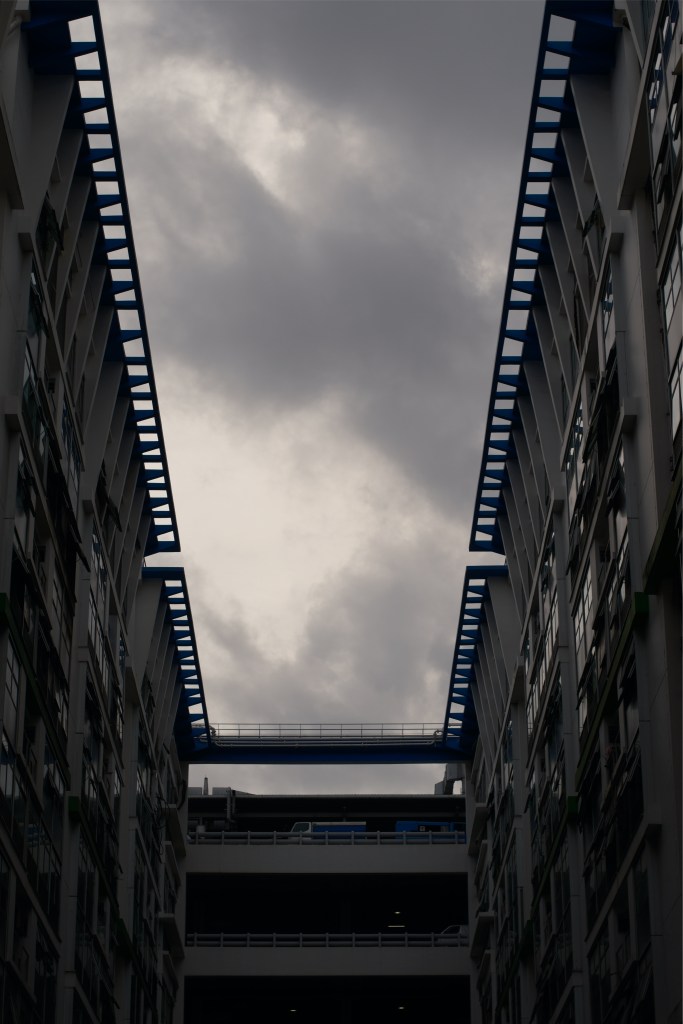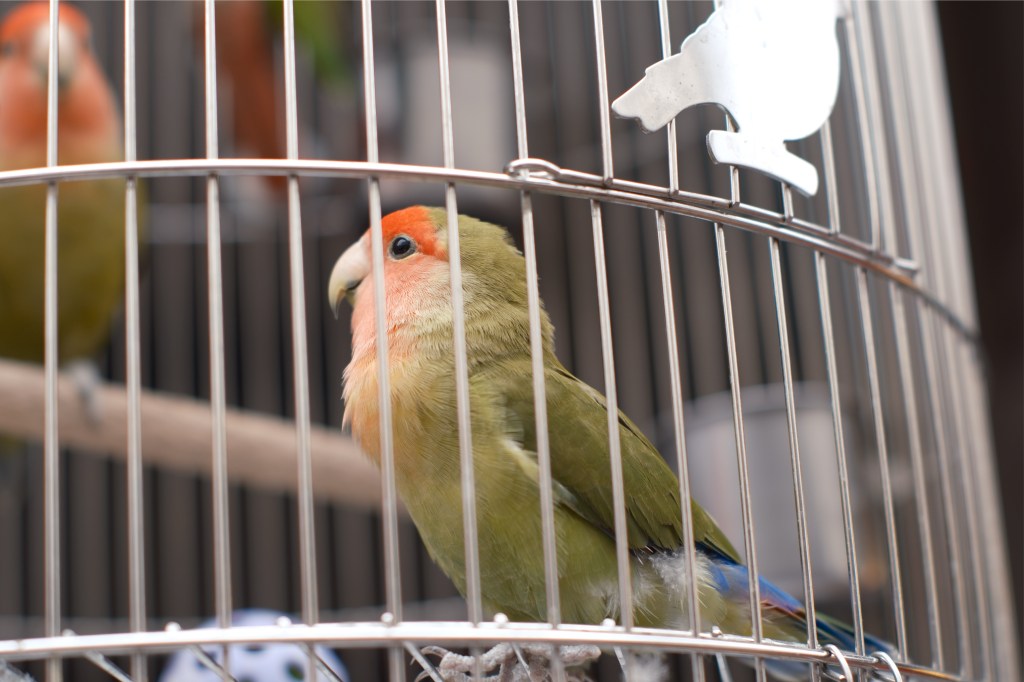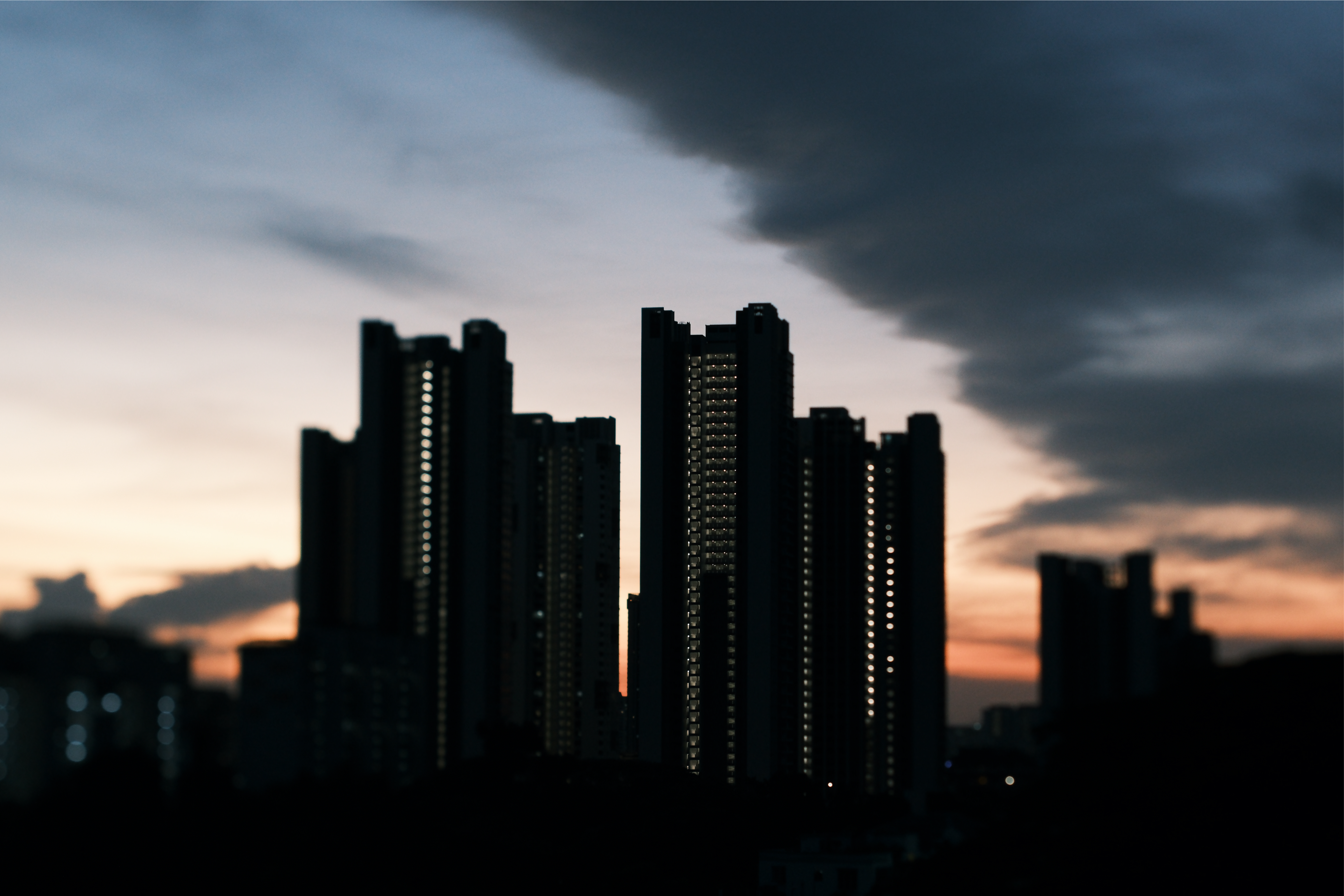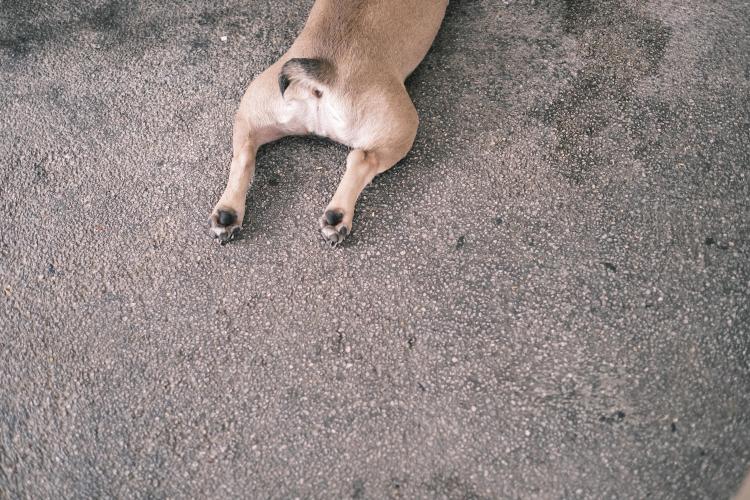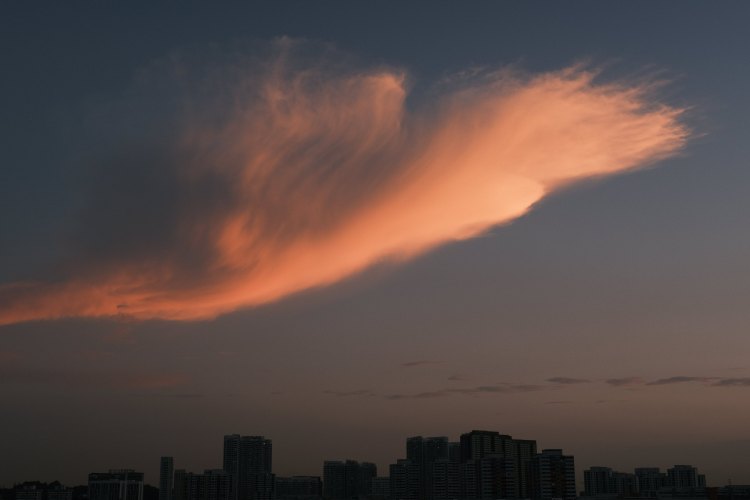

Reviews

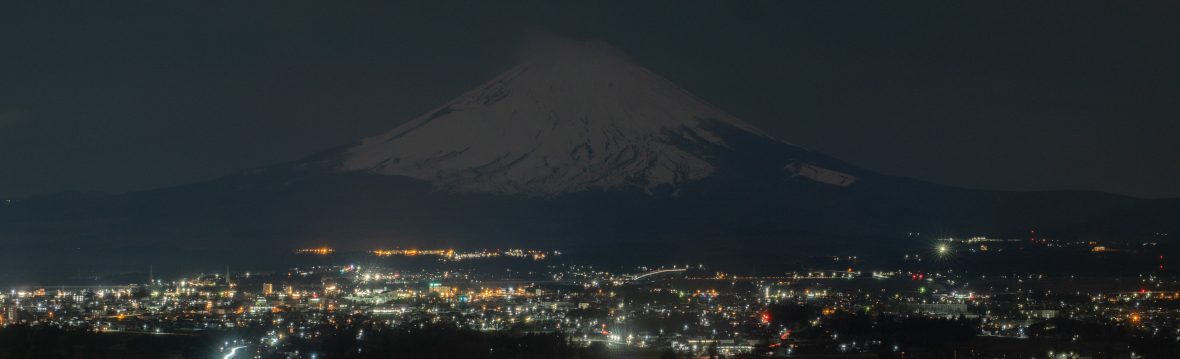
Sigma 18-50mm f2.8 – Fast & Compact

Intro

When it comes to third-party zoom lenses, Fujifilm photographers do not have many options. If I remember correctly, Sigma 18-50mm f2.8 DC DN Contemporary is the 3rd zoom lens (among the third-party lenses), and it is the first zoom lens from Sigma for Fuji available in the market.

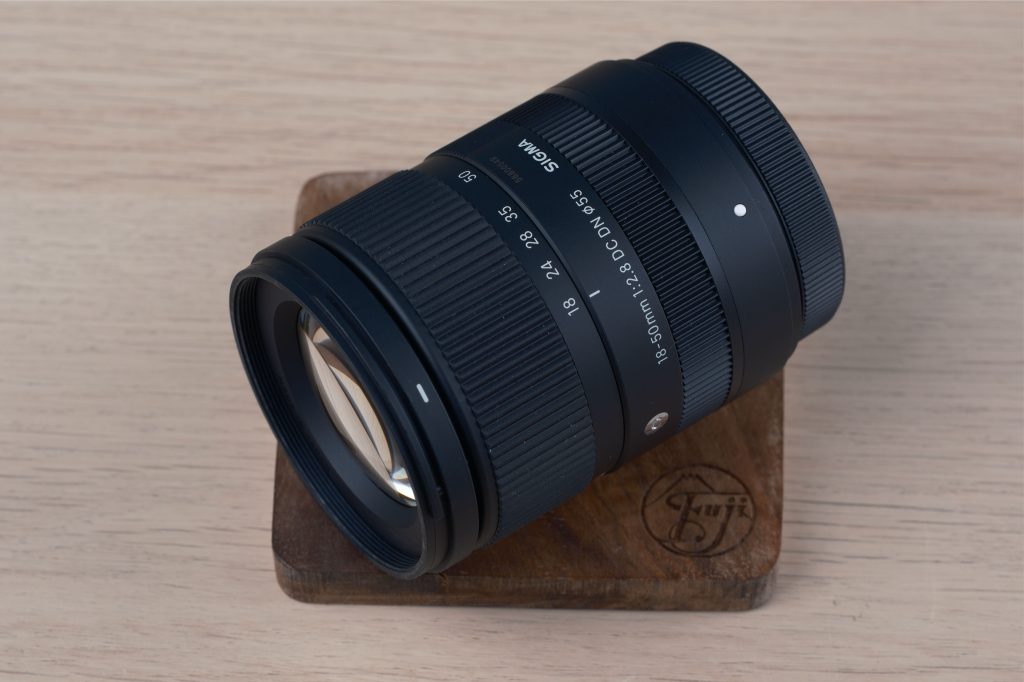
Sigma 18-50mm f2.8 was announced way back in October 2021 but that was meant for L-mount and E-mount cameras. The X-mount version was only announced merely one year later.

When I think about a constant f2.8 zoom lens, my perception of the lens is that it should be a huge lens, a big filter size, and be heavy. Sigma did a wise choice by doing something different with this lens. It is totally the opposite of what I just mentioned. It is so compact and small. And I can’t help thinking this might be a perfect choice to bring for travel.
Before I share further, allow me to thank Mr. Lawson from Sigma Marketing (Singapore) for loaning me the Sigma 18-55mm f2.8 Contemporary DC DN lens for review. I appreciate his support to make this review a reality.

Design and Build Quality

The overall design language of this lens shares a lot of similarities with Sigma 16mm f1.4, Sigma 30mm f1.4, and Sigma 56mm f1.4. It does not come with an aperture ring and the lens body is polycarbonate (also known as Thermally Stable Composite TSC) constructed.
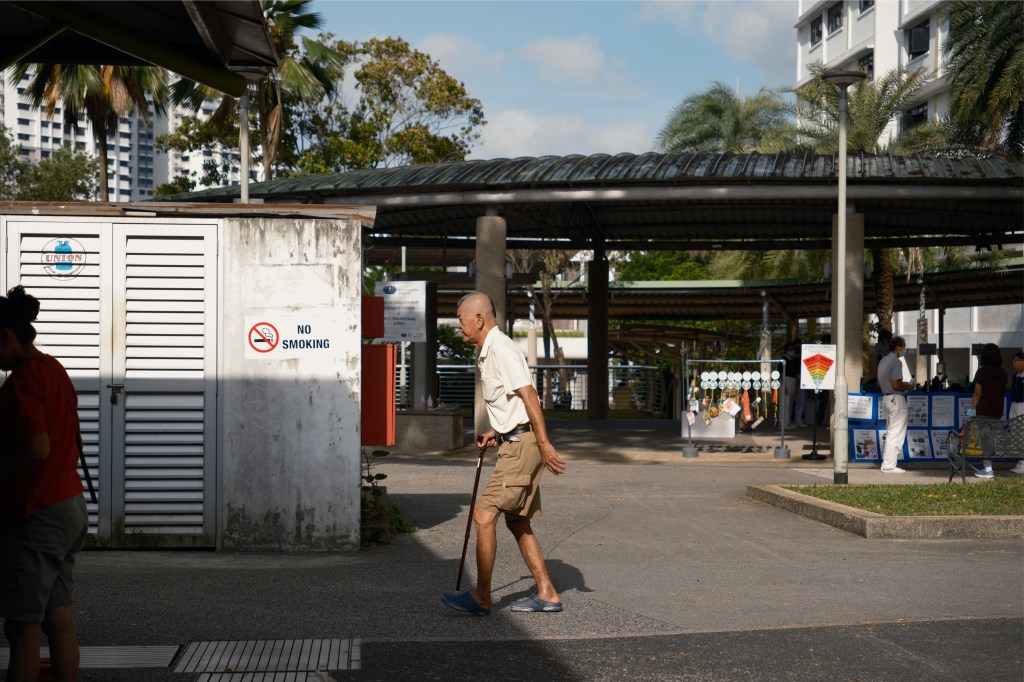
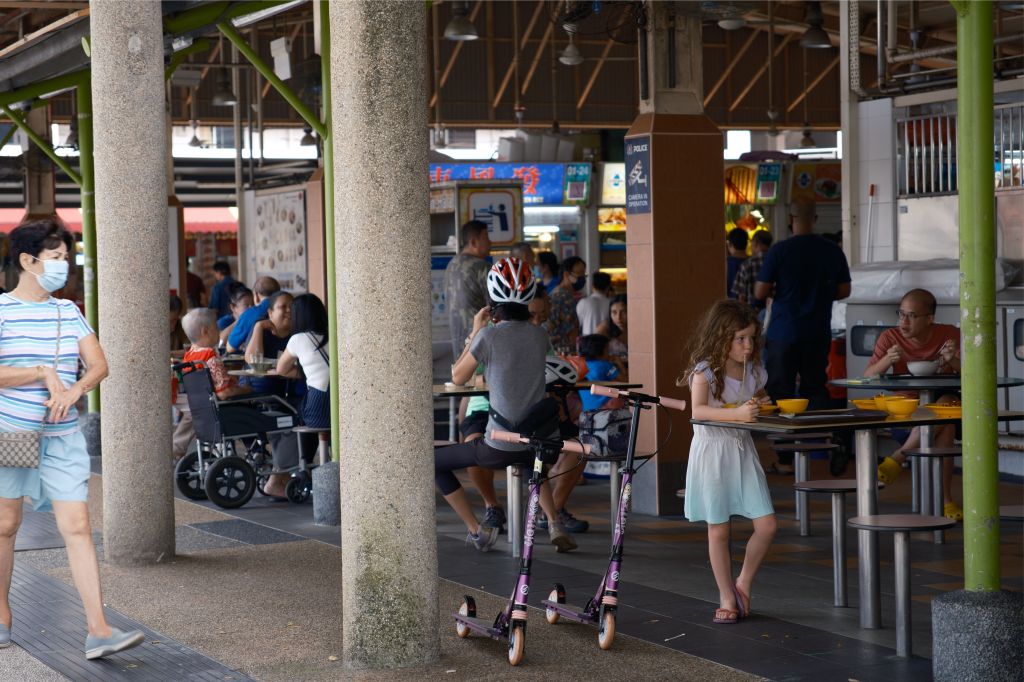
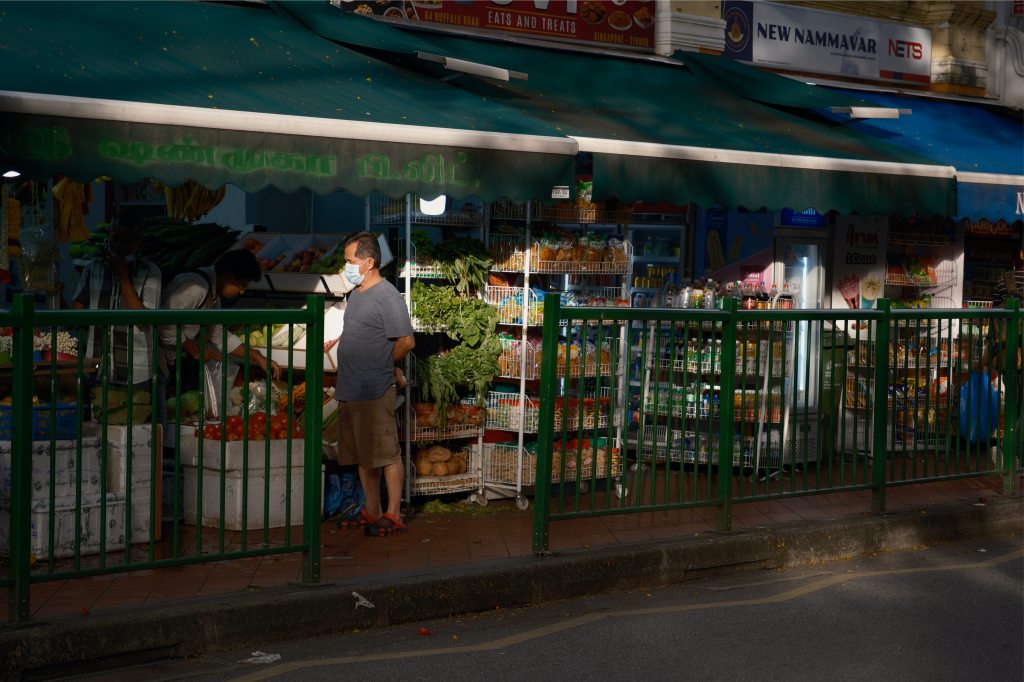
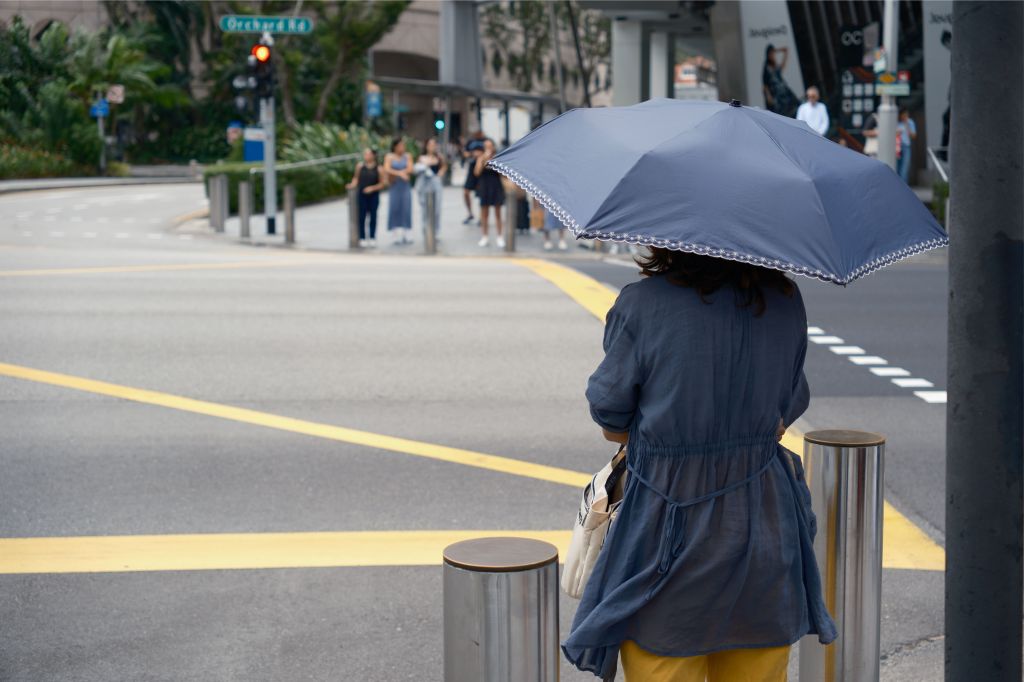
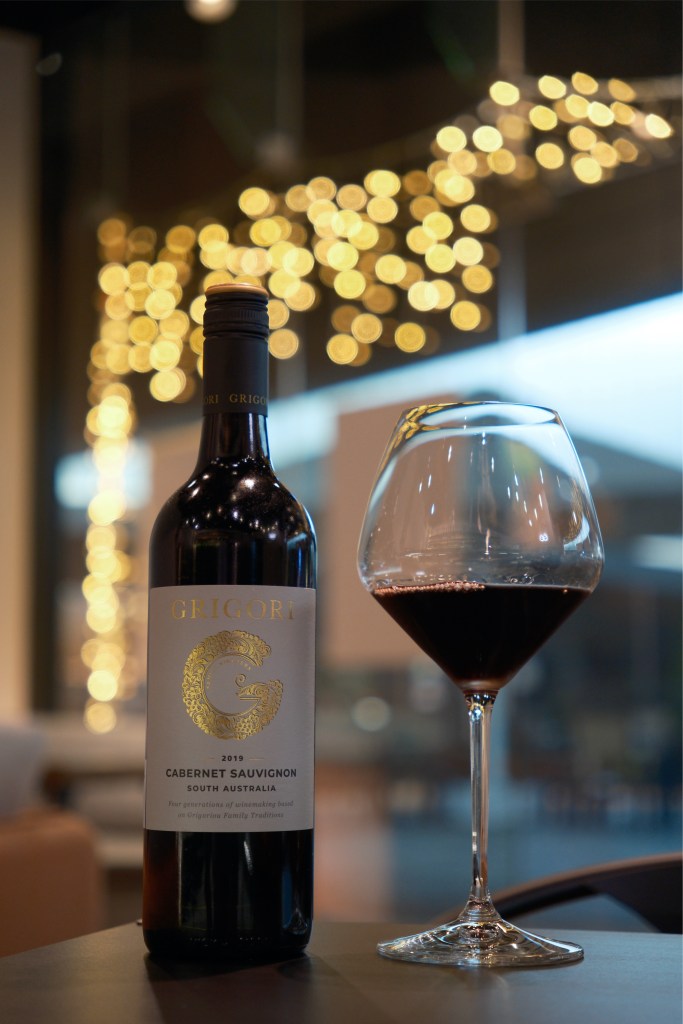
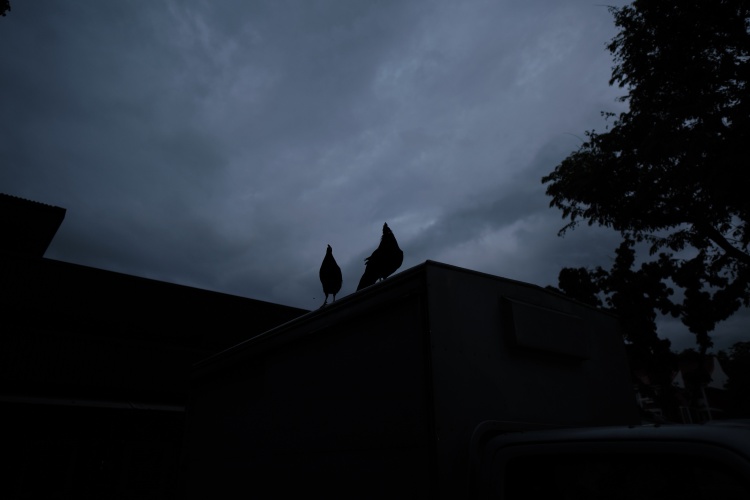
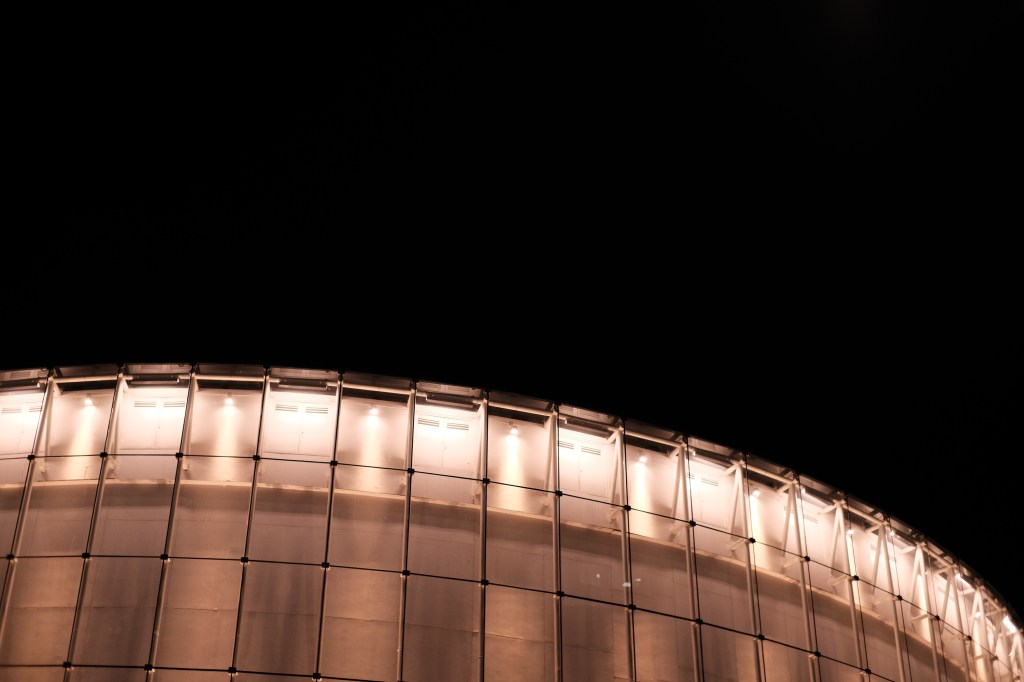
Fuji X-T5 . Sigma 18-50mm @ 45.6mm . f2.8 . 1/29000″ . ISO 125 . Nostalgic Negative

Having said that, this 285 grams lens (it is just 5 grams heavier than the Sigma 56mm f1.4 and 10 grams heavier than the Sigma 30mm f1.4) is genuinely great to hold with and the built quality is very sturdy and it does not give out a sense of cheap feeling.

The 28-75mm (in full-frame equivalent) also comes with dust and splash resistant. This compact lens comes with a filter size of 55mm which is very decent and photographers who buy filters are delighted to know about it.

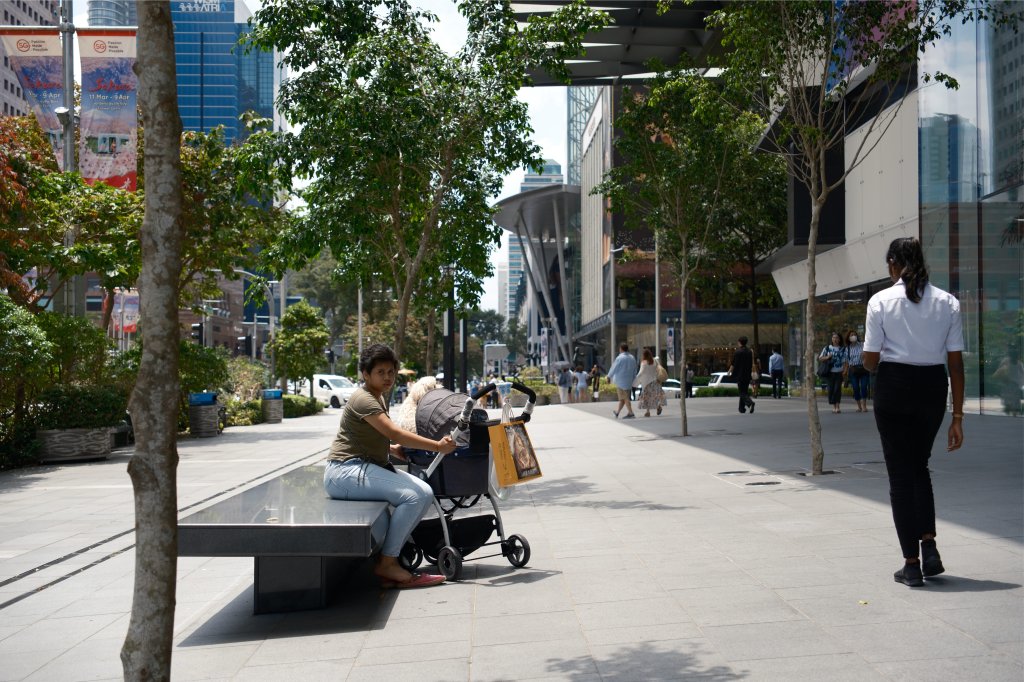
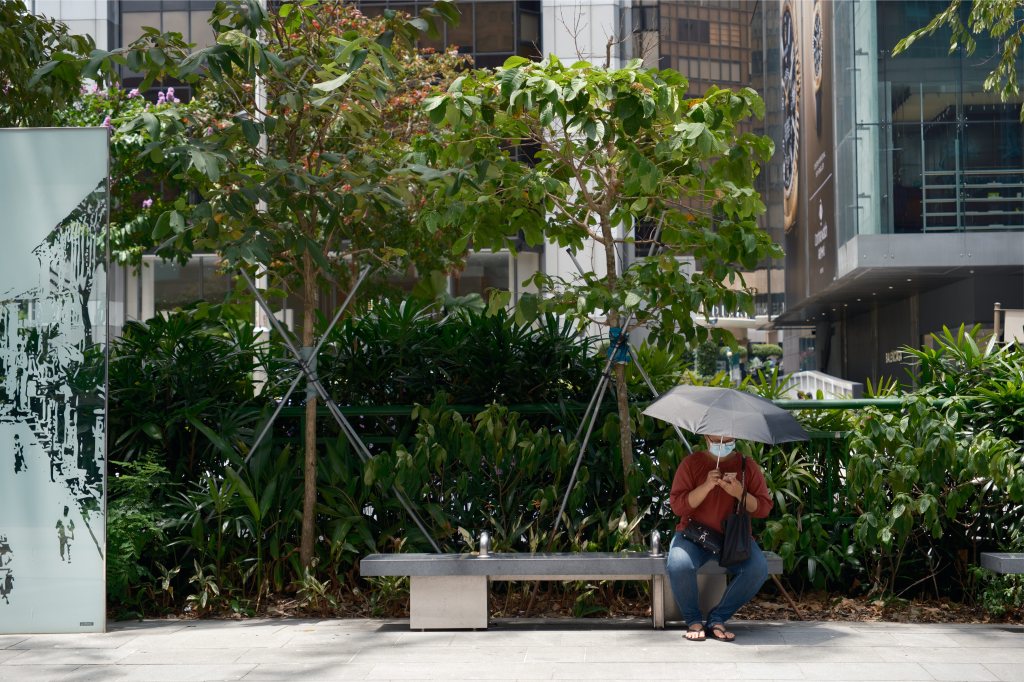
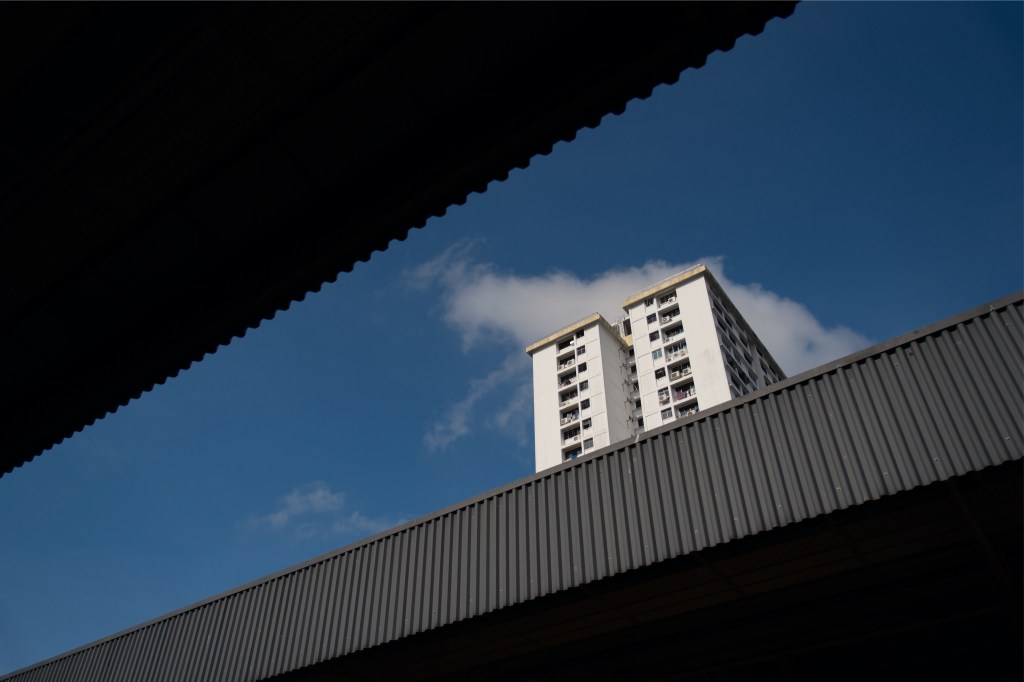
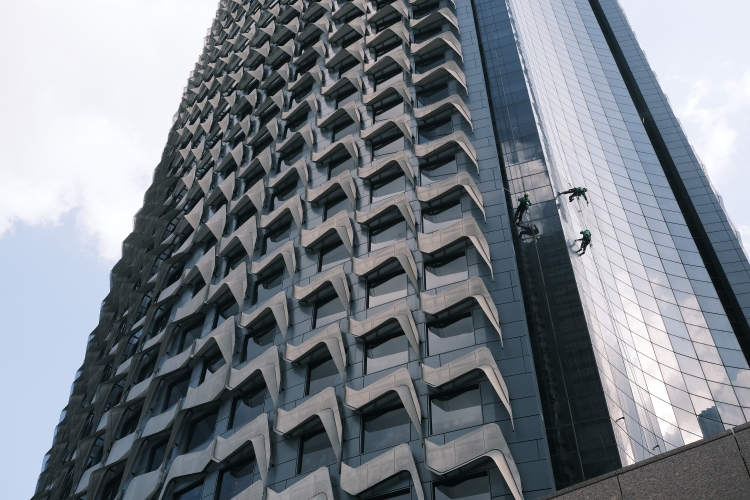
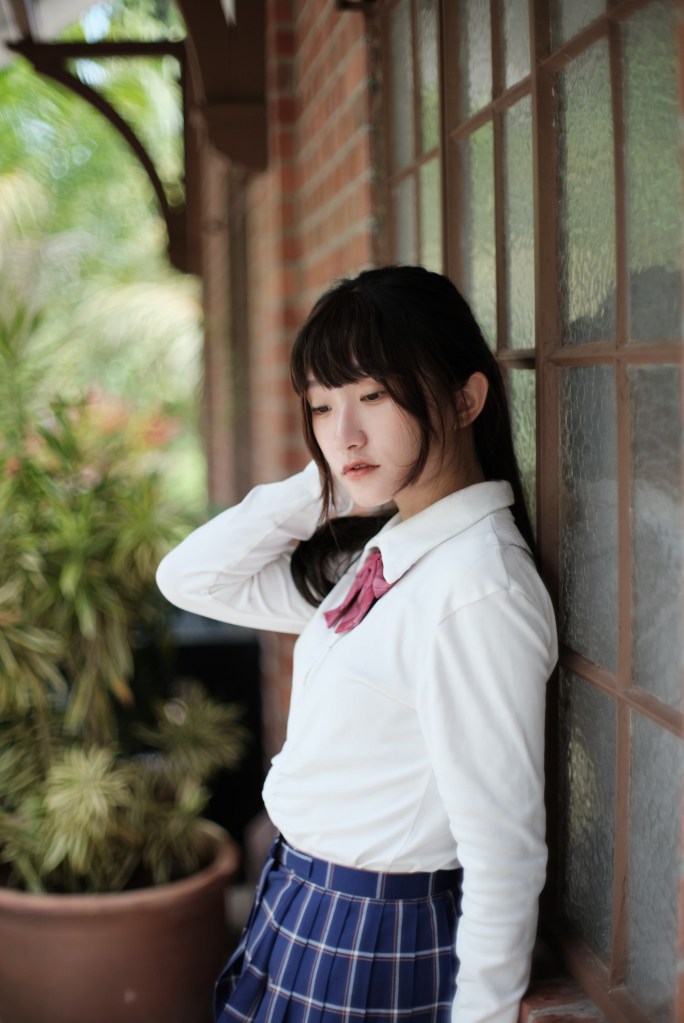
Fuji X-T5 . Sigma 18-50mm @ 35.9mm . f2.8 . 1/1500″ . ISO 125 . Nostalgic Negative

Image Quality

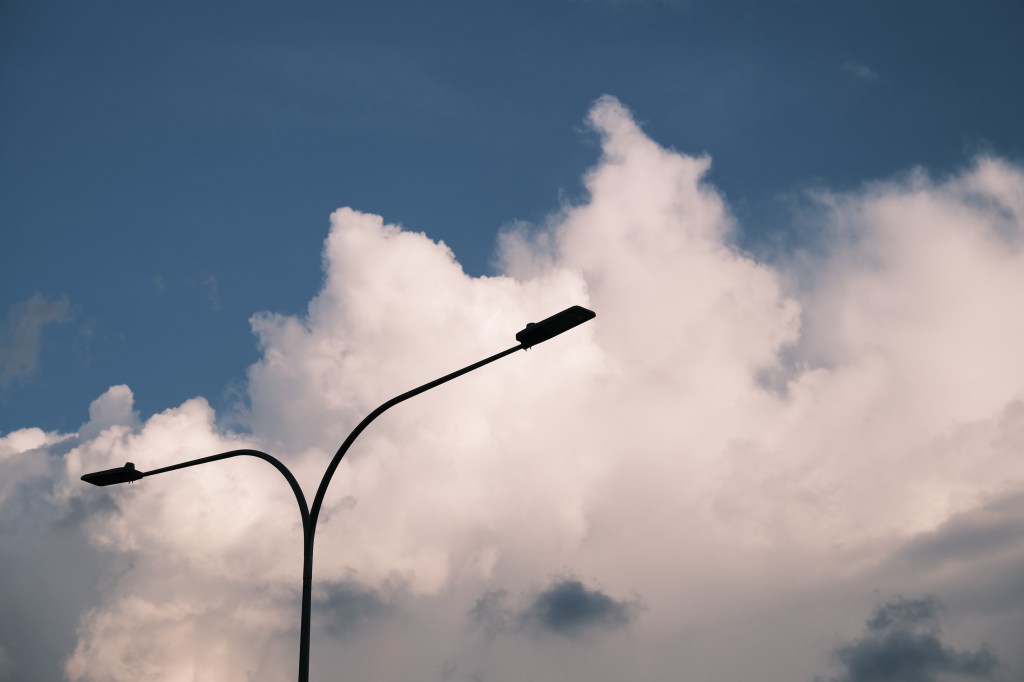
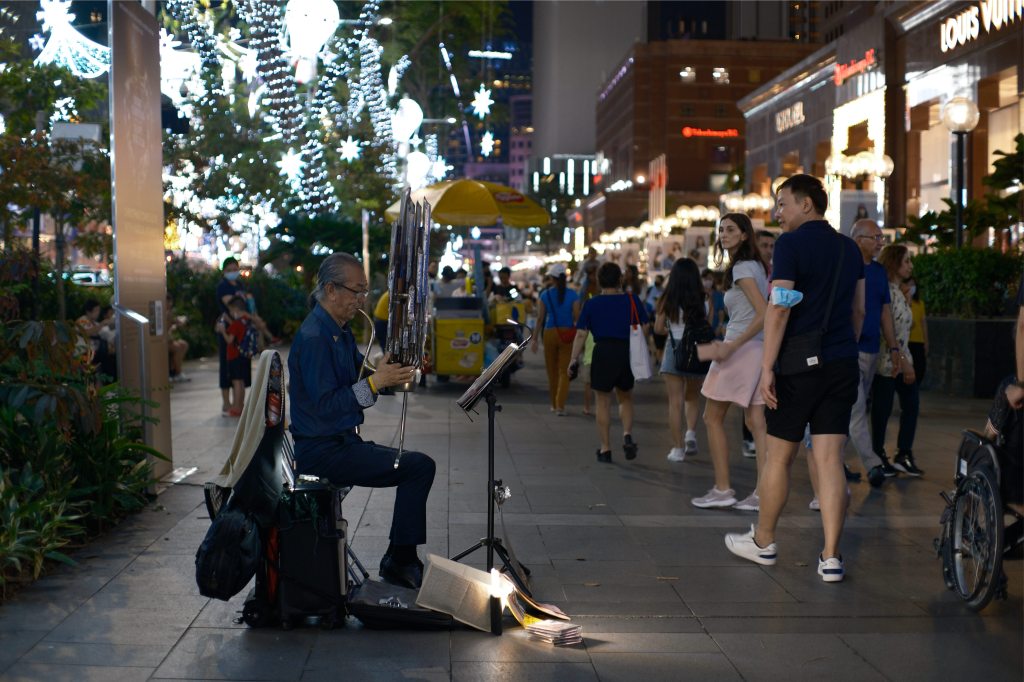
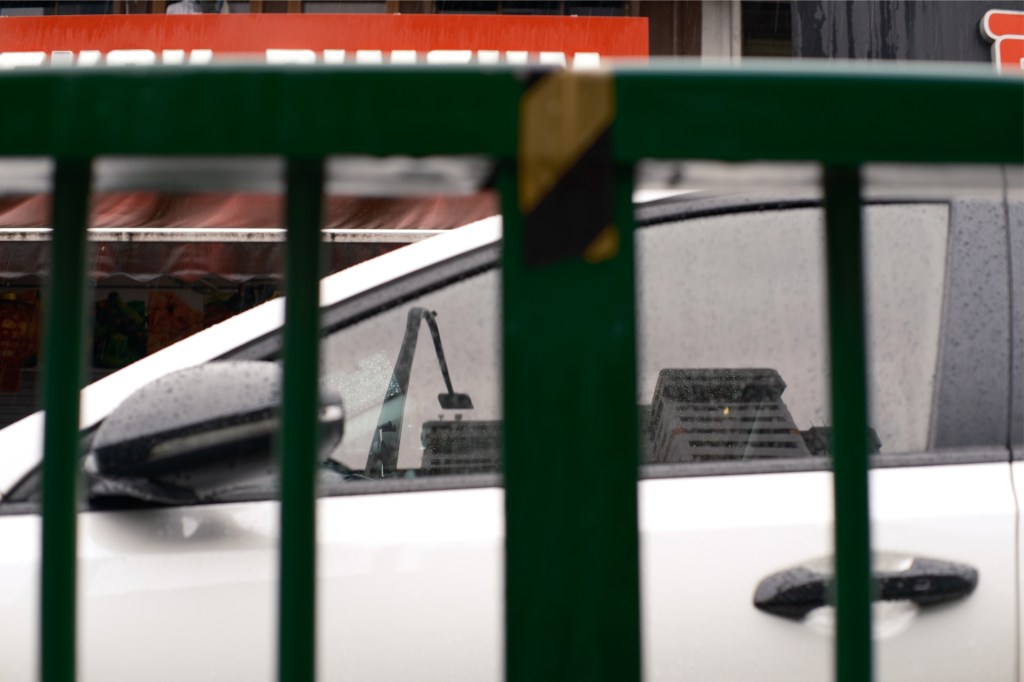
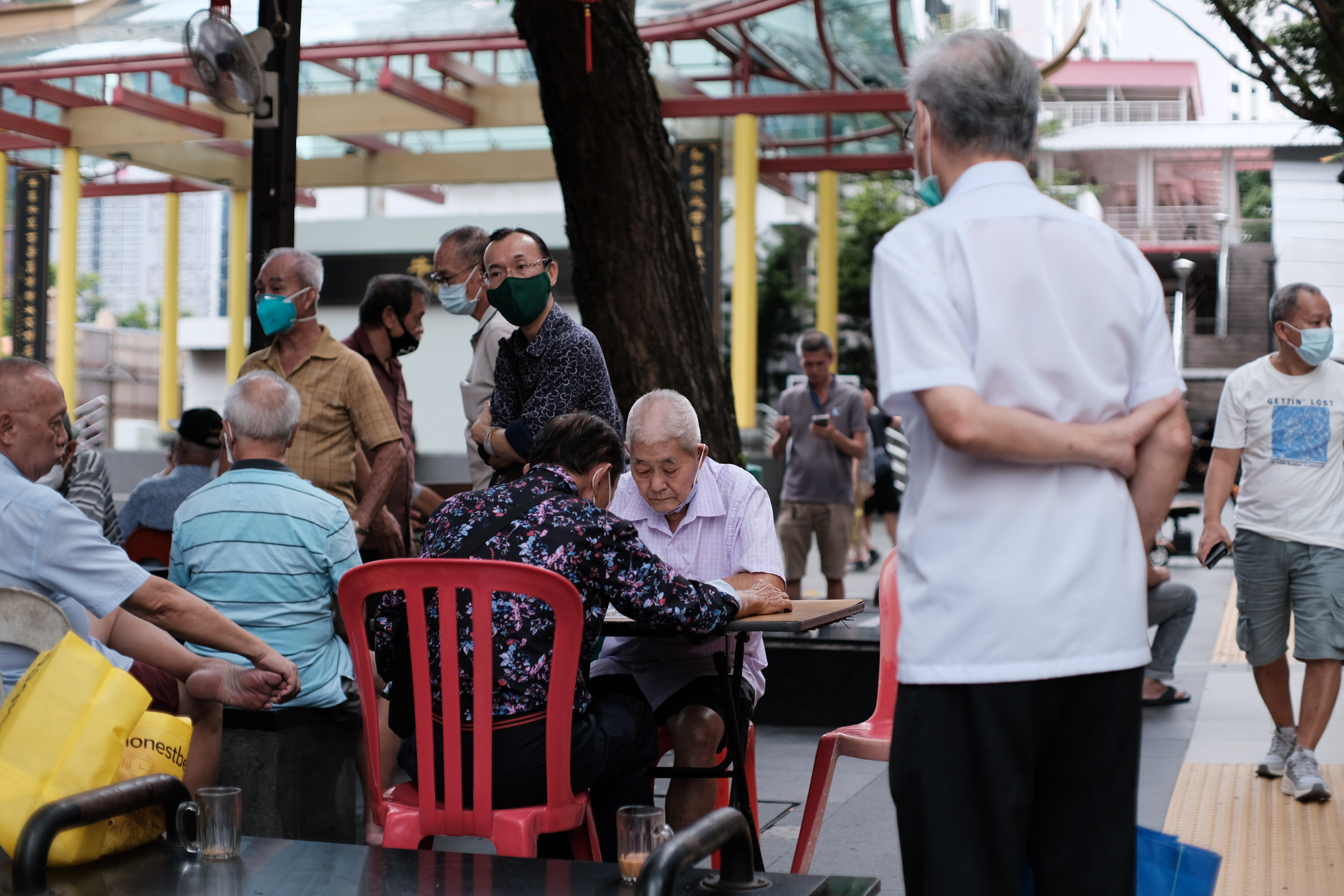
I have to say… The image quality coming out of this glass is great. The sharpness and contrast are great. At f2.8, the image is totally usable. The details are tremendous and resolve very well with my X-T5’s 40 megapixels sensor. This shows there are some quality and engineering works done with Sigma’s engineering team.

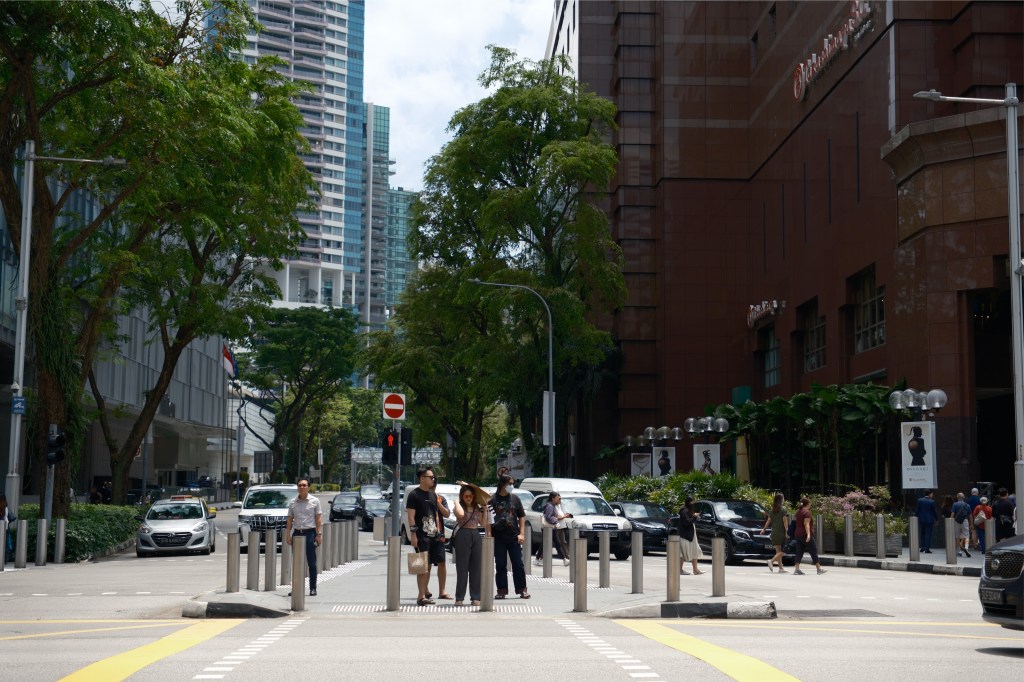
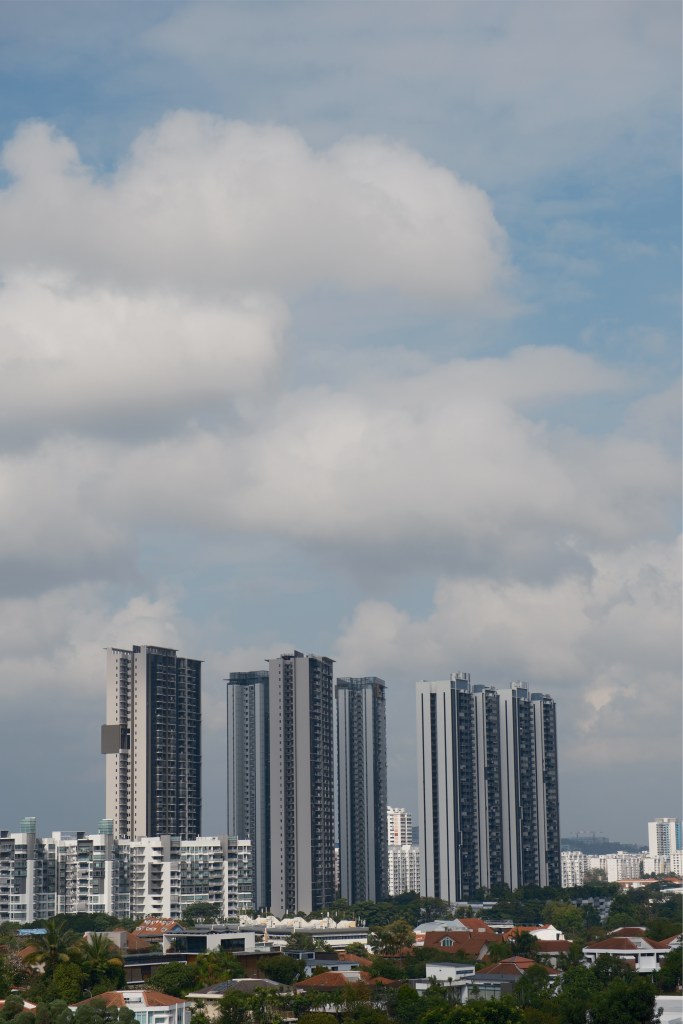
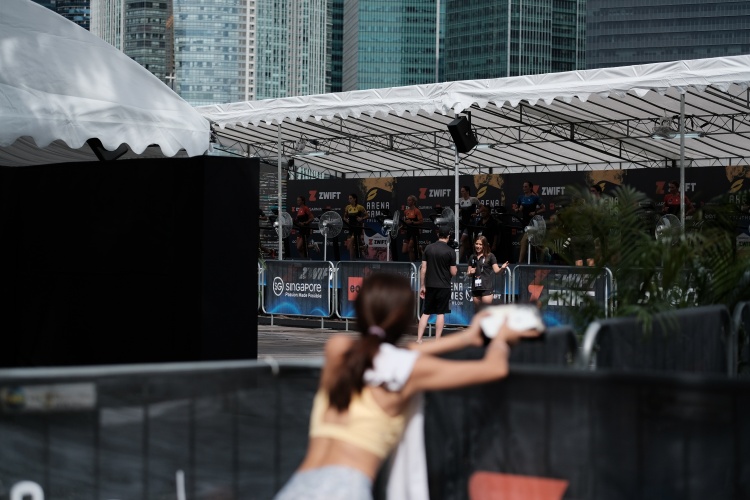
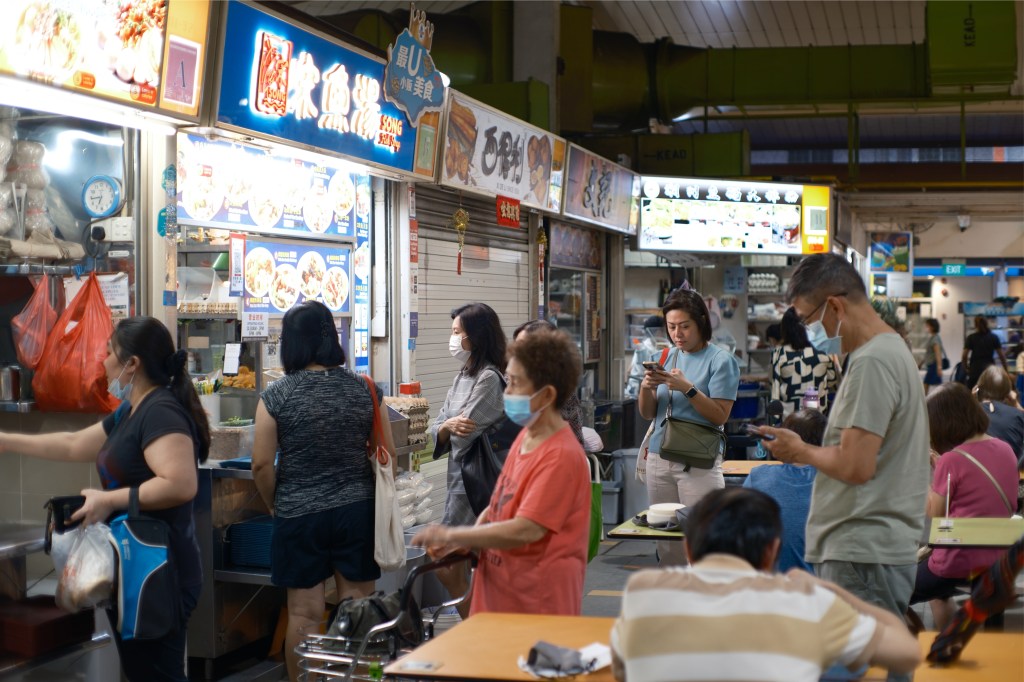
Fuji X-T5 . Sigma 18-50mm @ 24.9mm . f2.8 . 1/320″ . ISO 125 . Nostalgic Negative

Although I am more of a prime lens user, I get to use or test with some zoom lenses. To be fair, prime lenses are still on better image quality, much sharper, and have better contrast. So if I am to compare the Sigma 18-50mm with the other zoom lenses, I think I am really impressed with this lens’ optic quality.

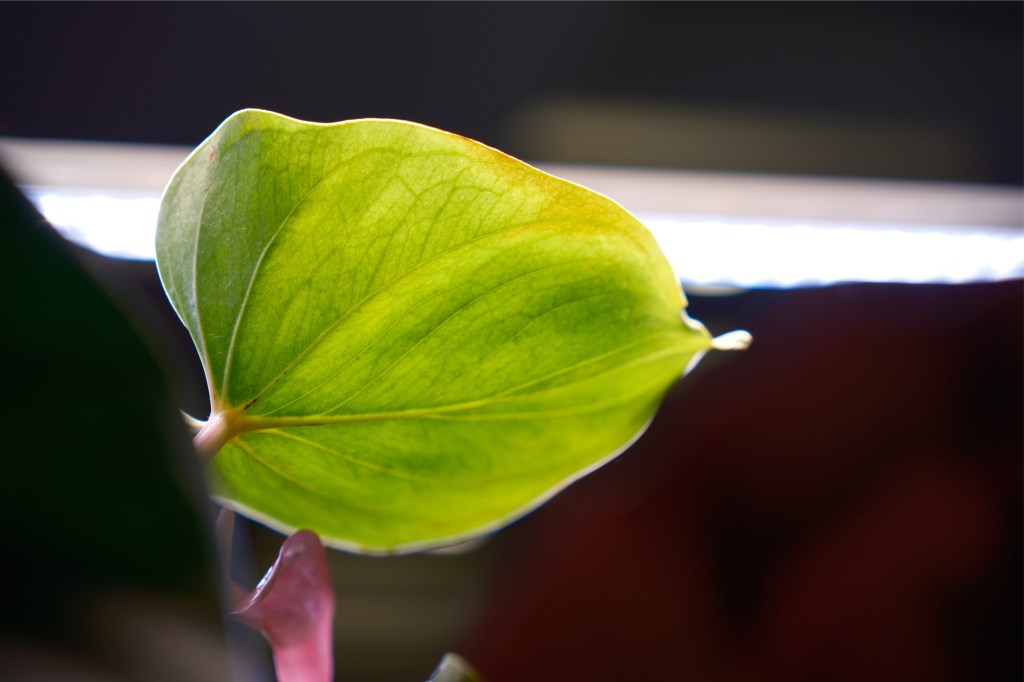
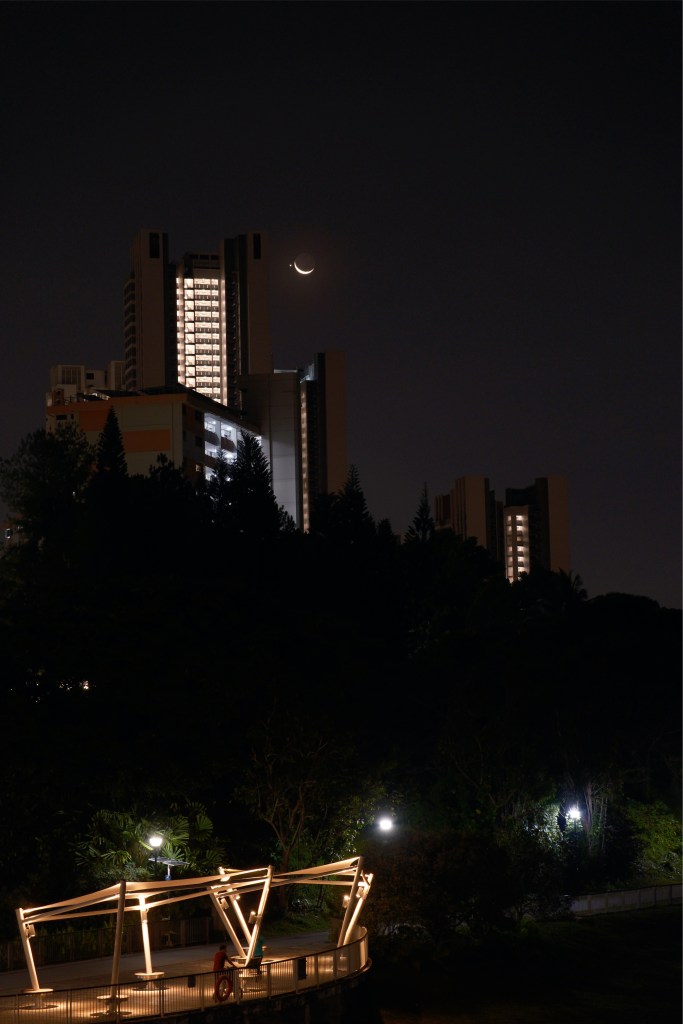
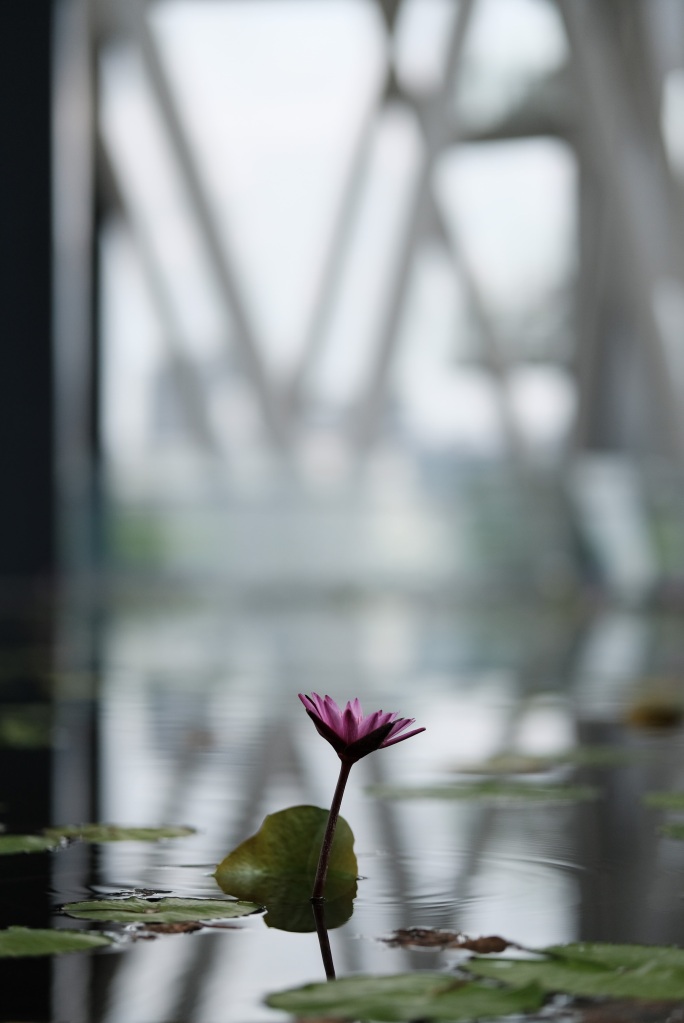
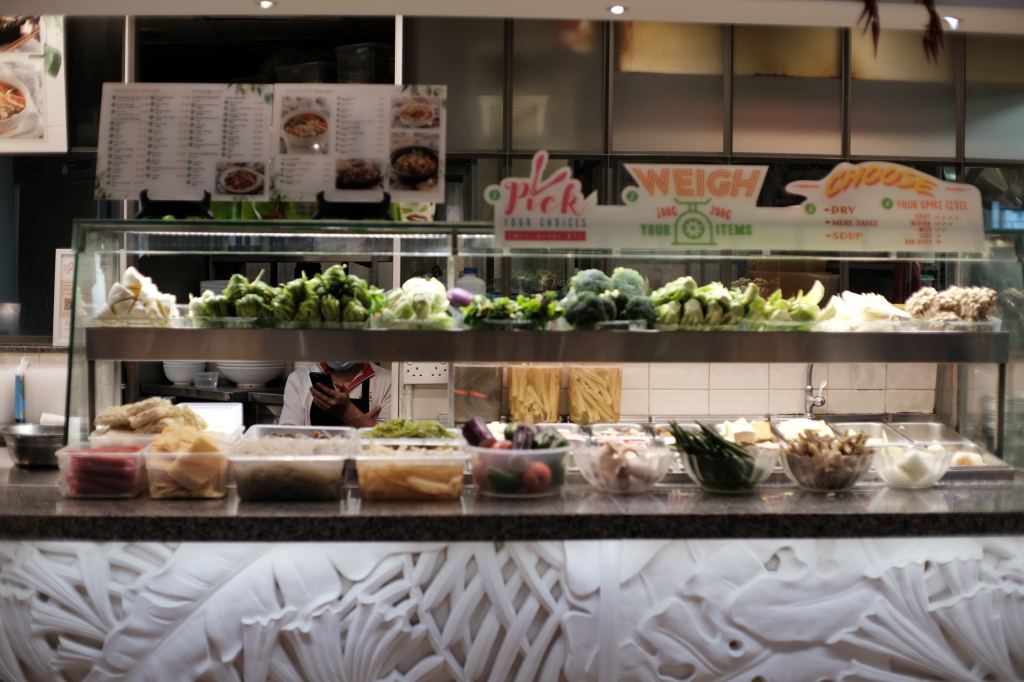
Fuji X-T5 . Sigma 18-50mm @ 47.5mm . f2.8 . 1/140″ . ISO 125 . Nostalgic Negative

At wide open, the bokeh is very good with a very decent and gentle fall-off between the subject and background/foreground. I do observe very mild chromatic aberration and vignetting and I think it is within my acceptable range.

Fuji X-T5 . Sigma 18-50mm @ 50mm . f2.8 . 1/120″ . ISO 125 . Nostalgic Negative

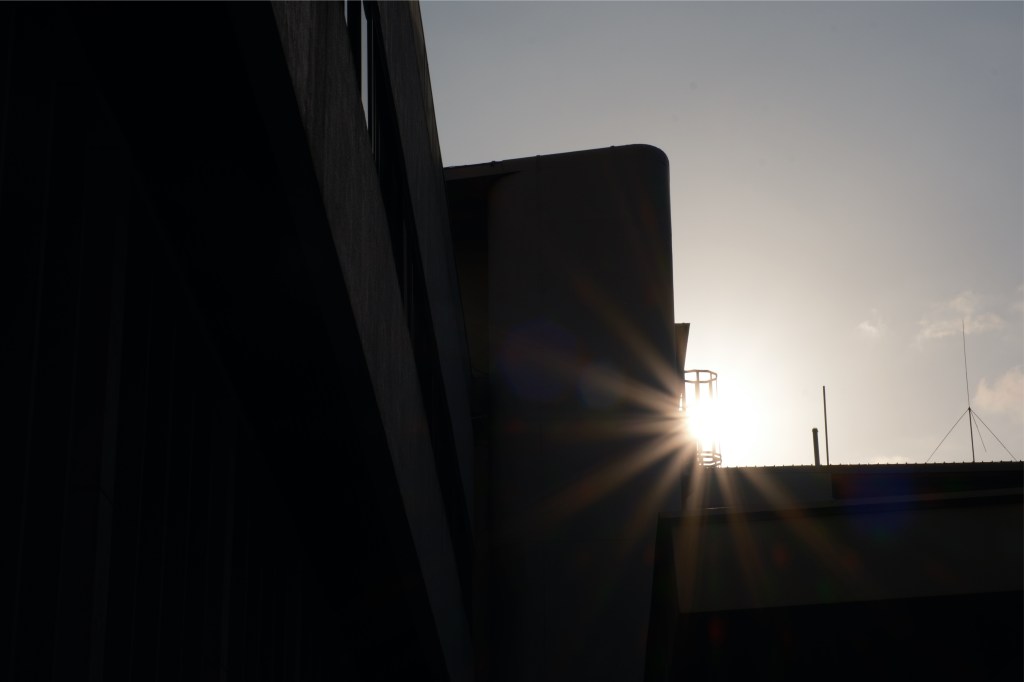
As for the sunny star result, both 18mm and 50mm do produce acceptable results with some softness on the star.

Focusing

This lens comes with a stepper motor but, to be frank, the focusing performance surprises me. In good lighting conditions, it is really fast in focus locks onto the subject. Almost instantly. And I do not hear any sound produced by the focusing motor. It is silent.

Fuji X-T5 . Sigma 18-50mm @ 18mm . f2.8 . 1/80″ . ISO 400 . Nostalgic Negative

In case someone wondering, tracking human eyes, animal eyes, and bird eyes works well here.

Fuji X-T5 . Sigma 18-50mm @ 18mm . f11 . 0.47″ . ISO 125 . Nostalgic Negative

However, I do occasionally experience slowing down and have the push-pull effect before it focuses on the subject. But it recovered quickly and the same behavior did not occur immediately.

Fuji X-T5 . Sigma 18-50mm @ 50mm . f2.8 . 1/80″ . ISO 500 . Nostalgic Negative

As for challenging lighting conditions, I do see it struggle a little more before focusing on the subject. I think this is normal since most lenses have very similar behavior.

Minimum Focus Distance (MFD)

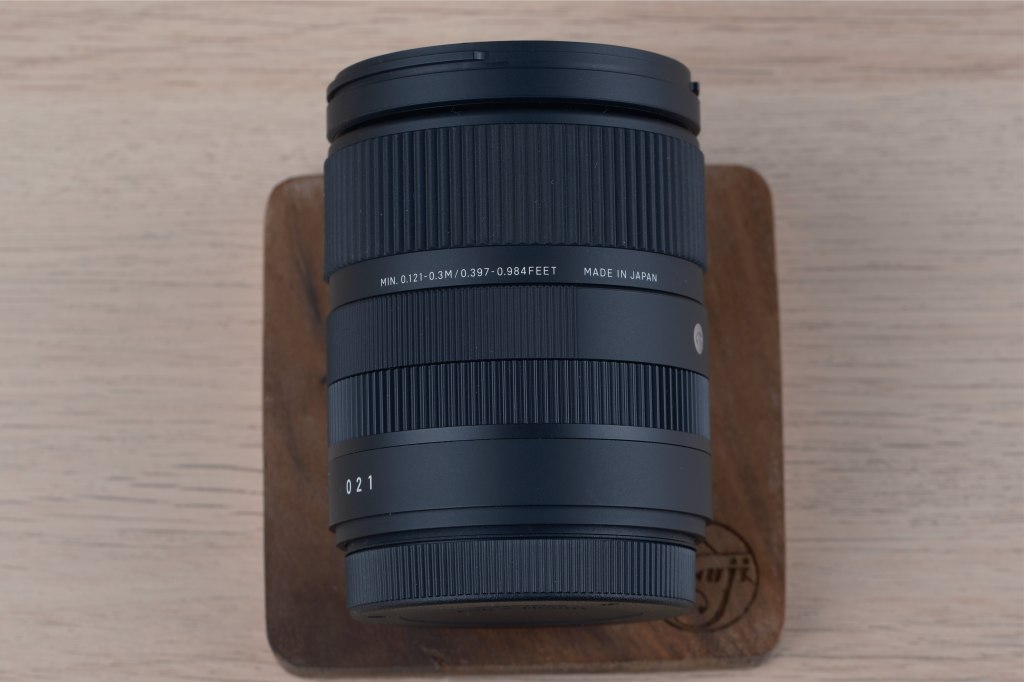
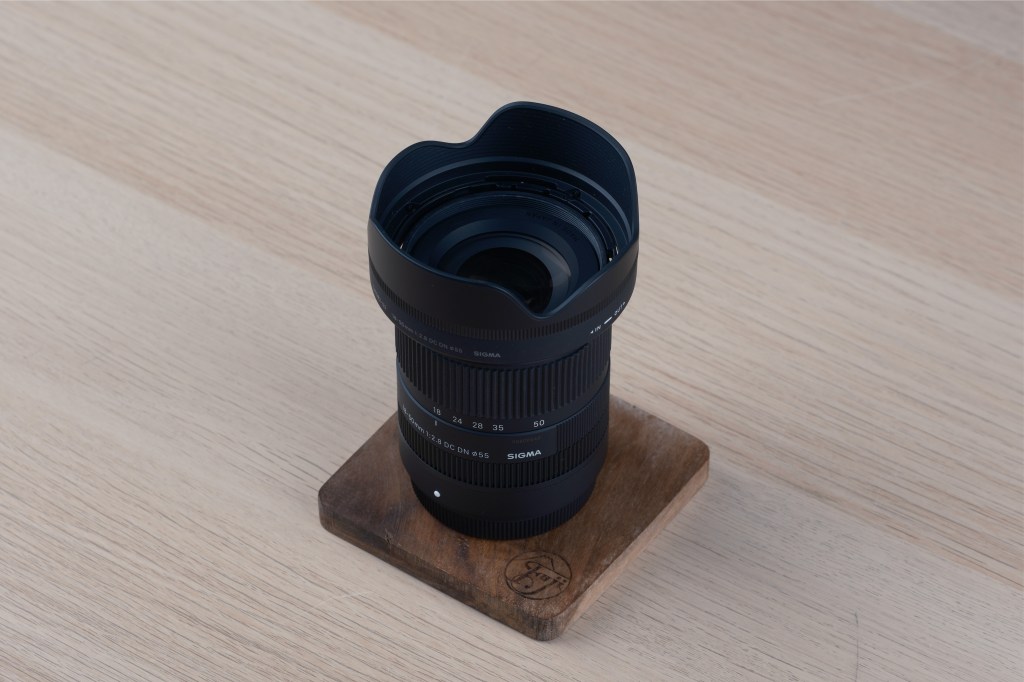
At 18mm, it has the shortest MFD of 12.1 cm. How close is that? You have to remove the lens hood to get that close. Otherwise, you will get the shadow of the lens hood in your shots.

Fuji X-T5 . Sigma 18-50mm @ 50mm . f2.8 . 1/210″ . ISO 125 . Nostalgic Negative

At 50mm, it too has the shortest MFD for the same focal length. I haven’t come across any 50mm lens to have 30 cm MFD. With such a close MFD, it is very impressive to give me a new point of view.

Fuji X-T5 . Sigma 18-50mm @ 50mm . f2.8 . 1/1250″ . ISO 125 . Nostalgic Negative

At MFD, the shots retent their sharpness and contrast pretty well with a little bit of softness.

Price Point

This is probably the most important part. It is selling at SRP 549 USD. It is probably the best price-to-performance and size ratio in the market. It is probably the most affordable constant f2.8 lens on the market.

Fuji X-T5 . Sigma 18-50mm @ 50mm . f2.8 . 1/80″ . ISO 500 . Nostalgic Negative

Side By Side

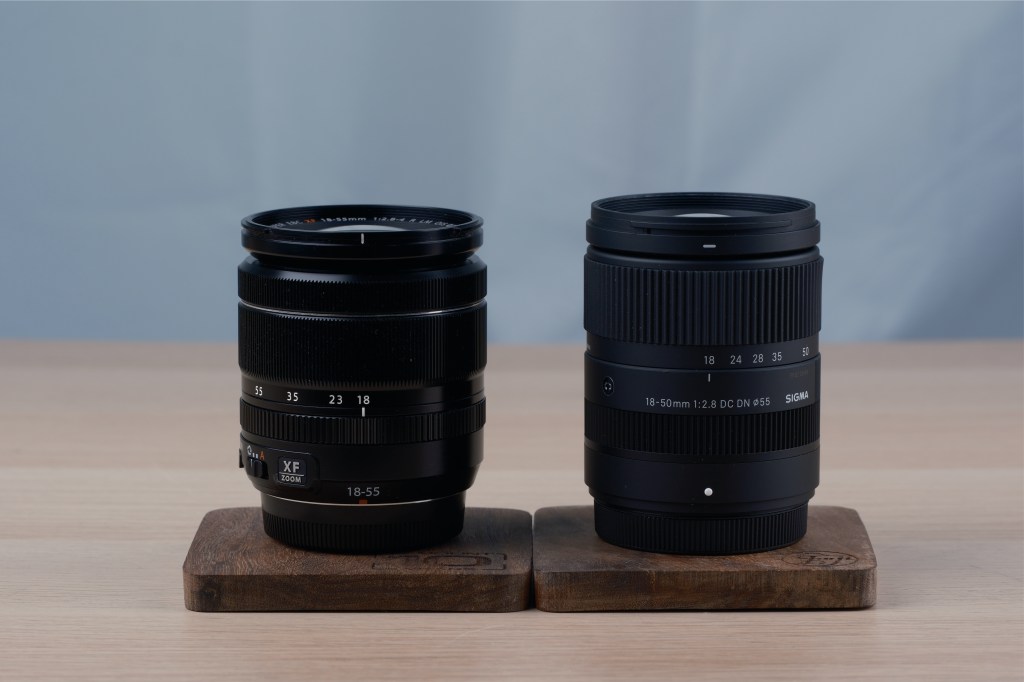
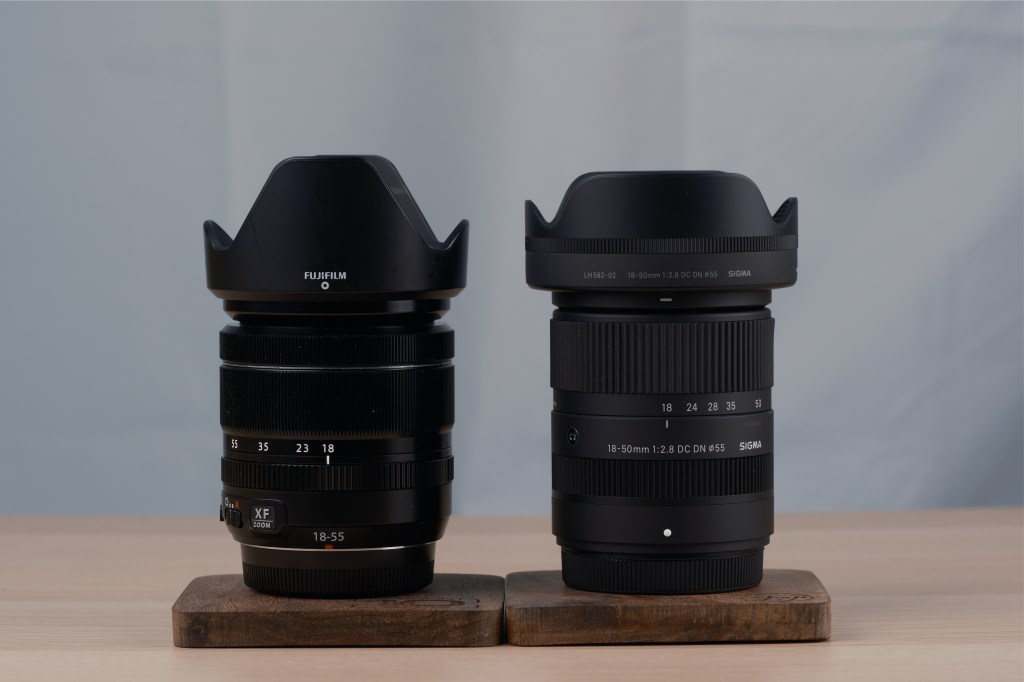
I can’t help but to compare this little beast with my very first lens and also the first zoom lens from Fuji, XF 18-55 f2.8- 4.

Physically, they are very close to each other with XF18-55mm being a tad bigger but you cannot tell the difference if you are not comparing them side by side.

Putting image quality and performance aside, if I were to choose between them, I will choose Sigma 18-50mm. The reason is simple: constant aperture. As I have an IBIS camera, I do not need an Optional Image Stabilizer lens.

Others

Unlike other third-party manufacturers, this lens does not come with a data-transfer port (i,e. USB-C) or docking station to update the firmware. It is simply downloading the lens firmware, transferring it to an SD card, and updating the firmware via the camera body. the same as how we do for Fuji lenses.

Fuji X-T5 . Sigma 18-50mm @ 18mm . f2.8 . 1/5000″ . ISO 125 . Nostalgic Negative

Who is this for

In general, if you want to use it for commercial works or shooting events, documentaries, etc, it is possible. The focal length is sufficient to cover most genres but I would like to suggest this lens to a specific group of photographers and that is travel photographers and budget photographers.

Fuji X-T5 . Sigma 18-50mm @ 18mm . f5.6 . 1/125″ . ISO 125 . Nostalgic Negative

Travel photographers who want to travel lightweight (especially avoiding strain on your shoulder on long hours) or want to pack as compactly as possible but do not want to sacrifice too much on image quality. I think you can consider this lens for your next trip.

This lens also comes with a very attractive price point which I think is a good starter lens for the photographer who has a budget to work on.

Conclusion

Although this lens does not come with the widest possible focal length (like 16mm), this lens no doubt has great versatility which covers our most frequently used focal lengths. As a Fuji fanboy, I do miss the aperture ring. But let’s not forget that it does produce decent image quality, compact size, and reliable autofocus speed. And most importantly, it is priced very well for a constant aperture lens. What can I ask for? A better-built quality like the I series. I hope to see the X-mount variant someday.

Fuji X-T5 . Sigma 18-50mm @ 50mm . f2.8 . 0.13″ . ISO 100 . Nostalgic Negative

Thank you for reading.

Disclaimer:
1. All the shots taken here are shot by me.
2. Sigma 18-50mm f2.8 is running on firmware 0.99. At the time of this blog release, firmware 1.10 was released, but I have not had the chance to upgrade and test it.
3. Most of the shots are straight out of the camera with some shots edited via In-Camera Raw Processing or Capture One.

4. The opinions are based on my experience. If there is any mistake, please kindly drop me a message and I will gladly make the amendment.
5. I reserve ownership of these images, if you wish to use my images, please notify me.

If you like my works, please follow me on either one of the 2 Instagram accounts:

https://www.instagram.com/alwinkok_

https://www.instagram.com/alwin.portraits

If you have a Facebook account, feel free to join Fujifanboys FB group.

If you like my content and you want to show some support and keep this blog alive, you can buy me a coffee here.

Reviews

XF56mm f1.2 WR – Almost There. Almost Perfect

TLDR

This is one of Fujifilm’s finest and best optical lenses that Fuji fanboys and fangirls should consider owning. Especially if you do not own any portrait lenses and plan to get one, you may consider this gem. I know it’s not a cheap lens, so save up the money and aim for this one. You will fall in love with it.

Intro

XF56mm f1.2 WR is one of the most anticipated lenses ever released. When it was announced at the X Summit NYC back in September 2022 together with the X-H2, I think I can hear many fans (including myself) of this 85mm (full frame equivalent) screaming to get one.

But lady luck is not with me. Somehow I did not manage to get one since it launched. It took me longer than expected and together with the help of my friend to get one.

Design and Build Quality

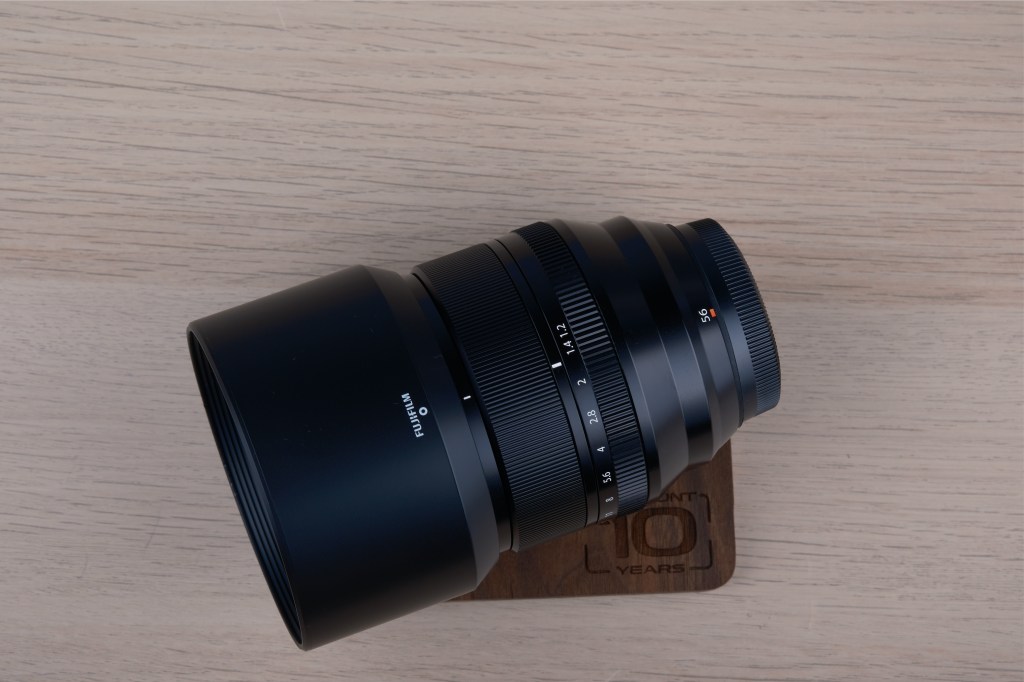
It comes with Fujifilm well-built, well-constructed, and well-weight lens. At 445 grams, it is actually not as heavy as it sounds. Fujifilm keeps the best clicky aperture ring and smooth manual focus ring (focus-by-wire) experience. They are still as satisfying as the other FujiFilm lenses.

Fuji X-T5 . XF56mm f1.2 @ 56mm . f1.2 . 1/125″ . ISO 125 . Nostalgic Negative

They also include the auto-aperture lock button too, which I think is pretty standard for Fujifilm’s new-generation lenses. Similarly, Fujifilm includes a plastic hood instead of a metal hood (like the good old days).

Fuji X-T5 . XF56mm f1.2 @ 56mm . f1.2 . 1/80″ . ISO 125 . Nostalgic Negative

As the name suggested, it comes with weather resistance too. As I mentioned in another post, this is something a pro lens should have nowadays.

Fuji X-T5 . XF56mm f1.2 @ 56mm . f1.2 . 1/30″ . ISO 320 . Nostalgic Negative

The filter size is 67mm. This is considered a decent size for a mid-telephoto lens (and not too painful for photographers spending on filters).

Image Quality

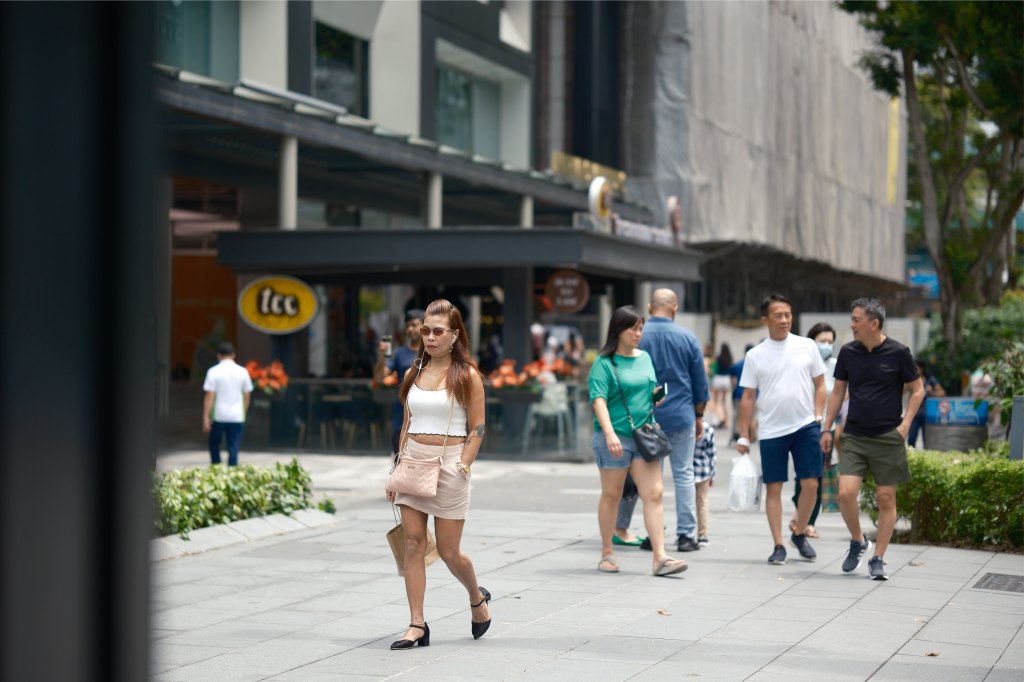
What can I complain about this lens’ image quality? At wide-open, it is undeniable the clinically sharp image quality I have ever seen among the Fujifilm lenses (but personal opinion, XF80mm f2.8 is still the sharpest lens). I seldom use this word to express the image quality but it is definitely breathtaking.

Fuji X-T5 . XF56mm f1.2 @ 56mm . f1.2 . 1/900″ . ISO 125 . Nostalgic Negative

As for the background blur, I love how beautiful the fall-off between the focused subject and the other is. Unlikely some other lenses from third-party manufacturers where the bokeh are hard and harsh, the bokeh from this lens is rendered very smoothly and very pleasing to my eyes.

Fuji X-T5 . XF56mm f1.2 @ 56mm . f1.2 . 1/80″ . ISO 125 . Nostalgic Negative

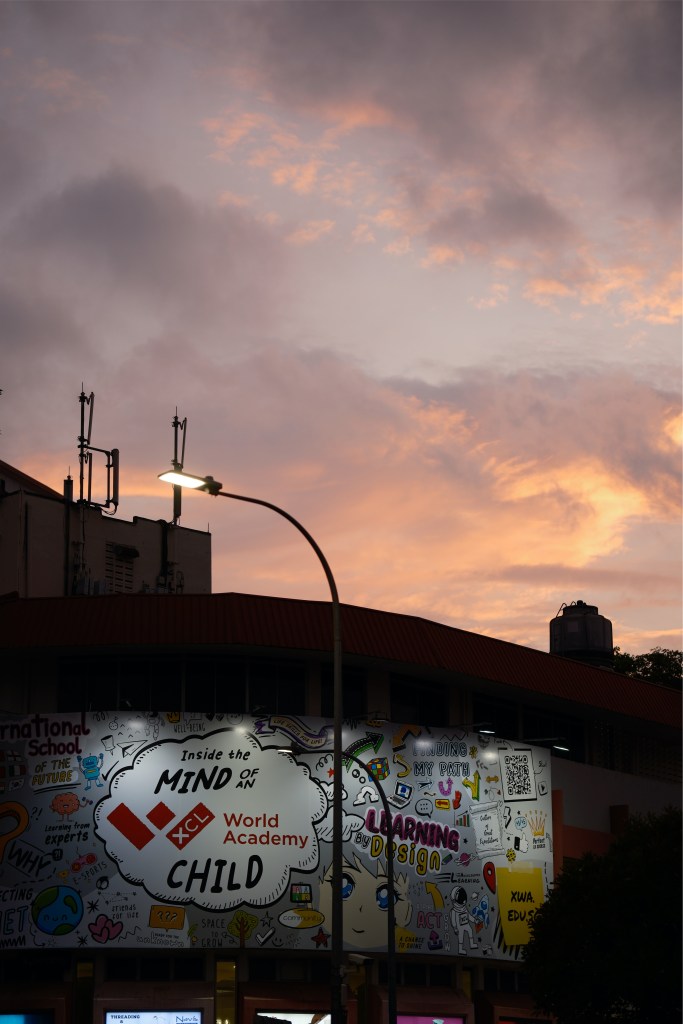
Speaking of chromatic aberration, there is no purple fringing to be seen. Again, this is a benchmark from Fujifilm. But for vignetting, there is a tiny vignetting at the corners at wide open. This is very impressive for an f1.2 lens. Of course, you can either remove the vignetting in post-edit or step up the aperture value.

The lens/focus breathing is good here. The focus distance did not change dramatically as you change the focus distance between the Minimum Focus Distance and infinity and vice versa. But I cannot say this lens will be a great lens for videographers (I will share more later).

Focusing

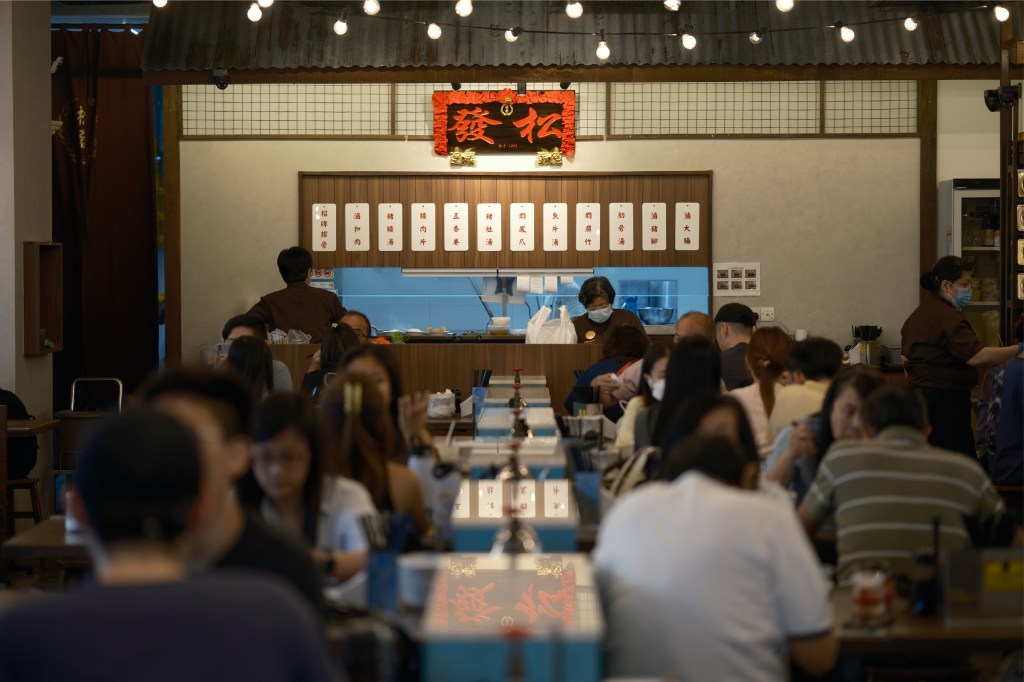
It may not be the fastest from Fujifilm but it is a quiet one. It focuses fast if the subject is slightly off-focus and under well-lit conditions. Otherwise, the lens might give some wobbly focusing experience and might take quite a while to focus lock onto the subject. I do experience being unable to focus on the subject and that is mainly under extremely low light or challenging conditions.

Fuji X-T5 . XF56mm f1.2 @ 56mm . f1.2 . 1/280″ . ISO 125 . Nostalgic Negative

If you are wondering how much better is the new one and the original XF56mm f1.2, I tested with the original one before and I can say that the newer one does focus much better and faster.

What contributes to the “not the fastest” focusing lens? I guess that it is missing the Linear Motor (LM) (as the name of the lens missing out the LM, suggested that there is no LM) which is designed to drive the focus lens group faster and quieter.

According to Fujifilm, they use the DC motor.

Minimum Focus Distance (MFD)

The MFD is 50cm, which is remarkably short for a mid-telephoto lens and also a huge improvement from the original XF56mm f1.2 at 70cm.

Fuji X-T5 . XF56mm f1.2 @ 56mm . f1.2 . 1/80″ . ISO 400 . Nostalgic Negative

The image quality taken at MFD is very impressive too. Some lenses do have some characteristics shown up at MFD such as a soft glowing effect and this lens does not have any.

Price Point

At 999 USD, it is definitely not the cheapest portrait lens out there in the market and the price of this lens set it far apart from its peers and competitors.

Fuji X-T5 . XF56mm f1.2 @ 56mm . f11 . 1/125″ . ISO 125 . Nostalgic Negative

Who are the competitors? We have Viltrox 75mm f1.2 in the market at almost half the price of the XF56mm f1.2 WR and Viltrox 56mm f1.4 at 299 USD. Not forgetting that we also have the Sigma 56mm f1.4 and the original XF56mm f1.2 is priced just a little more than the Viltrox.

Others

I kind of dislike the plastic hood it provided. When I keep the lens hood facing inwards, it blocks the aperture ring and I am unable to control it. So some possible solutions will be:

Fuji X-T5 . XF56mm f1.2 @ 56mm . f1.2 . 1/500″ . ISO 125 . Nostalgic Negative
  1. Mount the lens hood facing outwards;
  2. Remove the hood completely / not mounting the lens hood at all;
  3. Set to Automatic Aperture control and then control via the front command dial to get my shots.

Don’t get me wrong, I always do mount the lens hood facing outwards for long-duration shots. I just find it cumbersome if I want to do some quick snapshots.

Who is this for?

Putting the price aside, this lens is easily my recommendation for professional portrait photographers. But as for street photographers, journalists, and documentary photographers, I will leave it to you for your consideration. The focal length might be too tight for some to get used to but it is a good focal length to complement other focal lengths such as 28mm/35mm (in full frame equivalent). Be it with your primary camera or dual camera setup.

Fuji X-T5 . XF56mm f1.2 @ 56mm . f1.2 . 1/150″ . ISO 125 . Nostalgic Negative

As for videographers, I think it is a great lens to use if you need the wide-open f1.2 aperture for your work. Also, the autofocus sometimes does have some jerking, so probably need to manually focus it or alternative external controls.

Fuji X-T5 . XF56mm f1.2 @ 56mm . f1.2 . 1/80″ . ISO 200 . Nostalgic Negative

Conclusion

As my title said, this successor is almost perfect. What is the missing piece? For me, everything is perfect, the lens size, the weight, and the superior image quality. Only if Fujifilm could introduces the LM instead of using the DC motor, it will be a perfect lens. Of course, there might be many factors or reasons that stop them from using LM.

Fuji X-T5 . XF56mm f1.2 @ 56mm . f1.2 . 1/250″ . ISO 500 . Nostalgic Negative

Thank you for reading.

Disclaimer:
1. All the shots taken here are shot by me.
2. Most of the shots are straight out of the camera with some shots edited via In-Camera Raw Processing or Capture One.

3. The opinions are based on my experience. If there is any mistake, please kindly drop me a message and I will gladly make the amendment.
4. I reserve ownership of these images, if you wish to use my images, please notify me.

If you like my works, please follow me on either one of the 2 Instagram accounts:

https://www.instagram.com/alwinkok_

https://www.instagram.com/alwin.portraits

If you have a Facebook account, feel free to join Fujifanboys FB group.

If you like my content and you want to show some support and keep this blog alive, you can buy me a coffee here.

Reviews

Viltrox 75mm f1.2 – The First Pro

When I first saw the teaser post from Fuji rumors, my impression was that this is going to be hot selling one within the Fujifilm community if it is priced right. And the turn out to be quite true. At the price of 549 USD, Viltrox priced it so attractively and it sold out immediately on the Taobao platform and its online shop.

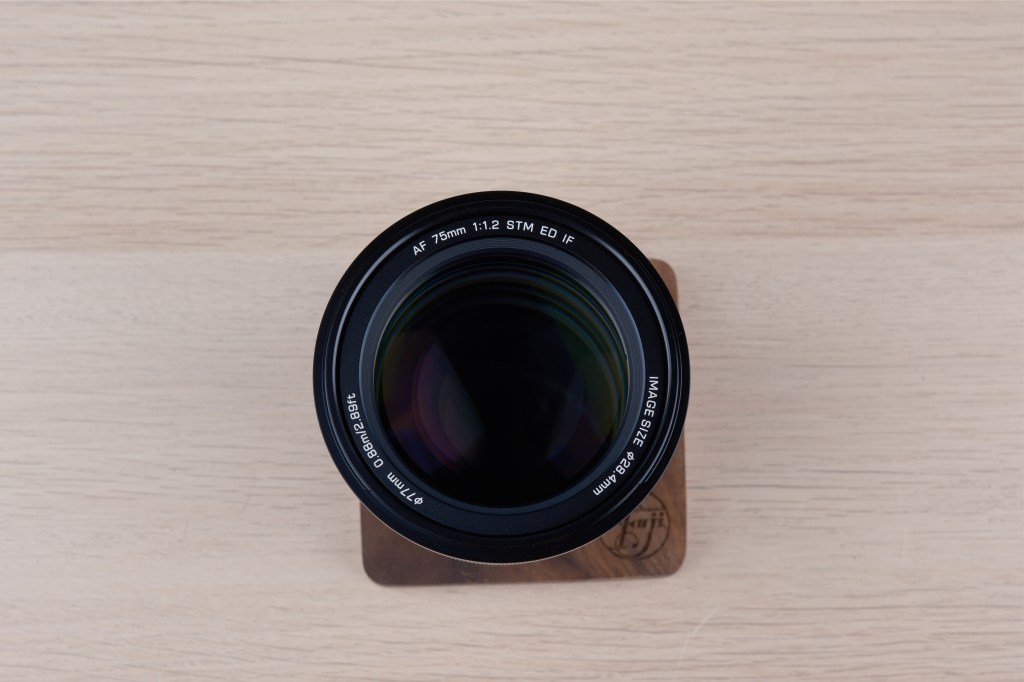
Viltrox 75mm f1.2

Intro

Viltrox is a name that we, Fujifilm photographers, are familiar with since the birth of its very first autofocus lens, 85mm f1.8 (MK I). Like many photographers, I am impressed by how the Viltrox engineers reverse engineered the X-mount design and work around it. To refresh everyone’s memory, Fujifilm did not open up their X-mount protocol to every third-party manufacturer and Viltrox make it!

Viltrox 75mm f1.2 is an uncommon focal length at 112.5mm (in full frame equivalent). But I believe photographers, who are using XF80mm and XF90mm, easily adapt to this new focal length.

Design and Build Quality

There are two things you will get to notice when you hold the lens: the weight, and the build quality.

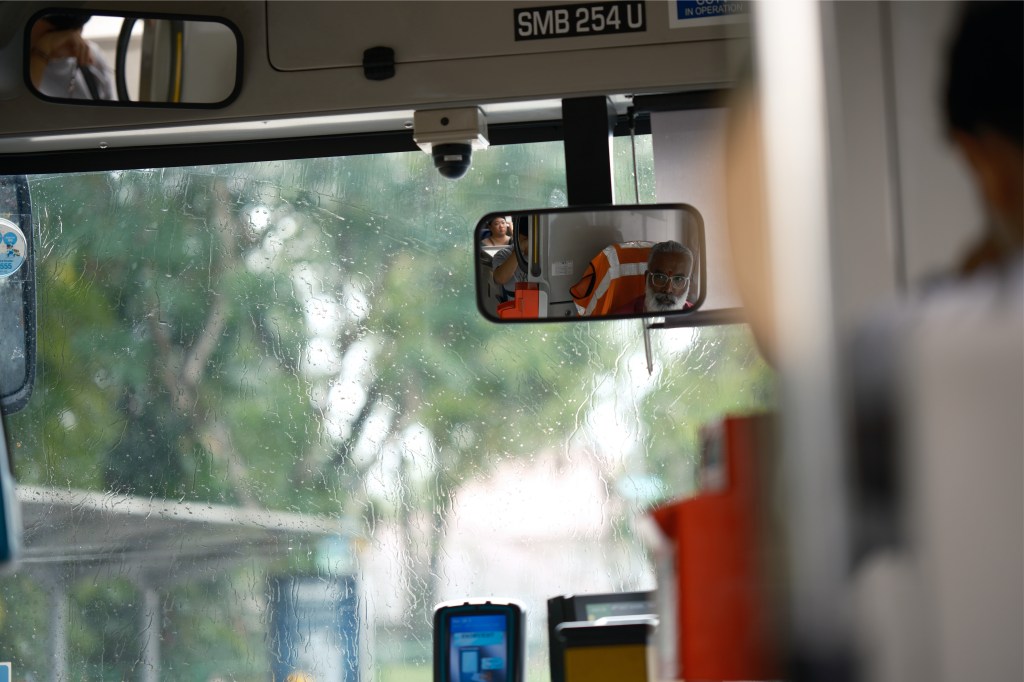
Fuji X-T5 . Viltrox 75mm f1.2 @ 75mm . f1.2 . 1/20,000″ . ISO 125 . Nostalgic Negative

At 670 grams, I can feel the mass on my hand. It is definitely not light among most of the lenses. Every part of it is by no means cheap or cheap-built, you can feel that the build quality is belongs to the top tier.

With that massive weight, the lens eventually comes with a huge 77mm filter size.

Furthermore, it also comes with waterproof and dust-proof protection. This is also what a Pro lens should equip these days.

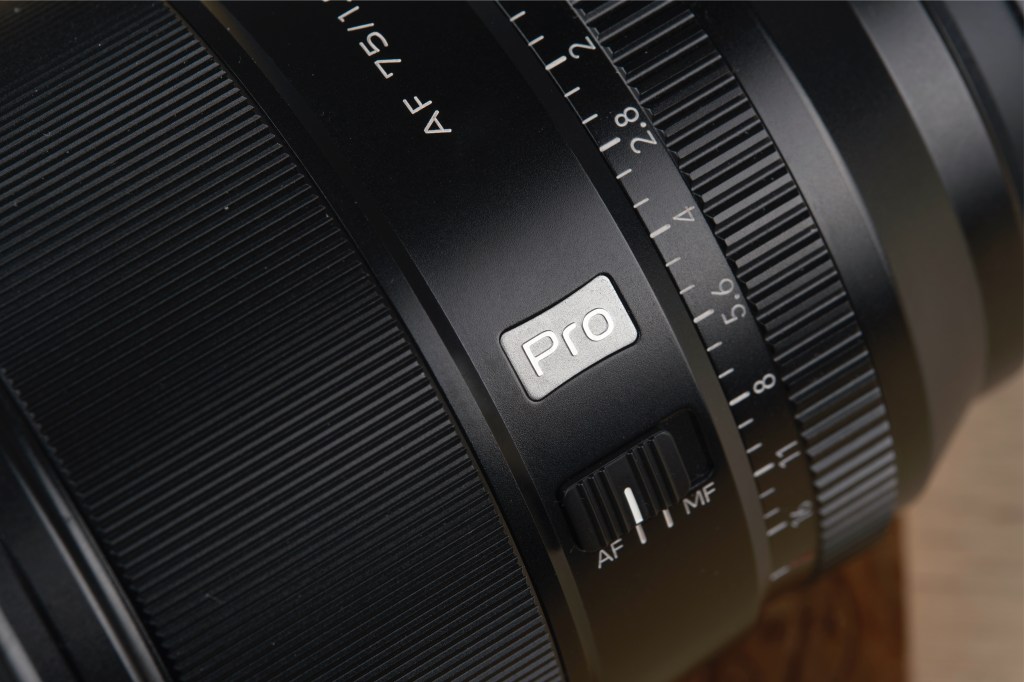
The aperture ring is the clickable one (it does not have de-click option) and it has that satisfying clicking experience whenever you rotate the ring. It also comes with a “A” for automatic aperture choosing by the camera but what missing here is the aperture ring lock release that prevents accidental switch.

Unlike the metal lens hood with Viltrox 33mm f1.4, this 75mm lens comes with the plastic lens hood and it is kind of loose when it is face-inside the lens barrel. But it locked up quite well when it faces away from the lens barrel.

Image Quality

At f1.2, the image quality is really sharp. Probably one of the most clinical sharp lenses on the market out there. At wide open, the subject easily pops out from the background. The lens renders the bokeh well and quite smoothening. Even the fall-off is excellent too.

Is clinical sharp a bad thing or a good thing? In my opinion, it is not a good or bad thing. It is based on individual preference and I know some photographers end up de-sharpen in posts with the results from this lens. For me, this is how this lens performs and something, and it is better to have clinically sharp than characteristically soft because this is a pro-grade lens.

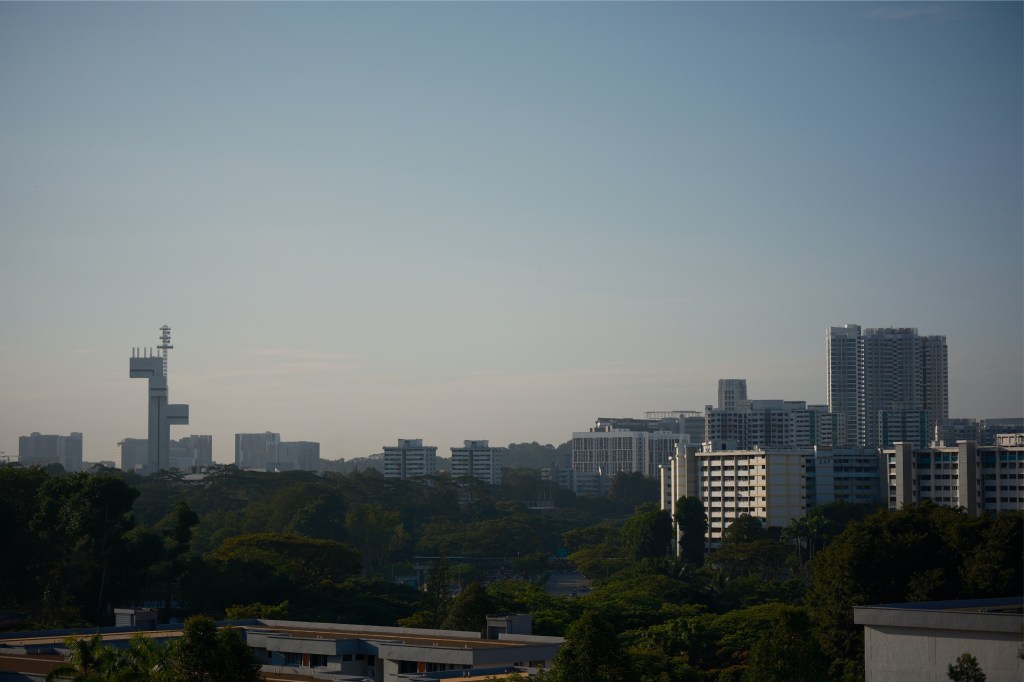
Fuji X-T5 . Viltrox 75mm f1.2 @ 75mm . f1.2 . 1/80″ . ISO 125 . Nostalgic Negative

As for me, certain shots happen to be over sharpen for my liking but still within my acceptable range. This doesn’t happen in every shot I take. Probably many factors like light and shadow play a part too.

Fuji X-T5 . Viltrox 75mm f1.2 @ 75mm . f1.2 . 1/80″ . ISO 1600 . Nostalgic Negative

The chromatic aberration is very well-controlled and I did not notice anything. However, there is a small amount of vignetting at wide-open but it can be resolved via increasing of aperture value or in post-processing.

The lens (or focus) breathing is surprisingly good here. The focus distance did not change dramatically as you change the focus distance from MOD to infinity and vice versa. This can be a great deal for videographer.

Focusing

How should I put it? If I try to focus from the Minimum Focus Distance to anywhere far, I will experience some sluggish focusing. It will take quite a while to focus on the subject I want.

Fuji X-T5 . Viltrox 75mm f1.2 @ 75mm . f1.2 . 1/80″ . ISO 320 . Nostalgic Negative

Secondly, the lens sometimes also gives wobbly focusing and that happens even during day time. It takes awhile for me to get use to this behavior.

I guess there might be 2 factors behind its focusing performance.

One: it might be due to heavy glass elements inside the lens chamber. Hence, the movement of glass elements affected the performance.

Fuji X-T5 . Viltrox 75mm f1.2 @ 75mm . f1.2 . 1/80″ . ISO 250 . Nostalgic Negative

Two: Stepper Motor (STM) might be another factor as it is not the faster-focusing motor that is equipped with a lens. But we have seen some other lenses perform quite well with STM too.

Fuji X-T5 . Viltrox 75mm f1.2 @ 75mm . f1.2 . 1/110″ . ISO 125 . Nostalgic Negative

If the focus distance and the subject are close to each other, it performs quite well. On the other hand, the eye-AF works quite well and behaves quite close to what the Fujifilm lenses can perform. (that is provided it does not encounter the sluggish focusing mentioned above.)

Minimum Focus Distance (MOD)

It has a MOD of 0.88m, which also means that it can’t really focus that close to the subject. If you are looking for a lens that can do a tight close-up shot, this lens is not designed for that.

Fuji X-T5 . Viltrox 75mm f1.2 @ 75mm . f1.2 . 1/3800″ . ISO 125 . Nostalgic Negative

Price Point

I have to reiterate again that 549 USD for a fast autofocus prime lens with the metal build quality is really a good deal. So far, there is no one lens that can price match with Viltrox in this aspect.

Fuji X-T5 . Viltrox 75mm f1.2 @ 75mm . f1.2 . 1/800″ . ISO 125 . Nostalgic Negative

Others

Like other third-party manufacturers, there is always a kind of digital communication to support future firmware upgrades via SD card, dock, or USB port. In this case, there is a USB-C port located at the rear of the lens. I’m glad to see this than the micro-USB found in Viltrox 85mm f1.8 Mark II. Unfortunately, pardon the OCD, the design of the USB-C is not quite symmetrical to the red dot, I wish it is.

Fuji X-T5 . Viltrox 75mm f1.2 @ 75mm . f1.2 . 1/80″ . ISO 500 . Nostalgic Negative

As a pro lens, it comes with an AF/MF switch, and if you need to switch to manual mode, you need to switch it from the switch. The Focus mode selector on your Fuji camera bodies will not enable the lens to manual focus. This might be a little hassle for photographers who need it but do take note.

Who is this for?

This is a portrait lens and of course, I have to recommend it to portrait photographers and pre-wedding photographers. Although this lens is slow in focusing return, it will not fail you with the image quality it produces. For product shoot photographers, you can consider this lens too.

Fuji X-T5 . Viltrox 75mm f1.2 @ 75mm . f1.2 . 1/80″ . ISO 500 . Nostalgic Negative

As for the rest of the genres, I cannot really recommend using them. I mean it is a great lens but here are some of the downsides that make it not as versatile as other lenses offered in the market.

First, this lens is not ideal for street, documentary, and the like photography genres because of its size and weight. It attracts attention easily, and the weight will weigh you down over time. Basically, it is not a suitable candidate for such genres. But if you insist (like me), you can do so. Because image quality will pay off your sweat and effort.

Fuji X-T5 . Viltrox 75mm f1.2 @ 75mm . f1.2 . 1/80″ . ISO 500 . Nostalgic Negative

Second, it does not have short (or close) MOD. So for a photographer like me who love to shoot as close to the subject as possible, this is kind of a bumper. But it still renders the image very well at MOD.

Conclusion

This is Viltrox’s first-ever pro-grade lens. I think it nails almost everything and this lens simply outperforms its pricing with image quality. To date, there is no one lens able to match it equally. This is definitely a good start for Viltrox venturing into the Pro series and Viltrox has indeed set a high benchmark for every manufacturer to follow. I cannot wait to see what Viltrox’s next Pro lenses will be. I am really excited.

Fuji X-T5 . Viltrox 75mm f1.2 @ 75mm . f1.2 . 1/80″ . ISO 320 . Nostalgic Negative

Thank you for reading.

Disclaimer:
1. All the shots taken here are shot by me.
2. Most of the shots are straight out of the camera with some shots edited via In-Camera Raw Processing or Capture One.

3. The opinions are based on my experience. If there is any mistake, please kindly drop me a message and I will gladly make the amendment.
4. I reserve ownership of these images, if you wish to use my images, please notify me.

If you like my works, please follow me on either one of the 2 Instagram accounts:

https://www.instagram.com/alwinkok_

https://www.instagram.com/alwin.portraits

If you have a Facebook account, feel free to join Fujifanboys FB group.

If you like my content and you want to show some support and keep this blog alive, you can buy me a coffee here.

Reviews

Rokinon 35mm f1.2 – Surprisingly . Good .

One fine day, Ivan posted the Rokinon deal on the Fujifanboys Facebook group. It was Rokinon 85mm f1.4 and it was quite a good deal at about 68 SGD (51 USD) or less. I was not tempted somehow. A moment later, Ivan posted yet another Rokinon deal and it was shared by Rayz Lee (a member of the Facebook group) to him.

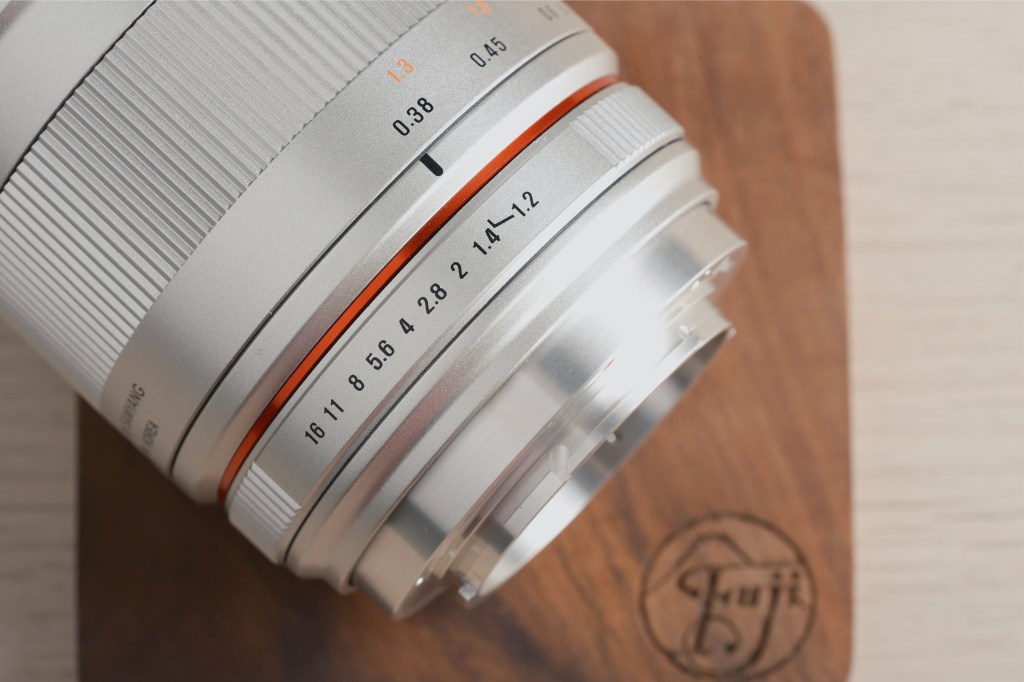
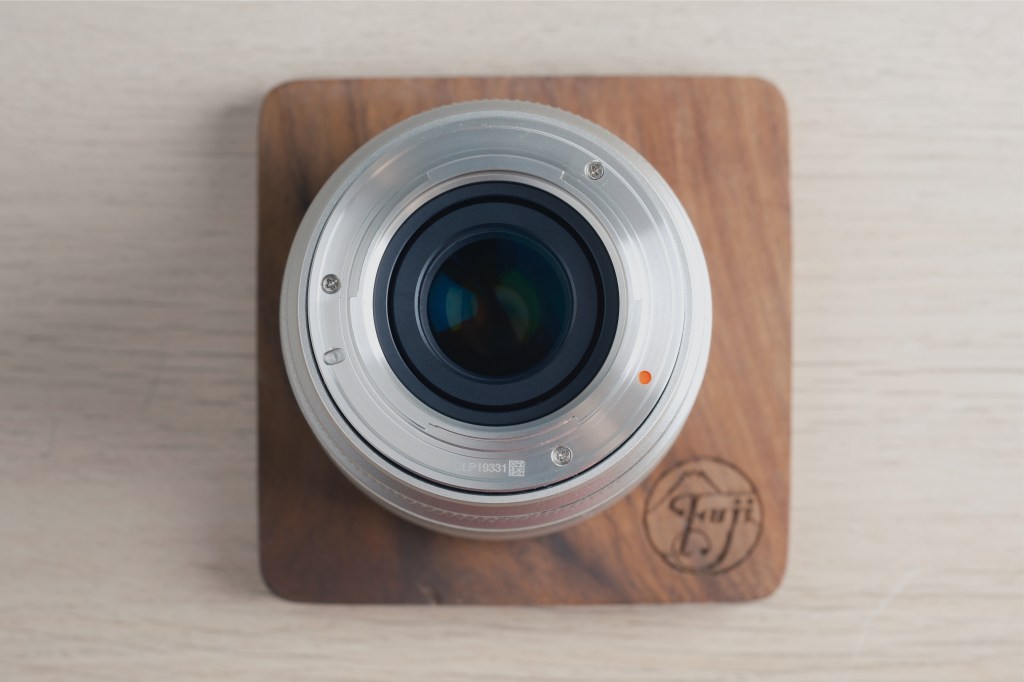
Rokinon 35mm f1.2
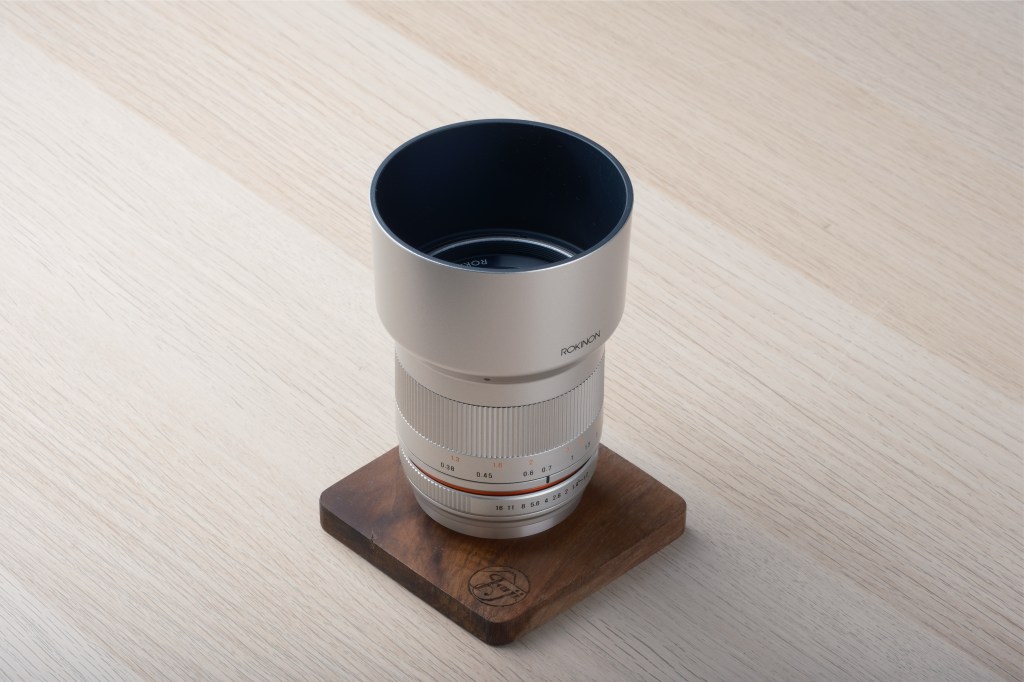
Rokinon 35mm f1.2 with lens hood

Based on the header of this post, no surprise here. I immediately placed my order for the Rokinon 35mm f1.2 and it was only 98 SGD (73 USD). In case you wonder, Amazon sells this lens between 300 SGD to 600 SGD (223 USD to 445 USD). That’s a huge discount for this Korean brand (also known as Samyang).

I have a few “reasons” to explain why I decide to buy this lens and here is why:

  1. It’s cheap and even cheaper than the already similar aperture manual lenses in the market from 7Artisans, TTArtisan, Voigtlander, and the like.
  2. I heard about this brand and read about the beauty of this lens for a long time and this is my opportunity to test drive it.
  3. This is like the stars are aligned. So why not.

Design & Build Quality

From the lens appearance, it isn’t as small as the XF35mm f1.4 and also evitably larger than what other 3rd party manual lens manufacturers are offering. And it is even bigger in size than the TTArtisan 35mm f0.95. To be fair, this Rokinon 35mm f1.2 was announced back in 2016, and the lens design is definitely improved over the years in the industry.

Fuji X-T5 . Rokinon 35mm f1.2 @ 35mm . f4 . 1/30″ . ISO 3200 . Nostalgic Negative

The lens is made of plastic but it’s a high-quality one. Again this is a different approach from the usual metal build quality 3rd party manufacturers and I can probably understand why this is the approach. I will explain later.

Fuji X-T5 . Rokinon 35mm f1.2 @ 35mm . f1.2 . 1/140″ . ISO 125 . Nostalgic Negative

It weighs 433 grams which I think is somehow reasonable. Similarly, a 62mm filter size is also pretty reasonable as well.

The aperture ring on this 50mm (full frame equivalent) is clicky and not those de-click buttery smooth kind found in most recent new lenses from other manufacturers. However, it is a little stiff when I change the aperture. Not sure if it just happens to my unit but I have to use a little more force to rotate the ring than any of the lenses I have tried so far.

As for the lens cover, it is the typical pinch-to-release type of plastic cover. The lens hood is also made of plastic but it is painted to have the same color as the lens body. At least there is some attention to detail here.

Fuji X-T5 . Rokinon 35mm f1.2 @ 35mm . f1.2 . 1/80″ . ISO 1000 . Nostalgic Negative

Image Quality

Shooting wide open is unbelievably great and the image quality is totally usable with great contrast. With f1.2, it gives more separation between the main subject and others and allows the main subject to be more pop.

Furthermore, the bokeh (or background blur) is actually quite pleasing to view and not as distracting as some other lenses.

In my period of shooting, I do not observe any obvious chromatic aberration. Similar to vignetting, the corners are pretty mild and considered close to none.  

Minimum Focus Distance (MFD)

At 38mm MFD, there is nothing to shout about for this focal length. It is not a show-stopper to prevent photographers to shoot in their favorite genres. Just that it is slightly further away than what current 35cm “standard” MFD that other manufacturers are providing.

Fuji X-T3 . Rokinon 35mm f1.2 @ 35mm . f1.2 . 1/80″ . ISO 160 . Classic Chrome
Fuji X-T3 . Rokinon 35mm f1.2 @ 35mm . f2 . 1/80″ . ISO 160 . Classic Chrome
Fuji X-T5 . Rokinon 35mm f1.2 @ 35mm . f1.2 . 1/8000″ . ISO 125 . Nostalgic Negative
Fuji X-T5 . Rokinon 35mm f1.2 @ 35mm . f1.2 . 1/2500″ . ISO 125 . Nostalgic Negative

Focusing

Unlikely the aperture ring, the focus ring is smooth but comes with very minimal and comfortable friction.

From MFD to infinity, the focus throw is approximately 100°, which I think is okay and it also gives a good amount of “distance” for precise focusing.

Price Point

I bought it well below its average selling price, so I will not base it on the price I have but rather base it on the real selling price.

According to its suggested retail price, it is selling at 499 USD. While Amazon and B&H do have some sales occasionally, with an average of about 349 USD.

Who is this for?

I won’t recommend this lens to someone who is looking for a budget fast prime lens because it is not that budget unless you found the same deal as mine.

Secondly, it is not a compact lens like others too. If you really like the image quality from this lens, then you can consider getting one for the genre of your favorite except for macro.

Fuji X-T5 . Rokinon 35mm f1.2 @ 35mm . f1.2 . 1/80″ . ISO 200 . Nostalgic Negative

Conclusion

To be fair, this manual lens isn’t cheap and the size of this lens is bigger than any other lenses released in recent 1-2 years. But the image quality from this glass is undeniably great among the other lenses of the same category.

Fuji X-E4 . Rokinon 35mm f1.2 @ 35mm . f1.2 . 1/80″ . ISO 640 . Nostalgic Negative

Despite having some shortfalls like build quality, size, weight, and not being the fastest lens on the market, I enjoy every shot taken with this lens especially taken wide open. It is just so awesome that I can simply accept these disadvantages.

After using so many metal-constructed lenses, I do miss the metal-build quality as it does make the lens feel more premium. I do hope this lens comes with one as well but the plastic build of this lens is there for a reason. It is to keep the weight down and reasonably balance with the camera body. I think Rokinon/Samyang has considered it as well.

Fuji X-T5 . Rokinon 35mm f1.2 @ 35mm . f1.2 . 1/500″ . ISO 800 . Nostalgic Negative

Overall, this lens is easily categorized as one of the best manual lenses out there in the market.

Disclaimer:
1. All the shots taken here are shot by me.
2. Most of the shots are straight out of the camera with some shots edited via In-Camera Raw Processing.

3. The opinions are based on my experience. If there is any mistake, please kindly drop me a message and I will gladly make the amendment.
4. I reserve ownership of these images, if you wish to use my images, please notify me.

If you like my works, please follow me on either one of the 2 Instagram accounts:

https://www.instagram.com/alwinkok_

https://www.instagram.com/alwin.portraits

If you have a Facebook account, feel free to join Fujifanboys FB group.

If you like my content and you want to show some support and keep this blog alive, you can buy me a coffee here.

Reviews

TTArtisan 50mm Tilt f1.4 – Tilting My Point Of View

I think TTArtisan loves “50mm” a lot. They have lots of choices for this mid-telephoto focal length. TTArtisan has the brightest 50mm, the most compact 50mm variants, and now they have introduced the 4th “50mm” and it has the most distinctive function among all their lenses; the tilt function.

TTArtisan 50mm Tilt f1.4

Similar to the compact 50mm, this lens is also designed as a full-frame lens. Does that mean the optical quality is better on the APS-C sensor? I think we can scroll down and see it for ourselves.

Before you read further, this is my first time using a tilt lens. I will try to elaborate based on my experience with using this lens as much as possible. Also, I would like to thank TTArtisan for sending this lens to me. Without their kind support, this will not happen.

Design & Build Quality

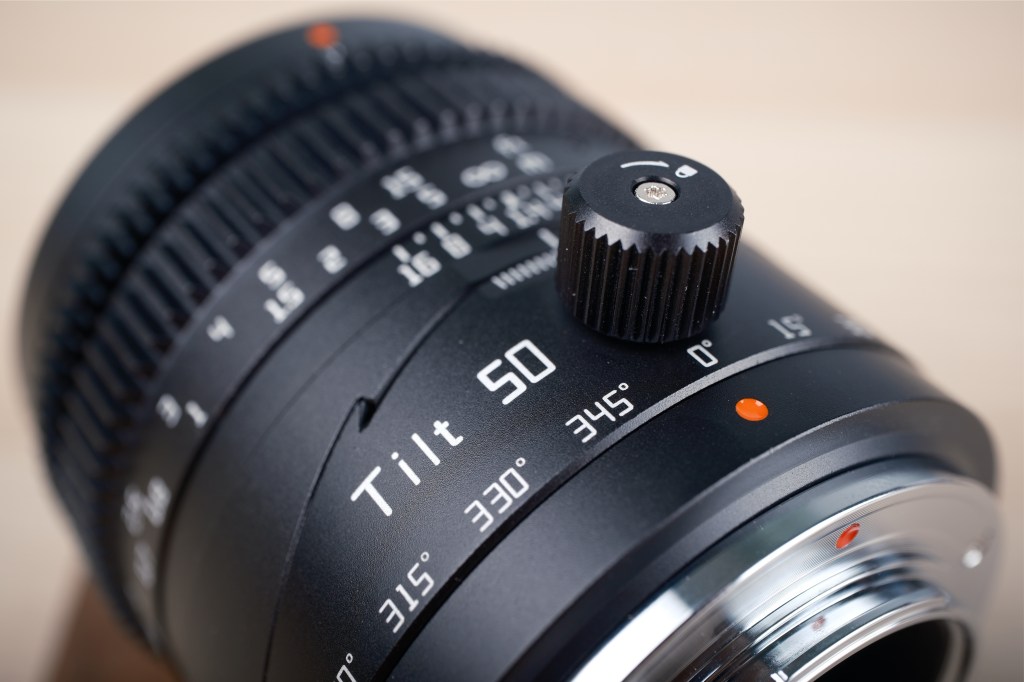
The first thing you will notice is the design of this lens. It has a completely different design language from the rest of the TTArtisan lenses. The most obvious 2 extra knobs on the lens body are the first thing I noticed and followed by the sort of zig-zag line across the lens. Obviously, they are important roles for the tilt function.

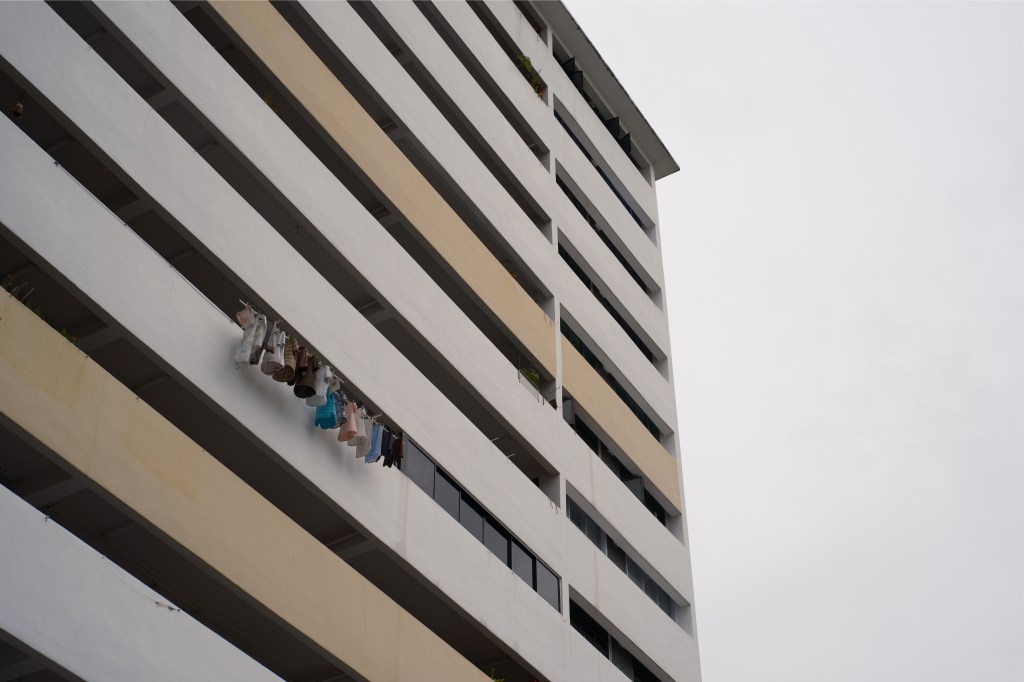
Fuji X-E4 . TTArtisan 50mm Tilt f1.4 @ 50mm . f2.8 .  1/4000″ . ISO 160 . Classic Negative

Despite all these new elements, you can rest assured of the build quality coming out from TTArtisan. As usual, still has the same well-built quality from them. You will not get any disappointment when holding this lens. It weighs 450 grams and it is the heaviest 50mm coming from TTArtisan thus far.

When comes to filter thread, this 75mm (full frame equivalent) lens has a “considerably” large 62mm filter thread that is compared to its 50mm siblings. Given the extra function in the lens, 62mm filter thread is considerably reasonable.

Back to the 2 knobs. The silver knob is the rotation lock knob which allows the rotation mechanism to rotate the lens 360° with 15° rotation per step.

The black knob is to control the tilt mechanism with a tilt angle of ± 8°. For how I use them, I will unlock one knob at a time, adjust to the desired degree, lock it and then continue to adjust with the other knob. With the focus peaking, it helps me to visualize and easily noticeable on where my plane of focus is.

Unlike the usual TTArtisan lenses, this lens uses a click-less aprture, and honestly speaking, I missed the clicks experience that I always love. To make things worse, there are times when I rotate the aperture ring instead of the focus ring without realizing it. Only get to notice it after checking out the shots and looking at my lens. (Since this lens does not have any electronic contact with the camera, hence I cannot see the aperture value from the EVF / LCD.) Sometimes I even think that my camera or the lens is “broken”.

Fuji X-T5 . TTArtisan 50mm Tilt f1.4 @ 50mm . f2 .  1/80″ . ISO 640 . Nostalgic Negative

And like the 23mm f1.4, it comes with metal cap-on lens cap instead of the screw-in type found in most of the lens lineup. I love this approach and I hope TTArtisan will keep it this way for their future lenses.

Image Quality

In this category, I will split into 2 sections: “conventional lens” mode and “tilt lens” mode.

Before that, shooting wide open for both modes has a strong vignetting and chromatic aberration. And of course, these can be edited in post-process or lower down the aperture value.

Fuji X-T5 . TTArtisan 50mm Tilt f1.4 @ 50mm . f5.6 .  1/1600″ . ISO 125 . Nostalgic Negative

For “conventional lens” mode, the image quality is slightly usable at wide open. The image quality tends to be soft and lacks contrast. And sometimes I cannot tell if my shots are in focus as the shots are too soft. This is based on my past experience with TTArtisan lenses and is usually not really within my minimum acceptance. Usually, I prefer f2 on most lenses. But for this lens, I preferred results at f2.8 as it is sharper and has better contrast.

Left: Fuji X-T5 . TTArtisan 50mm Tilt f1.4 @ 50mm . f1.4 .  1/210″ . ISO 125 . Nostalgic Negative
Right: Fuji X-T5 . TTArtisan 50mm Tilt f1.4 @ 50mm . f2 .  1/80″ . ISO 160 . Nostalgic Negative

For “tilt lens” mode, the image quality is not quite usable. Due to the tilt effect and shooting wide open, the focused subject can be very shallow (depending on the shooting angle) and very easily affected by chromatic aberration. Again, I preferred the results at f2.8 and f4 which give a better focus to blur off under the tilt effect. To note the tilt effect will be reduced further as the aperture value gets lower and that is pretty obvious from f5.6 onwards.

Minimum Focus Distance (MFD)

Like their other 50mm lenses, it maintains its MFD at 50cm. This is where I think the image quality is at its softest and lacking the contrast the most when shoot wide open. Again, shooting at 1 to 2 stops lower to gain better image quality.

Fuji X-T5 . TTArtisan 50mm Tilt f1.4 @ 50mm . f2 .  1/140″ . ISO 125 . Nostalgic Negative
Fuji X-T5 . TTArtisan 50mm Tilt f1.4 @ 50mm . f1.4 .  1/2500″ . ISO 125 . Nostalgic Negative

Focusing

From MFD to infinity, the focus throw is approximately 160°. It has one of the comfortable focus rings with a decent resistance when I rotate it.

Fuji X-T5 . TTArtisan 50mm Tilt f1.4 @ 50mm . f2 .  1/2500″ . ISO 125 . Nostalgic Negative

When you shoot at infinity for normal shooting and tilt shooting, this lens has a common issue like most manual lenses. The result will be off-focused. Hence you need to rotate back a little before the infinity marking to get a fully focused result.

Price Point

For 199 USD, it is priced very closely to the f0.95 lenses, which also means that it is priced on the higher side of the spectrum for the APS-C lenses category. Given the uniqueness of this lens, I think this is a decent price point.

Who is this for?

There are not a lot of tilt lenses in the market. And not forgetting that back in those days, tilt and shift lenses are very expensive, and not many photographers will buy one and use it.

Left: Fuji X-T5 . TTArtisan 50mm Tilt f1.4 @ 50mm . f1.4 .  1/80″ . ISO 160 . Nostalgic Negative
Right: Fuji X-T5 . TTArtisan 50mm Tilt f1.4 @ 50mm . f2 .  1/80″ . ISO 200 . Nostalgic Negative

Left: Fuji X-T5 . TTArtisan 50mm Tilt f1.4 @ 50mm . f2.8 .  1/80″ . ISO 640 . Nostalgic Negative
Right: Fuji X-T5 . TTArtisan 50mm Tilt f1.4 @ 50mm . f4 .  1/80″ . ISO 1250 . Nostalgic Negative

Fuji X-T5 . TTArtisan 50mm Tilt f1.4 @ 50mm . f5.6 .  1/80″ . ISO 2500 . Nostalgic Negative

With this lens, the potential photographer can use it as a conventional portrait lens where it can be used for many genres like street, documentary, product shoot, archiecture, cityscape, landscape, etc. At times, the potential photographer can also use its tilt mode for more creativity, adventure, and extraordinary perspective.

Conclusion

I mentioned this before and I have to mention this again. TTArtisan never fails to surprise photographers with their new lenses. The overall usability of this lens is very versatile and probably even more practical than its f0.95 sibling.

Fuji X-T5 . TTArtisan 50mm Tilt f1.4 @ 50mm . f2.8 .  1/13″ . ISO 3200 . Nostalgic Negative

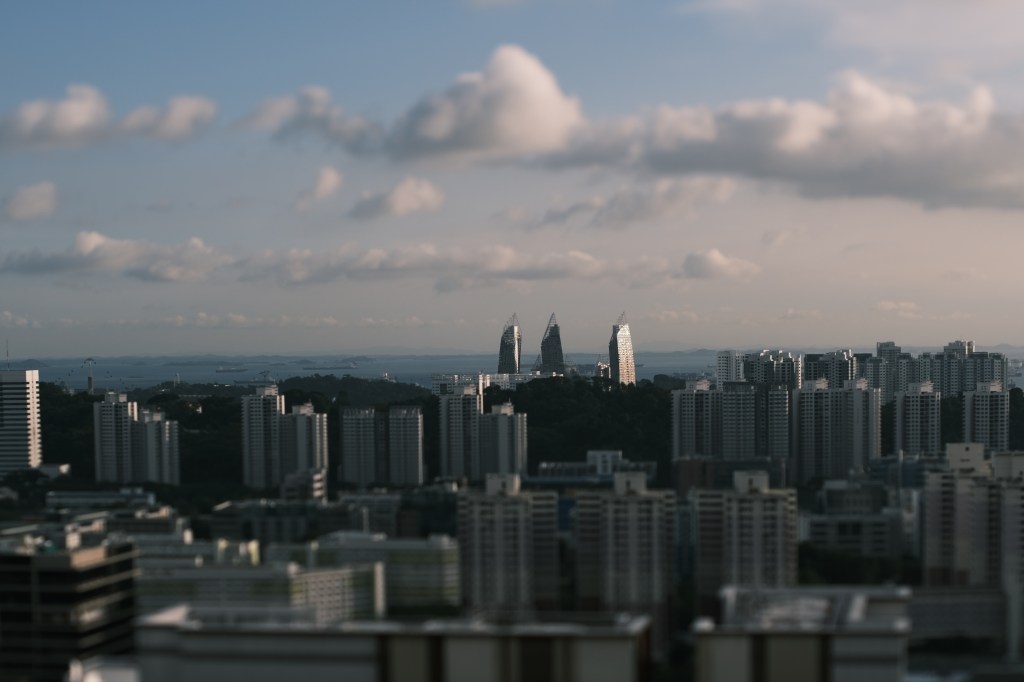
Personally, I like the tilt function as it helps me to create a good foreground and background blur especially for the cityscape shots and archiecture shots. It is also good in creating miniture effect too.

Left: Fuji X-T5 . TTArtisan 50mm Tilt f1.4 @ 50mm . f2.8 .  1/200″ . ISO 125 . Nostalgic Negative

While the image quality at wide open has room to improve, I can tell that TTArtisan has been improving slowly with each new lens. I hope TTArtisan will continue with the new breakthrough and new unique lens to keep up with the excitement and of course, hope to see more tilt lenses in the future too.

Fuji X-E4 . TTArtisan 50mm Tilt f1.4 @ 50mm . f2 .  1/4400″ . ISO 160 . Nostalgic Negative

Thank you for reading.

Disclaimer:
1. All the shots taken here are shot by me.
2. Most of the shots are straight out of the camera with some shots edited via In-Camera Raw Processing.

3. The opinions are based on my experience. If there is any mistake, please kindly drop me a message and I will gladly make the amendment.
4. I reserve ownership of these images, if you wish to use my images, please notify me.

If you like my works, please follow me on either one of the 2 Instagram accounts:

https://www.instagram.com/alwinkok_

https://www.instagram.com/alwin.portraits

If you have a Facebook account, feel free to join Fujifanboys FB group.

If you like my content and you want to show some support and keep this blog alive, you can buy me a coffee here.

Event

My Favorite Photos in 2022

The year 2022 was another fruitful year for me. Of the 28 posts I have posted this year, 21 are reviews of camera gears and lenses. I also had a small achievement by getting 100k views on this blog this year (A big thank you, everyone!). It is challenging to juggle my job, photo shoots, and family time but I am glad I have made it and I enjoy the process.

Again, I would like to thank Carmen, Marketing Manager of Fujifilm Singapore, Cles Distribution of Tamron, Mr. Lawson from Sigma Marketing (Singapore), TTArtisan, Laowa, and FunLeader for giving me the opportunity to be able to hands-on with the gears and lenses, otherwise, this would not even happen.

I am happy to see more X-mount lenses released this year. Especially this year, Fuji has gained a lot of support from the 3rd party manufacturers and of course, I am referring to the autofocus lenses. While we have no idea what Fujifilm going to release next year but I hope to have an exciting one (I pray for X-Pro 4 and X100V successor arrival). And I also hope to see more autofocus lenses from 3rd party manufacturers to be released next year.

Okay, back to the topic. This is a little different from last year. I decided just to share what are my favorite photos taken this year (because it is hard to filter just 12 photos) and I also split them into 2 categories: “The street” & “The portrait”. Please enjoy.

The street:

#1

Fuji X-S10 . XF 23mm f1.4 WR @ 23mm . f1.4 . 1/26000″ . ISO 320 . Classic Neg

#2

Fuji X-E4 . XF 23mm f1.4 R @ 23mm . f1.4 . 1/180″ . ISO 1250 . Classic Neg

#3

Fuji X-E4 . XF 33mm f1.4 WR @ 33mm . f1.4 . 1/7000″ . ISO 320 . Classic Neg

#4

Fuji X-E4 . Sigma 30mm f1.4 @ 30mm . f5.6 . 1/160″ . ISO 500 . Classic Neg

#5

Fuji X-T3 . Sigma 16mm f1.4 @ 16mm . f1.4 . 1/640″ . ISO 160 . Post-edited

#6

Fuji X-E4 . XF 27mm f2.8 WR @ 27mm . f5.6 . 1/480″ . ISO 320 . Classic Neg

#7

Fuji X-E3 . Sigma 56 mm f1.4 @ 56mm . f1.4 . 1/11,000″ . ISO 400 . Classic Chrome

#8

 Fuji X-E3 . Sigma 56 mm f1.4 @ 56mm . f1.4 . 1/9000″ . ISO 400 . Classic Chrome

#9

Fuji X-E4 . Voigtländer Nokton 35mm f1.2 @ 35mm . f2.8 . 1/680″ . ISO 160 . Classic Negative

#10

Fuji X-S10 . Fuji XF18-120mm @ 120mm . f4 . 1/800″ . ISO 160 . Classic Neg

#11

Fuji X-S10 . Fuji XF18-120mm @ 120mm . f4 . 1/300″ . ISO 160 . Classic Neg

#12

Fuji X-H2S . XF27mm f2.8 WR @ 27mm . f2.8 . 1/5400″ . ISO 160 . Nostalgic Negative

#13

Fuji X-T3 . TTArtisan 50mm f2 @ 50mm . f2 . 1/1500″ . ISO 320 . Classic Chrome .

#14

Fuji X-T3 . Fuji XF18-120mm @ 120mm . f4 . 1/680″ . ISO 160 . Classic Chrome

#15

Fuji X-H2 . XF23mm f1.4 WR @ 23mm . f5 . 2″ . ISO 125 . Nostalgic Negative . 65:24 crop

#16

Fuji X-T3 . TTArtisan 25mm f2 @ 25mm . f2 . 1/100″ . ISO 320 . Acros

#17

Fuji X-T3 . TTArtisan 25mm f2 @ 25mm . f5.6 . 1/3200″ . ISO 320 . Classic Chrome

#18

Fuji X-T5 . XF50mm f2 WR @ 50mm . f3.2 . 1/80″ . ISO 1250 . Nostalgic Negative

#19

Fuji X-T5 . XF23mm f1.4 WR @ 23mm . f1.4 . 1/45″ . ISO 125 . Nostalgic Negative

#20

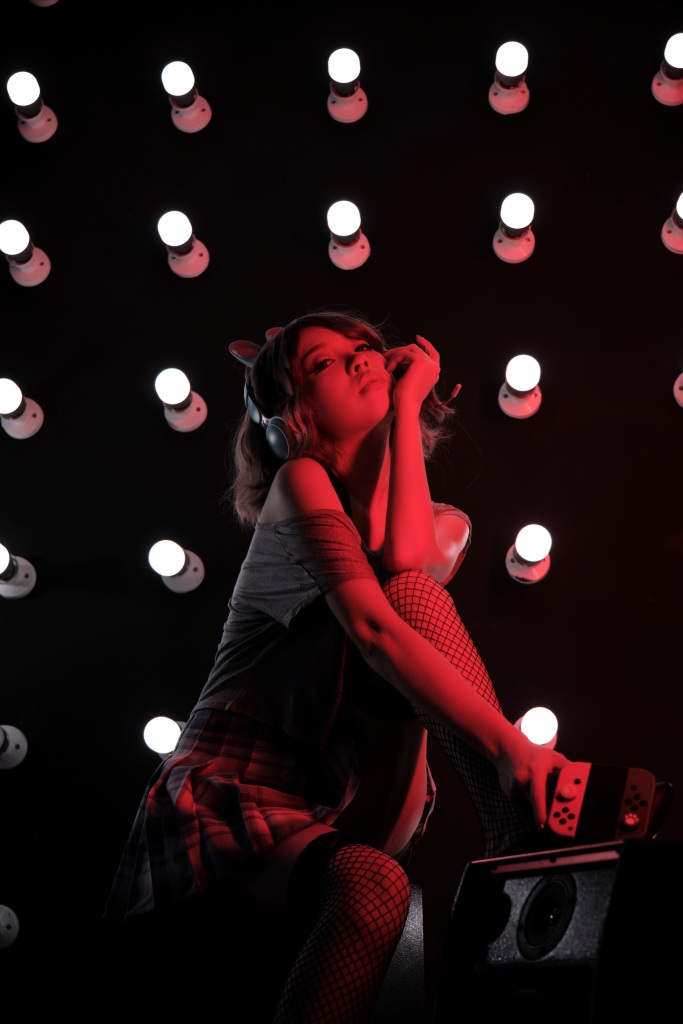
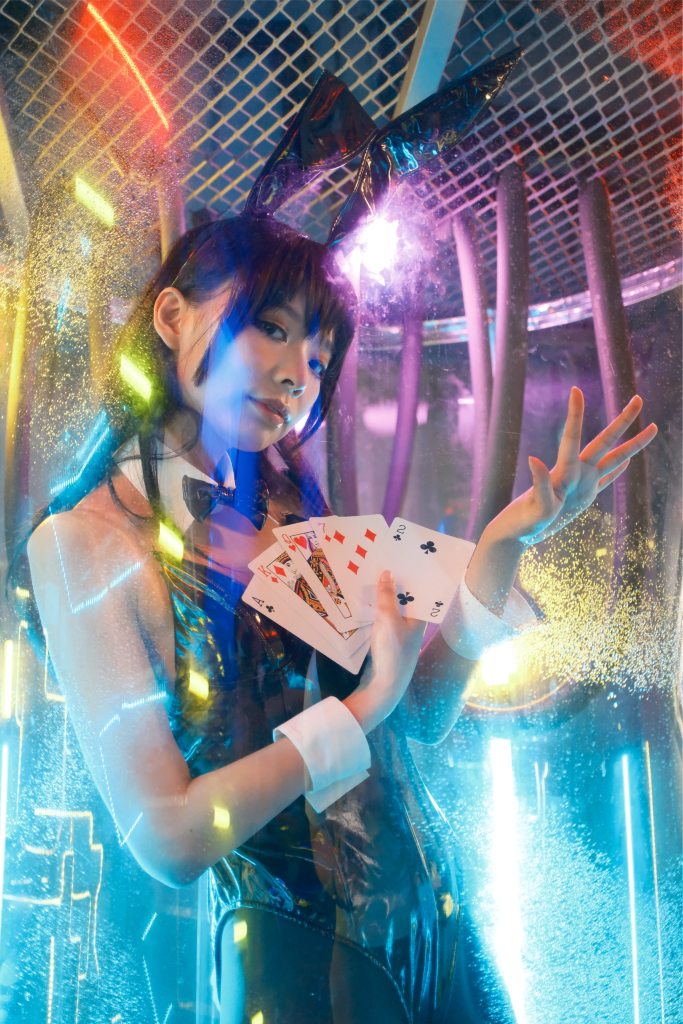
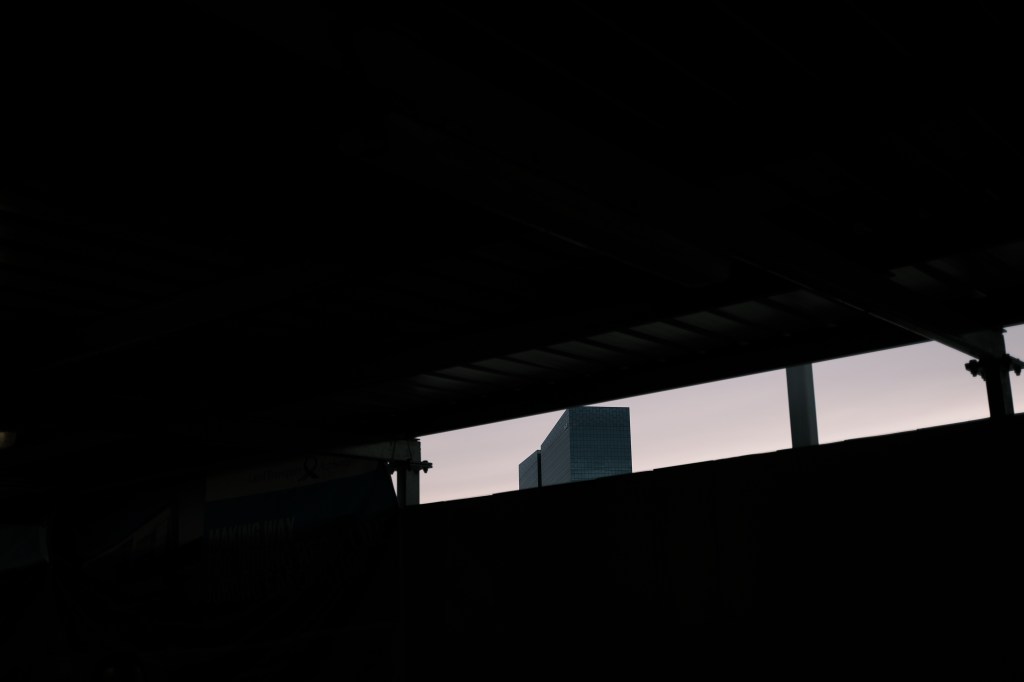
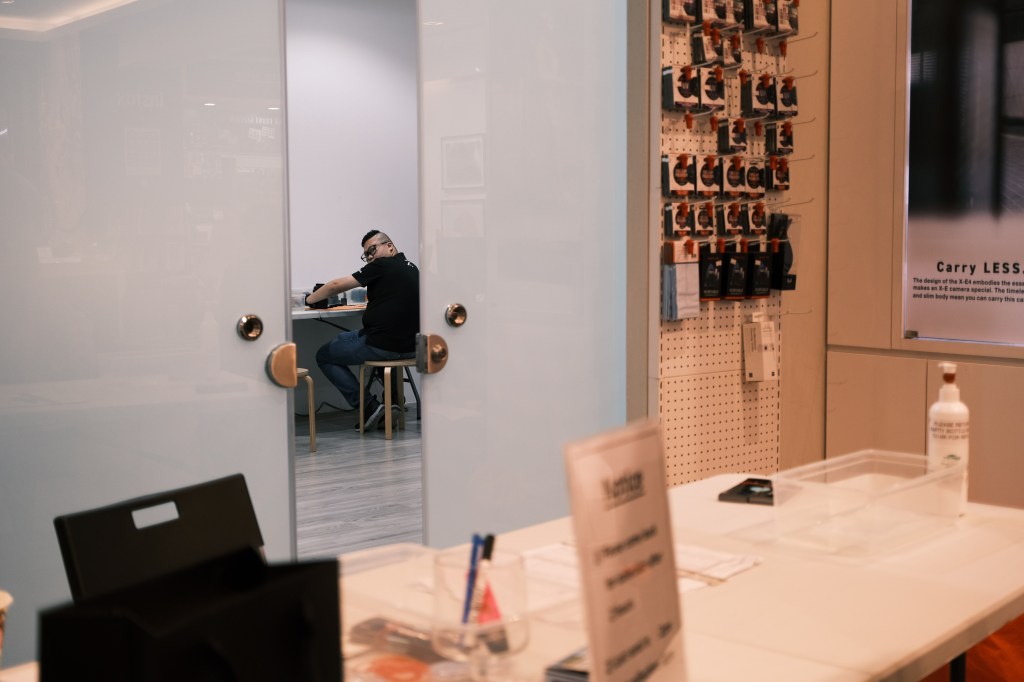
Fuji X-E4. XF30mm f2.8 @ 30mm . f2.8 . 1/80″ . ISO 400 . Classic Negative

#21

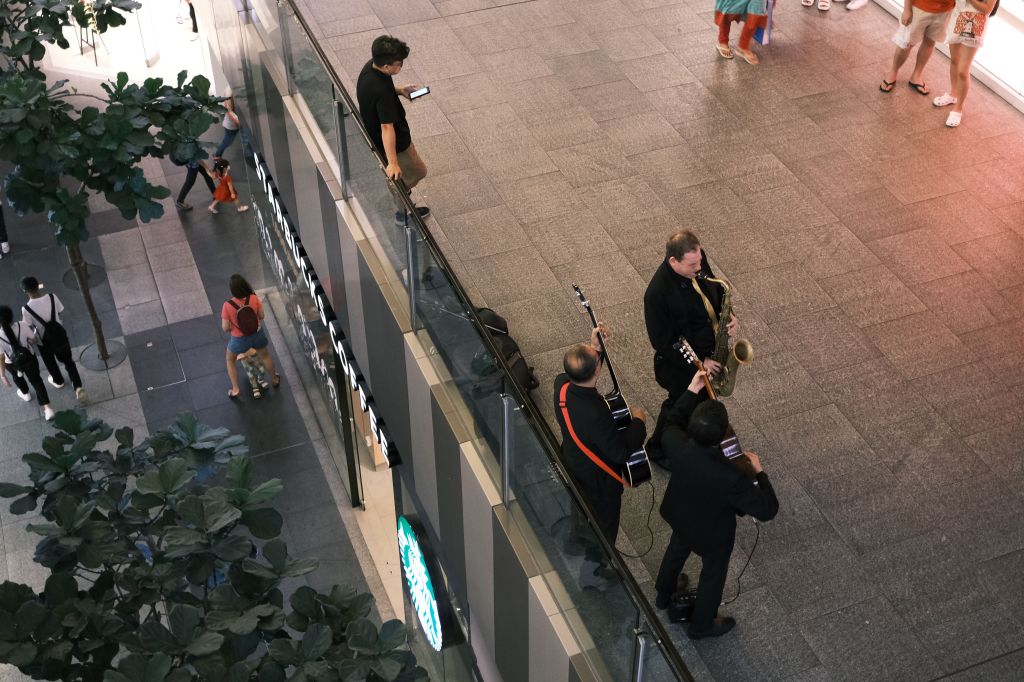
Fuji X-E4. XF30mm f2.8 @ 30mm . f2.8 . 1/80″ . ISO 1000 . Classic Negative

The portrait:

#1

Fuji X-T3 . XF 23mm f1.4 WR @ 23mm . f1.4 . 1/9000″ . ISO 160 . Post-edit

#2

Fuji X-T3 . Sigma 30mm f1.4 @ 30mm . f1.4 . 1/5000″ . ISO 160 . Post-edited

#3

Fuji X-T3 . Sigma 56 mm f1.4 @ 56mm . f8 . 1/125″ . ISO 160 . Post-edited

#4

Fuji X-T3 . Sigma 56 mm f1.4 @ 56mm . f1.4 . 1/220″ . ISO 320 . Post-edited

#5

Fuji X-T3 . Sigma 56 mm f1.4 @ 56mm . f1.4 . 1/125″ . ISO 2000 . Post-edited

#6

Fuji X-S10 . Fuji XF18-120mm @ 98.8mm . f4 . 1/240″ . ISO 160 . Classic Neg

#7

Fuji X-T3 . Tamron 17-70mm @ 35mm . f2.8 . 1/105″ . ISO 320 . Classic Chrome

#8

Fuji X-T3 . Tamron 17-70mm @ 54.7mm . f4.5 . 1/80″ . ISO 160 . Classic Chrome

#9

Fuji X-T3 . Tamron 17-70mm @ 17mm . f4 . 1/640″ . ISO 160 . Classic Chrome

#10

Fuji X-H2S . XF80mm f2.8 @ 80mm . f2.8 . 1/680″ . ISO 320 . Nostalgic Negative

#11

Fuji X-H2 . XF50mm f1 WR @ 50mm . f2 . 1/220″ . ISO 125 . Nostalgic Negative

#12

Fuji X-H2 . XF50mm f1 WR @ 50mm . f1.8 . 1/120″ . ISO 125 . Nostalgic Negative

#13

Fuji X-Pro 3 . TTArtisan 25mm f2 @ 25mm . f2 . 1/500″ . ISO 160 . Classic Negative

#14

Fuji X-Pro 3 . TTArtisan 25mm f2 @ 25mm . f2 . 1/1600″ . ISO 160 . Classic Negative

#15

Fuji X-T5 . XF30mm f2.8 @ 30mm . f2.8 . 1/60″ . ISO 3200 . Nostalgic Negative

#16

The last one that I did not post in any of my blogs at all.

Fuji X-H2 . XF50mm f1 @ 50mm . f1.8 . 1/110″ . ISO 125 . Nostalgic Negative

Thank you for reading (browsing).

If you like my works, please follow me on either one of the 2 Instagram accounts:

https://www.instagram.com/alwinkok_

https://www.instagram.com/alwin.portraits

If you have a Facebook account, feel free to join Fujifanboys FB group.

If you like my content and you want to show some support and keep this blog alive, you can buy me a coffee here.

Reviews

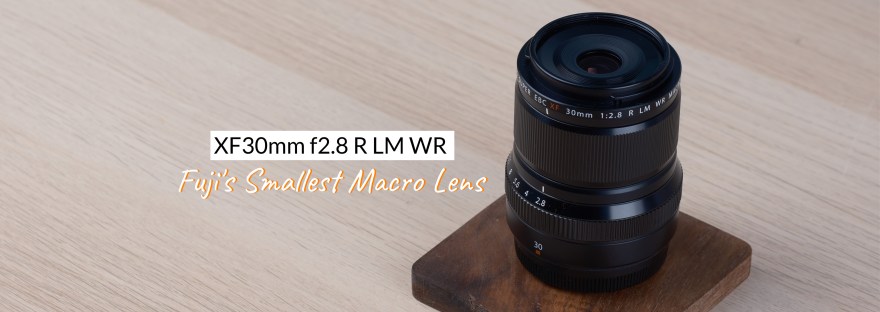
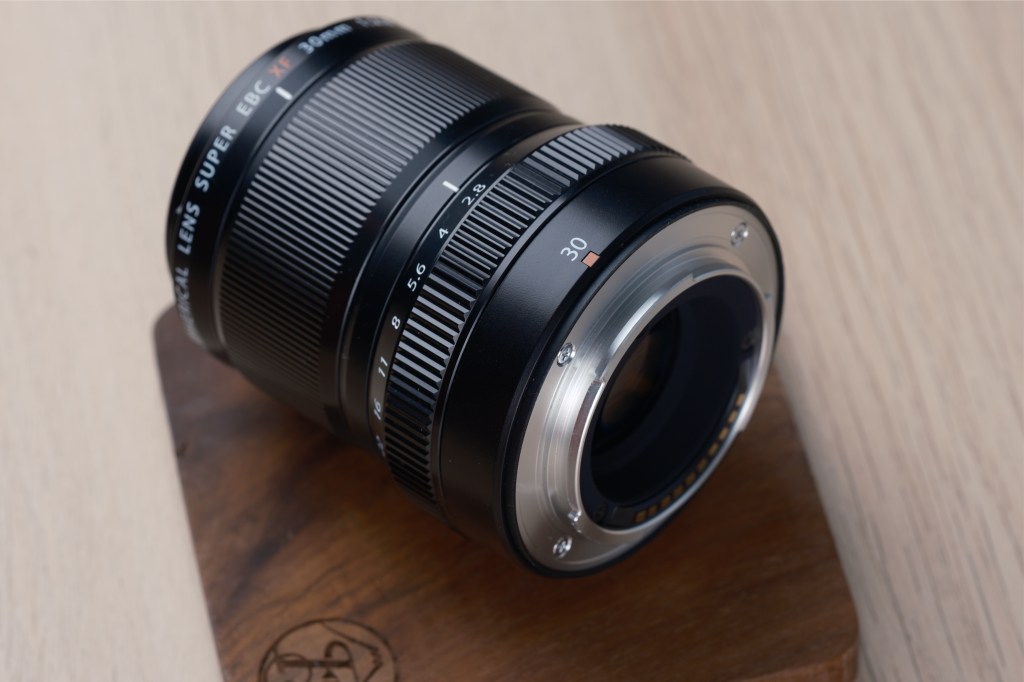
XF30mm f2.8 – Fuji’s Smallest Macro Lens

XF30mm f2.8 R LM WR macro, I will call it XF30mm f2.8 here, was first teased in Fujifilm X Summit Omiya 2022 and then finally announced together with X-T5 on the Fujifilm X Summit Tokyo 2022. This lens also marked the “last of 10th anniversary of X mount” released in 2022.

Before I share further, I would like to thank Ms. Carmen, Marketing Manager of Fujifilm Singapore, for arranging and loaning the XF30mm f2.8 and X-E4 for this review. By the time this post was online, both the lens and camera unit had returned back to Fujifilm Singapore. Also, in this experience sharing, I tested with my X-T5 as well.

Intro

XF30mm f2.8 is the latest and the third macro lens in the Fujifilm lineup. At 45mm in full-frame equivalent, this focal length is unique for a life-size macro photography lens. That’s because typically when we think about macro lenses, they are usually about 100mm-ish focal length and shoot from a mid-range distance. Although there are manufacturers that create similar focal lengths to XF30mm, this is Fujifilm’s first of its kind.

Fuji X-E4. XF30mm f2.8 @ 30mm . f2.8 . 1/400″ . ISO 160 . Classic Negative

Design and Build Quality

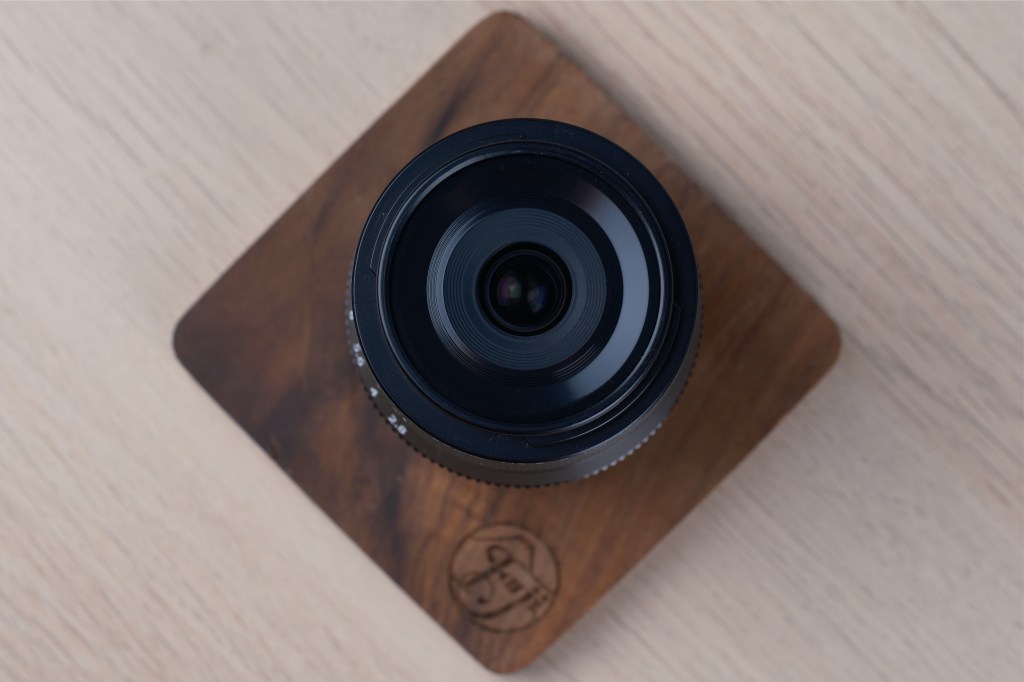
First things first, the design element of this lens resembles much like the XF50mm f2. From afar, I am sure not everyone can tell the difference between the two (unless using a silver XF50mm f2). If you take a closer look, the XF30mm is a tad taller but it comes with a smaller filter thread at 43mm as compared to 46mm on the XF50mm f2.

Fuji X-E4. XF30mm f2.8 @ 30mm . f2.8 . 1/80″ . ISO 1000 . Classic Negative

Among its macro siblings, it is the lightest. Weighing 195 grams against XF60mm 2.4 at 215 grams and XF80mm f2.8 at 750 grams. It is also the smallest (smaller than XF60mm by a bit).

Fuji X-T5. XF30mm f2.8 @ 30mm . f2.8 . 1/90″ . ISO 125 . Nostalgic Negative

The aperture ring is as clicky as most of the Fuji lenses out there. It comes with an A (Auto) Position Lock too if you prefer to have aperture control via the front command dial.

Fuji X-E4. XF30mm f2.8 @ 30mm . f2.8 . 1/80″ . ISO 200 . Classic Negative

Image Quality

At wide open, the image quality from this lens is super sharp with great contrast. Even when shooting so close to the subject, the sharpness remains great and the details are well-preserved. I think “clinical sharp” is the best word to describe the optic of this lens.

Unlike harsh and messy bokeh in some lenses, I do love and appreciate how the glass renders beautifully with the fall-off being seamless. Also, I think this is an expectation from Fuji-designed lenses but I do not observe any chromatic aberration or vignetting in the photos.

Fuji X-T5. XF30mm f2.8 @ 30mm . f2.8 . 1/80″ . ISO 160 . Nostalgic Negative

As for sunny star, this lens doesn’t seem to give a sharp one, even at its smallest aperture. But this is not important in my opinion because what’s important is its macro capability, right?

Focusing

I will split it into two parts to discuss this.

In the first part, its focus locked really quickly for the usual applications. Very similar to the new generation lens such as XF23mm f1.4 WR, etc, it just snaps onto the subject real quick. In this portion, I have no problem focusing both day and night. As for the cameras I have tested, it focuses fast on an X-E4 but it focuses even faster on the X-T5, which shows the power of the new X-Trans sensor and processor.

Fuji X-E4. XF30mm f2.8 @ 30mm . f8 . 1/80″ . ISO 320 . Classic Negative

The second part, it has the typical macro lens characteristics when I shoot really close to the subject and under low light situations. I experienced a slight focus throw to infinity and back slowly before it locked to the subject. If you know how to recover from this situation quickly, then it will be fine.

Fuji X-E4. XF30mm f2.8 @ 30mm . f2.8 . 1/4700″ . ISO 160 . Nostalgic Negative

Minimum Focus Distance

The Minimum Focus Distance is only 10cm from the sensor, the shortest among all the Fujifilm lenses and that includes the macro lenses (XF64mm f2.4 is 26cm and XF80mm f2.8 is 25cm). It can shoot very close to the subject if you wonder. So close to the extent that the lens hood is in its way if you mount the lens hood for protection, etc.

Fuji X-E4. XF30mm f2.8 @ 30mm . f2.8 . 1/80″ . ISO 400 . Classic Negative
Fuji X-E4. XF30mm f2.8 @ 30mm . f2.8 . 1/80″ . ISO 320 . Classic Negative

Price Point

Surprisingly, this is the cheapest macro lens among the 3 Fujifilm macro lenses. At 599 USD, it is merely 50 USD cheaper than the XF60mm f2.4 (the first-ever macro lens from Fujifilm).

Fuji X-E4. XF30mm f2.8 @ 30mm . f2.8 . 1/80″ . ISO 160 . Classic Negative

Who is this for?

This might be a good choice if you are a new photographer or looking for your first prime lens. It has a sweet focal length suitable for genres like street, documentary, journalism, portraits, animal portrait, cityscape, and landscape and also steps into the world of macro like insects, products, etc.

Fuji X-T5. XF30mm f2.8 @ 30mm . f2.8 . 1/80″ . ISO 2000 . Nostalgic Negative
Fuji X-T5. XF30mm f2.8 @ 30mm . f2.8 . 1/850″ . ISO 125 . Nostalgic Negative

Conclusion

I love shooting with my XF80mm f2.8 especially when I shoot for products and portraits. That’s simply because of the sharpness and details that only a macro lens can deliver but it is not a cheap one and it is not the lightest prime lens.

Back to this lens, you do not need to be a macro lover to like this lens. Its MOD basically allows you to take a closer shot of your subject without worrying about having off-focus shots. It also has a focal length close to the “standard” prime lens. This brings out even more versatility in using this lens.

Last but not least, it is compact, and lightweight which makes it a great choice to bring out easily without burdening your shoulder.

Fuji X-T5. XF30mm f2.8 @ 30mm . f5.6 . 1/1300″ . ISO 125 . Nostalgic Negative

In short, the XF30mm f2.8 is not the brightest prime lens among the Fuji lenses, but it is one of the most well-balanced and versatile lenses on the market.

Disclaimer:
1. All the shots taken here are shot by me.
2. Most of the shots are straight out of the camera with some shots edited via In-Camera Raw Processing.

3. The opinions are based on my experience. If there is any mistake, please kindly drop me a message and I will gladly make the amendment.
4. I reserve ownership of these images, if you wish to use my images, please notify me.

If you like my works, please follow me on either one of the 2 Instagram accounts:

https://www.instagram.com/alwinkok_

https://www.instagram.com/alwin.portraits

If you have a Facebook account, feel free to join Fujifanboys FB group.

If you like my content and you want to show some support and keep this blog alive, you can buy me a coffee here.

Discussion

XF18-120mm – Meet The “Worst” Lens of 2022

If you are aware, DPReview TV has done it again. Yes, this is the second time DPReview commented that the Fujifilm XF lens is not sharp, and unfortunately, XF18-120mm f4 is that lens. The first one was back in 2020 and they commented that the XF50mm f1 was soft.

Fuji X-S10 . Fuji XF18-120mm @ 120mm . f4 . 1/480″ . ISO 160 . Classic Neg
Fuji X-S10 . Fuji XF18-120mm @ 120mm . f4 . 1/950″ . ISO 160 . Classic Neg

In DPReview TV, they have this culture in which they will share their thoughts on the best and worse cameras and lenses at the end of every year with some alcohol.

So what are the comments? While Chris mentioned that it is a decent lens, Jordan was disappointed with the lens as it is not sharp and it should be sharper to take full advantage of the X-H2’s 8K video recording capability or the X-H2S’ 6.2k open gate.

Fuji X-S10 . Fuji XF18-120mm @ 43.2mm . f4 . 1/1600″ . ISO 160 . Classic Neg
Fuji X-S10 . Fuji XF18-120mm @ 45.4mm . f4 . 1/420″ . ISO 160 . Classic Neg

This sparks quite a lot of discussions in various forums. Some videographers are worried & wonder why, some are outraged, and some simply ignore it. Usually, I belong to the last category. But I have a few friends who actually want to buy this lens and they want to use it for photography purposes. So I just hope to address some concerns with this post.

The first thing about this lens is that it is designed with videography and videographers in mind. As suggested by many videographers out there, videography lenses that are optimized for video are often not sharp. Even if it is a sharp lens, videographers will need to do something to soften the sharpness. What fascinates me is that the “worse lens” comment actually came out from Jordon and he is a videographer shouldn’t he know why the lens is not sharp-sharp?

I shall stop talking about videography (because I am no expert) and share from my photography standpoint. I do not own this XF18-120mm but I do test the lens out and used it for slightly over 2 weeks. Deep in my heart, it is a very good general-purpose lens with decently sharp across all focal lengths and with adequate contrast. Among all the non-red badged lenses, It is probably one of the best zoom lenses coming out from Fujifilm. Very good control of chromatic aberration and vignetting is an additional plus point to the lens.

If you are looking for an all-rounder lens and you do not mind having a power-zoom lens like this one (it has 3 ways of zoom functionalities) and missing out on the slightly wider focal length like 16mm, I strongly recommend you to try it out in your local camera stores for your consideration.

Fuji X-S10 . Fuji XF18-120mm @ 120mm . f4 . 1/640″ . ISO 160 . Classic Neg

But then again, sometimes you need to take their comments with a pinch of salt. After all, they are kinda drunk in the show.

Fuji X-S10 . Fuji XF18-120mm @ 108.9mm . f5.6 . 1/350″ . ISO 160 . Classic Neg

Thank you for reading.

Disclaimer:
1. All the shots taken here are shot by me.
2. Most of the shots are straight out of the camera with some shots edited via In-Camera Raw Processing.

3. The opinions are based on my experience. If there is any mistake, please kindly drop me a message and I will gladly make the amendment.
4. I reserve ownership of these images, if you wish to use my images, please notify me.

If you like my works, please follow me on either one of the 2 Instagram accounts:

https://www.instagram.com/alwinkok_

https://www.instagram.com/alwin.portraits

If you have a Facebook account, feel free to join Fujifanboys FB group.

If you like my content and you want to show some support and keep this blog alive, you can buy me a coffee here.

Reviews

TTArtisan 35mm f0.95 – The Second Fastest Lens

TTArtisan has just announced yet another fast, bright lens. The TTArtisan 35mm f0.95 is the second lens after TTArtisan 50mm f0.95. If you are a fan of TTArtisan or somehow followed them closely, you will notice that they are slowly expanding and differentiating their product line-up. While they focus on compactness and portability lenses like the TTArtisan 25mm f2, they have another product line-up that goes “all-in” by creating the fastest, brightest lens they can. Can this lens do as good as its sibling? Let’s find out.

TTArtisan 35mm f0.95

Before I continue with my sharing, I thank TTArtisan for sending this lens to me. To the readers passing by this blog post, you can rest assured that I give my honest opinions on this lens, similar to the rest of the TTArtisan products that I have shared.

Intro

This is TTArtisan’s second 35mm (or 50mm in full-frame equivalent focal length) lens for the APS-C sensor. This focal length is also one of my favorite focal lengths, especially for street shots and simple portraits, and I believe there are many photographers who love this focal length too.

Fuji X-T5 . TTArtisan 35mm f0.95 @ 35mm . f2 . 1/80″ . ISO 640 . Nostalgic Negative
Fuji X-T5 . TTArtisan 35mm f0.95 @ 35mm . f2 . 1/200″ . ISO 125 . Nostalgic Negative
Fuji X-T5 . TTArtisan 35mm f0.95 @ 35mm . f0.95 . 1/80″ . ISO 200 . Nostalgic Negative

Design & Build Quality

TTArtisan does a good job of distinguishing its lens design and this design element maintains the same as the TTArtisan 50mm f0.95. The zebra-like design, however, has received mixed opinions among photographers and some discussions are made among the groups.

The aperture ring is as good as the rest of the TTArtisans lens lineup. It gives a very comfortable clicky experience when you rotate the aperture ring. I do enjoy changing apertures because of that even when I am just holding my camera in my hand.

TTArtisan provides screw-in lens cap like most of their lenses. But I do miss the cap-on lens cap found in TTArtisan 23mm f1.4.

Fuji X-T5 . TTArtisan 35mm f0.95 @ 35mm . f8 . 1/120″ . ISO 125 . Nostalgic Negative
Fuji X-T5 . TTArtisan 35mm f0.95 @ 35mm . f1.4 . 1/350″ . ISO 125 . Nostalgic Negative

When I have this lens, there is no information about its specification and also its weight. So I use my wife’s kitchen weighing scale to weigh. It is 243 grams (258 grams with the lens cap). It is 168 grams lighter than the sibling so it is not the heaviest manual lens.

When you hold this lens, the first thing you will feel is the weight. Secondly, you can also feel how well the full metal and glass built quality are.

Image Quality

The depth of field of f0.95 is really very shallow and thus gives me an issue nailing the shots. When I manage to hit a focused shot, this lens can give a kind of soft and glowing character which gives us a kind of dreamy feel to the photos.

Left: Fuji X-T3 . TTArtisan 35mm f0.95 @ 35mm . f2 . 1/1100″ . ISO 320 . Classic Chrome
Right: Fuji X-T3 . TTArtisan 35mm f0.95 @ 35mm . f0.95 . 1/1800″ . ISO 320 . Classic Chrome
Fuji X-T3 . TTArtisan 35mm f0.95 @ 35mm . f2 . 1/80″ . ISO 320 . Classic Chrome

On the other hand, chromatic aberration and vignetting are observable, especially at wide open. This is an expected result (at least to me) but it can fix in post-processing.

In my test, nonetheless, shooting at f2 meets my minimum acceptance of a good level of sharpness and contrast. Again, this is my personal preference and yours might be different from me.

Fuji X-T5 . TTArtisan 35mm f0.95 @ 35mm . f2 . 1/20″ . ISO 3200 . Nostalgic Negative

Focusing

The manual focusing ring still gives a very smooth rotating experience with small gentle friction. Honestly speaking, I love it.

Fuji X-T3 . TTArtisan 35mm f0.95 @ 35mm . f2 . 1/125″ . ISO 320 . Classic Chrome

The focus throw is approximately 180° which gives an ample amount of “distance” for more precise and easier focus. This really helps a lot, particularly for photographers who are not getting used to manual focus.

Minimum Focus Distance (MFD)

Similar to most 35mm lenses out in the market, the MFD is 35 cm. In my opinion, nothing to complain about the MFD. Shooting at this MFD allows better subject-background separation but if you shoot wide open, you will get to see heavier dreamy soft shots than any other focus distance.

Fuji X-T3 . TTArtisan 35mm f0.95 @ 35mm . f2 . 1/80″ . ISO 640 . Classic Chrome

Price Point

Given that it is one of the fastest lenses in the market, at 199 USD, I think the lens is well-priced and also slightly cheaper than its sibling. Moreover, the price is highly competitive as compared to its competitors.

Who is this for?

This lens is a lens you can consider if you are a dreamy and soft photo lover and you know what you want to achieve with this lens. It is also lighter than its sibling, making it a better option if someone wants that fast and bright lens.

Fuji X-T3 . TTArtisan 35mm f0.95 @ 35mm . f0.95 . 1/1700″ . ISO 320 . Classic Chrome

If you are a first-timer with manual lenses and you are unsure if you want to invest in them or are ready for the world of manual focusing lenses, then I think you can consider many other TTArtisan lenses that are an even lighter and more affordable option.

if you are like me who prefers the results taken at f2, shouldn’t it make sense for me to choose the other f2 lenses instead of this one? Yes, you can consider that but photographers always say that it is always to have such a lens on standby with you. Because you never know when you will need it.

Conclusion

Both siblings share a lot of common things like image quality, built quality, and the character of the lens. Everything I expect from this lens is within my expectation, which is a good thing. If choosing between the 2 siblings, I will prefer to get this lens over the other, all because of the weight and versatility.

TTArtisan shows no sign of stopping here and I am sure these benefits photographers like us as we have more lens options to choose from. My guess is that they are probably going to launch the 3rd lens for this category and I hope that 23mm will be the one. I am excited and looking forward to what TTArtisan has up its sleeve in the year 2023.

Thank you for reading.

Disclaimer:
1. All the shots taken here are shot by me.
2. Most of the shots are straight out of the camera with some shots edited via In-Camera Raw Processing.

3. The opinions are based on my experience. If there is any mistake, please kindly drop me a message and I will gladly make the amendment.
4. I reserve ownership of these images, if you wish to use my images, please notify me.

If you like my works, please follow me on either one of the 2 Instagram accounts:

https://www.instagram.com/alwinkok_

https://www.instagram.com/alwin.portraits

If you have a Facebook account, feel free to join Fujifanboys FB group.

If you like my content and you want to show some support and keep this blog alive, you can buy me a coffee here.

Reviews

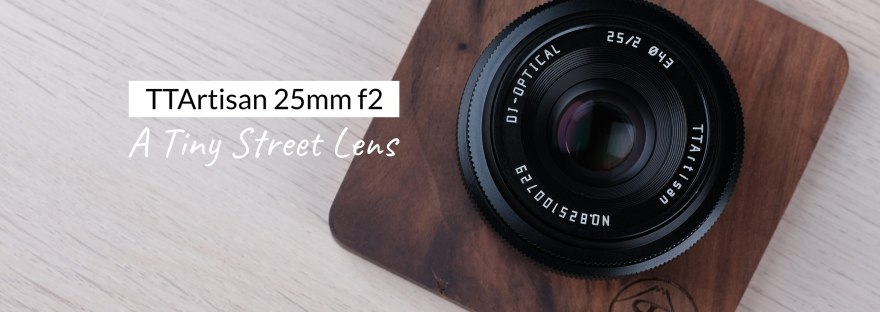
TTArtisan 25mm f2 – A Tiny Street Lens

TTArtisan focuses very much on portability and compactness and TTArtisan 25mm f2 is another product born from this idea.

TTArtisan 25mm f2

Before I begin, I thank TTArtisan for their tremendous support towards me. For readers out there, you can rest assured that I am and always give my honest opinions for their products and that’s including this lens.

TTArtisan 25mm f2
TTArtisan 25mm f2

Intro

At 38mm full-frame equivalent focal length, it reminds me of the point-and-shoot film camera back in those days. I remember it was just a fixed focal length and I think it was quite common back then before it goes wider and wider and wider…

Fuji X-Pro 3 . TTArtisan 25mm f2 @ 25mm . f2 . 1/100″ . ISO 250 . Classic Negative

It is not a common focal length by today’s standards and I believe this focal length is not every photographer’s first focal length in mind.

Fuji X-Pro 3 . TTArtisan 25mm f2 @ 25mm . f2 . 1/100″ . ISO 400 . Classic Negative

Design & Build Quality

The design element of this TTArtisan 25mm f2 follows exactly the same as the TTArtisan 50mm f2. Modern, minimalistic, and sleek are probably the best words to describe this lens.

The aperture ring still comes with that enjoyable and satisfying clicky experience. As for the manual focus ring, it is still as smooth as the other TTArtisan lenses. Basically, you are assured that this lens’s quality is maintained at TTArtisan’s standard.

The lens cap is the screw-in type. It is up to individuals to love it or hate it. As for me, more like I have to get used to it.

Fuji X-Pro 3 . TTArtisan 25mm f2 @ 25mm . f8 . 1/2000″ . ISO 160 . Classic Negative

At 167.4 grams, the weight of this lens is really good to hold. Although it is not as light as the newly announced TTArtisan AF 27mm f2.8, it is still the lightest among their manual lens lineups.

Fuji X-Pro 3 . TTArtisan 25mm f2 @ 25mm . f4 . 1/950″ . ISO 160 . Classic Negative

There is one thing that I have never mentioned in all my manual lens reviews. In case you wonder, the lens does protrude a little when you rotate the focus ring to the Minimum Focus Distance (MFD).

It has a small filter size of 43mm. If you are looking for a hood to put it on, it is still able to find one online. Please note that no hood is included.

Image Quality

The image quality from this lens is surprisingly good and I meant it. Who would expect a lens that is so affordable yet has decent image quality? Typically we expect some will cut corners somehow.

Also, you will also observe some vignetting for wide-open shots. This is a common behavior for TTArtisan lenses and this applies to other third-party lenses too.

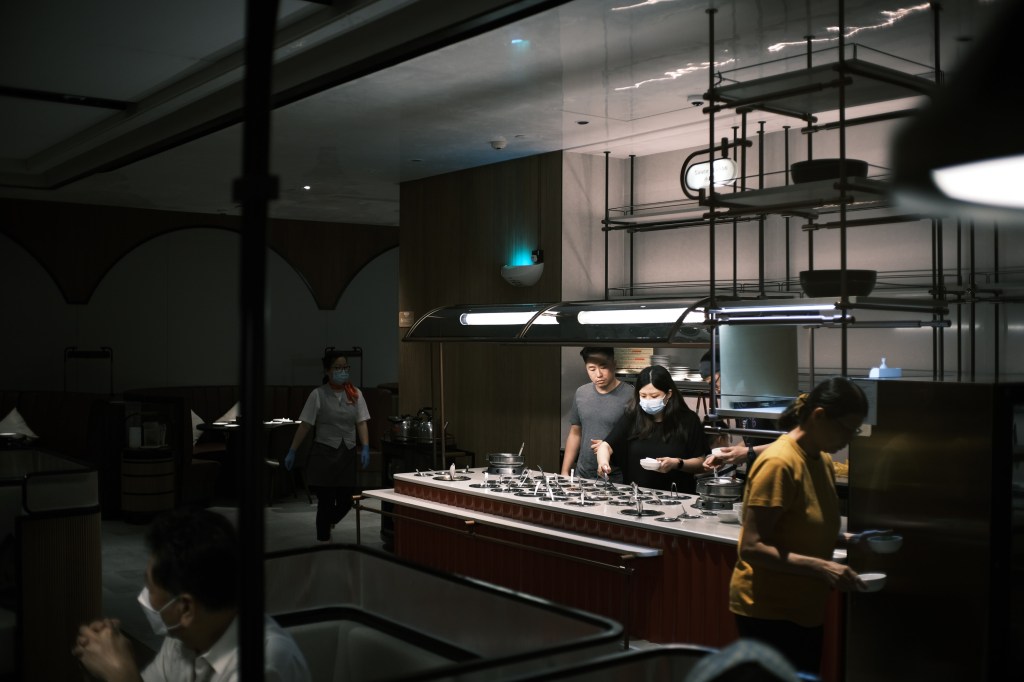
Fuji X-T3 . TTArtisan 25mm f2 @ 25mm . f2 . 1/80″ . ISO 1000 . Classic Chrome
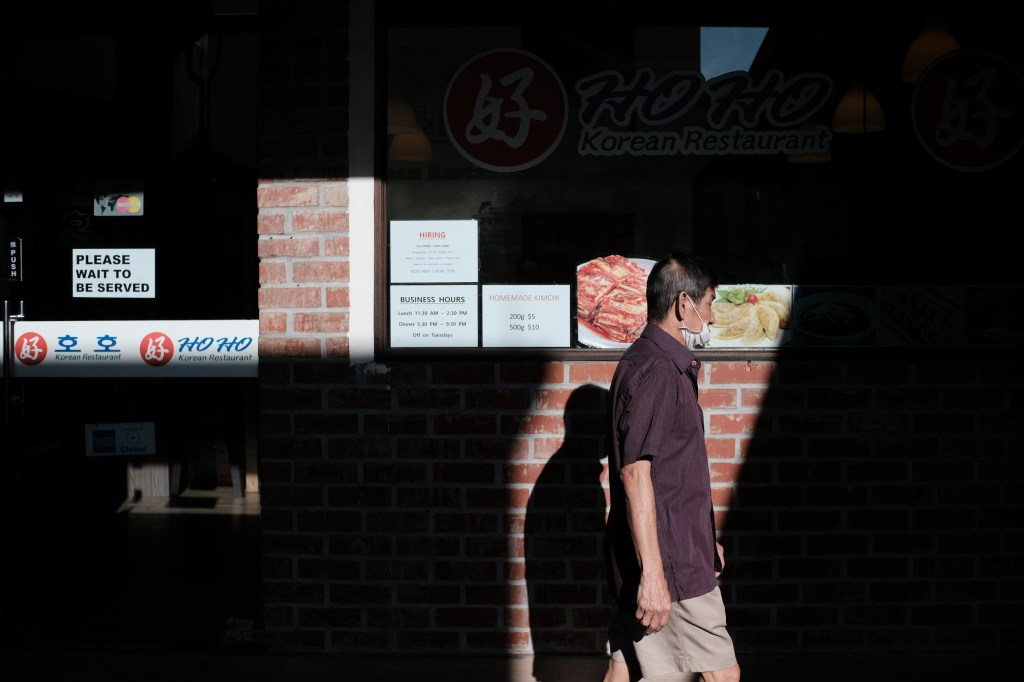
Fuji X-T3 . TTArtisan 25mm f2 @ 25mm . f2 . 1/80″ . ISO 320 . Classic Chrome

Focusing

From MFD to infinity, the focus throw is approximately 160°. In my view, this compact lens gives quite an ample amount of “distance” for more precise focusing.

Like most manual lenses, the result is might not at its sharpest at the infinity marking. Rotate slightly backward on the focus ring to get a better result.

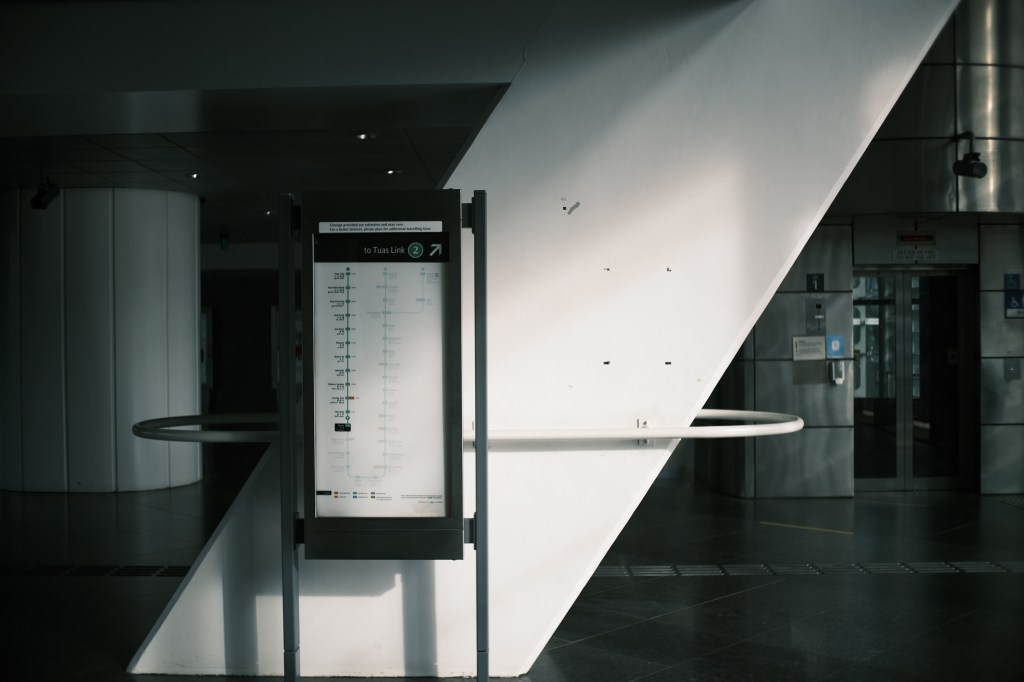
Fuji X-T3 . TTArtisan 25mm f2 @ 25mm . f2 . 1/80″ . ISO 400 . Classic Chrome

Minimum Focus Distance (MFD)

This lens has an MFD of 25 cm which means it can do quite a close-up shot if you want to. You will also notice some softness when shooting at MFD wide-open. I think it is acceptable and pretty much-expected behavior.

Fuji X-Pro 3 . TTArtisan 25mm f2 @ 25mm . f2 . 1/2700″ . ISO 160 . Classic Negative

Price Point

While I thought that the TTArtsian 50mm f2 is the cheapest lens, this 25mm has set a whole new record of 55 USD. Yes, this is how much this lens costs. It can go even lower with occasional promotion from TTArtisan.

Fuji X-Pro 3 . TTArtisan 25mm f2 @ 25mm . f2 . 1/2500″ . ISO 160 . Nostalgic Negative
Fuji X-T3 . TTArtisan 25mm f2 @ 25mm . f2 . 1/100″ . ISO 320 . Acros

Others

There are always pros and cons for all lenses. This lens is no exception. Well, it depends on how you see this negative thing. If you point the lens facing to a light source at a specific angle at f2, you will have a light-blooming effect. Some people love it, and some people don’t. As for me, I kind of love it as it gives an additional special character to the lens. The blooming effect will get reduced with a smaller aperture. But beyond the light-blooming effect, it can also introduce some unique flare. So please beware. Lens hood might be able to solve this problem. If you happened to own this lens and a compatible lens hood, please let me know if it does solve it.
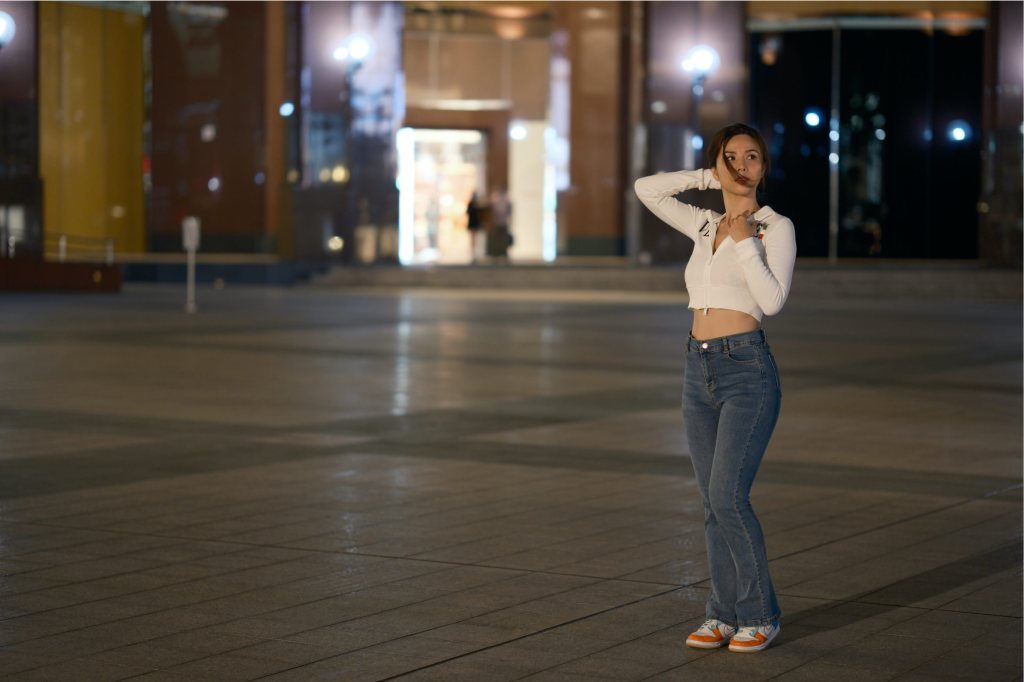

Fuji X-E3 . TTArtisan 25mm f2 @ 25mm . f2 . 1/60″ . ISO 2000 . Classic Chrome
Fuji X-T3 . TTArtisan 25mm f2 @ 25mm . f2 . 1/80″ . ISO 640 . Classic Chrome
Fuji X-T3 . TTArtisan 25mm f2 @ 25mm . f2 . 1/80″ . ISO 1000 . Classic Chrome
Fuji X-T3 . TTArtisan 25mm f2 @ 25mm . f2 . 1/90″ . ISO 320 . Classic Chrome

Who is this for?

This is easily one of the most affordable and usable lenses to consider if you want to experience what it is like using a fully manual lens. The focal length of this lens is very easy to adapt to and is very suitable for genres like street, journalist, documentaries, landscapes, cityscapes, and even portraits.

Fuji X-Pro 3 . TTArtisan 25mm f2 @ 25mm . f2 . 1/500″ . ISO 160 . Classic Negative
Fuji X-Pro 3 . TTArtisan 25mm f2 @ 25mm . f2 . 1/1400″ . ISO 160 . Classic Negative

For photographers who want to let their older Fujifilm cameras have their “second life”, you can consider getting one too. It might spice up your love with the cameras again.

Fuji X-Pro 3 . TTArtisan 25mm f2 @ 25mm . f2 . 1/3500″ . ISO 160 . Classic Negative
Fuji X-Pro 3 . TTArtisan 25mm f2 @ 25mm . f2 . 1/1600″ . ISO 160 . Classic Negative

Conclusion

TTArtisan surprised me once again with this lens. At USD 55, this is the cheapest manual lens ever produced by TTArtisan yet. But they do not compromise on both build quality and image quality. In fact, I am surprised by how usable the images are at wide open and the build quality is as good as other TTArtisan lenses. This is easily a recommendation from me to a photographer wanting to experience manual lenses.

Fuji X-T3 . TTArtisan 25mm f2 @ 25mm . f2 . 1/80″ . ISO 640 . Classic Chrome
Fuji X-T3 . TTArtisan 25mm f2 @ 25mm . f2 . 1/80″ . ISO 3200 . Classic Chrome

I love to see more of this compact lens series with an affordable price point in the near future. Please continue to give us some surprises.

Thank you for reading.

Disclaimer:
1. All the shots taken here are shot by me.
2. Most of the shots are straight out of the camera with some shots edited via In-Camera Raw Processing.
3. The opinions are based on my experience. If there is any mistake, please kindly drop me a message and I will gladly make the amendment.
4. I reserve ownership of these images, if you wish to use my images, please notify me.

If you like my works, please follow me on either one of the 2 Instagram accounts:

https://www.instagram.com/alwinkok_

https://www.instagram.com/alwin.portraits

If you have a Facebook account, feel free to join Fujifanboys FB group.

If you like my content and you want to show some support, you can buy me a coffee here.