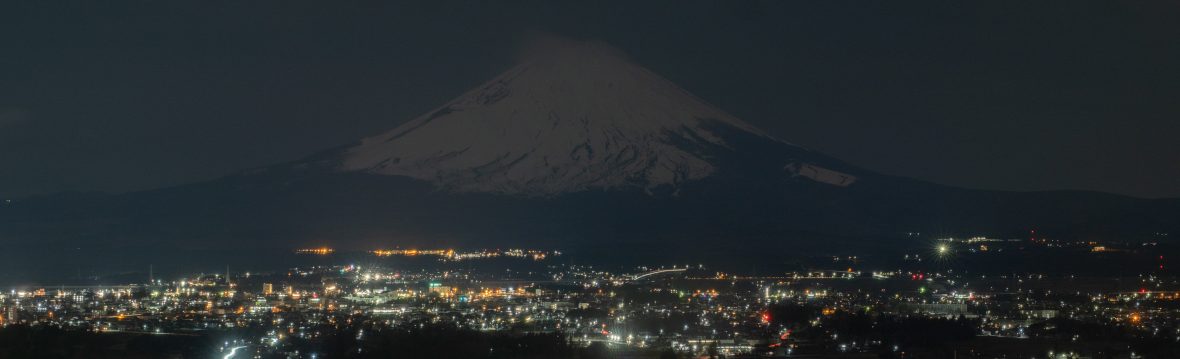


When it comes to 90mm lenses for Fujifilm, the XF 90mm f2 R LM WR is probably the first lens that comes to mind for many Fujifilm photographers. But what makes this lens so special? Launched in July 2015, the XF 90mm f2 has built a reputation as one of Fujifilm’s standout portrait lenses, thanks to its impressive sharpness, fast autofocus, beautiful subject separation, and pleasing rendering. For a lens that has been around for more than a decade, it has taken quite a while for a direct third-party autofocus competitor to arrive. Now, with the Viltrox 90mm f2.2 EVO entering the picture, the question is: can it finally challenge the long-standing favourite, or does it have what it takes to carve out a place of its own?
Intro
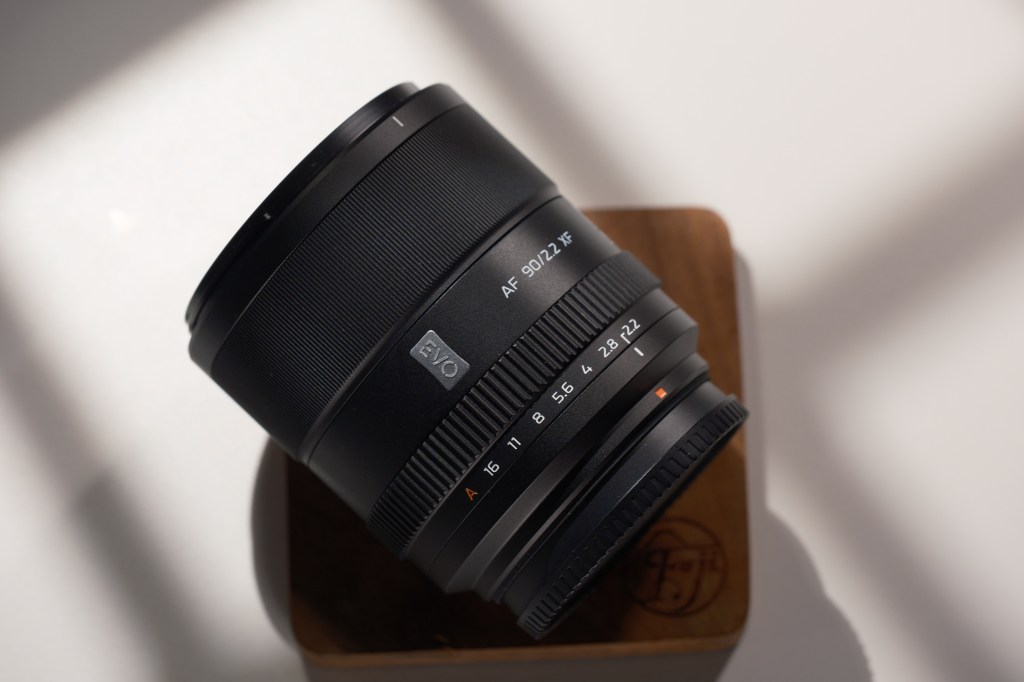
The Viltrox 90mm f2.2 EVO was announced alongside the Viltrox 75mm f1.8 EVO in June 2026, adding another interesting option to the growing collection of third-party autofocus lenses for Fujifilm X-mount. While 90mm may not be the most conventional focal length for an APS-C system, it certainly has its appeal, especially for portrait photographers who enjoy a tighter field of view and strong subject separation.
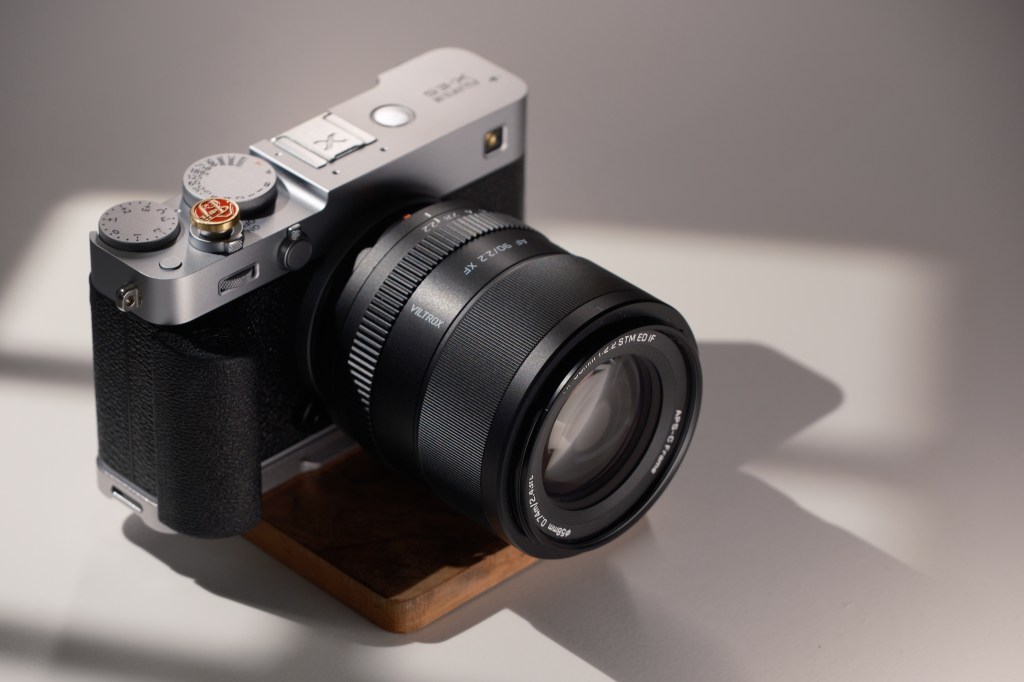
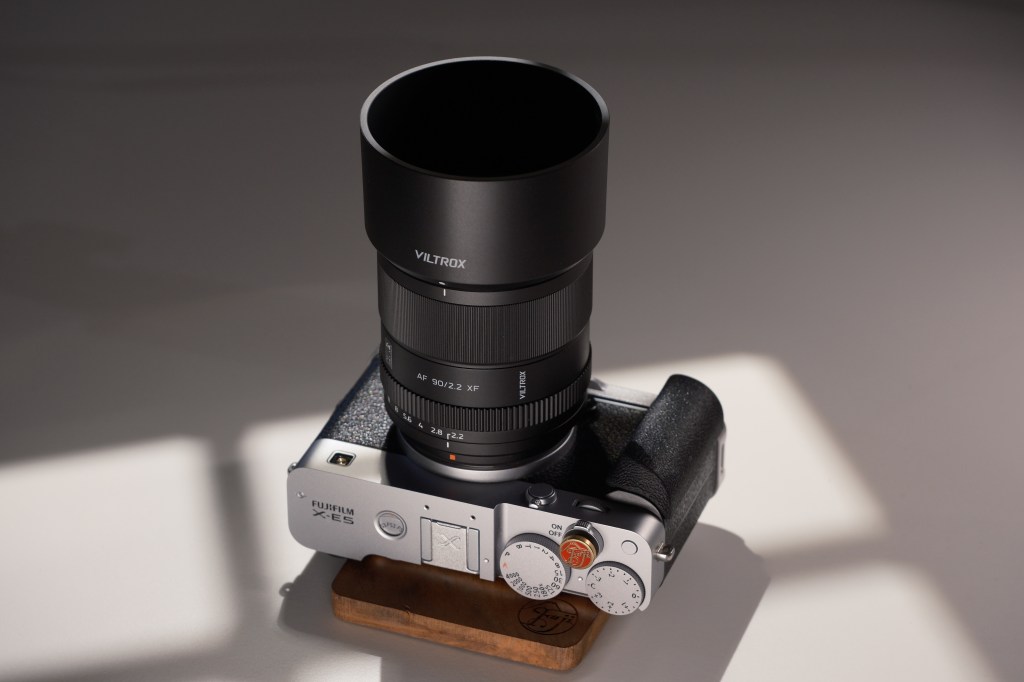
As mentioned in my Viltrox 75mm f1.8 EVO post, Viltrox has been expanding its lens lineup into different product tiers. The “EVO” series sits between the more compact and lightweight “Air” series and the higher-end “Pro” series, while the “LAB” series occupies the top position in its lineup.



In other words, EVO seems to be the middle ground for photographers who want something more substantial than an entry-level lens without necessarily stepping up to Viltrox’s premium offerings.
Besides Fujifilm X-mount, the lens is also available in Nikon Z-mount. Surprisingly, Sony E-mount is missing from the list, despite Sony being one of the major systems for which Viltrox has developed its autofocus lenses. It is an interesting omission at this point in time, although there could be several reasons behind the decision, and Viltrox has not necessarily shared all the details behind its mount selection.

Design and Build Quality
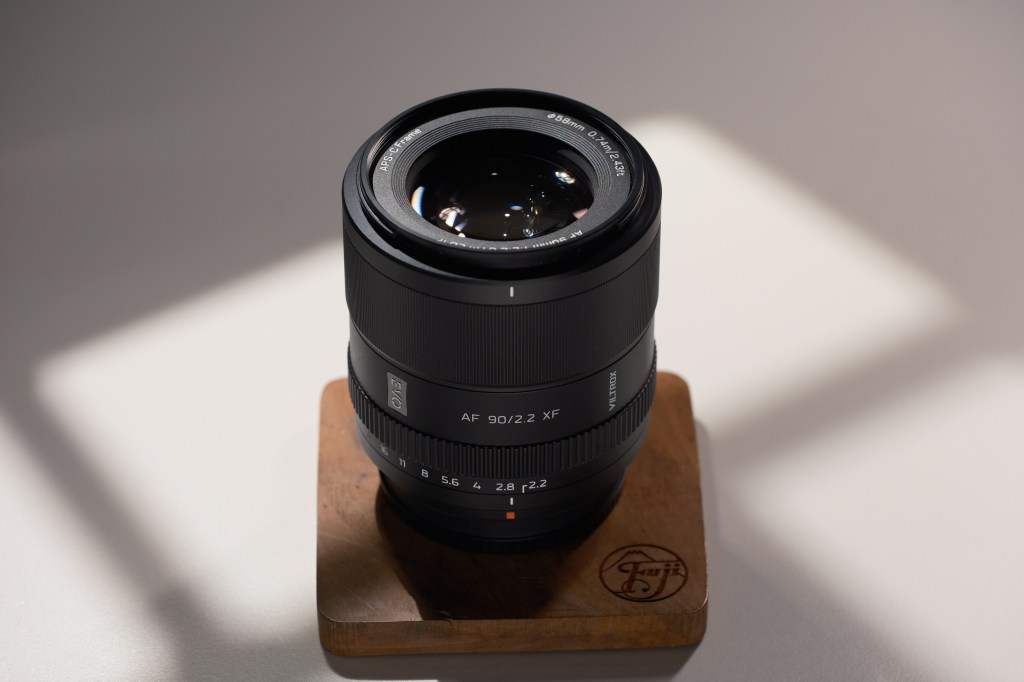
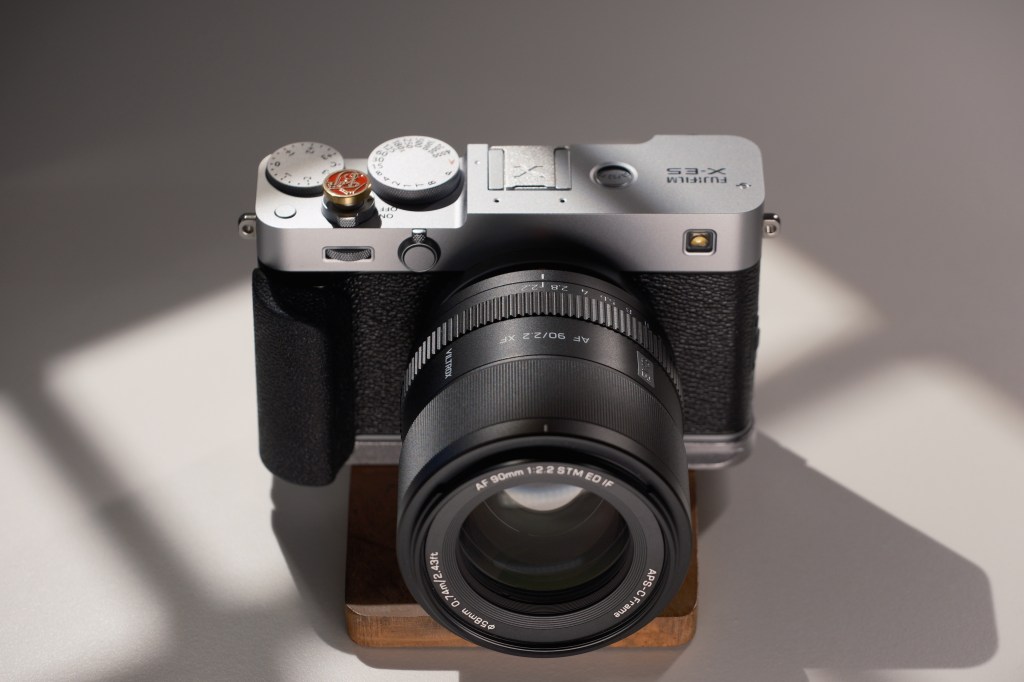
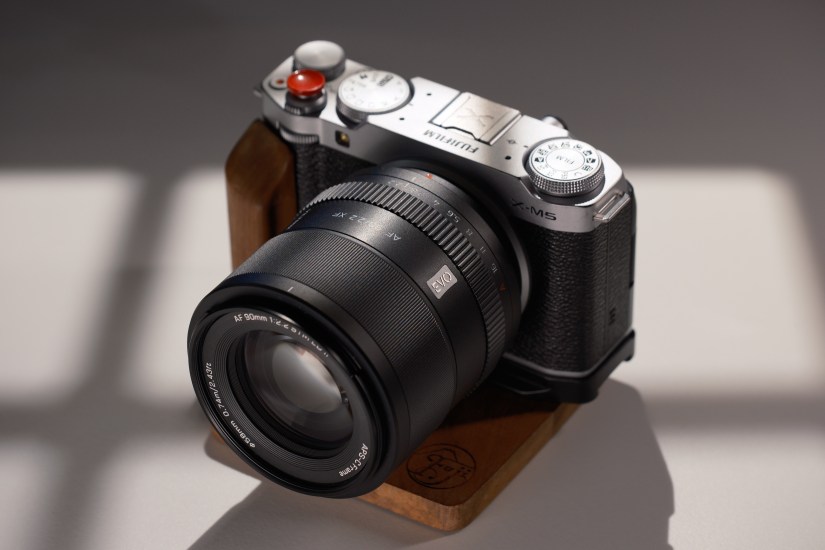
The Viltrox 90mm f2.2 EVO shares identical dimensions, weight, and filter size with the Viltrox 75mm f1.8 EVO. You probably won’t be able to tell them apart unless you read the name on the lens barrel. It weighs 325 grams, and the weight is well distributed across the lens. Despite weighing over 300 grams, I don’t really feel the weight when holding it in my hand.


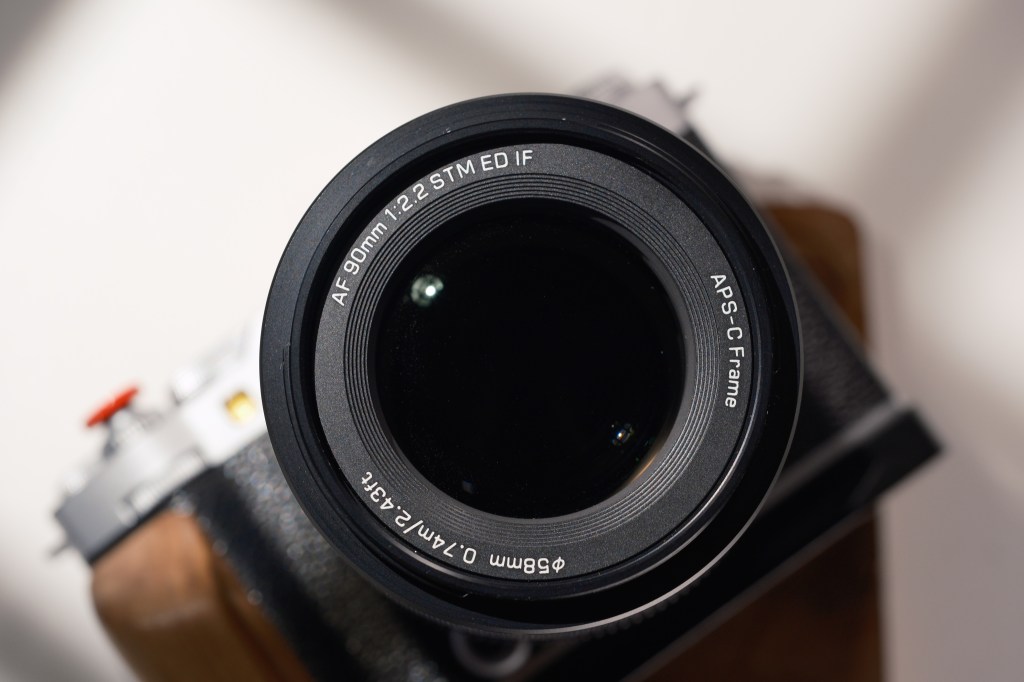
The lens comes with a modern design and great build quality. Many might even mistake it for a metal-bodied lens rather than one made of high-quality plastic. The 58mm filter thread is another plus point, as it allows me to share filters with the Viltrox 75mm f1.8 EVO.

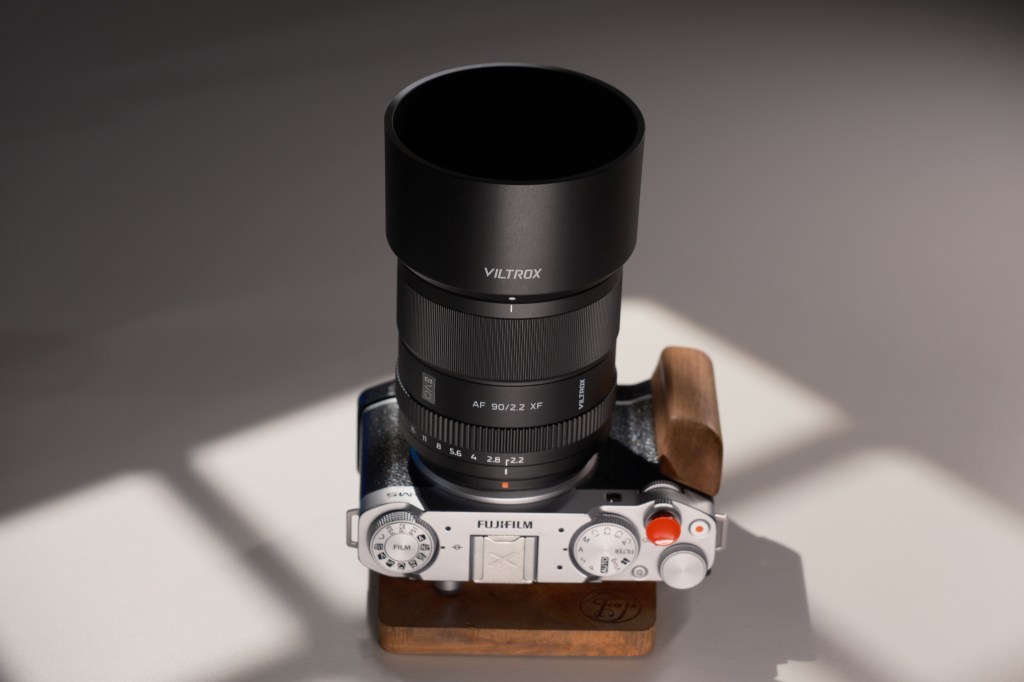
It also comes with an aperture ring, sharing the same characteristics as its sibling. The clicks are there, but it does not provide that satisfying, deep, and gentle feedback when changing the aperture. It is still not at the same level as what the Pro series offers. I guess this is one of the ways Viltrox tries to differentiate the Pro series from the EVO series.
A circular lens hood is also included in the package.
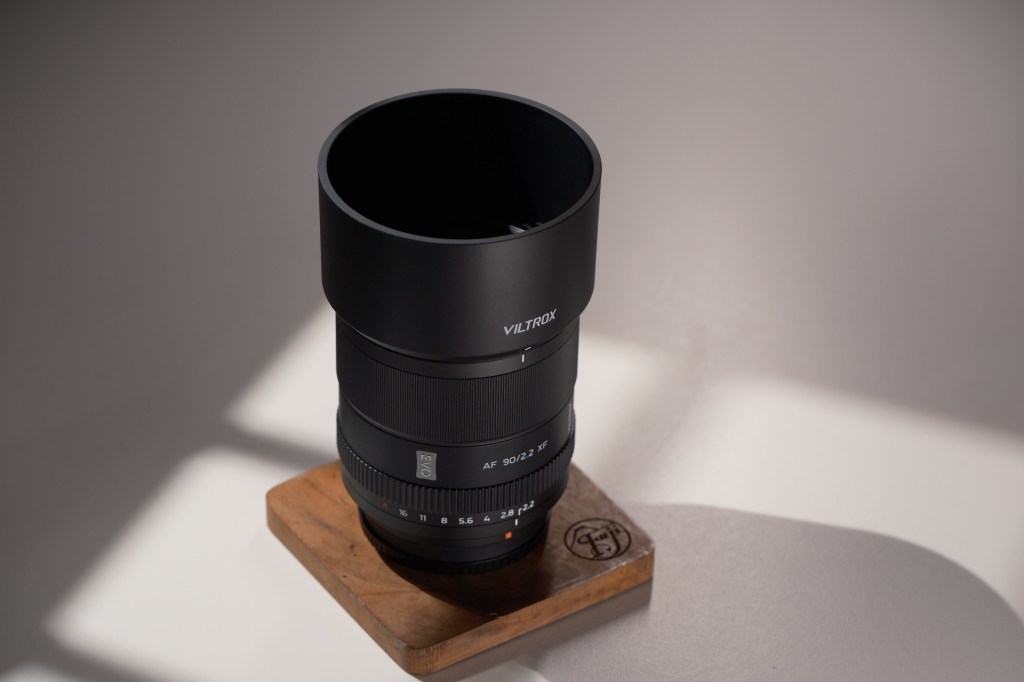
Image Quality
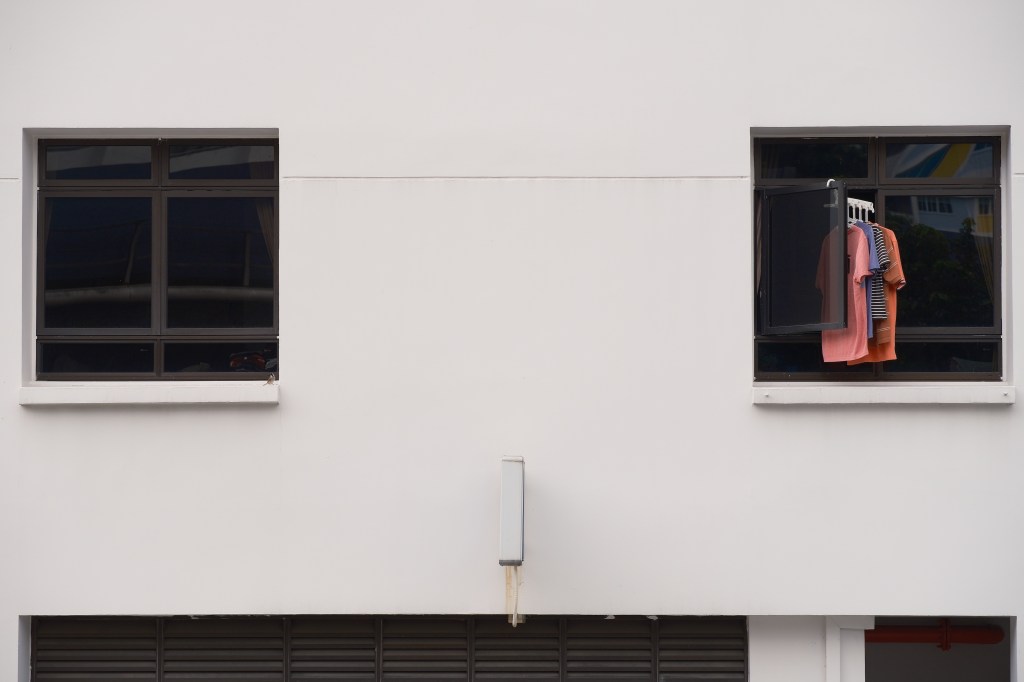
When it comes to image quality, Viltrox has done a good job in this department. The sharpness and contrast are great. You can tell that the image quality is much better than what the Air series offers, although it is not too far off from the Pro series. Of course, if you dive deeper into pixel-level comparisons, you will start to notice the differences.
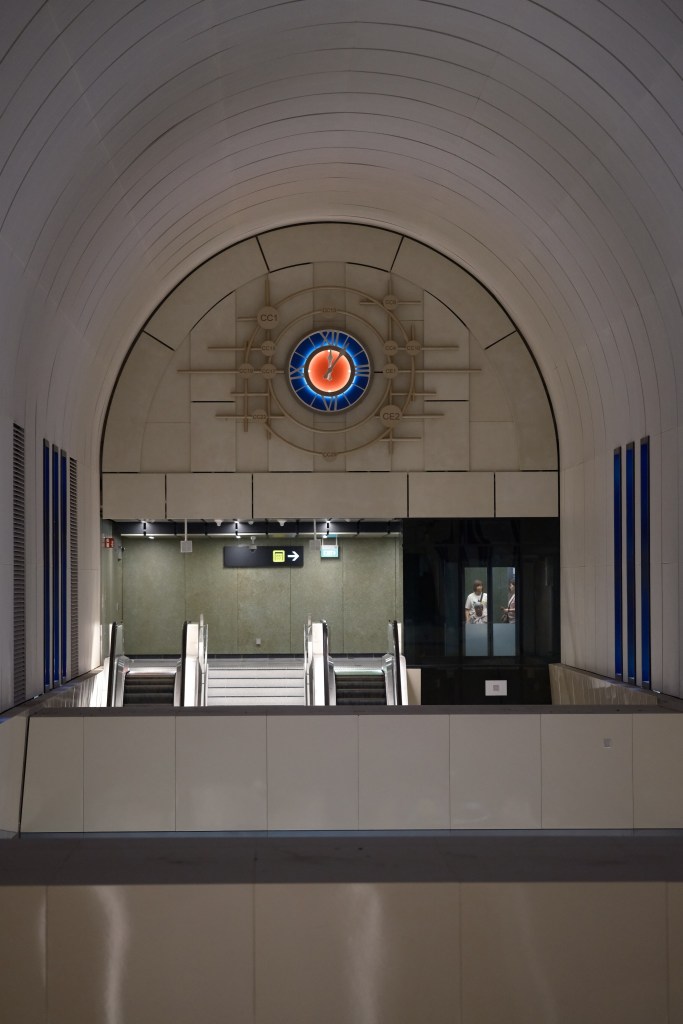


Chromatic aberration is very well controlled, and I am not able to spot any with my poor eyesight. However, a little vignetting can be observed if you look closely enough. At least it isn’t obvious enough for me to notice during normal shooting.
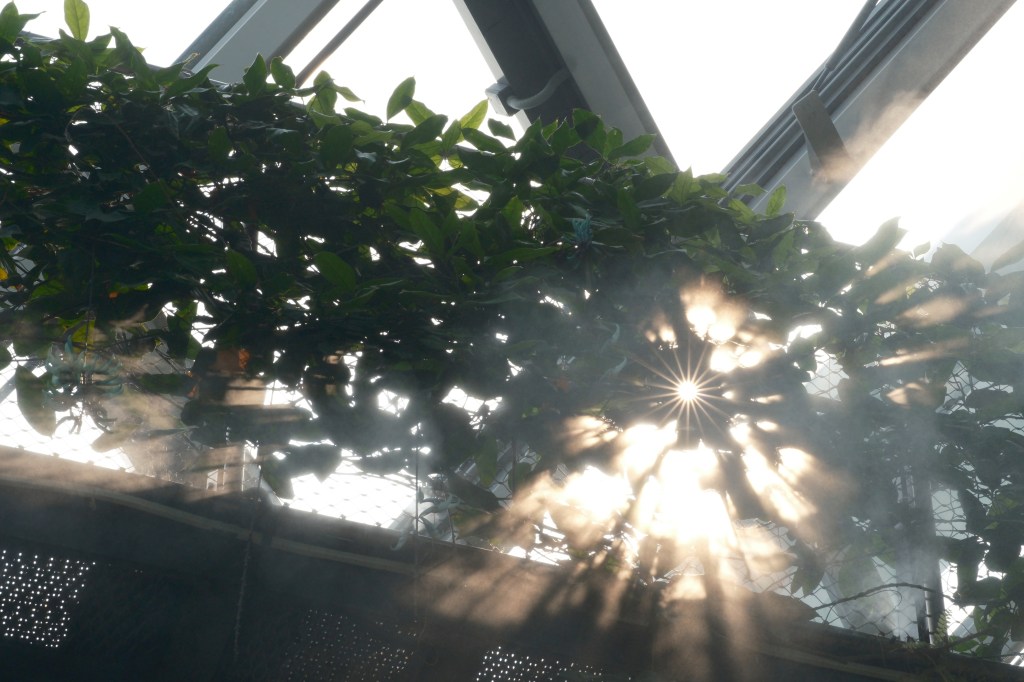
Background separation is probably one of the more pleasing aspects of this lens. Although it isn’t as bright as those lenses with larger apertures, the background blur and subject separation are comfortable to look at. The background does not distract me from the focused subject, which is what I appreciate most.


Minimum Focus Distance (MFD)
The MFD is surprisingly close, much closer than I would have expected. At 74cm, it allows me to get closer to my subject, giving me more flexibility when it comes to framing my shots.



Thankfully, the image quality is retained even when shooting at this distance, with good sharpness and contrast. This makes the lens more versatile than I initially expected, especially when I want to experiment with tighter compositions.



Focusing
Equipped with a Stepper Motor (STM), the focusing speed is fairly fast. However, you can tell that it isn’t particularly snappy when focusing from MFD to infinity and vice versa.


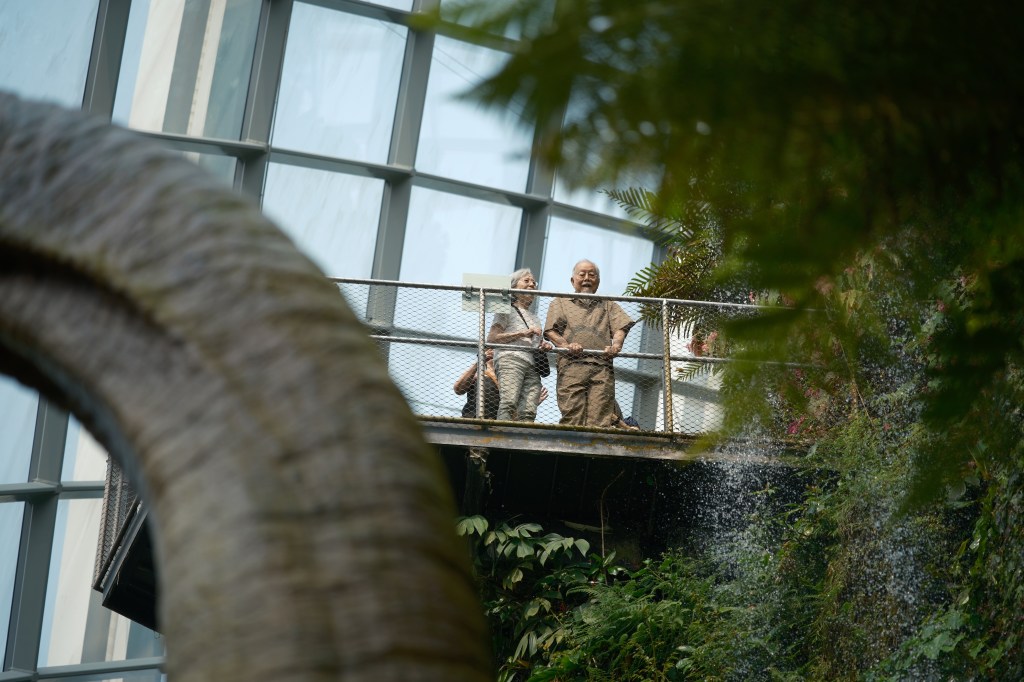
Focus pulling can be very irritating, and this is a common focusing behaviour I have experienced with many mid-telephoto lenses. It can be especially obvious when I am trying to shoot close to the MFD.
If you love shooting close to the MFD with this lens, I would suggest manually focusing close to your intended subject before switching to autofocus and taking the shot. This should increase the chances of reducing unnecessary focus pulling.



Price Point
When it comes to price, there isn’t much competition for the Viltrox 90mm f2.2 EVO in terms of what it offers at this price point.



Priced at USD 369, it costs about three times less than the Fujifilm XF 90mm f2, which is priced at USD 1149. That is a huge price difference, and I think it clearly separates the target audiences for these two lenses.



For those who want a telephoto prime lens without spending too much, the Viltrox offers a much more affordable way to get into this focal length.
Others
Viltrox highlighted that the lens design provides decent protection for outdoor situations, such as light rain and dusty environments, thanks to the rubber seals around the rear lens mount. The front lens element also comes with a water- and smudge-resistant coating.



While Viltrox has highlighted these protective features, I would still advise against abusing the lens in harsh conditions. After all, having some protection does not mean the lens is invincible.
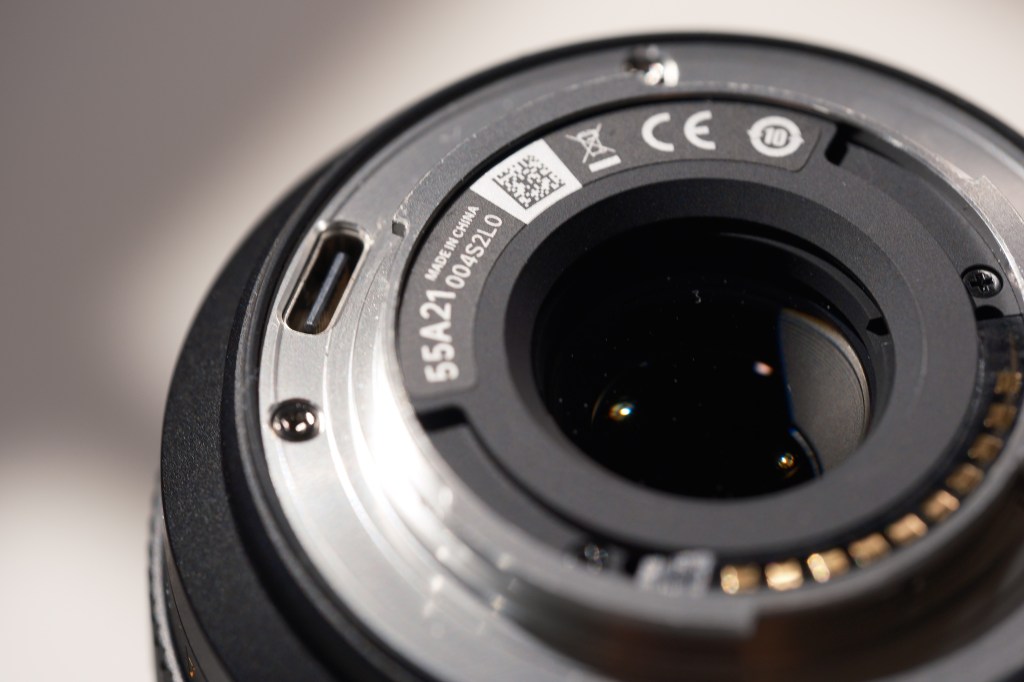
Like other Viltrox lenses, the USB-C port is located at the rear lens mount, allowing photographers to upgrade the firmware whenever a new version becomes available.
Who is this for?
There is no doubt that this is a great alternative to the Fujifilm XF 90mm f2 for portrait photography. The difference between f2 and f2.2 is relatively small and may be negligible for many photographers. For portrait photographers who have been eyeing the XF 90mm f2 but do not wish to invest that much money in a lens, this alternative is not a bad option to consider.



At 135mm full-frame equivalent, this is an unusual focal length for many casual photographers, and it isn’t the easiest focal length to adapt to. I, myself, am one of them.
However, the more I used it, the more I grew to love this focal length. So much so that I didn’t even realise I was using it more often than the Viltrox 75mm f1.8 EVO.
Conclusion
The Viltrox 90mm f2.2 EVO is a good alternative to the Viltrox 75mm f1.8 EVO. While I do not see a compelling reason to recommend buying both lenses together, having either one is a good way to complement a prime lens collection that already covers the ultra-wide to mid-telephoto range. It extends your reach a little further into the telephoto territory.
If you are undecided between the 75mm and 90mm, I would suggest going for the 75mm. But if you are open to exploring other options, I would personally prefer something in the 50mm to 56mm focal length range. I find this range more versatile for everyday photography while still providing good compression in photos. Of course, this is just my personal preference, and your choice will depend on how you intend to use the lens.
Having said that, the overall package for the Viltrox 90mm f2.2 is compact and lightweight, making it a useful addition to a travel setup. Having a lens like this in my bag doesn’t take up too much space, and it gives me another focal length to work with when the situation calls for it.
This is the second EVO series lens I have reviewed, and as I mentioned in my Viltrox 75mm f1.8 EVO review, Viltrox has filled in the gap it created itself, and it is a good one in a way.
I hope to see more EVO series lenses covering the same focal lengths as the Air series, giving photographers a brighter aperture and an aperture ring for a slightly higher price. I believe the EVO series could be a new profitable lineup for Viltrox, as it offers photographers a little more without having to spend too much more.
Thank you for reading.
Disclaimer:
1. All the shots taken here are shot by me.
2. Most of the shots are straight out of the camera with some shots edited via In-Camera Raw Processing.
3. The opinions are based on my experience. If there is any mistake, please kindly drop me a message and I will gladly make the amendment.
4. I reserve ownership of these images, if you wish to use my images, please notify me.
If you like my works, please follow me on either one of the 2 Instagram accounts:
https://www.instagram.com/alwin.portraits
If you have a Facebook account, feel free to join Fujifanboys FB group.
If you like my content and you want to show some support and keep this blog alive, you can buy me a coffee here.

