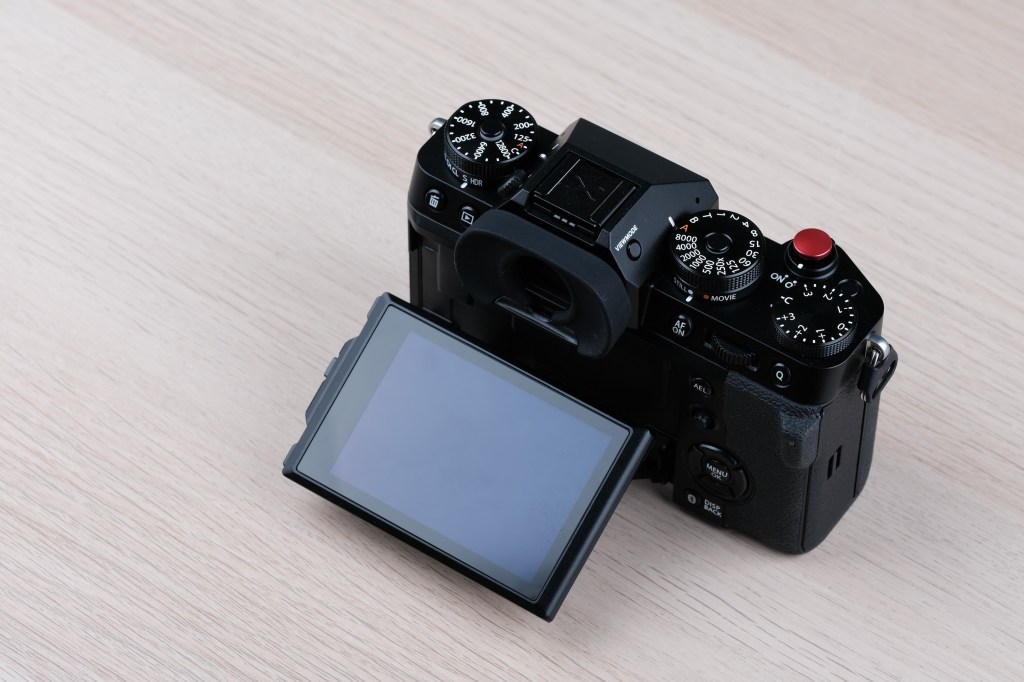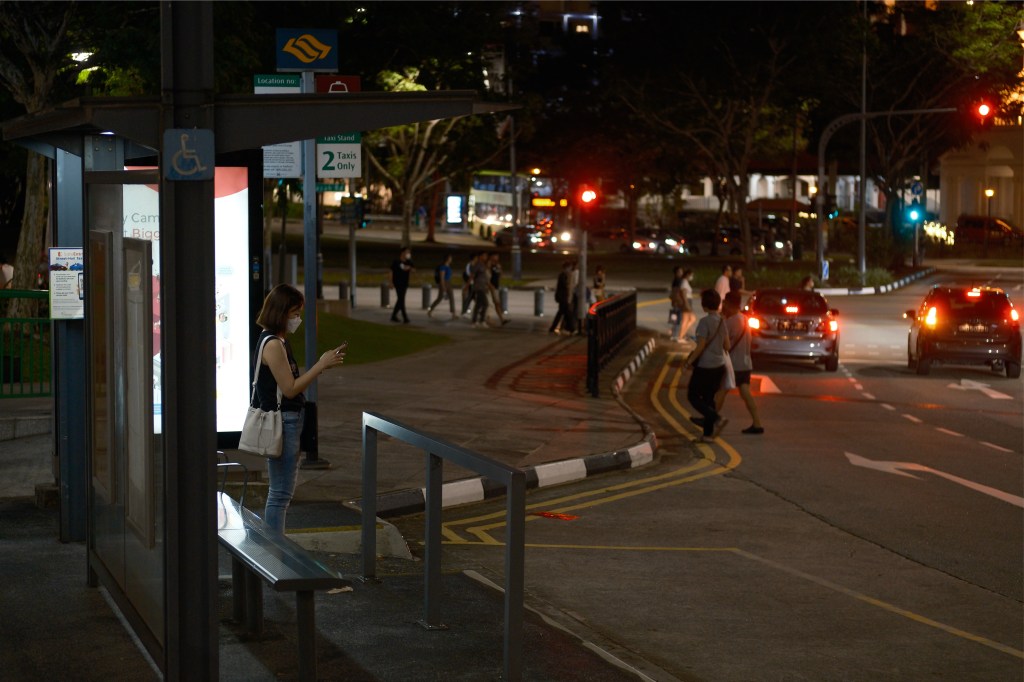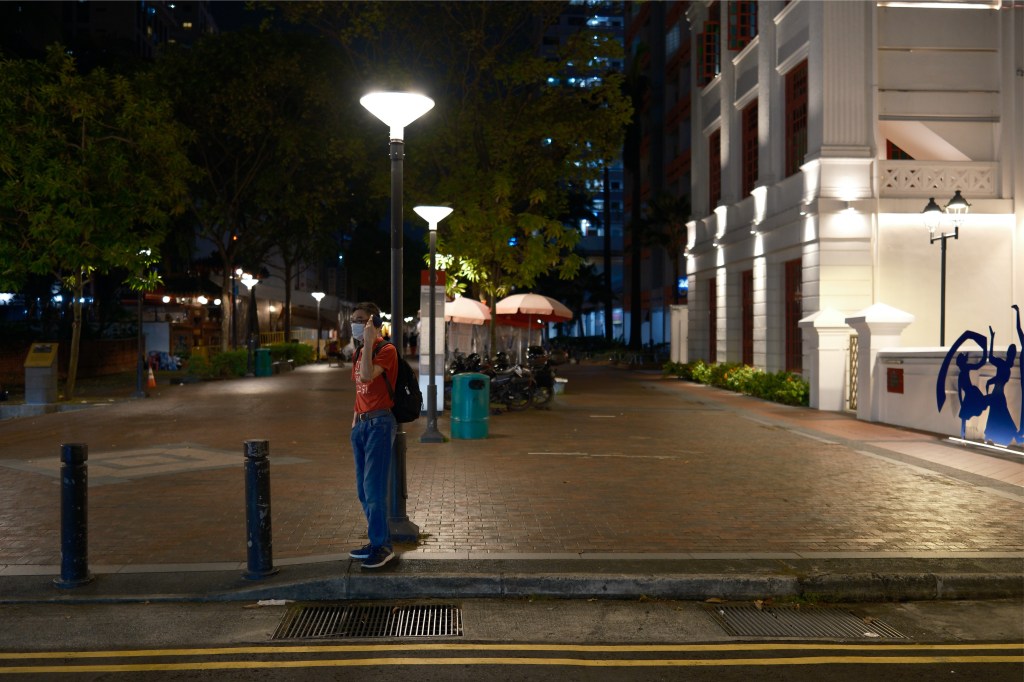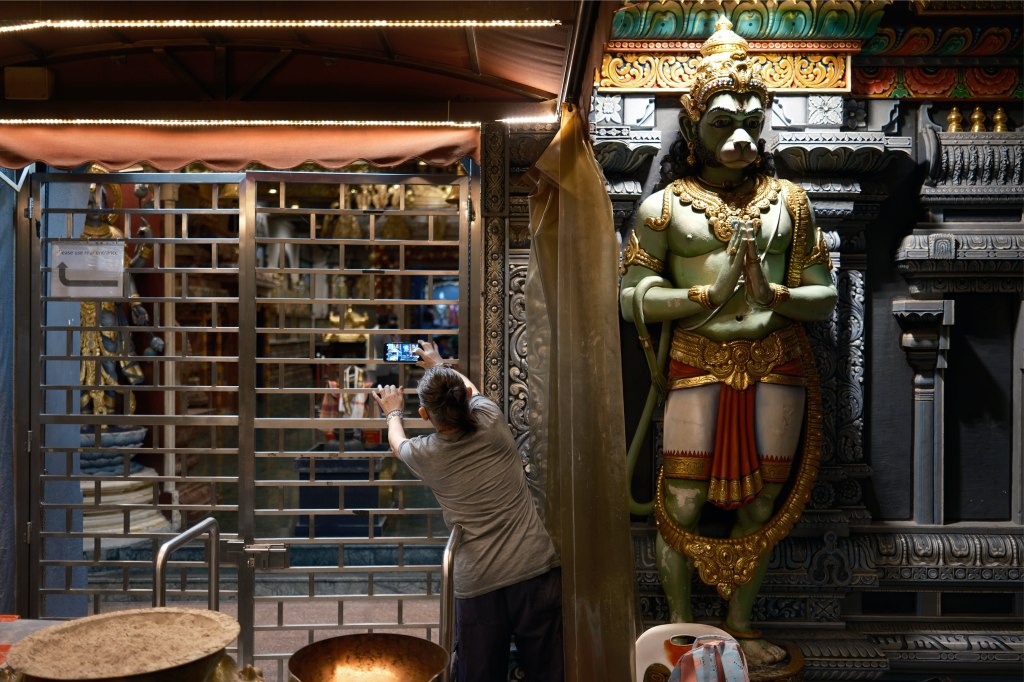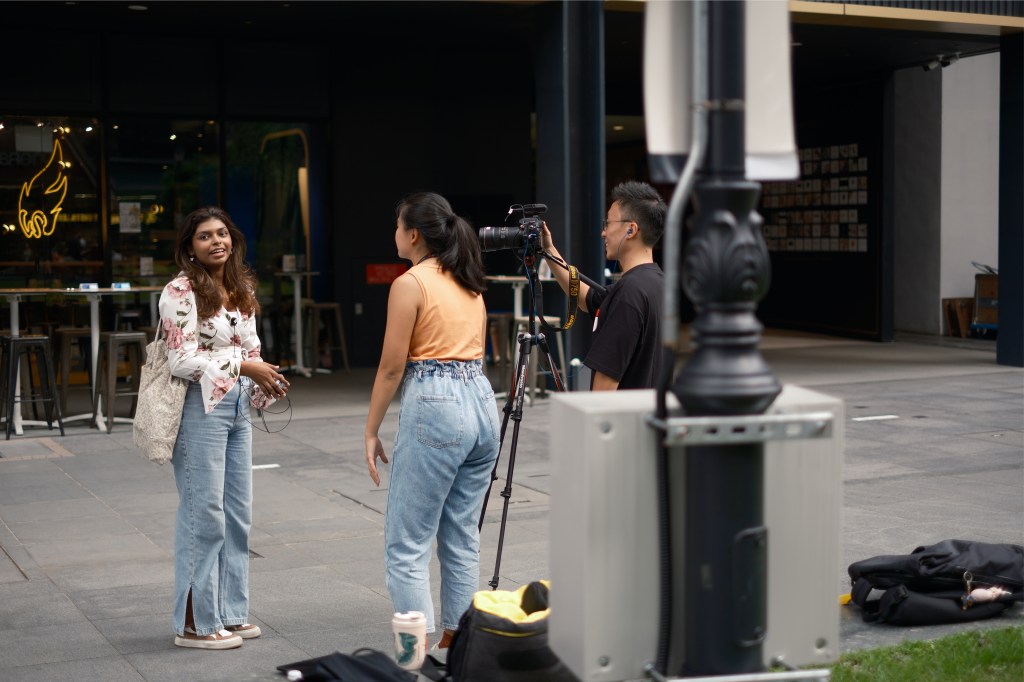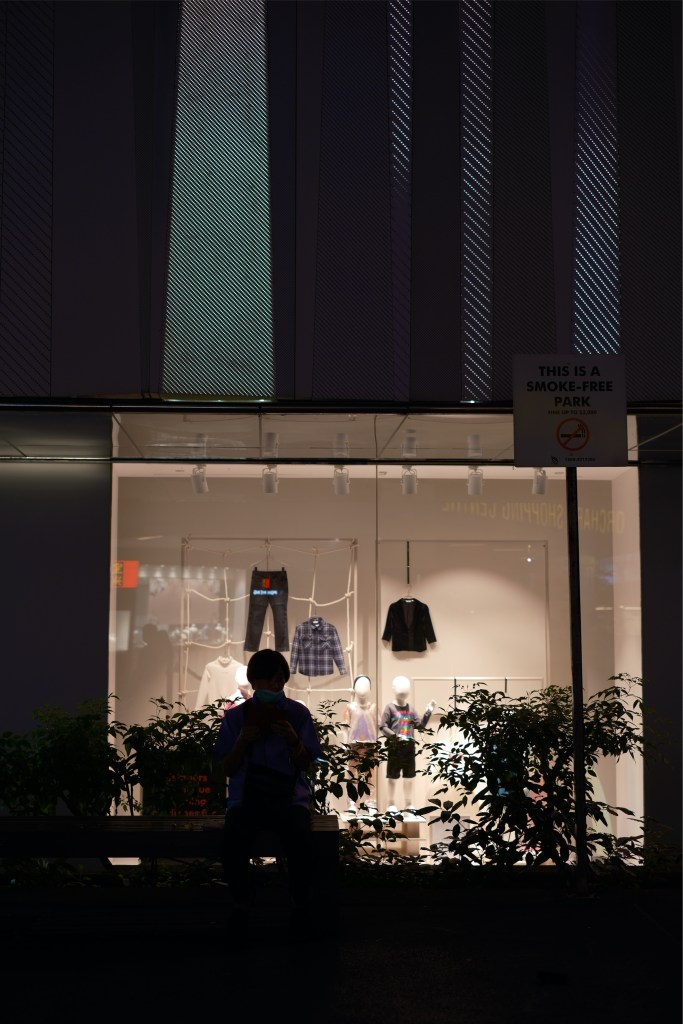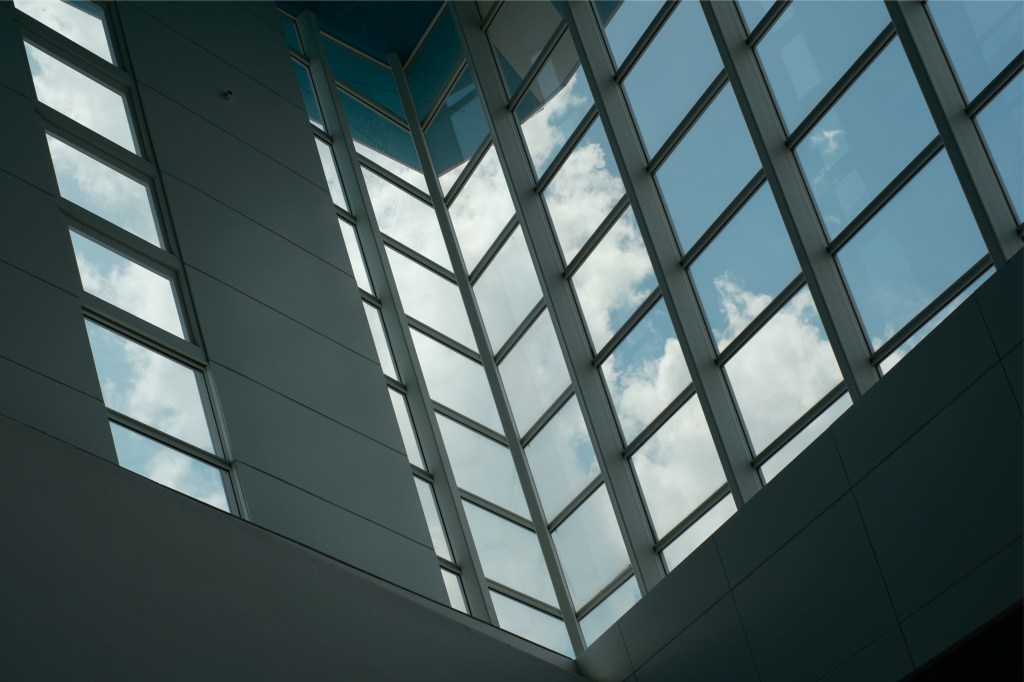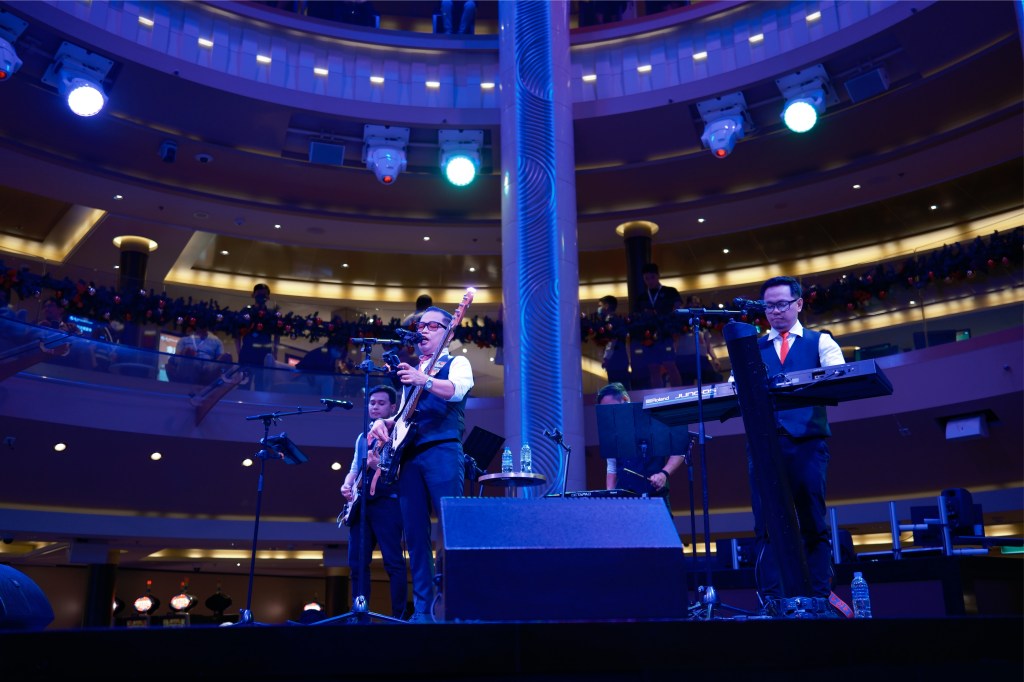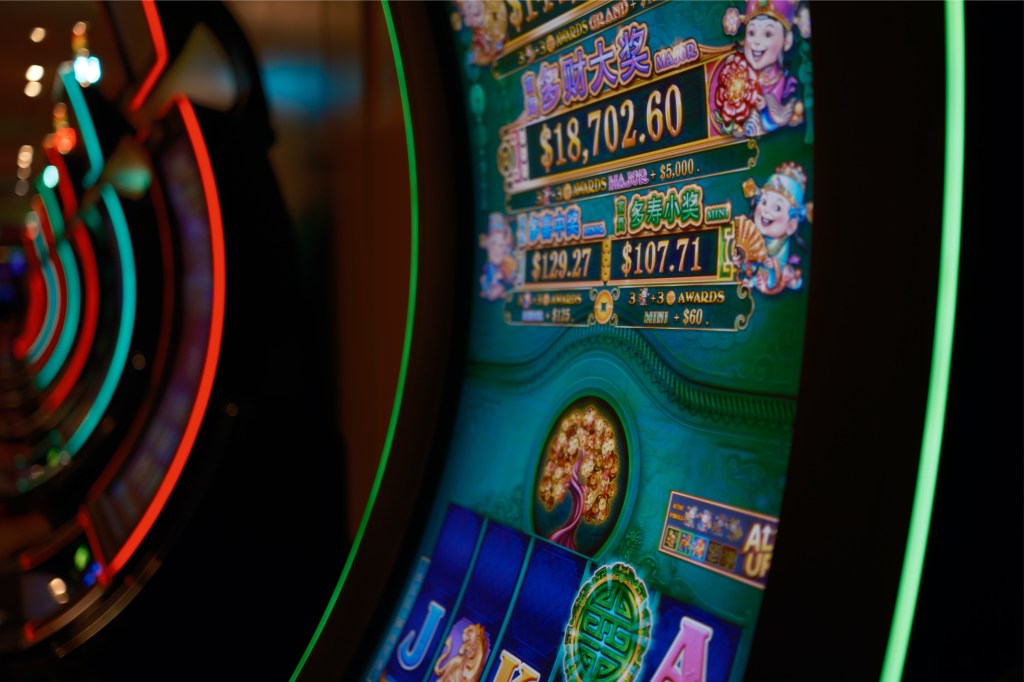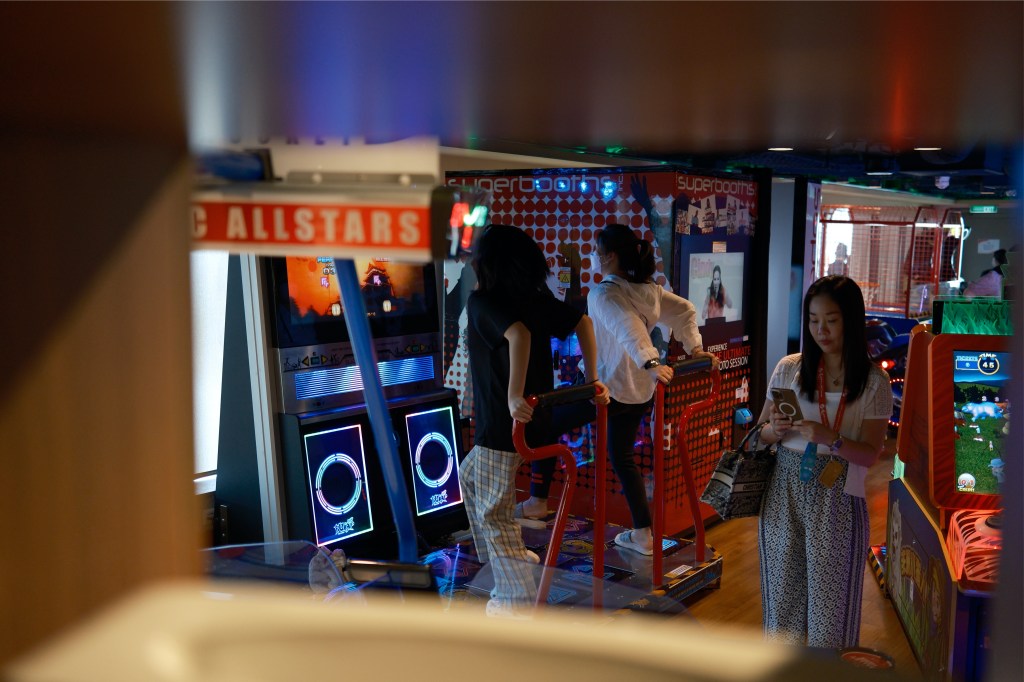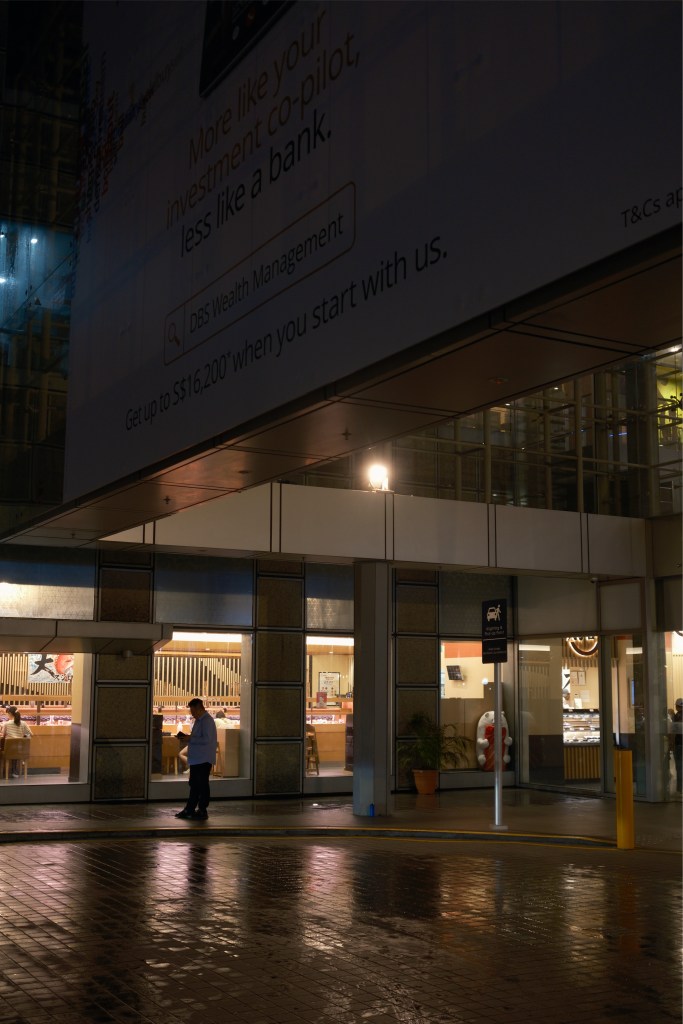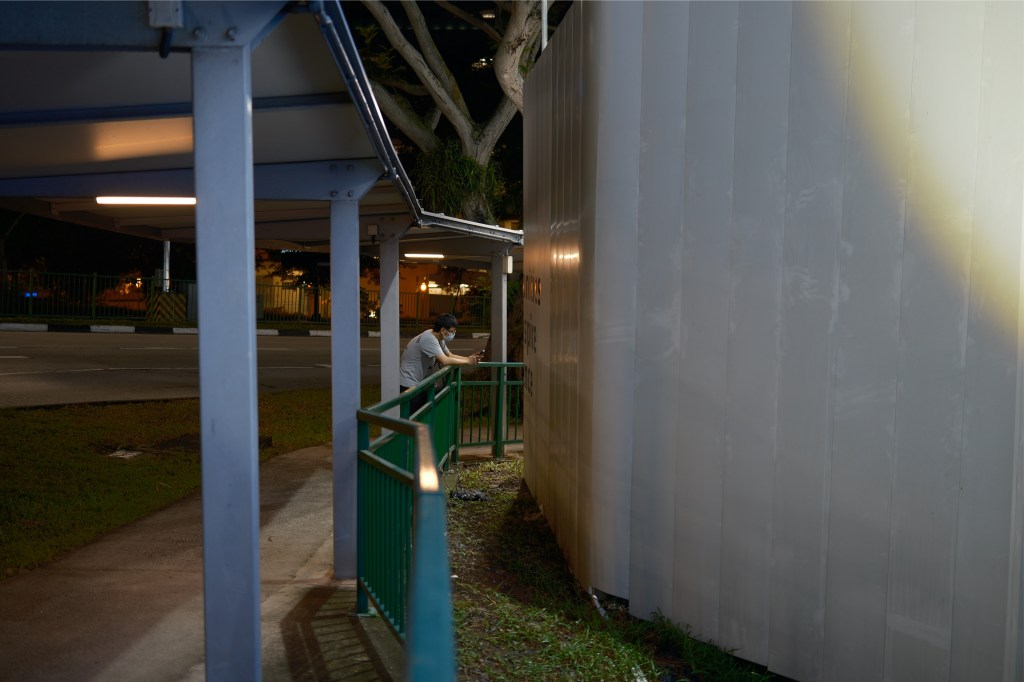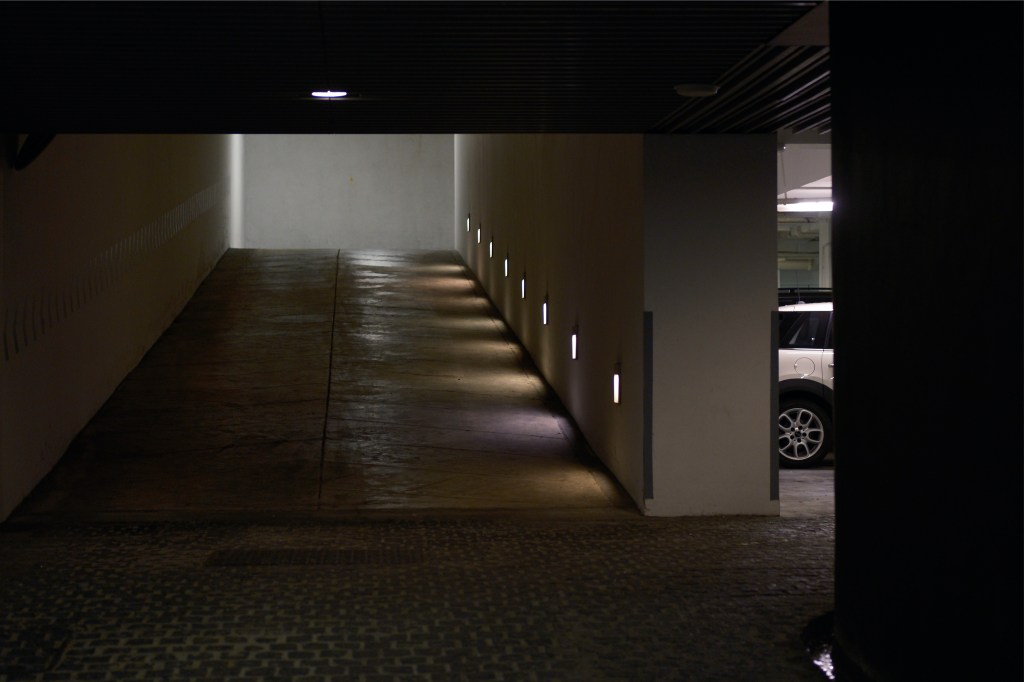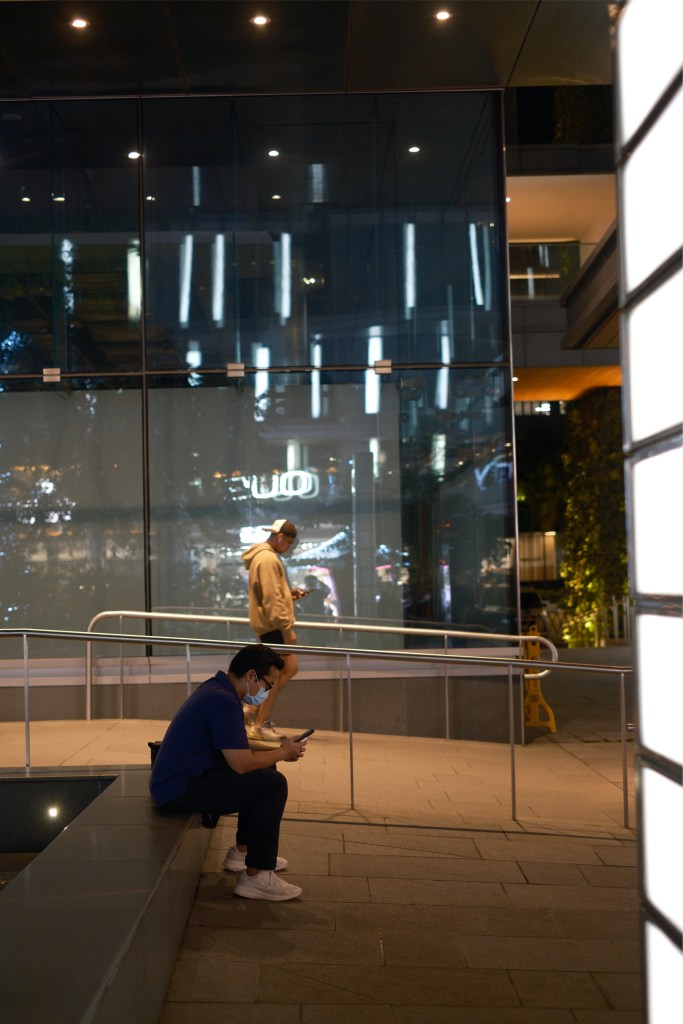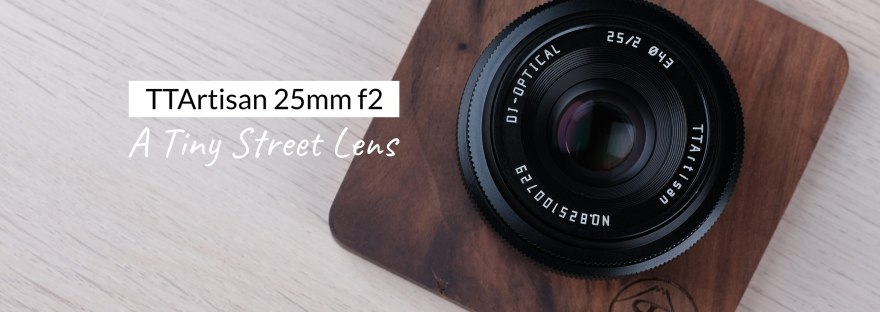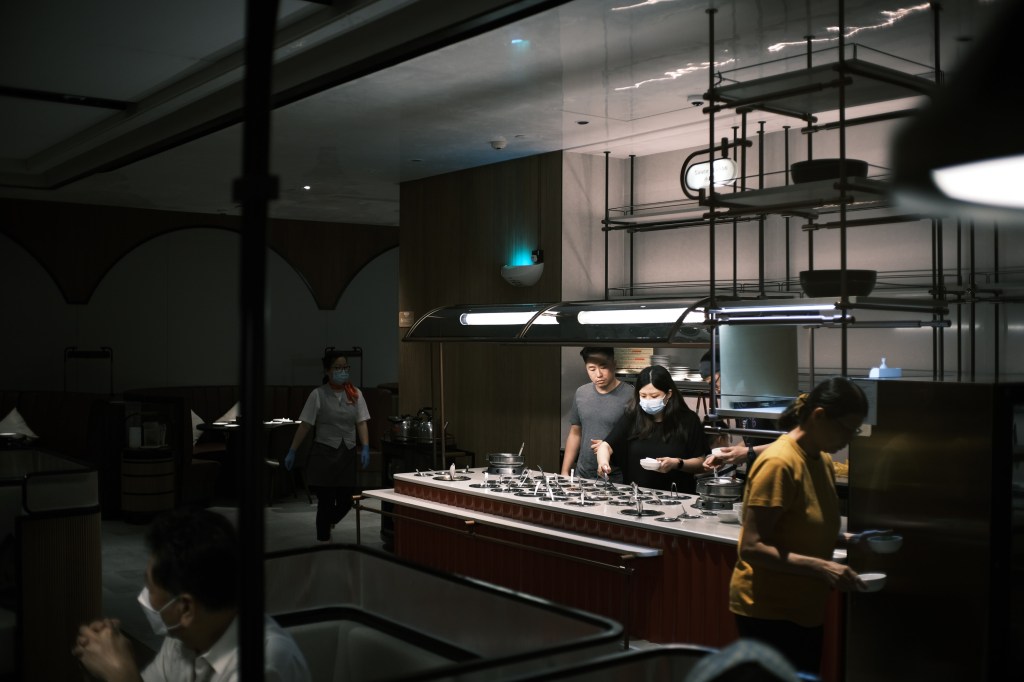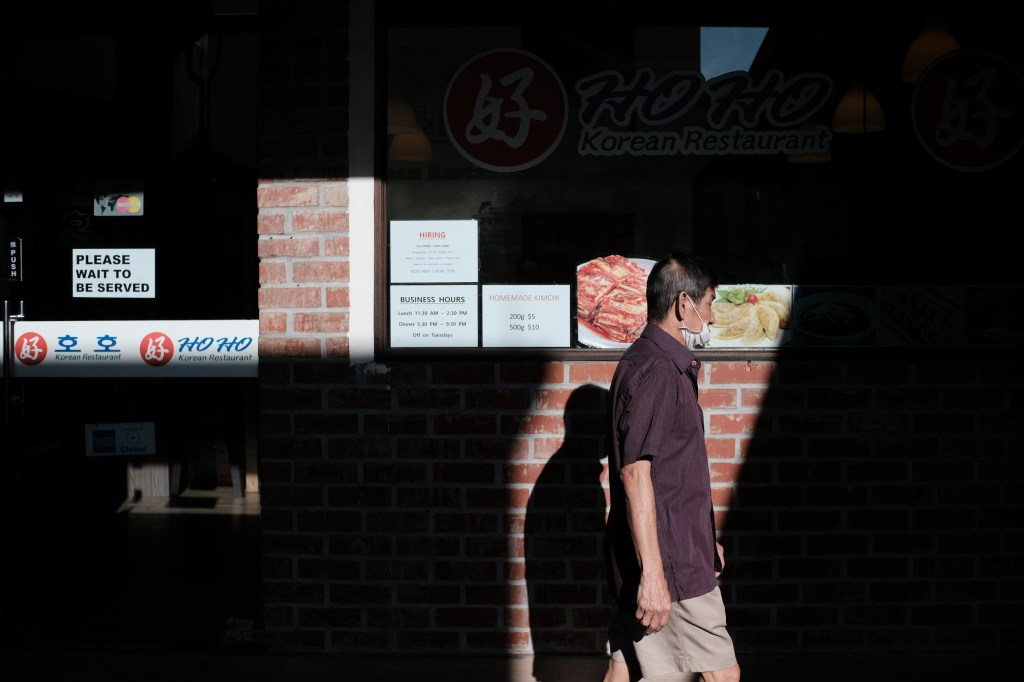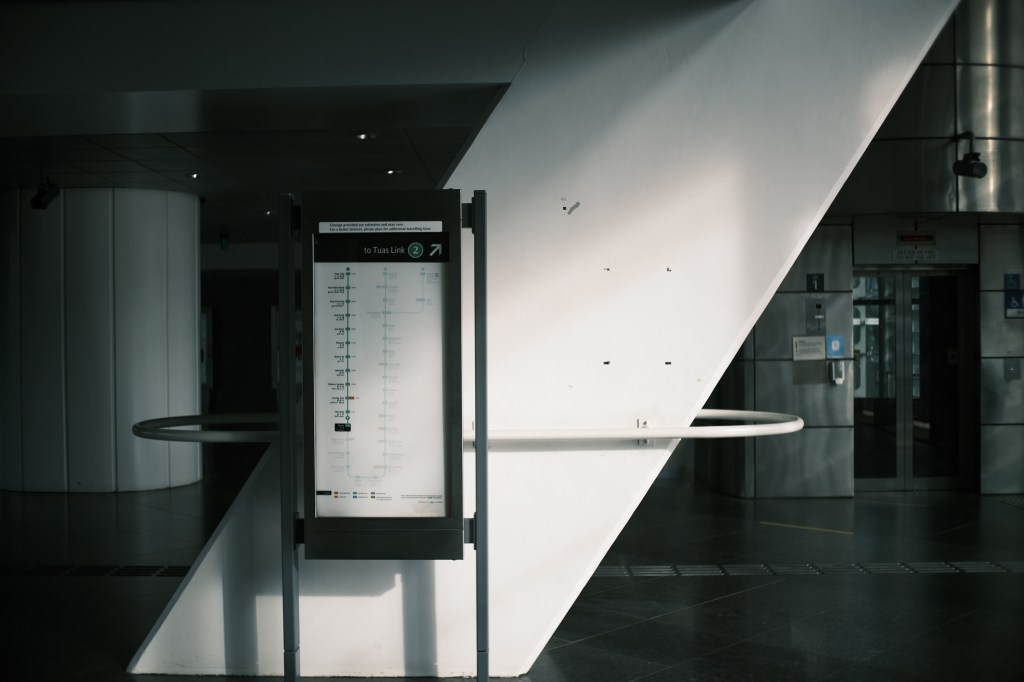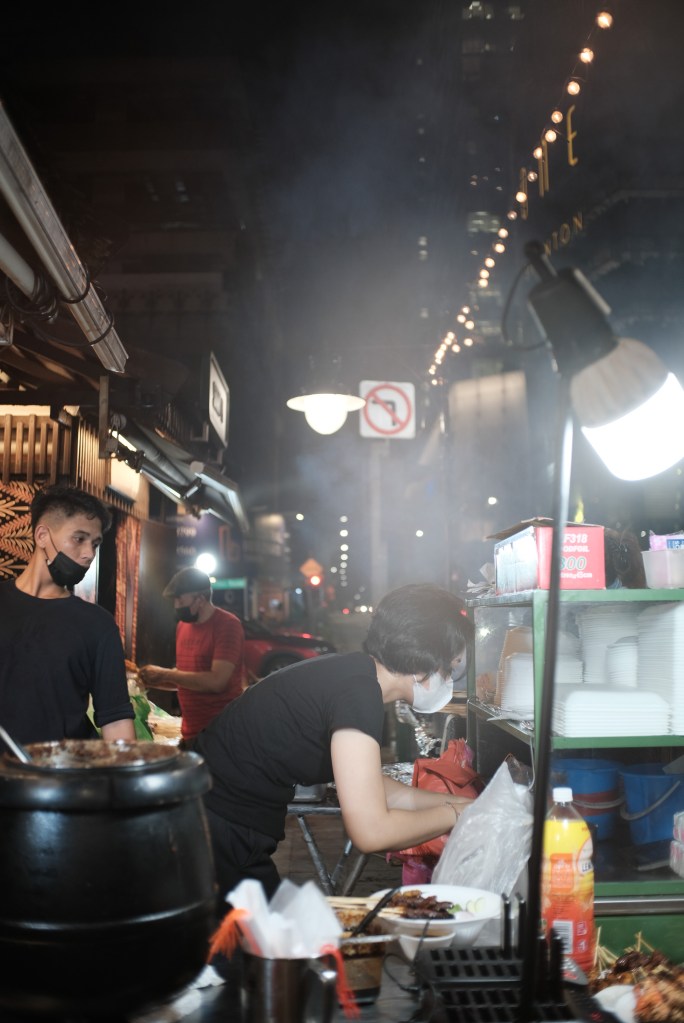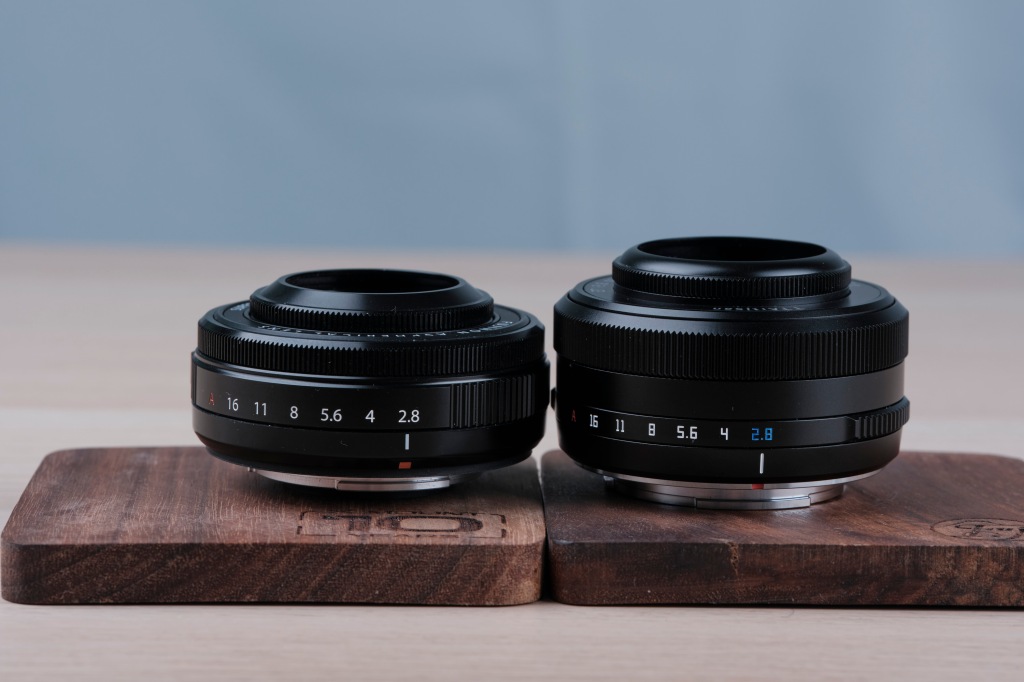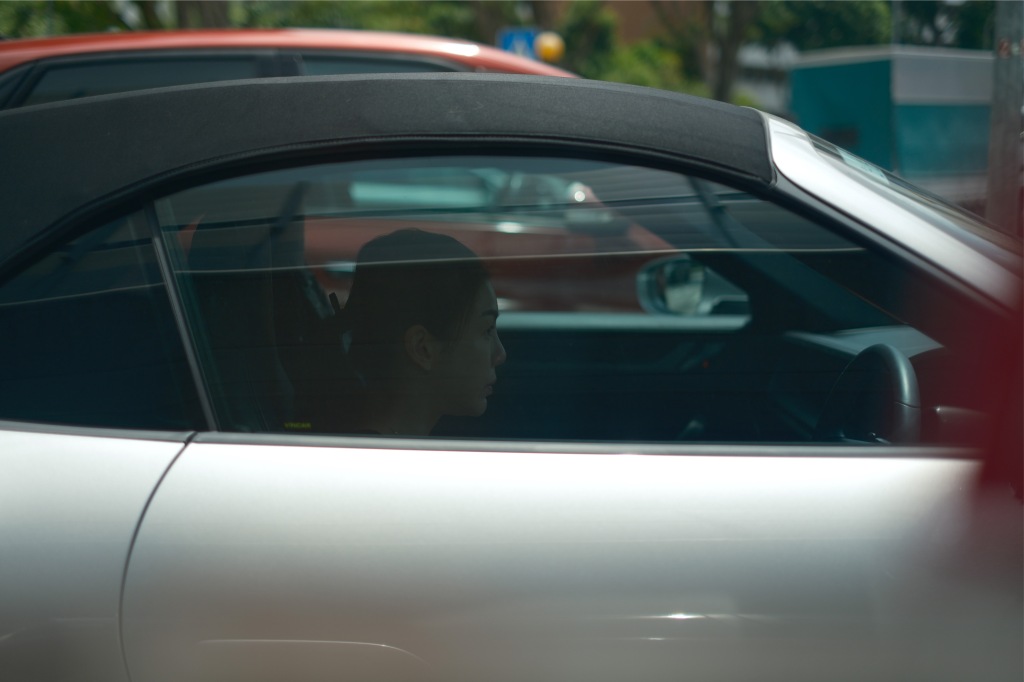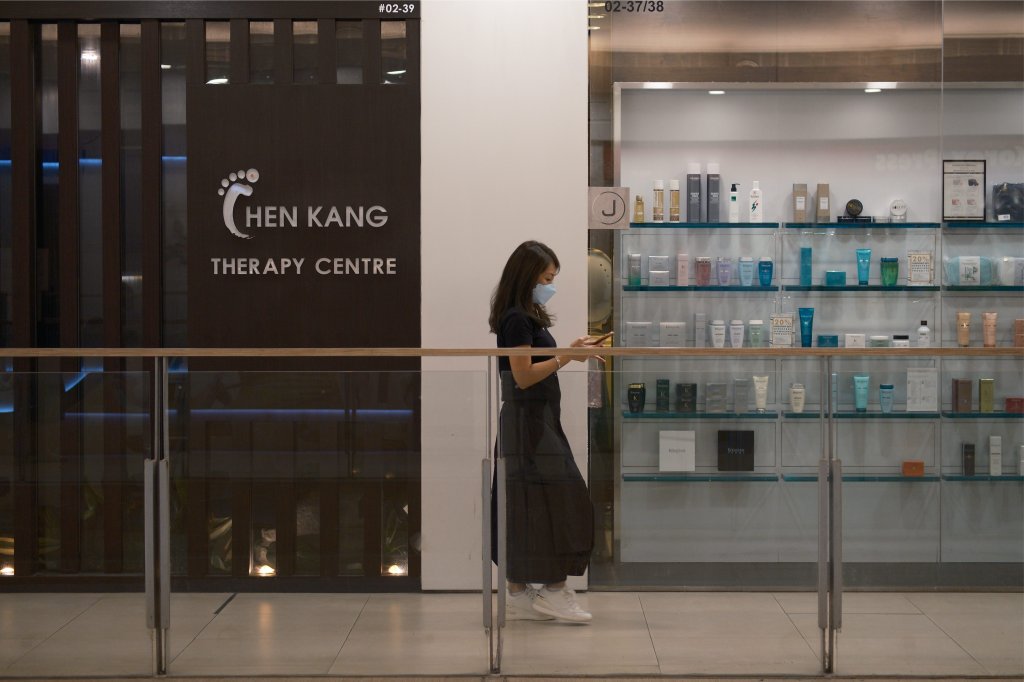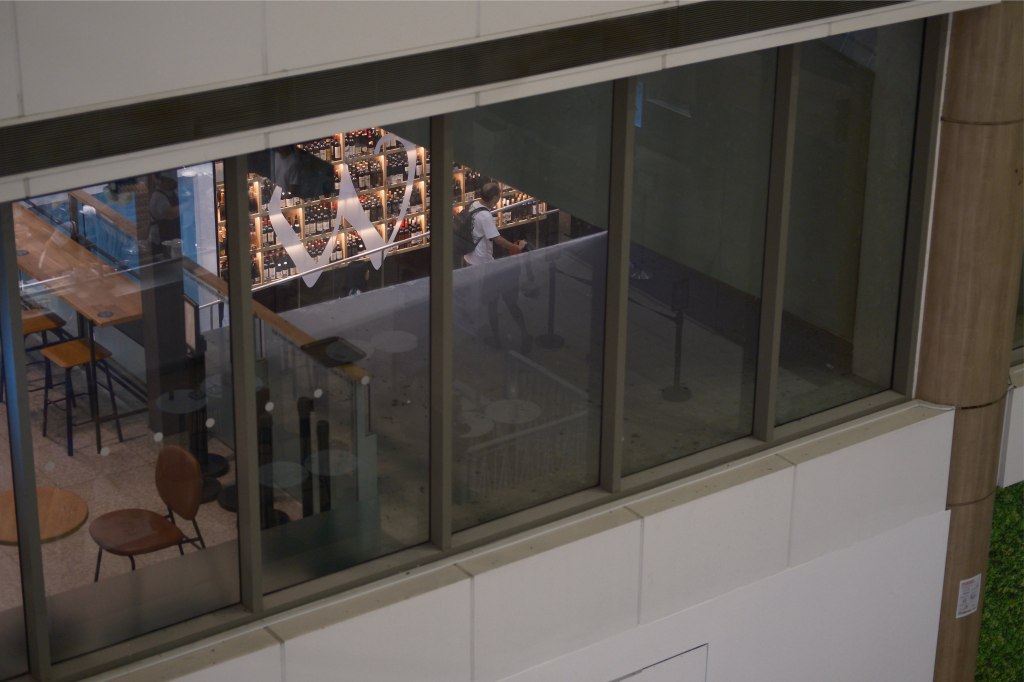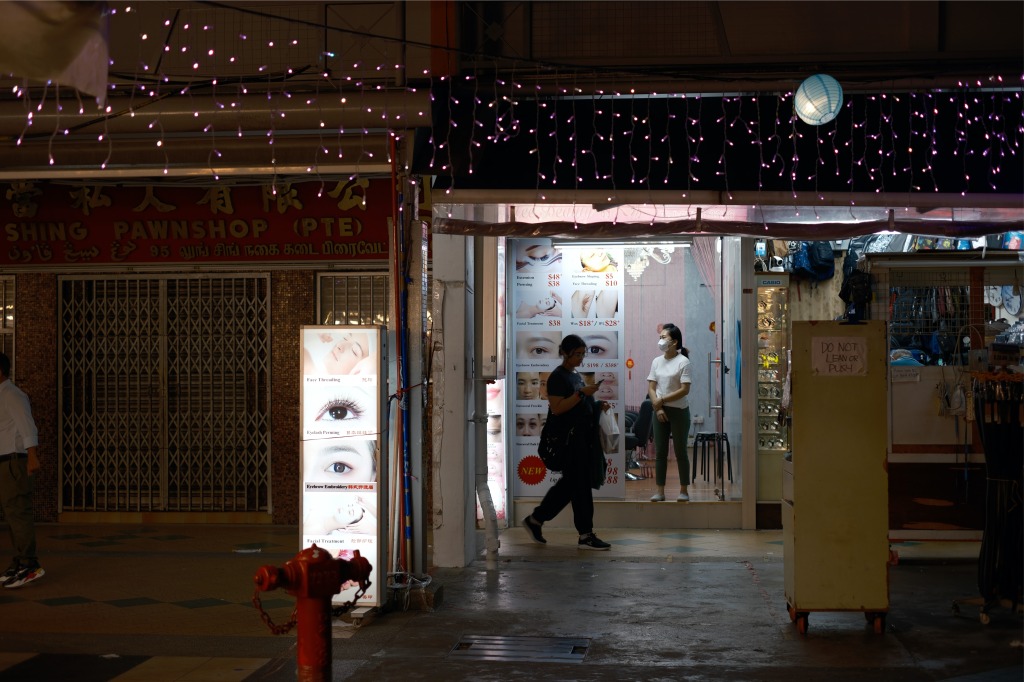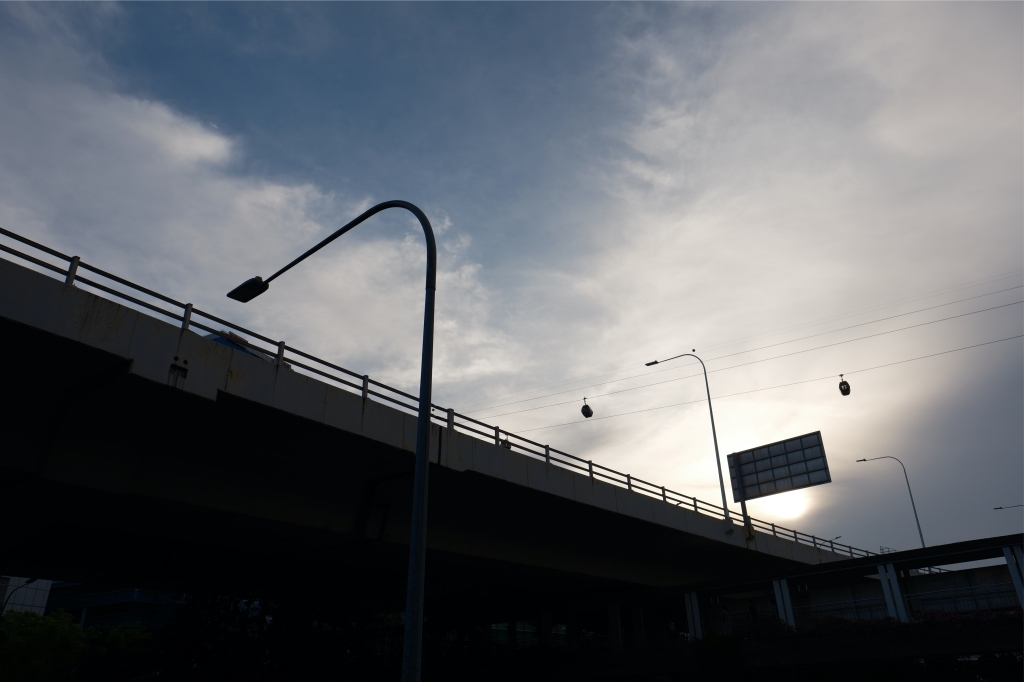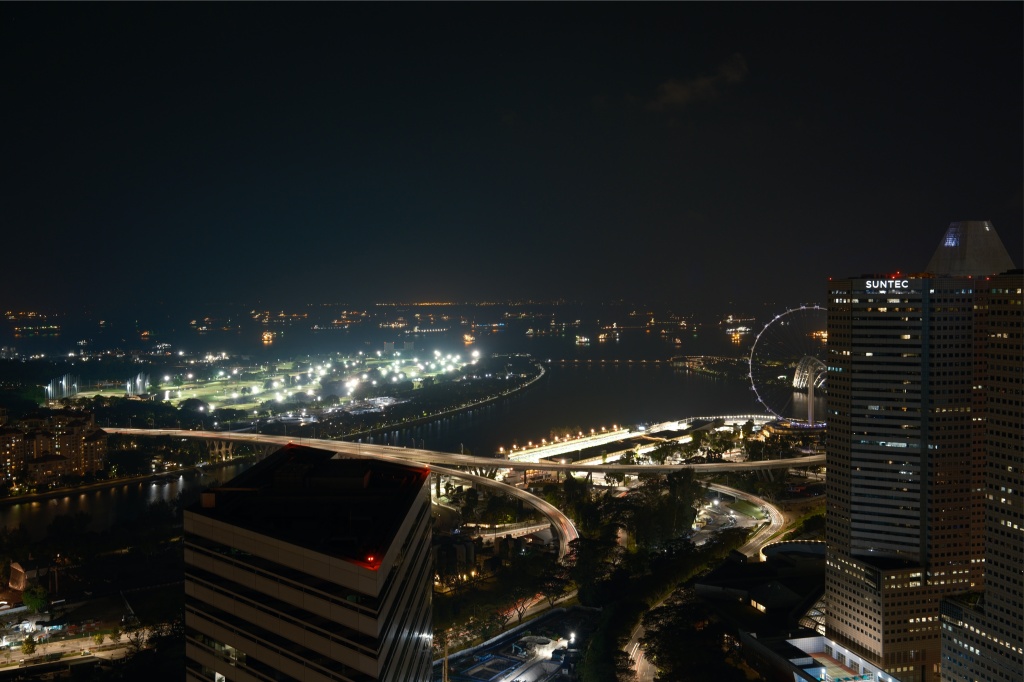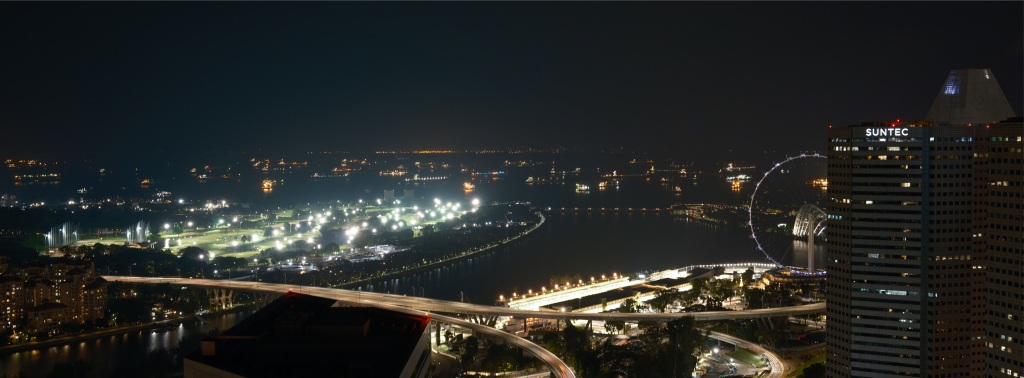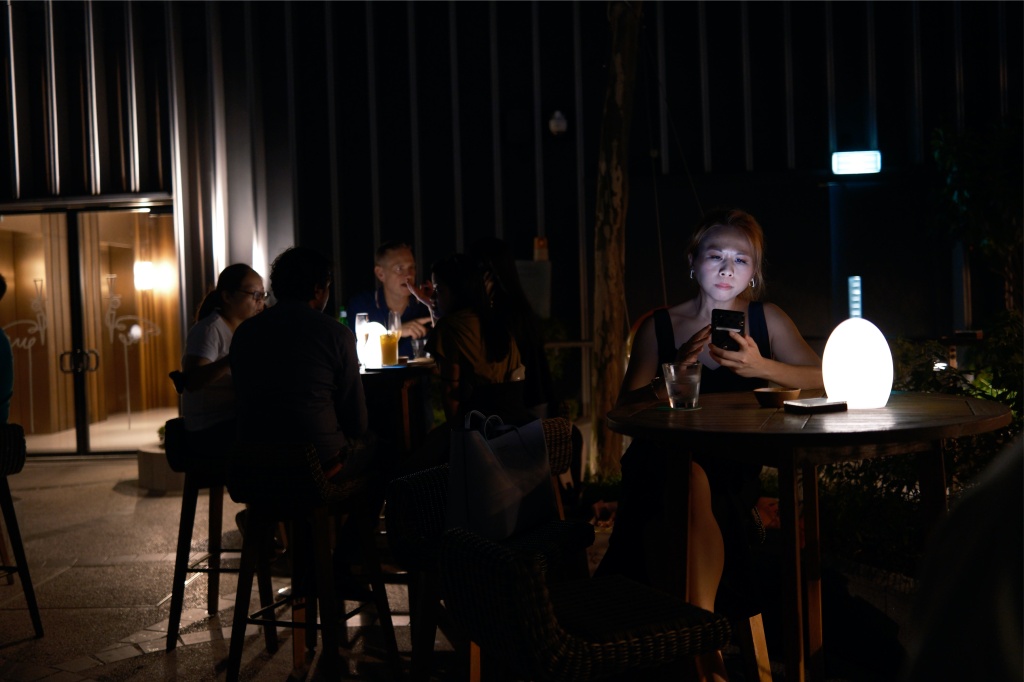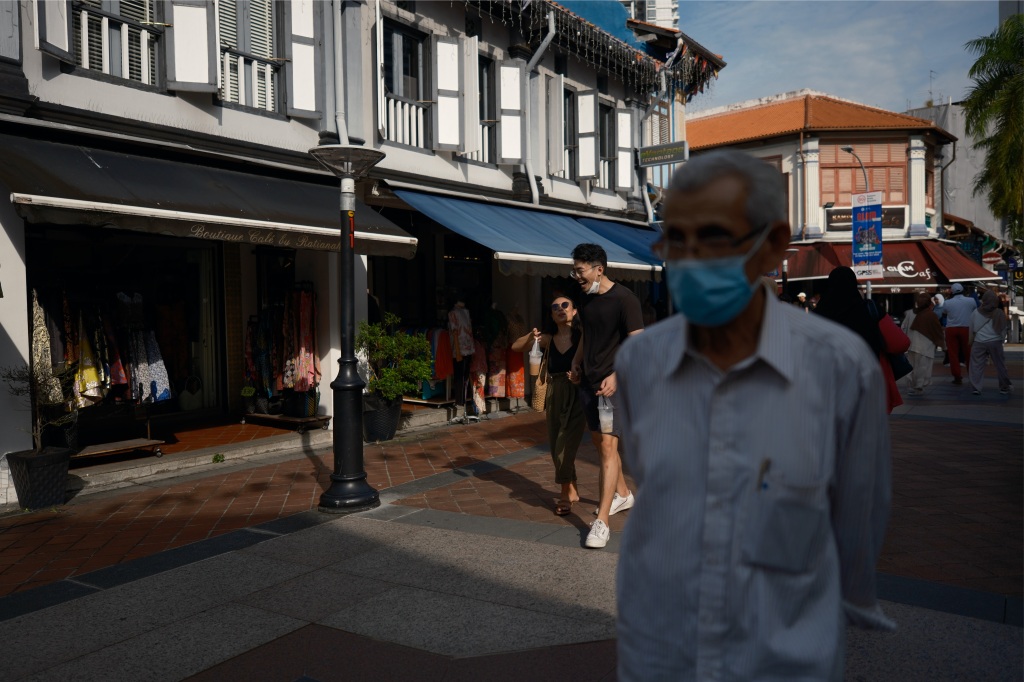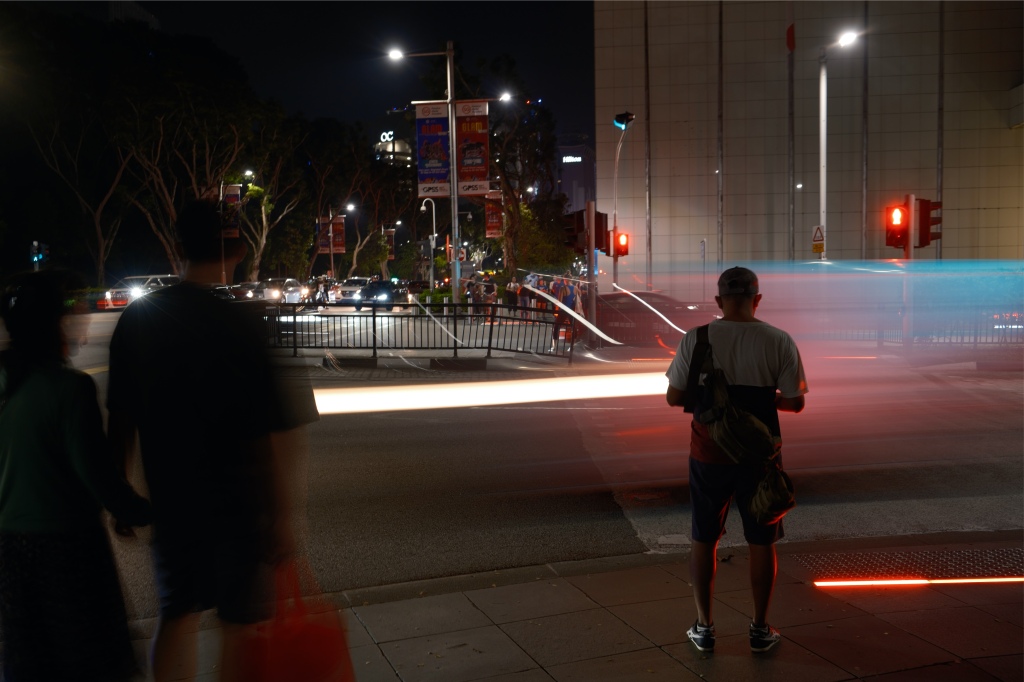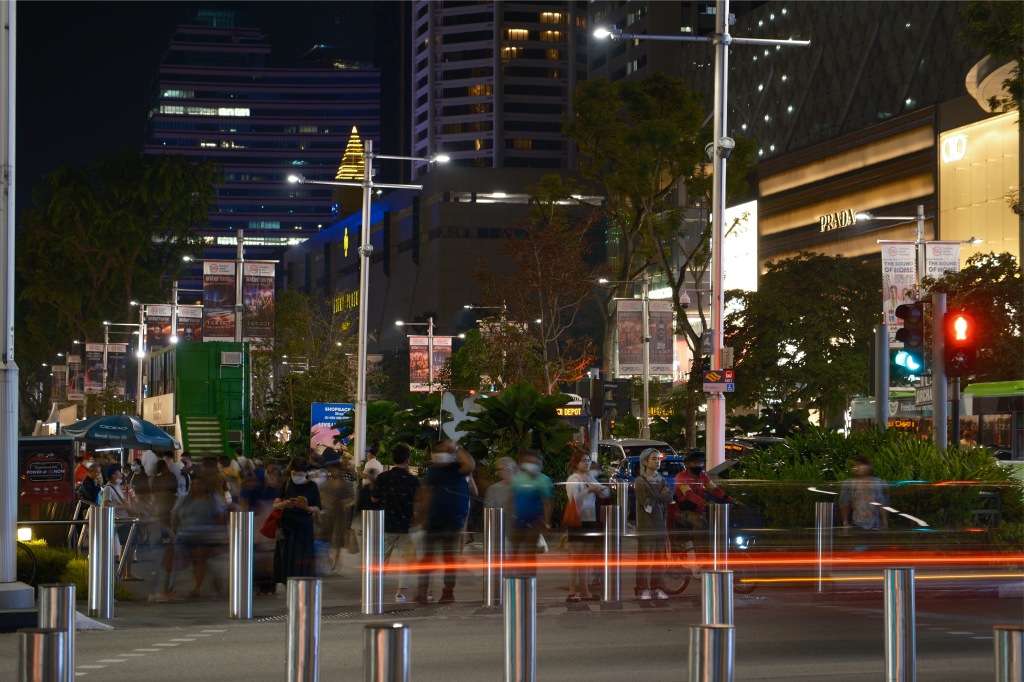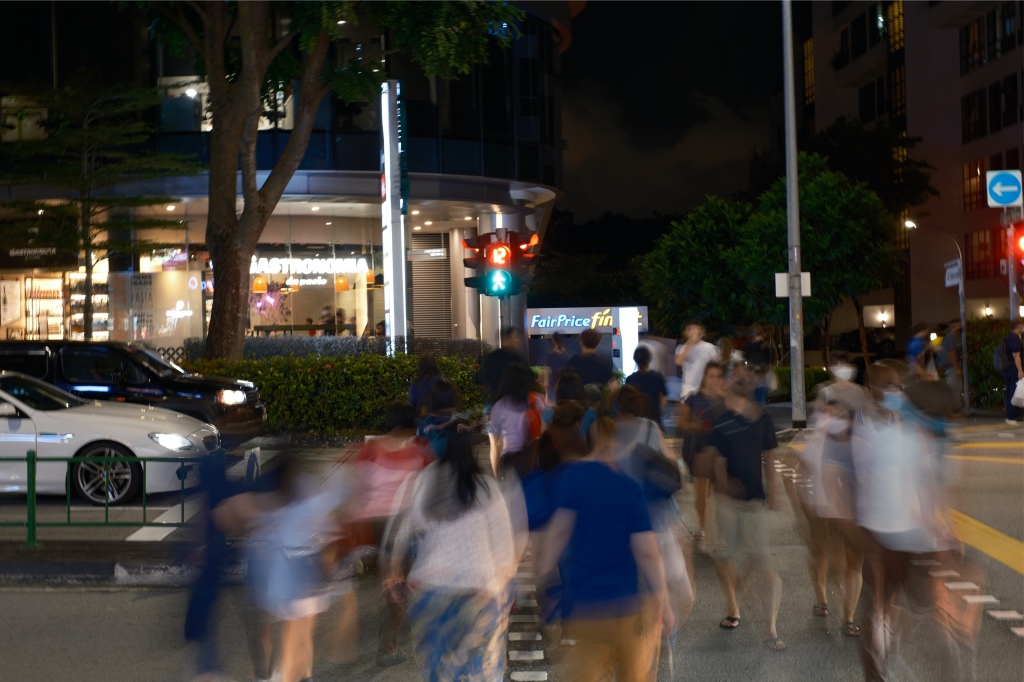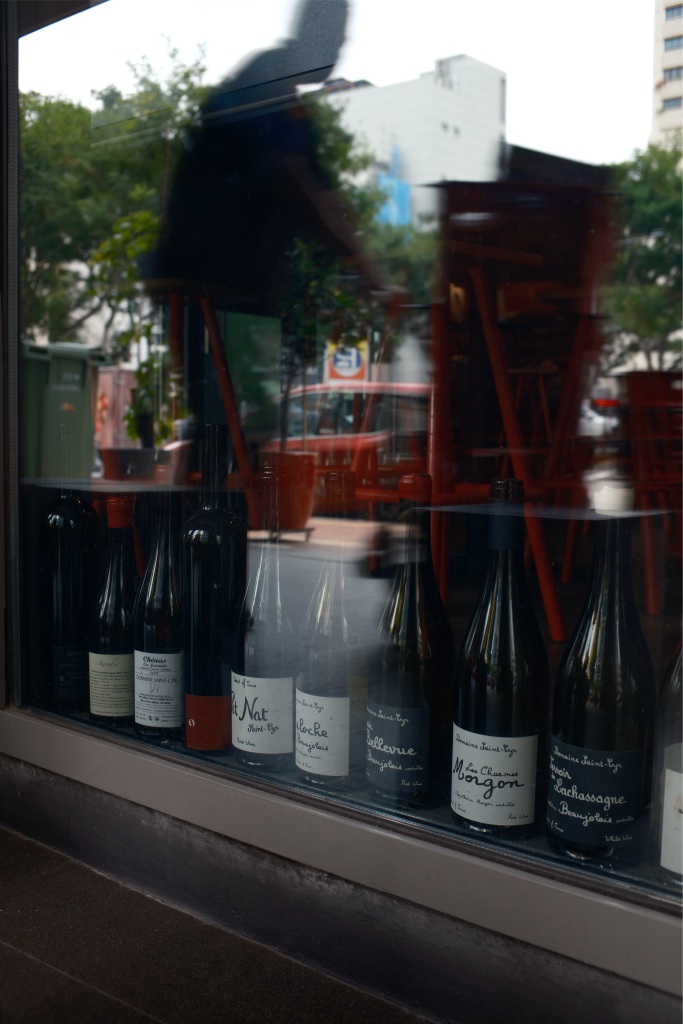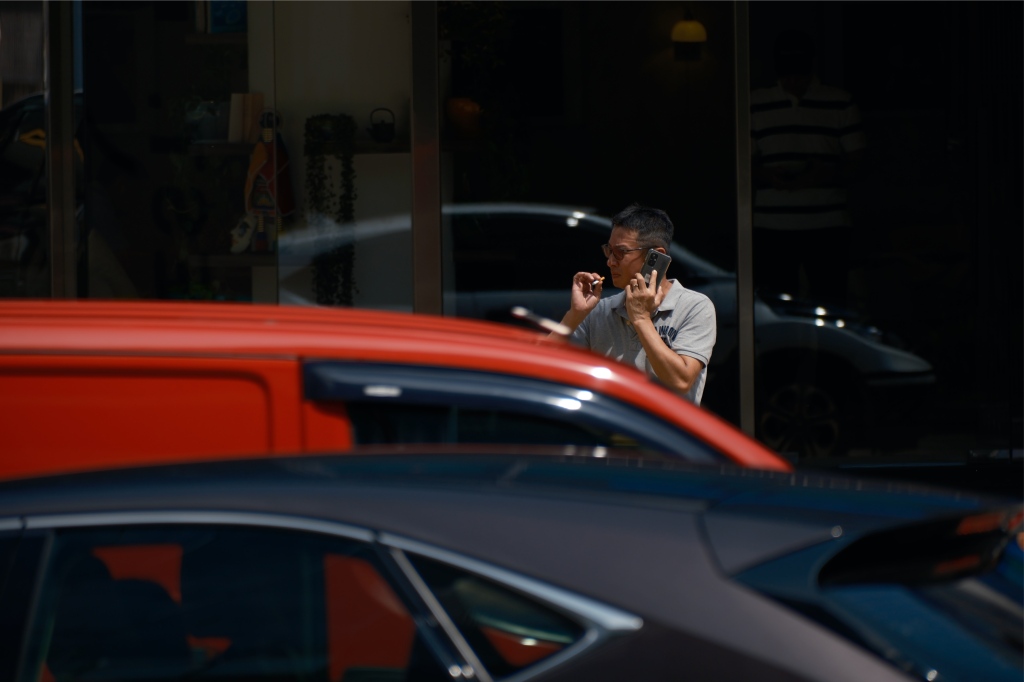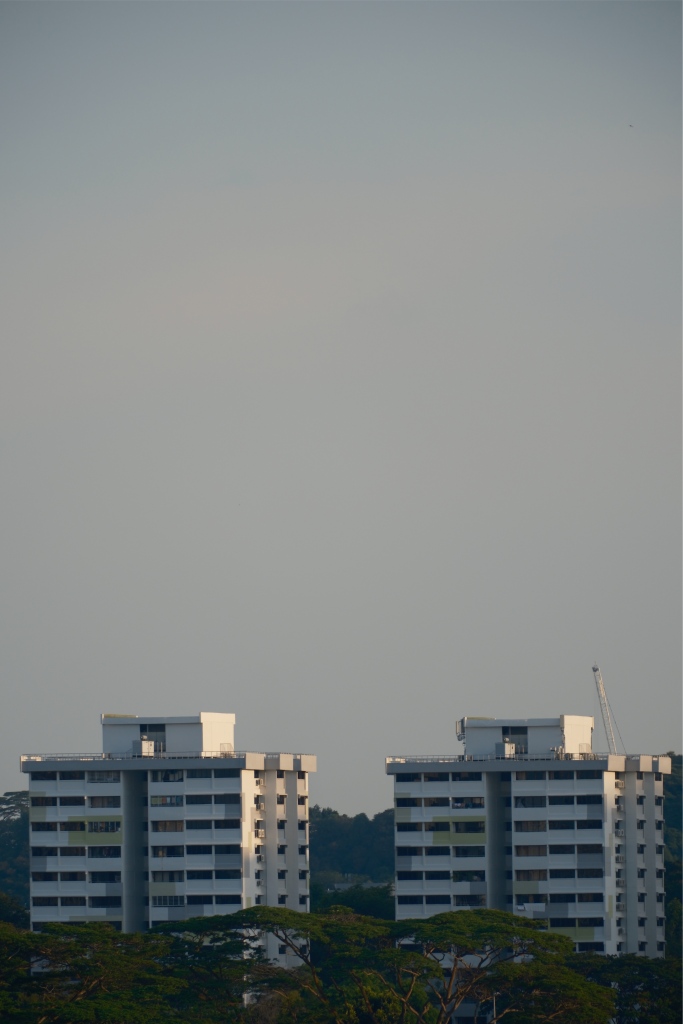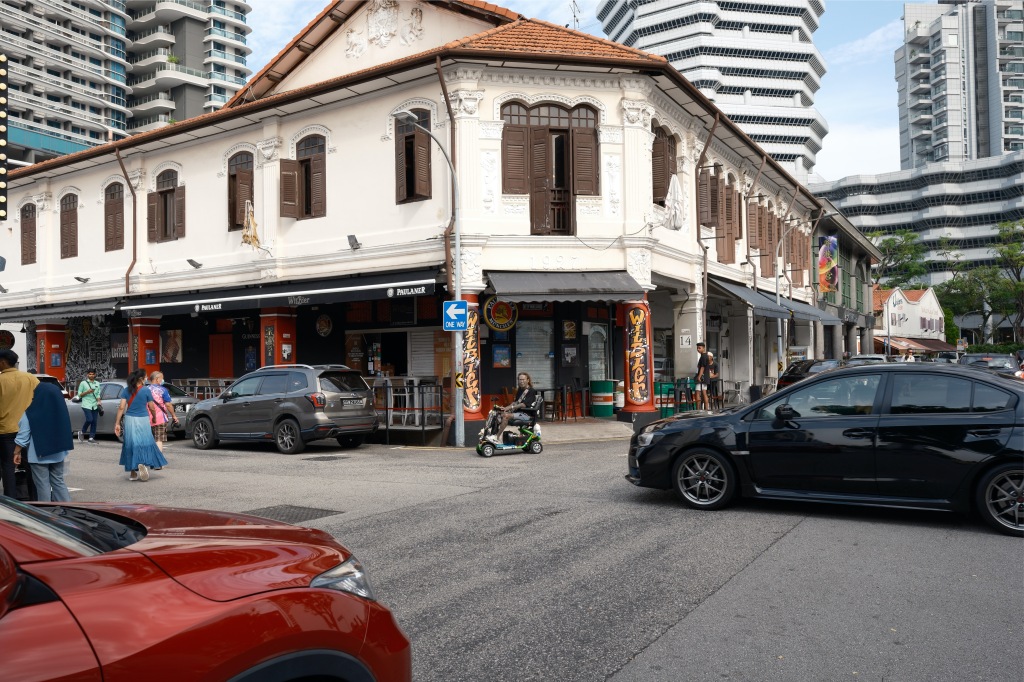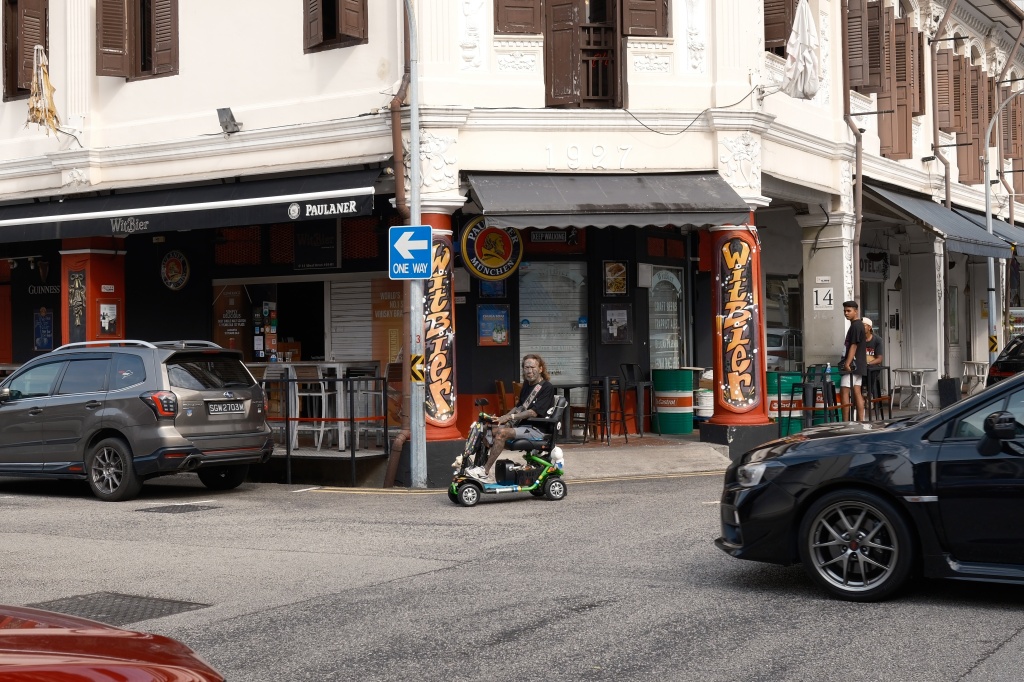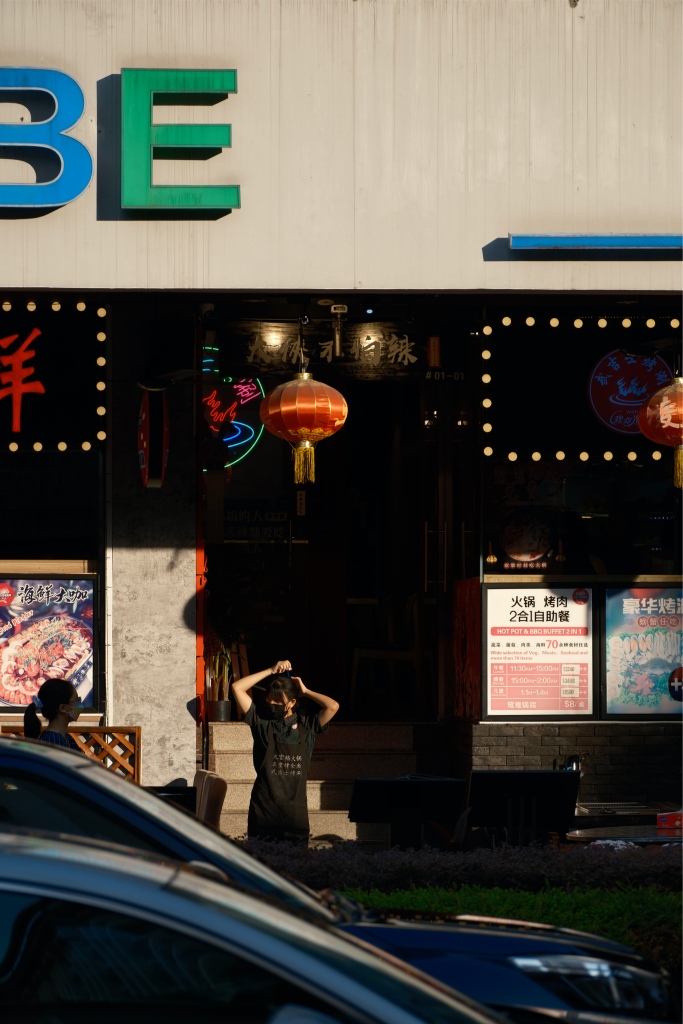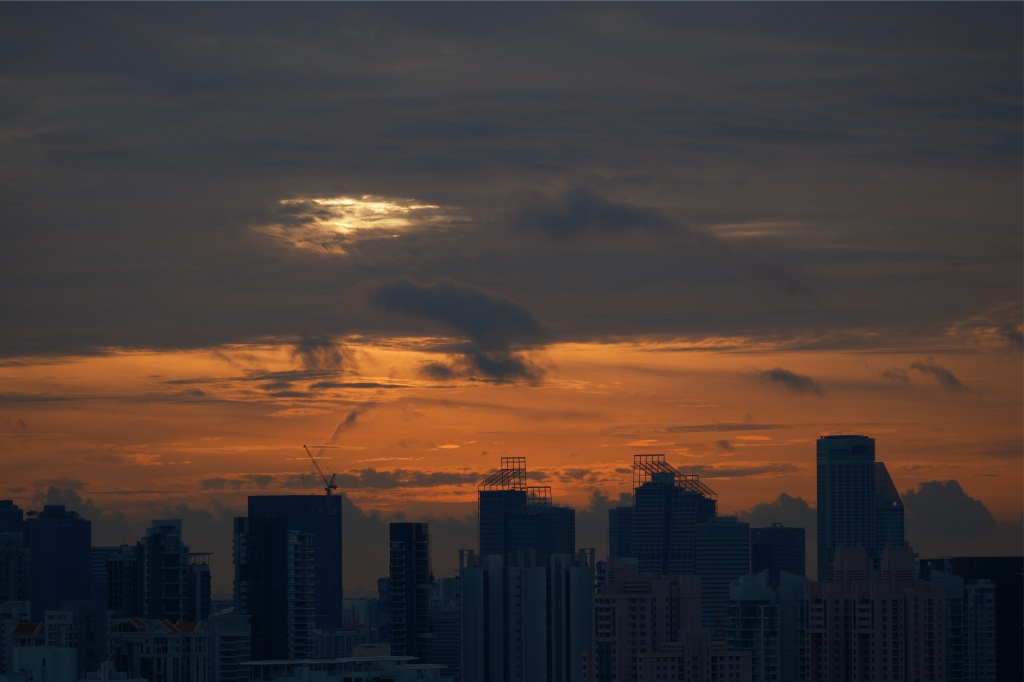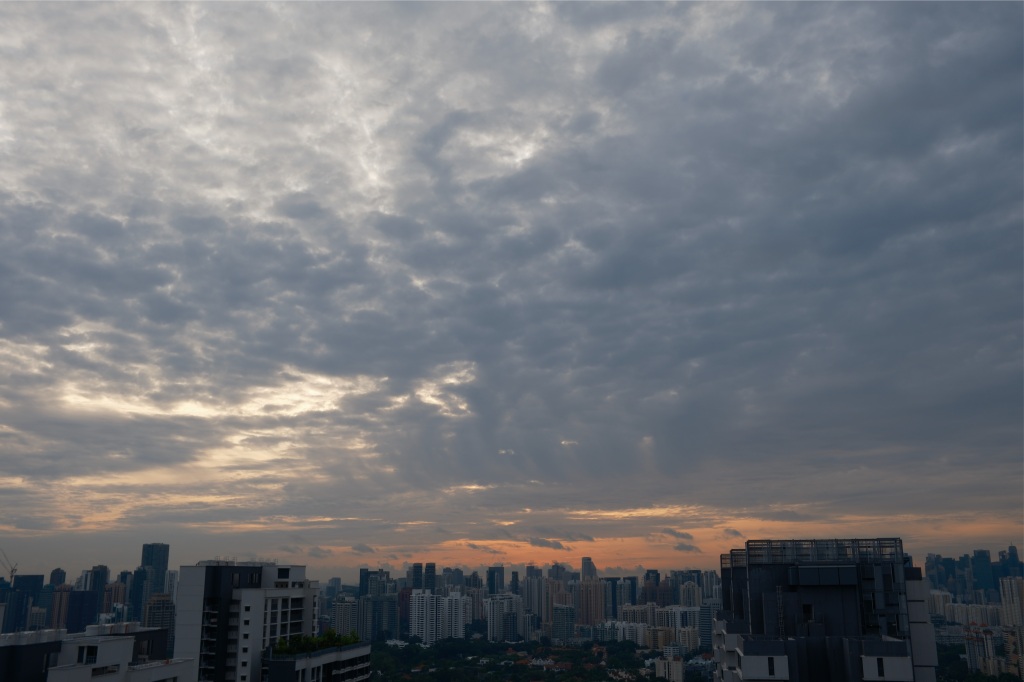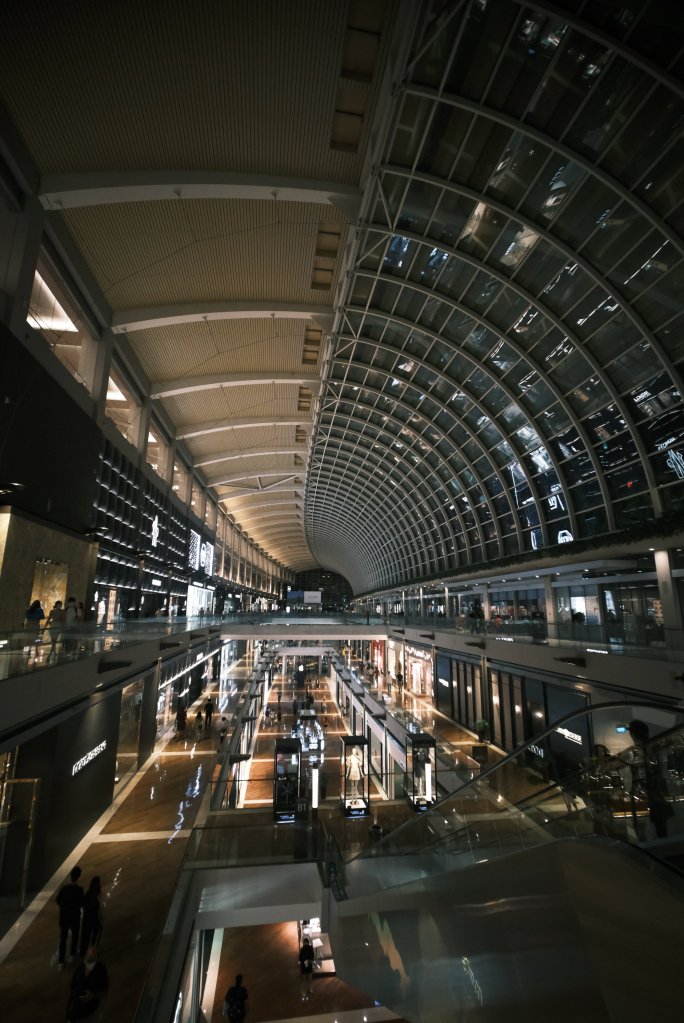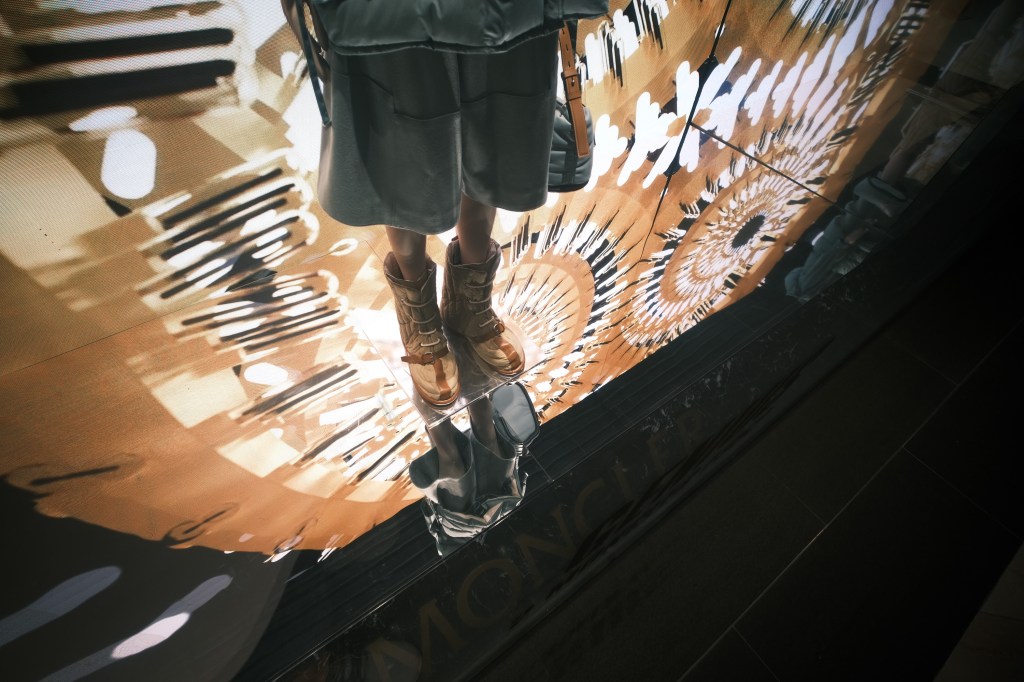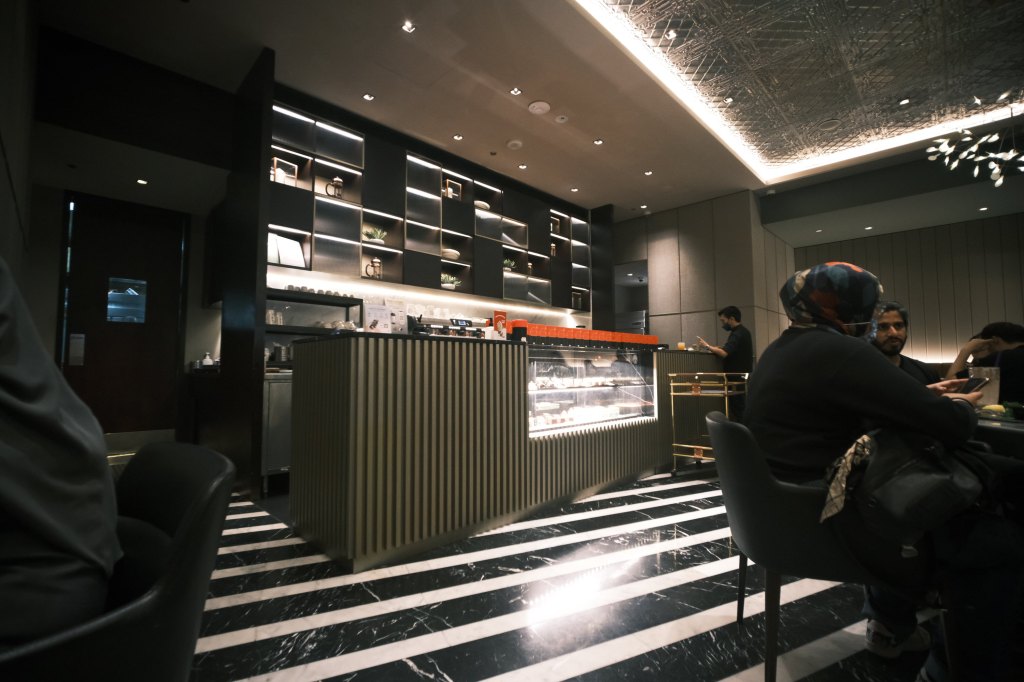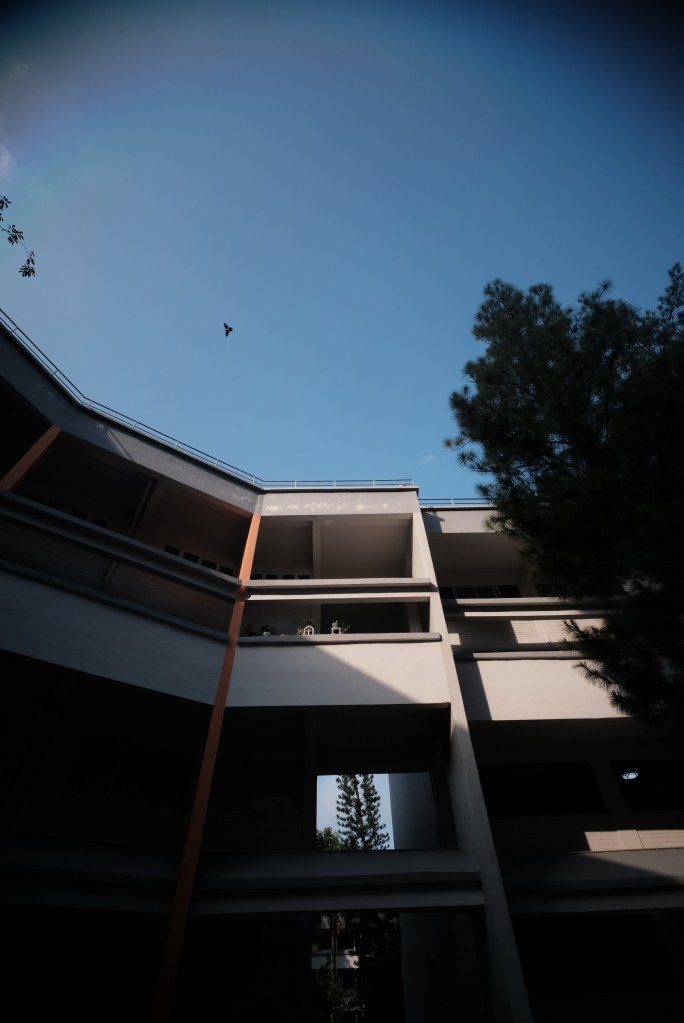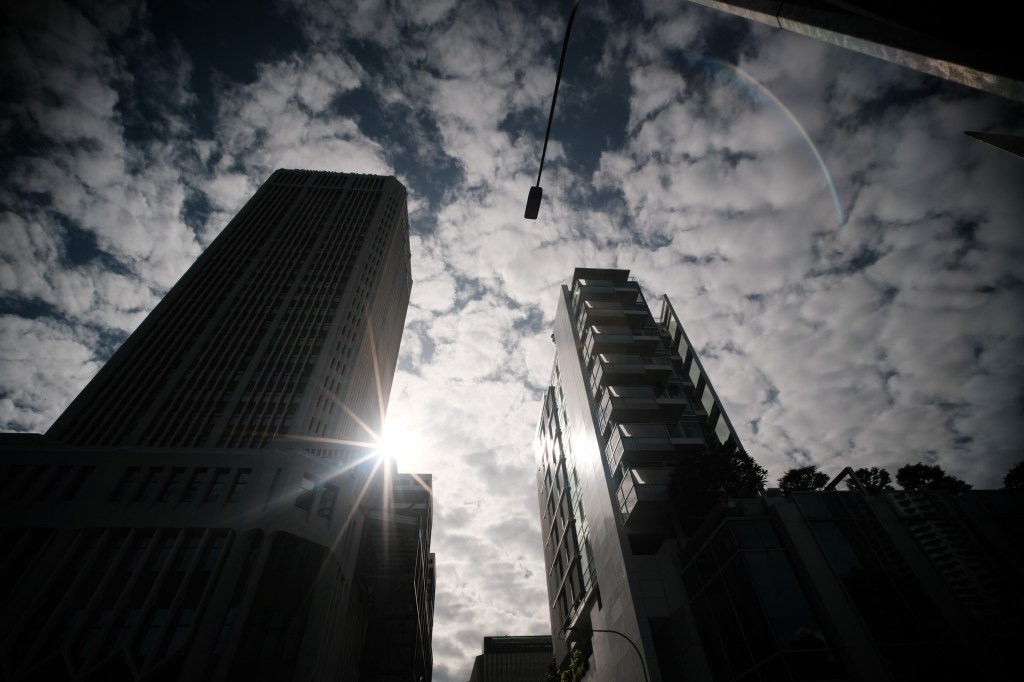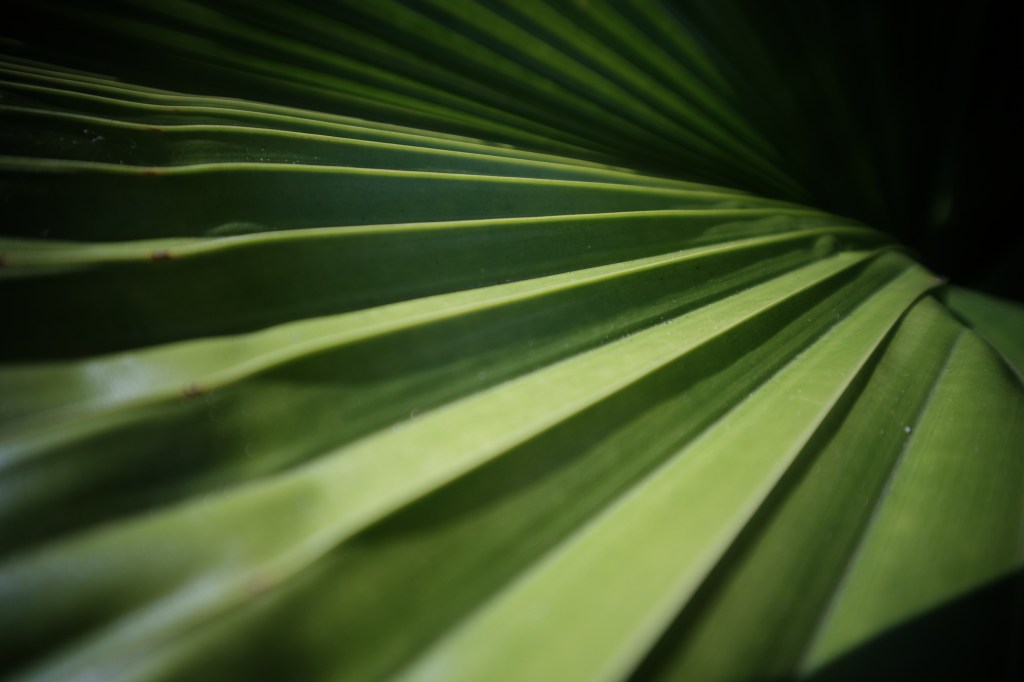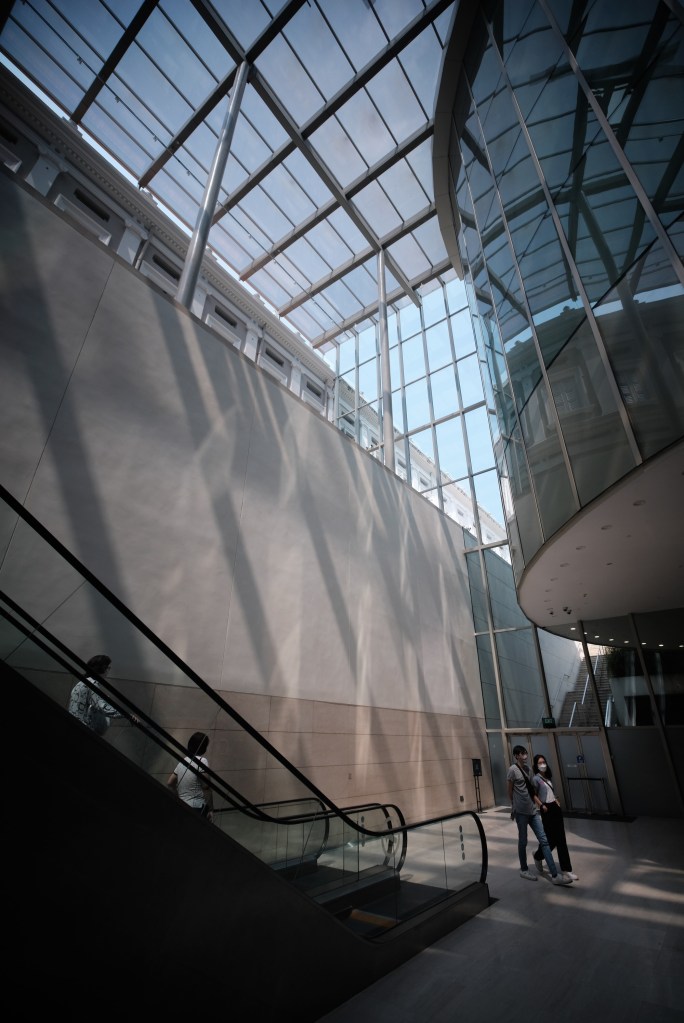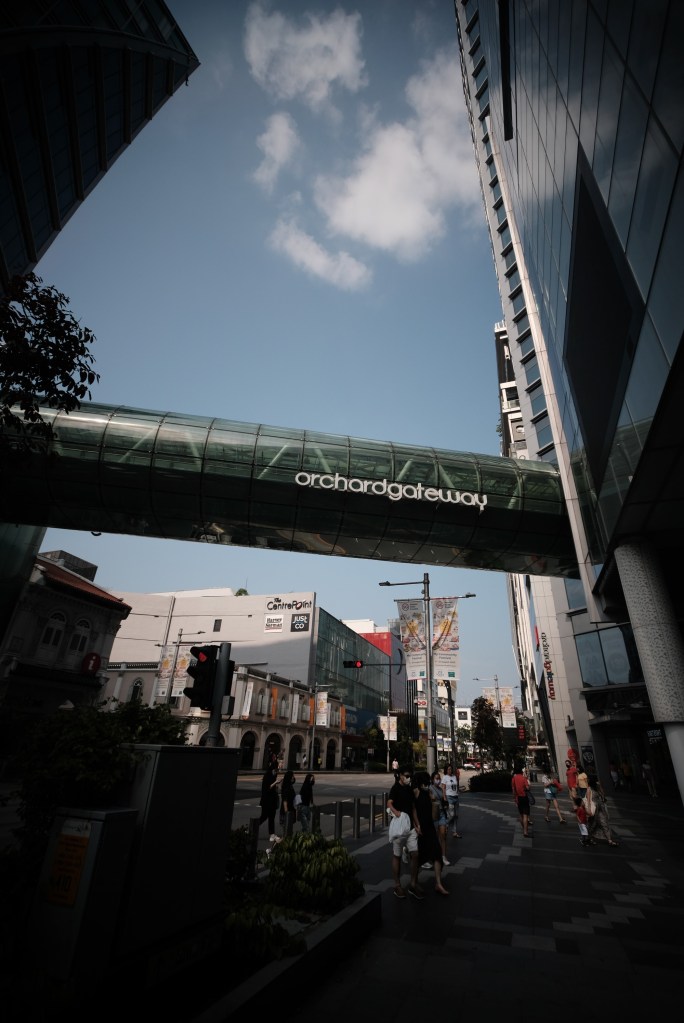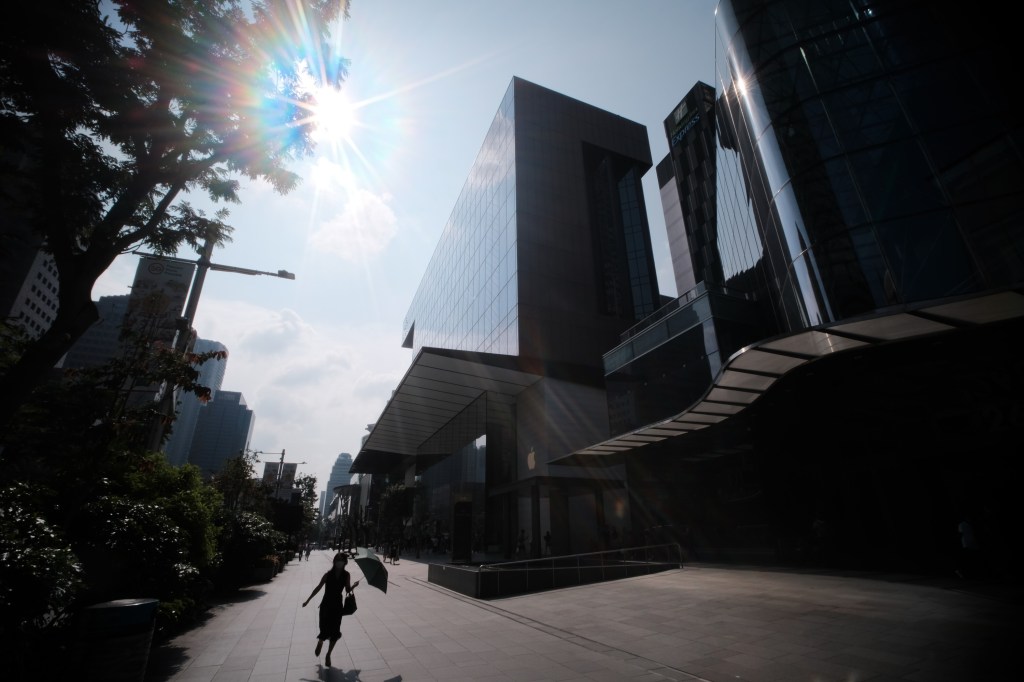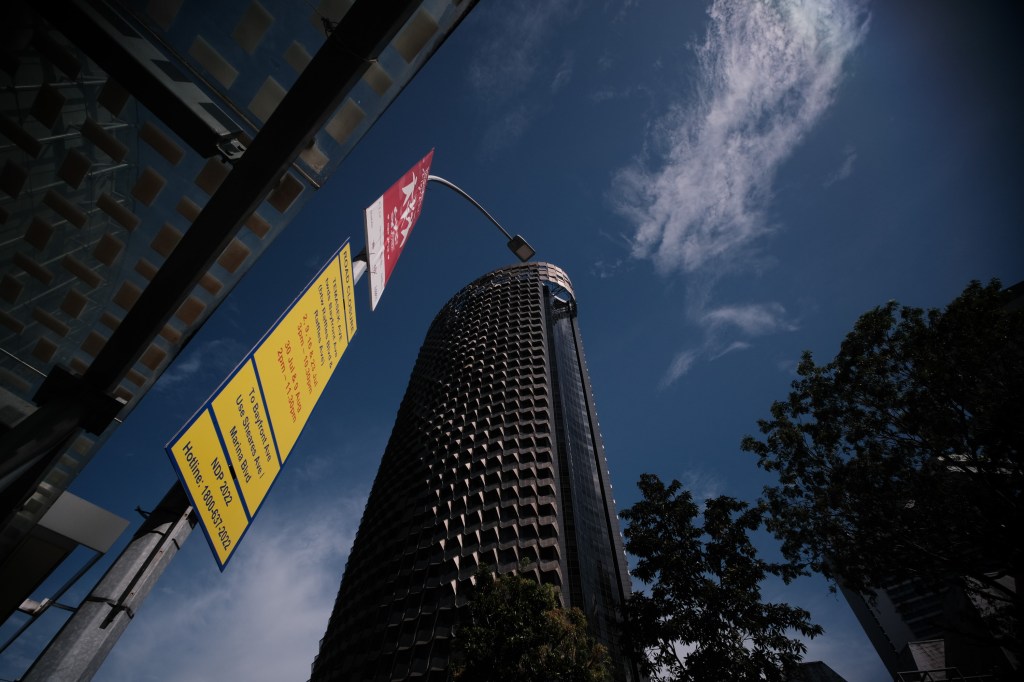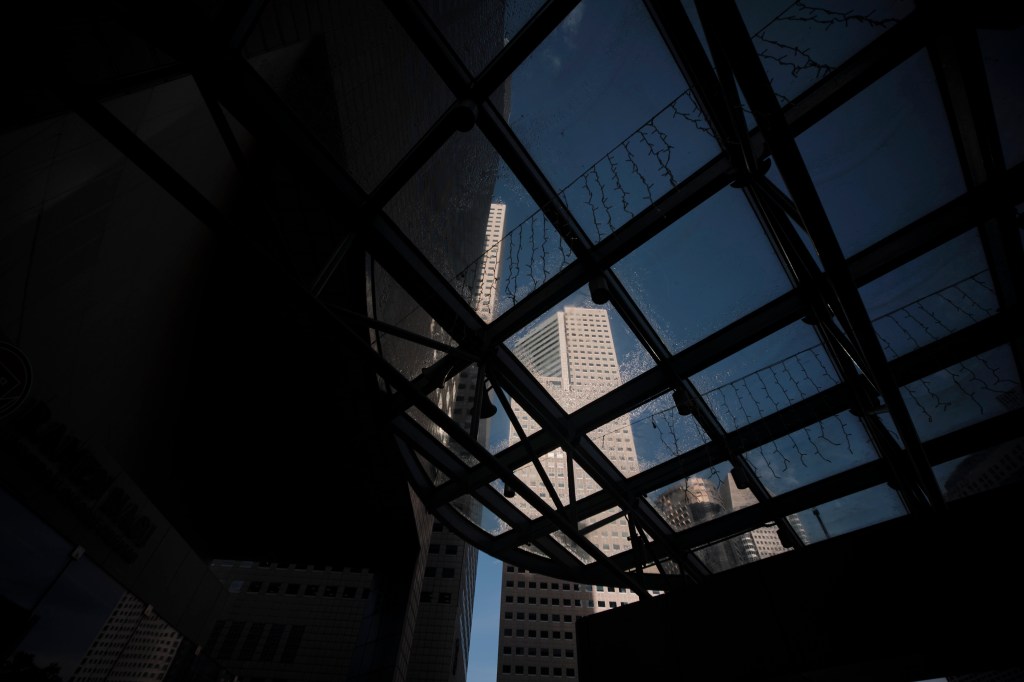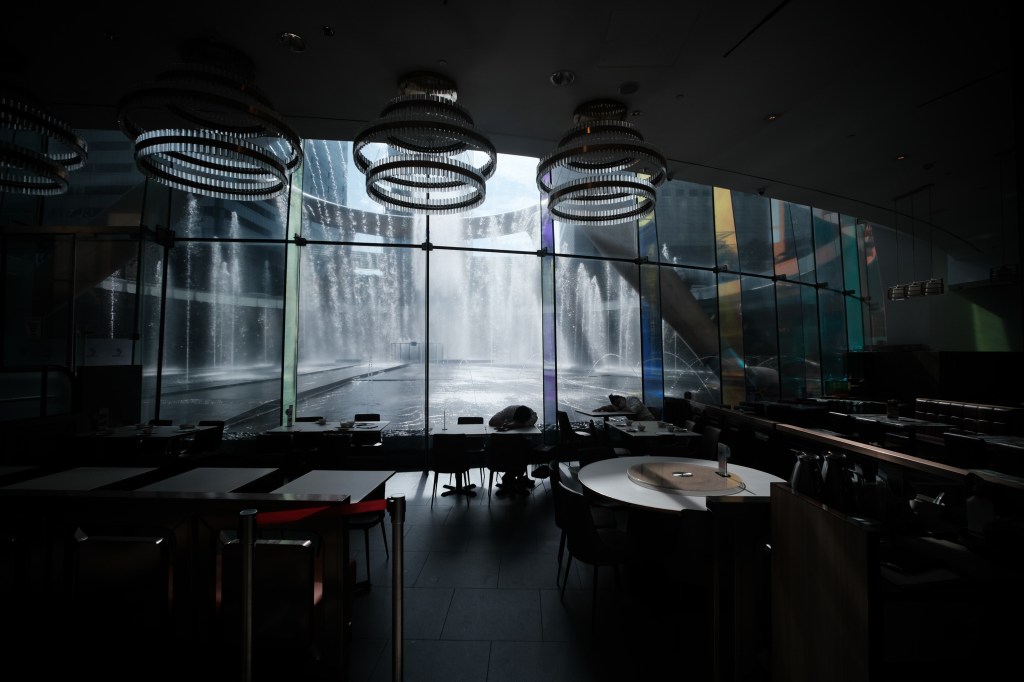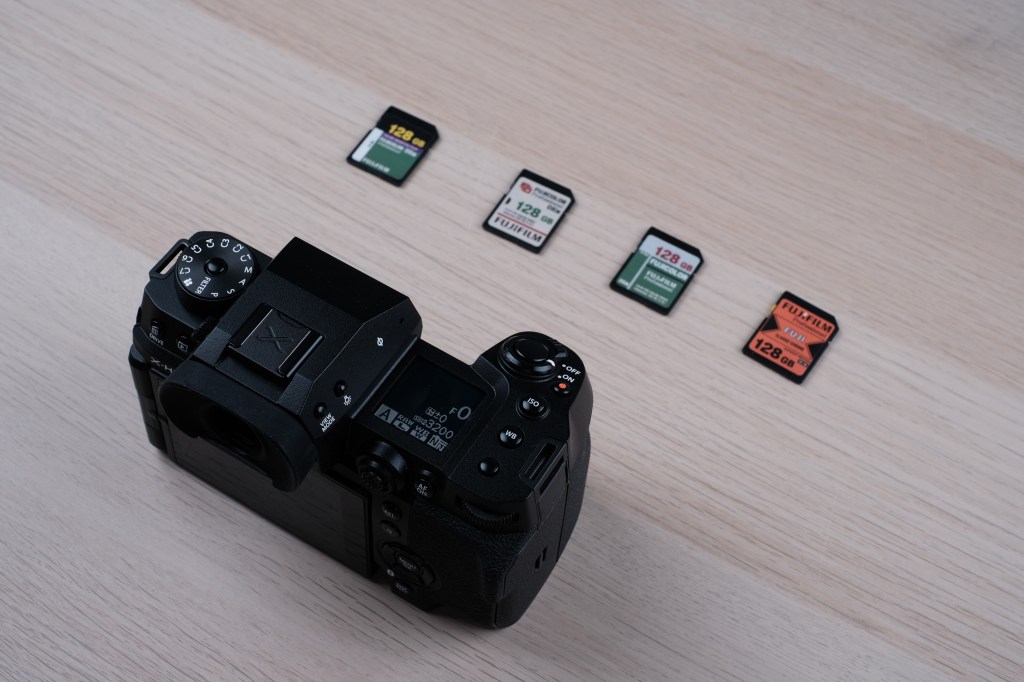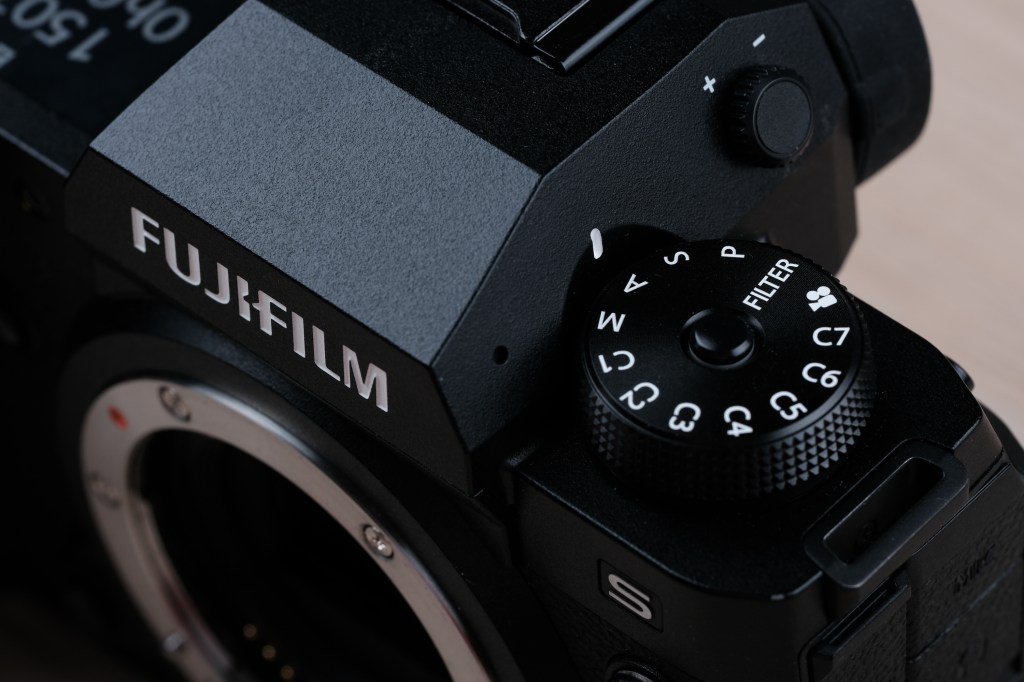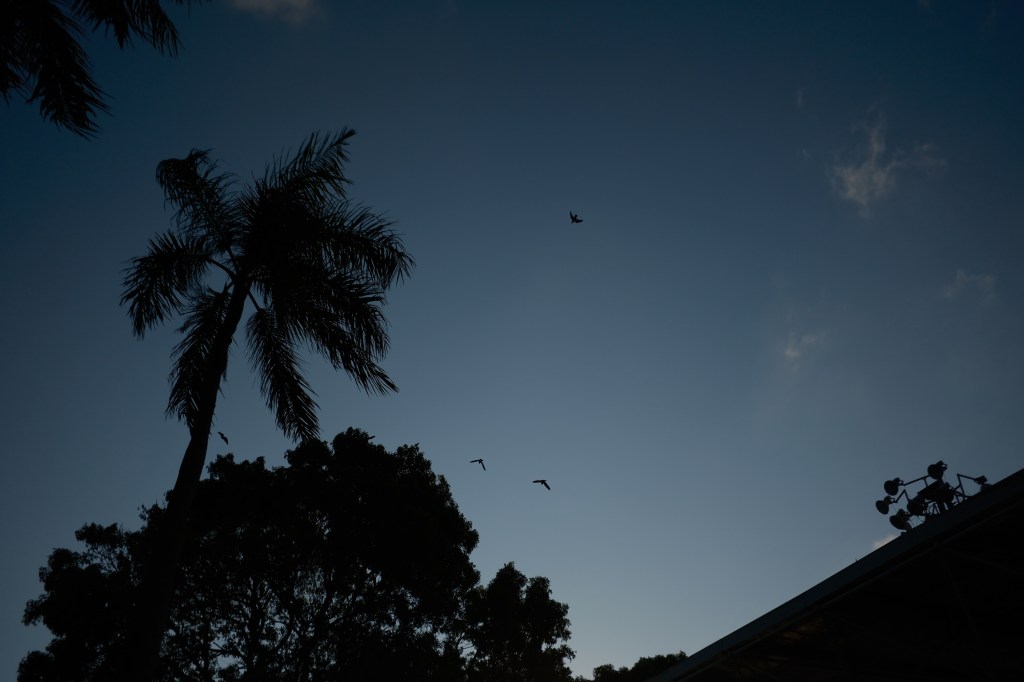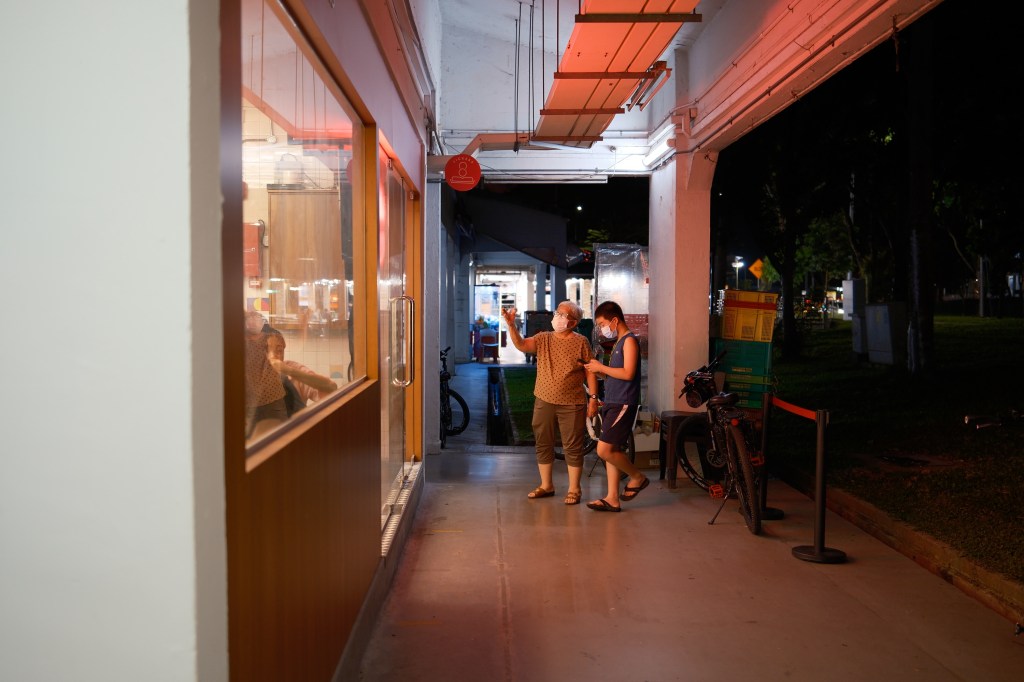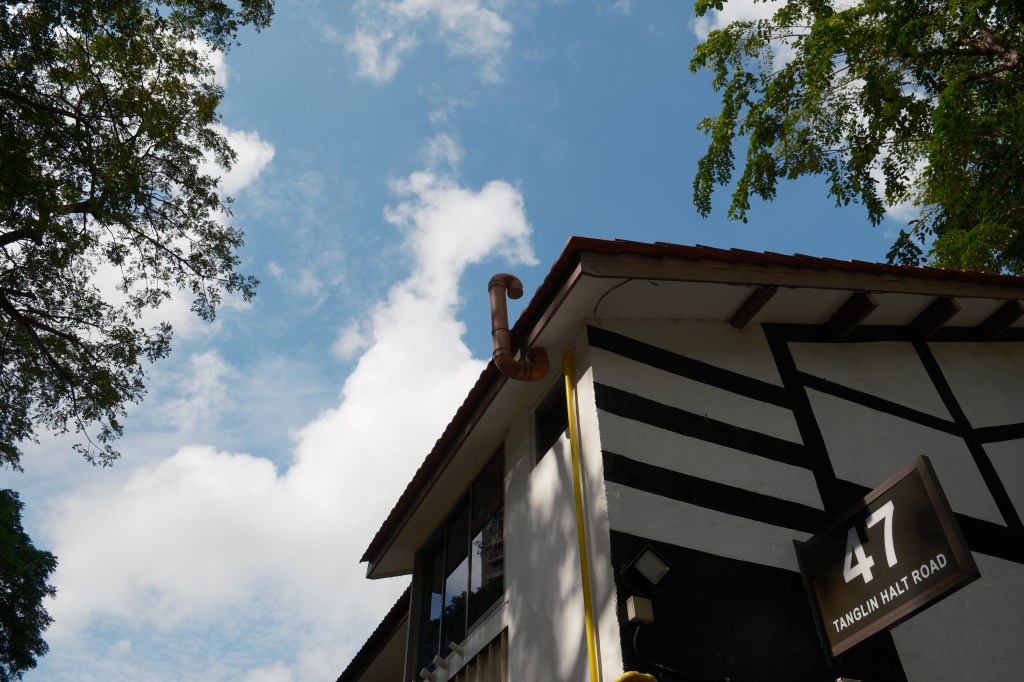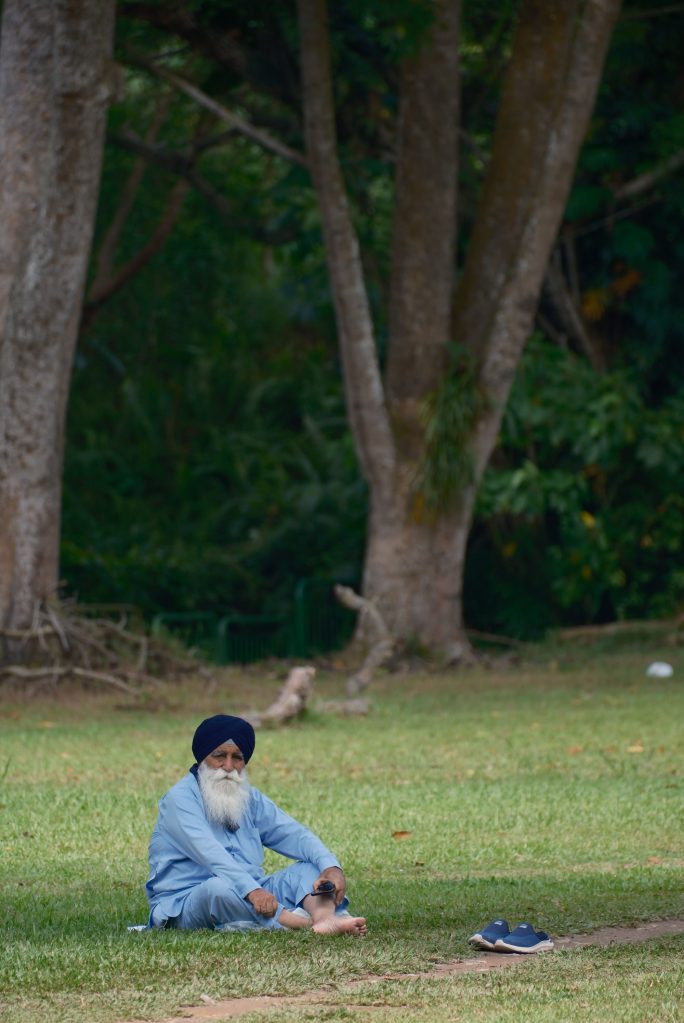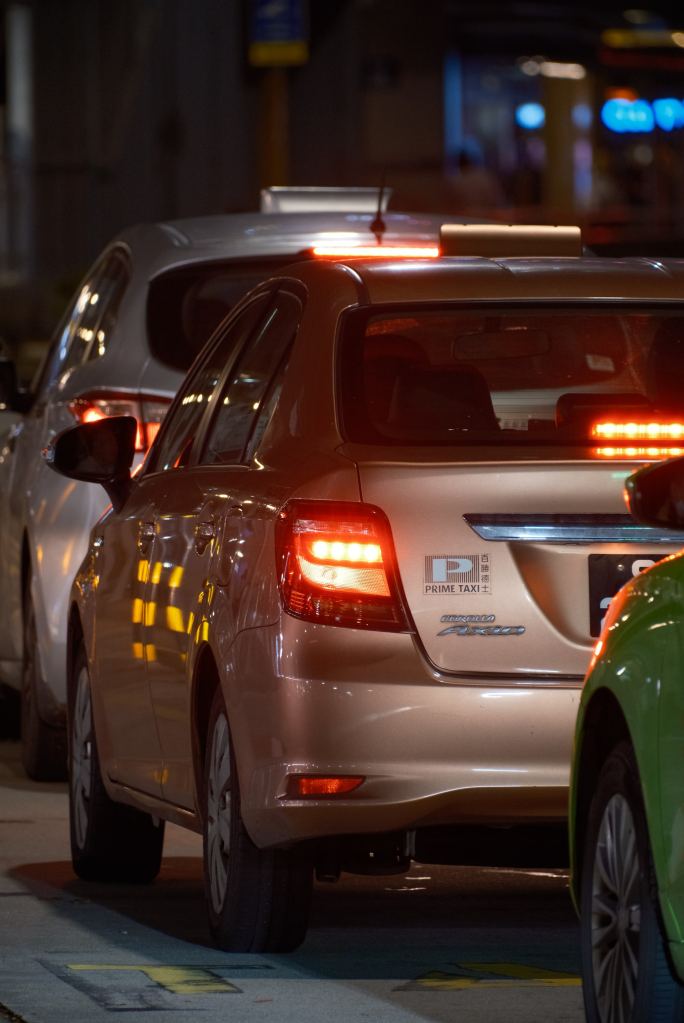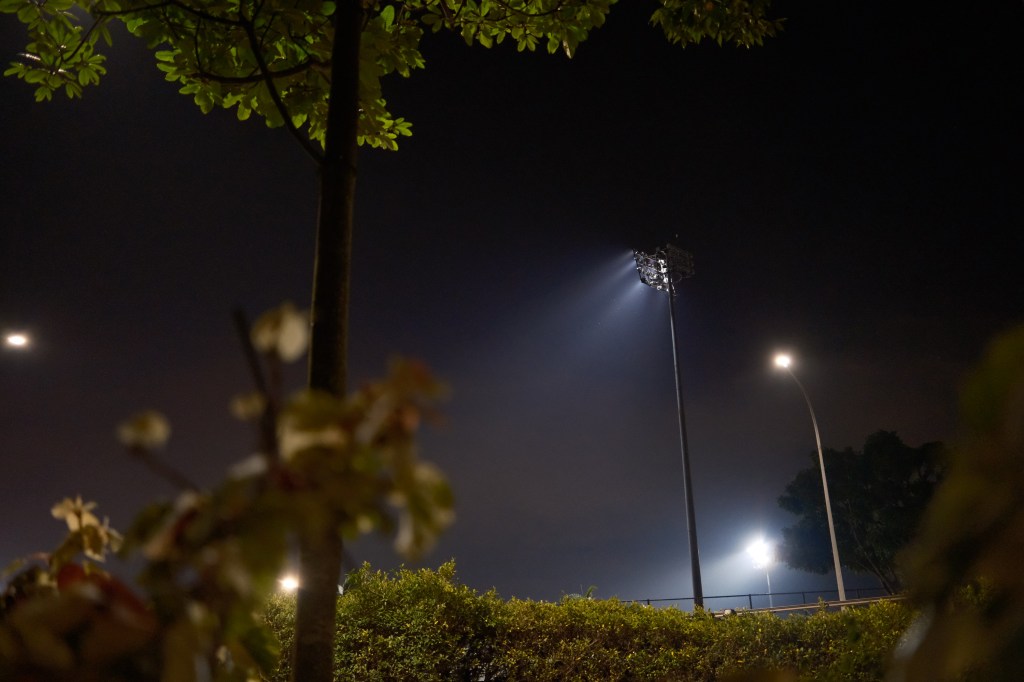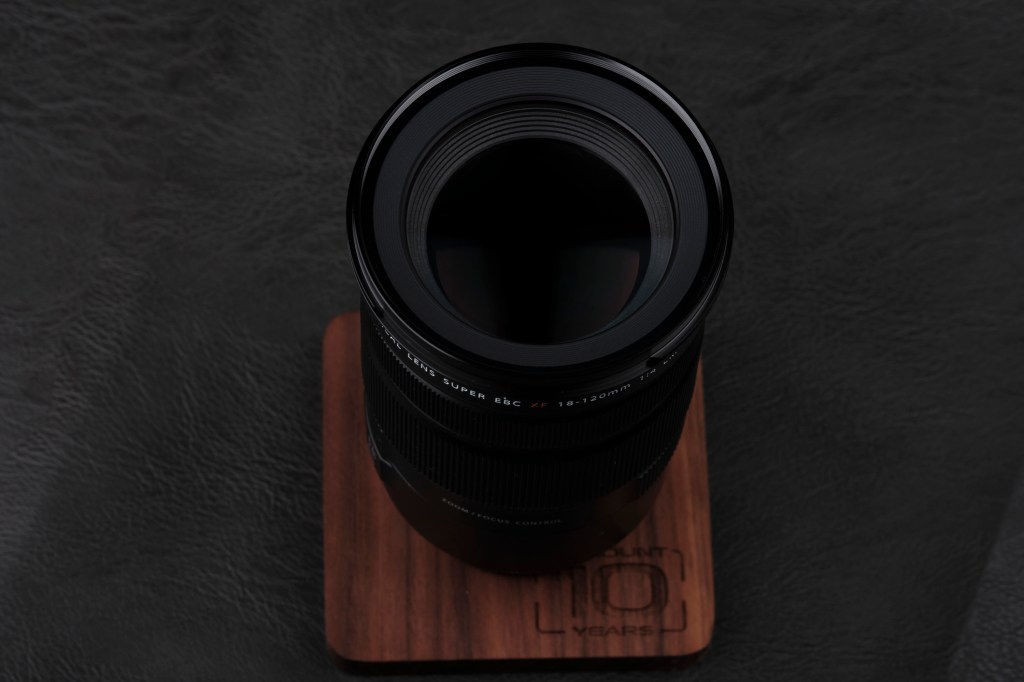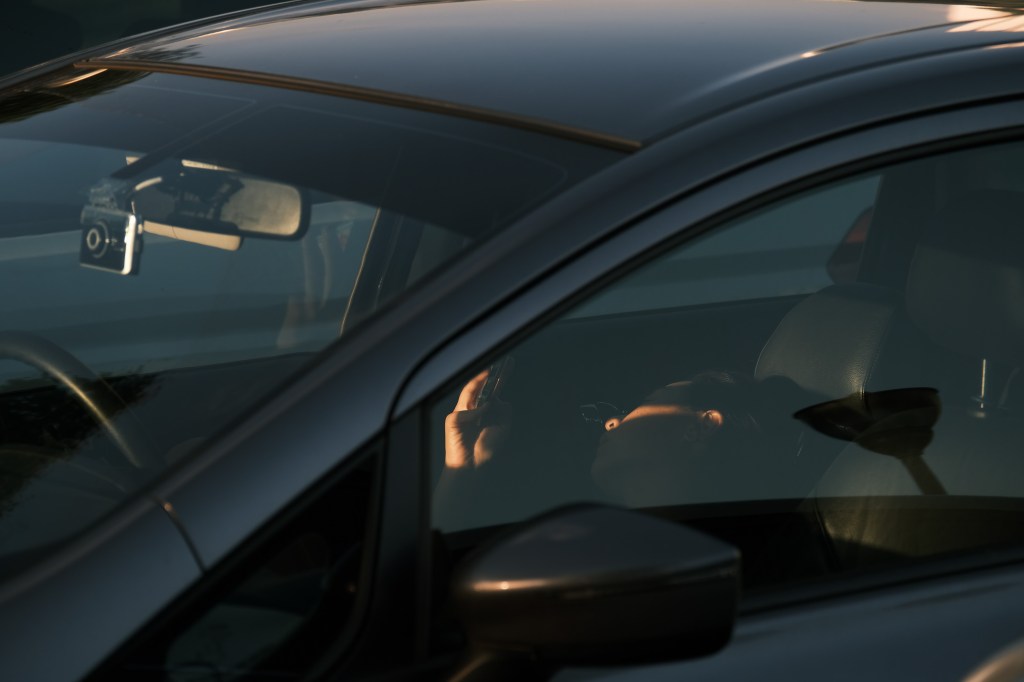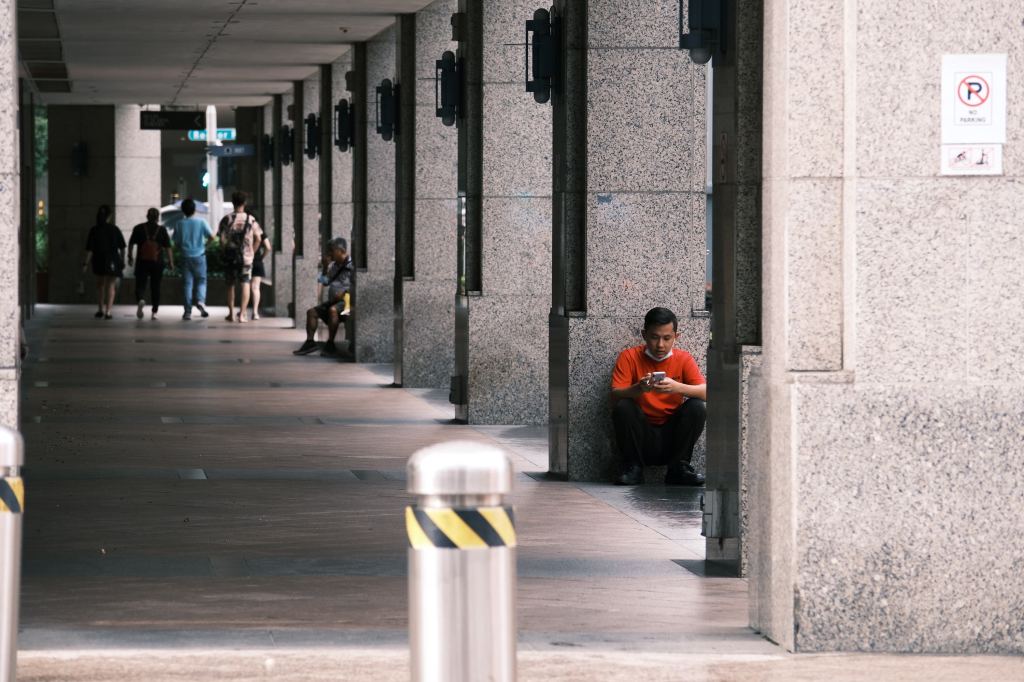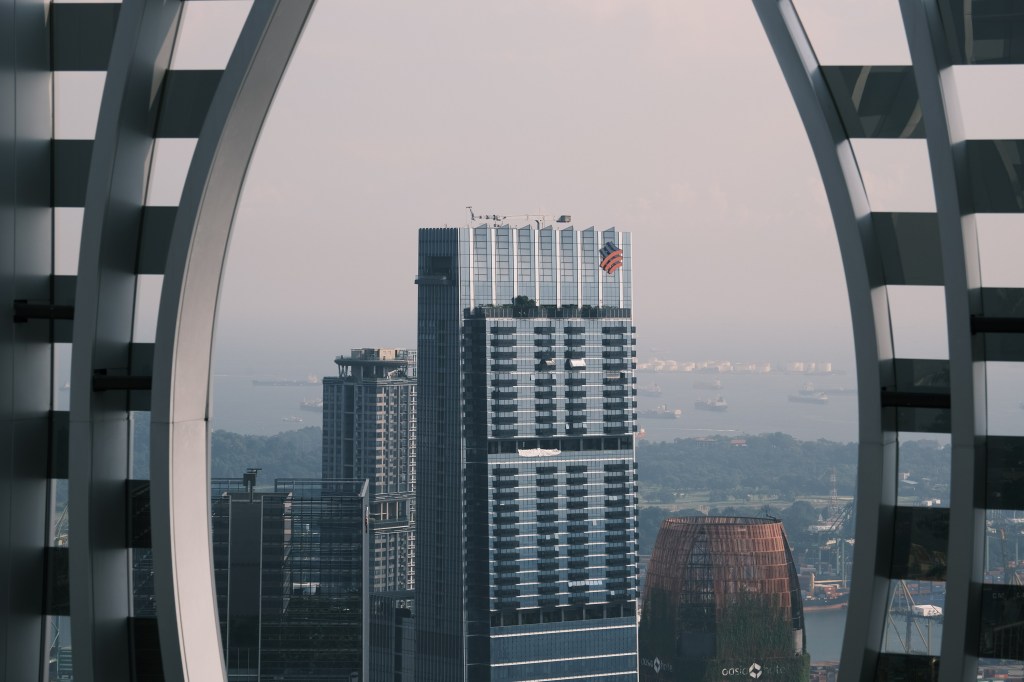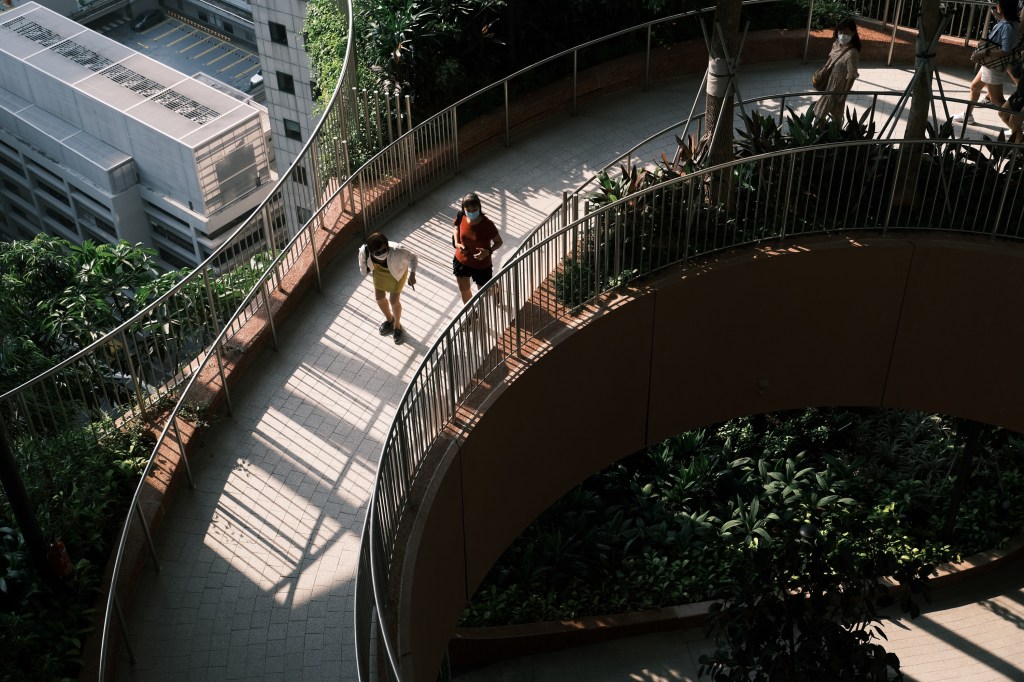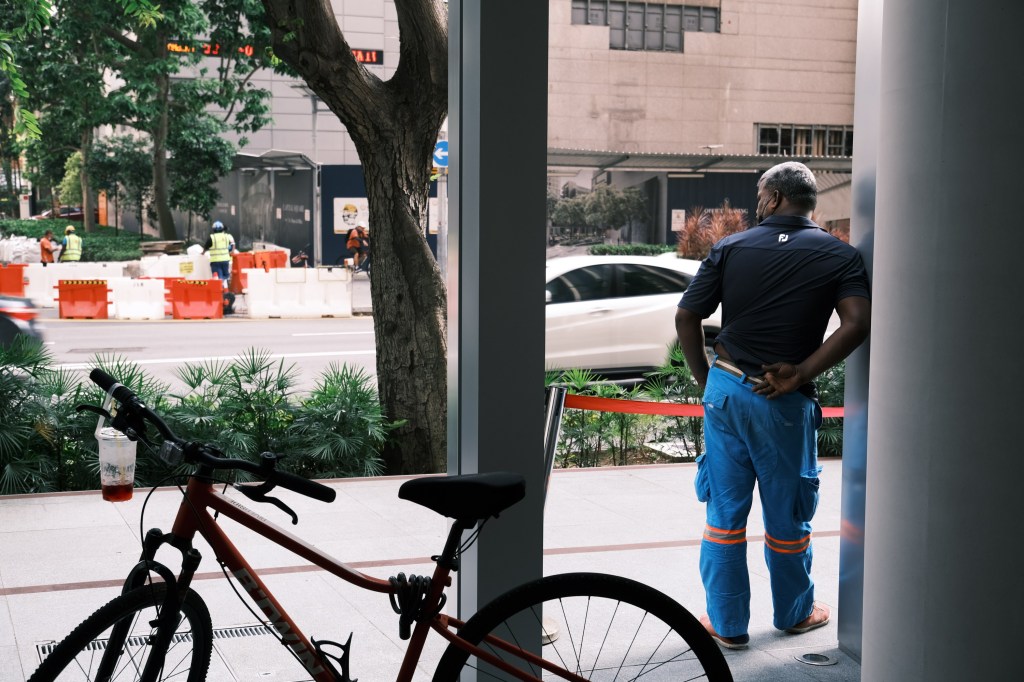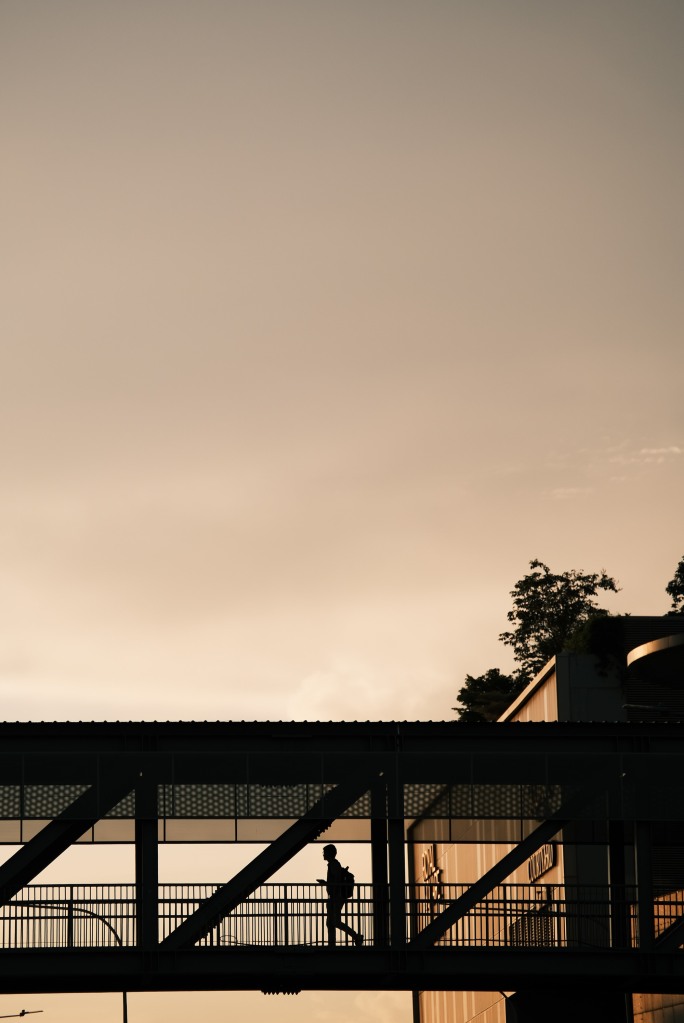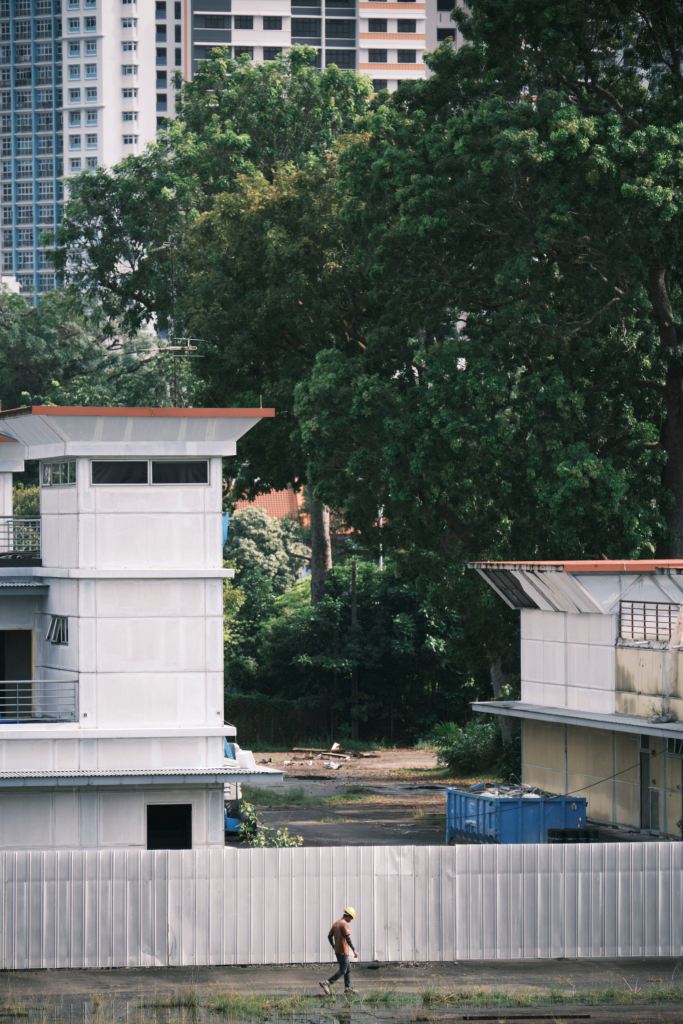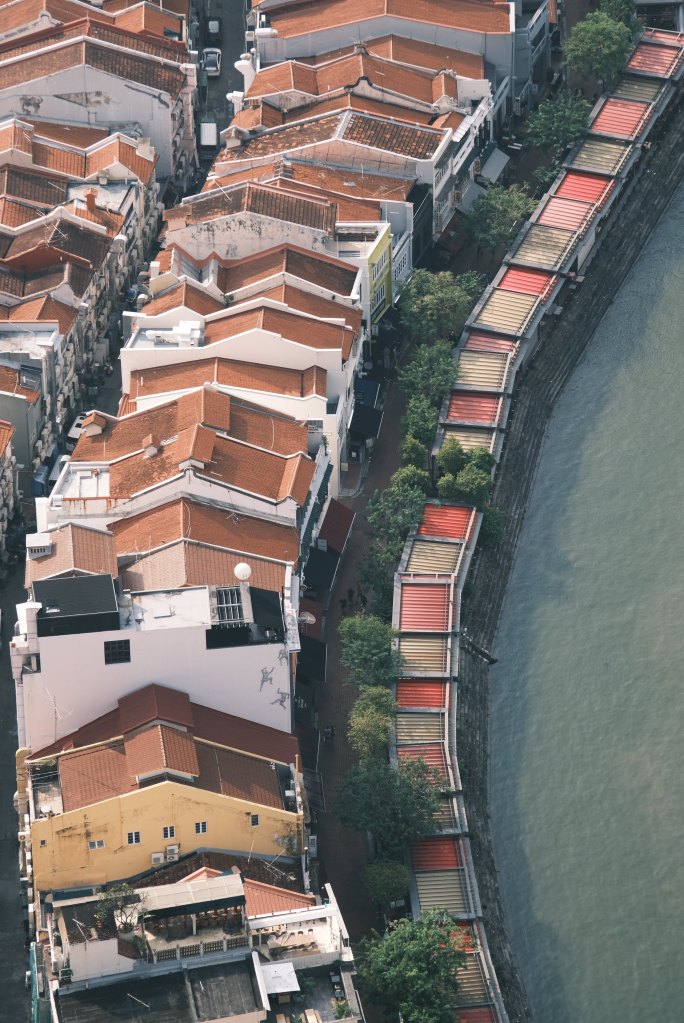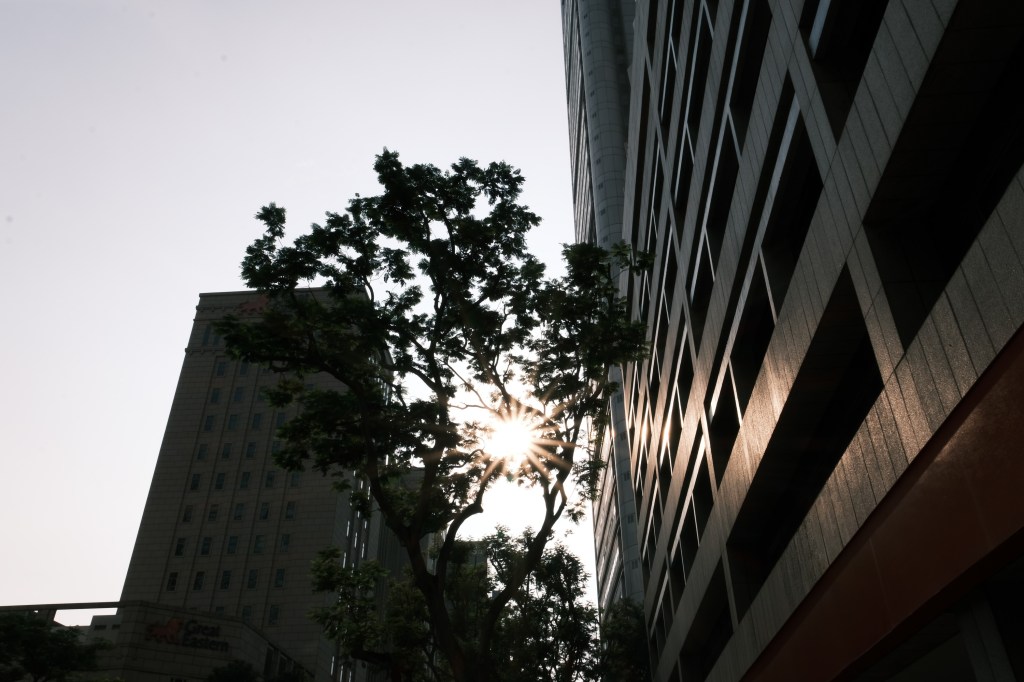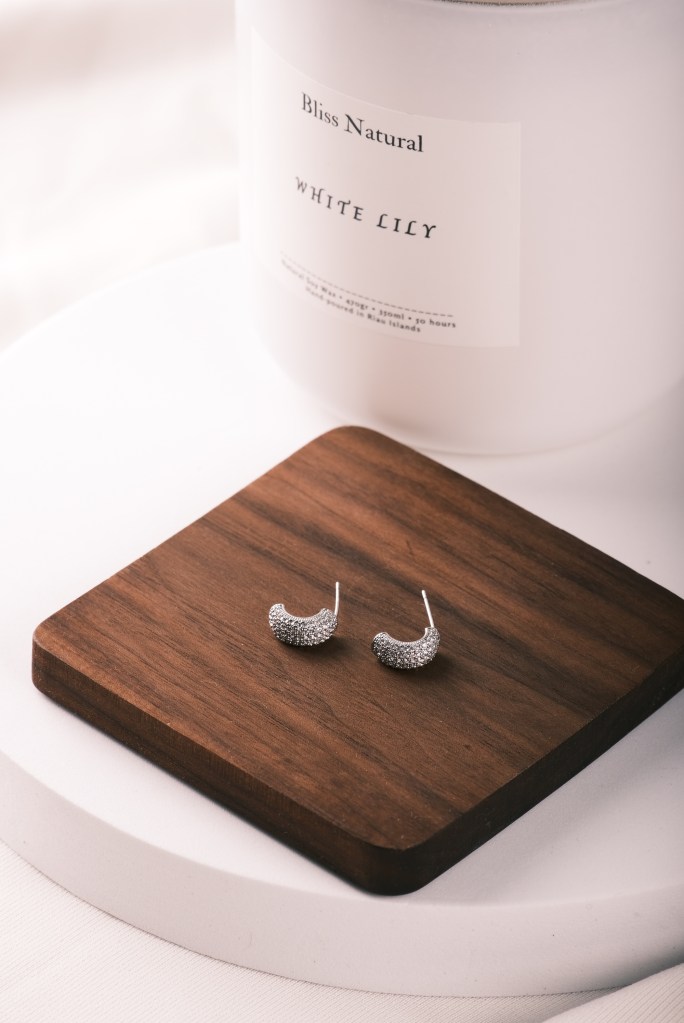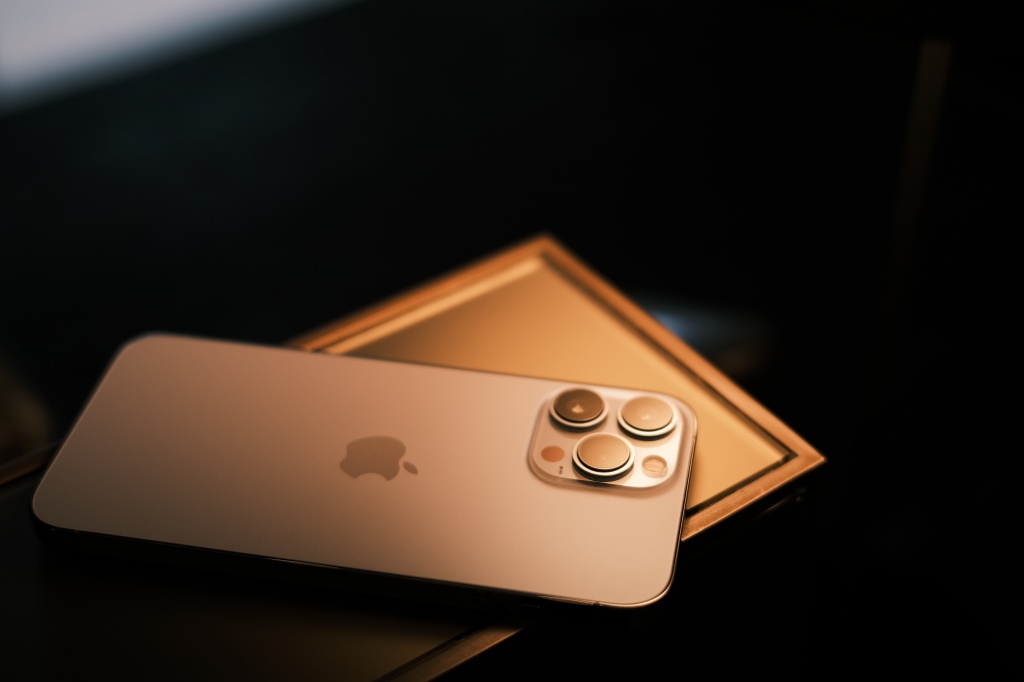

TTArtisan focuses very much on portability and compactness and TTArtisan 25mm f2 is another product born from this idea.
TTArtisan 25mm f2
Before I begin, I thank TTArtisan for their tremendous support towards me. For readers out there, you can rest assured that I am and always give my honest opinions for their products and that’s including this lens.
TTArtisan 25mm f2TTArtisan 25mm f2
Intro
At 38mm full-frame equivalent focal length, it reminds me of the point-and-shoot film camera back in those days. I remember it was just a fixed focal length and I think it was quite common back then before it goes wider and wider and wider…
The design element of this TTArtisan 25mm f2 follows exactly the same as the TTArtisan 50mm f2. Modern, minimalistic, and sleek are probably the best words to describe this lens.
The aperture ring still comes with that enjoyable and satisfying clicky experience. As for the manual focus ring, it is still as smooth as the other TTArtisan lenses. Basically, you are assured that this lens’s quality is maintained at TTArtisan’s standard.
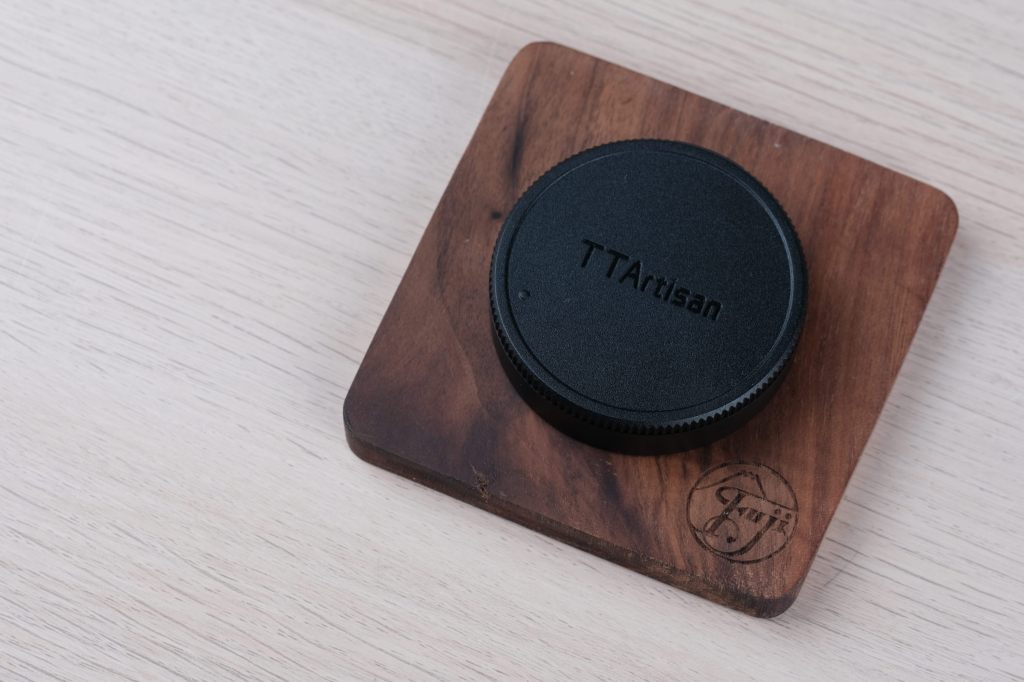
The lens cap is the screw-in type. It is up to individuals to love it or hate it. As for me, more like I have to get used to it.
At 167.4 grams, the weight of this lens is really good to hold. Although it is not as light as the newly announced TTArtisan AF 27mm f2.8, it is still the lightest among their manual lens lineups.
There is one thing that I have never mentioned in all my manual lens reviews. In case you wonder, the lens does protrude a little when you rotate the focus ring to the Minimum Focus Distance (MFD).
It has a small filter size of 43mm. If you are looking for a hood to put it on, it is still able to find one online. Please note that no hood is included.
Image Quality
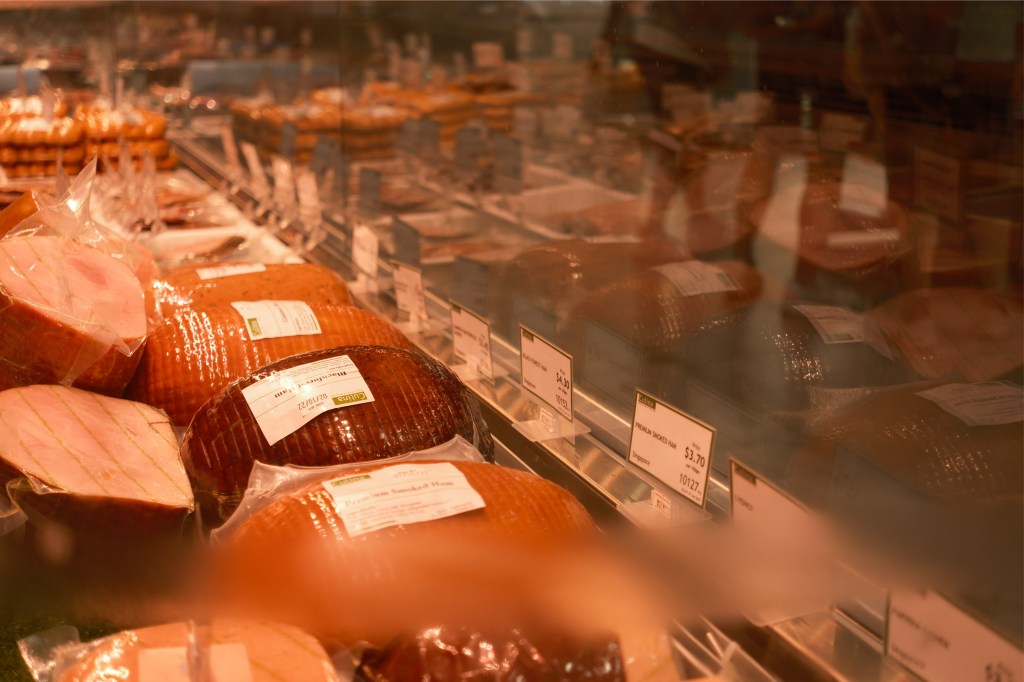
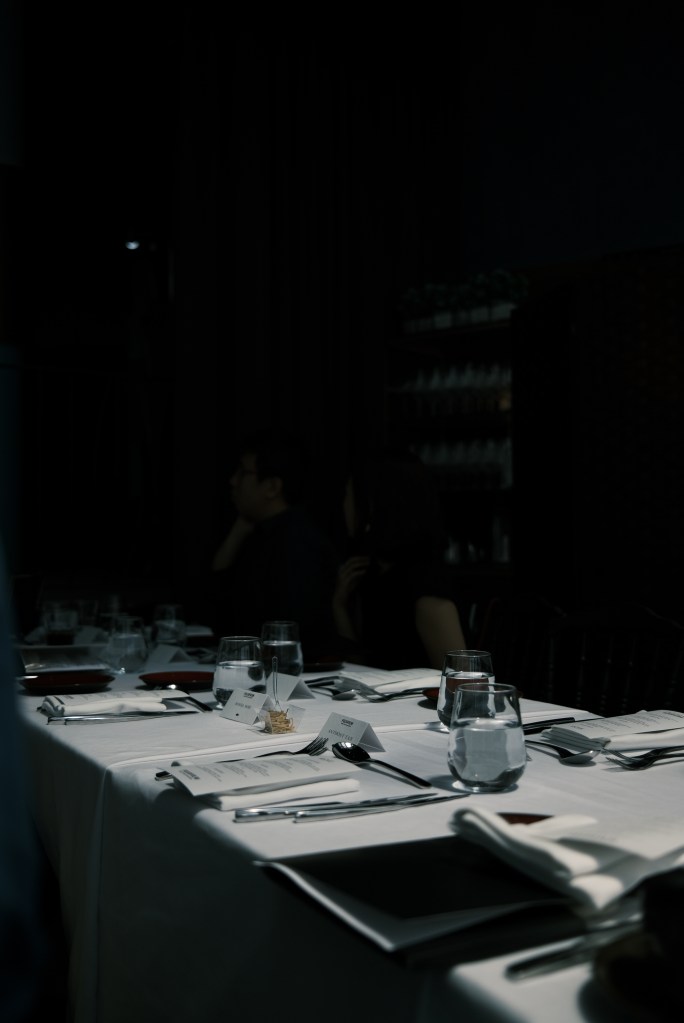
The image quality from this lens is surprisingly good and I meant it. Who would expect a lens that is so affordable yet has decent image quality? Typically we expect some will cut corners somehow.
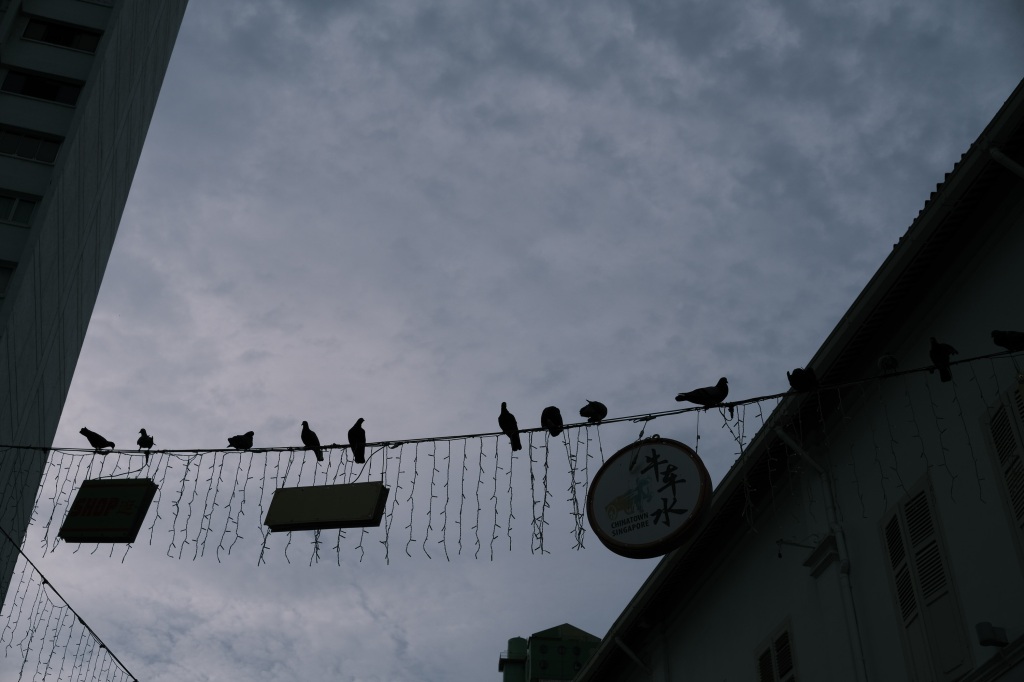
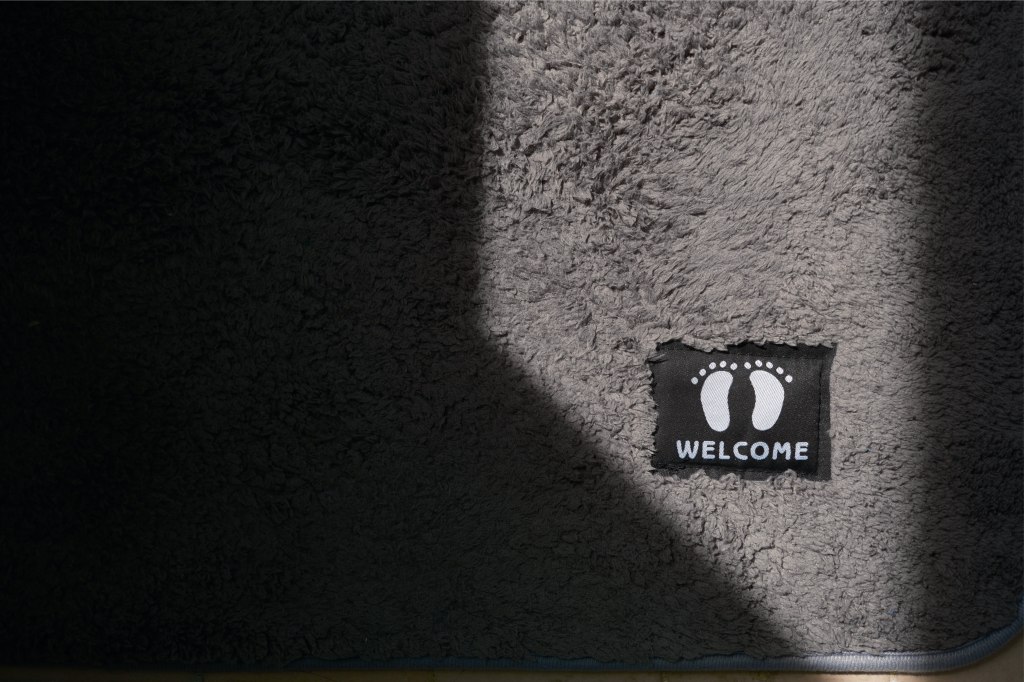
Also, you will also observe some vignetting for wide-open shots. This is a common behavior for TTArtisan lenses and this applies to other third-party lenses too.
From MFD to infinity, the focus throw is approximately 160°. In my view, this compact lens gives quite an ample amount of “distance” for more precise focusing.
Like most manual lenses, the result is might not at its sharpest at the infinity marking. Rotate slightly backward on the focus ring to get a better result.
This lens has an MFD of 25 cm which means it can do quite a close-up shot if you want to. You will also notice some softness when shooting at MFD wide-open. I think it is acceptable and pretty much-expected behavior.
While I thought that the TTArtsian 50mm f2 is the cheapest lens, this 25mm has set a whole new record of 55 USD. Yes, this is how much this lens costs. It can go even lower with occasional promotion from TTArtisan.
There are always pros and cons for all lenses. This lens is no exception. Well, it depends on how you see this negative thing. If you point the lens facing to a light source at a specific angle at f2, you will have a light-blooming effect. Some people love it, and some people don’t. As for me, I kind of love it as it gives an additional special character to the lens. The blooming effect will get reduced with a smaller aperture. But beyond the light-blooming effect, it can also introduce some unique flare. So please beware. Lens hood might be able to solve this problem. If you happened to own this lens and a compatible lens hood, please let me know if it does solve it.
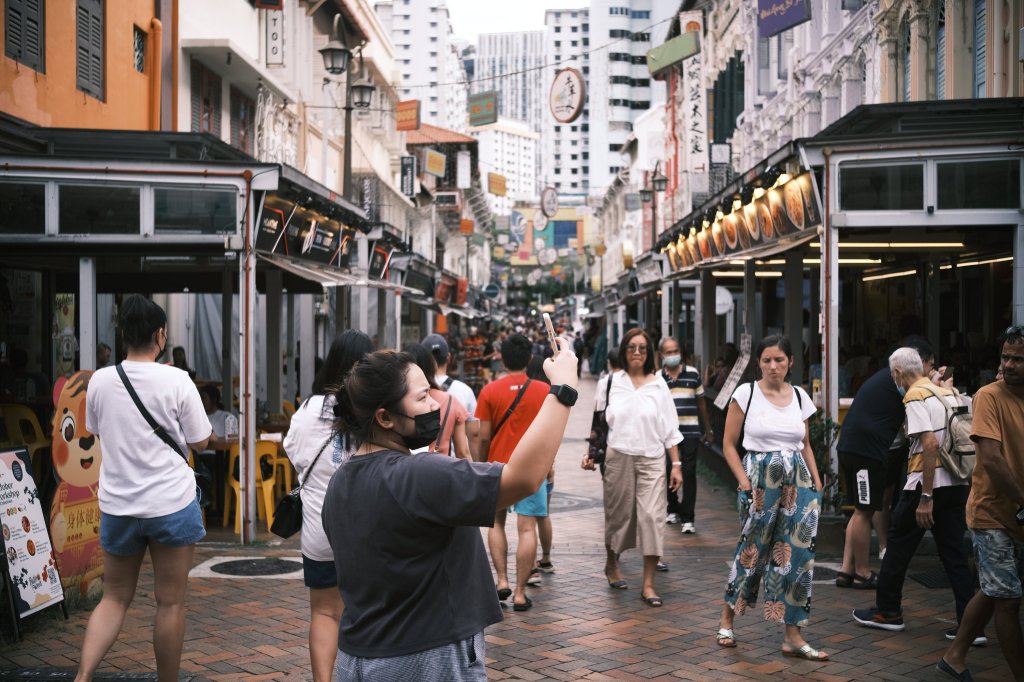
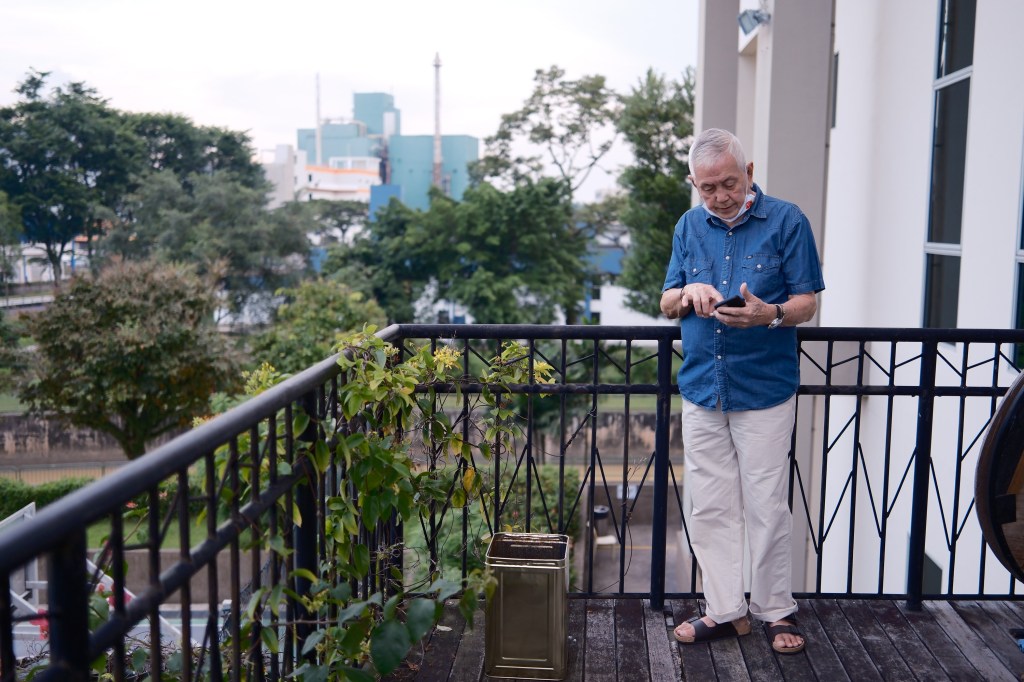
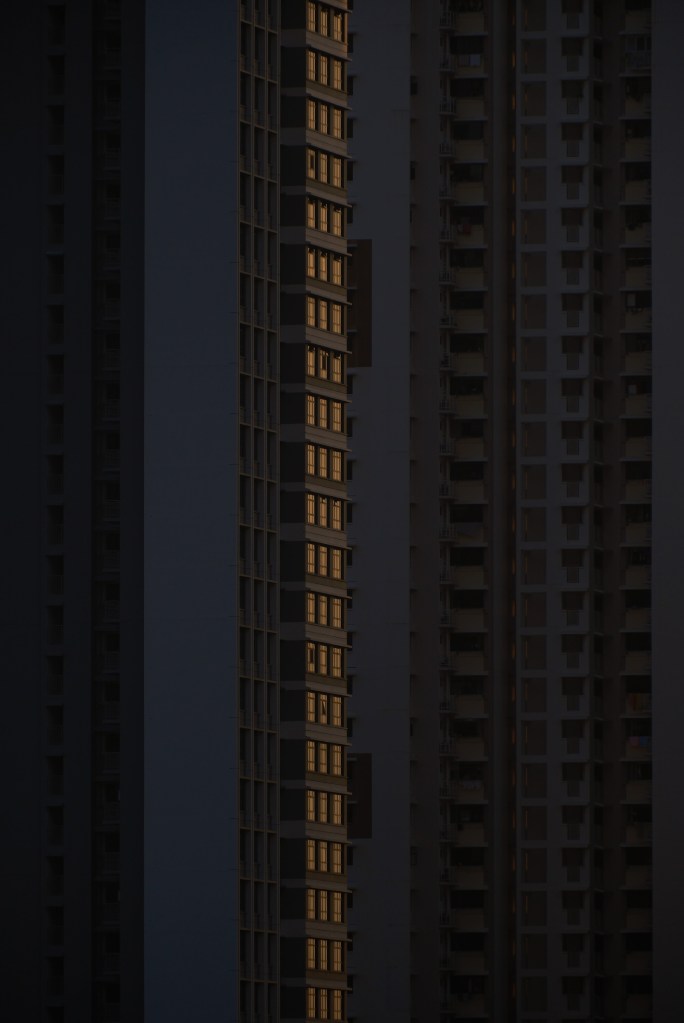
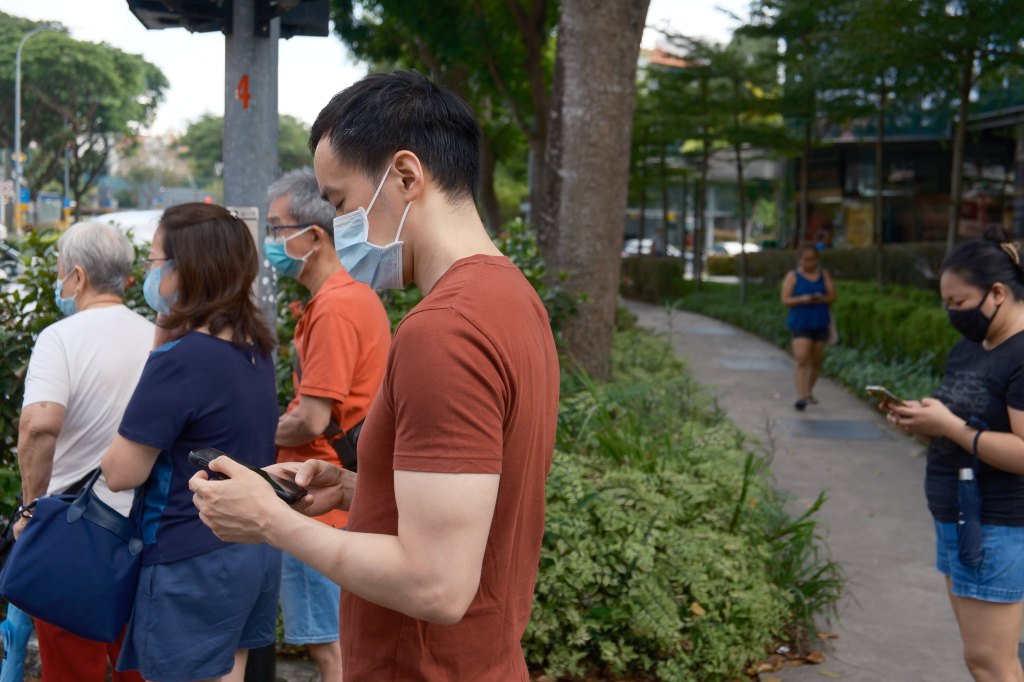
This is easily one of the most affordable and usable lenses to consider if you want to experience what it is like using a fully manual lens. The focal length of this lens is very easy to adapt to and is very suitable for genres like street, journalist, documentaries, landscapes, cityscapes, and even portraits.
For photographers who want to let their older Fujifilm cameras have their “second life”, you can consider getting one too. It might spice up your love with the cameras again.
TTArtisan surprised me once again with this lens. At USD 55, this is the cheapest manual lens ever produced by TTArtisan yet. But they do not compromise on both build quality and image quality. In fact, I am surprised by how usable the images are at wide open and the build quality is as good as other TTArtisan lenses. This is easily a recommendation from me to a photographer wanting to experience manual lenses.
I love to see more of this compact lens series with an affordable price point in the near future. Please continue to give us some surprises.
Thank you for reading.
Disclaimer: 1. All the shots taken here are shot by me. 2. Most of the shots are straight out of the camera with some shots edited via In-Camera Raw Processing. 3. The opinions are based on my experience. If there is any mistake, please kindly drop me a message and I will gladly make the amendment. 4. I reserve ownership of these images, if you wish to use my images, please notify me.
If you like my works, please follow me on either one of the 2 Instagram accounts:
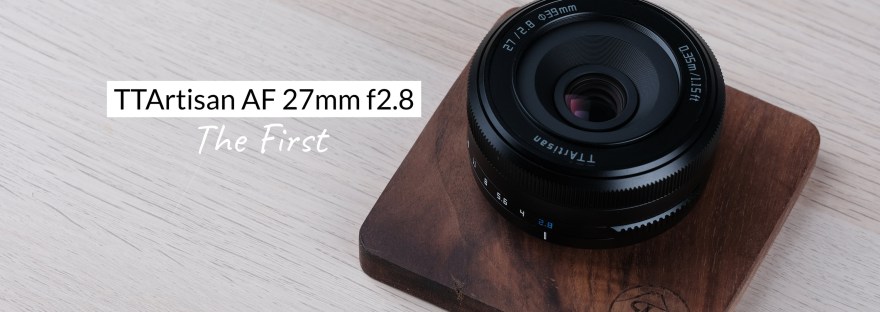
TTArtisan had been teasing us about their very first autofocus (AF) lens since September 2021. While there was very little information shared about the 32mm f2.8 lens, the only thing we know is that it will be available for various camera systems.
TTArtisan AF 27mm f2.8
However, the much anticipated AF lens did not arrive in many systems except for the Nikon Z mount. What I have understood from TTArtisan is that they faced some challenges in the process of manufacturing it and they did not share more in-depth about it. Nevertheless, I am glad they have finally announced their first AF lens and release for sale!
Before I share my experience with this lens, I would like to thank TTArtisan for sending this lens for my review. I appreciate their support to make this post a reality.
Intro
I believe this focal length has caught almost everyone by surprise and that’s including me. Why TTArtisan released this 40mm full-frame equivalent focal length as their first AF lens for Fujifilm and not the 35mm or 50mm equivalent focal length?
According to TTArtisan, they are focusing a lot on portable and compact lenses. Considering the size of this lens, it suits well with the retro style of Fuji camera bodies and together in a smaller package for easy to carry around for street photography.
Design and Build Quality
Just like the other TTArtisan lenses, it comes with a metal-built body (made of aviation aluminum). But I have to say that when I first hold it, it feels very light. Unlikely the usual weighty lenses, this lens is unbelievably light. According to my wife’s kitchen weighing scale, it weighs at 89 grams only (and 93 grams with the lens hood).
Considering how compact the lens is, the build quality is good. Over here, TTArtisan does not take a shortcut, it does come with a clickable aperture ring and a manual focus ring. The click, however, seems to be stiffer than the other TTArtisan manual lenses. But I accept it since it is so compact.
On the other hand, the manual focus ring is buttery smooth as usual.
One interesting thing to note, TTArtisan has finally come with a lens hood and it is a light small metal piece of protection like the one found in XF27mm.
The lens cap is no longer metal built and unlike screw-in types like 50mm f0.95 or capped-on types like 23mm f1.4. Now it is the pinch-to-release type and it is made of plastic. The good thing is that it can cover the lens with and without the lens hood on.
For a note, it comes in 2 colors: Black and Titanium. From the official post, I think the Titanium looks good.
At wide open, you will notice the heavy vignetting at the corners and it is more obvious when focusing at infinity. It seems to be inherent in the same characteristic as many other TTArtisan lenses. But it can be easily corrected via post-edit.
If you know me, I usually increase 1-stop of the aperture instead of using the widest aperture on most of the TTArtisan manual lenses. But the image quality results from this lens at f2.8 are actually nice, sharp, and totally usable.
This lens comes with Stepper Motor (STM) which is also stated to adopt the “STM+leading screw”. I am unsure what that actually means, but to my surprise, this lens has a very silent and smooth focusing system. But how fast is this lens performing?
Based on my test with 2 camera bodies (X-E3 and X-Pro 3), this lens’s autofocus (AF) speed is very much dependent on the camera bodies. On X-E3, its AF is quite slow as compared to X-Pro 3. After all, the camera body does play a part in the lens focusing speed. So to be fair to the lens, it performs pretty decently fast and it is internal focusing!
Minimum Focus Distance
The Minimum Focus Distance is 35 cm. In real life scenario, it is not as close as I thought it would be. In spite of that, it does help to separate the main subject from the others very well.
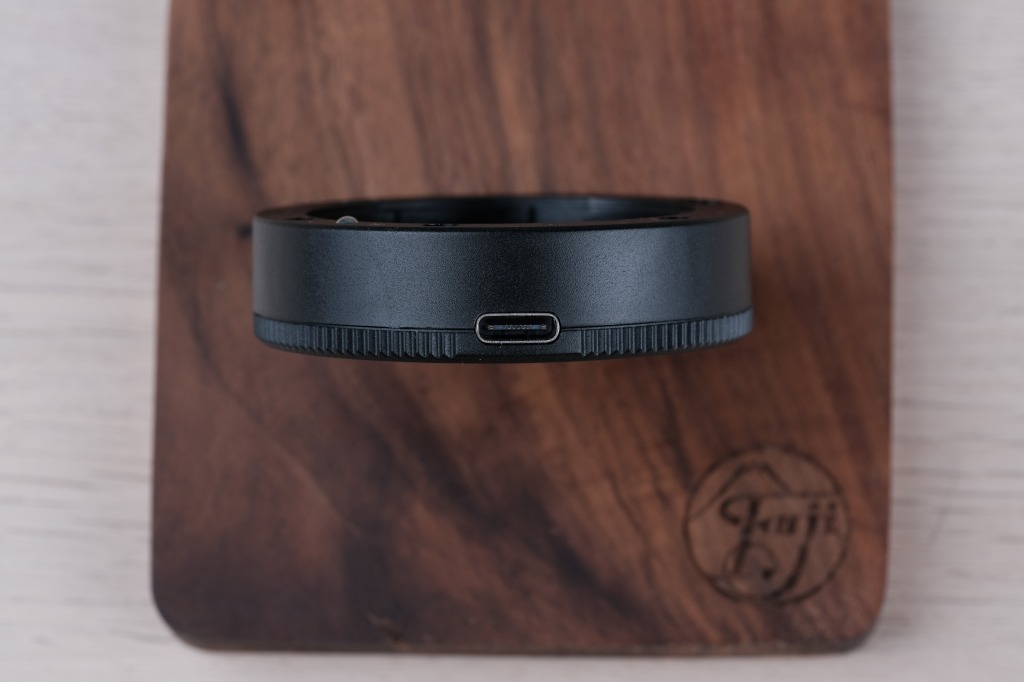
This lens comes with a unique rear lens cover. It is actually a dock with a built-in USB C port (yeah!) connection that allows firmware upgrading in the future. That’s sweet.
Rear lens cover (also docking station)Left: USB-C port Right: TTArtisan AF 27mm f2.8 with docking station
My suggestion is to leave the rear dock cover at home and use another rear lens cover to cover it or just stick it with the camera body.
Oh yes, this lens is not weather resistant but given the price of this lens, I accepted that.
Who is this for?
It is a street lens. Having said that, I could recommend everyone to get one. Especially one who wants to try out what a 40mm focal length is like, use it as a lens cap, give this manufacturer’s lens a try or gift your photographer friends (the Christmas season is around the corner).
With the release of this lens, it means TTArtisan is the latest manufacturer joining other manufacturers like Sigma, Tamron, Tokina, Viltrox, and Rokinon/Samyang in offering third-party autofocus lenses for the Fuji X-mount system.
At the price of 149 USD, I can’t help to think it is the cheapest option to get as an AF lens in the market. It is, even more, cheaper than the XF27mm f2.8 WR which costs 399 USD. I mean I cannot find any reason not to recommend this lens to everyone. It is a nice small and compact lens that can go easily with any Fuji camera.
TTArtisan really makes a bold move in this and this is a good start. I am happy to see them onboarding into this X-mount journey and giving us photographers one more option to choose from.
As I mentioned earlier, TTArtisan is working toward portable and compact lenses. It’s a good hint of what will be TTArtisan’s next AF lens to be there for us in the near future. I am hoping for an 18mm f2 lens (or similar), what will be your wish lens?
TTArtisan AF 27mm f2.8 with square hood
Thank you for reading.
Disclaimer: 1. All the shots taken here are shot by me. 2. Most of the shots are straight out of the camera with some shots edited via In-Camera Raw Processing. 3. The opinions are based on my experience. If there is any mistake, please kindly drop me a message and I will gladly make the amendment. 4. I reserve ownership of these images, if you wish to use my images, please notify me. 5. Thank you Ivan Wong from Lightsmith Co for lending me the X-Pro 3.
If you like my works, please follow me on either one of the 2 Instagram accounts:
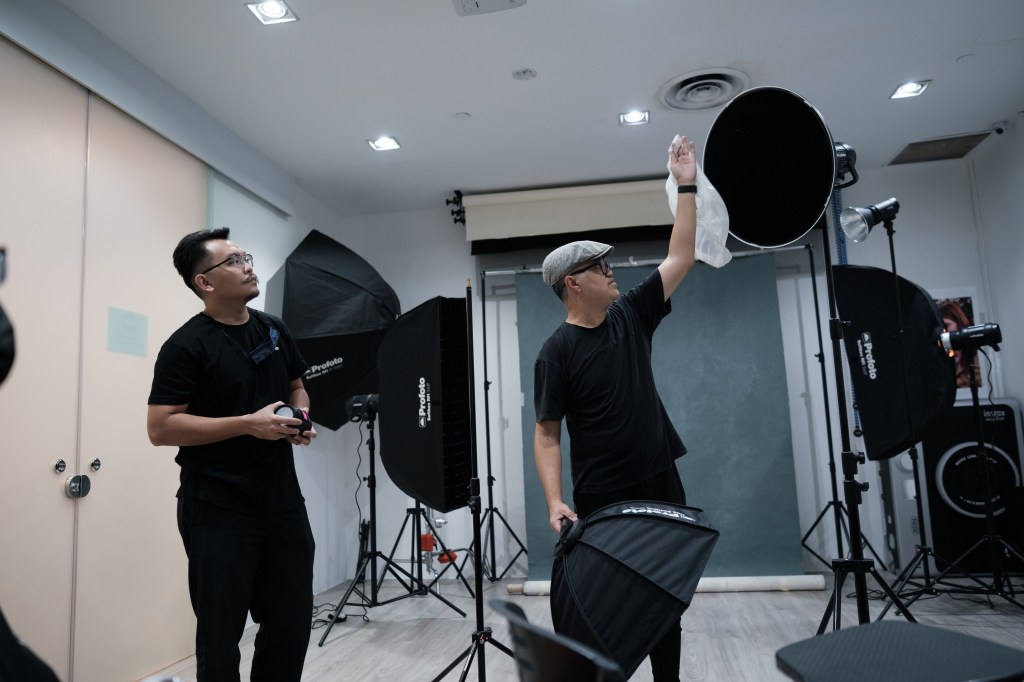
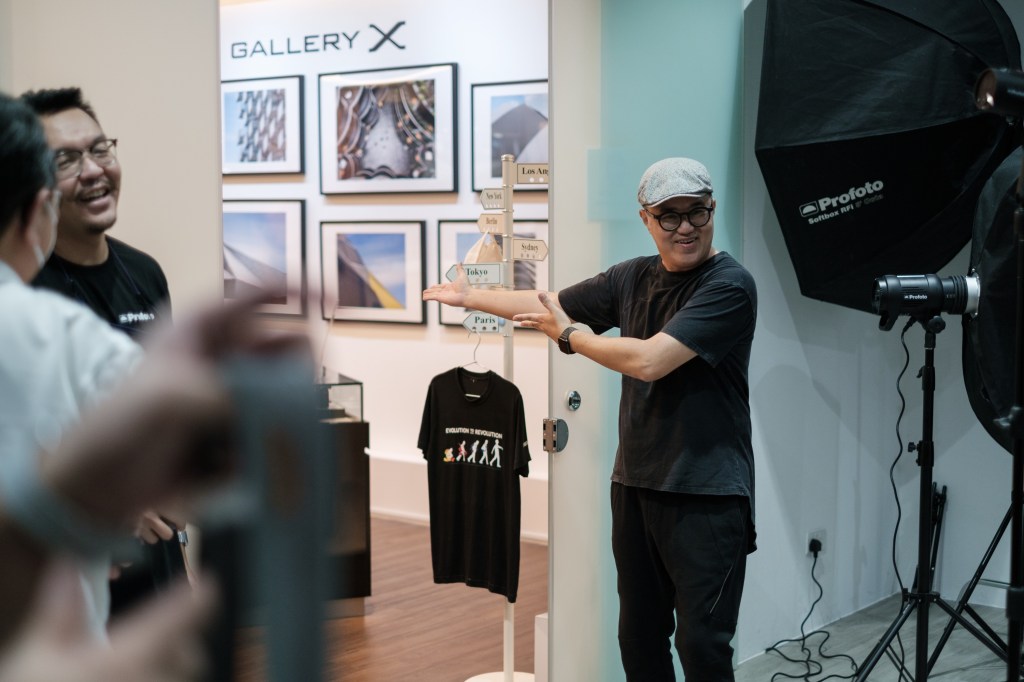
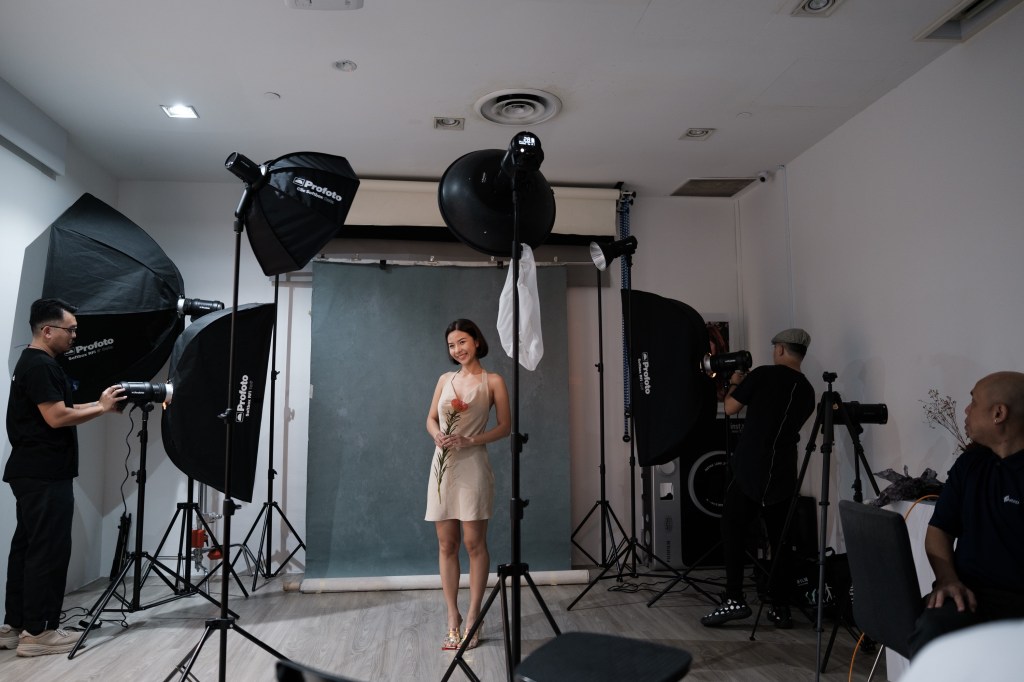
All thanks to Ivan and all the main sponsors to make this workshop happened! This is a good opportunity for many photographers who want to explore and learn more with strobe photography, Profoto lights, Eizo monitor, the cable from Tether tools and hands-on with the newly launched X-H2. A total of 3 sessions were organized with 90mins per session and I participated in the first session.
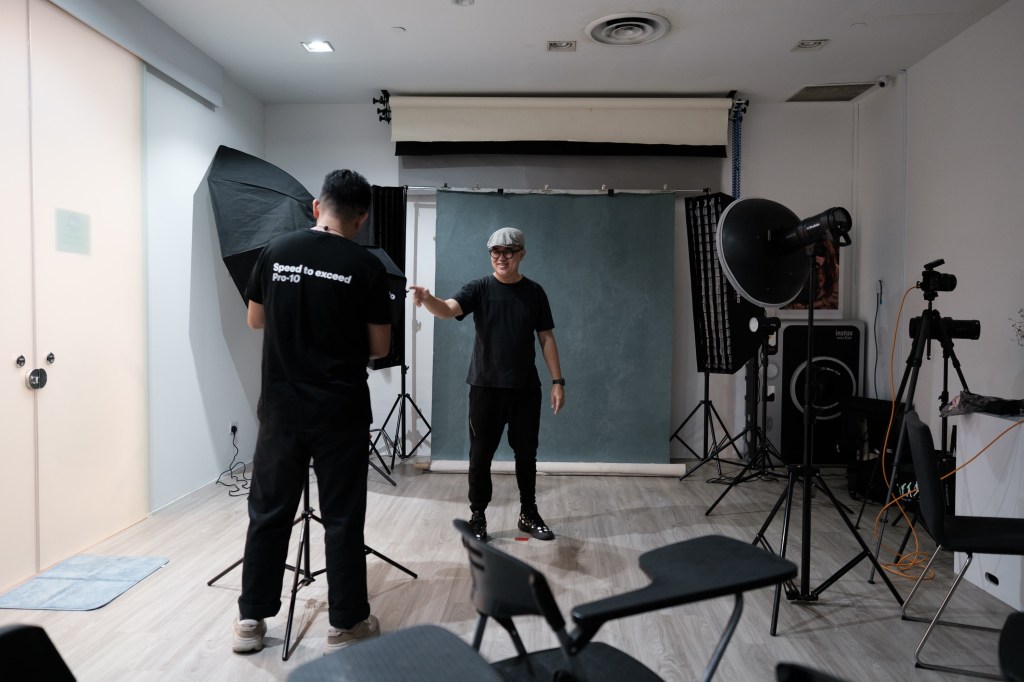
Preparation in progress…Adjusting the light.Sharing session begins…
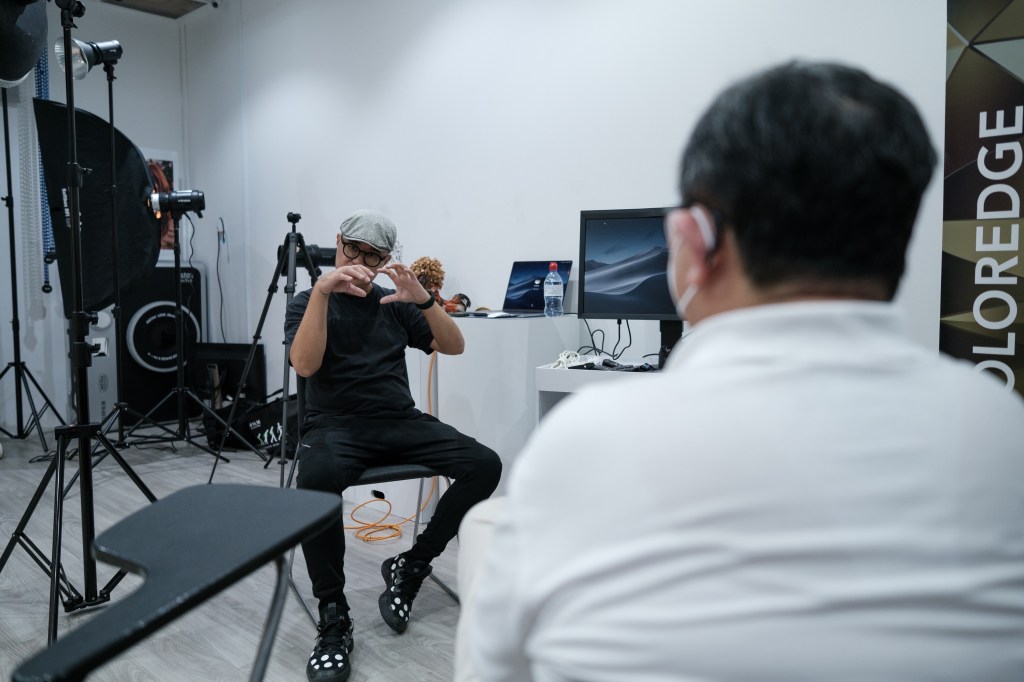
It’s a simple workshop. Ivan started off with a small sharing session together with Profoto and Eizo representatives. Explaining his workflow with strobes and the tools around it. Also explaining what is his preferences with the shots.
Left: sharing the beauty of strobe photography Right: Profoto A2Demonstration in process…Model: Phun
After all the explanations, the hands-on session commenced. Every photographer takes turn to explore shooting model with the strobes set-up.
He is very happy with the shoot begins… Thanks to Goh Bin Li for sharing his XF56mm f1.2 WR with me!PhunEnd of 90 minutes session, Ivan is “welcoming” us off.
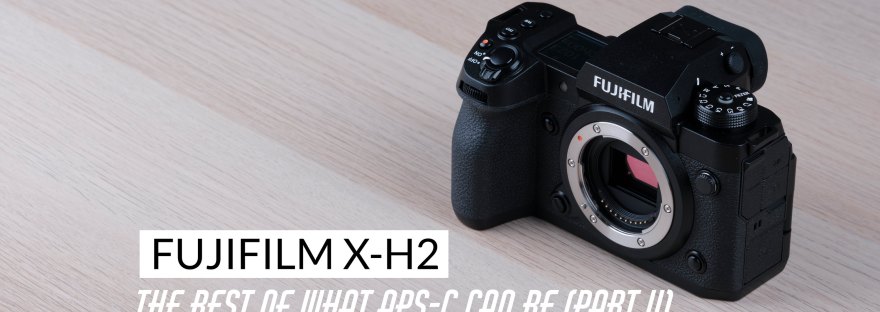
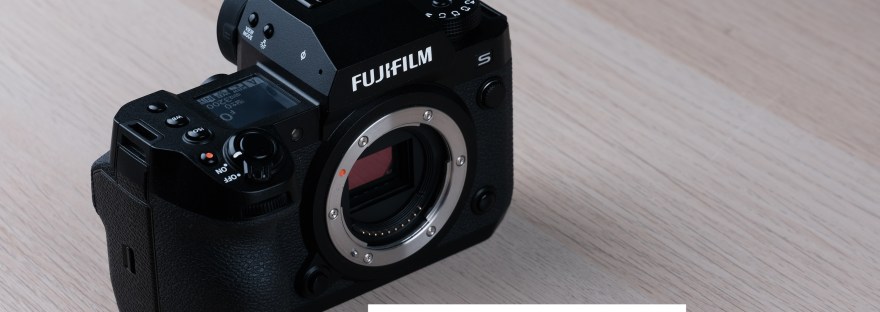
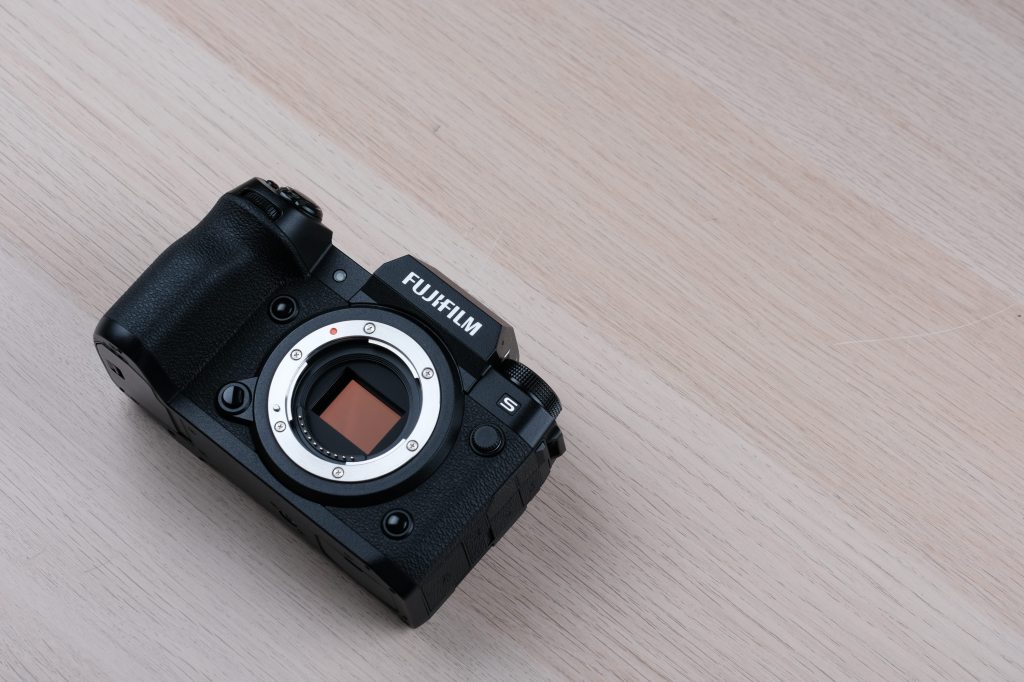
4 months later, here comes the second flagship camera from Fujifilm, the X-H2. Every camera manufacturer usually releases one flagship camera to showcase the state-of-the-art technologies that they offer. But this is not the case for Fujifilm, they have a different approach, instead of releasing one flagship camera, they release two flagship cameras.
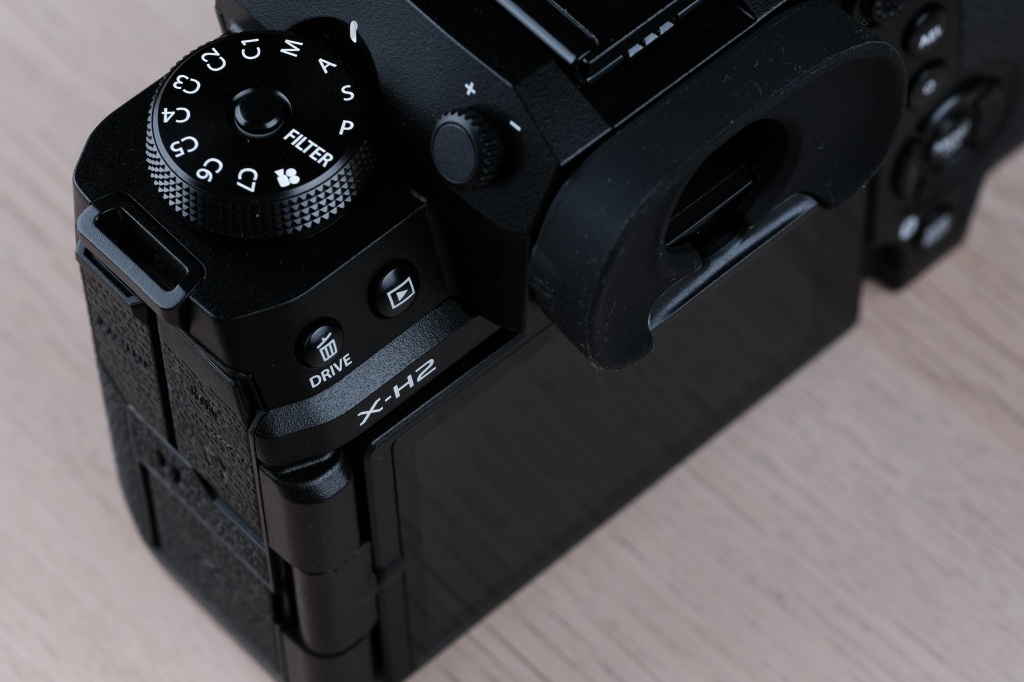
X-H2X-H2
Come to think of this, we have this conception that the flagship camera has to be the one and only one on the top of the lineup. But it is totally common in the mobile phone industry, many manufacturers announced dual, trio or quartet flagship models. Think Apple, Samsung, and Xiaomi. I have nothing against this strategy. Instead, I feel that this is a good move to allow photographers to choose the right option for their needs (speed, resolution, or both) and budgets for their investments.
Before I continue with the review, I would like to thank Ms Carmen, Marketing Manager of Fujifilm Singapore, for arranging and loaning the X-H2 for review. By the time this review is online, the camera unit had returned back to Fujifilm Singapore.
In this hands-on review, I will do the same approach as I did with the X-H2S; to use various lenses to see how the lenses perform with this new 40 megapixels camera.
Everything about its design, build quality, handling, shutter, and EVF are exactly the same as the X-H2S. Since it is totally the same experience so I will not repeat them over here. If you are interested, you can read it in my X-H2S post.
Over here, Fujifilm uses the X-Trans CMOS sensor 5 HR (not the HS, and since the Resolution is the key thing and hence the “R”). The X-Processor 5 is the same as the one equipped with the X-H2S. Similarly, it has the Nostalgic Negative film simulation too, the second APS-C camera to come with this film simulation. Again, I just want to highlight it because I like this film simulation.
Not everything is exactly identical to the X-H2S. Fujifilm has something up its sleeve with this camera. In fact, there are 2 exciting improvements over the X-H2S (at least in my opinion).
The first exciting improvement is that it has the lowest base ISO since X-T3 was introduced with base ISO 160. It is now at ISO 125, which technically speaking will gives a cleaner and higher quality photo.
Left: Fuji X-H2 . XF50mm f1 WR @ 50mm . f1 . 1/7500″ . ISO 125 . Nostalgic Negative Right: Fuji X-H2 . XF50mm f1 WR @ 50mm . f1 . 1/300″ . ISO 125 . Nostalgic Negative
The second one is even more attention-grabbing, it has a maximum electronic shutter speed of 1/180,000, an increase of approximately 2.5 stops compared to other X-Series cameras (maximum at 1/32,000). In practical usage, I can shoot wide open without the help of using a Neutral-density filter. But I have no idea when I will need this blazing fast shutter speed but it is always good to have this functionality ready.
Image Quality
When rumours are flying around the internet sharing about 40 megapixels sensors, I am sure everyone who reads it is excited but what worried the most to the majority of the photographers including myself is whether the older lenses cannot resolve the sensor well. I am also sure that I am not the only pessimistic person here.
Left: Fuji X-H2 . XF50mm f1 WR @ 50mm . f1 . 1/480″ . ISO 400 . Nostalgic Negative Right: Cropped
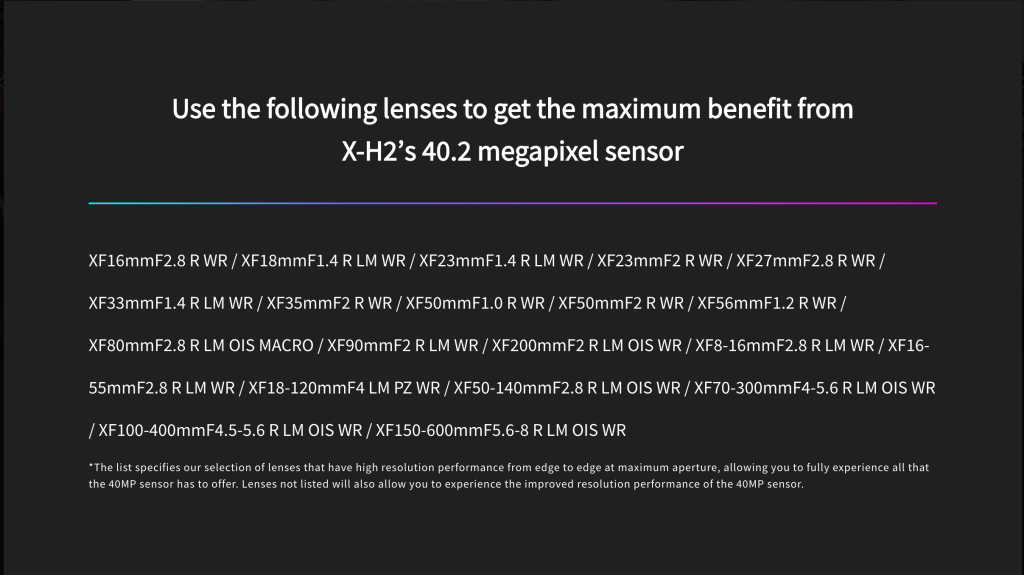
According to the Fujifilm website, they have listed what lenses at wide open can achieve edge-to-edge, high-resolution performance, allowing the photographers to fully experience the 40 megapixels sensor has to offer. They also highlight that lenses that are not listed will allow photographers to experience improved resolution performance of 40 megapixels.
Okay… Although the message here seems to be a little bit grey area but it sounds not too bad or so it seems to be. It still makes me wonder how good can the old lenses (and 3rd party manual lenses) resolve this high-resolution megapixels?
Left: Fuji X-H2 . XF50mm f1 WR @ 50mm . f1 . 1/75″ . ISO 160 . Nostalgic Negative Right: Fuji X-H2 . XF16mm f1.4 @ 16mm . f4 . 0.35″ . ISO 125 . Nostalgic Negative
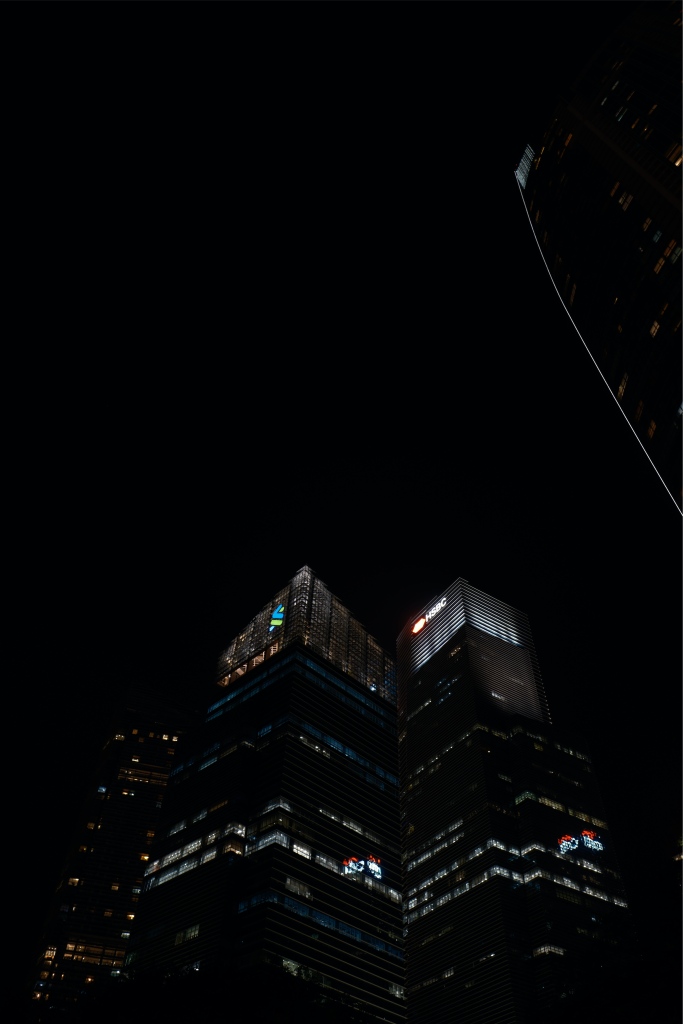
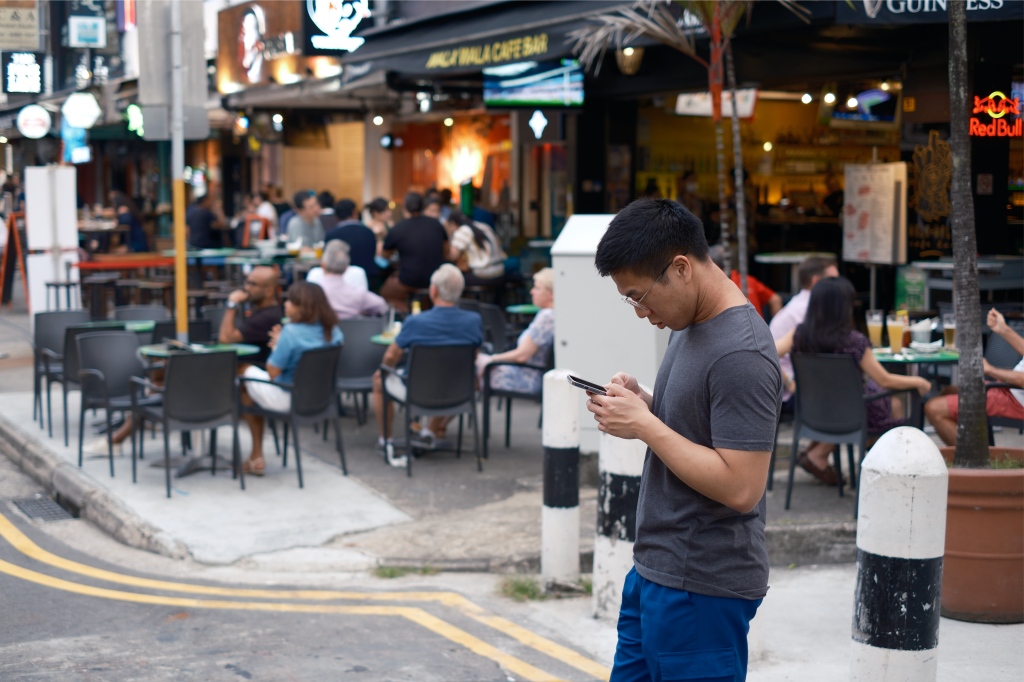
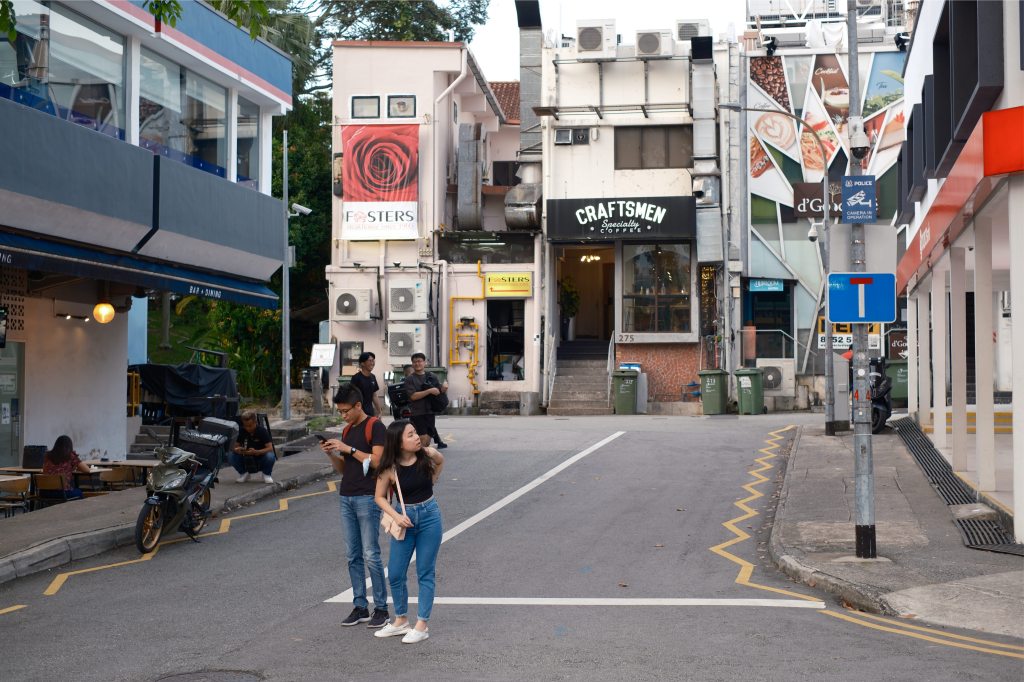
Truth be told, the images from those lenses turn out to be just fine or slightly better (depending on the individual perspective). They are not as bad as I thought they would be. My personal conclusion is that the old lenses and other manual lenses can resolve newer sensors. But the clarity level might not be as great as the newer lenses or the lenses that Fujifilm listed out there.
Undoubtedly, the number “40” is a new achievement in the APS-C camera category. The previous largest resolution I know is 33 megapixels from Canon. Although getting larger megapixels is always a good thing to have, retaining a decent amount of quality details is more important in my opinion. I’m glad X-H2 delivered it quite well.
Left: Fuji X-H2 . XF50mm f1 WR @ 50mm . f1 . 1/120″ . ISO 125 . Nostalgic Negative Right: Fuji X-H2 . XF16mm f1.4 @ 16mm . f5.6 . 1/750″ . ISO 125 . Nostalgic Negative
There are 2 ways to make full use of the 40 megapixels. The first one is to print out at a whopping 8 meters x 6 meters print but unfortunately, not everyone has the space to hang it. So we talk about the second way and that is having the luxury to crop. While it cannot compare against the GFX cameras that come with 50 megapixels or 100 megapixels, it still has quite a good resolution to crop. Having said that, I am not a person who loves to crop photos. But with this amount of resolution, it does help to do some slight adjustments or creative crop to the photos for me.
Fuji X-H2 . XF23mm f1.4 WR @ 23mm . f5 . 2″ . ISO 125 . Nostalgic NegativeOne of my favourite crop ratio – 65:24
Performance
The autofocus performance for this camera is blazing fast with newer lenses. As for older lenses (especially without Linear Motor), the camera is still able to perform faster and snappier than equipping them on my X-T3. So I can say that the X-H2’s AF performance is kind of subject to what lenses you are using but the experience is not too far off.
What about comparing both X-H2S and X-H2? Well, the X-H2S indeed performs faster but just narrowly faster. You can only tell the difference when you test both cameras side by side.
Under decent street light situations, the AF performance is decently fast. That said, it is also depending on what lenses you are using to shoot as some older lenses might affect the AF performance by a little.
The eye-AF performance is sufficiently better than the previous generation processor and image sensor. It is much stickier than before and can detect the eye even if the person is putting on a mask. Similar to X-H2S, if there is more than one person in the frame, you may experience the eye-AF jumping back and forth.
IBIS
Consistent with X-H2S, the X-H2 also achieve up to 7 stops compensation with some lenses up to 5 stops. I test with the legendary XF 35mm f1.4 and with some luck, I can manage to snap 0.7-second exposure handheld. For XF18-55mm, I am able to accomplish a 1/2 second result at a higher success rate with my shaky hands.
For my usage in the past 2 weeks, I took about 700 shots in one of the days and it is left with approximately 25%. So 1 battery can definitely last me for a day. If I going to overseas travelling, I think bringing 2 extra batteries is more than enough. I probably will not even need to change the battery as often as I did with my X-T3 (which I need to change every half day).
To my surprise, according to CIPA standards, the battery life is rated as 680 shots. So I think they might have tested the battery with maximum performance while I using the normal performance.
40 Megapixels is a lot and I believe not every photographer wants to have that full resolution, especially in RAW. At least a friend of mine who is a full-time photographer told me that. He explains that the nature of his work does not require such a big resolution as it will take up more of his processing time.
He hopes to see Fujifilm will take into consideration updating the firmware and implement the option to select the RAW size (i.e. M size RAW and S size RAW). The current setting only allows having M size JPEG and S size JPEG while keeping full resolution RAW.
After my 2 weeks of testing, I believe the X-H2 will be the popular option among the dual flagships. Putting the price aside, both cameras’ performances are very identical. Given that the X-H2 has more functionalities improvements like lower base ISO, faster electronic shutter speed and 8K video, I do see why it is more popular than the X-H2S.
Now, what excited me is the X-T5. While no one knows when it will be announced and arrive on our shores, but what X-H2 has internally might shed some light on how X-T5 might have. I hope it will keep most functionalities minus the 8K video and some of the videography functions. Sorry, I wish the X-T5 to be a photographer’s camera again and not a hybrid camera like the X-T4.
Who is this for?
This is a great, heavy-duty workhorse camera and I highly recommend it to professionals and pro-consumers who can take advantage of the high resolution it has to offer. If you are struggling between the dual flagships, head down to the camera store and try it out and compare both of them. However, if the photographer wants to own both the speed and resolution, buy both and you can have the best of both worlds.
As for me, it is not for me. As I mentioned before, I am still waiting for the X-T5 arrival and I hope it will have the X-T3 flip and tilt screen. My piggy bank is waiting to get smashed.
Fuji X-H2 . XF50mm f1 WR @ 50mm . f1 . 1/750″ . ISO 125 . Nostalgic Negative
Fuji X-H2 . XF50mm f1 WR @ 50mm . f2 . 1/220″ . ISO 125 . Nostalgic Negative65:24 Cropped
Thank you for reading.
If you like my works, please follows me on either one of the 2 Instagram accounts:
Disclaimer: 1. All the shots taken here are shot by me. 2. All of the shots are straight out of the camera with some edited via In-Camera Raw Processing. 3. The photos are resized to 30% of the original size except for cropped ones. If you wish to see the original file, contact me and I am happy to share it with you. 4. I reserve ownership of these images, if you wish to use my images, please notify me. 5. The camera firmware is 1.00. 6.The opinions are based on my experience. If there is any mistake, please kindly drop me a message and I will gladly make the amendment.
If you like my content and you want to show some support, you can buy me a coffee here.
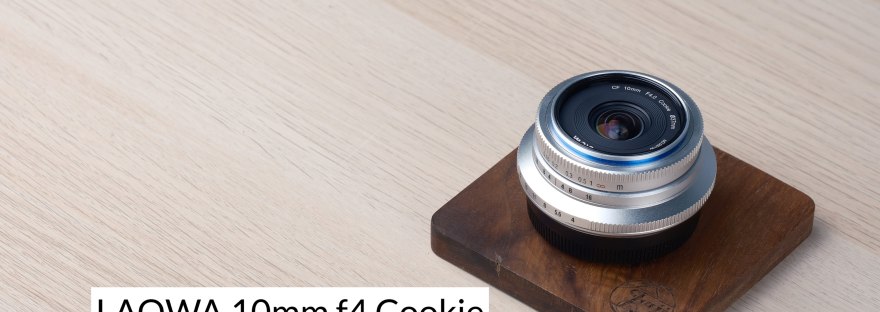
Usually, for the same focal length, there are basically 2 paths for making it. The first one is to make with better optic, faster, brighter and premium price tagged lens. The second one is to make a smaller, compact and wisely priced lens. And this Laowa 10mm f4 is the later one. Laowa Lenses (also known as Venus Optics) has been in this optic industry for almost 10 years. They have created many unique innovative lenses such as 24mm T14 2x PeriProbe, 4mm f2.8 fisheye and fast f0.95 Argus series of lenses. And this 10mm f4 is their newest creation.
Laowa 10mm f4 Cookie
I am glad that I have a few days of opportunity to try this lens before it was sent back to its headquarters in China.
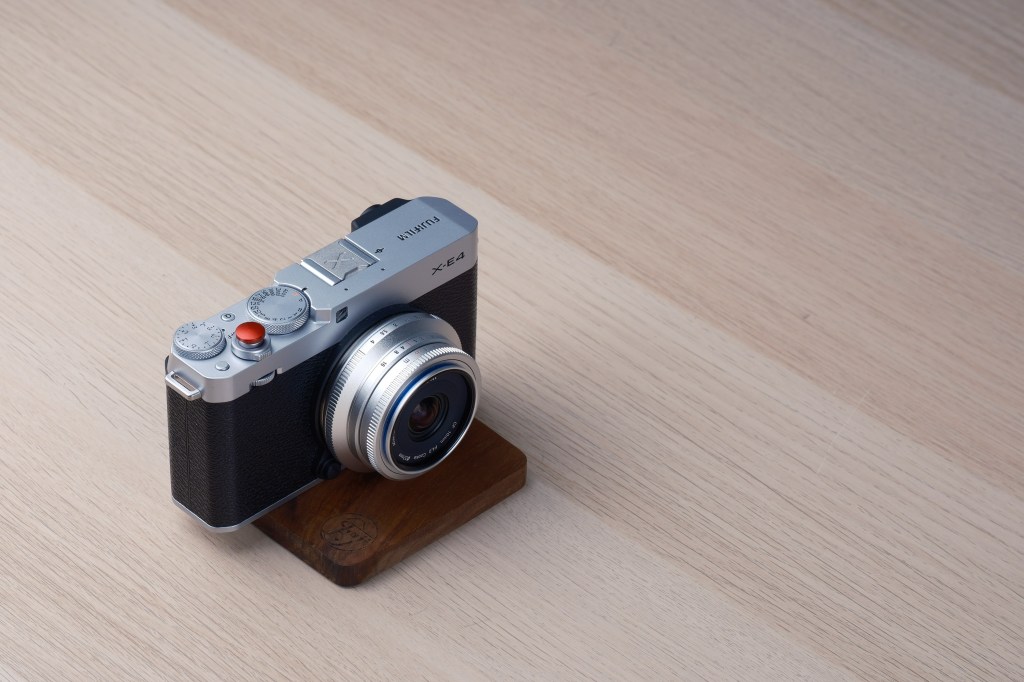
Fuji X-E4 with Laowa 10mm f4 Cookie
On a side note: this lens comes with various mounts too (i.e. RF, Z, E and L mounts).
Laowa 10mm f4 Cookie
Design and Build Quality
The lens is compact, hence, the name “Cookie”. Probably Laowa is trying to come up with a new term rather than using “pancake”. Nonetheless, I can’t help to compare it with the XF27mm f2.8 WR and the overall size is somewhere close to each other. Laowa 10mm is about Ø59.8mm X 25mm while XF27mm is Ø62mm x 23mm. However, the weight of the Laowa 10mm is heavier (130 grams against 84 grams).
This 15mm (in full-frame equivalent) lens comes with solid and good-built quality. Everything in this lens body makes of metal, including the rear bayonet. This Ø37mm filter threaded lens comes with a clickable aperture ring and a smooth focus ring. Anyway, it does not come with a lens hood.
The lens cap is of the traditional “squeeze to release” type. Nothing special to shout about. Not forgetting that this lens comes in 2 colours, black and silver.
Image Quality
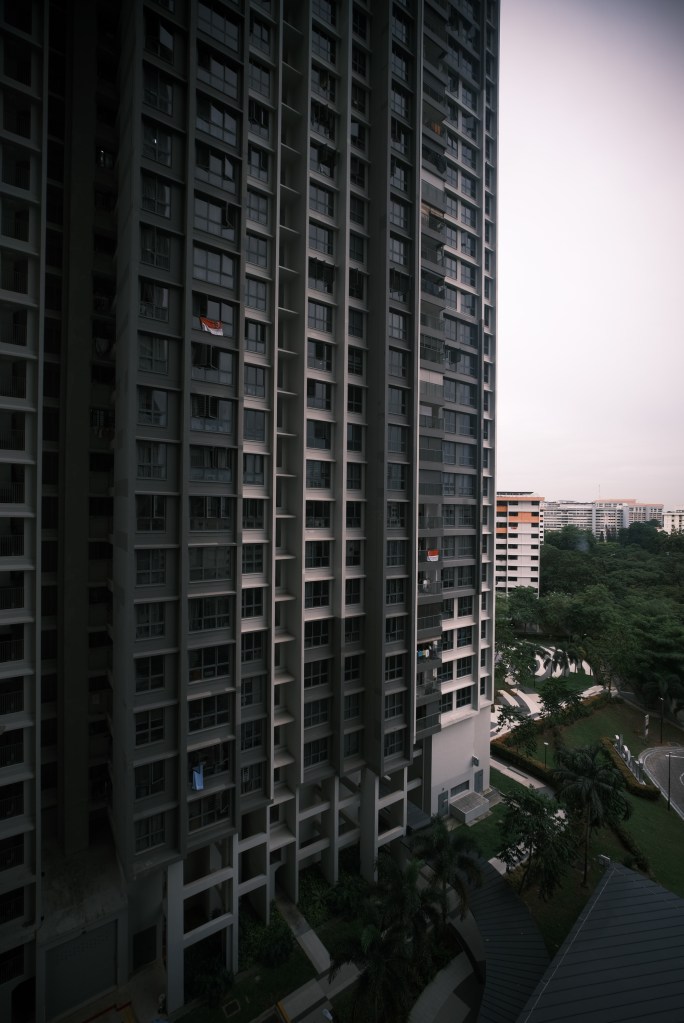
This cookie lens offers an impressive 109.3° angle of view. But I have to say that it is not the best image quality I have ever seen. I mean when I first know of this product and its price tag, I set my expectation lower
At wide open, you will be greeted by a very heavy vignetting result. You can correct it in post-edit or set it to a lower aperture like f5.6 or f8. Also, I felt that the image is better and sharper if you step down the aperture to f5.6 or f8. At f4, the image seems to be softer and with less contrast.
Distortion is also noticeable at the corners and this is an expected result for such an ultra-wide angle. Hence, I can only suggest you take note of the distortion unless it is intended that way.
Another remarkable thing about this lens is its minimum focus distance, 10cm. Basically, I am shooting very close to the subject and the shadow of the lens is probably in the photo as well (if you shoot facing downward).
If you shoot at infinity, the result is actually not sharp at the infinity marking. You have to rotate the focus zoom slightly backwards to get the right infinity shot. I can’t tell you how exactly backwards it is as I am afraid that the lens I am tested with may have a different “right” infinity spot than the copy you have. But you can also explore it yourself and you will get it.
Another thing to note is the thin focus ring and aperture ring. I have a pair of huge hands and fingers which is a little challenging for me to rotate the rings. My personal uneducated guess is that to achieve a compact size, making the width of both rings thinner might be a decision made by the company.
A new photographer who does not wish to spend a fortune and does not mind having a manual lens to have an ultra-wide angle shooting experience.
Conclusion
During my test, I do miss quite a fair bit of shots and it is likely due to my incapability to nail the focus well. Nevertheless, I have mixed feelings about this lens. The photos sometimes turn out to be better than I have expected but sometimes it turns out to be soft.
At f4, it is not the brightest ultra-wide lens I have ever used and it is obviously meant for outdoor day use, such as architecture, landscape, creativity, abstract, and maybe a little bit of street. You can do some indoor/night shots if there is sufficient strong light to accompany you.
This cookie lens has a few competitors (Rokinon 10mm f2.8 and Samyang 12mm f2.0) in this price bucket. If you like something compact and do not mind the slower aperture, then this should be your choice. Because none of them beat the compactness of this cookie lens. Alternatively, Laowa also offers a more premium ultra-wide lens, Laowa 9mm f2.8, with 200 USD more.
Thank you for reading.
Disclaimer: 1. The lens is from Laowa Optic and I have returned it by the time this article is available online. 2. Most of the shots are straight out of the camera with some shots edited via In-Camera Raw Processing. 3. The opinions are based on my experience. If there is any mistake, please kindly drop me a message and I will gladly make the amendment. 4. All the shots taken here are shot by me. I reserve ownership of these images, if you wish to use my images, please notify me.
If you like my works, please follow me on either one of the 2 Instagram accounts:
Before all else, I would like to thank Ms Carmen, Marketing Manager of Fujifilm Singapore, for loaning the X-H2S for review. By the time this review is online, the camera unit had returned back to Fujifilm Singapore.
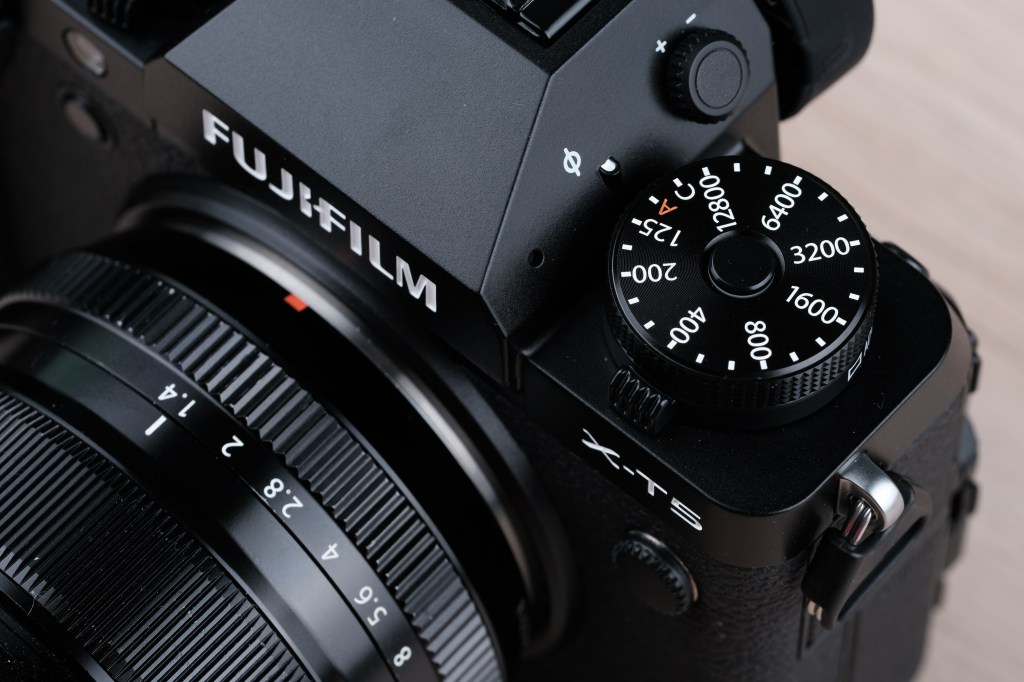
X-H2S
Get started
After months of waiting and numerous rumours flying over the internet, the X-H2S was finally announced in X-Summit OMIYA 2022, together with XF150-160mm and XF18-120mm. Fujifilm categorised it as a flagship model, which means the best of the best technologies Fujifilm can offer is in this camera body (or maybe together with the upcoming X-H2). If I remember correctly, The “H” in X-H stands for “Heavy-duty”.
X-H2SX-H2S
If you have watched the X-summit, you will know this flagship model addresses three groups of categories: sports photography, wildlife photography and videography.
X-H2S
While I do not belong to any of the three categories and I do street photography most of the time, my perspective of using this camera will be more on people on the streets and things revolving around the streets.
Also in this hands-on sharing, it is based on a photographer’s point of view as I am not a videographer trained. To test with people on the streets, I have also used various lenses of mine to see how well this camera can perform.
Fujifilm has come thus far when comes to image sensors and processors. Now, Fujifilm has come out with its first-ever Stacked-Back Side Illuminated (BSI) X-Trans CMOS sensor 5 HS and X-Processor 5. With this new processor, Fujifilm has also introduced Nostalgic Negative film simulation to the APS-C camera. Nostalgic Negative was only made available to GFX (first with GFX 100S) series only. I know not many people actually talk about this film simulation but I just want to highlight how much I like this film simulation after I tested out the GFX 50S II.
When I first saw the camera, it was resemblant very much to the GFX100S/50S II. It is also a totally different design from its predecessor, X-H1. This is a good way to distinguish between models. The new X-H2S can be distinguished easily at a glance too, especially since there is a label “S” on the front of the camera body.
The magnesium build camera is sturdy, durable and solid to hold. Something I am expecting from a flagship camera. The weight of the camera is 660 grams but personally, I do not feel it is heavy to hold and I think that because the weight is well distributed across the camera body.
For a note, it is just 53 grams heavier than X-T4 and 13 grams lighter than X-H1.
Handling
X-H2S has an ergonomic handgrip design but some photographers might think it is too large to hold, particularly photographers who have smaller hands. As for me, probably because I have large hands, it is very comfortable to grip. The feeling reminds me much of the good grip I had with my DSLRs back in those days.
Overall buttons are comfortable to press with good tactile feedback. The Focus stick is large and good to navigate focus points and between menus. Nothing to complain about here.
The Shutter
The newly developed shutter button is very sensitive and I have to learn to adapt to it. For most Fuji cameras, I depress half the shutter button for focus and then depress it fully for taking the shots. But then, the shutter button of the X-H2S is probably set it up higher than the other Fuji cameras. I basically snap the shot when I depress “half” the shutter button. It took me a few shots to find the sweet spot. Sometimes I do forget and history repeats itself. It is not something difficult to familiar with, it just takes a while for my muscle memory to familiarise itself.
On a side note, I love the shutter sound. A gentle and very satisfying “tid” sound.
The Viewfinder, The LCD Screen & the Sub-Display
I have to say the viewfinder is really a pleasure to use. The 5.76M dot OLED with a 120fps refresh rate is one of the best improvements Fujifilm has made. It makes the viewing experience so smooth as if I am shooting through an optical viewfinder. (Remember to set to EVF frame rate priority to enjoy the 120fps, otherwise, it is default at 60fps.)
However, the LCD screen keeps the same 1.62M dot resolution as the X-T4 but is still better than my X-T3. The display is indeed sharper and it is a good screen to meet my needs.
The “always-on” sub-display reminds me of the DSLR’s sub-display but better. As a sub-display, it provides all the necessary current settings and information to allow one to have a quick view.
The image quality is great and that is across all ISO ranges that I used in this test. Honest speaking, I cannot find anything to fault it. Personally, I feel that the image quality has some improvement at the high ISO range, especially on the ISO 3200. Not a dramatically huge difference but you can tell. Other than that, it is hard to tell the difference between X-H2s and X-T3.
The autofocus performance of the camera is kind of limited by the lenses. Because the performance of this X-H2S is really fast, it does push the limit of the older lenses to work faster. If the lens is on the slower side (for example a lens without Linear Motor), you can feel that it works slightly slower and also missing out on some focus tracking (but it picks up pretty fast). That said, the newer lenses (such as XF 23mm f1.4 WR) are really designed to optimise with X-H2S than the older ones. All in all, the autofocus is really snappy and accurate. The older lenses do feel snappier too than having them on my X-T3.
The focus tracking is a real improvement here. The eye-AF together with the Subject Detection such as “Animal”, “Bird”, “Automobile”, etc does pick up well and is quite sticky to the respective subject, especially a moving one. But if there is more than one subject in the frame, then that is another story altogether.
On paper, it states that it can achieve up to 7 stops of compensation with some lenses can only go up to 5 stops. In the real world, how stable is it with my shaky hands is more matters to me. The results show everything. I have tested with 4 lenses and it turns out that the IBIS is impressive. Whether it is combined with an OIS lens or not, my handheld results are pretty consistent and terrific.
I notice there are some people who commented about the battery life that does not last for the whole day. But in my 2 weeks of testing, it lasts me for the whole day with 35% remaining the least, that is about 500 shots taken.
Based on the CIPA standard, the battery life is rated as 720 shots. And based on my calculation, it is about there. So I think the rating from CIPA is quite consistent with my experience.
Although battery consumption is subjective to individual usage and many other external factors to be considered, all I can say is that this NP-W235 battery is definitely better than the NP-W126S on my X-T3. If your photography consumes more battery power, then just bring another one. If bringing two batteries is insufficient, then make it three.
PASM dial is something I familiar with for a long time, especially since I used DSLR before. I do not hate it nor I am happy to see it. It just reminded me of how I should operate the camera differs from the one with Fuji-style dials.
I do miss the Fuji-style dials with this X-H2S but handling the PASM dial is not a show stopper for me.
Something else…
The focus mode selector switch has been replaced by the “fn3” button in X-H2S. By default, fn3 is set as the “focus mode selector” function. If you are a person who switches various modes a lot, this might be a little ignoring to you as it takes you to a screen to select the focus mode with your D-pad and the “OK” button to enter instead of instantaneously switching with the switch.
Another thing that I do not mention is the memory card. It comes with 2 slots, one for CFexpress Type B card and another for UHS-II. Because I do not have a CFexpress Type B card which unable to verify the capability of read/write speed of the camera when shooting at 40 fps.
Probably some photographers might notice this. The front dial is now not clickable.
One last interesting thing to share, X-H2S is the first Fuji camera that comes with a variable shutter speed. It calls “Flickerless S.S. Setting”. You have to enable “Flicker Reduction” first before you can set the “Flickerless S.S. Setting” on. This helps to eliminate flickering lighting from indoor LED lighting, bulb and monitor screen, etc. Only Manual and Shutter priority modes can enjoy this functionality.
Feedback
For the next generation of X-H series, I hope that the position of the Focus stick to be a little lower, probably beside the AEL button will be a better option. Whenever I want to change the focus point, I need to shift my thumb much higher to reach for the Focus stick and by doing so, I have to reorientate my hand placement on the handgrip.
Another thing I hope Fujifilm can do is on the focus mode selector. Instead of the cumbersome control, you may consider making the fn3 button to toggle between the modes. I believe it will be easier for photographers who need to toggle often. Probably it can be added in a firmware update.
Above are some of the little feedback or more like my personal preference.
In my own words
The grip, the sub-display and the overall size of the camera pretty much reminded me of the good old DSLR era. Oftentimes it also reminded me of how far technology has come.
After 2 weeks of use, I believe Fujifilm has delivered the flagship model very well and beyond my expectation of what a flagship camera can be: a hybrid, heavy-duty camera for both worlds.
For Fuji enthusiastic (who like dials, dials and dials) like me, I will not get it for my personal causal shooting. Yes, the stacked BSI sensor is very attractive to me. The focusing speed and the AF tracking are something my current X-T3 cannot do with. What I can hope is that the future X-T5 has most of what X-H2S or X-H2 has to offer together with the X-T3 flip and tilt screen and I will be ready to smash my piggy bank.
Who is this for?
This is a flagship camera and also a workhorse that is designed with professional photographers (and professional videographers) in mind. It has the best performance Fujifilm has to offer to date. But that does not mean non-professional photographers should not get it. If camera size is not a factor, this X-H2S will be a camera you can consider as it is the pinnacle of Fujifilm for years to come.
Also, Fujifilm also confirmed they will be releasing X-H2 which comes with 40 megapixels in the X-Trans 5 HR. X-H2S focus on speed while X-H2 focus on fine details. Only the photographers themselves will know which camera can meet their demands in photography and the photography genres they are shooting.
Fujifilm just laid out them for you to choose from.
Disclaimer: 1. All the shots taken here are shot by me. 2. All of the shots are straight out of the camera with some edited via In-Camera Raw Processing. 3. I reserve ownership of these images, if you wish to use my images, please notify me. 4. The camera firmware is 1.01. 5.The opinions are based on my experience. If there is any mistake, please kindly drop me a message and I will gladly make the amendment.
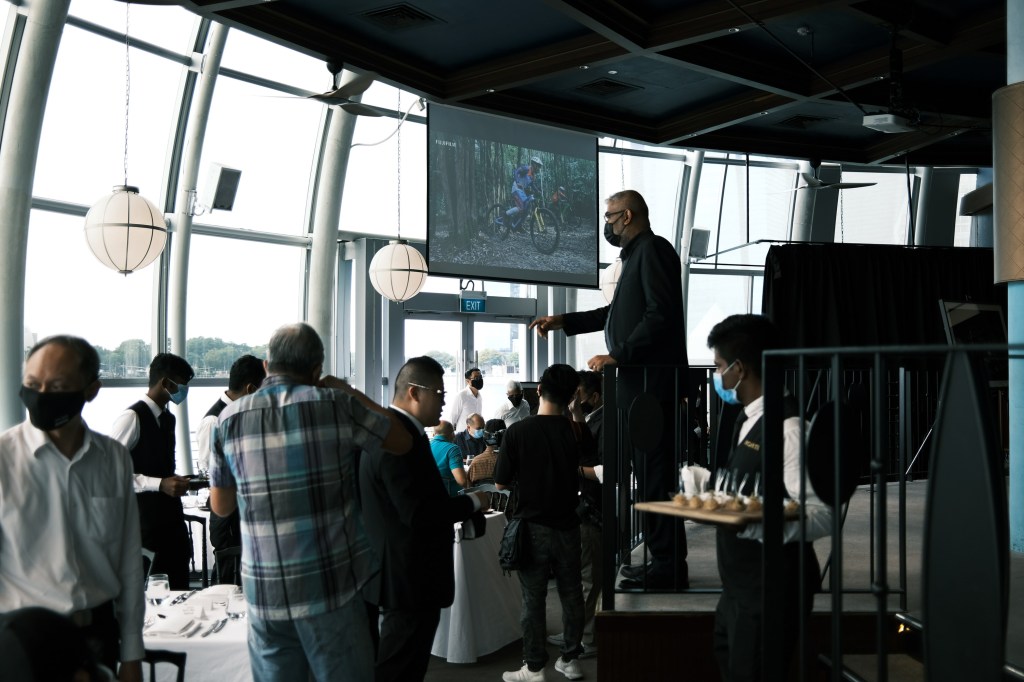
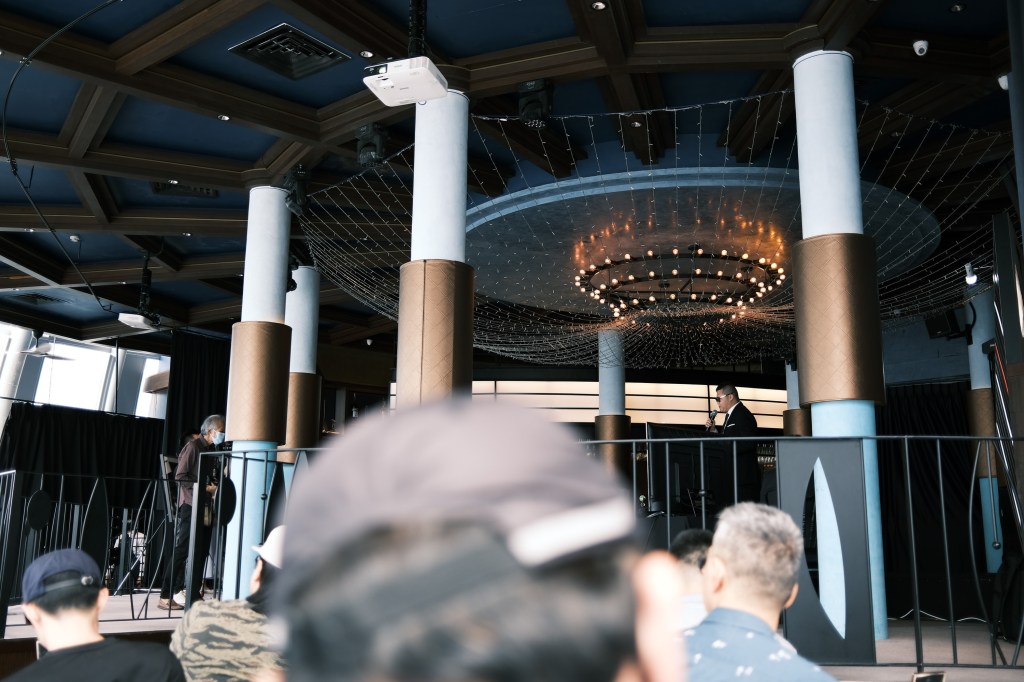
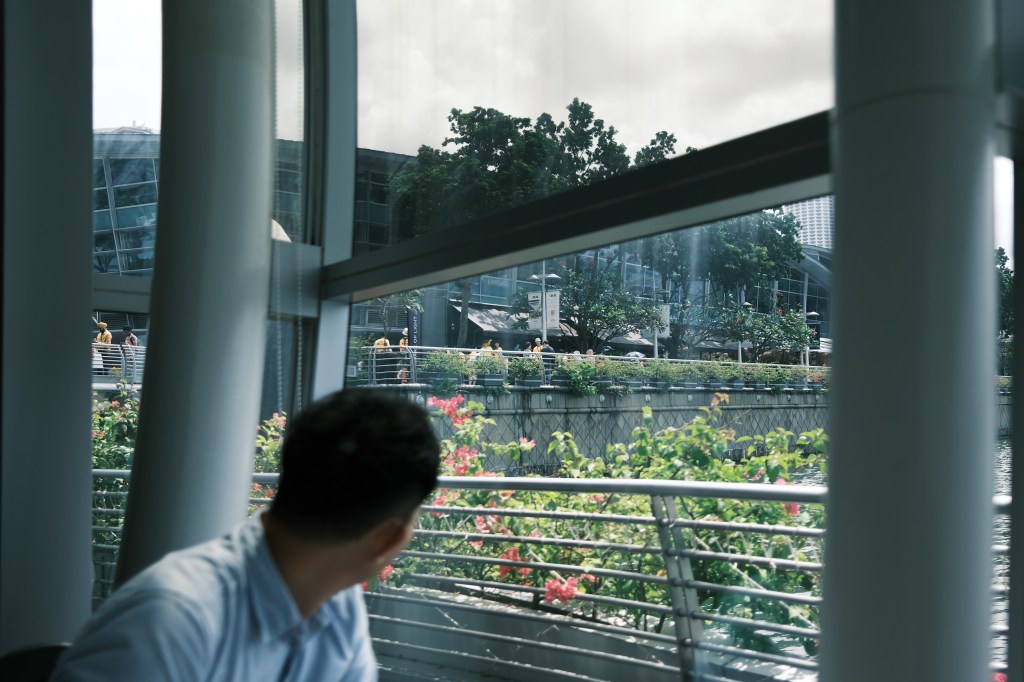
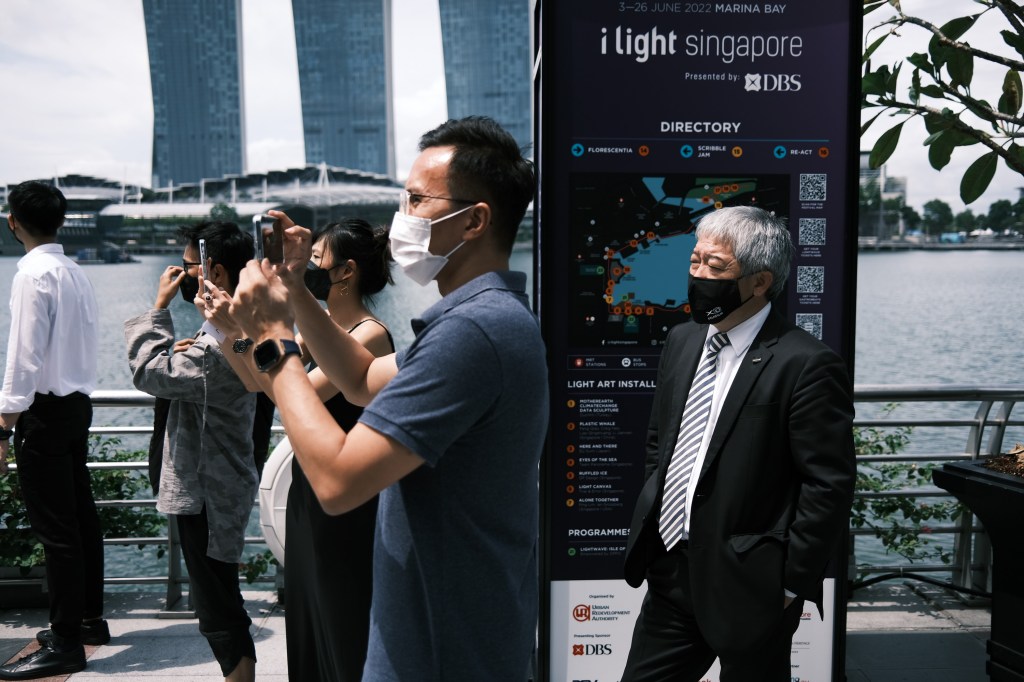
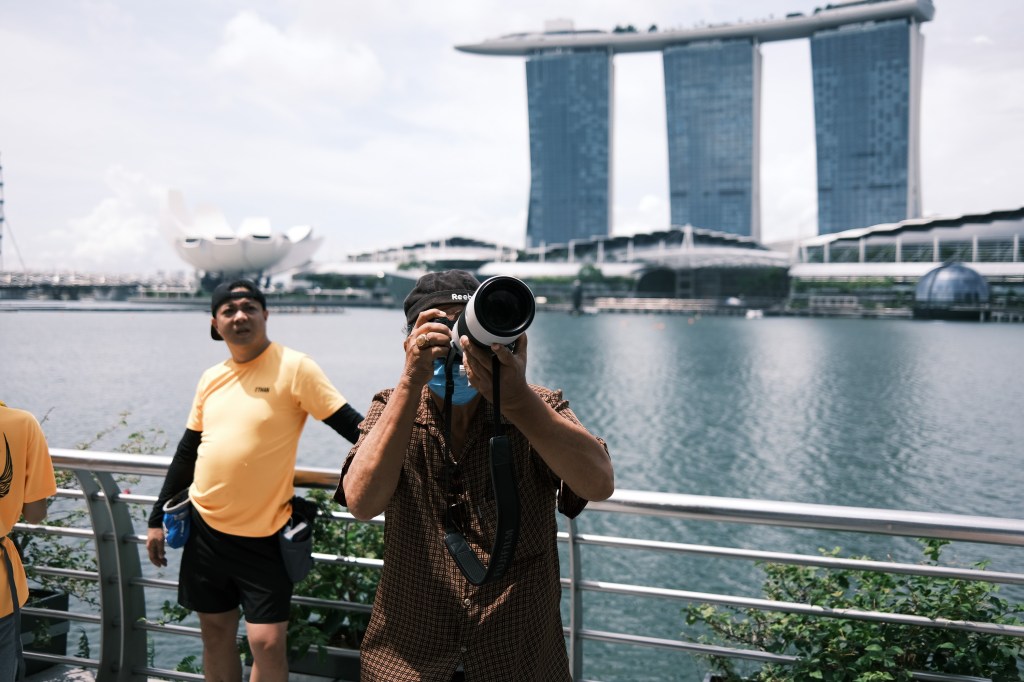
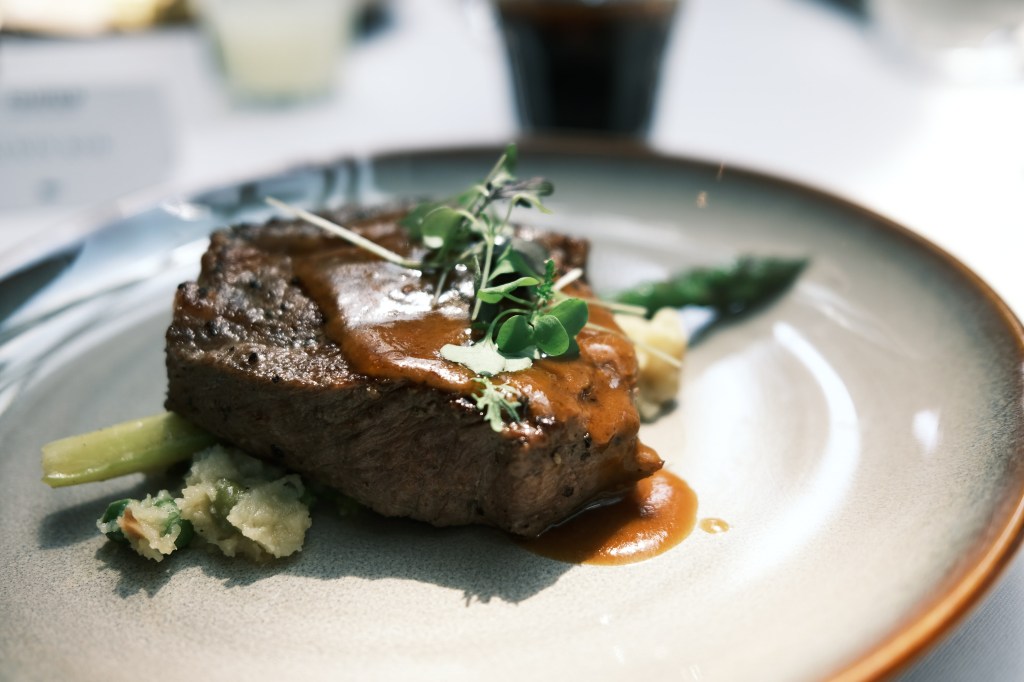
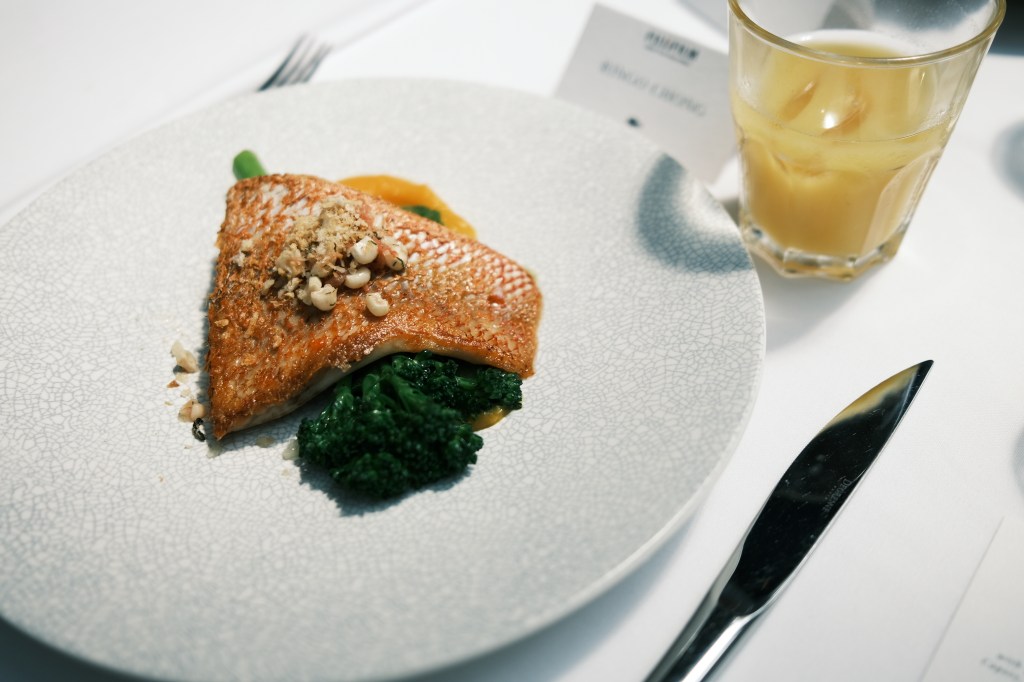
Today is the official launch event for Fuji X-H2S in Singapore and I am lucky enough to get invited for attending this event. This event comes with some outdoor activities and then a lunch session to end it. I feel that this is a very unique way to launch a product. To keep things simple, I just brought my X100V with me.
Menu for the daySome starters
The starter that caught my attention
X-H2S Launch OpeningInteraction moments The view from my tablePortraitsPhotographers in actionsBirds in actionThe modelsThe foodsImagine one day we have a camera with phone functionalityThe wines…Last but least, X-H2S
First of all, I would like to thank Ms Carmen, Marketing Manager of Fujifilm Singapore, for loaning the XF18-120mm and X-S10. By the time this review is online, the units had returned back to Fujifilm Singapore.
In this hands-on experience, I used this lens for photography only and nothing related to videography. Because I do not know about videography, I shall leave it to the experts to review from the videographers’ point of view.
Conclusion (TL;DR)
I am doing something different and decided to push up my conclusion so that you guys can decide to skip or continue to check out this lens.
Over the course of 2 weeks, as a prime lens user, I enjoy every single moment of using it. It brings me back to the fun of using a zoom lens without sacrificing image quality. As for the power zoom functionality, it took me about half a day to get used to it. After all, I started learning photography in the “power zoom” era.
This is a constant f4 lens and it may not have a large aperture like f2 or f2.8 and might not please some potential videographers. But every lens created has its purpose and every lens does come with pros and cons. Just how we weigh them before getting the lens, it’s up to the individual.
Of course, if you are looking for a faster lens than this and they are already existed in the market, the red badge and the MK lenses.
Personally, this lens is a great lens that has great versatility. Fujifilm strikes a good balance between compactness and image quality, is lightweight and has very useful focal lengths. From a photographer’s perspective, this lens is on my recommendation list.
Fujifilm XF18-120mm f4 LM PZ WR was first teased in X Summit PRIME 2021 and finally announced in X Summit OMIYA 2022. And now, it should starts shipping in September 2022. This lens has a focal length that is equivalent to 27mm – 183mm in the 35mm film format which gives whopping 6.7x times zoom. It is probably the most versatile constant aperture zoom lens from Fujifilm yet.
During the X Summit OMIYA, Fujifilm emphasised that this lens is designed for videographers in mind and based on the expertise Fujifilm has in the broadcast industry. But can photographers use this lens for general photography purposes?
Design& Build Quality& Something more…
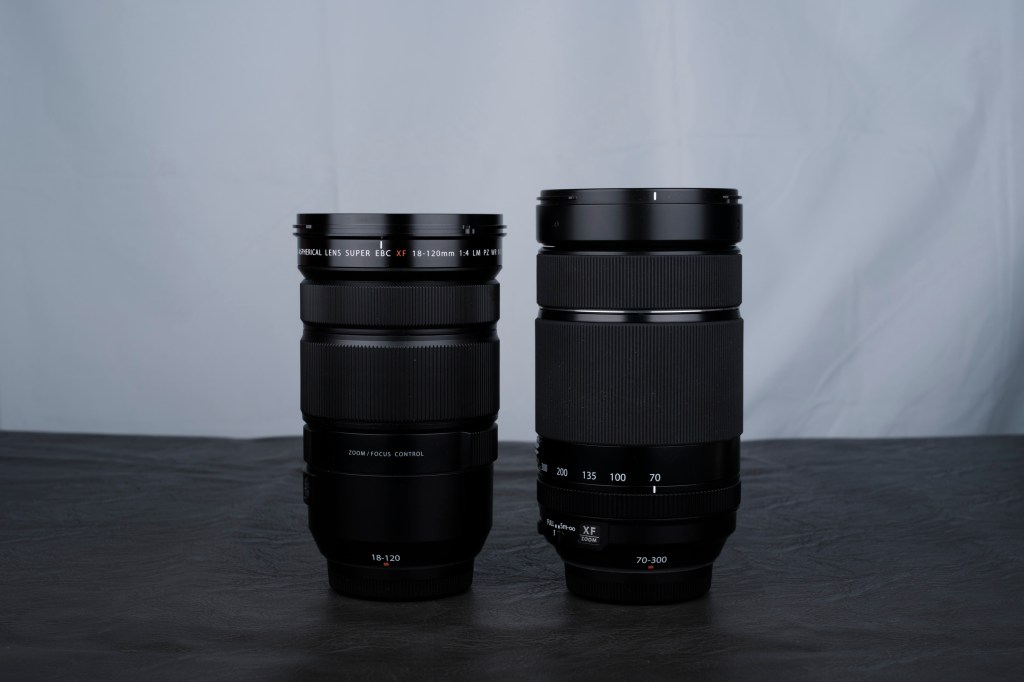
For a start, this lens is tall but a tad shorter than XF70-300mm. It comes with a 72mm filter size and internal zoom (yeah!). From the appearance, it gives an impression that this is a heavy lens but the 460 grams on this lens do not feel that way. The lens body is built out of polycarbonate material but I believe these are some of the reasons to explain why. (These are my guesses and not from any official Fujifilm statement.)
Fujifilm XF18-120mm f4 LM PZ WR and Fujifilm XF70-300mm f4-5.6 R LM OIS WR
First, it helps to reduce the overall weight. The lens is designed for portability so that videographers who wish to pair it with any cameras can balance it well and can use it handheld for long hours without stressing the arms.
Second, it might help bring down some costs and allow more potential videographers to reach out for this lens.
On a side note, when the lens and camera are mounted on a gimbal, the videographer does not need to recalibrate the gimbal when changing to any focal length.
Overall, the built quality is great and does not feel cheap at all. For forgetting that it comes with weather-resistant too!
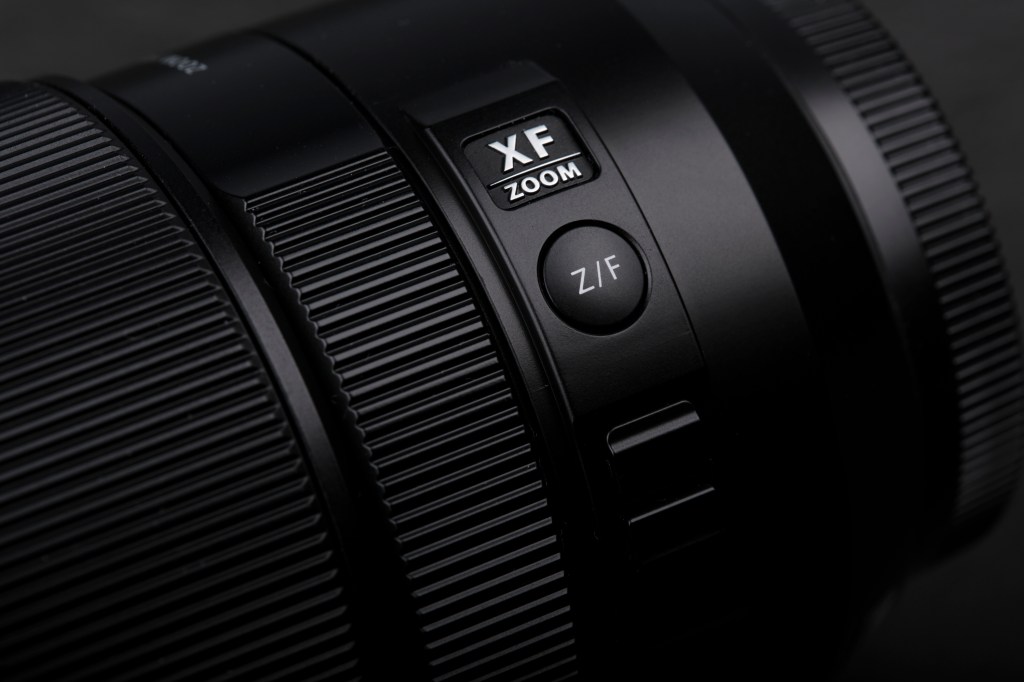
If you have noticed, this lens does not come with an aperture ring. But it comes with 3 ways of zoom functionalities (zoom ring, zoom/focus control ring and zoom button) and a manual focus ring. It also comes with a button named Z/F (Zoom/Focus). This is also the first lens I have ever seen having 3 options to choose from. How do these 3 zoom functions work? Let me try to explain it.
Zoom ring – It works like what it is intended but with a little twist. The focal length actually changes “electronically”. The experience is different from what the usual manual zoom ring has, it does not have that “instant” zoomed focal length. What it gives is a steady zoom in and out. However, I will not recommend photographers to use this zoom ring to change the focal length from 18mm to 120mm and vice versa. The throw is approximately 360° from 18mm to 120mm which takes me 4 times to complete. (Update: the production unit takes approximately 90° from 18mm to 120mm) What I do is to use it as a compliment to the next zoom functionality. For example, some small fine-tuning to the focal length which I feel is easier than using the zoom/focus control ring.
Zoom/focus control ring – When I use this control ring, it kind of reminded me of my first camcorder. Clockwise for telephoto-zoom and anti-clockwise for wide-zoom. It is that simple. Sometimes, I overshoot the desired focal length, and I come to have a habit of using the zoom ring to adjust. At least it works for me. Of course, you still can use the zoom control ring to adjust to the desired focal length.
Zoom button – there are 2 buttons, the “up” button for telephoto zoom and the “down” button for wide-zoom. Basically, you press once and it will zoom in or out all the way. Press the button again to stop zooming. I did not use these buttons after exploring how it works and I believe this is more useful for videographers.
Image Quality
Usually, when comes to a zoom lens, especially having such a long zoom, I have this mindset indicating that the image quality is probably somewhere sub-par or slight above sub-par image quality.
Well. I think I have to change my way of thinking. The image quality is great. Sharp and have a good level of contrast. I enjoy the results coming out from this lens. The optical is really great even at wide-open.
It may not have the most bokehlicious result but it does render pretty smooth for a zoom lens. It does not give harsh and hard bokeh at all. As for the sunny star, this lens doesn’t seem to give a sharp one, even at its smallest aperture.
From my observation, chromatic aberration and vignetting are nowhere to be seen or at least very mild. This is something I am not surprised about as Fujifilm has controlled well in this aspect, especially for all the recent newer lenses.
Focusing
When comes to focusing, I have this repute that the focusing speed for a zoom lens is generally slower than a prime lens. Again, I was wrong but not completely wrong. Under the sun, focusing is pretty fast across all focal lengths. Though it is not blazing fast like the new generation prime lenses like XF23mm f1.4, it is just a tad slower. But when comes to low light situations, the wide to mid-tele focal lengths are still considerably fast. You will know that it is not as fast as the day but it is still within my acceptable range. At 120mm, the little struggle comes in. But I still manage to lock my focus after a few tries. For all that, I think it is expected behaviour for a long focal length like other lenses.
One thing to note is that this lens is capable of optically parfocal, which means my subject is able to stay in focus throughout the entire focal length. But I think it is more useful for videography than photography?
The MFD is 60cm. At 18mm, I am not able to get close up, rather, I am pretty far from my subject. When you shoot at 120mm, it appears to be fairly close to the subject. Yet far from what a macro lens can achieve.
If you power off your camera, the focal length will be where you left off. Say if you shoot at 50mm and then power it off and on again after some time, it will remain at 50mm. That’s also applied even if you swap lenses and then swap back.
If you want to use this lens to shoot streets, you can but this lens is not as discreet as compact prime lenses. Some strangers might even notice you first before you shoot them.
This range of focal length is always very competitive and Fujifilm has quite a few zoom lenses somewhat close to one another in the market. Namely, XF16-80mm, XF18-135mm, and the most underrated XF18-55mm. Not forgetting about the recently announced Tamron 17-70mm f2.8 and upcoming Sigma 18-50mm f2.8 too. Having said that, the most direct competition, for now, is the XF16-80mm.
Both are constant f4 lenses. The typical advantages between both lenses are pretty noticeable. One wider, one has more reach, OIS versus non-OIS. While I do not test the XF16-80mm fully, I understand from some photographers that the lens is soft at wide open. And I may be biased, but the X18-120mm seems to have better image quality. Nevertheless, at the end of the day, both lenses serve different groups of photographers.
Who is this for?
For travelling photographers who might want to go as light as possible, this lens is also a good option to choose from. As this is an f4 lens, which also means that it might be a little struggling for night street shoots, I will suggest pairing it up with an In-Body Image Stabilization camera or an ultra-fast prime lens to go along with it.
Because it has such great versatility, it can be used for almost anything from streets, editorial, documentaries, landscapes, cityscapes, product shots, and even portraits.
For photographers who do videography occasionally, I also think this is a good piece of glass to have.
Thank you for reading.
Disclaimer: 1. All the shots taken here are shot by me. 2. Some of the shots are straight out of the camera while others are edited via In-Camera Raw Processing and Capture One. 3. The opinions are based on my experience. If there is any mistake, please kindly drop me a message and I will gladly make the amendment. 4. I reserve ownership of these images, if you wish to use my images, please notify me.
If you like my works, please follow me on either one of the 2 Instagram accounts:
Thanks to my friend Ivan Wong for giving me the opportunity to play with his latest lens, the Voigtländer Nokton 35mm f1.2, for a week. Unfortunately due to my unforeseen workload, I only get to try this lens for 4 days before I have to return the lens to him. So this is a pretty short hands-on experience compared to the usual one.
Voigtländer Nokton 35mm f1.2
Voigtländer has been a long time manufacturer in the market, they have been manufacturing beautifully crafted lenses for M mount, E mount, Z-mount and m43 mount. Now they have extended their portfolio to craft lenses for the X-mount. Their first lens in the X-mount portfolio is nothing but one of the popular focal lengths among the photographers, 35mm (50mm in full frame equivalent).
Design & Build Quality
We do see some manufacturers having the same lens design but different mount. However, Voigtländer completely designs a new lens design for Fujifilm X-mount. Some might say it’s a pity that it does not have similar design elements like other Voigtländer lenses or missing out on the design language that Voigtländer has. Personally, I think it is okay. After all, the design is still beautifully designed.
This 196 grams lens has a solid metal constructed body and I can actually feel how dense the weight of this lens is when I hold it in my hand for the first time. The aperture ring clicks give me very satisfying feedback and the manual ring rotates smoothly with a bit of friction without much force needed.
It comes with a pretty small 46mm filter size and comes with a metal screw-in hood. But I believe that, for a reason, the photographers who purchase this lens do not wish to put on the lens hood.
At wide open, this lens gives you a kind of glowing and soft look where the blur falls off quite beautifully and is comfy to my eyes. It also provides a characteristic flare if you face the sun or strong light directly. Unfortunately, I fails to create one that is as beautiful as I saw on the web.
If you want to have a decent sharpness in the image, I recommend shooting from f2 onwards. The results are pretty good and usable at f2. Besides sharpness, contrast is decent too.
I have a high expectation (later on this) with this lens when it comes to chromatic aberration and vignetting. Luckily, I am not disappointed. They are very well controlled as I did not observe them from my shots.
This lens comes with a 30 cm MFD which is the same as the XF33mm f1.4 and Sigma 30mm f1.4. At this distance, you can get stronger glowing and softer results. Not forgetting that the depth of field is very shallow when you shoot wide open.
I mentioned about me having high expectations about this lens. Allow me tell you why. According to the official suggested retail price, it costs USD 649. It is rather expensive for a manual lens. For reference, XF33mm is selling at USD 799 and Sigma 30mm f1.4 is at USD 339. If you want to justify the high price, what I can think of is the brand itself, fast aperture, compact, made in Japan and unlike other manual lens manufacturers, it does equip with electronic contact. I think it should suffice to justify, I guess?
If you are a photographer who wishes to gain some experience with pure manual lenses and you do not mind not knowing your aperture setting, there are many other manual lenses for your consideration. The price between Voigtländer and other manufacturers is a huge gap. From a money perspective, I personally do not recommend you to buy this lens unless you know what you are doing.
Assuming you want to buy this lens, but you have no idea what genres is it suitable for. I think you do not need to worry about this. Because this focal length is very versatile and it covers generally most genres such as documentary, journalism, street and portrait.
Thanks to the electronic contact, this lens gives me a very good manual lens experience. It allows me to know what is my aperture setting like the other autofocus lenses. But the price of this lens position itself clearly from the rest of the manual lens manufacturers. The image quality is indeed better than the other manual lens manufacturers but the result isn’t too far off by a mile.
Having said that, I am still glad that Voigtländer is joining the Fujifilm community and not forgetting that the 23mm f1.2 is launching soon. All in all, I hope to see more lenses from them and benefit the photographers.
Disclaimer: 1. The lens is from a friend of mine and I have returned it to him by the time this article is available online. 2. Most of the shots are straight out of the camera with some shots edited via In-Camera Raw Processing. 3. The opinions are based on my experience. If there is any mistake, please kindly drop me a message and I will gladly make the amendment. 4. All the shots taken here are shot by me. I reserve ownership of these images, if you wish to use my images, please notify me.
If you like my works, please follow me on either one of the 2 Instagram accounts:
First and foremost, I would like to thank and appreciate Mr Lawson from Sigma Marketing (Singapore) for loaning me the Sigma 16mm f1.4 Contemporary DC DN lens for making this review possible.
Sigma 16mm f1.4 Contemporary DC DN
Intro
Similar to Sigma 30mm f1.4 Contemporary DC DN, I refer to Sigma 16mm f1.4 Contemporary DC DN as “Sigma 16mm f1.4” in short. Unlike the Sigma 30mm f1.4, it was announced back in October 2017 but was only available for EF-M, E-mount, L-mount and Micro Four Thirds back then. Now it is available in X-mount too.
Sigma 16mm f1.4 Contemporary DC DNSigma 16mm f1.4 Contemporary DC DN
Being a 24mm full-frame equivalent ultra-wide lens, the first thing that I can’t help noticing how huge the lens is. It is almost identical to the size of the Fuji XF16mm f1.4 and it is merely taller. Speaking of comparison, I will not compare both lenses directly as I believe every lens has its own reasons to be here and hence giving it a fair chance to shine.
Sigma 16mm f1.4 Contemporary DC DN
Price Point
I decided to shift this section to the front because Sigma 16mm f1.4 comes at a very interesting and competitive price point. In Singapore, it is priced at SGD648/USD449 (*SRP). It is just $50 more than the XF 16mm f2.8 (SGD599/USD399 SRP) and it is far cheaper than XF 16mm f1.4 (SGD1599/USD999 SRP). With such a competitive price, are you tempted to get Sigma instead of Fuji?
At this price point, lets me share with you what are the things you will be getting from this lens and what are the thing you will miss.
*SRP – Suggested Retail Price
Design & Build Quality
Sigma 16mm f1.4 has the same built element and design language as its brothers. It is a low profile lens that does not shout out loud, especially on the front glass. It is minimalistic on its own by labelling the wordings in black.
Although the body of the lens is made of “Thermally Stable Composite” (TSC) polycarbonate material, it feels well-constructed and comfortable to hold. But it does attract some fingerprints on the glossy material of the lens. Even so, it can be removed easily with a piece of cloth.
This huge lens weighs 405 grams and it is the heaviest one among the trio of Sigma lenses. I think there is quite a huge amount of heavy glass elements inside this lens, which explains the weighty weight. For readers who are looking to equip the lens with filters, it comes with a filter size of 67mm. It also comes with dust and splash resistant sealing that helps to protect the lens from certain conditions.
Similarly to the Sigma 30mm f1.4, it does not have an aperture ring too. So you have to control your aperture via the front dial of your camera. It’s a very similar approach to what Fujifilm has for XC lenses.
Image Quality
At f1.4, the image is usable. It retains the sharpness, contrast and details of the image very well. But for some shots especially shooting at infinity, the results tend to be soft at wide-open.
Although some vignetting can be observed, this can be easily resolved in post-processing or shot at a smaller aperture to reduce it. In my opinion, this can be forgiving and unavoidable because it is an ultra-wide lens after all.
There is also some slight chromatic aberration observed in some of my shots, but it is still within my acceptance level. Again, it can be removed easily with post-processing.
On the subject of the sunny star result, I prefer the shot taken at f16 as the “star” looks sharper than the one at f8. As for the lens flare, it did control very well too.
One thing to note, I never expect how good the control of the lens distortion for this ultra-wide lens. Probably thanks to the camera auto-correction? But nonetheless, the output is good.
Focusing
This lens is silent and fast. This is something that I have expected after using Sigma 30mm f1.4 as I believe they are using the same stepping motor. The sound of the focusing experience that I have is close to complete silence. Please bear in mind that this lens has lots of heavy glass inside it and yet it can achieve something like this is totally remarkable.
Regarding the focusing accuracy, unfortunately, it also inherits the same issue as the Sigma 30mm f1.4 as well. Similar off-focused results when I shoot with the little green box lit up but it hardly happens. But not too worry about it, understand from Sigma that they are constantly improving their lenses’ focusing quality and accuracy via updates.
The MFD of this lens is 25cm. By comparison, the XF16mm F1.4 is 15cm. Does it really matter? Not really matter as the general purpose of this lens is for landscape or similar genres.
But it does matter if the photographer could love to use the lens for other creative purposes. Because the closer the MFD you have, the more possibilities you can create with.
Sigma 16mm f1.4 does have its shortfall but it strikes a good balance between price and overall experience. For a lens optic design that has been around for 5 years, the image renders very remarkably sharp, especially at wide open. I have to appraise that Sigma did not compromise on the image quality and I think Sigma did the right thing here as I believe this is more important than anything else for every photographer.
Overall, I can accept what this lens has to offer. Likewise, how is it compared to XF16mm f1.4? All I can say is that both lenses are good at their price points and there are reasons to be at their price points. They supply different demands to different groups of photographers. In my opinion, there is no end to making comparisons between lenses.
Who is this for?
This lens is suitable for photographers who are just starting to learn photography or tipping their toes in the world of prime lenses but with a limited budget on hand or wish to have their money well spent. But who are these photographers?
Photographers who are landscape, environmental and architecture lovers, you may consider getting this lens in your arsenal. If you do not mind about its build quality, etc, the price of this lens can actually save you some money and maybe you can use that money to invest in other lenses or accessories.
For street photographers, this ultra-wide lens is harder to isolate your subject unless you get closer to it. If you know what you intend to do with this lens, otherwise I will not recommend you to use this lens.
To answer my question in the title, it is indeed a good alternative to XF16mm f1.4.
Thank you for reading.
Disclaimer: 1. The lens is a loan unit from Mr. Lawson from Sigma Marketing (Singapore). By the time this review is online, the lens had returned back to Sigma Marketing (Singapore). 2. The lens firmware that I am using is version 1.00. 3. Some of the shots are straight out of the camera while others are edited via In-Camera Raw Processing and Adobe Lightroom Classic & Capture One. 4. The opinions are based on my experience. If there is any mistake, please kindly drop me a message and I will gladly make the amendment. 5. All the shots taken here are shot by me. I reserve ownership of these images, if you wish to use my images, please notify me.
If you like my works, please follow me on either one of the 2 Instagram accounts: