The 85mm full-frame equivalent has long been considered the ideal portrait focal length. Its natural facial rendering, flattering compression, and versatility have made it the gold standard among portrait photographers worldwide. The newly release Viltrox 56mm f1.2 Pro is the lens created for this purpose.
Viltrox 56mm f1.2 ProViltrox 56mm f1.2 ProViltrox 56mm f1.2 Pro
Intro
The Viltrox 56mm f1.2 Pro marks the third addition to Viltrox’s growing “Pro” lineup, following the 75mm f1.2 Pro and 27mm f1.2 Pro. Announced on 1 September 2025, this lens comes in both X-mount and E-mount versions.
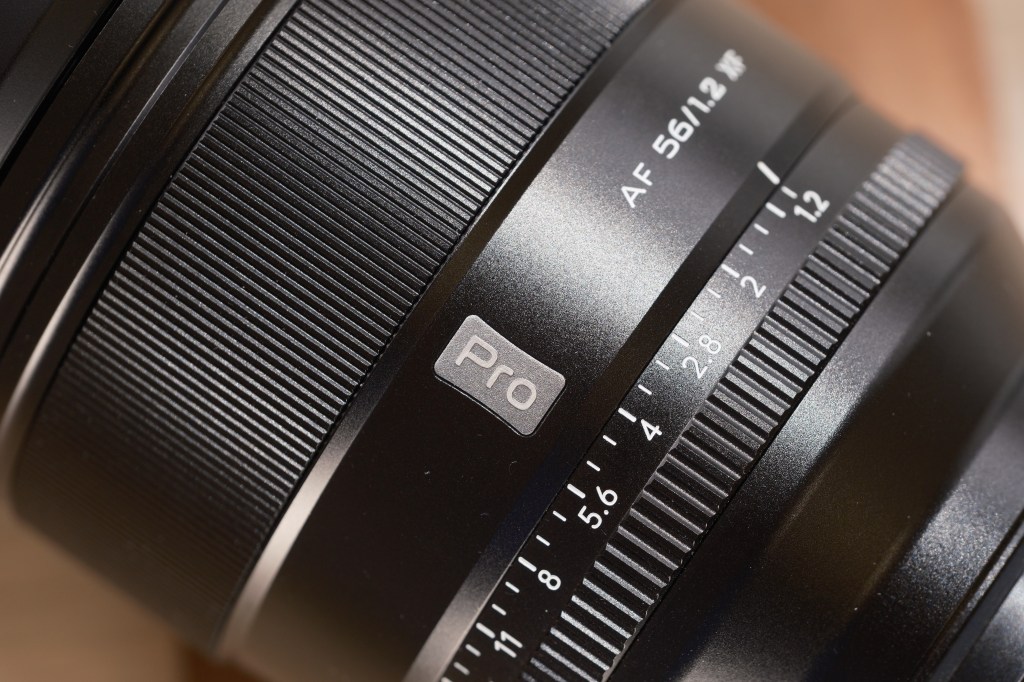
Like its 27mm and 75mm siblings, the Viltrox 56mm f1.2 Pro carries a consistent design language. The all-metal lens barrel immediately feels premium, like you’re holding something worth every dollar spent.
The aperture ring is satisfyingly clicky, with just the right amount of tension and tactile feedback. Nothing feels loose, sloppy, or overly stiff.
It comes with a 67mm filter thread and weighs 575 grams. It’s definitely not a tiny lens, but it balances reasonably well on bodies like the X-T5 and X-E5 (with grip). For comparison, Fujifilm’s own XF56mm f1.2 WR comes in at 445 grams.
As expected from a “Pro” lens, the Viltrox 56mm f1.2 does not disappoint. It’s already sharp at wide open, with pleasing contrast and well-controlled chromatic aberration, even to my imperfect eyes. Vignetting is present but mild and easily corrected or avoided by stopping down or process in post.
The background blur is smooth with a gentle transition between in-focus and out-of-focus areas. Overall, the rendering feels clean and pleasant. No real complaints here.
Focusing
Viltrox equipped this lens with its Dual HyperVCM motor, but how does it perform in reality?
On both the X-T5 and X-M5, autofocus is generally snappy, silent, consistent, and accurate. I do get an occasional miss on the first try, but nothing worrying.
However, pairing it with the X-E5 gave me a very different experience. The autofocus mechanism jammed repeatedly, so much so that even remounting the lens or swapping with other lenses didn’t fix it. It would jam again after a few shots. I can ’t explain why, but the issue exists. X-E5 users should take note.
Another thing I observed: Eye-AF tends to jump rapidly between eyes and faces more often than other third-party lenses I’ve tested. I’m unsure whether this is a copy-specific issue or a broader batch issue, but I hope a future firmware update will address it.
At 50cm, the MFD is impressive for a mid-telephoto lens, identical to the Fujifilm XF56mm f1.2 WR. You can get quite close without losing image quality, which is great for tighter product shots.
Initially priced at 580 USD, the lens now goes for around 464 USD, making it extremely competitive, especially when the XF56mm f1.2 WR sells for 1099 USD at B&H.
Sirui also offers a 56mm f1.2 variant at $280 USD, but personally, I wouldn’t recommend that one.
As with all Viltrox autofocus lenses, the USB-C port is positioned at the rear, which I prefer over the exposed designs (on the lens barrel) with rubber flaps.
Viltrox 56mm f1.2 Pro – USB-C port at the rear lens element
The lens is also weather-sealed, in true “Pro” fashion, though I’m not exactly planning to test the seals anytime soon.
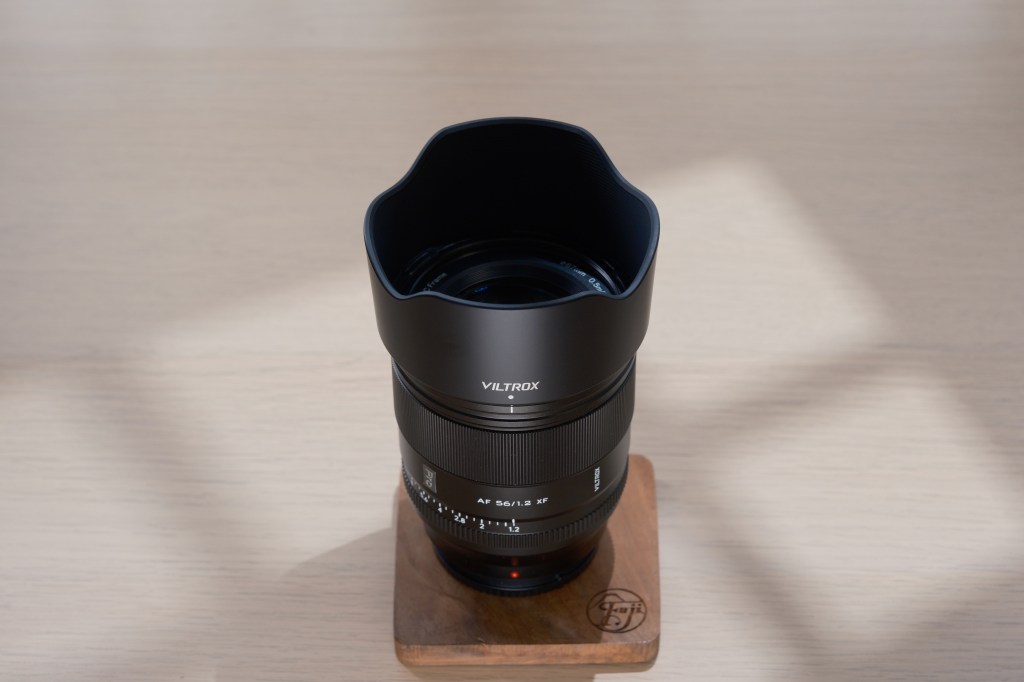
Viltrox 56mm f1.2 Pro with lens hood
A lens hood is included, but it’s a bit disappointing that it’s plastic instead of metal.
Who is this for?
If you shoot portraits, this focal length deserves a place on your wishlist. But portraits aren’t the only thing it can do.
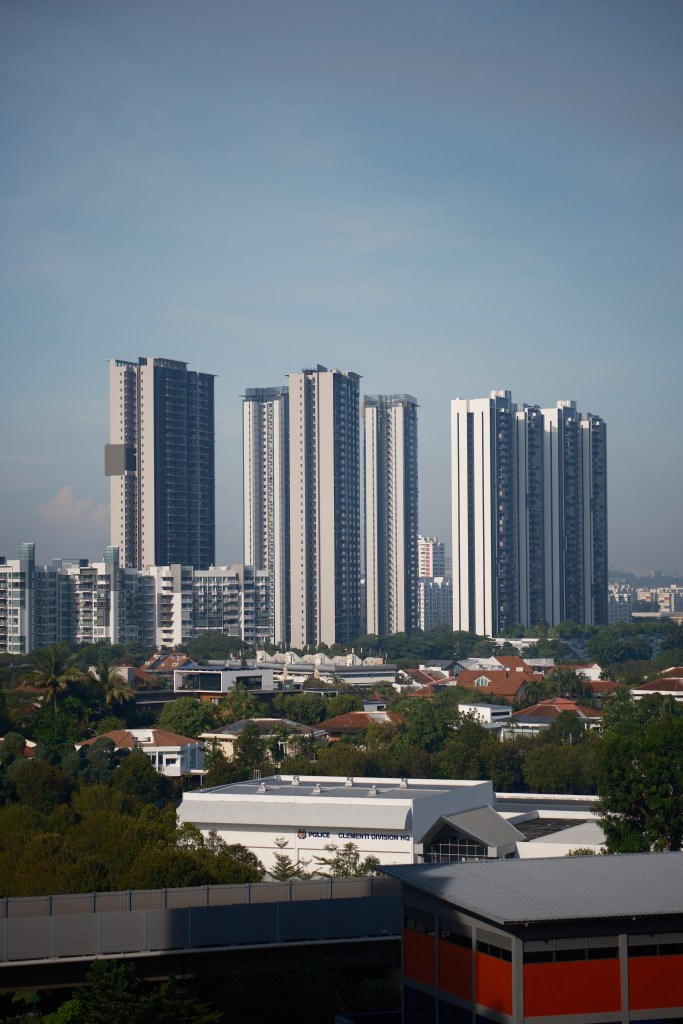
During my testing, I found it great for product shoots, street photography, and even cityscapes. As long as the framing suits your vision, the lens delivers.
Conclusion
If you already own the Viltrox 27mm f1.2 Pro and 75mm f1.2 Pro, this lens completes the f1.2 Pro “trinity,” making your lineup feel wonderfully cohesive.
Viltrox 56mm f1.2 Pro and XF56mm f1.2 WRViltrox 56mm f1.2 Pro and XF56mm f1.2 WR (with lens hoods)
Viltrox has consistently impressed with its Pro series, excellent image quality, reasonable pricing, in exchange for slightly larger size and heavier builds. The 56mm f1.2 Pro follows that philosophy closely.
Sure, the Fujifilm XF56mm f/1.2 WR edges out a bit in sharpness and autofocus reliability, but at two times the cost, is it worth it? That comes down to your priorities. If you’re chasing image quality but can’t justify the XF56mm f1.2 WR’s premium price, and you don’t mind the extra weight, the Viltrox 56mm f1.2 Pro is definitely worth considering.
X-E5 with Viltrox 56mm f1.2 ProX-M5 with Viltrox 56mm f1.2 Pro
Thank you for reading.
If you are interested in this lens, head down to this affiliate link to purchase yours.
Disclaimer: 1. All the shots taken here are shot by me. 2. Most of the shots are straight out of the camera with some shots edited via In-Camera Raw Processing. 3. The opinions are based on my experience. If there is any mistake, please kindly drop me a message and I will gladly make the amendment. 4. I reserve ownership of these images, if you wish to use my images, please notify me.
If you like my works, please follow me on either one of the 2 Instagram accounts:
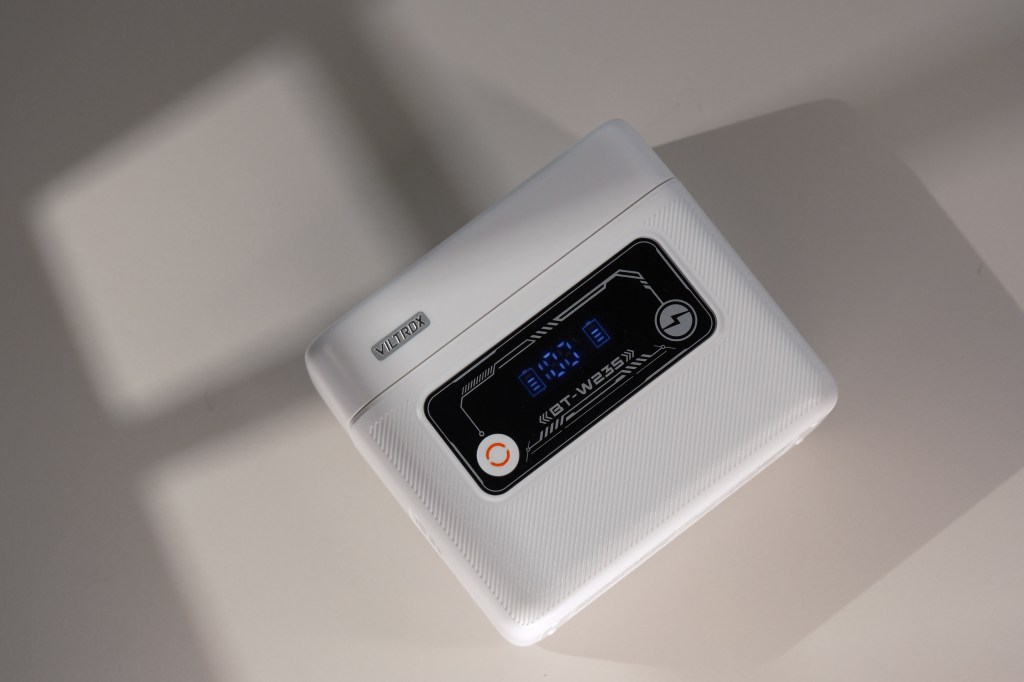
Battery charging case is not a new product accessory in the market. There are quite a few manufacturers doing similar battery charging cases for the NP-W126S and NP-W235 battery including many other popular camera battery models and brands.
Unfortunately, none of the manufacturers are familiar to me, but they are probably well-known in their home country, China. This is also why I am glad that Viltrox decided to design their own camera battery case, as I am familiar with the brand and have used several of their lenses, which I believe should have the same level of quality in their accessories.
Before I proceed further, I would like to thank the good people in Viltrox for sending this power bank to me. Having said that,my thoughts and experiences shared in this post remain completely unbiased.
Design and Build Quality
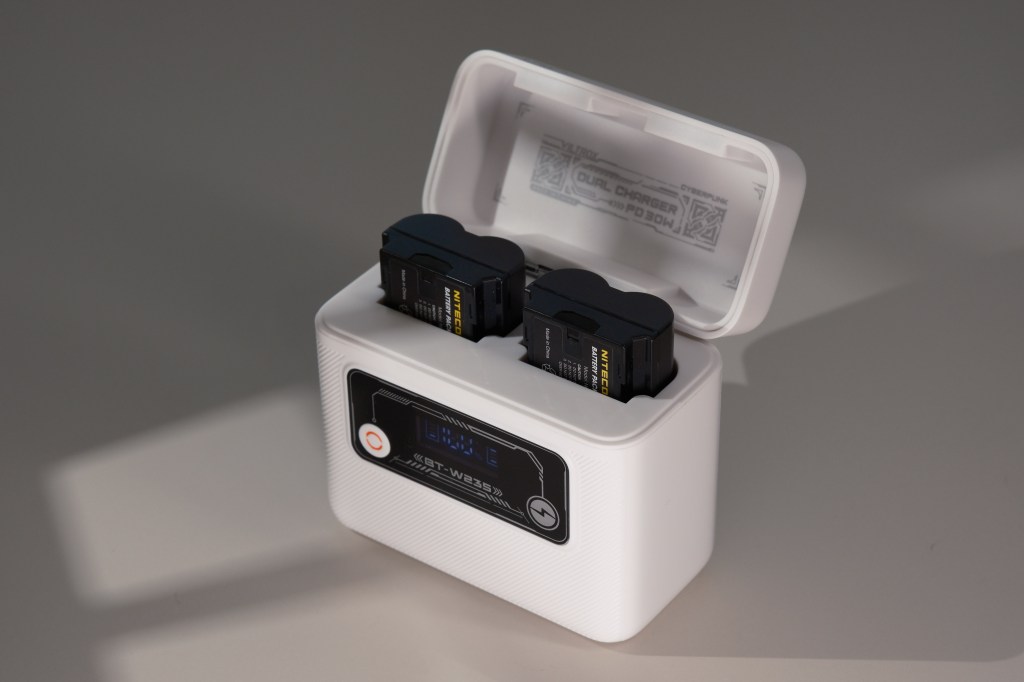
First off, it looks blocky & bulky and it does feel bulky when I holding it on my hand. But that’s totally understandable because it is designed to charge 2 x NP-W235 batteries (the battery isn’t any Smalley either) at any one time.
It is made of plastic, not the best plastic material but not the worse one either. Overall, I feel it’s an average build with decent weight (about 320 grams).
It comes with a protection cover that can magnetically snap close. Surprisingly, it gives out satisfying closing sound when the cover closed.
Capacity and Charging Speed
It is equipped with 5500mAh (40.7 Wh). With the recent airlines power bank ban, it is safe from the regulations limitations from 100 Wh. So you are safe to bring it onboard in your carry-on bag.
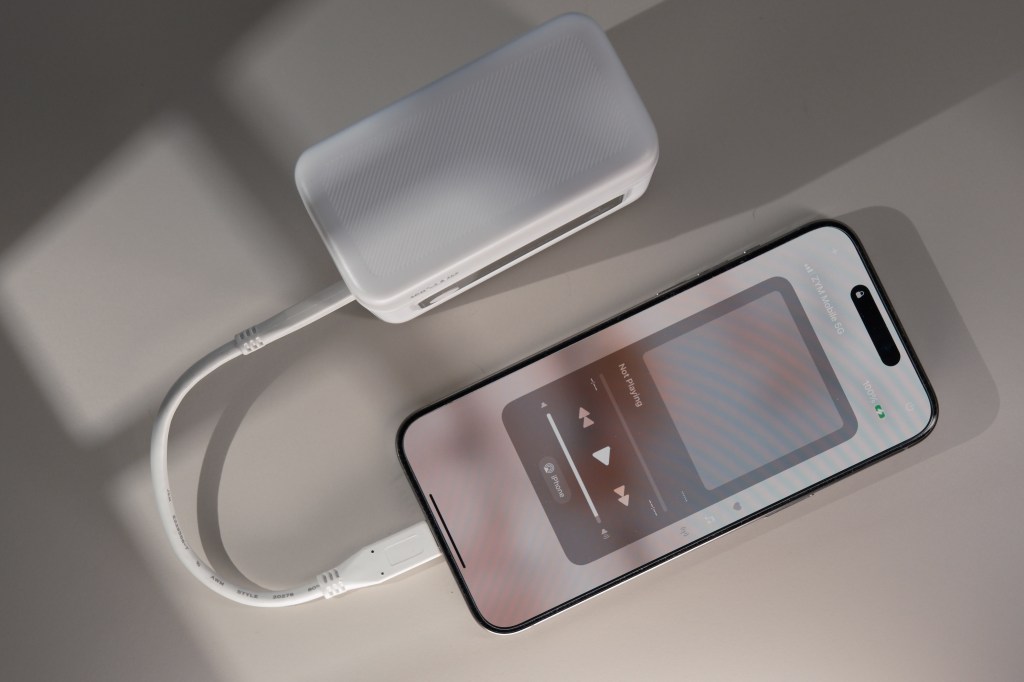
It is equipped with a decent 30W PD charging USB-C port and it is capable to full charged the power bank within 80 minutes. The power bank can also charge a mobile phone too. All you need is a cable but I think that it is not the main purpose, rather a good addition function to do so.
Oh yes, it takes about an hour to charge an empty NP-W235 to charge to 100%. Pretty decent in my option. The powerbank has a balance of 62% which, assuming no power loss during charging the battery, is about 3410 mAh juice left. In short, this power bank is capable to charge two full NP-W235 batteries and still have some remains. How great is that!
Who is this for?
I can’t deny this power bank is bulky to carry around and it is not pocketable. But I asked myself is that the purpose of this powerbank? After some thought, it is suitable for camping photographers, travel photographers and event photographers who need to juice up their batteries but there are no charging source available at their disposal.
I know there are camera batteries that come with a USB-C port for direct charging. It is a good alternative battery solution without the need for a charging dock and charging case. I think no harm in having more solutions for us to choose from based on our preferences and using behaviors.
Conclusion
This is a great attempt by Viltrox. This power bank battery charger case is available for Nikon (BT-EL15), Canon (BT-E6) and Sony (BT-FZ100) as well. However, it is priced at 70 USD. Pretty steep in my opinion but I believe the quality from the brand gives me a certain level of assurance. I hope there will be a bigger capacity like 10,000 mAh in the future.
Thank you for reading.
Disclaimer: 1. All the shots taken here are shot by me. 2. Most of the shots are straight out of the camera with some shots edited via In-Camera Raw Processing. 3. The opinions are based on my experience. If there is any mistake, please kindly drop me a message and I will gladly make the amendment. 4. I reserve ownership of these images, if you wish to use my images, please notify me.
If you like my works, please follow me on either one of the 2 Instagram accounts:
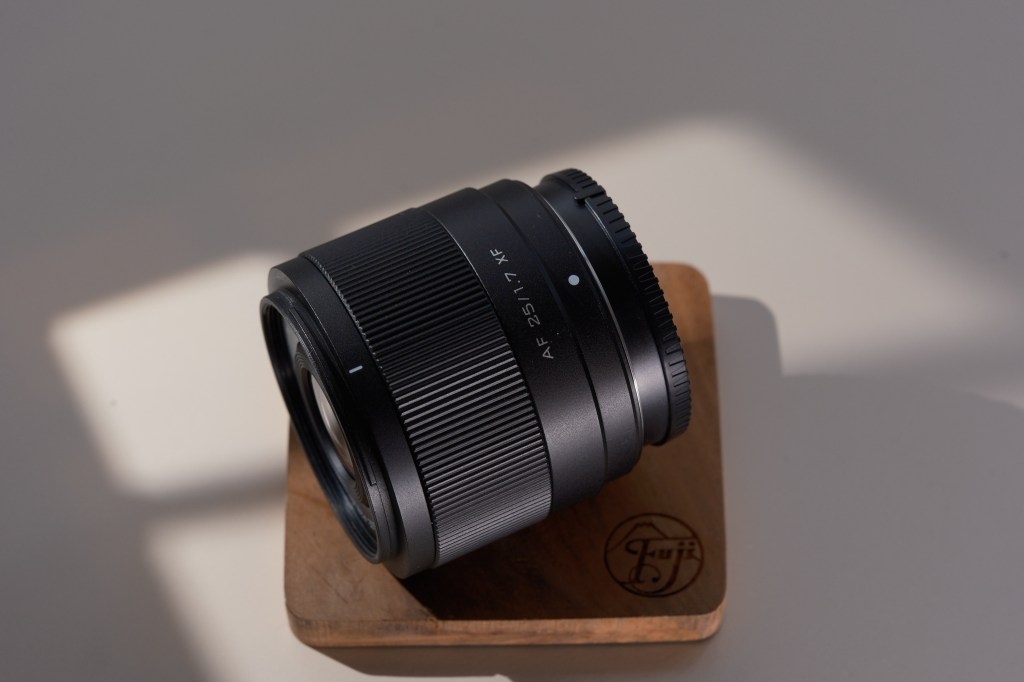
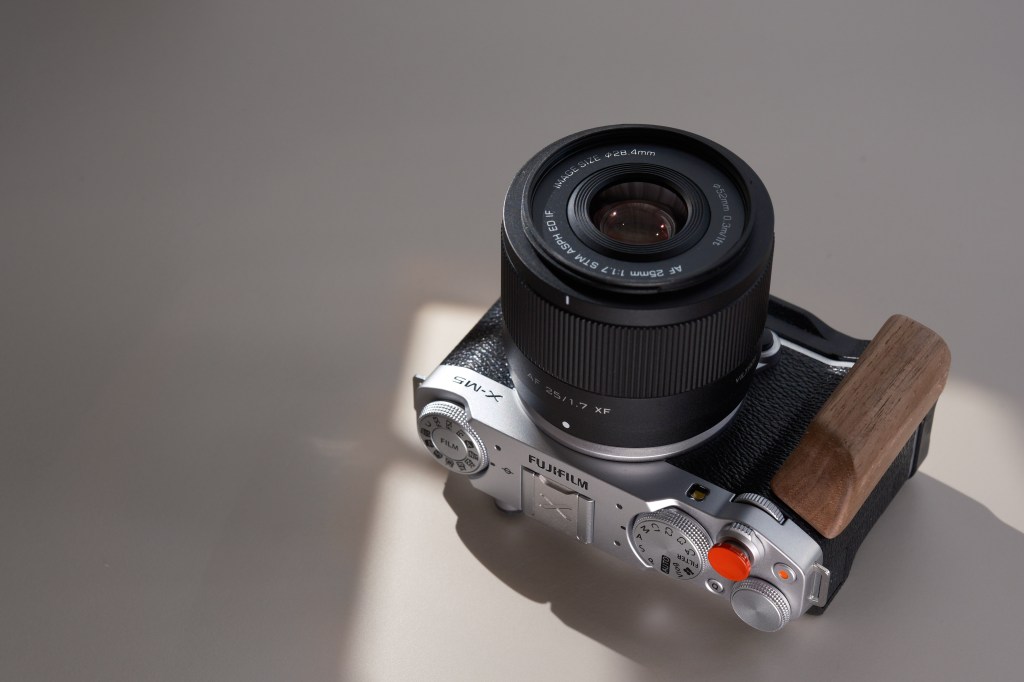
Along with the Sigma 16-300mm, this lens was the second one I packed for my recent trip to Japan. In a previous post, I mentioned how I was unsure about which lenses to bring, but then Sigma Marketing Singapore reached out, and my good friend Ivan Joshua Loh handed me this compact prime lens to try out. So, these are the two lenses I took with me on my Japan trip. (And by the way, I also brought along the Instax Wide Evo, but that is for the other day.)
Viltrox 25mm f1.7Viltrox 25mm f1.7
Intro
The Viltrox “Air” series has gained significant popularity among photographers, and Viltrox shows no signs of slowing down. Following the release of the Viltrox 56mm f1.7 and Viltrox 35mm f1.7, the company introduced the latest addition to the “Air” family, the Viltrox 25mm f1.7, in February 2025. This completes the “Air” trinity.
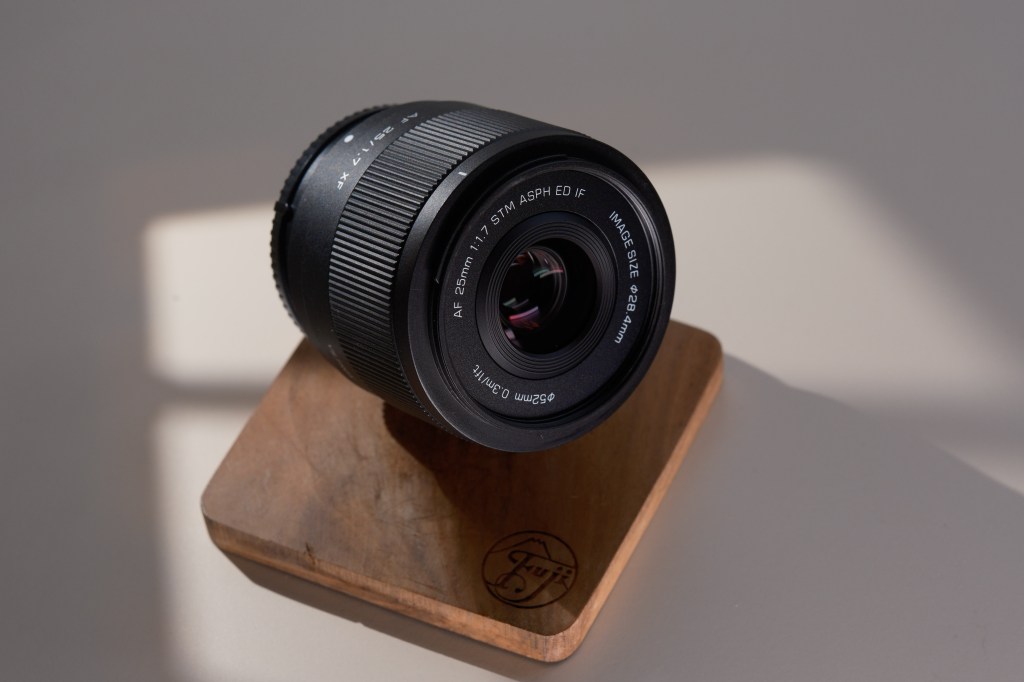
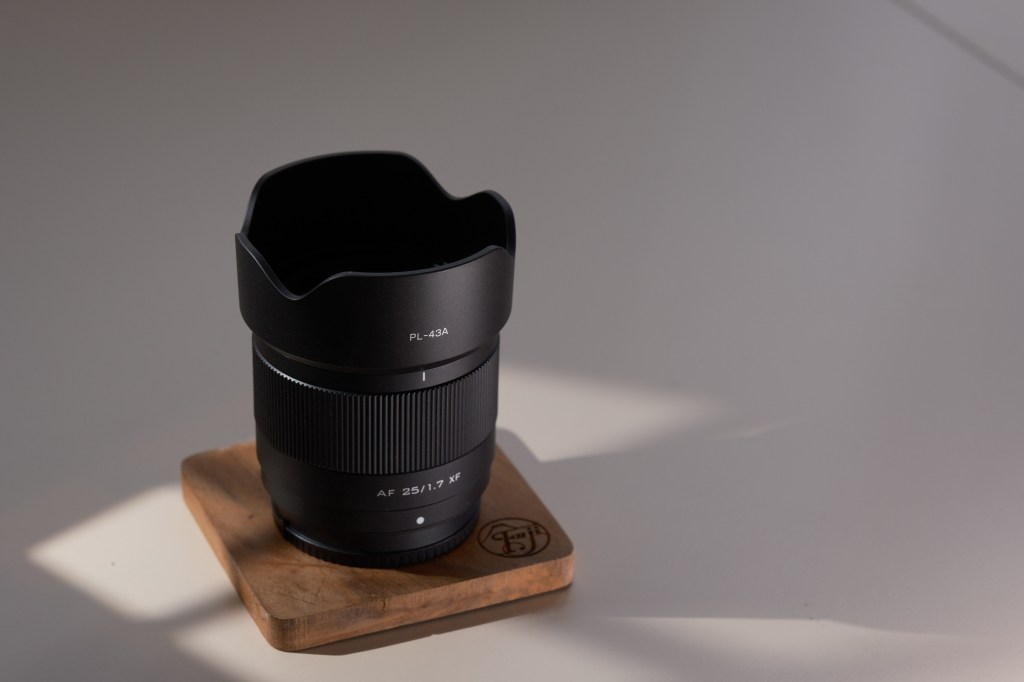
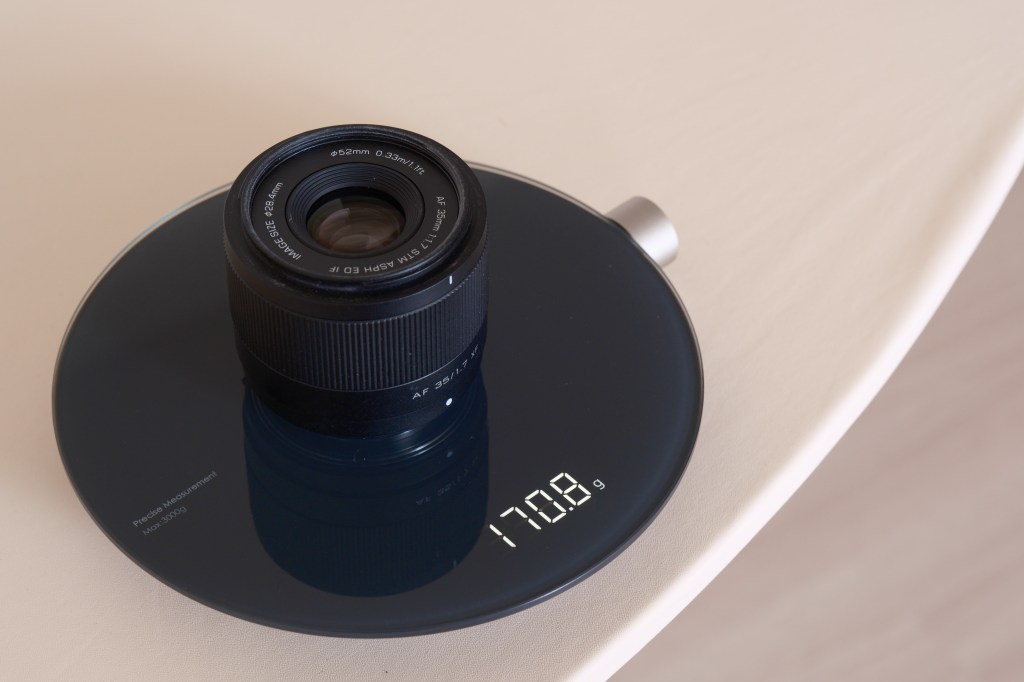
As part of the “Air” series, this lens follows the same design language as the other two “Air” lenses, staying true to the series’ characteristics. It features the same plastic build, is lightweight at just 170 grams, and has a 52mm filter size. It also lacks an aperture ring. I previously mentioned that the Viltrox 35mm f1.7’s plastic material is resistant to fingerprints, and this lens shares the same feature.
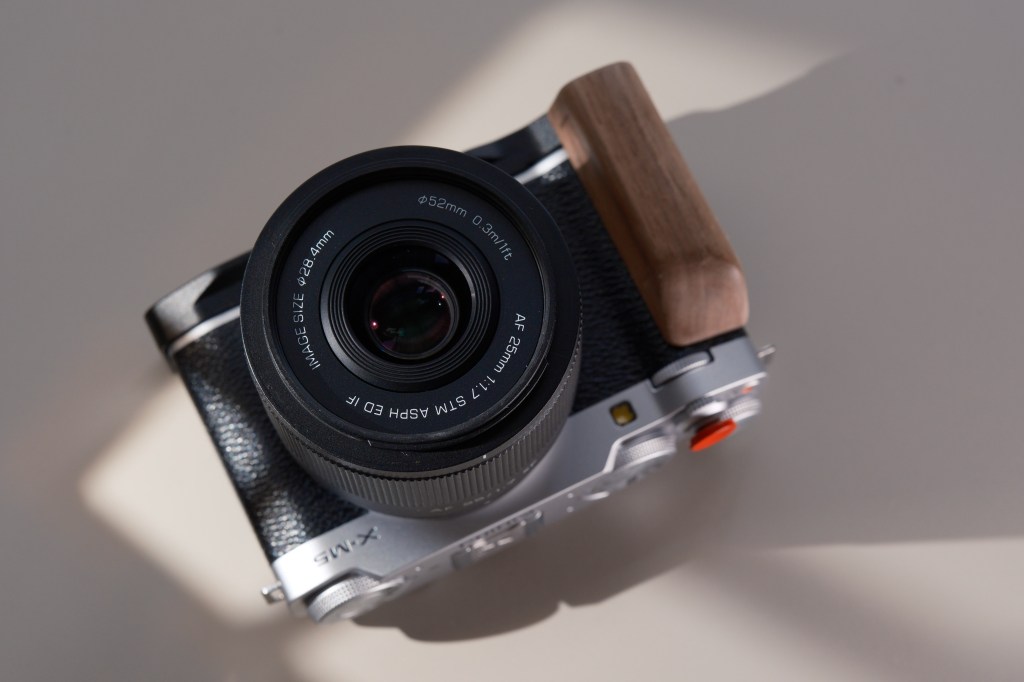
Overall, it feels comfortable to hold and pairs nicely with the smallest Fuji camera, the X-M5. And yes, it comes with a plastic petal lens hood.
Image Quality
While the image quality doesn’t quite match the “Pro” or “Lab” series, the results are still solid, offering good contrast and sharpness when wide open. While it may not reach the benchmark set by Fujifilm’s compact prime lenses, like the XF 23mm f2 WR, I think it’s more than sufficient for social media posts and even prints, as long as you’re not too particular.
That said, the vignetting appears more pronounced than on the 35mm variant, which isn’t to my preference. As for chromatic aberration, Viltrox has done a good job here, as it’s not noticeable to my eyes.
When it comes to sun stars, the lines appear softer, similar to the Viltrox 35mm f1.7.
The lens is equipped with a Stepper Motor (STM), and in my experience, it performs quite well. While it isn’t as fast as high-end prime lenses, the focusing speed is still decent, and it locks onto subjects effectively. During my testing on a trip, even in low-light conditions, I didn’t encounter any issues with misfocusing or focus-pulling. The only time it struggles is when I’m too close to the Minimum Focus Distance (MFD).
Focusing from MFD to infinity is relatively quick, especially considering its price point, and Eye-AF functions properly as well.
Minimum Focus Distance (MFD)
I was hoping for a closer Minimum Focus Distance (MFD), but unfortunately, it’s 30cm. It’s not terrible, though I wish it were a bit closer for a better perspective. On the bright side, I’m pleased to see that the image quality remains consistent and doesn’t degrade.
At 176 USD, this lens is priced similarly to its two siblings. It seems to be part of Viltrox’s strategy to keep the price of all three lenses competitively low in order to attract more photographers. However, Viltrox faces stiff competition from TTArtisan, which offers similar lenses at an even lower price point.
An interesting detail is that all the “Air” lenses share the same weight and filter size. This is great for photographers looking to travel light with minimal filters. In fact, combining the X-M5 with all three “Air” lenses results in a total weight of 865 grams (355 grams for the camera + 170 grams for each lens x3).
Like most third-party brands, it includes a USB-C port for firmware updates, which is located at the rear of the lens.
Viltrox 25mm f1.7 USB-C port
Who is this for?
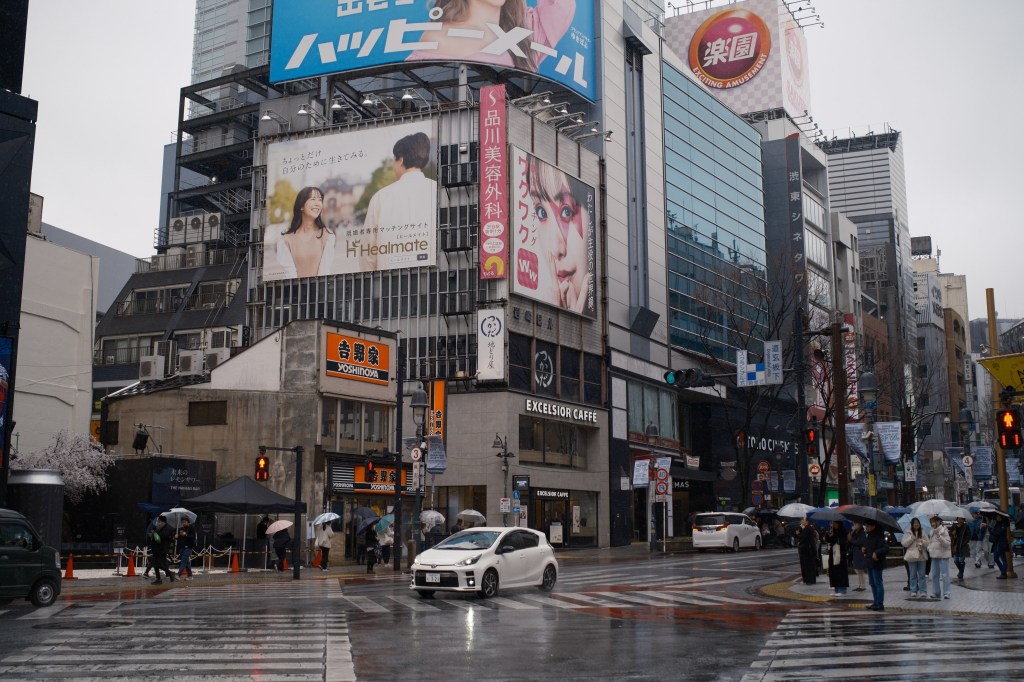
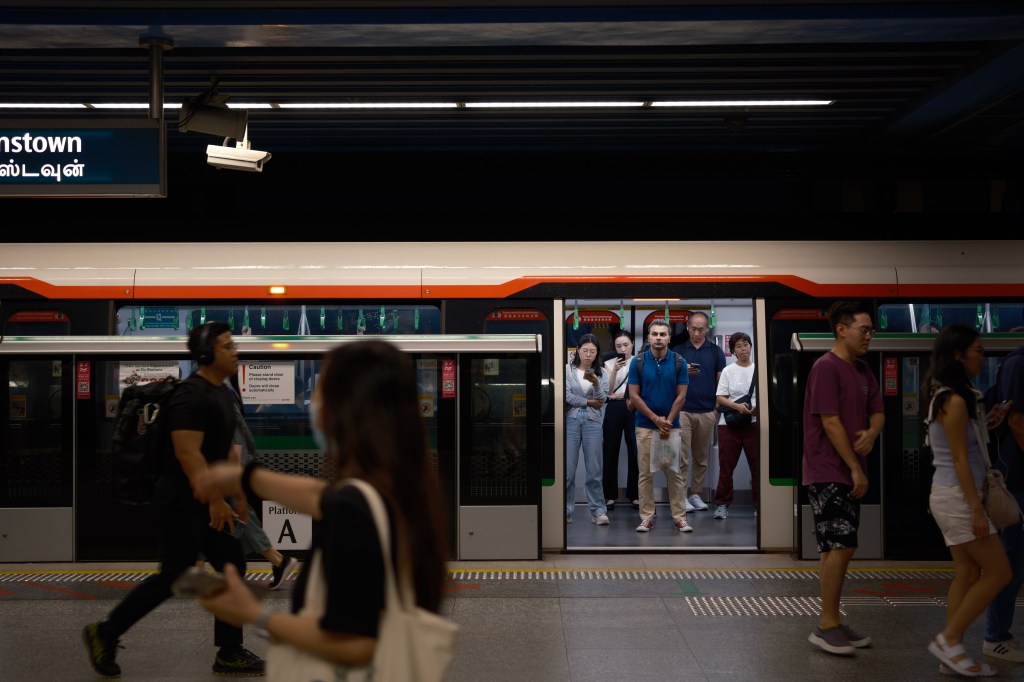
At 25mm (equivalent to 37.5mm on full-frame), the focal length falls somewhere between 35mm and 40mm. Personally, I find it quite comfortable. During my trip, I had no issues using this focal length for street photography, product shots, and environmental portraits.
Probably due to my preference for the focal length, I find myself liking this lens more than the Viltrox 35mm f1.7. One of the things I appreciate about these trinity lenses is that they all share the same size, filter size, and weight. It’s a smart design choice that allows Viltrox to maintain a consistent philosophy across three different focal lengths.
Viltrox has created a solid budget-friendly trinity lineup, which is great for new photographers who either have a limited budget or don’t want to invest in more expensive lenses. The image quality is quite good for the price. If you’re a fan of Viltrox, this lens is a great starting point for prime lenses. That said, I still think TTArtisan offers a more cost-effective option.
Fuji X-M5 with Viltrox 25mm f1.7Fuji X-M5 with Viltrox 25mm f1.7
Thank you for reading.
Disclaimer: 1. All the shots taken here are shot by me. 2. Most of the shots are straight out of the camera with some shots edited via In-Camera Raw Processing. 3. The opinions are based on my experience. If there is any mistake, please kindly drop me a message and I will gladly make the amendment. 4. I reserve ownership of these images, if you wish to use my images, please notify me. 5. If you are interested in this lens and also wish to support me, this is the affilinate linkto purchase.
If you like my works, please follow me on either one of the 2 Instagram accounts:
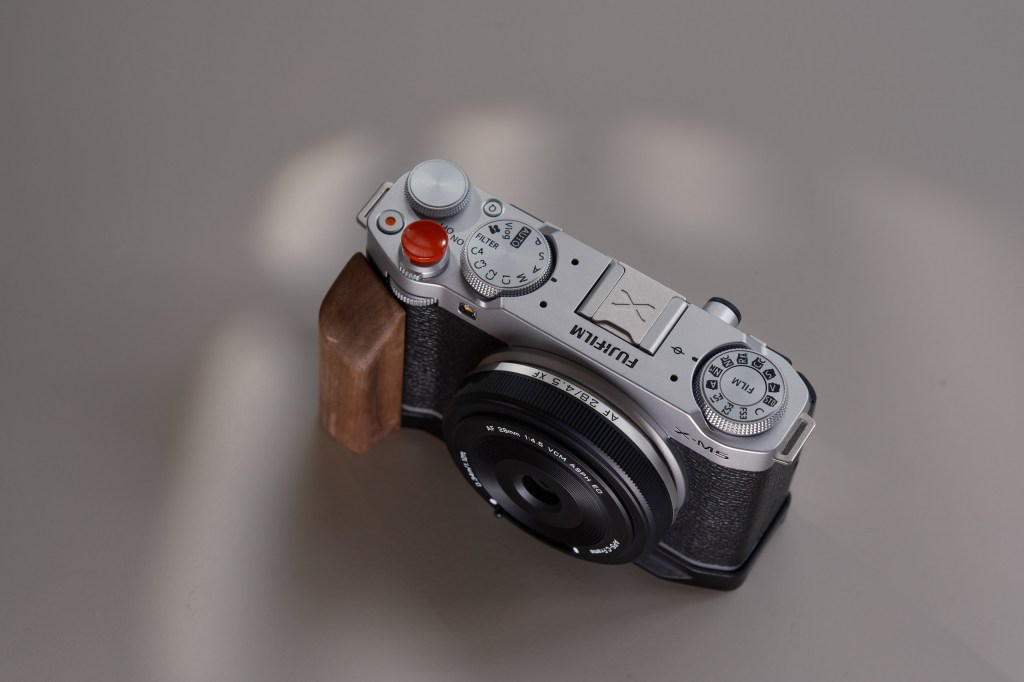
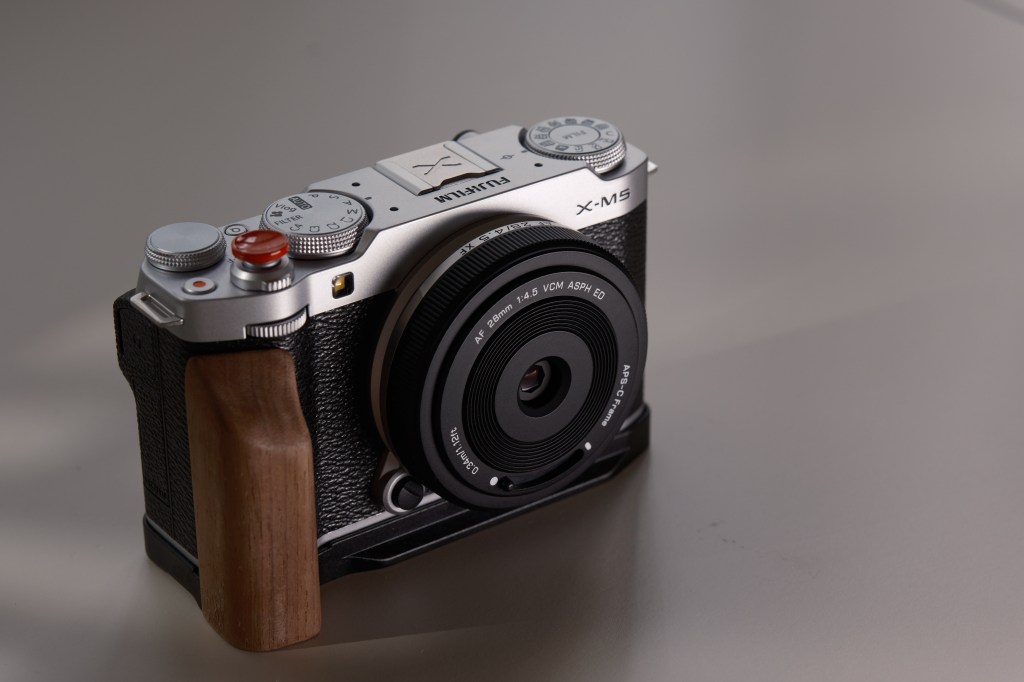
Lens caps that can shoot aren’t exactly new to the market, but they are certainly a niche, unique, and interesting product. If you’ve been using Fujifilm for a while, you might recall that they released the XM-FL before.
Viltrox 28mm f4.5
You can even make one yourself using a plastic lens from a disposable camera and a lens cap. While not many third-party manufacturers venture into this, 7Artisans and FunLeader are among those who create manual lens caps that shoot. These lenses are fun to use with no high expectations for image quality, typically featuring a slow aperture.
Then Viltrox shook things up by introducing something entirely different—a lens cap with autofocus. A concept so unique, no one else had even thought to try it.
Intro
The Viltrox 28mm f4.5 for X-mount officially launched on January 20, 2025. If you recall, Viltrox initially introduced this lens cap concept through an Indiegogo campaign—but that version was exclusively for Sony E-mount. Thankfully (no surprise), the campaign was a success, which eventually led to the release of the X-mount version.
Before diving deeper, I want to express my gratitude to the awesome team at Viltrox for sending this lens cap over. That said, my thoughts and experiences shared in this post remain completely unbiased.
Design and Build Quality
Weighing in at just 60 grams, this is the lightest autofocus lens I’ve ever used. Despite its featherweight, the lens features a full metal build—nothing about it feels flimsy or cheaply made.
Like most lens cap-style lenses, it offers only a single aperture setting. In this case, it’s fixed at f4.5 and there is no adjusting it beyond that.
If you prefer manual focus, the lens does include a tiny focus ring, giving you a bit of control when needed.
Image Quality
Image quality is fairly decent and nothing groundbreaking, but it delivers acceptable contrast and sharpness that’s more than enough for casual or social media use.
At f4.5, vignetting is definitely noticeable, though thankfully, chromatic aberration remains minimal and isn’t too distracting.
Given the fixed aperture of f4.5, background and subject separation isn’t as pronounced compared to faster lenses. That said, with the right composition, you can still achieve a pleasing bit of background blur.
Focusing
To my surprise, the autofocus performance is better than I have expected. There are occasional hiccups where it doesn’t lock focus on the first try, but it usually kicks in by the second or third attempt.
When it does work, the focusing speed is reasonable. Transitions between the minimum focus distance and infinity are decent—not lightning-fast, but perfectly acceptable for a lens of this kind. All of this is driven by a Voice Coil Motor (VCM), which gets the job done for a compact, chip-style lens.
Minimum Focus Distance (MFD)
No lens is without its flaws, and this one is no exception. It features a minimum focus distance (MFD) of 34cm—which, considering its compact size, is actually better than expected. Fortunately, image quality doesn’t take a hit at this distance. However, the depth of field remains fairly shallow and not particularly impressive.
At just 99 USD, this is likely the most affordable autofocus lens you can get your hands on. With no direct competitors in its category and price range, it really stands out. Honestly, it’s a no-brainer for any photographer looking for a lens cap they can actually shoot with—practical, fun, and ready to go.
This lens doesn’t come with a separate external lens cap—instead, it has one built in. A sliding lever lets you open it up for shooting or close it to protect the glass. It’s a pretty clever design. But the real question is: would you want to see this kind of innovation carried over to future lenses?
Lens: Fuji X-M5 with Viltrox 28mm f4.5 – open lens cap Right: Fuji X-M5 with Viltrox 28mm f4.5 – close lens cap
Like other Viltrox autofocus lenses, this one also features a USB-C port at the rear. It’s there for potential firmware updates. You might wonder what kind of updates a tiny “chip-sized” lens would even need—possibly improvements to autofocus performance or compatibility tweaks for newer camera bodies. Either way, it’s a handy feature to have.
Viltrox 28mm f4.5 USB-C port
Who is this for?
Everyone. Honestly, this lens is so affordable that I can’t help but recommend it to everyone, just for the fun of it. It’s the kind of gear that’s easy to enjoy without overthinking. In fact, it even makes for a great gift that won’t hurt your wallet.
This lens isn’t perfect by any means. The lack of adjustable aperture values can limit your shooting options and flexibility. However, I find it enjoyable to explore and shoot with this 42mm (full-frame equivalent) focal length.
While the fixed aperture is small, I do wish Viltrox could have made it a bit brighter—maybe around f3.5. That said, I also understand that a brighter aperture would require a larger, heavier design, which could defeat the purpose of creating a compact, lens cap-style shooter.
Fuji X-M5 with Viltrox 28mm f4.5Fuji X-M5 with Viltrox 28mm f4.5
Overall, this is a fun and unique lens to experiment with. I’m looking forward to seeing more creative lenses from Viltrox for the APS-C and Fujifilm community.
Thank you for reading.
Disclaimer: 1. All the shots taken here are shot by me. 2. Most of the shots are straight out of the camera with some shots edited via In-Camera Raw Processing. 3. The opinions are based on my experience. If there is any mistake, please kindly drop me a message and I will gladly make the amendment. 4. I reserve ownership of these images, if you wish to use my images, please notify me. 5. If you are interested in this lens and also wish to support me, this is the affilinate link to purchase
If you like my works, please follow me on either one of the 2 Instagram accounts:
Viltrox has been very active this year. If you’ve been keeping up with their releases, they’ve introduced several lenses, such as the Viltrox 56mm f1.7, Viltrox 28mm f4.5, Viltrox 135mm f1.8 Lab, and two others. With the announcement of the Viltrox 35mm f1.7 today, the company has now released six lenses. That’s a notable number of launches in a single year, although not all of them are X-mount lenses.
Viltrox 35mm f1.7
Intro
Viltrox has previously released a similar focal length, but it was brighter, heavier, and more expensive. There was a gap in the entry-level segment, which Viltrox recognized, leading to the introduction of their Air series, starting with the Viltrox 56mm f1.7.
Viltrox 35mm f1.7
Viltrox has been quite open about their new Air series lens, sharing updates and organizing one giveaway on social media leading up to the release. On December 18, 2024, they introduced the second lens in the Air series, the 35mm f1.7. The 50mm (full-frame equivalent) is a favorite among professionals, and this new lens complements it, designed to attract a broader audience of aspiring photographers.
Viltrox 35mm f1.7
Design and Build Quality
The design of this lens is identical to its sibling, Viltrox 56mm f1.7. Simple, minimalistic, and clean. That said, it does not come with an aperture ring. In my opinion, the lens design is somewhat similar to the Sigma Contemporary prime lenses, i.e. Sigma 30mm f1.4.
This lens has a plastic construction, but surprisingly, the build quality is quite good. It doesn’t feel cheap when held. I also found it interesting that the plastic material appears to be resistant to fingerprints.
As for weight, it is just 170 grams and comes with a small 52mm filter size. It’s quite lightweight and easy to handle, and I have no problems using this lens. It does come with a petal-like lens hood, and it is made of plastic.
Viltrox 35mm f1.7
Image Quality
The image quality is sharp at wide-open but not as tad sharp as XF33mm f1.4, and the contrast is punchy. Vignetting is there and it may seem mild to me, but it can be obvious to some. For chromatic aberration, it isn’t obvious to my eyes. This exceeds my expectations of an entry-level. That said, I feel it is quite usable for most photographers. If you do pixel peeps, I suggest the Fujifilm prime lenses will not go wrong, especially the XF33mm f1.4.
I like how the rendering of the background blur is not messy and does not disturb the main focused subject.
For sun star lovers, the result of this lens is not so usable, at least in my opinion. It lacks defined lines and is kind of a bit messy. But I think this is not important as this is not what many photographers are looking for.
This lens has a 33cm MFD, which is pretty decent for an entry-level lens. I did not see much degradation in the image quality as well, but a little lost in contrast.
Like all third-party autofocus lenses, it comes with a Stepper Motor (STM) to drive the focusing system. However, the focusing speed may be a little slow if you are shooting from MFD to infinity and vice versa. It will have that split-second undecisive focusing moment before its focus is locked successfully. The good thing is that I did not experience any misfocus in my shots.
When it comes to lens breathing, there is a small breathing gap between the MFD and infinity. Videographers probably need to take note about it.
The eye tracking from both X-T5 and X-M5 works fine with this lens. No major abnormal behavior is observed during my testing. However, I do have some misses where the lens decides to give me a pull-focusing when the subject is in focused.
At 180 USD, it is priced the same as its sibling and very competitive. For reference, XF 35mm f2 is priced at 399 USD, XC 35mm f2 is priced at 199 USD, Sirui 33mm f1.2 is priced at 280 USD, and Meike 33mm f1.4 is priced at 230 USD.
At this price range, it comes with a waterproof coating. Mind you, it is not weatherproof resistant. So I assume that this lens is fine when facing drizzling.
Also, the official stated it comes with an Anti-Fouling layer. While it does not give more information about this other than “Keeps your lens clean and clear,” so my another assumption is it could have some coating in the front lens element that helps to prevent some level of smudge.
Lastly, similar to all Viltrox lenses, it comes with a USB-C port solely for one purpose; firmware upgrades.
Viltrox 35mm f1.7 rear with USB-C port
Who is this for?
At this price point, this lens is perfect for budget-conscious photographers who don’t want to compromise on image quality. It’s versatile enough for various genres, including portraits, street photography, documentary, landscapes, and everything in between. Additionally, it can serve as a backup lens for full-time photographers who are just starting out or for professionals seeking a lightweight gear setup during their days off or vacations.
Viltrox has made impressive strides, excelling not only in their Pro series, like the Viltrox 75mm f1.2 and Viltrox 27mm f1.2 but also in this segment. It seems they aim to capture a broad market and become the top third-party manufacturer.
This is a highly capable budget lens that raises the bar for competition in this category. For those seeking a solid prime lens without a hefty investment, this is definitely worth considering. While we have seen 2 of the 3 focal lengths released, I am not surprised that Viltrox will release the 23mm focal length to fill up the Trinity lens set-up.
On a separate note, I look forward to seeing the white version of this lens, along with its sibling for the X-mount.
Fujifilm X-M5 with Viltrox 35mm f1.7
Thank you for reading.
Disclaimer: 1. All the shots taken here are shot by me. 2. Most of the shots are straight out of the camera with some shots edited via In-Camera Raw Processing. 3. The opinions are based on my experience. If there is any mistake, please kindly drop me a message and I will gladly make the amendment. 4. I reserve ownership of these images, if you wish to use my images, please notify me.
If you like my works, please follow me on either one of the 2 Instagram accounts:
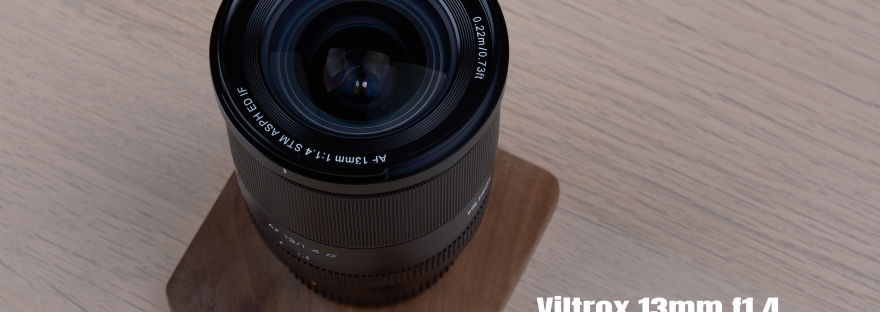
Viltrox 13mm f1.4 was announced back in January 2022. The lens is well received with many positive feedbacks from many photographers. I also do remember it was a challenge to snap one for my use and eventually, I gave up on getting one during that period. Of course, I eventually managed to buy one from an online platform.
Viltrox 13mm f1.4
Intro
Viltrox is the first brand that Fujifilm photographers are exposed to the third-party autofocus lens and the rest is history. Today, Fujifilm photographers have always been their first customers. For example, Viltrox 75mm f1.2 Pro and Viltrox 27mm f1.2 Pro were launched in X-mount first before any other mounts.
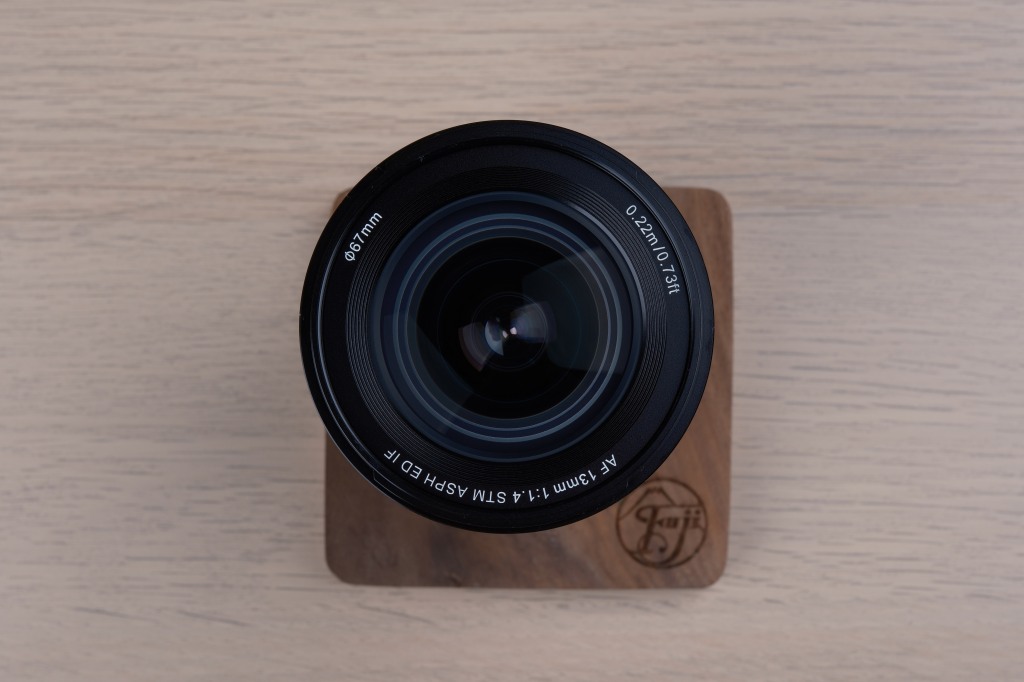
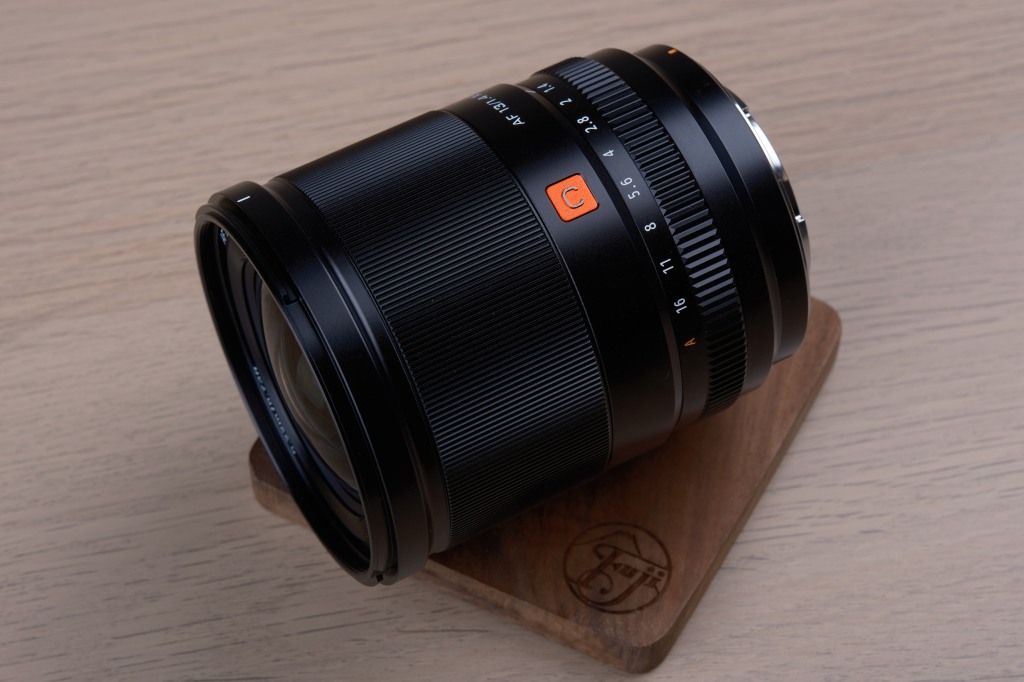
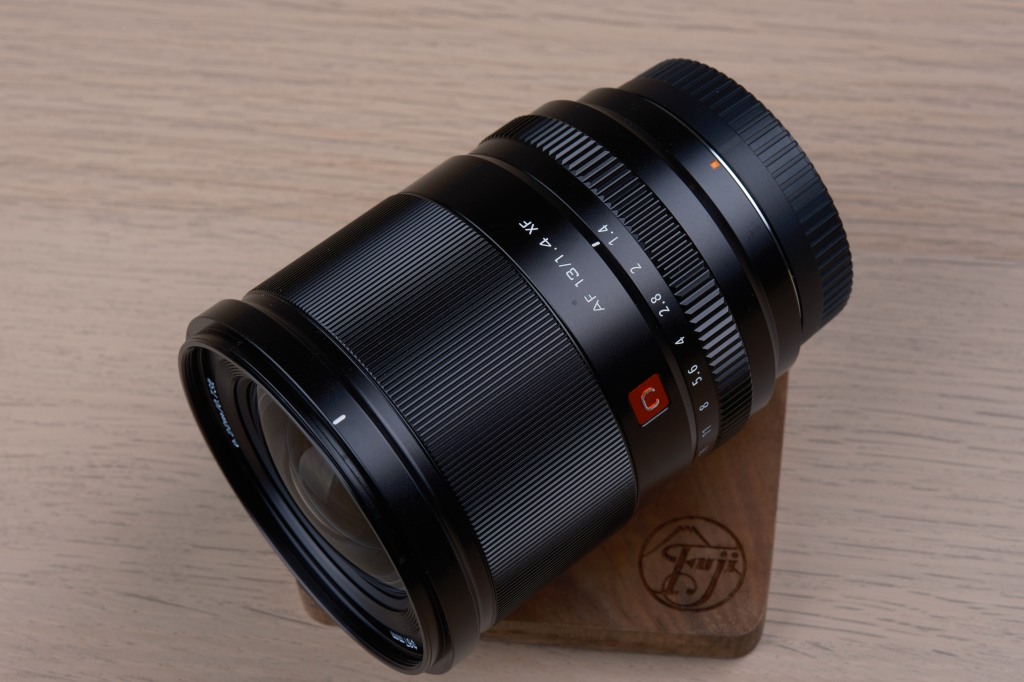
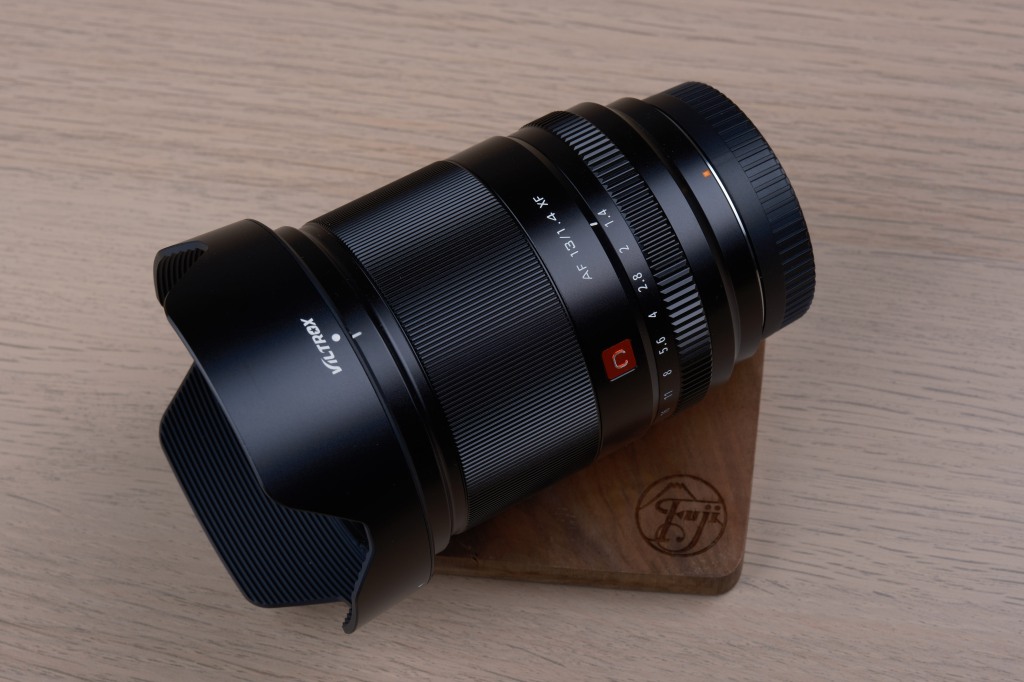
C stands for ConsumerLeft: Viltrox 13mm f1.4 without the lens hood Right: Viltrox 13mm f1.4 with the lens hood
Viltrox positions its first ultrawide lens uniquely. They are not aiming to be the widest autofocus lens but strike a good balance between “wide” and “fast”. 13mm (19.5mm in full frame equivalent) is not the widest ultrawide lens (XF8mm f3.5 is the widest prime lens in the market ) but it is definitely the fastest one yet (same aperture as XF16mm f1.4).
I seldom set expectations for a China-made lens, but given the Viltrox improving records, I had a lot of expectations for this lens before getting one for myself. I hope it will fulfill the expectations I set for it.
At this point of writing, this lens comes with an X-mount and an E-mount.
Design and Build Quality
The metal-constructed lens body is great. In my opinion, it is as close as the pro lineup. It comes with a good clicky aperture ring but is not as tactile as the aperture ring found in the pro lineup.
When holding it on hand, the 420 grams feel lighter as compared to the Viltrox 27mm (560 grams) and Viltrox 75mm (670 grams). I also appreciate that the filter size is 67mm which allows photographers to access various filters without having to pay for more expensive ones.
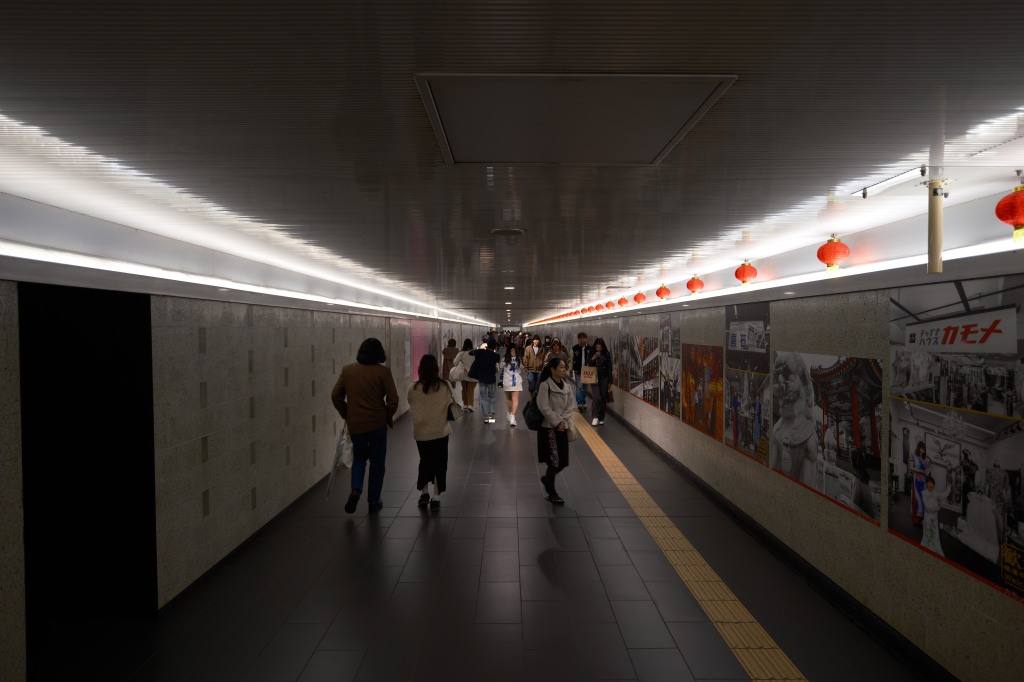
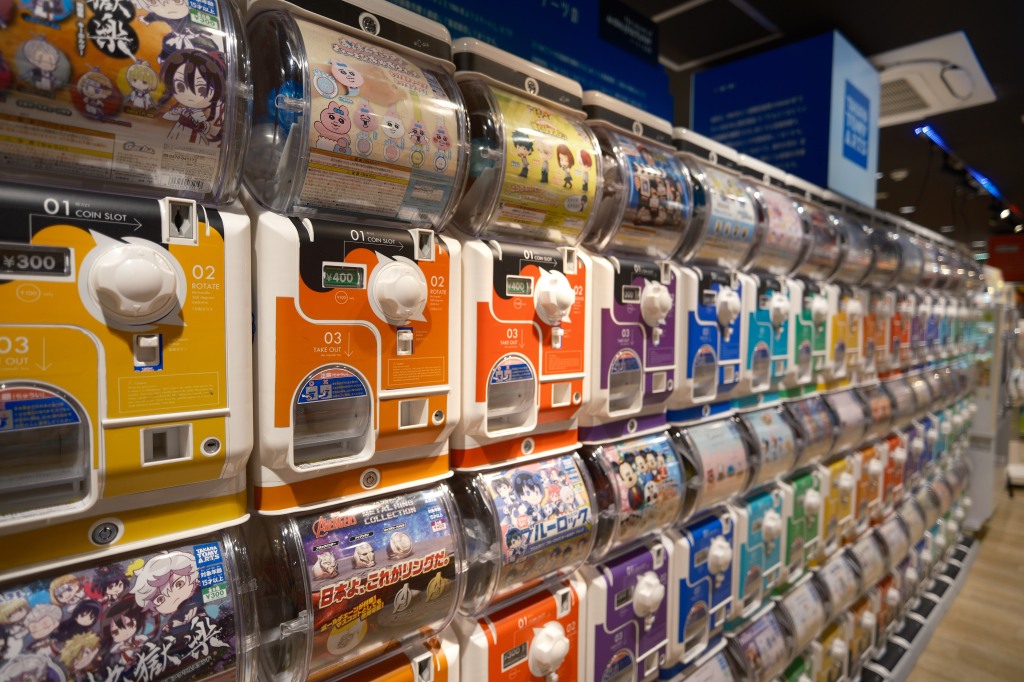
Image quality is surprisingly great for an ultrawide lens. The results are pretty usable at wide-open. The contrast is good. Corner-to-corner sharpness is fine and the distortion is within my bearable range. As for overall sharpness, it does not give blazer sharpness as compared to the pro lineup but is not too far behind.
Vignetting is visible at wide-open but acceptable in my opinion. It is not as heavy as I have expected. Chromatic aberration is pretty well-controlled in this lens.
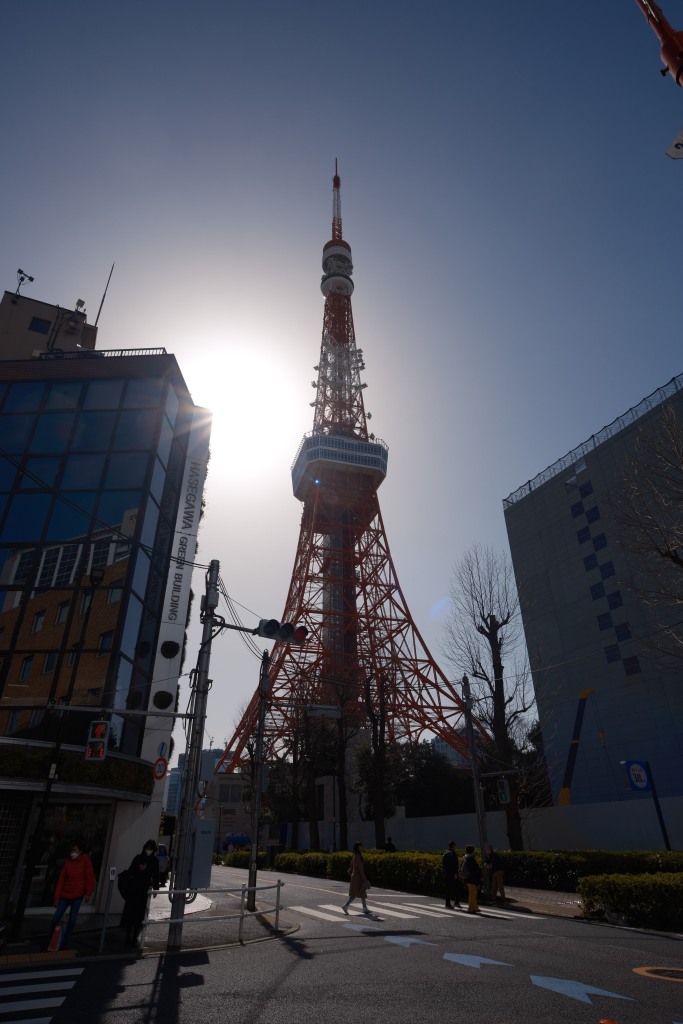
Flares and ghosting are obviously visible from direct sunlight. So beware if you want to avoid these.
From the Viltrox online store, it mentioned that the focusing system is Stepper Motor (STM) + Lead Screw. I have very shallow knowledge and probably it is my first time hearing of “Lead Screw”. So I do some Google study.
As far as I can find, there are two types of STM, Lead Screw type and Gear type. The lead screw is bulkier as compared to the gear type but faster and quieter. Gear type is usually found in compact lenses. However, both STMs produce smooth and quiet focusing movement which benefits the videographer.
I guess this is one of the reasons why this lens is big?
Focus breathing is surprisingly very minimal. A good one for videographers who plan to use this lens for their work.
Focusing performance is great, I have only encountered very few focus-hunting throughout my trip to Japan. The focus speed from MFD to infinity and vice versa is pretty decent for an ultrawide lens. I have no complaint in this.
This lens comes with an MFD of 22cm. While there isn’t any benchmark of the exact same focal length from other manufacturers. So I extract what other ultrawide lenses’ MFDs are:
XF16mm f1.4 – 15cm
XF8mm f3.5 – 18cm
Sigma 16mm f1.4 – 25cm
Meike 12mm f2 – 20cm
Meike 10mm f2 – 30cm
TTArtisan 10mm f2 – 25cm
Given some references I have picked up over here, I could say the MFD of the Viltrox 13mm is somewhat average. The good things is that the image quality at MFD still maintain a good quality and not experience some image breakdown like some other lenses.
In Viltrox online store, it is priced at 630 USD while it is priced at 459 USD in B&H. I think there aren’t any much prime lens competitors. There is only one I can recall and that’s Samyang 12mm f2 and it is priced at about 395 USD. Meanwhile, XF8mm f3.5 is priced at 799 USD.
Like the other Viltrox AF lenses, it comes with a USB port for future firmware updates. In this case, it is a USB-C port.
Viltrox 13mm f1.4 – USB-C port
There is also one thing that sets this lens apart from the pro lineup and that is the lens hood. It comes with plastic quality instead of metal. If this is something you are looking forward to, you might be disappointed.
Who is this for?
Although I always choose prime over zoom lens for street lenses, I prefer a more zoom versatility for ultrawide lenses, for example, Sigma 10-18 f2.8 or Tamron 11-20 f2.8. The reason is that ultrawide focal length is a lot less used in my type of photo genre.
Putting my own preferences aside, this lens is suitable for architecture, astrography, cityscape, and landscape. Besides all these genres, this lens is up to your creativity to create.
Oh yes, it can be a good lens for vloggers too.
Conclusion
Although it is not part of the Viltrox “Pro” series category, in my opinion, it is quite on par with the “Pro” series lenses, especially in the image quality and overall performance.
If you own both the Viltrox 27mm f1.2 and Viltrox 75mm f1.2 and you do not have an ultrawide lens, I think this lens is a good complement to form the “trinity” lenses from Viltrox. If you are just searching for a great ultrawide prime lens, then this could be it. Because this lens is worth considering.
Disclaimer: 1. All the shots taken here are shot by me. 2. Most of the shots are straight out of the camera with some shots edited via In-Camera Raw Processing and Lightroom. 3. The opinions are based on my experience. If there is any mistake, please kindly drop me a message and I will gladly make the amendment. 4. I reserve ownership of these images, if you wish to use my images, please notify me. 5. Some readers might have noticed that I shoot more at f5.6 and that is because I have never thought of sharing my opinion initially. Since it is my holiday, so I should shoot something that I am more comfortable with.
This is the second of the above-mentioned series. I have recently tested the Viltrox 27mm and much earlier with the TTArtisan variant and the Fuji variant. So in the name of fun, I am trying to compare the image quality among the 3.
From left to right: XF27mm, Viltrox 27mm, TTArtisan 27mm
Of course, this comparison is not scientific, nothing technical or chart board to take reference and compare. Photos are taken in my house.
The comparison is simple. Shoot at the respective lens’ Minimum Focus Distance (MFSD), at approximately 50cm and 100cm. Apertures range from wide-open, f2 (only applies to Viltrox), f4, and f5.6.
For a note, the MFD for the lenses are as of below: Viltrox 27mm – 28cm XF27mm – 34cm TTArtisan 27mm – 35cm
In my opinion, Viltrox seems to be the better one in overall performance out of the 3 and it also has a very usable MFD. Of course, better image quality comes with some sacrifice: weight and price. It is selling at a retail price of 549 USD as compared to XF27mm at 399 USD and TTArtisan 27mm at 159 USD. So which one will you get? Image quality over everything? or Striking a balance between image quality and weight? or Getting the best value?
Thank you for reading.
Disclaimer: 1. All the shots taken here are shot by me. 2. All shots are straight out of the camera. 3. The opinions are based on my experience. If there is any mistake, please kindly drop me a message and I will gladly make the amendment. 4. I reserve ownership of these images, if you wish to use my images, please notify me.
If you like my works, please follow me on either one of the 2 Instagram accounts:
I can still remember the Fuji X-S10 surprised the world when it was announced back in 2020. The SLR-style mirrorless camera not only surprised the Fuji community but also gained unexpected popularity from outside the Fuji community. It was a successful product. 3 years later, Fujifilm introduced the successor, X-S20, to the world. Is it attractive for the community again?
Fuji X-S20 with XF23mm f1.4 WR
Fujifilm takes a good approach to introduce its new camera in the X-Summit Bangkok and I think it is a good move. Bangkok is one of the most popular cities for tourism and this is probably one of the best Fuji cameras for travel they are possibly the best match to showcase everything.
Fuji X-S20 with XF30mm f2.8
I also take the opportunity to bring the review unit to Bangkok and try to experience the X-S20 the same way Yuji Igarashi San and Mr. Ekkarat Punyatara have in the X-Summit (sort of).
Fuji X-S20 with XF30mm f2.8
Before I continue further, I would like to thank Ms. Carmen, Marketing Manager of Fujifilm Singapore, for arranging and loaning the X-S20 for review. By the time this post is online, the camera unit had returned back to Fujifilm Singapore.
Over here, I am sharing my opinion from a photographer’s point of view. That’s because I am not a videographer and I have limited knowledge about videography. Pardon me.
Design, Build Quality, Handling & The Shutter…
The overall design of the X-S20 is almost identical to the X-S10 with just a little change in length (127mm against 126mm), and a deeper hand grip. But what changes the most is the internal parts. First thing, it has upgraded the X-Processor to the 5th generation while keeping the X-Trans 4 sensor. Secondly, the battery has been upgraded to NP-W235. It is a great move because there was quite a lot of feedback about the NP-W126 battery life. Lastly, improvements on the ports and buttons.
The build quality gives a premium feel and does not feel like a polycarbonate-built camera, which I think is great. Unfortunately, it does not come with weather-sealed. I guess we can look forward to its successor. At 491 grams (including battery and memory card), this camera is light to carry (but also subject to what lenses you are mounting it with).
I have a big hand and my little pinky is left out with this camera but I love holding this X-S20 handgrip. I remember that mounting big lenses on the X-S10 may leave very little room space for the finger to hold the grip. With the new slightly longer and slightly slimmer grip than the X-S10, this X-S20 is more comfortable and better with the big lenses.
As for the shutter, it does not have the same satisfying mechanical shutter feedback as the X-T5 but it is just fine. Nothing to shout about.
Do note that the X-S20 is not a weather-sealed/resistance camera, if you come across heavy rain, snow, etc., do protect your camera.
Sensorand Processor
Is it a disappointment to have the old X-Trans 4 sensor? Not for me. This is a very capable sensor and it does not show its “age” just yet. I love the 26 megapixels resolution as it is a very good sweet spot for me. Yes, I do have the X-T5 and I thought 40 megapixels would make my photography life a happier one. Not quite meaningful for me after all as I don’t have a cropping habit, I do not print, and lastly, 40 megapixels resolution is quite taxing to my hard disk space.
Having a new processor, X-Processor 5, co-exist with the sensor is a good move. It actually helps to lower power consumption, improve battery life, and also helps to improve overall performance like auto-focus speed and tracking algorithm. I think it is a win-win situation.
For a note: since it is using the X-Trans 4 sensor, the base ISO is ISO 160 and not the ISO 125 like the one found in the X-Trans 5 HR sensor.
Image Quality
The pros and cons of the X-Trans 4 remain the same in this X-S20. While the image quality is much dependent on the glass we put in front of the sensor, I have no complaints about it if I used a premium Fuji prime lens.
Personally, I love the color produced by this sensor. I have no idea why but the film simulations such as the Classic Chrome and the Classic Negative seem to be better than the one found in X-Trans 5. Again it’s a personal feeling towards it.
The performance of the camera is associated with the lens it is paired with. In my course of testing, the camera works just fine and performs decently well. The camera has no issue with the third-party autofocus lenses I have on hand. (Anyway I am not expecting something weird.)
When comes to autofocus tracking, I can feel that it is more sticky to the subject than I had with the X-S10 and the autofocus tracking is also capable of tracking an object pretty far away. My guess is that the new processor provides a good improvement over here.
IBIS
With the rating at 7.0 stops, I have no scientific way to prove if the IBIS is 7 stops effective. It is also 1 stop improvement over the predecessor’s 6 stops. In layman’s testing, I am about to handheld with my XF23mm f1.4 WR at approximately 1 second.
Of course, I do have hits and misses due to my shaky hands but I think IBIS helps to reduce the motion blur caused by shaky hands and the camera shakes when I do the shutter press. If you have a more steady pair of hands, I think it will perform even better. Do note that a high shutter speed will not automatically activate the IBIS function.
Battery Life
Yuji Igarashi San took up the challenge to take over 1000 shots with the X-S20 in the X-Summit Bangkok. 1000 shots is a high benchmark for Fujifilm and I am not doubting Yuji San’s challenge will fail. At the end of the X-Summit, he shared that he had taken 1033 shots with 1 bar of battery left.
So I am very curious over here how many more shots can I take with 1 full bar of battery? So in my Bangkok trip, it took me about 2.5 days to use up one NP-W235 battery and I have a total of 1394 shots. That’s a whopping 40% more than what Fujifilm has claimed in the X-Summit.
Left: 1340 shots with 1% battery left. Right: A total of 1394 shots taken with one NP-W235 battery (shot was taken after the battery replaced)
In case someone wonders, my usage behavior is that I will turn off the camera after each use and on again. The term “use” is usually about 1-3 shots. I also use the X-app to transfer approximately 50 shots over a span of a 2.5-day period. While I believe not everyone has the same behavior as me, I suggest you consider changing to another fully charged battery when you hit between 900-1000 shots. Unless you are as adventurous as me, I think this is a safer benchmark for everyone to use.
While there is not much “fault” that I can find with this camera throughout the test, there is one thing that I wish that Fuji would consider implementing a focus mode button like the one found in X-H2 and X-H2S (the fn3 button default setting). I know there is a “Q” function for quick access, but having the focus mode button at the bottom right corner would allow the photographer to access the focus mode even faster.
Another thing I wish to feedback on is the joystick. Since the X-S20 does not have the directional buttons like the X-T5, I hope the successor will come with a bigger joystick for navigation.
Others
The Electronic View Finder remains the same as its predecessor at 0.62x magnification and 2.36 million dot resolution. It is good enough to use but we always hope to have something bigger and better.
Like the X-S10, it comes with a built-in flash which is a nice gesture and good to have for “just in case” situations when one needs it.
In case you are a film simulation lover like me, X-S20 has the latest Nostalgic Negative film simulation. It’s a nice touch to have the newest (but not so new) film simulation integrated into this camera.
In my testing, I did encounter a high temperature warning just once and that was under the 11 a.m. sun. I understand that such a thing might happen for a camera that compacts. Anyway, there is a FAN-001 accessories that is meant for videography purposes for X-H2S and X-H2, it works on X-S20 as well.
Lastly, there is a compact charging brick included in the package, along with the typical accessories like a camera strap and USB-C cable. I do know that the packages vary across countries and regions. So the one that you received might not have the charging brick.
Who is this for?
If you are a new photographer or attempting to switch to a new system or get a second camera system, I think this is one of the best cameras for photographers to enter into Fujifilm and access their rich lens choices (including a lot of third-party lenses). But this upgrade might not be sufficient enough for the X-S10 photographers to upgrade.
X-S20 is lightweight and capable camera. The upgrade in X-S20 is positive and considerably huge. They introduce quite a fair bit of improvement for the camera, but what I love the most is the NP-W235 battery and the brand new X-Processor 5 plus X-Trans 4 sensor. This is a new combination and this also shows how capable the combination of the processor and the battery can be. 1000+ shots are just incredible.
With the right lens, holding the X-S20 is a joy. It does not strain my waist after one whole day of holding it around. Nothing is more important than traveling comfortably with a powerful compact camera like it.
With the success of this X-S20, I hope that the X-T30II and X-E4 successor will continue with this combination.
Fuji X-S20
Thank you for reading.
Disclaimer: 1. All the shots taken here are shot by me. 2. Most of the shots are straight out of the camera with some shots edited via In-Camera Raw Processing. 3. The opinions are based on my experience. If there is any mistake, please kindly drop me a message and I will gladly make the amendment. 4. I reserve ownership of these images, if you wish to use my images, please notify me. 5. The camera firmware is 1.1.
If you like my works, please follow me on either one of the 2 Instagram accounts:
When I first saw the teaser post from Fuji rumors, my impression was that this is going to be hot selling one within the Fujifilm community if it is priced right. And the turn out to be quite true. At the price of 549 USD, Viltrox priced it so attractively and it sold out immediately on the Taobao platform and its online shop.
Viltrox 75mm f1.2
Intro
Viltrox is a name that we, Fujifilm photographers, are familiar with since the birth of its very first autofocus lens, 85mm f1.8 (MK I). Like many photographers, I am impressed by how the Viltrox engineers reverse engineered the X-mount design and work around it. To refresh everyone’s memory, Fujifilm did not open up their X-mount protocol to every third-party manufacturer and Viltrox make it!
Viltrox 75mm f1.2
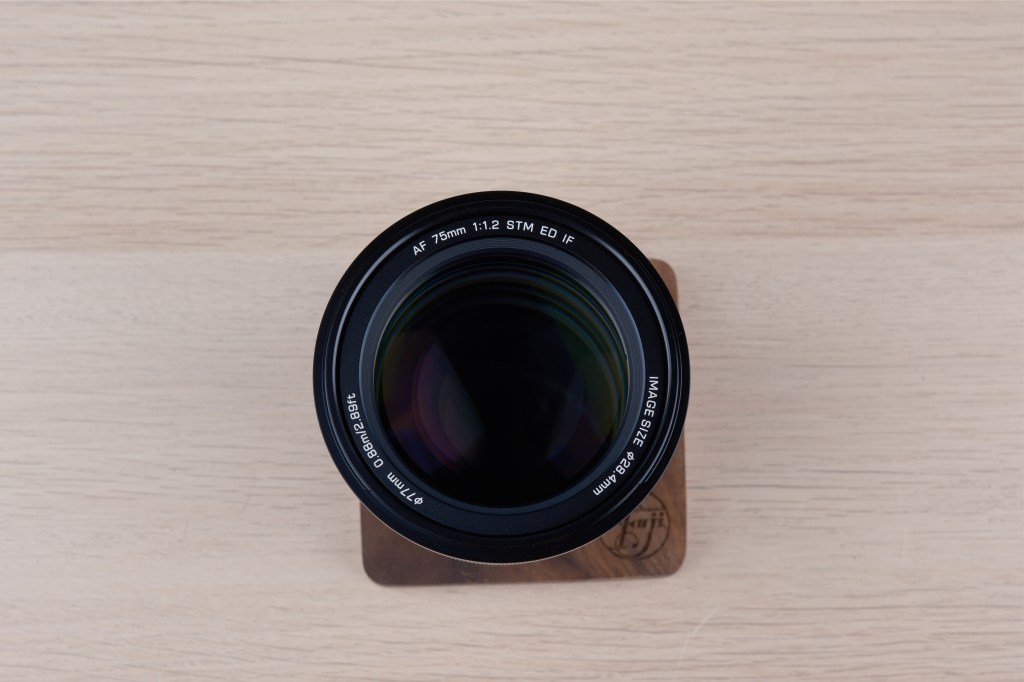
Viltrox 75mm f1.2 is an uncommon focal length at 112.5mm (in full frame equivalent). But I believe photographers, who are using XF80mm and XF90mm, easily adapt to this new focal length.
Viltrox 75mm f1.2
Design and Build Quality
There are two things you will get to notice when you hold the lens: the weight, and the build quality.
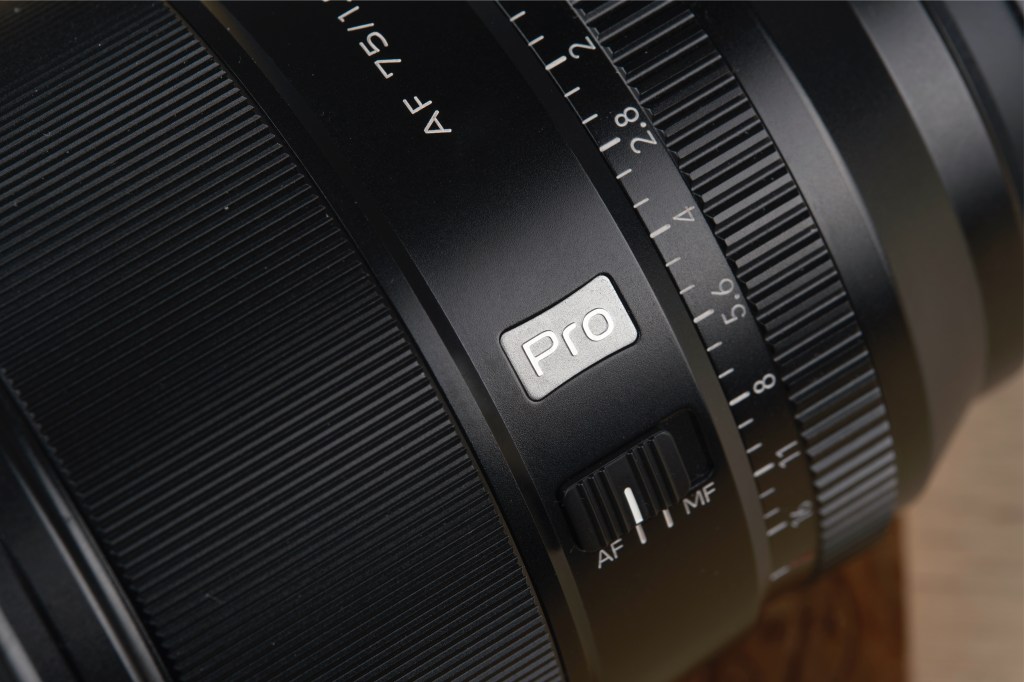
At 670 grams, I can feel the mass on my hand. It is definitely not light among most of the lenses. Every part of it is by no means cheap or cheap-built, you can feel that the build quality is belongs to the top tier.
The aperture ring is the clickable one (it does not have de-click option) and it has that satisfying clicking experience whenever you rotate the ring. It also comes with a “A” for automatic aperture choosing by the camera but what missing here is the aperture ring lock release that prevents accidental switch.
Unlike the metal lens hood with Viltrox 33mm f1.4, this 75mm lens comes with the plastic lens hood and it is kind of loose when it is face-inside the lens barrel. But it locked up quite well when it faces away from the lens barrel.
Image Quality
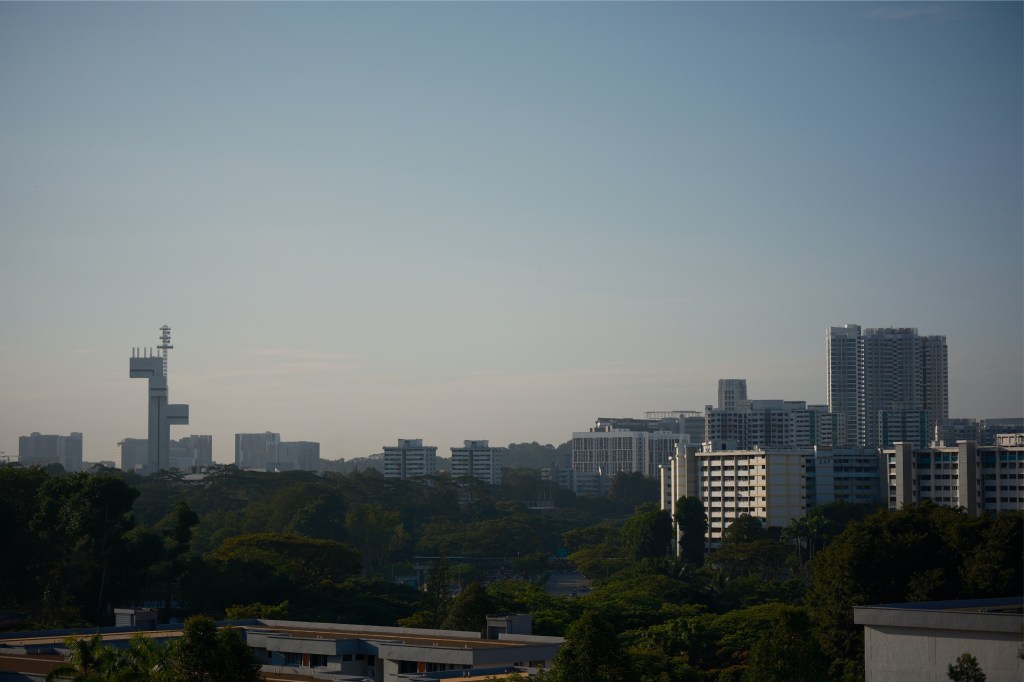
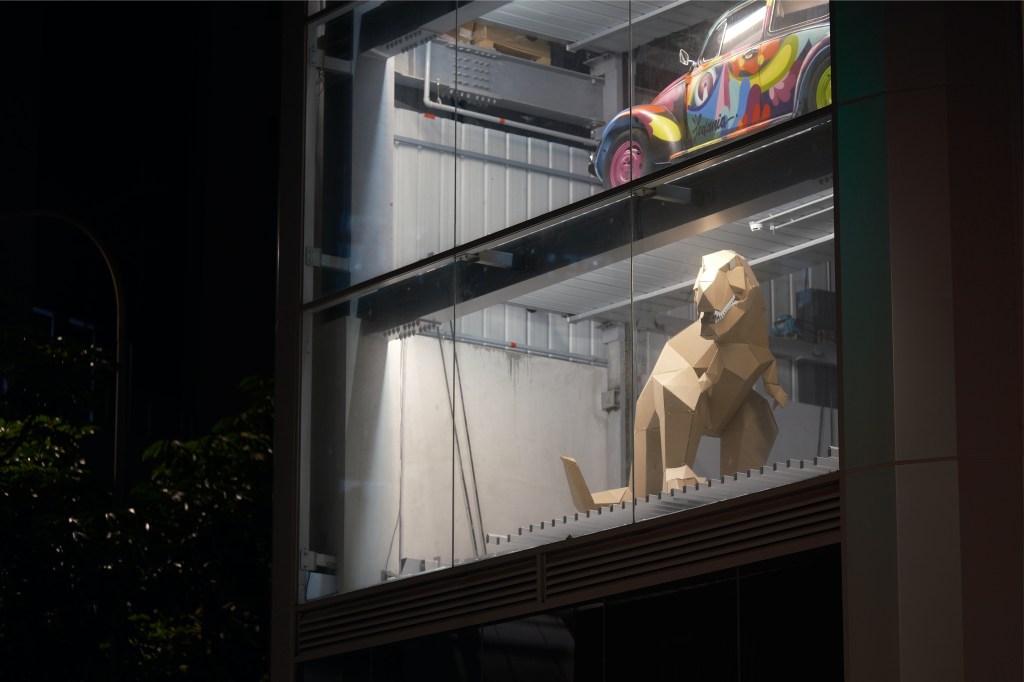
At f1.2, the image quality is really sharp. Probably one of the most clinical sharp lenses on the market out there. At wide open, the subject easily pops out from the background. The lens renders the bokeh well and quite smoothening. Even the fall-off is excellent too.
Is clinical sharp a bad thing or a good thing? In my opinion, it is not a good or bad thing. It is based on individual preference and I know some photographers end up de-sharpen in posts with the results from this lens. For me, this is how this lens performs and something, and it is better to have clinically sharp than characteristically soft because this is a pro-grade lens.
As for me, certain shots happen to be over sharpen for my liking but still within my acceptable range. This doesn’t happen in every shot I take. Probably many factors like light and shadow play a part too.
The chromatic aberration is very well-controlled and I did not notice anything. However, there is a small amount of vignetting at wide-open but it can be resolved via increasing of aperture value or in post-processing.
The lens (or focus) breathing is surprisingly good here. The focus distance did not change dramatically as you change the focus distance from MOD to infinity and vice versa. This can be a great deal for videographer.
Focusing
How should I put it? If I try to focus from the Minimum Focus Distance to anywhere far, I will experience some sluggish focusing. It will take quite a while to focus on the subject I want.
Two: Stepper Motor (STM) might be another factor as it is not the faster-focusing motor that is equipped with a lens. But we have seen some other lenses perform quite well with STM too.
If the focus distance and the subject are close to each other, it performs quite well. On the other hand, the eye-AF works quite well and behaves quite close to what the Fujifilm lenses can perform. (that is provided it does not encounter the sluggish focusing mentioned above.)
Minimum Focus Distance (MOD)
It has a MOD of 0.88m, which also means that it can’t really focus that close to the subject. If you are looking for a lens that can do a tight close-up shot, this lens is not designed for that.
I have to reiterate again that 549 USD for a fast autofocus prime lens with the metal build quality is really a good deal. So far, there is no one lens that can price match with Viltrox in this aspect.
Like other third-party manufacturers, there is always a kind of digital communication to support future firmware upgrades via SD card, dock, or USB port. In this case, there is a USB-C port located at the rear of the lens. I’m glad to see this than the micro-USB found in Viltrox 85mm f1.8 Mark II. Unfortunately, pardon the OCD, the design of the USB-C is not quite symmetrical to the red dot, I wish it is.
As a pro lens, it comes with an AF/MF switch, and if you need to switch to manual mode, you need to switch it from the switch. The Focus mode selector on your Fuji camera bodies will not enable the lens to manual focus. This might be a little hassle for photographers who need it but do take note.
Who is this for?
This is a portrait lens and of course, I have to recommend it to portrait photographers and pre-wedding photographers. Although this lens is slow in focusing return, it will not fail you with the image quality it produces. For product shoot photographers, you can consider this lens too.
As for the rest of the genres, I cannot really recommend using them. I mean it is a great lens but here are some of the downsides that make it not as versatile as other lenses offered in the market.
First, this lens is not ideal for street, documentary, and the like photography genres because of its size and weight. It attracts attention easily, and the weight will weigh you down over time. Basically, it is not a suitable candidate for such genres. But if you insist (like me), you can do so. Because image quality will pay off your sweat and effort.
Second, it does not have short (or close) MOD. So for a photographer like me who love to shoot as close to the subject as possible, this is kind of a bumper. But it still renders the image very well at MOD.
Conclusion
This is Viltrox’s first-ever pro-grade lens. I think it nails almost everything and this lens simply outperforms its pricing with image quality. To date, there is no one lens able to match it equally. This is definitely a good start for Viltrox venturing into the Pro series and Viltrox has indeed set a high benchmark for every manufacturer to follow. I cannot wait to see what Viltrox’s next Pro lenses will be. I am really excited.
Disclaimer: 1. All the shots taken here are shot by me. 2. Most of the shots are straight out of the camera with some shots edited via In-Camera Raw Processing or Capture One. 3. The opinions are based on my experience. If there is any mistake, please kindly drop me a message and I will gladly make the amendment. 4. I reserve ownership of these images, if you wish to use my images, please notify me.
If you like my works, please follow me on either one of the 2 Instagram accounts:










































































































































































 Alwin Kok