
Reviews

Sigma 16mm f1.4 – A Good Alternative to XF16mm f1.4?

First and foremost, I would like to thank and appreciate Mr Lawson from Sigma Marketing (Singapore) for loaning me the Sigma 16mm f1.4 Contemporary DC DN lens for making this review possible.

Sigma 16mm f1.4 Contemporary DC DN

Intro

Similar to Sigma 30mm f1.4 Contemporary DC DN, I refer to Sigma 16mm f1.4 Contemporary DC DN as “Sigma 16mm f1.4” in short. Unlike the Sigma 30mm f1.4, it was announced back in October 2017 but was only available for EF-M, E-mount, L-mount and Micro Four Thirds back then. Now it is available in X-mount too.

Sigma 16mm f1.4 Contemporary DC DN

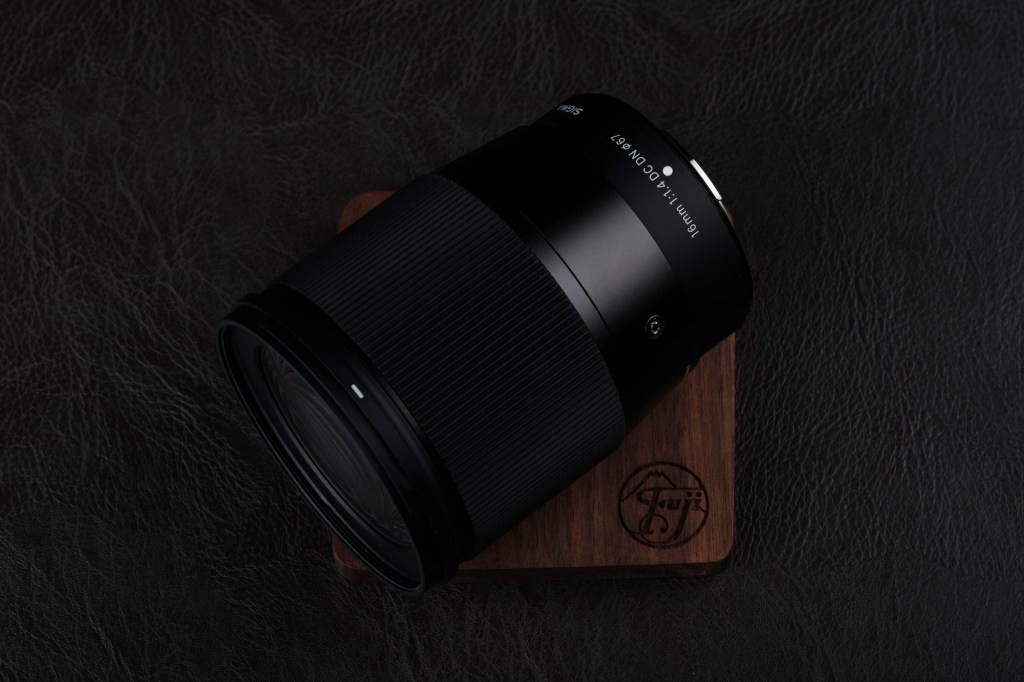
Being a 24mm full-frame equivalent ultra-wide lens, the first thing that I can’t help noticing how huge the lens is. It is almost identical to the size of the Fuji XF16mm f1.4 and it is merely taller. Speaking of comparison, I will not compare both lenses directly as I believe every lens has its own reasons to be here and hence giving it a fair chance to shine.

Price Point

I decided to shift this section to the front because Sigma 16mm f1.4 comes at a very interesting and competitive price point. In Singapore, it is priced at SGD648/USD449 (*SRP). It is just $50 more than the XF 16mm f2.8 (SGD599/USD399 SRP) and it is far cheaper than XF 16mm f1.4 (SGD1599/USD999 SRP). With such a competitive price, are you tempted to get Sigma instead of Fuji?

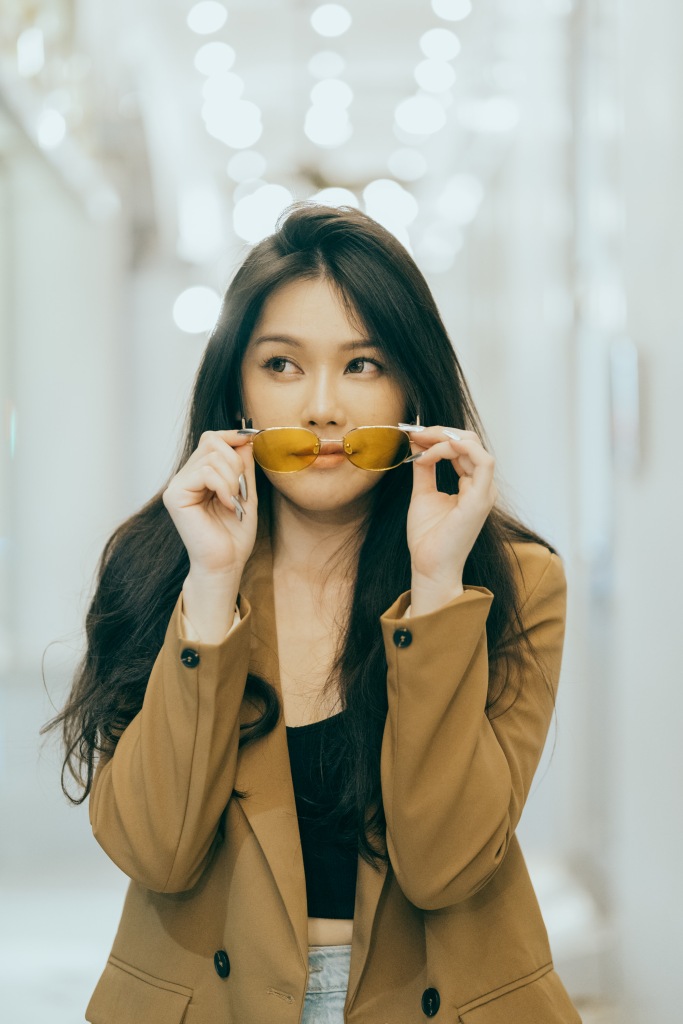
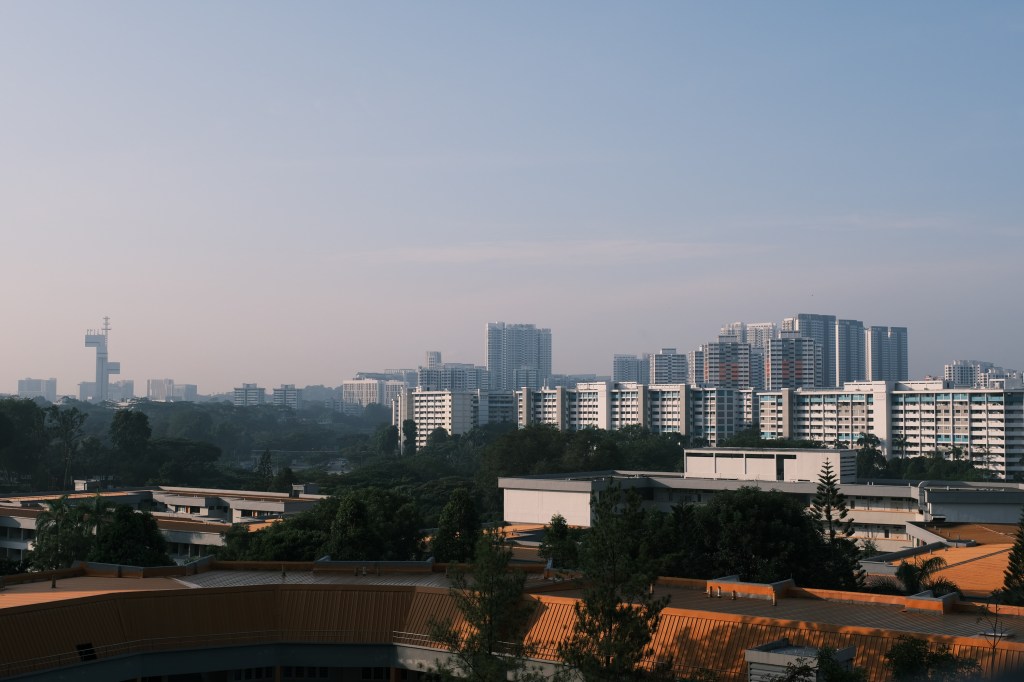
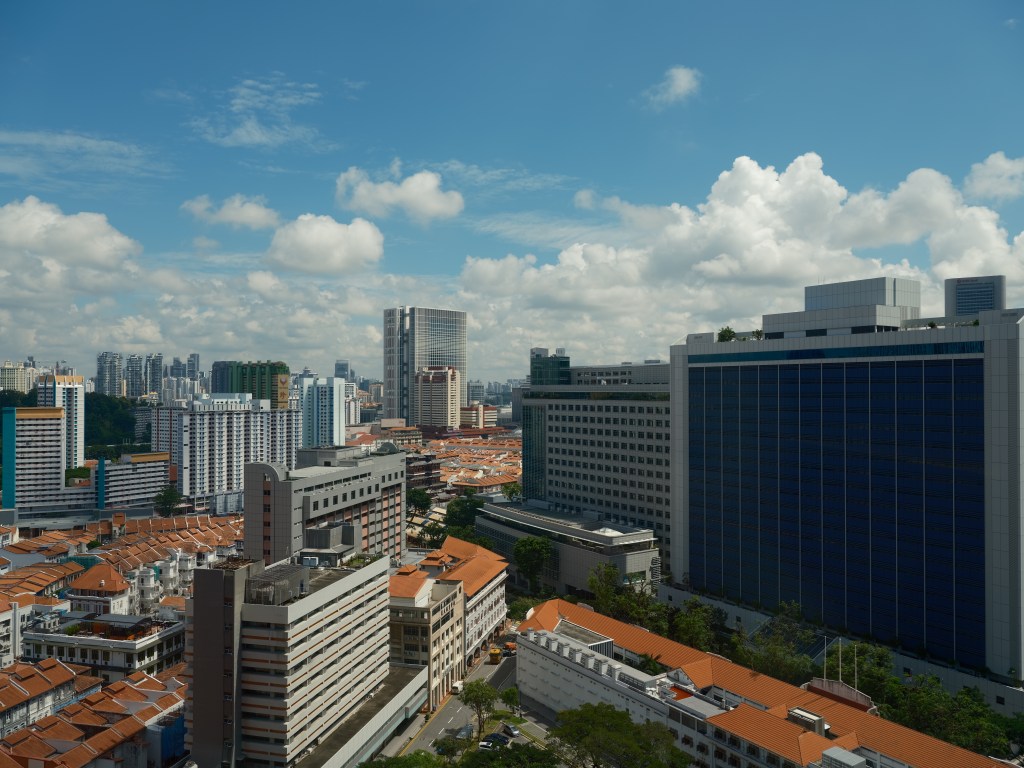
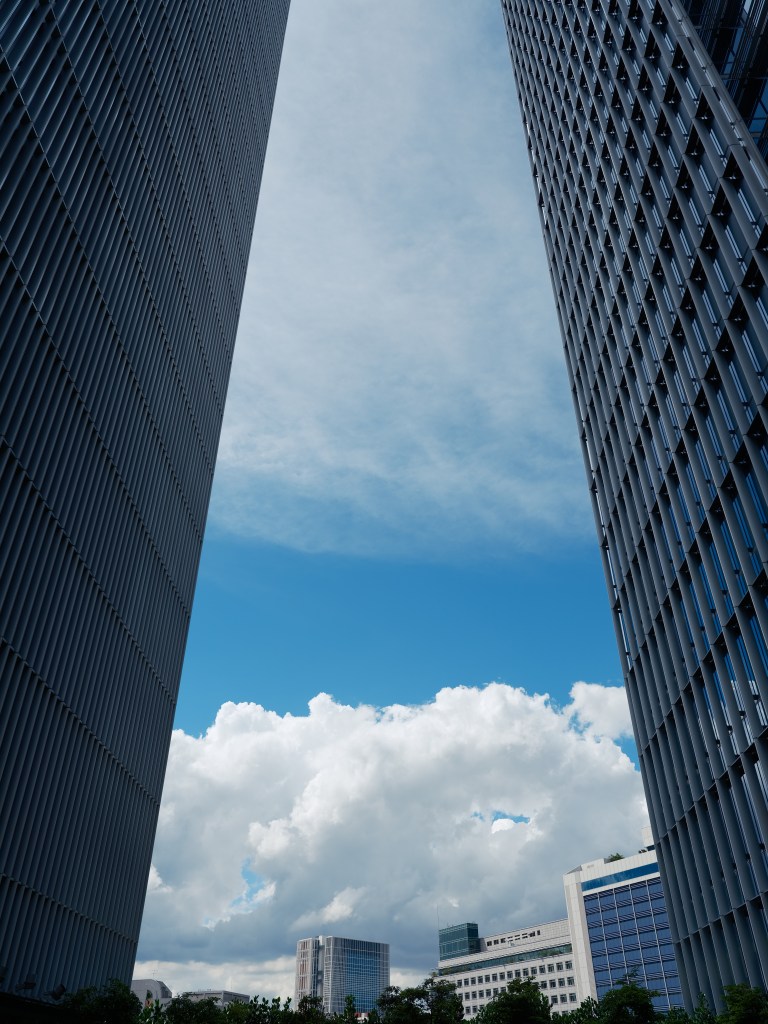
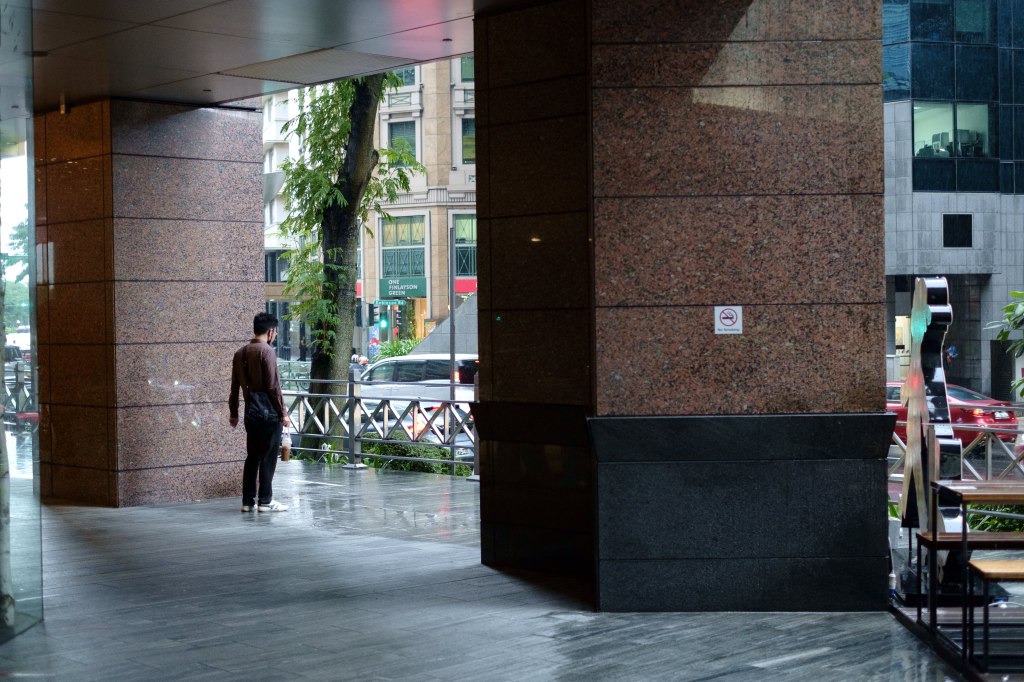
Fuji X-T3 . Sigma 16mm f1.4 @ 16mm . f1.4 . 1/640″ . ISO 160 . Post-edited
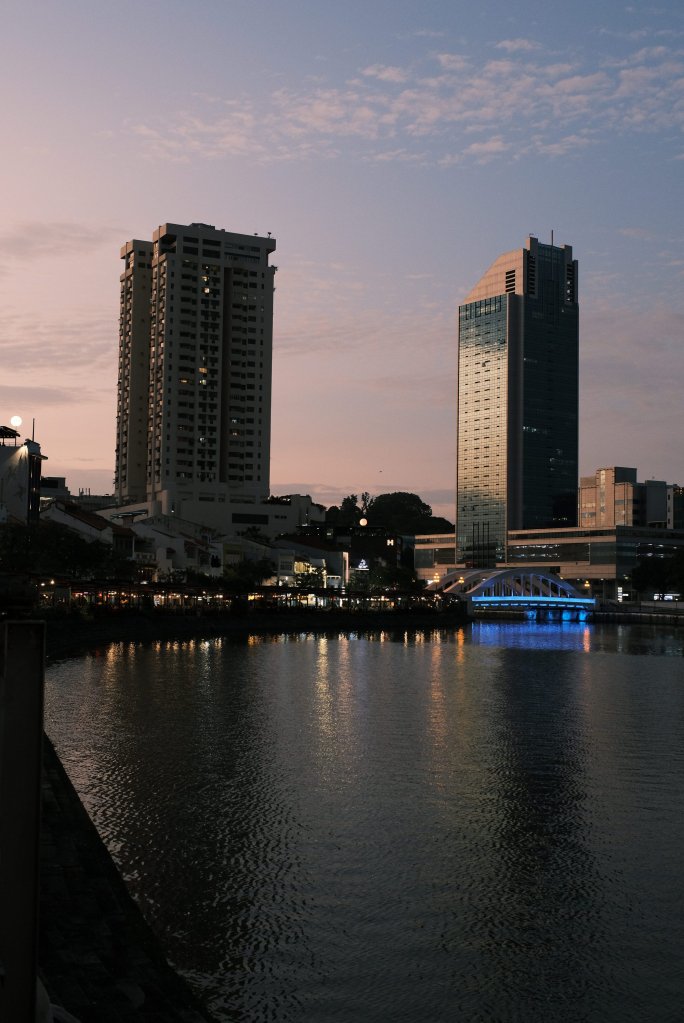
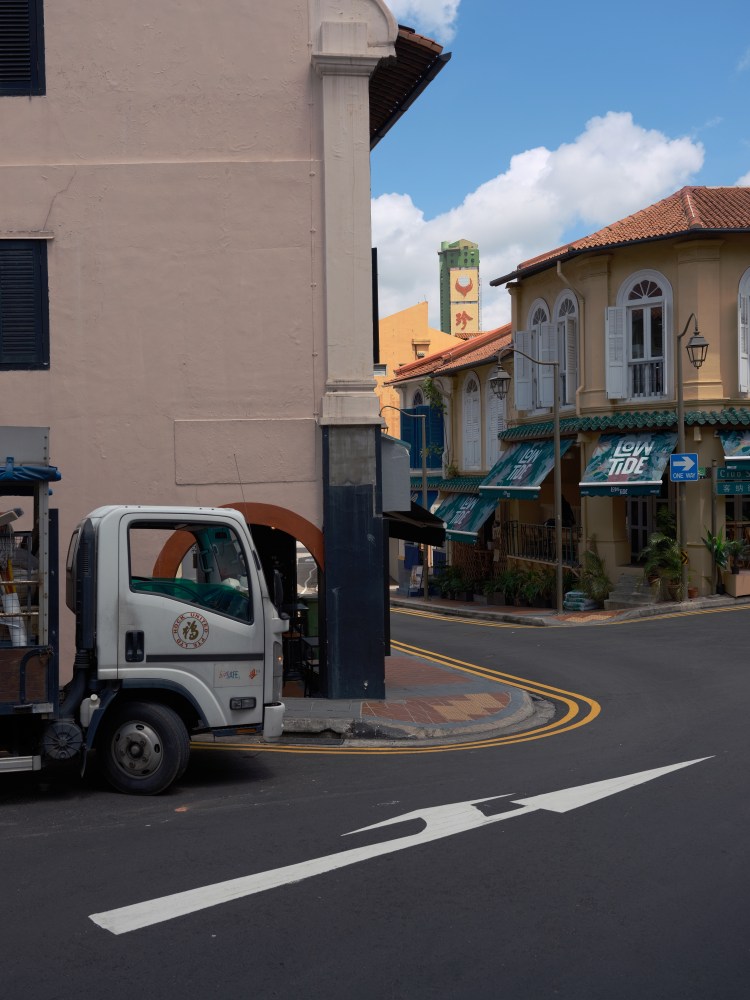
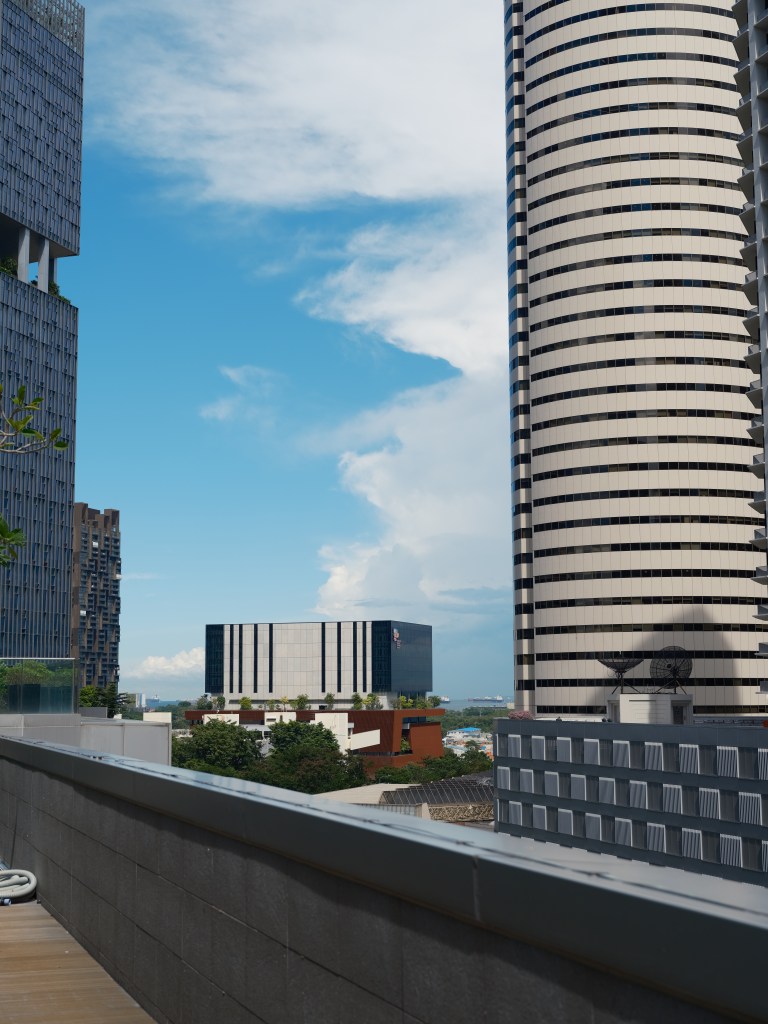
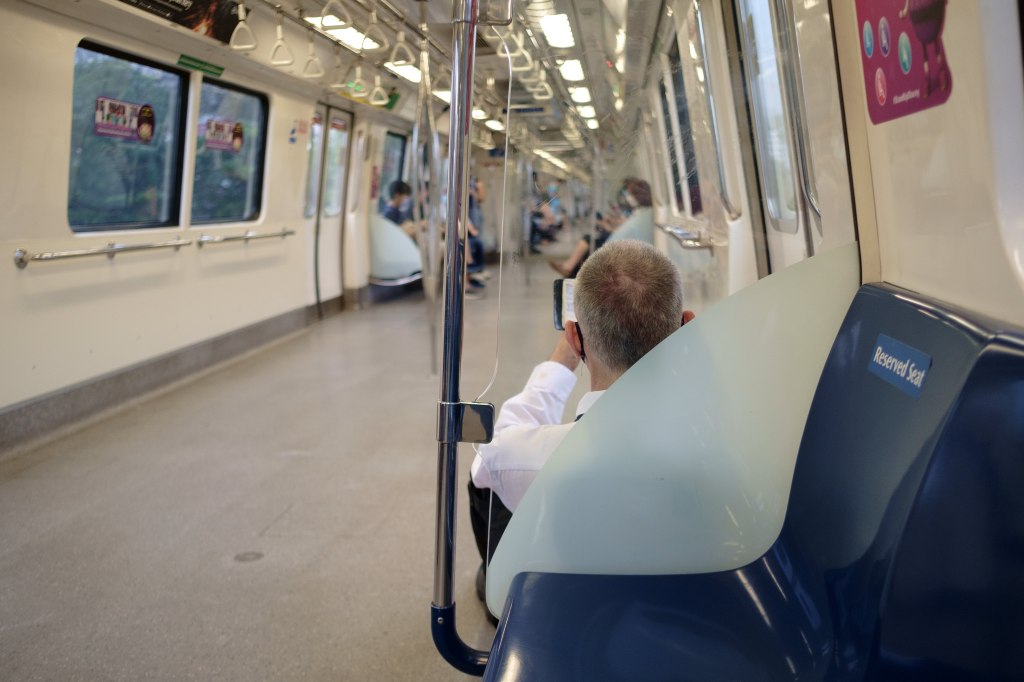
Fuji X-T3 . Sigma 16mm f1.4 @ 16mm . f1.4 . 1/105″ . ISO 160 . Classic Chrome

At this price point, lets me share with you what are the things you will be getting from this lens and what are the thing you will miss.

*SRP – Suggested Retail Price

Design & Build Quality

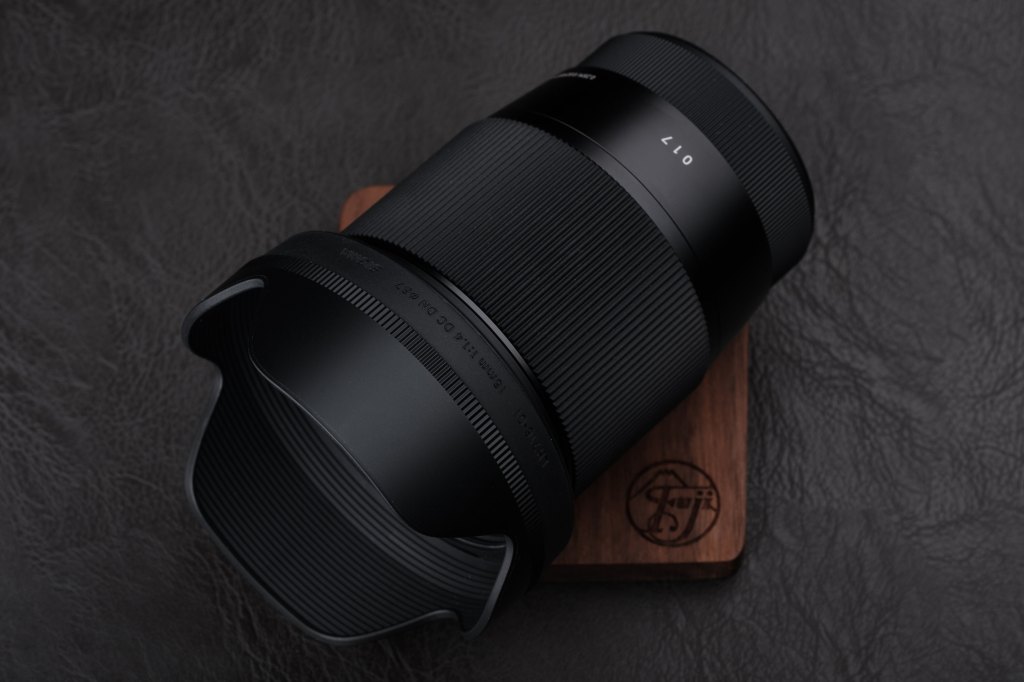
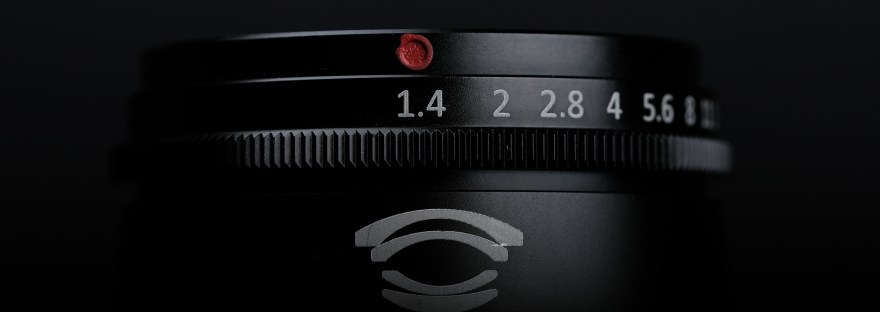
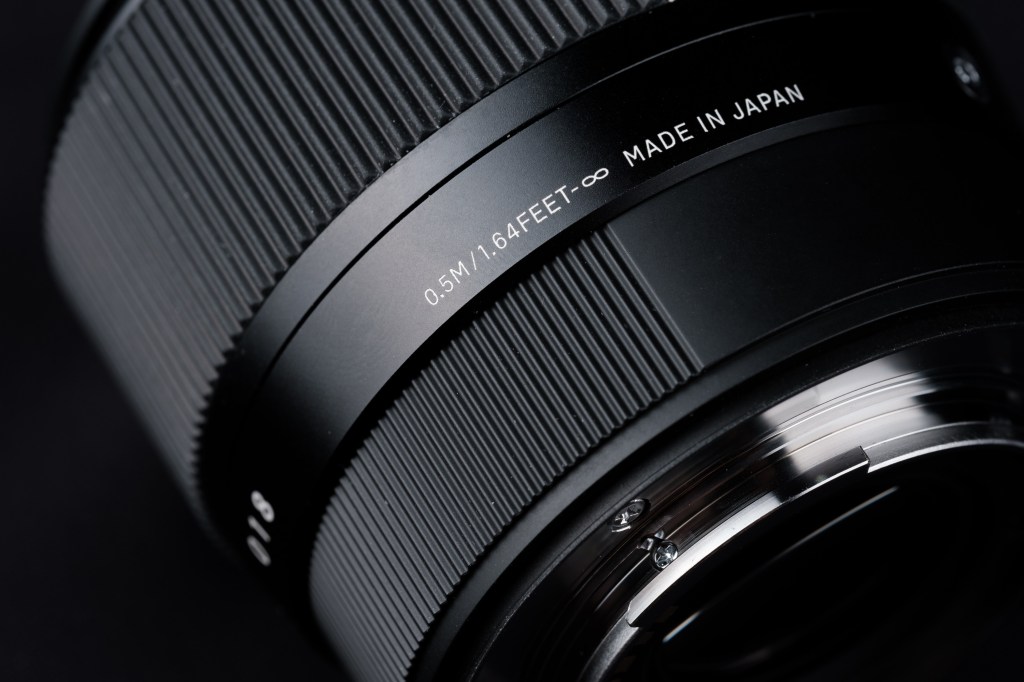
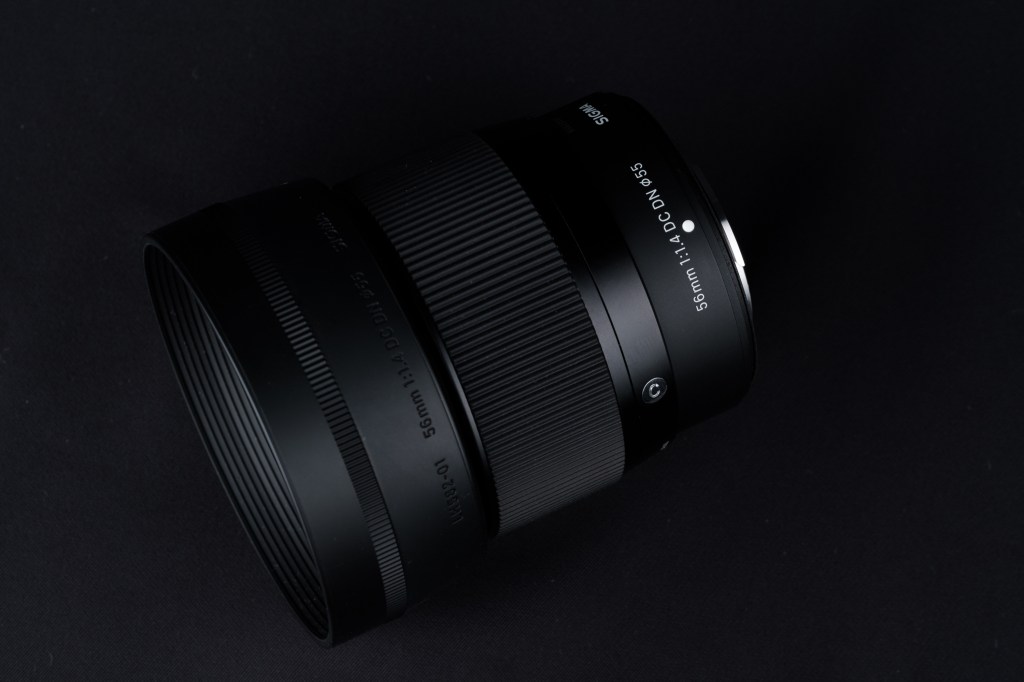
Sigma 16mm f1.4 has the same built element and design language as its brothers. It is a low profile lens that does not shout out loud, especially on the front glass. It is minimalistic on its own by labelling the wordings in black.

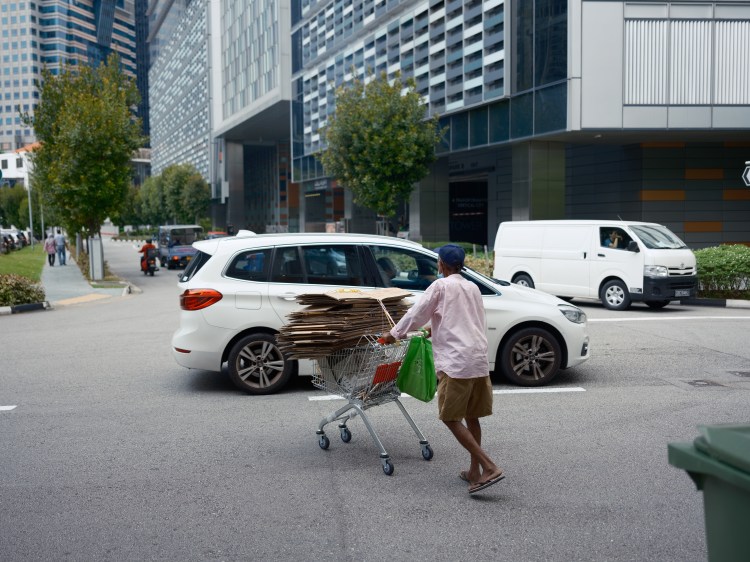
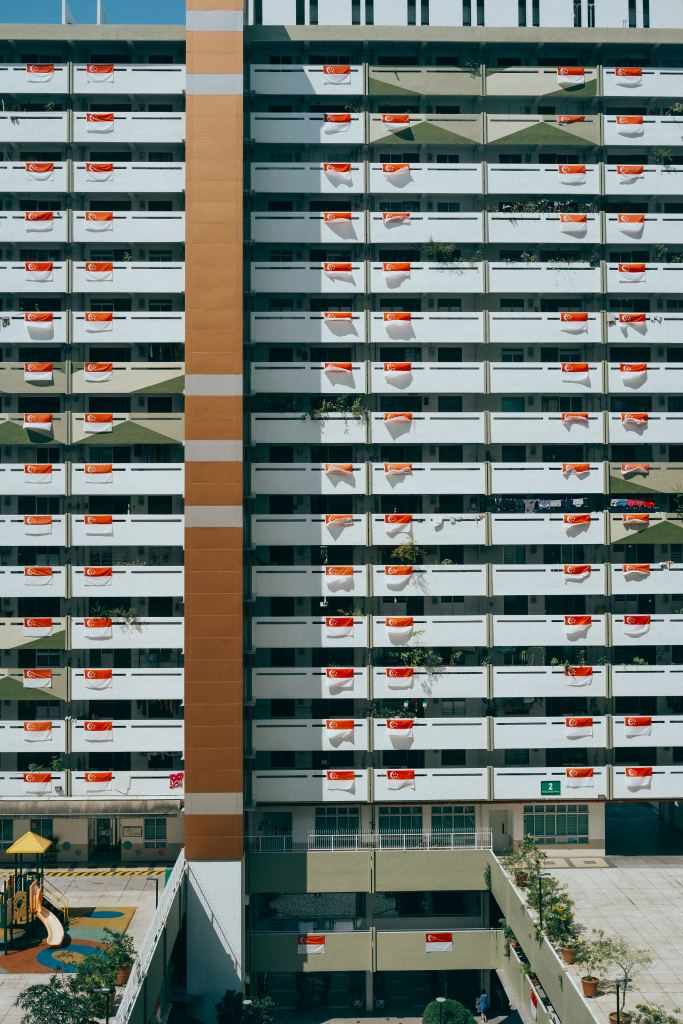
Fuji X-T3 . Sigma 16mm f1.4 @ 16mm . f1.4 . 1/250″ . ISO 160 . Classic Chrome

Although the body of the lens is made of “Thermally Stable Composite” (TSC) polycarbonate material, it feels well-constructed and comfortable to hold. But it does attract some fingerprints on the glossy material of the lens. Even so, it can be removed easily with a piece of cloth.

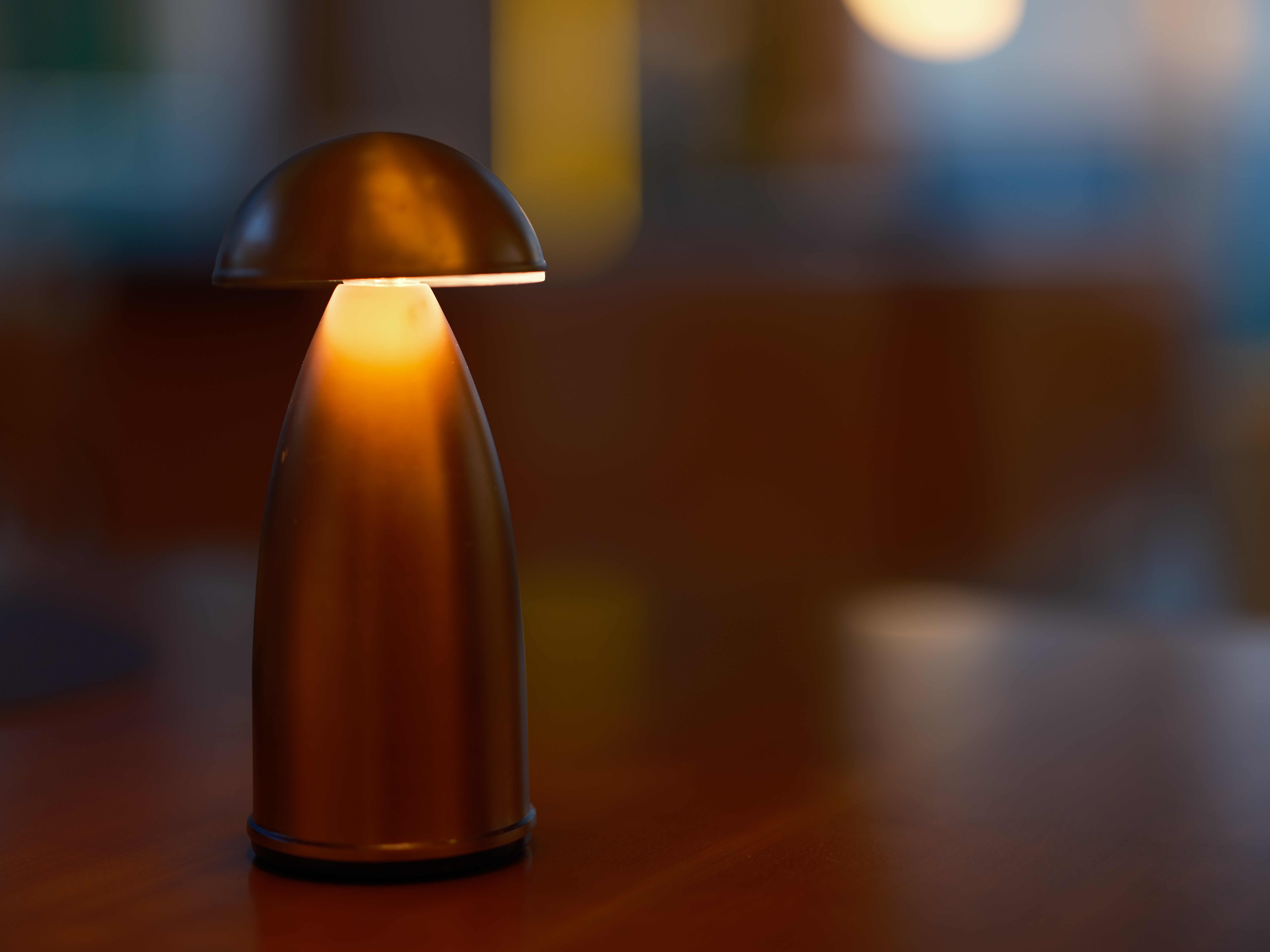
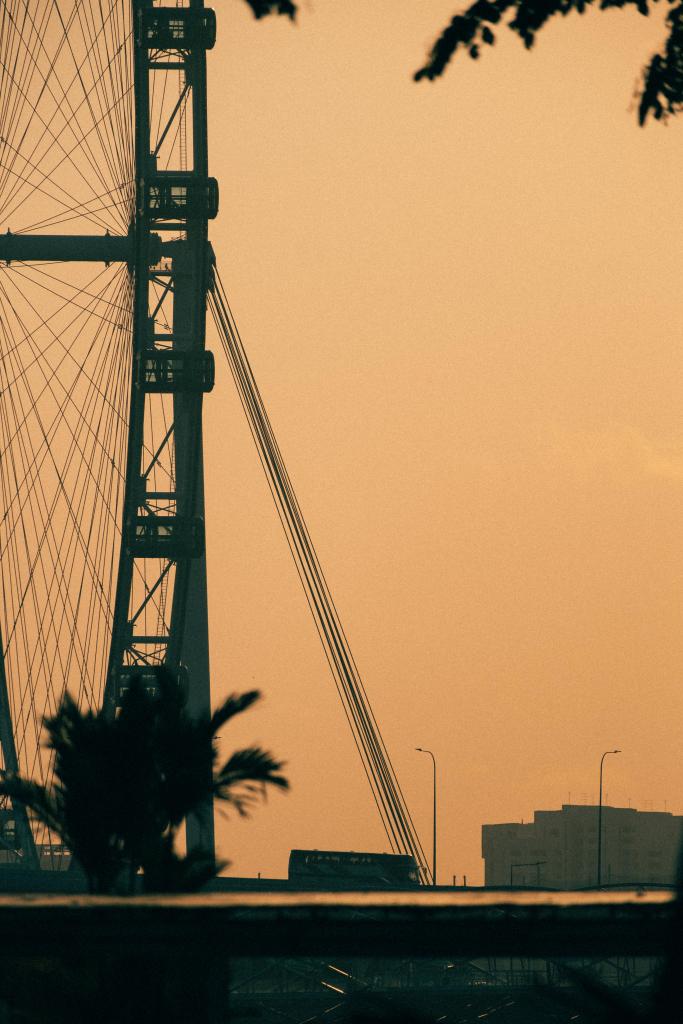
Fuji X-T3 . Sigma 16mm f1.4 @ 16mm . f5 . 1/900″ . ISO 160 . Classic Chrome

This huge lens weighs 405 grams and it is the heaviest one among the trio of Sigma lenses. I think there is quite a huge amount of heavy glass elements inside this lens, which explains the weighty weight. For readers who are looking to equip the lens with filters, it comes with a filter size of 67mm. It also comes with dust and splash resistant sealing that helps to protect the lens from certain conditions.

Similarly to the Sigma 30mm f1.4, it does not have an aperture ring too. So you have to control your aperture via the front dial of your camera. It’s a very similar approach to what Fujifilm has for XC lenses.

Image Quality

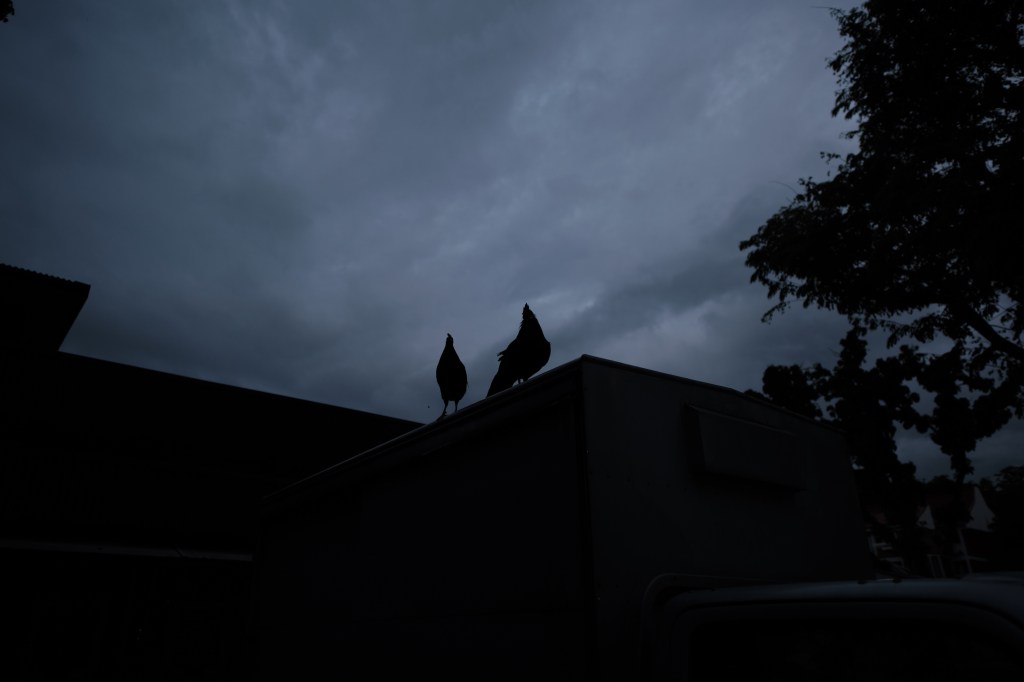
At f1.4, the image is usable. It retains the sharpness, contrast and details of the image very well. But for some shots especially shooting at infinity, the results tend to be soft at wide-open.

Although some vignetting can be observed, this can be easily resolved in post-processing or shot at a smaller aperture to reduce it. In my opinion, this can be forgiving and unavoidable because it is an ultra-wide lens after all.

There is also some slight chromatic aberration observed in some of my shots, but it is still within my acceptance level. Again, it can be removed easily with post-processing.

Fuji X-T3 . Sigma 16mm f1.4 @ 16mm . f1.4 . 1/80″ . ISO 320 . Classic Chrome
Fuji X-T3 . Sigma 16mm f1.4 @ 16mm . f1.4 . 1/125″ . ISO 160 . Classic Chrome

On the subject of the sunny star result, I prefer the shot taken at f16 as the “star” looks sharper than the one at f8. As for the lens flare, it did control very well too.

One thing to note, I never expect how good the control of the lens distortion for this ultra-wide lens. Probably thanks to the camera auto-correction? But nonetheless, the output is good.

Focusing

This lens is silent and fast. This is something that I have expected after using Sigma 30mm f1.4 as I believe they are using the same stepping motor. The sound of the focusing experience that I have is close to complete silence. Please bear in mind that this lens has lots of heavy glass inside it and yet it can achieve something like this is totally remarkable.

Regarding the focusing accuracy, unfortunately, it also inherits the same issue as the Sigma 30mm f1.4 as well. Similar off-focused results when I shoot with the little green box lit up but it hardly happens. But not too worry about it, understand from Sigma that they are constantly improving their lenses’ focusing quality and accuracy via updates.

Fuji X-T3 . Sigma 16mm f1.4 @ 16mm . f4 . 1/210″ . ISO 160 . Classic Chrome
Fuji X-T3 . Sigma 16mm f1.4 @ 16mm . f5.6 . 1/180″ . ISO 160 . Post-edited

Minimum Focus Distance (MFD)

The MFD of this lens is 25cm. By comparison, the XF16mm F1.4 is 15cm. Does it really matter? Not really matter as the general purpose of this lens is for landscape or similar genres.

Fuji X-T3 . Sigma 16mm f1.4 @ 16mm . f1.4 . 1/420″ . ISO 160 . Classic Chrome
Fuji X-T3 . Sigma 16mm f1.4 @ 16mm . f1.4 . 1/350″ . ISO 160 . Classic Chrome

But it does matter if the photographer could love to use the lens for other creative purposes. Because the closer the MFD you have, the more possibilities you can create with.

Fuji X-T3 . Sigma 16mm f1.4 @ 16mm . f1.4 . 1/2200″ . ISO 160 . Classic Chrome

Conclusion

Sigma 16mm f1.4 does have its shortfall but it strikes a good balance between price and overall experience. For a lens optic design that has been around for 5 years, the image renders very remarkably sharp, especially at wide open. I have to appraise that Sigma did not compromise on the image quality and I think Sigma did the right thing here as I believe this is more important than anything else for every photographer.

Fuji X-T3 . Sigma 16mm f1.4 @ 16mm . f1.4 . 1/450″ . ISO 160 . Classic Chrome
Fuji X-T3 . Sigma 16mm f1.4 @ 16mm . f1.4 . 1/250″ . ISO 400 . Classic Chrome

Overall, I can accept what this lens has to offer. Likewise, how is it compared to XF16mm f1.4? All I can say is that both lenses are good at their price points and there are reasons to be at their price points. They supply different demands to different groups of photographers. In my opinion, there is no end to making comparisons between lenses.

Who is this for?

This lens is suitable for photographers who are just starting to learn photography or tipping their toes in the world of prime lenses but with a limited budget on hand or wish to have their money well spent. But who are these photographers?

Fuji X-T3 . Sigma 16mm f1.4 @ 16mm . f5.6 . 1/900″ . ISO 160 . Classic Chrome
Fuji X-T3 . Sigma 16mm f1.4 @ 16mm . f8 . 1/320″ . ISO 160 . Classic Chrome . Post-edited

Photographers who are landscape, environmental and architecture lovers, you may consider getting this lens in your arsenal. If you do not mind about its build quality, etc, the price of this lens can actually save you some money and maybe you can use that money to invest in other lenses or accessories.

For street photographers, this ultra-wide lens is harder to isolate your subject unless you get closer to it. If you know what you intend to do with this lens, otherwise I will not recommend you to use this lens.

Fuji X-T3 . Sigma 16mm f1.4 @ 16mm . f1.4 . 1/180″ . ISO 160 . Post-edited
Fuji X-T3 . Sigma 16mm f1.4 @ 16mm . f1.4 . 1/1000″ . ISO 160 . Post-edited

To answer my question in the title, it is indeed a good alternative to XF16mm f1.4.

Thank you for reading.

Disclaimer:
1. The lens is a loan unit from Mr. Lawson from Sigma Marketing (Singapore). By the time this review is online, the lens had returned back to Sigma Marketing (Singapore).

2. The lens firmware that I am using is version 1.00.
3. Some of the shots are straight out of the camera while others are edited via In-Camera Raw Processing and Adobe Lightroom Classic & Capture One.

4. The opinions are based on my experience. If there is any mistake, please kindly drop me a message and I will gladly make the amendment.
5. All the shots taken here are shot by me. I reserve ownership of these images, if you wish to use my images, please notify me.

If you like my works, please follow me on either one of the 2 Instagram accounts:

https://www.instagram.com/alwinkok_

https://www.instagram.com/alwin.portraits

If you like my content and you want to show some support, you can buy me a coffee here.

Reviews

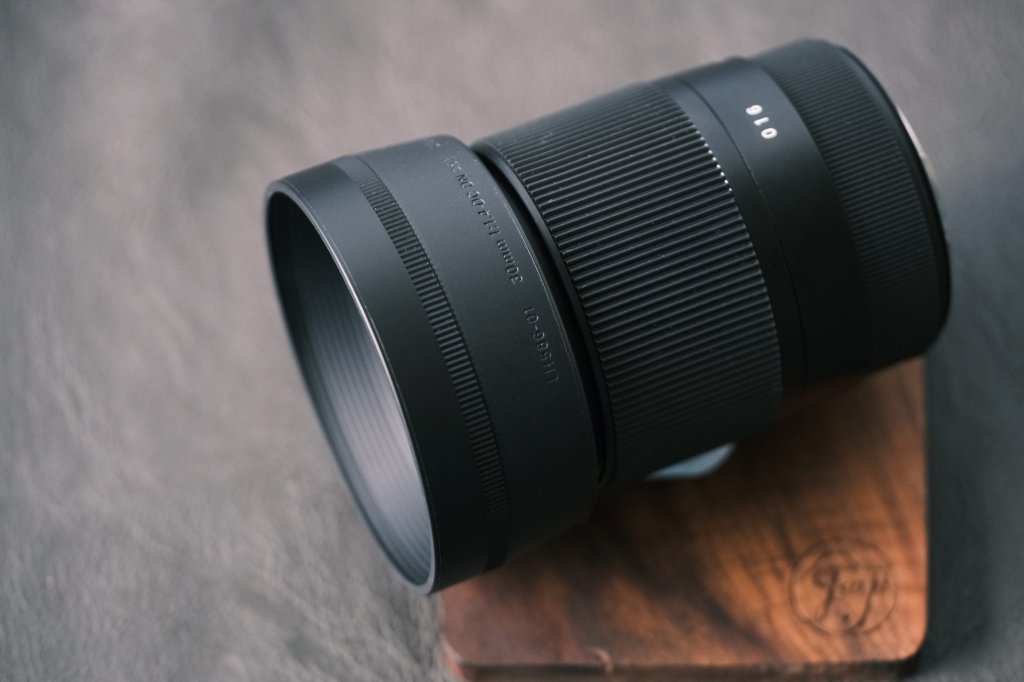
Sigma 30mm f1.4 – Never Too Late

First of all, allow me to thank Mr Lawson from Sigma Marketing (Singapore) for loaning me the Sigma 30mm f1.4 Contemporary DC DN lens for a review. I appreciate his support to make this review a reality.

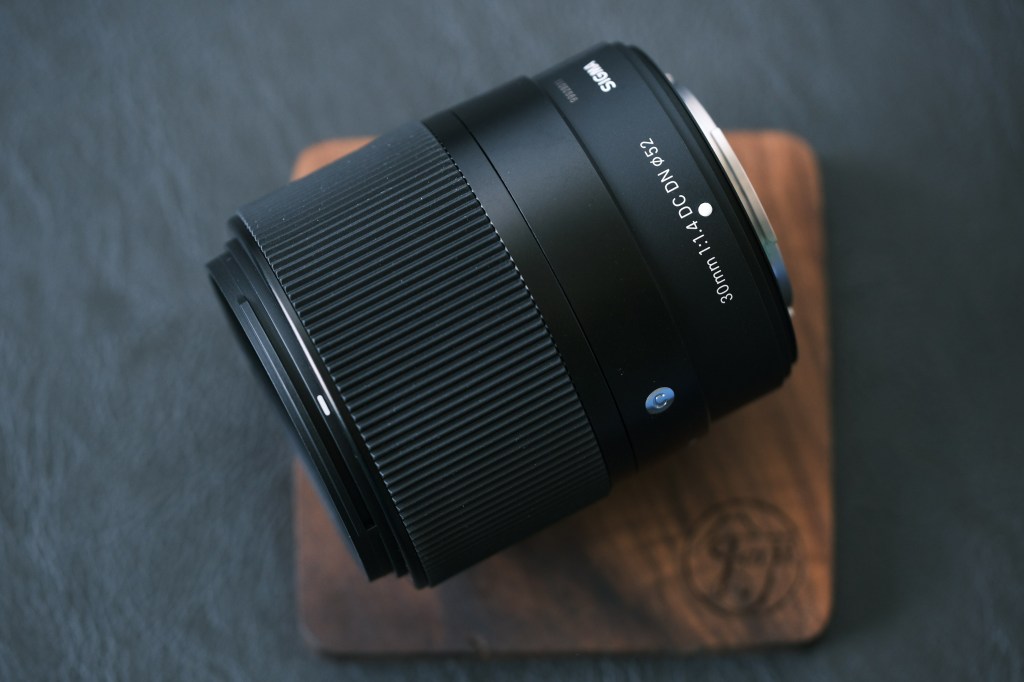
Sigma 30mm f1.4 Contemporary DC DN

Intro

Sigma 30mm f1.4 Contemporary DC DN (I will just call it Sigma 30mm in short for the rest of the review) was announced back in February 2016. It was introduced with various mounts (i.e. EF-M, M43, E-mount and Leica L). 6 years later, X-mount is the latest mount in the Sigma family.

30mm f1.4 Contemporary DC DN

35mm (50mm in full-frame equivalent) is a very popular focal length among all others. And then, Sigma comes with this 30mm focal length and this is an interesting focal length to compete with many 35mm lenses in the Fuji market. It also sits right between the 27mm and 33mm of what Fujifilm has offered.

At an equivalent to 45mm in full-frame, let’s dive in and see how this lens can actually perform.

Design & Build Quality

According to the official, the build of this lens is made out of a type of polycarbonate called “Thermally Stable Composite” (TSC). This material has a thermal expansion rate similar to that of aluminium and it also has a high affinity to metal parts which contributes to high-quality product manufacturing.

Fuji X-E4 . Sigma 30mm f1.4 @ 30mm . f5.6 . 1/1000″ . ISO 160 . Classic Neg
Fuji X-E4 . Sigma 30mm f1.4 @ 30mm . f5.6 . 1/160″ . ISO 500 . Classic Neg

And according to my hands-on, it feels great to hold. Although it is polycarbonate built, it does not feel cheap at all. The lens is very well built and solid. But one thing to point out is that it is a fingerprint magnet and it can leave some fingerprint marks on the lens. Luckily, it can be easily wiped off.

Fuji X-E4 . Sigma 30mm f1.4 @ 30mm . f5 . 1/60″ . ISO 1250 . Classic Neg
Fuji X-E4 . Sigma 30mm f1.4 @ 30mm . f4 . 1/90″ . ISO 640 . Classic Neg

This lens comes with a filter size of 52mm and it is more than welcome for photographers to buy filters at a more affordable price.

At 275 grams, the weight of this compact lens is decently light to mount on any Fujifilm camera body without feeling adding much weight to the camera.

One fact to note is that this lens is equipped with dust and splash resistant sealing that helps to protect the lens from certain conditions.

Image Quality

Before I share my opinion about the optical quality. My understanding from Sigma Marketing is that the lens optical is exactly the same as other mounts, which also means that the glass elements and design are the same as 6 years ago.

So how does it perform in real-world situations? Well, the image quality is exceptionally good. The results at wide-open actually surprised me. The details, sharpness and contrast are well preserved.

Fuji X-T3 . Sigma 30mm f1.4 @ 30mm . f1.4 . 1/22000″ . ISO 320 . Classic Neg
Fuji X-T3 . Sigma 30mm f1.4 @ 30mm . f1.4 . 1/2500″ . ISO 320 . Classic Neg

As for the chromatic aberration, I hardly notice it. I think the lens did a good job of controlling it. It does help us to reduce one task in our post-processing.

For the sunny star result, the shot taken at f8 produces much softer and less rounded results. On the other hand, it looks sharper at f16 and more detailed than that of f8.

Focusing

Two words to describe it. Silent sniper. The focusing speed is surprisingly fast, accurate and completely silent. The word “completely” may sound too strong but it is really silent and the only sound I can hear is coming from my shutter. All thanks to the stepping motor that is equipped with the lens, this also means that this lens can be a wise choice for videographers to consider.

Fuji X-E4 . Sigma 30mm f1.4 @ 30mm . f4 . 1/160″ . ISO 500 . Classic Neg

As for accuracy, I can say it has a very high accuracy rate, probably around 95%. Why not 100%? Because I do encounter a few off-focused results when the little green box has lit up. For under low light situations, this lens still performs well most of the time.

Something to highlight, when I am trying to do some closed up shots under broad daylight, I encountered this phenomenon where the subject is not in focus but the little green box has lit up. What I do is focus on another nearby object and then it works as per normal.

But rest assure, Sigma is constantly updating their lenses to improve the focus quality and accuracy. In fact, there is an update for this lens last Friday. Unfortunately, I do not have the chance to give it a try.

Minimum Focus Distance (MFD)

The MFD is at 30cm which is considered quite close but not extremely close. One thing to note is that shooting at MFD produces a very special character to the photo. Shooting under sunlight, the focused object looks sharp but anything around it is kind of soft and the softness will slowly blend into the background as the distance is further from the object. Somehow, I quite like how it renders.

Fuji X-E4 . Sigma 30mm f1.4 @ 30mm . f1.4 . 1/1900″ . ISO 160 . Classic Neg
Fuji X-E4 . Sigma 30mm f1.4 @ 30mm . f1.4 . 1/1000″ . ISO 160 . Classic Neg

Also, if you are shooting wide-open at the MFD, it produces a very shallow depth of field.

Fuji X-T3 . Sigma 30mm f1.4 @ 30mm . f1.4 . 1/3800″ . ISO 160 . Post-edited
Fuji X-T3 . Sigma 30mm f1.4 @ 30mm . f2 . 1/2400″ . ISO 160 . Post-edited

Price Point

I rarely open up discussions about price points. But this lens is really positioned itself very well. At *SGD488 (or USD339), it is slightly above as XC35mm f2 at SGD299 (or USD 199) and way below XF35mm f2 at SGD699 (or USD 399). Yet it offers one full stop more light.

Fuji X-E4 . Sigma 30mm f1.4 @ 30mm . f1.4 . 1/60″ . ISO 500 . Classic Neg
Fuji X-E4 . Sigma 30mm f1.4 @ 30mm . f1.4 . 1/60″ . ISO 400 . Classic Neg

With this price point, it does attract a lot of potential buyers who are about to start their photography journey.

*The price quoted is based on Recommended Retail Price.

Conclusion

Coming from a guy who likes to shoot streets with 23mm and 35mm focal lengths, I am able to adapt the Sigma 30mm f1.4 very well. In these 2 weeks of loan, I do not find much of a challenge using this lens except for the above-mentioned issue.

Fuji X-T3 . Sigma 30mm f1.4 @ 30mm . f1.4 . 1/2700″ . ISO 160 . Post-edited

For a slightly over a demi-decade old glass design, the photos taken with this lens are considered impressive and pretty usable, especially for the wide-open shots.

However, this lens does come with some downsides. First, it does not has an aperture ring. Something that I do miss sometimes. Second, it is not a full weather resistant lens. It does not matter to me but I think it is good to let the readers know.

Overall, I think this piece of glass does strike a good balance between price, image quality and the tradeoffs. Plus, it is made in Japan.

Fuji X-T3 . Sigma 30mm f1.4 @ 30mm . f1.4 . 1/5000″ . ISO 160 . Post-edited

Who is this for?

This focal length covers well in most genres such as street, journalism, portraits and landscape. Hence I will highly recommend it to an amateur who just picking up photography and trying to explore the world with prime lenses; someone who does not has a 35mm focal length; and someone who is on a tight budget.

Fuji X-T3 . Sigma 30mm f1.4 @ 30mm . f2.2 . 1/170″ . ISO 160 . Classic Chrome
Fuji X-T3 . Sigma 30mm f1.4 @ 30mm . f1.4 . 1/280″ . ISO 600 . Classic Chrome
Fuji X-T3 . Sigma 30mm f1.4 @ 30mm . f1.4 . 1/2000″ . ISO 160 . Post-edited

Thank you for reading.

Disclaimer:
1. The lens is a loan unit from Mr. Lawson from Sigma Marketing (Singapore). By the time this review is online, the lens had returned back to Sigma Marketing (Singapore).

2. The lens firmware that I am using is version 0.63.
3. Some of the shots are straight out of the camera while others are edited via In-Camera Raw Processing and Adobe Lightroom Classic.

4. The opinions are based on my experience. If there is any mistake, please kindly drop me a message and I will gladly make the amendment.
5. All the shots taken here are shot by me. I reserve ownership of these images, if you wish to use my images, please notify me.

If you like my works, please follow me on either one of the 2 Instagram accounts:

https://www.instagram.com/alwinkok_

https://www.instagram.com/alwin.portraits

If you like my content and you want to show some support, you can buy me a coffee here.

Reviews

XF23mm f1.4 WR: The King of Street Lens

First and foremost, I appreciate Mr. Keitaro So, Divisional Head of Fujifilm Asia Pacific, for his generosity in providing the loan for the XF23mm f1.4 R LM WR and Fuji X-S10. By the time this review is online, the units had returned back to Fujifilm Asia Pacific.

On a side note

XF23mm f1.4 WR (I remove the R LM to shorten the wording in this article) is announced during the Fujifilm X-summit in September 2021. It is priced at USD 899 and it is supposed to launch on 30 November 2021. But due to the global chip shortage, the original shipping date has been pushed to sometime in February 2022.

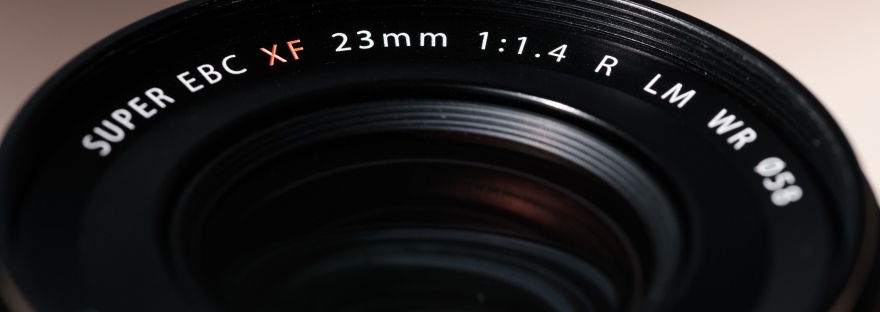
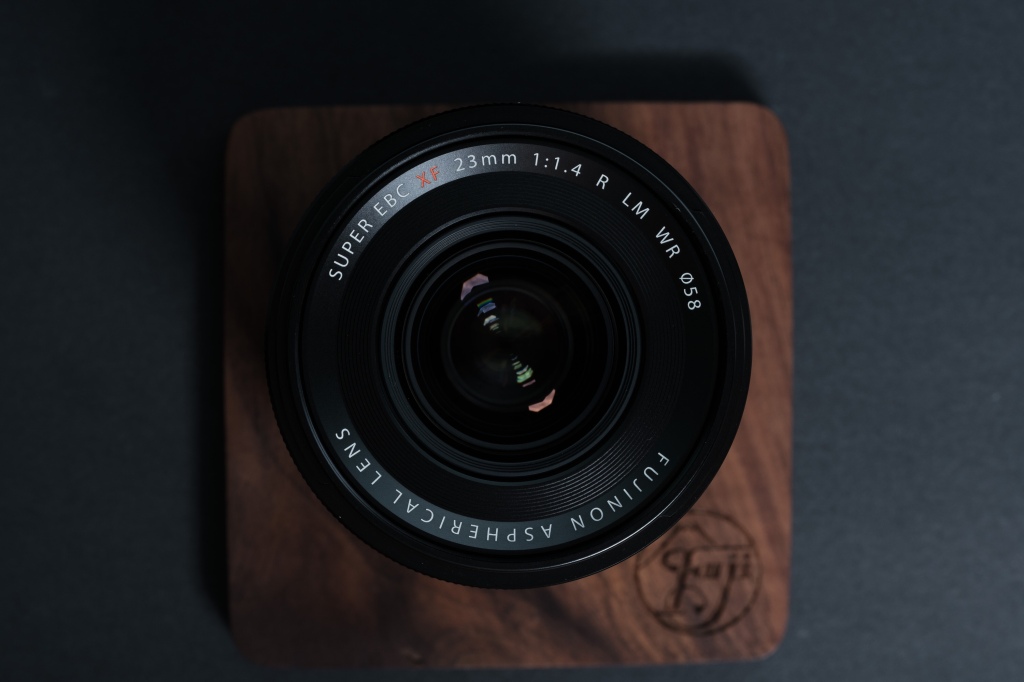
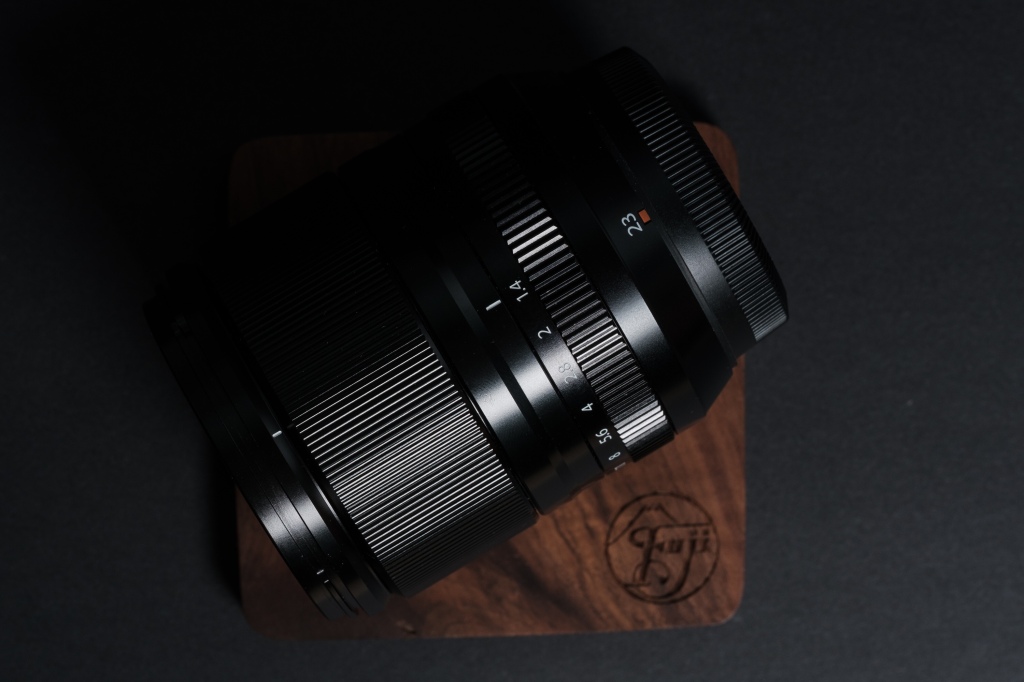
Fuji X-S10 . XF 23mm f1.4 R LM WR
XF 23mm f1.4 R LM WR

Disclaimer:
1. All the shots taken here are shot by me.
2. Some of the shots
are straight out of the camera while others are edited via In-Camera Raw Processing and Adobe Lightroom Classic.
3. The opinions are based on my experience. If there is any mistake, please kindly drop me a message and I will gladly make the amendment.
4. I reserve ownership of these images, if you wish to use my images, please notify me.

Intro

Fujicron XF23mm f2 WR is the first prime lens I have with Fujifilm. I love almost everything about it except for the softness in image quality at wide-open and that’s probably due to my personal preference. Years later, I have my first ever X100 series, the X100V. Love it to bits. It has become my daily weapon of choice wherever I go.

Fuji X-S10 . XF 23mm f1.4 WR @ 23mm . f1.4 . 1/1100″ . ISO 320 . Classic Neg
Fuji X-S10 . XF 23mm f1.4 WR @ 23mm . f1.4 . 1/30″ . ISO 400 . Classic Neg

At 23mm (35mm in full-frame equivalent), the focal length is one of the most versatile lenses out there in the market. For greenhorn, it is easy to pick up and enjoy the fun experience with a fixed focal length.

Also, I have previously shared my staycation with this lens. You can have a look over here.

Design & Build Quality

The design language of this lens follows the same as its two new brothers, XF18mm f1.4 WR and XF33mm f1.4 WR. The build is a premium one too. Full metal-built and the weight is well balanced across the lens. The aperture ring is clicky, gentle, and not too loose like its predecessor. It is an enjoyable experience to rotate and change the aperture.

Fuji X-S10 . XF 23mm f1.4 WR @ 23mm . f5 . 1/420″ . ISO 320 . Classic Neg
Fuji X-S10 . XF 23mm f1.4 WR @ 23mm . f8 . 1/1500″ . ISO 320 . Classic Neg
Fuji X-S10 . XF 23mm f1.4 WR @ 23mm . f1.4 . 1/1900″ . ISO 320 . Classic Neg
Fuji X-S10 . XF 23mm f1.4 WR @ 23mm . f1.4 . 1/160″ . ISO 320 . Classic Neg

According to my wife’s kitchen scale, it weighs 375 grams & 402 grams with the lens hood on. The weight is also merely heavier as compared to XF18mm f1.4 (@370 grams) and XF33mm f1.4 (@360 grams) but I am not able to tell the difference in weight by holding them on my hand. With similar sizes and weights, my guess is that it will benefit videographers from saving time for recalibrating their gimbals when swapping among these 3 lenses.

Image Quality

The glass optic of this lens is similar (or even the same optic formula) to the XF18mm f1.4 and XF33mm f1.4 and the image quality is very sharp at wide open. Maybe I should use the term called “clinically sharp” to best describe this lens. I know some people prefer more characteristic results than “clinically sharp” ones. But personally, I accept it and have zero picky reasons to point out any flaw with the image quality.

Fuji X-S10 . XF 23mm f1.4 WR @ 23mm . f1.4 . 1/4000″ . ISO 160 . Classic Neg
Fuji X-S10 . XF 23mm f1.4 WR @ 23mm . f1.4 . 1/450″ . ISO 320 . Classic Neg
Fuji X-T3 . XF 23mm f1.4 WR @ 23mm . f1.4 . 1/5800″ . ISO 160 . Classic Chrome

The bokeh produced by this piece of glass renders very beautifully and the fall-off is seamless. This is kind of in my expectation since I have tested the XF18mm f1.4 and XF33mm f1.4 before. I mean the standard should be at least on-par and should not be worse than its brothers. How about the shallow depth field of view? Is it too shallow or just nice or love it? Share with me your opinion.

How good is the sunny star shot taken with this lens? I think the result is pretty decent. Nothing to complain about over here. At f16, the star shape is sharper but I prefer the result at f8. Besides that, the lens flare is well-controlled. A decent amount of flares is acceptable for me and it does create some mood to the photos.

Fuji X-S10 . XF 23mm f1.4 WR @ 23mm . f8 . 1/210″ . ISO 320 . Classic Neg
Fuji X-S10 . XF 23mm f1.4 WR @ 23mm . f16 . 1/40″ . ISO 320 . Classic Neg

As for chromatic aberration, not really obvious in my opinion. At least I do not observe any in my test.

Autofocus

What can I complain about the autofocus speed? Absolutely nothing. The focus speed is very fast, very silent, and very accurate. Sometimes, the lens focus locked is so fast that I thought I did not half-press the shutter button. You should probably try it out and you will understand.

Fuji X-S10 . XF 23mm f1.4 WR @ 23mm . f7.1 . 1/1800″ . ISO 320 . Classic Neg
Fuji X-S10 . XF 23mm f1.4 WR @ 23mm . f8 . 1/640″ . ISO 160 . Classic Neg
Fuji X-S10 . XF 23mm f1.4 WR @ 23mm . f5.6 . 1/5000″ . ISO 320 . Classic Neg
Fuji X-S10 . XF 23mm f1.4 WR @ 23mm . f1.4 . 1/45″ . ISO 320 . Classic Neg

For dim light situations, the focus performance can be slightly slower but the accuracy remains the same top performance and the lens focusing still remains silent.

Minimum Focus Distance (MFD) 

According to the internet, the MFD is 20cm and it is the same MFD as what XF18mm f1.4 WR is offering. The close-up result is breathtaking and it does not render soft images like some of the old lenses do. Fujifilm really works hard on improving the optic!

Fuji X-S10 . XF 23mm f1.4 WR @ 23mm . f1.4 . 1/26001″ . ISO 320 . Classic Neg
Fuji X-S10 . XF 23mm f1.4 WR @ 23mm . f10 . 0.5″ . ISO 160 . Classic Chrome

Side by Side

I do not own an XF23mm f1.4 but I have the opportunity to try it out from a friend who has it. Visually, the new XF23mm is taller and slimmer than the old XF23mm. And the new XF23mm also missing the clutch mechanism that the old XF23mm has.

Fuji X-S10 . XF 23mm f1.4 WR @ 23mm . f1.4 . 1/5000″ . ISO 320 . Classic Neg
Fuji X-S10 . XF 23mm f1.4 WR @ 23mm . f1.4 . 1/180″ . ISO 160 . Classic Neg
Fuji X-S10 . XF 23mm f1.4 WR @ 23mm . f2.8 . 1/600″ . ISO 160 . Classic Neg

Although the older generation is 70 grams lighter, I cannot really tell the difference in weight when I hold both of them together. Like I mentioned earlier, the aperture ring of the old XF23mm is much looser than the new one.

As for the autofocusing performance, the old XF23mm is slower and noisier. At wide-open, the sharpness is not as sharp as the newer one and again, this is a personal preference. Also, let’s not forget that it does not equip with Weather Resistant as well.

Fuji X-S10 . XF 23mm f1.4 WR @ 23mm . f1.4 . 1/1900″ . ISO 320 . Classic Neg
Fuji X-S10 . XF 23mm f1.4 WR @ 23mm . f1.4 . 1/125″ . ISO 320 . Classic Neg
Fuji X-S10 . XF 23mm f1.4 WR @ 23mm . f1.4 . 1/110″ . ISO 320 . Classic Neg

Who is this for?

In my humble opinion, this lens is really suitable for most photographers out there, be it professional or casual photographers. The focal length is really versatile in that it can use in most genres; streets, editorial, documentary, landscape, cityscape, environmental portraits, astrophotography, and the list goes on. With its sharp IQ at wide-open and easy to adapt focal length, this lens is suitable to bring on any occasion, including taking night streets photography or low light situation.

Fuji X-T3 . XF 23mm f1.4 WR @ 23mm . f1.4 . 1/3500″ . ISO 160 . Post-edit
Fuji X-T3 . XF 23mm f1.4 WR @ 23mm . f1.4 . 1/5400″ . ISO 160 . Post-edit
Fuji X-T3 . XF 23mm f1.4 WR @ 23mm . f1.4 . 1/850″ . ISO 160 . Post-edit
Fuji X-T3 . XF 23mm f1.4 WR @ 23mm . f1.4 . 1/9000″ . ISO 160 . Post-edit

Conclusion

If you are looking for your first-ever prime lens, maybe you should give this lens a try. I will recommend you try it out in your local camera store or try renting it for a week or so. I think you will like this lens a lot. While the price might be a little steep to some, I think it will be a good photography investment for years (or decades) to come.

Fuji X-S10 . XF 23mm f1.4 WR @ 23mm . f9 . 1/300″ . ISO 320 . Classic Neg
Fuji X-S10 . XF 23mm f1.4 WR @ 23mm . f1.4 . 1/170″ . ISO 320 . Classic Neg
Fuji X-S10 . XF 23mm f1.4 WR @ 23mm . f1.4 . 1/350″ . ISO 320 . Classic Neg
Fuji X-S10 . XF 23mm f1.4 WR @ 23mm . f1.4 . 1/1700″ . ISO 160 . Classic Neg

If you are the existing owner of the XF23mm f1.4 R and you do not mind missing out push/pull clutch mechanism, you may consider upgrading to this successor. Considering it is a decent update, I think you will love this lens a lot more.

As for me, I love this lens, it really grew on me during this period of testing. I can see this lens will replace my f2 variant eventually. And honestly, it is a nice upgrade from the f2 variant with improved IQ and AF accuracy. Yes. The new lens weighs almost 2 times the f2 variant but I am acceptable with the weight because nothing beats the results coming out of f1.4

Thank you for reading.

If you like my works, please follow me on either one of the 2 Instagram accounts:

https://www.instagram.com/alwinkok_

https://www.instagram.com/alwin.portraits

If you like my content and you want to show some support, you can buy me a coffee here.
Reviews

Staycation with XF23mm f1.4 WR

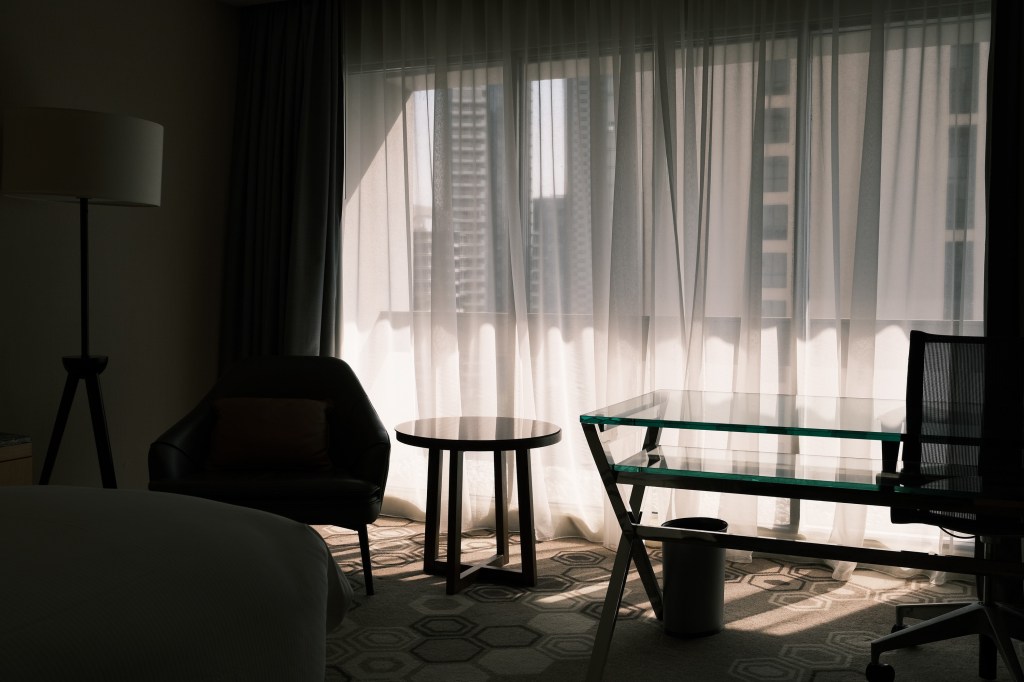
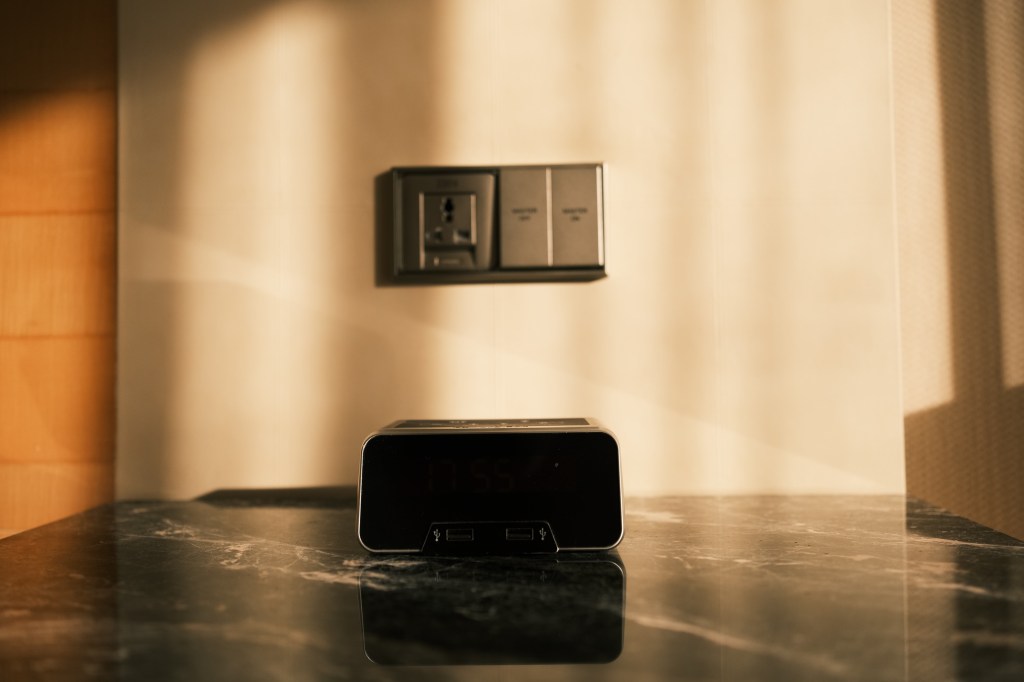
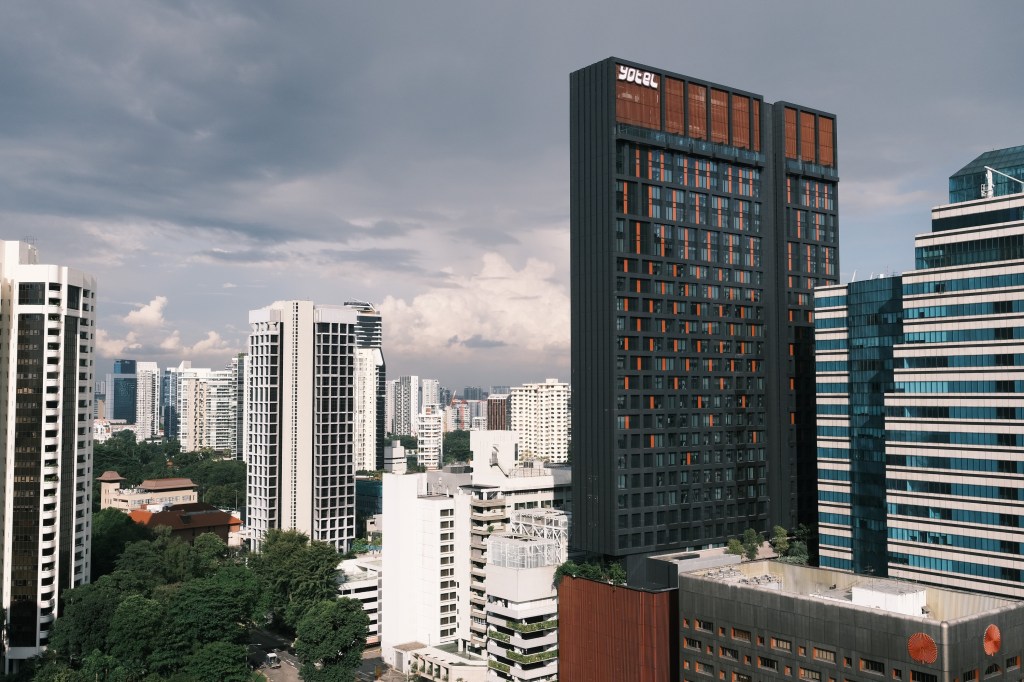
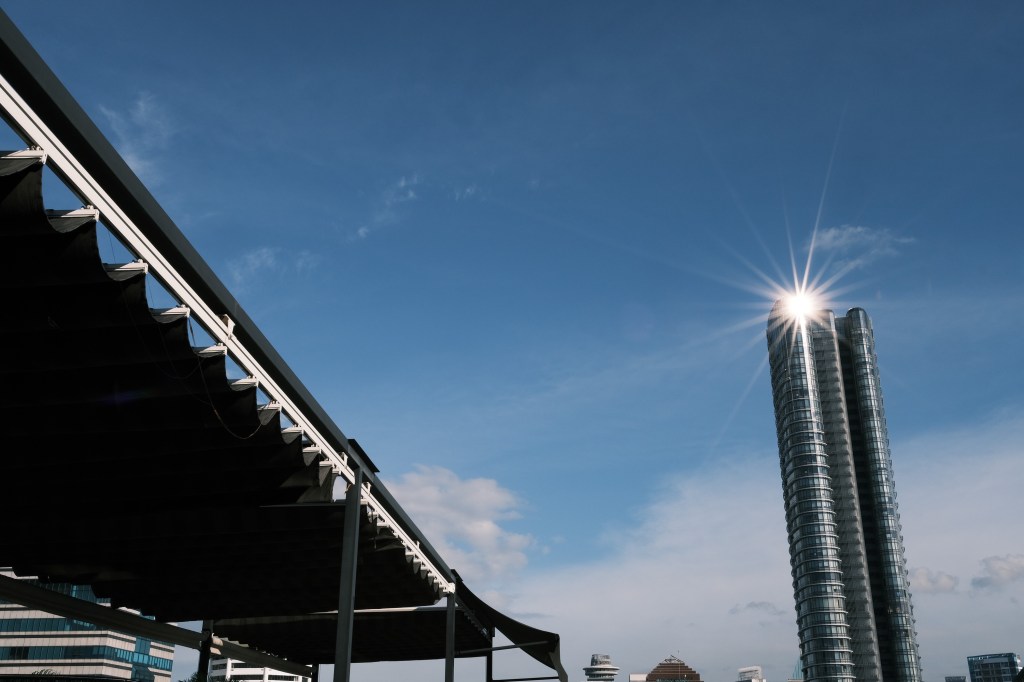
It’s the time of the year where people spend their holidays overseas. Although there are countries open up with the Vaccinated Travel Lane (VTL), we decide to have a short staycation in one of the hotels in the heart of the Singapore shopping belt.

All thanks to Mr. Keitaro So, Divisional Head of Fujifilm Asia Pacific, for providing the loan for X-S10 and XF23mm f1.4 WR, I have the opportunity to test out the lens during my stay.

I will be providing a review when I return the loaned units. But for now, I will just share what I have taken with this lens.

Disclaimer:
1. All the shots taken here are shot by me.
2. Some of the shots 
are slightly edited in Lightroom Classic to my preferences. Otherwise, the shots are straight out of the camera.
3. The opinions are based on my experience. If there is any mistake, please kindly drop me a message and I will gladly make the amendment.
4. I reserve ownership of these images, if you wish to use my images, please notify me.

Fuji X-S10 . XF 23mm F1.4 @ 23mm . f5.6 . 1/450″ . ISO 320 . Classic Neg
Fuji X-S10 . XF 23mm F1.4 @ 23mm . f1.4 . 1/6000″ . ISO 320 . Classic Neg
Fuji X-S10 . XF 23mm F1.4 @ 23mm . f2 . 1/2000″ . ISO 320 . Classic Neg
Fuji X-S10 . XF 23mm F1.4 @ 23mm . f8 . 1/1000″ . ISO 320 . Classic Neg
Fuji X-S10 . XF 23mm F1.4 @ 23mm . f1.4 . 1/6000″ . ISO 160 . Classic Neg
Fuji X-S10 . XF 23mm F1.4 @ 23mm . f16 . 1/280″ . ISO 320 . Classic Neg
Fuji X-S10 . XF 23mm F1.4 @ 23mm . f8 . 1/750″ . ISO 320 . Classic Neg
Fuji X-S10 . XF 23mm F1.4 @ 23mm . f1.4 . 1/40″ . ISO 320 . Classic Neg

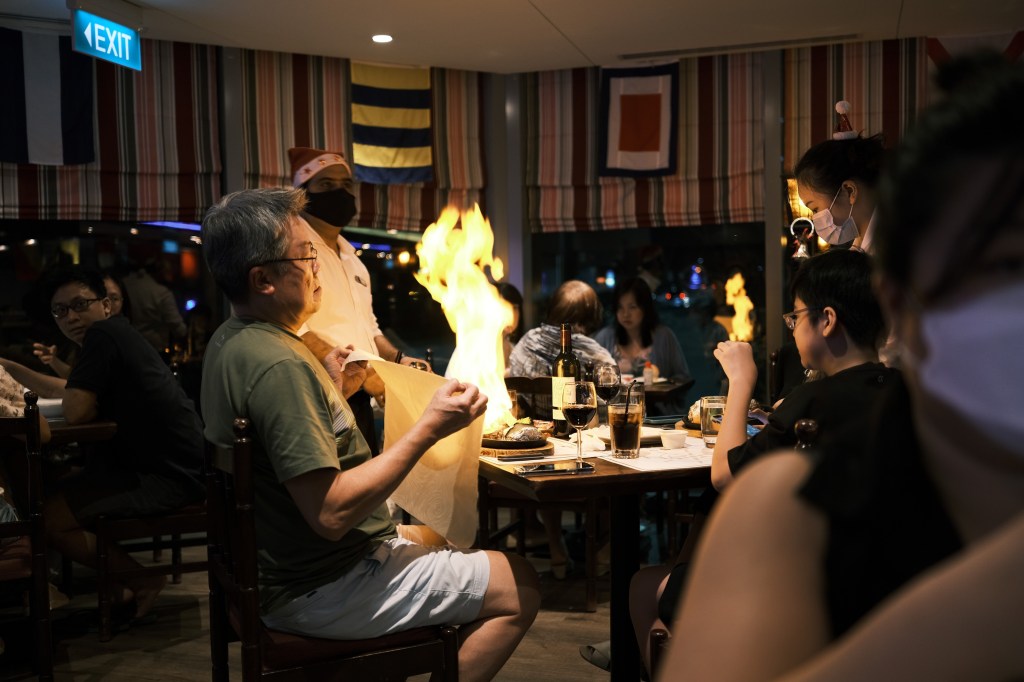
Always have some protection when playing with fire.

Fuji X-S10 . XF 23mm F1.4 @ 23mm . f1.4 . 1/1600″ . ISO 160 . Classic Neg
Fuji X-S10 . XF 23mm F1.4 @ 23mm . f1.4 . 1/2000″ . ISO 320 . Classic Neg
Fuji X-S10 . XF 23mm F1.4 @ 23mm . f1.4 . 1/680″ . ISO 320 . Classic Neg
Fuji X-S10 . XF 23mm F1.4 @ 23mm . f1.4 . 1/160″ . ISO 320 . Classic Neg

A chef ensuring the order is in order.

Fuji X-S10 . XF 23mm F1.4 @ 23mm . f1.4 . 1/45″ . ISO 320 . Classic Neg
Fuji X-S10 . XF 23mm F1.4 @ 23mm . f1.4 . 1/640″ . ISO 320 . Classic Neg
Fuji X-S10 . XF 23mm F1.4 @ 23mm . f1.4 . 1/30″ . ISO 320 . Classic Neg
Fuji X-S10 . XF 23mm F1.4 @ 23mm . f1.4 . 1/45″ . ISO 320 . Classic Neg

Since young, we are so fascinated about big bright screen. (And Papa Pink has a sexy pose.)

Fuji X-S10 . XF 23mm F1.4 @ 23mm . f1.4 . 1/100″ . ISO 320 . Classic Neg
Fuji X-S10 . XF 23mm F1.4 @ 23mm . f1.4 . 1/50″ . ISO 320 . Classic Chrome.

Last but not least, a Fujifilm X100T user on the road.

Thank you for reading.

If you like my works, please follow me on either one of the 2 Instagram accounts:

https://www.instagram.com/alwinkok_

https://www.instagram.com/alwin.portraits

If you like my content and you want to show some support, you can buy me a coffee here.
Reviews

TTArtisan 17mm f1.4: The Economical Ultra-wide Angle Lens

Due to my work and other personal commitment, this short lens review takes me quite a while to write and share. Here is the review:

I win the TTArtisan 17mm f1.4 over an online photography competition early this year. Coincidentally, this lens completes the uncostly quaternity lenses of my Fujifilm camera setup. Together with the TTArtisan 23mm f1.4, 35mm f1.4, and 50mm f1.2 lens, these 4 lenses give a basic setup that covers most focal lengths for landscape and streets.

Fuji X-S10 . TTArtisan 17mm f1.4 . @17mm . f2 . 0.9″ . ISO 160 . Classic Negative
Fuji X-S10 . TTArtisan 17mm f1.4 . @17mm . f2 . 1/6″ . ISO 3200 . Classic Negative
Fuji X-S10 . TTArtisan 17mm f1.4 . @17mm . f2 . 1/10″ . ISO 640 . Classic Negative

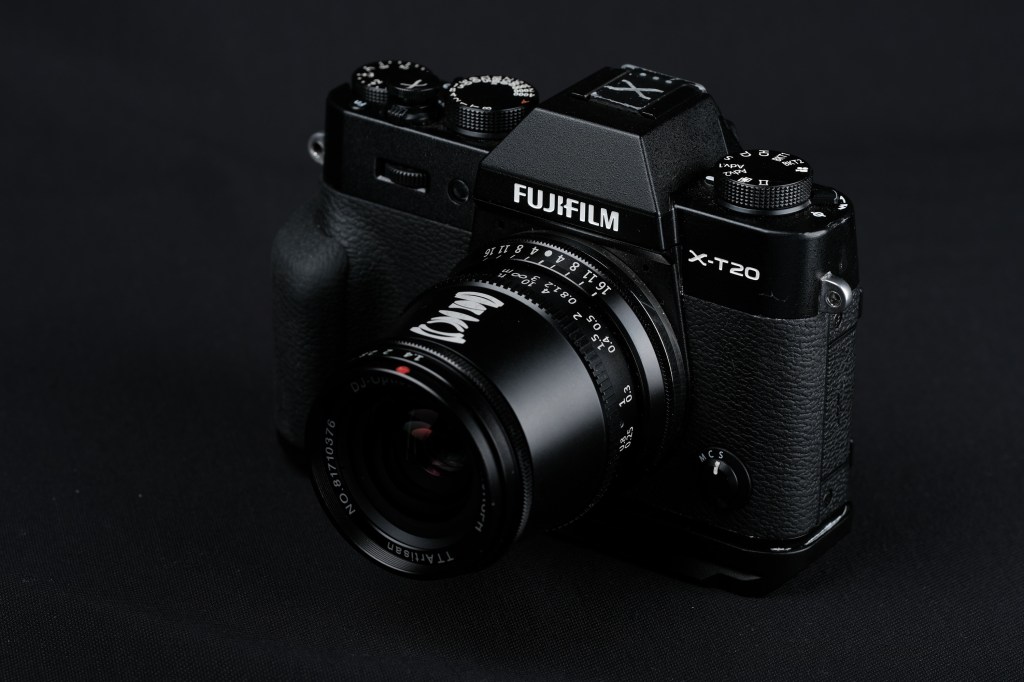
Special thanks to Den Poh for lending me the X-T20 for being the model for the lens.

Disclaimer:
1. All the shots taken here are shot by me.
2. Some of the shots
 are straight out of the camera while others are edited via In-Camera Raw Processing and Adobe Lightroom Classic.
3. I reserve ownership of these images, if you wish to use my images, please notify me.
4. The opinions are based on my experience. If there is any mistake made, please kindly drop me a message and I will gladly make the amendment.

Fuji X-Pro1 . TTArtisan 17mm f1.4 . @17mm . f5.6 . 1/2400″ . ISO 400 . Post-edited
Fuji X-S10 . TTArtisan 17mm f1.4 . @17mm . f2 . 1/150″ . ISO 320 . Classic Chrome

About this lens

By looking at the name of this lens, I am sure everyone should have noticed that this is an uncommon focal length for a prime lens. It sits right between the popular focal lengths from Fujifilm 16mm and 18mm. It seems to me that TTArtisan is trying to do away with the “common” focal lengths that Fujifilm has. This approach also gives the photographers more choices to look out for.

Fuji X-T20 . TTArtisan 17mm f1.4

Based on the full-frame equivalent, the focal length is 25.5mm. On paper, it is wider than 28mm but slightly narrower than 24mm. In this case, we already know that what is the purpose of this lens. But does it make a huge difference with the 1.5m? Personally, I don’t think so.

TTArtisan 17mm f1.4

When I first hold this lens in my hand, I can feel the metal-constructed premium quality built similar to other TTArtisan lenses. It is small but slightly taller than its 35mm brother. Despite its small size, I can too feel some weight on this lens (248 grams). It has a relatively small filter size of 40.5mm. Not a common filter size if you are looking to give extra protection to the front lens element (which I do not think is necessary to do so) or doing planning to do creative works. But it is also not that difficult to look for one.

The aperture gives a nice and satisfying clicky feedback when I change the aperture value. The manual focus ring gives a comfortable rotation with a little friction to hold me back.

TTArtisan 17mm f1.4

Like all the TTArtisan lenses, this lens also does not come with a lens hood. Hence, lens flare can be an issue when you are shooting directly towards the sun. Unless lens flares are intended for your shots, try to avoid it or try getting a third-party lens hood to overcome the lens flare.

Image Quality

The image quality is decent and sharp. However, if you are shooting wide open, vignetting is considerably strong at the corners, but it is easy to post-process to remove it.

Left: Fuji X-T3 . TTArtisan 17mm f1.4 . @17mm . f1.4 . 1/120″ . ISO 320 . Classic Chrome
Right: Fuji X-T3 . TTArtisan 17mm f1.4 . @17mm . f2 . 1/80″ . ISO 2000 . Classic Chrome

For this lens, I prefer to use an aperture number from f2 onwards. It gives me an acceptable balance between image softness and image sharpness. At wide-open, it gives some sort of softness (or character) to the shot, and unfortunately, it is not my preferred kind of result.

Fuji X-T3 . TTArtisan 17mm f1.4 . @17mm . f2 . 1/5800″ . ISO 320 . Post-edited
Fuji X-T3 . TTArtisan 17mm f1.4 . @17mm . f5.6 . 1/550″ . ISO 320 . Classic Chrome

As usual, I do not have high expectations for the third-party lens’ bokeh performance. At f1.4, it gives the overall picture a softer, dreamy look. I believe there are some photographers who actually know how to appreciate this kind of result. I am still learning to appreciate this. the background blur falls off remarkably nice from the subject and it does not give a harsh background blur too.

Sunny star effects are formed easily from F5.6 and the results are more beautiful and sharper from F8 onwards. But on a side note, flares can noticeable too if the lens is facing directly at where the sun direction is.

Fuji X-S10 . TTArtisan 17mm f1.4 . @17mm . f8 . 30″ . ISO 160 . Classic Chrome
Fuji X-T3 . TTArtisan 17mm f1.4 . @17mm . f8 . 1/200″ . ISO 320 . Classic Chrome

Minimum Object Distance (MOD)

The MOD is 20 cm and it is considerably close for a compact wide-angle lens like this. With this MOD, we can create different perspectives and creative shots that we cannot achieve with our common lens.

Fuji X-S10 . TTArtisan 17mm f1.4 . @17mm . f2 . 1/100″ . ISO 160 . Classic Chrome
Fuji X-Pro1 . TTArtisan 17mm f1.4 . @17mm . f4 . 1/2900″ . ISO 800 . Post-editd
Fuji X-T3 . TTArtisan 17mm f1.4 . @17mm . f2 . 1/900″ . ISO 320 . Classic Chrome

To give you some sensing on how close it is as compared to the Fujifilm 16mm f1.4 and 18mm f1.4, it has the same MOD as the XF18mm f1.4.

Manual Focusing

The smooth yet gentle friction experience on this manual focusing lens is as enjoyable as the rest of the TTArtisan lenses. I can’t find any reason to complain about it.

The focus throw from MOD to infinity is about 160°. Unlike some other lenses which take a huge throw to reach from one end to the other, the TTArtisan 17mm f1.4 is considered reasonable. I suppose there are some benefits for larger focus throw but I prefer a shorter one.

Who is this for?

This focal length is not my commonly used focal length for my shutter therapy. But I will bring this lens along with my other lenses. After all, it is compact and easy to place inside my camera bag.

Fuji X-E3 . TTArtisan 17mm f1.4 . @17mm . f5.6 . 1/280″ . ISO 200 . Post-edited
Fuji X-R3 . TTArtisan 17mm f1.4 . @17mm . f2 . 1/60″ . ISO 640 . Classic Chrome

This lens is suitable for Landscape, architecture photographers, and probably astrography photographers who are on a limited budget and yet want a fast prime lens. I also tested this lens for portraits and I think it is a good lens to catch some environmental portraits with your loved ones.

Fuji X-S10 . TTArtisan 17mm f1.4 . @17mm . f2 . 1/25″ . ISO 320 . Post-edited
Fuji X-S10 . TTArtisan 17mm f1.4 . @17mm . f2 . 1/60″ . ISO 320 . Post-edited
Fuji X-S10 . TTArtisan 17mm f1.4 . @17mm . f2 . 1/60″ . ISO 640 . Post-edited
Fuji X-T3 . TTArtisan 17mm f1.4 . @17mm . f5.6 . 1/2000″ . ISO 320 . Post-edited

If you are a photographer who wants to have experience shooting with a full manual lens, you are welcome to try this lens out but I will recommend TTArtisan 23mm f1.4 to start with.

Conclusion

TTArtisan is really good at striking a balance between the price and lens quality. I cannot find any player in the market that can compete with them without sacrificing either one of them. At USD118, I think the money is worth spending if you know what you can do with this lens.

Fuji X-T3 . TTArtisan 17mm f1.4 . @17mm . f4 . 1/80″ . ISO 320 . Post-edited
Fuji X-T3 . TTArtisan 17mm f1.4 . @17mm . f4 . 1/1600″ . ISO 320 . Classic Chrome
Fuji X-S10 . TTArtisan 17mm f1.4 . @17mm . f2 . 1/30″ . ISO 1000 . Classic Chrome

This lens gives me a fun and enjoyable experience. If you are willing to accept the flaws in this piece of glass, you will enjoy what it can give you.

Thank you for reading.

If you like my works, please follow me on either one of the 2 Instagram accounts:

https://www.instagram.com/alwinkok_

https://www.instagram.com/alwin.portraits

If you like my content and you want to show some support, you can buy me a coffee here.

Reviews

Staycation With GFX 50S II

It was a last minute arrangement with Mr. Keitaro So, Divisional Head of Fujifilm for providing the loan unit of GFX 50S II and 4 GF lenses (GF 45mm f2.8, 50mm f3.5, 80mm f1.7 and GF32-64mm f4). We discussed over the night and the gears are on my hands the very next day. I am very grateful to Mr. Keitaro So for the effort and time for this arrangement and support.

GFX 50S II . GF 45mm F2.8

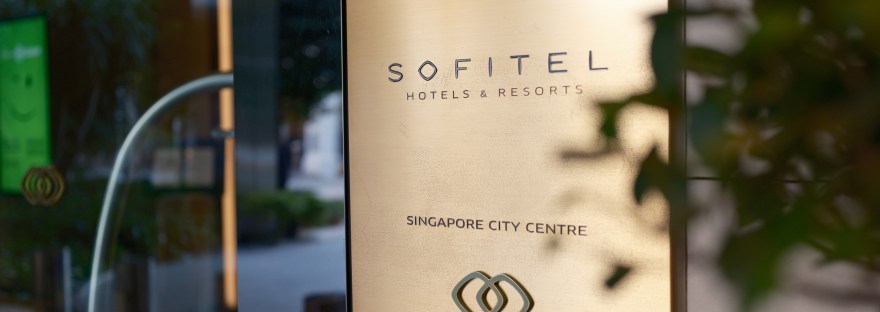
This is my first time holding the GFX camera and I happened to have a short staycation at Sofitel Singapore City Centre. So, I think this is a good opportunity for me to test out this large format camera.
GFX 50S II . GF 45mm F2.8

I will be sharing my full experience in another blog post and that will be available in a few weeks time. Meanwhile, I will not share too much about the details over here but photos!

Disclaimer:
1. All the shots taken here are shot by me.
2. All the shots
are straight out of the camera with some shots are edited via In-Camera Raw Processing.
3. I reserve ownership of these images, if you wish to use my images, please notify me.

GFX 50S II . GF 50mm F3.5

I think I can see the stars…

GFX 50S II . GF 50mm F3.5

Couples…

GFX 50S II . GF 32-64mm F4

The Depth of Field is so impressive at F4.

GFX 50S II . GF 32-64mm F4

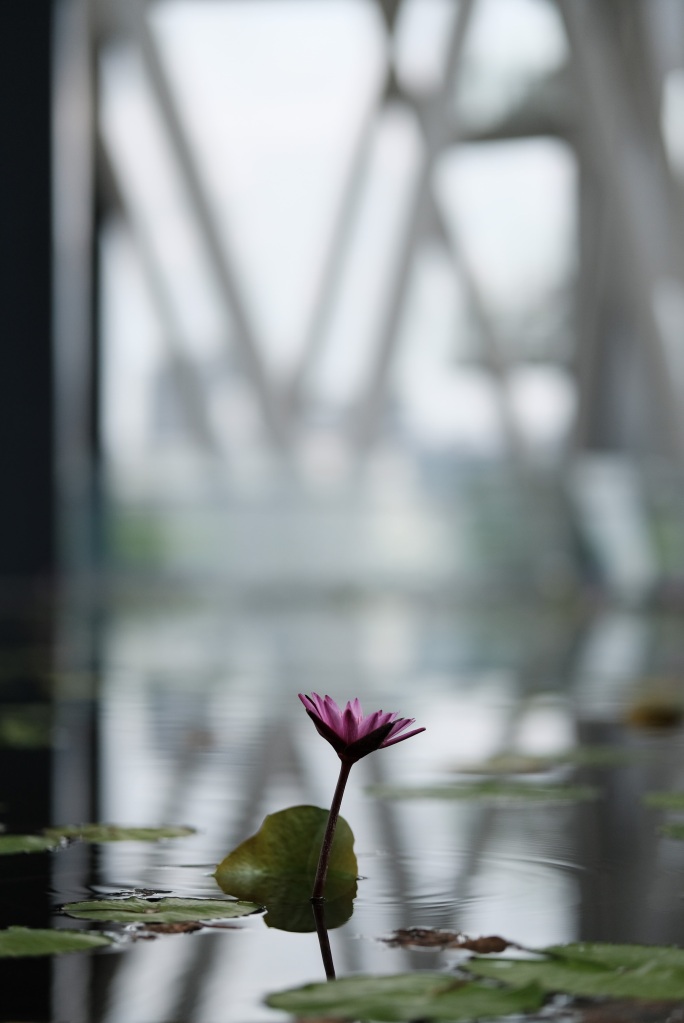
Flower on the pool…

GFX 50S II . GF 32-64mm F4

Can you see the man at work?

GFX 50S II . GF 32-64mm F4
GFX 50S II . GF 50mm F3.5

Morning sunrise…

GFX 50S II . GF 50mm F3.5

Breakfast at Racines.

GFX 50S II . GF 32-64mm F4

The only mini cooper I can afford.

GFX 50S II . GF 80mm F1.7

Thank you for reading.

If you need helps, you may direct message me in either one of the 2 Instagram accounts:

https://www.instagram.com/alwinkok_

https://www.instagram.com/alwin.portraits

Reviews

X-PRO 1 – Can I still use it in 2022?

Since we are just a few months away from the year 2022, please allow me to jump into 2022 instead of 2021. First thing first, yes, you can still use it to shoot. A camera is a camera, it is still capable of doing what it is designed to do. What I cannot answer is whether it is still viable in the year 2022. I do not own the X-Pro1 but I managed to borrow it from a friend for about a month to have a total hands-on experience with this classic rangefinder every day. Why am I using X-Pro1? That’s because I come across friends asking me these questions many times:

Fuji X-Pro 1 . XF35mm F1.4

“I am on a budget and I am interested to start to learn photography, do you think X-Pro1 is worth getting it?”; or “Is X-Pro1 a usable camera as a second camera system?”.

Fuji X-Pro 1 . XF35mm F1.4

Unfortunately, I cannot share my opinion with my friends because I do not have one. Hence, I always recommend my friends to rent it from a camera rental store or borrow it from someone who has it for at least a week. And in this one week, he/she has to try to bring it with him/her and do some shoots every day. So that he/she can see what does this camera lacking for his/her shooting preferences.

But now, it is a whole new different story for me.

Fuji X-Pro1 . Fuji 27mm F2.8 WR @27mm . f2.8 . 1/850” . ISO 400 . Post-edited
Fuji X-Pro1 . Fuji 35mm F1.4 @35mm . f4 . 1/1250” . ISO 200 . Post-edited
Fuji X-Pro1 . Fuji 18mm F1.4 @18mm . f11 . 1/1800” . ISO 800 . Post-edited

Disclaimer:
1. All the shots taken here are shot by me.
2. Most of the shots 
are slightly edited in Lightroom Classic to my preferences. Otherwise, the shots are straight out of the camera.
3. The opinions are based on my experience. If there is any mistake, please kindly drop me a message and I will gladly make the amendment.
4. I reserve ownership of these images, if you wish to use my images, please notify me.

A little of my Fuji history

My first interchangeable mirrorless camera was the X-T2 and then now X-T3 and X-E3. I have never held an X-Pro1 and shoot the outside world with it. That is why I am lacking experience with the first mirrorless camera from Fujifilm. How is the experience using it in the outside world? I was always told that the first generation was slow and sometimes the focusing can let one person frustrated, and the list goes on. I think this is a good opportunity for me to experience the good and the bad about this classic guy.

Fuji X-Pro1 . Fuji 70-300mm F4-5.6 @206.5mm . f5 . 1/125” . ISO 640 . Post-edited
Fuji X-Pro1 . TTArtisan 17mm F1.4 @17mm . f8 . 1/2900” . ISO 800 . Post-edited
Fuji X-Pro1 . Fuji 70-300mm F4-5.6 @70mm . f4 . 1/125” . ISO 800 . Post-edited

Before I start to share, I believe everyone is familiar with the X-Pro1. Thus, other than my experience, I will not share the technical specification.

Build Quality

When I hold this camera, the grip, the touch, and the weight of this camera give me a premium touch. I cannot believe this camera was made 10 years ago and the craftsmanship of this camera still looks amazing today. The dials and buttons feedbacks are great. I know some people do not like the ergonomic of the rangefinder-style camera but I quite like the ergonomic with it. Looking through the optical viewfinder is a joyful experience. It reminds me of the DSLR days but this experience is way better.

Fuji X-Pro1 . Fuji 35mm F1.4 @35mm . f2 . 1/125” . ISO 500 . Pro Neg Hi
Fuji X-Pro1 . Fuji 35mm F1.4 @35mm . f2 . 1/125” . ISO 640 . Pro Neg Hi
Fuji X-Pro1 . Fuji 35mm F1.4 @35mm . f4 . 1/1250” . ISO 1250 . Pro Neg Hi
Fuji X-Pro1 . Fuji 35mm F1.4 @35mm . f16 . 1/125” . ISO 1600 . Pro Neg Hi

Shooting Experience …

For the shooting experience, I think it is good to split into 3 segments, the first is with the first generation Fuji lens and the second is with the Fuji newer generation lenses.

Fuji X-Pro1 . Fuji 35mm F1.4 @35mm . f2.8 . 1/1900” . ISO 200 . Pro Neg Hi
Fuji X-Pro1 . Fuji 27mm F2.8 WR @27mm . f2.8 . 1/850” . ISO 200 . Pro Neg Hi
Fuji X-Pro1 . Fuji 27mm F2.8 WR @27mm . f2.8 . 1/90” . ISO 3200 . Pro Neg Hi
Fuji X-Pro1 . Fuji 27mm F2.8 WR @27mm . f2.8 . 1/450” . ISO 800 . Pro Neg Hi

i) With Classic Lens

I have one and only one classic lens and that is XF35mm F1.4. It is one of my most favourite lenses in my whole entire Fujifilm line-up. Needless to say, the combination of both XF35mm F1.4 and the X-Pro 1 is incredibly beautiful and it seems that they are a match made in heaven. From the moment I start to focus on an object, I finally know what do people meant by slow. The focusing really takes a longer time than the current newer Fuji cameras to lock onto the subject. There is some focus hunting. Sometimes I even encounter this during broad daylight, not to mention how bad it can be under challenging light conditions. Despite the worse, I still can bear with it and get the shot I want. Patience is the key.

Fuji X-Pro1 . Fuji 27mm F2.8 WR @27mm . f2.8 . 1/125” . ISO 800 . Pro Neg Hi
Fuji X-Pro1 . Fuji 27mm F2.8 WR @27mm . f2.8 . 1/125” . ISO 1000 . Pro Neg Hi
Fuji X-Pro1 . Fuji 35mm F1.4 @35mm . f2 . 1/125” . ISO 800 . Pro Neg Hi
Fuji X-Pro1 . Fuji 27mm F2.8 WR @27mm . f2.8 . 1/1000” . ISO 400 . Pro Neg Hi

ii) With Newer Lenses

I have tried with a few newer generation lenses such as XF18mm F1.4, XF23mm F2, XF27mm F2.8 WR, and XF70-300mm F4-5.6. To my surprise, they do not give the same slow focus experience like the XF35mm F1.4 does. But rather, in my opinion, they do give a faster focusing lock and less focus hunting.

Image Quality

I have nothing to gripe about when comes to image quality. Coming out from the X-Trans first-generation CMOS sensor, the result is really impressive. From 100% viewing with the Lightroom Classic, the details are well preserved. Another surprise for me is that the dynamic range is decent too, it is capable of recovering quite an amount of details with the post-processing.

Fuji X-Pro1 . Fuji 27mm F2.8 WR @27mm . f2.8 . 1/280” . ISO 800 . Pro Neg Hi
Fuji X-Pro1 . Fuji 27mm F2.8 WR @27mm . f2.8 . 1/55” . ISO 3200 . Pro Neg Hi
Fuji X-Pro1 . Fuji 27mm F2.8 WR @27mm . f2.8 . 1/200” . ISO 800 . Pro Neg Hi

The Drawbacks:

I have a few drawbacks to share but these are based on my own preference and it may not be a drawback for you in your preference.

i) Front Command Dial

What I miss the most is the Front Command Dial and X-Pro 1 do not come with it. I usually use it for changing my exposure compensation and scroll through photos, etc, which I had gotten used to with the newer camera bodies.

Fuji X-Pro1 . Fuji 35mm F1.4 @35mm . f8 . 1/320” . ISO 200 . Pro Neg Hi
Fuji X-Pro1 . Fuji 23mm F2 @23mm . f2 . 1/20” . ISO 3200 . Pro Neg Hi
Fuji X-Pro1 . Fuji 23mm F2 @23mm . f2 . 1/125” . ISO 1600 . Pro Neg Hi
Fuji X-Pro1 . Fuji 35mm F1.4 @35mm . f2.8 . 1/125” . ISO 320 . Pro Neg Hi

ii) Exposure Compensation Dial

In order to use the Front Command Dial, I set this exposure compensation dial to Custom (C). Unfortunately, this camera does not have the C in the dial.

iii) Using Fuji Remote App

Yes. This app gives me minor problems such as unstable network connectivity and file transfer connectivity. But it still comes in handy when I wish to transfer photos from camera to mobile phone and doing shooting via remote control. Since this camera does not come with Wi-Fi or Bluetooth module, that also means I need to go through the old-school way of file transferring.

Fuji X-Pro1 . Fuji 27mm F2.8 WR @27mm . f5.6 . 1/1600” . ISO 200 . Post-edited
Fuji X-Pro1 . Fuji 27mm F2.8 WR @27mm . f5.6 . 1/900” . ISO 200 . Post-edited
Fuji X-Pro1 . Fuji 27mm F2.8 WR @27mm . f5.6 . 1/480” . ISO 200 . Post-edited
Fuji X-Pro1 . Fuji 70-300mm F4-5.6 @300mm . f5.6 . 1/3200” . ISO 200 . Post-edited

iv) Focus Peaking

I test the focus peaking with TTArtisan 17mm F1.4 and the result is awesome. There is no complaint about the image quality. The problem that I have is that I am too relying on the “Red” or “Blue” as my focus peaking highlight whereas X-Pro1 only comes with “High” and “Low” options. While it is not something that is not difficult to use, it is just personal preference.

v) The Menu System

The menu system from this rangefinder is not difficult to use, however, the current menu system is way better. I did use the old menu system before with my X10 but I am so used to the current menu that I feel a bit lost to use the old one. Again, this is about adaptability.

Fuji X-Pro1 . Fuji 27mm F2.8 WR @27mm . f5.6 . 1/3200” . ISO 400 . Post-edited
Fuji X-Pro1 . Fuji 35mm F1.4 @35mm . f2 . 1/125” . ISO 2500 . Pro Neg Hi
Fuji X-Pro1 . Fuji 23mm F2 @23mm . f2 . 1/320” . ISO 640 . Pro Neg Hi

vi) The Little Focus Stick

Some people hate it, some people love it and I belong to the latter. In fact, I use it more often than the 4 directional buttons, also known as selector buttons. Whenever I try to navigate the menu system, my thumb will unknowingly move to where the focus stick position is. Then I only realize that this camera does not equip with it when I try to push the “stick”.

vii) The In-Camera Raw Processing

The newer lineup of Fujifilm cameras comes with a good suite of film simulations and basic editing tools to do some simple post-processing or fine-tune your photos, so you can share them with your family and friends immediately.

I love to use this function, especially when I can make some fine adjustments inside the camera during commuting or between breaks. However, the raw processor included in this first generation is rather slow. But if you want to do some simple post-processing in the camera, you can still do it.

Fuji X-Pro1 . Fuji 70-300mm F4-5.6 @87.5mm . f5.6 . 1/800” . ISO 200 . Post-edited
Fuji X-Pro1 . Fuji 27mm F2.8 WR @27mm . f5.6 . 1/1100” . ISO 200 . Post-edited
Fuji X-Pro1 . Fuji 18mm F1.4 @18mm . f5.6 . 1/2400” . ISO 200 . Post-edited

Conclusion

It is a good camera with minor drawbacks. 16 megapixels (mp) is certainly enough for the magazine size print and more than enough for your social media sharing. I am totally fine with 16mp as I hardly crop my photos by a lot. So should I get one? Probably not the X-Pro 1. Don’t get me wrong. This camera is still capable of shooting amazing shots. Having said that, I might consider getting a used X-Pro2 instead of X-Pro 1. That is because X-Pro 2 at least eliminates my drawbacks. (Sorry for the disappointment.)

To answer both questions stated in my second paragraph. If you do not mind the drawbacks that I have mentioned, you can get one for your photography learning adventure or for a second camera system. I always prioritize great quality lenses first over the camera body. Hence, pick up one or two good primes lenses (or zoom lens if you prefer) together with this camera.

In My Own Words

The evolution of the technology in the camera industry has been improving from time to time. I always think of the longevity of the camera technologies one can optimize with. When I am purchasing a camera, I will weigh the cost and the longevity for myself. As this X-Pro1 is hitting its 10 years mark in 2022, this also means the technology inside its gut is 10 years old too. I’m not saying this camera cannot be used. But what I am suggesting is that if one person is to invest in a camera system, probably can consider cameras that launch in recent years. At least you can stop “chasing” after a newer camera when you get the more recent one. If brand new is not an option, you can also consider getting the pre-owned newer camera models at a better and affordable price point.

Thank you for reading.

If you need helps, you may direct message me in either one of the 2 Instagram accounts:

https://www.instagram.com/alwinkok_

https://www.instagram.com/alwin.portraits

Fuji X-Pro 1 . Fuji X100V

street

The Last Photowalk Before The Start of CB Phase 2 (HA) Again

Singapore has entered Circuit Breaker Phase 2 (Heightened Alert) again due to the rise of Delta variant in multiple new clusters. Fortunately, the Fujifans managed to meet up for a morning photowalk.

Over here, I will not disclose what Fujifilm camera I am using. You can make a guess and comment down below. All photos are post-processed with intended additional grain effect.

XF35mm F1.4 @35mm . f5.6 . 1/125” . ISO 400
XF70-300mm F4-5.6 @300mm . f5.6 . 1/3200” . ISO 200
XF35mm F1.4 @35mm . f4 . 1/1250” . ISO 200
XF18mm F1.4 @18mm . f5.6 . 1/1400” . ISO 800
XF18mm F1.4 @18mm . f8 . 1/250” . ISO 200

TTArtisan 17mm F1.4 @17mm . f5.6 . 1/800” . ISO 400
TTArtisan 17mm F1.4 @17mm . f5.6 . 1/2200” . ISO 800
TTArtisan 17mm F1.4 @17mm . f4 . 1/125” . ISO 320
XF70-300mm F4-5.6 @300mm . f5.6 . 1/125” . ISO 1250
TTArtisan 17mm F1.4 @17mm . f8 . 1/850” . ISO 800
XF27mm F2.8 @27mm . f5.6 . 1/125” . ISO 320
XF27mm F2.8 @27mm . f5.6 . 1/1600” . ISO 200
XF27mm F2.8 @27mm . f5.6 . 1/1480” . ISO 200
XF27mm F2.8 @27mm . f4 . 1/1100” . ISO 800
XF70-300mm F4-5.6 @70mm . f4 . 1/125” . ISO 800
XF27mm F2.8 @27mm . f5.6 . 1/900” . ISO 200
XF27mm F2.8 @27mm . f4 . 1/950” . ISO 400
XF27mm F2.8 @27mm . f5.6 . 1/400” . ISO 400
XF27mm F2.8 @27mm . f5.6 . 1/140” . ISO 400

XF18mm F1.4 @18mm . f5.6 . 1/1800” . ISO 200
XF27mm F2.8 @27mm . f5.6 . 1/1100” . ISO 200

For more of my photos, do follow me below:
https://www.instagram.com/alwinkok_
https://www.instagram.com/alwin.portraits

Disclaimer:
1. All the shots taken here were shot by me.
2. I reserve ownerships to these images
, if you wish to use my images for whatever reasons, please notify me and we can see how to works thing out.

Thank you for viewing.

Uncategorized

My First X100

X100 was announced back in Photokina 2010. Lots of praise from the media and online reviewers. Fujifilm nailed the design of the retro-style enthusiast rangefinder camera with traditional analogue control dials. It was a great hit and instantly built up a large pool of fans base. I am one of them but…  Here’s the “but”… As a student, the price tag scared me off. 

One year later, they announced the X10, a younger brother of X100, and it fulfilled my dream of having my first Fujifilm camera. Like I mentioned in my earlier post, it was a fun camera and I love the film simulations. Despite that, it did not spark much joy for me. 

Occasionally, I went to the retailer stores to play with the X100. I love the build quality, it was good to hold it in my hands and I was blown away by the hybrid viewfinder. On the other hand, the focusing system was not snappy enough, the shooting menu was not as good as what it is today and the images seem to be soft at F2. For the price tag, I have to give it a miss. 

Almost 3 years later, X100S had arrived at the shore and I still had not made the purchase. In fact, I wasn’t shooting a lot during those years and I still can count how much time I had actually brought my camera out for a click. It was my low point, it had become a hassle to bring the camera out and slowly I lost my passion for shooting.I still read up the reviews, tested it with a few clicks at the retail stores and nothing more beyond these two points.    

Another 3 years later, X-T2 caught my attention unknowingly. I knew there was a X-T1 but it was X-T2 that captured my interest. It sounds crazy but it really ignited my passion towards photography again. I even placed a pre-order for it and I got my first Fuji prime lens, XF 23mm F2, to go with it. From that day forward, I had been using the 23mm on most occasions. The versatility of 23mm is just great for street, travel and documentary, isn’t it?

In 2019, when I got my XF 35mm F1.4, things had changed a little in my path. I became obsessed with this lens as it gave me some sort of characteristic feel in my images. It boosted my passion for shooting even more. To be honest, I have left out the XF 23mm since then. The 35mm lens made me keen to bring my camera even on my working days. However, due to my working environment, I have to carry my heavy loaded bag for meetings almost everywhere in Singapore. The overall size of the camera and lens may be compact but it is not that small when I want to put it inside the office bag. This is where I started to miss the Fujifilm compact camera series. the X100, X70 and XF10.
So, what compact camera does Fujifilm have to offer? 

XF10, X70 and X100.

First of all, X70 had stopped production without a successor, not many retailers were selling it and even those retailers that were still selling it, would not recommend me to get it. XF10 was a “cut-down” version of X70, I tried and I was disappointed with the poor autofocusing and laggy interface, so I skipped. With this elimination method, that’s left with X100F. But it was 2019 already and X100F was in its third year cycle, which also meant that it may have a new successor in the pipeline. No one but Fujifilm knows when it will be announced. Since I am not an impatient person, I waited. 

After two months of waiting, the successor had finally said hello to the world. I happened to have the opportunity to try out the successor and I must say I love it. It’s that kind of first love. Beauteous, aesthetic, elegant, ravishing…. This is what I am waiting for. This is not two months of waiting but a good 10 years. This is the sexy camera that I have been waiting for since 2010! 

To tell everyone how much I love this X100V, I immediately brought it out to shoot with the packaging hand carried along. The photos presented over here are my virgin shots with it.

Sidetrack 1: This successor, which is the fifth X100 series, is also my fifth Fujifilm camera. Not sure it is coincidently or fate. Since there are lots of reviews on the web, I will not discuss the technical term or review this X100V in this blog.

Sidetrack 2: This X100V is initially planned to be my weekday camera, I was happy to have it with me and snap some interesting shots while I commute to my destinations.  But now it has become more than just a weekday camera, it’s my everyday camera. 

Disclaimer:
1. All the shots taken here were shot by me.
2. I reserve ownerships to these images
, if you wish to use my images for whatever reasons, please notify me and we can see how to works thing out.

  1. Unknown's avatar
  2. Unknown's avatar
  3. Unknown's avatar
  4. Alwin Kok's avatar
  5. Alan's avatar