
Reviews

Sigma 56mm f1.4 – The Most Compact Portrait Lens

Before I start with this experience sharing post, I would like to thank and appreciate Mr Lawson from Sigma Marketing (Singapore) for providing me with the loan of Sigma 56mm f1.4 Contemporary DC DN.

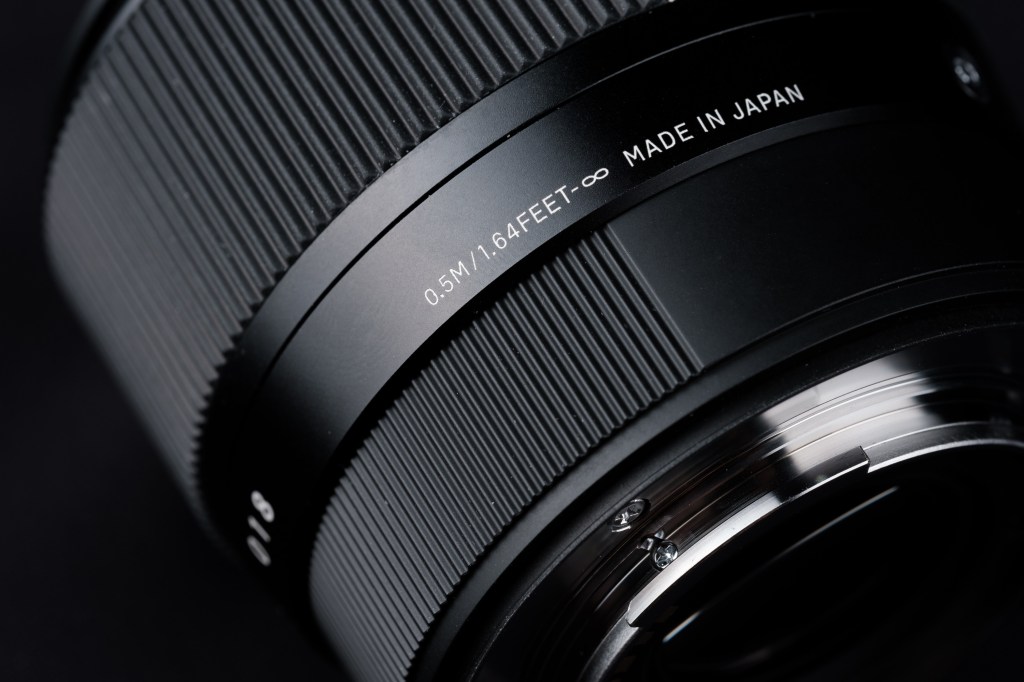
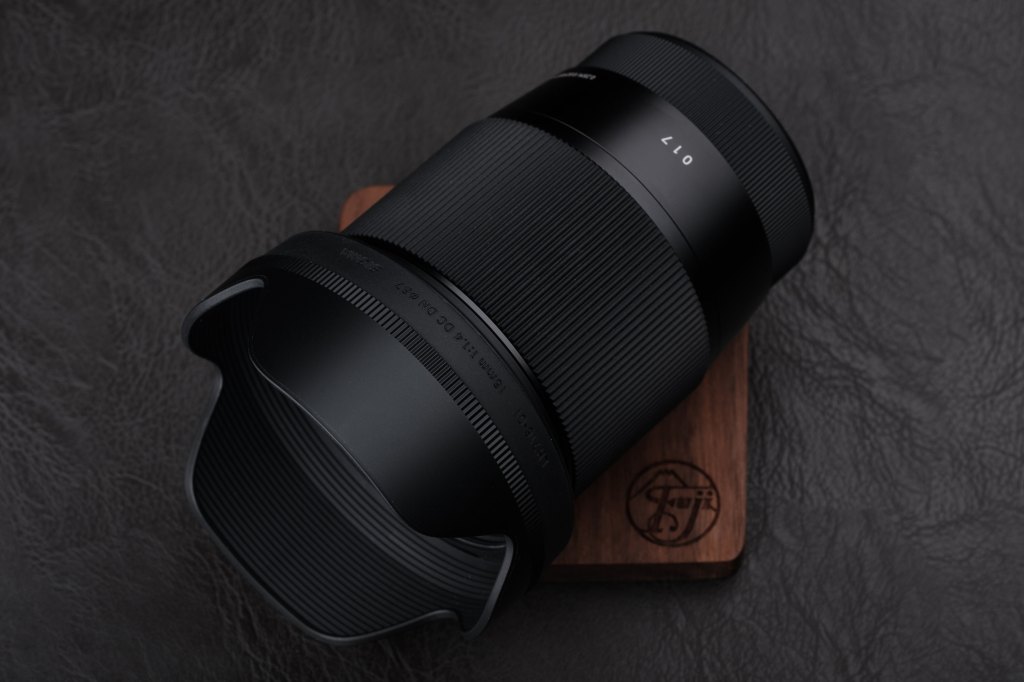
Sigma 56mm f1.4 Contemporary DC DN

Intro

Fujifilm has never lacked of lens choices for portrait shooters to choose from. And there are even massive options available from the 3rd party manual lens manufacturers but not so much for autofocus lenses. I think this is the right time for Sigma to jump into the Fuji X-mount bandwagon with its trio lenses, especially the 56mm f1.4.
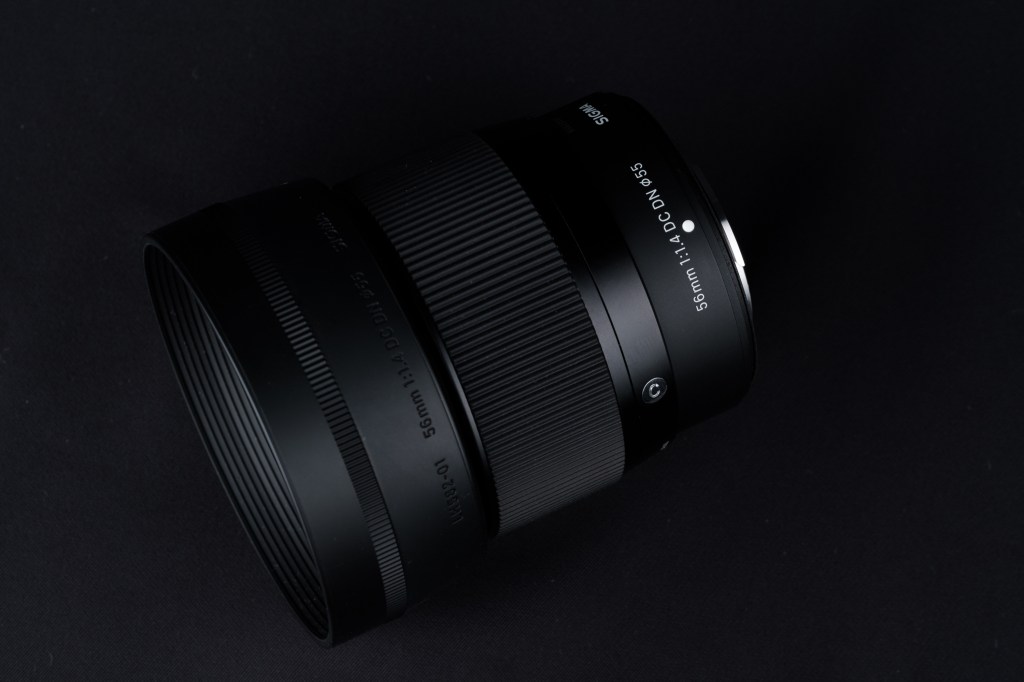
Sigma 56mm f1.4 Contemporary DC DN
Sigma 56mm f1.4 Contemporary DC DN with 2 XF 27mm f2.8 WR

56mm (85mm in 35mm format equivalent) is one of the popular focal lengths among portrait lovers. That’s because the mid-tele focal length gives good compression and shallow depth of field. But before going down further. I have to confess that I do not own the XF 56mm f1.2 or any 3rd party autofocus lenses of the same focal length. Hence, I am unable to make a good comparison between them. But what I can do is share my experience using this lens with the readers and hope the readers will have a good perspective of this lens.

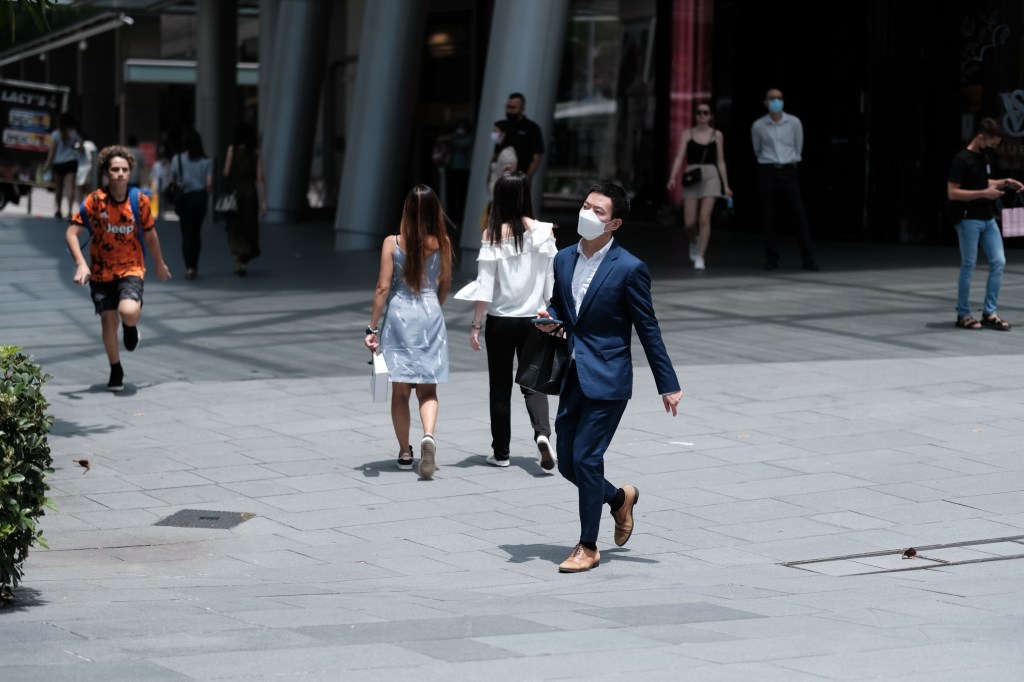
Fuji X-T3 . Sigma 56 mm f1.4 @ 56mm . f4 . 1/80″ . ISO 400. Classic Chrome

I have reviewed the Sigma 16mm f1.4 and Sigma 30mm f1.4 and now the Sigma 56mm f1.4 Contemporary DC DN is on the table. This is the last piece of the trio prime lenses and let’s see how good the lens performance is.

Design & Build Quality

The lens built shared the same design elements as its brothers, giving us a low key minimalistic look. I get more enjoyment with the looks, especially the black labelled wordings on it. Similarly, this lens is also made of “Thermally Stable Composite” (TSC) polycarbonate material. Overall, it provides a very well-built lens body that is easy and lightweight to hold. Something to note, the lens does attract some fingerprints on the glossy material. Although it can be easily wiped off with a piece of cloth, it can be a little annoying and hard not to notice it.

In my opinion, when I talked about the compact lens, a reasonably small filter thread size and weight are part of the elements. This lens comes with a 55mm filter thread and weighs only 280 grams. So I think this lens qualifies as a compact lens.
Likewise, this lens is also equipped with dust and splash resistant sealing that helps to protect the lens from certain weather/environmental conditions. Last but not least, it does not come with an aperture ring either.

Image Quality

According to Sigma Marketing, each and every part of this lens was designed in 2018 (except the mount). Fast forward to 2022, how does the optical quality perform in real-world situations? If you read about how well the Sigma 30mm performed, then you can conceivably conclude that this is as good as that piece of glass or possibly even better. At wide open, the sharpness, details and contrast produced by this lens are comfortably good for my liking.

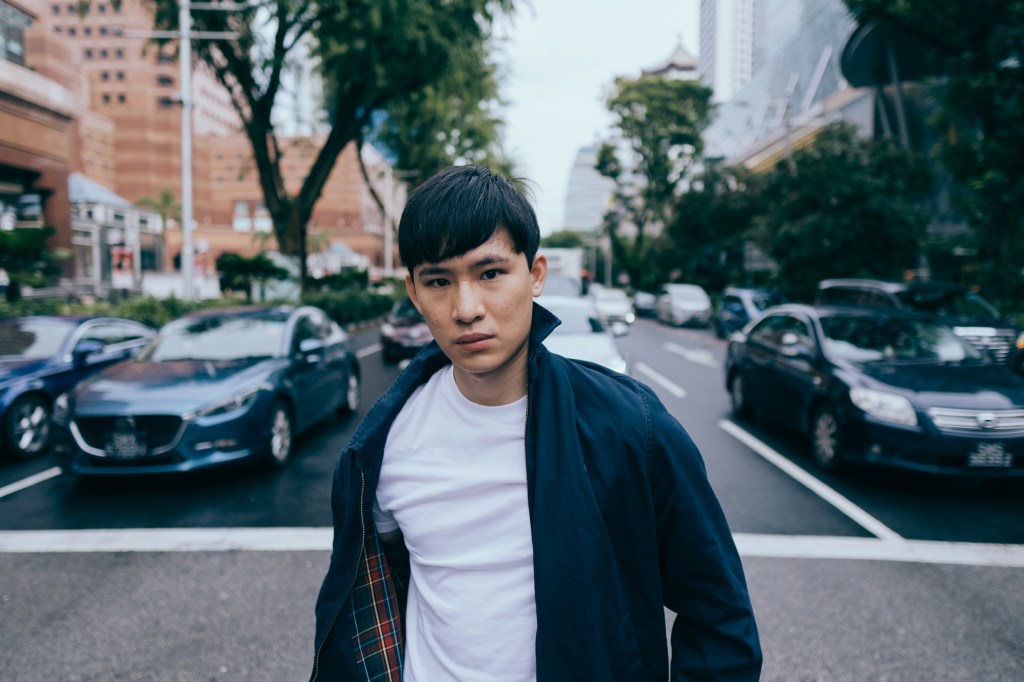
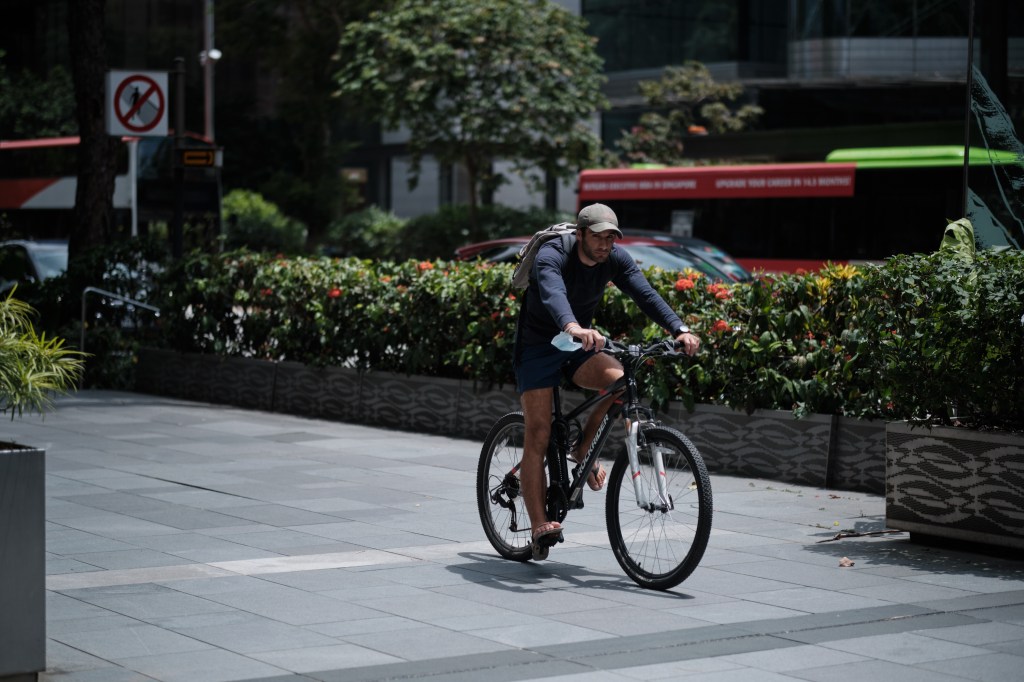
Fuji X-T3 . Sigma 56 mm f1.4 @ 56mm . f1.4 . 1/4000″ . ISO 320 . Classic Chrome

I do observe some mild vignetting when I shoot at f1.4 but I think that is acceptable. If vignetting is a problem, you can either stop down to lower aperture or remove it via post-processing. As for the chromatic aberration, I do not think I observe any or I barely notice it during my tests. I think Sigma engineers are really doing a great job in this department.
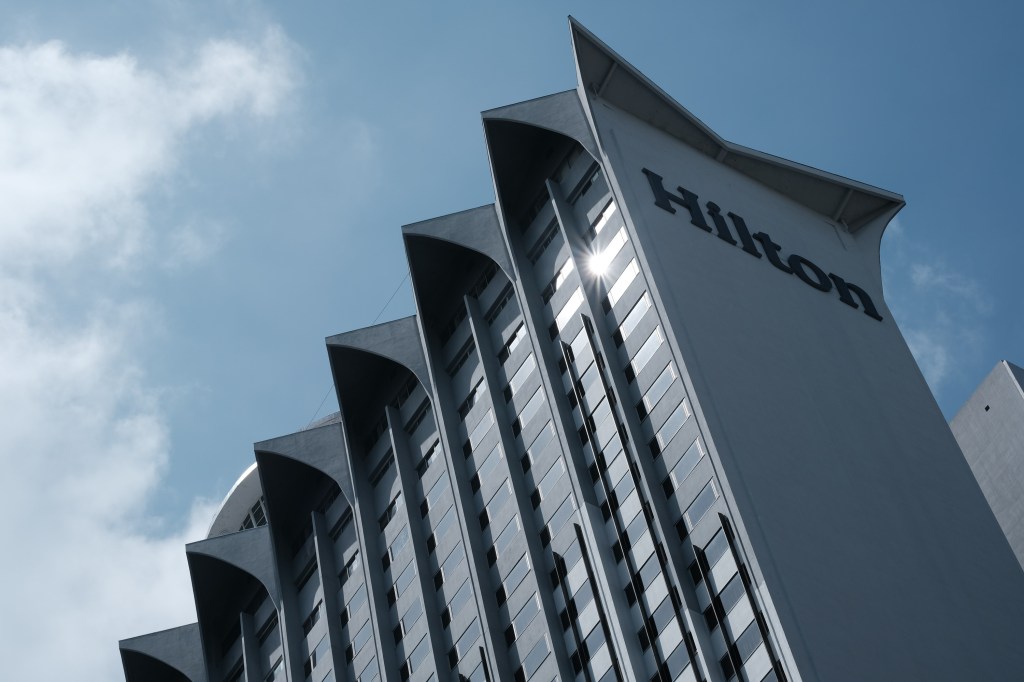
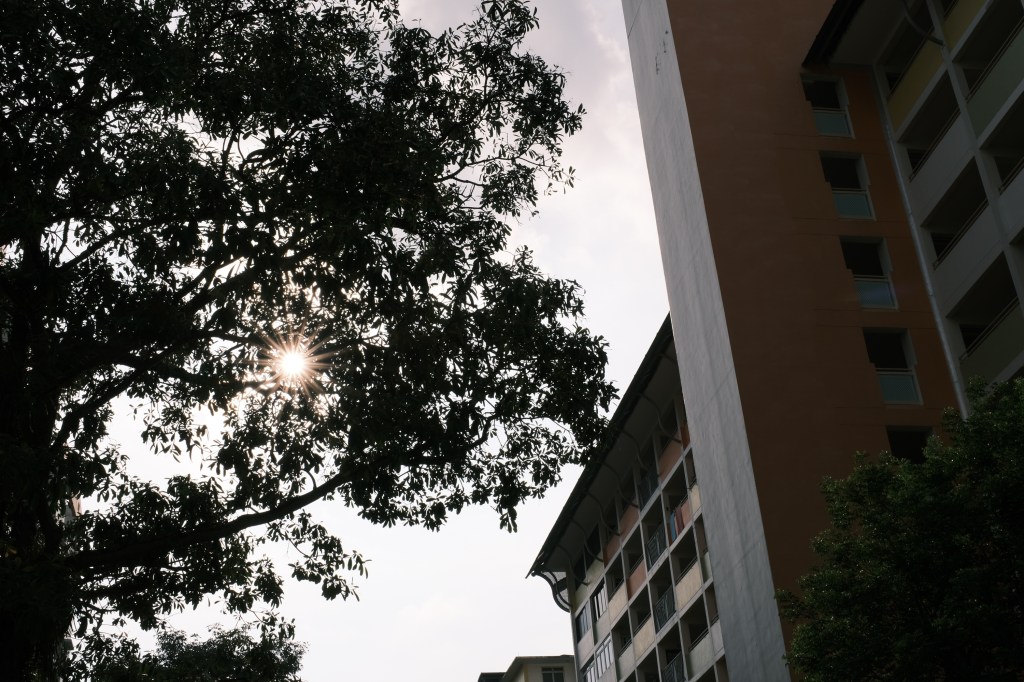
For the sunny star result, the shot taken at f8 produces a softer and less rounded result. Contrastingly, the result looks sharper at f16 and more pronounced than that of f8.

Fuji X-T3 . Sigma 56 mm f1.4 @ 56mm . f1.4 . 1/17,000″ . ISO 320 . Classic Chrome

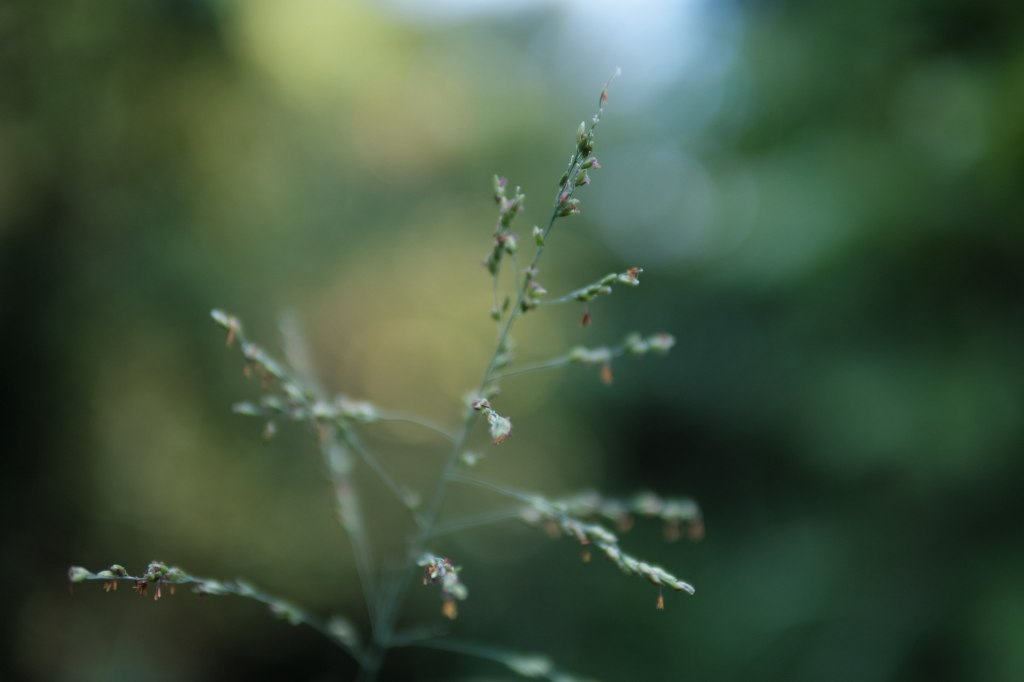
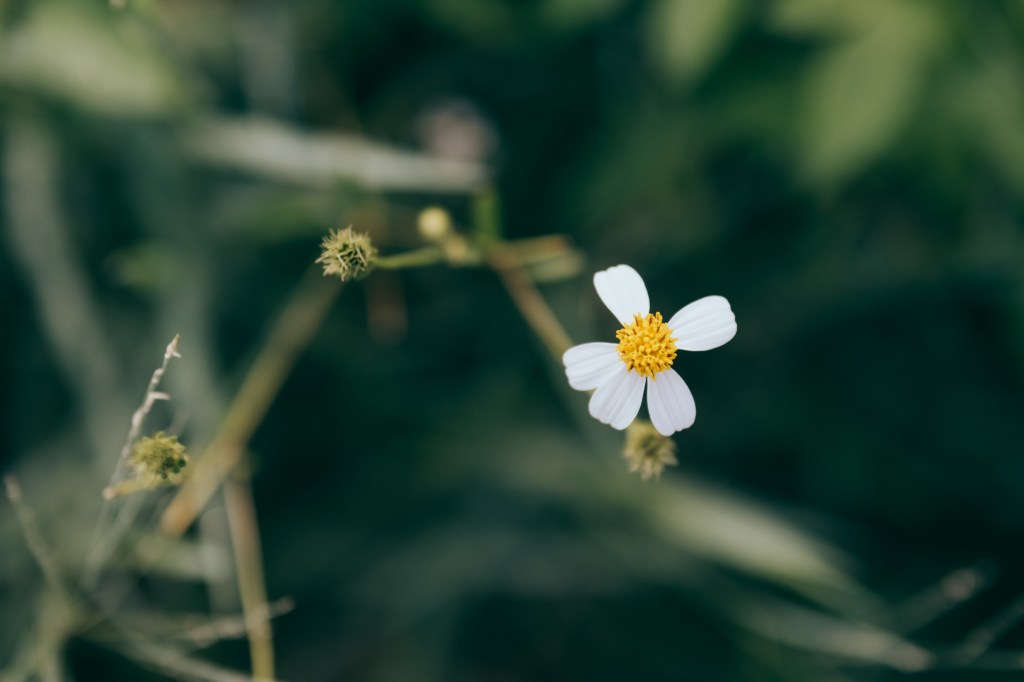
For a portrait lens, what a photographer wants from a portrait lens is bokeh. Who doesn’t love beautiful bokeh? This lens probably does not produce the best bokeh but rather a pretty decent and comfortable to the eyes. Although the bokeh ball is lemon-shaped like at wide open, it does not distract me from looking at the main subject.

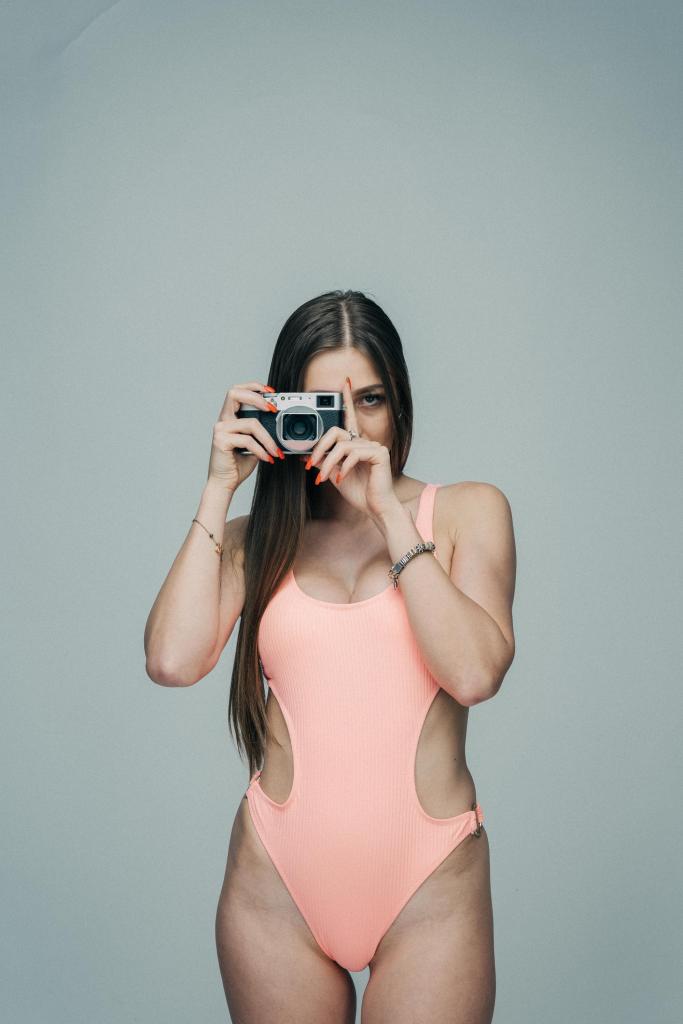
Fuji X-T3 . Sigma 56 mm f1.4 @ 56mm . f8 . 1/125″ . ISO 160 . Post-edited

Focusing

Thanks to the stepping motor, the focusing experience is a great one. It is silent, fast and *accurate. I cannot hear a single motor sound produced by the stepping motor while I am focusing. Apparently, my shutter is louder.
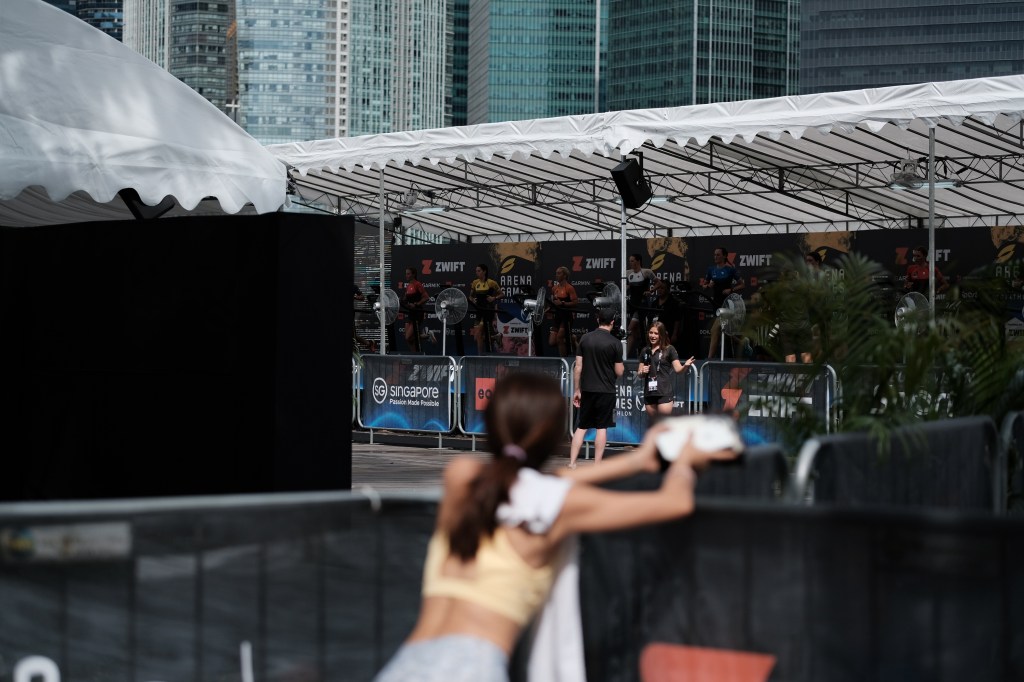
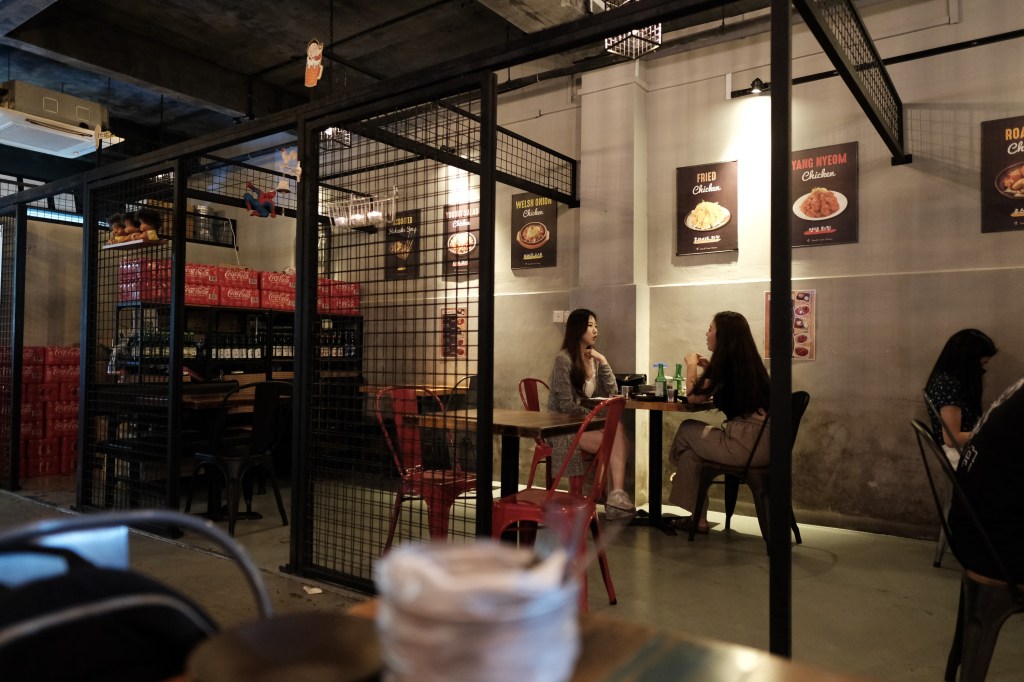
Fuji X-E3 . Sigma 56 mm f1.4 @ 56mm . f1.4 . 1/11,000″ . ISO 400 . Classic Chrome

Unlike its brothers, this lens does not inherit the focusing accuracy issue. On the flip side, I do encounter some rare auto-focus hunting at times. It does not matter whether I used it during the day or night, indoor or outdoor. While I tried to replicate the focus hunting issue right from the moment I experienced it, I failed. The lens somehow just does not has this hurdle anymore.
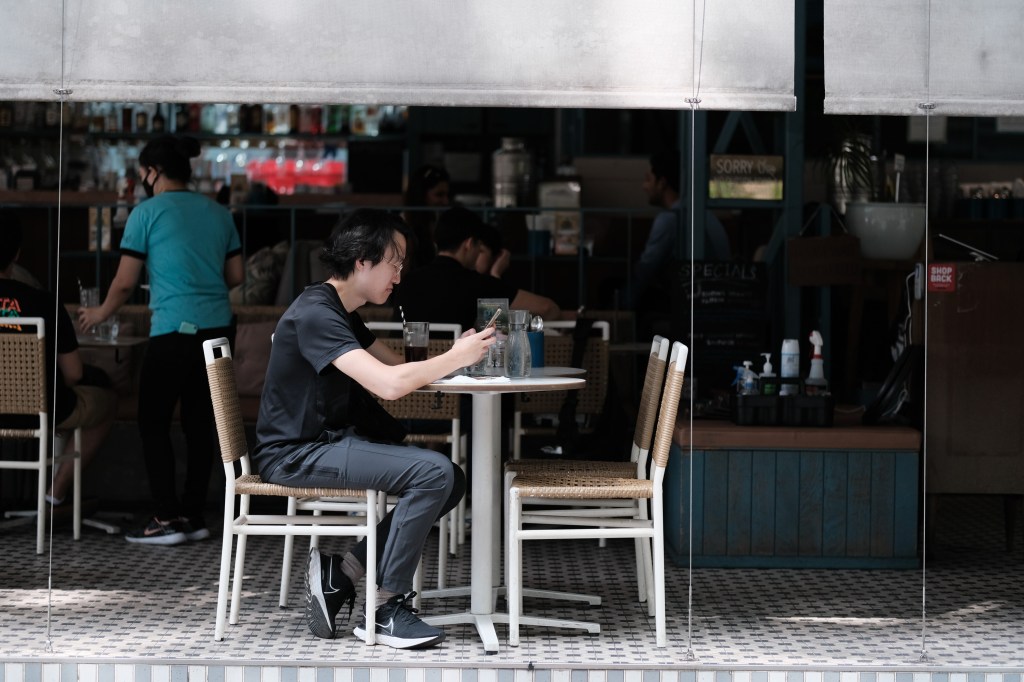
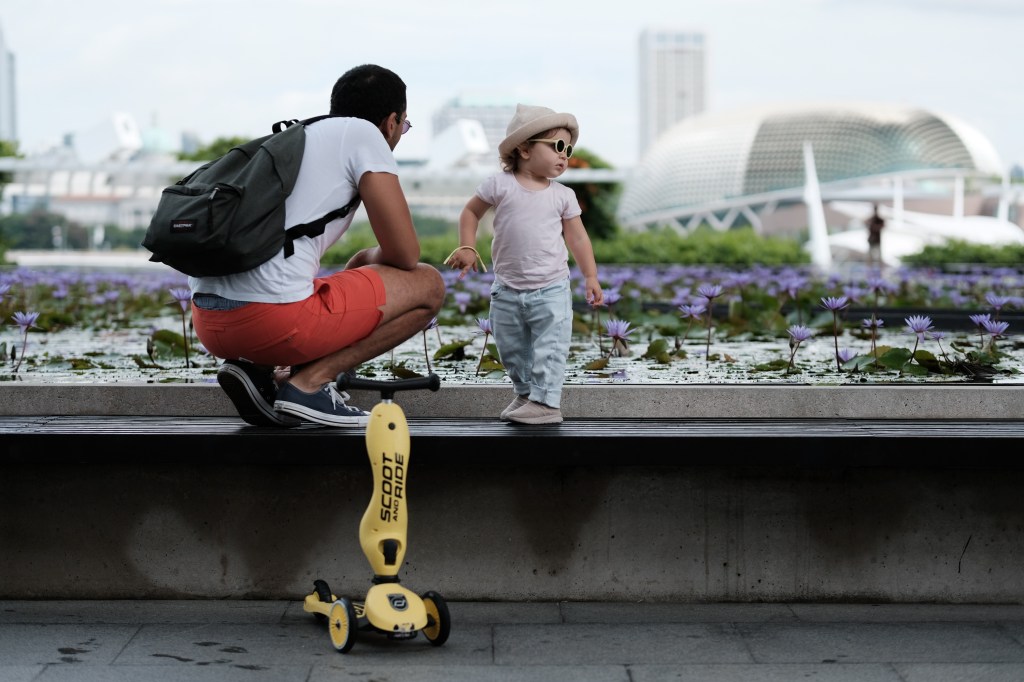
Fuji X-T3 . Sigma 56 mm f1.4 @ 56mm . f1.4 . 1/1800″ . ISO 320 . Classic Chrome
Fuji X-E3 . Sigma 56 mm f1.4 @ 56mm . f1.4 . 1/5000″ . ISO 400 . Classic Chrome

But do not worry about it. As I understand from Sigma Marketing, their team is constantly updating their lenses to improve the focus quality and accuracy.

Minimum Focus Distance (MFD)

This lens’ MFD is at 50cm. For a glimpse comparison, XF56mm f1.2 is 70cm, XF50mm f2 is 39cm and the XF50mm f1 is also 70cm.
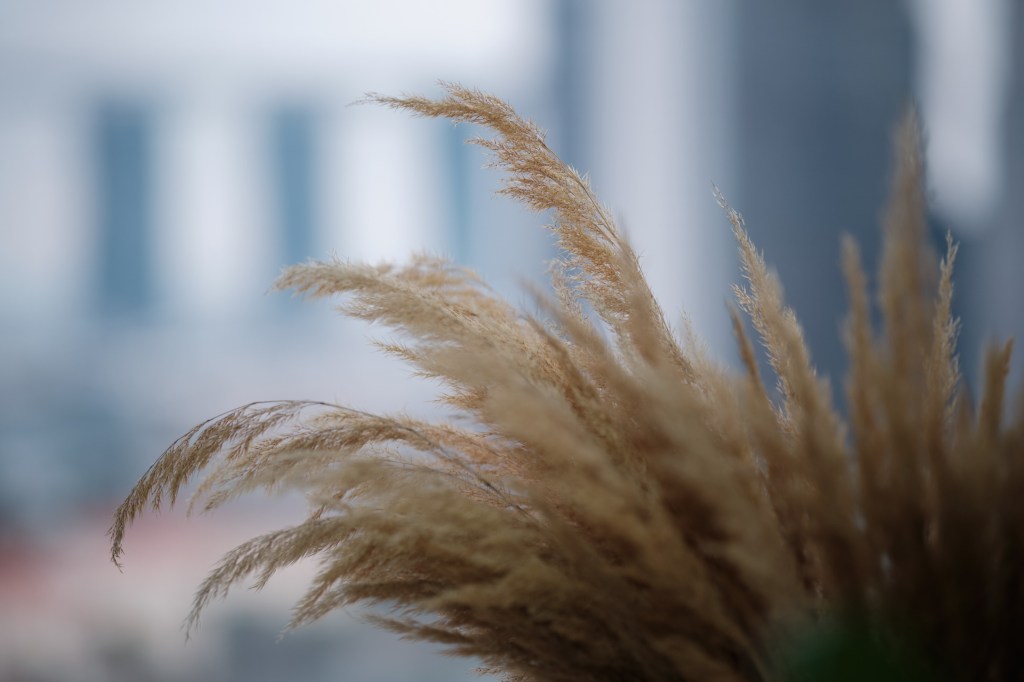
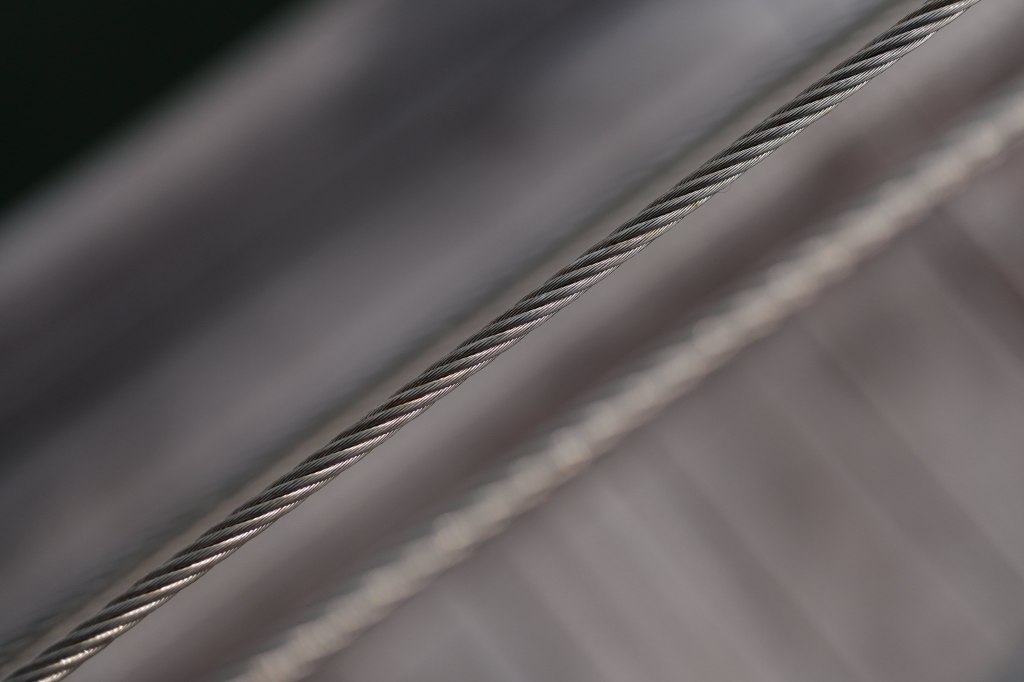
Fuji X-T3 . Sigma 56 mm f1.4 @ 56mm . f1.4 . 1/125″ . ISO 160 . Classic Chrome
Fuji X-E3 . Sigma 56mm f1.4 @ 56mm . f1.4 . 1/10,000″ . ISO 200 . Classic Chrome

While it is not as close as the XF50mm f2, it is definitely better than the other 2 Fuji lenses have to offer. Does MFD matter? In my case, the answer is yes. It allows me to have a shallower depth of field between the subject and the background.
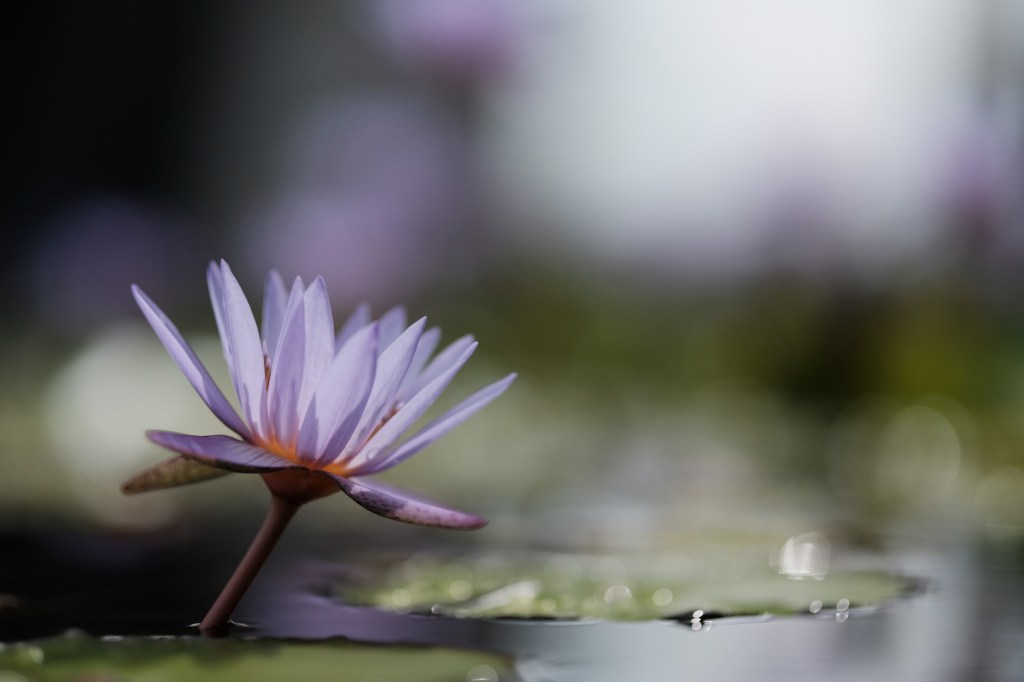
Certain lenses have some level of softness when you shoot at wide-open and at MFD. Fortunately, this lens is otherwise, it is surprisingly sharp & usable. I actually like how it renders and it does not have very harsh bokeh results.

Price Point

Okay, this is “straightforward” and also “challenging” at the same time.

Let’s talk about “straightforward” first, if you are on a budget and compare it with the XF50mm f2 (*SRP SGD749, USD449). I think the Sigma 56mm (SRP SGD688, USD479) is pretty worth it. Hear me out. While you sacrifice the weather resistance that Fuji 50mm f2 offers, you have one full stop of light at your disposal. It is always an advantage when you have that extra stop of light, it will come in handy when you need it. More light is a higher priority in my case.

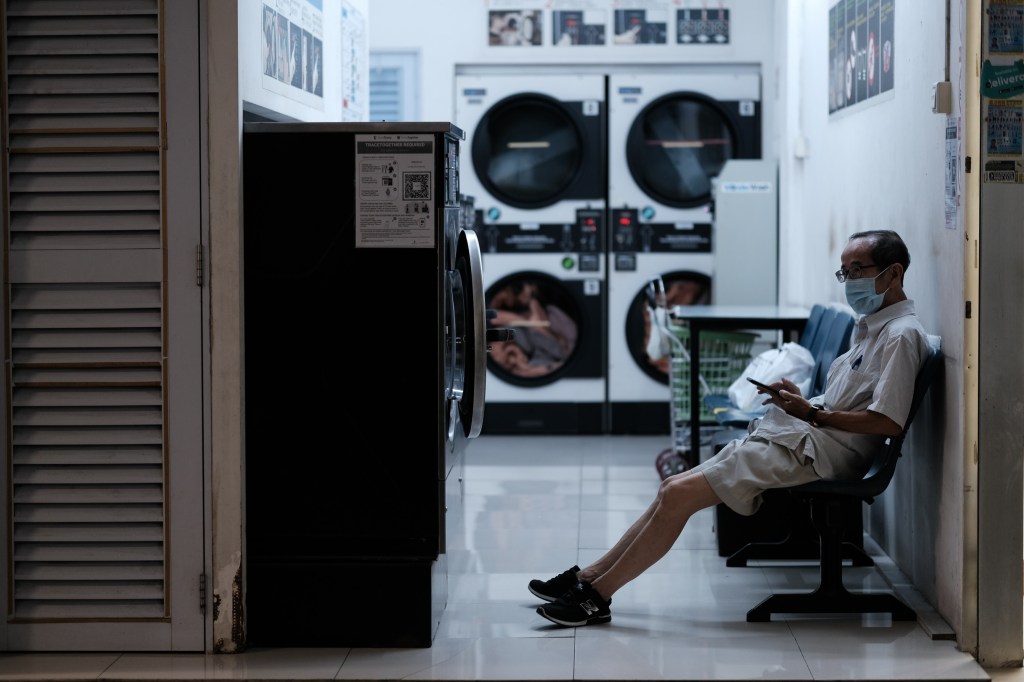
Fuji X-T3 . Sigma 56 mm f1.4 @ 56mm . f8 . 1/300″ . ISO 320 . Classic Chrome

Here comes the challenging part, Sigma is actually priced right between another 2 third party manufacturers, Viltrox and Tokina. I believe you know which one costs higher and which one is more pocket friendly. I cannot speak on behalf of these 2 manufacturers about their portrait lenses because I did not try them out before. What I searched online is that they shared some similarities (with a little 10% difference) like weight, filter size and MFD. I think it is best for you to visit your local stores to have some hands-on experience with these 3 lenses.

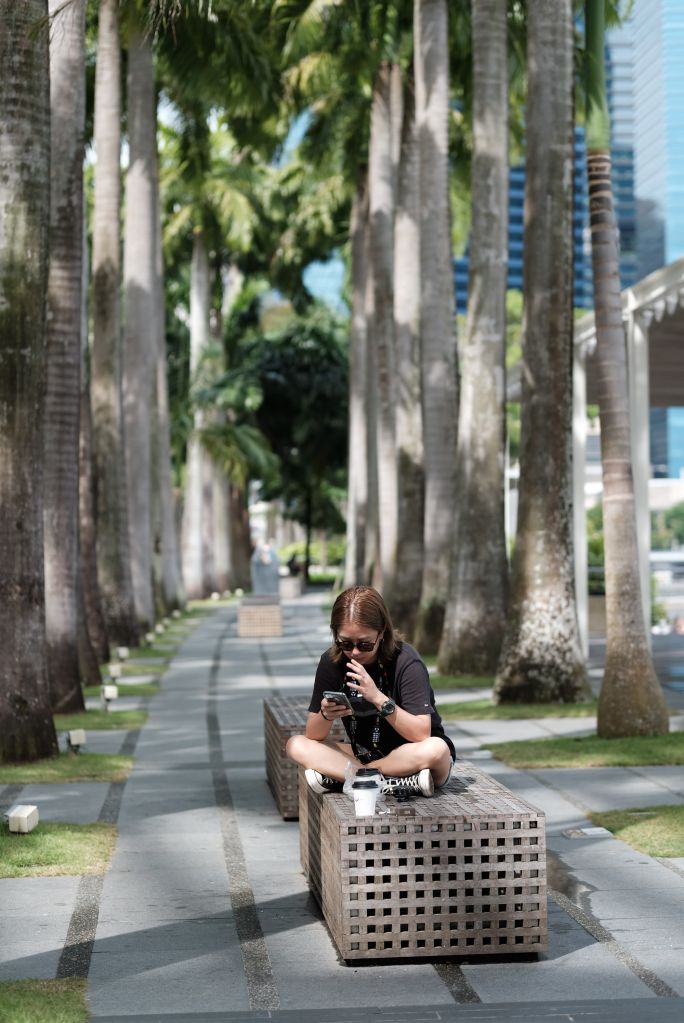
Fuji X-T3 . Sigma 56 mm f1.4 @ 56mm . f1.4 . 1/680″ . ISO 320 . Post-edited

*SRP – Suggested Retail Price

Conclusion

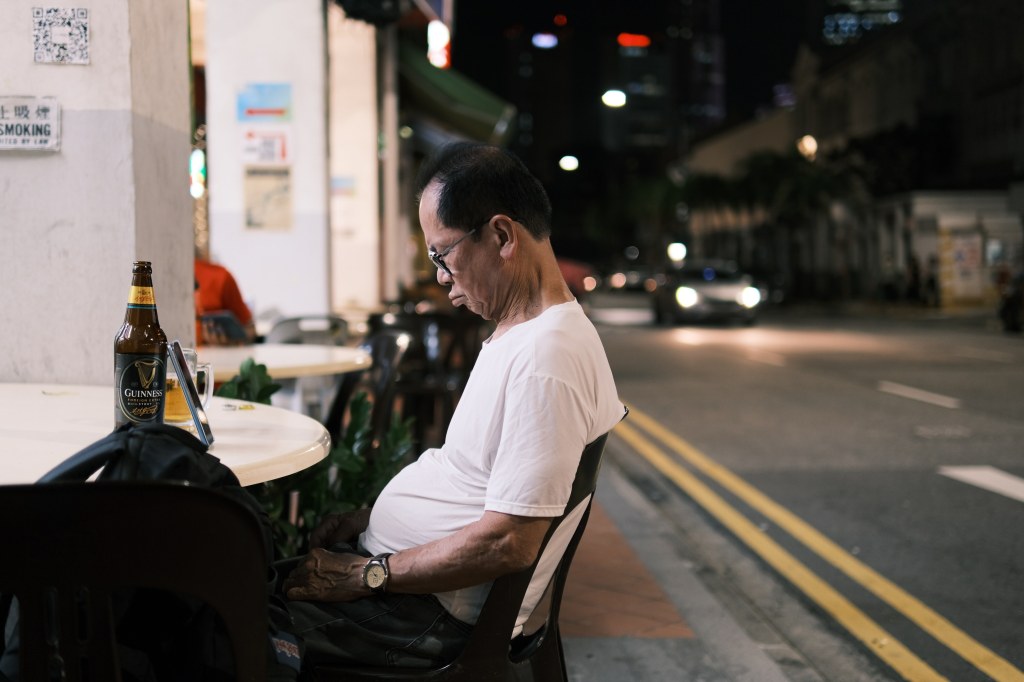
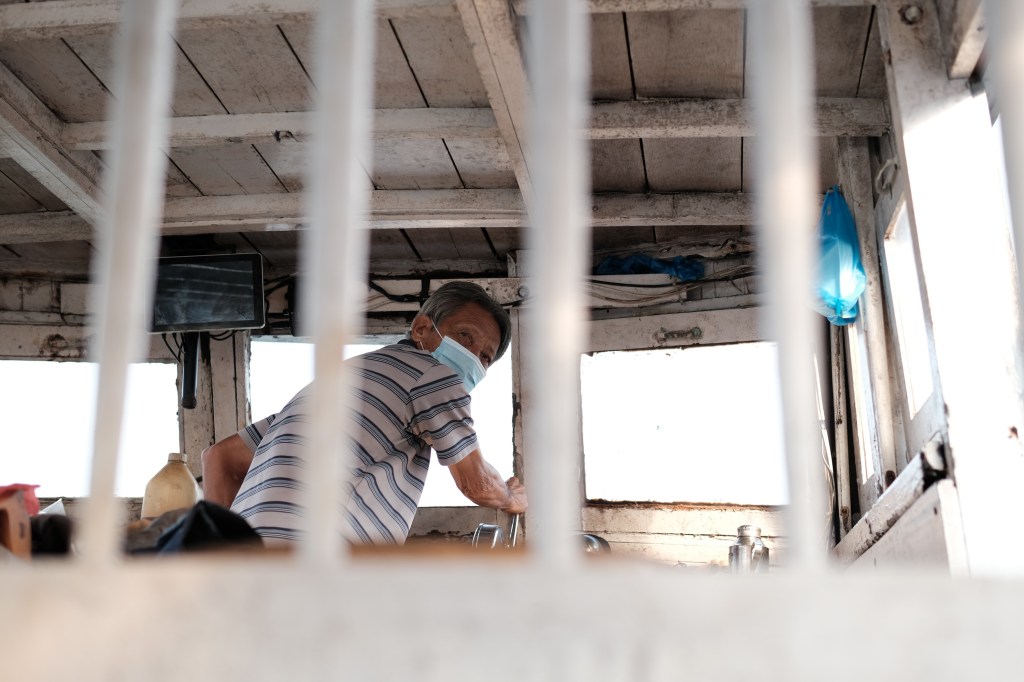
This is a decent portrait lens for its price and compactness. In these few weeks of hands-on, I enjoy shooting with this lens a lot. I mean, I actually used it for street photography and cityscape besides shooting portraits. It gives me a new perspective and sees things differently from my usual 23mm and 35mm focal length.
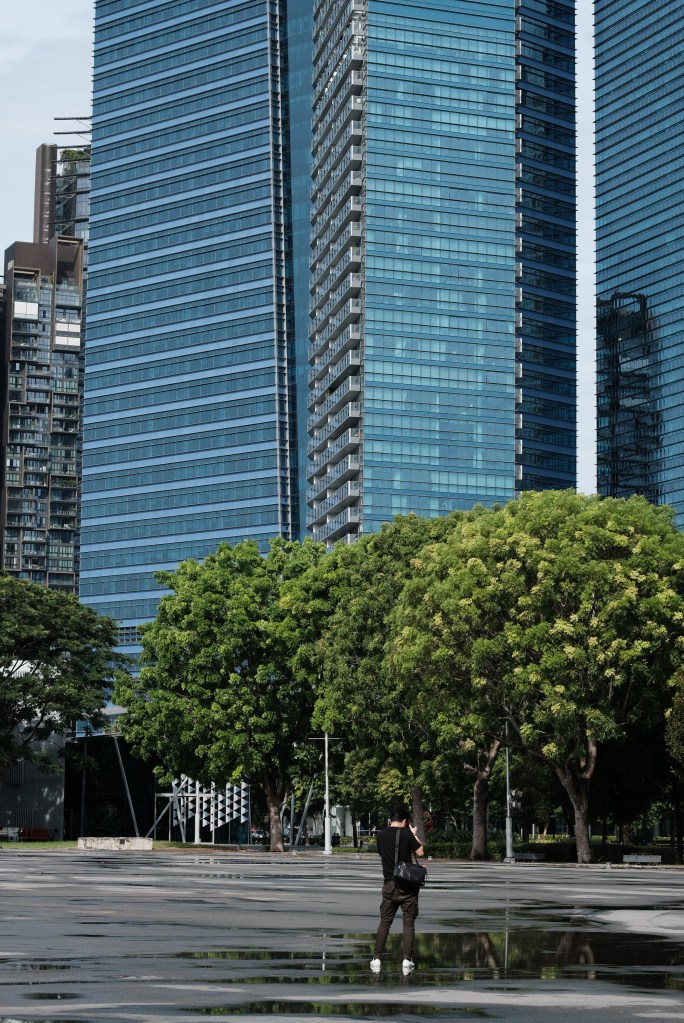
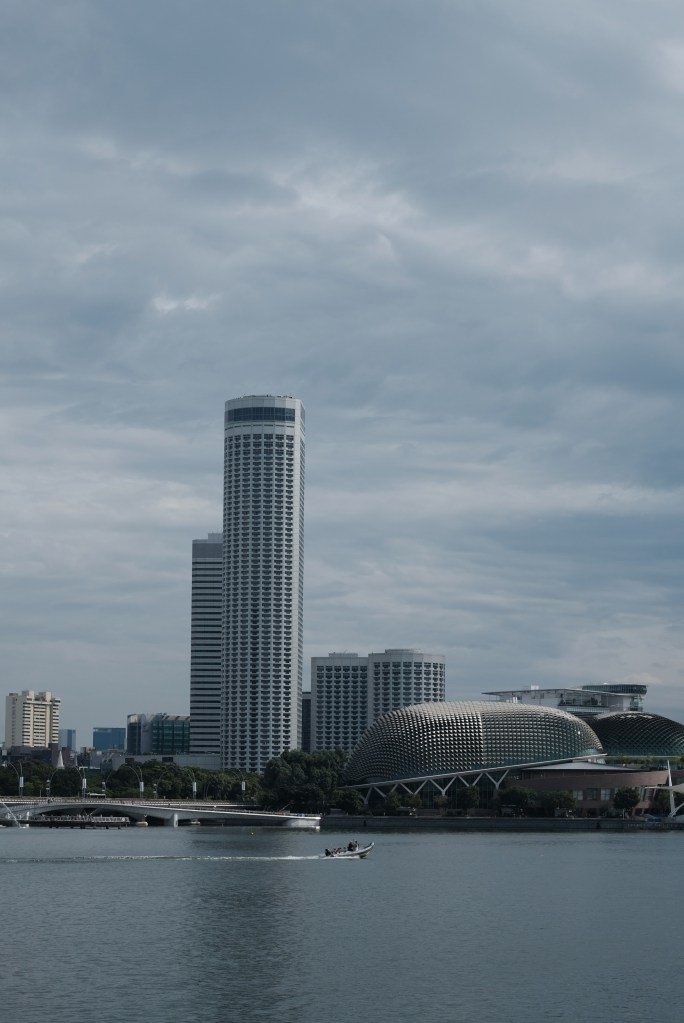
The optical quality does not tell this lens is actually designed in 2018 and the results are truly usable and sharp and contrast at wide open. In short, Sigma delivers great results in its “Contemporary” series. I am actually excited and looking forward to that one day when Sigma updates its “Contemporary” lenses and distinguishes itself among the third party manufacturers.


Who is this for?

For photographers who are just picking up and want a portrait lens with a modest budget, this might be a wise choice for you. This lens gives you an extra stop of light as compared to XF50mm f2 and is more economical than XF56mm f1.2. It really strikes a good balance in terms of price and performance while minimising the compromise that it has.

Fuji X-T3 . Sigma 56 mm f1.4 @ 56mm . f1.4 . 1/125″ . ISO 320 . post-edited
Fuji X-T3 . Sigma 56 mm f1.4 @ 56mm . f1.4 . 1/220″ . ISO 320 . Post-edited

For street photographers who love to shoot at a distance away from the subject, this is also a good choice but, of course, it does not have as much flexibility as the Sigma 30mm has.


Thank you for reading.

Disclaimer:
1. The lens is a loan unit from Mr. Lawson from Sigma Marketing (Singapore). By the time this review was online, the lens had returned back to Sigma Marketing (Singapore).

2. The lens firmware that I am using is version 1.00.
3. Some of the shots are straight out of the camera while others are edited via In-Camera Raw Processing and Adobe Lightroom Classic & Capture One.

4. The opinions are based on my experience. If there is any mistake, please kindly drop me a message and I will gladly make the amendment.
5. All the shots taken here are shot by me. I reserve ownership of these images, if you wish to use my images, please notify me.

If you like my works, please follow me on either one of the 2 Instagram accounts:

http://www.instagram.com/alwinkok_

http://www.instagram.com/alwin.portraits

If you like my content and you want to show some support, you can buy me a coffee here.

Reviews

Sigma 16mm f1.4 – A Good Alternative to XF16mm f1.4?

First and foremost, I would like to thank and appreciate Mr Lawson from Sigma Marketing (Singapore) for loaning me the Sigma 16mm f1.4 Contemporary DC DN lens for making this review possible.

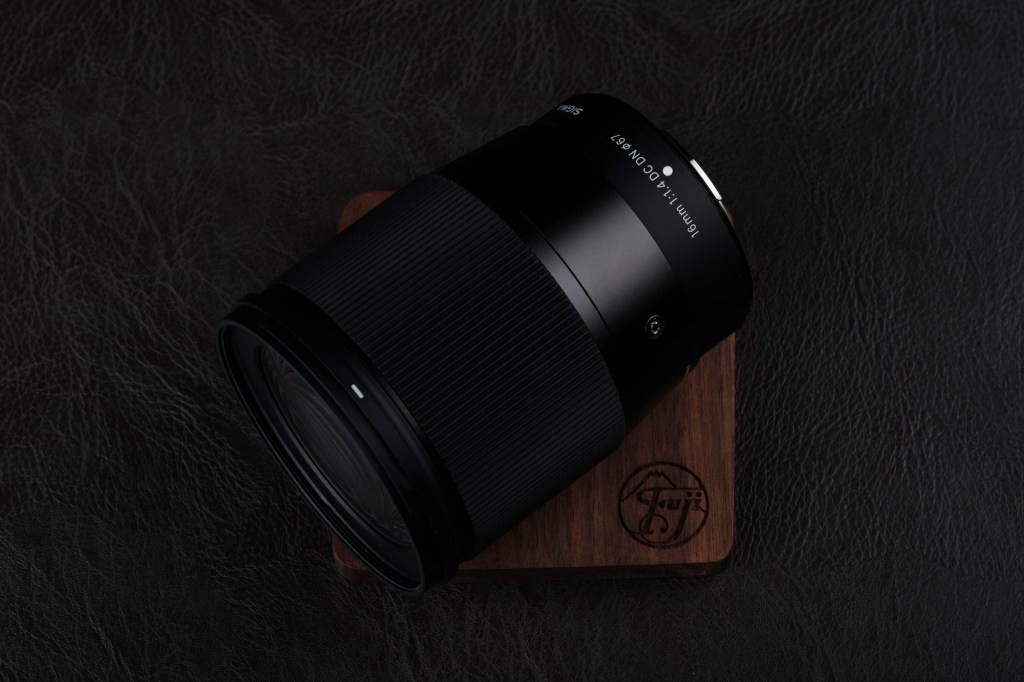
Sigma 16mm f1.4 Contemporary DC DN

Intro

Similar to Sigma 30mm f1.4 Contemporary DC DN, I refer to Sigma 16mm f1.4 Contemporary DC DN as “Sigma 16mm f1.4” in short. Unlike the Sigma 30mm f1.4, it was announced back in October 2017 but was only available for EF-M, E-mount, L-mount and Micro Four Thirds back then. Now it is available in X-mount too.

Sigma 16mm f1.4 Contemporary DC DN

Being a 24mm full-frame equivalent ultra-wide lens, the first thing that I can’t help noticing how huge the lens is. It is almost identical to the size of the Fuji XF16mm f1.4 and it is merely taller. Speaking of comparison, I will not compare both lenses directly as I believe every lens has its own reasons to be here and hence giving it a fair chance to shine.

Price Point

I decided to shift this section to the front because Sigma 16mm f1.4 comes at a very interesting and competitive price point. In Singapore, it is priced at SGD648/USD449 (*SRP). It is just $50 more than the XF 16mm f2.8 (SGD599/USD399 SRP) and it is far cheaper than XF 16mm f1.4 (SGD1599/USD999 SRP). With such a competitive price, are you tempted to get Sigma instead of Fuji?

Fuji X-T3 . Sigma 16mm f1.4 @ 16mm . f1.4 . 1/640″ . ISO 160 . Post-edited
Fuji X-T3 . Sigma 16mm f1.4 @ 16mm . f1.4 . 1/105″ . ISO 160 . Classic Chrome

At this price point, lets me share with you what are the things you will be getting from this lens and what are the thing you will miss.

*SRP – Suggested Retail Price

Design & Build Quality

Sigma 16mm f1.4 has the same built element and design language as its brothers. It is a low profile lens that does not shout out loud, especially on the front glass. It is minimalistic on its own by labelling the wordings in black.

Fuji X-T3 . Sigma 16mm f1.4 @ 16mm . f1.4 . 1/250″ . ISO 160 . Classic Chrome

Although the body of the lens is made of “Thermally Stable Composite” (TSC) polycarbonate material, it feels well-constructed and comfortable to hold. But it does attract some fingerprints on the glossy material of the lens. Even so, it can be removed easily with a piece of cloth.

Fuji X-T3 . Sigma 16mm f1.4 @ 16mm . f5 . 1/900″ . ISO 160 . Classic Chrome

This huge lens weighs 405 grams and it is the heaviest one among the trio of Sigma lenses. I think there is quite a huge amount of heavy glass elements inside this lens, which explains the weighty weight. For readers who are looking to equip the lens with filters, it comes with a filter size of 67mm. It also comes with dust and splash resistant sealing that helps to protect the lens from certain conditions.

Similarly to the Sigma 30mm f1.4, it does not have an aperture ring too. So you have to control your aperture via the front dial of your camera. It’s a very similar approach to what Fujifilm has for XC lenses.

Image Quality

At f1.4, the image is usable. It retains the sharpness, contrast and details of the image very well. But for some shots especially shooting at infinity, the results tend to be soft at wide-open.

Although some vignetting can be observed, this can be easily resolved in post-processing or shot at a smaller aperture to reduce it. In my opinion, this can be forgiving and unavoidable because it is an ultra-wide lens after all.

There is also some slight chromatic aberration observed in some of my shots, but it is still within my acceptance level. Again, it can be removed easily with post-processing.

Fuji X-T3 . Sigma 16mm f1.4 @ 16mm . f1.4 . 1/80″ . ISO 320 . Classic Chrome
Fuji X-T3 . Sigma 16mm f1.4 @ 16mm . f1.4 . 1/125″ . ISO 160 . Classic Chrome

On the subject of the sunny star result, I prefer the shot taken at f16 as the “star” looks sharper than the one at f8. As for the lens flare, it did control very well too.

One thing to note, I never expect how good the control of the lens distortion for this ultra-wide lens. Probably thanks to the camera auto-correction? But nonetheless, the output is good.

Focusing

This lens is silent and fast. This is something that I have expected after using Sigma 30mm f1.4 as I believe they are using the same stepping motor. The sound of the focusing experience that I have is close to complete silence. Please bear in mind that this lens has lots of heavy glass inside it and yet it can achieve something like this is totally remarkable.

Regarding the focusing accuracy, unfortunately, it also inherits the same issue as the Sigma 30mm f1.4 as well. Similar off-focused results when I shoot with the little green box lit up but it hardly happens. But not too worry about it, understand from Sigma that they are constantly improving their lenses’ focusing quality and accuracy via updates.

Fuji X-T3 . Sigma 16mm f1.4 @ 16mm . f4 . 1/210″ . ISO 160 . Classic Chrome
Fuji X-T3 . Sigma 16mm f1.4 @ 16mm . f5.6 . 1/180″ . ISO 160 . Post-edited

Minimum Focus Distance (MFD)

The MFD of this lens is 25cm. By comparison, the XF16mm F1.4 is 15cm. Does it really matter? Not really matter as the general purpose of this lens is for landscape or similar genres.

Fuji X-T3 . Sigma 16mm f1.4 @ 16mm . f1.4 . 1/420″ . ISO 160 . Classic Chrome
Fuji X-T3 . Sigma 16mm f1.4 @ 16mm . f1.4 . 1/350″ . ISO 160 . Classic Chrome

But it does matter if the photographer could love to use the lens for other creative purposes. Because the closer the MFD you have, the more possibilities you can create with.

Fuji X-T3 . Sigma 16mm f1.4 @ 16mm . f1.4 . 1/2200″ . ISO 160 . Classic Chrome

Conclusion

Sigma 16mm f1.4 does have its shortfall but it strikes a good balance between price and overall experience. For a lens optic design that has been around for 5 years, the image renders very remarkably sharp, especially at wide open. I have to appraise that Sigma did not compromise on the image quality and I think Sigma did the right thing here as I believe this is more important than anything else for every photographer.

Fuji X-T3 . Sigma 16mm f1.4 @ 16mm . f1.4 . 1/450″ . ISO 160 . Classic Chrome
Fuji X-T3 . Sigma 16mm f1.4 @ 16mm . f1.4 . 1/250″ . ISO 400 . Classic Chrome

Overall, I can accept what this lens has to offer. Likewise, how is it compared to XF16mm f1.4? All I can say is that both lenses are good at their price points and there are reasons to be at their price points. They supply different demands to different groups of photographers. In my opinion, there is no end to making comparisons between lenses.

Who is this for?

This lens is suitable for photographers who are just starting to learn photography or tipping their toes in the world of prime lenses but with a limited budget on hand or wish to have their money well spent. But who are these photographers?

Fuji X-T3 . Sigma 16mm f1.4 @ 16mm . f5.6 . 1/900″ . ISO 160 . Classic Chrome
Fuji X-T3 . Sigma 16mm f1.4 @ 16mm . f8 . 1/320″ . ISO 160 . Classic Chrome . Post-edited

Photographers who are landscape, environmental and architecture lovers, you may consider getting this lens in your arsenal. If you do not mind about its build quality, etc, the price of this lens can actually save you some money and maybe you can use that money to invest in other lenses or accessories.

For street photographers, this ultra-wide lens is harder to isolate your subject unless you get closer to it. If you know what you intend to do with this lens, otherwise I will not recommend you to use this lens.

Fuji X-T3 . Sigma 16mm f1.4 @ 16mm . f1.4 . 1/180″ . ISO 160 . Post-edited
Fuji X-T3 . Sigma 16mm f1.4 @ 16mm . f1.4 . 1/1000″ . ISO 160 . Post-edited

To answer my question in the title, it is indeed a good alternative to XF16mm f1.4.

Thank you for reading.

Disclaimer:
1. The lens is a loan unit from Mr. Lawson from Sigma Marketing (Singapore). By the time this review is online, the lens had returned back to Sigma Marketing (Singapore).

2. The lens firmware that I am using is version 1.00.
3. Some of the shots are straight out of the camera while others are edited via In-Camera Raw Processing and Adobe Lightroom Classic & Capture One.

4. The opinions are based on my experience. If there is any mistake, please kindly drop me a message and I will gladly make the amendment.
5. All the shots taken here are shot by me. I reserve ownership of these images, if you wish to use my images, please notify me.

If you like my works, please follow me on either one of the 2 Instagram accounts:

https://www.instagram.com/alwinkok_

https://www.instagram.com/alwin.portraits

If you like my content and you want to show some support, you can buy me a coffee here.
Reviews

Sigma 30mm f1.4 – Never Too Late

First of all, allow me to thank Mr Lawson from Sigma Marketing (Singapore) for loaning me the Sigma 30mm f1.4 Contemporary DC DN lens for a review. I appreciate his support to make this review a reality.

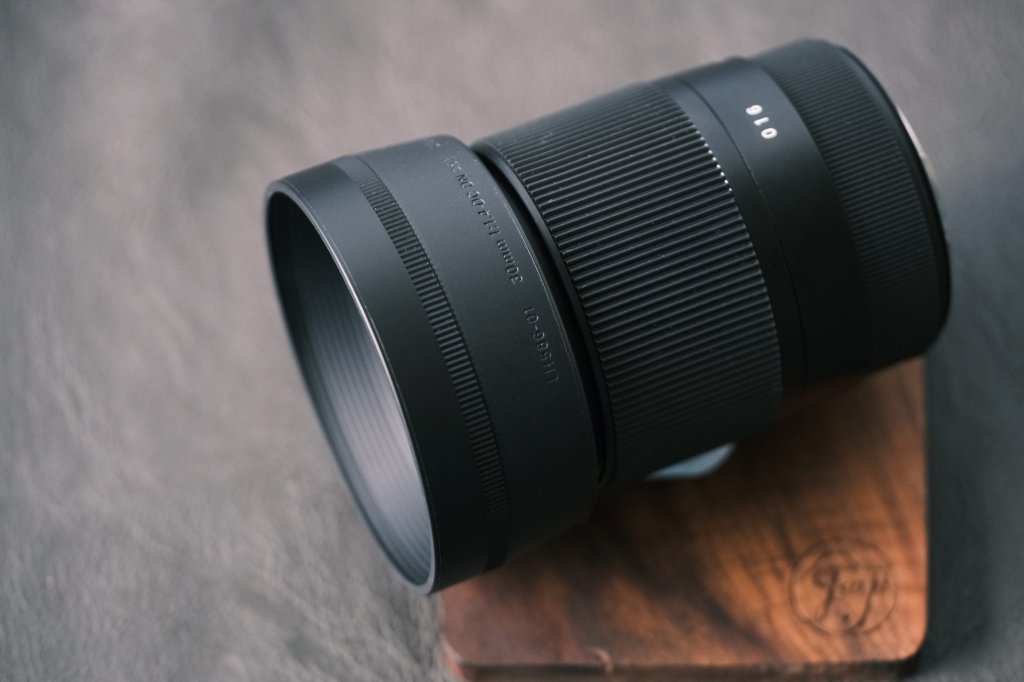
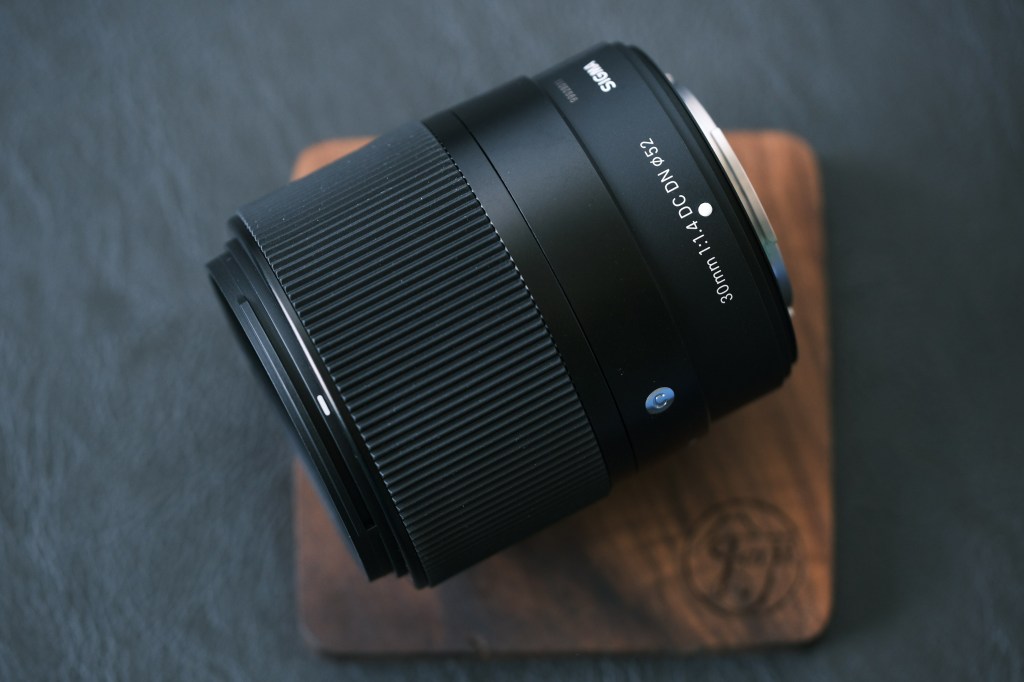
Sigma 30mm f1.4 Contemporary DC DN

Intro

Sigma 30mm f1.4 Contemporary DC DN (I will just call it Sigma 30mm in short for the rest of the review) was announced back in February 2016. It was introduced with various mounts (i.e. EF-M, M43, E-mount and Leica L). 6 years later, X-mount is the latest mount in the Sigma family.
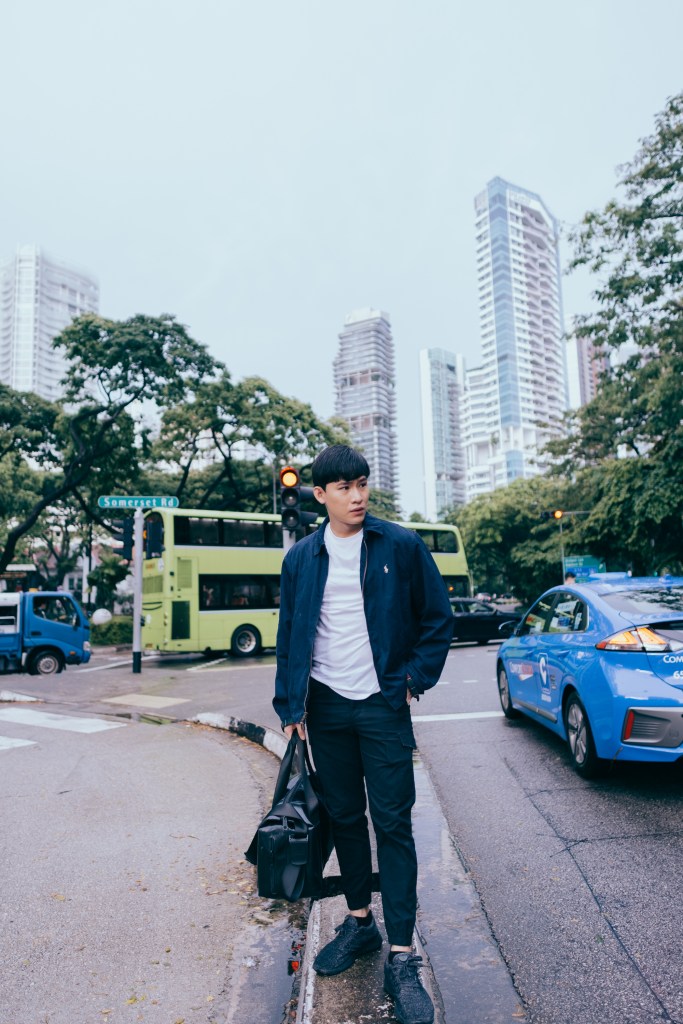
30mm f1.4 Contemporary DC DN

35mm (50mm in full-frame equivalent) is a very popular focal length among all others. And then, Sigma comes with this 30mm focal length and this is an interesting focal length to compete with many 35mm lenses in the Fuji market. It also sits right between the 27mm and 33mm of what Fujifilm has offered.

At an equivalent to 45mm in full-frame, let’s dive in and see how this lens can actually perform.

Design & Build Quality

According to the official, the build of this lens is made out of a type of polycarbonate called “Thermally Stable Composite” (TSC). This material has a thermal expansion rate similar to that of aluminium and it also has a high affinity to metal parts which contributes to high-quality product manufacturing.

Fuji X-E4 . Sigma 30mm f1.4 @ 30mm . f5.6 . 1/1000″ . ISO 160 . Classic Neg
Fuji X-E4 . Sigma 30mm f1.4 @ 30mm . f5.6 . 1/160″ . ISO 500 . Classic Neg

And according to my hands-on, it feels great to hold. Although it is polycarbonate built, it does not feel cheap at all. The lens is very well built and solid. But one thing to point out is that it is a fingerprint magnet and it can leave some fingerprint marks on the lens. Luckily, it can be easily wiped off.

Fuji X-E4 . Sigma 30mm f1.4 @ 30mm . f5 . 1/60″ . ISO 1250 . Classic Neg
Fuji X-E4 . Sigma 30mm f1.4 @ 30mm . f4 . 1/90″ . ISO 640 . Classic Neg

This lens comes with a filter size of 52mm and it is more than welcome for photographers to buy filters at a more affordable price.

At 275 grams, the weight of this compact lens is decently light to mount on any Fujifilm camera body without feeling adding much weight to the camera.

One fact to note is that this lens is equipped with dust and splash resistant sealing that helps to protect the lens from certain conditions.

Image Quality

Before I share my opinion about the optical quality. My understanding from Sigma Marketing is that the lens optical is exactly the same as other mounts, which also means that the glass elements and design are the same as 6 years ago.

So how does it perform in real-world situations? Well, the image quality is exceptionally good. The results at wide-open actually surprised me. The details, sharpness and contrast are well preserved.

Fuji X-T3 . Sigma 30mm f1.4 @ 30mm . f1.4 . 1/22000″ . ISO 320 . Classic Neg
Fuji X-T3 . Sigma 30mm f1.4 @ 30mm . f1.4 . 1/2500″ . ISO 320 . Classic Neg

As for the chromatic aberration, I hardly notice it. I think the lens did a good job of controlling it. It does help us to reduce one task in our post-processing.

For the sunny star result, the shot taken at f8 produces much softer and less rounded results. On the other hand, it looks sharper at f16 and more detailed than that of f8.

Focusing

Two words to describe it. Silent sniper. The focusing speed is surprisingly fast, accurate and completely silent. The word “completely” may sound too strong but it is really silent and the only sound I can hear is coming from my shutter. All thanks to the stepping motor that is equipped with the lens, this also means that this lens can be a wise choice for videographers to consider.

Fuji X-E4 . Sigma 30mm f1.4 @ 30mm . f4 . 1/160″ . ISO 500 . Classic Neg

As for accuracy, I can say it has a very high accuracy rate, probably around 95%. Why not 100%? Because I do encounter a few off-focused results when the little green box has lit up. For under low light situations, this lens still performs well most of the time.

Something to highlight, when I am trying to do some closed up shots under broad daylight, I encountered this phenomenon where the subject is not in focus but the little green box has lit up. What I do is focus on another nearby object and then it works as per normal.

But rest assure, Sigma is constantly updating their lenses to improve the focus quality and accuracy. In fact, there is an update for this lens last Friday. Unfortunately, I do not have the chance to give it a try.

Minimum Focus Distance (MFD)

The MFD is at 30cm which is considered quite close but not extremely close. One thing to note is that shooting at MFD produces a very special character to the photo. Shooting under sunlight, the focused object looks sharp but anything around it is kind of soft and the softness will slowly blend into the background as the distance is further from the object. Somehow, I quite like how it renders.

Fuji X-E4 . Sigma 30mm f1.4 @ 30mm . f1.4 . 1/1900″ . ISO 160 . Classic Neg
Fuji X-E4 . Sigma 30mm f1.4 @ 30mm . f1.4 . 1/1000″ . ISO 160 . Classic Neg

Also, if you are shooting wide-open at the MFD, it produces a very shallow depth of field.

Fuji X-T3 . Sigma 30mm f1.4 @ 30mm . f1.4 . 1/3800″ . ISO 160 . Post-edited
Fuji X-T3 . Sigma 30mm f1.4 @ 30mm . f2 . 1/2400″ . ISO 160 . Post-edited

Price Point

I rarely open up discussions about price points. But this lens is really positioned itself very well. At *SGD488 (or USD339), it is slightly above as XC35mm f2 at SGD299 (or USD 199) and way below XF35mm f2 at SGD699 (or USD 399). Yet it offers one full stop more light.

Fuji X-E4 . Sigma 30mm f1.4 @ 30mm . f1.4 . 1/60″ . ISO 500 . Classic Neg
Fuji X-E4 . Sigma 30mm f1.4 @ 30mm . f1.4 . 1/60″ . ISO 400 . Classic Neg

With this price point, it does attract a lot of potential buyers who are about to start their photography journey.

*The price quoted is based on Recommended Retail Price.

Conclusion

Coming from a guy who likes to shoot streets with 23mm and 35mm focal lengths, I am able to adapt the Sigma 30mm f1.4 very well. In these 2 weeks of loan, I do not find much of a challenge using this lens except for the above-mentioned issue.

Fuji X-T3 . Sigma 30mm f1.4 @ 30mm . f1.4 . 1/2700″ . ISO 160 . Post-edited

For a slightly over a demi-decade old glass design, the photos taken with this lens are considered impressive and pretty usable, especially for the wide-open shots.

However, this lens does come with some downsides. First, it does not has an aperture ring. Something that I do miss sometimes. Second, it is not a full weather resistant lens. It does not matter to me but I think it is good to let the readers know.

Overall, I think this piece of glass does strike a good balance between price, image quality and the tradeoffs. Plus, it is made in Japan.

Fuji X-T3 . Sigma 30mm f1.4 @ 30mm . f1.4 . 1/5000″ . ISO 160 . Post-edited

Who is this for?

This focal length covers well in most genres such as street, journalism, portraits and landscape. Hence I will highly recommend it to an amateur who just picking up photography and trying to explore the world with prime lenses; someone who does not has a 35mm focal length; and someone who is on a tight budget.

Fuji X-T3 . Sigma 30mm f1.4 @ 30mm . f2.2 . 1/170″ . ISO 160 . Classic Chrome
Fuji X-T3 . Sigma 30mm f1.4 @ 30mm . f1.4 . 1/280″ . ISO 600 . Classic Chrome
Fuji X-T3 . Sigma 30mm f1.4 @ 30mm . f1.4 . 1/2000″ . ISO 160 . Post-edited

Thank you for reading.

Disclaimer:
1. The lens is a loan unit from Mr. Lawson from Sigma Marketing (Singapore). By the time this review is online, the lens had returned back to Sigma Marketing (Singapore).

2. The lens firmware that I am using is version 0.63.
3. Some of the shots are straight out of the camera while others are edited via In-Camera Raw Processing and Adobe Lightroom Classic.

4. The opinions are based on my experience. If there is any mistake, please kindly drop me a message and I will gladly make the amendment.
5. All the shots taken here are shot by me. I reserve ownership of these images, if you wish to use my images, please notify me.

If you like my works, please follow me on either one of the 2 Instagram accounts:

https://www.instagram.com/alwinkok_

https://www.instagram.com/alwin.portraits

If you like my content and you want to show some support, you can buy me a coffee here.