


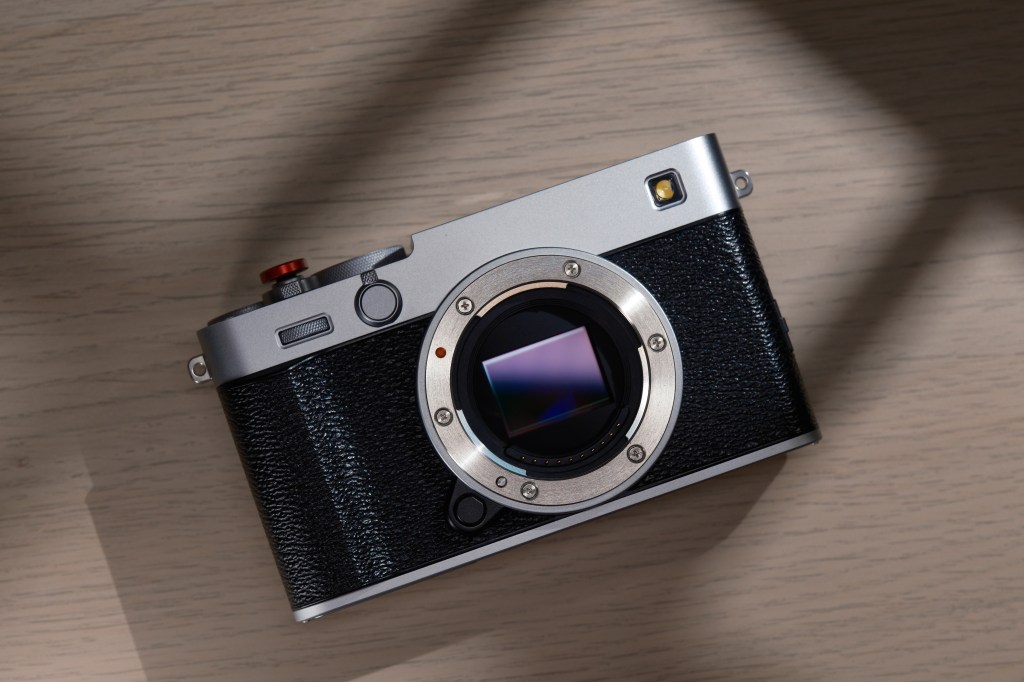
Fujifilm X-E5 is the newest camera in the X-E series and of course in the Fujifilm X series family as well. There was a saying that this series has been a lot of ups and downs with speculation about this series been axed. But it survived everytime and always been refining and Fujifilm always trying yo positioning it better.
Intro
The X-E series has always been considered the little brother to the X-Pro line. Designed to be a more affordable option for photographers who love the rangefinder style but can’t justify the X-Pro’s price, the X-E models traditionally came with slightly lower specs and a plastic build.


However, things has shaken up a bit with the X-E5. It is now much better build, more premium than it predecessors and improve durability.
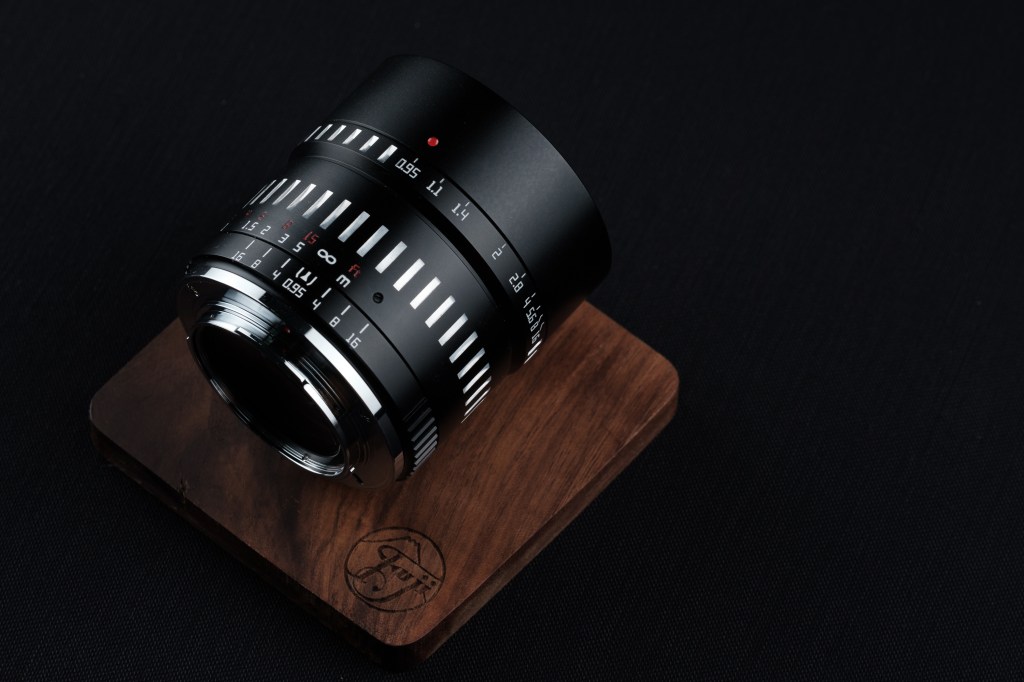
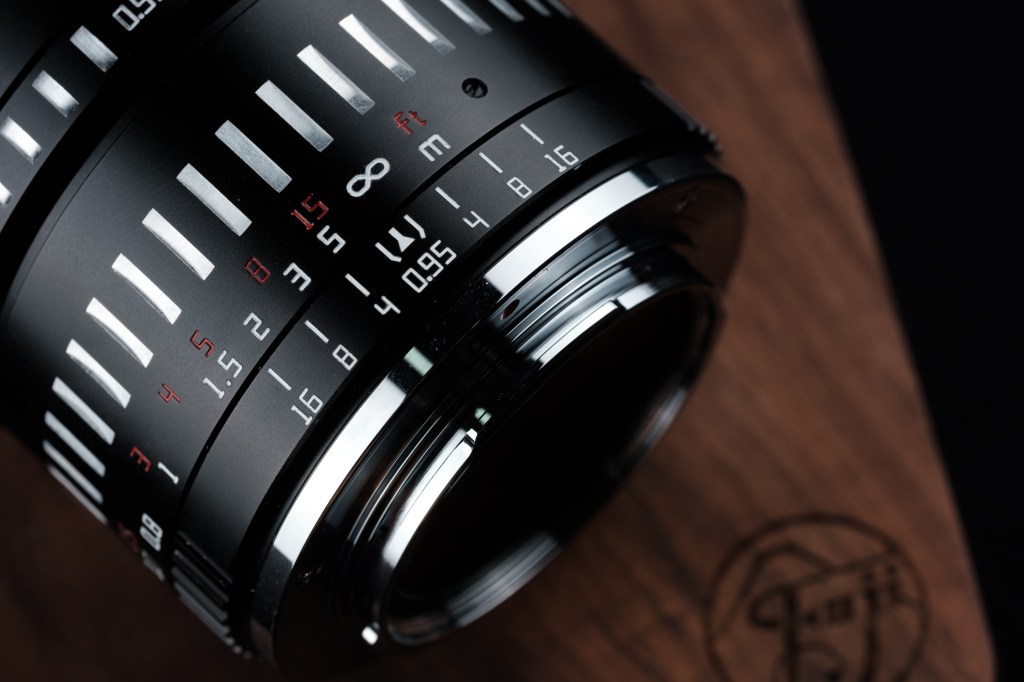
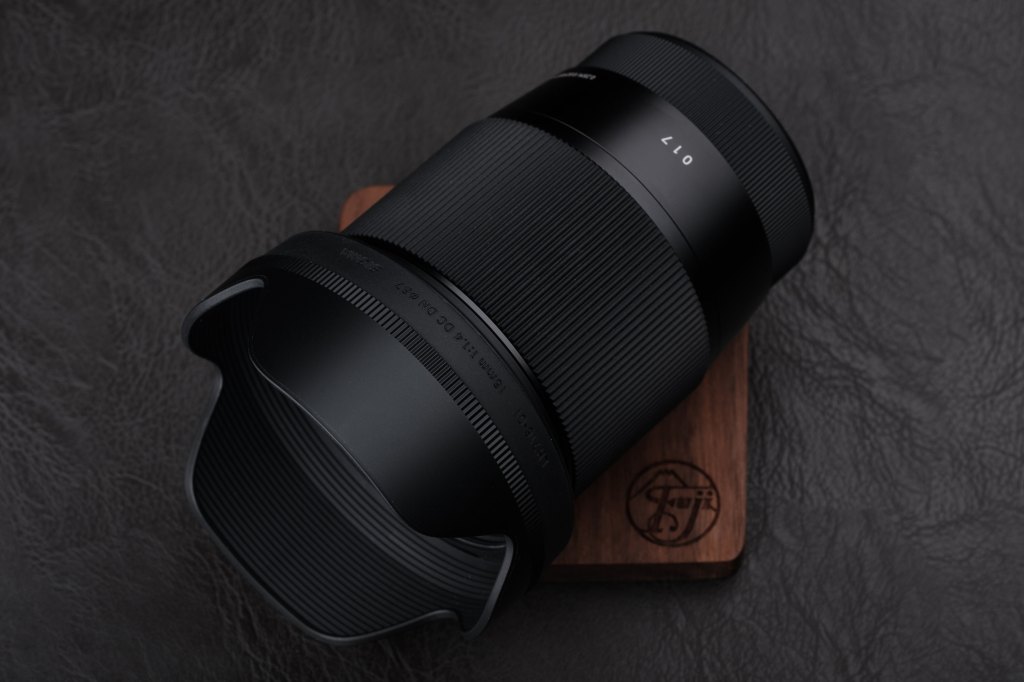
Before we go any further, let’s take a look at the lenses I paired with the X-E5.
- ArtraLab 11mm f1.8
- ArtraLab 24mm f1.7
- Astrhori 27mm f2.8
- Fujifilm XF35mm f1.4
- Fujifilm XF56mm f1.2 WR
- Fujifilm XF80mm f2.8
- Meike 55mm f1.4
- SG-Image 25mm f.18
- TTArtisan 23mm f1.8
- TTArtisan 33mm f1.8
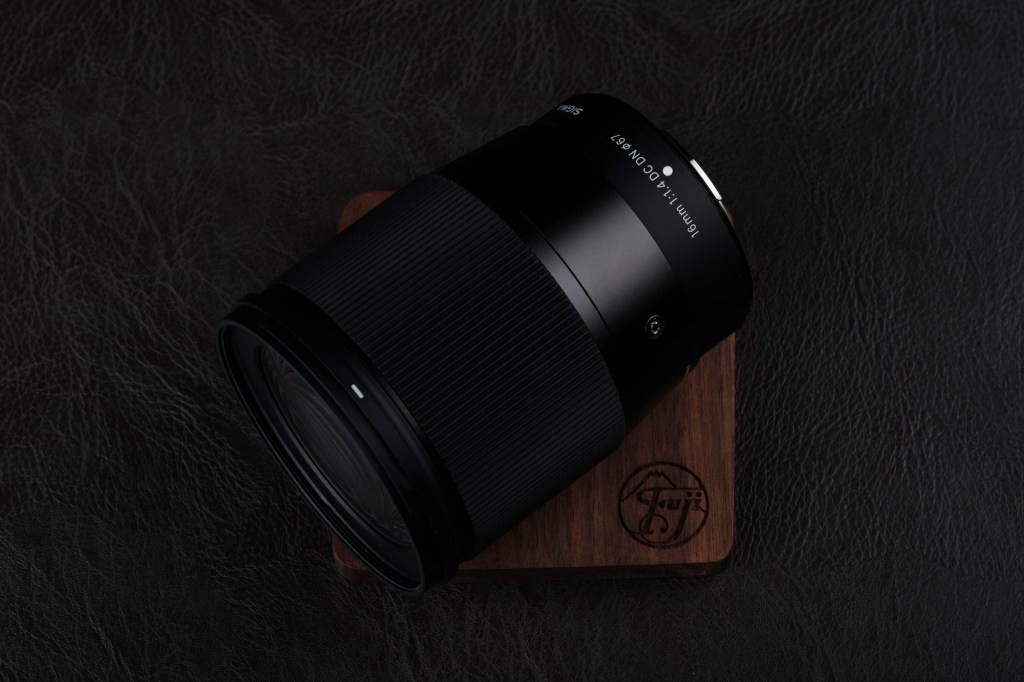
- Vitrox 25mm f1.7
- Viltrox 28mm f4.5

Design, Build Quality, Handling & The Shutter…
Looking back at the Fujifilm X-E series, one thing that immediately stands out is how the design language has evolved. Earlier models carried a softer, curved body shape, but with the newer iterations, Fujifilm has shifted toward a sharper, more refined blocky look.

Interestingly, the X-E1, the very first in the lineup, was actually a bit larger and taller than the brand-new X-E5, yet it still managed to be much lighter thanks to the plastic built body.

The X-E4 was where Fujifilm took a bold leap into minimalism. Some photographers appreciated the stripped-back approach, while others felt it went a little too far. The X-E5 continues along that same minimal design path, but with a few thoughtful additions that make it feel like Fujifilm listened to the feedback.
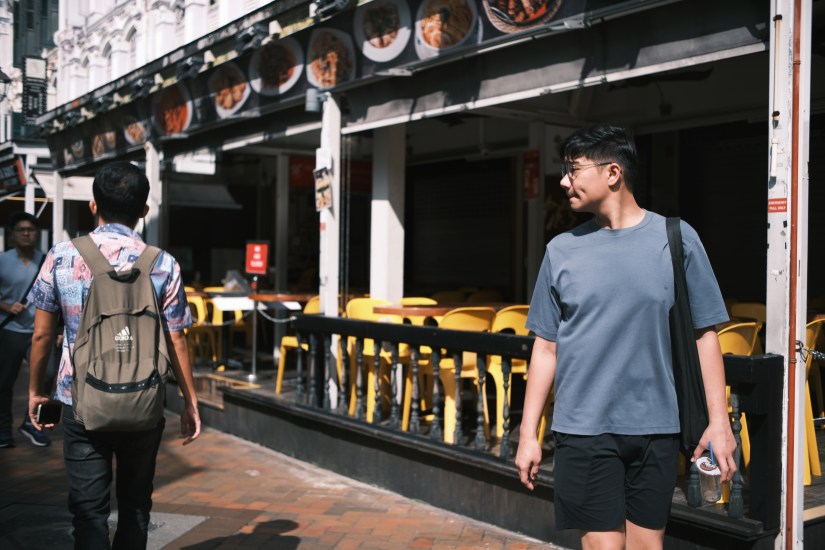

The shutter, however, doesn’t feel heavy at all. In fact, it’s gentle and refined compared to earlier models, giving the camera a pleasing shooting experience.
A welcome return is the flip-up LCD display. I don’t take selfies often, but the flip-up screen is perfect for capturing low-angle shots.


What’s been brought back?
The hand grip. While it’s not the chunkiest grip you’ll find, the small front and rear bumps do improve handling compared to the gripless X-E4. It’s still not perfect, many will likely want an additional grip accessory, but the difference is noticeable and very welcome.


What’s been added?
From the front, you’ll now spot a focus mode selector, a control lever, and a function button, small but meaningful upgrades for usability. Around the back, the “Q” button has been moved into the same position as the X100VI, and Fujifilm has also added a rear command dial. These tweaks make the X-E5 feel more versatile without cluttering the minimalist design.


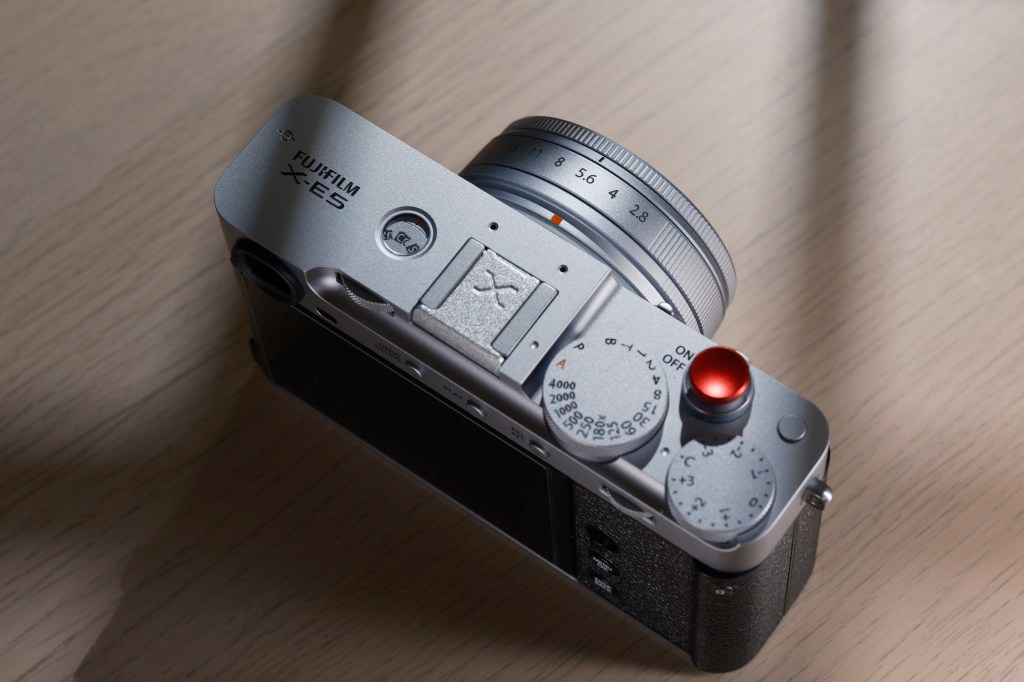
If you’ve shot with previous X-E cameras, one of the first things you’ll notice when picking up the X-E5 is the weight. At 445g, it’s the heaviest in the series (most predecessors hovered around 350g). But with that extra heft comes a sense of sturdiness, thanks to its solid aluminum build.
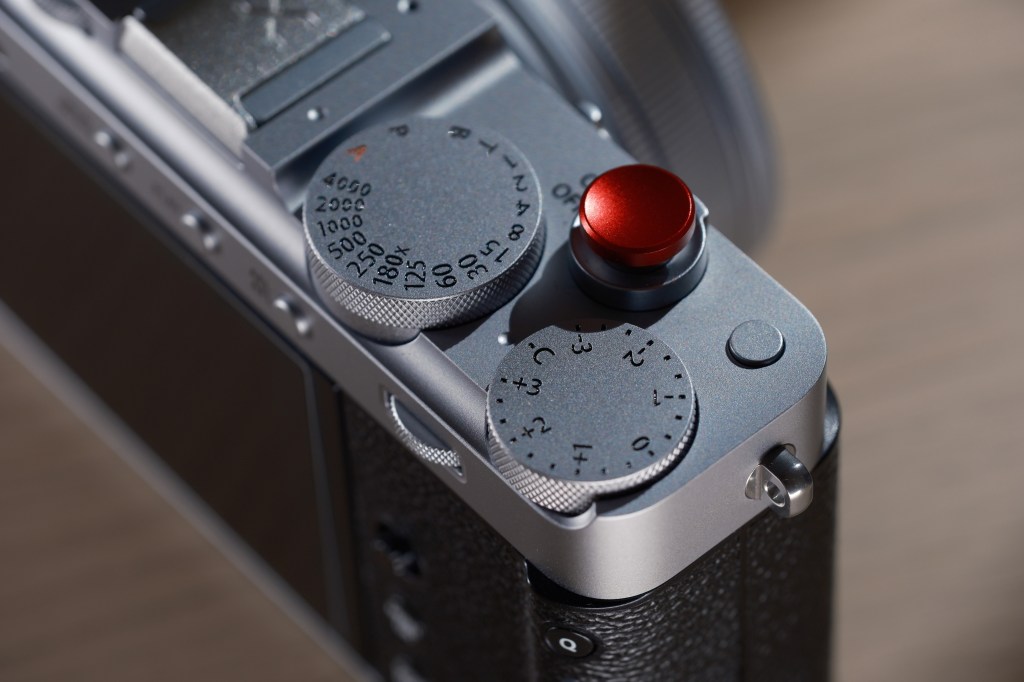
One of the most distinctive design touches on the X-E5 is the new film simulation dial built into the top plate window. Traditionally, that little window displayed film count, and now, it tells you which film simulation you’re using. A subtle but clever nod to the good film days, and of course, the Instax cameras.

The dial itself comes with 10 film simulation slots: 6 fixed presets and 4 that can be customized. (For comparison, the X-M5 offers 12 slots.) FS1 to FS3 can be assigned to any simulation you like, including your own recipes. The final slot, labeled “C” for Custom, lets you quickly change simulations on the fly using the front command dial.
Sensor and Processor
The X-E5 is equipped with the familiar 40MP X-Trans CMOS 5 HR sensor alongside the powerful X-Processor 5. It is the same combination found in Fujifilm’s X-H2, X-T5, X-T50, and even the X100VI.

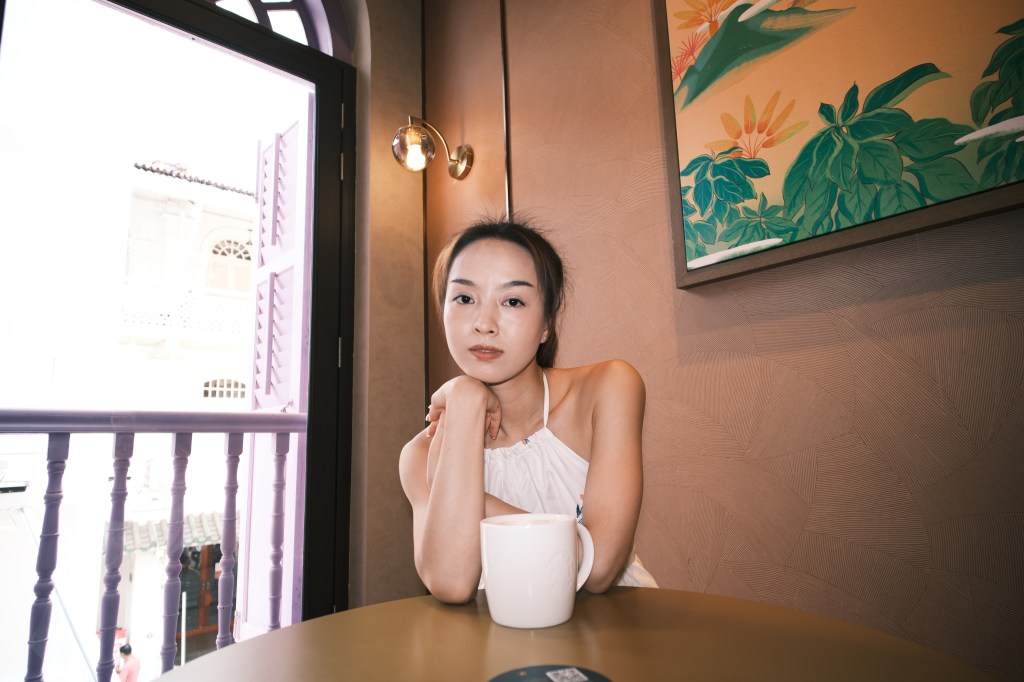
40 megapixels might feel like overkill if your main goal is to share photos on social media, but having that level of resolution opens up plenty of creative possibilities, from large prints to detailed cropping. It’s a thoughtful move by Fujifilm, and one that photographers will no doubt appreciate.

Image Quality
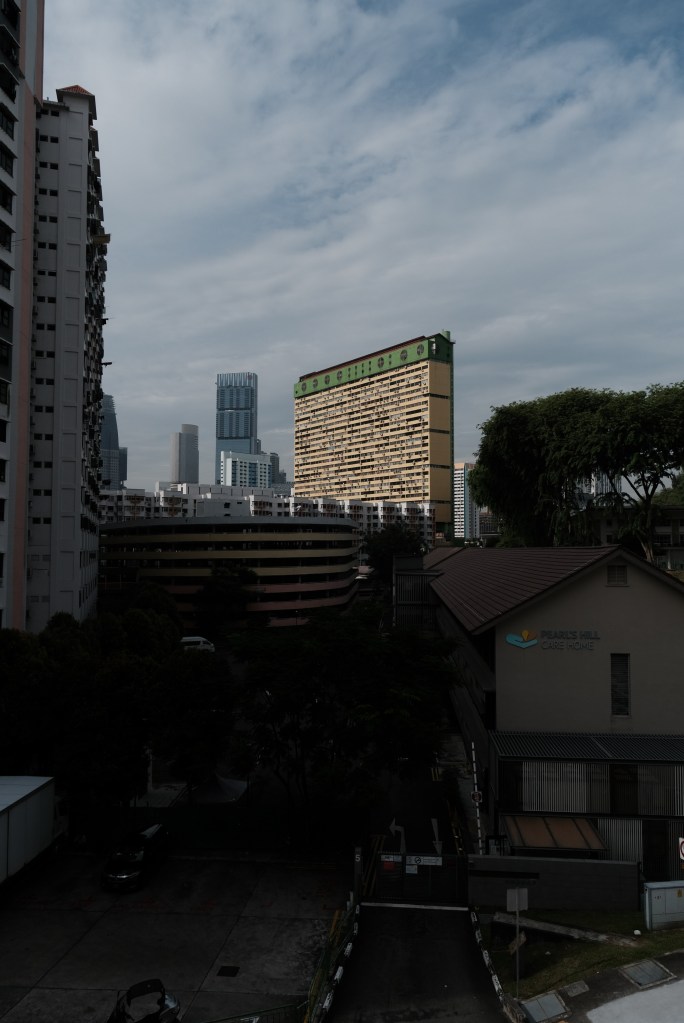
40 megapixels image quality is superior. Pairing the right lenses help to optimize the best image quality Fujifilm offers. If you pair up with the Fujifilm older generation of lenses or other third party lenses, you might notice some levels of softness if you are the picky one.

Performance
For those who have experienced the X-Processor 5, you already know the kind of performance it delivers. This is the very same processor powering the flagship GFX100 II, and it brings that same level of speed and refinement into the X series. When paired with Fujifilm’s latest generation of lenses, the results are nothing short of outstanding, showcasing some of the best performance Fujifilm has to offer.

That said, the eye-AF tracking performs well by Fujifilm’s current standards. It sticks onto the subject most of the time, though every now and then it might wander off a little. When I put it side by side with my X-T5, the focusing feels slightly slower (both running on default settings). But honestly, it’s not a deal breaker for me.
IBIS

Similar to all other latest series of X-Series camera bodies, it is equipped with 7 stops of compensation. In short, the IBIS in this camera works impressively well.
Battery Life

When it comes to battery, I am prepared and expecting that NP-W126S to be the battery model and we all know how small the battery capacity this model can be.

According to CIPA rating, it is about 300 shots. But based on my usage with everything in default, I managed to squeeze about 480 shots. And that including transferring 50 shots from the camera to the phone. This result of mine shared similarity with the X-T50.
In my opinion, the number of shots seems to be good enough for a 2-3 days travel occasion and probably a good one day coverage for photowalks. If you think the battery is not good enough, I will suggest getting another 1 to 2 spare batteries as the battery is quite pocketable and compact. Alternatively, standby a PD powerbank to charge via the USB-C to extend the juice whenever needed.

Feedback
Like all the rest of the X-E series that come before it, it does not equipped with Dial Lock Release like the X-T5. This lock is so beneficial because it can prevent accidental dial changes. I encountered this when my camera is place inside the bag and probably some movement has pushes the dial without noticing.
There hasn’t been any upgrade to the Electronic View Finder (EVF) or the rear LCD display and they are still at 2.36 million dots and 1.04 million dots respectively. I do wish Fujifilm had pushed a little further in this area, especially to better justify the price increase.
Price Point

This new generation comes in at a noticeably higher price than the previous one. The body alone is priced at 1599 USD, and in Singapore, it’s going for 2099 SGD. To put things in perspective, the last model was launched at 1449 SGD back in 2021.
Even after adjusting for inflation, which would bring that number closer to 1700 SGD, the new price still sits quite a bit higher. Whether that premium is worth paying really depends on what photographers feel they’re getting out of it.

Others
When it comes to the Fujifilm X-E5 and X100VI, the comparisons never seem to end. Which one is better? Why choose this over that? Which camera really gives you the most value? The debates go on, often shaped by personal preference and bias. That’s completely fair, and I respect that.

From my perspective, both cameras serve different purposes and are designed to meet the unique needs of each photographer and shooting experiences. There’s really no right or wrong choice here. What matters most is understanding your own shooting style and priorities. Once you’re clear about what you need, picking the right camera becomes a much simpler decision. It might sound straightforward, but in reality, finding the right one often takes a bit more time and consideration.

The X-E5 has a little trick up its sleeve, a classic display mode in the electronic viewfinder. It’s an interesting addition that feels like a nod to nostalgia for senior generations users, while also giving younger generations a taste of the past.
Who is this for?
If you are interested in jumping into Fujifilm ecosystem and find that price of the X-E5 price is too steep, there are other models available, for instance, X-M5.

Fujifilm is always about the overall user experience from using the gear, to click the shutter and the final results in front of your eyes. Each camera user experience is different somehow and finding the right one is always a challenge.

If possible, give it a try in your nearest camera store or better recommendation is to rent it out for a week or two with a few lenses to try. The later one is a costly option, but probably a better one than rush buy.
Conclusion
The X-E series has always held a special charm for me. I still keep my X-E3 around, and while I regret missing the chance to pick up the X-E4 before Fujifilm suddenly discontinued it, I wasn’t willing to pay inflated resale prices. So when the X-E5 was announced, it was an easy decision. I knew I had to get it.

Thanks to the ripple effect from the viral X100V video, Fujifilm cameras have been attracting attention well beyond the photography community. And naturally, the X-E5 has also found its way into the spotlight.

Yes, the X-E5 is the most expensive model in the X-E lineup so far, but in my opinion, it’s also the best one yet. I absolutely enjoy the shooting experience this rangefinder-style body offers—it’s a completely different vibe compared to my X-T5. As I’ve said before, every camera has its own purpose, crafted to meet the specific needs and styles of different photographers. The X-E5 is no exception, and that’s exactly what makes it so special.

Thank you for reading.
Disclaimer:
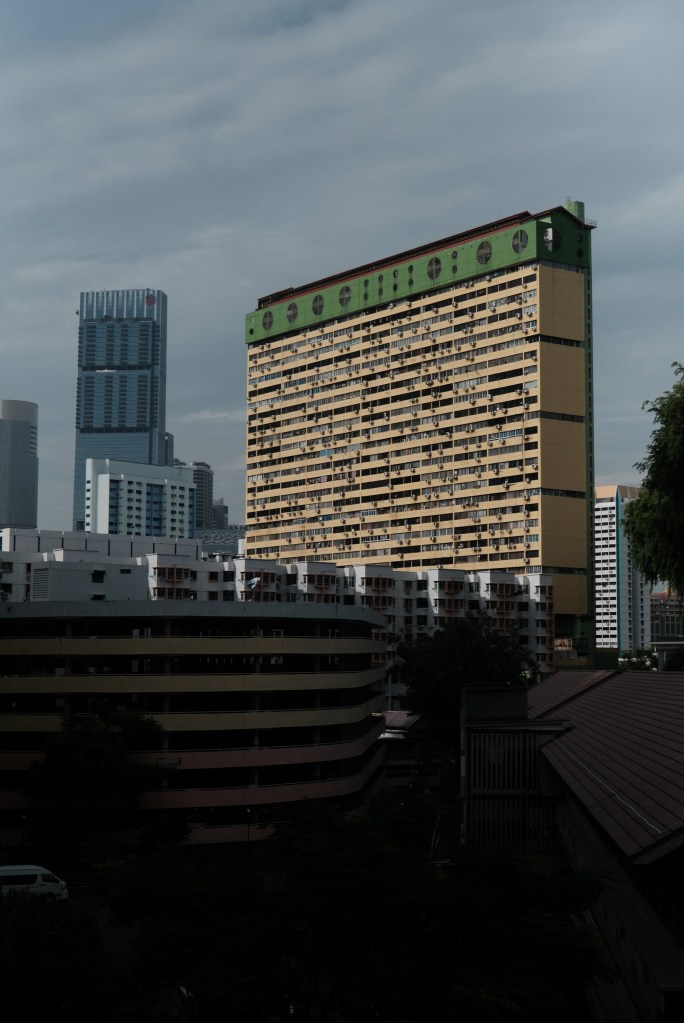
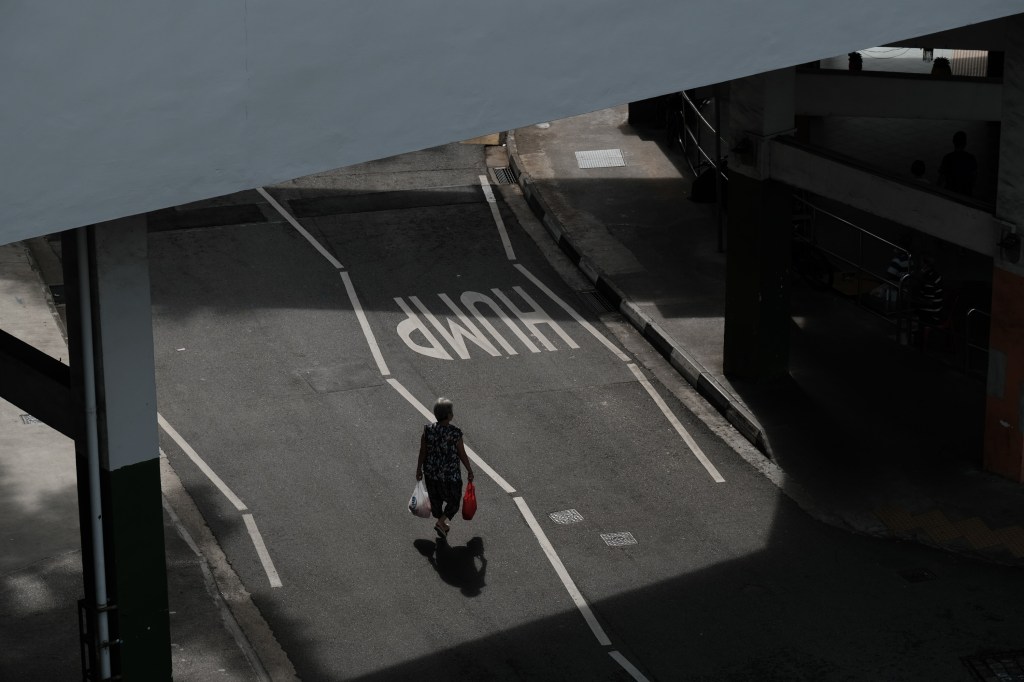
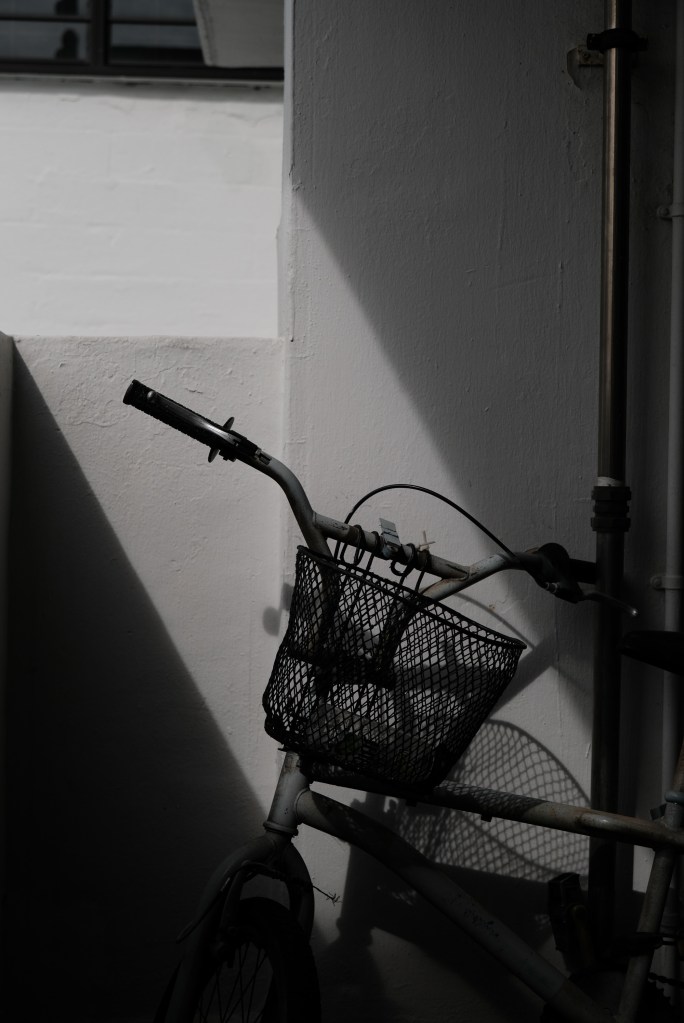
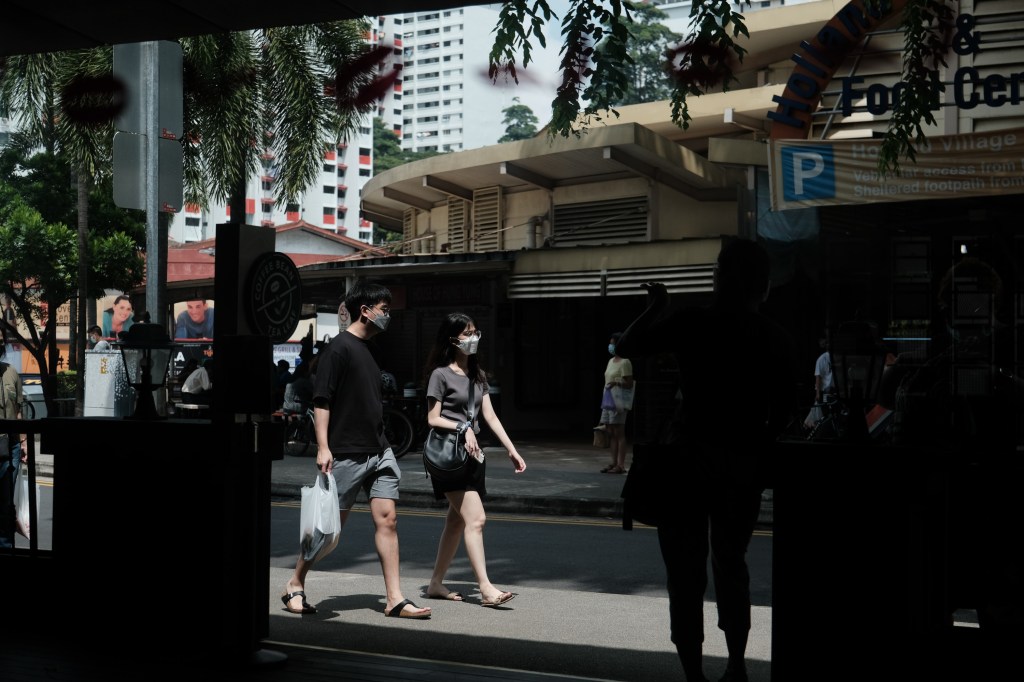
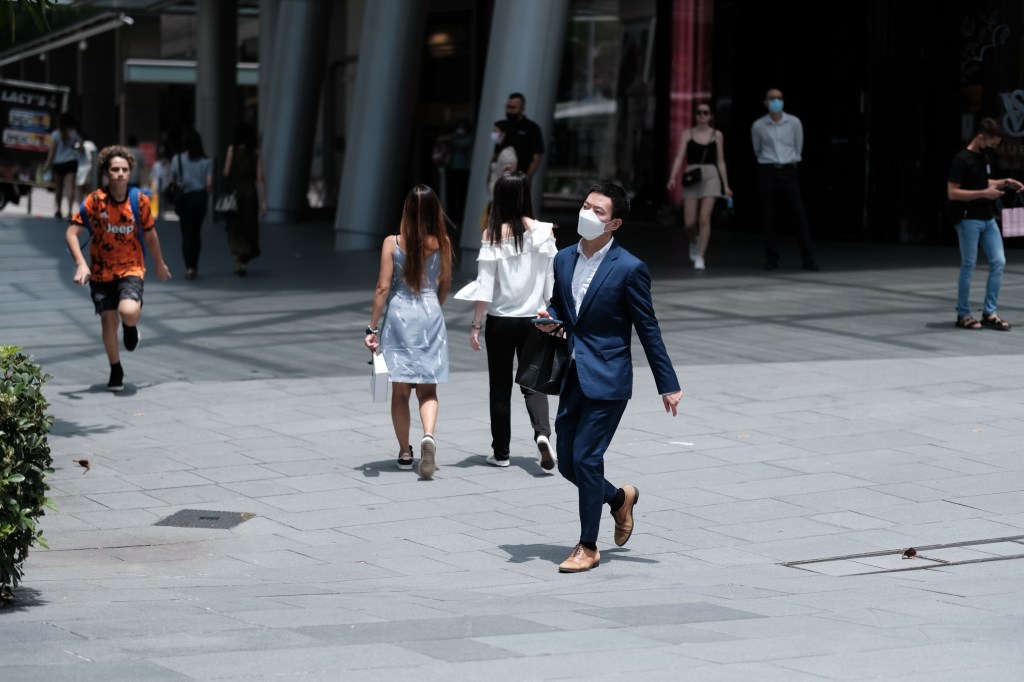
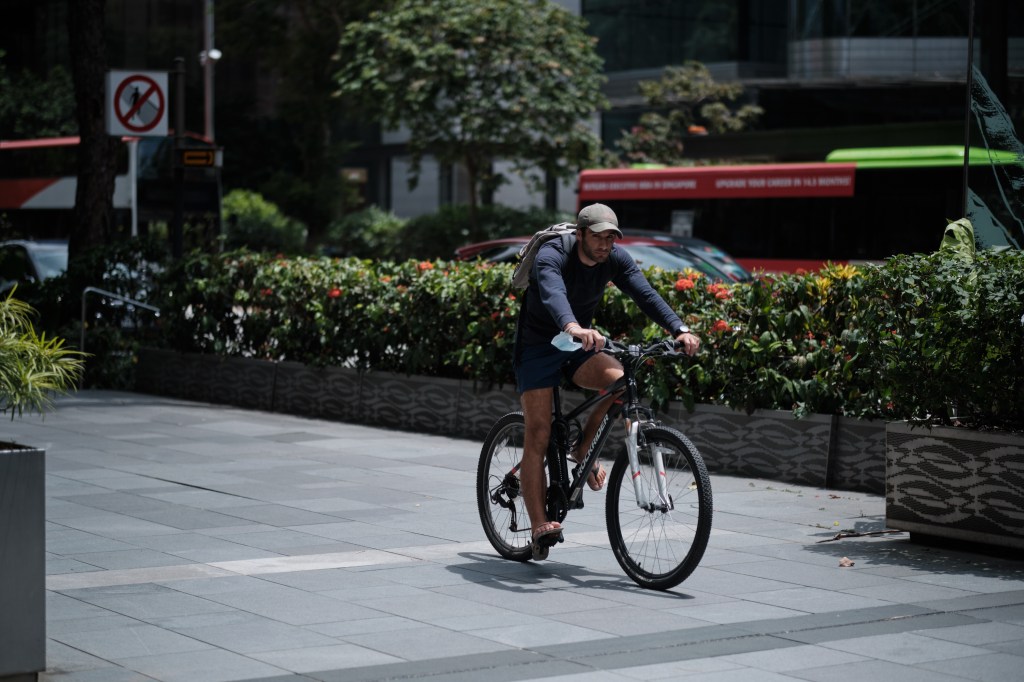
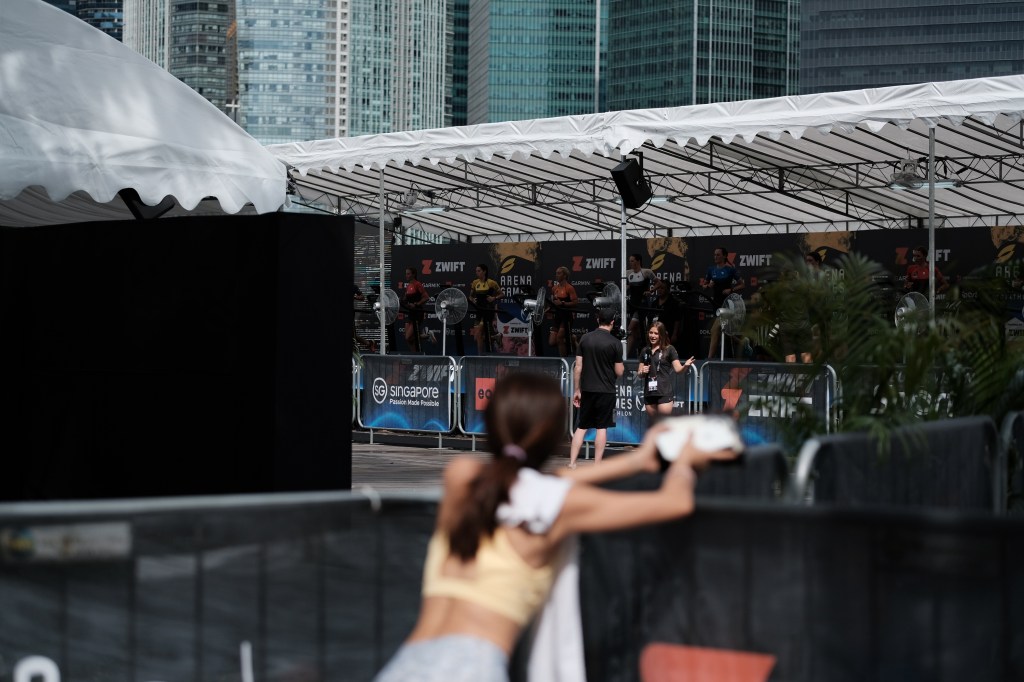
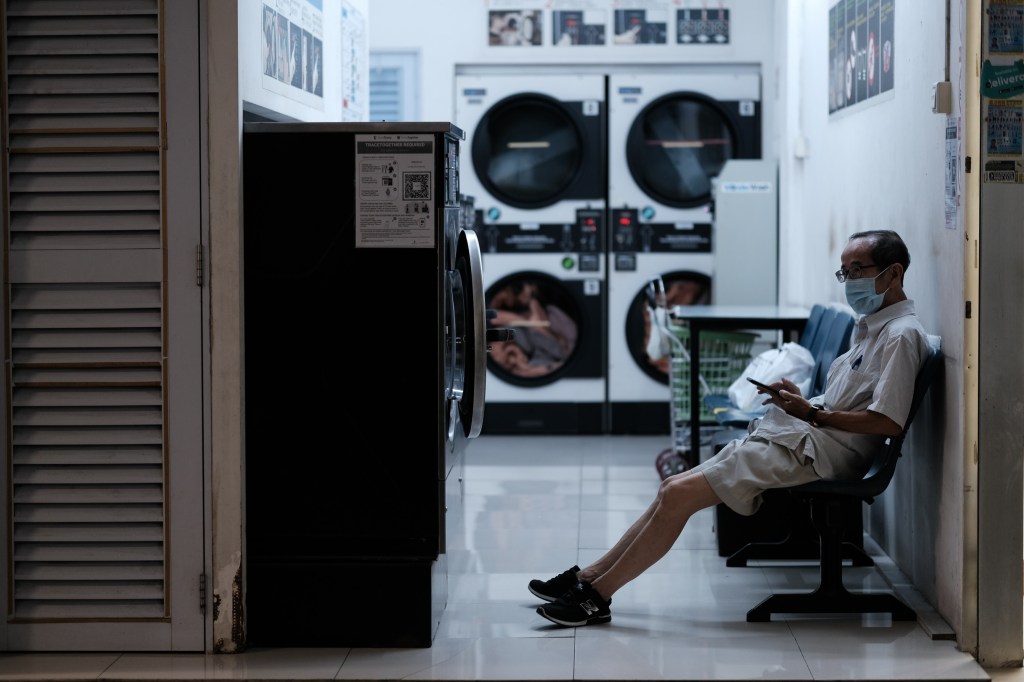
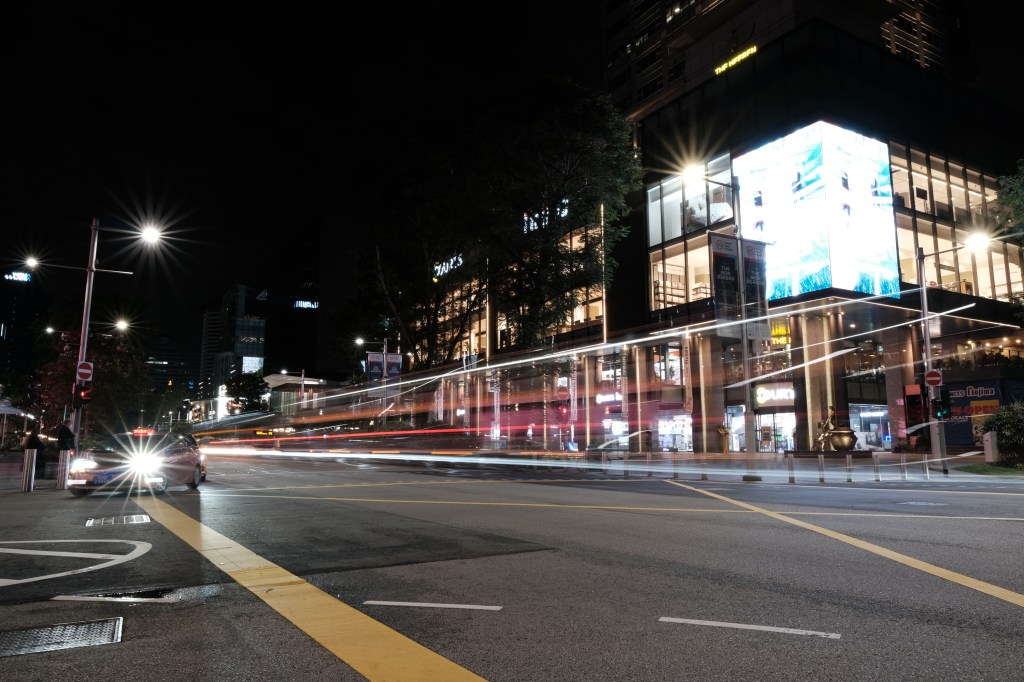
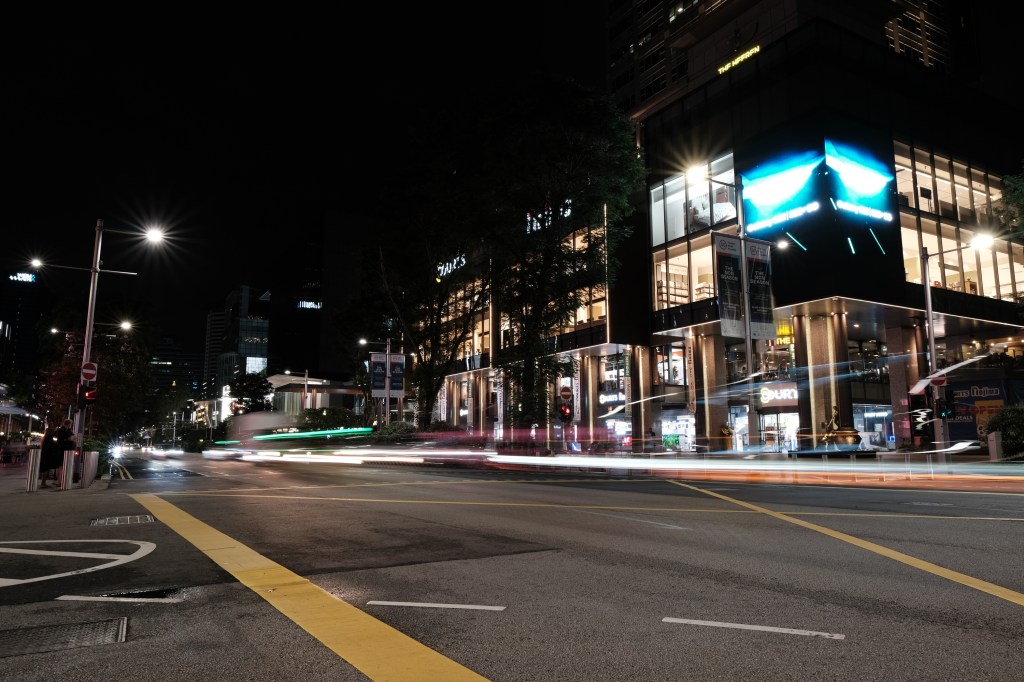
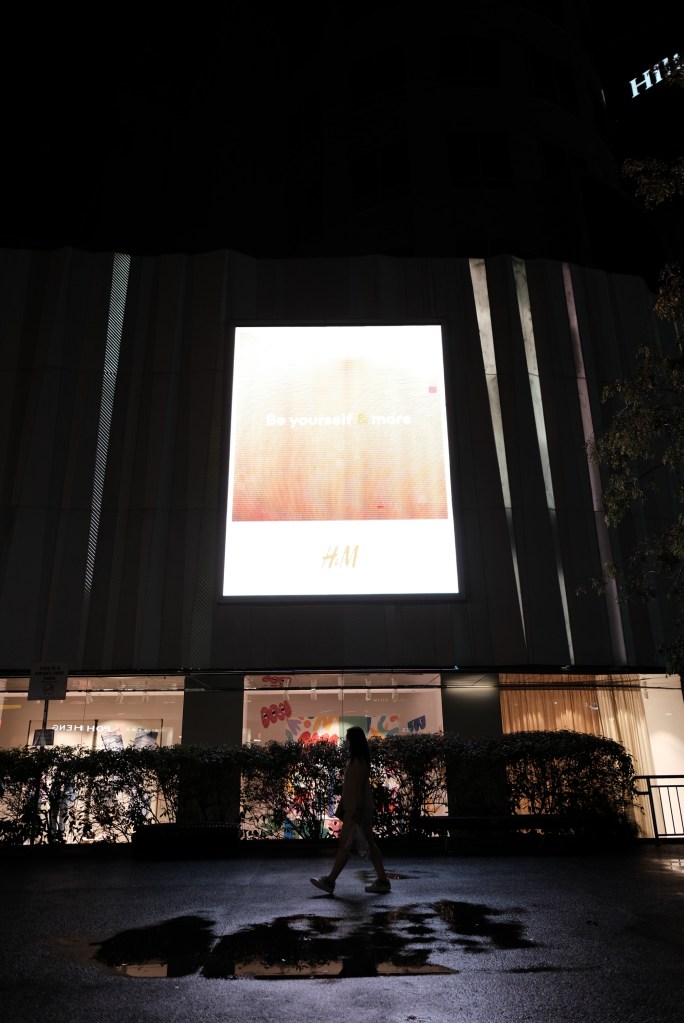
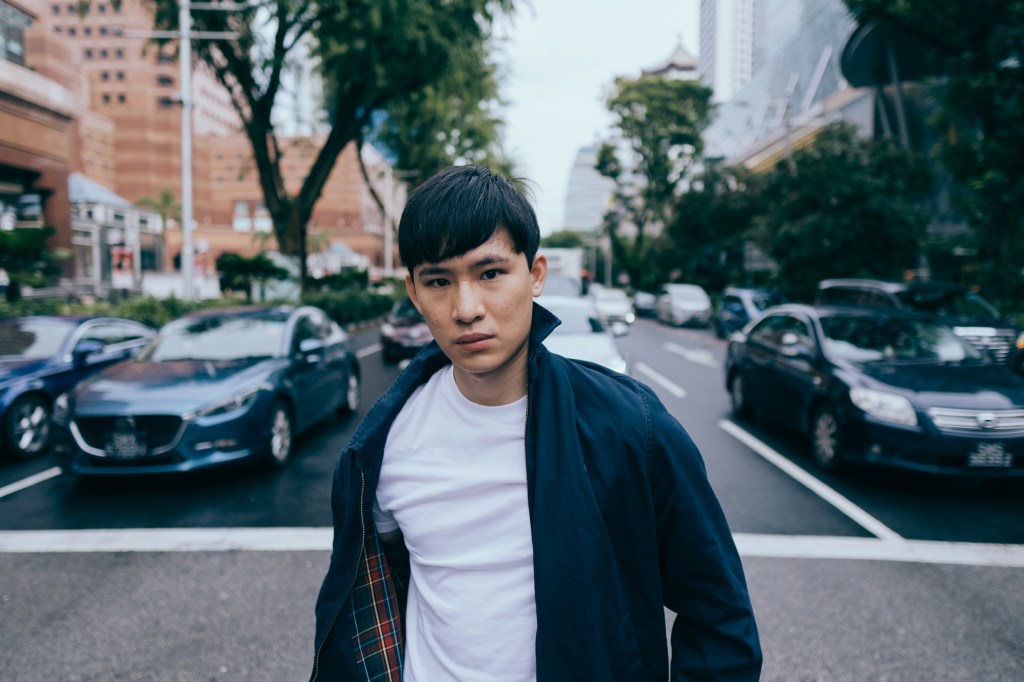
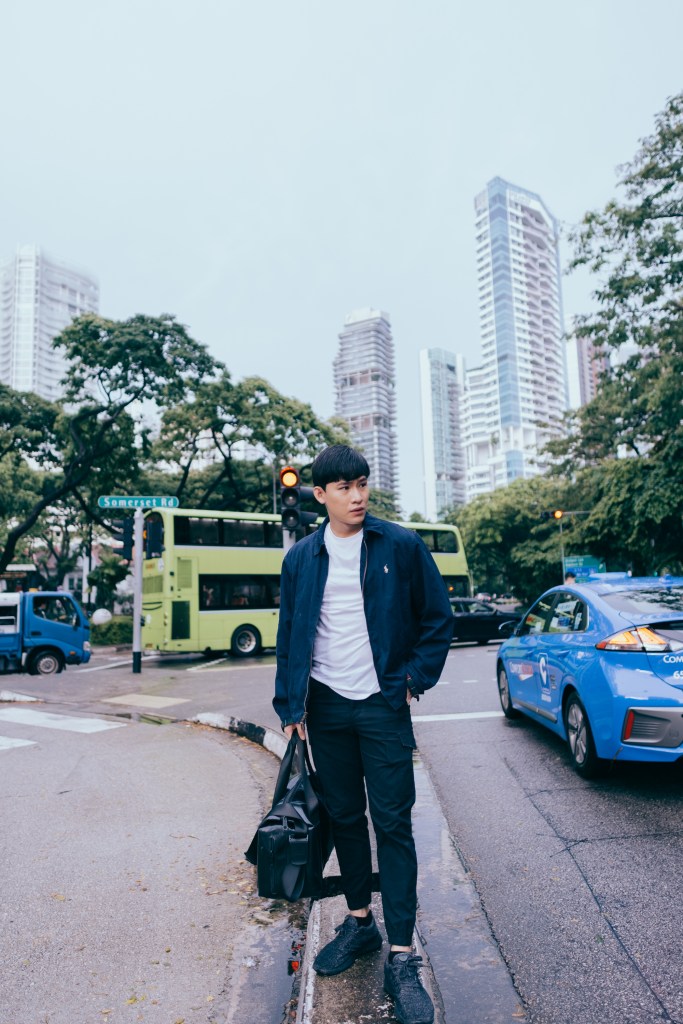
1. All the shots taken here are shot by me.
2. Most of the shots are straight out of the camera with some shots edited via In-Camera Raw Processing.
3. The opinions are based on my experience. If there is any mistake, please kindly drop me a message and I will gladly make the amendment.
4. I reserve ownership of these images, if you wish to use my images, please notify me.
If you like my works, please follow me on either one of the 2 Instagram accounts:
If you have a Facebook account, feel free to join Fujifanboys FB group.
If you like my content and you want to show some support and keep this blog alive, you can buy me a coffee here.



































































































































 Alwin Kok