
Reviews

TTArtisan 23mm f1.8 – 1000 Photos Later

After the release of the TTArtisan 56mm f1.8 and the recent TTArtisan 35mm f1.8 II, I always believed that TTArtisan would eventually complete the f1.8 trinity, and that day has finally come.
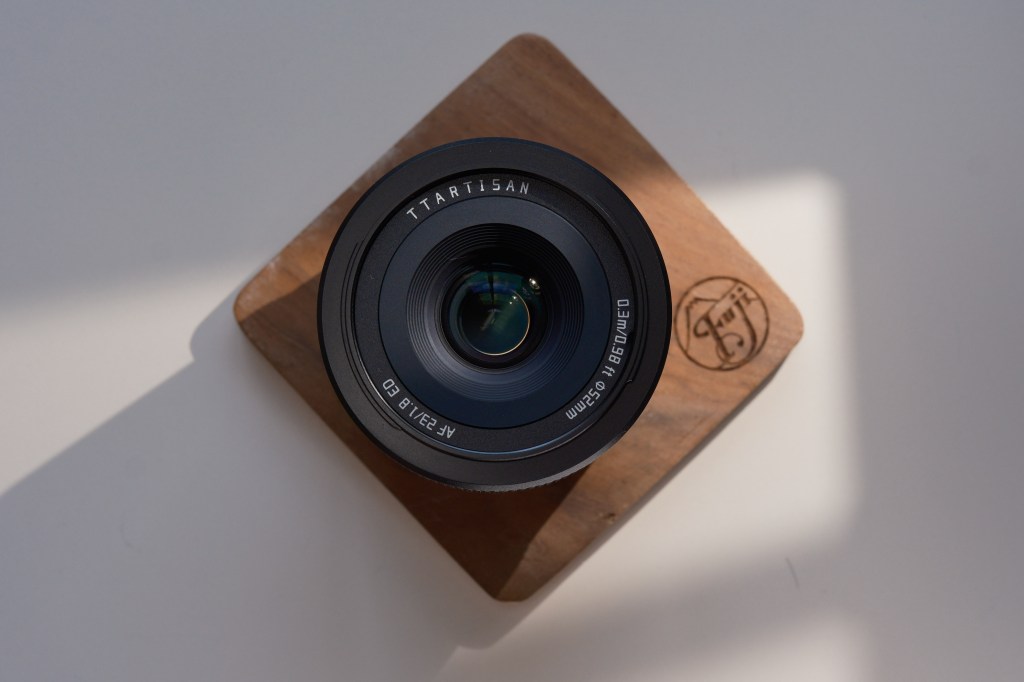
TTArtisan 23mm f1.8

TTArtisan has consistently launched new lenses without any leaks or teasers, and this release is no different. I appreciate this straightforward approach to marketing—just announce it and launch the product.
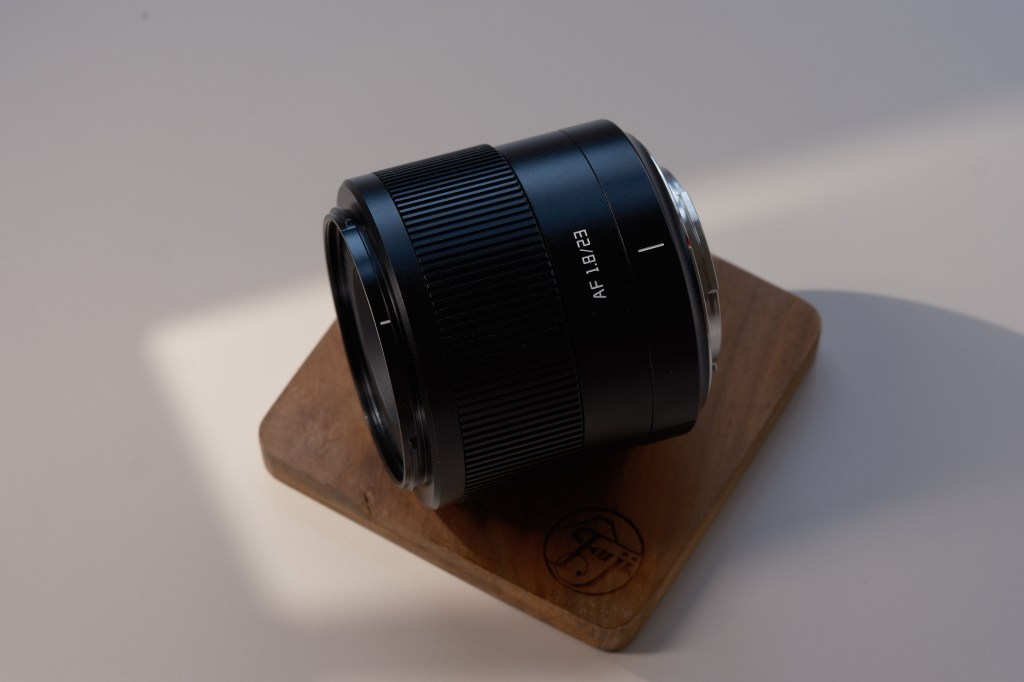
TTArtisan 23mm f1.8

Intro

23mm, or 35mm in full-frame equivalent ,is one of my favorite focal lengths and this focal length is always with me wherever I go for a holiday.

I was so excited when TTArtisan contacted me and informed me about this lens, and they managed to send the lens to me one day before my holiday trip to Guangzhou. Just nice for me to bring it along and shoot.
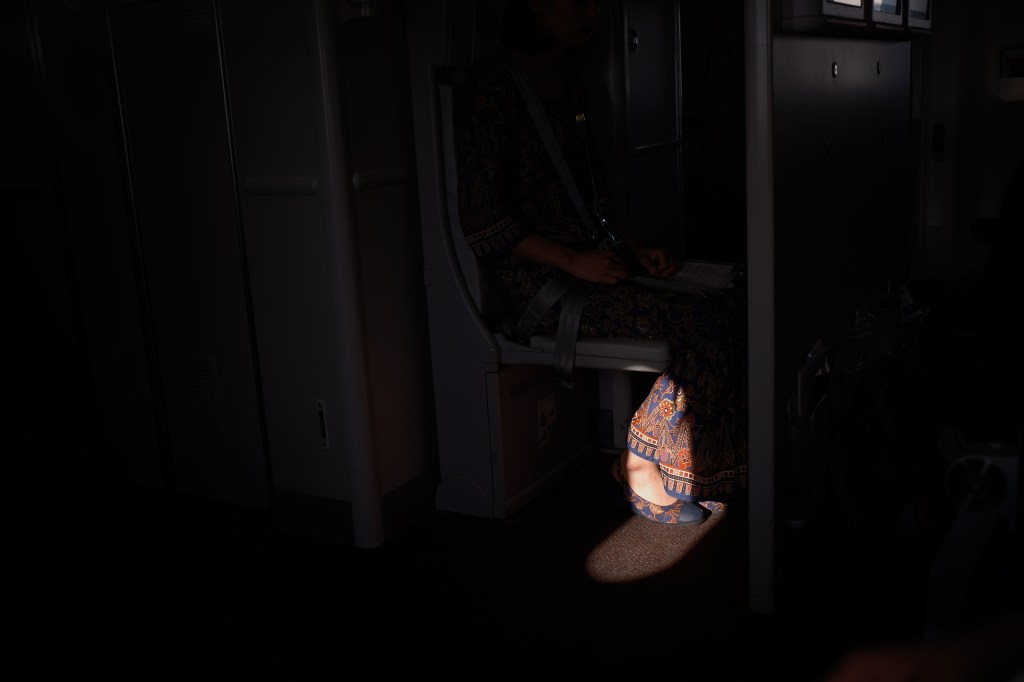
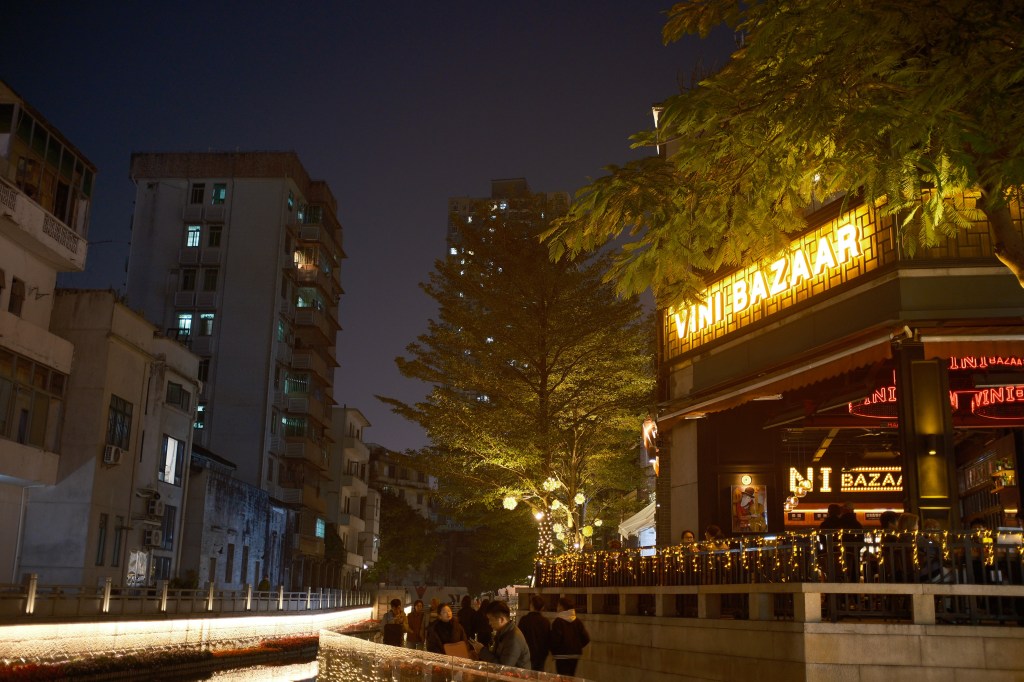
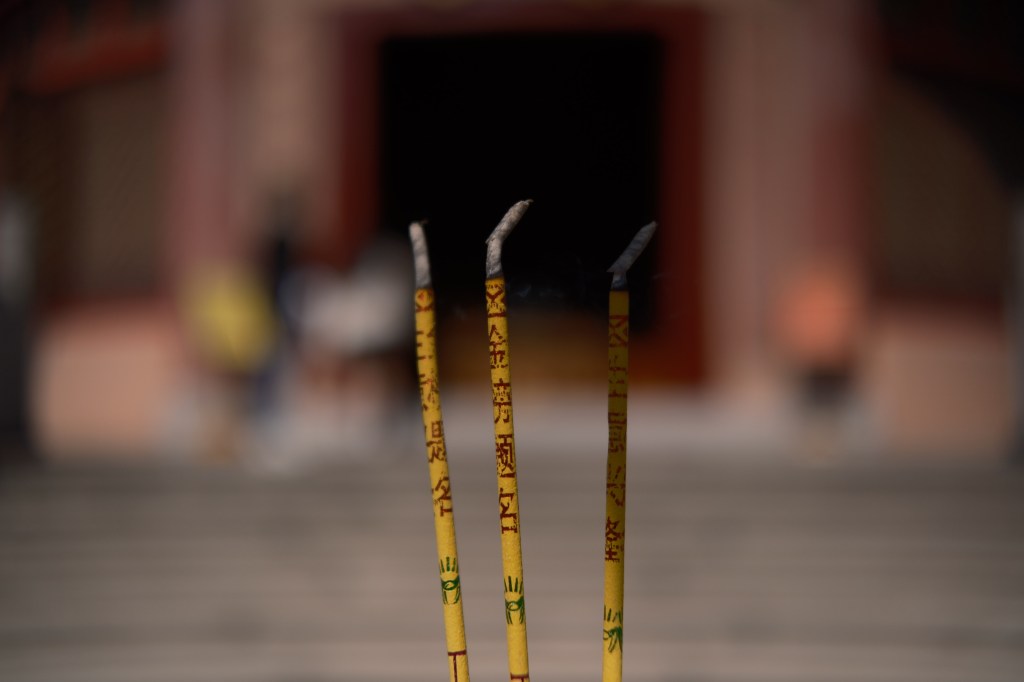
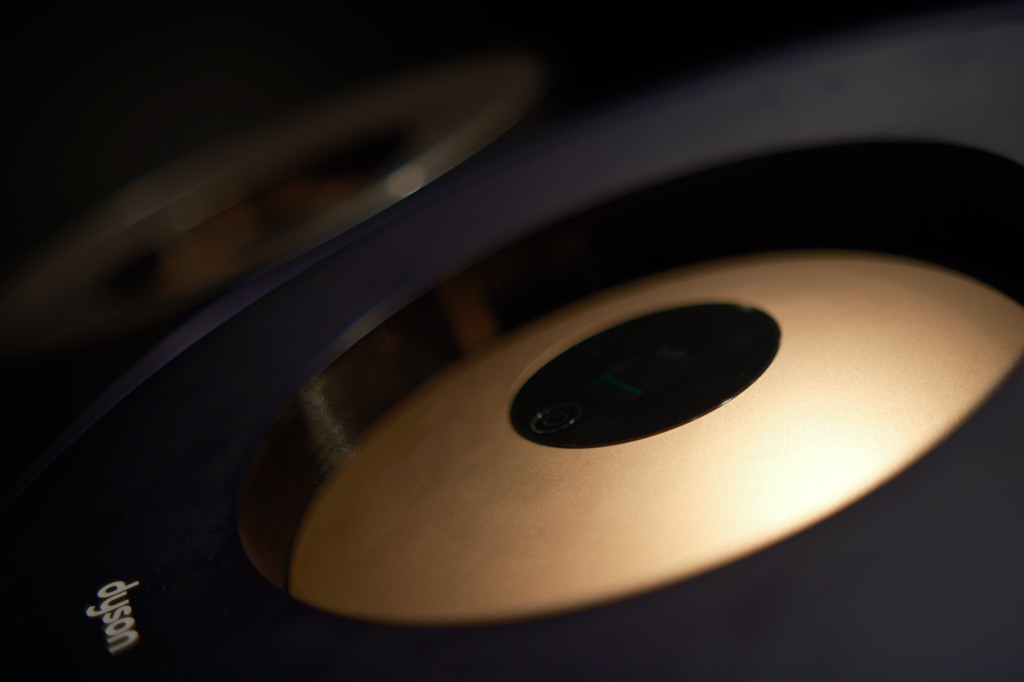
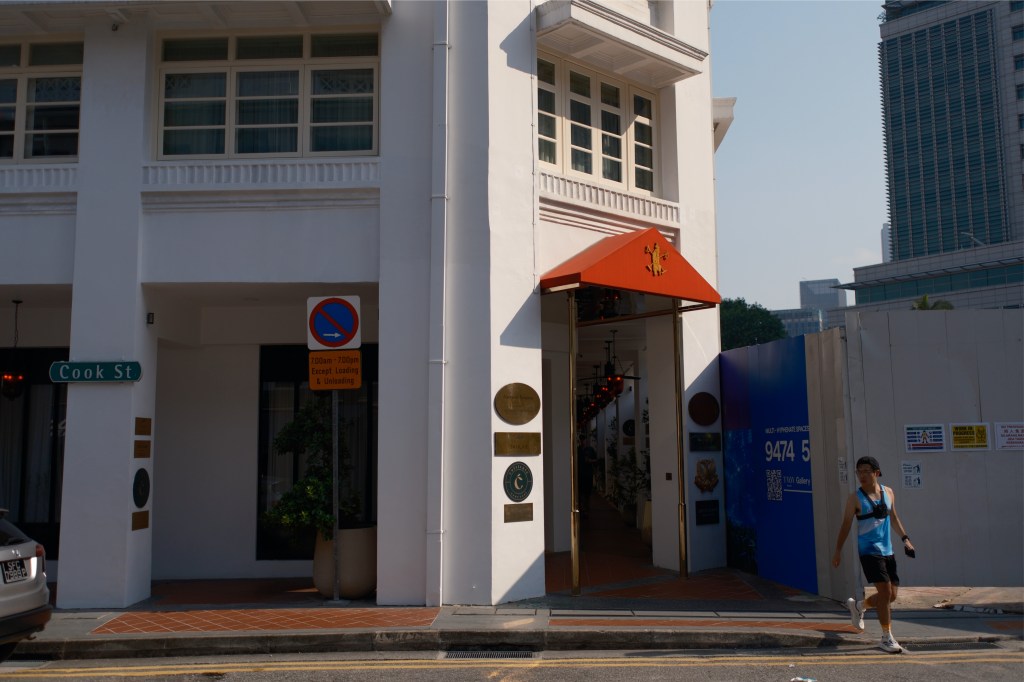
Fuji X-T5 . TTArtisan 23mm f1.8 @ 23mm . f1.8 . 1/500″ . ISO 125 . Nostalgic Negative

Before I begin, I’d like to express my gratitude to the good people at TTArtisan for sending me this lens. I truly appreciate their ongoing support. That said, their involvement has no impact on my review—this is entirely based on my personal experience with the lens.
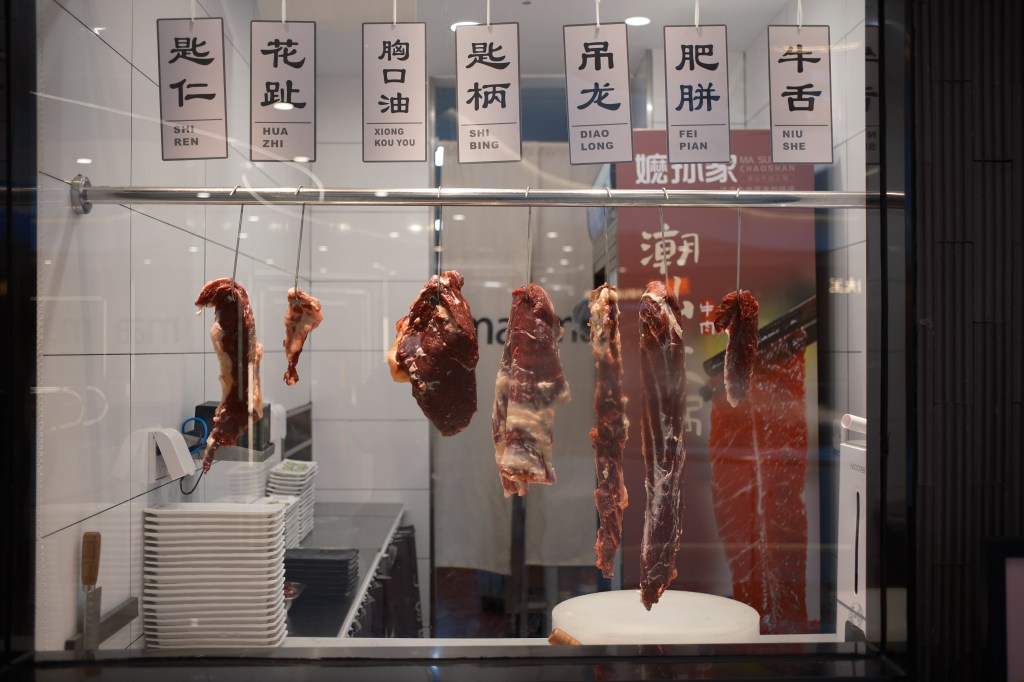
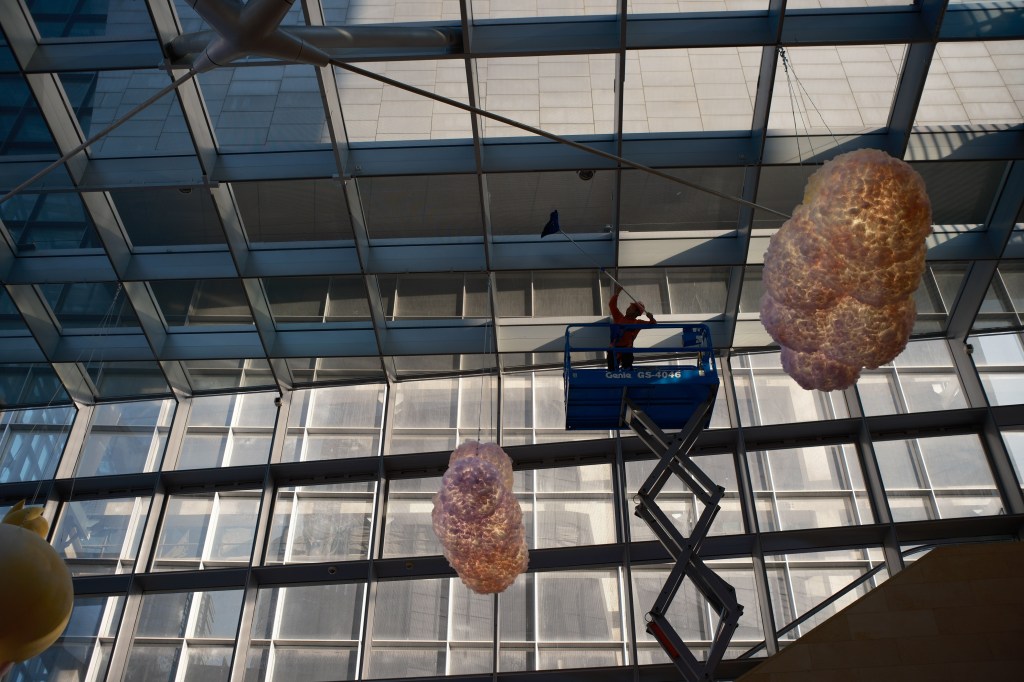
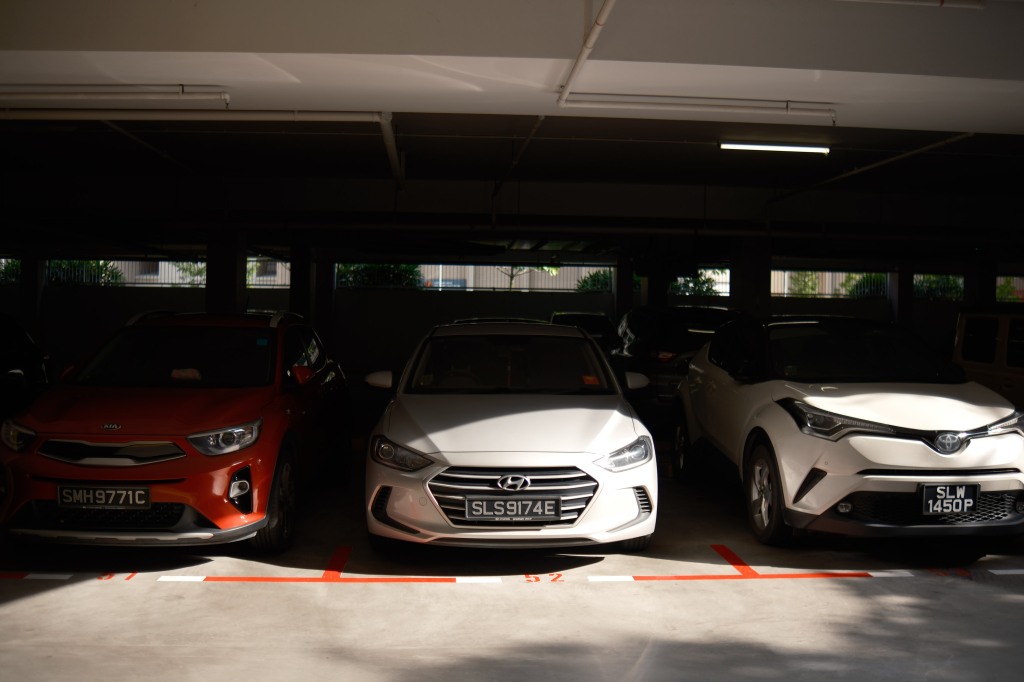
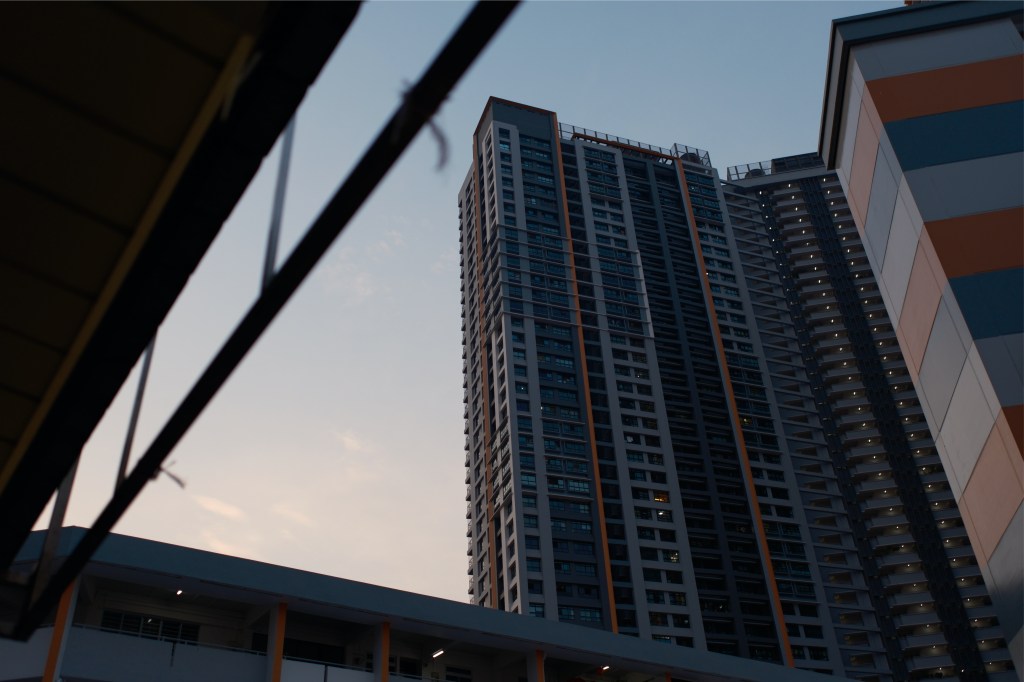
Fuji X-T5 . TTArtisan 23mm f1.8 @ 23mm . f1.8 . 1/120″ . ISO 125 . Nostalgic Negative

Design and Build Quality

The design language of this lens is consistent with its siblings, featuring the same high-quality metal build and minimalist aesthetic. That said, it lacks an aperture ring, with only the manual focus ring available.
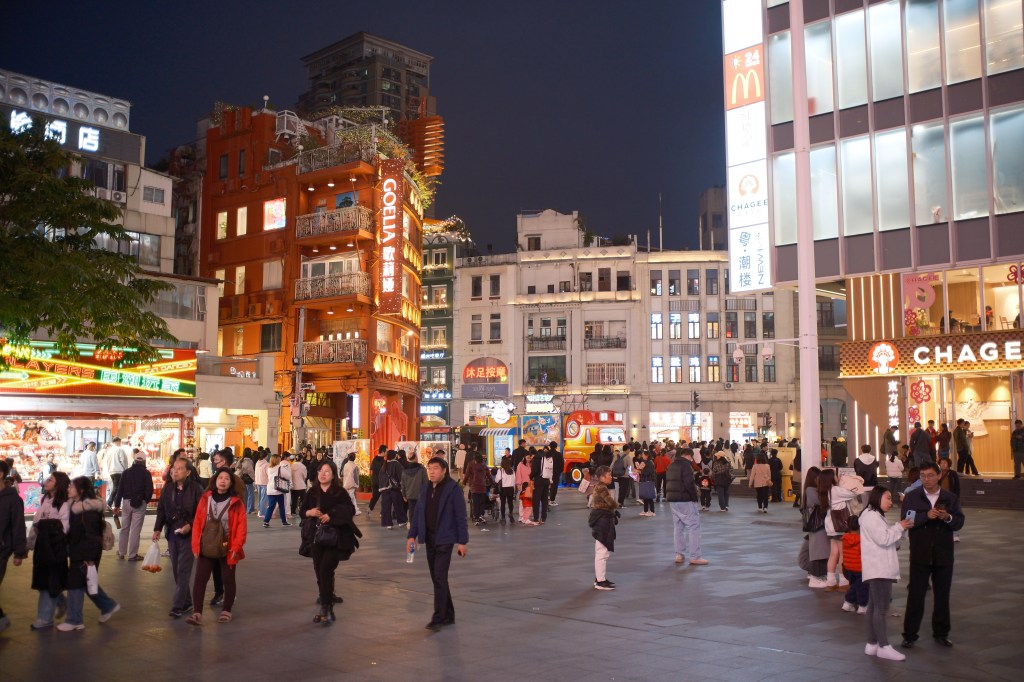
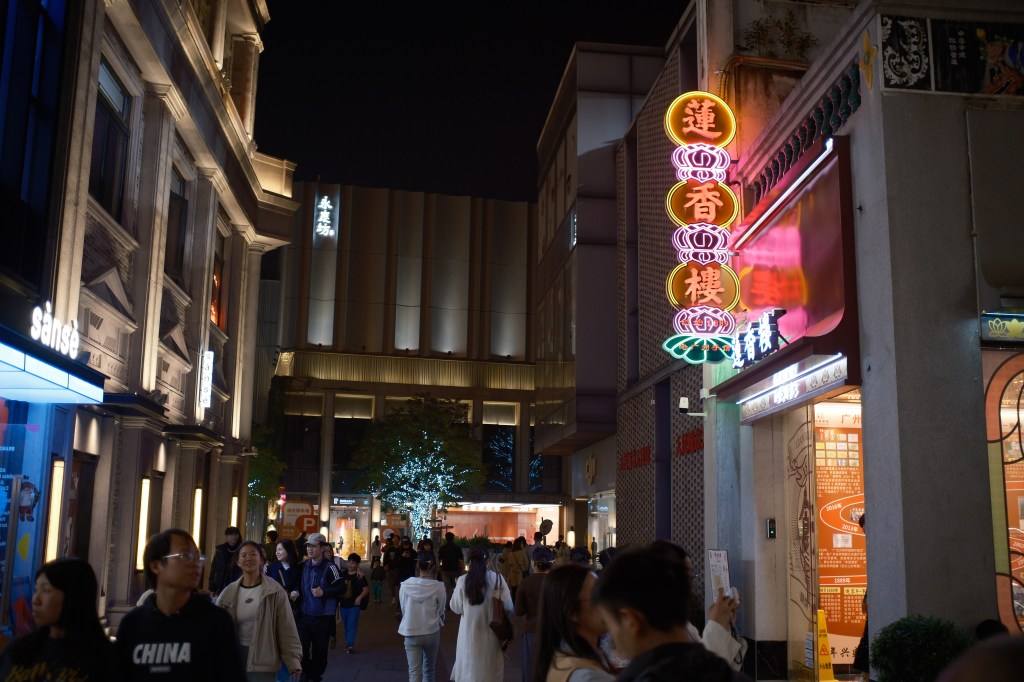
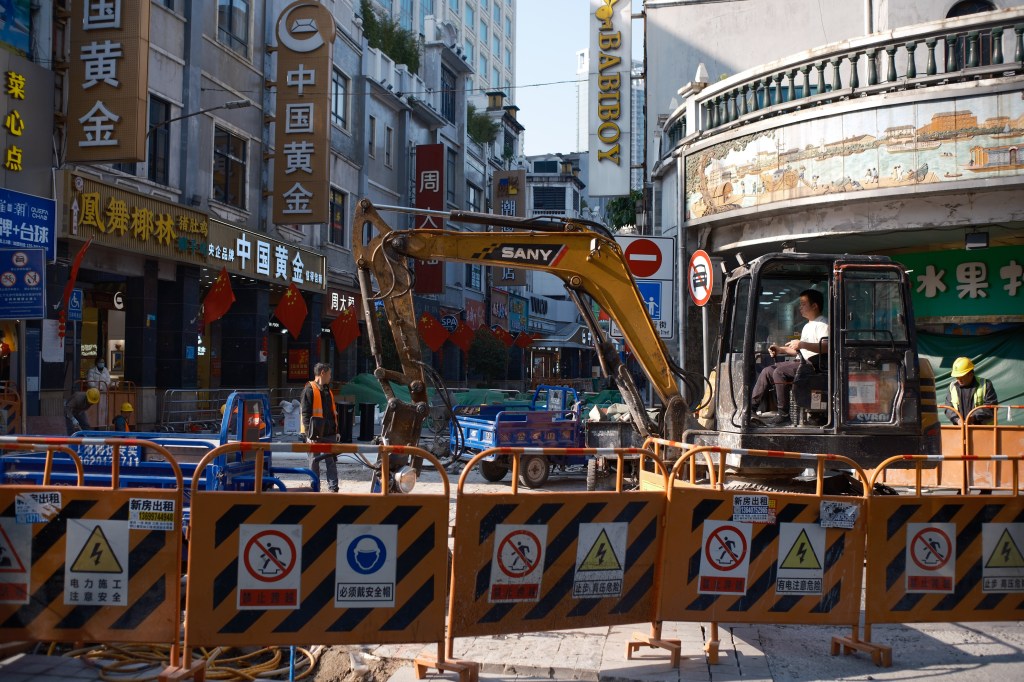
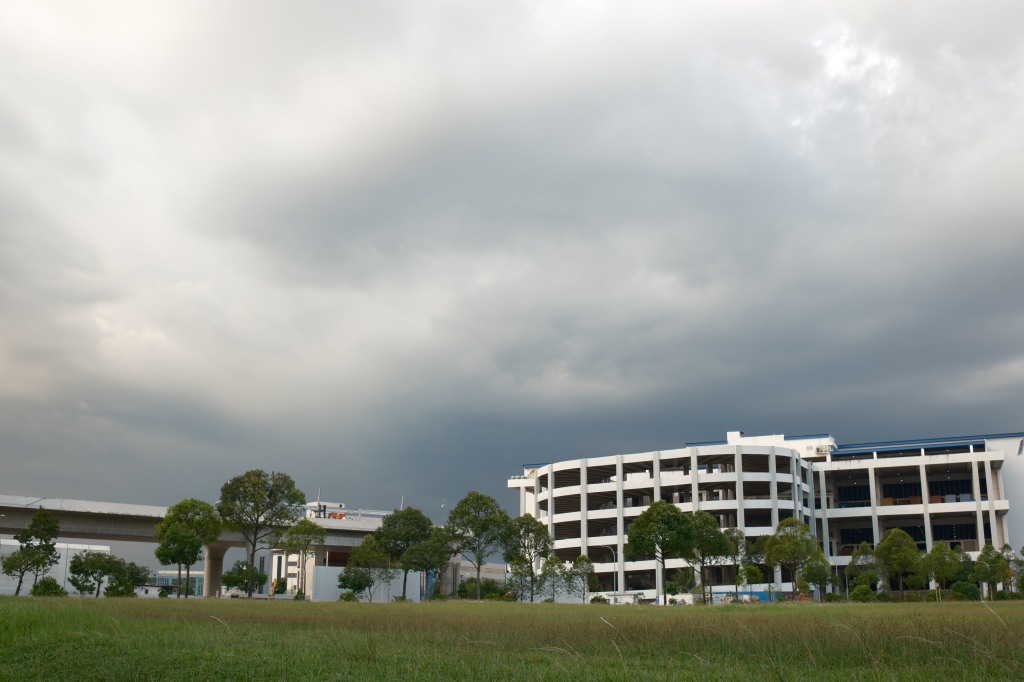
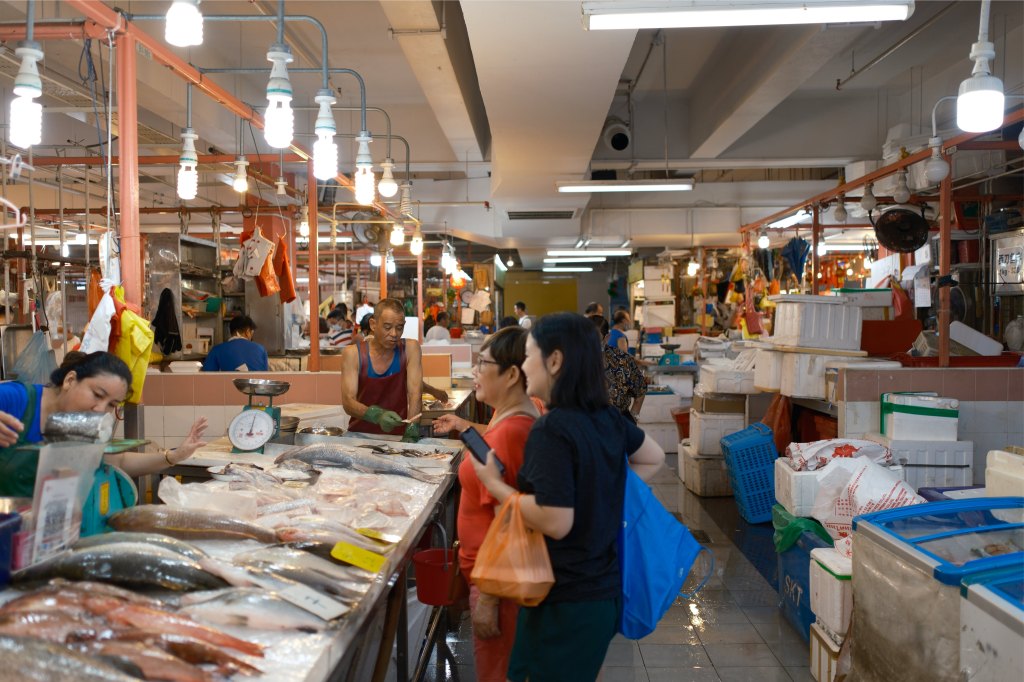
Fuji X-T5 . TTArtisan 23mm f1.8 @ 23mm . f1.8 . 1/80″ . ISO 640 . Nostalgic Negative

The manual focus ring rotates smoothly, without any resistance or tactile feedback. Photographers who rely on feedback for precise manual focusing may find this lens less suitable for their needs.
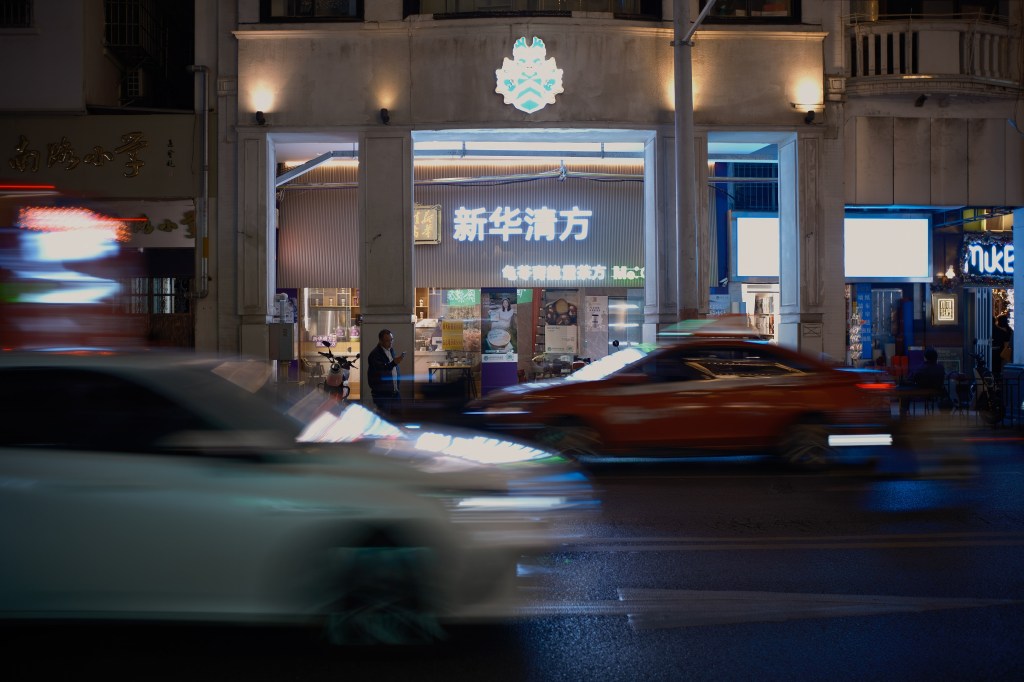
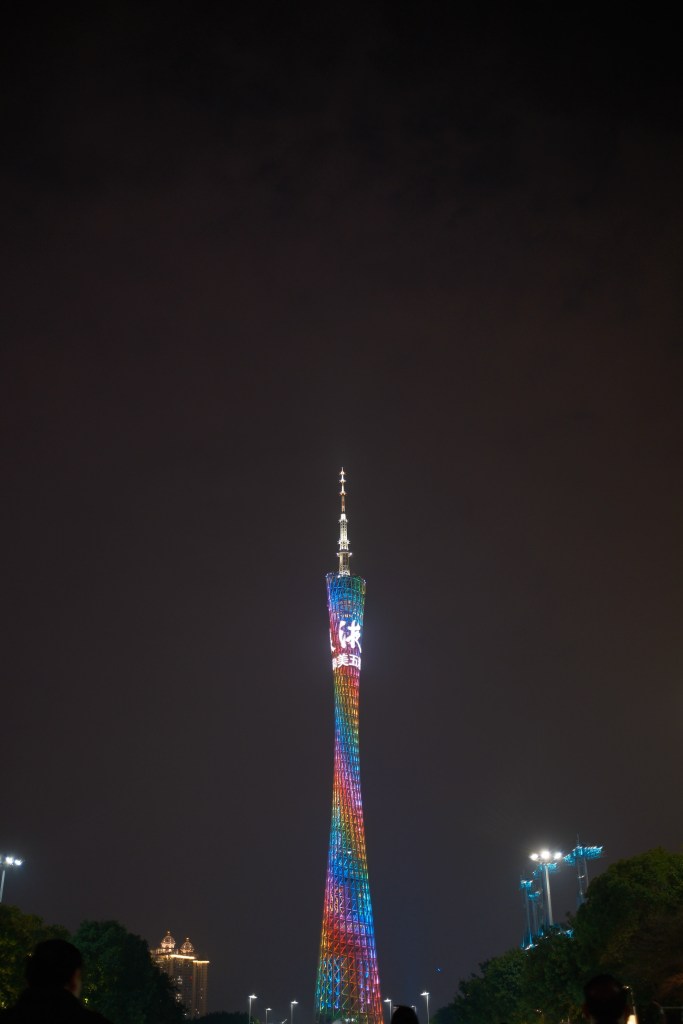
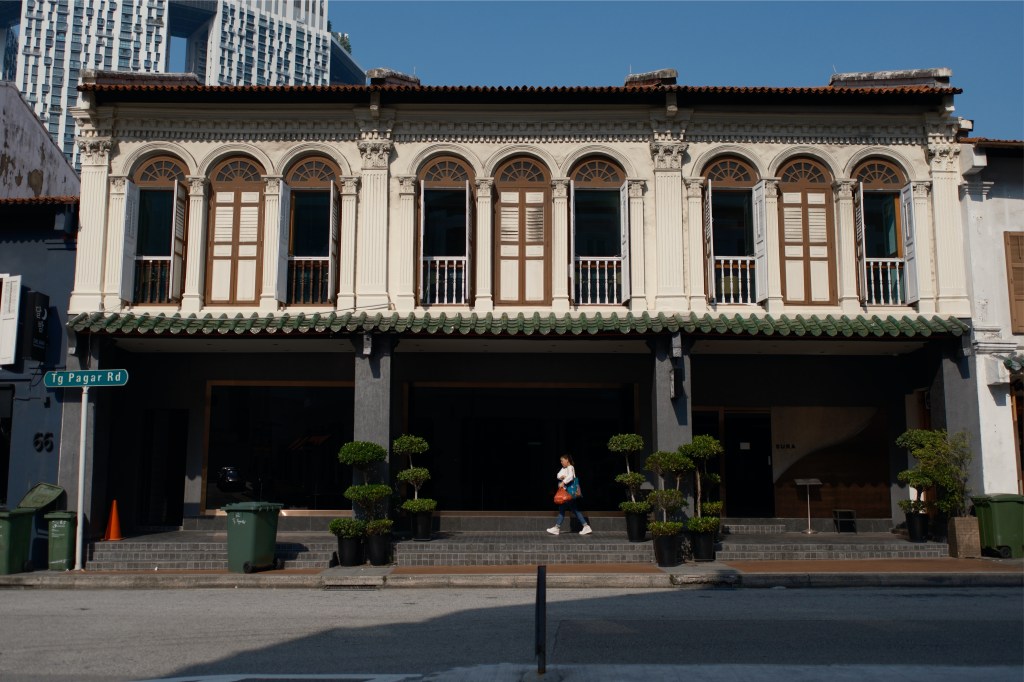
Fuji X-T5 . TTArtisan 23mm f1.8 @ 23mm . f1.8 . 1/13″ . ISO 125 . Nostalgic Negative

Visually, the lens is slightly taller than the 35mm f1.8 II but a bit shorter than the 56mm f1.8. It weighs 210 grams, placing it in between its siblings in terms of weight.
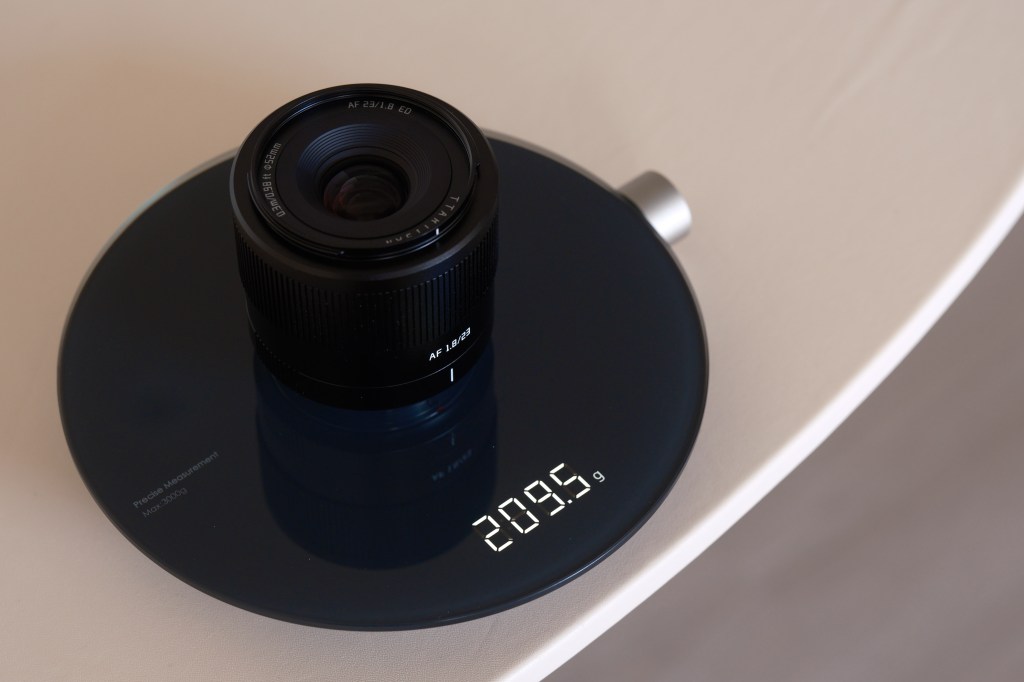
TTArtisan 23mm f1.8

The lens comes with the same distinctive squarish petal hood as the TTArtisan 35mm f1.8 II, offering a refreshing departure from the typical round petal hoods. It also shares the same 52mm filter thread size with its siblings, allowing photographers to interchange filters across all three lenses.
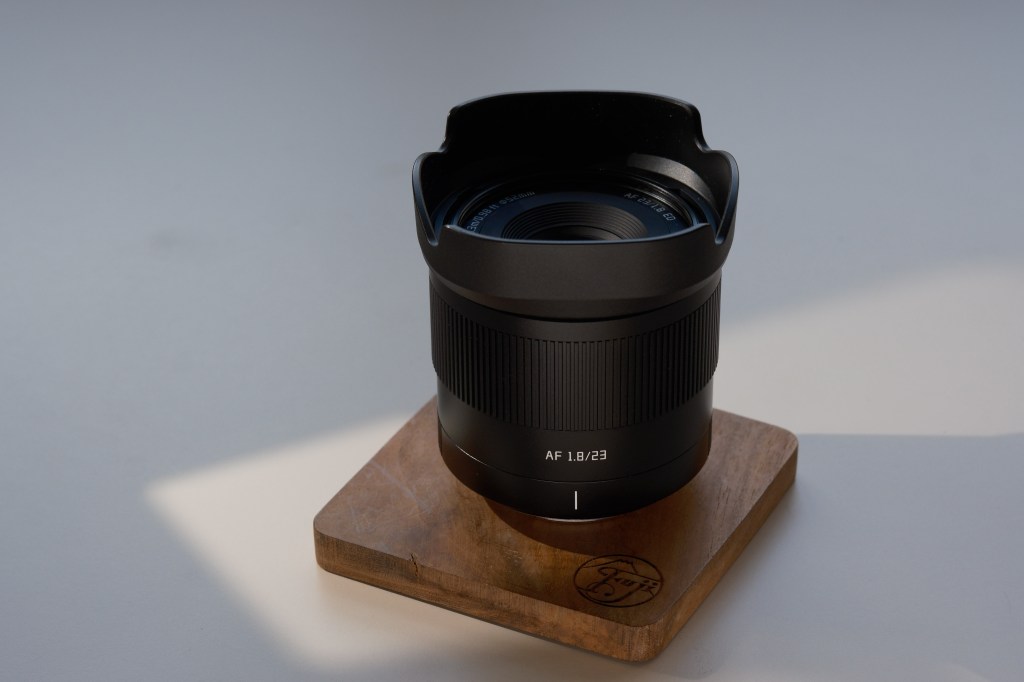
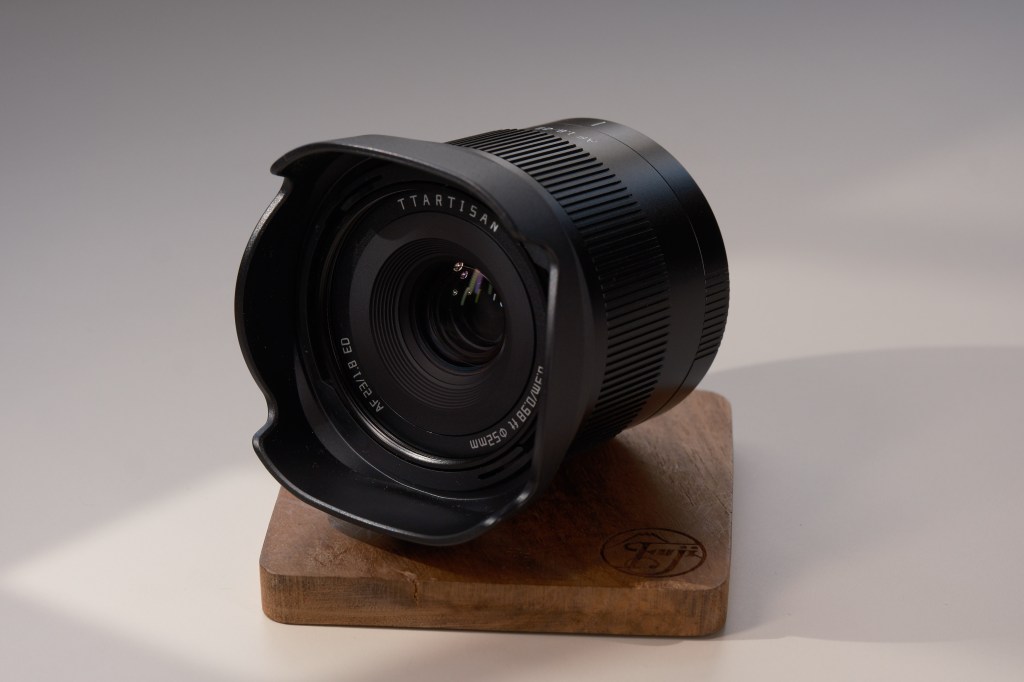
TTArtisan 23mm f1.8 with lens hood

Image Quality

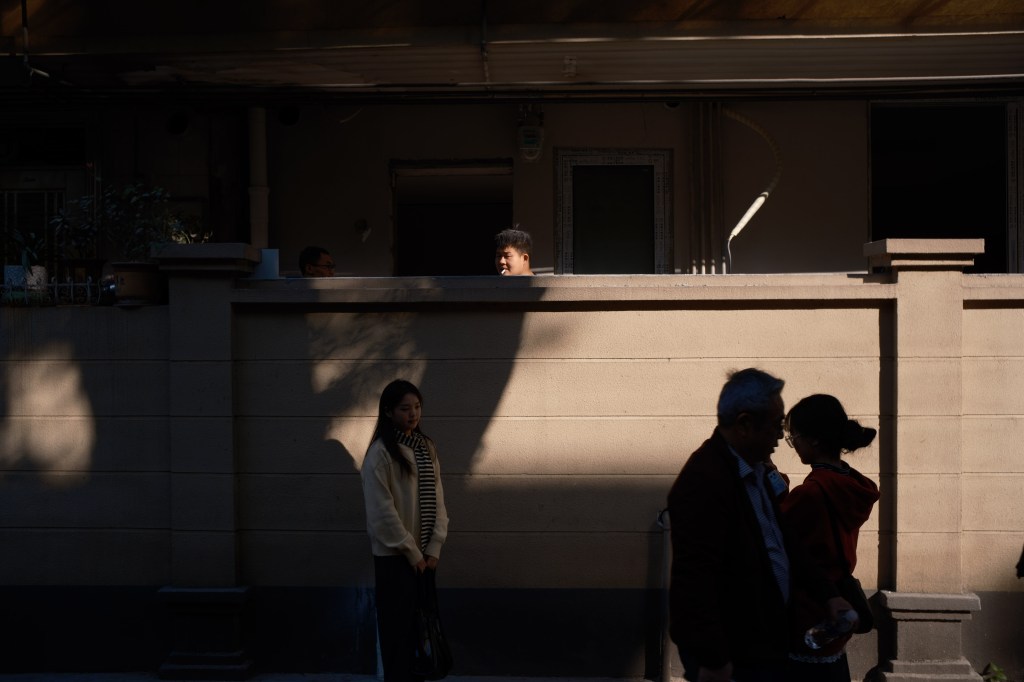
For those who pixel-peep, the image quality is slightly soft in the center when shot wide open, with the corners being a bit softer. However, I find the results to be quite decent and more than acceptable for a budget lens. It retains a respectable level of sharpness and contrast.

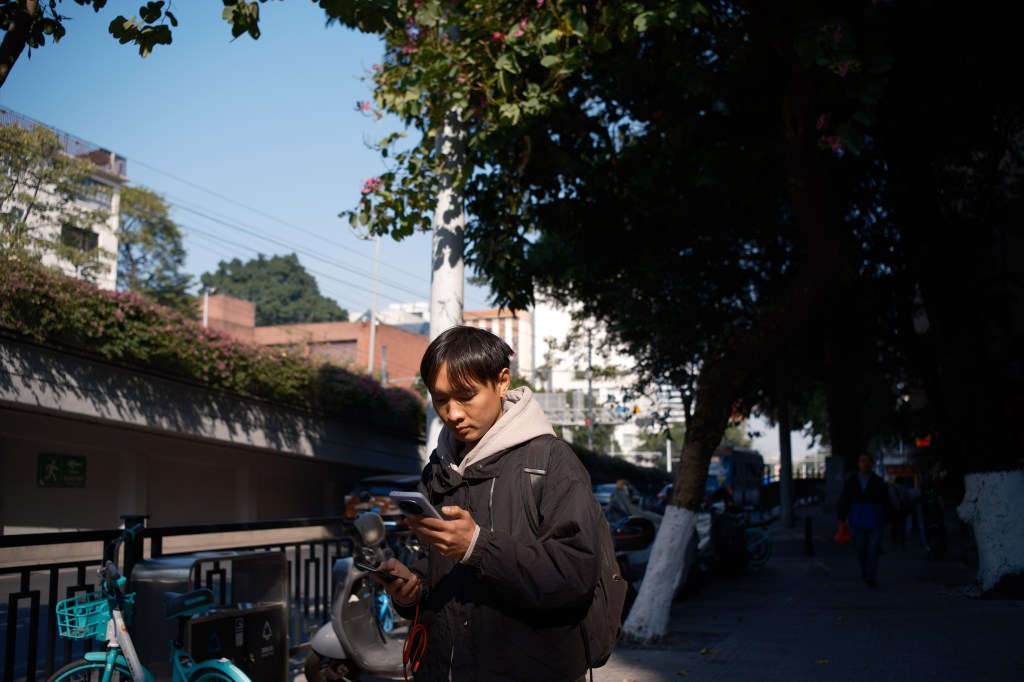
Fuji X-T5 . TTArtisan 23mm f1.8 @ 23mm . f1.8 . 1/500″ . ISO 125 . Nostalgic Negative

The lens does exhibit noticeable vignetting when wide open, but chromatic aberration is minimal. Regarding the sun-star effect, the rays are clean and accompanied by some distinctive flares. If you’re not a fan of lens flare characteristics, you may want to avoid this. Additionally, there’s some soft blooming when a strong light source is directed towards the lens, but I actually enjoy this effect. During my holiday, I found that I preferred shooting at f2.8, as it offers a nice balance of sharpness, contrast, and depth of field.
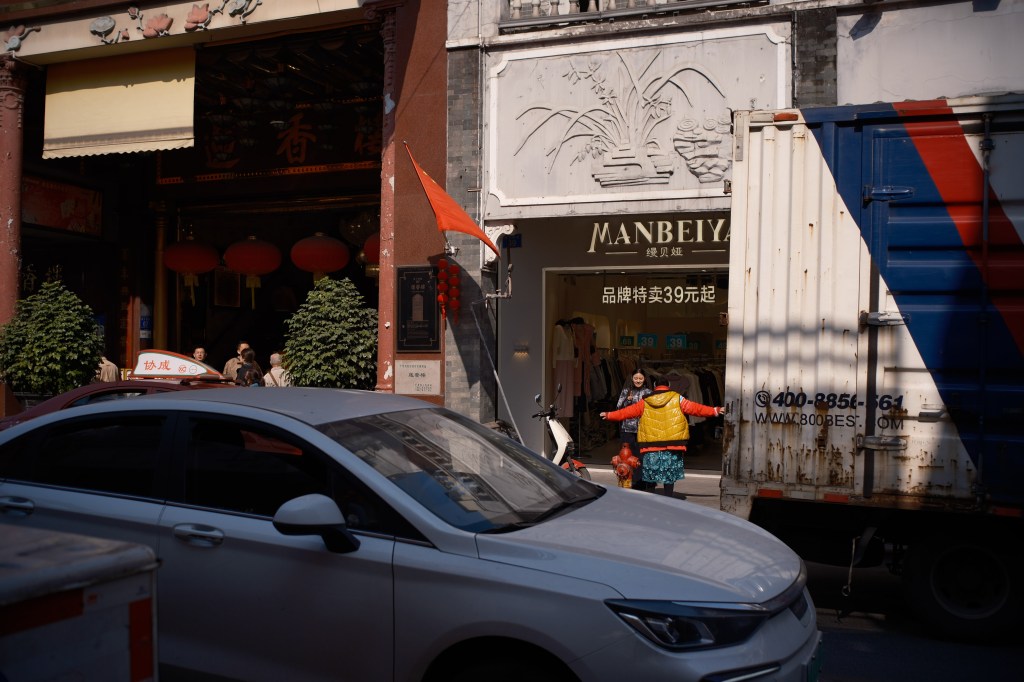
Fuji X-T5 . TTArtisan 23mm f1.8 @ 23mm . f5.6 . 1/120″ . ISO 125 . Nostalgic Negative

With a maximum aperture of f1.8, it doesn’t offer the same level of subject separation as lenses with f1.2 or f1.4 apertures. However, the separation between the focused subject and the background is more than sufficient for my needs. As for background rendering, I find it quite pleasing, producing smooth, non-distracting bokeh.

Fuji X-T5 . TTArtisan 23mm f1.8 @ 23mm . f2.8 . 1/4000″ . ISO 125 . Nostalgic Negative

Focusing

When it comes to focusing, I have close to zero focusing issues. The Stepper Motor (STM) performs quite decent and fast enough. I do encounter once or twice focusing issues at night, but it is acceptable as it recovers and focus locked onto the subject on the second attempt.
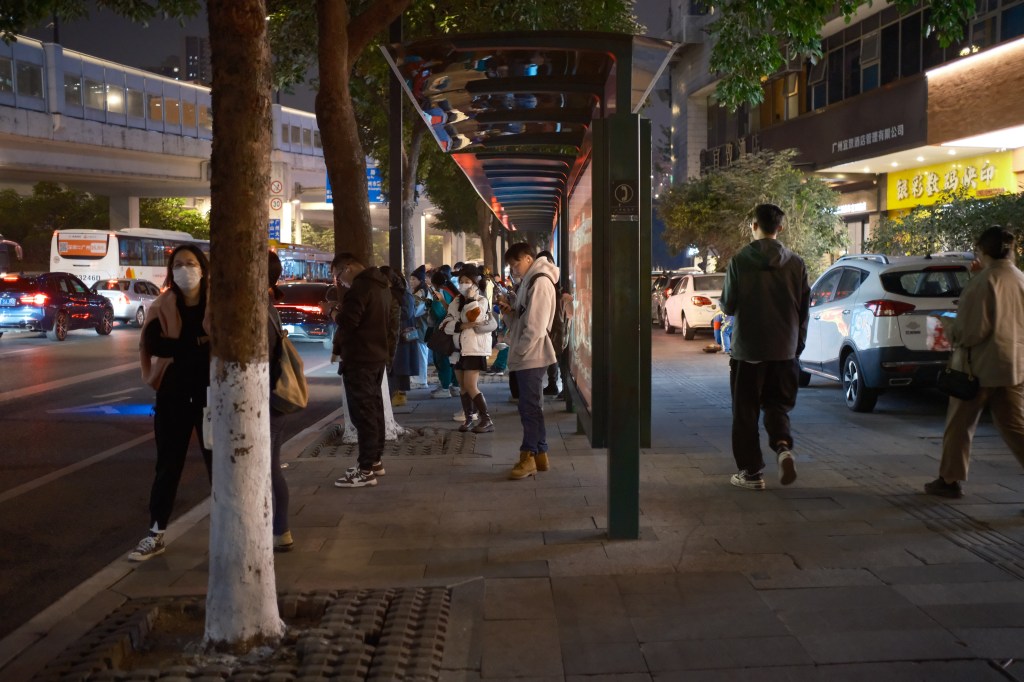

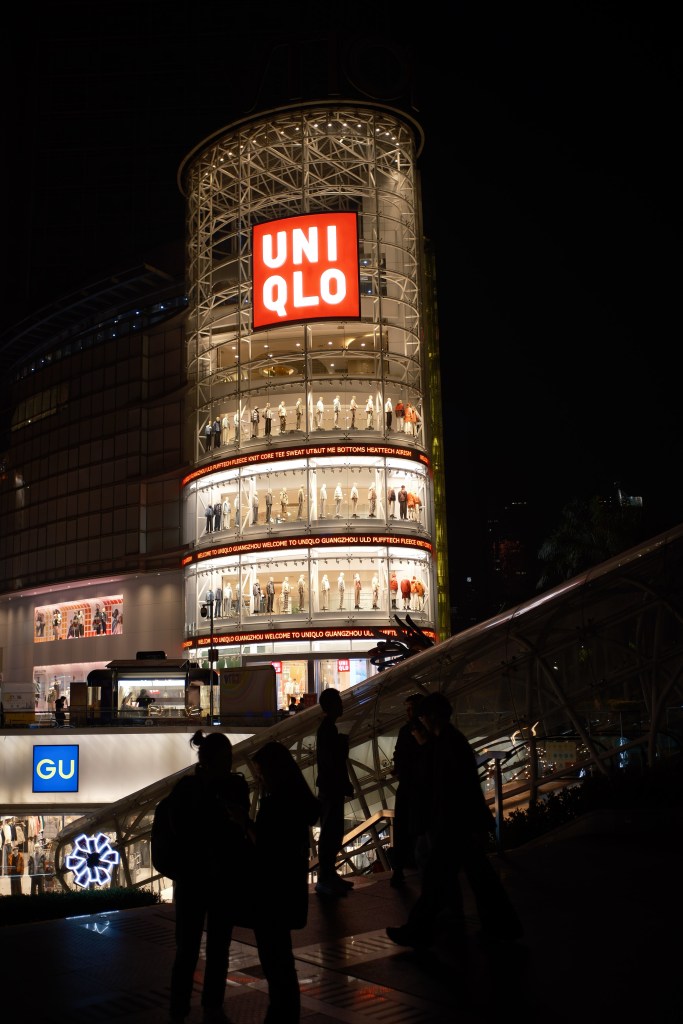
Fuji X-T5 . TTArtisan 23mm f1.8 @ 23mm . f1.8 . 1/75″ . ISO 3200 . Nostalgic Negative
Fuji X-T5 . TTArtisan 23mm f1.8 @ 23mm . f1.8 . 1/80″ . ISO 1600 . Nostalgic Negative

The lens has very pretty obvious lens breathing. It does not affect photographers but I think it will likely impact videographers.

Fuji X-T5 . TTArtisan 23mm f1.8 @ 23mm . f1.8 . 1/100″ . ISO 125 . Nostalgic Negative

Minimum Focus Distance (MFD)

A 30cm minimum focusing distance feels somewhat distant for a 35mm (full-frame equivalent) focal length. For comparison, the XF23mm f1.4 has a 20cm focus distance, the XF23mm f2 is 22cm, and the Sigma 23mm f1.4 is 25cm. While this isn’t a direct comparison to the TTArtisan 23mm f1.8, it’s understandable given that it’s a budget lens.

Fuji X-T5 . TTArtisan 23mm f1.8 @ 23mm . f2.8 . 1/80″ . ISO 200 . Nostalgic Negative

Regarding image quality at MFD, I believe it is acceptable, as there is minimal loss while still maintaining good contrast and sharpness.

Fuji X-T5 . TTArtisan 23mm f1.8 @ 23mm . f1.8 . 1/7500″ . ISO 125 . Nostalgic Negative

Price Point

USD 127 is really an attractive price point and affordable for photographers of all groups. Budget-friendly for newcomers and professionals who want to go out for a holiday.

Fuji X-T5 . TTArtisan 23mm f1.8 @ 23mm . f1.8 . 1/4000″ . ISO 125 . Nostalgic Negative

Others

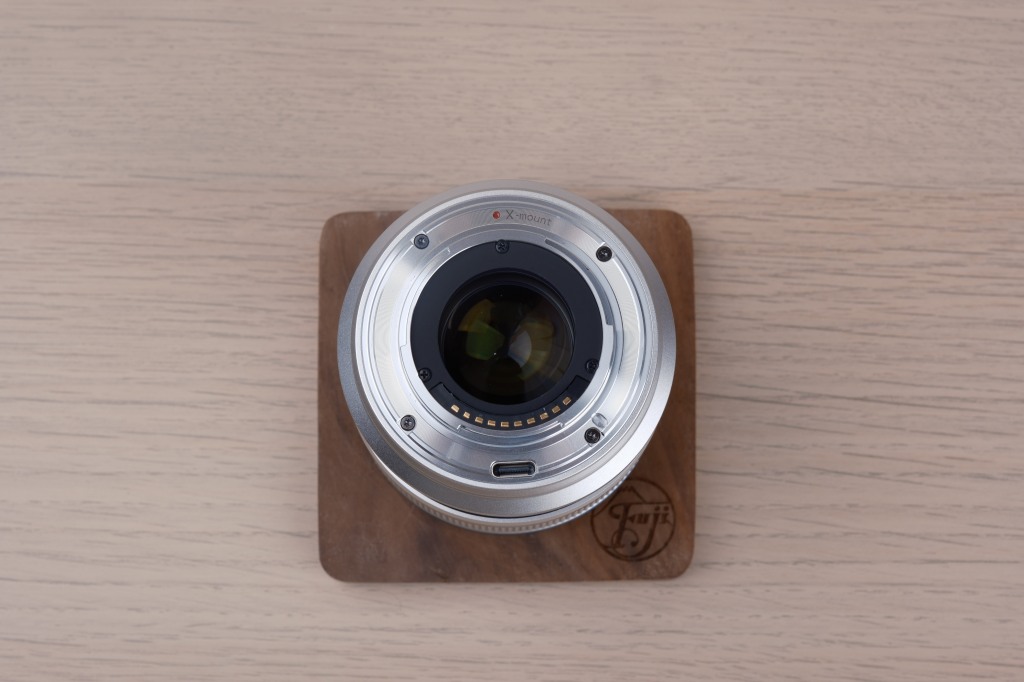
Like all TTArtisan autofocus lenses, the rear cap is a dock for the lens for future firmware updates. Another to note is that this lens does not come with any form of weather and dust resistance. I think this is acceptable given the price point.

Fuji X-T5 . TTArtisan 23mm f1.8 @ 23mm . f1.8 . 1/4″ . ISO 125 . Nostalgic Negative

Who is this for?

This is one of the two focal lengths I frequently recommend to beginners. Its versatility provides excellent adaptability, allowing newcomers to experiment with various styles of photography. Additionally, it covers a broad range of genres, making it an ideal choice for anyone just starting out.

Fuji X-T5 . TTArtisan 23mm f1.8 @ 23mm . f1.8 . 1/3000″ . ISO 125 . Nostalgic Negative
Fuji X-T5 . TTArtisan 23mm f1.8 @ 23mm . f1.8 . 1/2000″ . ISO 125 . Nostalgic Negative
Fuji X-T5 . TTArtisan 23mm f1.8 @ 23mm . f1.8 . 1/3800″ . ISO 125 . Nostalgic Negative

Oh yes, this lens matches the X-M5 well. The combination of the camera and the lens gives a well-balanced weight for handling. If you are a new X-M5 user, consider this lens your arsenal.

Fuji X-T5 . TTArtisan 23mm f1.8 @ 23mm . f2.8 . 1/80″ . ISO 250 . Nostalgic Negative

Conclusion

I spent 10 days on this lens during my holiday, and with each passing day, I grew more fond of it. During these 10 days, I took over 1,000 shots with this lens—and only this lens. Although I brought one prime and one zoom lens, I hardly used them.

Fuji X-T5 . TTArtisan 23mm f1.8 @ 23mm . f2 . 1/15″ . ISO 400 . Nostalgic Negative
Fuji X-T5 . TTArtisan 23mm f1.8 @ 23mm . f1.8 . 1/5000″ . ISO 125 . Nostalgic Negative

My only complaint is the absence of an aperture ring, but its lightweight design and good image quality make up for that. Traveling light is always my priority on holidays, and the reason is simple: I’m no longer as young as I once was, and carrying heavier lenses with my camera for extended periods can cause shoulder pain.

Fuji X-T5 . TTArtisan 23mm f1.8 @ 23mm . f1.8 . 1/80″ . ISO 320 . Nostalgic Negative
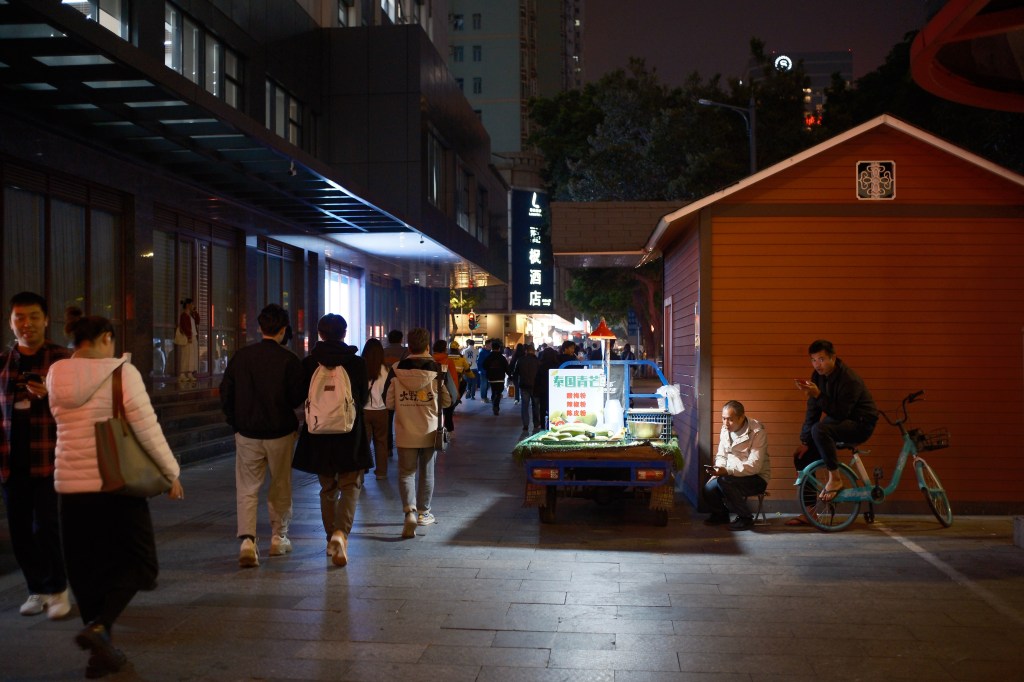
TTArtisan has made a solid entry into the budget lens market. This is an excellent, affordable prime lens that offers great value without breaking the bank. The image quality is good enough for everyday use, with satisfactory autofocus performance. At this price point, there’s no direct competition for this focal length (just yet).


Fuji X-T5 . TTArtisan 23mm f1.8 @ 23mm . f2.8 . 1/170″ . ISO 125 . Nostalgic Negative
Fuji X-T5 . TTArtisan 23mm f1.8 @ 23mm . f1.8 . 1/80″ . ISO 640 . Nostalgic Negative

I’ve been anticipating this lens since the release of the TTArtisan 56mm f1.8, and it’s finally here. It provides newcomers with a versatile trio of prime lenses to begin their collection.

Fuji X-T5 . TTArtisan 23mm f1.8 @ 23mm . f5.6 . 1/110″ . ISO 125 . Nostalgic Negative

The new year has just started, and TTArtisan has already laid the foundation for this lens category. I’m curious to see what they have in store for 2025. Could they be gearing up for “Pro” prime lenses, or are they possibly eyeing the mid-range market? What are your thoughts?
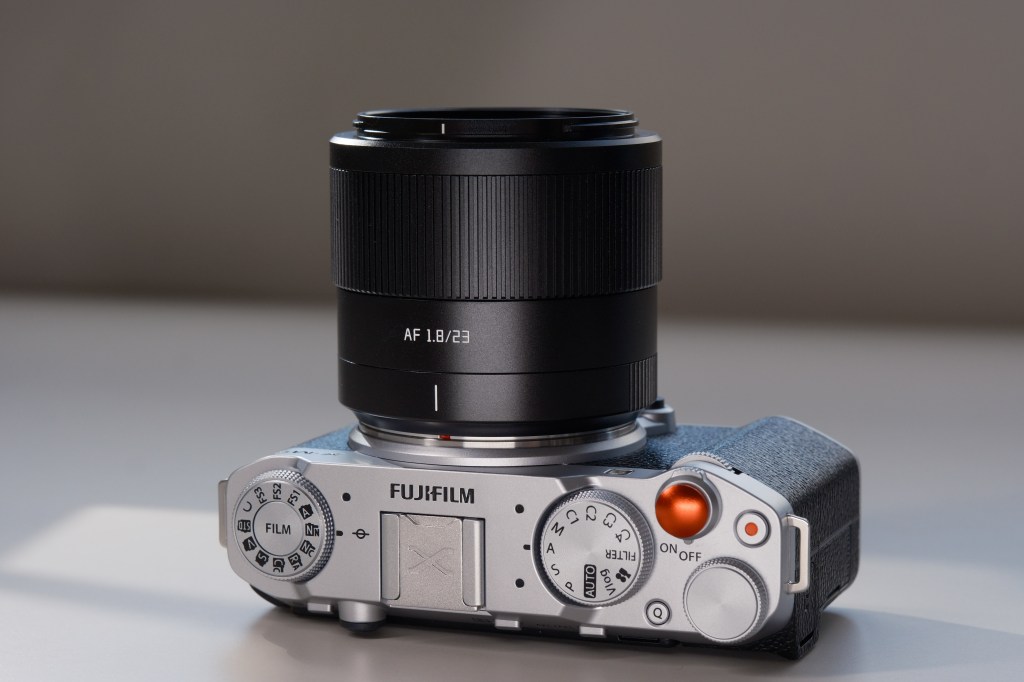
Fuji X-M5 with TTArtisan 23mm f1.8

Thank you for reading.

Disclaimer:
1. All the shots taken here are shot by me.
2. Most of the shots are straight out of the camera with some shots edited via In-Camera Raw Processing.

3. The opinions are based on my experience. If there is any mistake, please kindly drop me a message and I will gladly make the amendment.
4. I reserve ownership of these images, if you wish to use my images, please notify me.

If you like my works, please follow me on either one of the 2 Instagram accounts:

If you have a Facebook account, feel free to join Fujifanboys FB group.

If you like my content and you want to show some support and keep this blog alive, you can buy me a coffee here.

Reviews

Sirui 23mm f1.2 – The First Attempt (II)

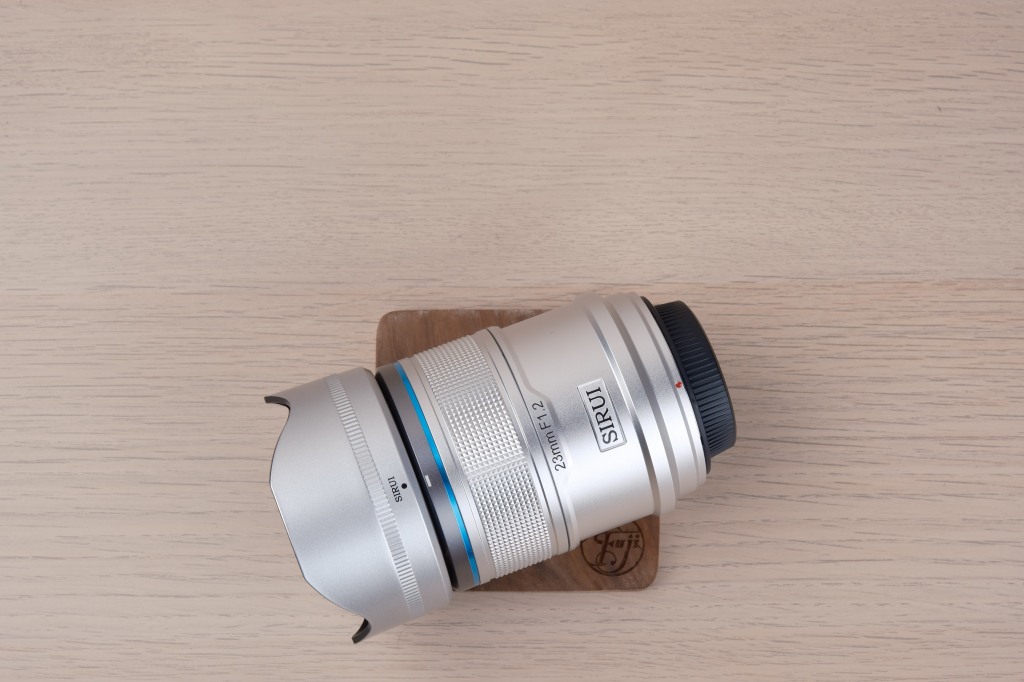
I have recently shared my opinion about the Sirui 33mm f1.2 and this is the second lens from the Sirui Sniper series.

Intro

To keep things short, this series was first introduced via a crowdfunding platform and, they were successfully funded as expected.

Design and Build Quality

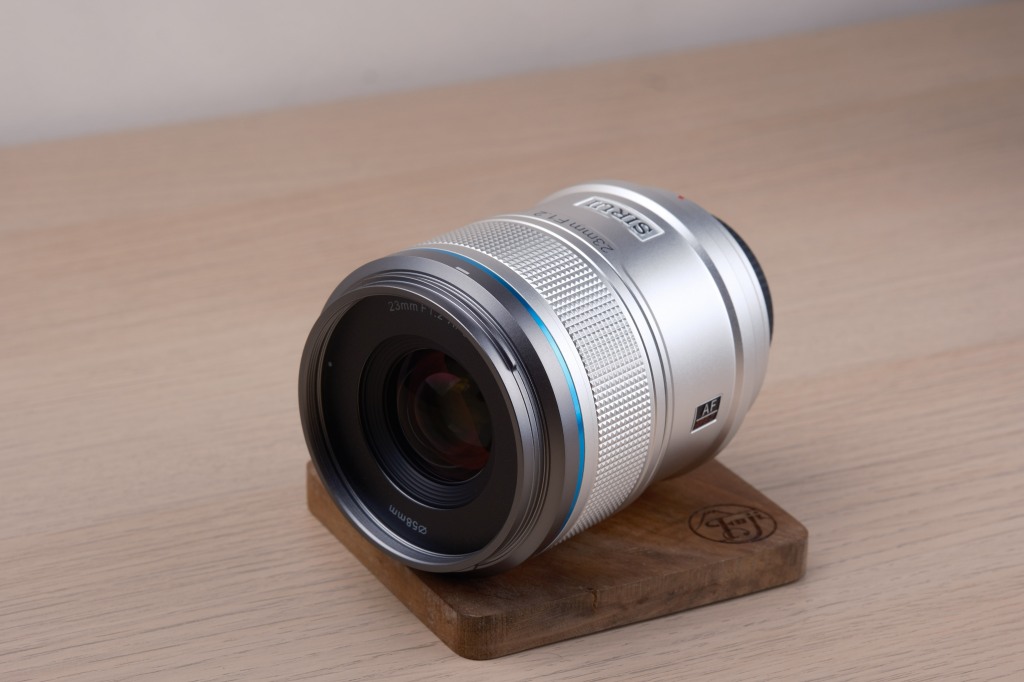
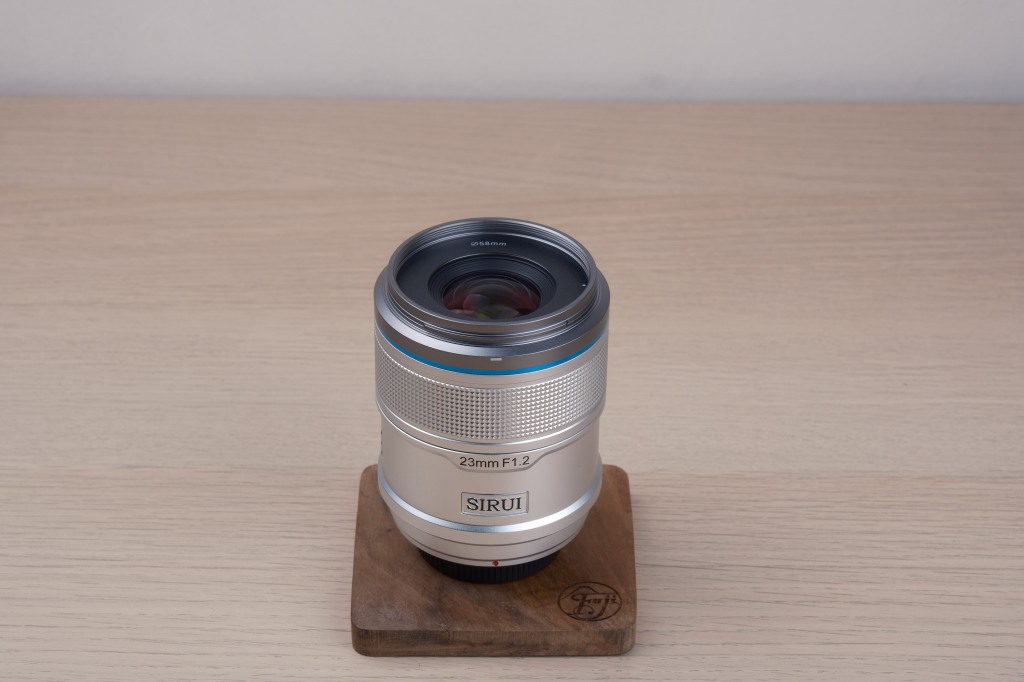
The aluminum alloy or silver color (in my opinion) option seems to be less fancy than the white and black/carbon fiber one. The color is also duller and less reflective than the silver XF lenses.

It is plastic-made build quality. Not the worst one but it’s also not the best plastic build either. However, the 380-gram lens is well-balanced on hand but I can feel the weight. This lens also shared the same 58mm filter size as the Sirui 33mm f1.2.

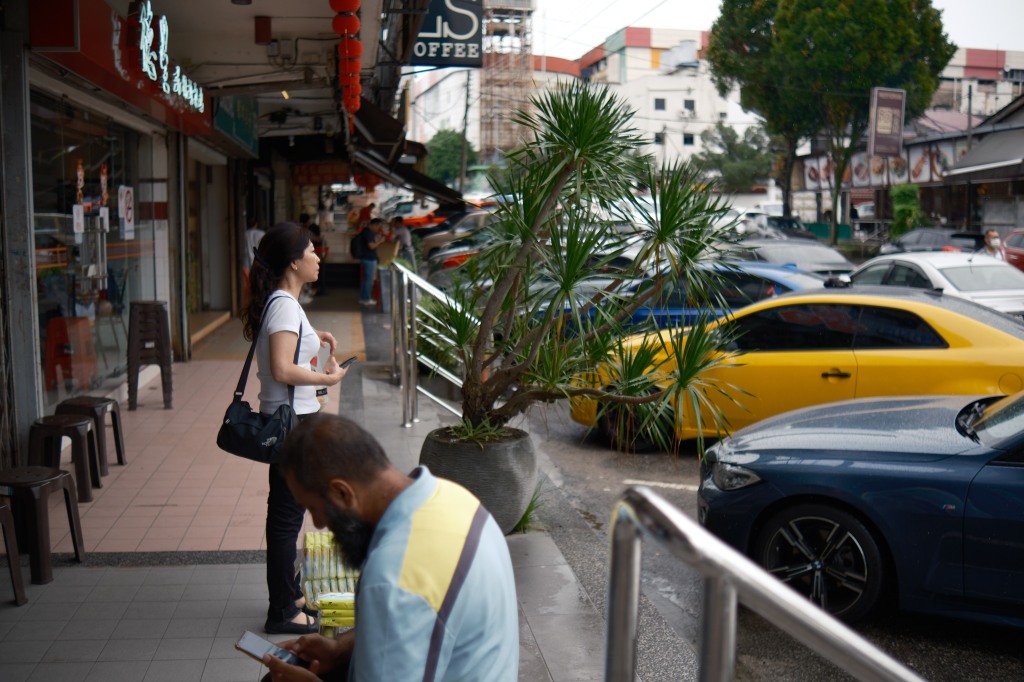
Fuji X-T5 . Sirui 23mm f1.2 @ 23mm . f1.2. 1/1700″ . ISO 125 . Nostalgic Negative
Fuji X-T5 . Sirui 23mm f1.2 @ 23mm . f1.2. 1/90″ . ISO 125 . Nostalgic Negative

And yes, it comes with a petal-shaped lens hood and metal rear mount.

Since it comes from the Sniper family, missing the aperture ring is one of them. (There are more similarities later.) It comes with an electronic manual ring, which means it comes with a 360° smooth rotation angle.

Image Quality

At f1.2, softness and weak contrast are pretty obvious. In my opinion, sometimes I am unsure if I have nailed the shots with such an image quality. While there are photographers who might like this level of softness, I can’t accept it. I would probably close one eye if this lens were to be released a few years back. For my personal acceptance, f2 is the base with f2.8 for better results.

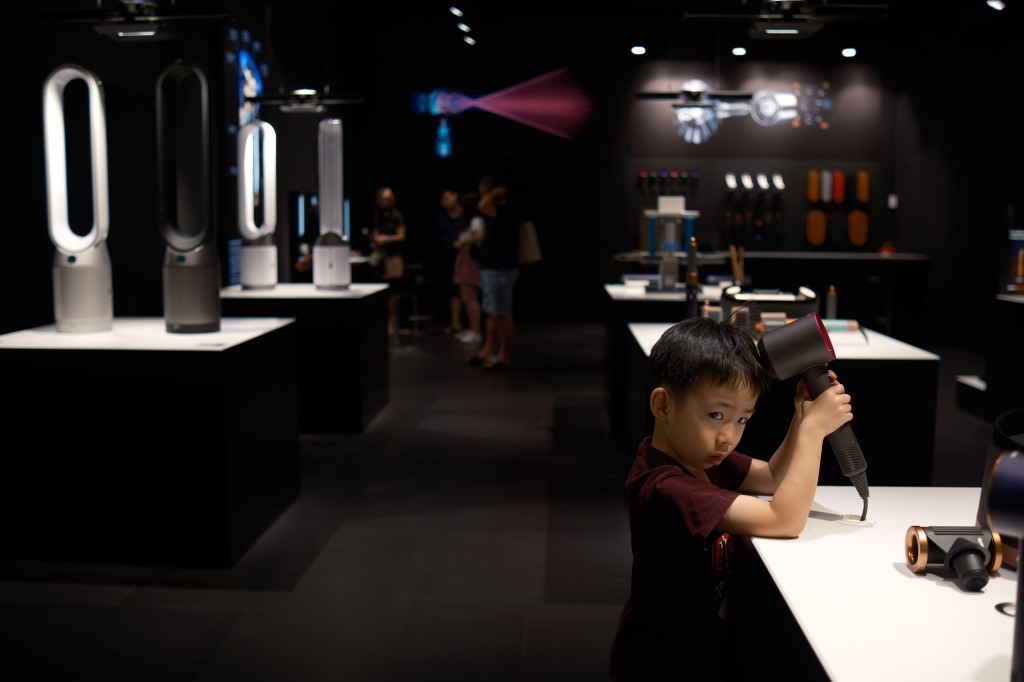
Fuji X-T5 . Sirui 23mm f1.2 @ 23mm . f1.2. 1/80″ . ISO 1000 . Nostalgic Negative

Vignetting at the corners is acceptable but the chromatic aberration is obvious for wide-open shots.

The foreground/background blur rendering is not my favorite. It seems to be “hard” or I should say the transition is not as smooth as I am expecting it to be.

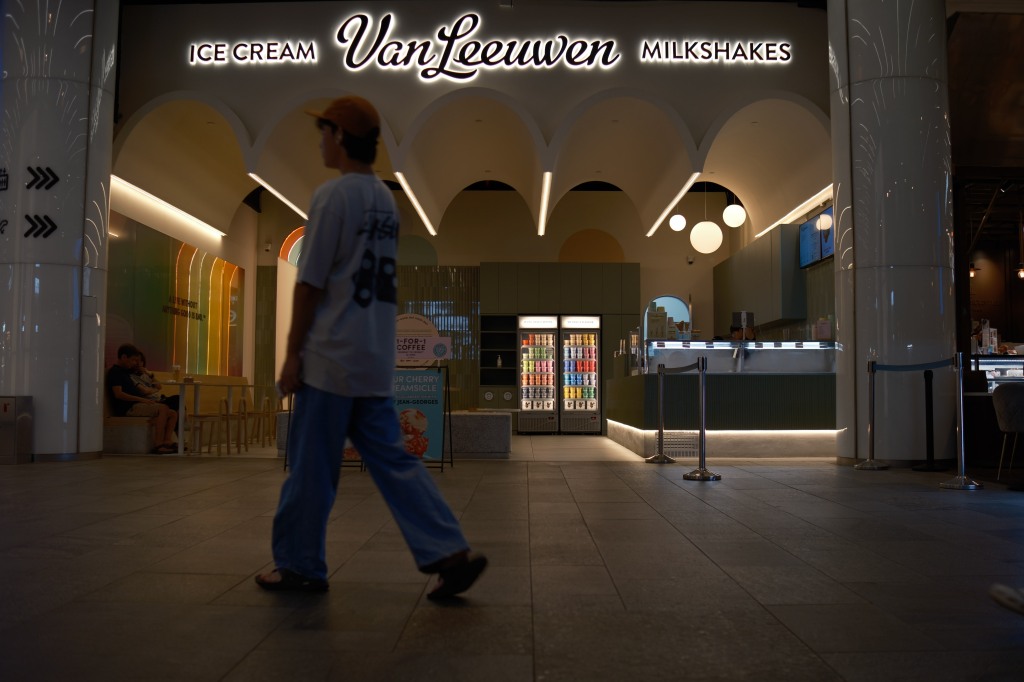
Fuji X-T5 . Sirui 23mm f1.2 @ 23mm . f2. 1/140″ . ISO 125 . Nostalgic Negative

Focusing

Focusing performance is fast and silent due to the Stepper Motor equipped with this lens. The performance seems to be better than the 33mm version. If compared with the XF23mm f1.4 WR, it is not that snappy fast and locks the subject fast. I do not experience a lot of push-pull focusing issues.

Fuji X-T5 . Sirui 23mm f1.2 @ 23mm . f2. 1/105″ . ISO 125 . Nostalgic Negative

Minimum Focus Distance (MFD)

For a 35mm (full-frame equivalent) lens, the MFD is 30cm. For a quick comparison, XF23mm f1.4 WR is 20cm, Sigma 23mm f1.4 is 25cm and the classic XF23mm f1.4 R is 28cm.

Fuji X-T5 . Sirui 23mm f1.2 @ 23mm . f1.2. 1/80″ . ISO 160 . Nostalgic Negative
Fuji X-T5 . Sirui 23mm f1.2 @ 23mm . f1.2. 1/1000″ . ISO 125 . Nostalgic Negative

If you don’t really need to care about shooting as close to the subject as possible, then this lens is fine. The good thing is that the image quality won’t get worse, even at wide-open.

Price Point

279 USD (from B&H) is considerably a good price point for a f1.2. For reference, XF23mm f1.4 WR is about 810 USD, Viltrox 23mm f1.4 mk II is at 299 USD, and, Sigma 23mm f1.4 is priced at 550 USD.

Fuji X-T5 . Sirui 23mm f1.2 @ 23mm . f2. 1/8″ . ISO 3200 . Nostalgic Negative

If you are buying as a bundle with the other 2 Sniper lenses in the Sirui official store, the deal might be even better if there are promotions.

Others

I am glad to see the USB-C port made available for future firmware updates.

Sirui 23mm f1.2 – rear with USB-C port
Fuji X-T5 . Sirui 23mm f1.2 @ 23mm . f2.8. 1/80″ . ISO 250 . Nostalgic Negative

This 35mm (in full frame equivalent) shares some similarities with the other Sniper lenses. For example, the lens hood gives a very clicky feel that deems the hood can be broken easily when mounting it front-facing. Another example is it comes with a very thin lens cap with very narrow pinch-to-release space. This gives a good challenge for big fingers to pinch the lens cap.

Lastly, it is not weather-resistance.

Who is this for?

This is my favorite focal length. I would say it’s a very versatile focal length for environment portraits, street, documentaries, journalism, and many others.

Fuji X-T5 . Sirui 23mm f1.2 @ 23mm . f2. 1/80″ . ISO 200 . Nostalgic Negative

If you are a new photographer or you are unsure if this focal length suits your shooting habit or on a tight budget, you can consider this lens as a stepping stone.

Conclusion

This lens together with the other Sniper lenses is a good attempt from Sirui. Compared with the other manufacturers’ lenses I have reviewed, I am a little disappointed with the optical quality Sirui provides with this series.

There is a lot of potential in this series. Unfortunately, it is not what I expected for a fast lens. Having said that, I hope to see more improved versions of this series in the future.

Thank you for reading.

Disclaimer:
1. All the shots taken here are shot by me.
2. Most of the shots are straight out of the camera with some shots edited via In-Camera Raw Processing and Capture One.

3. The opinions are based on my experience. If there is any mistake, please kindly drop me a message and I will gladly make the amendment.
4. I reserve ownership of these images, if you wish to use my images, please notify me.

If you like my works, please follow me on either one of the 2 Instagram accounts:

https://www.instagram.com/alwinkok_

https://www.instagram.com/alwin.portraits

If you have a Facebook account, feel free to join Fujifanboys FB group.

If you like my content and you want to show some support and keep this blog alive, you can buy me a coffee here.
Discussion

The Not So Serious Comparision: Sigma 23mm f1.4 VS XF23mm f1.4 WR

This is the 3rd of the abovementioned series. To be honest, I actually took the shots with both Sigma 23mm and XF23mm in October last year but it slipped my mind to share it. Recently, someone on the FB page asked about the comparison between these 2 lenses. From there, then I recall I had done that and started to dig around my hard drive.

Left: Sigma 23mm f1.4 Right: XF23mm f1.4 WR

Of course, like the past 2 posts, this comparison is not scientific, nothing technical or chart board to take reference and compare. All the photos are taken in my house.

The comparison is simple. Shoot at the respective lens’s Minimum Focus Distance (MFD), approximately 50cm and 100cm. Apertures range from wide-open, f2.8, and f4.

For a note, the MFD for the lenses are as of below:
Sigma 23mm – 25cm
XF23mm – 20cm

Remember do not take this comparison seriously. 

Shooting at Minimum Focus Distance

Shooting at approximately 50cm.

Shooting at approximately 100cm.

Conclusion

At MFD, XF23mm performs better in terms of sharpness at wide open and closer MFD. On the other hand, Sigma 23mm is a little bit softer at wide open but gets better from f2.8 and f4.

For 50cm and 100cm, the Sigma 23mm is a little bit softer at wide open as compared to the XF23mm. Otherwise, all other aperture values for Sigma 23mm are pretty on par with the XF23mm. If you don’t compare both directly, the Sigma 23mm is good.

In terms of value for money, I think Sigma is the better choice. You can save money on other lenses or accessories. If you are looking for the best of the best at this point, then the latest XF23mm will be your only choice in the market. What do you think?

Left: Sigma 23mm f1.4 Right: XF23mm f1.4 WR

Thank you for reading.

Disclaimer:
1. All the shots taken here are shot by me.
2. All shots are straight out of the camera.

3. The opinions are based on my experience. If there is any mistake, please kindly drop me a message and I will gladly make the amendment.
4. I reserve ownership of these images, if you wish to use my images, please notify me.

blob:https://alwinkok.wordpress.com/c7d326ae-6c2d-4d9c-9be5-a42bd3927f72

If you like my works, please follow me on either one of the 2 Instagram accounts:

https://www.instagram.com/alwinkok_

https://www.instagram.com/alwin.portraits

If you have a Facebook account, feel free to join Fujifanboys FB group.

If you like my content and you want to show some support and keep this blog alive, you can buy me a coffee here.

Reviews

Sigma 23mm f1.4 – The King of Street Lens from Sigma

23mm focal length (35mm in full frame equivalent) is one of my favorite prime lenses. If I can only bring one lens out, this is the focal length I will bring. No second thought. And now, Sigma has this amazing lens ready for the X-mount, L-mount, and E-mount.

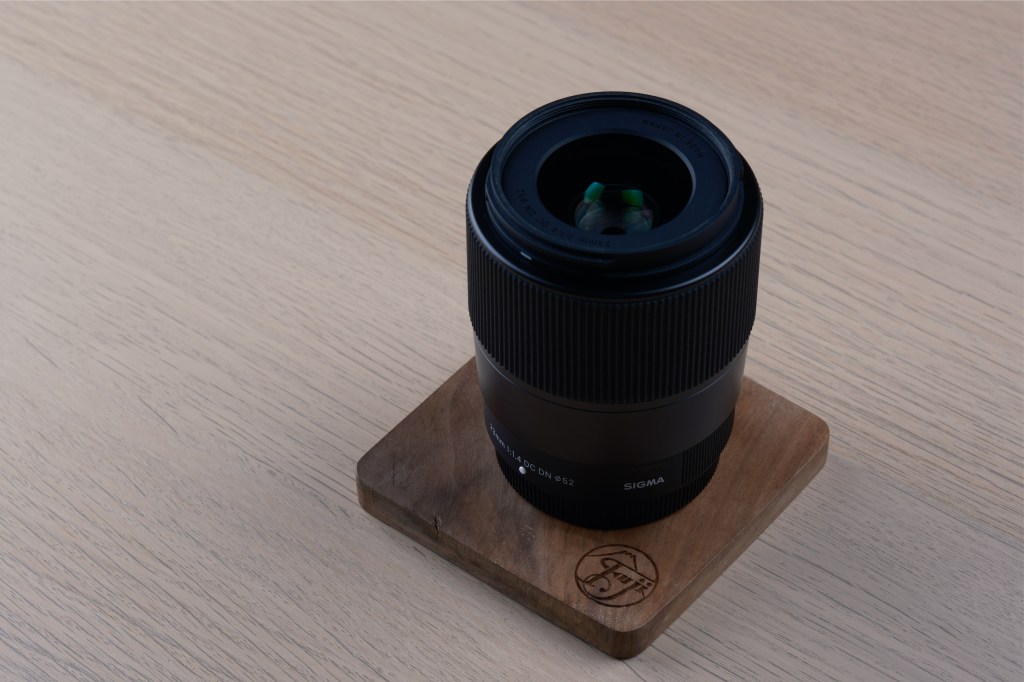
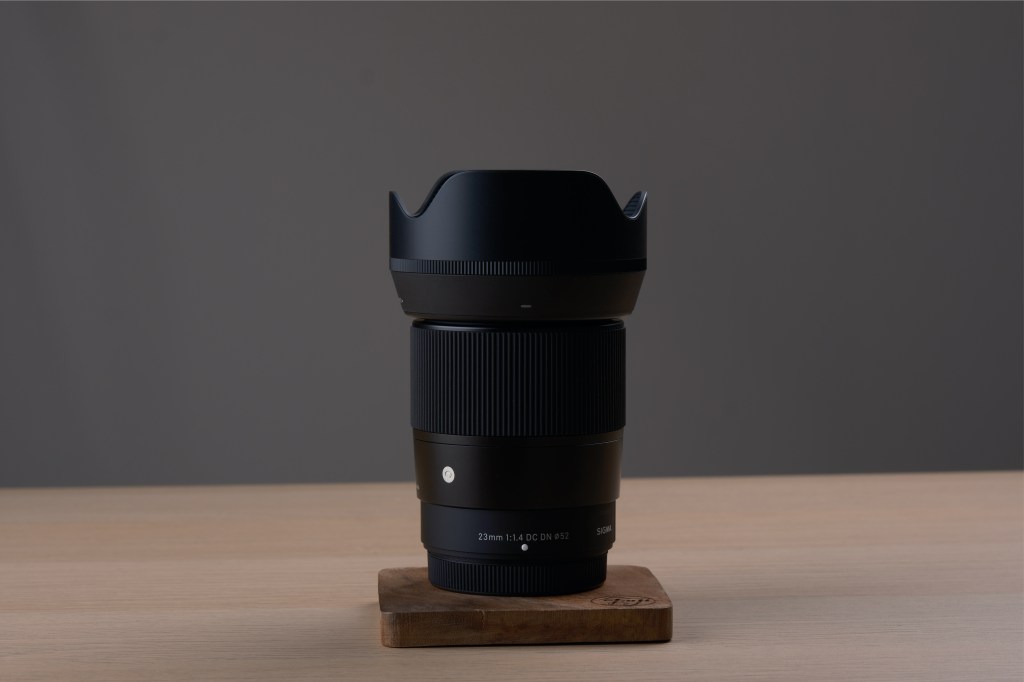
Sigma 23mm f.14 DC DN Contemporary

Intro

Sigma 23mm f1.4 DC DN Contemporary was released officially in September 2023, but it was announced way back in April 2023.

If I remember correctly, this is Sigma’s 4th prime lens. It may not sound a lot, but Sigma did cover basically the most commonly used focal lengths for street photographers.

Before I proceed further, I would like to thank Mr Lawson from Sigma Marketing (Singapore) for loaning me this lens for review and Kai for making the arrangements. I appreciate their support in making this review a reality.

Design and Build Quality

From the first look, this lens shares many similarities with the other Contemporary series like the Sigma 18-55mm, Sigma 56mm, etc. The lens gives a very minimalistic look, nothing fancy, just a low-profile lens design. The lens is made of “Thermally Stable Composite” (TSC) polycarbonate material, which gives a very high quality, well-built lens body.

Fuji X-T5 . Sigma 23mm f1.4 @ 23mm . f1.4 . 1/125″ . ISO 125 . Nostalgic Negative

At 335 grams, this lens is very comfortable to hold, and it comes with a 52mm filter size (For your information, it is the same filter size as the Sigma 30mm f1.4). It also comes with a plastic lens hood.

In the same manner, this lens is also equipped with dust and splash-resistant sealing that helps to protect the lens from certain weather/environmental conditions. Last but not least, it does not come with an aperture ring.

Fuji X-T5 . Sigma 23mm f1.4 @ 23mm . f1.4 . 1/450″ . ISO 125 . Nostalgic Negative
Fuji X-T5 . Sigma 23mm f1.4 @ 23mm . f1.4 . 1/250″ . ISO 400 . Nostalgic Negative

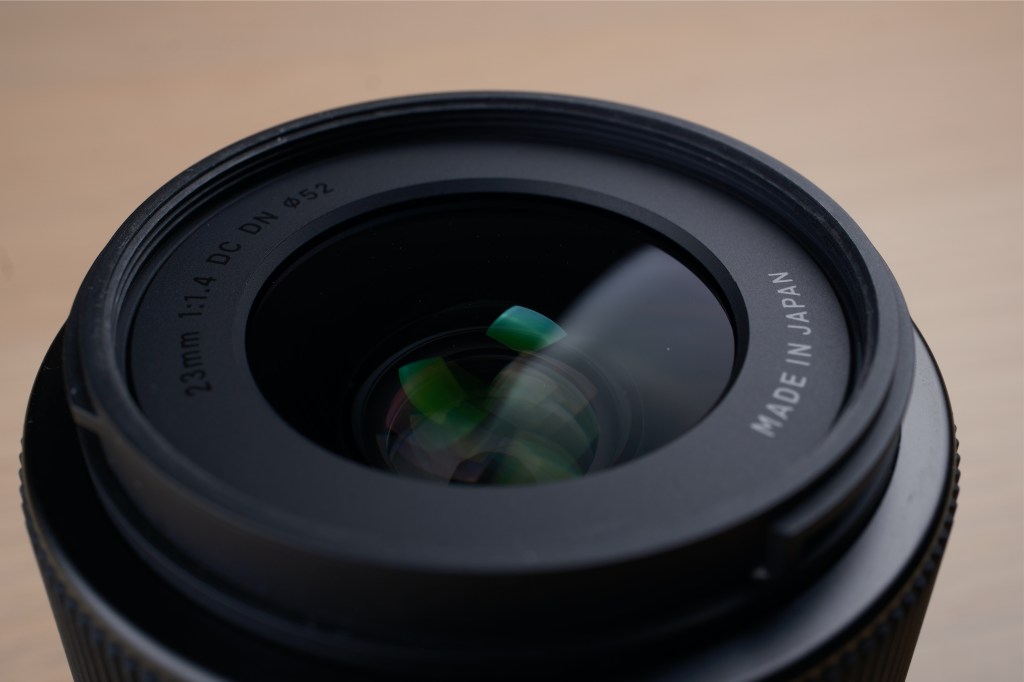
Oh yes, it is made in Japan.

Image Quality

I think this is probably the better image quality as compared to the other Sigma prime lenses. At wide open, the image is great, sharp, and contrasting. If I set XF23mm f1.4 WR as the benchmark, this Sigma lens is just one tier lower. This is very impressive in my opinion.

Fuji X-T5 . Sigma 23mm f1.4 @ 23mm . f1.4 . 1/15000″ . ISO 125 . Nostalgic Negative

The blur transition between the focused and non-focused object is not the best I have since but it is decent too. Not harsh or distracting.

Vignetting is there at wide-open. But again, not a critical concern to me. Chromatic aberration is nowhere to be found or at least I did not spot one during my course of testing.

Fuji X-T5 . Sigma 23mm f1.4 @ 23mm . f1.4 . 1/120″ . ISO 125 . Nostalgic Negative
Fuji X-T5 . Sigma 23mm f1.4 @ 23mm . f16 . 1/180″ . ISO 125 . Nostalgic Negative

If anyone is concerned about the sun star result, it is okay, not the best but also the worst.

Focusing

With the help of the stepping motor, the lens performs very well. In most situations, the focus is quick (not the fastest) and accurate. So far, I have not experienced any miss-focused shots which I think is another great experience to have.

Fuji X-T5 . Sigma 23mm f1.4 @ 23mm . f1.4 . 1/2200″ . ISO 125 . Nostalgic Negative
Fuji X-T5 . Sigma 23mm f1.4 @ 23mm . f1.4 . 1/400″ . ISO 125 . Nostalgic Negative

But under challenging situations like a dim environment, it does pose a bit of a challenge to focus. This is pretty much the same behavior as most lenses in the market.

The focus ring is smooth as expected. Nothing to complain about. Also, Sigma did a good job at controlling the lens breathing. Not too much of a concern for photographers, but if you intend to use this lens for videography, I think it might be a good option.

Minimum Focus Distance (MFD)

While 25cm MFD is not the shortest for this focal length, it is pretty usable. It is still allowing photographers to take close-up subject if he/she wants to. The image quality might seem to be a little softer at wide-open. Unless you do pixel peeping, it is barely noticeable.

Fuji X-T5 . Sigma 23mm f1.4 @ 23mm . f1.4 . 1/15000″ . ISO 125 . Nostalgic Negative

Price Point

It is priced at 549 USD. For comparison, XF23mm f.14 WR is priced at 899 USD, Viltrox 23mm f1.4 is priced at 325 USD, Voigtlander Nokton 23mm f1.2 is priced at 599 USD (not quite a fair one but I just throw it in for price sensing purpose).

Fuji X-T5 . Sigma 23mm f1.4 @ 23mm . f2.8 . 1/80″ . ISO 250 . Nostalgic Negative

What do you think? Is it a fair price?

Others

The “metallic” surface of the lens is prone to fingerprint smudge but this is the same across all contemporary prime lenses thus far. But not too much of a worry as it can be removed easily with a cloth.

Fuji X-T5 . Sigma 23mm f1.4 @ 23mm . f1.4 . 1/26000″ . ISO 125 . Classic Negative

Who is this for?

If you are new to photography or want to own the first decent-quality prime lens but are on a budget, I will always recommend a 23mm prime lens as a start. Because as a prime lens, it is versatile for the street, cityscape/landscape, documentary, environmental portrait, astrophotography, editorial, and the list goes on.

Fuji X-T5 . Sigma 23mm f1.4 @ 23mm . f5.6 . 1/60″ . ISO 2000 . Nostalgic Negative
Fuji X-T5 . Sigma 23mm f1.4 @ 23mm . f1.4 . 1/680″ . ISO 125 . Nostalgic Negative

Hence, this Sigma 23mm f1.4 can be one of your considerations. There is not much of a 23mm focal length competition just yet. I know there is a brand or 2 that have the intention to enter this 23mm segment but I am totally not sure how good their lens and the image quality will be. But Sigma has been around since 1961 and has been accompanying many photographers in their photography lives. So the image quality is at a certain standard.

Fuji X-T5 . Sigma 23mm f1.4 @ 23mm . f1.4 . 1/80″ . ISO 400 . Nostalgic Negative
Fuji X-T5 . Sigma 23mm f1.4 @ 23mm . f1.4 . 1/120″ . ISO 125 . Nostalgic Negative

Conclusion

As a third-party lens, Sigma 23mm f1.4 set a benchmark for many others to follow. Fantastic image quality, decent focus speed, and comfortable lens handling. As for the lens build, it may not be as good as what metal built quality is but it is definitely a premium polycarbonate build quality. Trust me, I experienced the not-so-good one.

Sigma may not seem to release lenses aggressively for Fujifilm. But if we look back, it is otherwise. In fact, Sigma had released lenses for Fujifilm at a good momentum throughout the years. Today, Sigma has released a good range of prime lenses for street photographers.

Fuji X-T5 . Sigma 23mm f1.4 @ 23mm . f1.4 . 1/80″ . ISO 250 . Nostalgic Negative

Finally, I have to say this is by far one of my favorite Sigma lenses and I hope Sigma will continue to support the Fujifilm X-mount and also probably the G-mount soon?

Thank you for reading.

Disclaimer:
1. All the shots taken here are shot by me.
2. Most of the shots are straight out of the camera with some shots edited via In-Camera Raw Processing and Capture One.

3. The opinions are based on my experience. If there is any mistake, please kindly drop me a message and I will gladly make the amendment.
4. I reserve ownership of these images, if you wish to use my images, please notify me.

If you like my works, please follow me on either one of the 2 Instagram accounts:

https://www.instagram.com/alwinkok_

https://www.instagram.com/alwin.portraits

If you have a Facebook account, feel free to join Fujifanboys FB group.

If you like my content and you want to show some support and keep this blog alive, you can buy me a coffee here.
Uncategorized

My First X100

X100 was announced back in Photokina 2010. Lots of praise from the media and online reviewers. Fujifilm nailed the design of the retro-style enthusiast rangefinder camera with traditional analogue control dials. It was a great hit and instantly built up a large pool of fans base. I am one of them but…  Here’s the “but”… As a student, the price tag scared me off. 

One year later, they announced the X10, a younger brother of X100, and it fulfilled my dream of having my first Fujifilm camera. Like I mentioned in my earlier post, it was a fun camera and I love the film simulations. Despite that, it did not spark much joy for me. 

Occasionally, I went to the retailer stores to play with the X100. I love the build quality, it was good to hold it in my hands and I was blown away by the hybrid viewfinder. On the other hand, the focusing system was not snappy enough, the shooting menu was not as good as what it is today and the images seem to be soft at F2. For the price tag, I have to give it a miss. 

Almost 3 years later, X100S had arrived at the shore and I still had not made the purchase. In fact, I wasn’t shooting a lot during those years and I still can count how much time I had actually brought my camera out for a click. It was my low point, it had become a hassle to bring the camera out and slowly I lost my passion for shooting.I still read up the reviews, tested it with a few clicks at the retail stores and nothing more beyond these two points.    

Another 3 years later, X-T2 caught my attention unknowingly. I knew there was a X-T1 but it was X-T2 that captured my interest. It sounds crazy but it really ignited my passion towards photography again. I even placed a pre-order for it and I got my first Fuji prime lens, XF 23mm F2, to go with it. From that day forward, I had been using the 23mm on most occasions. The versatility of 23mm is just great for street, travel and documentary, isn’t it?

In 2019, when I got my XF 35mm F1.4, things had changed a little in my path. I became obsessed with this lens as it gave me some sort of characteristic feel in my images. It boosted my passion for shooting even more. To be honest, I have left out the XF 23mm since then. The 35mm lens made me keen to bring my camera even on my working days. However, due to my working environment, I have to carry my heavy loaded bag for meetings almost everywhere in Singapore. The overall size of the camera and lens may be compact but it is not that small when I want to put it inside the office bag. This is where I started to miss the Fujifilm compact camera series. the X100, X70 and XF10.
So, what compact camera does Fujifilm have to offer? 

XF10, X70 and X100.

First of all, X70 had stopped production without a successor, not many retailers were selling it and even those retailers that were still selling it, would not recommend me to get it. XF10 was a “cut-down” version of X70, I tried and I was disappointed with the poor autofocusing and laggy interface, so I skipped. With this elimination method, that’s left with X100F. But it was 2019 already and X100F was in its third year cycle, which also meant that it may have a new successor in the pipeline. No one but Fujifilm knows when it will be announced. Since I am not an impatient person, I waited. 

After two months of waiting, the successor had finally said hello to the world. I happened to have the opportunity to try out the successor and I must say I love it. It’s that kind of first love. Beauteous, aesthetic, elegant, ravishing…. This is what I am waiting for. This is not two months of waiting but a good 10 years. This is the sexy camera that I have been waiting for since 2010! 

To tell everyone how much I love this X100V, I immediately brought it out to shoot with the packaging hand carried along. The photos presented over here are my virgin shots with it.

Sidetrack 1: This successor, which is the fifth X100 series, is also my fifth Fujifilm camera. Not sure it is coincidently or fate. Since there are lots of reviews on the web, I will not discuss the technical term or review this X100V in this blog.

Sidetrack 2: This X100V is initially planned to be my weekday camera, I was happy to have it with me and snap some interesting shots while I commute to my destinations.  But now it has become more than just a weekday camera, it’s my everyday camera. 

Disclaimer:
1. All the shots taken here were shot by me.
2. I reserve ownerships to these images
, if you wish to use my images for whatever reasons, please notify me and we can see how to works thing out.

  1. Unknown's avatar
  2. Unknown's avatar
  3. Unknown's avatar
  4. Unknown's avatar
  5. Unknown's avatar