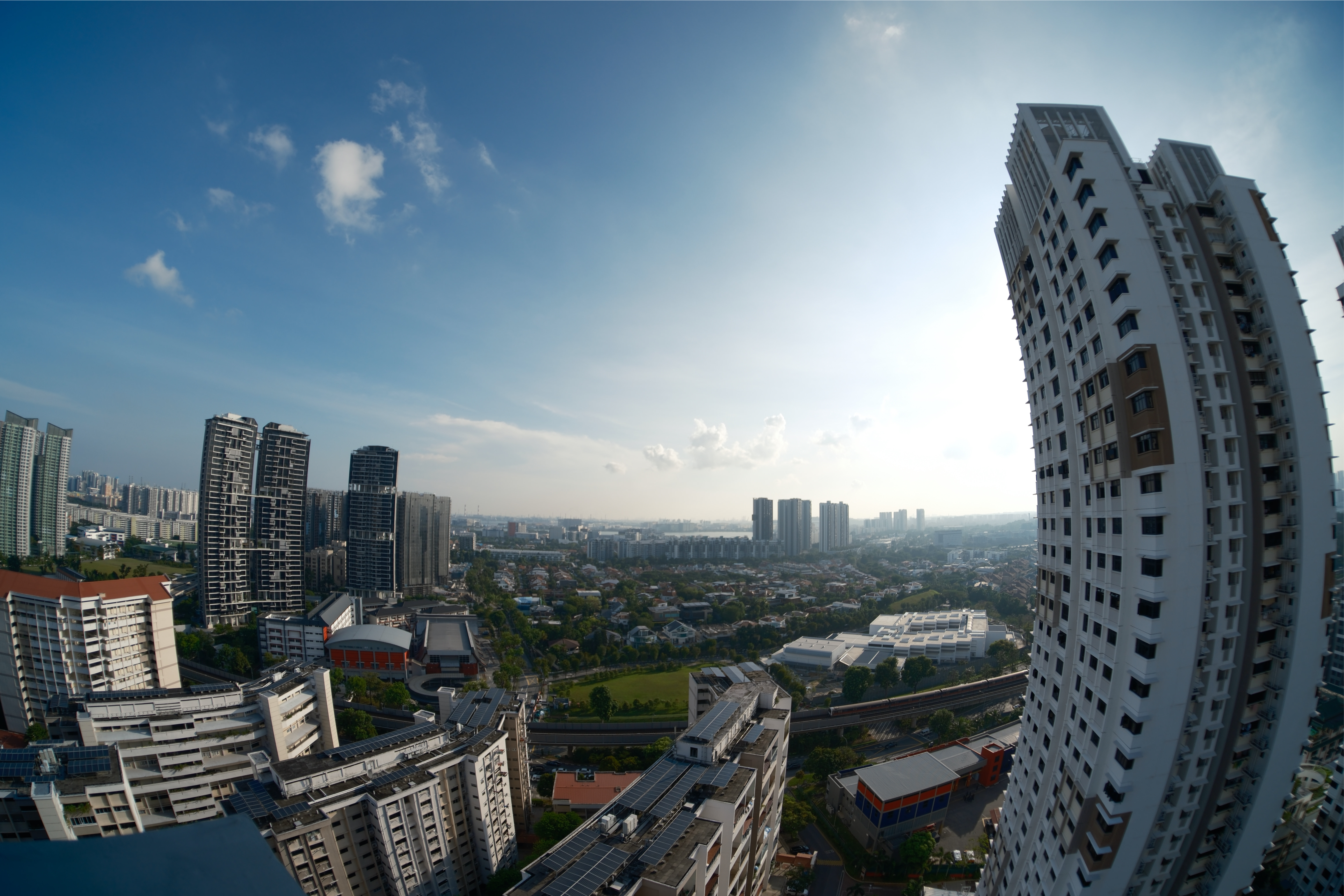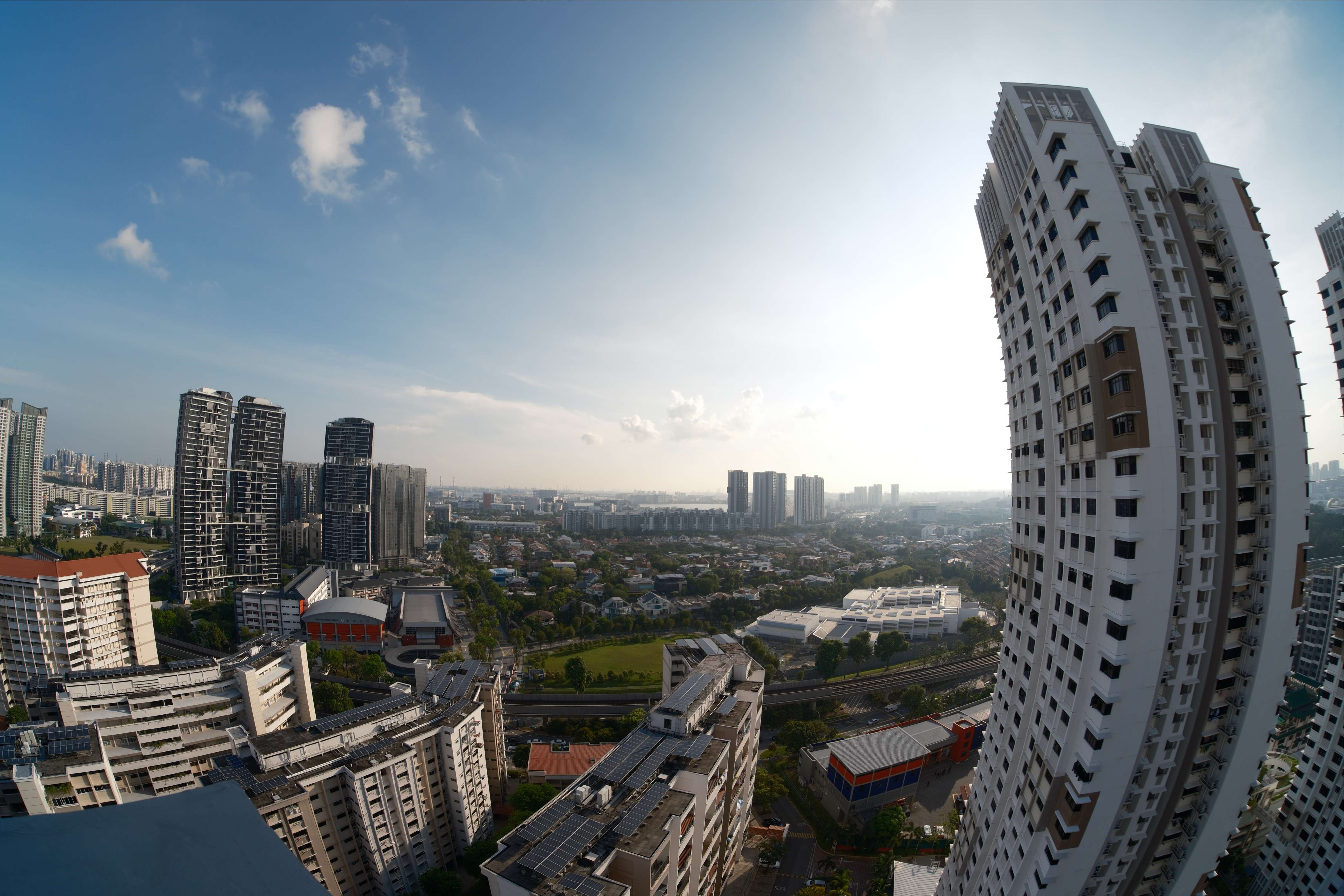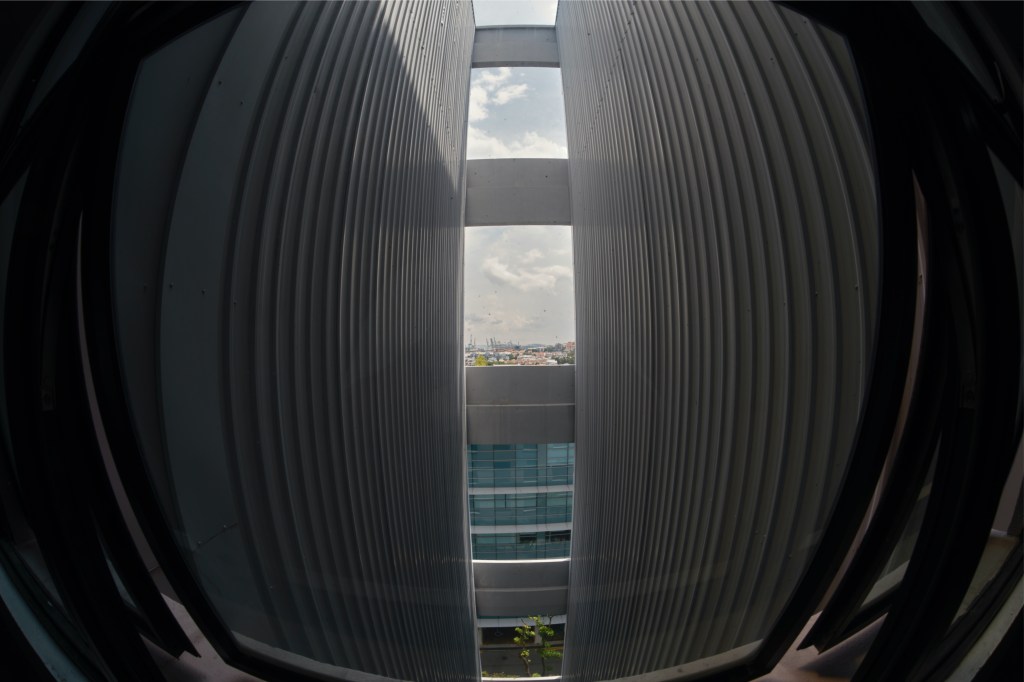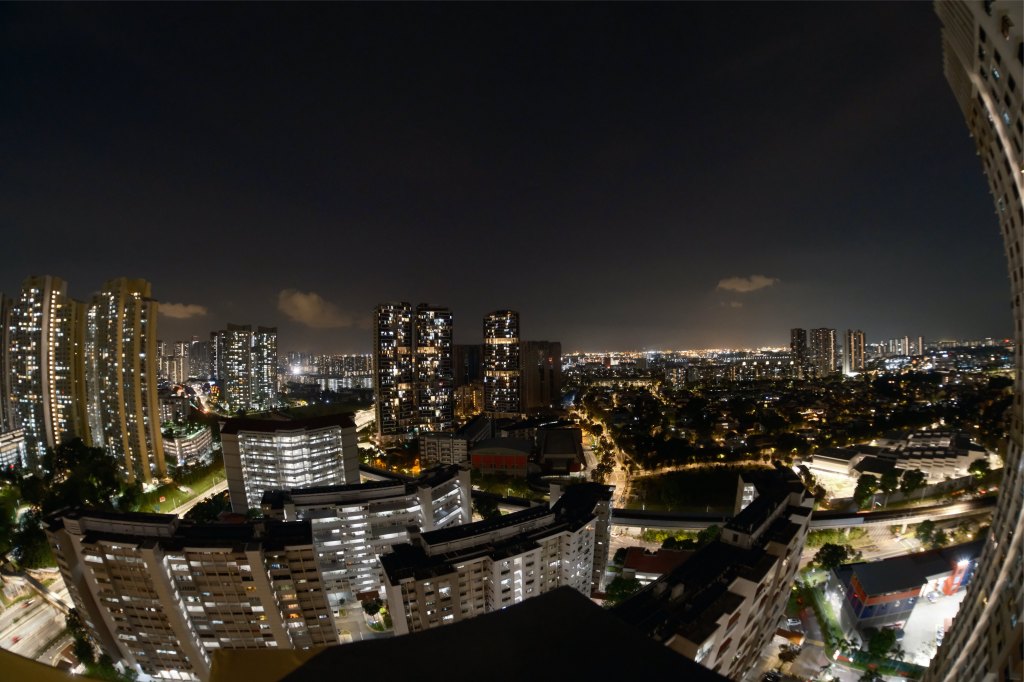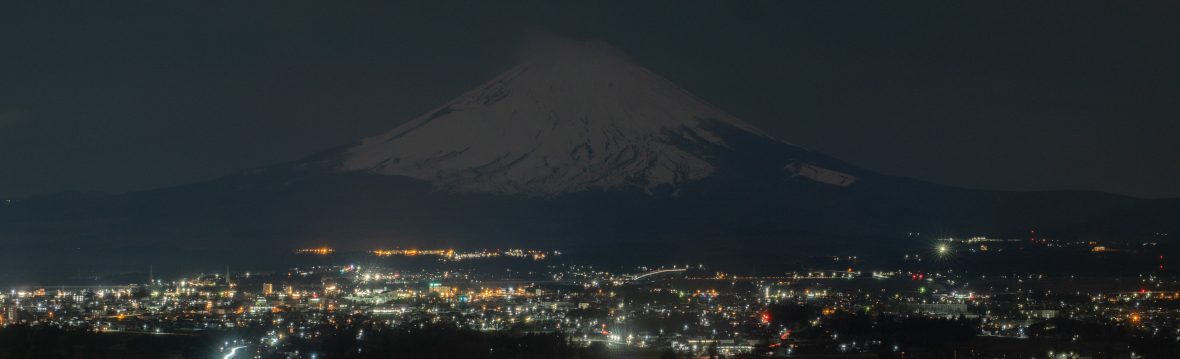

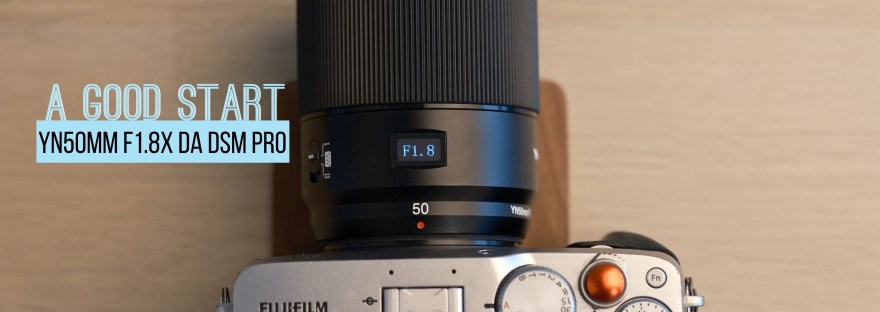
Reviews

Meike 85mm f1.8 – Probably The Best Afforable Portrait Lens Yet

Ever since Fujifilm opens up its X-mount protocol in 2020, we get to see more and more new third-party manufacturers releasing autofocus lenses for Fujifilm gradually. This is definitely a joy for Fuji photographers because we have more and more options to choose from.

Meike 85mm f1.8

Intro

This time, Meike is the manufacturer attempting with its new 85mm f1.8 but this is not the first autofocus lens from the manufacturer. Meike has manufactured another autofocus lens as early as 2018 but that is for another mount, another brand.

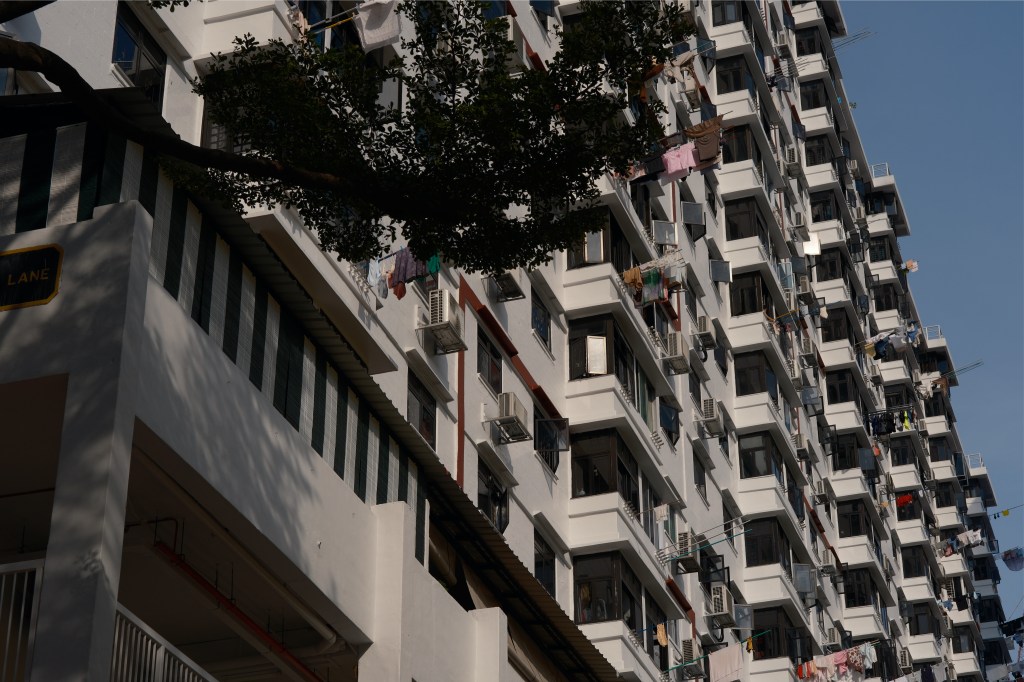
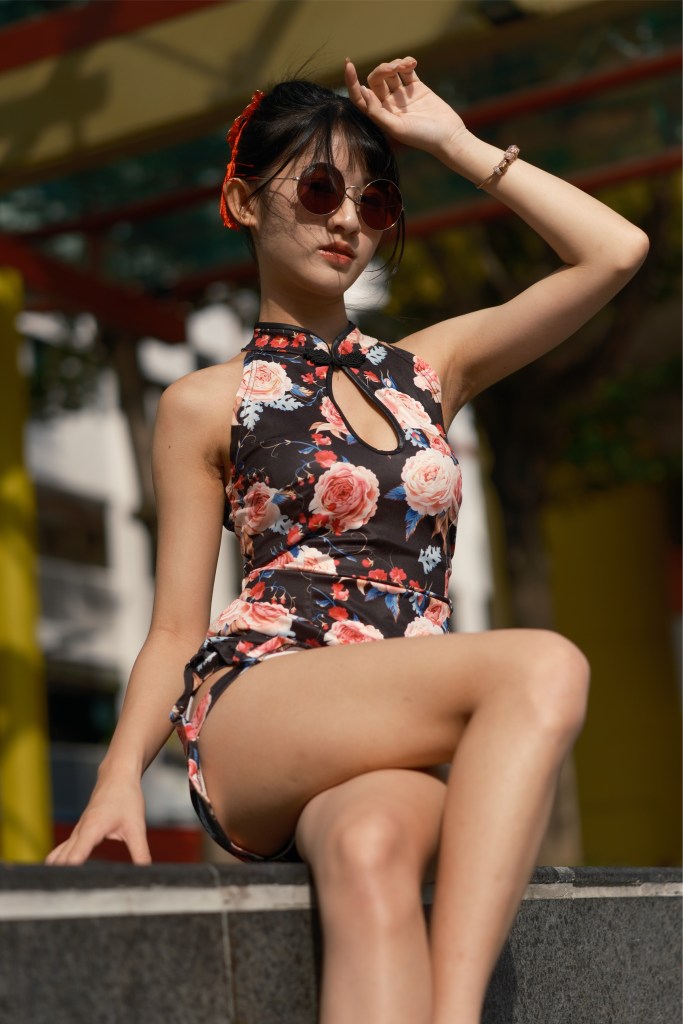
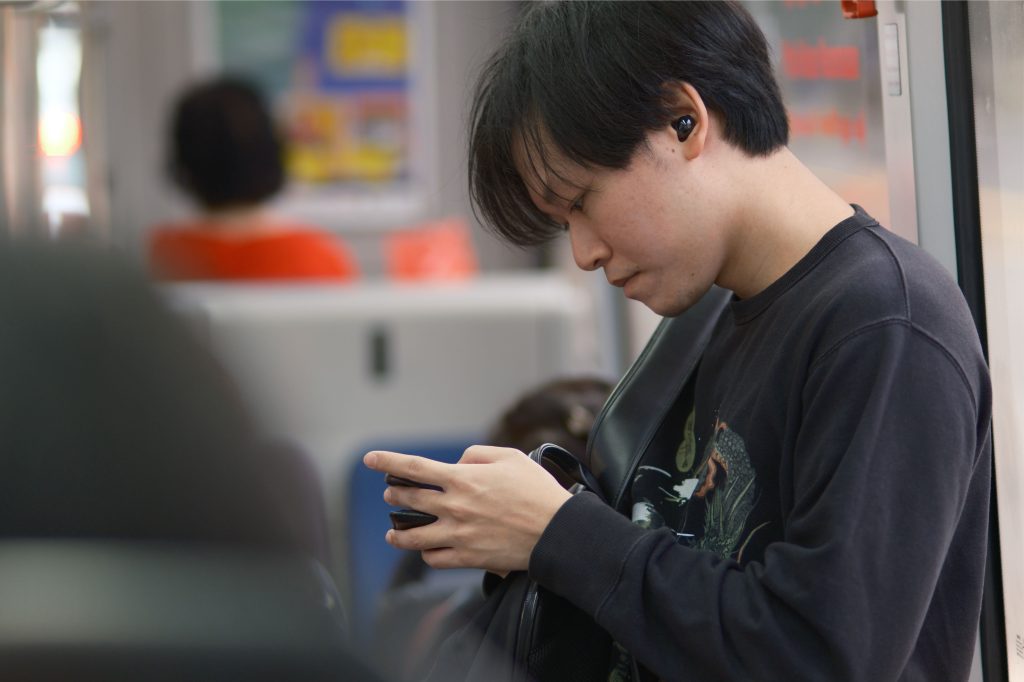
Fuji X-T5 . Meike 85mm f1.8 @ 85mm . f1.8 . 1/600″ . ISO 125 . Nostalgic Negative

That said, Meike is not new to creating an autofocus lens. Let’s see how this X-mount lens performs.

Also, this is a full-frame lens that comes with E-mount and Z-mount too!

Before I proceed further, I would like to thank Meike for sharing this lens for the review. I appreciate their kindness!

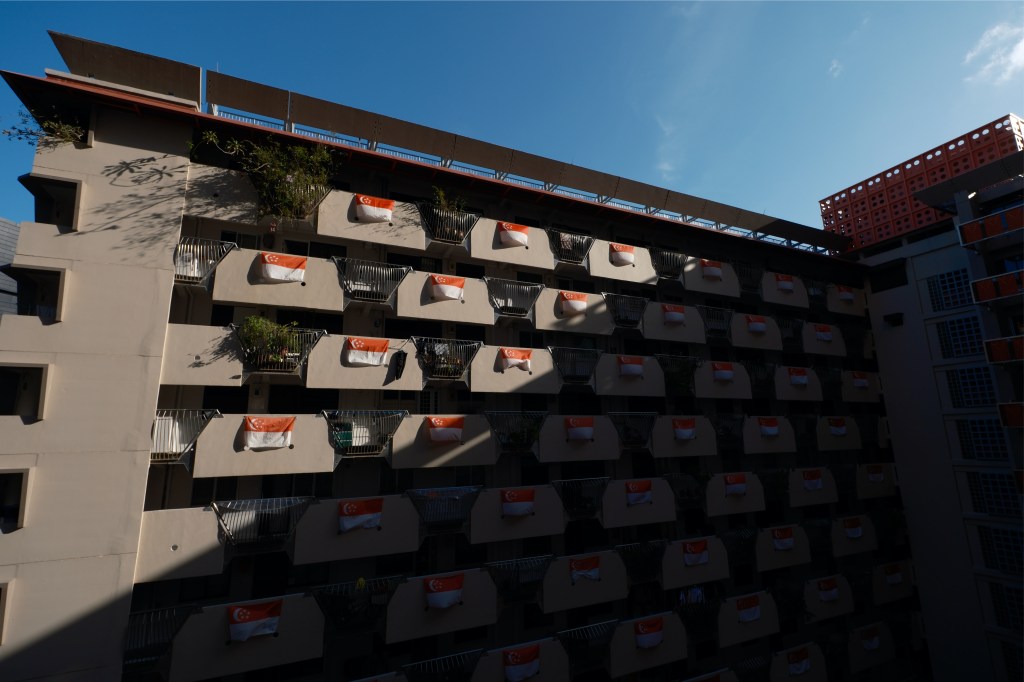
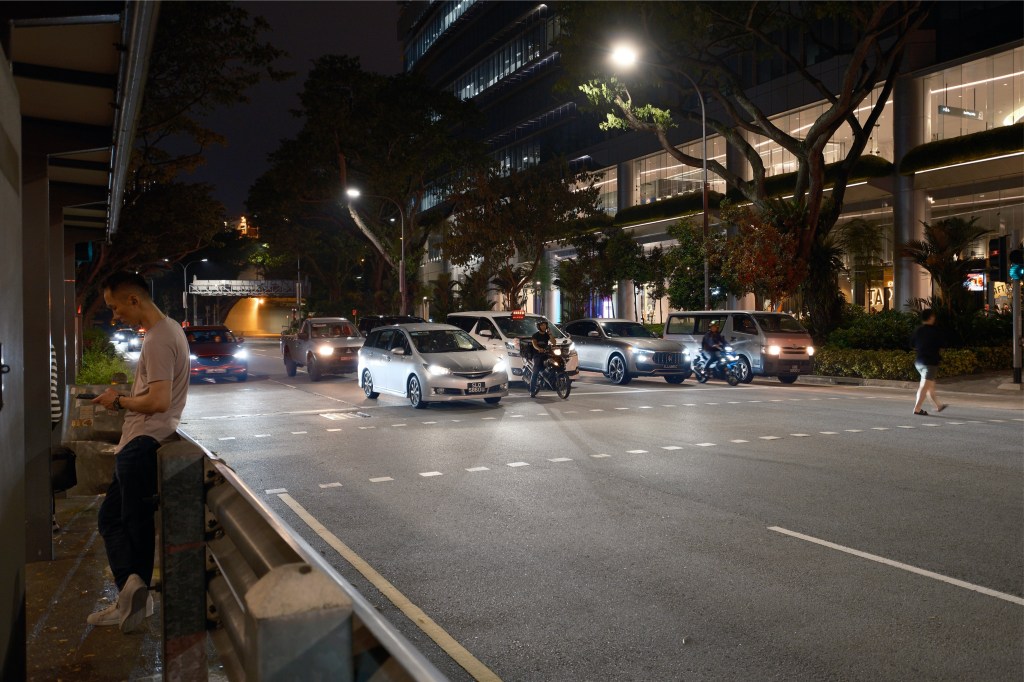
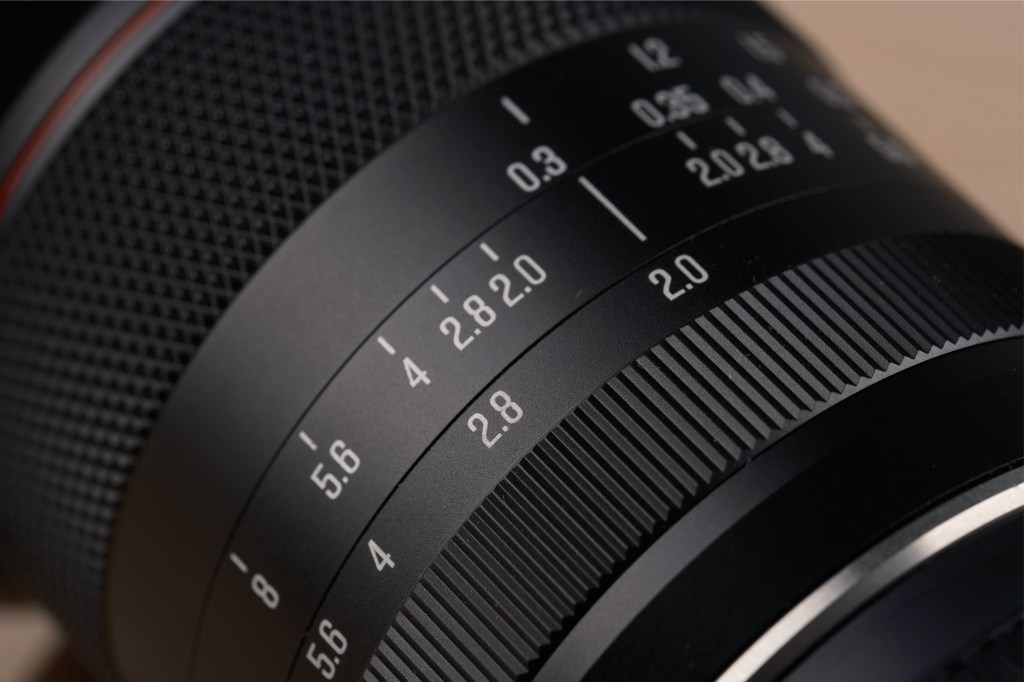
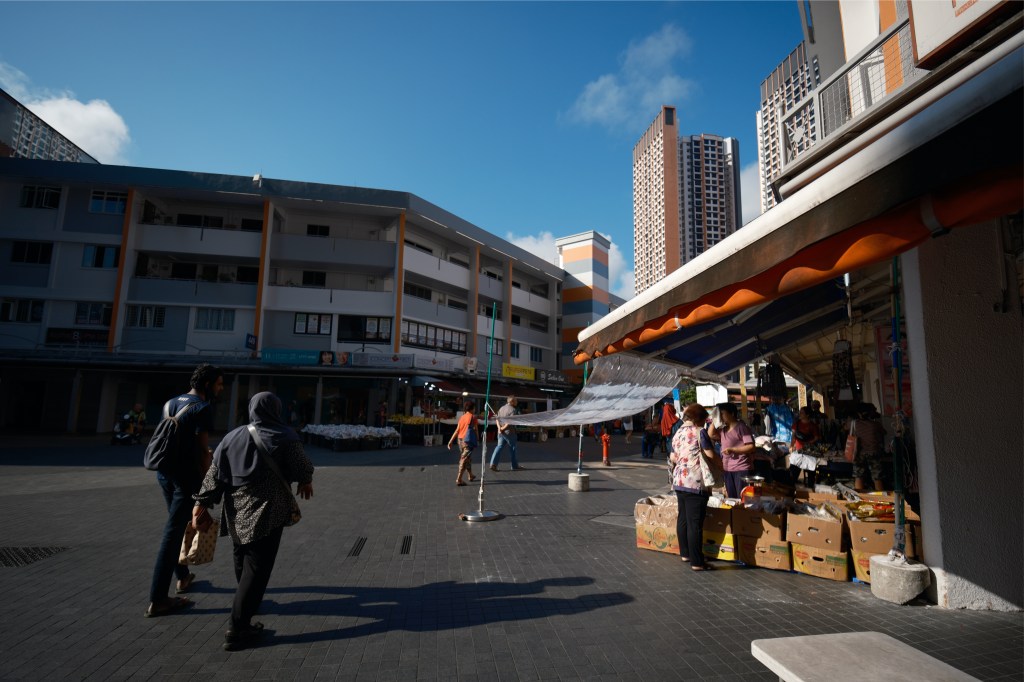
Price Point

I place this section first among all. All for a reason, it is priced at 200 USD. For reference, Viotrox 85mm f1.8 II is priced at 399 USD. Let’s be realistic, we should not set the expectations sky-high for an autofocus lens with this price point and there will be some trade-offs. So it is dependent on the interested photographers willing to accept the trade-offs.

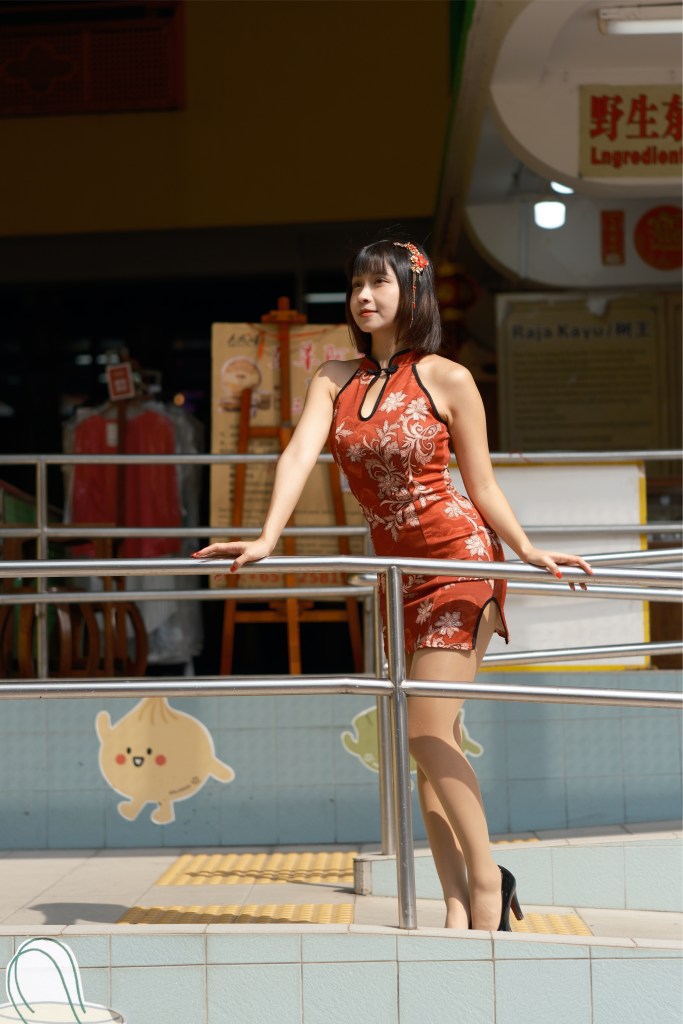
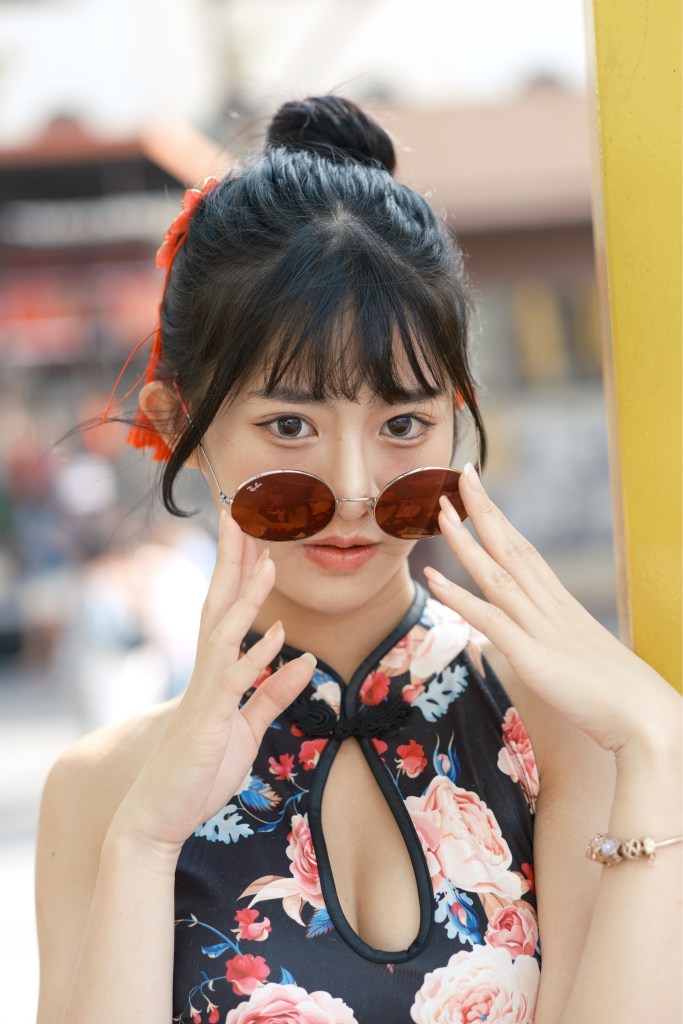
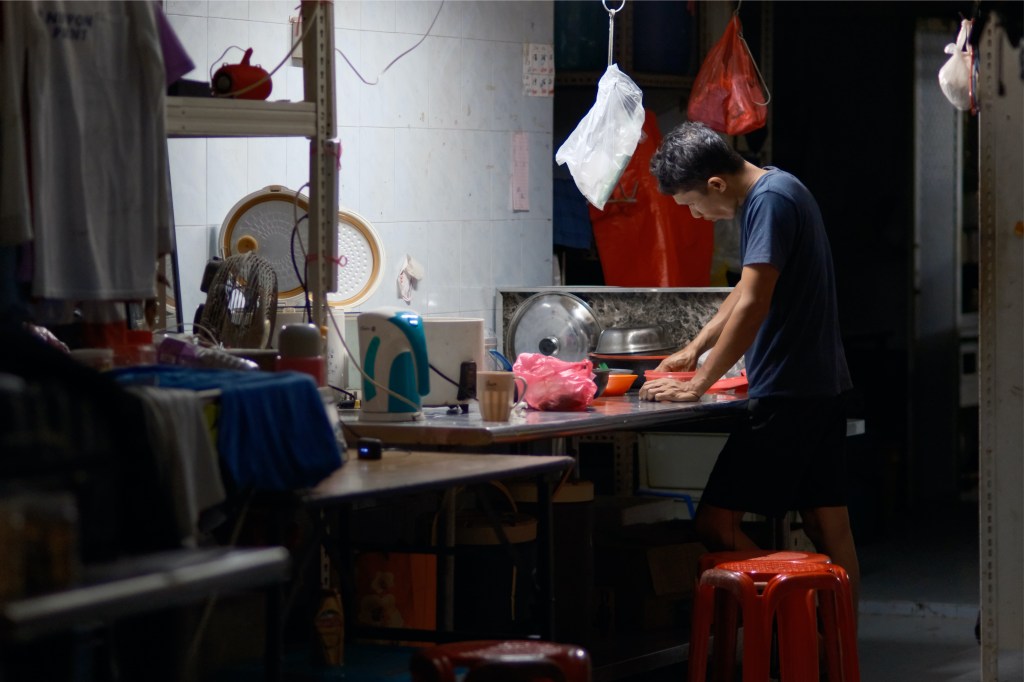
Fuji X-T5 . Meike 85mm f1.8 @ 85mm . f1.8 . 1/750″ . ISO 125 . Nostalgic Negative

Design and Build Quality

The first thing I notice about the lens design is that it reassembles a lot to the Canon EF85mm f1.8 but is not 100% identical. The lens design gives a very simple, clean, and minimalistic look. Nothing fancy shout about. Since it gives a minimalistic look, this also means that it does not come with an aperture ring.

Fuji X-T5 . Meike 85mm f1.8 @ 85mm . f1.8 . 1/170″ . ISO 125 . Nostalgic Negative

The lens comes with a polycarbonate build quality but I have to say that it is not the best one out there in the market. I can feel that it is more plasticky than other polycarbonate-built lenses but the 386 grams lens feels light to hold on my hand.

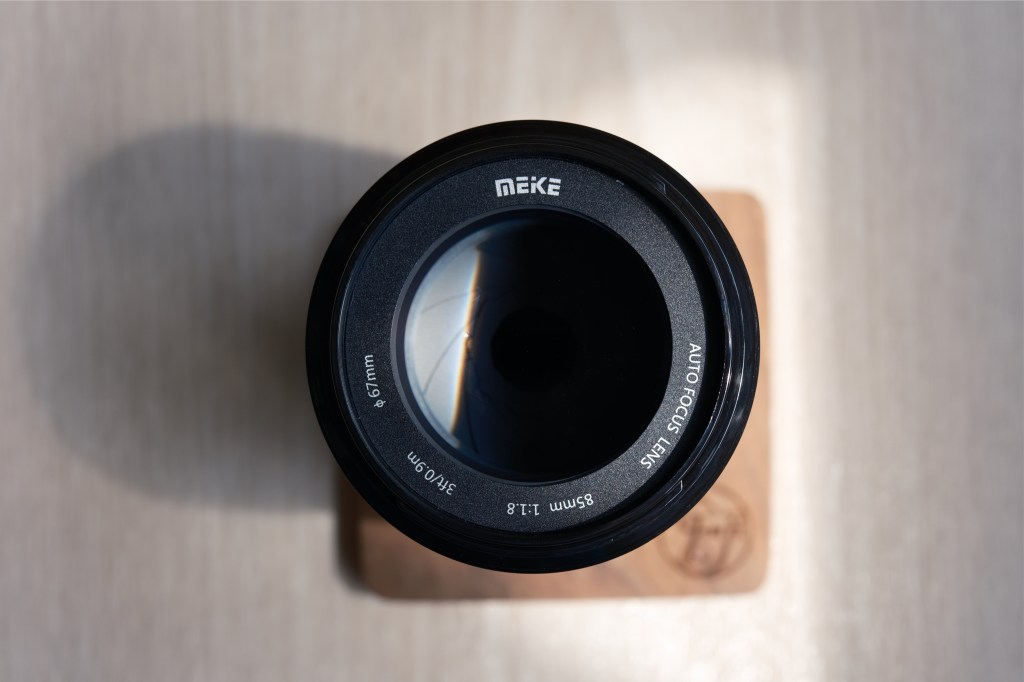
It comes with a 67mm filter thread size which is decent for the aperture value it gives. No comment on this. And it does come with a lens hood too! It does not come with a weather-resistance seal as well, and I think I can accept that.

Image Quality

At wide-open, the shots are acceptable. They are not clinically sharp with some lacking of contrast. The images look fine if you are not nitpicking or pixel-peeping. Vignetting and chromatic aberration are present but manageable. But if you step down to f2.8, the image quality shows improvement.

The background blur is a little harsh for my liking. The transition between the off-focused and the subject is not the best but still within my acceptability.

Fuji X-T5 . Meike 85mm f1.8 @ 85mm . f2.8 . 1/1250″ . ISO 125 . Nostalgic Negative

Focusing

All thanks to the STM stepper motor, the focusing is also pretty silent throughout my testing. Focusing surprisingly well. It gives excellent focusing speed and accuracy in most situations. I do encounter some hiccups but mostly under dim light situations and do note that some other higher price tag lenses also have very similar focusing behavior. So I think it is fair for Meike 85mm at this price point.

Minimum Focus Distance (MFD)

The MFD is 85cm and I think it is pretty okay for a 85mm lens. The image quality doesn’t get worse at wide open, it maintains the same characteristics and behavior of the lens. In my opinion, it is pretty usable for social media purposes.

Fuji X-T5 . Meike 85mm f1.8 @ 85mm . f1.8 . 1/80″ . ISO 400 . Nostalgic Negative

Others

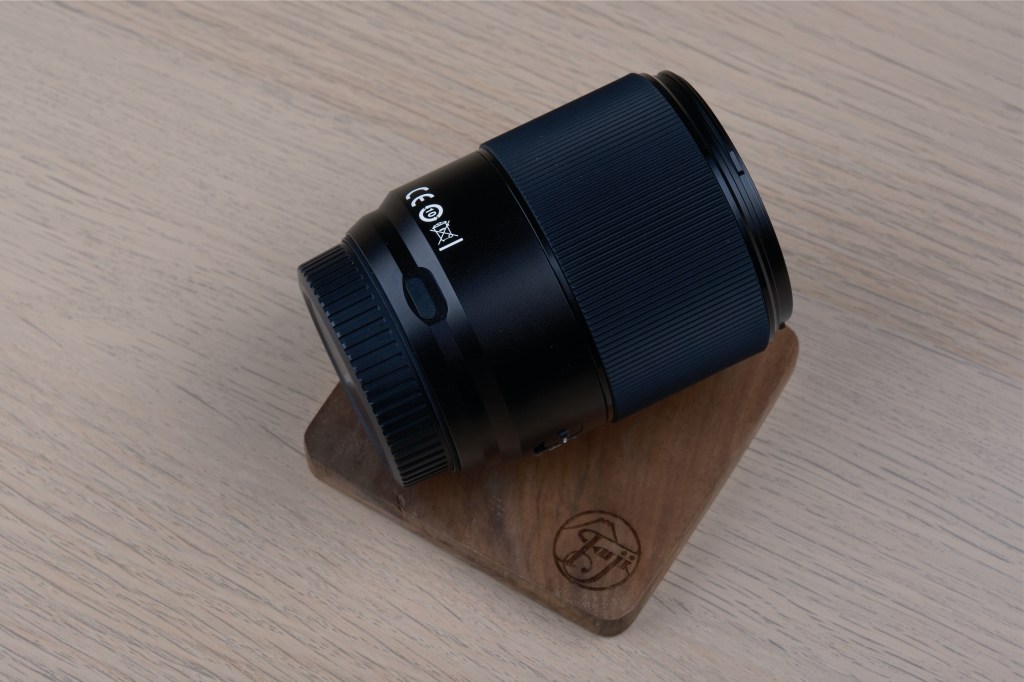
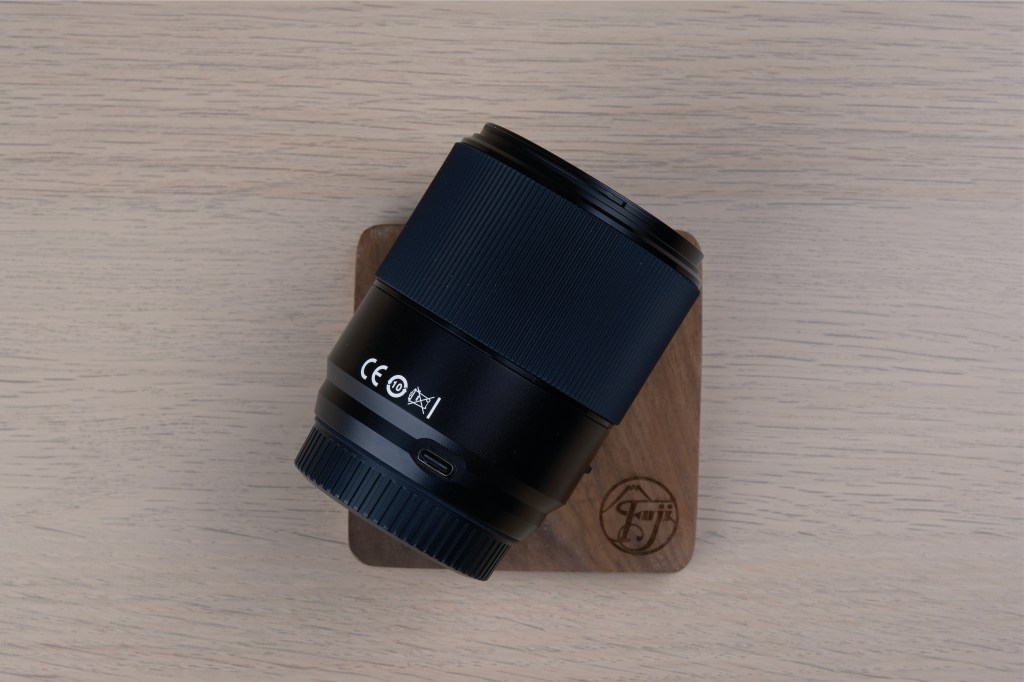
This lens comes with a Mirco-USB port that sits right at the rear mount where we can update the lens with future firmware for a better user experience.

Fuji X-T5 . Meike 85mm f1.8 @ 85mm . f1.8 . 1/420″ . ISO 125 . Nostalgic Negative

Who is this for?

This is the second cheapest autofocus lens in the X-mount market. The cheapest one still belongs to TTArtisan 27mm f2.8 (149 USD).

With its affordable price point, I think this lens is very suitable for photographers who want a portrait lens but do not wish to invest in more expensive options or wish to attempt to try taking shots with this focal length (127.5mm in full frame equivalent). In terms of genres, it can be used in most of them, such as general street, product, portrait, and landscape.

Conclusion

It is not the best-built and best image-quality lens but not the worse in the market, and it is also not competing against the top tier lenses. We are coming to the end of this post, and we all know what the trade-offs are with this lens. But they are traded-off for a reason, to allow more photographers have access to this focal length at an afforable price tag. I know I have reiterate a number of time about the price tag with this lens but I just can’t help tying them together.

Based on my past experiences with Meike lenses (Meike 35mm f0.95, 60mm f2.8, 7.5mm f2.8, and 10mm f2), I believe Meike can do a great job and giving the best they have in terms of build quality and image quality if they want. But for now, they give one more option for budget-minded photographers.

Thank you for reading.

Disclaimer:
1. All the shots taken here are shot by me.
2. Most of the shots are straight out of the camera with some shots edited via In-Camera Raw Processing and Capture One 2023.

3. The opinions are based on my experience. If there is any mistake, please kindly drop me a message and I will gladly make the amendment.
4. I reserve ownership of these images, if you wish to use my images, please notify me.

If you like my works, please follow me on either one of the 2 Instagram accounts:

https://www.instagram.com/alwinkok_

https://www.instagram.com/alwin.portraits

If you have a Facebook account, feel free to join Fujifanboys FB group.

If you like my content and you want to show some support and keep this blog alive, you can buy me a coffee here.

Reviews

Tamron 11-20mm f2.8 – Ultrawide with Versatility

When comes to ultrawide zoom lenses, we have limited options to choose from other than. the Fujifilm lens line-up. Namely, XF8-16mm f2.8 and XF10-24mm f4.

And that has been this way for a while until this new Tamron 11-20mm f2.8. Will this lens be worth our eyes on it? Let’s find out.

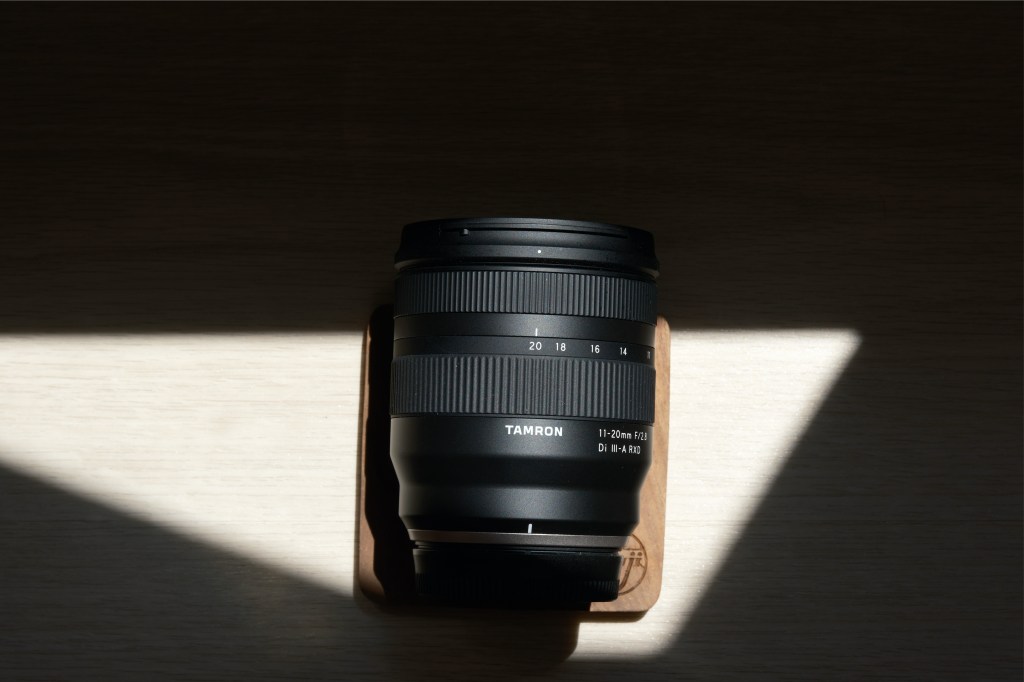
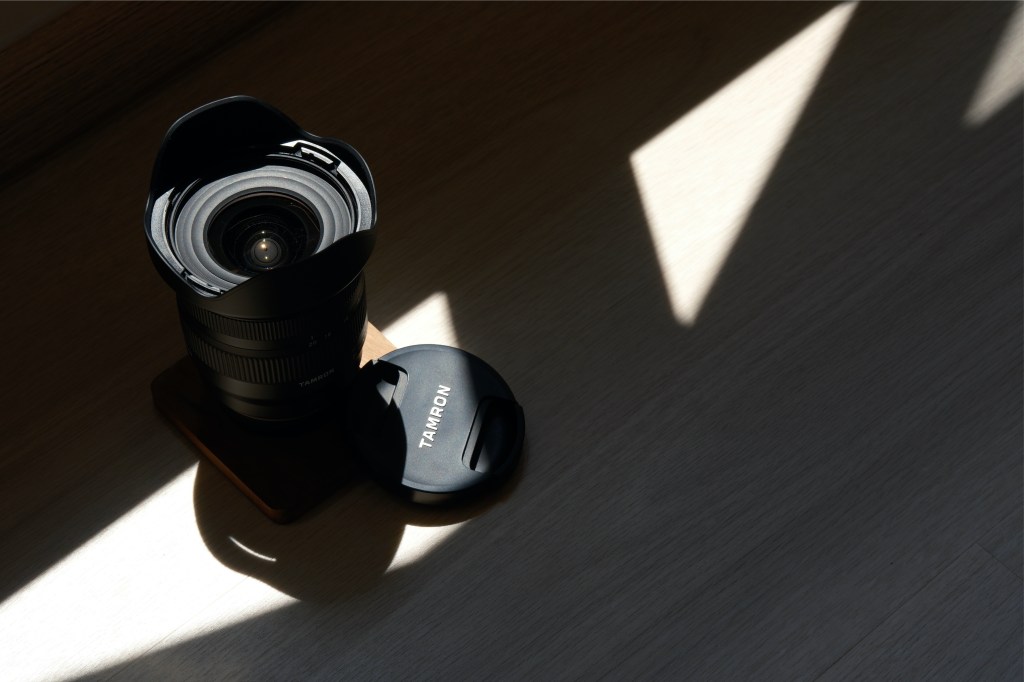
Tamron 11-20mm f2.8

Intro

Tamron introduced this 16.5mm to 30mm (in full-frame equivalent) for Sony for quite a while before Tamron makes it available to Fuji X-mount. This is an attractive focal length that does not has the widest nor it has the most tele focal length like the other 2 ultrawide lenses that Fuji is offering. But does it has its spot in the whole Fuji lens lineup (including third parties)?

If you just want to know my opinion, scroll all the way to the conclusion session.

Tamron 11-20mm f2.8

Before I continue further, I would like to special thanks to Cles Distribution of Tamron Singapore for allowing me to loan the Tamron 11-20mm f2.8 Di III-A RXD (Model AFB060X-700) for Fuji X-mount for this blog review. At the time of releasing this review, I have returned the loan unit to Cles Distribution.

Tamron 11-20mm f2.8

Design and Build Quality

Right off the bat, you will notice that the lens starts at 20mm (which is at the tele end of the focal length) and not at 11mm. The lens will zoom externally but not be extended by a lot. That’s considered a good thing for an external zoom lens. So in short, 11mm is at the lens’ longest end.

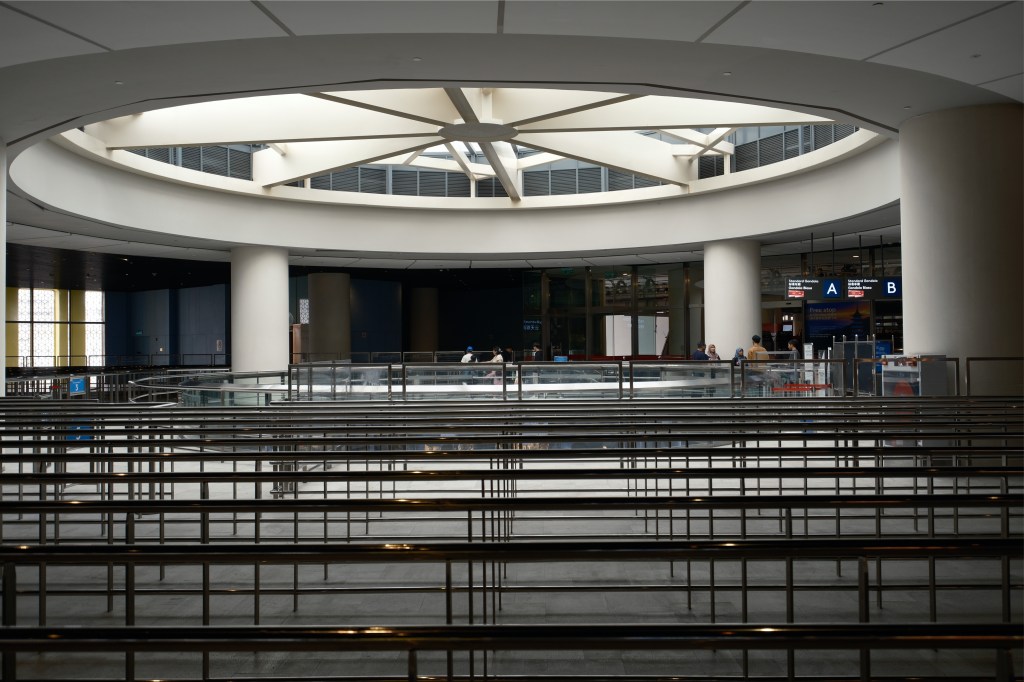
Fuji X-T5 . Tamron 11-20mm f2.8 @ 20mm . f8. 1″ . ISO 125 . Nostalgic Negative

One might wonder why this lens is designed differently and unlike the typical lenses that “starts” at the widest focal length and “ends” at the tele focal length. I guess that 20mm is closer to street photography focal lengths like 18mm and 23mm, where this focal length has a higher usability rate than 11mm. Or maybe I think too much and it is just engineering design to make it as compact as possible.

This lens has the same polycarbonate build quality with a metal rear mount bayonet as its other sibling lenses (Tamron 18-300mm and Tamron 17-70mm). This does not mean the lens is not good. It feels fine, sturdy and does not feels any loose end or anything bad.

Fuji X-T5 . Tamron 11-20mm f2.8 @ 11mm . f8. 1/340″ . ISO 125 . Nostalgic Negative

This 67mm filter-size lens weighs 335 grams. It does have weight when I hold it in my hand but not feel heavy. It also has a good balance with my X-T5 too. (Do you know that both Tamron 18-300mm and Tamron 17-70mm share the same filter size too?)

Similar to other Tamron lenses, it also lacks an aperture ring. It may sound like a deal breaker to many photographers. But after a while, I have gotten used to controlling the aperture values via the front command dial.

Image Quality

The image quality is great. Or at least I am more than happy with the results it provides across all the focal ranges at wide open. For a zoom lens, the contrast and sharpness are great. If you are comparing it with a prime lens, it is not as superb as a prime lens. But who will compare the zoom lens with the prime lens?

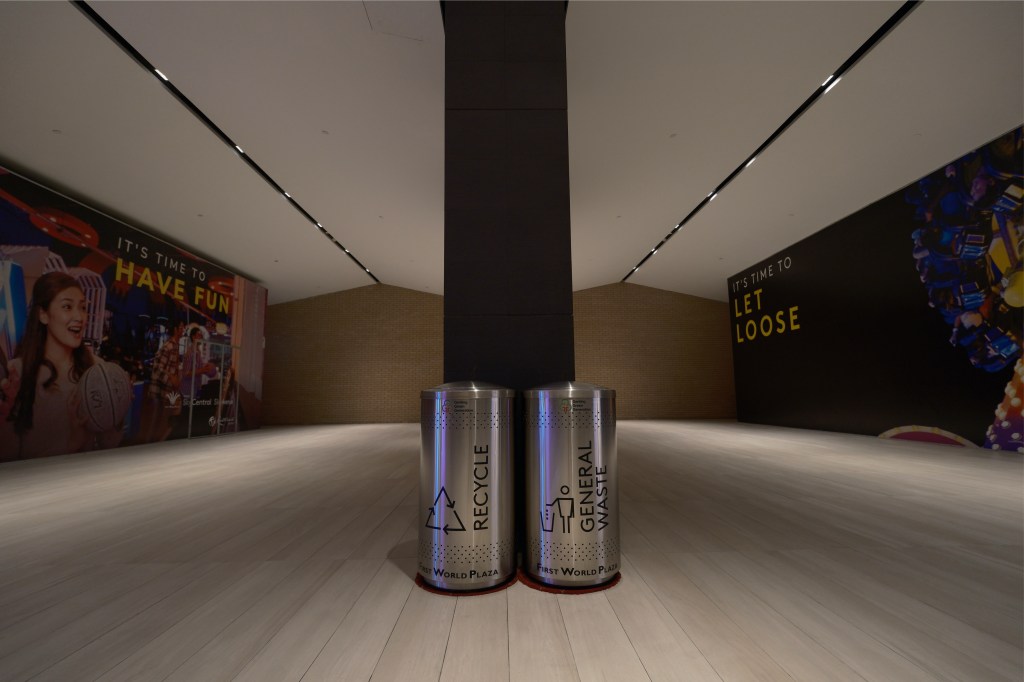
Fuji X-T5 . Tamron 11-20mm f2.8 @ 11mm . f2.8. 1/900″ . ISO 125 . Nostalgic Negative

Vignetting is mild and it can be noticeable if one is to nitpick the photo. Chromatic aberration is well-controlled. Distortion control is pretty good here. While I am not sure if it is done through software or not, at least the results straight out of the camera are pretty decent for distortion.

For transition between a focused subject and off-focused foreground/background, it is seamless and does not give messy or rough off/focused results.

As for the sun star, it gives very decent sun star results with nice sharp edges.

Focusing

Focusing speed is fast but not as snappy/instantly as Fujifilm’s new prime lenses. But I notice one phenomenon. If I focus on a darker area/spot, there is a chance the lens is unable to focus correctly or off-focused. But if I relocate my focus point to a brighter area/spot, it works and focuses fast.

This phenomenon does not matter if it’s outdoor or indoor, daylight or low light environment. It’s a unique behavior that I observed thus far with this lens.

Fuji X-T5 . Tamron 11-20mm f2.8 @ 20mm . f2.8. 1/750″ . ISO 125 . Nostalgic Negative

Putting that aside, this lens comes with RXD (Rapid eXtra-silent stepping Drive) stepper motor unit which allows it to focus silently. This is very good for street photographers and significantly better for videographers when they use this lens for video productions.

Minimum Focus Distance (MFD)

Tamron is doing a great job when comes to MFD. Both the Tamron 17-70mm and Tamron 18-300mm give very impressive MFD and this lens is no exception. The MFD is 15cm at 11mm and 24cm at 20mm.

Fuji X-T5 . Tamron 11-20mm f2.8 @ 11mm . f2.8. 1/600″ . ISO 125 . Nostalgic Negative

In short, 11mm can give a very unique perspective/close-up of the subject. It brings new creative options for photographers to explore.

As for 20mm, it can also capture very close to the subject but the wow factor is all on the 11mm.

Price Point

Given it is priced at 829 USD, I think it is a good price point. For instant, XF 8-16mm f2.8 and XF 10-24mm f4 are priced at 1499 USD and 999 USD respectively.

Others

While this lens does not come with weather resistance, it does come with Moisture-Resistant Construction and Fluorine Coating that offer additional protection when outdoor shooting.

Who is this for?

I think it is pretty clear who is this for and what genre is suitable with this focal length.

Fuji X-T5 . Tamron 11-20mm f2.8 @ 20mm . f2.8. 1/80″ . ISO 250 . Nostalgic Negative

Conclusion

Technically, Fujifilm gives a very clear option for photographers to choose from. If you have a reasonable budget on hand and don’t mind the bulky lens build, XF8-16mm is the choice. Otherwise, XF10-24mm is the best alternative with a reasonable price tag.

Fuji X-T5 . Tamron 11-20mm f2.8 @ 20mm . f2.8. 1/450″ . ISO 125 . Nostalgic Negative

With the Tamron 11-20mm f2.8, Tamron steps-in in the right spot with the right price tag. It gives many Fujifilm photographers one of the best alternative options to choose from.

With decent image quality at wide open, decent weight and size, and decent build quality, this is the lens I will recommend for photographers who are looking for one with a bang for the buck.

Fuji X-T5 . Tamron 11-20mm f2.8 @ 20mm . f2.8. 1/80″ . ISO 125 . Nostalgic Negative

Thank you for reading.

Disclaimer:
1. All the shots taken here are shot by me.
2. Most of the shots are straight out of the camera with some shots edited via In-Camera Raw Processing and Capture One 2023.

3. The opinions are based on my experience. If there is any mistake, please kindly drop me a message and I will gladly make the amendment.
4. I reserve ownership of these images, if you wish to use my images, please notify me.

If you like my works, please follow me on either one of the 2 Instagram accounts:

https://www.instagram.com/alwinkok_

https://www.instagram.com/alwin.portraits

If you have a Facebook account, feel free to join Fujifanboys FB group.

If you like my content and you want to show some support and keep this blog alive, you can buy me a coffee here.

Reviews

Meike 10mm f2 – The Widest Lens Yet

This is Meike widest lens ever created, 10mm may not sound as wide as the recently launched XF8mm f3.5 but that does not mean this lens of Meike is not great. So when comes to the ultrawide lens, what are our expectations if we are getting one? Widest possible focal length? Brightest possible aperture? How about size, weight, and price play a part in the consideration? There is no right or wrong answer to these questions. It is up to individuals to find the best suitable lens for their wants or needs. Having said that, the Meike 10mm f2 could be the lens some photographers might be looking for.

Meike 10mm f2

The good people in Meike have recently shared with me the 10mm f2. I thank them for their kindness and continuous support. Making another post possible. Having said that, I stay neutral and true to myself.

Intro

This lens was announced exactly back in 1 year ago in July 2022. It is still a pretty new lens in the market. As usual, it comes with various mounts too: Canon RF, Nikon Z, Sony E, M43, and of course, the Fujifilm X mount.

Meike 10mm f2

Design and Build Quality

From my first impression, this is not the sexiest lens nor it is ugly either. It gives a unique overall design look. The most distinguishable one among other lenses is the wider front element which comes with a 77mm filter thread. If you take a closer look, the front lens is protruding, so I think this might be the factor why it obtains its unique lens look.

Fuji X-T5 . Meike 10mm f2 @ 10mm . f2. 1/80″ . ISO 3200 . Nostalgic Negative

At 550 grams, the weight is dense when I hold it in my hand. You can imagine how many glass elements are inside this metal-built lens.

The aperture ring is de-click and smooth with very little friction, which means it benefits videographers. While it doesn’t harm much for my shoot, I do wish to see an option to click and de-click the aperture ring in their future lenses. Because with the clicky experience, I can roughly tell which aperture am I at. After all, this lens does not come with any electronic contact, hence, there is no information exchanged between the lens and the camera.

It comes with a cap-on style lens cap and if there is anyone concerned about its build material, it’s plastic. It may not feel as good as the lens body but I think it makes some sense to reduce the overall weight.

Image Quality

When comes to image quality, I think apart from how good the image quality it will be, other questions such as how good is distortion control is, how strong the vignetting is, and how heavy is the chromatic aberration. This ultrawide lens is no exception too.

Fuji X-T5 . Meike 10mm f2 @ 10mm . f2. 1/80″ . ISO 320 . Nostalgic Negative

To answer them one by one. The image quality is great. The subject is sharp and contrast when I shoot wide open. I am surprised by how good the results are.

I am impressed with the distortion control from this lens. I cannot say it is 100% distortion free or zero distortion because if I nitpick with it, some very minor distortion at the edge of the photo can be observed.

Fuji X-T5 . Meike 10mm f2 @ 10mm . f2. 1/10″ . ISO 3200 . Nostalgic Negative

Vignetting is unavoidable when shooting at f2 but is not as strong as other manual lenses. As for chromatic aberration, I am shocked by how well it is controlled. At least from the shots I have taken, I am not able to find one.

Fuji X-T5 . Meike 10mm f2 @ 10mm . f5.6. 1/320″ . ISO 125 . Nostalgic Negative

Another thing that I like about this lens is its transition between the focused subject against the other. At least to me, it is very pleasing to my eyes.

If anyone is curious, the sun star result is pretty good and sharp.

Fuji X-T5 . Meike 10mm f2 @ 10mm . f22. 1/80″ . ISO 400 . Nostalgic Negative

Focusing

Fuji X-T5 . Meike 10mm f2 @ 10mm . f2. 1/5800″ . ISO 125 . Nostalgic Negative

When handling the focus ring, it has the same experience as the aperture ring: smooth with little friction. Apart from the ring designs and the width of the rings, I am expecting some levels of friction difference when handling both rings but I was wrong with this lens. In my opinion, I prefer to have a bit more friction handling differences to set the aperture ring and focus ring apart. Because there are a few times when I mistakenly change the aperture ring when I am supposed to rotate the focus ring to my desired focused point. Again, that could be me only.

Fuji X-T5 . Meike 10mm f2 @ 10mm . f4. 1/1900″ . ISO 125 . Nostalgic Negativ

Like other Meike lenses I have tested thus far, it shares the same similarity when comes to focusing. The other end of the MFD is not the true infinity, the right infinity shot is where the infinity symbol is.

Minimum Focus Distance (MFD)

The MFD is 30 cm and I find it a pity as it is not as close as I expected. Probably due to engineering limitations or other technical issues, the Meike cannot make it shorter. For info, the Meike 7.5mm f2.8 fisheye lens is 15cm. But then, it is a fisheye lens and this is an ultrawide lens. Both lenses are designed differently.

Fuji X-T5 . Meike 10mm f2 @ 10mm . f2. 1/2200″ . ISO 125 . Nostalgic Negative

So if you are looking to have some very close-up shots, this lens may not be the right choice.

Price Point

Originally priced at 449 USD but now it is priced at 349.99 USD on the Meike website. It is not the cheapest price nor it is the most expensive one among all the manual lenses. It’s somewhere in between those price ranges.

Fuji X-T5 . Meike 10mm f2 @ 10mm . f2. 1/80″ . ISO 1600 . Nostalgic Negative

Just for some sense, the newly launched XF8mm f3.5 is selling at 799.95 USD, Viltrox AF 13mm f1.4 is 459 USD, Rokinon 12mm f2 is 248 USD, and TTArtisan 17mm 1.4 is 118 USD.

Others

Similar to other manual lenses tested, there is an obvious change in white balance whenever I change aperture values; for example f2 to f4. It does not have a real impact if you shoot in raw format. But if you are a straight-out-of-camera (SOOC) photographer, probably you might have to take note of it.

Fuji X-T5 . Meike 10mm f2 @ 10mm . f2. 1/80″ . ISO 400 . Nostalgic Negative

Who is this for?

As for the current market, I think there is no other lens that offers this combination (15mm in full frame equivalent and f2). For landscapes, architecture, cityscapes, and astrography photographers, you can consider getting this lens as part of your arsenal.

Fuji X-T5 . Meike 10mm f2 @ 10mm . f2. 1/1500″ . ISO 125 . Nostalgic Negative

Although it is a manual lens, getting the right focus is not that challenging. If you have the time to spare, take your time to nail the shots or snap a few more shots with a slight change in focus range.

Fuji X-T5 . Meike 10mm f2 @ 10mm . f2. 1/80″ . ISO 1000 . Nostalgic Negative

Conclusion

This lens is exceptionally good for its focal length. Although size and weight are the 2 drawbacks I have for this lens, it gives very usable f2 image quality shots that I cannot complain much about.

Fuji X-T5 . Meike 10mm f2 @ 10mm . f4. 1/80″ . ISO 640 . Nostalgic Negative

With its latest pricing (as compared to the initial launched price), I think it is a very good investment if you can accept the 2 drawbacks. If Meike management or engineers are reading this article, if you are planning to create the successor, I hope you can improve on the 2 drawbacks and possibly on the front lens element as well. I believe it will be a popular one.

Fuji X-T5 . Meike 10mm f2 @ 10mm . f2. 1/80″ . ISO 160 . Nostalgic Negative

Nonetheless, I am happy using this lens.

Thank you for reading.

Disclaimer:
1. All the shots taken here are shot by me.
2. Most of the shots are straight out of the camera with some shots edited via In-Camera Raw Processing and Capture One 2023.

3. The opinions are based on my experience. If there is any mistake, please kindly drop me a message and I will gladly make the amendment.
4. I reserve ownership of these images, if you wish to use my images, please notify me.

If you like my works, please follow me on either one of the 2 Instagram accounts:

https://www.instagram.com/alwinkok_

https://www.instagram.com/alwin.portraits

If you have a Facebook account, feel free to join Fujifanboys FB group.

If you like my content and you want to show some support and keep this blog alive, you can buy me a coffee here.

Reviews

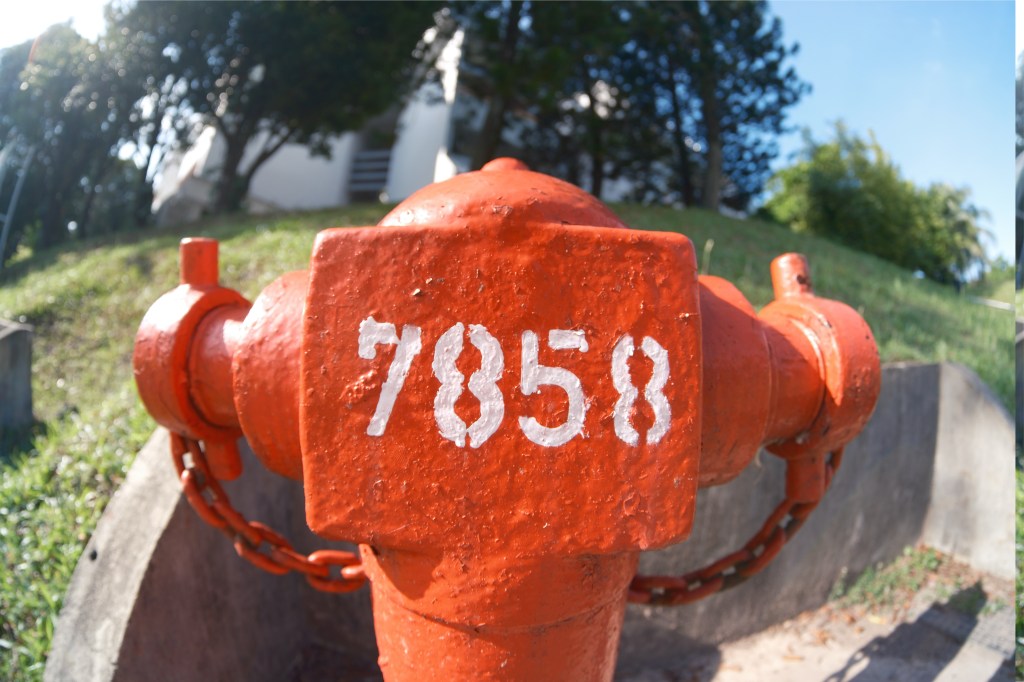
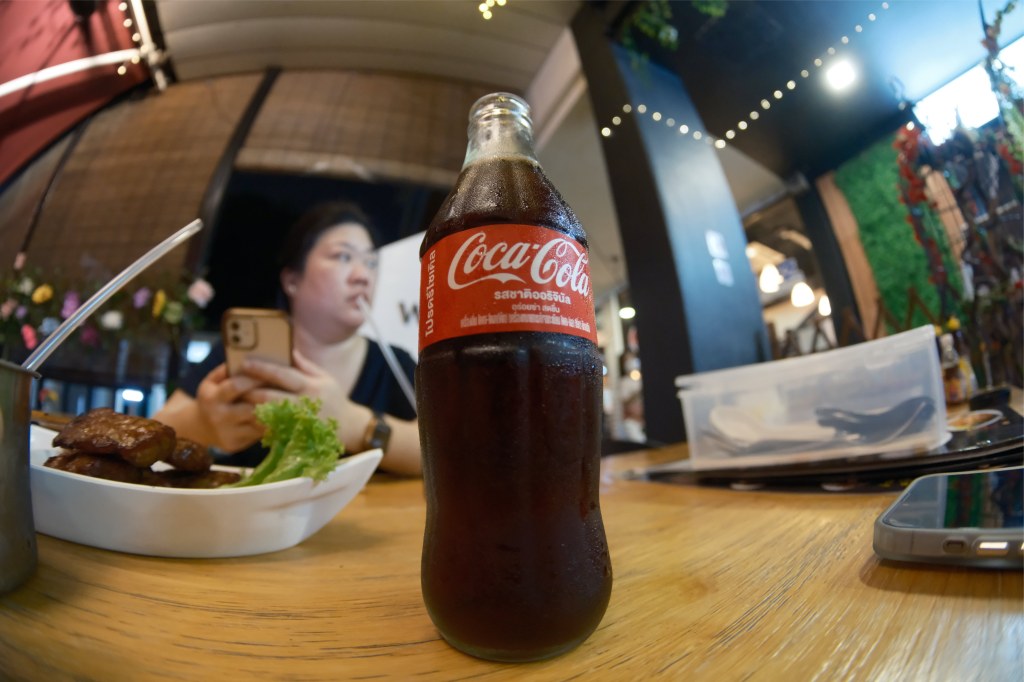
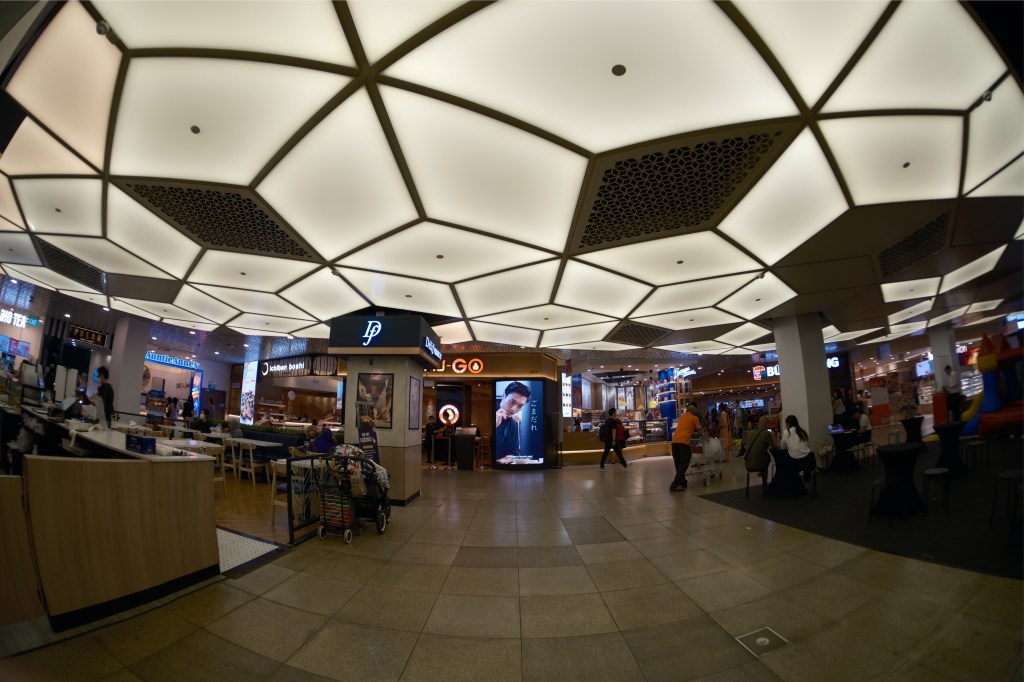
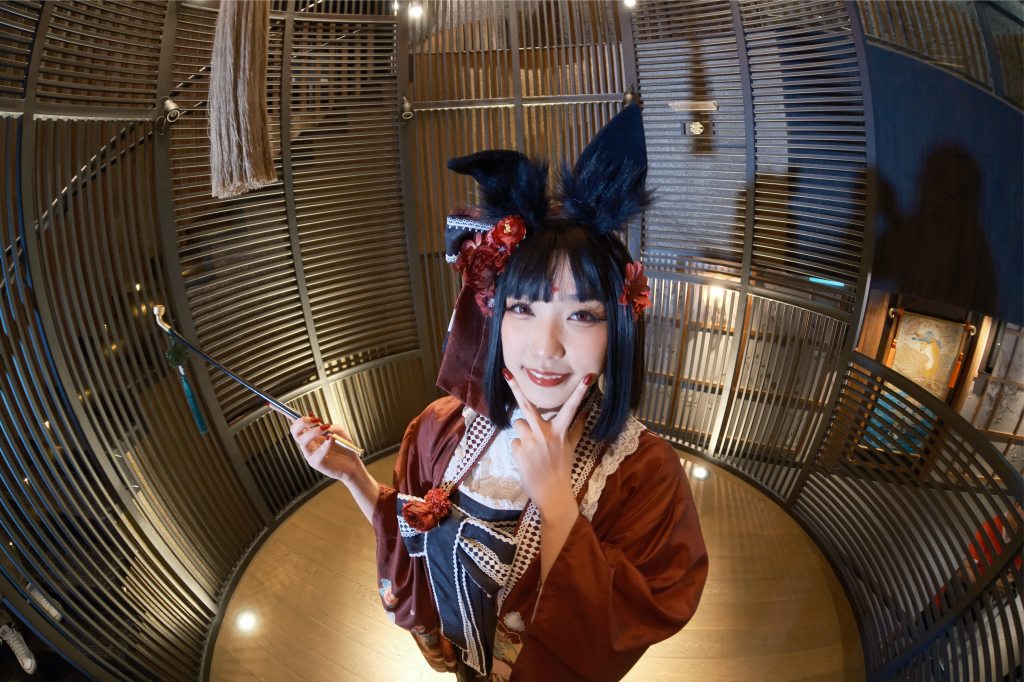
Meike 7.5mm f2.8 – In My Fisheye View

As the title suggests, it’s a fisheye lens. In my opinion, the fisheye lens is a niche product and it is really up to the photographers’ creativity (pardon me I’m not the creative one) to showcase this unique point of view. Nonetheless, I try my best to share what I can do with this lens.

This is not my first time experiencing a fisheye lens. I got my very first fisheye lens from 7Artisans when I had my X-T2 not long ago and then I also tested the TTArtisan 7.5mm f2 2 years back. In other words, a fisheye lens is not something I am not that unfamiliar with. Oh yes, this is a diagonal fisheye lens and not a circular fisheye lens.

Intro

This Fisheye lens from Meike was announced quite some time ago, in May 2022, which translates to a year-ish from the time this post is live. But it is still worth trying out with the new 40 megapixels sensor from Fujifilm.

For a note: It comes with various APS-C mounts (namely Canon EF-M, Fujifilm X, Nikon Z, and Sony E mount camera systems) and Micro Four Thirds mount too. Meike also released a couple of fisheye lenses (both diagonal and circular type) but this 7.5mm is probably the sexiest one among them.

Before continuing, I would like to express my gratitude to Meike for sharing this lens with me. Without their support, this post will not be able to be here today.

Meike 7.5mm f2.8

Design and Build Quality

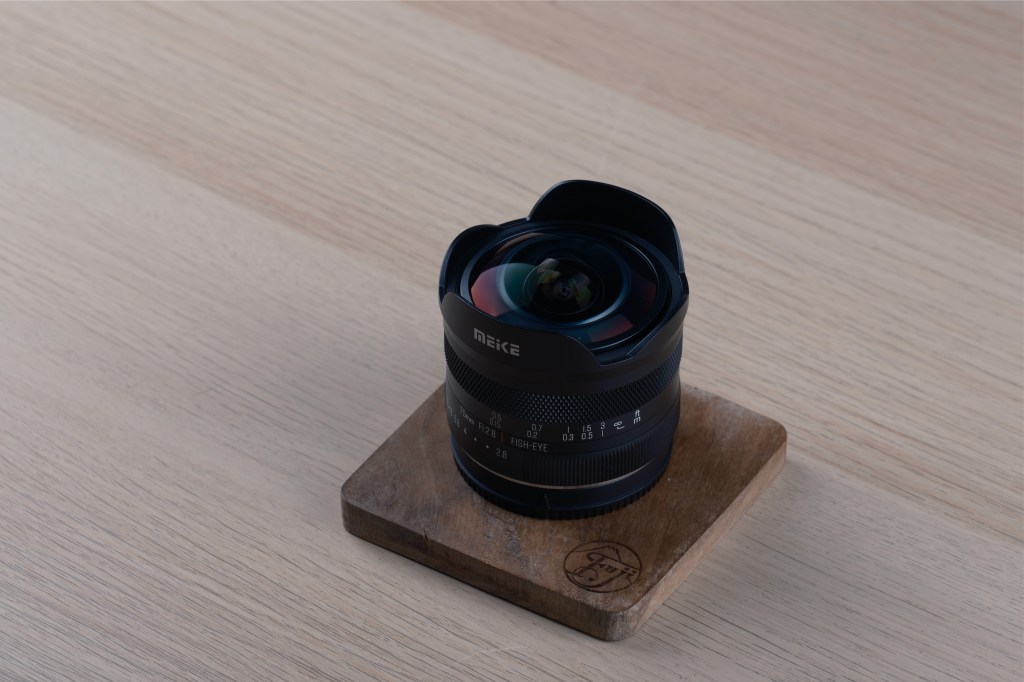
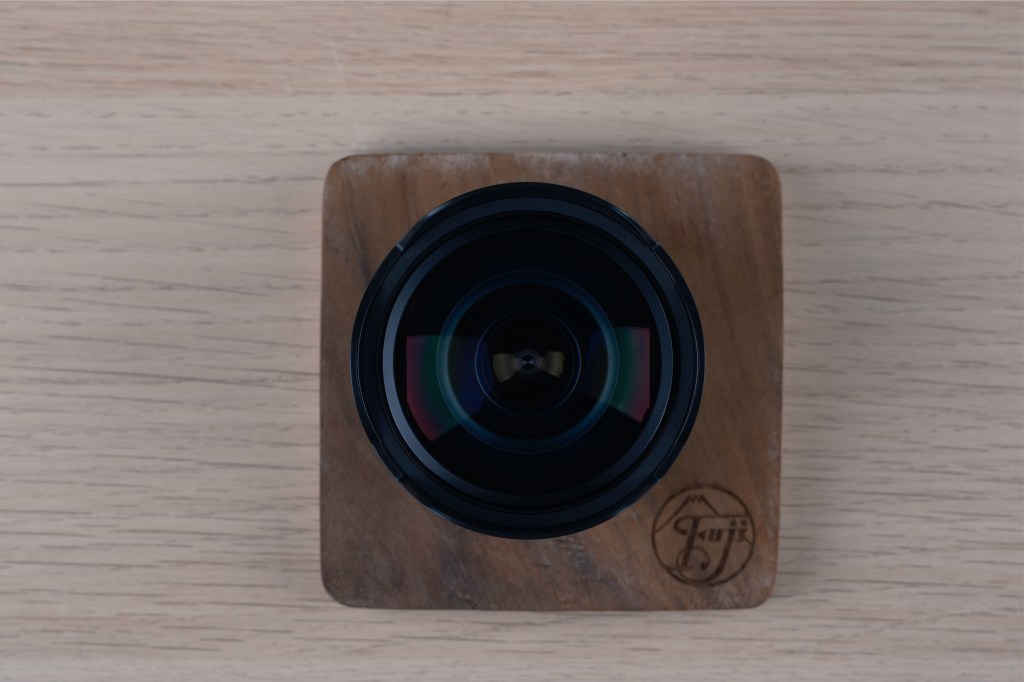
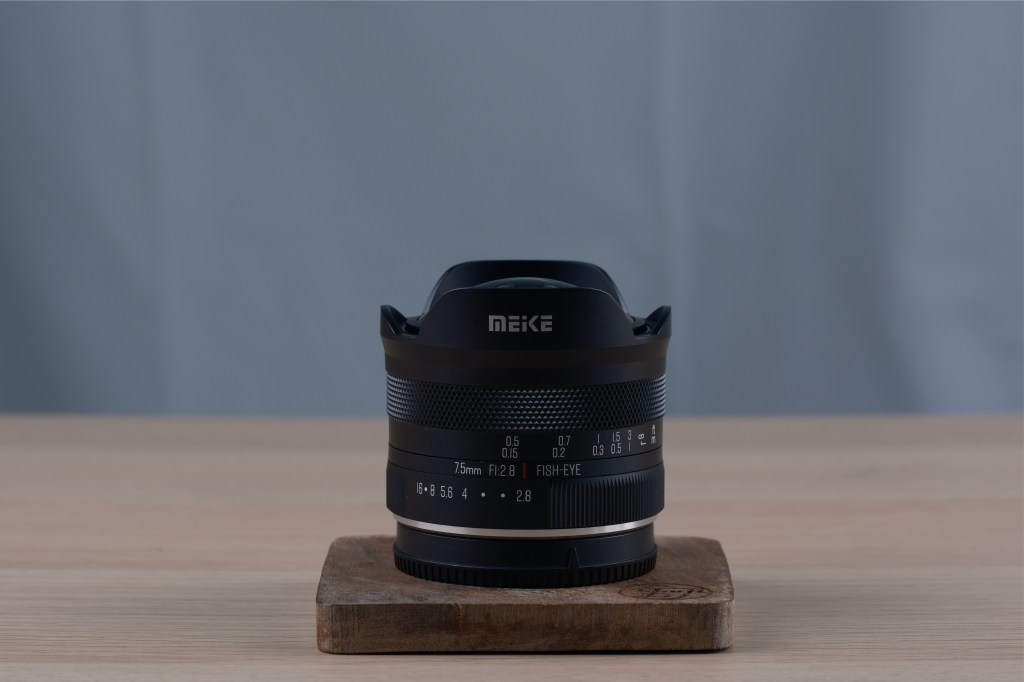
The first thing you will get to notice is how well the lens is constructed. Visually, it’s a very compact fisheye lens, not as compact as a pancake lens but still compact. Unfortunately, like other Fisheye lenses, it is not possible to place a filter in front of the protruding lens. Oh yes, it comes with a built-in lens hood like most other fisheye lenses do too.

With its 260 grams, it doesn’t feel that heavy when I had it on hand. It feels a little bit dense but overall it does feel good on hand and is well-balanced.

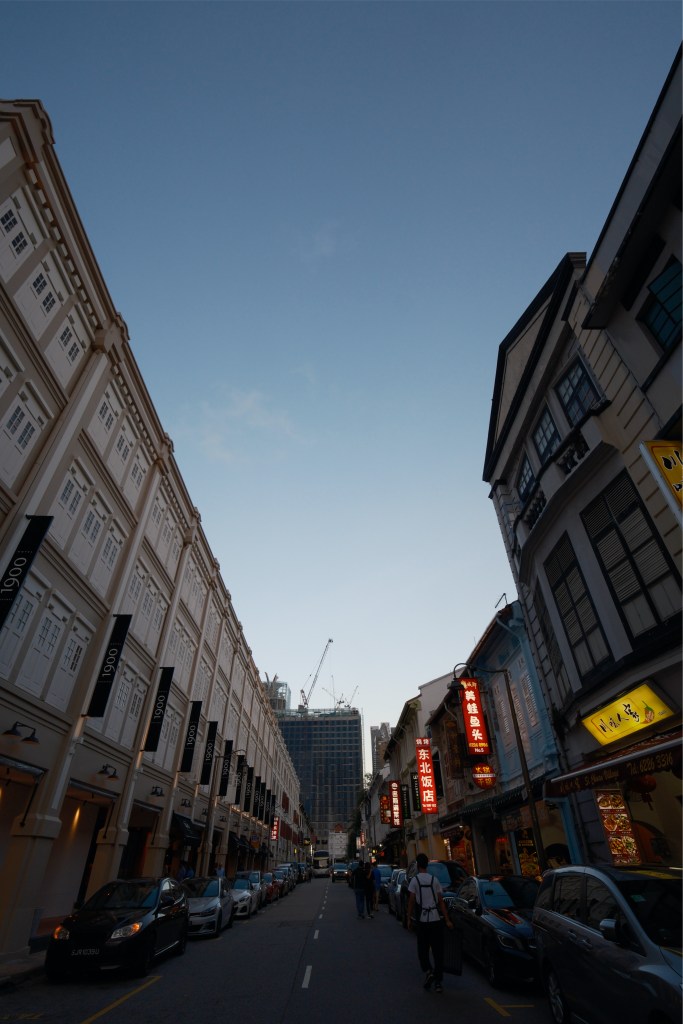
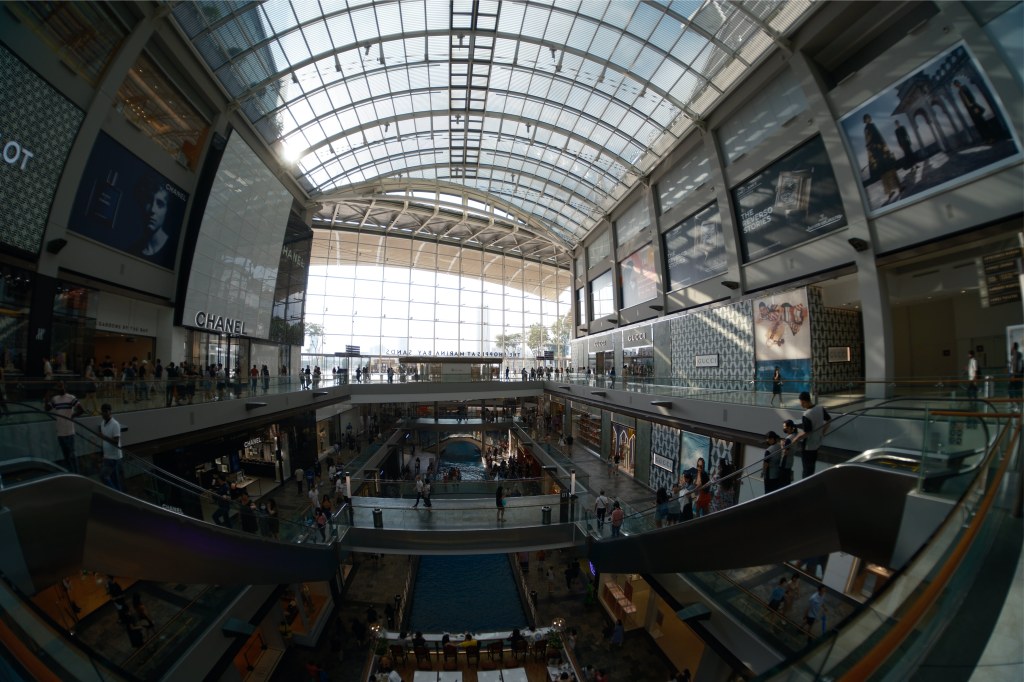
At 7.5mm, it is equivalent to 11.25mm in 35mm format. This focal length is also probably the widest focal length among all landscape-oriented lenses. In case someone wonders, its angle of view is 190° diagonal, 161.8° horizontal, and 106.5° vertical.

Rotating the aperture ring is a pleasure, its clicky ring gives me a gentle satisfying experience to me. And like all Meike lenses I have tested so far, it comes with a rear metal bayonet too.

Fuji X-T5 . Meike 7.5mm f2.8 @ 7.5mm . f2.8 . 1/85″ . ISO 125 . Nostalgic Negative

Image Quality

From my first impression, I am surprised by how sharp and contrasting it is at wide-open. And it is consistent at all focus ranges. However, the corners of the shots can be a little soft if ever one wonders. The fall-off between the subject and the foreground/background is smooth and blends quite well.

Fuji X-T5 . Meike 7.5mm f2.8 @ 7.5mm . f2.8 . 1/80″ . ISO 2500 . Nostalgic Negative

Although it has very mild vignetting, it also has good chromatic aberration control. I think I can ignore about doing post-processing because it is unnoticeable unless you are looking for it intentionally.

Another good surprise is how well the lens resolves around the newly developed sensor. No complain here.

Fuji X-T5 . Meike 7.5mm f2.8 @ 7.5mm . f4 . 1/600″ . ISO 125 . Nostalgic Negative

Lastly, it does render very good sun star with very sharp star edges. However, background blur/bokeh is not something majestic and jaw-dropping, but it does its job well on subject separation. Anyway, I don’t think this is something most photographers are looking for in a fisheye lens.

Focusing

Like most of the Meike lenses I have tested thus far, the manual focus ring on this lens is smooth with very gentle friction. Oh yes, it rotates approximately 50° from Minimum Focus Distance to Infinity. It seems a little shorter than other lenses but it just works well with the focus precision with this focal length.

Fuji X-T5 . Meike 7.5mm f2.8 @ 7.5mm . f4 . 1/1000″ . ISO 125 . Nostalgic Negative

Minimum Focus Distance (MFD)

With an MFD of 15cm, I hope it can go a little closer like 10cm or so. Because I think there will give a more interesting and creative point of shot if it is able to shoot at a shorter MFD.

Fuji X-T5 . Meike 7.5mm f2.8 @ 7.5mm . f2.8 . 1/450″ . ISO 125 . Nostalgic Negative

Don’t get me wrong, 15cm is still impressive and it is a marvel achievement for a small and compact lens. The image results in retent the good sharpness and contrast at MFD. This is really stunning.

Price Point

Formally priced at USD 149, USD 139 is the new price it is going for on the Meike website. I think the price is pretty decent for the quality of this lens.

Others

Because it is an ultrawide lens and also such a compact lens. Depending on how you place your left index finger on the camera body, it can be within the field of view and will be part of the photo taken. At least this happens to my huge clumsy index finger saying hi to some of the photos taken.

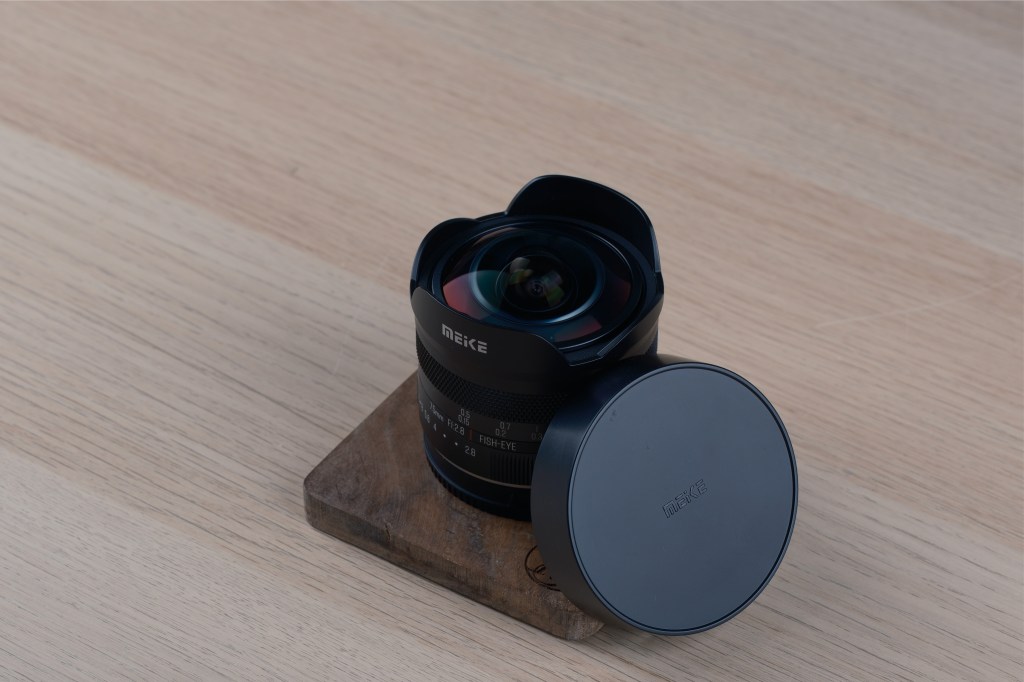
One thing I am a little disappointed about is the lens cap. Although I wish the lens cap is made out of metal, it turns out to be a plastic one. After a while, I think it is fine but the lens cap happened to be quite loose. I am not sure if this just happened to be my unit. Nonetheless, this is the case.

Fuji X-T5 . Meike 7.5mm f2.8 @ 7.5mm . f2.8 . 1/28″ . ISO 3200 . Nostalgic Negative

Like most manual lenses, it does suffer from white balance shifting from one aperture to the other. If you are doing in raw format, it is not much of a concern. If you are a Straight-Out-Of-Camera photographer, do take note.

Left: Fuji X-T5 . Meike 7.5mm f2.8 @ 7.5mm . f2.8 . 1/2500″ . ISO 125 . Nostalgic Negative
Right: Fuji X-T5 . Meike 7.5mm f2.8 @ 7.5mm . f5.6 . 1/640″ . ISO 125 . Nostalgic Negative

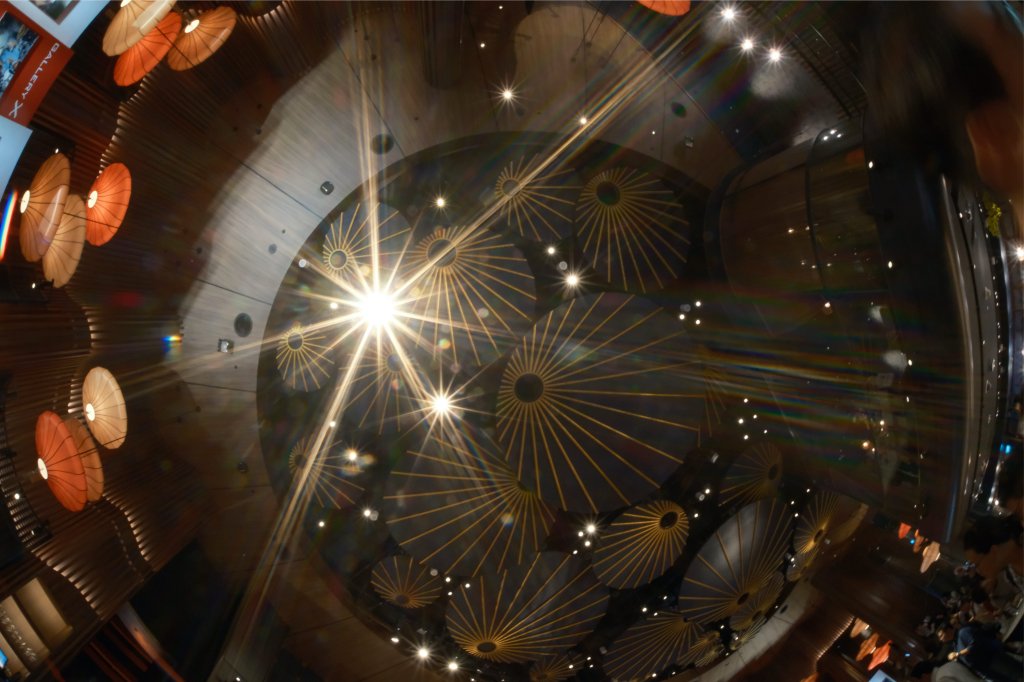
One last thing to note is that, although it comes with a built-in lens hood, it can still suffer with lens flare.

Fuji X-T5 . Meike 7.5mm f2.8 @ 7.5mm . f8 . 1/1900″ . ISO 125 . Nostalgic Negative

Who is this for?

With this focal length, it makes suitable for landscapes, cityscapes, and astrography. But I believe creative minds and photographers who want to explore the beauty of the fisheye lens are welcome. If you ask me if there is any particular genre that is good with this lens, my answer to you is that I think it can suit almost every genre. As long as you know what you are looking for.

Fuji X-T5 . Meike 7.5mm f2.8 @ 7.5mm . f5.6 . 1/800″ . ISO 125 . Nostalgic Negative
Fuji X-T5 . Meike 7.5mm f2.8 @ 7.5mm . f2.8 . 1/80″ . ISO 1000 . Nostalgic Negative

Conclusion

This lens is definitely one of the few primes lenses that I will bring for oversea travels. Not only it gives a whole new perspective to the places that I visit, it is also a good selfie/wefie lens.

Fuji X-T5 . Meike 7.5mm f2.8 @ 7.5mm . f2.8 . 0.18″ . ISO 3200 . Nostalgic Negative

Meike did a good job in creating such a beautifully crafted fisheye lens. Great image quality and compact size are one of the best selling points for this lens. Not forgetting that the price is reasonable and affordable for any photographer who wants to attempt to try out this lens. It is surely another good attempt from Meike in broadening its portfolio with this lens.

Fuji X-T5 . Meike 7.5mm f2.8 @ 7.5mm . f2.8 . 1/80″ . ISO 200 . Nostalgic Negative

Thank you for reading.

If you are interested to get this lens, Meike is running an offer at a 20% discount. Simply key in this code: 207528 at checkout.

Click the link to purchase.

Disclaimer:
1. All the shots taken here are shot by me.
2. Most of the shots are straight out of the camera with some shots edited via In-Camera Raw Processing and Capture One 2023.

3. The opinions are based on my experience. If there is any mistake, please kindly drop me a message and I will gladly make the amendment.
4. I reserve ownership of these images, if you wish to use my images, please notify me.

If you like my works, please follow me on either one of the 2 Instagram accounts:

https://www.instagram.com/alwinkok_

https://www.instagram.com/alwin.portraits

If you have a Facebook account, feel free to join Fujifanboys FB group.

If you like my content and you want to show some support and keep this blog alive, you can buy me a coffee here.

Reviews

AstrHori 50mm f1.4 Tilt – Tilting Around My World

The good people of AstrHori send me their 50mm f1.4 Tilt lens for review. I thank them for their kind support. It does help our Fuji community to have one more opportunity to learn about this lens.

AstrHori was founded in 2018 and it is one of the few manufacturers who is producing accessories and lenses for full-frame mount and also GFX GF mount. But this is not the story for today.

Before proceeding further, I would like to clarify that the lens has tilt capability only and is not what the packaging or the box suggests, i.e., TS (Tilt Shift). One interesting fact about this lens is that it is a full-frame lens but it is available in X-mount.

Intro

We have limited options when it comes to tilt lens (and tilt-shift lens is literally non-existence for the native mount). As far as I am aware, there are not many manufacturers producing tilt lenses. The first one is from TTArtisan 50mm f1.4 tilt and then followed by AstrHori 50mm f.14 tilt.

Fuji X-T5 . AstrHori 50mm f1.4 Tilt @ 50mm . f4 . 1/2700″ . ISO 125 . Nostalgic Negative – Tilt

AstrHori 50mm f1.4 tilt comes with various mounts such as RF mount, Z mount, E mount but it also comes in M43 and of course the X mount.

Design and Build Quality

The first thing you will notice about this lens is that it has a very unique lens design. This is unlike any other normal lens and also the tilt-shift lens you see in the market. Rather, it resembles much like the Lensbaby.

It weighs 340 grams, I can feel it is quite dense and solid metal built when holding it in my hand. I can say it has very impressive built quality.

Fuji X-T5 . AstrHori 50mm f1.4 Tilt @ 50mm . f1.4 . 1/80″ . ISO 400 . Nostalgic Negative

It has two mechanisms to perform the tilt effect. There is a lock near the rear lens mount where we have to rotate clockwise to unlock and allow the ball to rotate freely. After adjusting the ball to the desired position, lock it back and start shooting. Sounds easy in principle, but we need to spend some time getting familiar with its mechanism. There is also a zero-return line where we can return the lens to this position for normal mode.

AstrHori 50mm f1.4 Tilt – Zero-Return Line

When comes to the aperture ring, this 75mm (full frame equivalent) lens is smooth and clickless. Like other clickless aperture ring lenses, I miss the clicky one as it gives me a sense of satisfaction when changing the aperture value. But the texture on the aperture ring is comfortable to hold.

Oh yes, it comes with a nice 46mm filter size. Very good size for filter lovers. And for the lens cap, it’s a screw-on cap. Not the most convenient but it’s nostalgic!

Image Quality

Since this is the tilt lens, I will discuss the image quality in two different modes, normal mode, and tilt mode.

When comes to normal mode, the wide-open shots are usable but lacking of contrast. However, some softness, chromatic aberration, and glowing effects can be observed if shots are taken between 3 meters and the infinity focal range. Mild vignetting can be observed across all focal ranges at wide open. Of course, the image quality will improve when you choose an aperture value from f2.8 onwards.

Fuji X-T5 . AstrHori 50mm f1.4 Tilt @ 50mm . f1.4 . 1/80″ . ISO 500 . Nostalgic Negative

As for tilt mode, the result is very shallow, soft, and lack of contrast at wide-open and that is beyond my level of usability. In my opinion, aperture f4 or f5.6 achieve more usable results. Similar to the normal mode, softness, and chromatic aberration have the same characteristics at the same focal range.

Fuji X-T5 . AstrHori 50mm f1.4 Tilt @ 50mm . f1.4 . 1/170″ . ISO 125 . Nostalgic Negative

As for the sun star, it achieves a pretty good result.

Fuji X-T5 . AstrHori 50mm f1.4 Tilt @ 50mm . f16 . 1/125″ . ISO 125 . Nostalgic Negative

Focusing

The texture on the manual focus ring is the same as the aperture ring but it feels denier than the aperture ring when you rotate it. Having said that, it gives me a better-focusing control and also helps me to identify which ring am I. Also, it provides about 170° rotation from Minimum Focus Distance to Infinity.

Fuji X-T5 . AstrHori 50mm f1.4 Tilt @ 50mm . f1.4 . 1/14000″ . ISO 125 . Classic Negative – Tilt

Minimum Focus Distance (MFD)

Similar to most same focal length lenses, it comes with a 50cm MFD. Nothing to complain about because at least it is not more than 50cm.

Fuji X-T5 . AstrHori 50mm f1.4 Tilt @ 50mm . f1.4 . 1/80″ . ISO 160 . Nostalgic Negative

For shots taken at MFD and wide-open, it still has some softness and chromatic aberration, but maintains a good amount of sharpness and contrast.

Price Point

At 259 USD (199 USD on eBay), it belongs to the mid-tier price range one among the other manual lenses but given that it comes with 2 “types” of shooting experiences. I think it is still worth it.

Others

Like most modern manual lenses, you will get an off-focus shot at the infinity mark. With the help of focus-peaking, you can easily identify the right infinity shot.

Fuji X-T5 . AstrHori 50mm f1.4 Tilt @ 50mm . f1.4 . 1/300″ . ISO 125 . Nostalgic Negative

Who is this for?

Definitely, it is a good recommendation for photographers who want to try and explore shift lenses. And not forgetting that this 75mm (in full-frame equivalent) lens can be used for many other genres as well, especially portraits.

Fuji X-T5 . AstrHori 50mm f1.4 Tilt @ 50mm . f1.4 . 1/80″ . ISO 2500 . Nostalgic Negative

Conclusion

The tilt lens is niche but it comes in handy if you need one. Although it comes with a learning curve to use and understand how this shift lens works, I am sure you will be fine after getting hold of it.

And also, it is hard to come by to have a capable wide-open manual lens.

Thank you for reading.

Disclaimer:
1. All the shots taken here are shot by me.
2. Most of the shots are straight out of the camera with some shots edited via In-Camera Raw Processing and Capture One 2023.

3. The opinions are based on my experience. If there is any mistake, please kindly drop me a message and I will gladly make the amendment.
4. I reserve ownership of these images, if you wish to use my images, please notify me.

If you like my works, please follow me on either one of the 2 Instagram accounts:

https://www.instagram.com/alwinkok_

https://www.instagram.com/alwin.portraits

If you have a Facebook account, feel free to join Fujifanboys FB group.

If you like my content and you want to show some support and keep this blog alive, you can buy me a coffee here.

Event

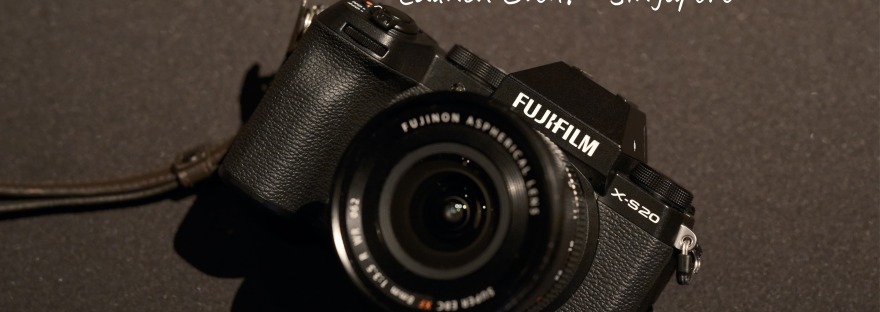
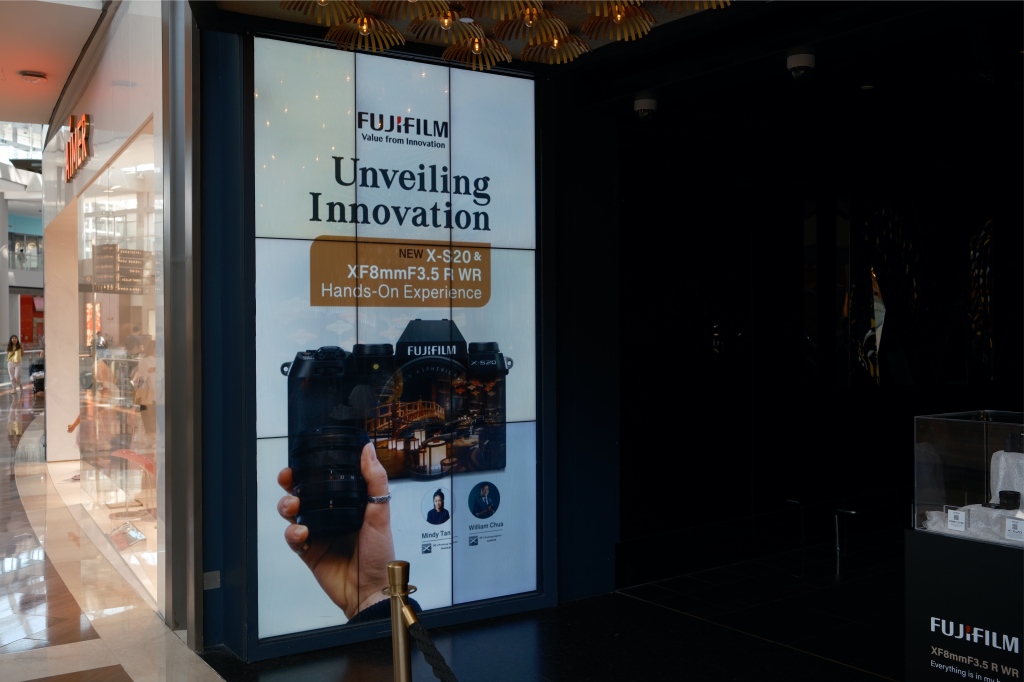
Fujifilm X-S20 and XF8mm f3.5 Launch Event – Singapore

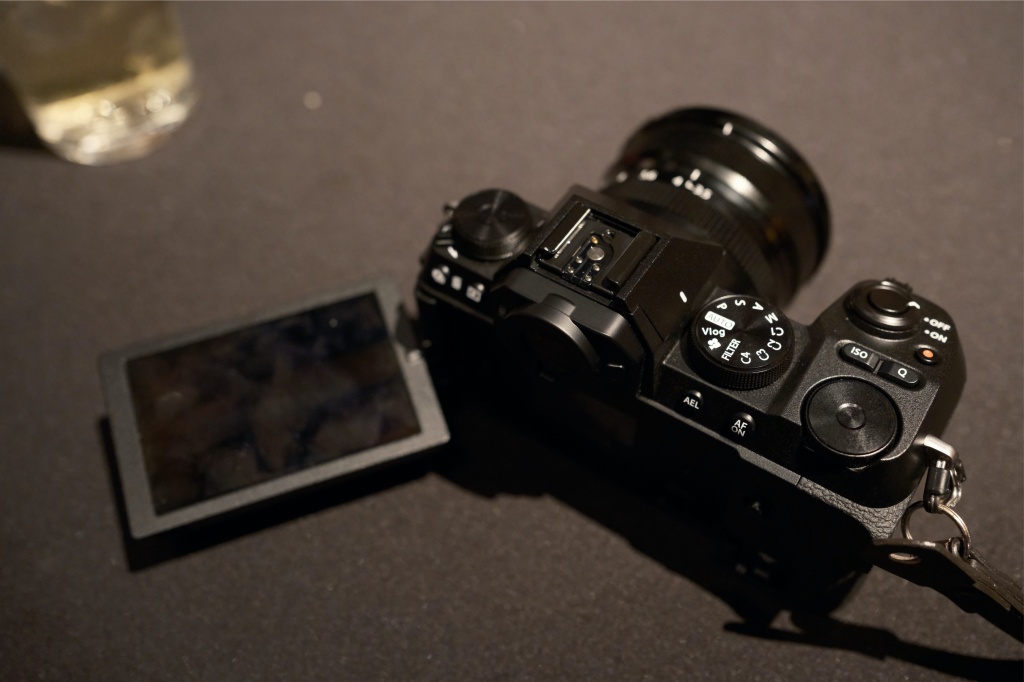
02 June is a public holiday, a day to celebrate Vesak Day, and it is also a day to witness the launch of Fujifilm X-S20 and XF8mm f3.5 in Singapore.

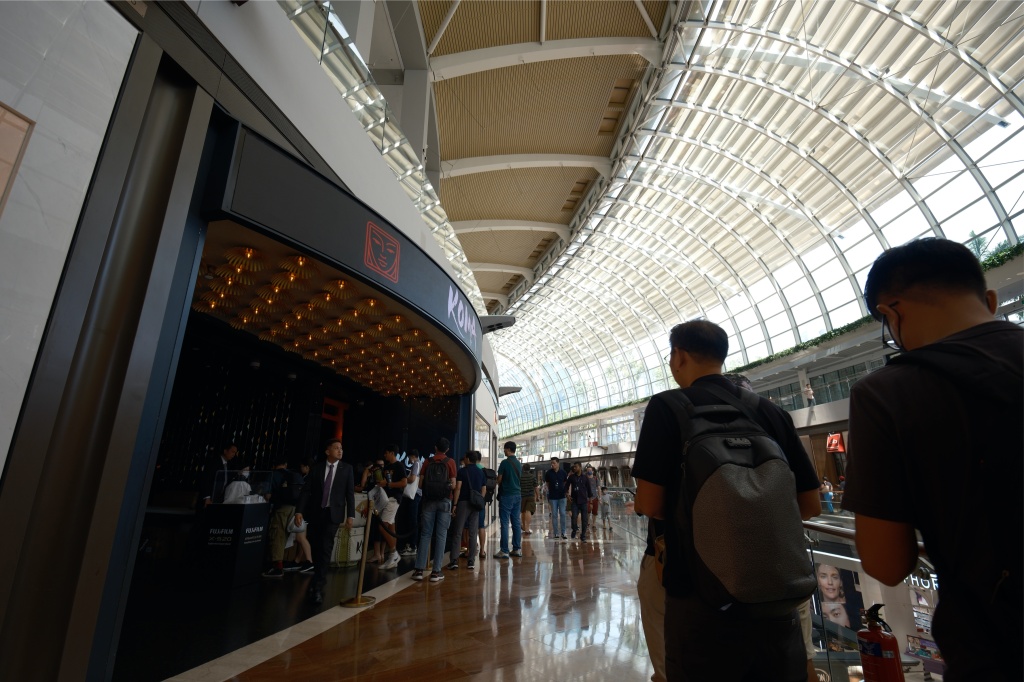
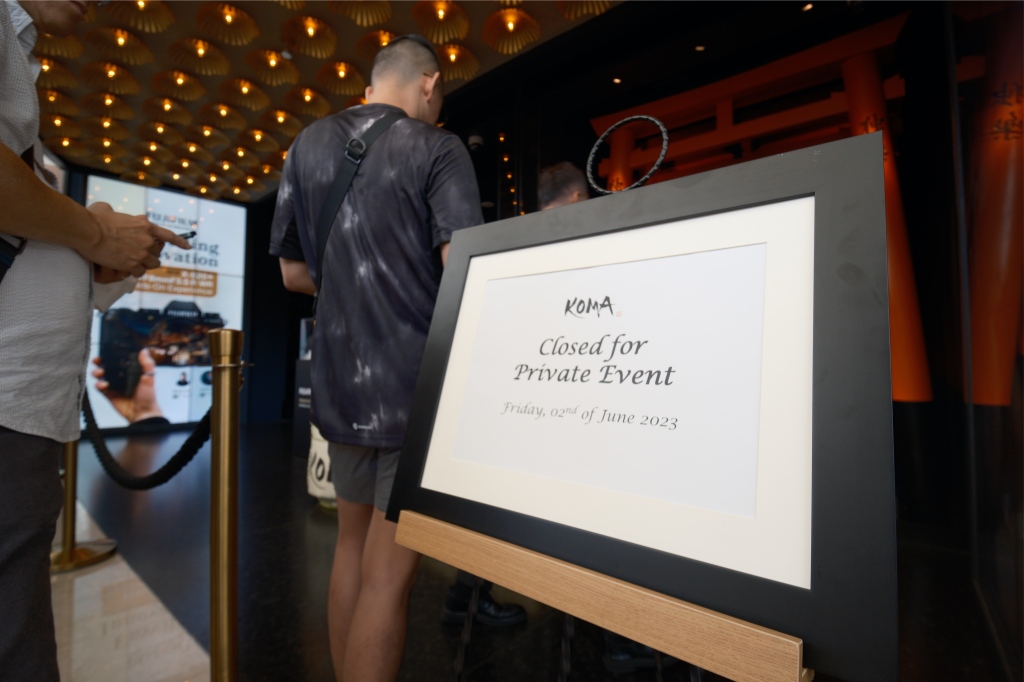
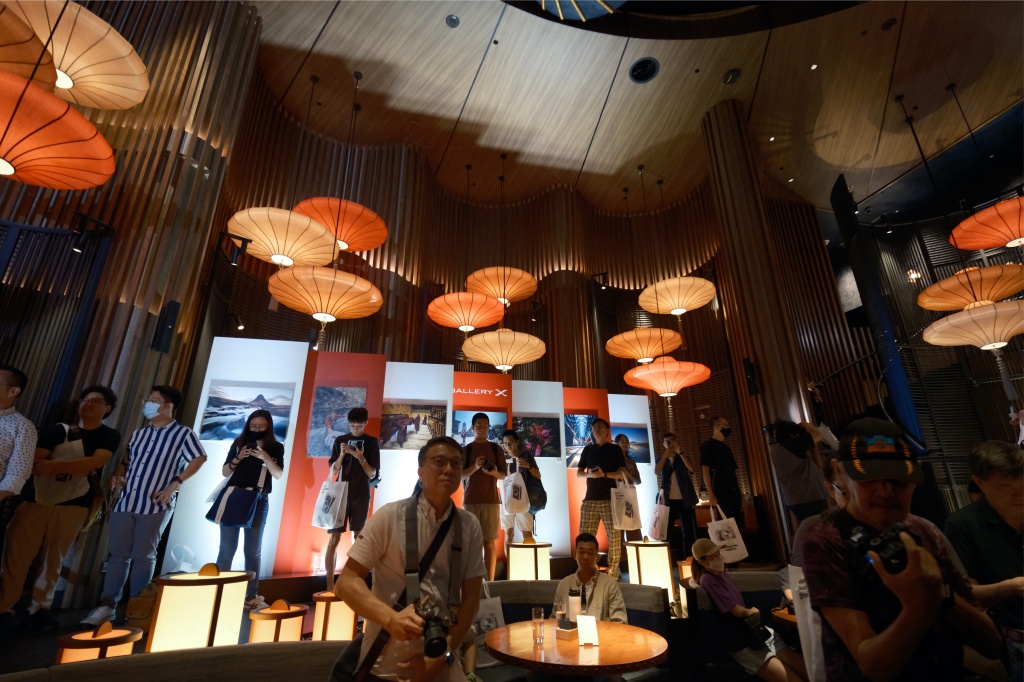
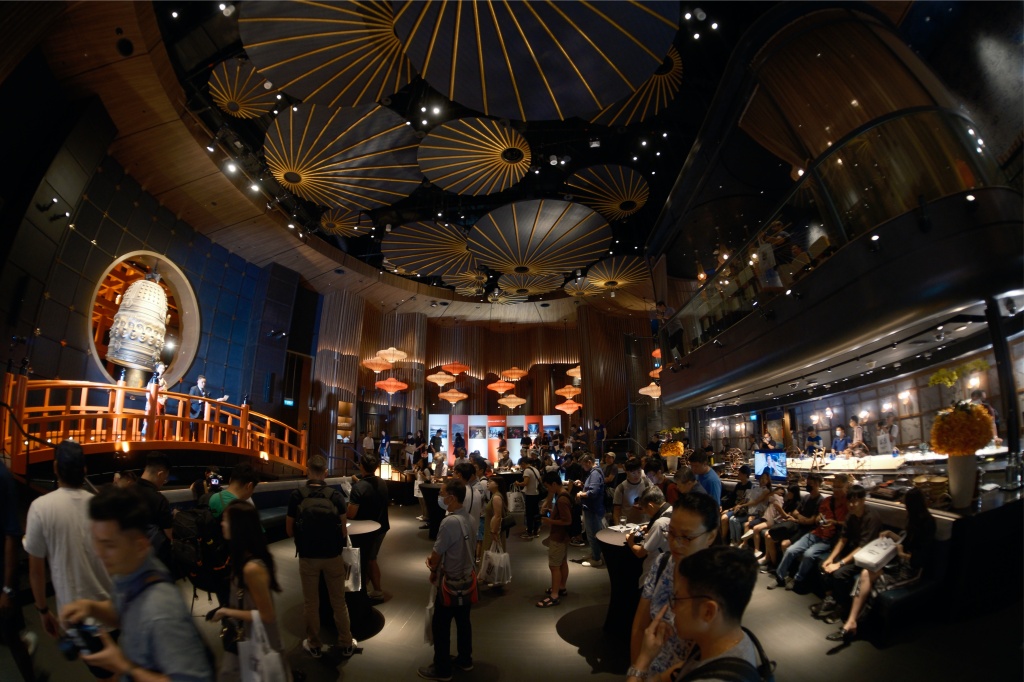
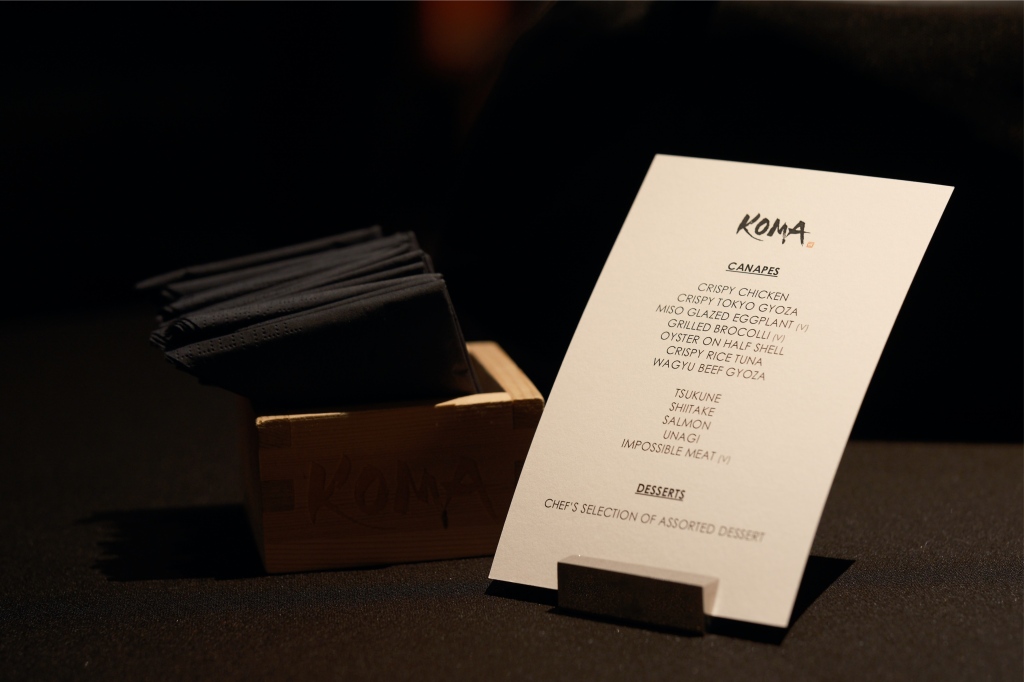
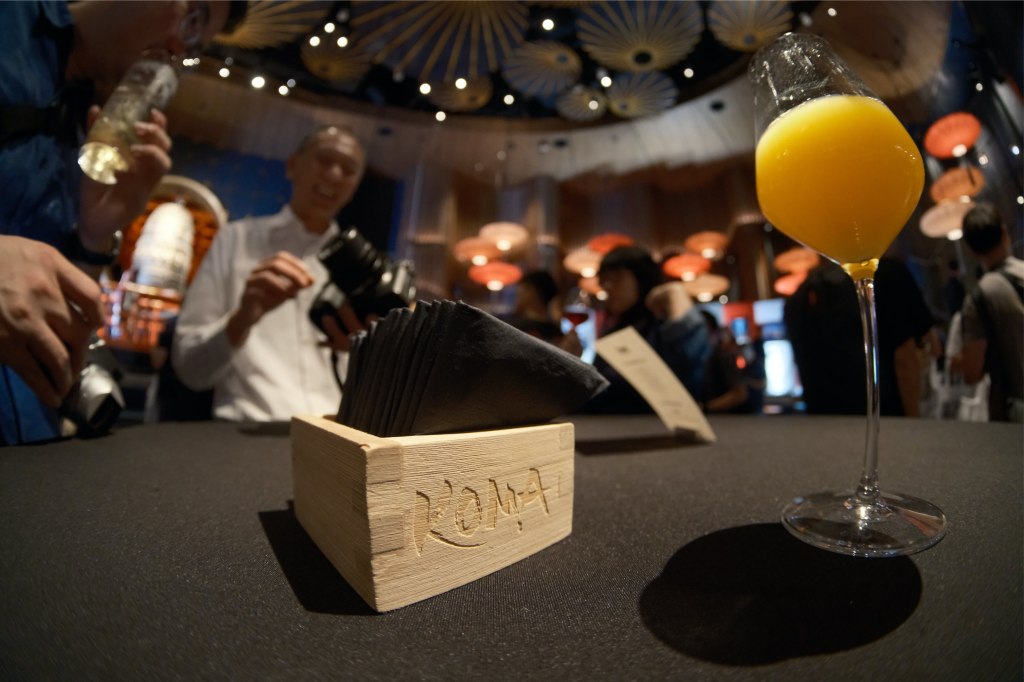
Last year, Fujifilm held the launch of the X-H2S at Monti At 1-Pavilion Italian Restaurant and Rooftop Bar. This year Fujifilm holds the launch event at KOMA at Marina Bay Sands.

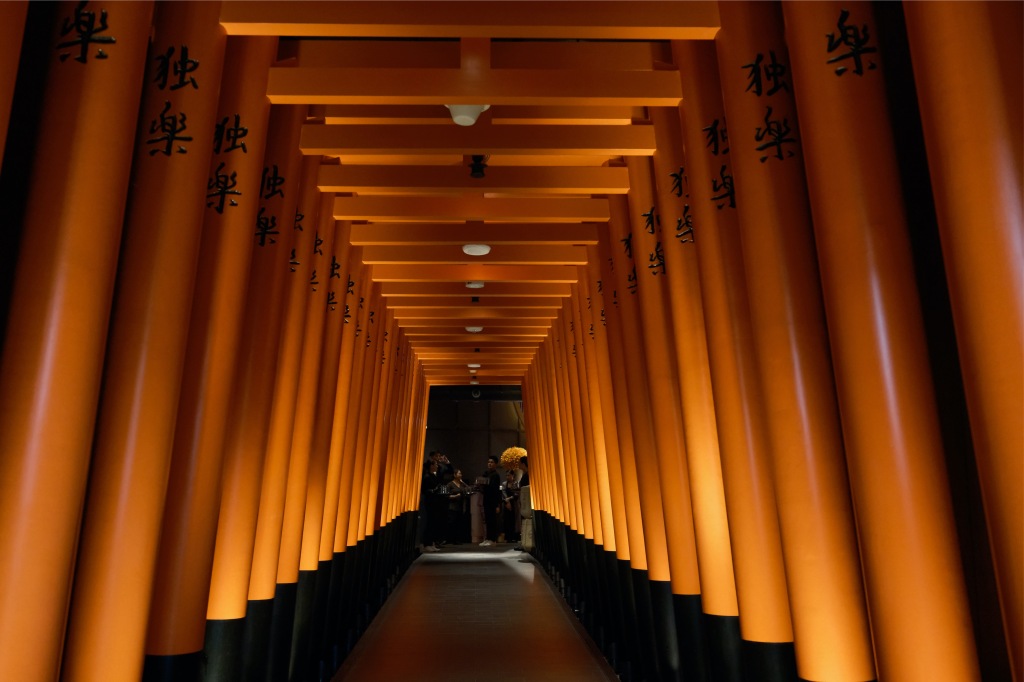
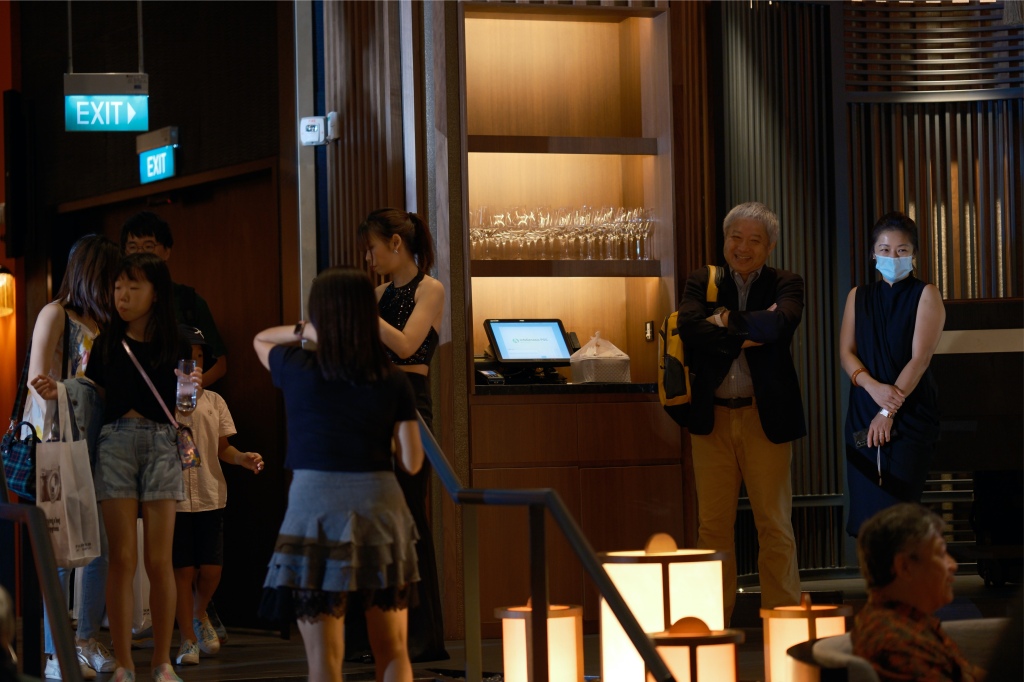
There was a long queue of guests waiting to get registered and enter the restaurant. There are some photographers who signed up for their camera sensor cleaning and will have to pass their cameras to the Fujifilm staff before entering the event.

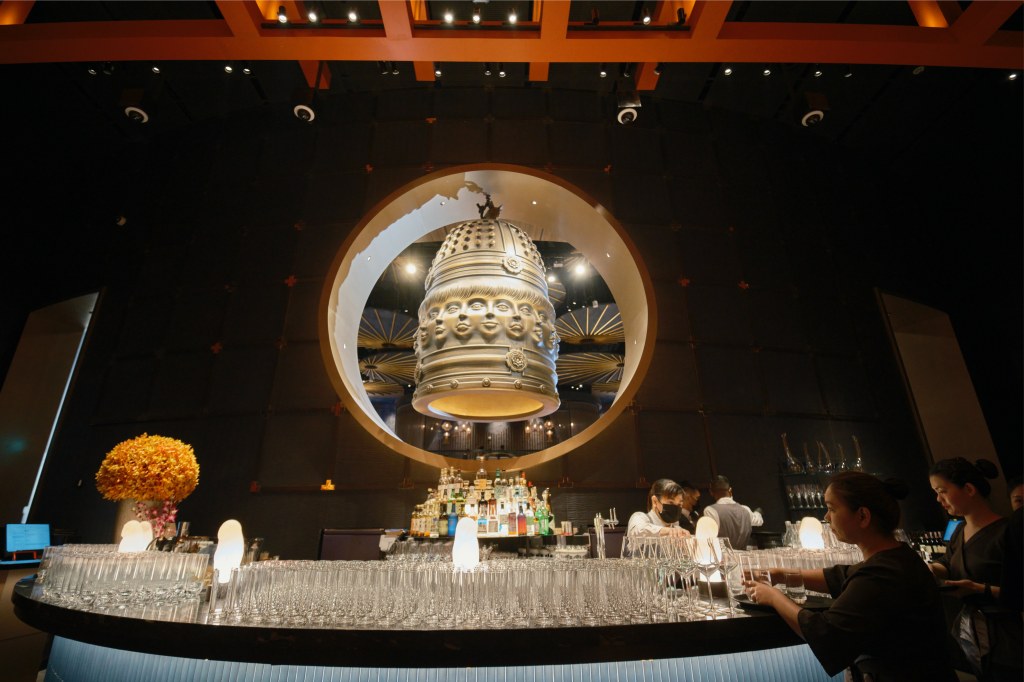
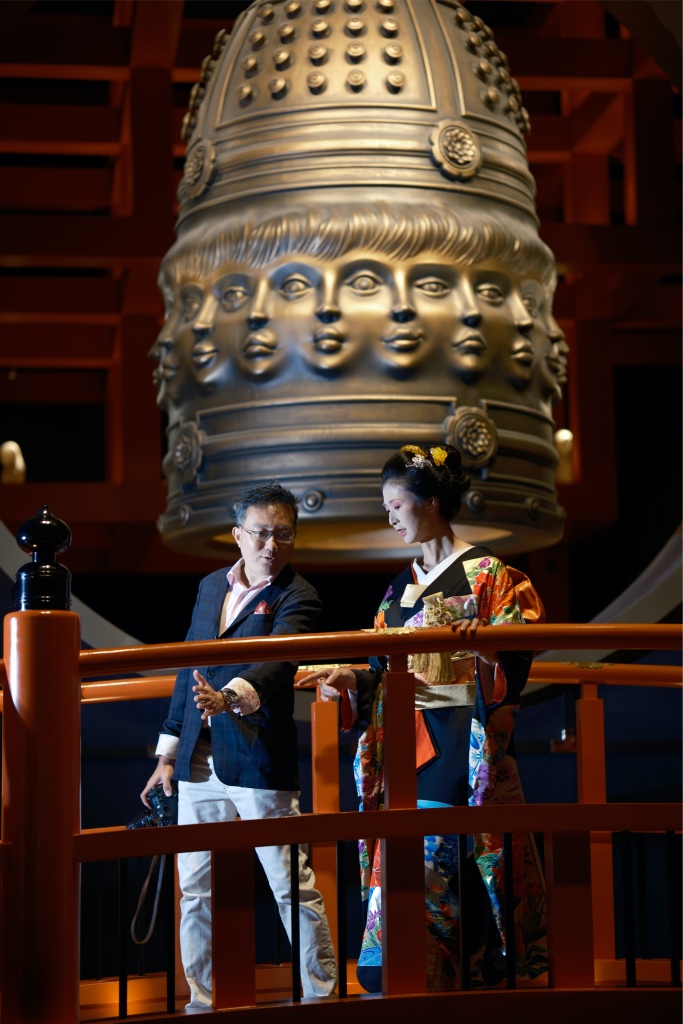
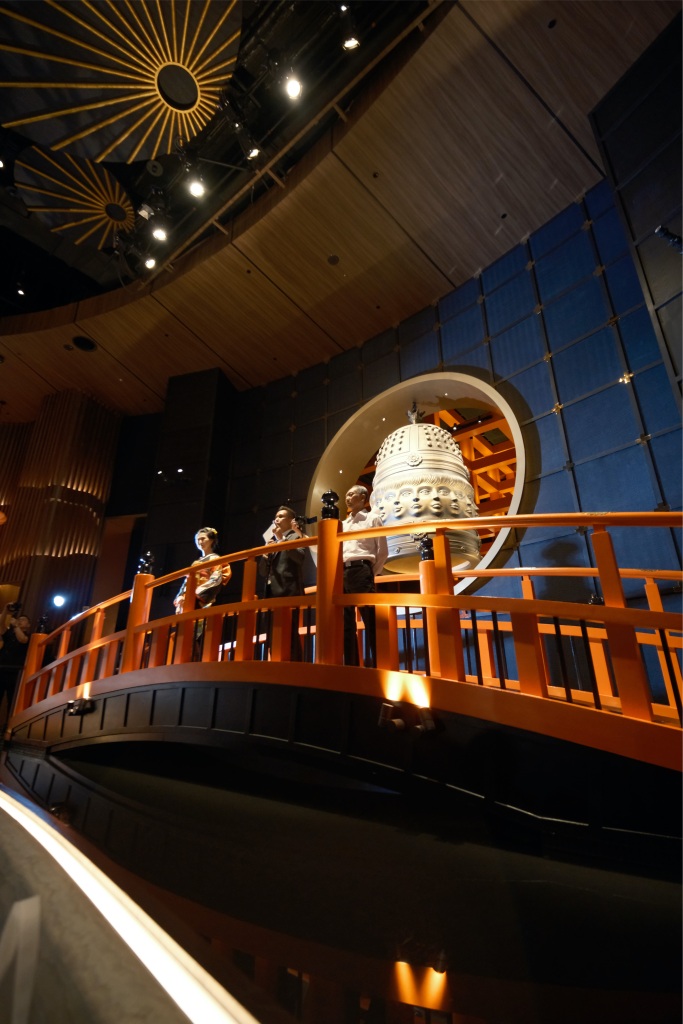
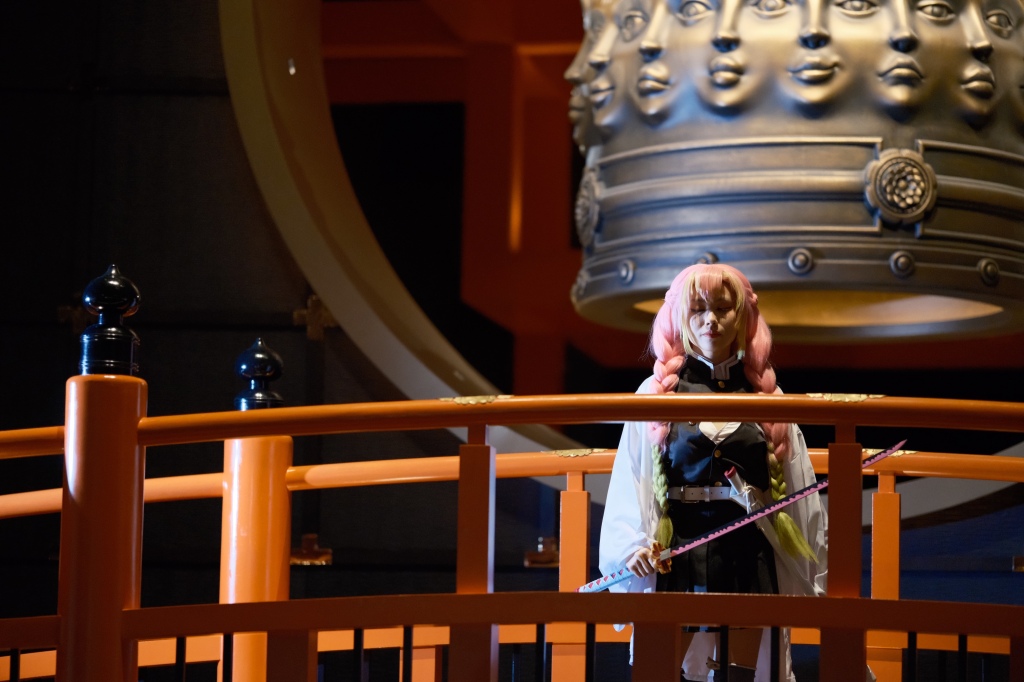
After walking past the torii, we are greeted by a big iconic bell of KOMA.

Iwata San and Mindy Tan, X-Photographer
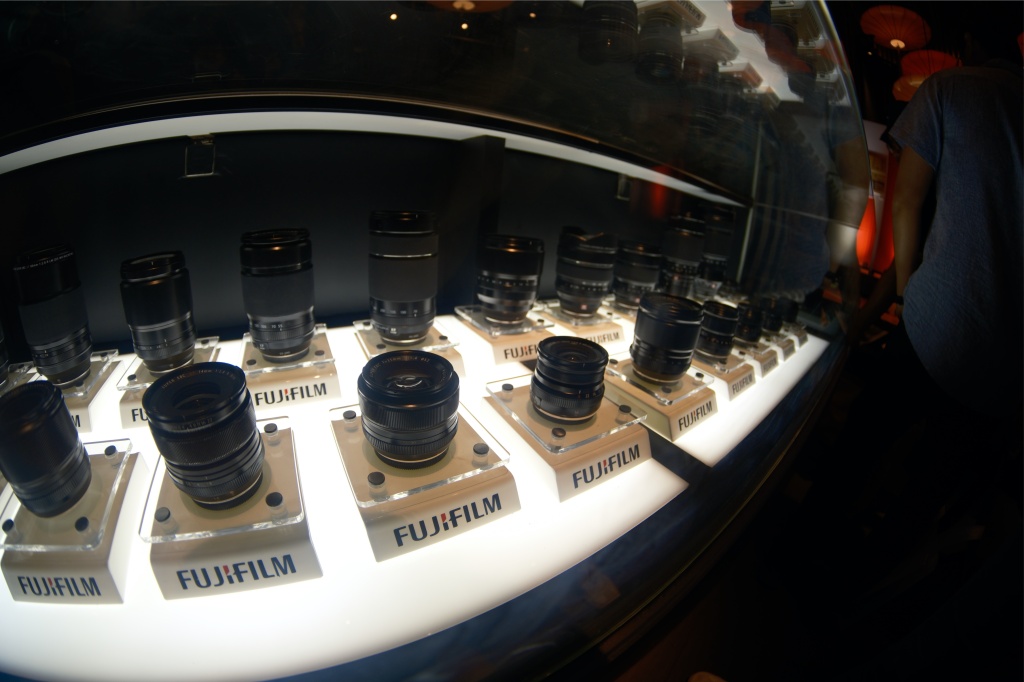
The X-Series Lenses

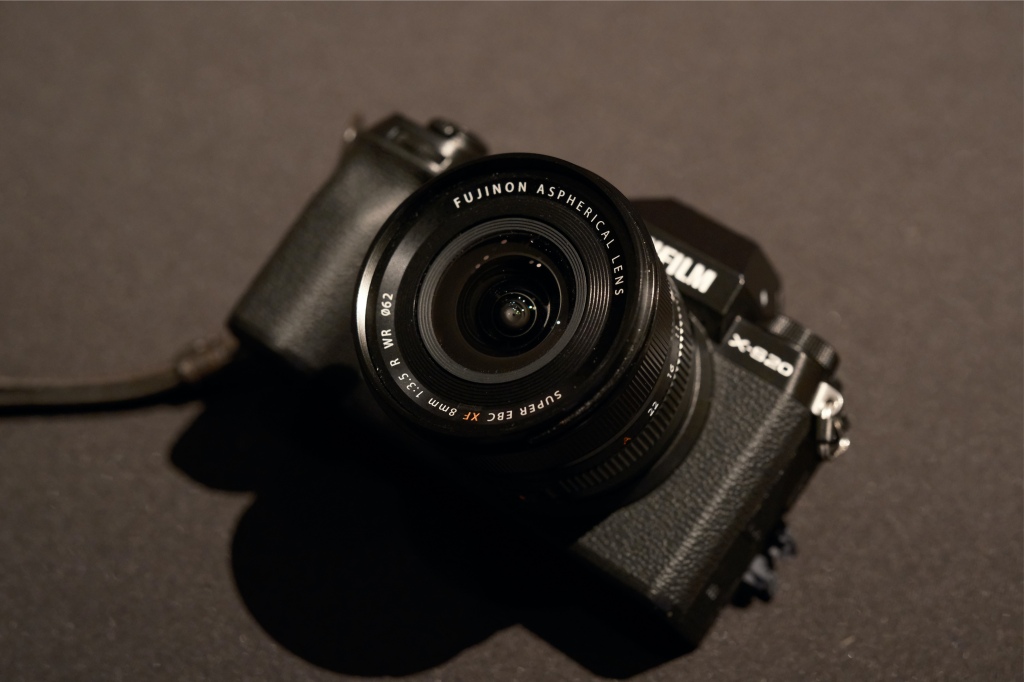
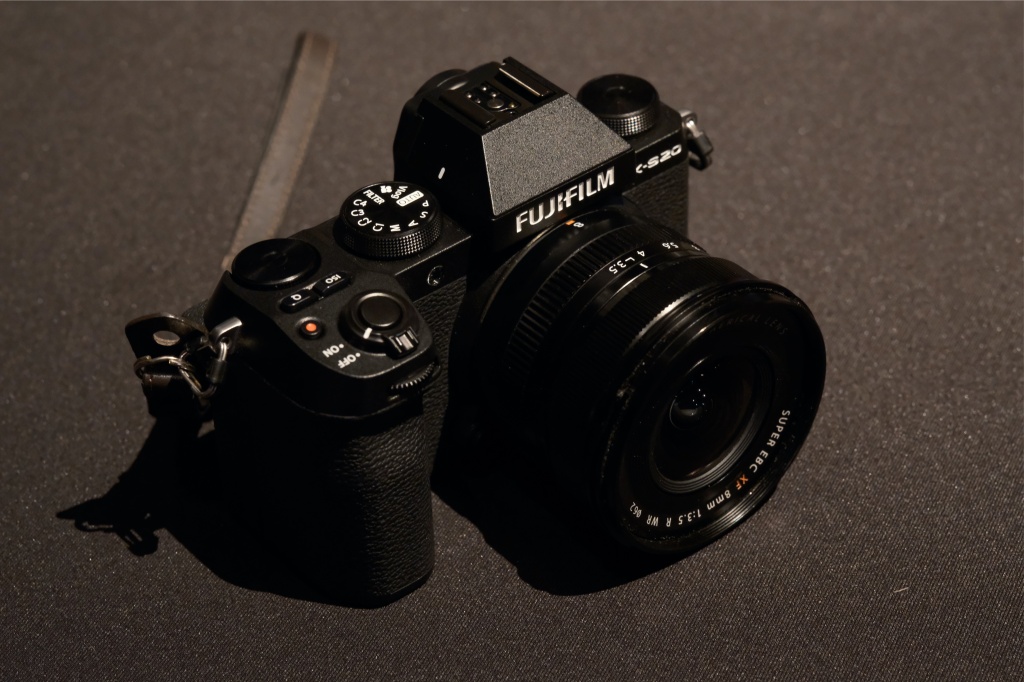
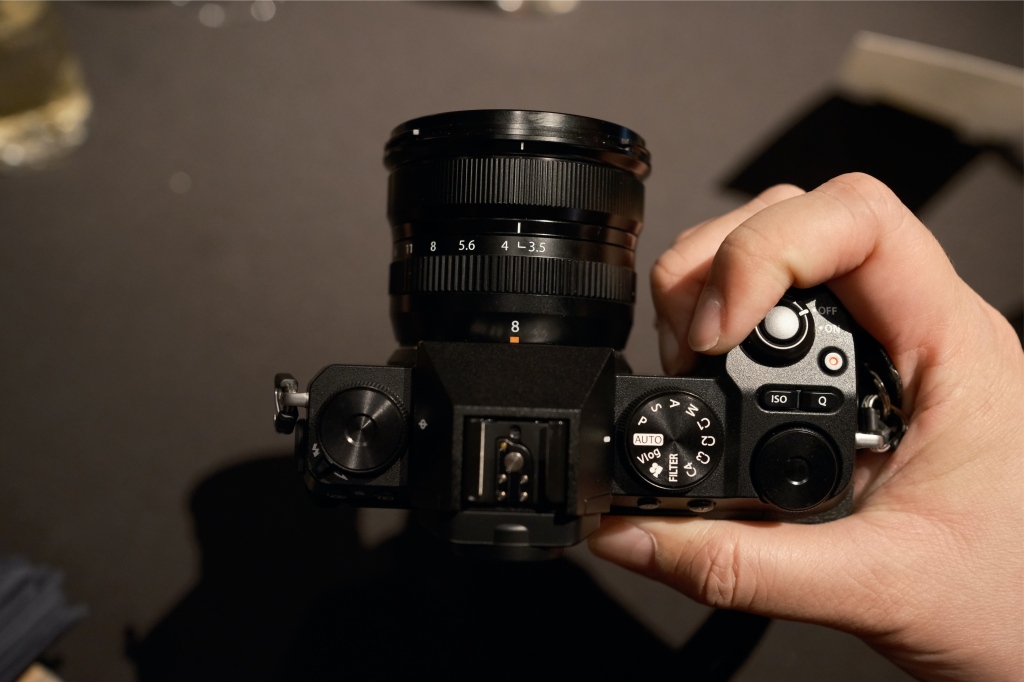
The X-S20 and XF8mm f3.5mm. Probably the best combo for vloggers.

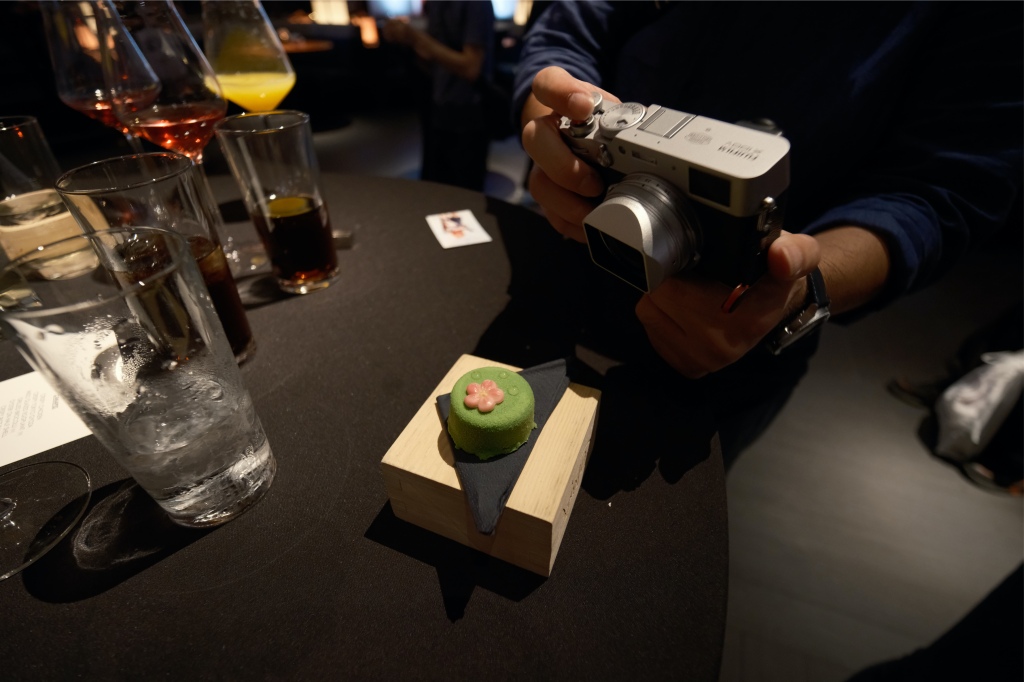
Not forgetting to take the food photography

Photo taken with X-S20
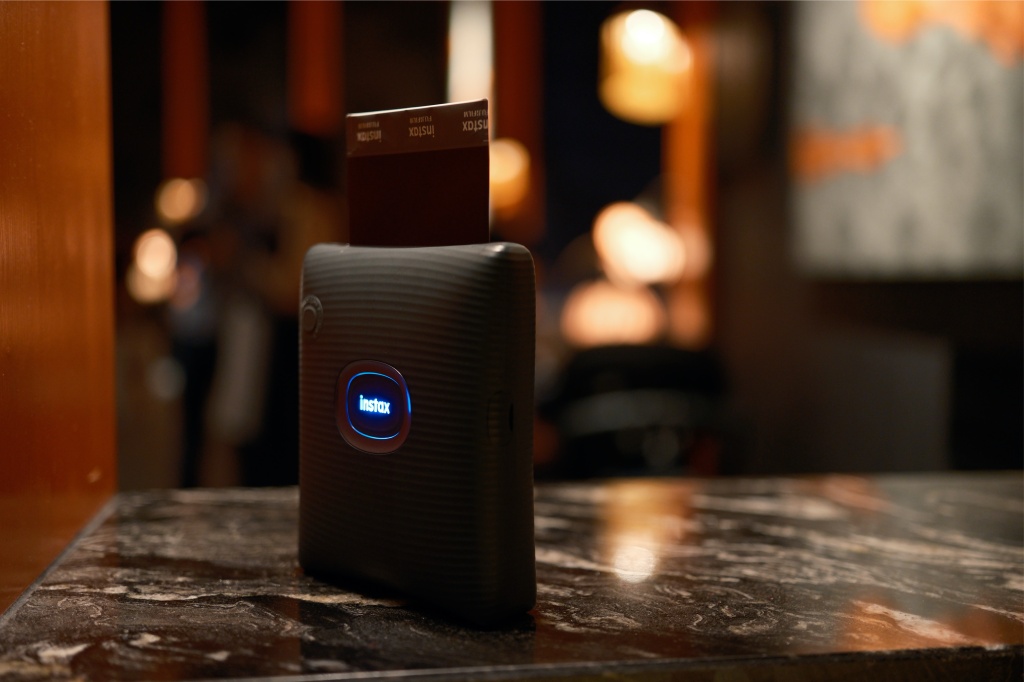
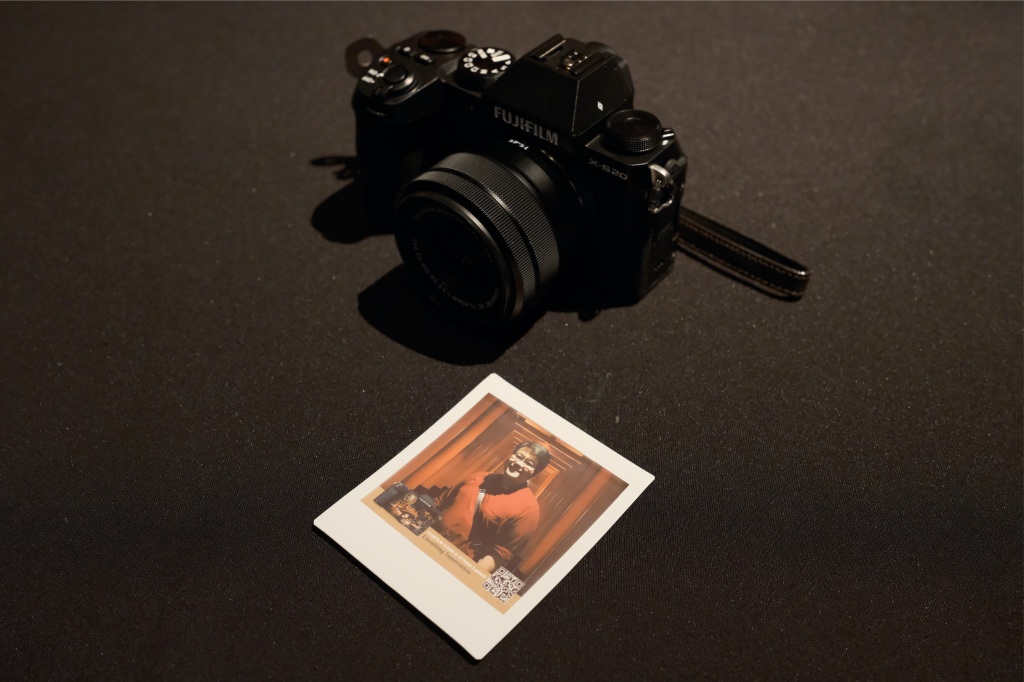
The Instax Link Printer!
And finally to have my photo taken and printed by the Instax Link Printer!

Thank you for reading.

Reviews

TTArtisan 40mm f2.8 – A Macro Lens For Street

I am lucky to have had the opportunity to test quite a fair amount of manual lenses but this is the second macro manual lens I have tested thus far. So testing a manual macro lens is still a new thing for me. Usually, I use a macro lens for 2 genres and that is product shots and portraits. It is because of the sharp optical glass and I am basically worry-free about the minimum focus distance limitation the lens has. Nonetheless, I am very excited to give this lens a spin.

Intro

On September 2021, TTArtisan announced its very first macro lens. It comes with various mounts such as L mount, m43, EOS-M, RF mount, Z mount, E mount, and X mount. At 60mm (in 35mm format equivalent), this is an uncommon focal length where we do not see many players in the market releasing something close, except for Fuji XF30mm f2.8.

Although this lens has been in the market for almost 20 months, I am glad that TTArtisan is willing to send me this lens for a hands-on. Without their support, this post will not become a reality.

In any case, this review is still my own opinion.

TTArtisan 40mm f2.8

Design and Build Quality

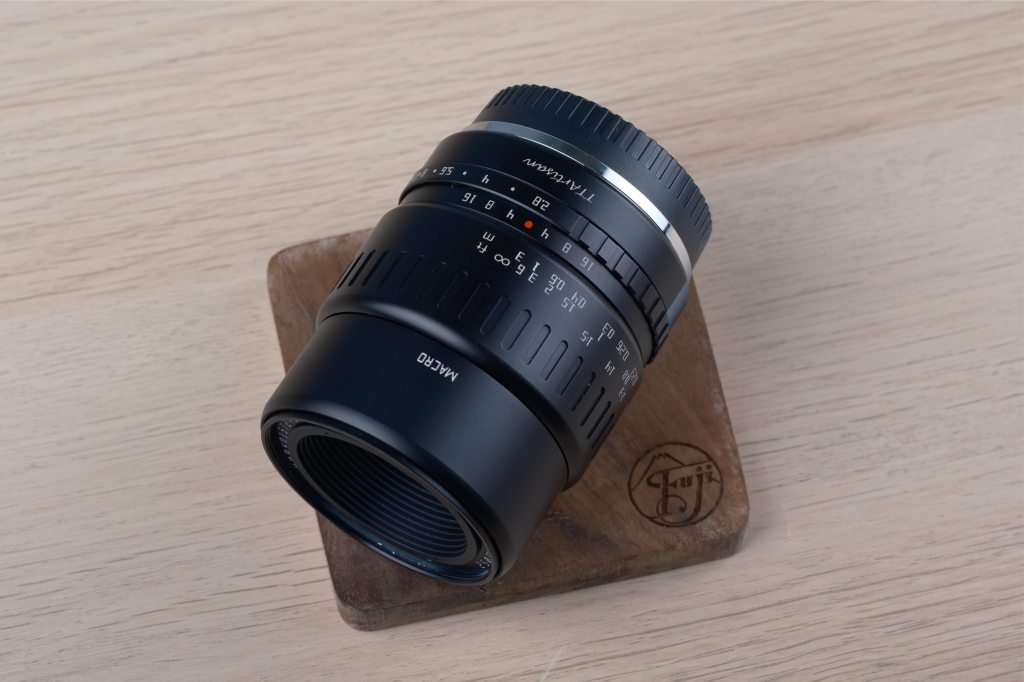
From the lens design, we can see how it has taken inspiration from their TTArtisan 23mm f1.4 and inspired their TTArtisan 35mm f0.95 and TTArtisan 50mm f0.95. They shared a lot of similarities lens design elements and yet we get to notice that each category has its own design characteristics.

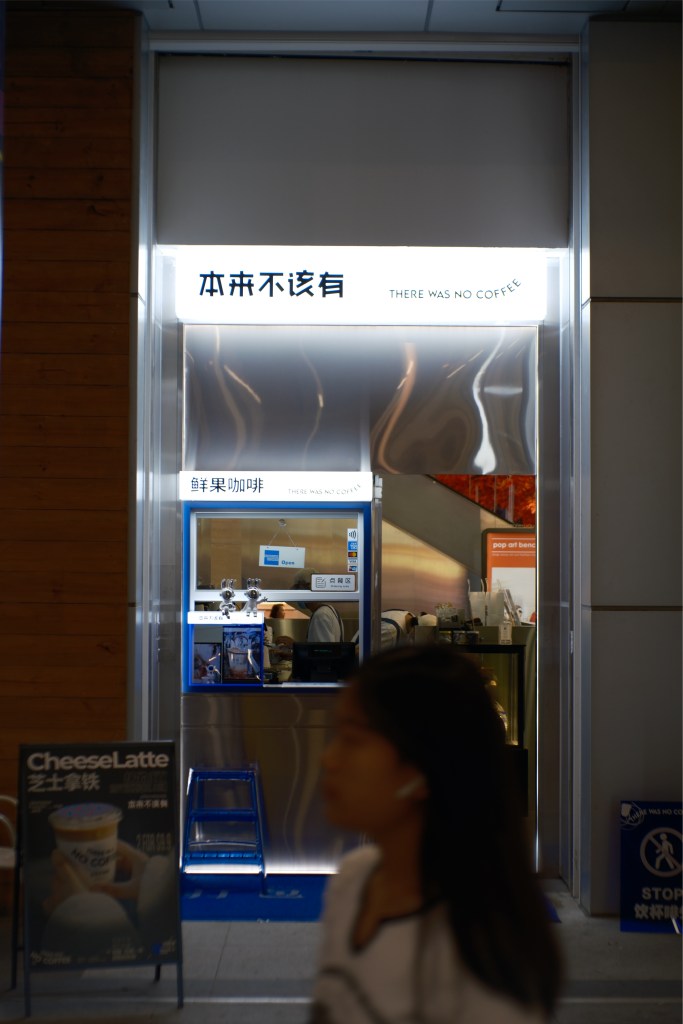
Fuji X-T5 . TTArtisan 40mm f2.8 @ 40mm . f2.8 .  1/100″ . ISO 125 . Nostalgic Negative

Having said that, this lens weighing 380 grams is good to hold. It has a very gentle clicky aperture ring and it also comes with an excellent damp but smooth manual focus ring. Some photographers might prefer a less damp, smoother manual focusing experience, but I think it is just fine as it also gives me a sense of better manual control for my shooting style.

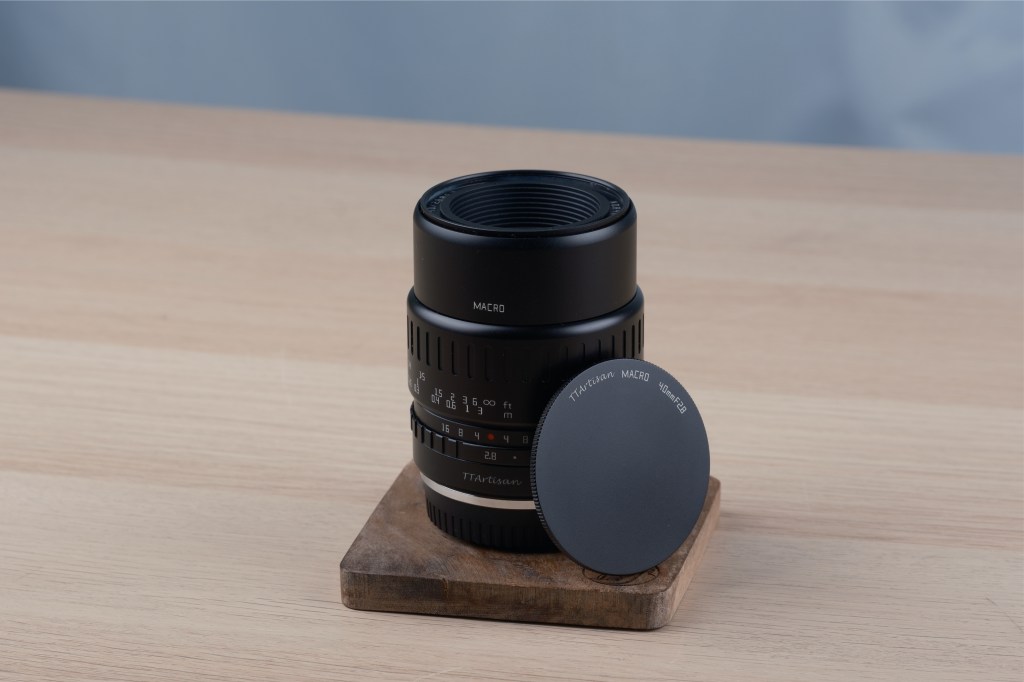
The 52mm filter-size lens has a screw-in type lens cap like most TTArtisan lenses.

Fuji X-T5 . TTArtisan 40mm f2.8 @ 40mm . f2.8 .  1/80″ . ISO 250 . Nostalgic Negative

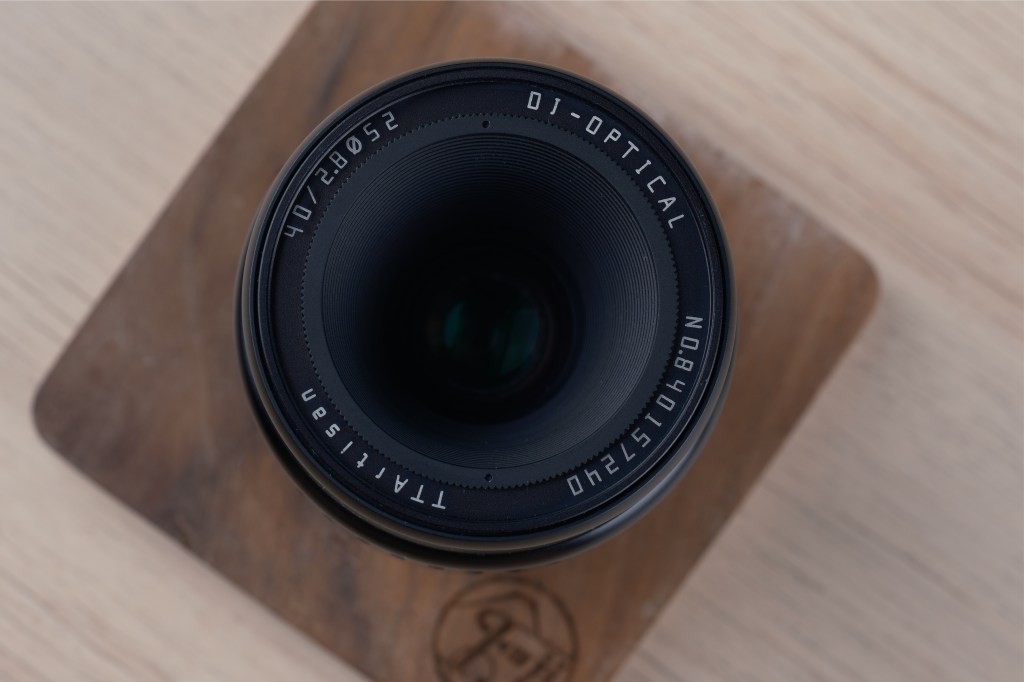
From the side view, it looks like a normal lens. But when you view it from the top, it has a unique lens barrel design where the front lens element is deeply recessed into the lens barrel. I have no idea why TTArtisan has such a design but it definitely stands out from the rest.

When the focus ring is at infinity, the lens is at its smallest compact look. But when we shoot at its Minimum Focus Distance, the lens is protruded approximately two third of its original length.

Fuji X-T5 . TTArtisan 40mm f2.8 @ 40mm . f2.8 .  1/850″ . ISO 125 . Nostalgic Negative

Image Quality

Unlike many other TTArtisans lenses where you need to stop down the aperture values to at least 1-2 stops to achieve decent sharpness, contrast, and details of photos taken. It has been a long time since I tested out a prime lens that I can truly use the images at wide-open (except for TTArtisan 25mm f2 and TTArtisan 50mm f2.)

At f2.8, I am amazed by the image quality. In most parts of the image, it has a good level of sharpness at the center and it does preserve some level of contrast but has decent enough details (not the best and not the worse either). As compared to most manual lenses, I am also amazed that the chromatic aberration is in good control.

But with all the praises, here comes the feedback. It has very strong vignetting and obvious softness at the corner. Of course, everything will be fine if you lower the aperture by 1 to 2 stops but that is not the point.

Another thing to note is that subject separation from the background is not as blurry as larger aperture values like f1.4 can do and most photographers know that. Also, it does not have a very seamless gentle fall-off between the main subject and others. Furthermore, depending on the background, the bokeh can be easily harsh.

As for the sunny star, it is not the sharpest one but not that bad.

Fuji X-T5 . TTArtisan 40mm f2.8 @ 40mm . f2.8 .  1/6″ . ISO 3200 . Nostalgic Negative

Focusing

The focusing from MFD to infinity is approximately 270 degrees and I think it gives a very good amount of “space” for nailing the shot but this amount of focus throw can be “troublesome” to some photographers who preferred to have a shorter focus throw.

Also similar to most manual lenses, it does not give a fully focused shot at infinity, we still need to rotate back a little to achieve the actual fully focused shot.

Minimum Focus Distance (MFD)

Although 17 cm MFD is not the closest I have tested, it is pretty decent for a macro lens. It still gives a very close-up tight shot of the subject and typically can cast a shadow on the subject.

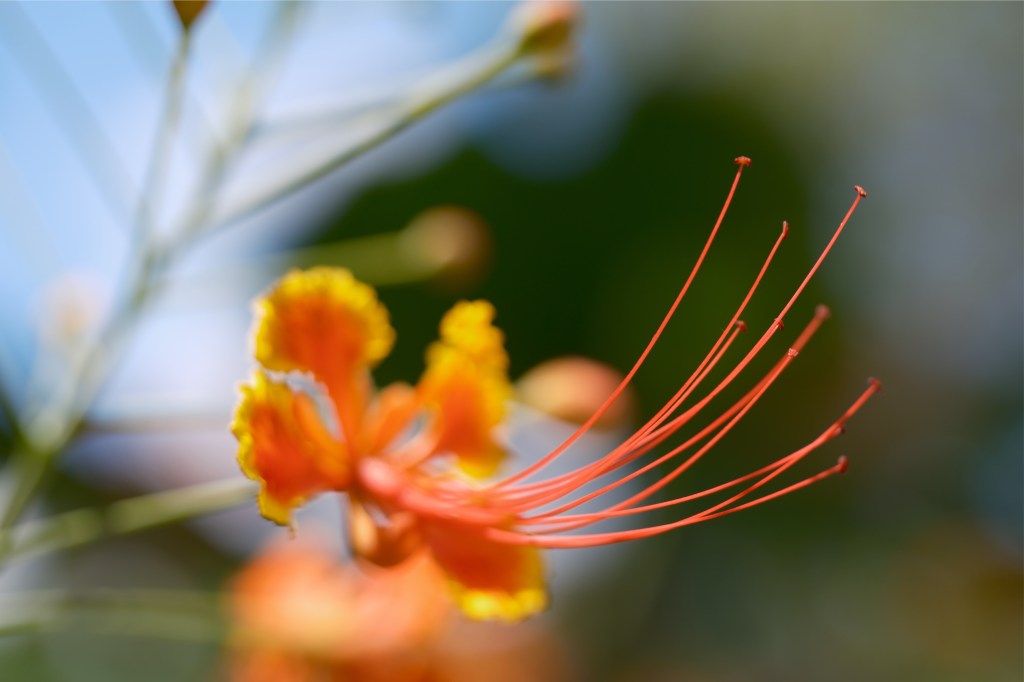
Fuji X-T5 . TTArtisan 40mm f2.8 @ 40mm . f2.8 .  1/160″ . ISO 2500 . Nostalgic Negative

Price Point

This lens is selling at an attractive price point. At 99 USD (or 94 USD under promotion), it is one of the most affordable macro lenses out there in the market. For reference, Fuji XF30mm f2.8 is 599 USD, Meike 60mm f2.8 is 190 USD, 7Artisan 60mm f2.8 is 139 USD, and Voigtlander Macro APO-Ultron 35mm f2 at 629 USD.

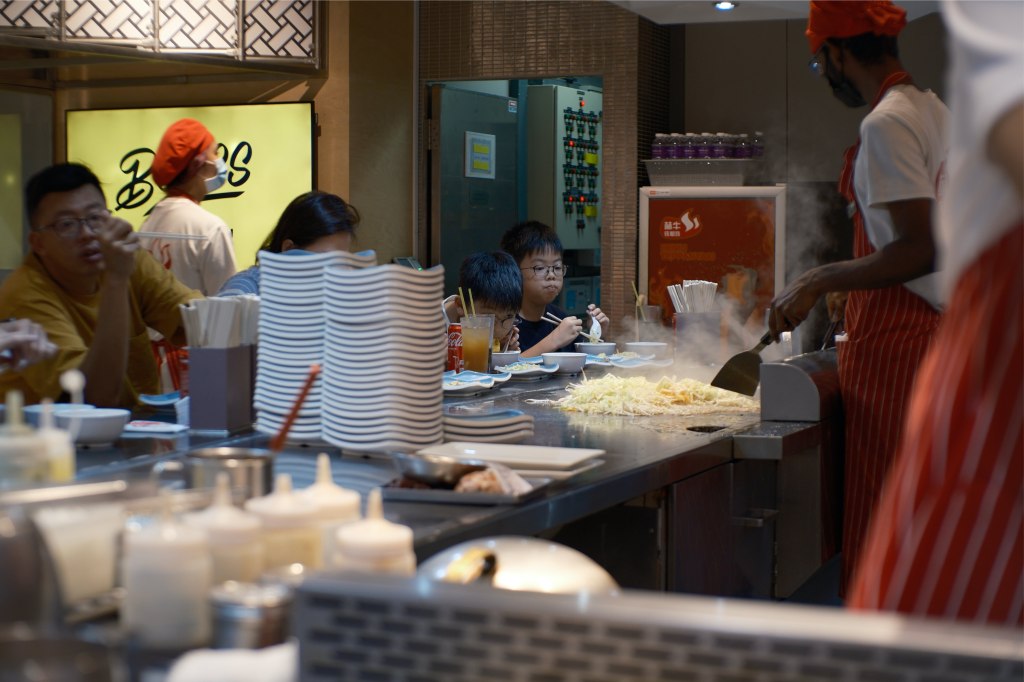
Fuji X-T5 . TTArtisan 40mm f2.8 @ 40mm . f2.8 .  1/80″ . ISO 1600 . Nostalgic Negative

Others

I notice that the white balance changed when I shot with different aperture values. But this could be a problem for lenses that do not come with electronic contact? Or this could be due to how the sensor “sees” from the lens and the processor changes according to the information given by the sensor? Anyway, I think this is less of a problem if the photographers are shooting in Raw. But if you are a straight-out-of-camera photographer, then do take note of it.

There is also some strong lens flare if the lens is pointing directly to the strong light source. So do take note of it too.

Fuji X-T5 . TTArtisan 40mm f2.8 @ 40mm . f2.8 .  1/56″ . ISO 3200 . Nostalgic Negative

Who is this for?

I don’t know how well is this lens for insect photographers to shoot but I can say that this lens is very comfortable for landscape, street, food, and product shoots. For portrait, journalist, and documentary photographers, I will leave it for you to decide as it’s a manual lens and its focus throw is huge. You might miss the shots by the time you nailed the focus.

Conclusion

This lens is compact and I am very comfortable using this lens for the street. While the protruding front lens element can be quite a disturbing factor to me and the image quality at wide open is not the best among the macro lens category, I can give in to the focal length, compactness, and price point. All in all, it is easily a good macro lens for photographers to own and attempt to do macro shots, especially for photographers who do not have a macro lens.

Fuji X-T5 . TTArtisan 40mm f2.8 @ 40mm . f2.8 .  1/80″ . ISO 400 . Nostalgic Negative
Fuji X-T5 . TTArtisan 40mm f2.8 @ 40mm . f2.8 .  1/80″ . ISO 250 . Nostalgic Negative

Thank you for reading.

Disclaimer:
1. All the shots taken here are shot by me.
2. Most of the shots are straight out of the camera with some shots edited via In-Camera Raw Processing and Capture One 2023.

3. The opinions are based on my experience. If there is any mistake, please kindly drop me a message and I will gladly make the amendment.
4. I reserve ownership of these images, if you wish to use my images, please notify me.

If you like my works, please follow me on either one of the 2 Instagram accounts:

https://www.instagram.com/alwinkok_

https://www.instagram.com/alwin.portraits

If you have a Facebook account, feel free to join Fujifanboys FB group.

If you like my content and you want to show some support and keep this blog alive, you can buy me a coffee here.

Reviews

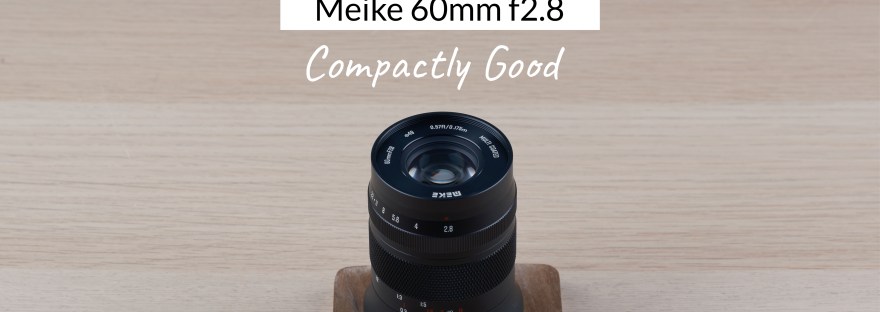
Meike 60mm f2.8 – Compactly Good

Since my DSLR era, I have had a soft spot for macro lenses. Not because I love to shoot insects or flowers, but because I love to use them for product shoots. Till today, I am still using a macro lens for most of the product shoots in this blog.

Intro

The Meike 60mm f2.8 was announced in early March 2023. In case one wonders, this is Hong Kong-based manufacturer’s first-ever attempt to build a manual macro lens. So how well it works? Let’s find out.

Before I proceed, I would like to thank Meike for sending me this lens for review. Like other posts, the review of this lens is based on my true opinion.

Meike 60mm f2.8

Design and Build Quality

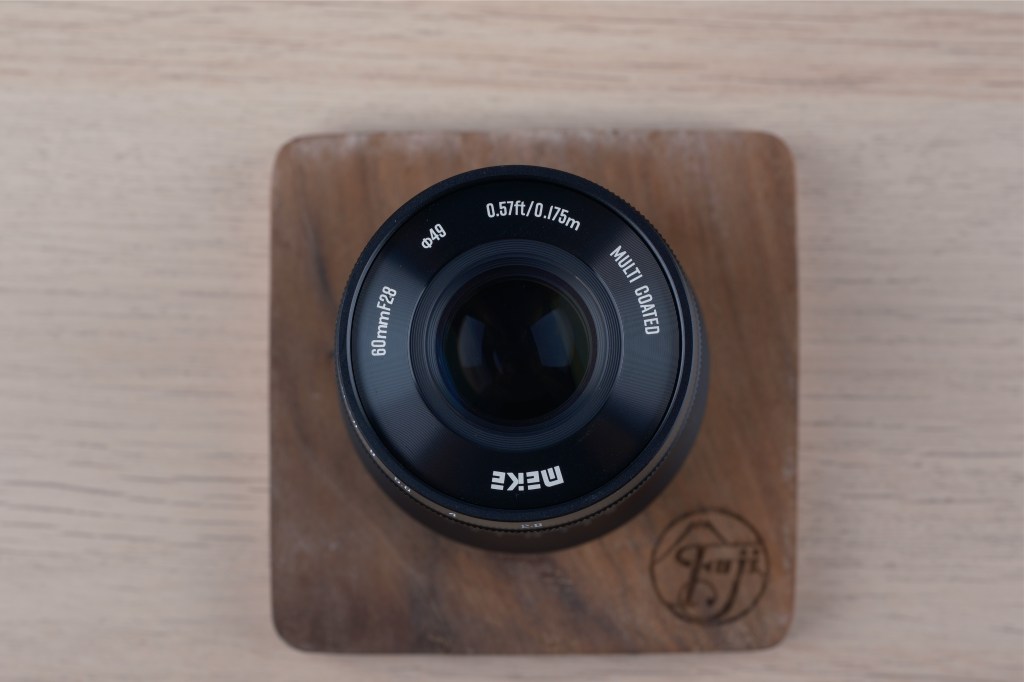
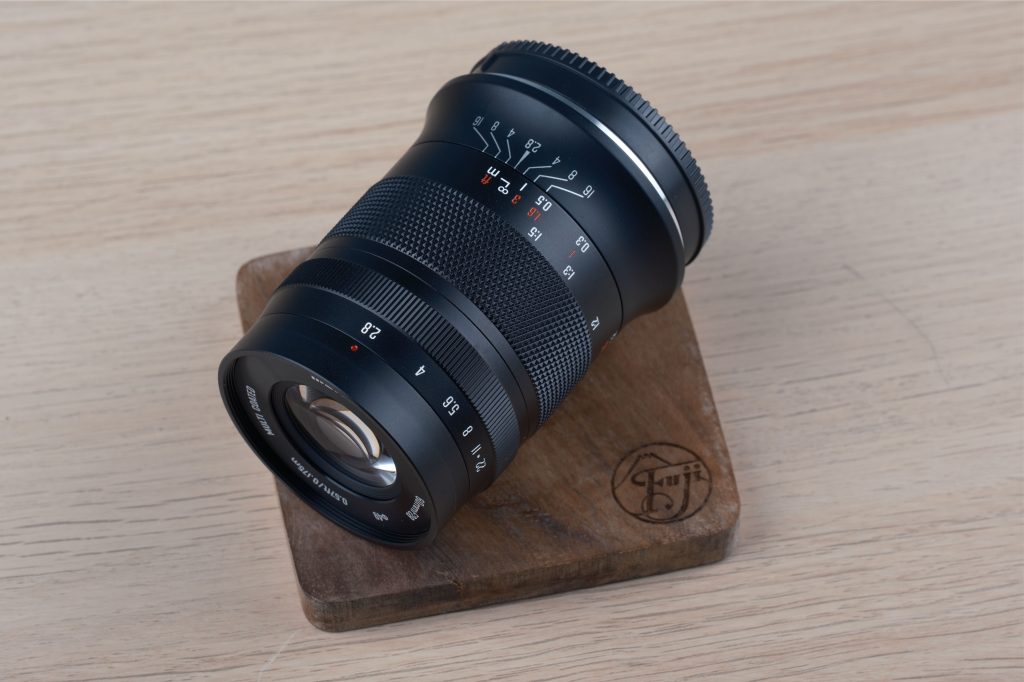
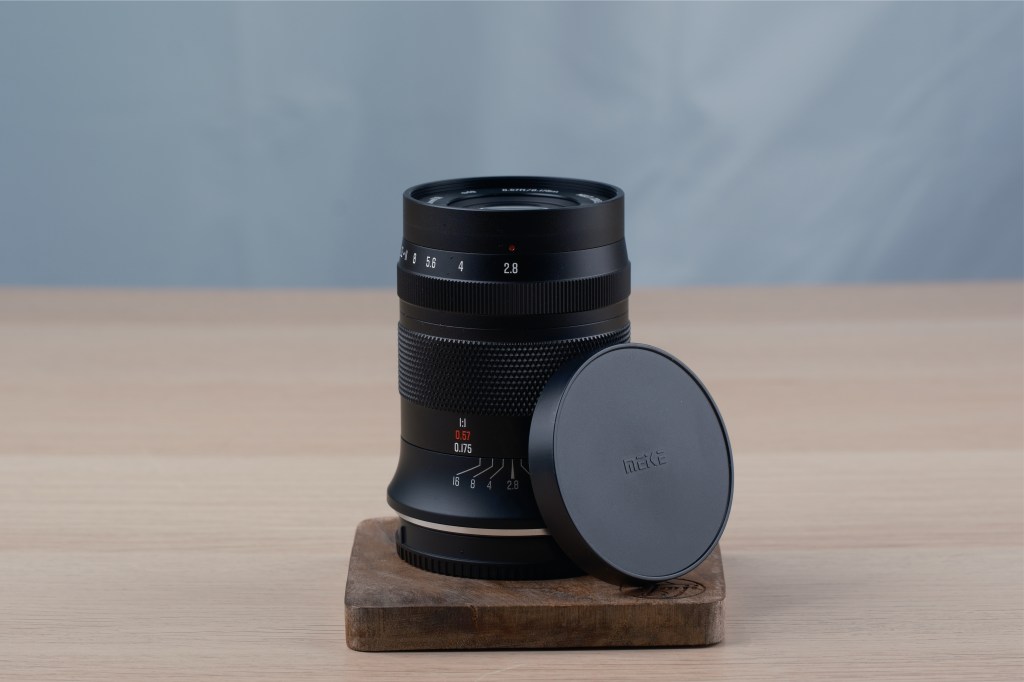
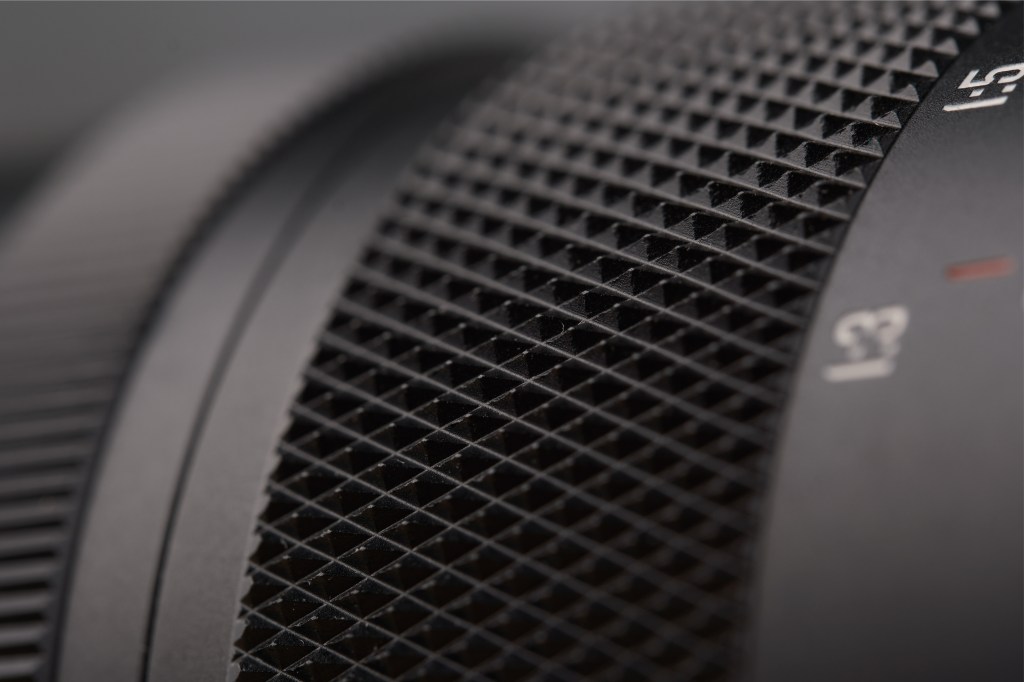
This 300 grams lens is nicely built with quality. But the first thing I notice with the lens is the lens design. It is greatly inspired by the design of Canon RF-S lenses (maybe there are other manufacturers with similar designs too, please let me know as I would like to know it too, thanks in advance). The focus ring has a similar texture design to the one found in the RF-S aperture ring and I quite love the texture when I touch it with my fingertips. The rotating of the focus ring is smooth with little dampness/friction.

Fuji X-T5 . Meike 60mm f2.8 @ 60mm . f2.8 . 1/100″ . ISO 125 . Nostalgic Negative

The next thing I would like to talk about is the aperture ring. This 90mm (in full frame equitant) has a smooth, clickless ring, and I believe videographers will love it. I am okay with it but I do miss the clicky experience. It gives me some sense of which aperture I am at now (after all, the lens does not have any electronic contact to provide the metadata to the camera body).

Fuji X-T5 . Meike 60mm f2.8 @ 60mm . f2.8 . 1/80″ . ISO 500 . Nostalgic Negative

Oh yes, this 49mm filter-size lens feels great on hand.

Image Quality

When comes to macro lenses, I set my expectation a little higher than prime lenses. Typically, the results from the glass tend to produce much sharper, more contrasty, and more detailed images.

Fuji X-T5 . Meike 60mm f2.8 @ 60mm . f2.8 . 1/80″ . ISO 160 . Nostalgic Negative

This lens does not disappoint me. Although the image quality level is slightly below the XF80mm and XF30mm, it still has very good sharpness and contrast at wide open. But I also notice that the sharpness isn’t that great at the extreme corners. In short, the image is totally usable.

Another surprise to me is that it has good chromatic aberration control but I do observe mild vignetting. At least there is one less thing to take care of in post-processing.

Fuji X-T5 . Meike 60mm f2.8 @ 60mm . f2.8 . 1/80″ . ISO 800 . Nostalgic Negative

The background blur surprisingly renders quite well too. At least the fall-off between the subject and the foreground/background is comfortable to my eyes.

If there are some readers who wonder, the sunny star result is also a sharp one too.

Fuji X-T5 . Meike 60mm f2.8 @ 60mm . f22 . 1/320″ . ISO 3200 . Nostalgic Negative

Focusing

Similar to Meike 35mm f0.95, it also has the problem of having off-focus results when I shoot at the infinity mark. So the right infinity shot is somewhere the infinity symbol is.

But there is something I observed for my test unit. If I shoot on a subject that is somewhere between 3 meters marking and infinity marking, I have a little hard time nailing the shot right. The focus on the subject is like either undershoot or overshoot. I have to rotate the focus ring really slowly to get it right. It could be my focus peaking issue or my technic is wrong.

Fuji X-T5 . Meike 60mm f2.8 @ 60mm . f2.8 . 1/200″ . ISO 125 . Nostalgic Negative

Minimum Focus Distance (MOD)

At MOD of 17.5 cm, this lens delivers true 1:1 magnification. Having said that, it has various magnifications throughout its focusing distance.

Fuji X-T5 . Meike 60mm f2.8 @ 60mm . f2.8 . 1/950″ . ISO 125 . Nostalgic Negative

Because there are various magnifications throughout its focusing distance, you might get the illusion that there is lens breathing or “zooming” going on.

Fuji X-T5 . Meike 60mm f2.8 @ 60mm . f2.8 . 1/105″ . ISO 125 . Nostalgic Negative

Price Point

At 190 USD, I think it is a very good price point for photographers who want to attempt to get an experience of what a macro lens can do but do not mind having to do with manual focusing. And of course, it is a lot cheaper than the autofocus macro lenses.

Fuji X-T5 . Meike 60mm f2.8 @ 60mm . f2.8 . 1/320″ . ISO 125 . Nostalgic Negative

Others

Something worth noting (but probably not for some readers): the lens is internal focusing, which means that the lens does not protrude or any movement when we rotate the focus ring back and forth.

Secondly, there is an obvious white balance change with the change in aperture value. This is similar to what I observed with the Meike 35mm f0.95. So again, it might be my camera setting. If you are shooting raw, then you have nothing much to worry about. You can always post-process it. If you are a Straight-Out-Of-Camera photographer, then you probably have to take note of it.

Fuji X-T5 . Meike 60mm f2.8 @ 60mm . f2.8 . 1/350″ . ISO 125 . Nostalgic Negative

Who is this for?

As I mentioned earlier, I think the price of this lens is very well priced and it gives photographers a good chance to experience the macro lens and its macro capabilities.

Fuji X-T5 . Meike 60mm f2.8 @ 60mm . f2.8 . 1/80″ . ISO 640 . Nostalgic Negative

But that does not mean that a macro lens is limited to only macro photography. I find the focal length is very suitable for street (depending on the kind of street photography you are in), portrait, product shoots, and possibly journalist photography.

Conclusion

Despite being the first macro lens from Meike, they have done a good job with this lens. To summarize my thoughts, the lens design is very modernized and beautiful. Besides that, the lens build quality and image quality is nothing to shout about.

Fuji X-T5 . Meike 60mm f2.8 @ 60mm . f2.8 . 1/80″ . ISO 1250 . Nostalgic Negative

One last thing that I like about it is its size and weight. It is practically able to carry around more easily than the XF80mm. After all, the Meike 60mm is much shorter and weighs much lighter than the XF80mm (750 grams).

Fuji X-T5 . Meike 60mm f2.8 @ 60mm . f11 . 1/125″ . ISO 125 . Nostalgic Negative

All in all, I feel that this lens is a great attempt for Meike.

Thank you for reading.

Disclaimer:
1. All the shots taken here are shot by me.
2. Most of the shots are straight out of the camera with some shots edited via In-Camera Raw Processing and Capture One 2023.

3. The opinions are based on my experience. If there is any mistake, please kindly drop me a message and I will gladly make the amendment.
4. I reserve ownership of these images, if you wish to use my images, please notify me.

If you like my works, please follow me on either one of the 2 Instagram accounts:

https://www.instagram.com/alwinkok_

https://www.instagram.com/alwin.portraits

If you have a Facebook account, feel free to join Fujifanboys FB group.

If you like my content and you want to show some support and keep this blog alive, you can buy me a coffee here.

Discussion

The Not So Serious Comparision: XF 18-55mm VS Sigma 18-50mm

As the title suggests, please take this comparison with a pinch of salt. It’s just for fun and nothing too technical to share and discuss. This is something I did not try before but there is always a first time.

First thing first, why compare these 2 lenses? My reason is simple. They are approximately the same size and same price range (approximately 150 USD different) for brand new. Some might suggest why not compare the Sigma 18-50mm with the XF 16-55mm instead. In my opinion, they are not the same size and you can buy 2 of the Sigma 18-50mm lenses and have some cash left. To cut things short, they are in a different league.

Here we go.

Left: Sigma 18-50mm f2.8 @ f2.8. Right: XF 18-55mm f2.8 – 4 @ f2.8. Shoot at approximately 50 cm. Both at 18mm.
Left: Sigma 18-50mm f2.8 @ f2.8. Right: XF 18-55mm f2.8 – 4 @ f2.8. Shoot at 30 cm.
(XF 18-55mm minimim focus distance). Both at 18mm.
Sigma 18-50mm @ f2.8 @ 18mm . minimum focus distance @ 12.1 cm
Left: Sigma 18-50mm f2.8 @ f2.8 @ 50mm. Right: XF 18-55mm f2.8 – 4 @ f4 @ 55mm.
Shoot at approximately 100 cm.

Sigma 18-50mm f2.8 @ f2.8 @ 50mm. Shoot at approximately 100 cm.
Left: Sigma 18-50mm f2.8 @ f4 @ 50mm. Right: XF 18-55mm f2.8 – 4 @ f4 @ 55mm. Shoot at 40 cm.
(XF 18-55mm Minimim focus distance).
Sigma 18-50mm @ f2.8 @ 50mm . Minimum focus distance @ 30 cm

In conclusion: Despite having 5mm shorter than the Fuji, Sigma has more versatility. All thanks to the capability of shooting at a much closer Minimum focus distance at both wide and tele ends. As for image quality, I think they come in quite close together. What do you think? Are you willing to sacrifice the aperture ring and the metal build lens to opt for a Sigma 18-50mm f2.8?

Thank you for reading.

Disclaimer:
1. All the shots taken here are shot by me.
2. All shots are straight out of the camera.

3. The opinions are based on my experience. If there is any mistake, please kindly drop me a message and I will gladly make the amendment.
4. I reserve ownership of these images, if you wish to use my images, please notify me.

If you like my works, please follow me on either one of the 2 Instagram accounts:

https://www.instagram.com/alwinkok_

https://www.instagram.com/alwin.portraits

If you have a Facebook account, feel free to join Fujifanboys FB group.

If you like my content and you want to show some support and keep this blog alive, you can buy me a coffee here.

Reviews

Meike 35mm f0.95 – Another f0.95 Contender

I can’t deny that 35mm (50mm in full-frame equivalent) is one of the favorite focal lengths among most photographers. And I see why the manufacturers are releasing this focal length at a higher priority and more frequently (with various aperture values) than any other focal length. Having said that, we, photographers, have so many options to choose from when it comes to this focal length.

As far as I know, 4 manufacturers are producing 35mm f0.95 to date. Namely TTArtisan, 7Artisans, Mitakon (Zhongyi), and of course, the main character of this post: Meike.

Intro

This is my first time working with Meike and I appreciate Meike for sending me this lens for review. Having said that, this review is not biased but rather based on my true opinion.

Fuji X-T5 . Meike 35mm f0.95 @ 35mm . f0.95 . 1/10,500″ . ISO 125 . Nostalgic Negative

I did a short research on the company. The Hong Kong-based manufacturer was established in 2007 and they are specialized in many videography and photography tools and equipment. They have many cine lenses and still lenses (both auto and manual lenses) in their business portfolio. In order words, they are very experienced in this field.

Fuji X-T5 . Meike 35mm f0.95 @ 35mm . f0.95 . 1/1600″ . ISO 125 . Nostalgic Negative

This lens was announced back in October 2022 and comes with massive 6 camera mounts: Sony E, Fujifilm X, Canon EF-M, Nikon Z, Canon RF, and Micro Four Thirds.

Fuji X-T5 . Meike 35mm f0.95 @ 35mm . f0.95 . 1/80″ . ISO 1000 . Nostalgic Negative

Design and Build Quality

From the look of this lens, it has a very distinctive design. The manual focus ring has that unique pattern that not only helps the photographer to “identify” the which ring he/she is rotating. This design is inspired by Voigtlander lenses and some of the older Nikon manual lenses.

(Update 15 April 2023: Special thanks to a friend who pointed out that the Voigtlander and some of the Nikon lenses manual focus ring has the same design.)

Speaking of the focus ring, I shall share my experience with both the manual and aperture rings together. Both have a different texture but they are very comfortable and grippy to hold. Rotating them is a pleasure. They have a good balance of friction and you do not need to apply too much force to rotate.

At 380 grams, it is not as heavy as it seems to be. The weight of the lens is very well distributed and balanced. Also, it has a relatively small filter size. Only 52mm. For context, XF35mm f1.4 and XF18mm f2 are the same filter size.

Left: Fuji X-T5 . Meike 35mm f0.95 @ 35mm . f2 . 1/2200″ . ISO 125 . Nostalgic Negative
Right: Fuji X-T5 . Meike 35mm f0.95 @ 35mm . f0.95 . 1/6000″ . ISO 125 . Nostalgic Negative

Oh yes, this lens comes with a metal build body with a cap-on lens cap, which I feel is a quicker removal option than the screw-in lens cap. But a little pity is that the lens cap is made of plastic. Something I am not expecting from a high-quality built lens.

Image Quality

Maybe it is me, but it is a challenge to nail the shot well in wide-open with moving/motion subjects. At f0.95, the image quality has a certain level of softness, lacking some contrast, sharpness, and a very shallow depth of field. It also has some glowing effect on it which sometimes make me think I have taken an off-focused shot.

Left: Fuji X-T5 . Meike 35mm f0.95 @ 35mm . f2.8 . 1/900″ . ISO 125 . Nostalgic Negative
Right: Fuji X-T5 . Meike 35mm f0.95 @ 35mm . f0.95 . 1/8000″ . ISO 125 . Nostalgic Negative

I also do observe pretty obvious chromatic aberration and vignetting at f0.95. I think that’s acceptable or rather within my expectations for manual lenses with a large aperture. As for overall image quality, I find it is okay and actually much more usable than I thought. If you are picky or pixel-peeper, you will probably not be in favor of the results.

Fuji X-T5 . Meike 35mm f0.95 @ 35mm . f0.95 . 1/1600″ . ISO 125 . Nostalgic Negative

Nonetheless, I can also see better image quality improvement from f2 onwards. But that is not the main purpose of having an f0.95 lens if you want to stop it down to f2 right?

Left: Fuji X-T5 . Meike 35mm f0.95 @ 35mm . f2 . 1/80″ . ISO 800 . Nostalgic Negative
Right: Fuji X-T5 . Meike 35mm f0.95 @ 35mm . f0.95 . 1/80″ . ISO 250 . Nostalgic Negative

For sunny star result, it gives a much contrast and sharp star result as compared to some of the manual lenses. And also, it introduces some flares as well if facing directly toward the light source.

Fuji X-T5 . Meike 35mm f0.95 @ 35mm . f16 . 1/240″ . ISO 125 . Nostalgic Negative
Focusing

For most of my other manual lens tests, I always observed that the result is always off-focus when I shoot at the infinity mark. I have to rotate the focus ring somewhere before the infinity mark to get the right infinity shot.

Fuji X-T5 . Meike 35mm f0.95 @ 35mm . f0.95 . 1/250″ . ISO 125 . Nostalgic Negative

This is also the case for the Meike lens. In order to shoot at actual infinity, rotate to where the printed infinity symbol printed is and not where it’s labeled position.

From MFD to infinity, the focus throw is approximately 90°. Like most manual lenses, this gives a good amount of “distance” for precise focusing. I do have not much of a comment for this department.

Fuji X-T5 . Meike 35mm f0.95 @ 35mm . f0.95 . 1/110″ . ISO 125 . Nostalgic Negative

Minimum Focus Distance (MFD)

0.39m is its MFD. Not the shortest MFD for its focal length but the image quality from this lens is pretty good. The MFD is very similar to the Ronkinon 35mm f1.2 but a few centimeters further than the average 0.35m from other lens manufacturers have for their lenses.

Fuji X-T5 . Meike 35mm f0.95 @ 35mm . f0.95 . 1/1500″ . ISO 125 . Nostalgic Negative
Fuji X-T5 . Meike 35mm f0.95 @ 35mm . f0.95 . 1/170″ . ISO 125 . Nostalgic Negative

Price Point

For reference, the Mitakon 35mm f0.95 is selling at 399 USD. TTArtisan and 7artisan are priced at 199 USD and 229 USD respectively.

Compared with other f0.95 of the same focal length, this lens is priced at 259 USD. Do you think it is expensive? I think Meike priced it just right among the competitors and I think it is still a fair price to have that f0.95 aperture value.

Other

Something interesting to note: it may be due to my camera or its settings. There is an obvious white balance change whenever I changed from other aperture values to f0.95. It does not have a real impact on me since I can change it under In-Camera Raw Processing.

Left: Fuji X-T5 . Meike 35mm f0.95 @ 35mm . f8 . 1/500″ . ISO 125 . Nostalgic Negative
Right: Fuji X-T5 . Meike 35mm f0.95 @ 35mm . f0.95 . 1/25,000″ . ISO 125 . Nostalgic Negative

Side by side

I have the TTArtisan 35mm f0.95 with me to compare with this lens. As you can see, they have very different designs, sizes, and approaches. So, which one do you prefer?

Who is this for?

As a manual focus lens, it is targeted a very specific group of photographers who understand the pro and cons of owning this unique lens and knowing what they can achieve from this lens. Having said that, this is a focal length that is very suitable for many genres. And also, it is one of the focal lengths for new photographers to get adapt to easily, especially for first-timer prime lens photographers.

As for professional photographers, unless you know what you want to do with this lens, then you can consider getting one.

Conclusion

There are many manual lenses out in the market and we are spoilt for choice. But if you are planning to get into the brightest and fastest manual lens in the market with a fair decent price. Given that the shots taken wide-open are pretty usable, I think this is one of the lenses for your consideration.

Fuji X-T5 . Meike 35mm f0.95 @ 35mm . f0.95 . 1/250″ . ISO 125 . Nostalgic Negative

This is my first time testing out this lens from Meike and it leaves me quite a positive impression. Although it shares quite a lot of similarities with other manual lenses in the market, it does stand out quite a bit from them too. Especially on the lens design and image quality at wide open.

Fuji X-T5 . Meike 35mm f0.95 @ 35mm . f0.95 . 1/480″ . ISO 125 . Nostalgic Negative

Not forgetting that they have launched the first autofocus lens (85mm f1.8) for the Fujifilm community. I am excited to see more products released from them!

Disclaimer:
1. All the shots taken here are shot by me.
2. Most of the shots are straight out of the camera with some shots edited via In-Camera Raw Processing.

3. The opinions are based on my experience. If there is any mistake, please kindly drop me a message and I will gladly make the amendment.
4. I reserve ownership of these images, if you wish to use my images, please notify me.

If you like my works, please follow me on either one of the 2 Instagram accounts:

https://www.instagram.com/alwinkok_

https://www.instagram.com/alwin.portraits

If you have a Facebook account, feel free to join Fujifanboys FB group.

If you like my content and you want to show some support and keep this blog alive, you can buy me a coffee here.