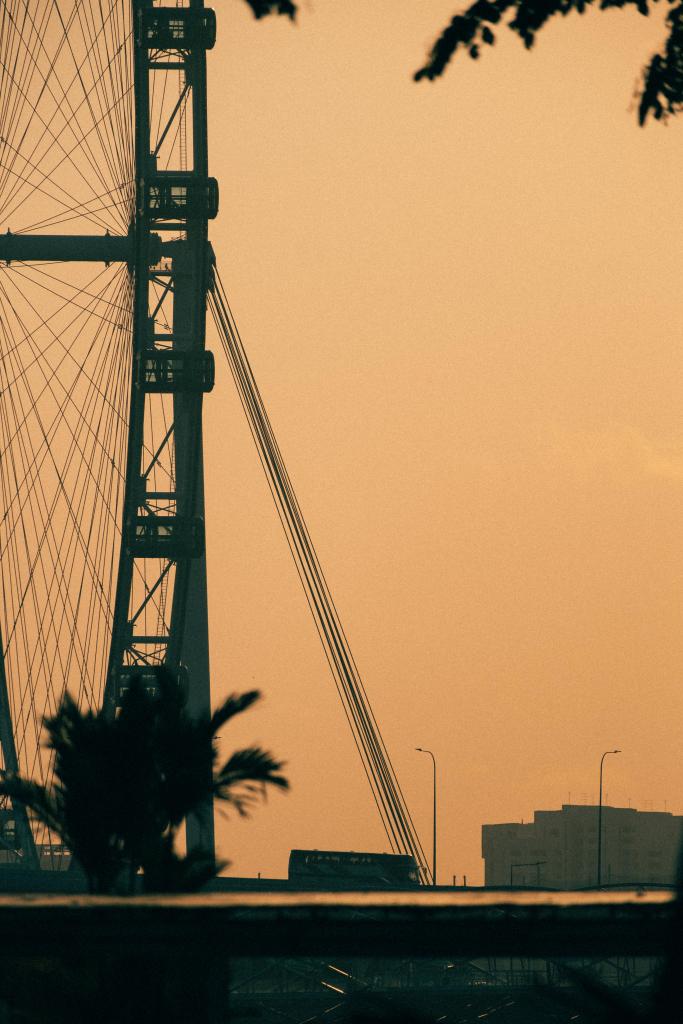
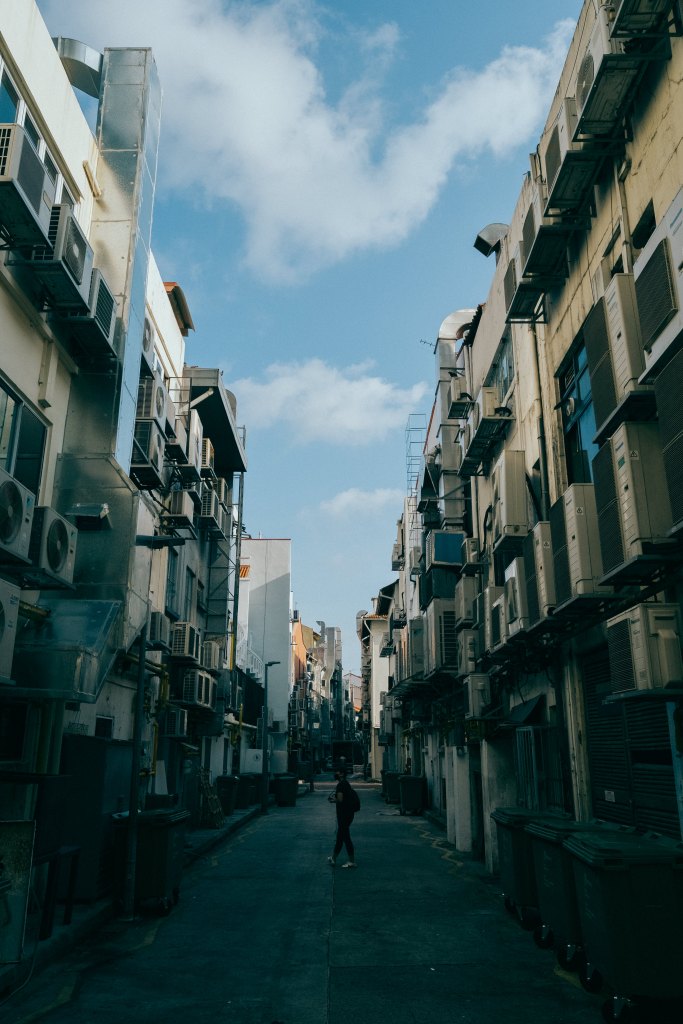
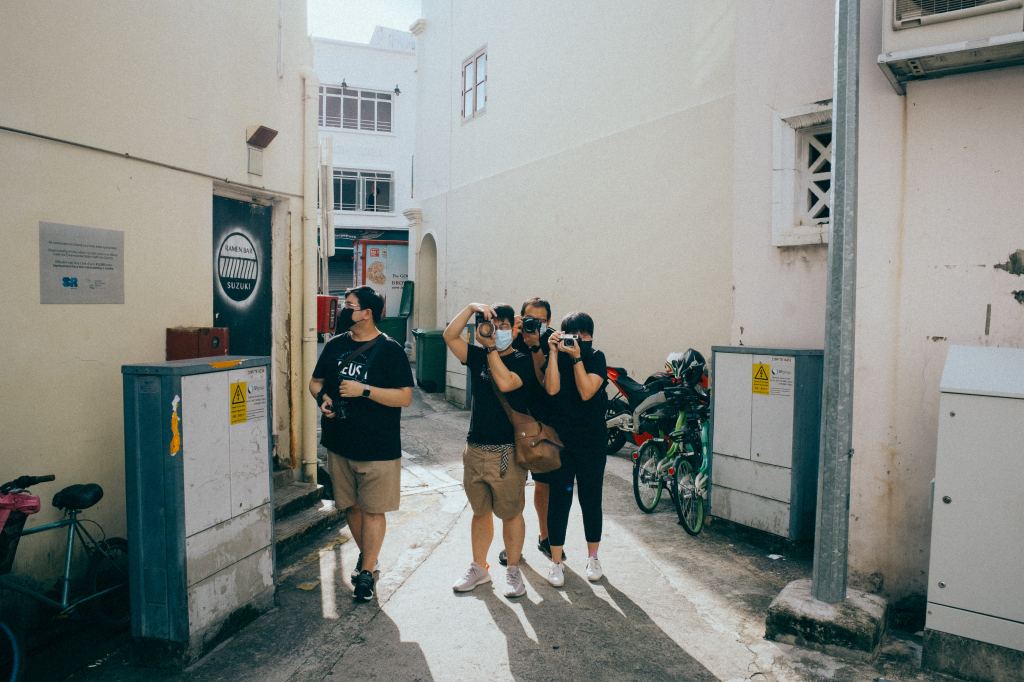
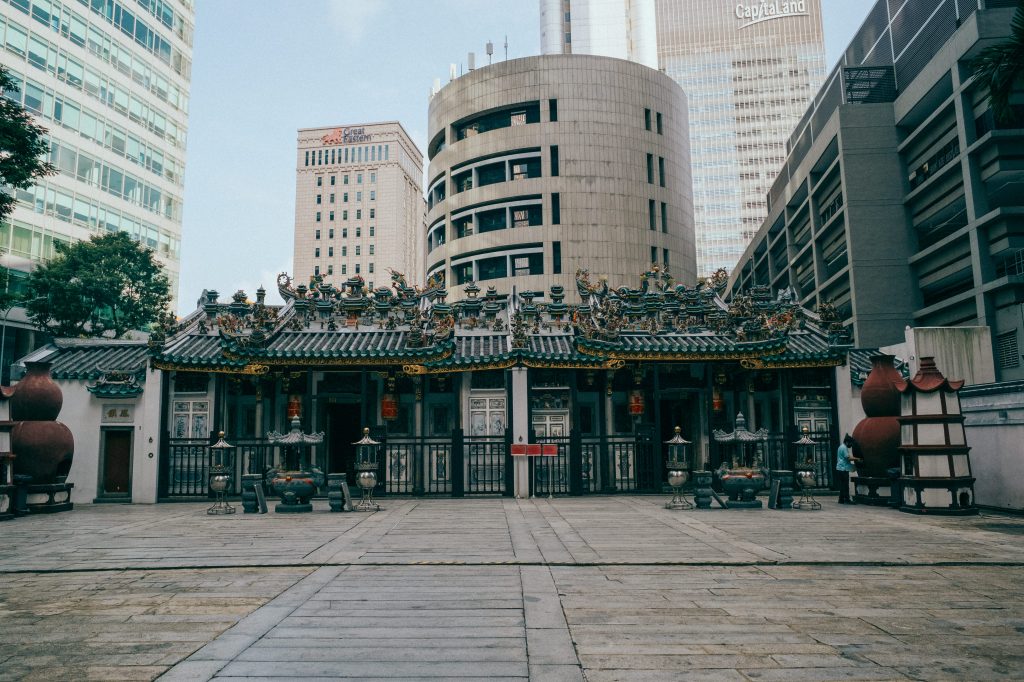
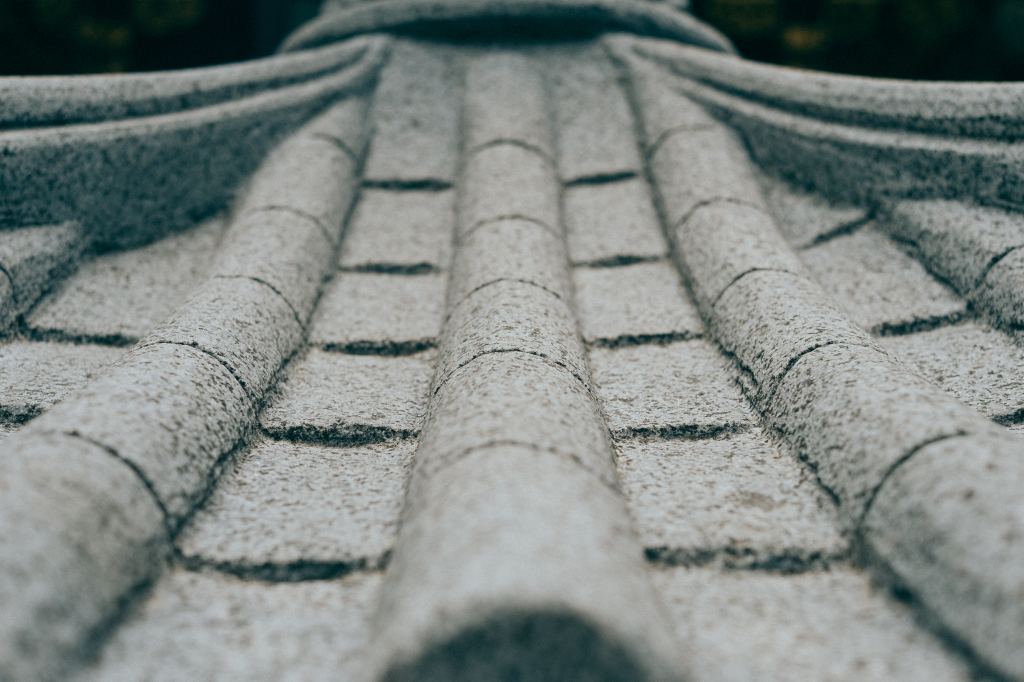
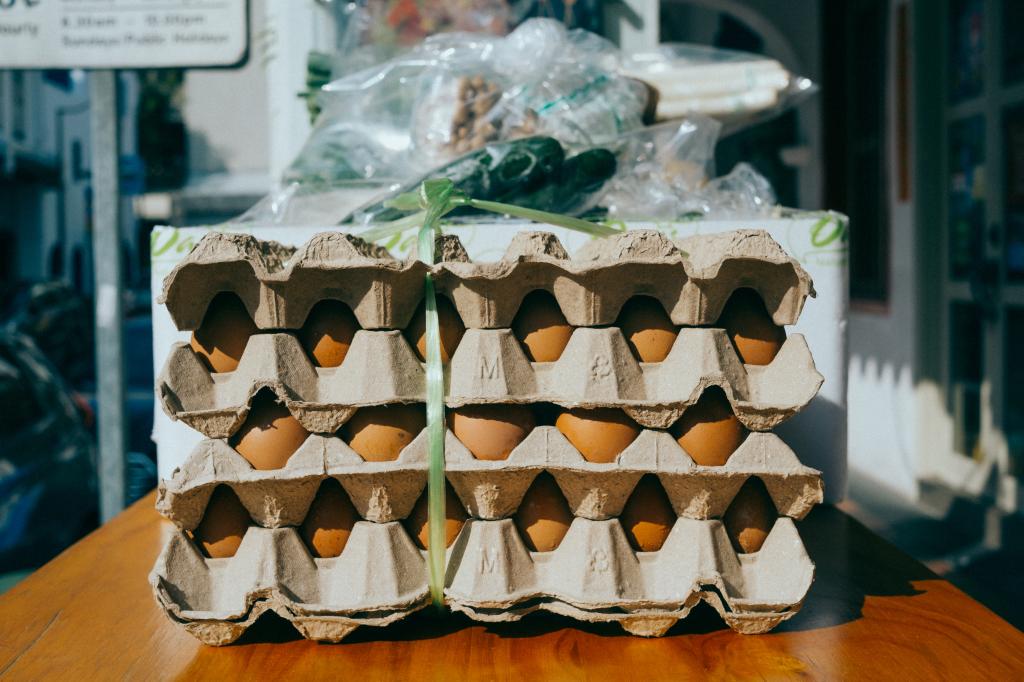
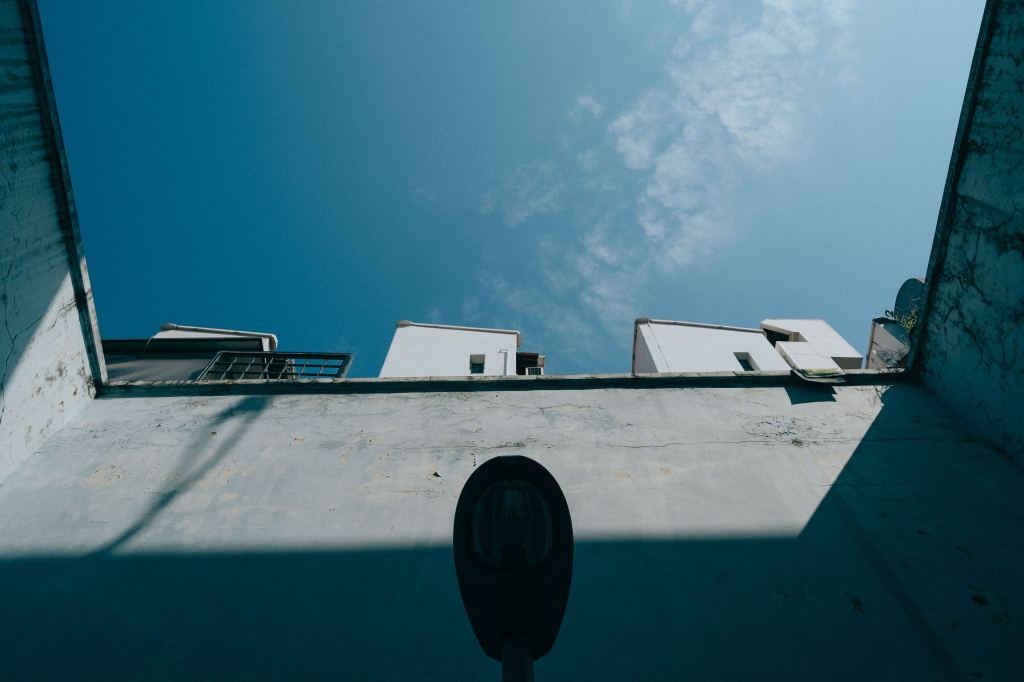
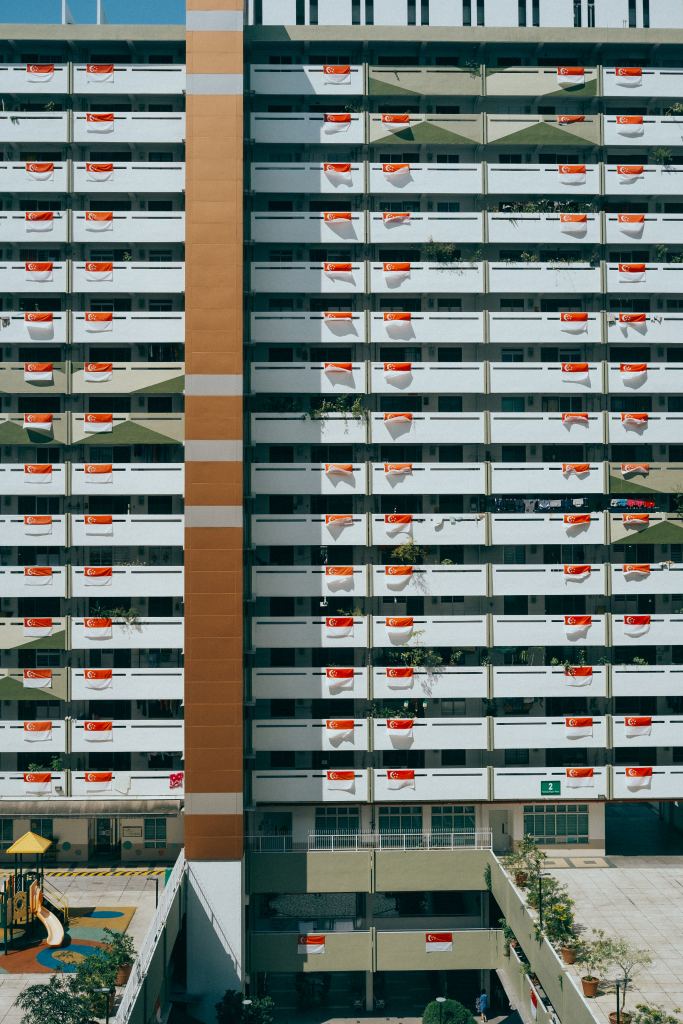
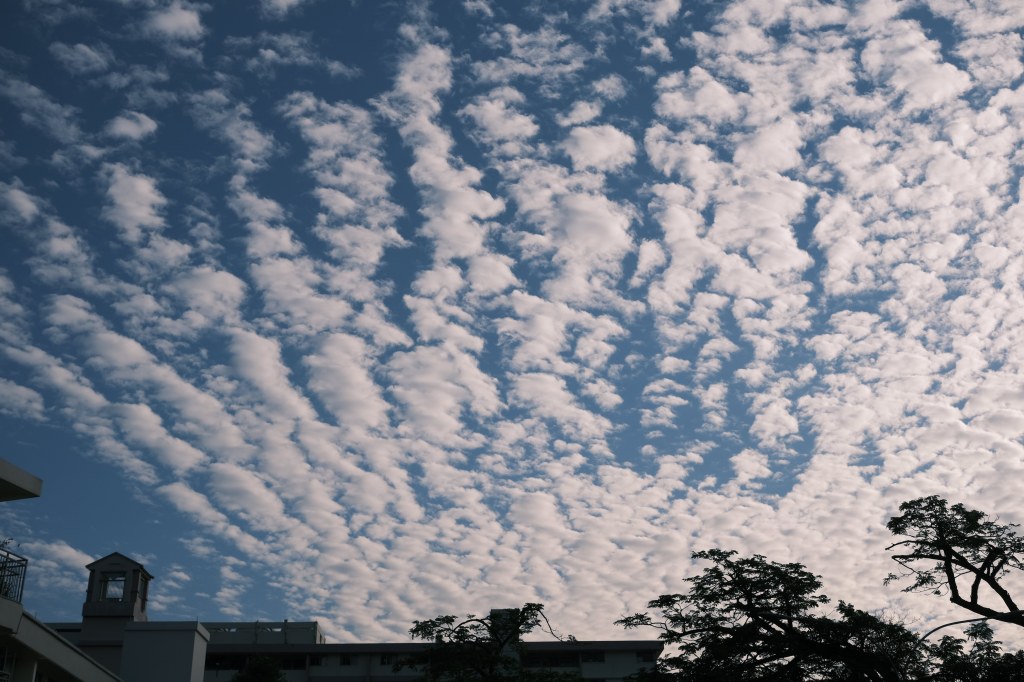
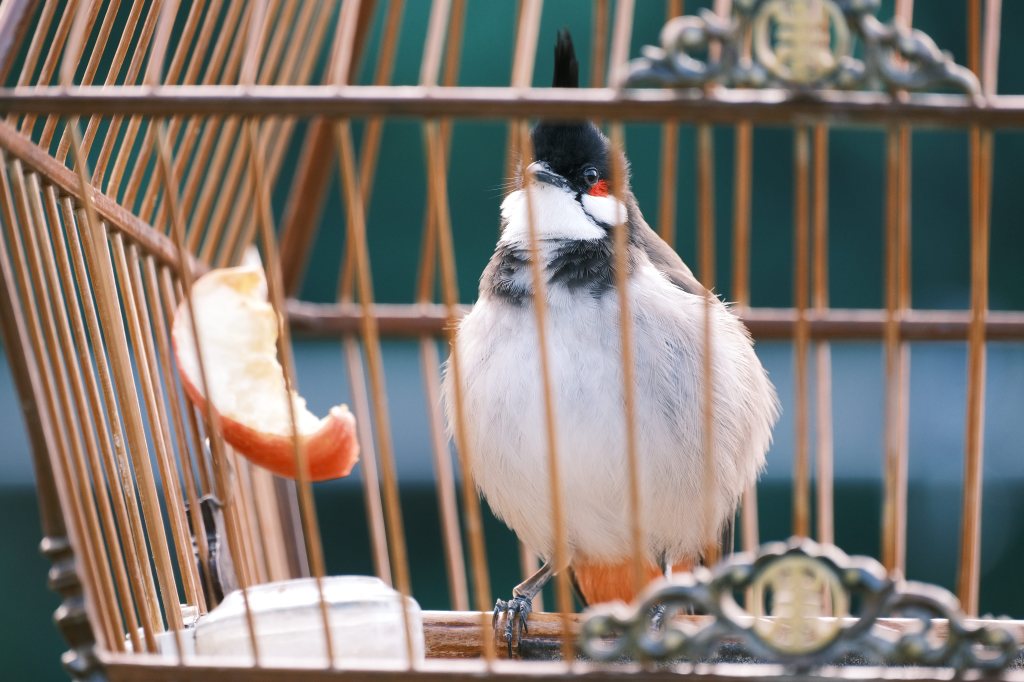
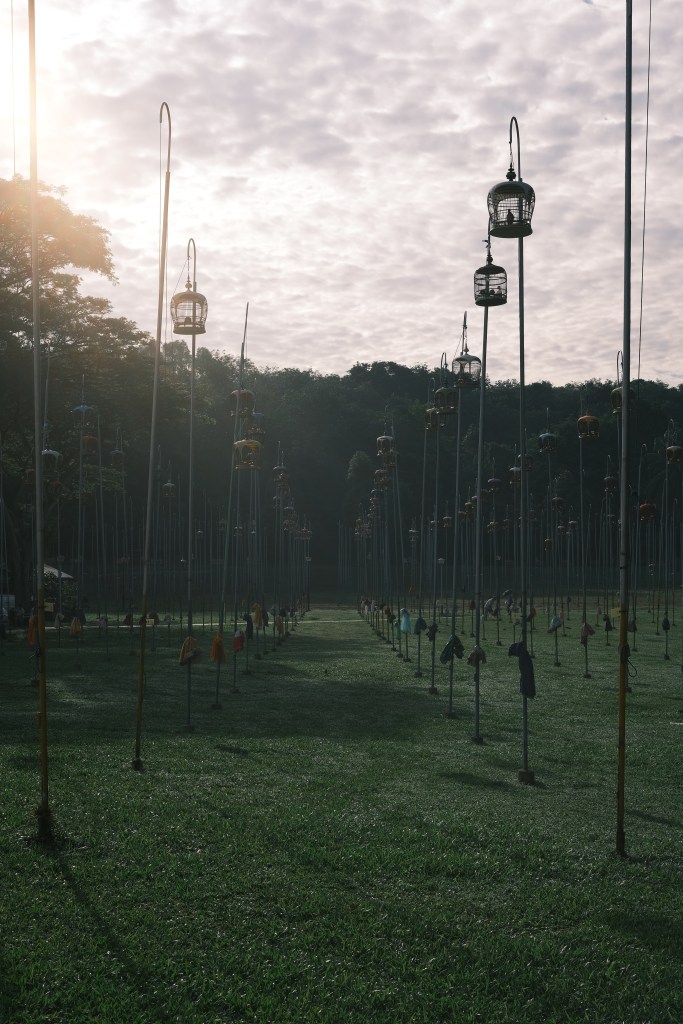
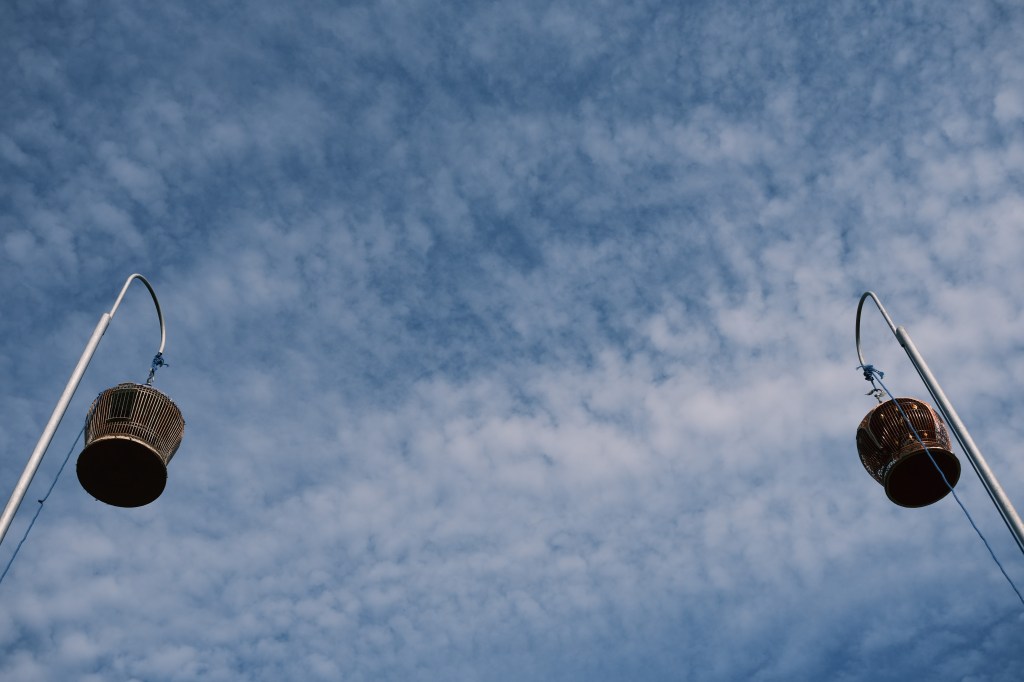
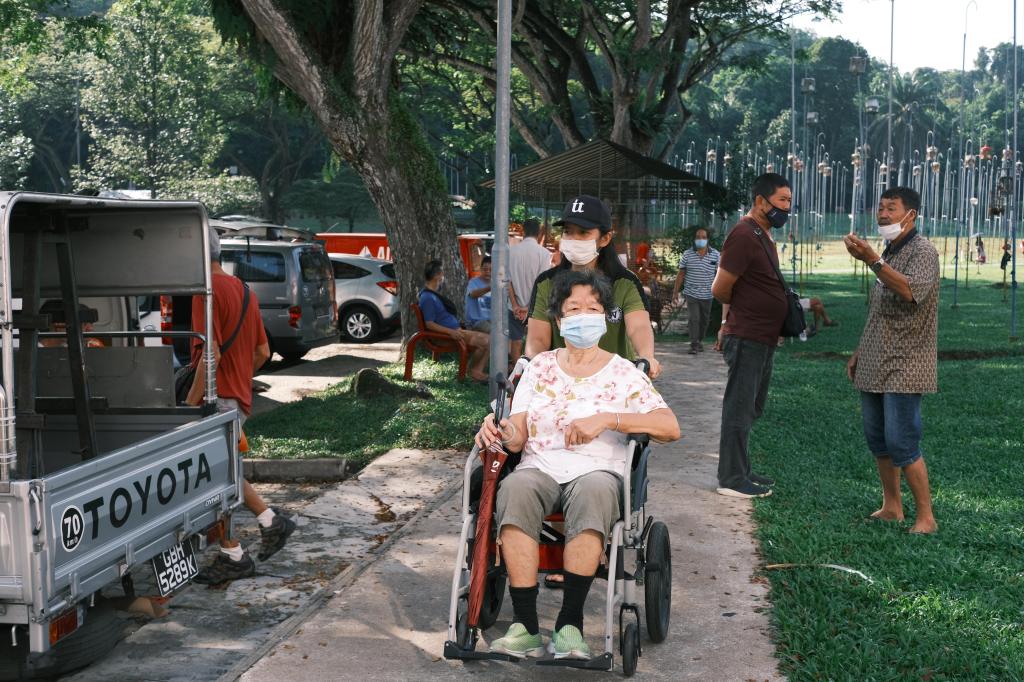
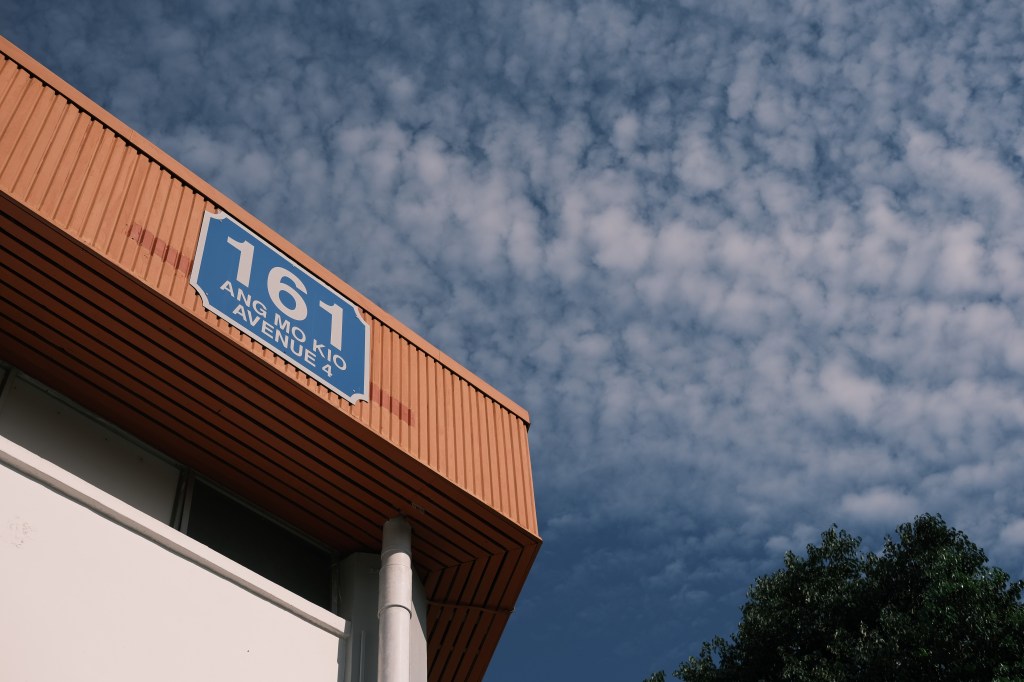
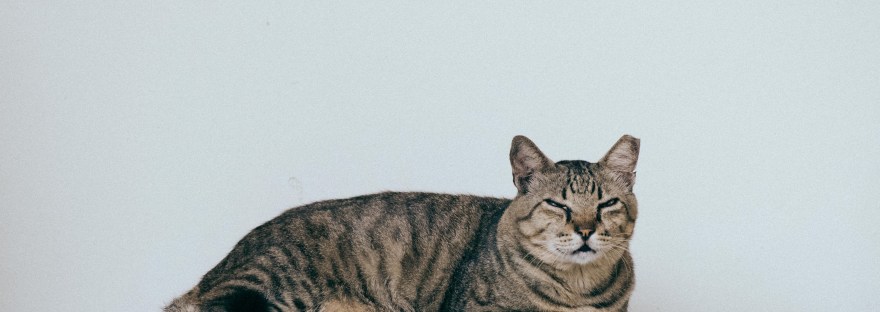
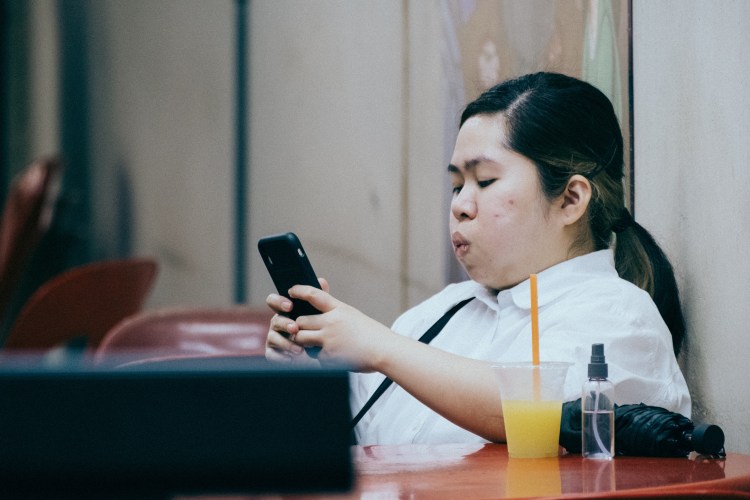
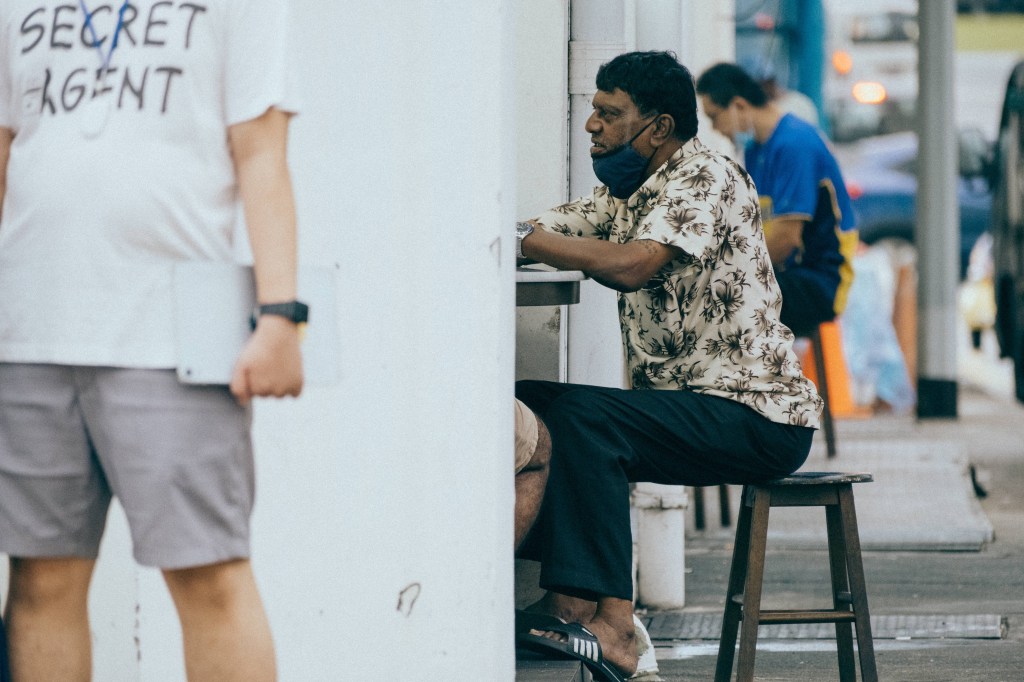
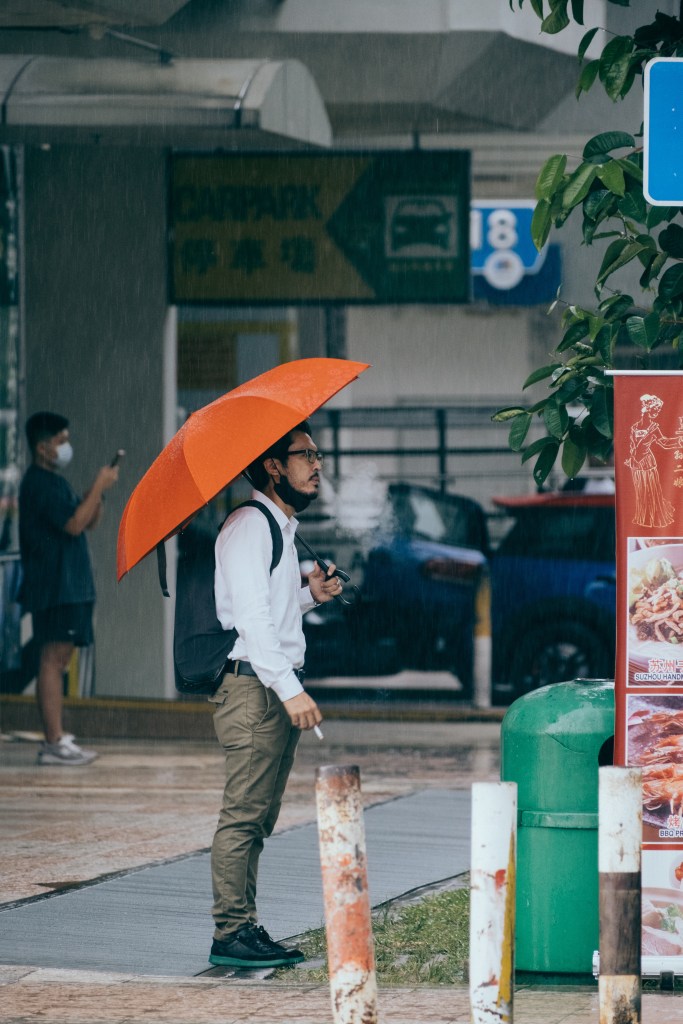
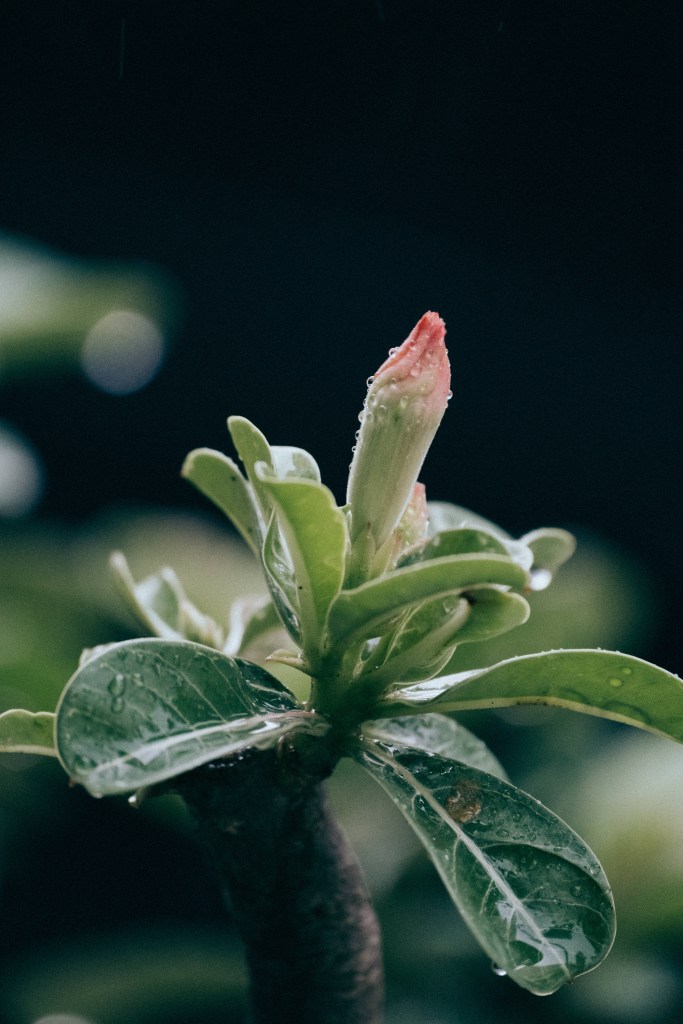
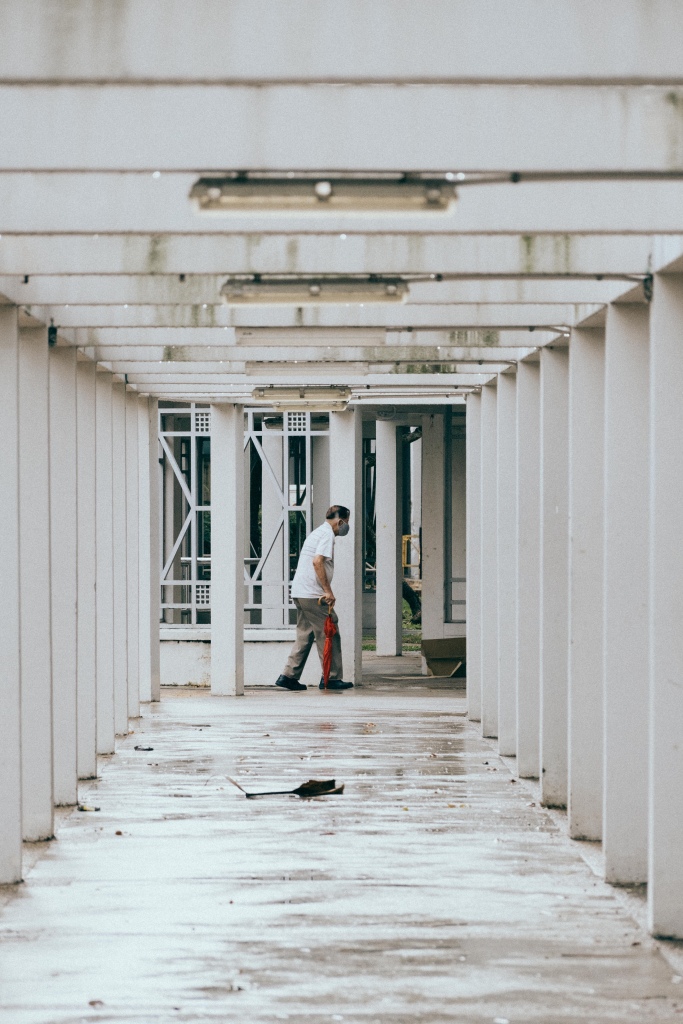
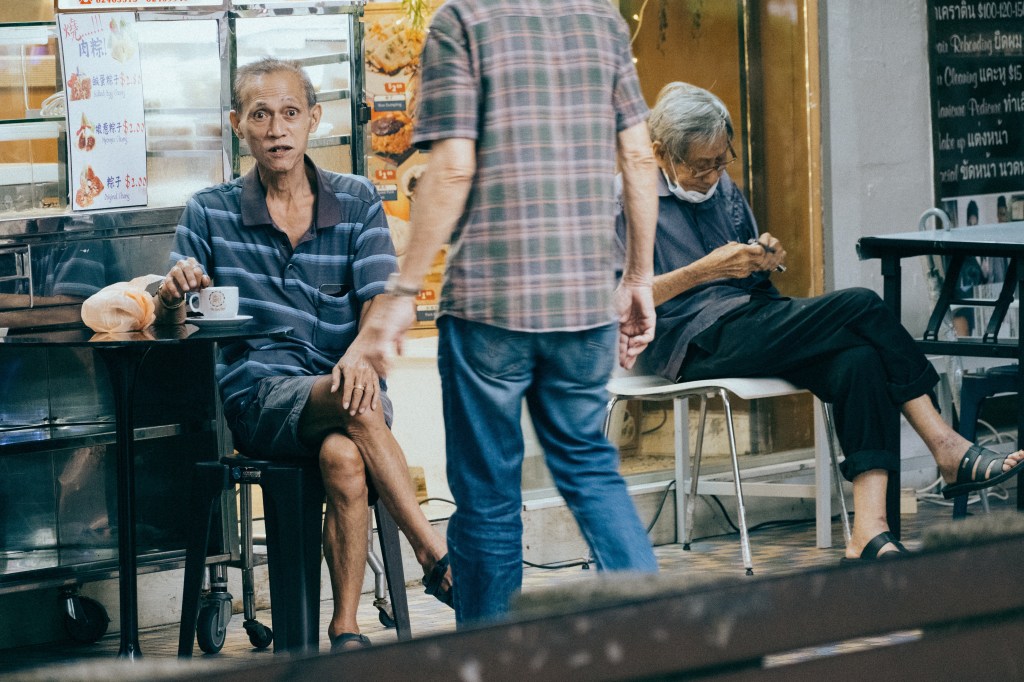
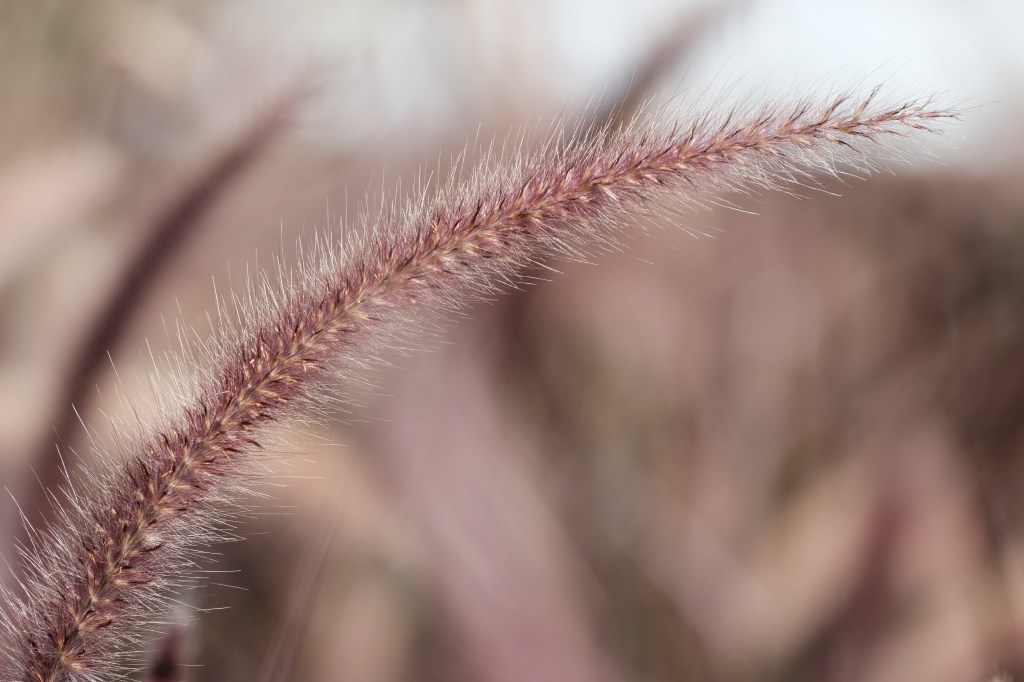
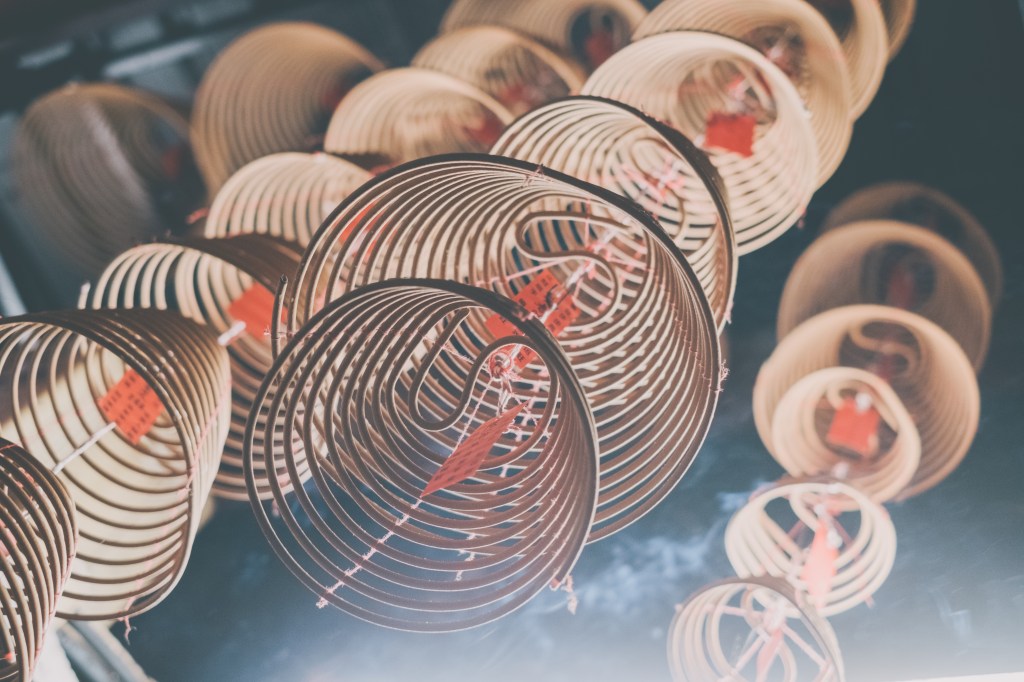
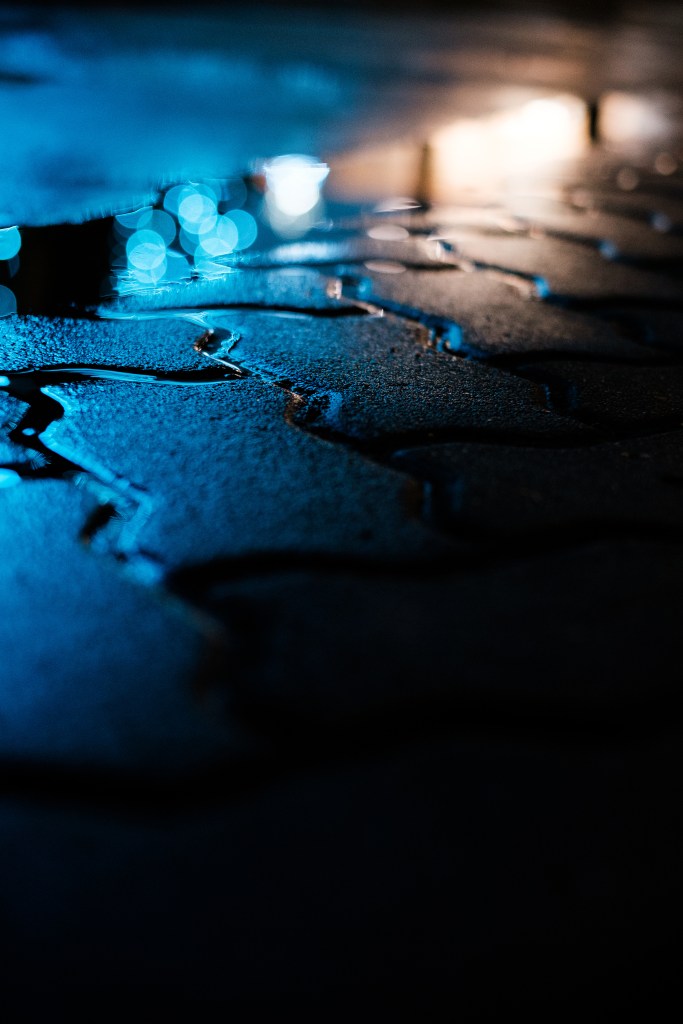
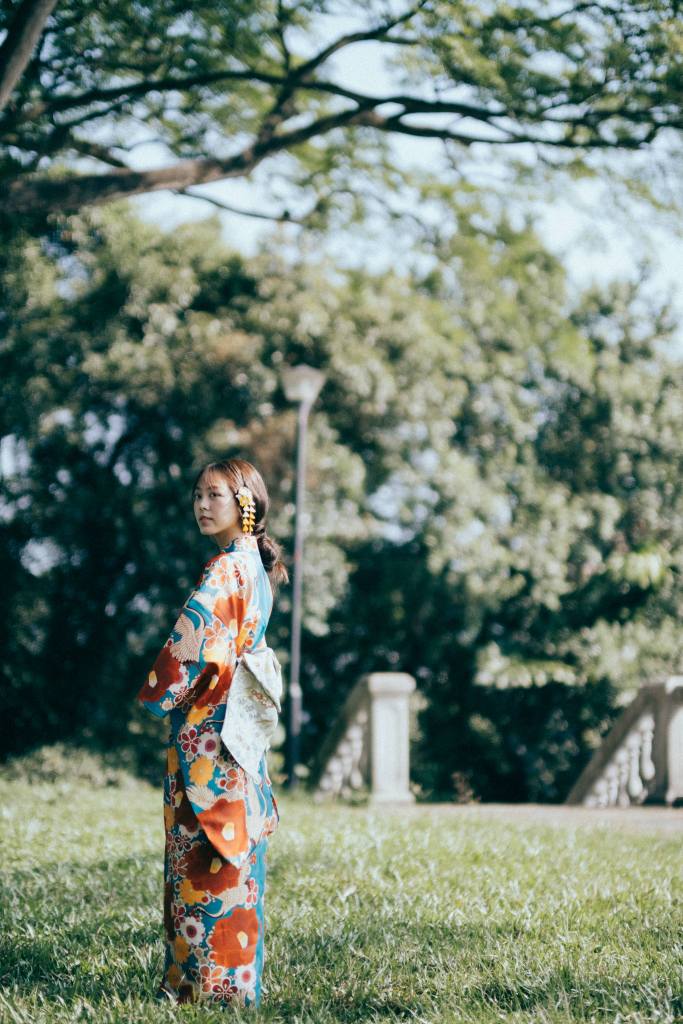
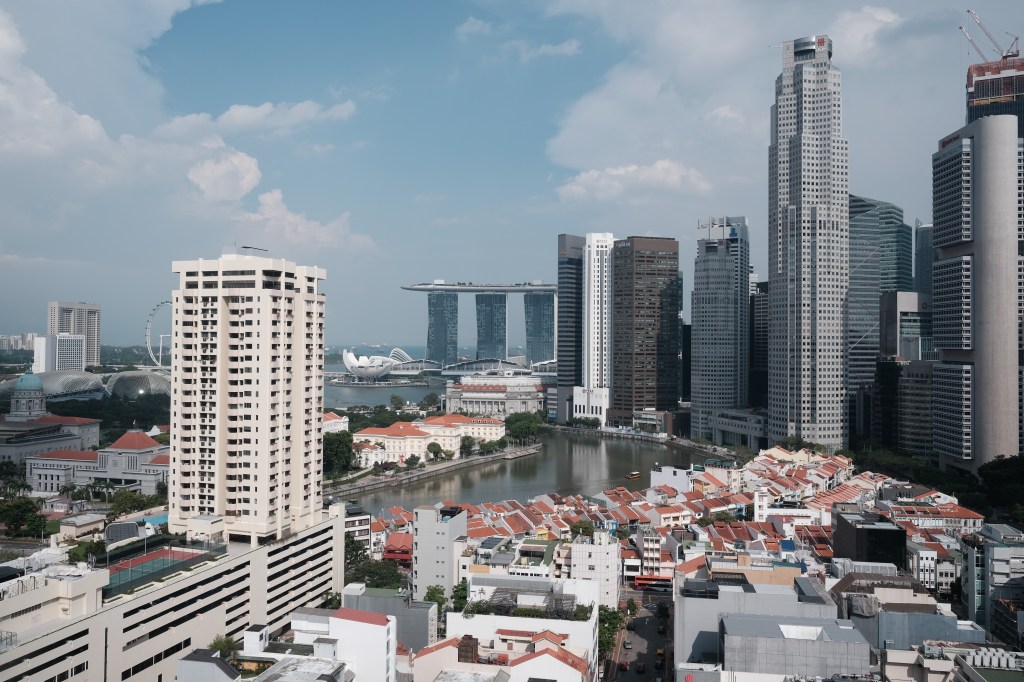
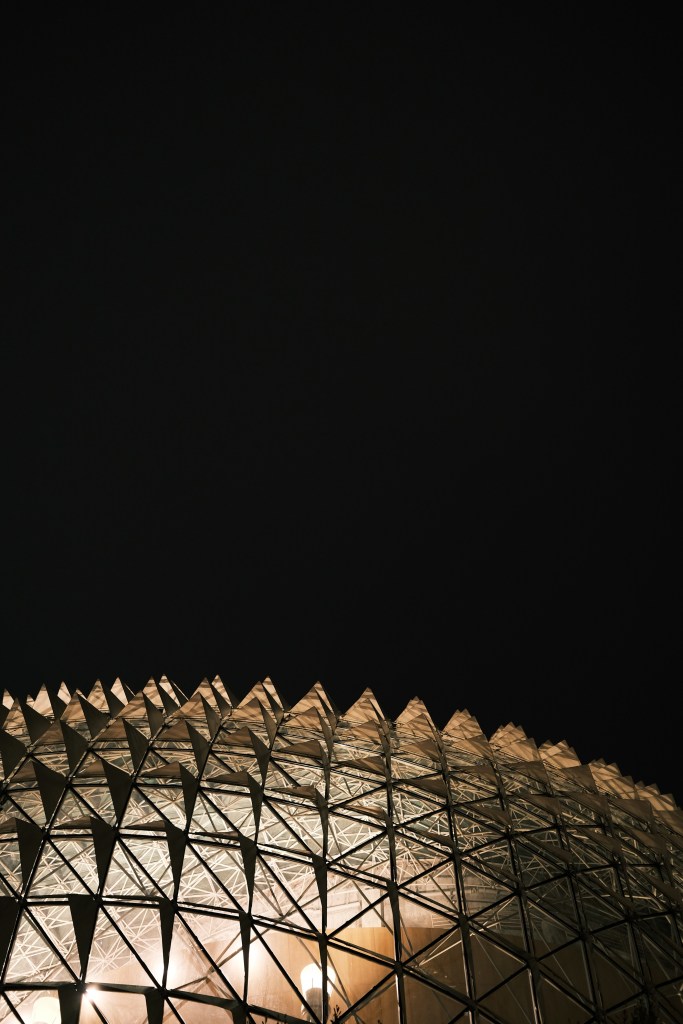
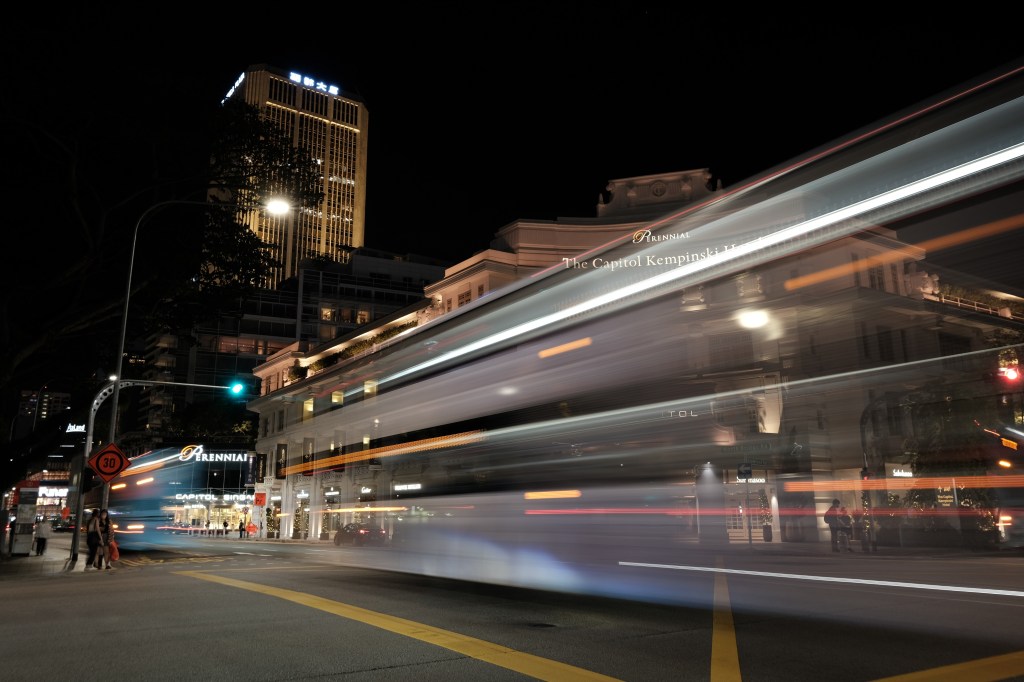
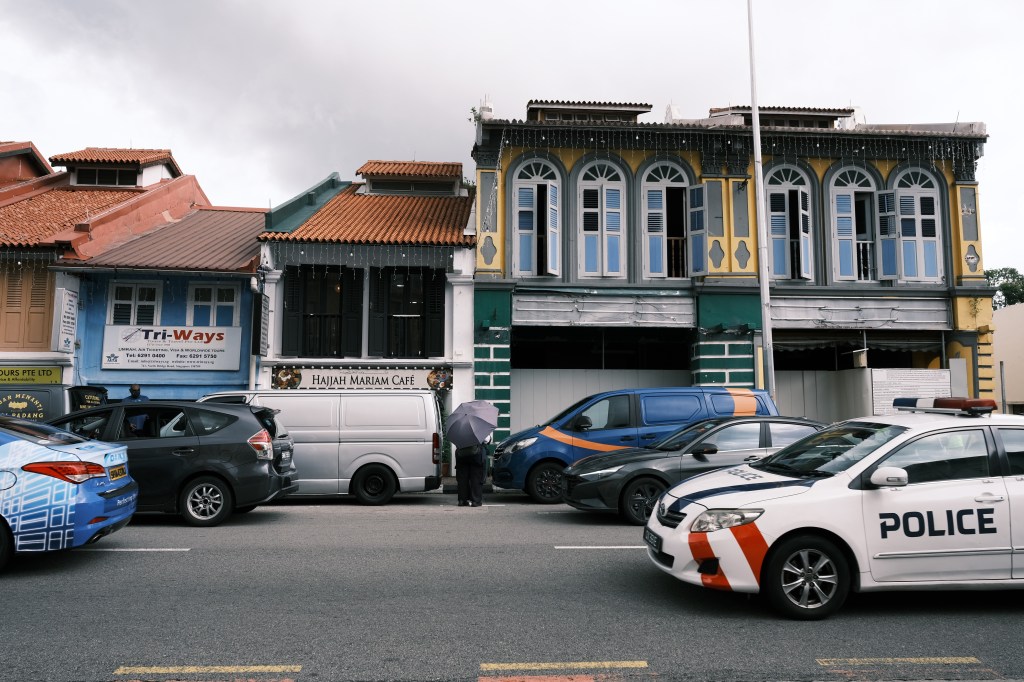
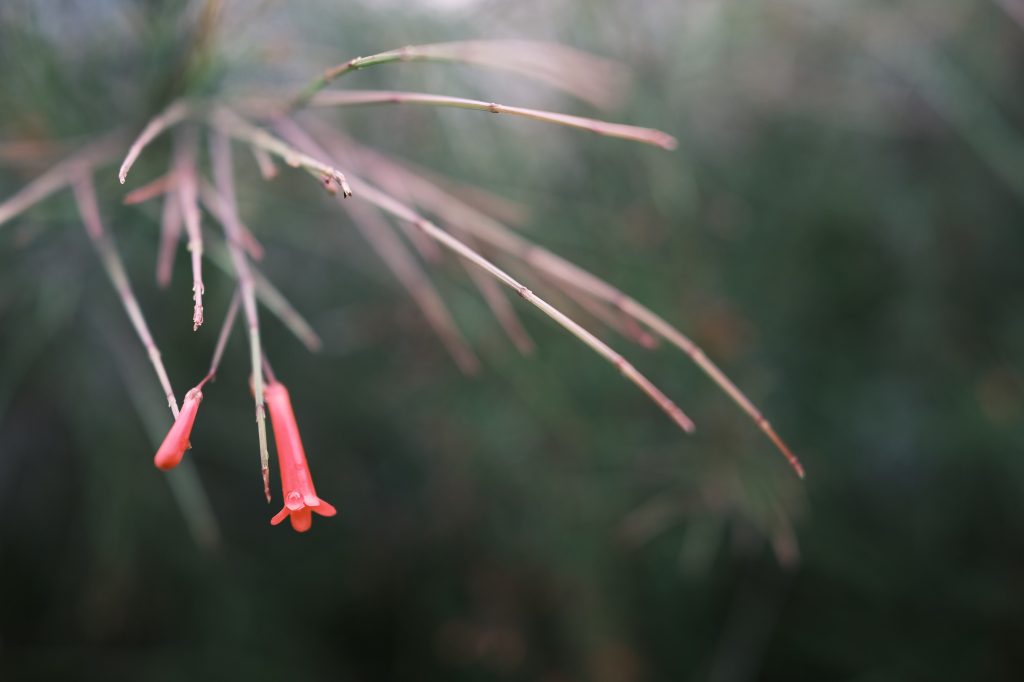
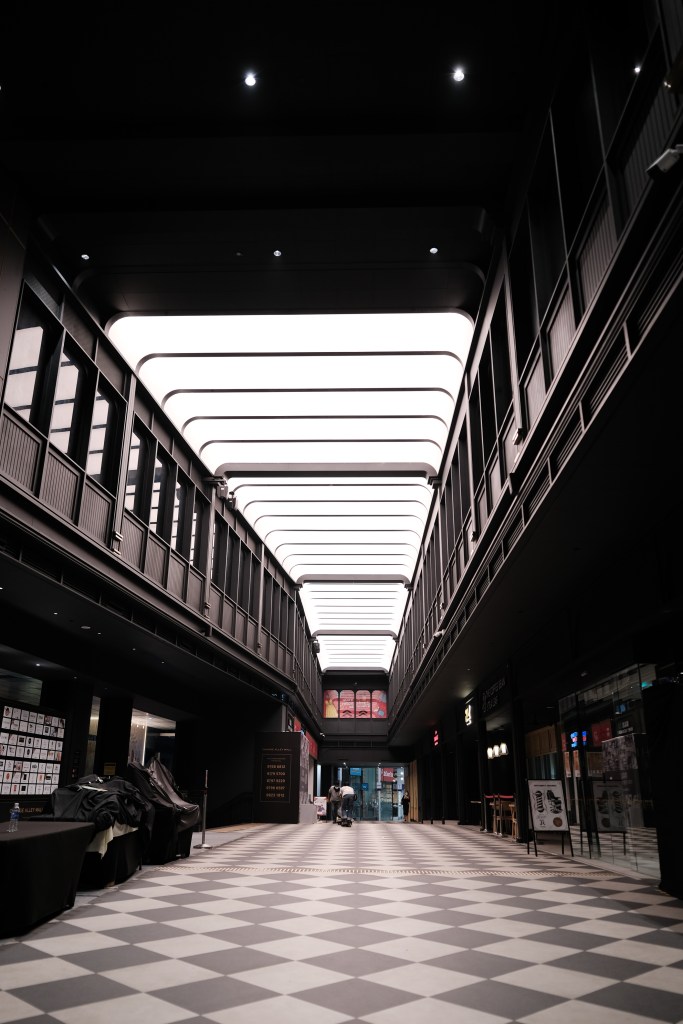
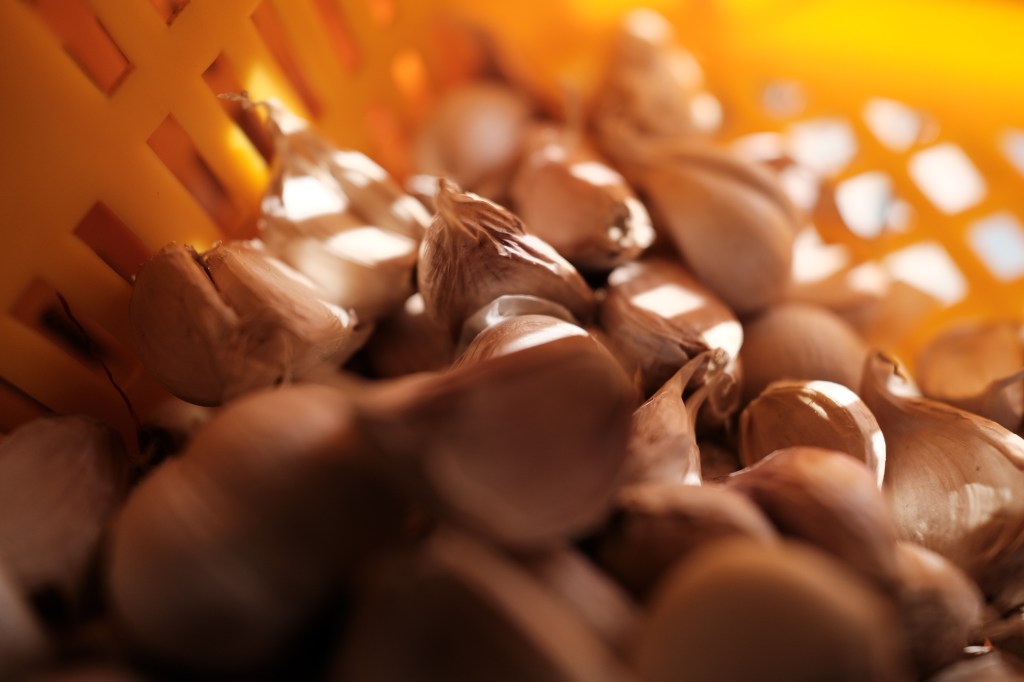
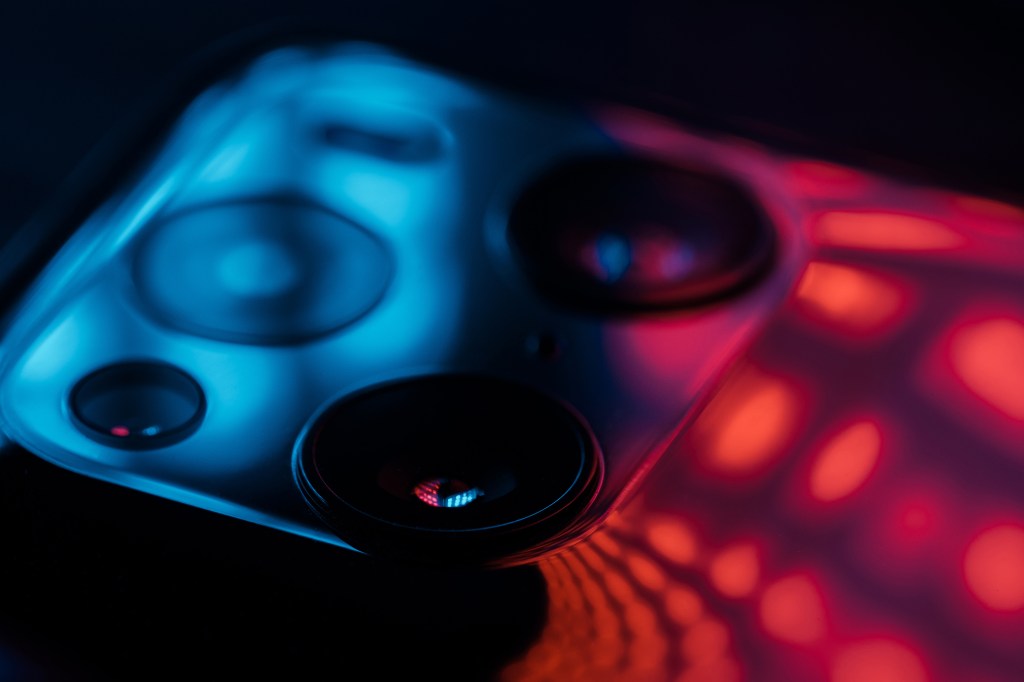
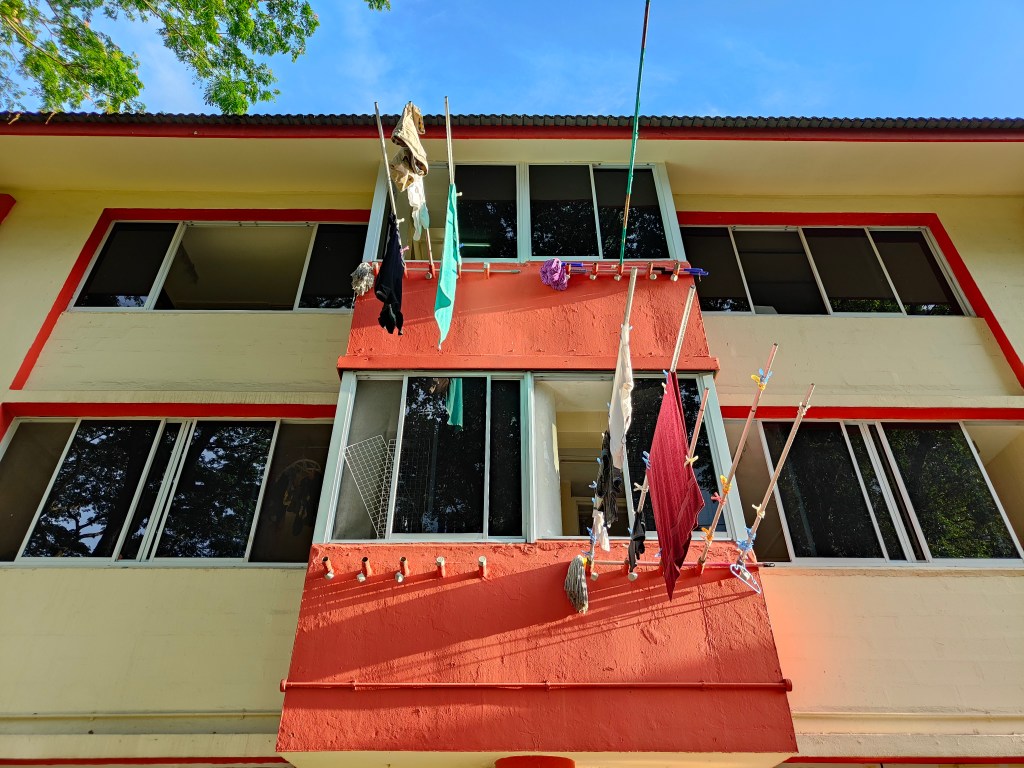
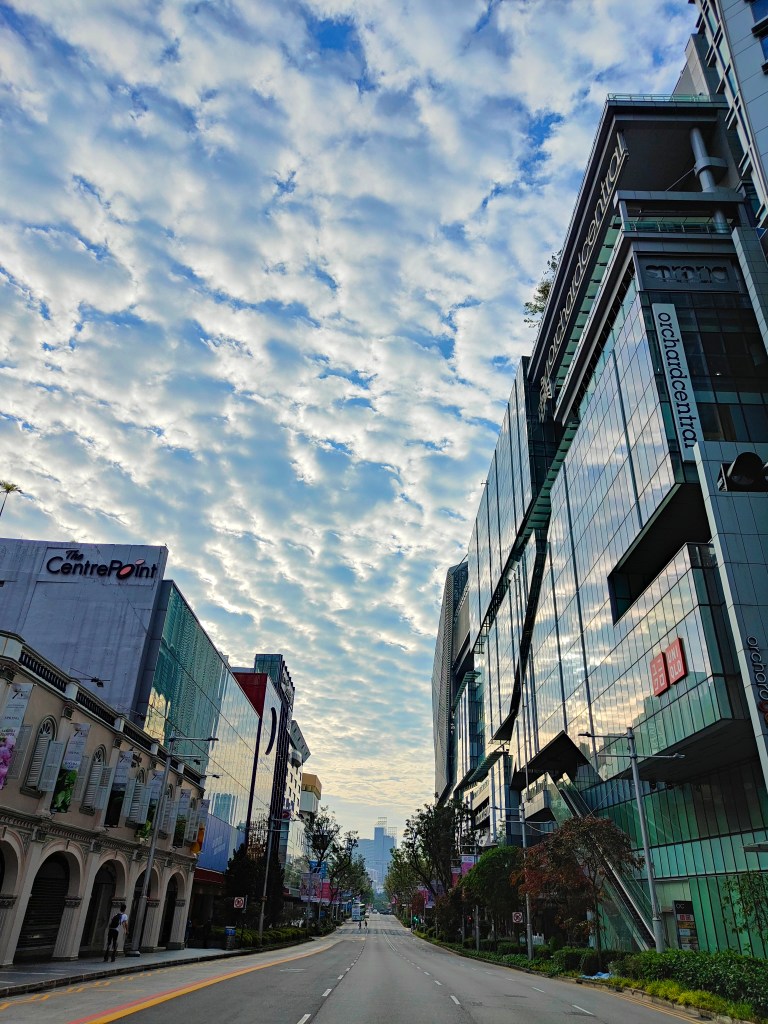
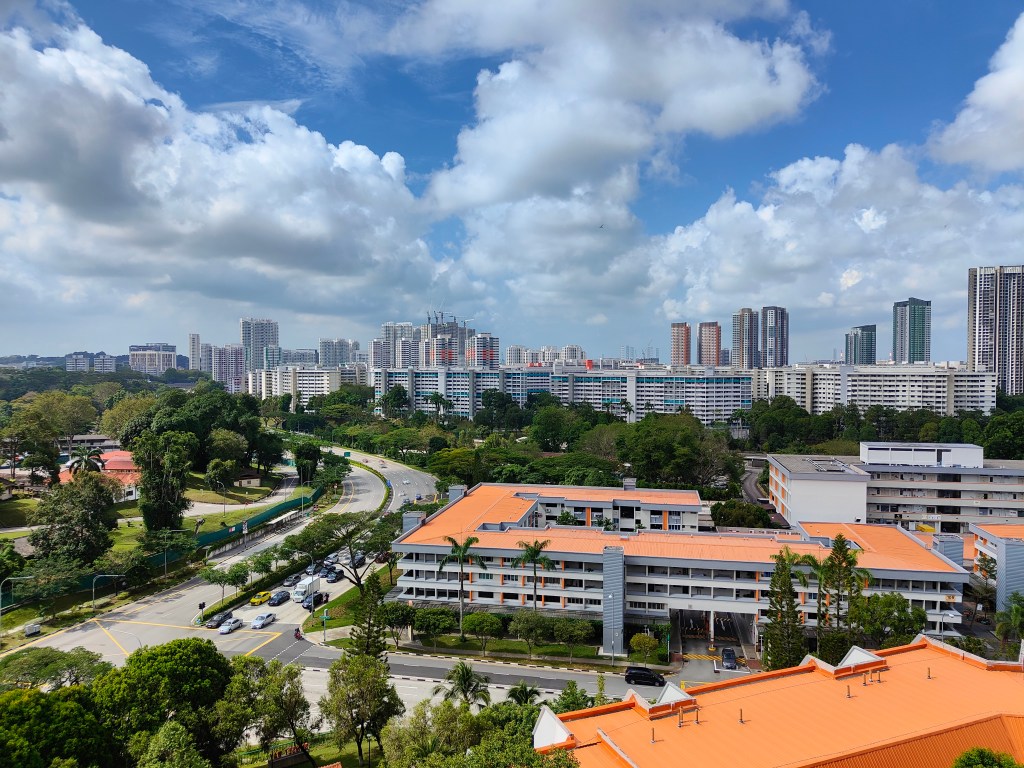
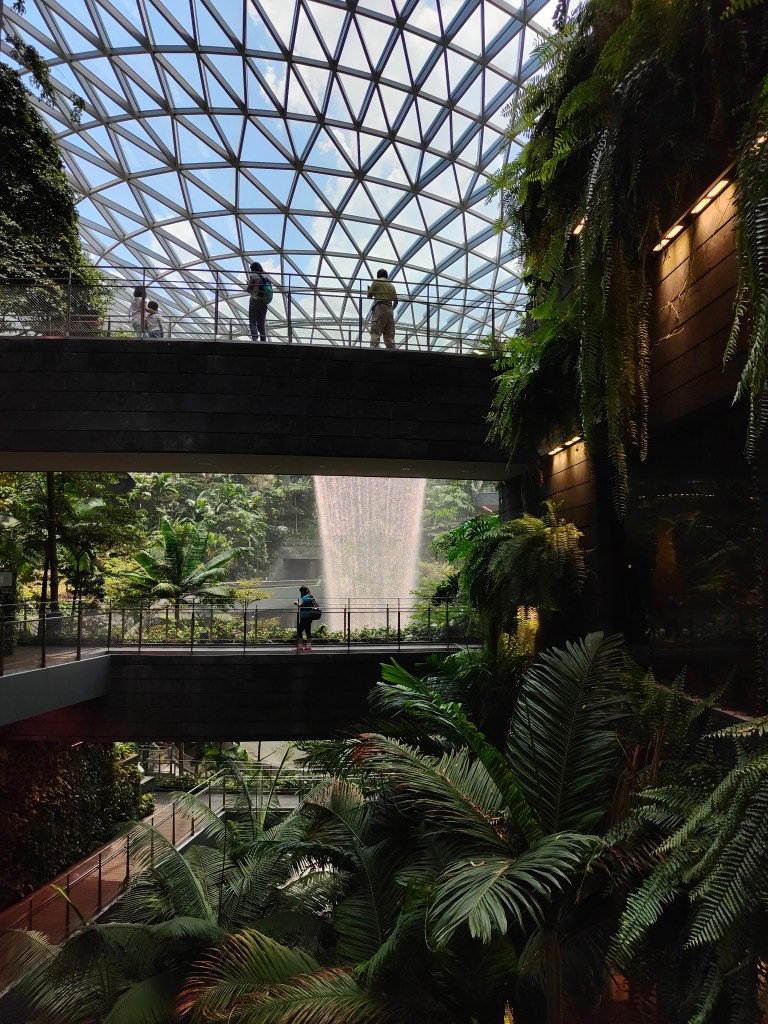
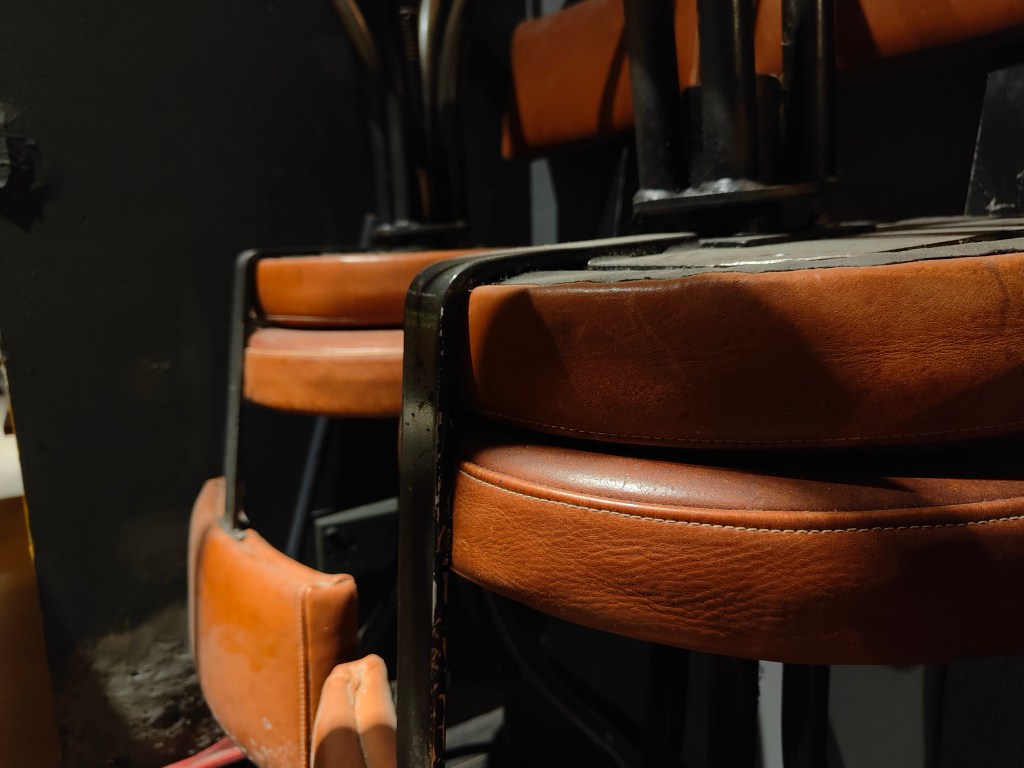
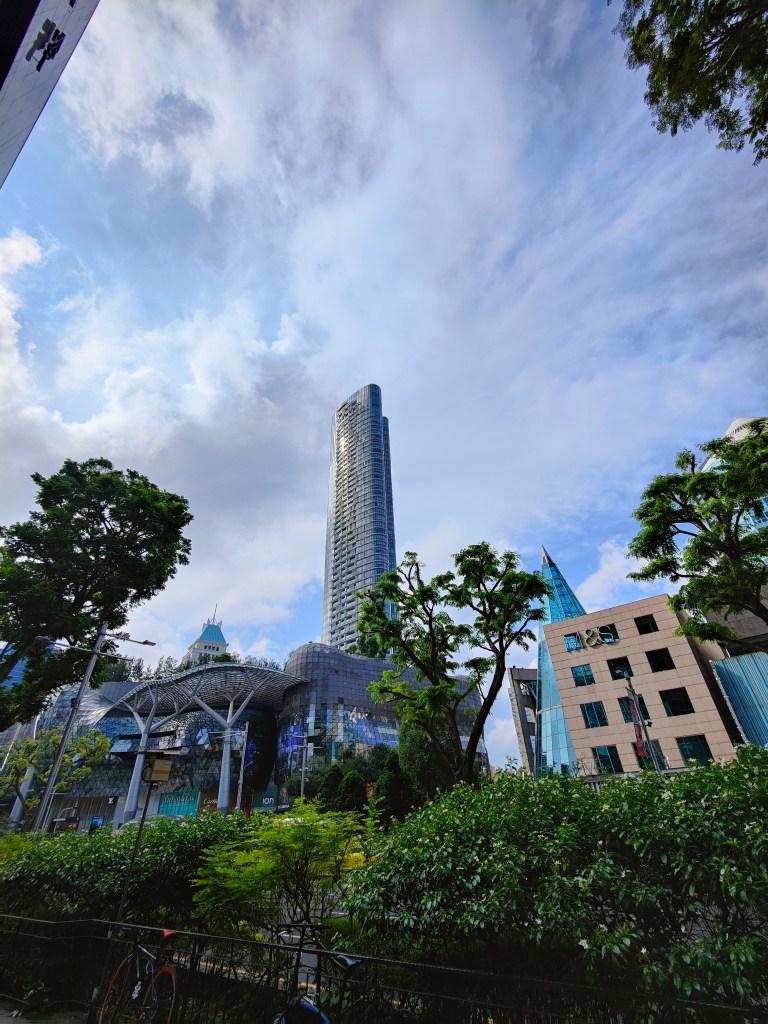
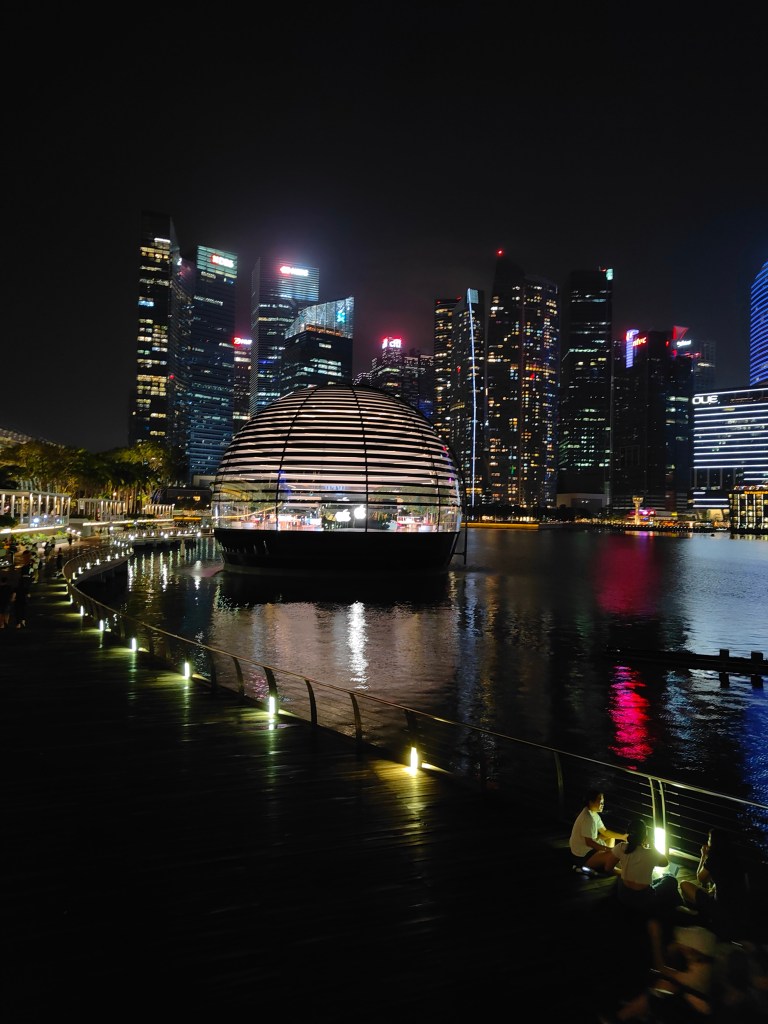
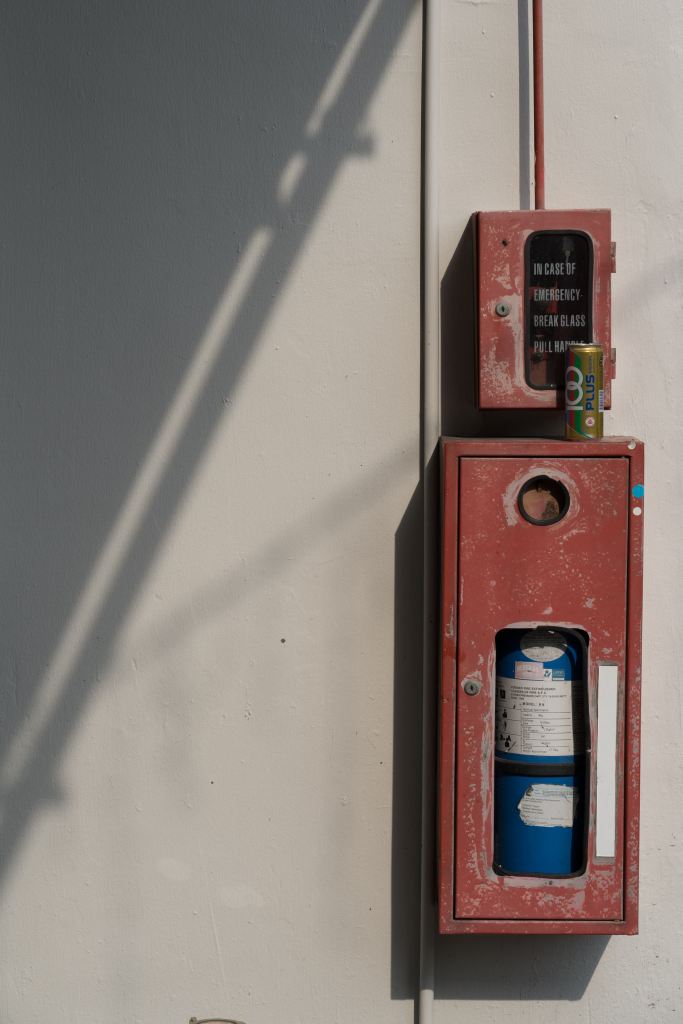
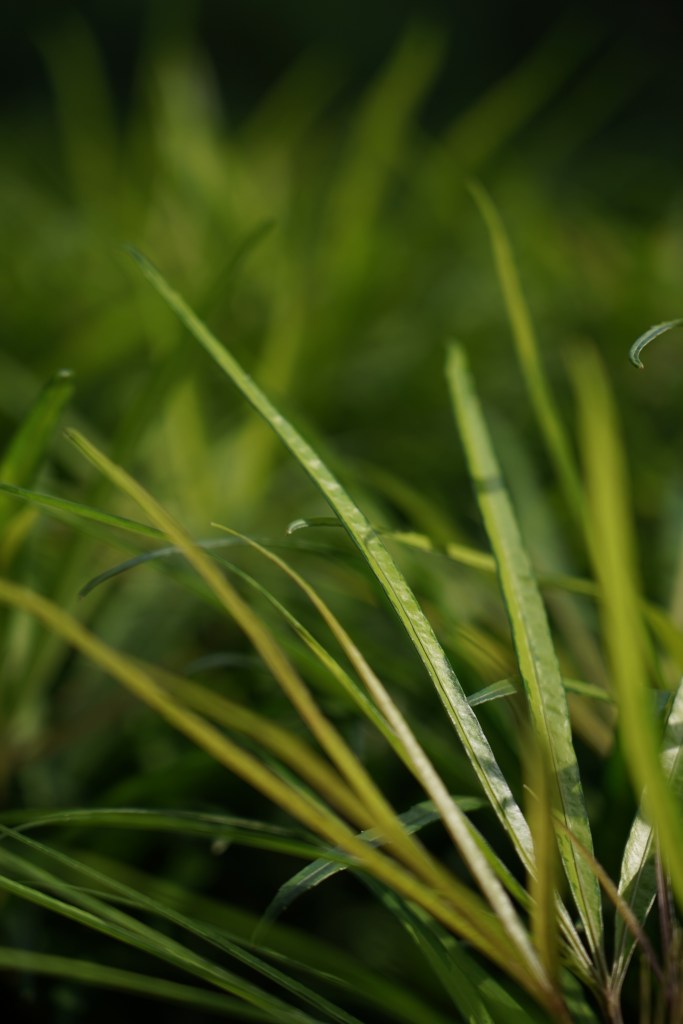
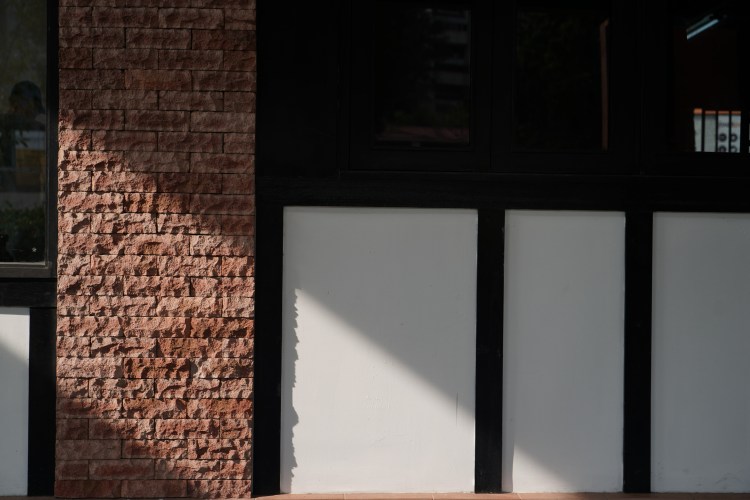
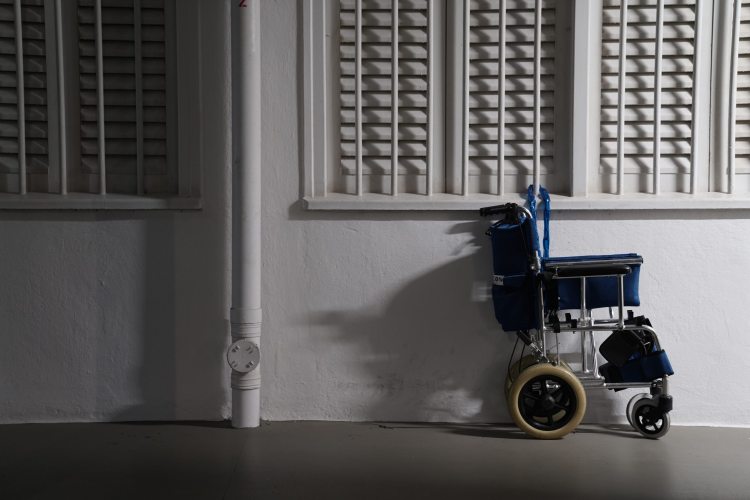
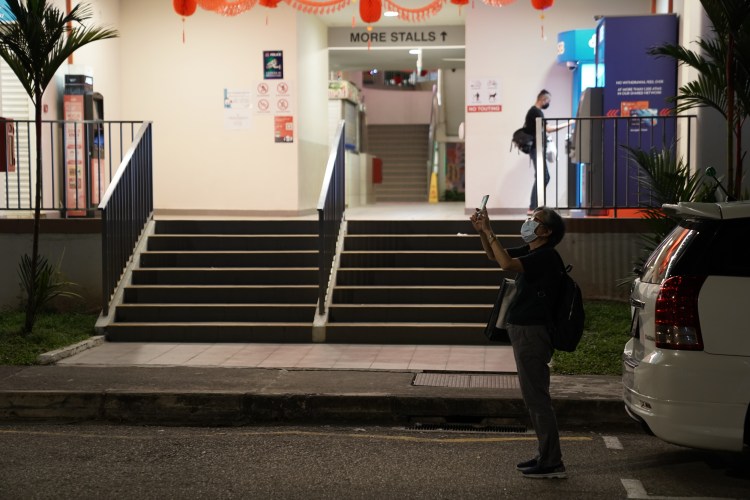
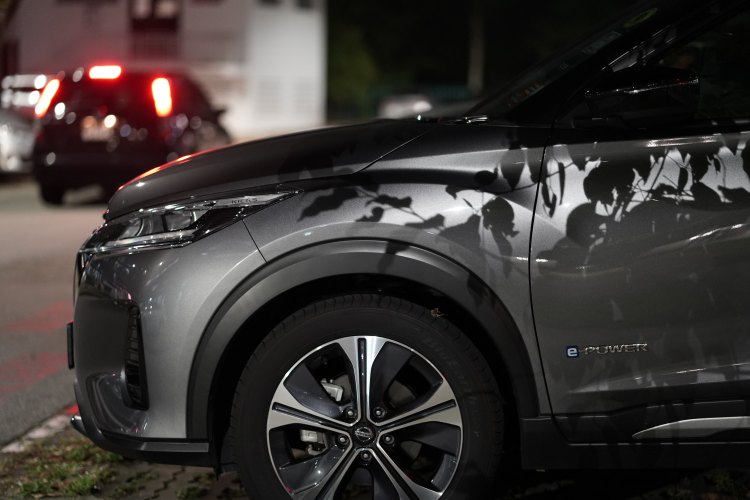
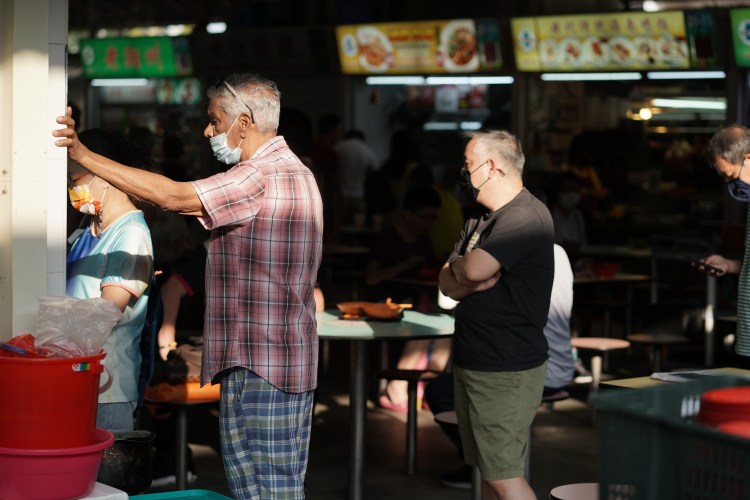
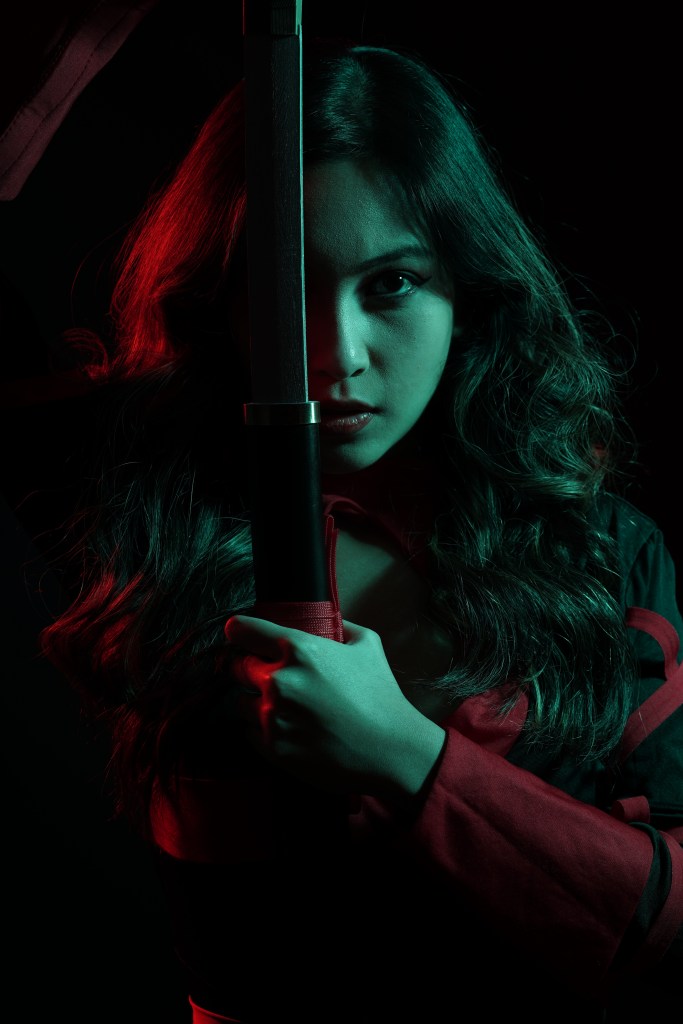
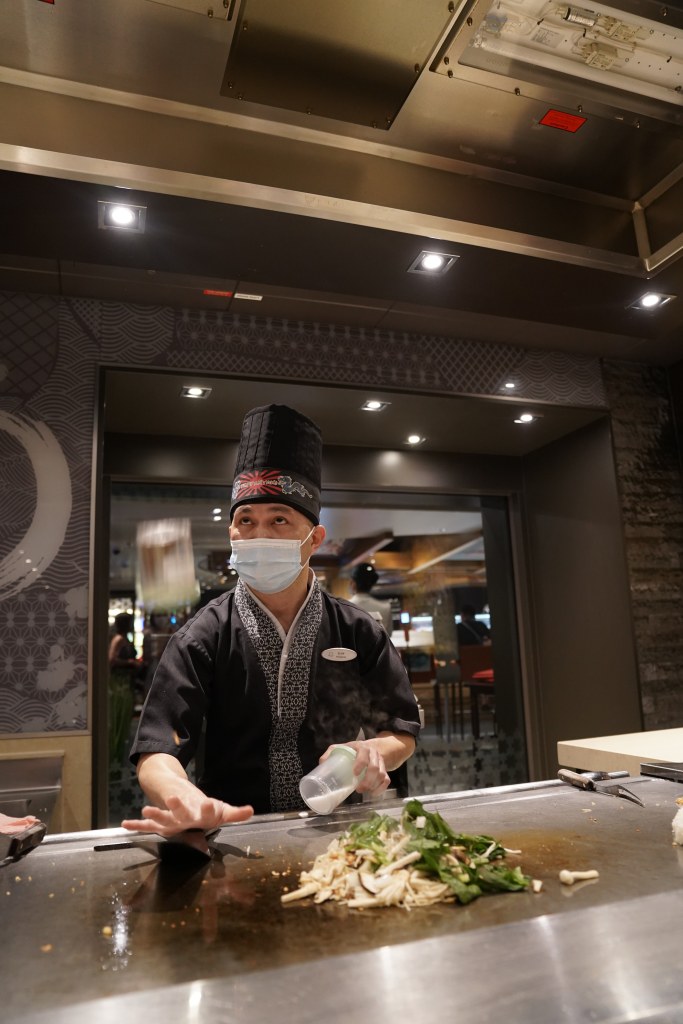
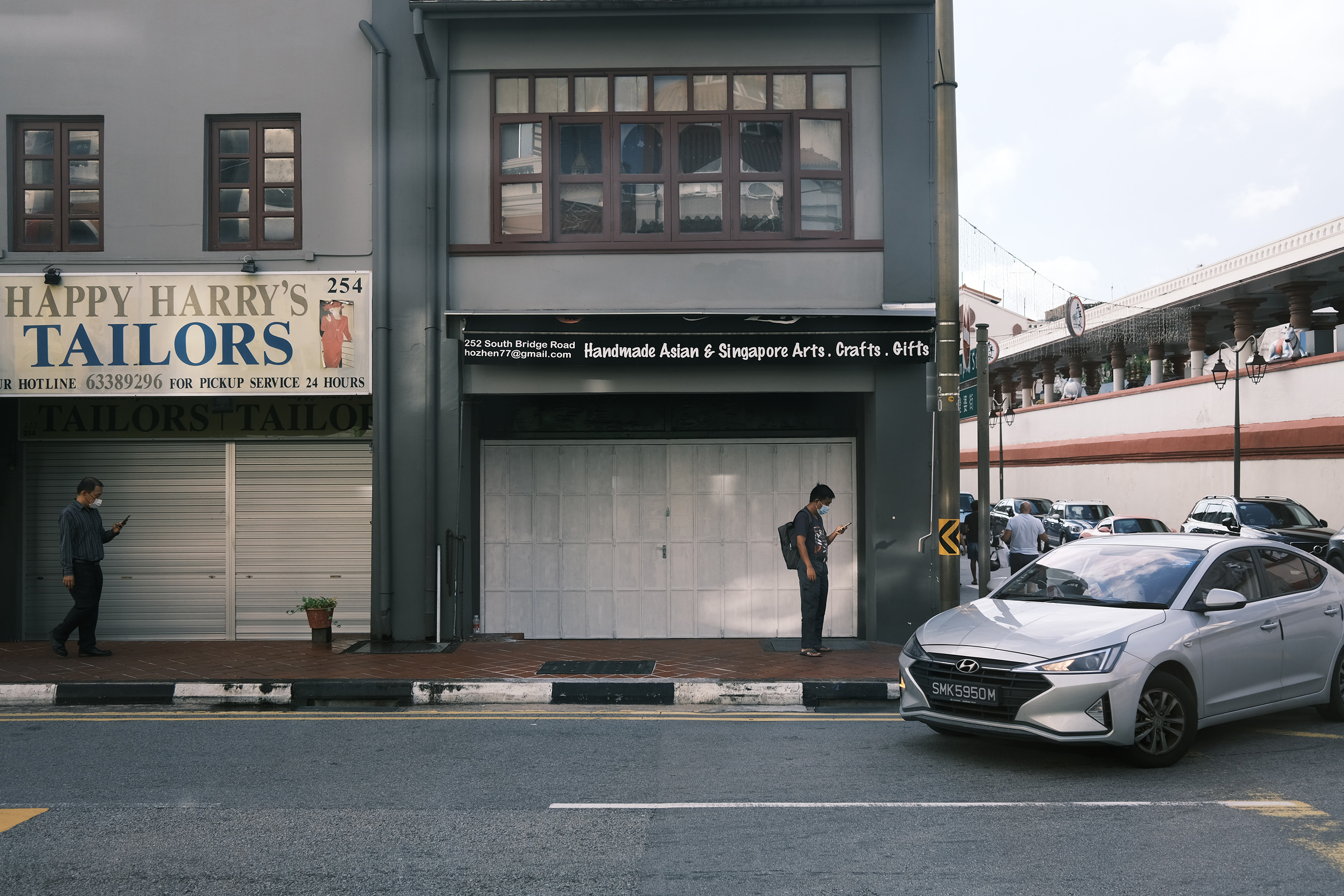
Singapore has entered Circuit Breaker Phase 2 (Heightened Alert) again due to the rise of Delta variant in multiple new clusters. Fortunately, the Fujifans managed to meet up for a morning photowalk.
Over here, I will not disclose what Fujifilm camera I am using. You can make a guess and comment down below. All photos are post-processed with intended additional grain effect.
XF35mm F1.4 @35mm . f5.6 . 1/125” . ISO 400
XF70-300mm F4-5.6 @300mm . f5.6 . 1/3200” . ISO 200
Disclaimer: 1. All the shots taken here were shot by me. 2. I reserve ownerships to these images, if you wish to use my images for whatever reasons, please notify me and we can see how to works thing out.
Circuit Breaker Phase 2 (Heightened Alert) started on 16 May 2021 and lasted for a month. As we are now moving into Phase 2 of re-opening, we started out with a small group of gangs for a small photowalk in the morning at the Kebun Baru Birdsinging club and the neighbourhood around it.
I also take this opportunity to play with my XF27mm WR lens, XF 70-300mm with an X-Pro3. I have to thanks my neighbor (Mr. Ivan Loh) for lending me this wonderful and sexy camera body.
Fuji X-Pro 3 . Fuji 27mm F2.8 R WR @27mm . f2.8 . 1/320” . ISO 160 . Classic Negative Fuji X-Pro 3 . Fuji 27mm F2.8 R WR @27mm . f2.8 . 1/280” . ISO 160 . Classic Negative Fuji X-Pro 3 . Fuji 27mm F2.8 R WR @27mm . f2.8 . 1/300” . ISO 160 . Classic Negative
A new friend who is using Olympus at the moment. Planning to jump over to Fujifilm.
Disclaimer: 1. All the shots taken here were shot by me. 2. I reserve ownerships to these images, if you wish to use my images for whatever reasons, please notify me and we can see how to works thing out.
As we all know, the XF35mm F1.4 is probably one of the legendary lenses in Fujifilm 10 years of X-series. Most of the Fujifilm photographers who use it, love it and praise it. So am I. The noisy focusing motor can be easily forgiven by the impressive results coming out from the optical magic that it has and of course, its compact size. My only regret is that I should have get this lens sooner than any other lenses. The price of this F1.4 lens is not as expensive as the other F1.4 lenses. So if budget is not an issue, I always recommend this lens to anyone who wants to own their first prime lens. Otherwise, it’s younger sibling, XC35mm F2.
Today, we know that everyone is desperately wanting for the MK II of this glass. Whenever there is a Fujifilm X Summit, everyone is hoping for Fujifilm to release some form of news or teaser. Yet, Fujifilm chooses to stay silent about it.
In this article, I am based on rumors and some observations from Fujifilm strategy, I will be sharing my thought of what this MK II lens will be like. So, please take this article as a pinch of salt.
First, let’s talk about rumors. Early this year, the popular Fujifilm rumors site, Fujirumors.com, has shared a piece of news stating that there will be an XF33mm F1.4. When I read this headline, I have this thought in my mind; We all know that Fujifilm has dropped the development of the XF33mm F1 and change to XF50mm F1. Despite that, it seems that Fujifilm has not given up the 33mm focal length at all. If this XF33mm F1.4 is true, then this lens will come with new optical formula (or probably a revised version of the F1 “predecessor”?), equips with better focusing technology, and probably larger in lens size too (compare to XF35mm F1.4). Does that mean there will no longer be an MK II of the XF35mm F1.4? My guess is that it is not going to replace the XF35mm F1.4 but rather sell along with the XF35mm F1.4 (MK II?).
Secondly, let’s discuss the Fujifilm strategy so far. We know that Fujifilm has recently released 2 MK II lenses. They are XF10-24mm F4 WR OIS WR and XF27mm F2.8 R WR. What do they have in common? They are using the same optical formula as their predecessors and added with some upgrades. Catch my theory? I suspect Fujifilm will use the same optical formula for the XF35mm F1.4 MK II and introduce WR and probably some upgrades to go along with. I think this strategy will work and will please most of the XF35mm F1.4 lovers. Because most of the XF35mm F1.4 owners share to me that their most concern is that Fujifilm might lose that magical mojo with its success
If everything mentioned in this article is true in the future, then I think this is a good move from Fujifilm. While they get to keep their fans happy with the newly upgraded XF35mm F1.4, they can also comfy engineer a new piece of glass of a very similar focal length to target new photographers.
Disclaimer: 1. All the shots taken here were shot by me. 2. I reserve ownerships to these images, if you wish to use my images for whatever reasons, please notify me and we can see how to works thing out.
Finally, I have the opportunity to use my XF70-300mm for a street shoot. It is a fun photowalk with fellow Fuji fanboys and girl. We spend more time having conversations while walking, and also resting & hydrating ourselves. I think we still manage to take some wonderful shots.
Talking about using this lens for street, I know there are people who think that there are better and more suitable lenses out there than this telephoto lens. I agree with that. Given its size and weight, it is not a wise choice of weapon for street. But I am not a wildlife shooter, so I love to use this lens for different street perspective shots than I always shoot with (X100V).
However, the weather is not on my side. It rains heavily. And hence, most of my shots are taken are at a pretty high ISO due to the small aperture of this lens.
Disclaimer: 1. All the shots taken here were shot by me. 2. I reserve ownerships to these images, if you wish to use my images for whatever reasons, please notify me and we can see how to works thing out.
Bokeh is derived from a Japanese word “ぼけ” (Boke). In case someone don’t know, it is referring to the out-of-focus blur background/foreground created. It is often used to separate unwanted thing from the subject you wish to present in your photos. Japanese photographers also often use “Tama bokeh” means round/ball bubbly bokeh and “Mae bokeh” means bokeh that is in front of the image.
Fuji X-E4 . Fuji XF70-300mm F4-5.6 R LM OIS WR @300mm . f6.4 . 1/500” . ISO 320 . Classic ChromeFuji X-E3 . Fuji XF35mm F1.4 R @35mm . f2 . 1/80” . ISO 2000 . Edited in post
Side note: In 2021, camera sensor in the smartphone is not as big as what digital camera sensor has (or at least the size of M43 or APS-C). Hence, smartphone manufacturers use computational imaging and Artificial Intelligence (AI) to create or mimic bokeh result and sometime we get to see weird results from the shots. There is still a huge step for the manufacturers to achieve the results from the bigger camera sensor but that future should be very near. I believe we will get to see amazing piece of tech in the next decade. And implementing 1 inch sensor in the flagship smartphones in the beginning of this era. I am eager to see a M43 or APS-C size sensor to be equipped in the smartphones somedays.
Side note 2: Over here, this is just a discussion over bokeh and there is no involvement in specific brands and lenses. The photos show here is for illustration purpose.
Fuji X-T3 . Fuji XF35mm F1.4 R @35mm . f2 . 1/80” . ISO 3200 . Classic Chrome
Back to the story. Recently, I have a discussion with photographers of mainly enthusiastic hobbyists and commercial professionals about the art of bokeh. It is a nice session and bring up lots of perspectives and opinions among the rest. Below are my views of the art of bokeh.
Fuji X-T2 . Fuji XF18-55mm F2.4-4 R LM OIS @48.2mm . f4 . 1/8000” . ISO 200 . Classic Chrome
In my opinion, the objective of the bokeh is to allow the main subject being separated background/foreground and get notice by the viewers immediately (otherwise, some creative shots taking advantage of the bokeh). However, if the bokeh steals the limelight or distracts the viewer from the main subject (if that is intentional), i think this is consider failing its objective. So balancing the art of bokeh and the subject is important. The best is having the smooth transition of sharp subject to blurring background with a nice fade off / melting effect. With this, I believe our eyes are more comfortable and stay more focus on the right subject.
Fuji X-T3 . Fuji XF35mm F1.4 R @35mm . f4.5 . 1/80” . ISO 640 . Classic ChromeFuji X-E4 . Fuji XF50mm F1 R WR @50mm . f1 . 1/400” . ISO 160 . Classic Chrome
Having a large aperture lens and setting it to the largest aperture (f stop) value does not mean you are going to have a smooth decent sharp subject & bokeh relationship. It might results in busy or nervous bokeh causing distraction. In some situations, stopping down the f stop a little might helps to improve the overall photo result. Other elements such as the number of blades, the optical glass elements configuration and the distance from the subject and background also play a role in achieving the balance. Not forgetting that available light source is one of the more important elements to consider too.
Fuji X-E3 . Fuji XF55-200mm F3.5-4.8 R LM OIS @200mm . f5.6 . 1/1100” . ISO 200 . Classic Chrome
So what I think is we need to understand how the lens can achieve the balance between the bokeh and the subject and we definitely need to experience the lens more by shooting more with it. I do believe there is no horrible lens in today’s technology, every lens can also achieve the balance within its own capability.
Fuji X-T3 . Fuji XF50mm F1 R WR @50mm . f1 . 1/1400” . ISO 160 . Edited in post.
Fuji X-T3 . Fuji XF50mm F1 R WR @50mm . f1 . 1/550” . ISO 160 . Edited in post.
As of today, I am still learning to find the balance. There is no right or wrong answer to the art of bokeh. It is just individual preference and taste. And I guess this is where I find interesting in photography.
Disclaimer: 1. All the shots taken here were shot by me. 2. I reserve ownerships to these images, if you wish to use my images for whatever reasons, please notify me and we can see how to works thing out.
First of all, I would like to thank Mr. Keitaro So, Divisional Head of Fujifilm for providing the loan for X-S10 and XF18mm F1.4. The units were loaned from Fujifilm Asia Pacific and had returned back to them. All the shots shown here are taken by me and some shots are minor edit inside the X-S10.
Secondly, I would like to thank Syen Lim (@syen.lim) and Yi Xuen for helping out to test with this lens.
Thirdly, the original post can be found here. The reason why I repeat the same thing over here is that I can fine-tune my message putting across to the readers and edit some of the typo errors found in the original post.
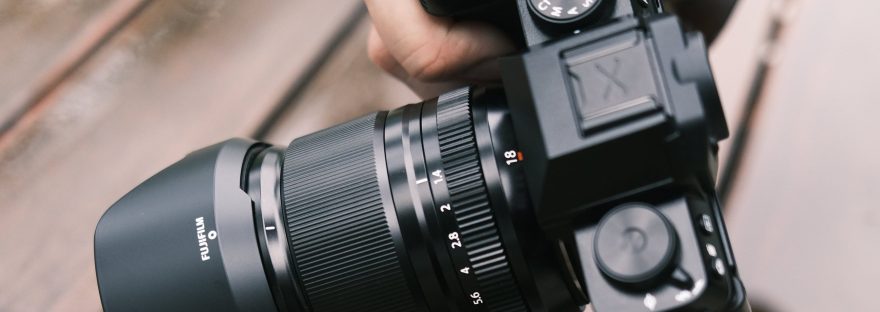
XF18mm F1.4 is the fourth lens that comes with this aperture in Fujifilm lens line-up (XF16mm F1.4, XF23mm F1.4, XF35mm F1.4). It was announced under development back in Fujifilm X Summit held on 15 October 2020 and today it is here.
It has a field of view equivalent to 27mm in the 35mm film format. In this day and age, most of us should be very familiar with this field of view and use this focal length to shoot in our daily life. Yes. I am referring to our smartphones. Apple iPhone 12, Samsung Galaxy S21, Google Pixel 5 and Oppo Find X3 Pro, to name a few, share the common focal length with this lens. I suppose this lens is perfect for landscapes, portraits and general street and food shots.
So how does this lens sit inside the F1.4 family?
Fuji XF18mm F1.4
Build Quality
When I first hold this pre-production lens, I find the lens’ size and weight is somewhat familiar.
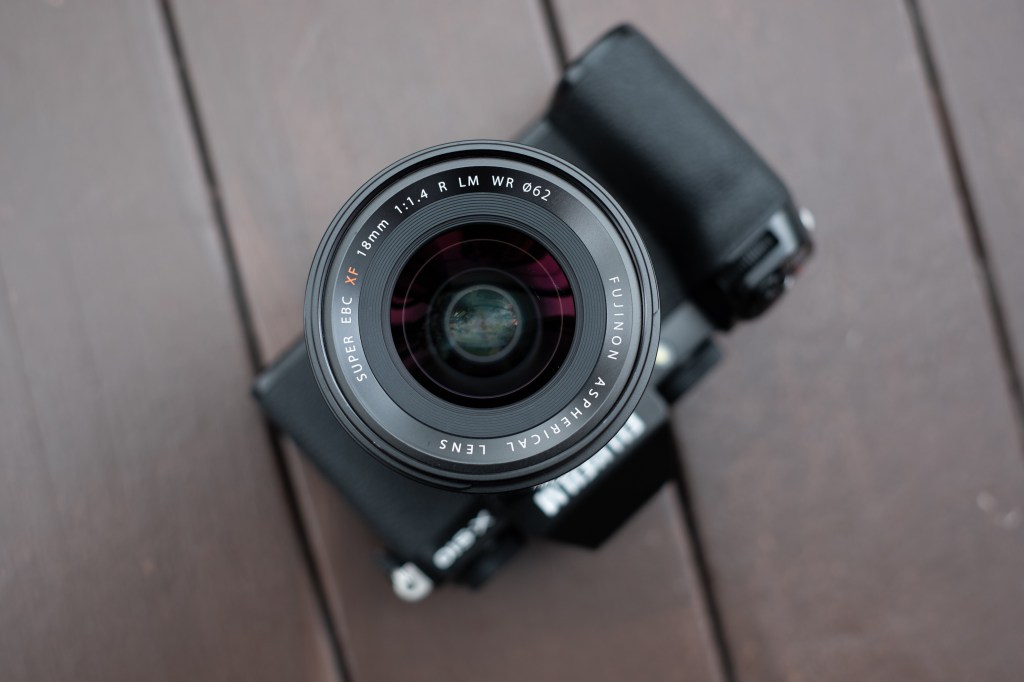
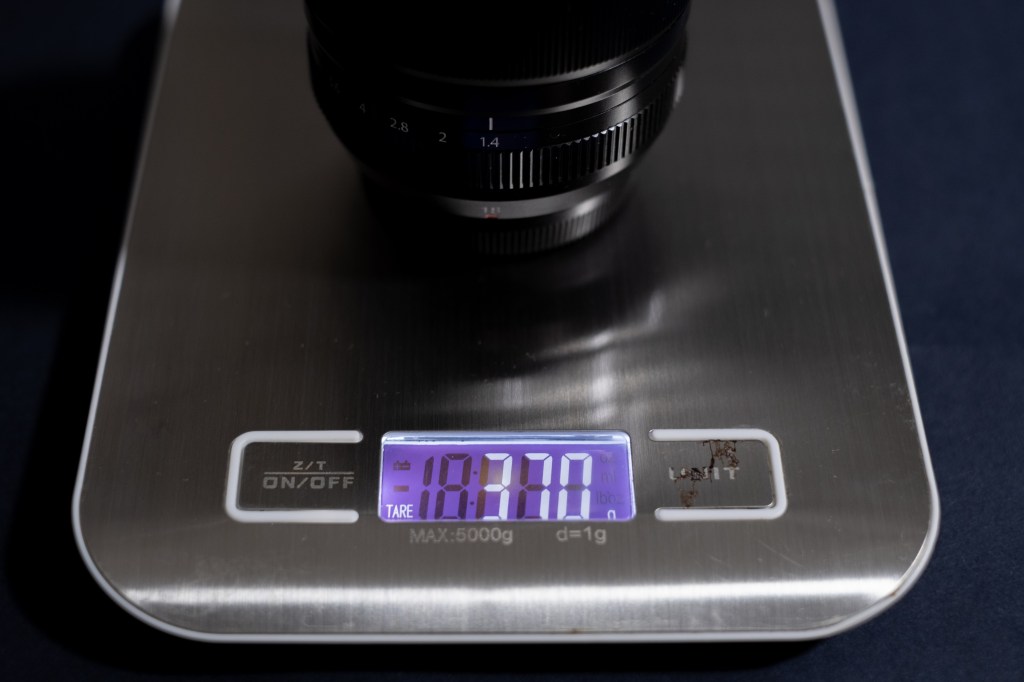
I pick up my XF16mm F1.4 and compare both of them. Indeed, they are very close to each other. XF18mm F1.4 is slightly taller but smaller filter size (@ 62mm) than XF16mm F1.4 (@ 67mm). And according to my not-so-accurate kitchen weighting scale, it weights 370 grams (slightly lighter than XF16mm F1.4 @ 375 grams).
There is this interesting button on the lens. This button helps to prevent photographer from accidentally turn the aperture ring to “A” (Auto Aperture). In order to use this “A”, you have to press the button and turn the aperture ring. If you notices, XF27mm WR also share this similar. A thoughtful engineering from Fujifilm.
The lens is well-constructed and built quality is awesome. The aperture ring is smooth and it has a good “click” satisfaction. Unsurprisingly, the lens hood is plastic. The lens barrel is not wide and large, so it fits well with most Fuji cameras.
Pairing this lens with X-S10 is comfortable. The weight is well-balanced throughout the lens and there is no sign of heavier front elements. WR is undeniably a welcome feature too.
To be frank, this is not my most frequently used focal length. 35mm and 50mm (in full frame equivalent) are my most used focal length and followed by 24mm. I wonder how I can optimize this lens as my daily street lens and portrait lens throughout this trial period.
Fuji X-S10 . Fuji XF18mm F1.4 R LM WR @27mm . f1.4 . 1/7500” . ISO 320 . Classic NegativeFuji X-S10 . Fuji XF18mm F1.4 R LM WR @27mm . f8 . 1/420” . ISO 320 . Classic NegativeFuji X-S10 . Fuji XF18mm F1.4 R LM WR @27mm . f5.6 . 1/1700” . ISO 320 . Classic NegativeFuji X-S10 . Fuji XF18mm F1.4 R LM WR @27mm . f5 . 1/1400” . ISO 320 . Classic Negative
Image Quality
The overall image quality is excellent and I couldn’t find anything to complain about. In my opinion, the photos taken at F1.4 are usable and the bokeh renders smoothly too. Of course, the bokeh is also comfy and pleasant to my eyes.
I also do not observe much chromatic aberration, maybe there is very little. Even if there is, it does not affect my photos a lot as it is easily remove in post. So I am not worry much about it.
Fuji X-S10 . Fuji XF18mm F1.4 R LM WR @27mm . f1.4 . 1/2” . ISO 160 . Classic Chrome
Fuji X-S10 . Fuji XF18mm F1.4 R LM WR @27mm . f5.6 . 1.6” . ISO 160 . Classic NegativeFuji X-S10 . Fuji XF18mm F1.4 R LM WR @27mm . f1.4 . 1/105” . ISO 320 . Classic Negative
Fuji X-S10 . Fuji XF18mm F1.4 R LM WR @27mm . f1.4 . 1/150” . ISO 320 . Classic Negative
Autofocus
Everyone’s expectation for autofocus speed is high and Fujifilm does not disappoint everyone with this lens. During the day, the focusing speed is real fast, it’s silent and it’s also confident in locking onto the subjects. For indoor environment, I do not experience any slow in focusing, it still silent. I do sometime experience miss focusing but it does focus right on my second attempt.
On the other hands, under extreme dim conditions, I can feel that the focus is slightly slower but not that terribly slow. Funnily enough, it does not hunt.
Fuji X-S10 . Fuji XF18mm F1.4 R LM WR @27mm . f8 . 1/28” . ISO 160 . Classic ChromeFuji X-S10 . Fuji XF18mm F1.4 R LM WR @27mm . f8 . 1/10” . ISO 320 . Classic Chrome
Fuji X-S10 . Fuji XF18mm F1.4 R LM WR @27mm . f1.4 . 1/25” . ISO 640 . Classic Chrome
Fuji X-S10 . Fuji XF18mm F1.4 R LM WR @27mm . f5.6 . 1/350” . ISO 320 . Classic Negative
Using it for streets
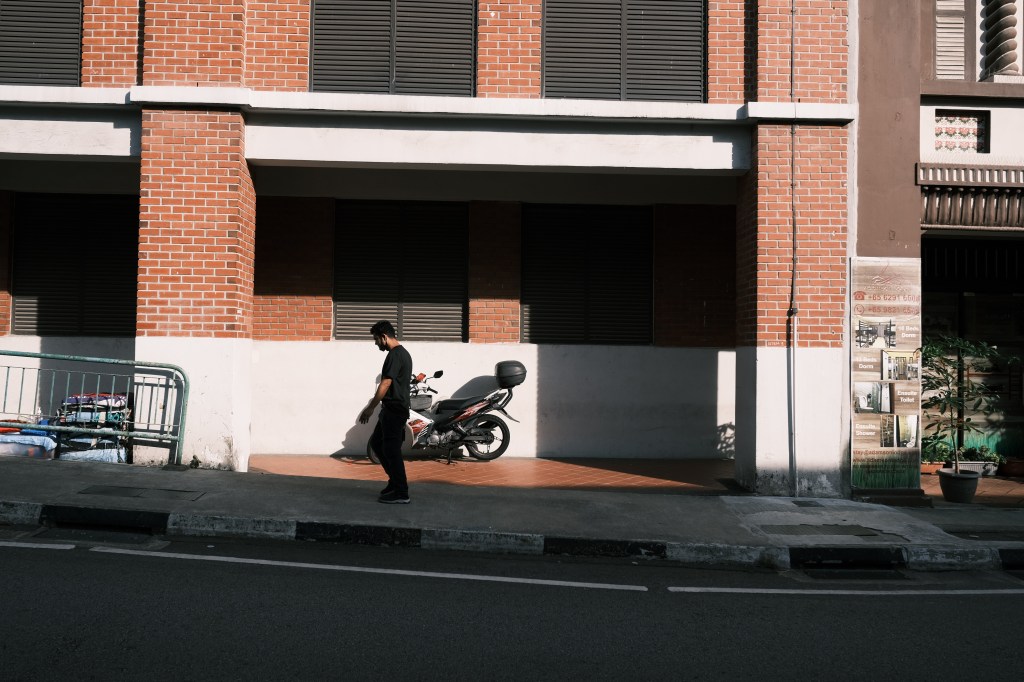
Yes. No doubt this lens is for street photography. This focal length is wide enough to cover mostly general street shots. I don’t have much complain using this lens for street shots. I think I adapt to this focal length very well.
One of the benefits of having this lens is with its fast aperture, it gives “brighter” shooting opportunity for night street. Especially for someone who like to take night street photos.
Fuji X-S10 . Fuji XF18mm F1.4 R LM WR @27mm . f5.6 . 1” . ISO 160 . Classic NegativeFuji X-S10 . Fuji XF18mm F1.4 R LM WR @27mm . f4 . 1/2400” . ISO 320 . Classic NegativeFuji X-S10 . Fuji XF18mm F1.4 R LM WR @27mm . f5.6 . 1/420” . ISO 320 . Classic NegativeFuji X-S10 . Fuji XF18mm F1.4 R LM WR @27mm . f5.6 . 1/1250” . ISO 320 . Classic ChromeFuji X-S10 . Fuji XF18mm F1.4 R LM WR @27mm . f1.4 . 1/10” . ISO 160 . Classic Chrome
Minimum Focus Distance & Magnification
This is one of the key features when I am looking for a lens and that’s because I love to take shots at its Minimum Focus Distance (MFD). Understanding the MFD will allow me to visualize what result can I achieve with this lens. I know it may not be a big concern for some people but it does concern me a lot.
In my trial period, I do not have the specification for this lens and hence, I does not have the exact MFD value. But I feel that it is not as close as what XF16mm F1.4 can achieve. If case you wonder, the MFD for XF16mm is 0.15m and I think for this XF18mm F1.4 is about 0.2m. But the result is actually not bad. (According to official statement, the MFD is indeed 0.2m and the magnification is at 0.15x.)
Fuji X-S10 . Fuji XF18mm F1.4 R LM WR @27mm . f1.4 . 1/250” . ISO 160 . Classic NegativeFuji X-S10 . Fuji XF18mm F1.4 R LM WR @27mm . f1.4 . 1/600” . ISO 160 . Classic NegativeFuji X-S10 . Fuji XF18mm F1.4 R LM WR @27mm . f1.4 . 1/15” . ISO 160 . Classic Chrome
Using it for portraits Undoubtedly, Fujifilm has a range of amazing portrait lenses to choose from. I know we are not lacking of choices but I still want to show how well does this lens performs as a “portrait” lens.
Fuji X-S10 . Fuji XF18mm F1.4 R LM WR @27mm . f1.4 . 1/8000” . ISO 160 . Classic Chrome
Fuji X-S10 . Fuji XF18mm F1.4 R LM WR @27mm . f1.4 . 1/8500” . ISO 320 . Classic NegativeFuji X-S10 . Fuji XF18mm F1.4 R LM WR @27mm . f1.4 . 1/1400” . ISO 320 . Classic NegativeFuji X-S10 . Fuji XF18mm F1.4 R LM WR @27mm . f1.4 . 1/150” . ISO 320 . Classic ChromeFuji X-S10 . Fuji XF18mm F1.4 R LM WR @27mm . f1.4 . 1/80” . ISO 320 . Classic ChromeFuji X-S10 . Fuji XF18mm F1.4 R LM WR @27mm . f1.4 . 1/60” . ISO 640 . Classic Chrome
Fuji X-S10 . Fuji XF18mm F1.4 R LM WR @27mm . f1.4 . 1/180” . ISO 320 . Classic Chrome
From my standpoint, the results produce from this lens is beyond above passing level. The separation between the subject and the background is clean and decent. Eyes are sharp. Skin tone is pleasant. Having say that, I think this lens is very useful for environmental portraits.
Conclusion
Fujifilm has never fail to amaze everyone with their lens line-up and once again Fujifilm has done a good job providing such a high quality product. This lens gives many potential buyers more lenses options to choose from but definitely a hard time deciding.
Who is this for? I believe there will be some XF18mm F2 photographers going to upgrade to the F1.4 variant but I also know that there are lots of XF18mm F2 photographers will still keep their current F2 lens with them. Because who don’t love compact, small, lightweight and easy to carry around lens for general purpose shoots. The way I see it, I think Fujifilm is not targeting this group of photographers but rather another group of photographers who do not mind about the size and weight but a fast and big aperture lens. Having said that, there is no comparison between the F1.4 and F2 variant of the 18mm lens because they are both designed for different needs and purposes.
(The official price was announced at USD 999 and will be available from late May 2021.)
Disclaimer: 1. All the shots taken here were shot by me. 2. I reserve ownerships to these images, if you wish to use my images for whatever reasons, please notify me and we can see how to works thing out.
Thank you for reading.
Fuji X-S10 . Fuji XF18mm F1.4 R LM WR @27mm . f1.4 . 1/1100” . ISO 320 . Classic Negative
Fuji X-S10 . Fuji XF18mm F1.4 R LM WR @27mm . f1.4 . 1/52” . ISO 320 . Classic Chrome
Fuji X-S10 . Fuji XF18mm F1.4 R LM WR @27mm . f1.4 . 1/800” . ISO 320 . Classic NegativeFuji X-S10 . Fuji XF18mm F1.4 R LM WR @27mm . f1.4 . 1/4700” . ISO 320 . Classic Chrome
First of all, I would like to thank Oppo Singapore for providing the loan for Oppo Find X3 Pro. The unit was loaned and had returned back to them. All the shots shown here are taken by me and some shots were edited with minor adjustments in the photo itself.
26mm Focal Length
26mm Focal Length
26mm Focal Length
In this review, I am purely sharing my experience with this phone and its camera functions. Nothing much about the hardware and Android side of the phone, etc. I will leave the full review of the phones to expert reviewers.
Overview
The model that I received is Gloss Black. The reflective chrome design is very sexy and appealing to me and so does my finger prints. It equips with 6.7 inch 10-bit OLED screen which also spell out that it is not a small phone. Fortunately, I still feel good to hold with my big hands. It also equip with 5 cameras, 4 at the back and 1 selfie camera. And that is the main topic of this review.
26mm Focal Length
10-bit
This is the first camera in the mobile industry that provides 10-bit image quality which means it is able to display approximately 1 billion colors (as compare to the competitors at 8-bit 16 million colors). This also means that the colours represented in the photos are far much richer and more color depth. And it save in HEIF format. I think this is the second mobile phone manufacturer supporting HEIF beside Apple.
However, when I upload the 10-bit photos to instagram or other social media platforms, it actually compress to 8 bit before uploading.
There are 2 primary lenses, one at 26mm F1.8 wide lens comes with OIS and the other one is 15mm F2.2 ultra-wide lens. Both equip with Sony IMX 766 50MP Quad Bayer sensor. The result from this lens is pretty impressive. The 50MP gives pretty decent and usable image quality. The color results give punchy, rich and high details. am not a person who love to crop my photos away, but with the resolution it offers, it is okay to crop a bit without losing details in the images. When you select 50MP options in your camera, you will not have the capability to shoot with the telephoto because of different resolution that it offers.
These 2 lenses are the only lenses that is capable of shooting 10-bits colors. When you select this mode, your photos are actually downsize to 12.5 MP. According to the official that explains to me, they think that 50MP 10-bit file size is too huge for consumer to use and hence they decide that 12.5mp is the sweet spot for 10-bit shooting. Logically, I accept their explanation but as a photographer, I wish to have the option to harness the power of 50MP 10-bit raw files.
26mm Focal Length26mm Focal Length
Telephoto lens
It is a 52mm F2.4 telephoto lens. What make is different is it can only shoot at 13MP but it offers up to 5x hybrid zoom. Unfortunately, there is no official statement on what sensor it is using. The results of the 5x hybrid zoom is above average while the 2x zoom is consider relatively good. The sensor able to preserve much of the details and loses minor contrast in the image. It is also quite comparable to the 2 main lenses at 12.5mp.
130mm Focal Length (5x hybrid zoom)
52mm Focal Length
26mm Focal Length
15mm Focal Length
Microscope lens
This is probably one of the interesting feature that Oppo has offers so far. It can shoot at 60x magnification with between 1mm to 3mm distance off the subject. While many claims it comes with auto-focus, I am unable to tell if the auto-focus is actually focusing. I feel like it is more like a fixed-focus lens. Although it can only snap 3MP and in only square format (1:1 aspect), it is a very fun application to see the world differently. It has the always-on ring-LED flash since we are focusing at 1mm to 3mm distance. I would love to see Oppo will improve this lens to a higher and usable megapixels and brighter LEDs light.
60x magnification60x magnification
Selfie lens
32MP lens at 26mm wide. Again it is equip with an unknown Quad-Bayer color filter sensor. The overall image is considerably usable with a little bit of softness. Color and contrast are within the average range. Unfortunately, I have lost the selfie shots. I have no idea why it is not save in my hard drive before I returns the unit. Careless me.
Expert mode
Oppo provides Expert mode for user to control the camera function. They allow user to control ISO, shutter speed, exposure compensation and manual focus. But they do not allow user to control the aperture value. I have no idea why. I also asked the Oppo official staffs and no one can explains why. Oppo not providing such function. I hope they can allow it someday via OTP software upgrade or in its successor.
26mm Focal Length
26mm Focal Length
Overall
The shots taken with using the main camera and telephoto camera to shoot in portrait mode is something that I do not like. The result dent to be over beautify and bokeh background is too heavy and strong. It is not natural to my eyes. As for night shots, most camera phones suffer from loss of details and contrast, this camera is no exceptional but I can still accept it. Beside all these, I love this camera phone for overall shooting experience. It has the image quality of what this era of camera phone should have and one step ahead of every competitor has to offer.
26mm Focal Length15mm Focal Length
Something to take note of if you want to be one of the pioneers of having 10-bit photos in your pocket, you can only enjoy the full 10-bit colors on this phone and some monitors that support 10-bit colors. Beside that, I notice there is a downscale from 10-bits color to 8-bits color when you share your photos to the social media platforms.
26mm Focal Length (Portrait mode )
Nevertheless, it has the typical focal lengths of what I need to shoot for my daily life. I am a person who is not fancy about the ultra zoom like 50x, etc. I prefer not to sacrifice image quality over long focal length. If you are looking for a new flagship camera phone and not going to change in the next 2-3 years, I think you can consider visiting one of the flagship stores in your country to experience it and try it out.
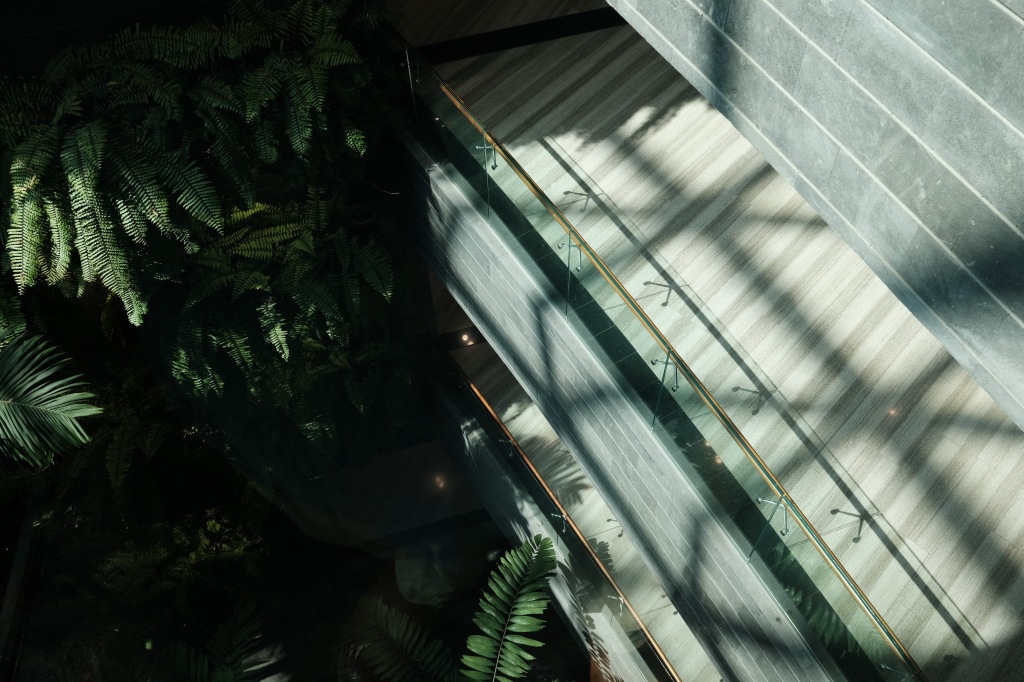
If it is not seeing my colleague one last time before he heading back to his country, I would not have this opportunity to visit Jewel Changi Airport. It was almost a year since my last visit to the Jewel and everything still looks the same, just added a few more barricades and scanning counters.
And I finally get to bring my X-E3 and XF23mm F2 for a spin. The last time I used the XF23mm was like in December 2019. Shots are all straight out of camera.
First of all, I would like to thank Sony Singapore for providing the loan for Sony A7C, Sony FE 24-70mm F2.8 GM and Sony FE 85mm F1.8. The units were loaned and had returned back to them. All the shots shown here are taken by me and some shots were edited with minor adjustments with Lightroom Classic.
In this review, I will discuss less about the specifications and the hardware of this camera. What I will going to share is more towards my experience of using the Sony A7C. Before I start my review, I have to let everyone knows that I actually have a day with the Sony FE 24-105mm F4 OSS. That’s because the staff has prepare the wrong lens for me and they are responsive and replace it with the 24-70mm the following day. Let’s begins…
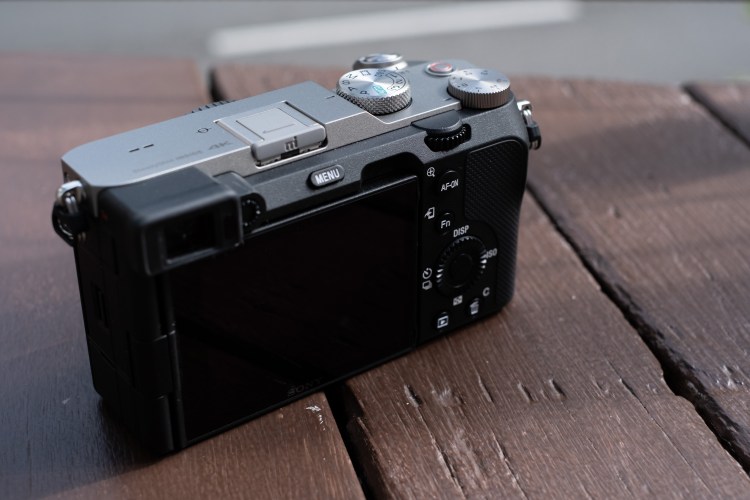
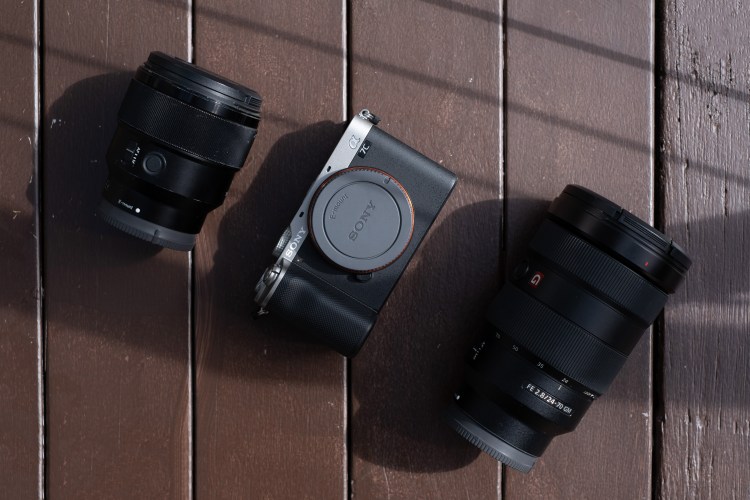
Sony A7C with articulating screenSony A7C – backSony FE 85mm F1.8 . Sony A7C . Sony FE 24-70mm F2.8 GM
Design
When I first unbox it, I am really surprise how compact and small is this rangefinder style camera is. It comes with a large and comfortable enough hand grip for me to hold onto the camera body. I quickly make a physical comparison with my Fujifilm X-E3. And wow! The Sony A7C is almost the same size as the Fujifilm X-E3 and yet it pack with a Full Frame sensor and an IBIS. I am impressed by how amazing Sony has put up lot of effort in designing this camera. For easy reference, I have create a reference table below.
Sony A7C
124 x 71 x 60 mm (4.88 x 2.8 x 2.36″)
Fujifilm X-E3
121 x 74 x 43 mm (4.78 x 2.91 x 1.68″)
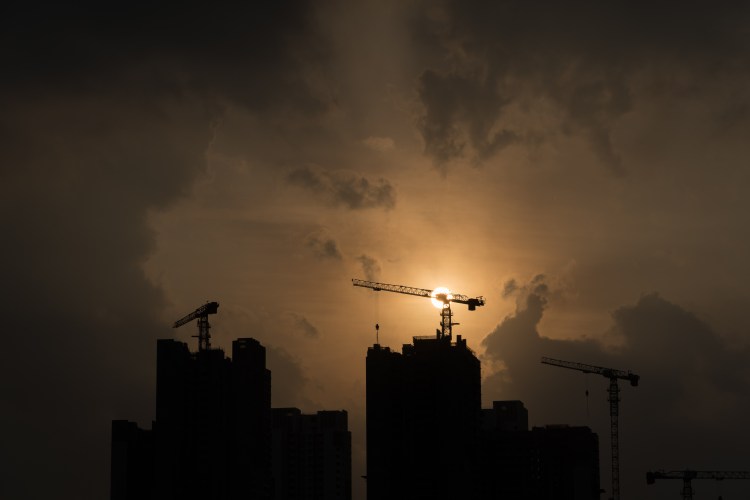
Sony A7C . FE 24-105mm F4 F OSS @105mm . f/8 . 1/4000” . ISO 100Sony A7C . FE 24-105mm F4 F OSS @105mm . f/8 . 1/400” . ISO 100Sony A7C . FE 24-105mm F4 F OSS @105mm . f/4 . 1/500” . ISO 100Sony A7C . FE 24-105mm F4 F OSS @48mm . f/4 . 1/320” . ISO 100
It comes with a fully articulating screen. Because of the way how I photograph my subject, this is not my prefer screen. When I do low angle shoots with the screen flip out and adjusted to the low angle viewing mode, I seems to have some parallax error and the shots turn out to be not the way it intended to be.
But having say that, this articulating screen is probably the best way to benefits many people and their needs.
Built
This little compact camera has a magnesium alloy body and it feels great to hold on my hand. Some people commented that the silver finish make it looks plasticky and less premium. But I feel that its look is clean and sleek and it also doesn’t seems to spell cheap built quality too. The weight at 509 grams is feel just right too. I still feel the weight but not too heavy until it soar my wrist.
Sony A7C . FE 24-70mm F2.8 GM @70mm . f/5 . 1/640” . ISO 100Sony A7C . FE 24-70mm F2.8 GM @70mm . f/8 . 1/80” . ISO 160Sony A7C . FE 24-70mm F2.8 GM @70mm . f/5 . 1/2000” . ISO 100
Performance
Awesome, crisp and full of details are what best describe about the image quality. Despite being complain by many photographers about using the old sensor, the quality is not being compromise. The AF speed is pretty decent and fast. The eye-AF focusing is fantastic and literally lock to the subject very well. Noise at high ISO is well-controlled and clean. Basically, I think there is nothing much to complain about. Sony know this sensor still can perform well and very usable in the years to come. It also make sense by cutting down the cost to make it becoming one of the most appealing and cheapest full frame camera in the market.
I am surprise that the 5 stops IBIS performs reasonably well too. It helps to stabilize my shots well especially at night.
Sony A7C . FE 24-70mm F2.8 GM @35mm . f/2.8 . 1/40” . ISO 800Sony A7C . FE 85mm F1.8 @85mm . f/2 . 1/100” . ISO 250Sony A7C . FE 24-70mm F2.8 GM @35mm . f/2.8 . 1/40” . ISO 2500Sony A7C . FE 24-70mm F2.8 GM @52mm . f/2.8 . 1/10” . ISO 1600
Battery
The NP-FZ100 battery is stunning good. I manage to run through a full day with just one battery (approximate close to 1000 shots). Anyway I only receive one battery for the testing. If you are using it for travel and you get to charge it on a daily basis, then one battery is actually sufficient. But for a person like me who prefer to have redundancy or backup, two is the minimum.
Sony A7C . FE 24-70mm F2.8 GM @52mm . f/2.8 . 1/10” . ISO 1600Sony A7C . FE 85mm F1.8 @85mm . f/2 . 1/100” . ISO 2000Sony A7C . FE 85mm F1.8 GM @85mm . f/2 . 1/50” . ISO 3200
Best lenses to work with
Small lenses, such as compact prime lenses, are definitely the best options to pair with this camera. Throughout the course of using this camera for 2 weeks, I realize I do not like to use it with the 24-70mm F2.8 GM and I think that 24-105mm F4 lens is the “biggest” lens that you can pair with and still comfortable to hold.
Sony A7C . FE 85mm F1.8 GM @85mm . f/2.8 . 1/200” . ISO 100Sony A7C . FE 24-70mm F2.8 GM @69mm . f/2.8 . 1/80” . ISO 250Sony A7C . FE 85mm F1.8 GM @85mm . f/16 . 1/160” . ISO 100Sony A7C . FE 24-70mm F2.8 GM @70mm . f/2.8 . 1/80” . ISO 320
Feedback
The first thing I have to say is that I have a big hand. And basically I only need 3 fingers to hold camera, leaving my little finger dangling. I think an additional grip for my little finger to rest upon is sufficient. I hope Sony will include an additional base in the package for the next generation of A7C.
The second thing I hope the second generation of A7C will have a bigger EVF. It is a pain for me to view a small screen. I know the target audiences are basically vloggers but having a bigger EVF shouldn’t do much harm.
The third is the AF joystick. I hope Sony will implement the joystick as I believe many photographers would love to have it as it helps to improve the flow of selecting the AF points.
Sony A7C . FE 85mm F1.8 @85mm . f/2.8 . 1/160” . ISO 100Sony A7C . FE 85mm F1.8 @85mm . f/5 . 1/500” . ISO 100Sony A7C . FE 24-70mm F2.8 GM @24mm . f/16 . 1/80” . ISO 100
Who is this for?
Beside vloggers and travelers. With this competitive pricing and compact body size, it is attractive for people who want to start to use a full frame camera but do not wish to burn a hole in the pocket. Having said that, provided that the buyer is not planning to invest in bigger and pricier lenses in the near future.
Having said that, the suggested price of this A7C is even cheaper than the flagship X-T4. If you are a photographer who has this budget and wants to upgrade from a DSLR era, will you get a A7C or the X-T4? Looking at the starting price can be deceive as oftentimes consumers forget to include the lenses and accessories they intend to invest in. So before investing into a system, consider all the factors and most importantly, it makes you want to bring it out and shoot with it.
Sony A7C . FE 85mm F1.8 @85mm . f/7.1 . 1/160” . ISO 100Sony A7C . FE 85mm F1.8 @85mm . f/7.1 . 1/160” . ISO 100Sony A7C . FE 24-70mm F2.8 GM @70mm . f/8 . 1/4000” . ISO 100Sony A7C . FE 24-70mm F2.8 GM @24mm . f/2.8 . 1/160” . ISO 3200
Conclusion from a Fuji Fanboy
Overall, it is a great camera with awesome eye-AF capabilities. I have to highlight again the size of this camera also spells that it work comfortably with small lenses. The old menu system does need to spend some time to learn and familiar with it. But of course, you can customize the menu for your needs. The SD slot is allocated to another side of the camera, which is unusual but might be a good move to position the card away from the battery slot area.
With its IBIS in such a small compact size camera, I am looking for a day when Fujifilm will implement the IBIS in their future X-E series (the newly launch X-E4 is not an IBIS camera). I can see there is a healthy competition and it’s not about full frame versus APS-C but how technology can improve our photography experience further in the future.
Sony A7C . FE 24-70mm F2.8 GM @70mm . f/2.8 . 1/160” . ISO 500Sony A7C . FE 85mm F1.8 @85mm . f/2.8 . 1/250” . ISO 1600Sony A7C . FE 85mm F1.8 @85mm . f/2.8 . 1/250” . ISO 2000
Disclaimer: 1. All the shots taken here were shot by me. 2. I reserve ownerships to these images, if you wish to use my images for whatever reasons, please notify me and we can see how to works thing out.
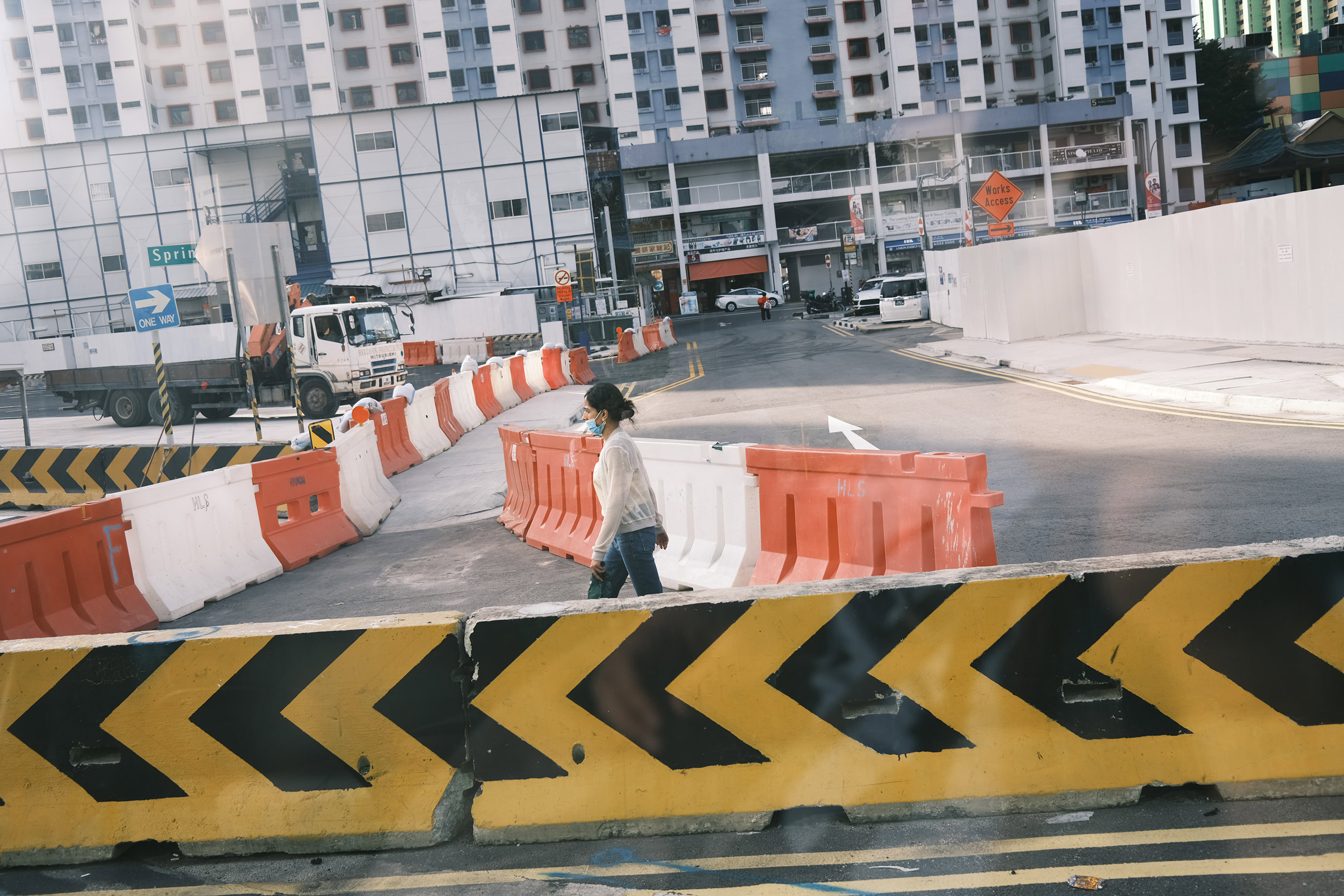
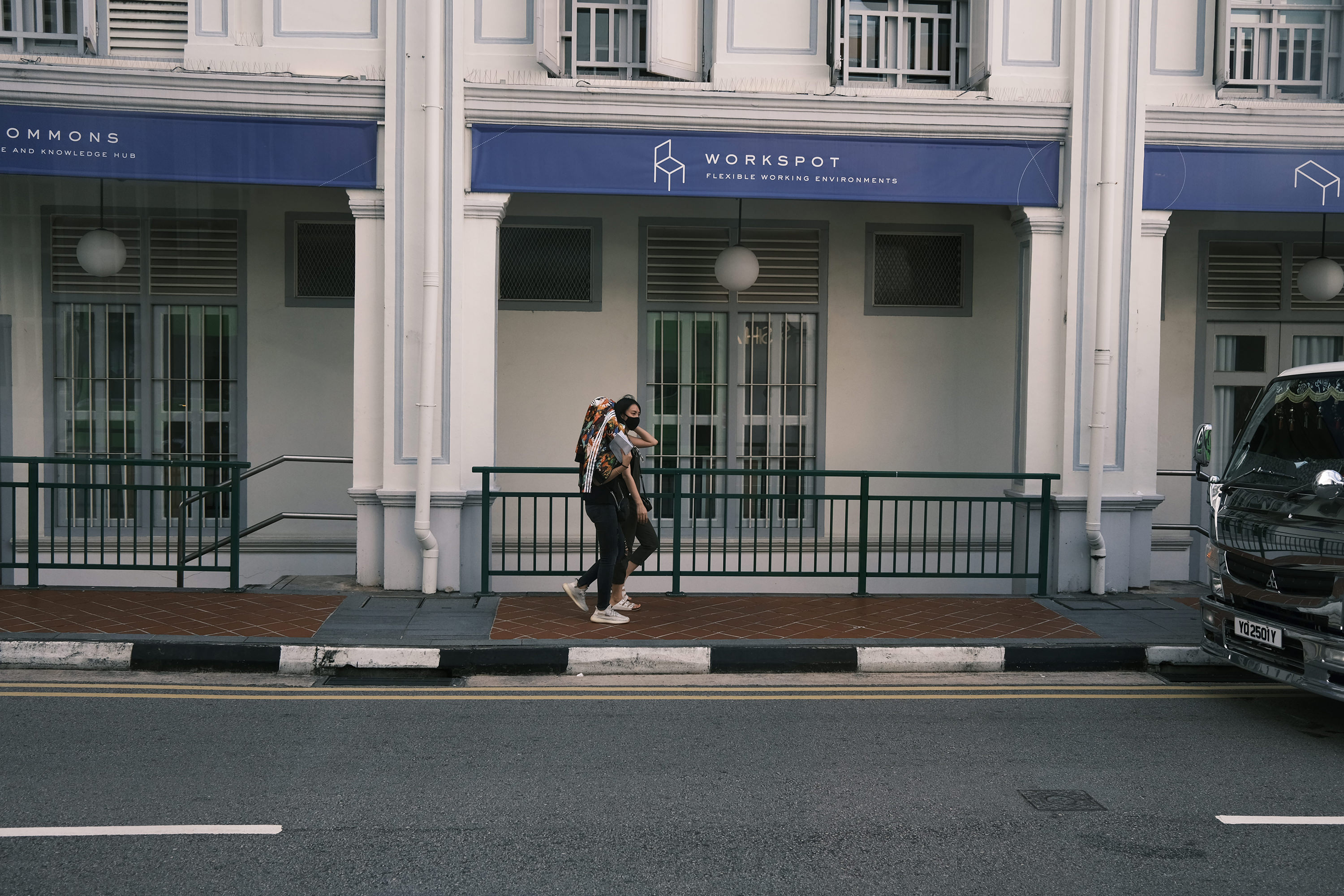
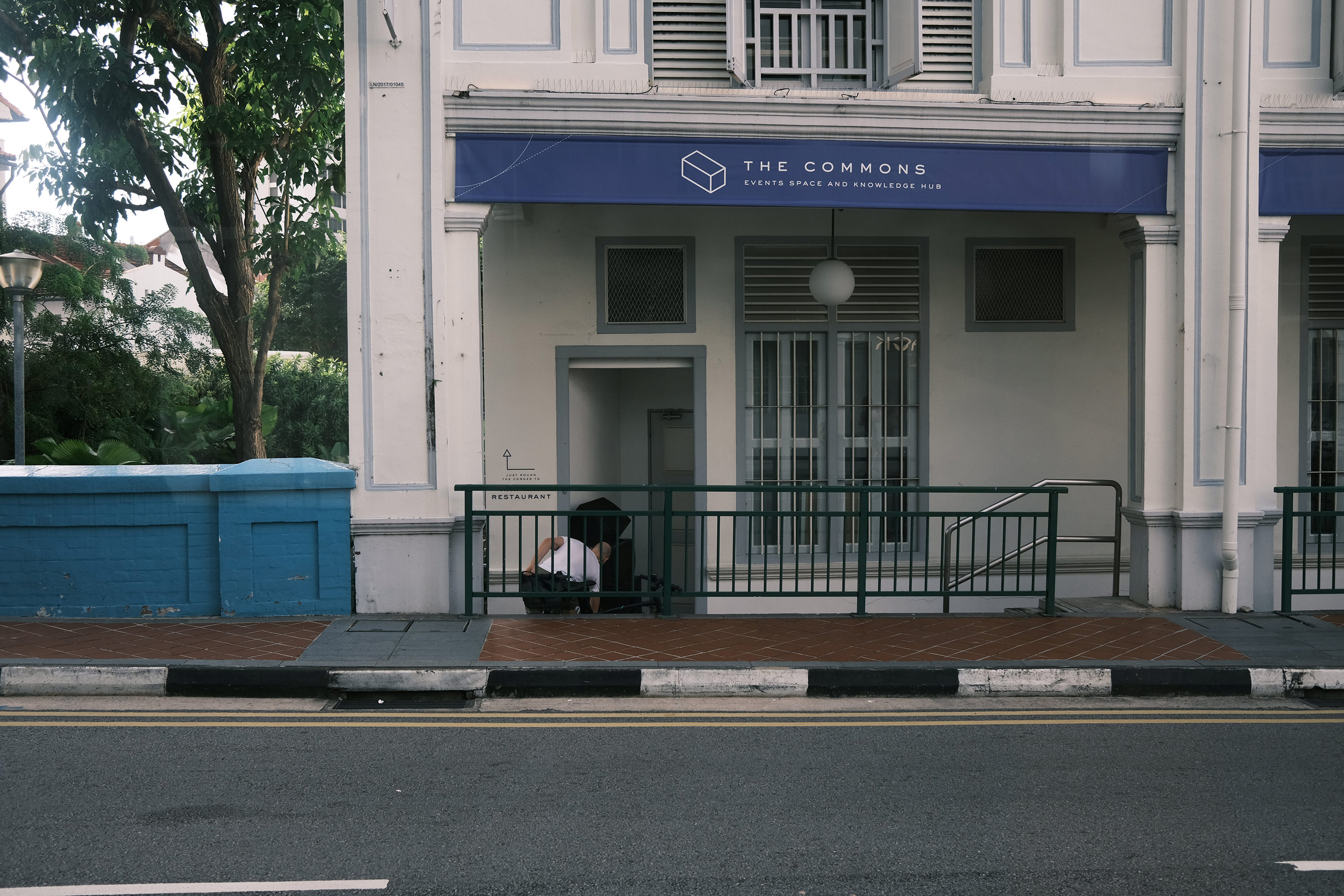
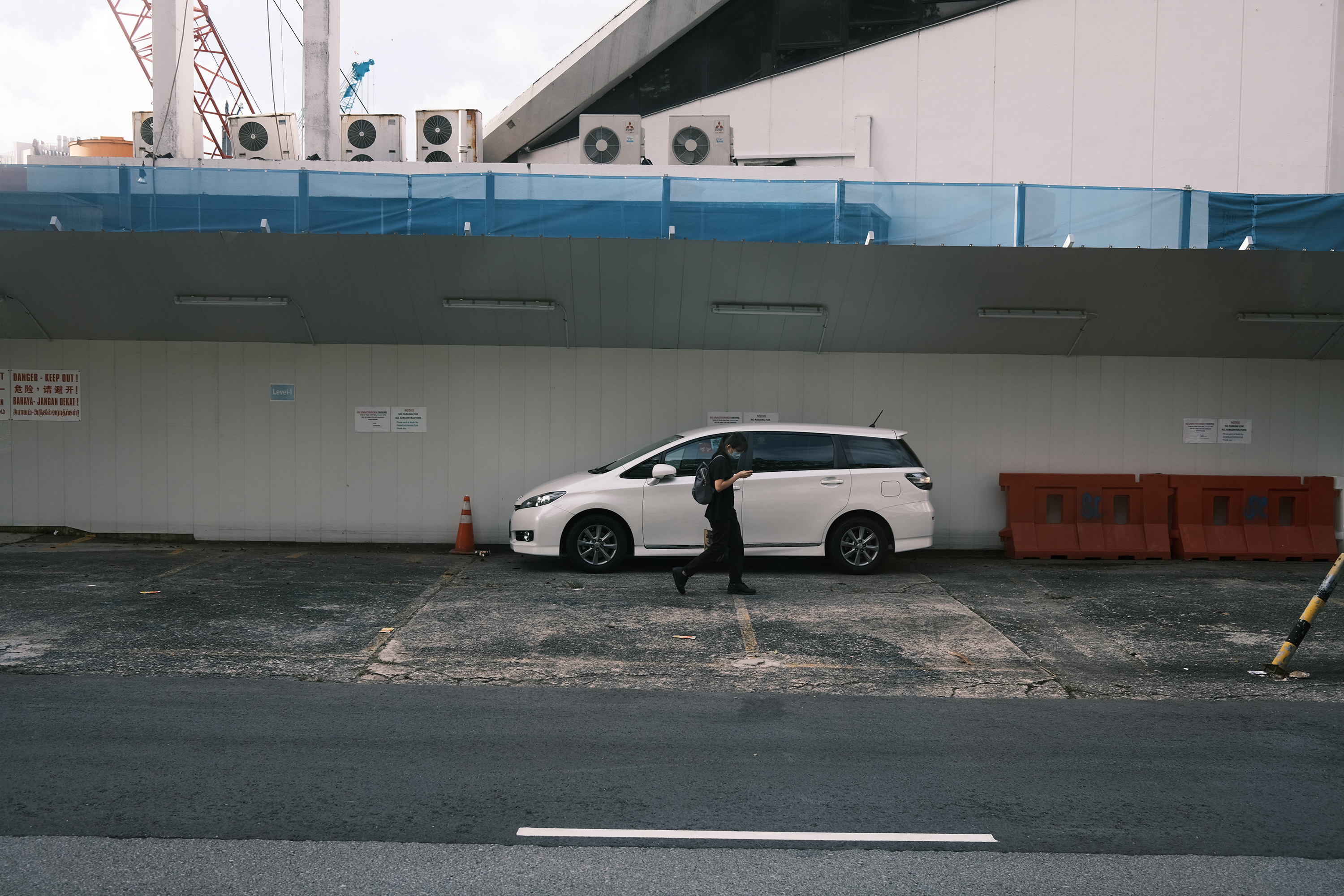
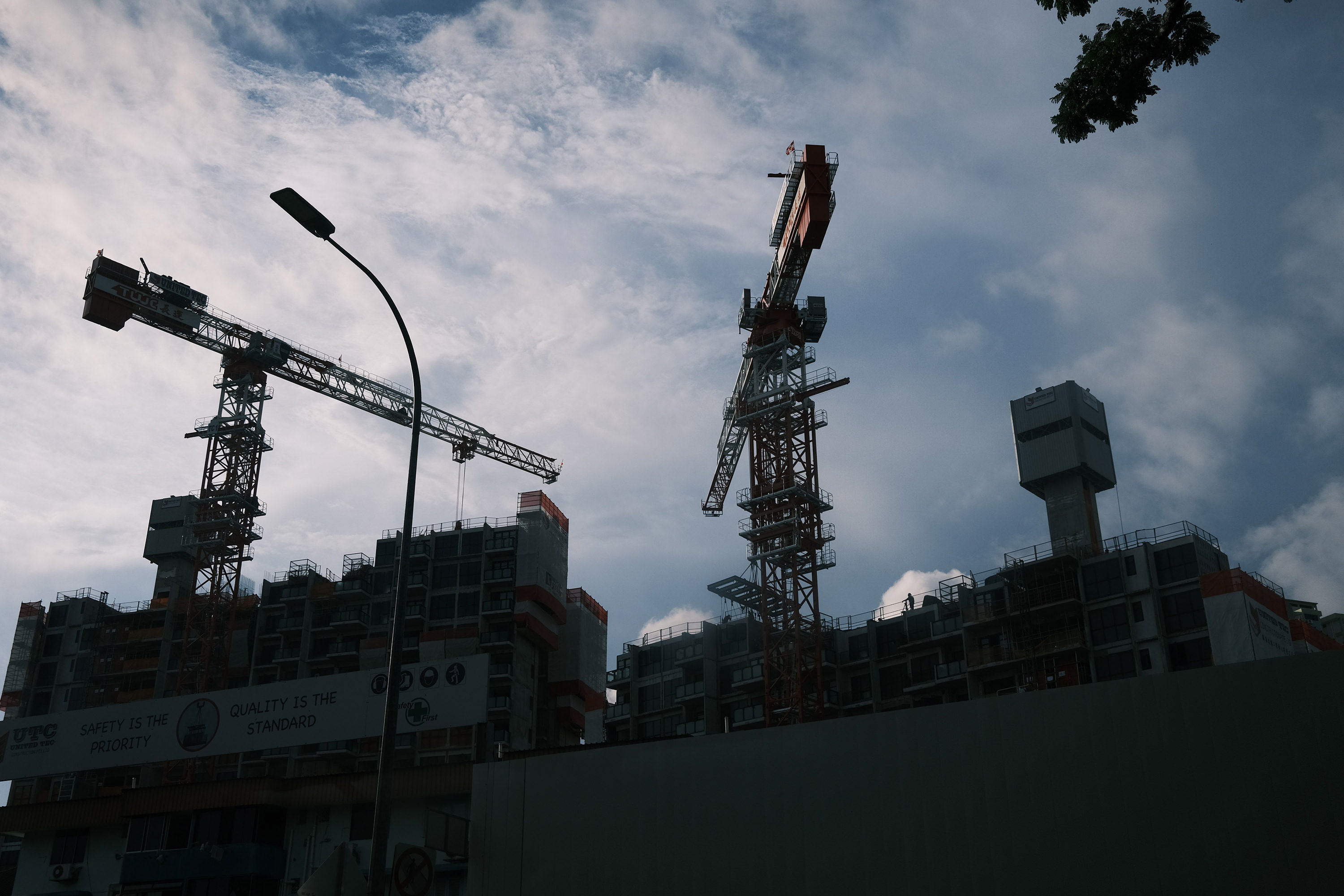
I was at City Hall and was having a coffee time with a friend. Then I decided to meet my wife at Vivo city for a dinner. As usual, I love to see things while commuting, so I choose to commute by bus than train.
While on my way to the destination, I saw some nice street spots for street photography. I have the intention to alight from the bus and do some quick snaps. But based on my experience, I am surely late if I do it. So to avoid my wife waiting for me, I decided to shoot through the window while on the move. Surprisingly, not too bad. What do you think?
Did I mention my X100V is with me?
For more of my works, please visit my instagram here & here.
Disclaimer: 1. All the shots taken here were shot by me. 2. I reserve ownerships to these images, if you wish to use my images for whatever reasons, please notify me and we can see how to works thing out.