
Reviews

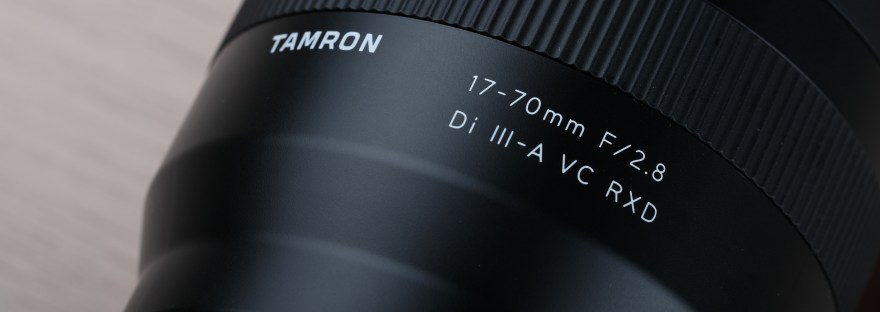
Tamron 17-70mm – The Best General Purpose Lens?

To begin with, I would like to special thanks to Cles Distribution of Tamron Singapore for giving me the opportunity to loan the Tamron 17-70mm f2.8 Di III-A VC RXD (Model B070X) for Fuji mount for this review. At the time of releasing this review, I returned the loan unit to Cles Distribution.
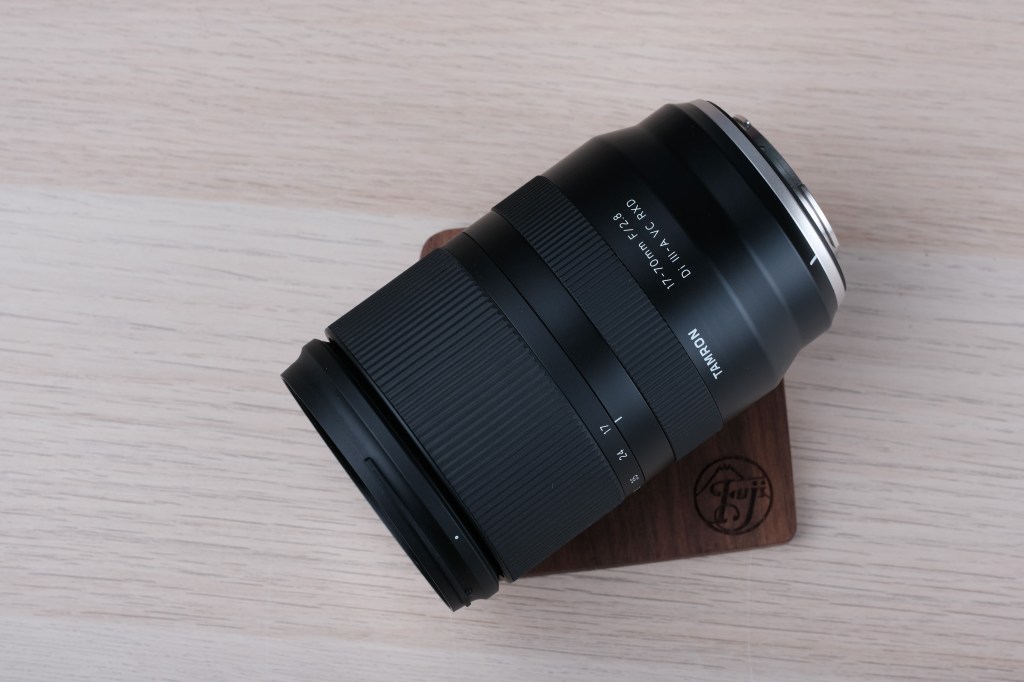
Tamron 17-70mm F/2.8 Di III-A VC RXD (Model B070)

Intro

Tamron 18-300mm f3.5-6.3 was first announced in August 2021. Fast forward 8 months later, here comes the second lens. Based on the full-frame equivalent, it gives a focal length from 25.5mm to 105mm and this is actually a good range for everyone to pick up easily.
Design & Build Quality

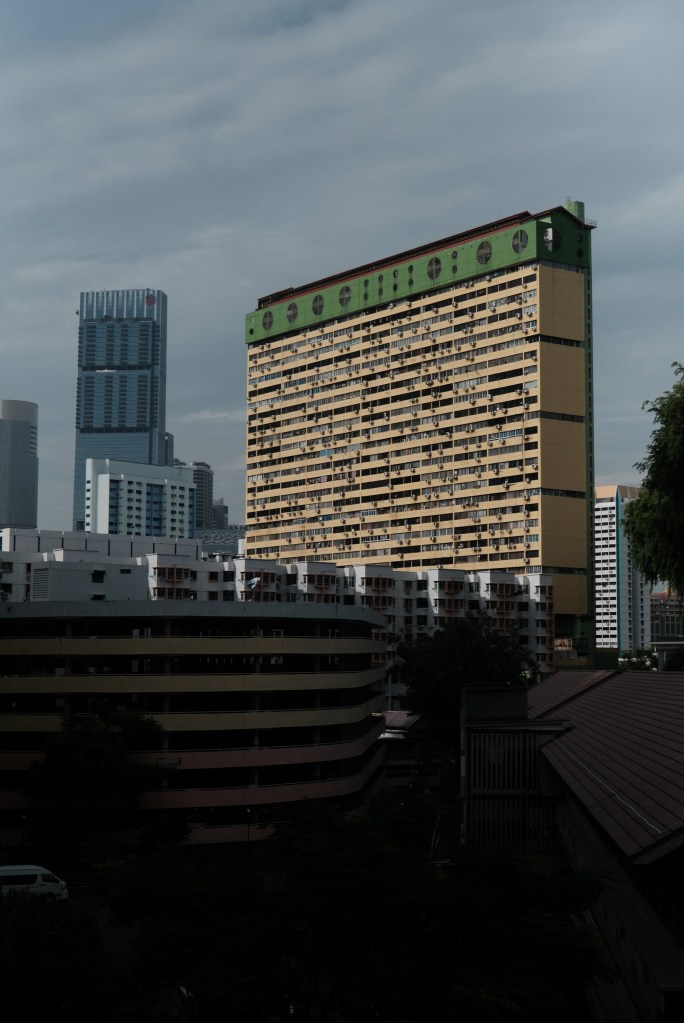
First of all, it comes with a plastic build body with a metal rear mount bayonet. It may not have the best handling experience but the built quality is solid for its class. The plastic material gives it a smooth like feel when you hold it.
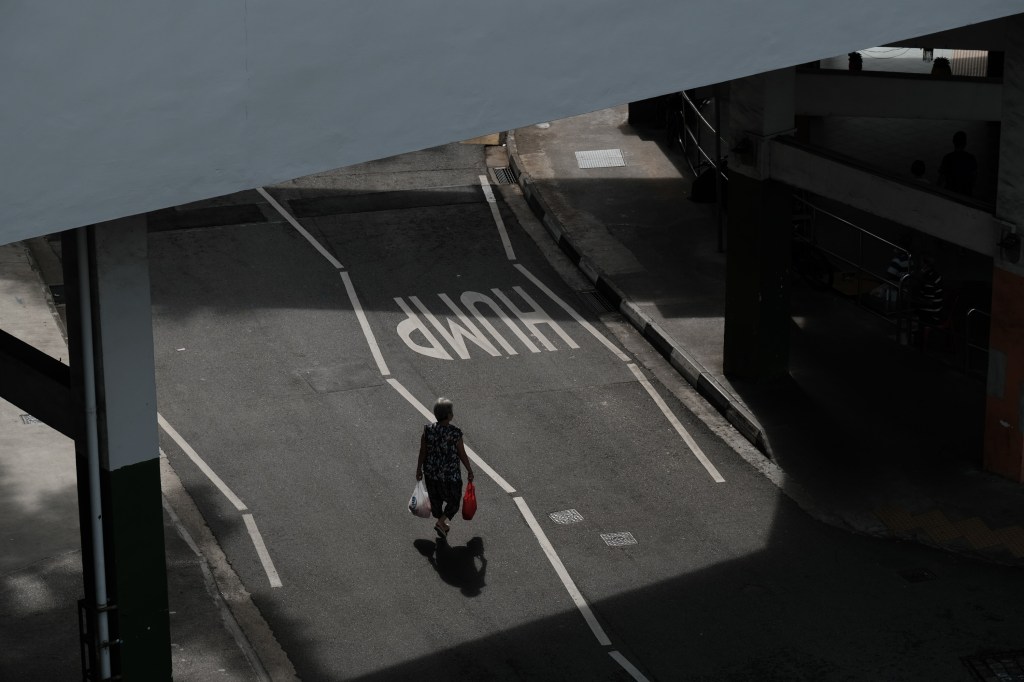
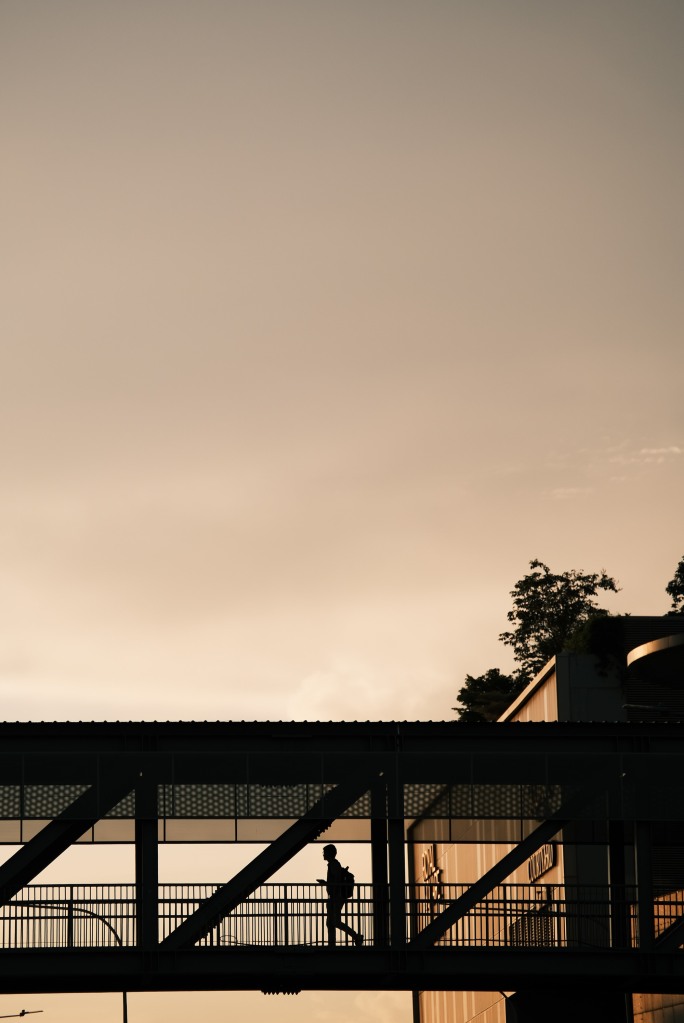
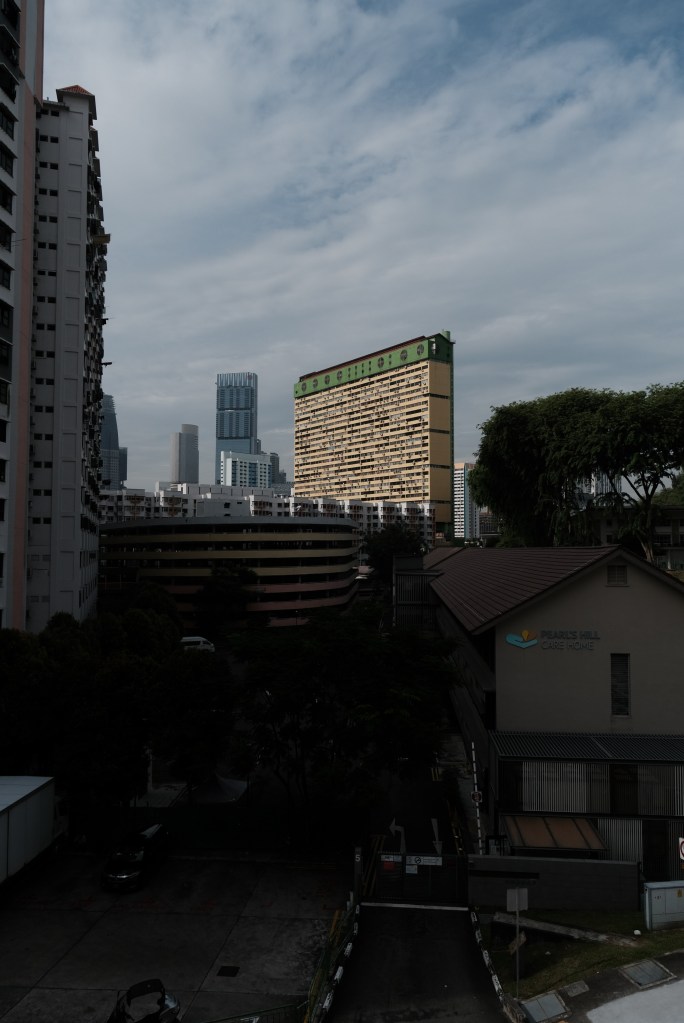
Fuji X-T3 . Tamron 17-70mm @ 70mm . f5.6 . 1/750″ . ISO 160 . Classic Chrome

If you have noticed, this lens does not have an aperture ring, which means controlling the aperture value has to be done on the front dial of the camera body.
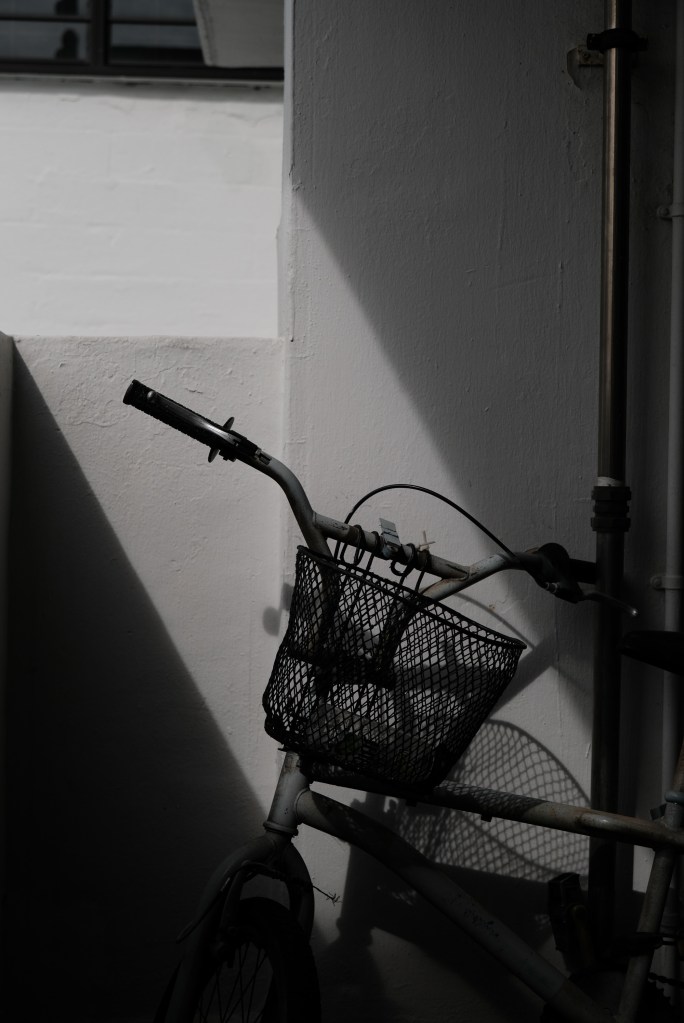
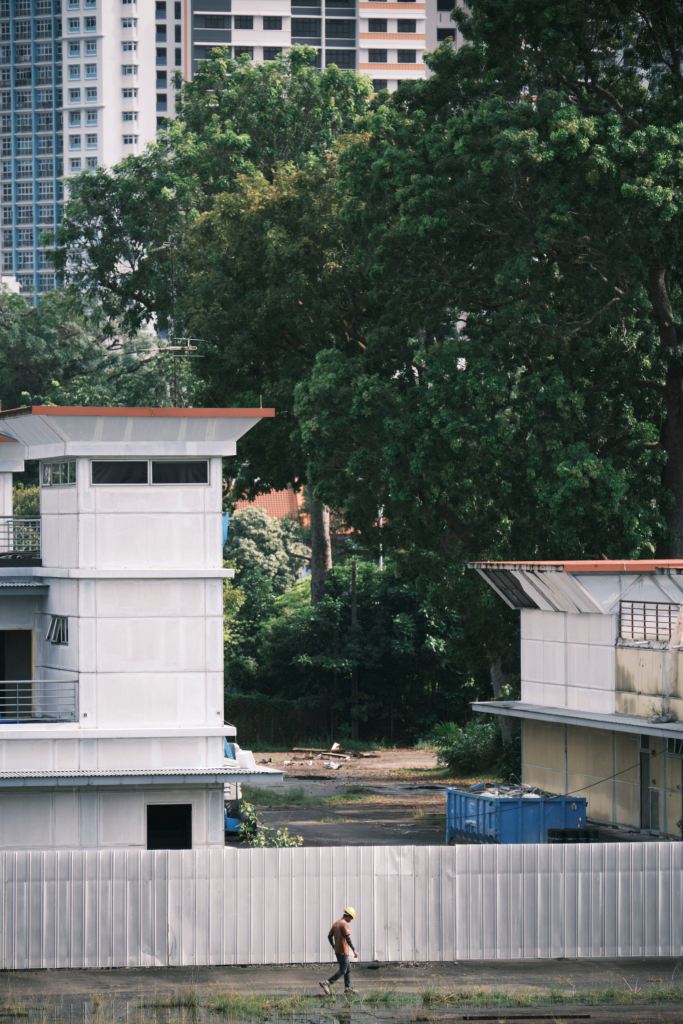
Fuji X-T3 . Tamron 17-70mm @ 35mm . f4 . 1/3800″ . ISO 320 . Classic Chrome

Rotating the zoom ring gives a smooth with little friction experience. The zoom throw takes 90° from 17mm to 70mm, which is great for quick zooming purpose. Unlike the zoom ring, the manual focus ring is frictionlessly smooth.
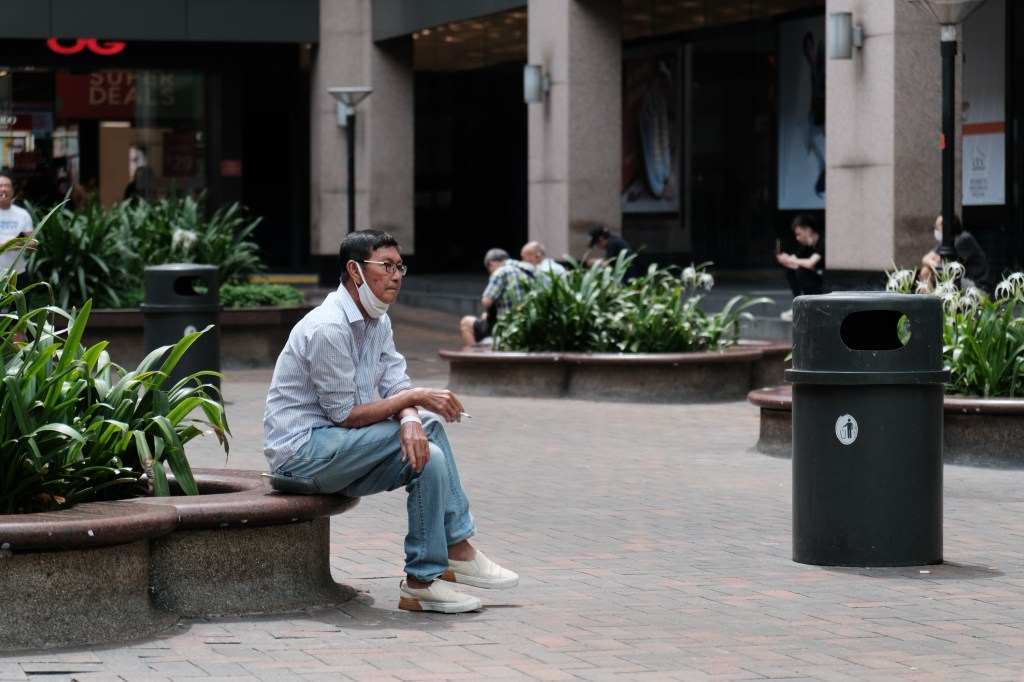
Likewise, it is also an external zoom lens, which means it extends the length of the overall lens when you zoom. At 70mm, it extends about 1/3 of the original length. The 67mm filter size lens weighs 530 grams. Personally, I feel the weight is well distributed throughout the lens. I do not feel the lens weight is heavy on the front, especially at 70mm.

Fuji X-T3 . Tamron 17-70mm @ 70mm . f2.8 . 1/1600″ . ISO 320 . Classic Chrome

Although this is an external zoom lens, it comes with weather sealing, not weather resistant!

Image Quality

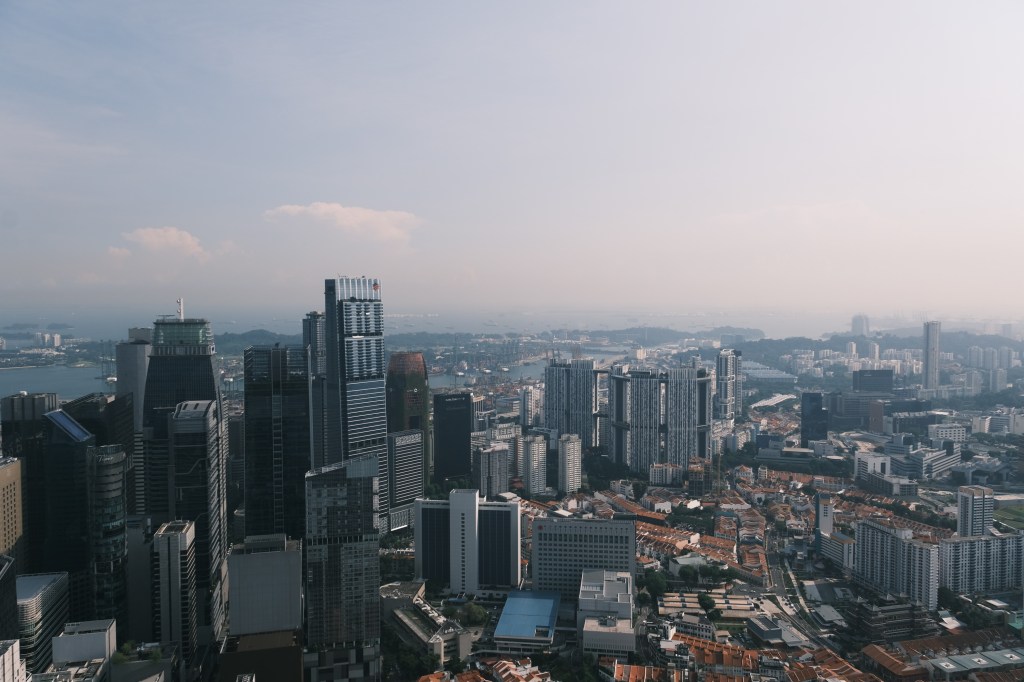
At f2.8, the sharpness of the image quality is sharp but not a tad sharp. Let me explain. If you view the photos from the monitor, phone or tablet at the “filled” size, they are sharp. If you blow it up to 100%, it is somehow not that sharp. But it could be me being picky.

Fuji X-T3 . Tamron 17-70mm @ 70mm . f2.8 . 1/80″ . ISO 1250 . Classic Chrome

Nevertheless, the sharpness is pretty consistent across the focal lengths. The contrast is pretty decent too.
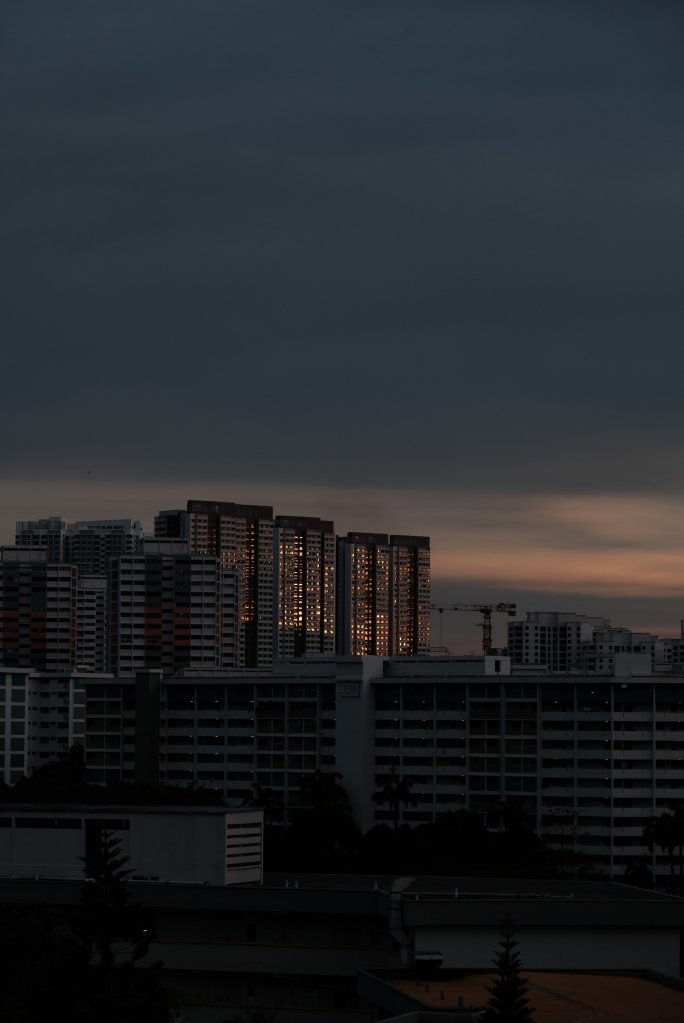
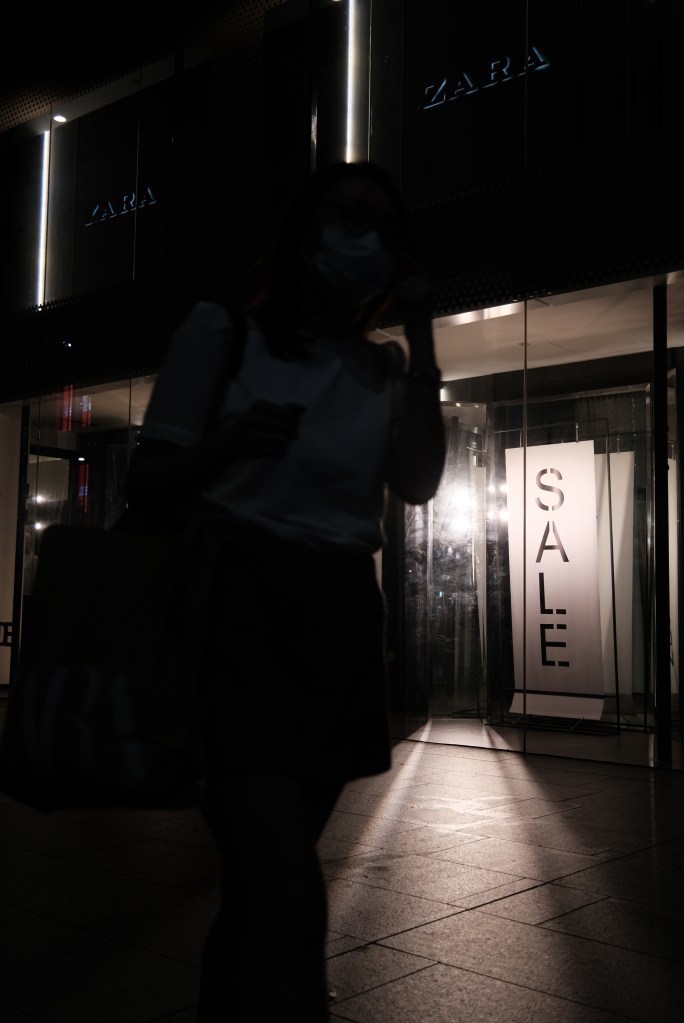
Fuji X-T3 . Tamron 17-70mm @ 70mm . f2.8 . 1/400″ . ISO 320 . Classic Chrome

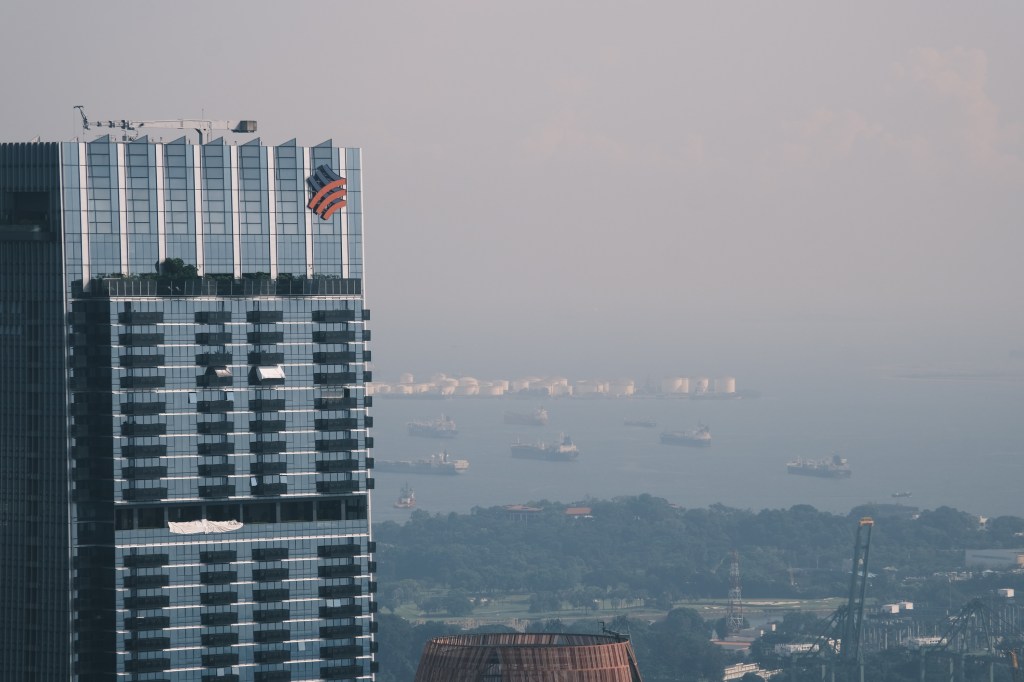
Since it is a zoom lens, I am expecting some chromatic aberration and vignetting. But the lens proves me wrong. I do not see any chromatic aberration but only a little vignetting was observed. I think Tamron did well in this department.

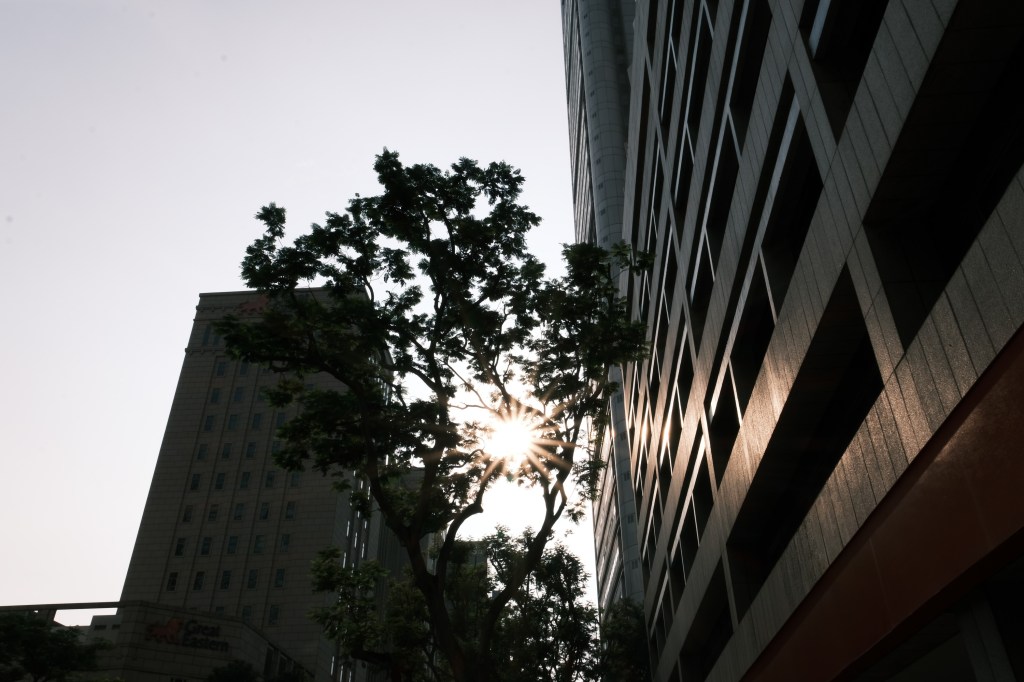
Fuji X-T3 . Tamron 17-70mm @ 35.5mm . f2.8 . 1/3200″ . ISO 320 . Classic Chrome

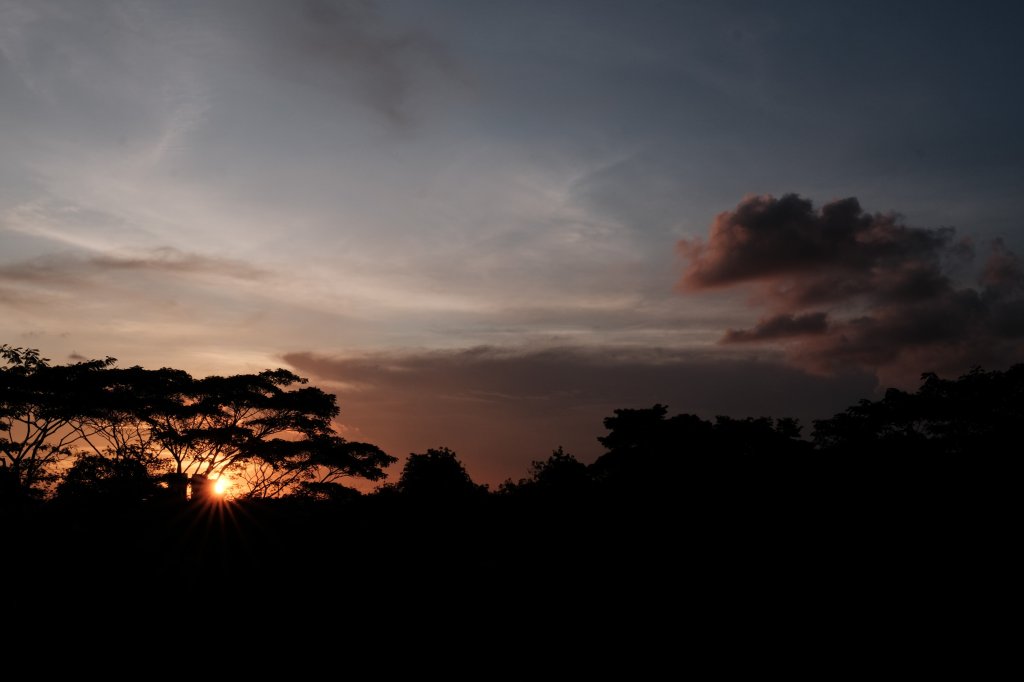
For sunny stars, the sharpest result is at its smallest aperture among all apertures. Not sure if this is the common behaviour when it comes to zoom lenses?

Focusing

The focusing speed is probably not the fastest I have ever tried on a zoom lens. Maybe it is due to the limitation of the Rapid eXtra-silent stepping drive (RXD) motor? It does focus fast enough during the day for all focal lengths. But when it comes to low-light situations, it is no longer fast enough. I can feel the response time of the focusing speed is slower or maybe it is me who feels it that way. Sometimes I am also unable to focus locked onto the subject and it takes a few tries to get it. You might have lost the golden moments when the subject is finally focused.

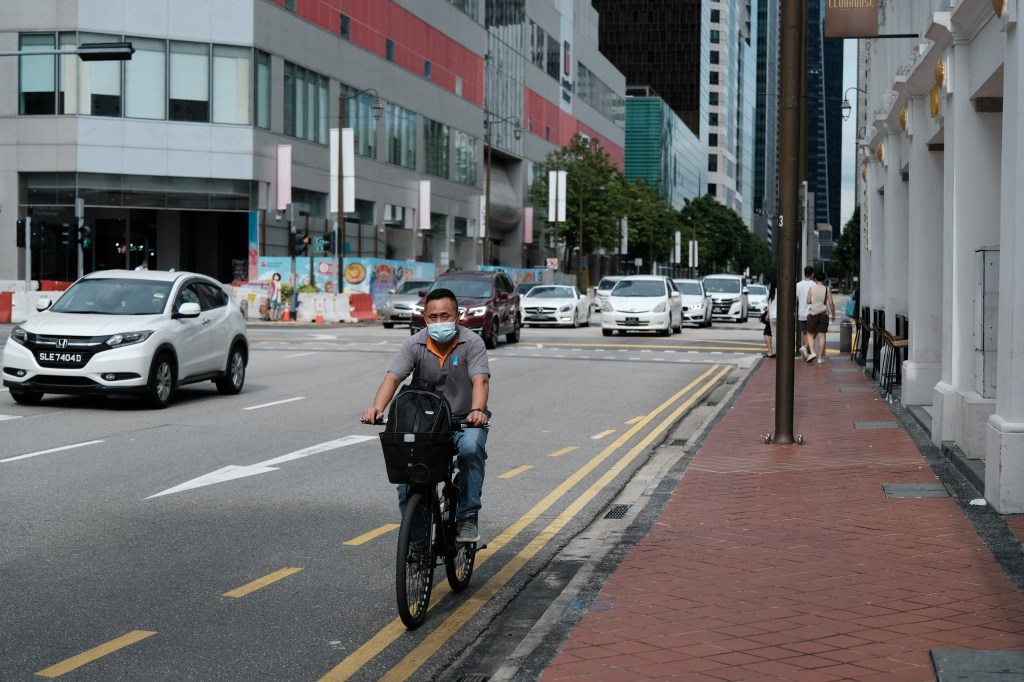
But thanks to the RXD, the focus is silent and I hardly notice any motor noise whenever I press the shutter.
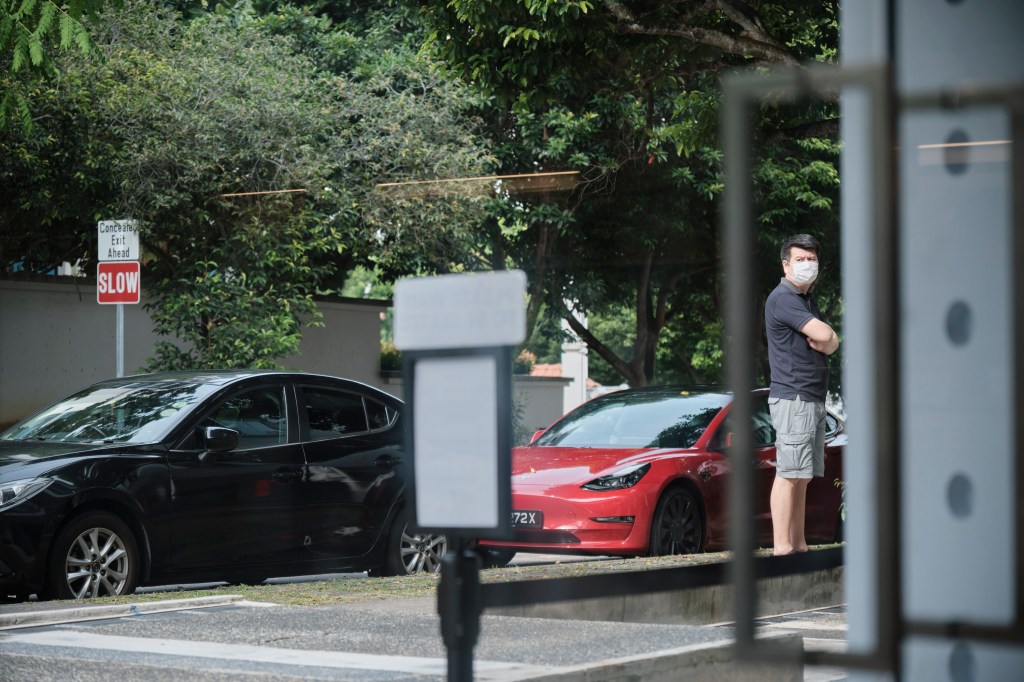
Fuji X-T3 . Tamron 17-70mm @ 53.2mm . f2.8 . 1/340″ . ISO 160 . Classic Chrome

Minimum Focus Distance (MFD)

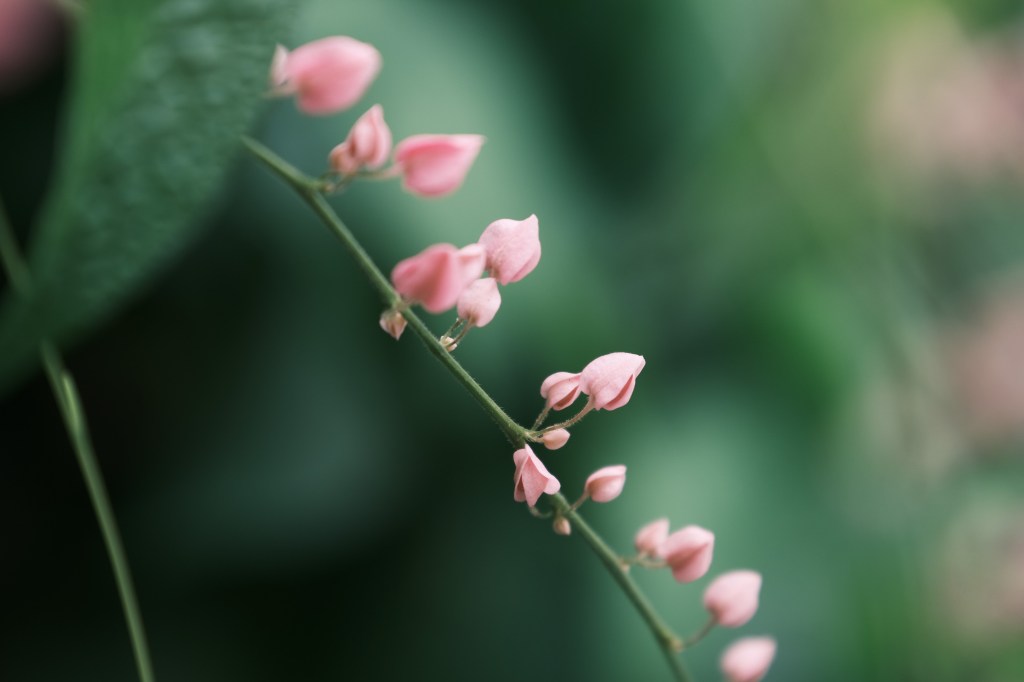
At 17mm, this lens is capable of shooting at a Minimum Object Distance (MOD) of 19 cm and has a maximum magnification ratio of 1:4.8. How close is 19 cm? Basically, I have to remove the lens hood if I want to shoot that close. At 70mm, the MOD is 39cm and has a maximum magnification ratio of 1:5.2. I must say the engineering of this lens is very impressive. It allows the photographer to shoot a very close-up of the subject.


Shooting wide open will give you a soft render characteristic feel. Some photographers appreciate it while some do not. Stepping down the aperture will help to improve the overall sharpness.

Fuji X-T3 . Tamron 17-70mm @ 70mm . f2.8 . 1/420″ . ISO 160 . Classic Chrome

Something to note

Unlike the Tamron 18-300mm, it does not come with a Zoom Lock Switch that prevents the lens from creeping. Probably it does not need one?

Fuji X-T3 . Tamron 17-70mm @ 34mm . f2.8 . 1/900″ . ISO 320 . Classic Chrome

As the name of this lens suggests, it comes with Vibration Compensation (VC). While there is no official statement on how many stops of compensation, I find it works well. At 70mm, I can go as slow as 0.2 seconds. This is something beyond my expectation and I am very satisfied with this outcome. This makes me think that it might work even better with In-Body Image Stabilization cameras.
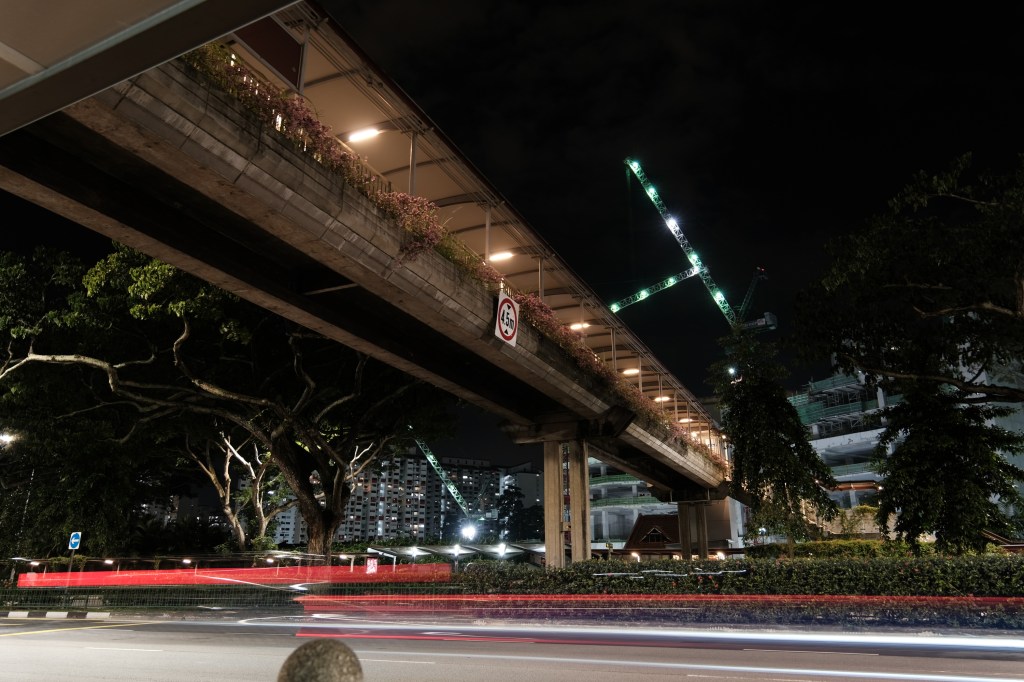
Fuji X-T3 . Tamron 17-70mm @ 70mm . f2.8 . 0.23″ . ISO 160 . Classic Chrome

Side by side

There are not many lenses in the market that meet the constant f2.8 zoom criteria. The closest is the red badge XF16-55mm f2.8 and the soon-to-arrive Sigma 18-50mm f2.8.
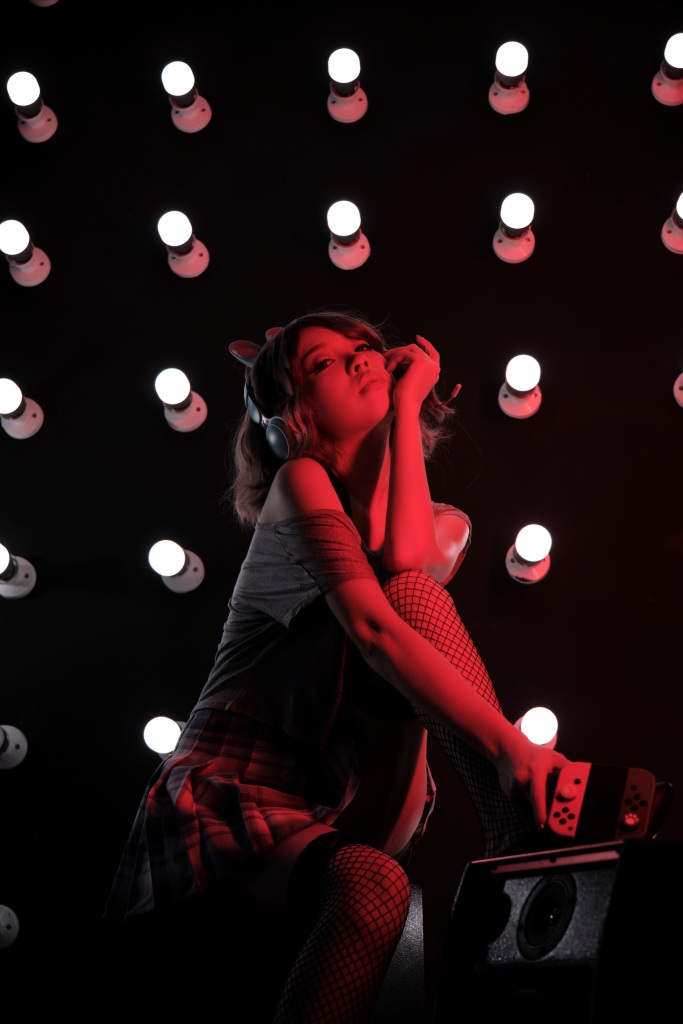
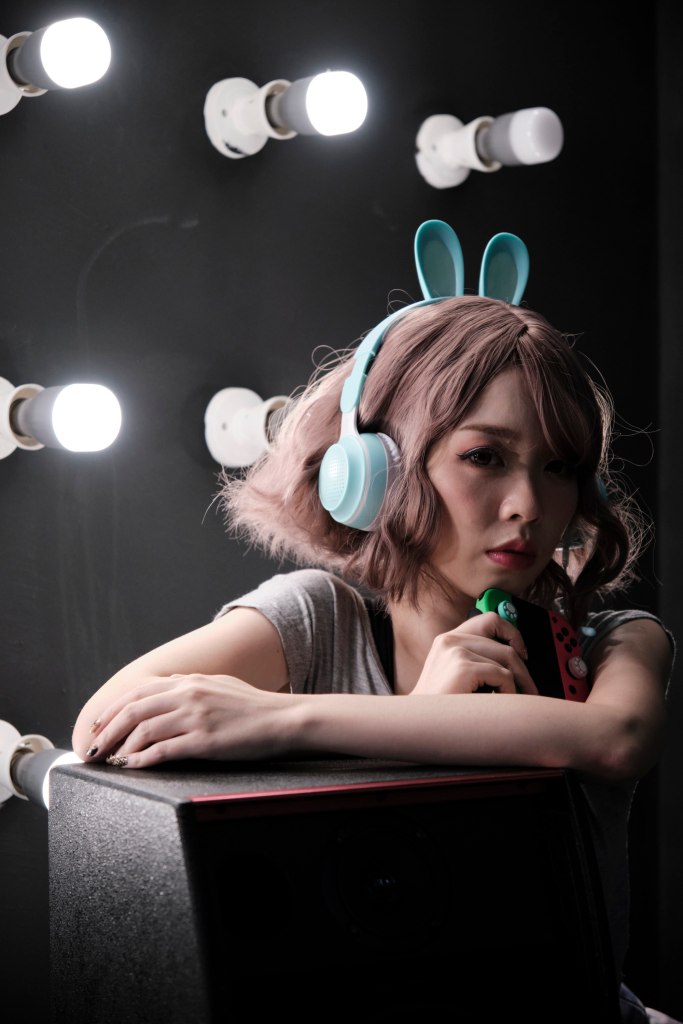
From what I see, each lens has obvious pros and cons. The biggest pro for Tamron is that it is equipped with an optical image stabiliser, has a longer reach and better price (compared to XF 16-55mm only, 799 USD versus 1999 USD & SGD 1262 versus SGD 1799).

Who is this for?

It can be used for almost every genre except for wildlife (probably). For photographers who just want to keep as few lenses as possible, this is one good lens to consider and I am sure it is also a good travel lens too.

Conclusion

As a general purpose lens, Tamron strikes a good balance in almost everything and does serve its purpose. It has a constant f2.8, decent image quality, decent MFD, considerably lightweight, weather sealing and it gives a reasonable price too. If these criteria meet your checklist for a new zoom lens, you can consider this to be your next arsenal.
Thank you for reading.

Disclaimer:
1. All the shots taken here are shot by me.
2. Some of the shots
 are straight out of the camera while others are edited via In-Camera Raw Processing, Capture One and Photoshop.
3. The opinions are based on my experience. If there is any mistake, please kindly drop me a message and I will gladly make the amendment.
4. I reserve ownership of these images, if you wish to use my images, please notify me.

If you like my works, please follow me on either one of the 2 Instagram accounts:

https://www.instagram.com/alwinkok_

https://www.instagram.com/alwin.portraits

If you like my content and you want to show some support, you can buy me a coffee here.

Reviews

XF18-120mm -A Good Zoom Lens for Photographers?

First of all, I would like to thank Ms Carmen, Marketing Manager of Fujifilm Singapore, for loaning the XF18-120mm and X-S10. By the time this review is online, the units had returned back to Fujifilm Singapore.

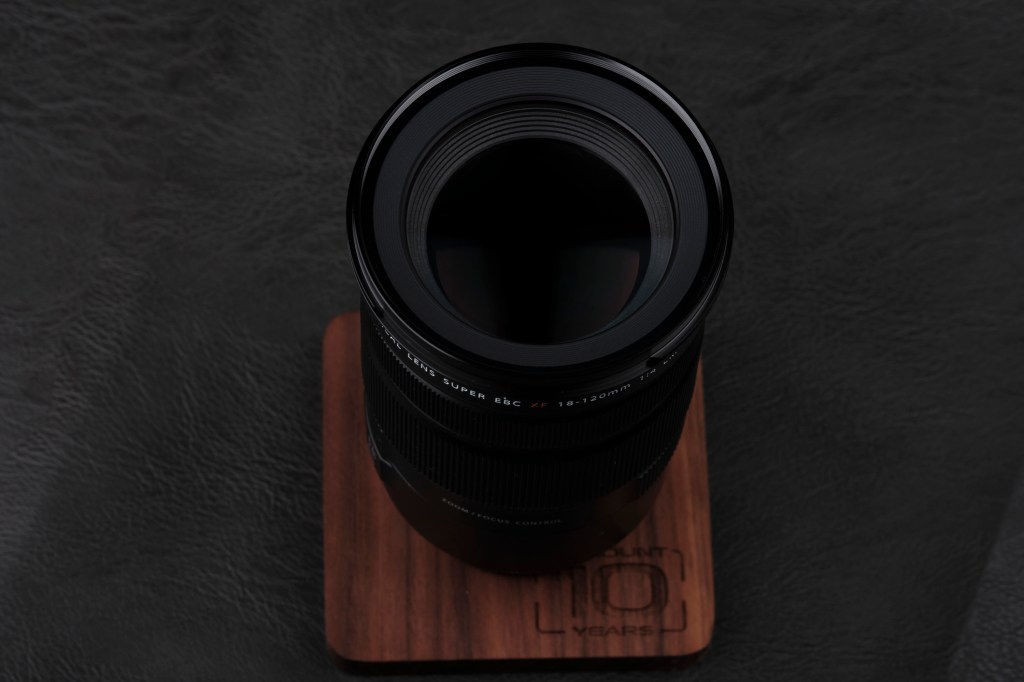
Fujifilm XF18-120mm f4 LM PZ WR

In this hands-on experience, I used this lens for photography only and nothing related to videography. Because I do not know about videography, I shall leave it to the experts to review from the videographers’ point of view.

Conclusion (TL;DR)

I am doing something different and decided to push up my conclusion so that you guys can decide to skip or continue to check out this lens.

Over the course of 2 weeks, as a prime lens user, I enjoy every single moment of using it. It brings me back to the fun of using a zoom lens without sacrificing image quality. As for the power zoom functionality, it took me about half a day to get used to it. After all, I started learning photography in the “power zoom” era.

This is a constant f4 lens and it may not have a large aperture like f2 or f2.8 and might not please some potential videographers. But every lens created has its purpose and every lens does come with pros and cons. Just how we weigh them before getting the lens, it’s up to the individual.

Of course, if you are looking for a faster lens than this and they are already existed in the market, the red badge and the MK lenses.

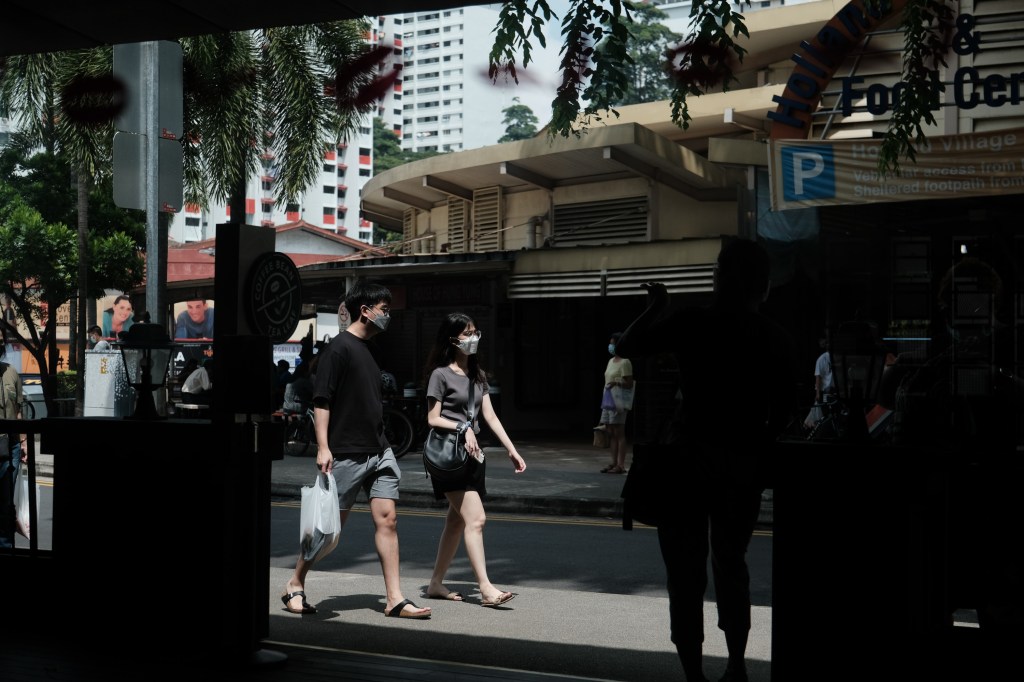
Fuji X-S10 . Fuji XF18-120mm @ 120mm . f5.6 . 1/640″ . ISO 160 . Classic Neg

Personally, this lens is a great lens that has great versatility. Fujifilm strikes a good balance between compactness and image quality, is lightweight and has very useful focal lengths. From a photographer’s perspective, this lens is on my recommendation list.

Fuji X-S10 . Fuji XF18-120mm @33.9mm . f4 . 1/1500″ . ISO 160 . Classic Neg

Intro

Fujifilm XF18-120mm f4 LM PZ WR was first teased in X Summit PRIME 2021 and finally announced in X Summit OMIYA 2022. And now, it should starts shipping in September 2022. This lens has a focal length that is equivalent to 27mm – 183mm in the 35mm film format which gives whopping 6.7x times zoom. It is probably the most versatile constant aperture zoom lens from Fujifilm yet.

During the X Summit OMIYA, Fujifilm emphasised that this lens is designed for videographers in mind and based on the expertise Fujifilm has in the broadcast industry. But can photographers use this lens for general photography purposes?

Design & Build Quality & Something more…

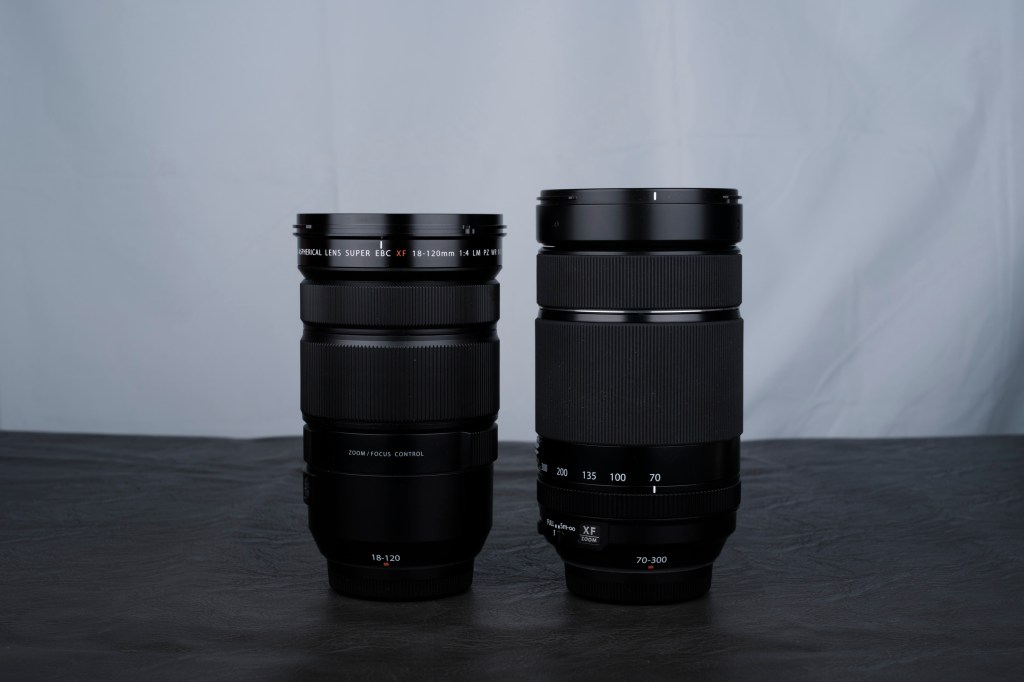
For a start, this lens is tall but a tad shorter than XF70-300mm. It comes with a 72mm filter size and internal zoom (yeah!). From the appearance, it gives an impression that this is a heavy lens but the 460 grams on this lens do not feel that way. The lens body is built out of polycarbonate material but I believe these are some of the reasons to explain why. (These are my guesses and not from any official Fujifilm statement.)

Fujifilm XF18-120mm f4 LM PZ WR and Fujifilm XF70-300mm f4-5.6 R LM OIS WR

First, it helps to reduce the overall weight. The lens is designed for portability so that videographers who wish to pair it with any cameras can balance it well and can use it handheld for long hours without stressing the arms.

Second, it might help bring down some costs and allow more potential videographers to reach out for this lens.

On a side note, when the lens and camera are mounted on a gimbal, the videographer does not need to recalibrate the gimbal when changing to any focal length.

Overall, the built quality is great and does not feel cheap at all. For forgetting that it comes with weather-resistant too!

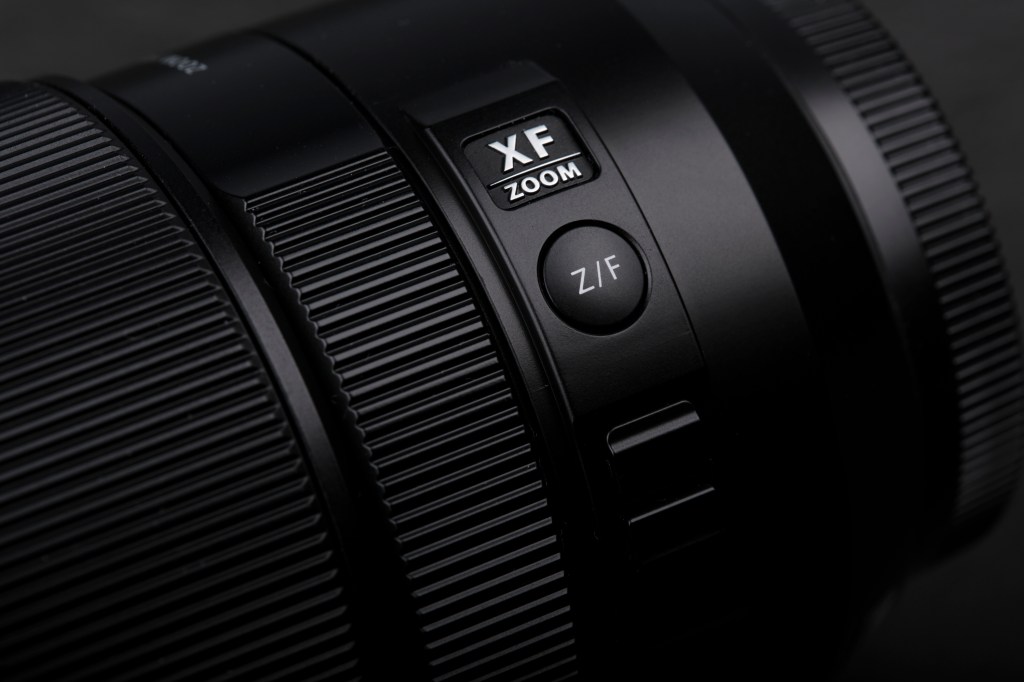
If you have noticed, this lens does not come with an aperture ring. But it comes with 3 ways of zoom functionalities (zoom ring, zoom/focus control ring and zoom button) and a manual focus ring. It also comes with a button named Z/F (Zoom/Focus). This is also the first lens I have ever seen having 3 options to choose from. How do these 3 zoom functions work? Let me try to explain it.

Zoom ring – It works like what it is intended but with a little twist. The focal length actually changes “electronically”. The experience is different from what the usual manual zoom ring has, it does not have that “instant” zoomed focal length. What it gives is a steady zoom in and out. However, I will not recommend photographers to use this zoom ring to change the focal length from 18mm to 120mm and vice versa. The throw is approximately 360° from 18mm to 120mm which takes me 4 times to complete. (Update: the production unit takes approximately 90° from 18mm to 120mm) What I do is to use it as a compliment to the next zoom functionality. For example, some small fine-tuning to the focal length which I feel is easier than using the zoom/focus control ring.

Fuji X-S10 . Fuji XF18-120mm @ 120mm . f4 . 1/800″ . ISO 160 . Classic Neg

Zoom/focus control ring – When I use this control ring, it kind of reminded me of my first camcorder. Clockwise for telephoto-zoom and anti-clockwise for wide-zoom. It is that simple. Sometimes, I overshoot the desired focal length, and I come to have a habit of using the zoom ring to adjust. At least it works for me. Of course, you still can use the zoom control ring to adjust to the desired focal length.

Fuji X-S10 . Fuji XF18-120mm @ 120mm . f4 . 1/680″ . ISO 160 . Classic Neg

Zoom button – there are 2 buttons, the “up” button for telephoto zoom and the “down” button for wide-zoom. Basically, you press once and it will zoom in or out all the way. Press the button again to stop zooming. I did not use these buttons after exploring how it works and I believe this is more useful for videographers.

Image Quality

Usually, when comes to a zoom lens, especially having such a long zoom, I have this mindset indicating that the image quality is probably somewhere sub-par or slight above sub-par image quality.

Fuji X-S10 . Fuji XF18-120mm @ 120mm . f7.1 . 1/280″ . ISO 160 . Classic Neg

Well. I think I have to change my way of thinking. The image quality is great. Sharp and have a good level of contrast. I enjoy the results coming out from this lens. The optical is really great even at wide-open.

It may not have the most bokehlicious result but it does render pretty smooth for a zoom lens. It does not give harsh and hard bokeh at all. As for the sunny star, this lens doesn’t seem to give a sharp one, even at its smallest aperture.

Fuji X-S10 . Fuji XF18-120mm @ 18mm . f22 . 1/80″ . ISO 160 . Classic Neg

From my observation, chromatic aberration and vignetting are nowhere to be seen or at least very mild. This is something I am not surprised about as Fujifilm has controlled well in this aspect, especially for all the recent newer lenses.

Focusing

When comes to focusing, I have this repute that the focusing speed for a zoom lens is generally slower than a prime lens. Again, I was wrong but not completely wrong. Under the sun, focusing is pretty fast across all focal lengths. Though it is not blazing fast like the new generation prime lenses like XF23mm f1.4, it is just a tad slower. But when comes to low light situations, the wide to mid-tele focal lengths are still considerably fast. You will know that it is not as fast as the day but it is still within my acceptable range. At 120mm, the little struggle comes in. But I still manage to lock my focus after a few tries. For all that, I think it is expected behaviour for a long focal length like other lenses.

Fuji X-S10 . Fuji XF18-120mm @ 103.7mm . f4 . 1/34″ . ISO 1600 . Classic Neg

One thing to note is that this lens is capable of optically parfocal, which means my subject is able to stay in focus throughout the entire focal length. But I think it is more useful for videography than photography?

Fuji X-S10 . Fuji XF18-120mm @ 120mm . f4 . 1/40″ . ISO 1600 . Classic Neg

Minimum Focus Distance (MFD)

I also do observe some soft characteristics in the out-of-focus area. I pretty much like this kind of rendering.

The MFD is 60cm. At 18mm, I am not able to get close up, rather, I am pretty far from my subject. When you shoot at 120mm, it appears to be fairly close to the subject. Yet far from what a macro lens can achieve.

Fuji X-S10 . Fuji XF18-120mm @ 120mm . f4 . 1/300″ . ISO 160 . Classic Neg
Fuji X-S10 . Fuji XF18-120mm @ 120mm . f4 . 1/15010″ . ISO 160 . Classic Neg

Something to note.

If you power off your camera, the focal length will be where you left off. Say if you shoot at 50mm and then power it off and on again after some time, it will remain at 50mm. That’s also applied even if you swap lenses and then swap back.

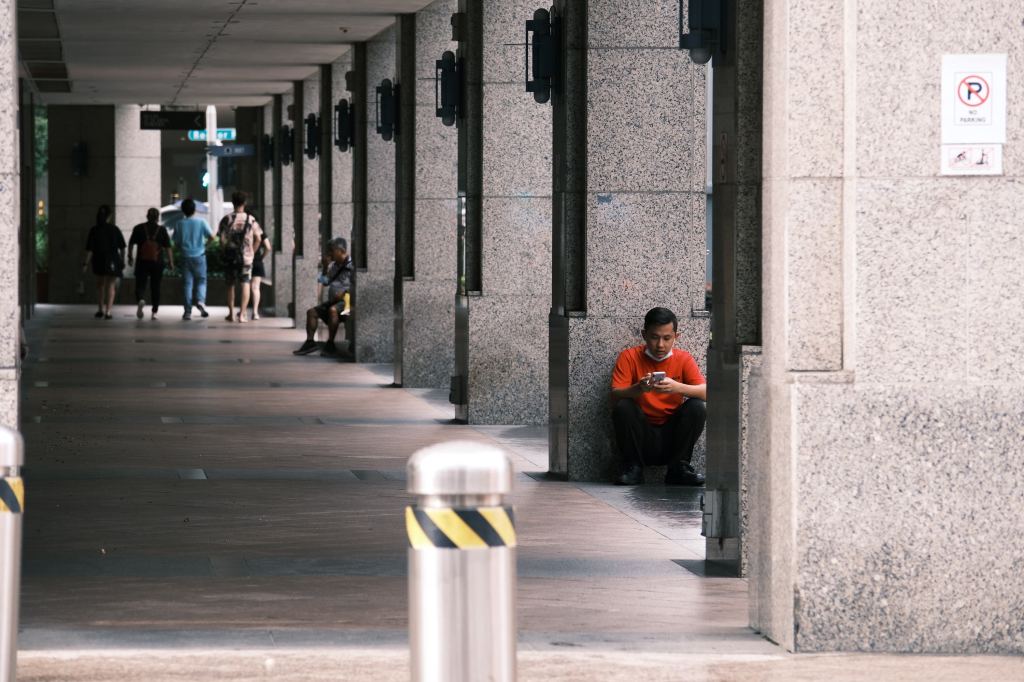
If you want to use this lens to shoot streets, you can but this lens is not as discreet as compact prime lenses. Some strangers might even notice you first before you shoot them.

Fuji X-S10 . Fuji XF18-120mm @ 120mm . f4 . 1/480″ . ISO 160 . Classic Neg

Side by Side

This range of focal length is always very competitive and Fujifilm has quite a few zoom lenses somewhat close to one another in the market. Namely, XF16-80mm, XF18-135mm, and the most underrated XF18-55mm. Not forgetting about the recently announced Tamron 17-70mm f2.8 and upcoming Sigma 18-50mm f2.8 too. Having said that, the most direct competition, for now, is the XF16-80mm.

Fuji X-S10 . Fuji XF18-120mm @ 57.9mm . f4 . 1/85″ . ISO 640 . Classic Neg
Fuji X-S10 . Fuji XF18-120mm @ 52.5mm . f4 . 1/20″ . ISO 1000 . Classic Neg

Both are constant f4 lenses. The typical advantages between both lenses are pretty noticeable. One wider, one has more reach, OIS versus non-OIS. While I do not test the XF16-80mm fully, I understand from some photographers that the lens is soft at wide open. And I may be biased, but the X18-120mm seems to have better image quality. Nevertheless, at the end of the day, both lenses serve different groups of photographers.

Who is this for?

For travelling photographers who might want to go as light as possible, this lens is also a good option to choose from. As this is an f4 lens, which also means that it might be a little struggling for night street shoots, I will suggest pairing it up with an In-Body Image Stabilization camera or an ultra-fast prime lens to go along with it.

Fuji X-S10 . Fuji XF18-120mm @ 120mm . f4 . 1/160″ . ISO 160 . Classic Neg

Because it has such great versatility, it can be used for almost anything from streets, editorial, documentaries, landscapes, cityscapes, product shots, and even portraits.

Fuji X-S10 . Fuji XF18-120mm @ 32.3mm . f4 . 1/105″ . ISO 160 . Classic Neg
Fuji X-S10 . Fuji XF18-120mm @ 120mm . f4 . 1/600″ . ISO 160 . Classic Neg

For photographers who do videography occasionally, I also think this is a good piece of glass to have.

Thank you for reading.

Disclaimer:
1. All the shots taken here are shot by me.
2. Some of the shots
 are straight out of the camera while others are edited via In-Camera Raw Processing and Capture One.
3. The opinions are based on my experience. If there is any mistake, please kindly drop me a message and I will gladly make the amendment.
4. I reserve ownership of these images, if you wish to use my images, please notify me.

If you like my works, please follow me on either one of the 2 Instagram accounts:

https://www.instagram.com/alwinkok_

https://www.instagram.com/alwin.portraits

If you like my content and you want to show some support, you can buy me a coffee here.