


I can still remember the Fuji X-S10 surprised the world when it was announced back in 2020. The SLR-style mirrorless camera not only surprised the Fuji community but also gained unexpected popularity from outside the Fuji community. It was a successful product. 3 years later, Fujifilm introduced the successor, X-S20, to the world. Is it attractive for the community again?

Fujifilm takes a good approach to introduce its new camera in the X-Summit Bangkok and I think it is a good move. Bangkok is one of the most popular cities for tourism and this is probably one of the best Fuji cameras for travel they are possibly the best match to showcase everything.


I also take the opportunity to bring the review unit to Bangkok and try to experience the X-S20 the same way Yuji Igarashi San and Mr. Ekkarat Punyatara have in the X-Summit (sort of).


Before I continue further, I would like to thank Ms. Carmen, Marketing Manager of Fujifilm Singapore, for arranging and loaning the X-S20 for review. By the time this post is online, the camera unit had returned back to Fujifilm Singapore.

Over here, I am sharing my opinion from a photographer’s point of view. That’s because I am not a videographer and I have limited knowledge about videography. Pardon me.
Design, Build Quality, Handling & The Shutter…
The overall design of the X-S20 is almost identical to the X-S10 with just a little change in length (127mm against 126mm), and a deeper hand grip. But what changes the most is the internal parts. First thing, it has upgraded the X-Processor to the 5th generation while keeping the X-Trans 4 sensor. Secondly, the battery has been upgraded to NP-W235. It is a great move because there was quite a lot of feedback about the NP-W126 battery life. Lastly, improvements on the ports and buttons.


Left: Fuji X-S20 . Meike 85mm f1.8 @ 85mm . f1.8 . 1/550″ . ISO 320 . Nostalgic Negative
Right: Fuji X-S20 . XF56mm f1.2 @ 56mm . f1.2 . 1/350″ . ISO 320 . Nostalgic Negative
The build quality gives a premium feel and does not feel like a polycarbonate-built camera, which I think is great. Unfortunately, it does not come with weather-sealed. I guess we can look forward to its successor. At 491 grams (including battery and memory card), this camera is light to carry (but also subject to what lenses you are mounting it with).


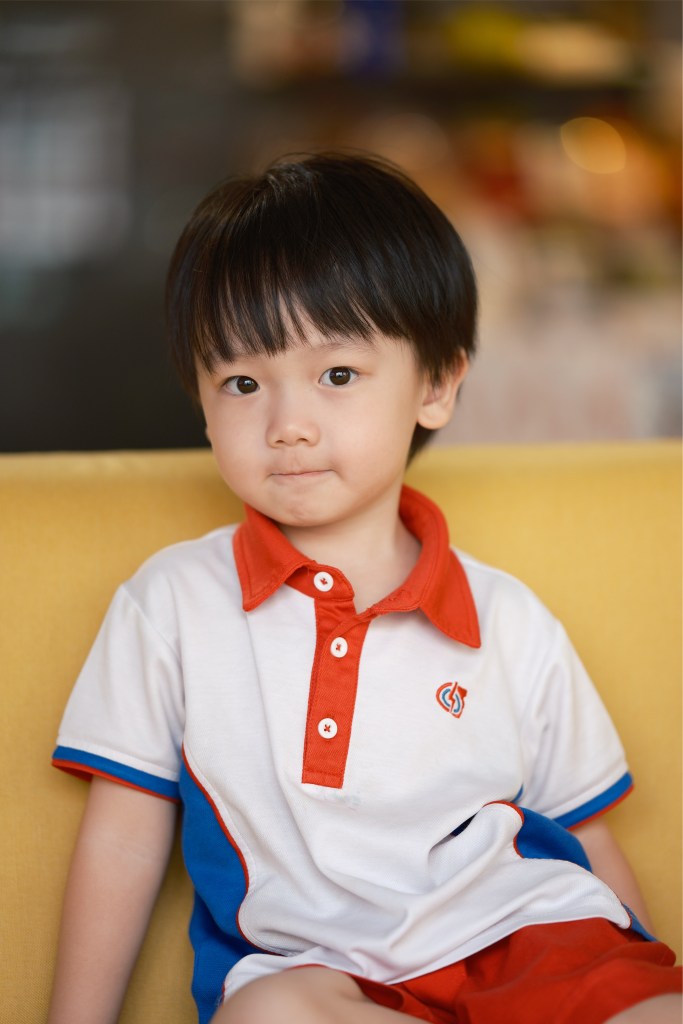
Right: Fuji X-S20 . XF56mm f1.4 @ 56mm . f1.2 . 1/100″ . ISO 640 . Nostalgic Negative
I have a big hand and my little pinky is left out with this camera but I love holding this X-S20 handgrip. I remember that mounting big lenses on the X-S10 may leave very little room space for the finger to hold the grip. With the new slightly longer and slightly slimmer grip than the X-S10, this X-S20 is more comfortable and better with the big lenses.
As for the shutter, it does not have the same satisfying mechanical shutter feedback as the X-T5 but it is just fine. Nothing to shout about.


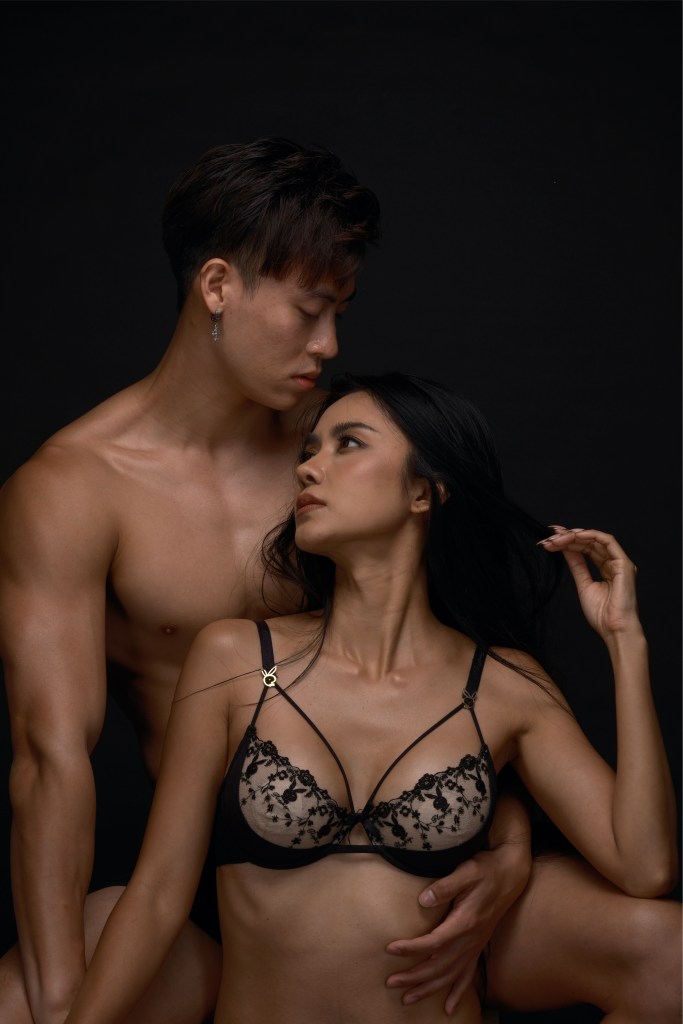
Right: Fuji X-S20 . Meike 85mm f1.8 @ 85mm . f6.4 . 1/340″ . ISO 320 . Nostalgic Negative
Oh yes, the ISO & the Q buttons are now bigger than the predecessor. In my opinion, it is much better to press too.

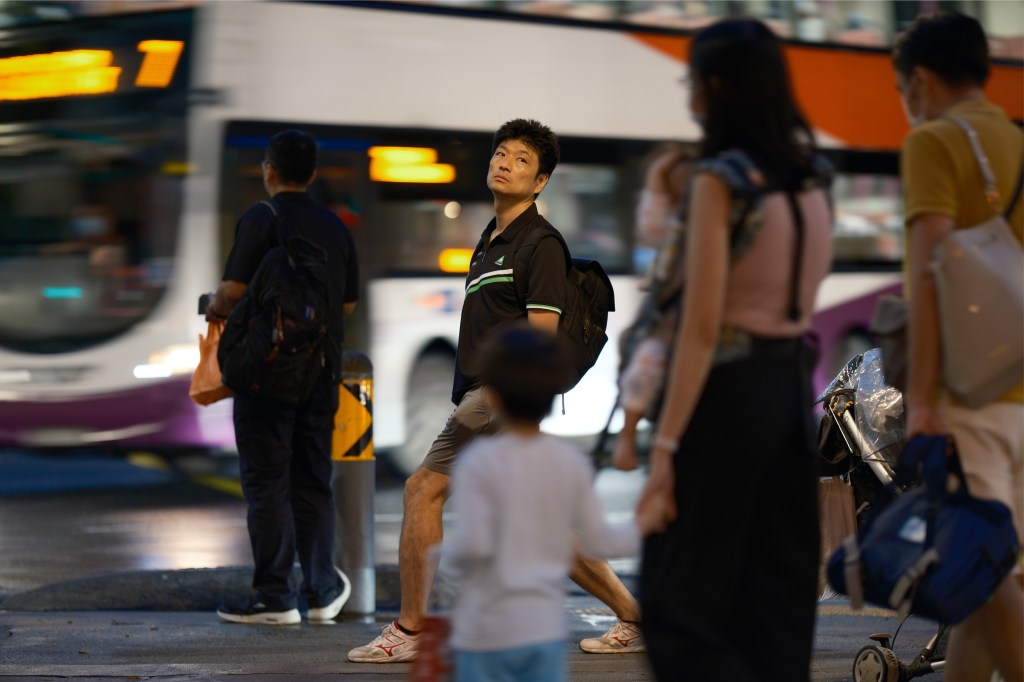
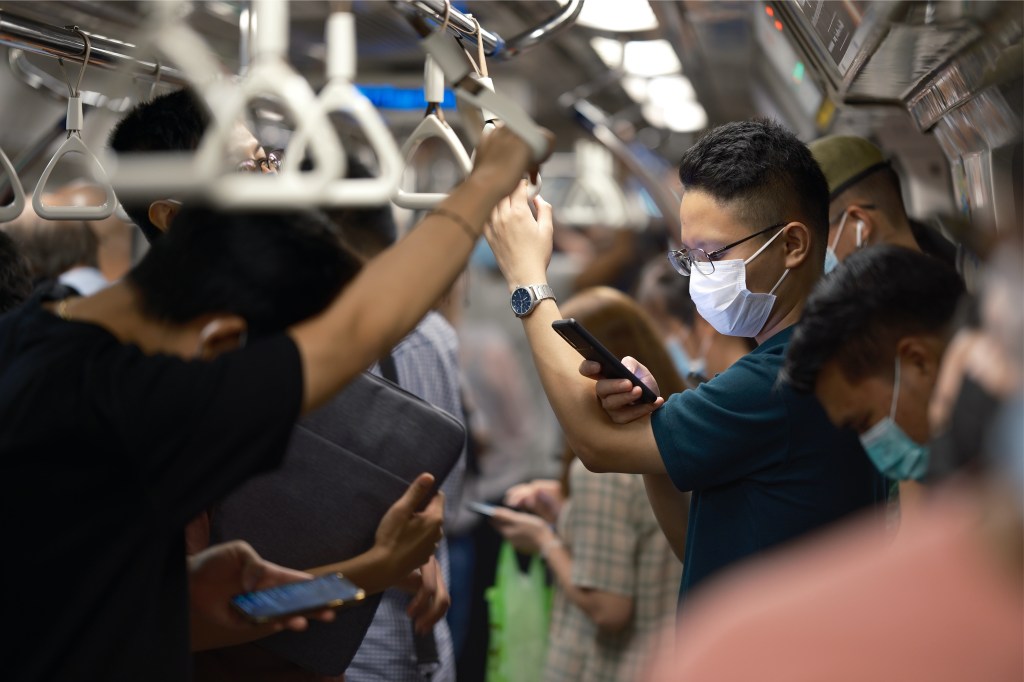
Fuji X-S20 . Viltrox 75mm f1.2 @ 75mm . f2 . 1/420″ . ISO 320 . Nostalgic Negative


Right: Fuji X-S20 . Viltrox 75mm f1.2 @ 75mm . f1.2 . 1/240″ . ISO 320 . Nostalgic Negative
Do note that the X-S20 is not a weather-sealed/resistance camera, if you come across heavy rain, snow, etc., do protect your camera.
Sensor and Processor
Is it a disappointment to have the old X-Trans 4 sensor? Not for me. This is a very capable sensor and it does not show its “age” just yet. I love the 26 megapixels resolution as it is a very good sweet spot for me. Yes, I do have the X-T5 and I thought 40 megapixels would make my photography life a happier one. Not quite meaningful for me after all as I don’t have a cropping habit, I do not print, and lastly, 40 megapixels resolution is quite taxing to my hard disk space.

Fuji X-S20 . XF56mm f1.2 @ 56mm . f5.6 . 1/1800″ . ISO 320 . Nostalgic Negative


Right: Fuji X-S20 . XF23mm f1.4 @ 23mm . f4 . 1/320″ . ISO 320 . Nostalgic Negative
Having a new processor, X-Processor 5, co-exist with the sensor is a good move. It actually helps to lower power consumption, improve battery life, and also helps to improve overall performance like auto-focus speed and tracking algorithm. I think it is a win-win situation.
For a note: since it is using the X-Trans 4 sensor, the base ISO is ISO 160 and not the ISO 125 like the one found in the X-Trans 5 HR sensor.
Image Quality
The pros and cons of the X-Trans 4 remain the same in this X-S20. While the image quality is much dependent on the glass we put in front of the sensor, I have no complaints about it if I used a premium Fuji prime lens.


Right: Fuji X-S20 . XF23mm f1.4 @ 23mm . f2 . 1/420″ . ISO 320 . Nostalgic Negative
Personally, I love the color produced by this sensor. I have no idea why but the film simulations such as the Classic Chrome and the Classic Negative seem to be better than the one found in X-Trans 5. Again it’s a personal feeling towards it.


Right: Fuji X-S20 . Tamron 11-20mm f2.8 @ 11mm . f5.6 . 1/1500″ . ISO 320 . Nostalgic Negative
Performance
The performance of the camera is associated with the lens it is paired with. In my course of testing, the camera works just fine and performs decently well. The camera has no issue with the third-party autofocus lenses I have on hand. (Anyway I am not expecting something weird.)


Right: Fuji X-S20 . XF23mm f1.4 @ 23mm . f1.4 . 1/100″ . ISO 2000 . Nostalgic Negative
When comes to autofocus tracking, I can feel that it is more sticky to the subject than I had with the X-S10 and the autofocus tracking is also capable of tracking an object pretty far away. My guess is that the new processor provides a good improvement over here.
IBIS
With the rating at 7.0 stops, I have no scientific way to prove if the IBIS is 7 stops effective. It is also 1 stop improvement over the predecessor’s 6 stops. In layman’s testing, I am about to handheld with my XF23mm f1.4 WR at approximately 1 second.

Of course, I do have hits and misses due to my shaky hands but I think IBIS helps to reduce the motion blur caused by shaky hands and the camera shakes when I do the shutter press. If you have a more steady pair of hands, I think it will perform even better. Do note that a high shutter speed will not automatically activate the IBIS function.
Battery Life
Yuji Igarashi San took up the challenge to take over 1000 shots with the X-S20 in the X-Summit Bangkok. 1000 shots is a high benchmark for Fujifilm and I am not doubting Yuji San’s challenge will fail. At the end of the X-Summit, he shared that he had taken 1033 shots with 1 bar of battery left.


Right: Fuji X-S20 . XF23mm f1.4 @ 23mm . f5.6 . 1/2400″ . ISO 320 . Nostalgic Negative
So I am very curious over here how many more shots can I take with 1 full bar of battery? So in my Bangkok trip, it took me about 2.5 days to use up one NP-W235 battery and I have a total of 1394 shots. That’s a whopping 40% more than what Fujifilm has claimed in the X-Summit.


Right: A total of 1394 shots taken with one NP-W235 battery (shot was taken after the battery replaced)
In case someone wonders, my usage behavior is that I will turn off the camera after each use and on again. The term “use” is usually about 1-3 shots. I also use the X-app to transfer approximately 50 shots over a span of a 2.5-day period. While I believe not everyone has the same behavior as me, I suggest you consider changing to another fully charged battery when you hit between 900-1000 shots. Unless you are as adventurous as me, I think this is a safer benchmark for everyone to use.


Right: Fuji X-S20 . XF16.80mm f4 @ 42.9mm . f4 . 1/100″ . ISO 2500 . Nostalgic Negative
Feedback
While there is not much “fault” that I can find with this camera throughout the test, there is one thing that I wish that Fuji would consider implementing a focus mode button like the one found in X-H2 and X-H2S (the fn3 button default setting). I know there is a “Q” function for quick access, but having the focus mode button at the bottom right corner would allow the photographer to access the focus mode even faster.


Right: Fuji X-S20 . XF23mm f1.4 @ 23mm . f5.6 . 1/350″ . ISO 320 . Nostalgic Negative
Another thing I wish to feedback on is the joystick. Since the X-S20 does not have the directional buttons like the X-T5, I hope the successor will come with a bigger joystick for navigation.
Others
The Electronic View Finder remains the same as its predecessor at 0.62x magnification and 2.36 million dot resolution. It is good enough to use but we always hope to have something bigger and better.


Right: Fuji X-S20 . XF56mm f1.2 @ 56mm . f1.2 . 1/340″ . ISO 320 . Nostalgic Negative
Like the X-S10, it comes with a built-in flash which is a nice gesture and good to have for “just in case” situations when one needs it.
In case you are a film simulation lover like me, X-S20 has the latest Nostalgic Negative film simulation. It’s a nice touch to have the newest (but not so new) film simulation integrated into this camera.


Right: Fuji X-S20 . Meike 85mm f1.8 @ 85mm . f1.8 . 1/420″ . ISO 320 . Nostalgic Negative
In my testing, I did encounter a high temperature warning just once and that was under the 11 a.m. sun. I understand that such a thing might happen for a camera that compacts. Anyway, there is a FAN-001 accessories that is meant for videography purposes for X-H2S and X-H2, it works on X-S20 as well.


Right: Fuji X-S20 . XF23mm f1.4 @ 23mm . f5.6 . 1/100″ . ISO 500 . Nostalgic Negative
Lastly, there is a compact charging brick included in the package, along with the typical accessories like a camera strap and USB-C cable. I do know that the packages vary across countries and regions. So the one that you received might not have the charging brick.
Who is this for?
If you are a new photographer or attempting to switch to a new system or get a second camera system, I think this is one of the best cameras for photographers to enter into Fujifilm and access their rich lens choices (including a lot of third-party lenses). But this upgrade might not be sufficient enough for the X-S10 photographers to upgrade.


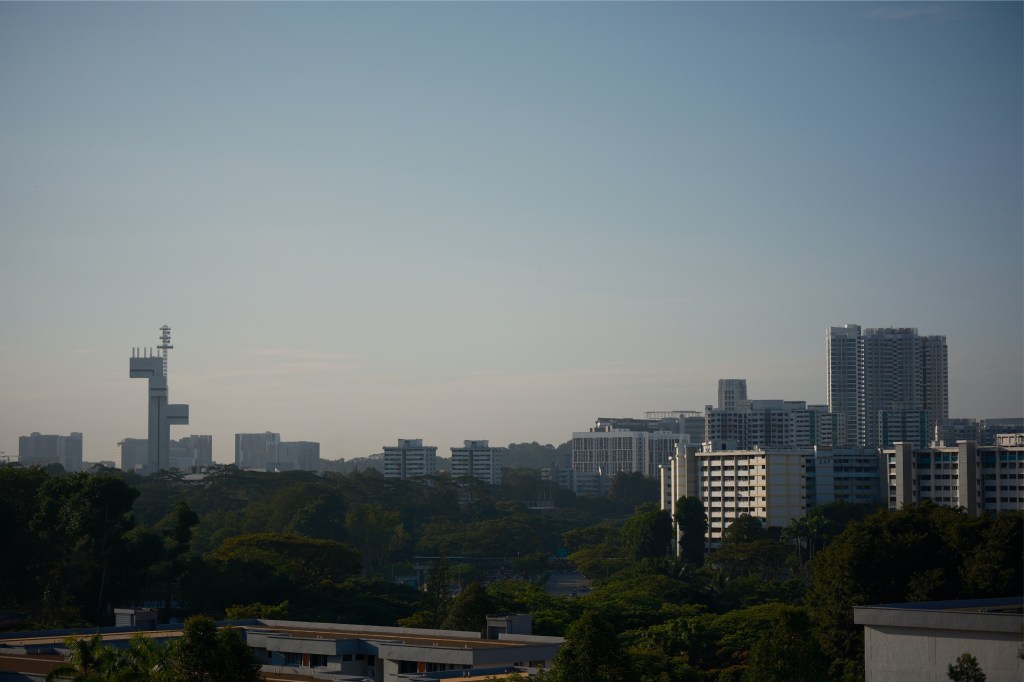
Right: Fuji X-S20 . XF23mm f1.4 @ 23mm . f2.8 . 1/60″ . ISO 400 . Nostalgic Negative
In my own words
X-S20 is lightweight and capable camera. The upgrade in X-S20 is positive and considerably huge. They introduce quite a fair bit of improvement for the camera, but what I love the most is the NP-W235 battery and the brand new X-Processor 5 plus X-Trans 4 sensor. This is a new combination and this also shows how capable the combination of the processor and the battery can be. 1000+ shots are just incredible.


Right: Fuji X-S20 . XF23mm f1.4 @ 23mm . f2 . 1/100″ . ISO 800 . Nostalgic Negative
With the right lens, holding the X-S20 is a joy. It does not strain my waist after one whole day of holding it around. Nothing is more important than traveling comfortably with a powerful compact camera like it.
With the success of this X-S20, I hope that the X-T30II and X-E4 successor will continue with this combination.

Thank you for reading.
Disclaimer:
1. All the shots taken here are shot by me.
2. Most of the shots are straight out of the camera with some shots edited via In-Camera Raw Processing.
3. The opinions are based on my experience. If there is any mistake, please kindly drop me a message and I will gladly make the amendment.
4. I reserve ownership of these images, if you wish to use my images, please notify me.
5. The camera firmware is 1.1.
If you like my works, please follow me on either one of the 2 Instagram accounts:
https://www.instagram.com/alwinkok_
https://www.instagram.com/alwin.portraits
If you have a Facebook account, feel free to join Fujifanboys FB group.
If you like my content and you want to show some support, you can buy me a coffee here.





















 Alwin Kok