


If you have landed on this post, chances are you already know what we are talking about. Yes, it’s a fisheye lens.
Fisheye photography has always been a niche within a niche. It’s not the everyday go-to lens for most photographers, yet there’s a dedicated group who absolutely love the exaggerated perspective and dramatic field of view that only a fisheye can offer. It’s bold, unconventional, and when used well, incredibly striking.
Intro
This is not the first fisheye from Brightin Star. In fact, they have released several fisheye manual lenses before this one. But what makes this release particularly interesting is its positioning as a “pro” lens with a maximum aperture of f5.6, and that is an unusual move.
Typically, when we hear “pro lens,” we think of wide apertures, heavier builds, and specs that scream performance. A faster aperture and a more extreme focal length are often part of the marketing equation. So naturally, I was curious how an f5.6 fisheye could justify the “pro” badge?
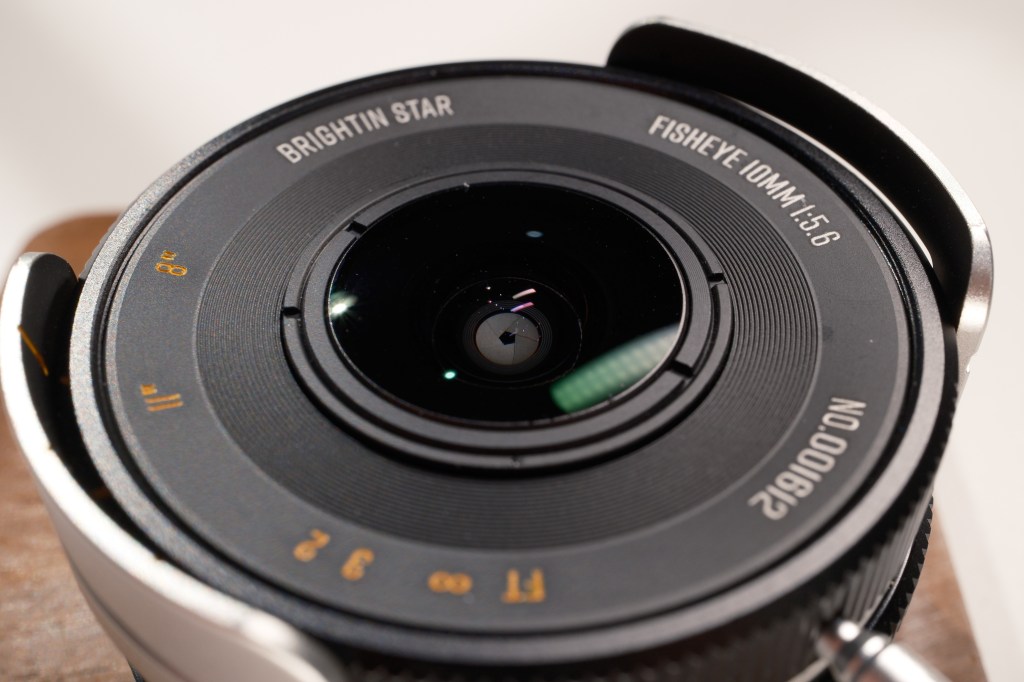
Before I proceed further, I would like to thank the good guy at Brightin Star for sending this lens over for review. That said, they have zero influence on what you are about to read. Everything here is based purely on my hands-on experience.
Design and Build Quality
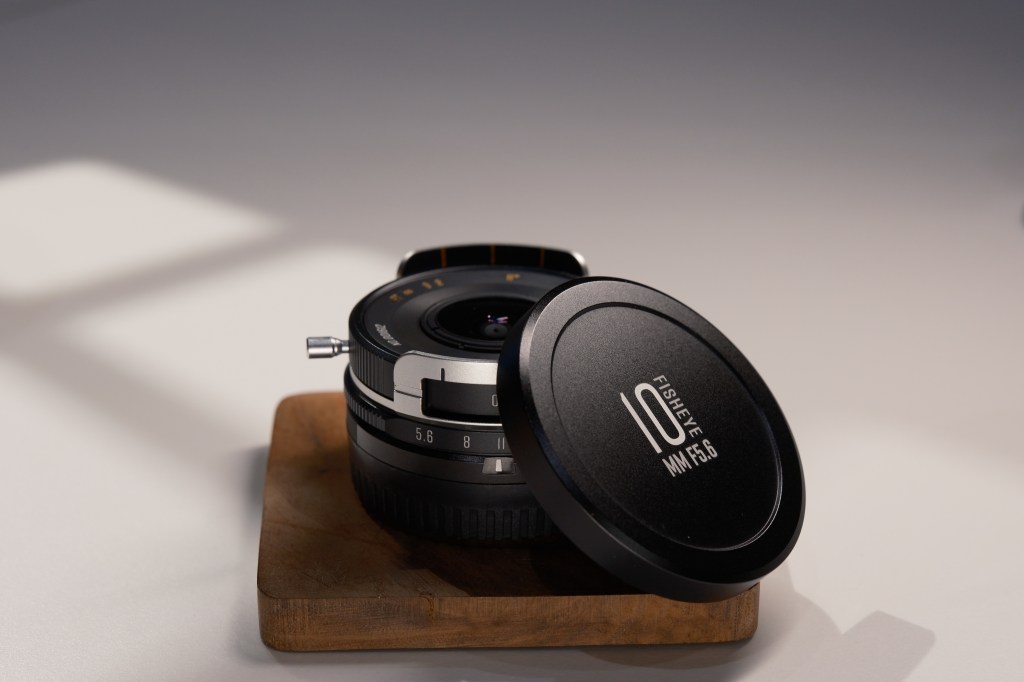
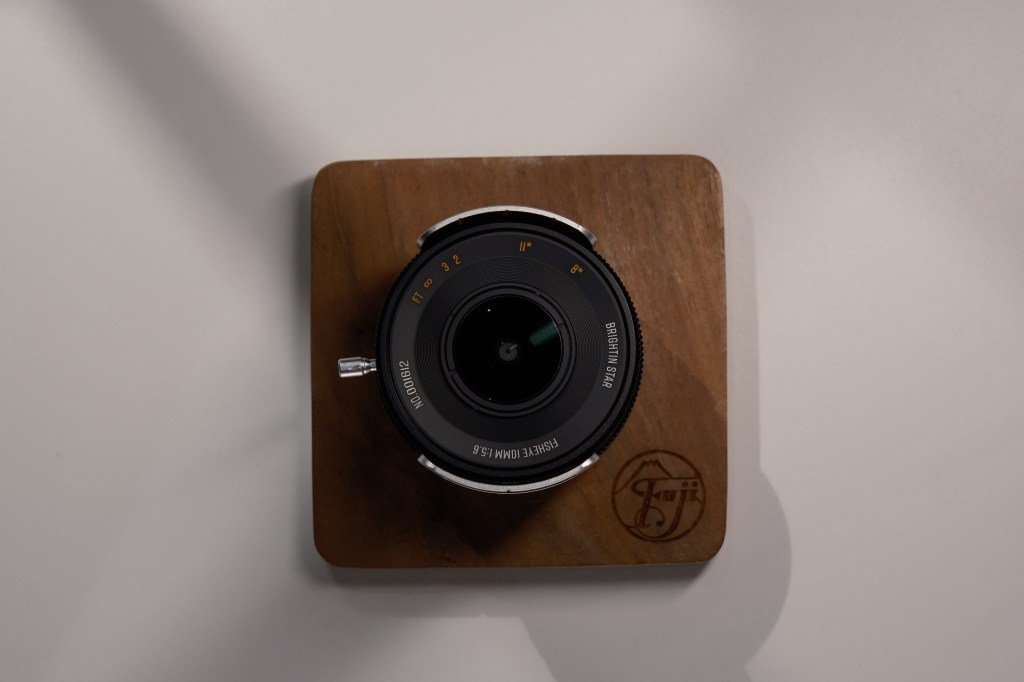
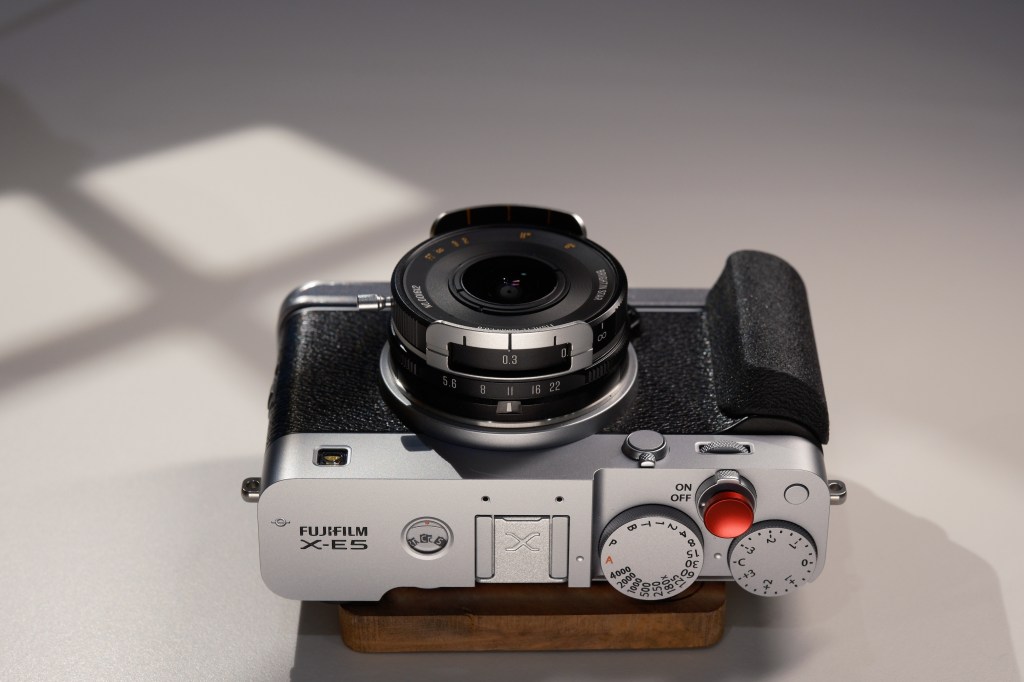
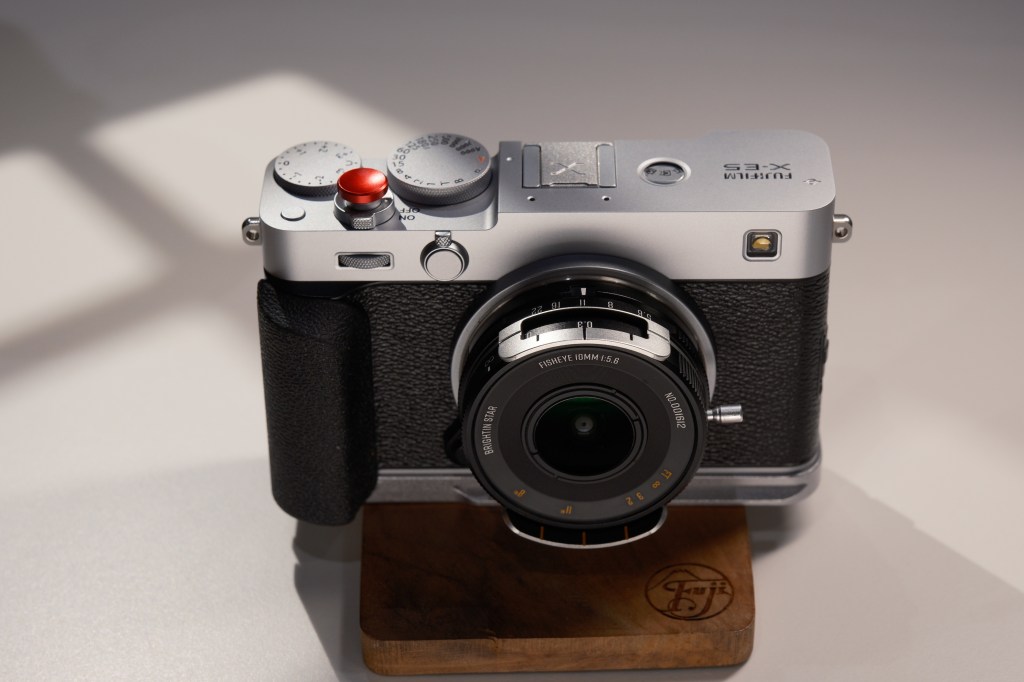
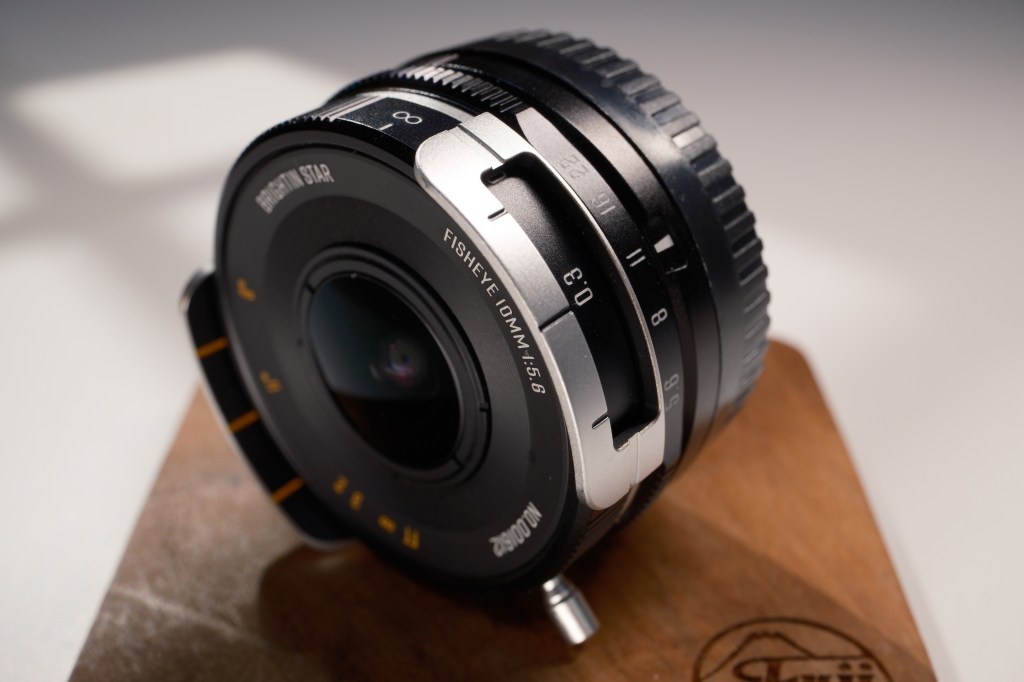
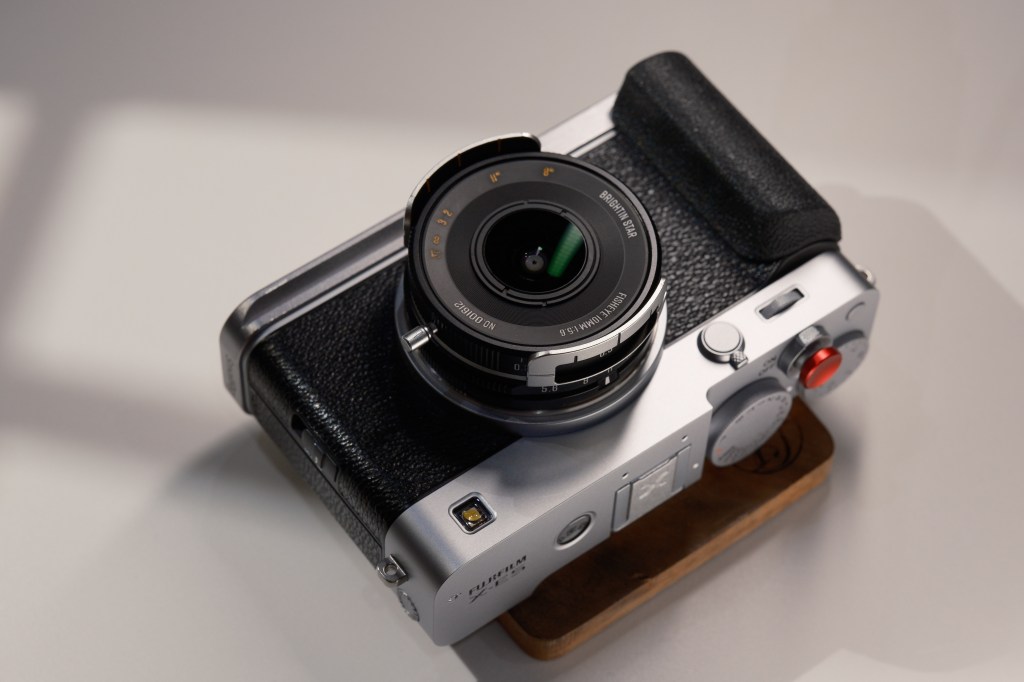
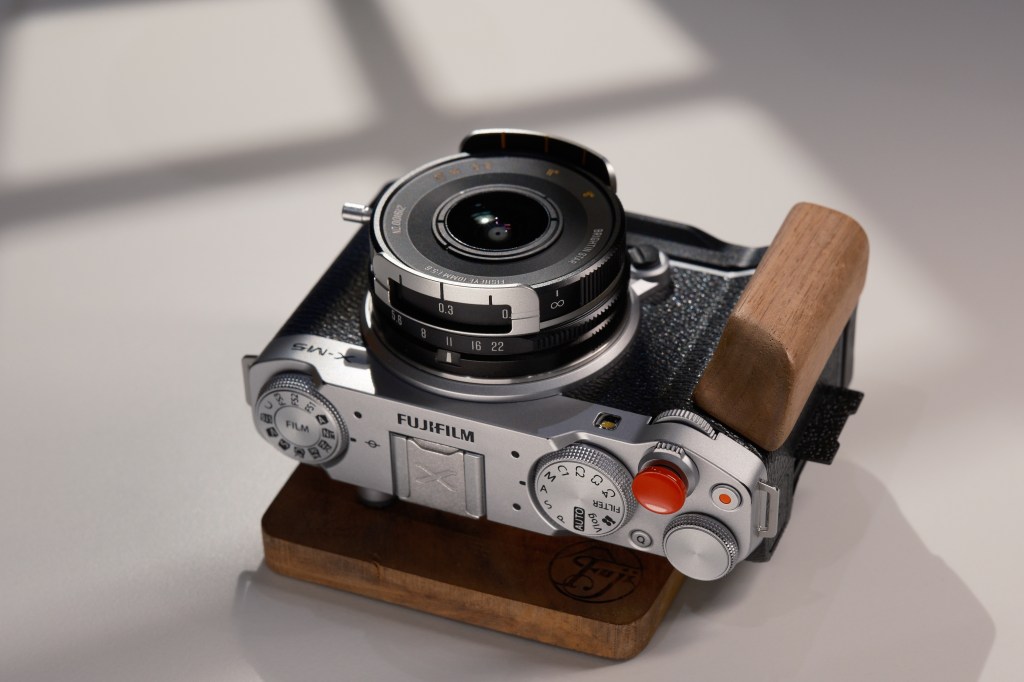
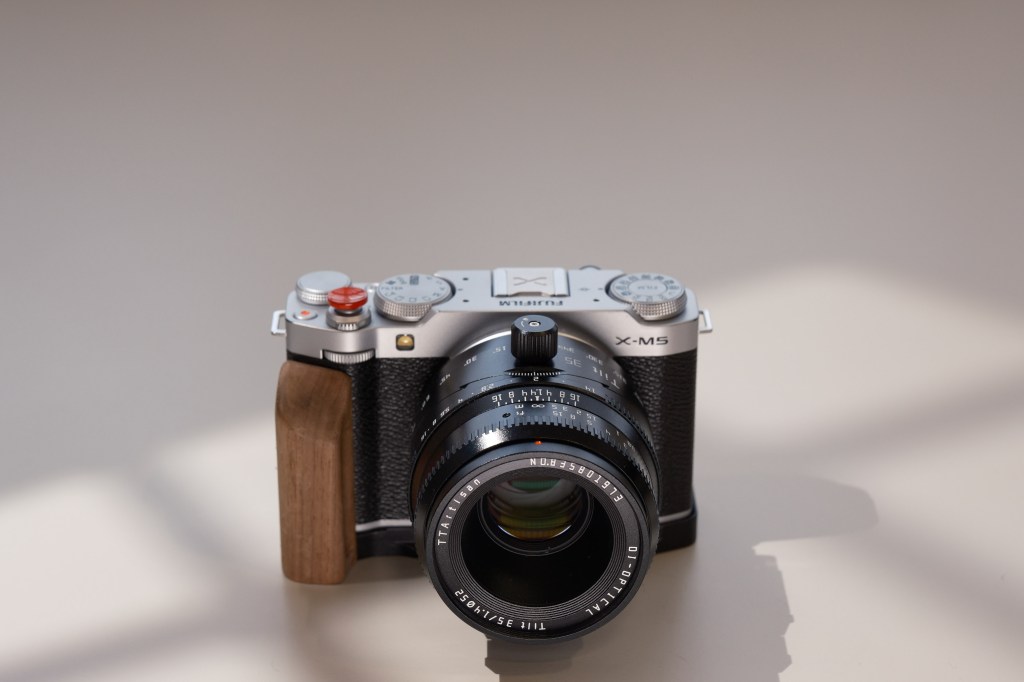
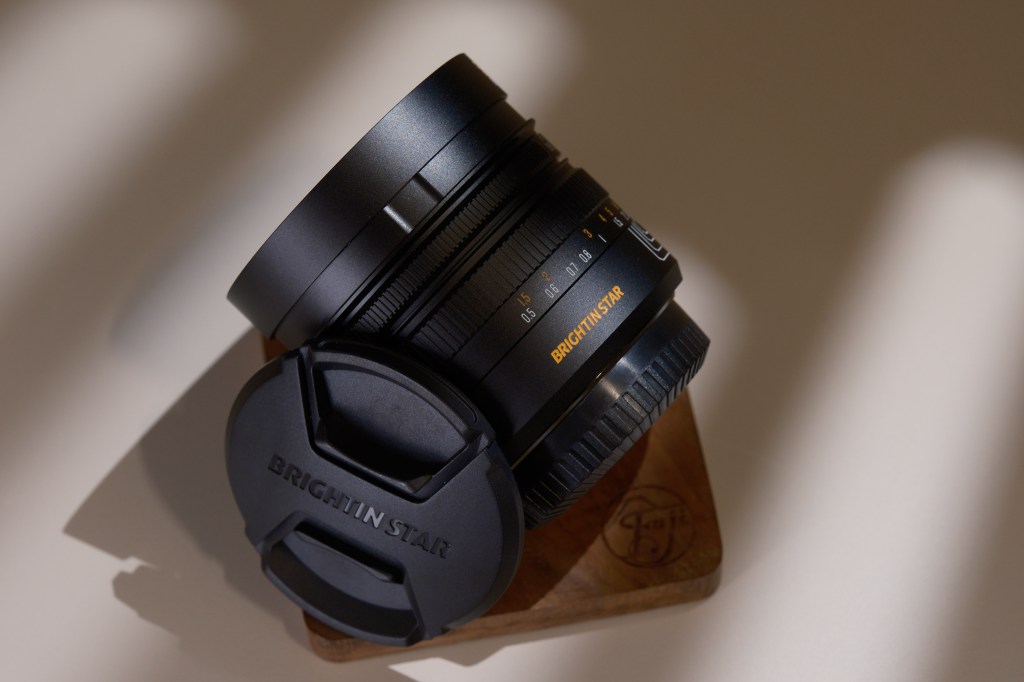
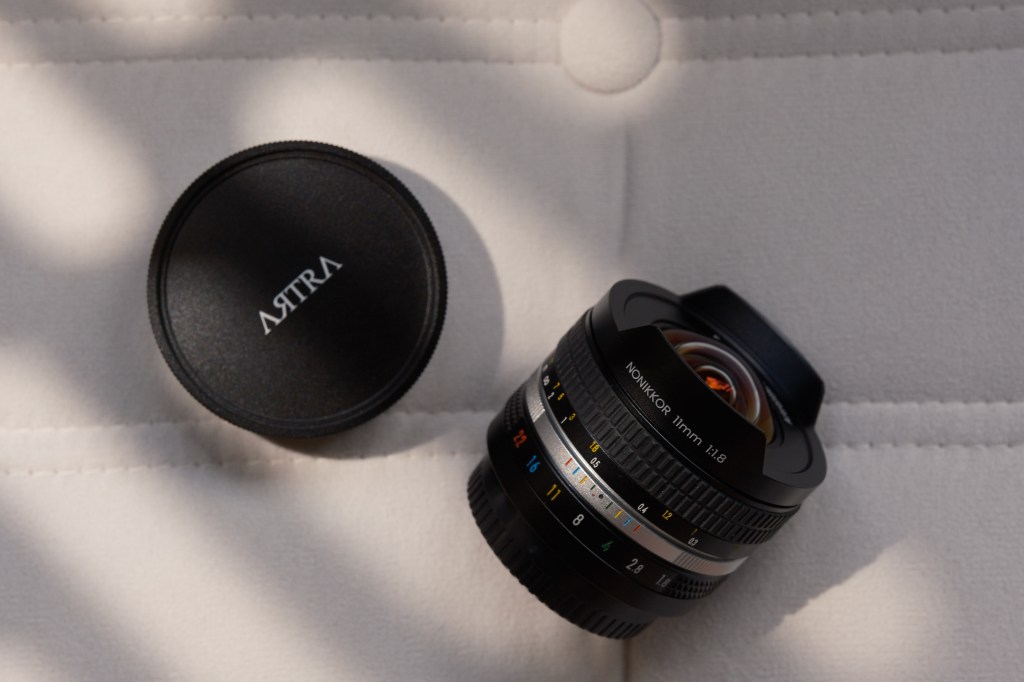
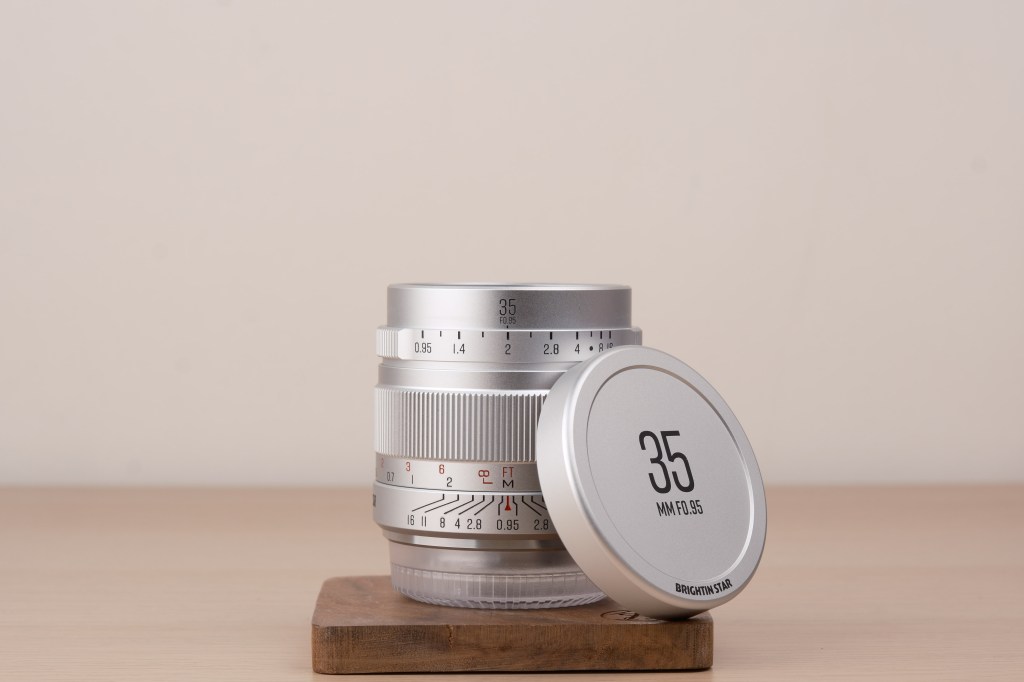
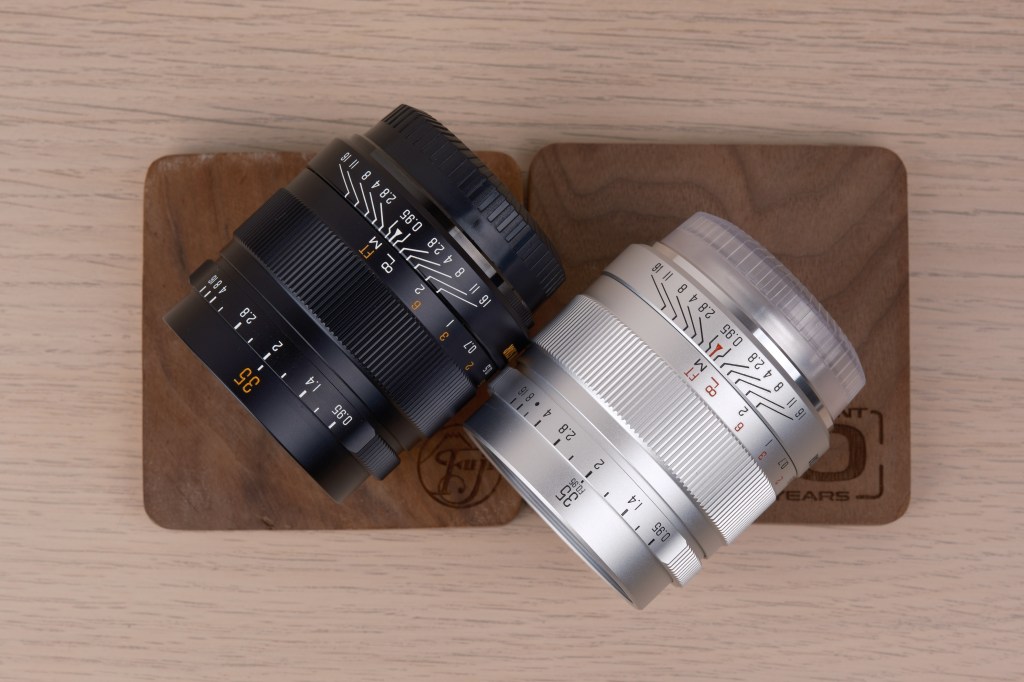
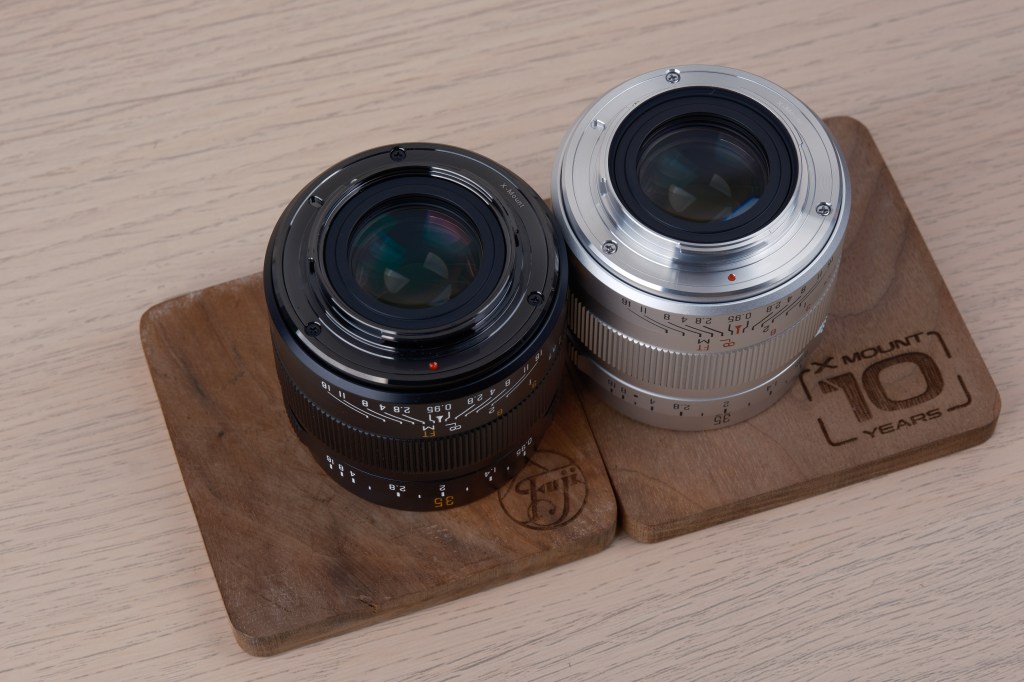
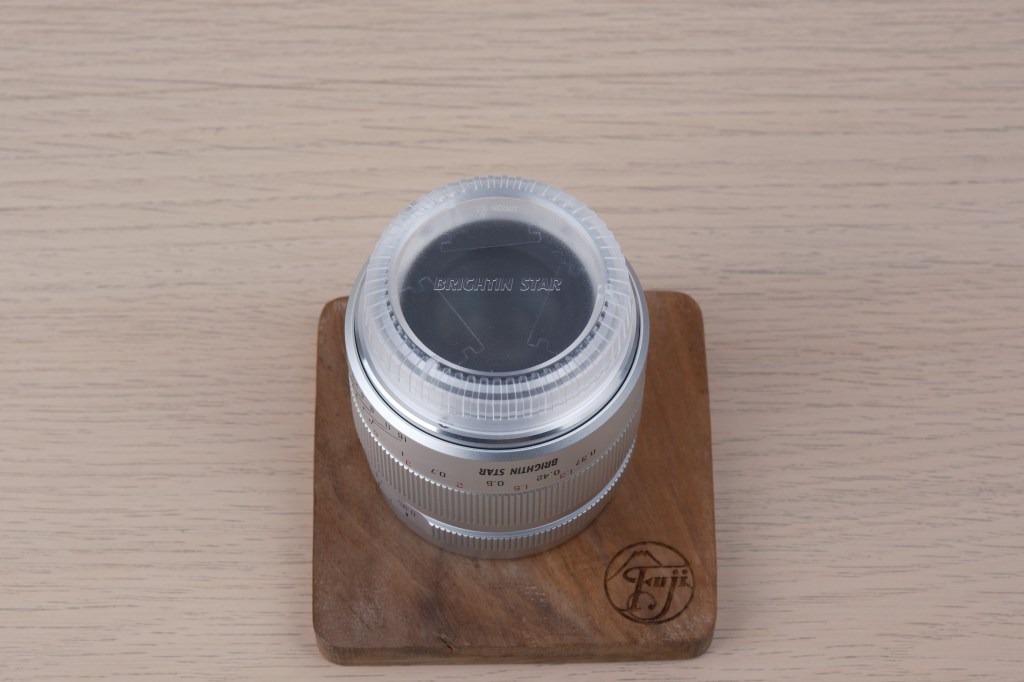
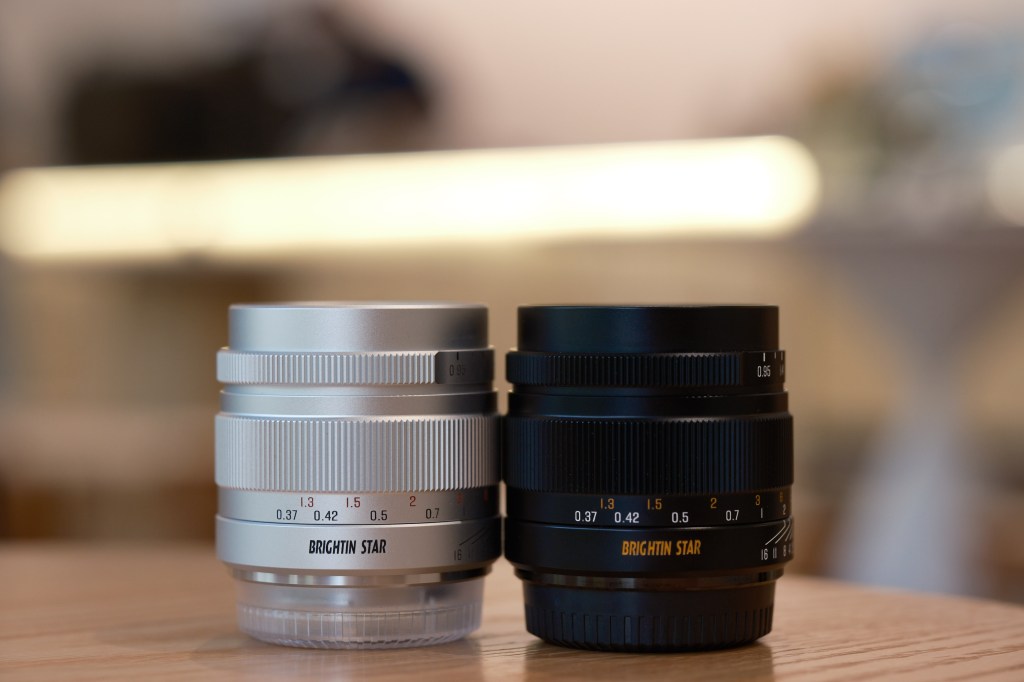
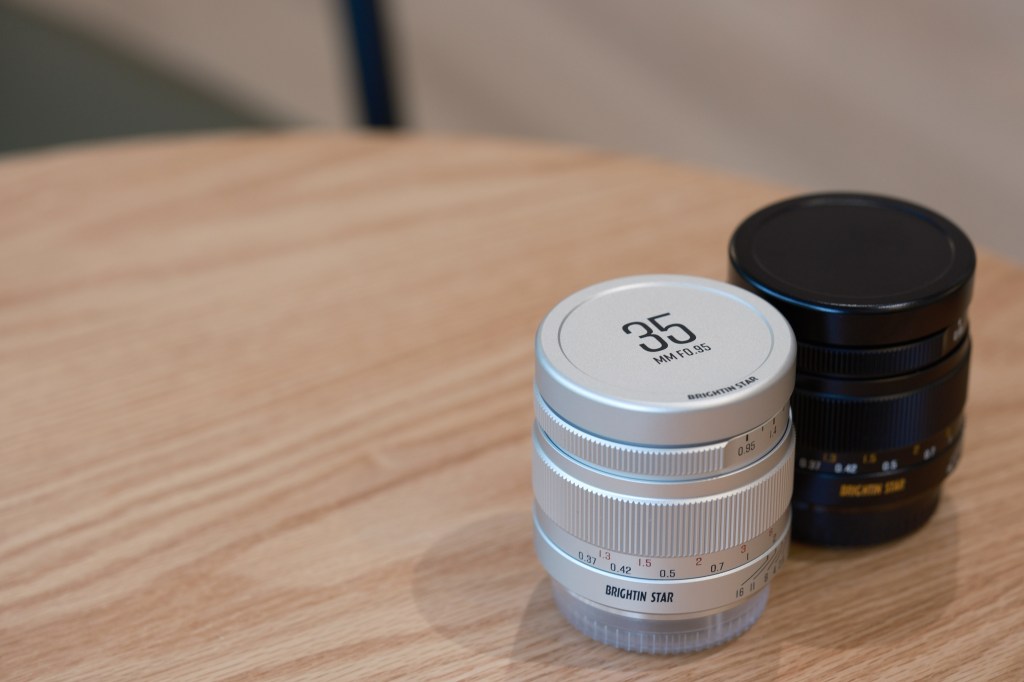
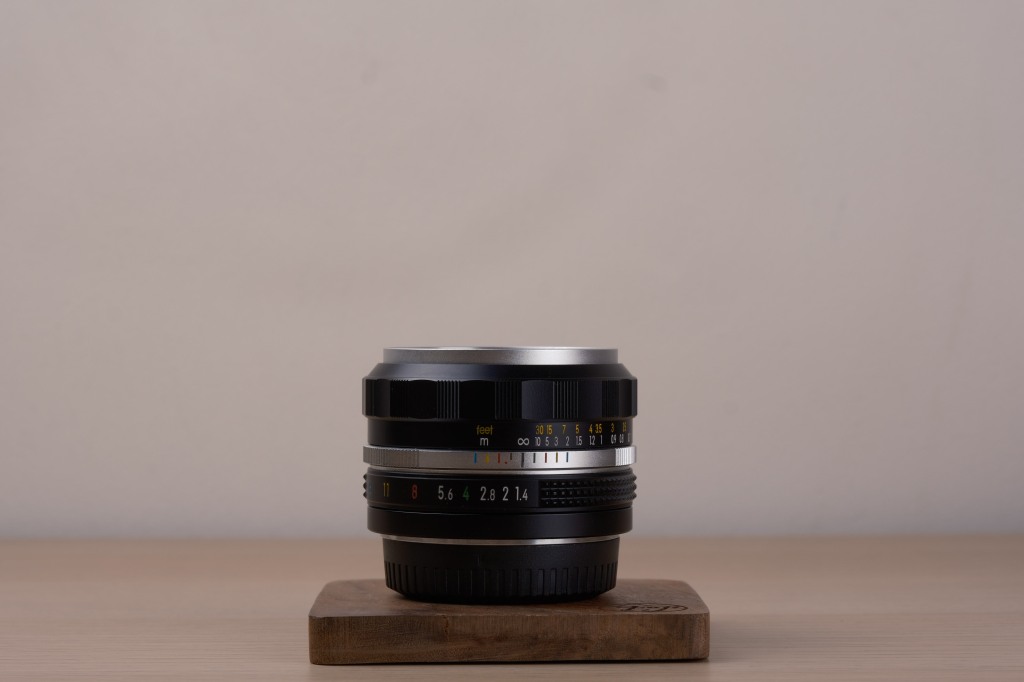
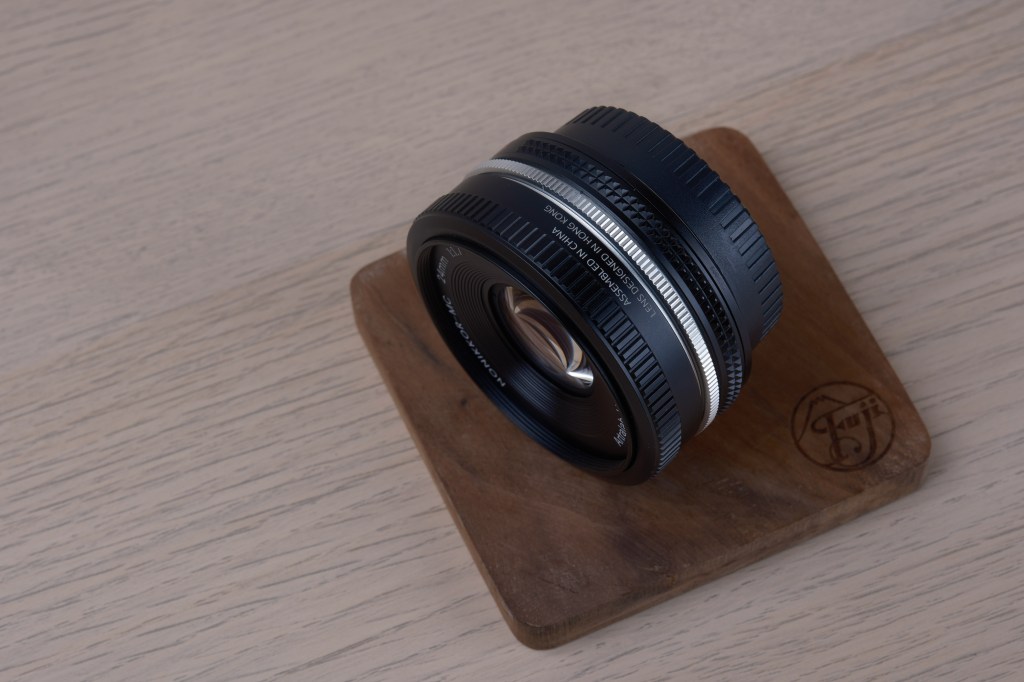
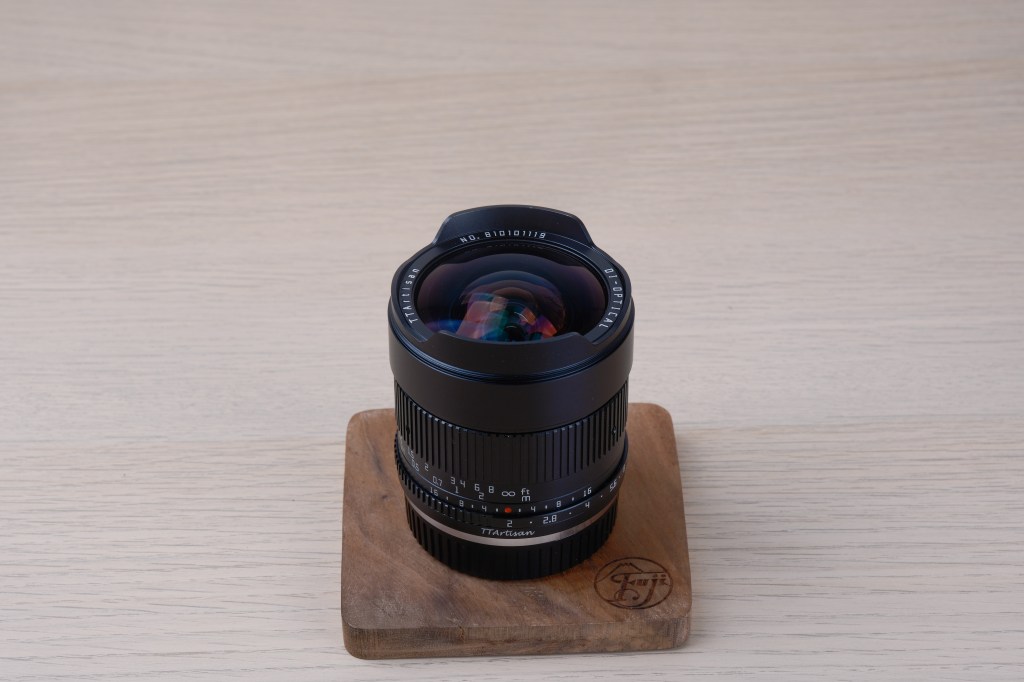
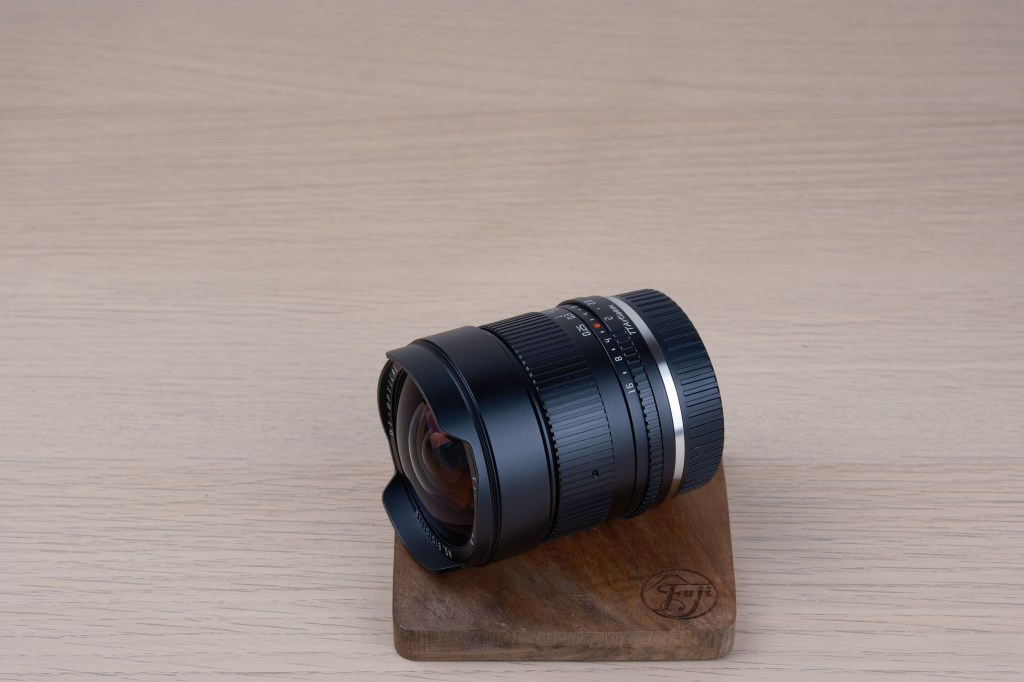
At first glance, the lens immediately stands out with its retro-inspired design. It’s compact and weighs just 100 grams. The vintage vibe comes through in several thoughtful details.
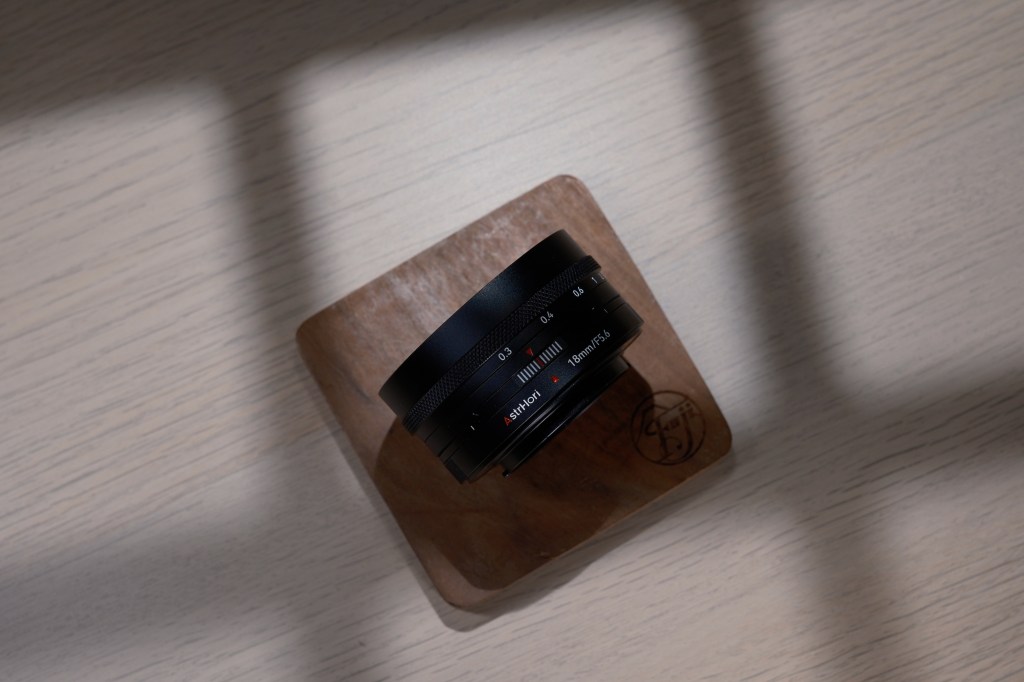
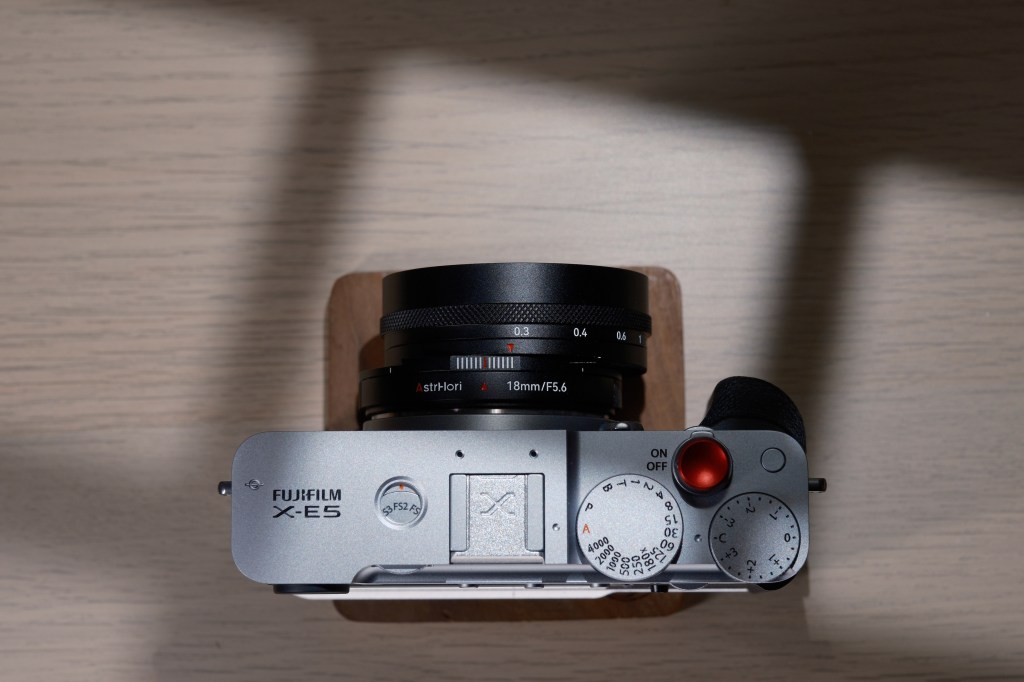
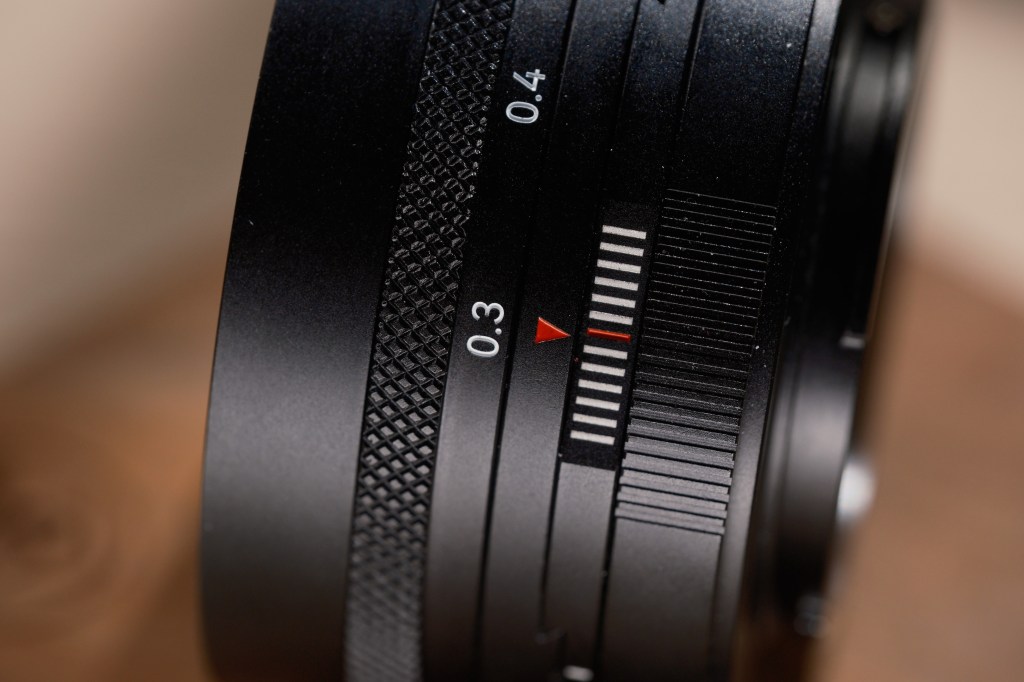
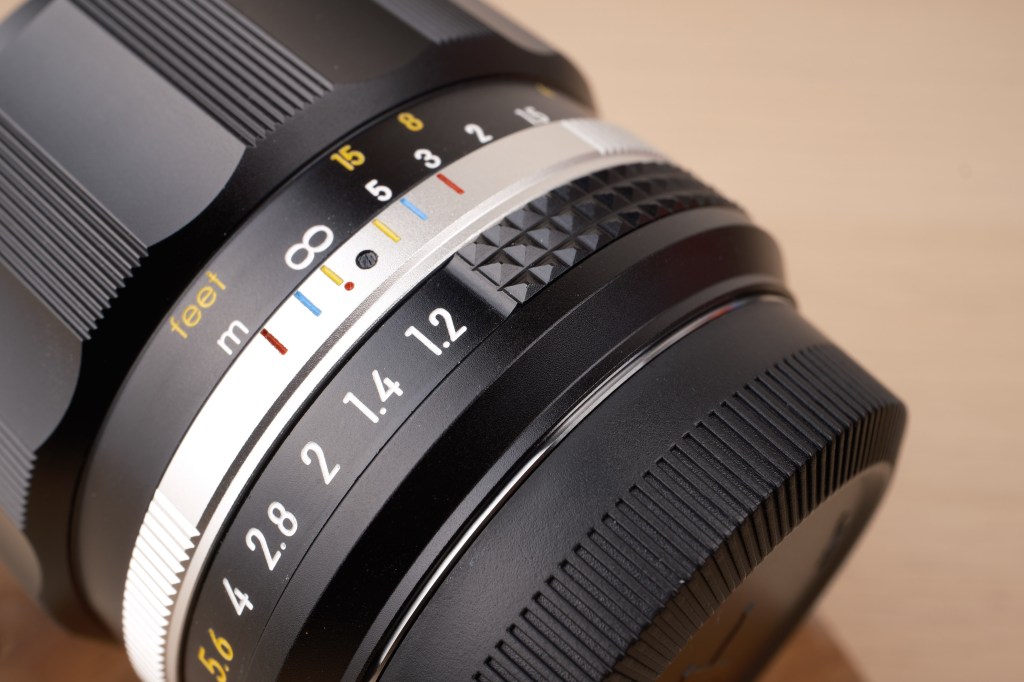
There is a dual silver metallic built-in lens hood that gives it character. The top plate features a small window to display the focusing scale, adding both function and charm. One of my favorite features is the focus lever, which makes manual focusing quicker and more intuitive. The aperture ring has a gentle, satisfying click, and it is something manual lens photographers will appreciate. Even the lens cap is metal-built.
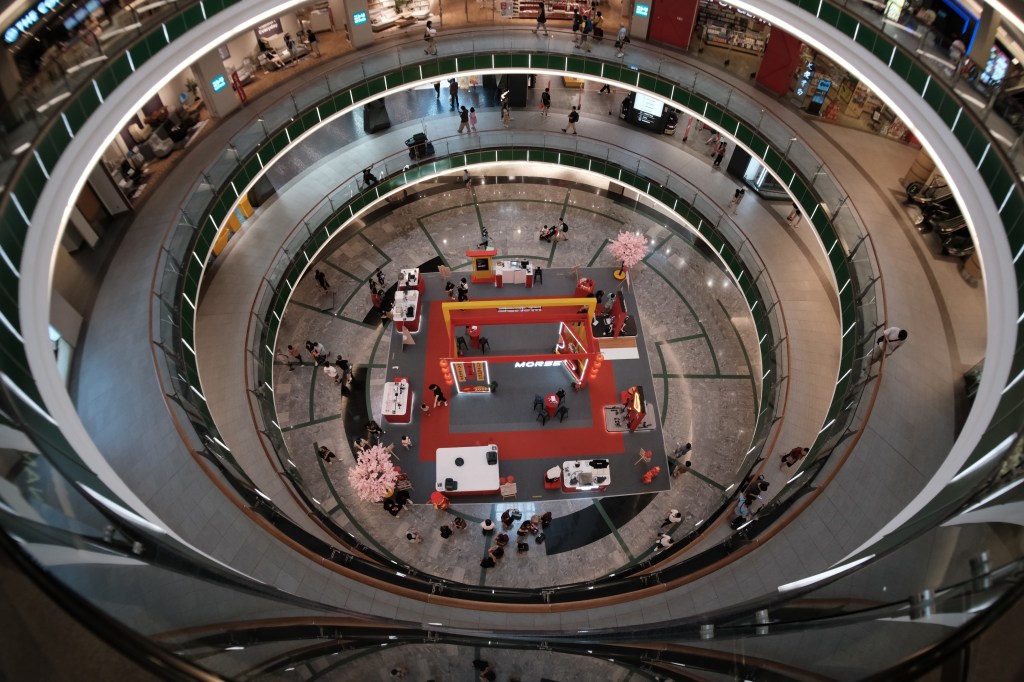
It’s clear that Brightin Star put serious effort into the physical design. The all-metal construction feels solid and reassuring. In terms of build quality, it absolutely meets my expectations of what a “pro-grade” lens should feel like.

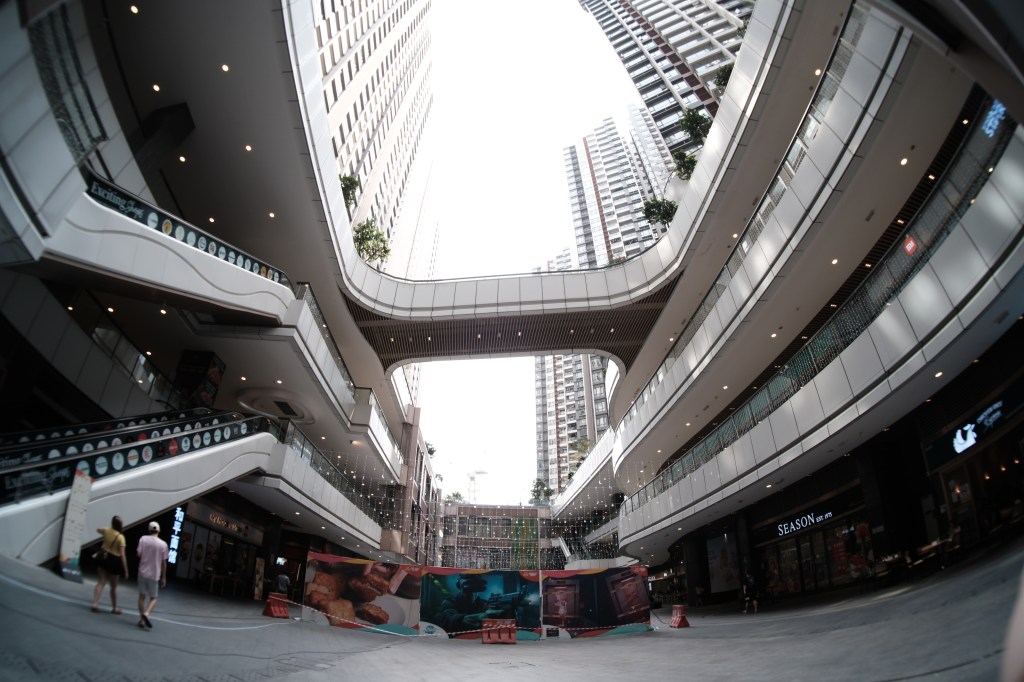
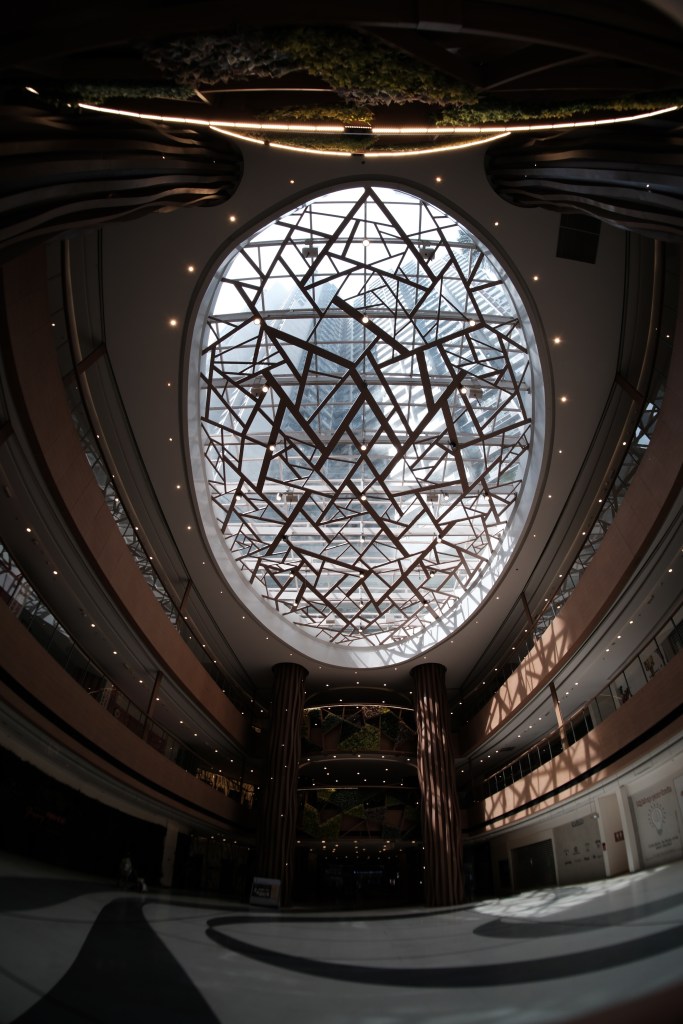
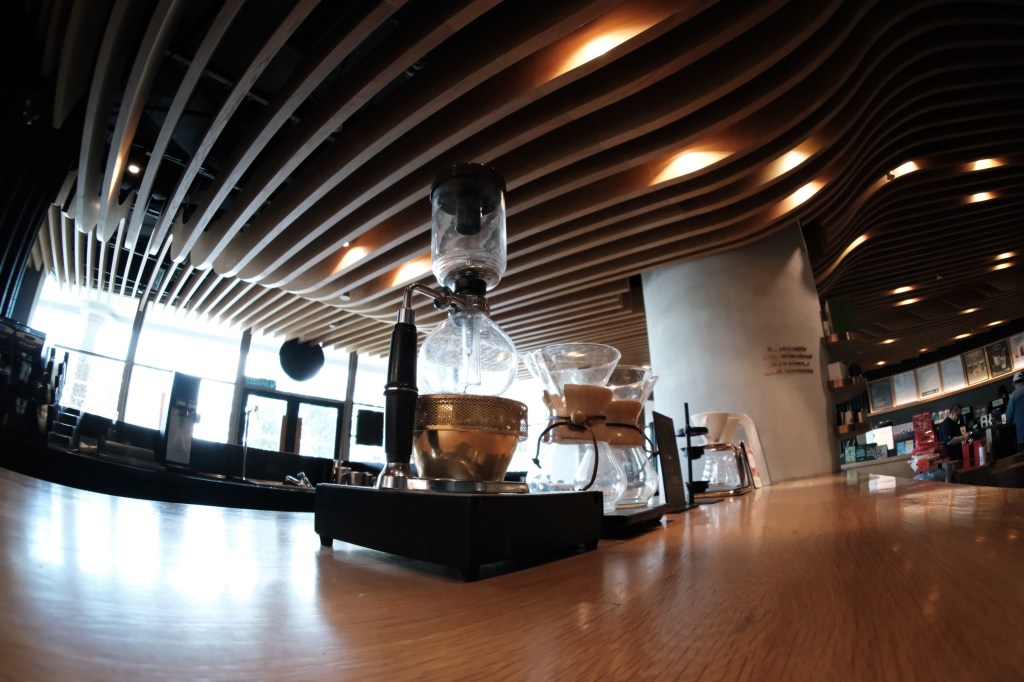
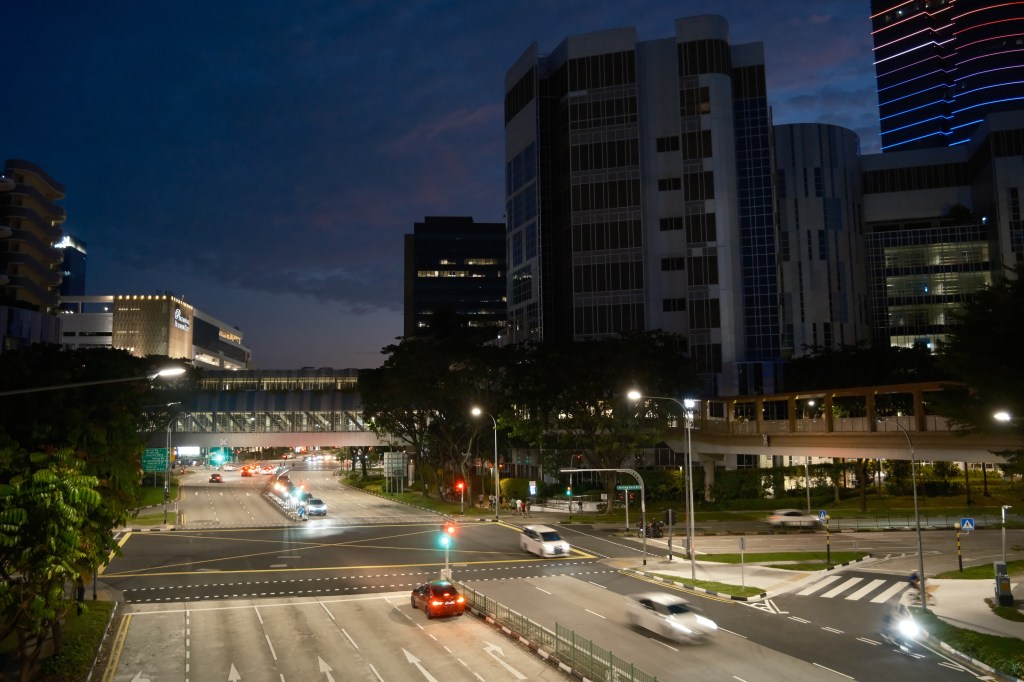
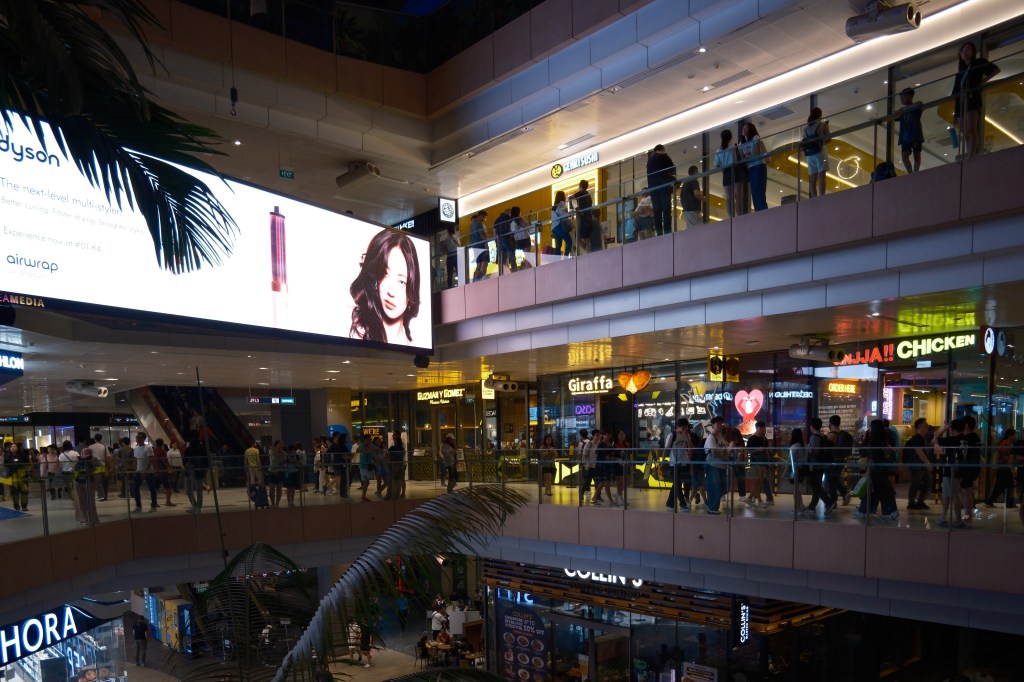
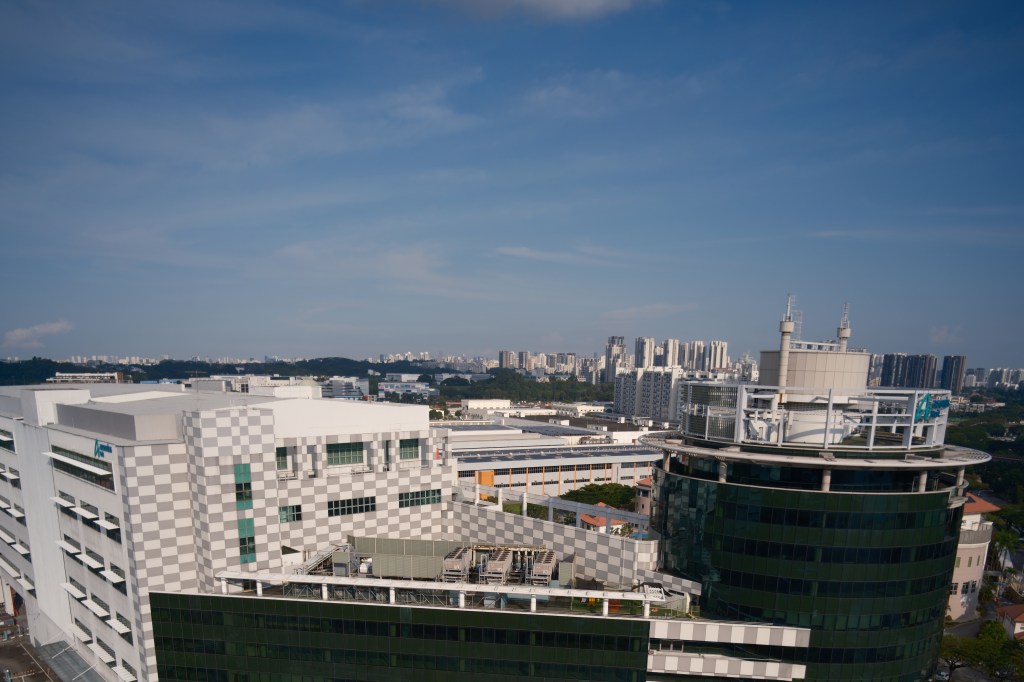
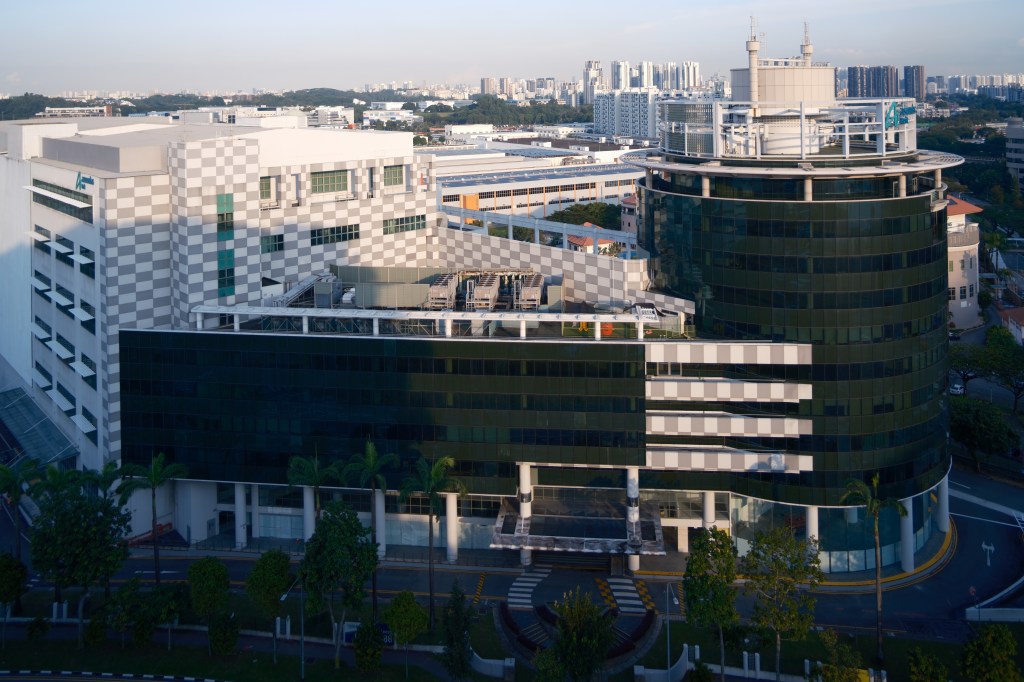
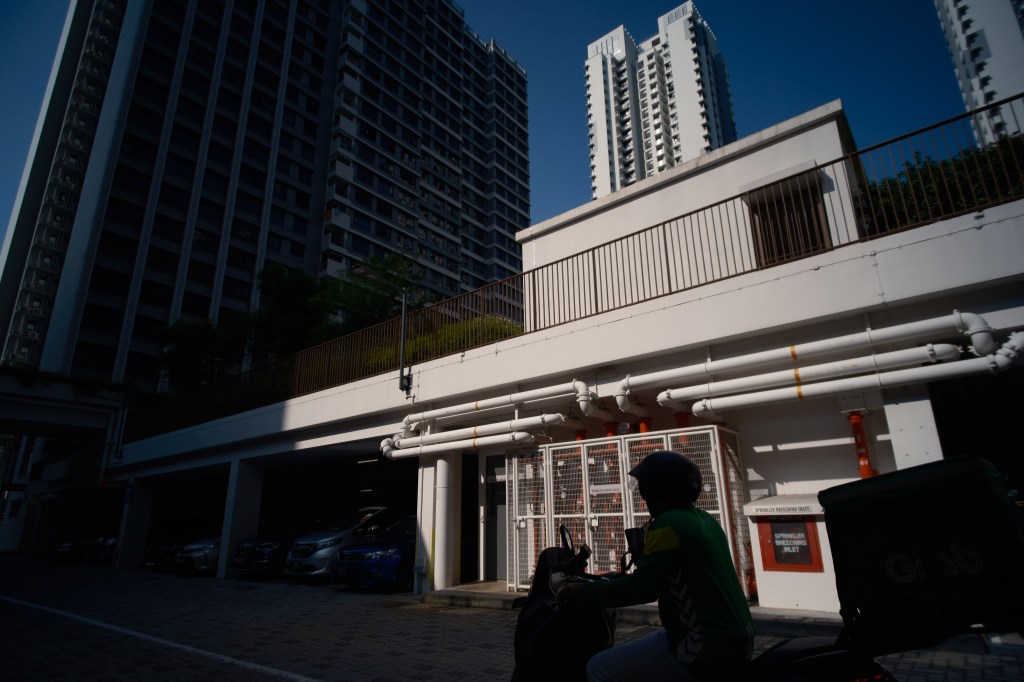
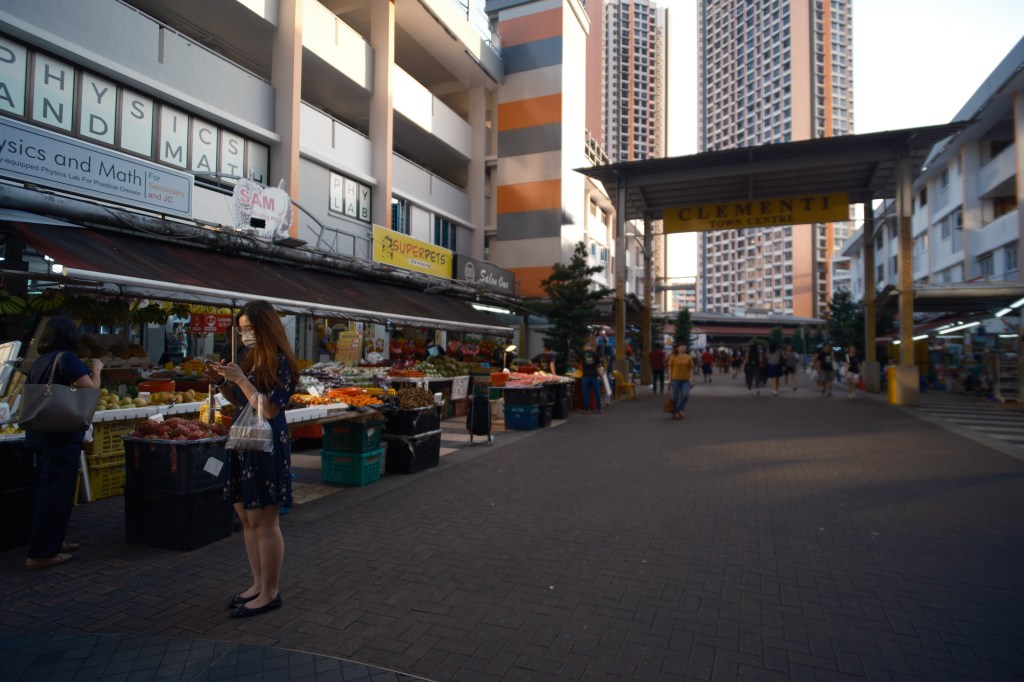
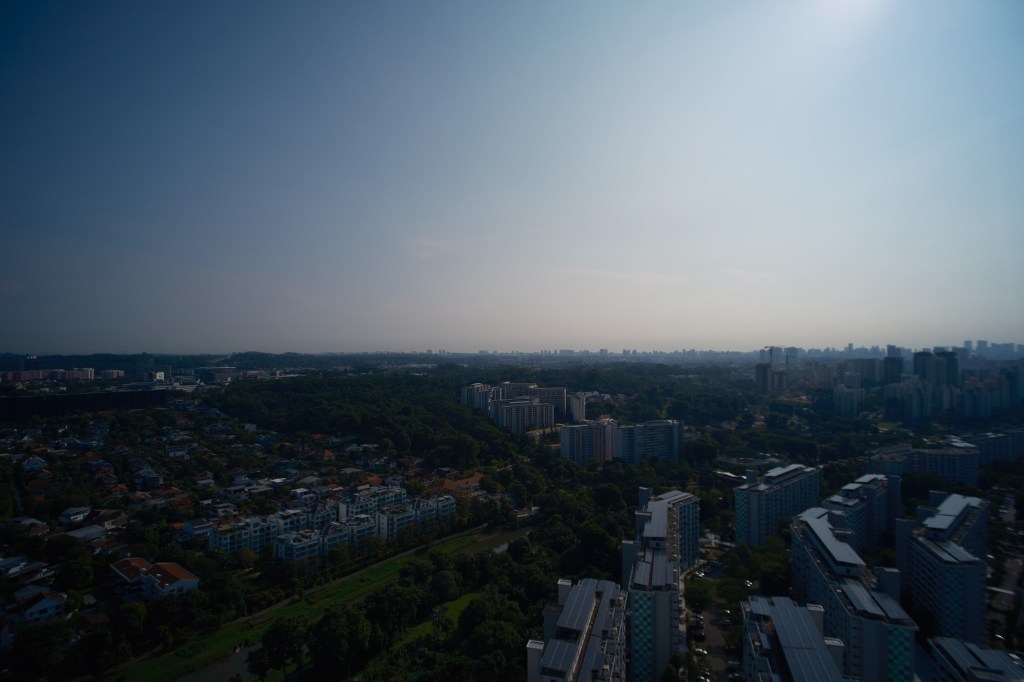
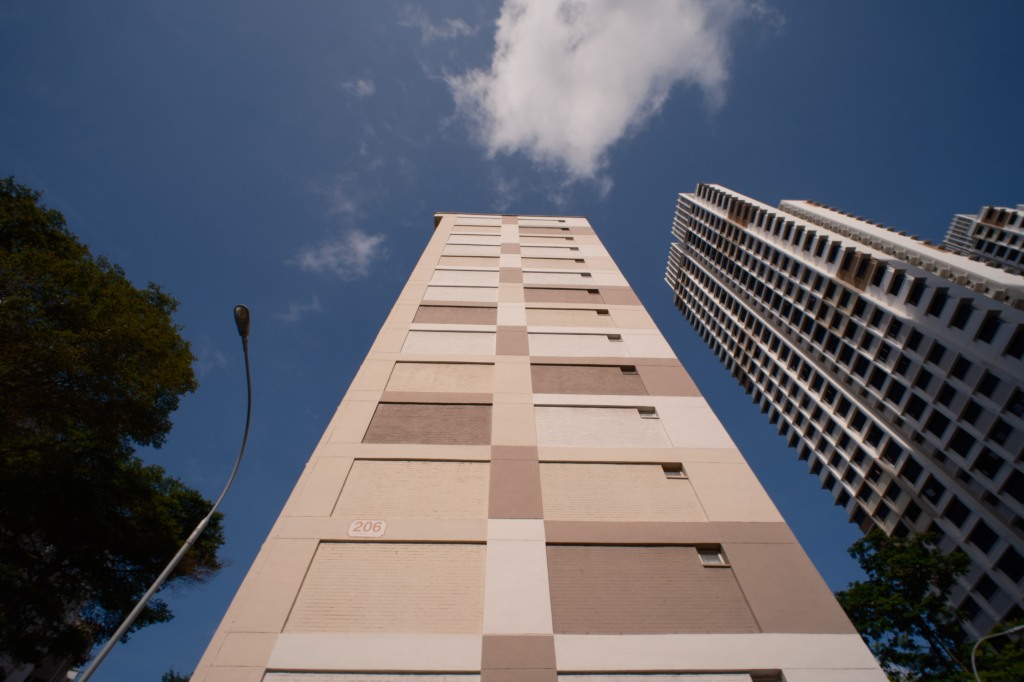
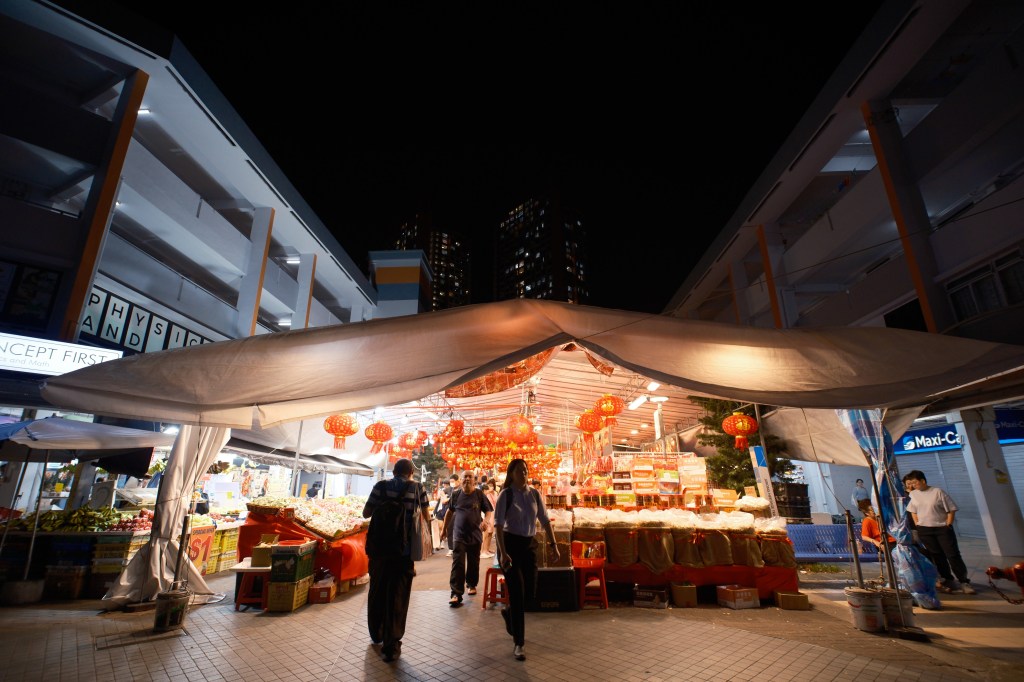
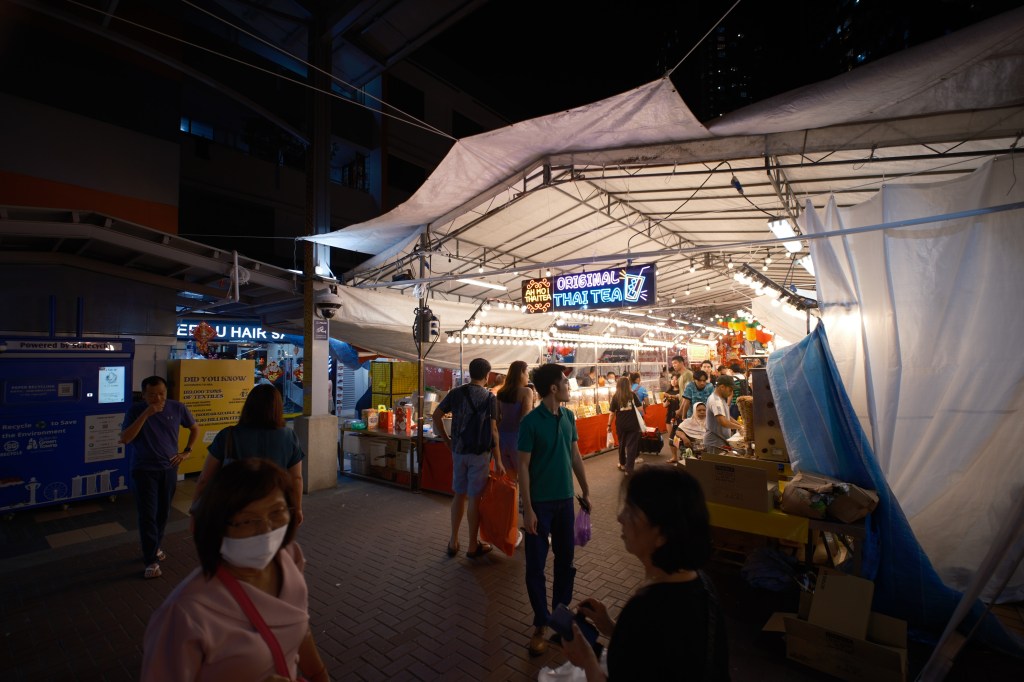
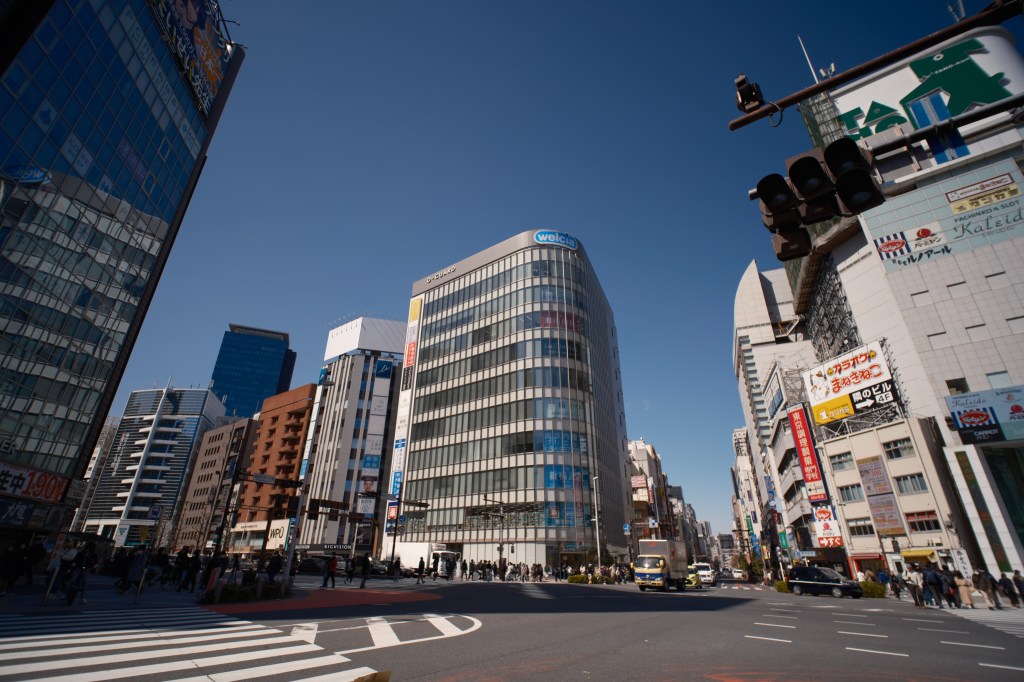
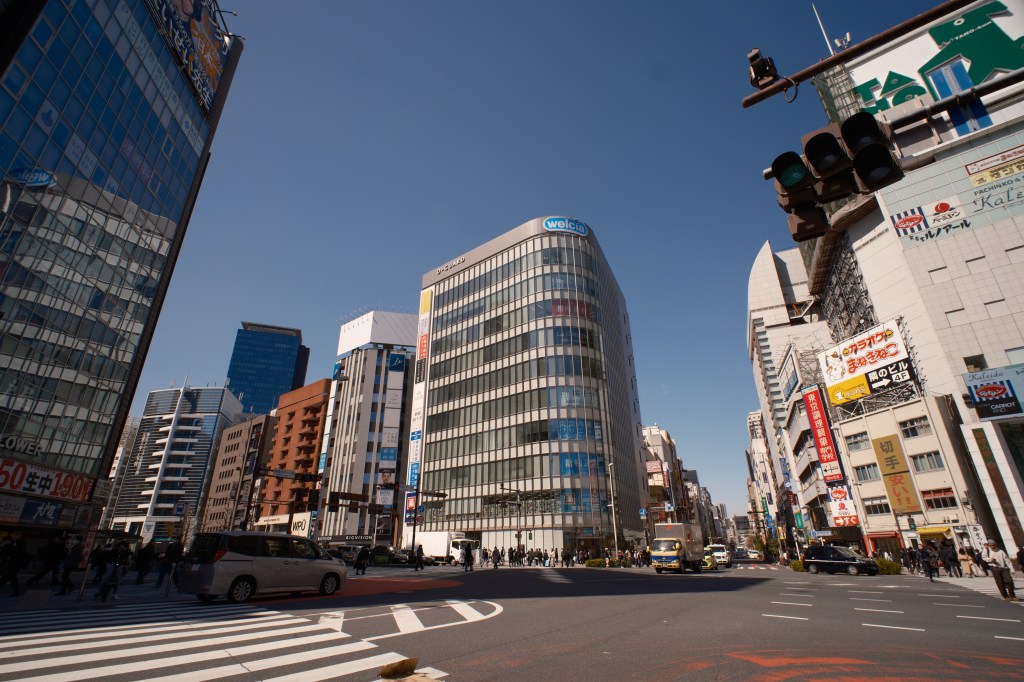
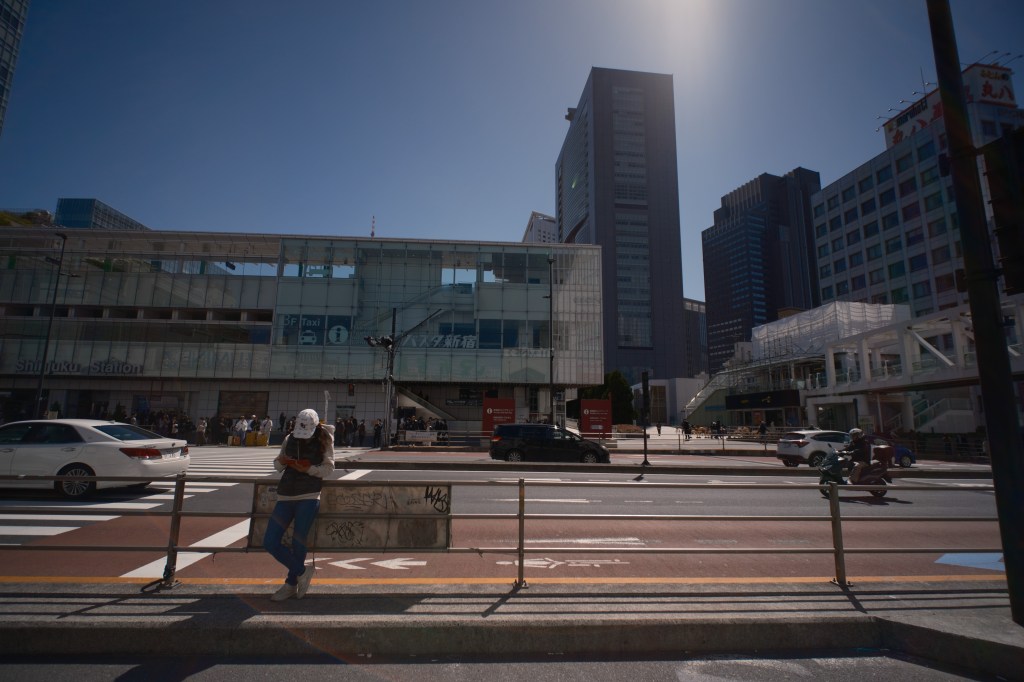
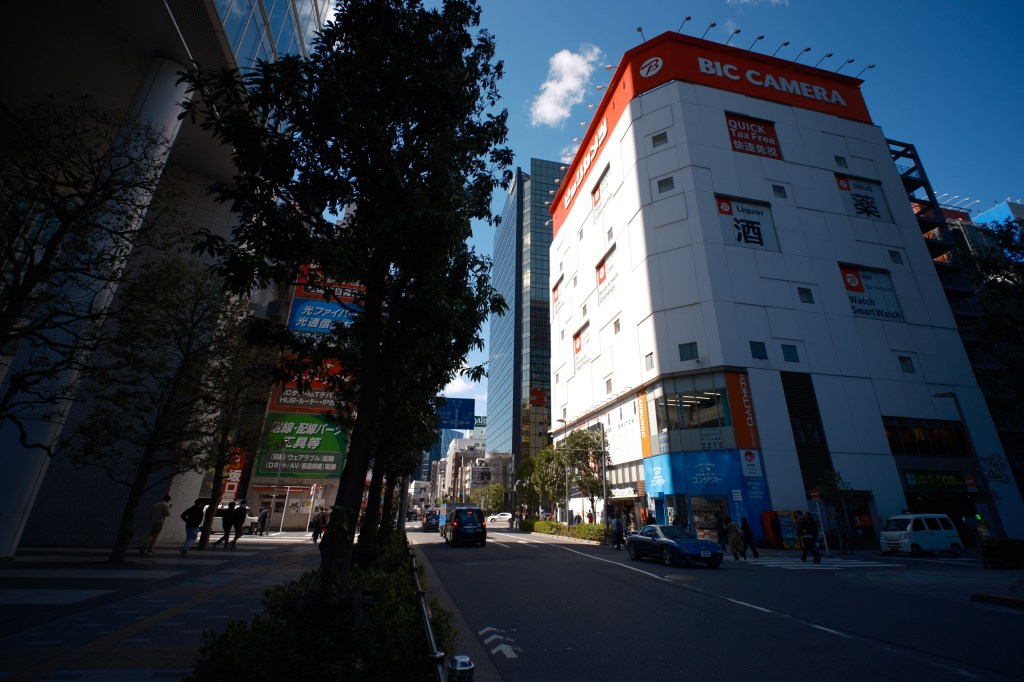
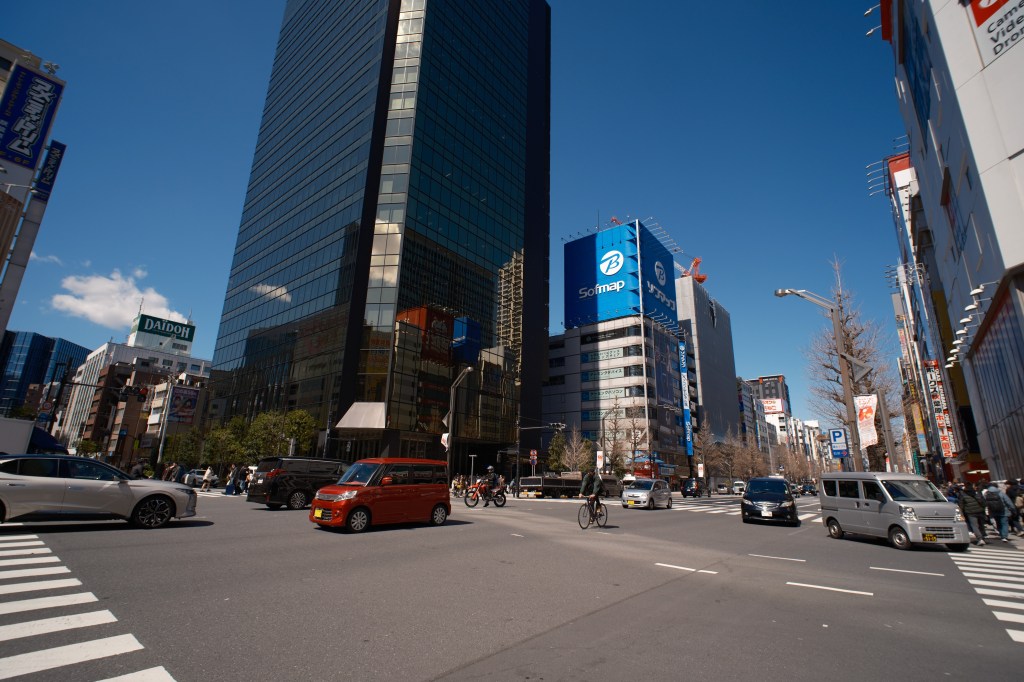
And yes, it offers a 175° field of view, which spells decent enough for a fisheye lens.
Image Quality
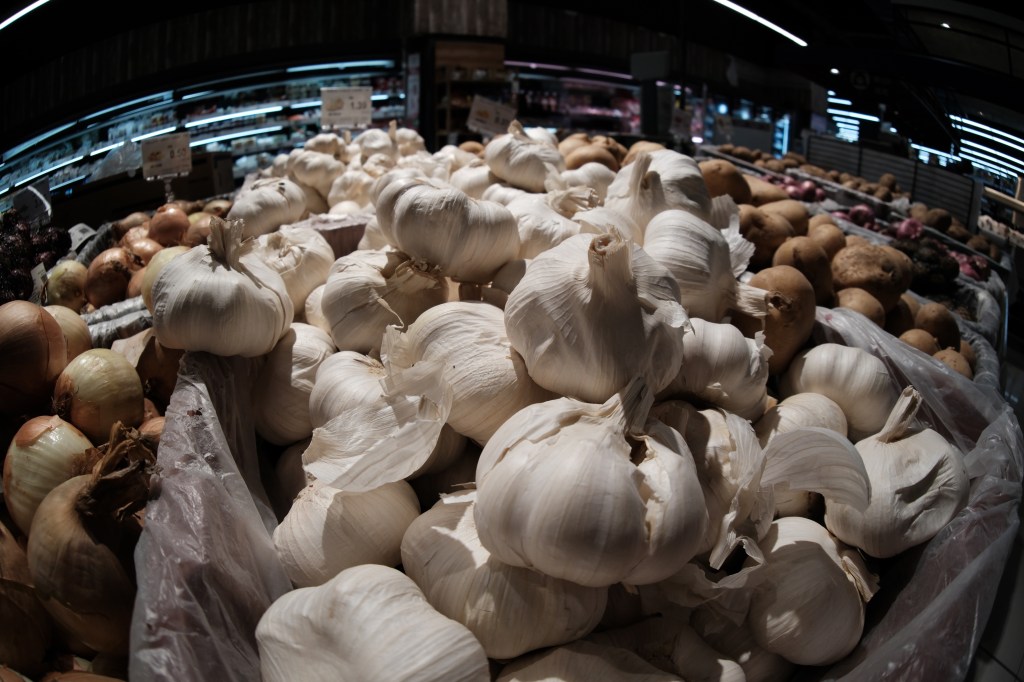
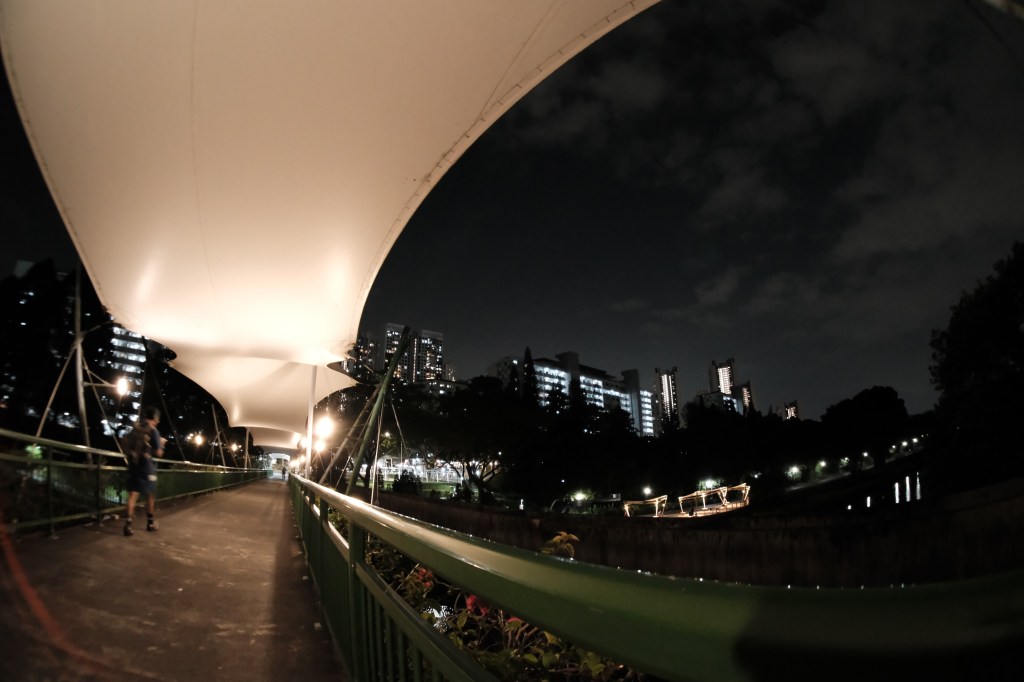
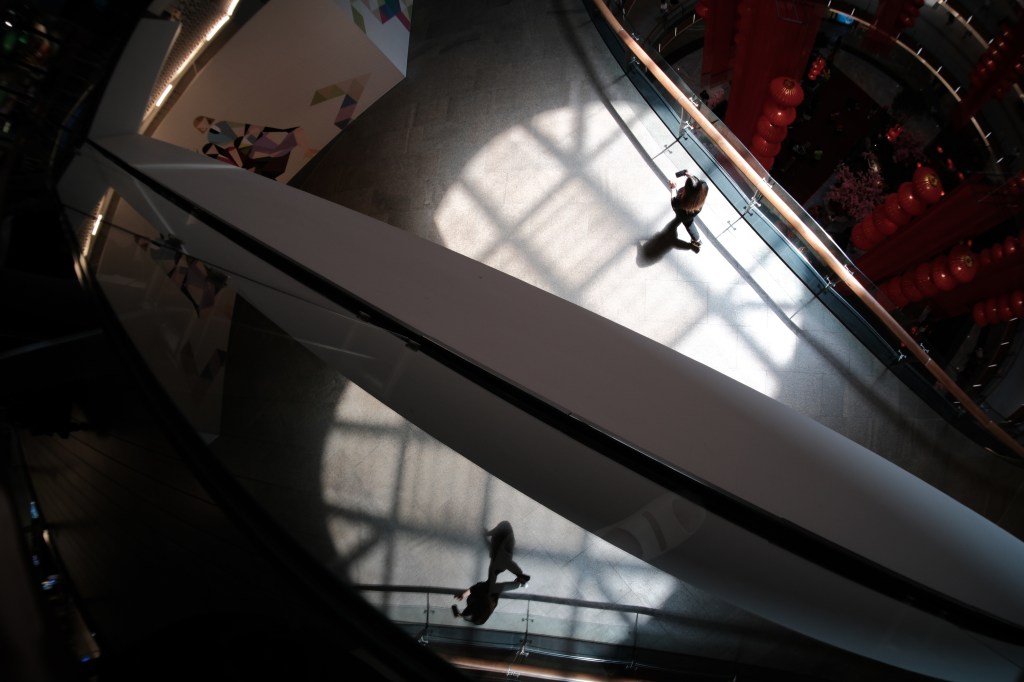
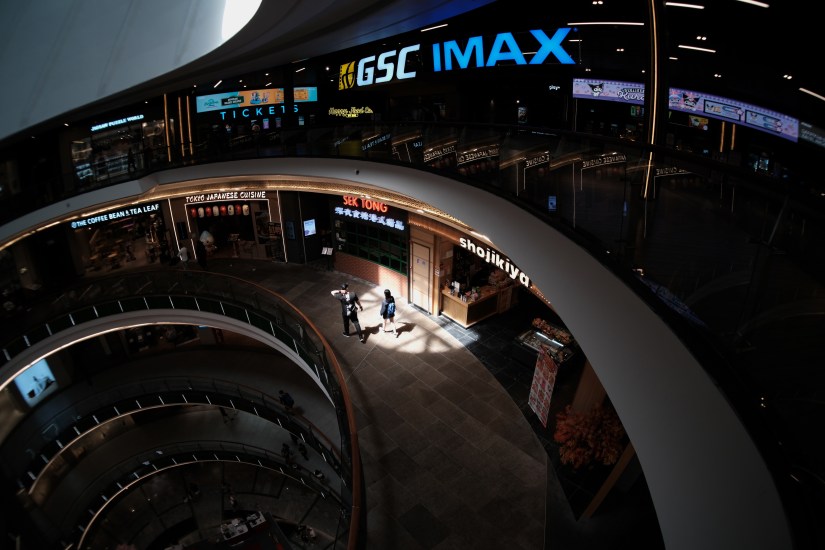
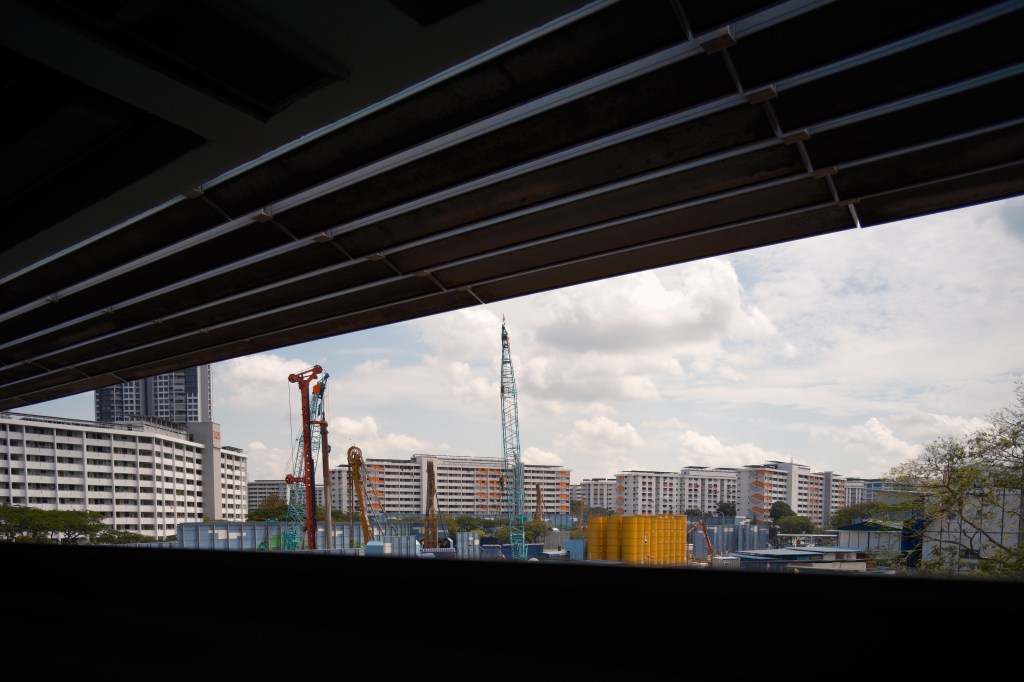
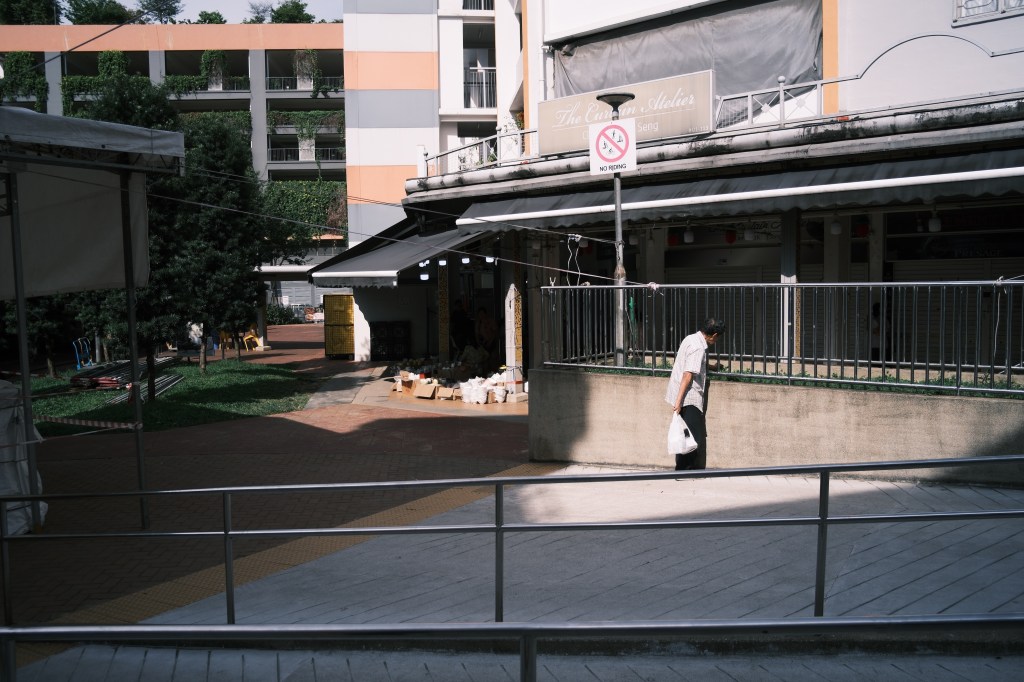
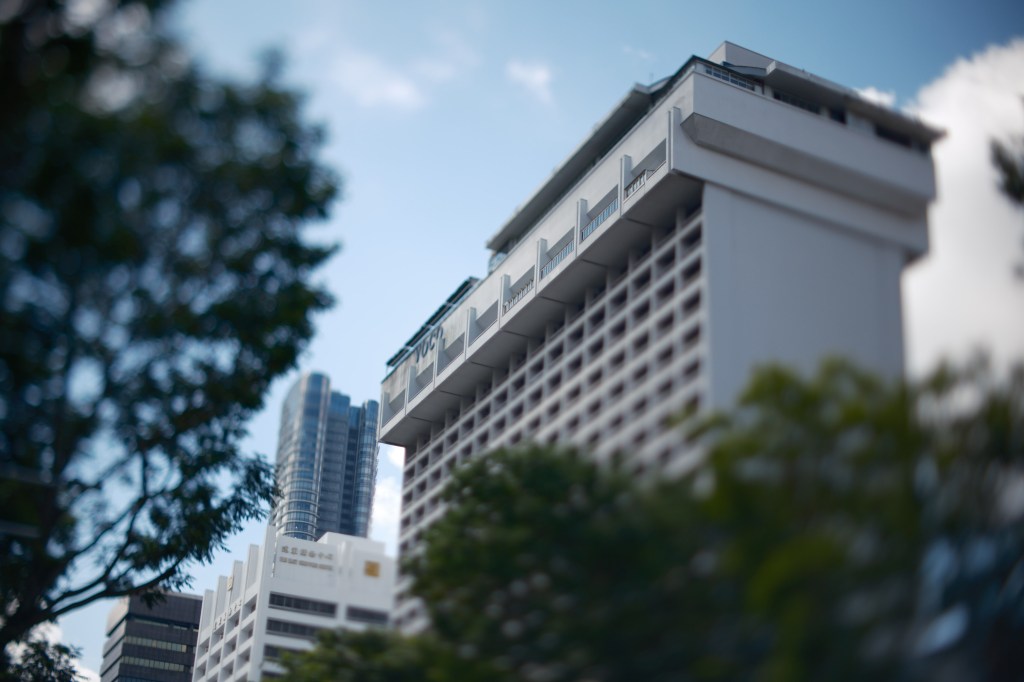
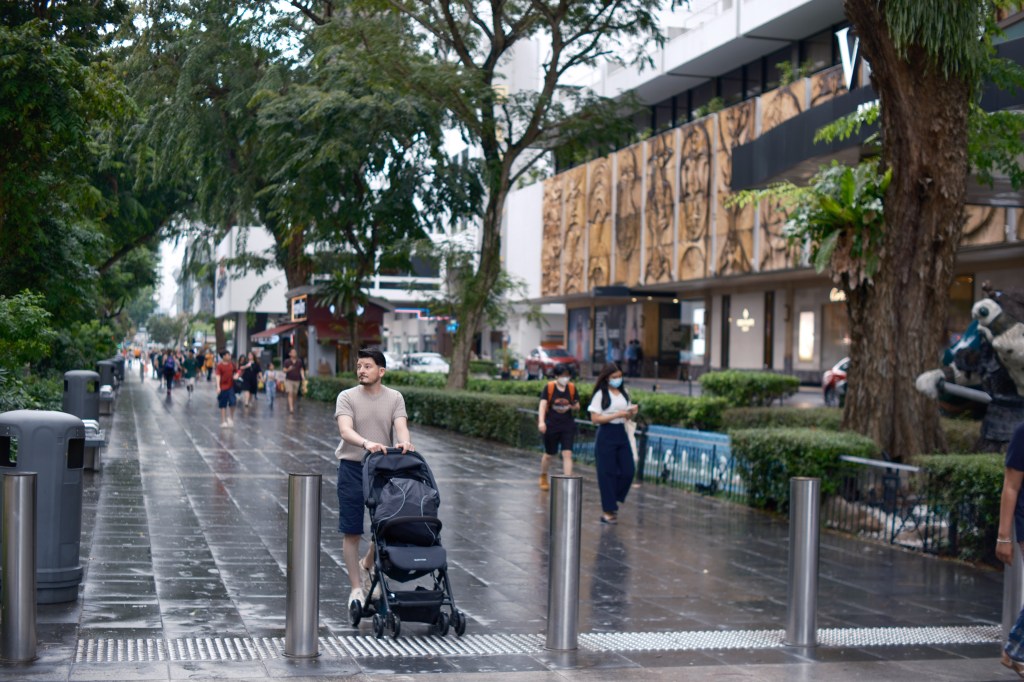
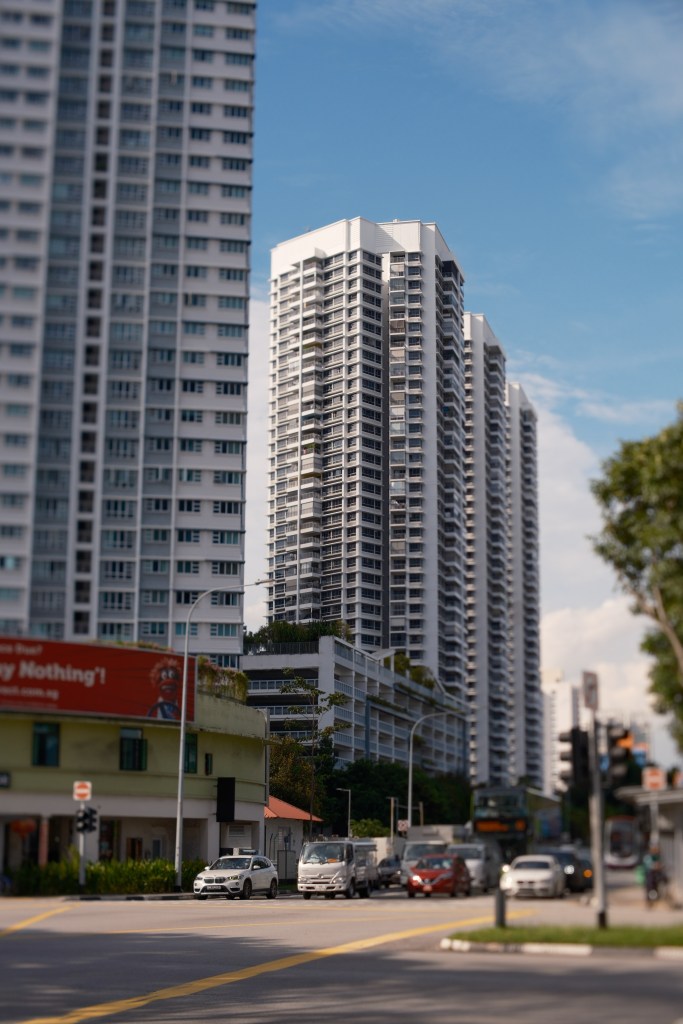
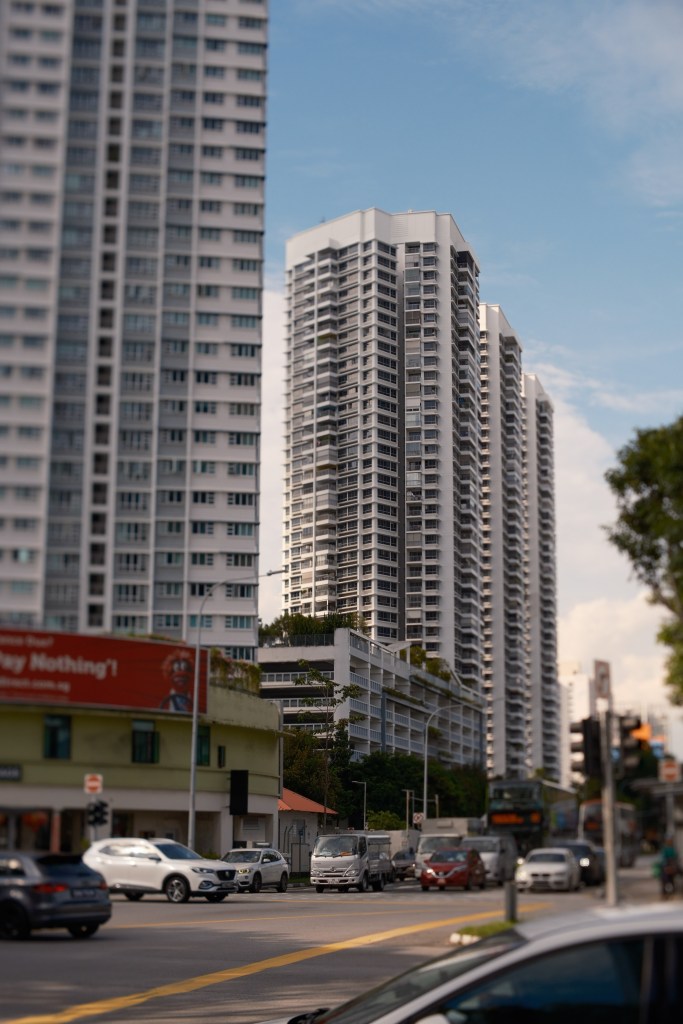
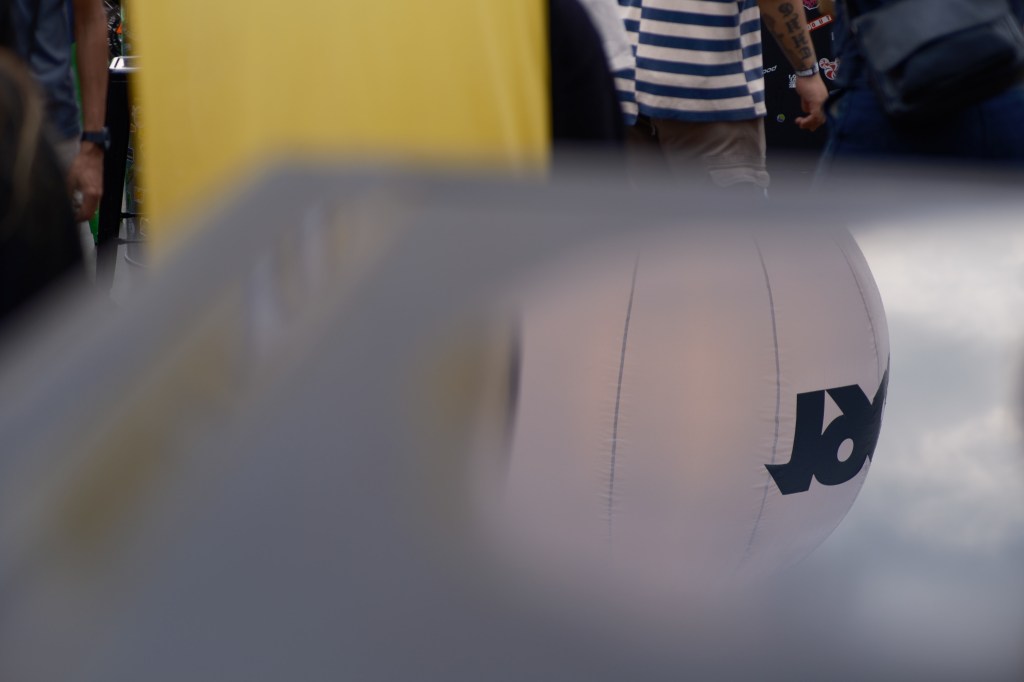
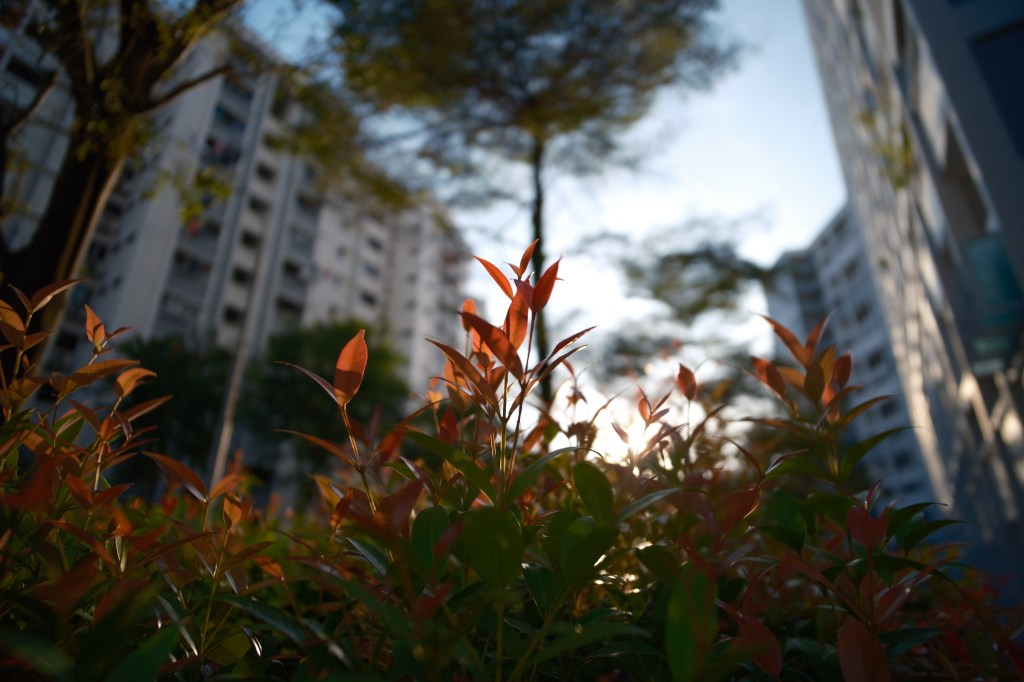
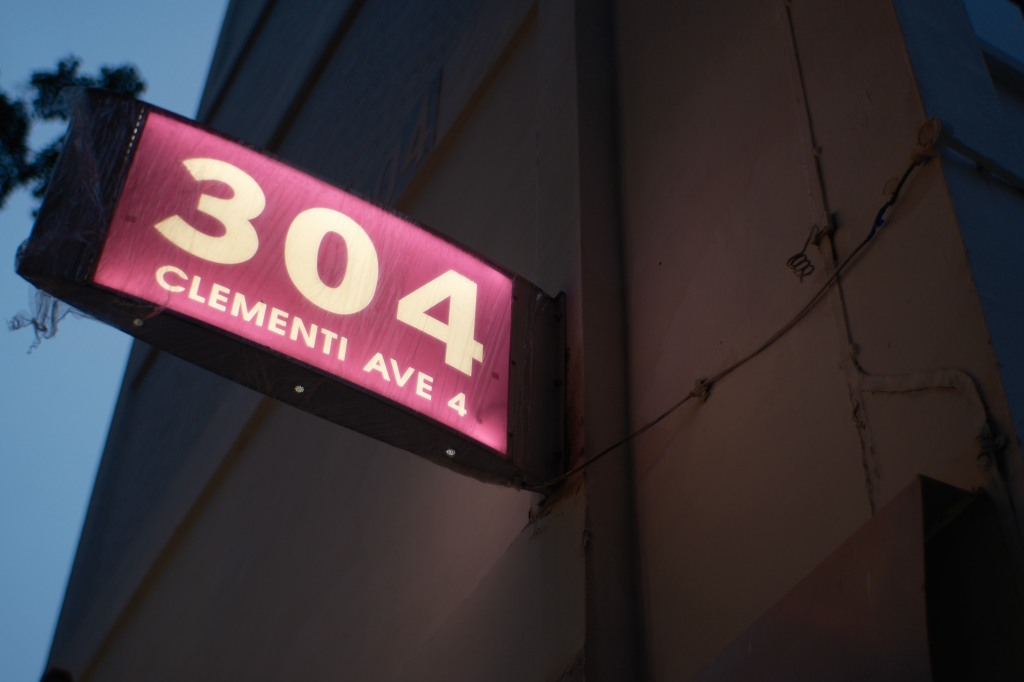
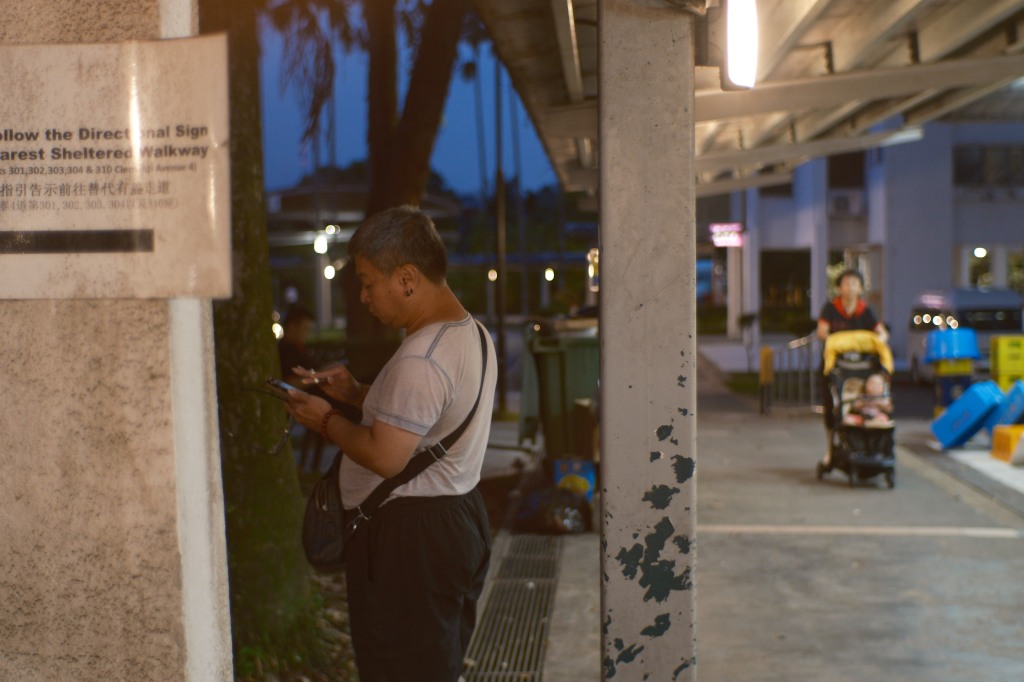
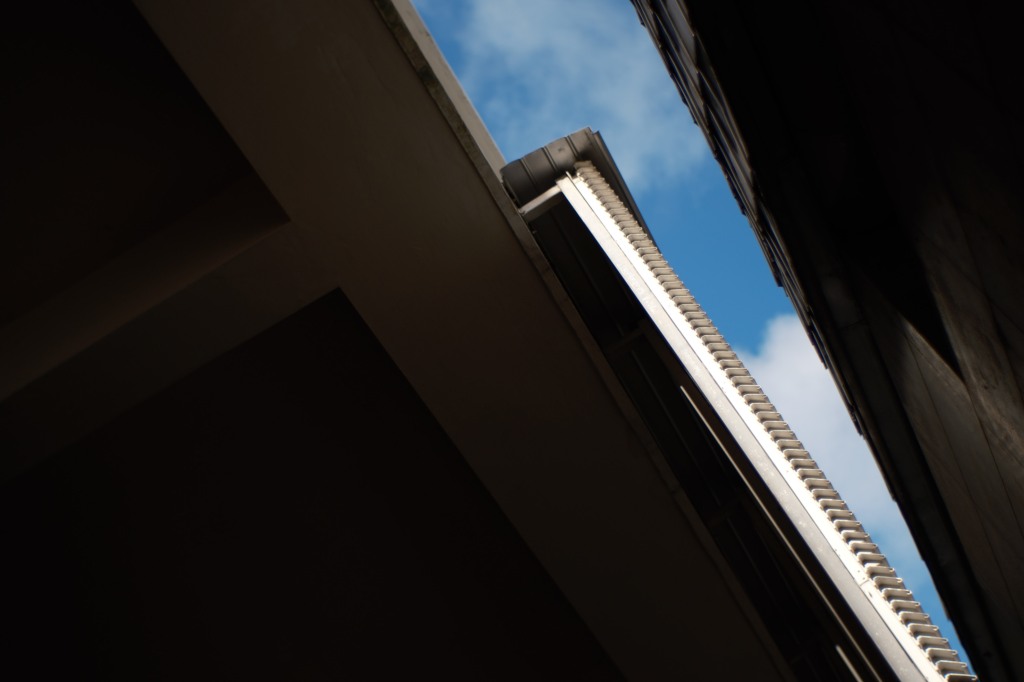
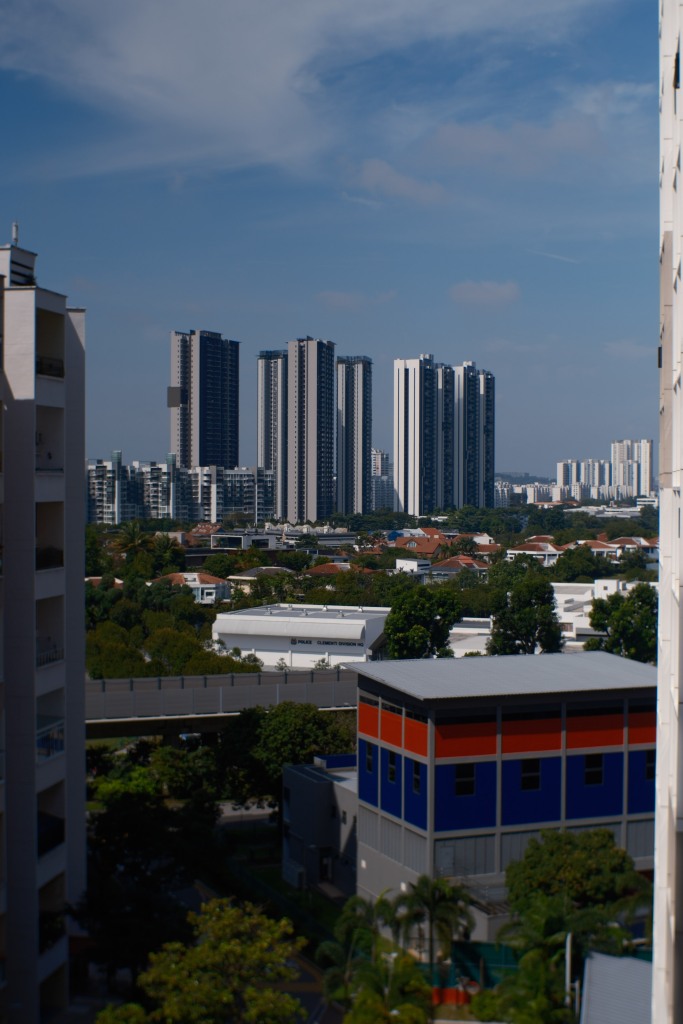
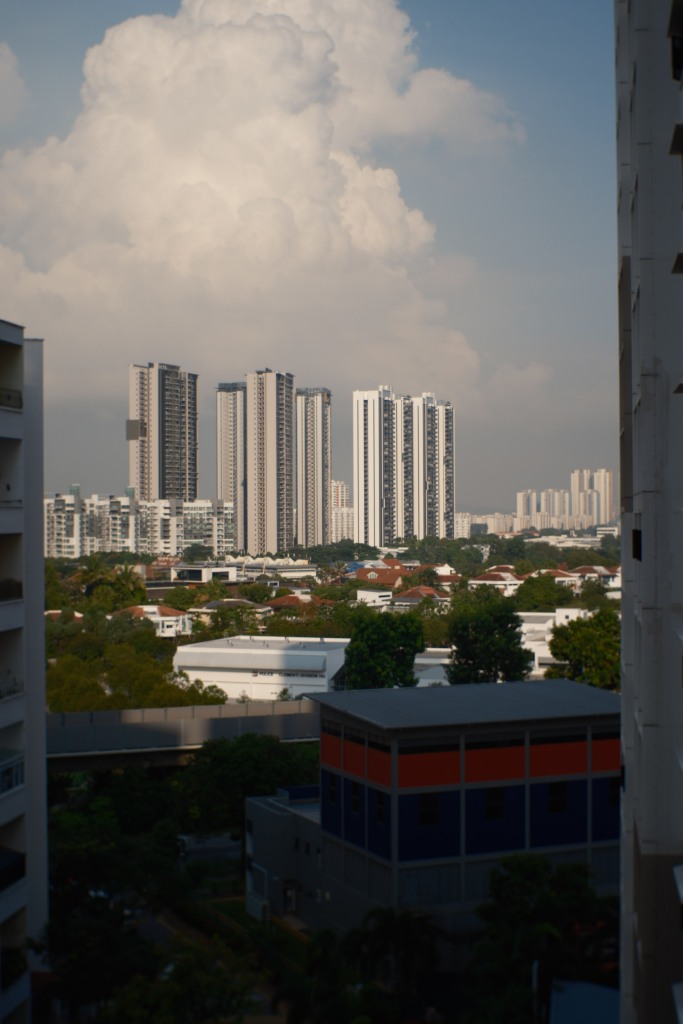
At its native f5.6 aperture, center sharpness is reasonably good. However, corner softness is noticeable and can sometimes be distracting. On the positive side, chromatic aberration and vignetting are well controlled. I didn’t observe any major issues in those areas.
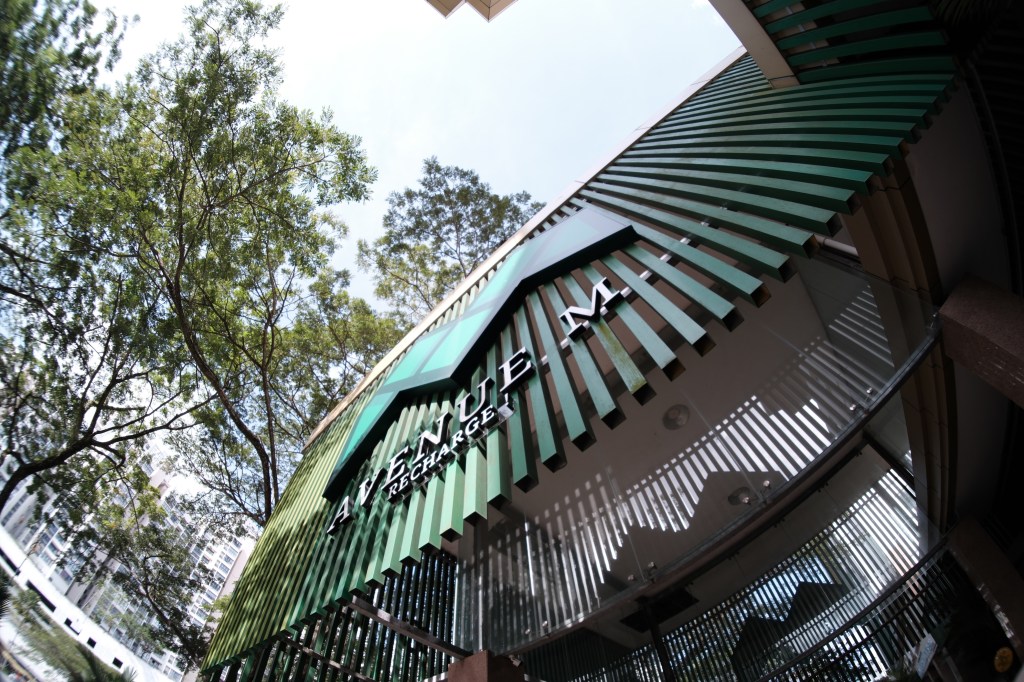
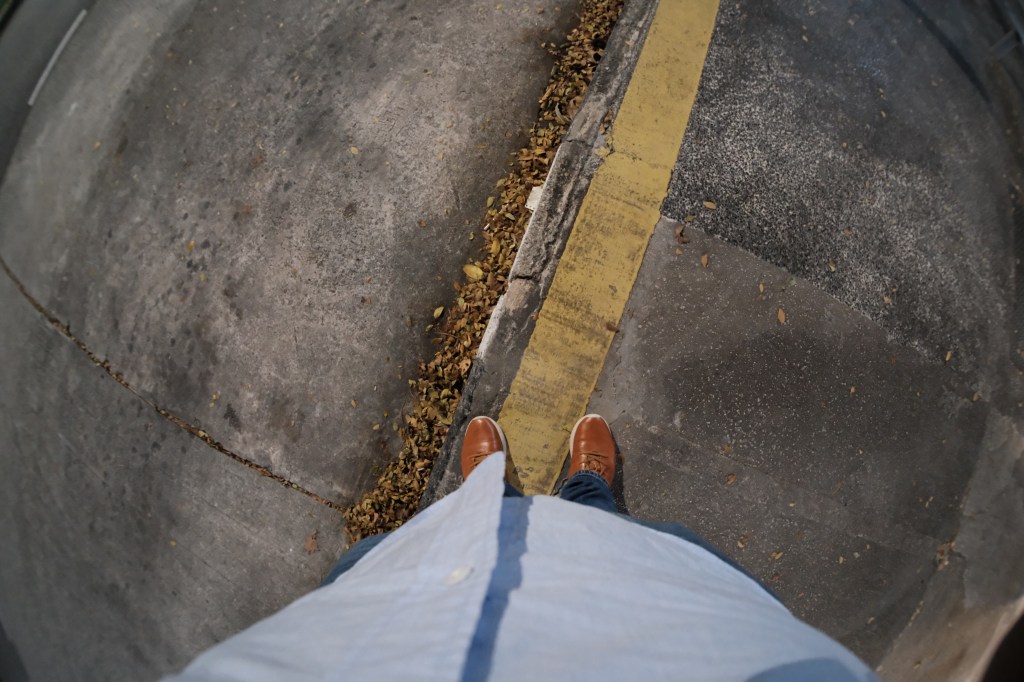
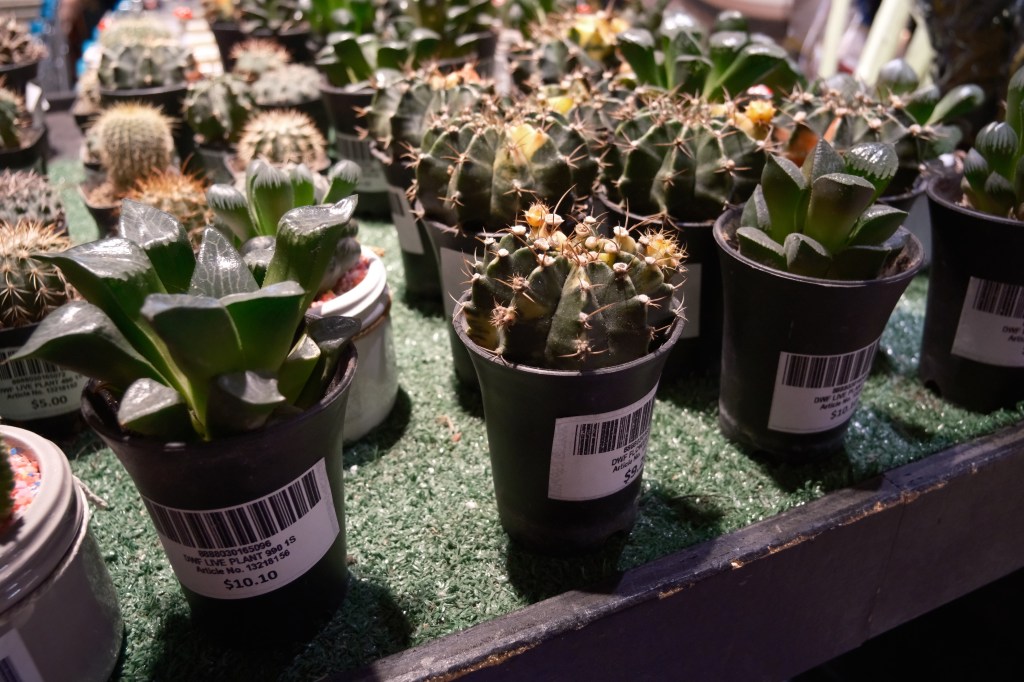
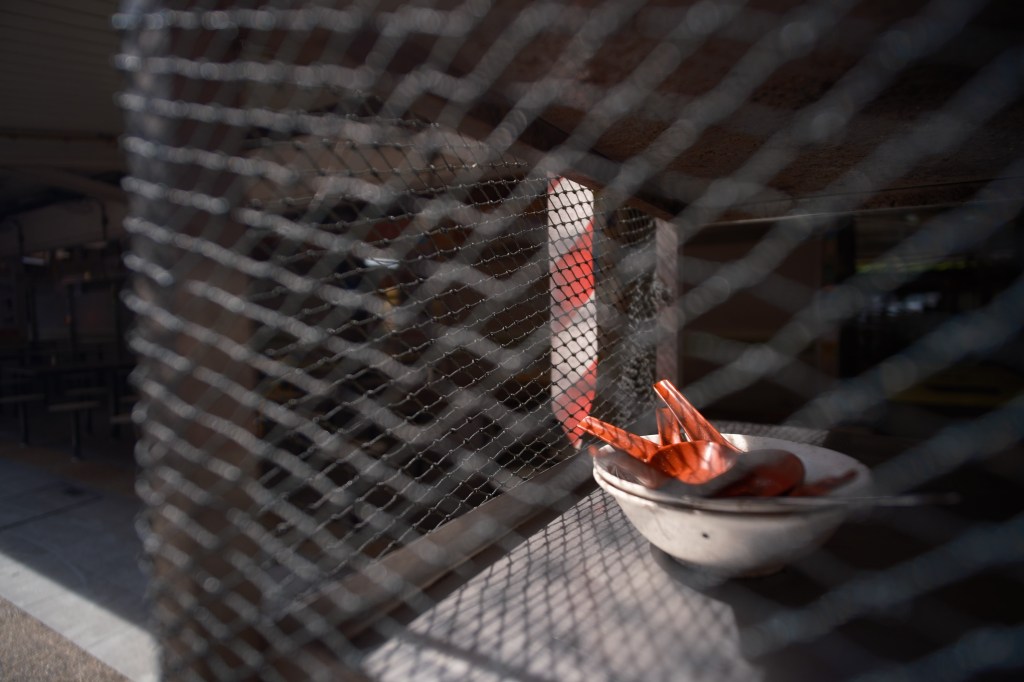
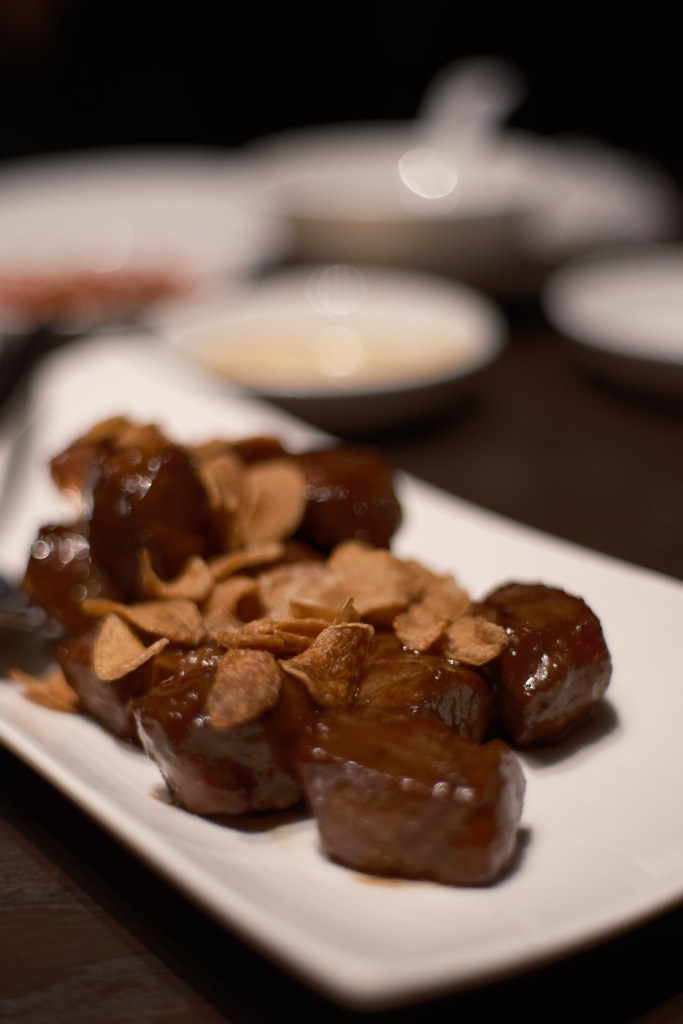
Because the lens starts at f5.6, background blur is not really part of the equation. That said, you can still achieve a bit of subject separation, especially when shooting at the minimum focusing distance.
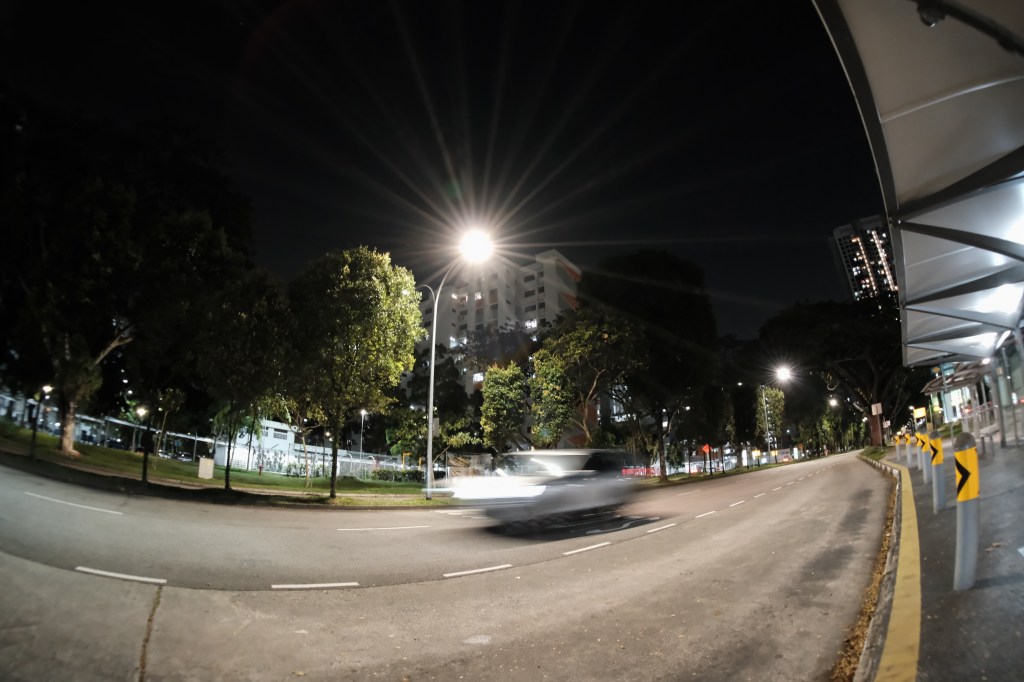
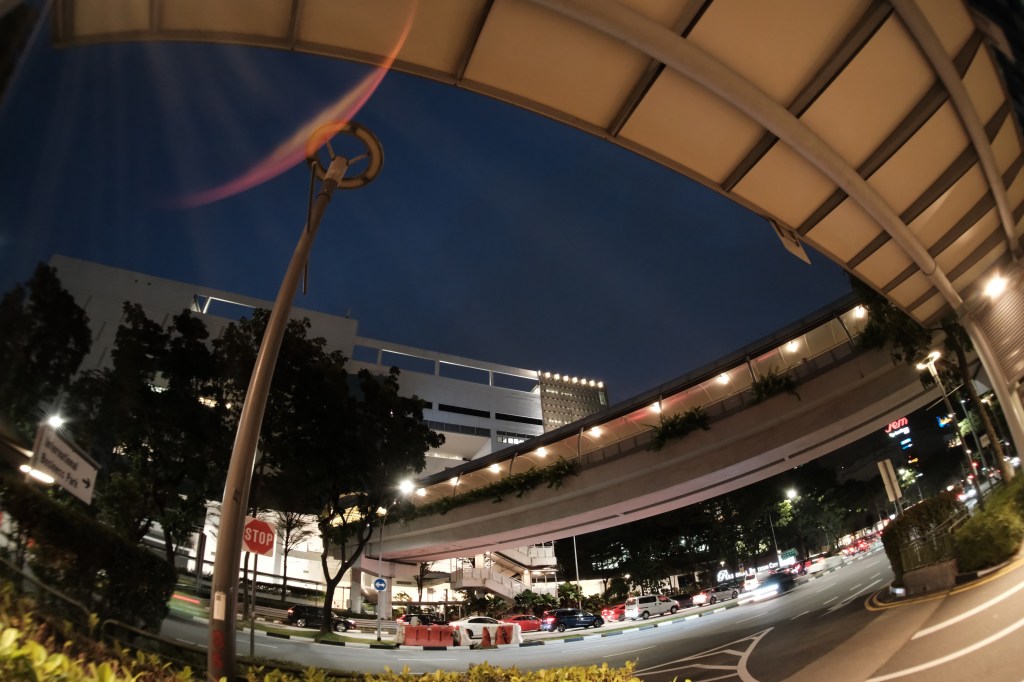
If you are into sun star effect, this lens works just fine. The lines are considerably defined with some minor ghosting around the light source.
Focusing
As a fully manual lens, the focusing experience is crucial. The focus lever once again proves to be a practical addition, allowing for more precise adjustments. The movement of the focus ring is smooth and well-damped, exactly the kind of feedback I enjoy when using manual lenses.
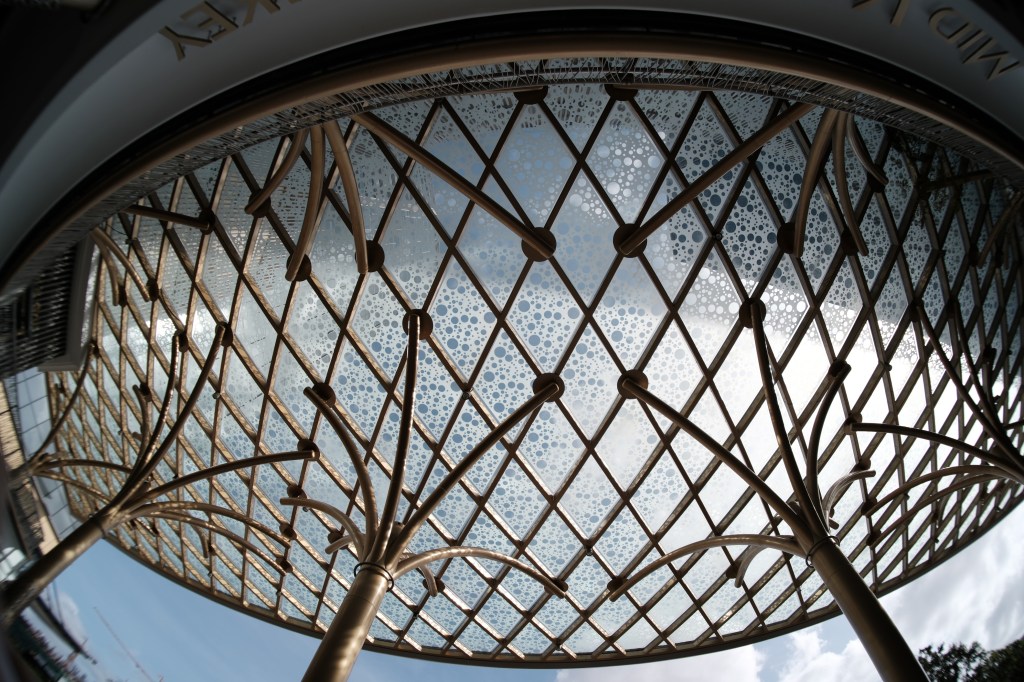
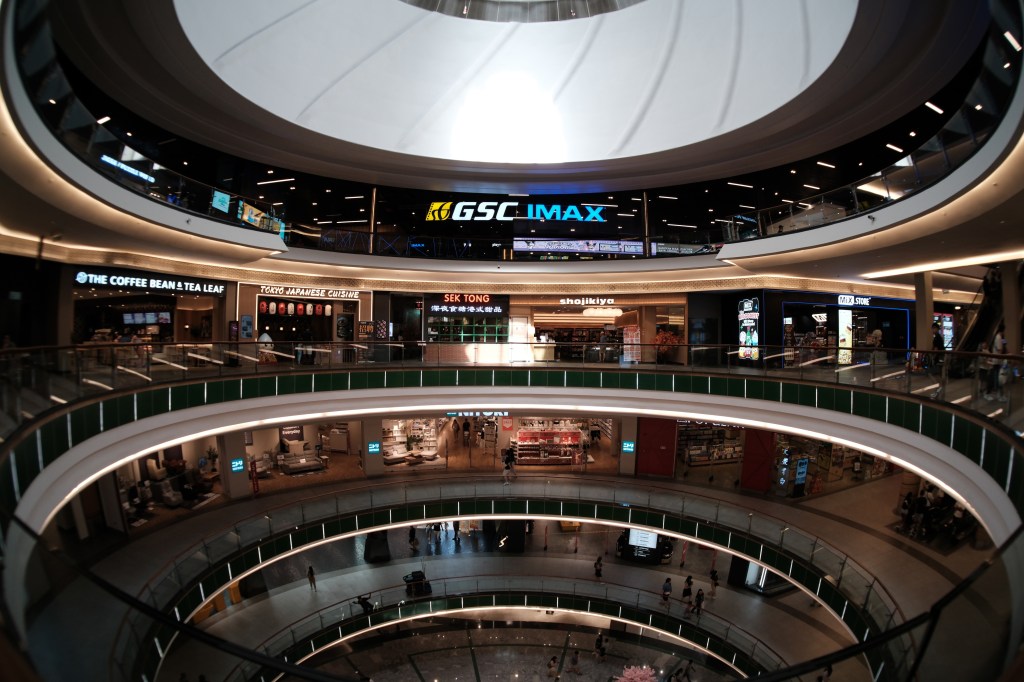
The focus throw spans about 80°. Some photographers may prefer a longer throw for finer control, but personally, I found it perfectly usable and responsive; after all, f5.6 is basically in focus for most situations.
Minimum Focus Distance (MFD)
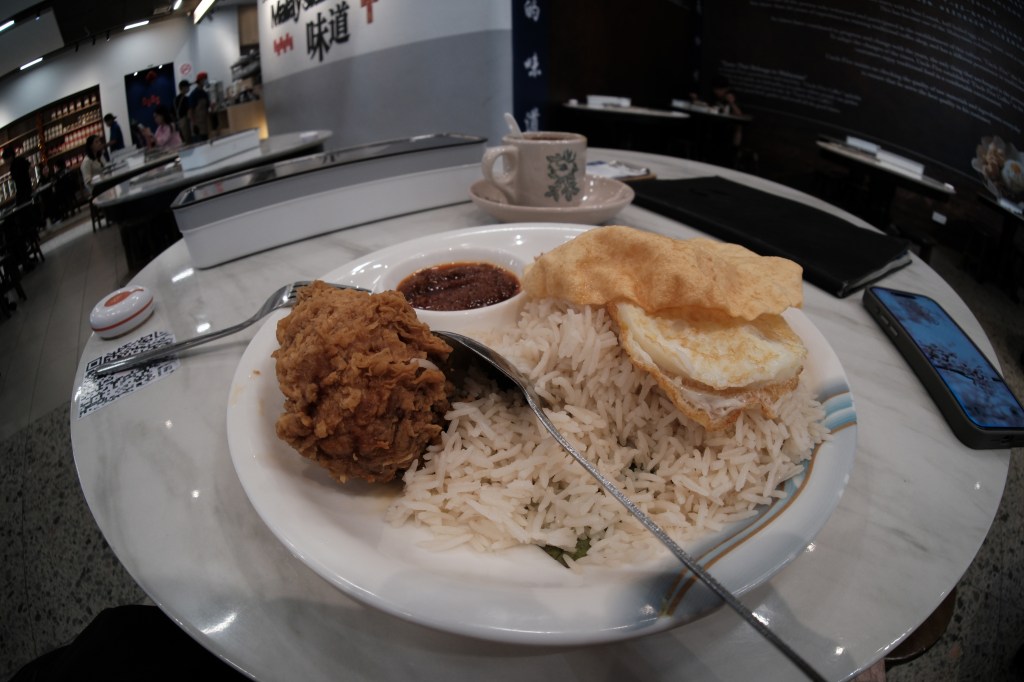
The lens has a minimum focus distance of 20cm. While that sounds reasonably close, but in practice, it does not feel extremely tight due to its ultra-wide 15mm (full-frame equivalent) focal length.
Price Point
At USD 120, this lens sits in a very attractive price bracket. It’s likely priced lower because it’s neither as wide nor as bright as those alternatives. But at this price, it certainly stands out as one of the more affordable entries into the fisheye world.
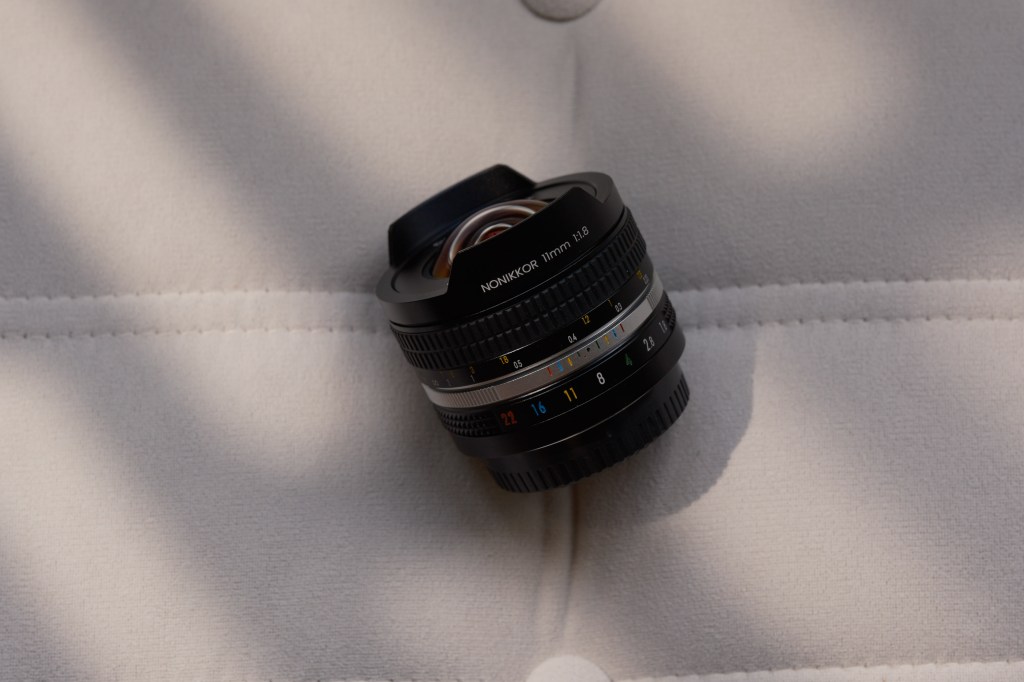
For reference: both the 7Artisans 7.5mm f2.8 II Fisheye Lens and the TTArtisan 7.5mm f2 Fisheye Lens at USD 140, Rokinon 8mm f2.8 UMC Fisheye II at USD 240.

Others
First note: there’s no front filter thread. You will not be able to mount filters due to the protruding front element, something fairly common with fisheye designs.
Second note: beware of flare at the corners of your frame when there is a light source at that corner.
Who is this for?
If you’re curious about experimenting with fisheye photography and want something compact, lightweight, and budget-friendly, this lens deserves your consideration.
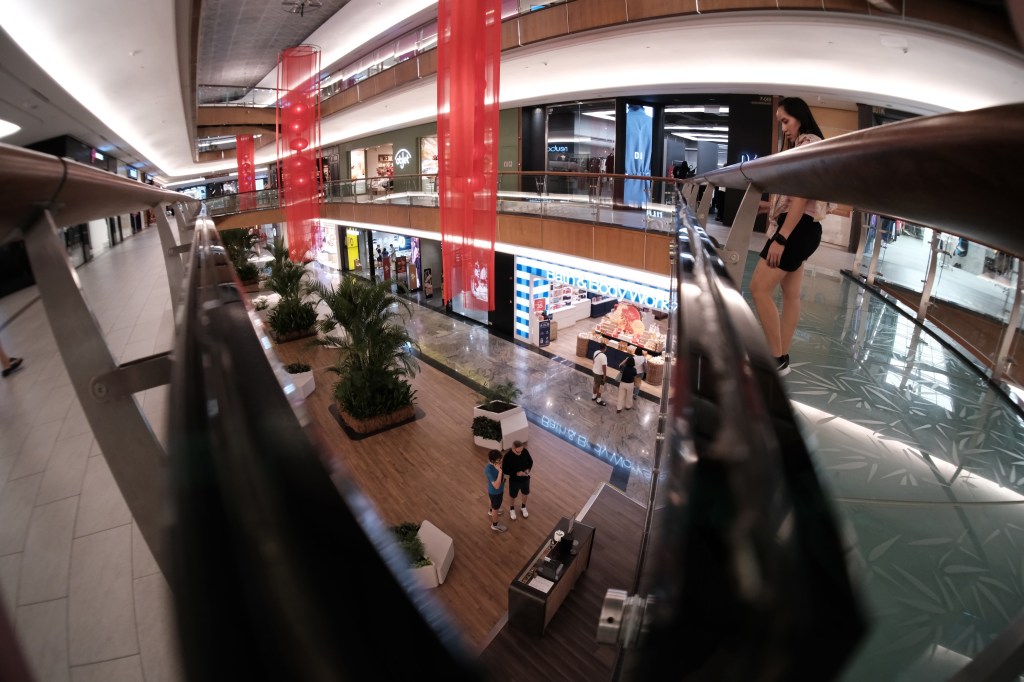
Yes, f5.6 is slower compared to most fisheye lenses on the market. But those brighter options are typically bulkier and heavier. It ultimately comes down to your priorities: portability versus aperture speed.
Conclusion
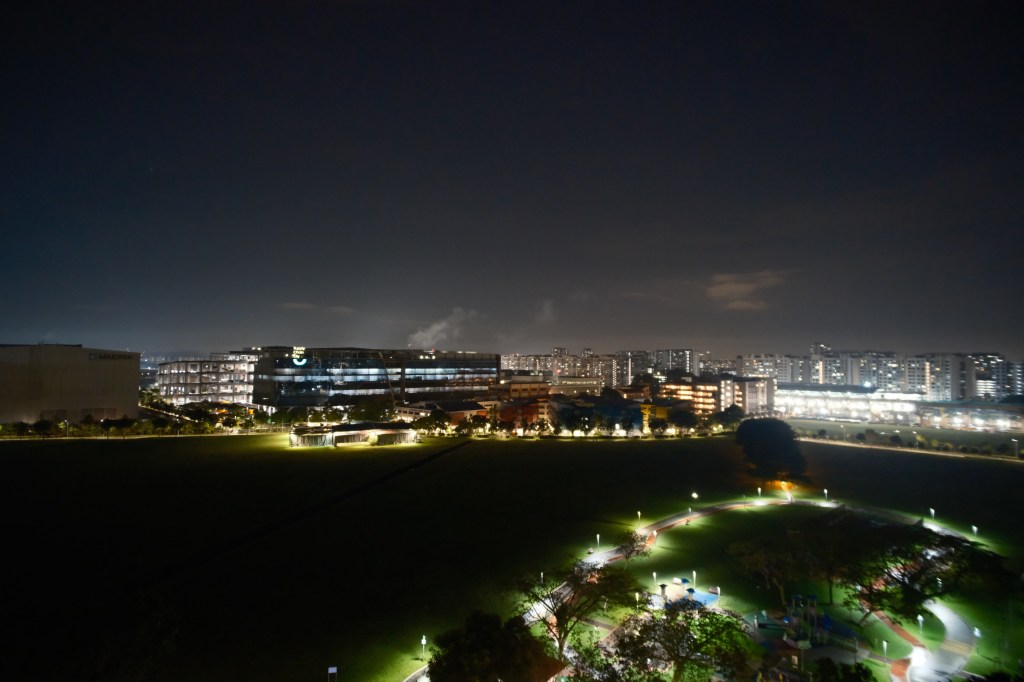
Shooting at f5.6 does present challenges in low-light situations. But given its tiny footprint, solid metal build, and attractive retro design, I can easily see myself packing this lens for travel. It barely takes up space and adds almost no weight to the camera bag.2

Is it truly a “pro” lens?
From an image quality standpoint, I don’t think it fully earns that badge. However, in terms of handling, design, and build quality, it certainly feels premium.
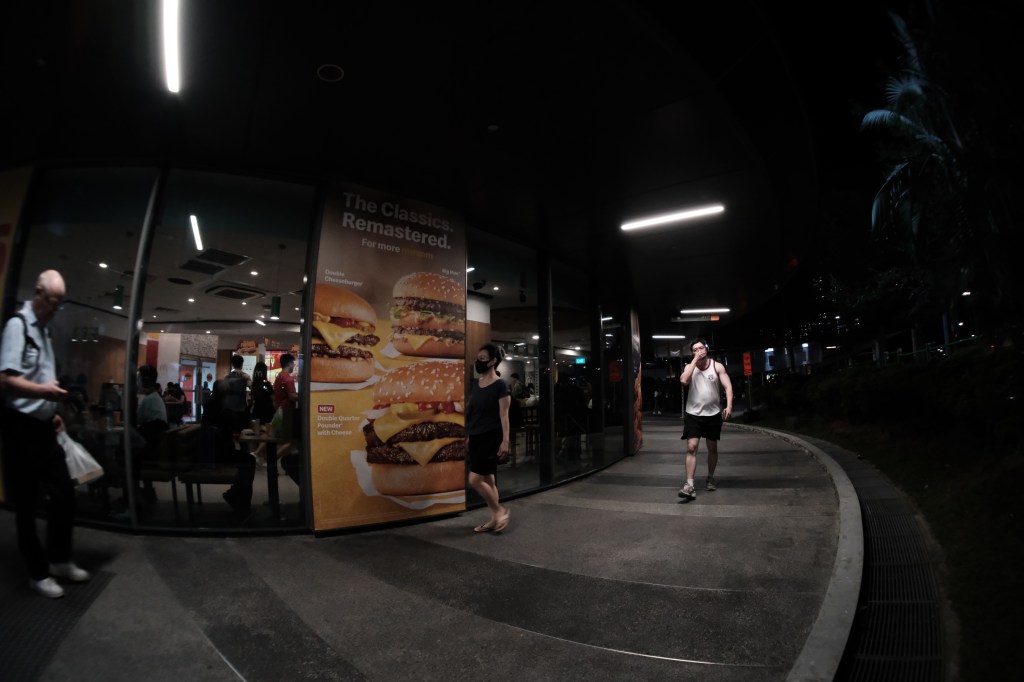
There is room for improvement, particularly in corner sharpness and perhaps a slightly brighter aperture, but if Brightin Star can maintain this compact size while refining optical performance, they might have something truly special on their hands.

Thank you for reading.
Disclaimer:
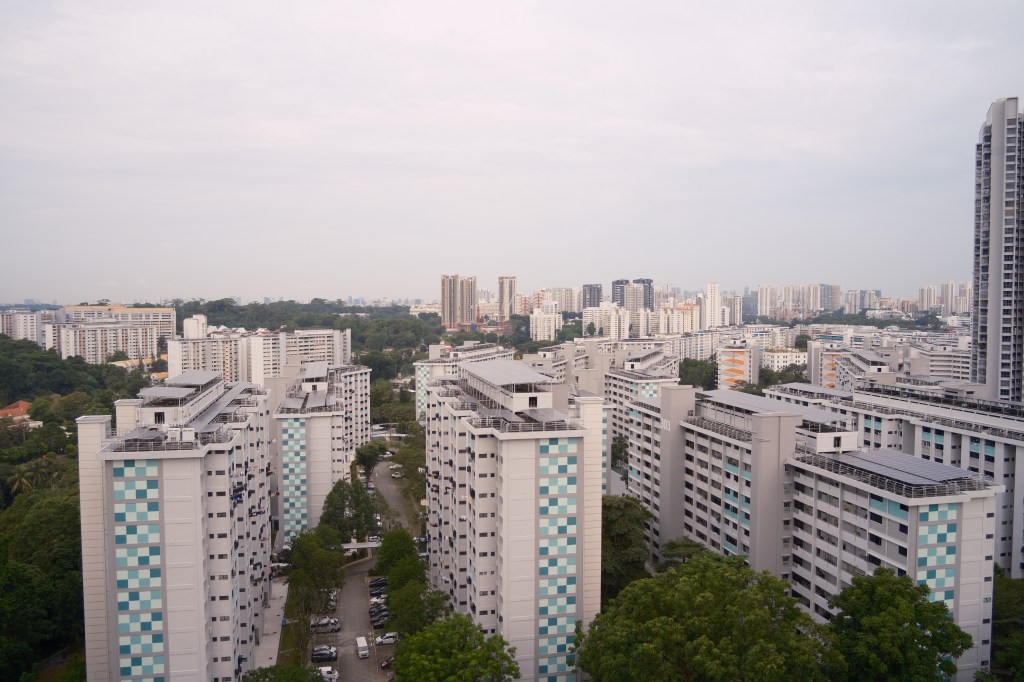
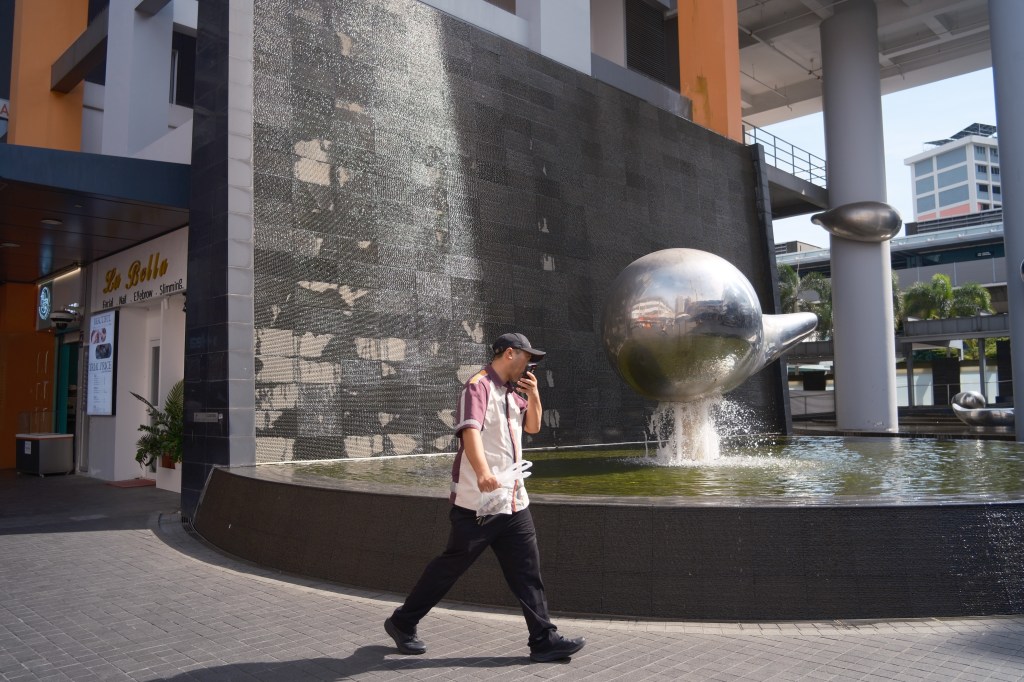
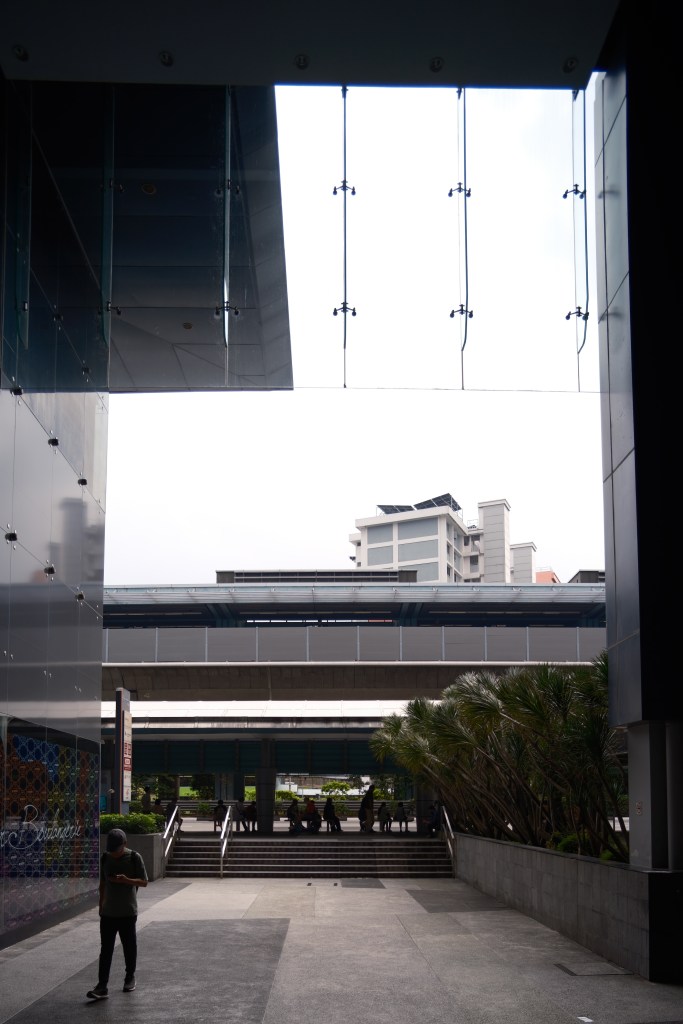
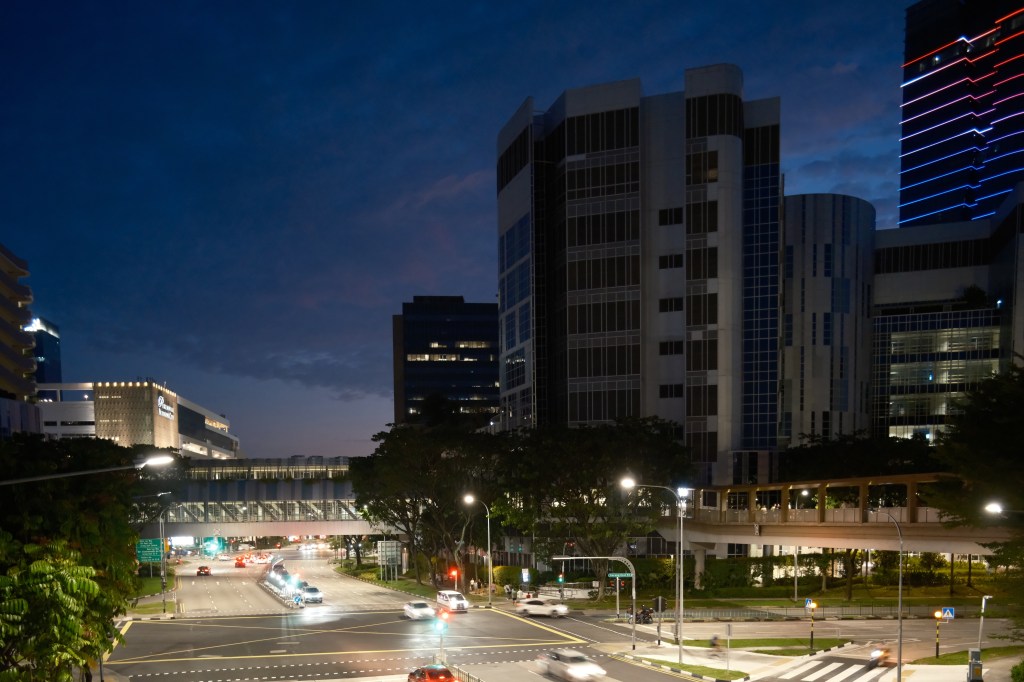
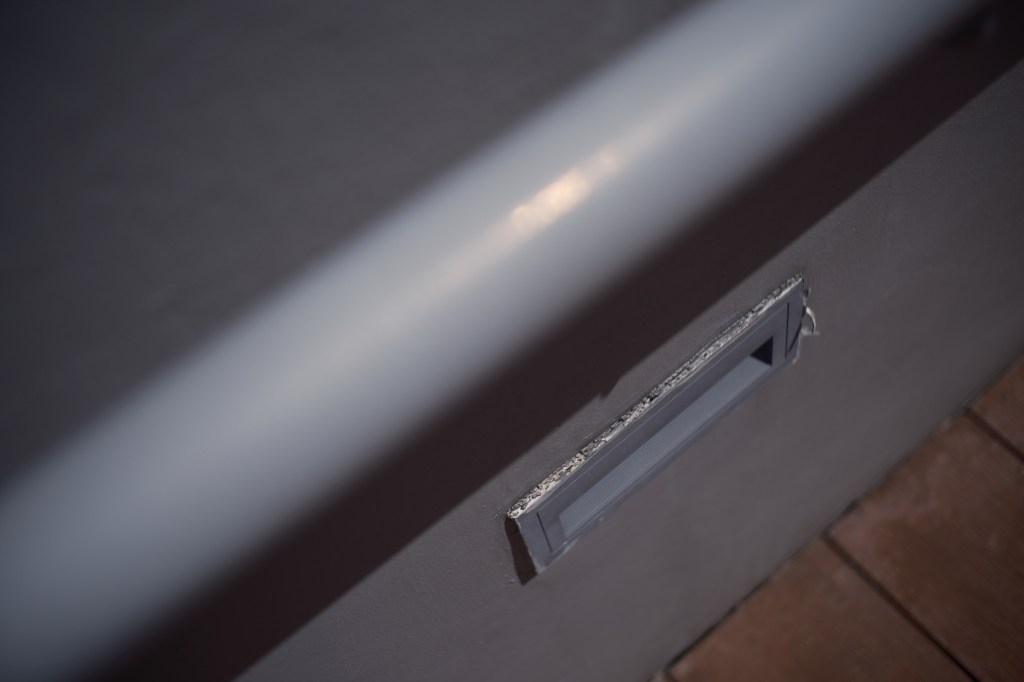
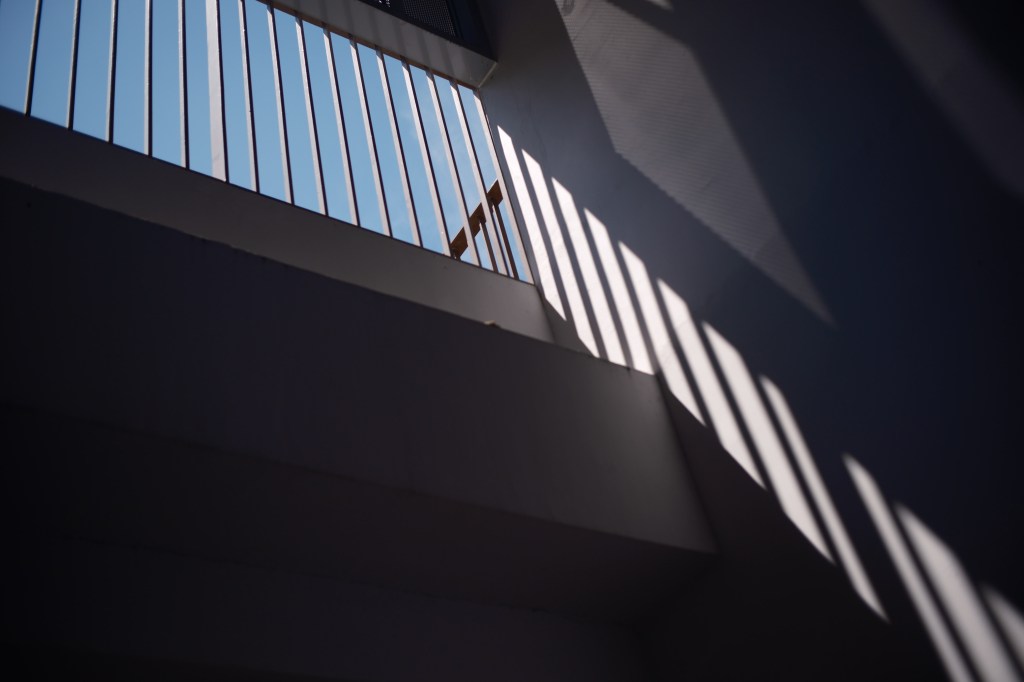
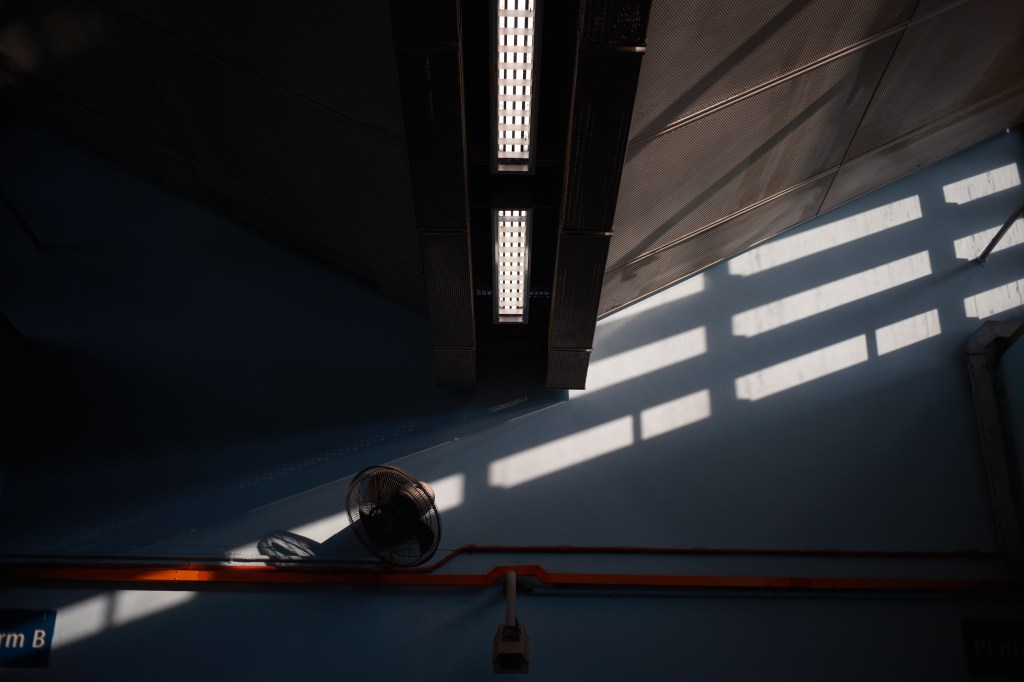
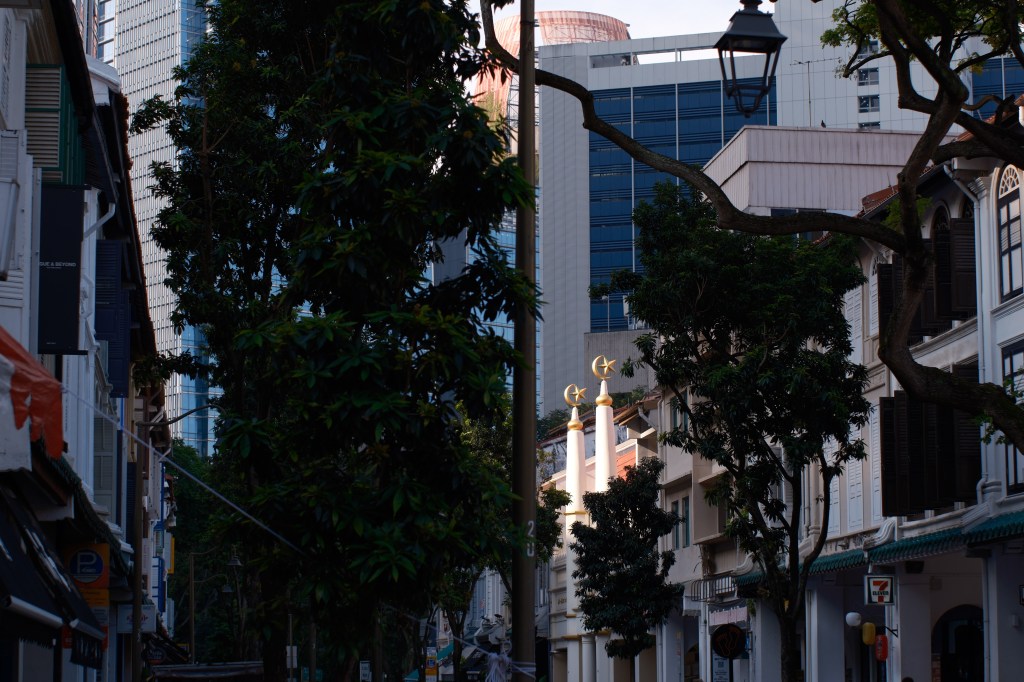
1. All the shots taken here are shot by me.
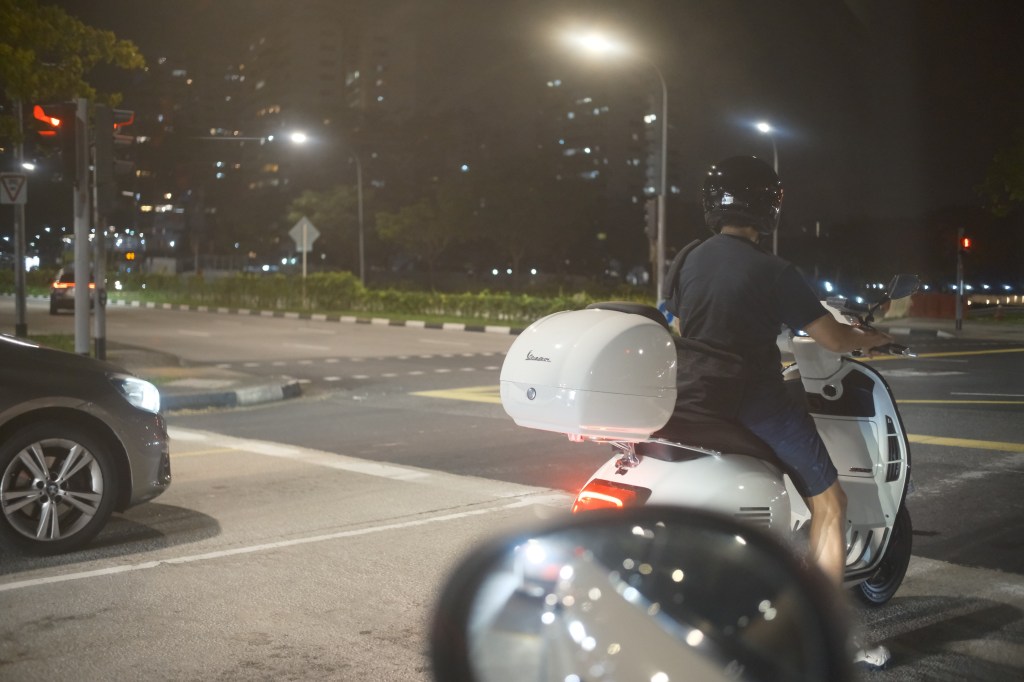
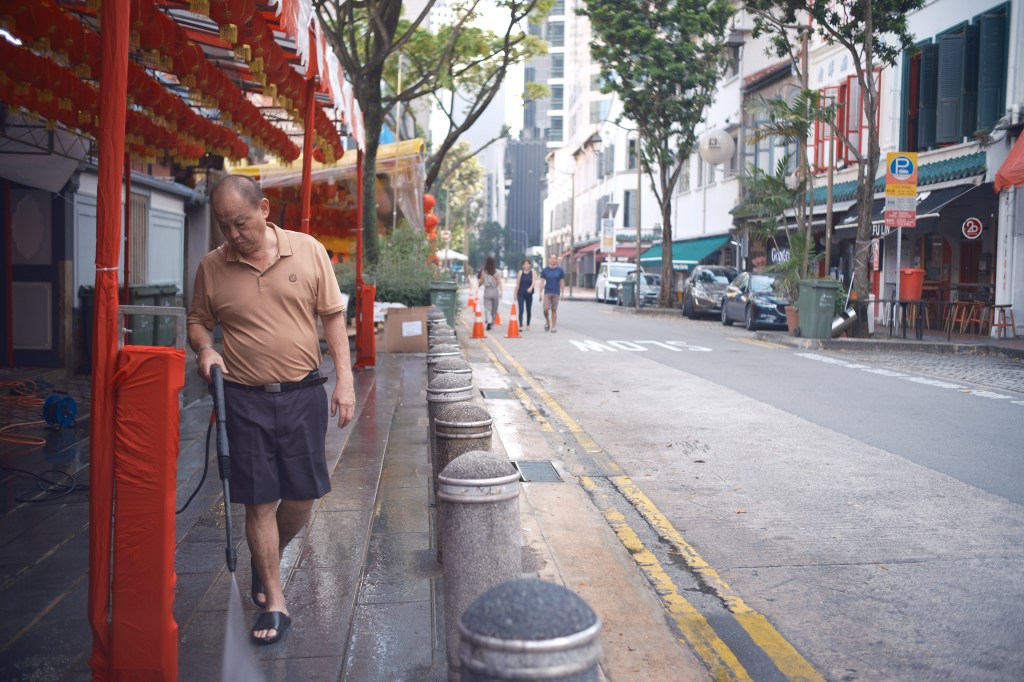
2. Most of the shots are straight out of the camera with some shots edited via In-Camera Raw Processing.
3. The opinions are based on my experience. If there is any mistake, please kindly drop me a message and I will gladly make the amendment.
4. I reserve ownership of these images, if you wish to use my images, please notify me.
5. If you are interested in this lens and also wish to support me, this is the affilinate link to purchase.



























































































































































































 Alwin Kok