

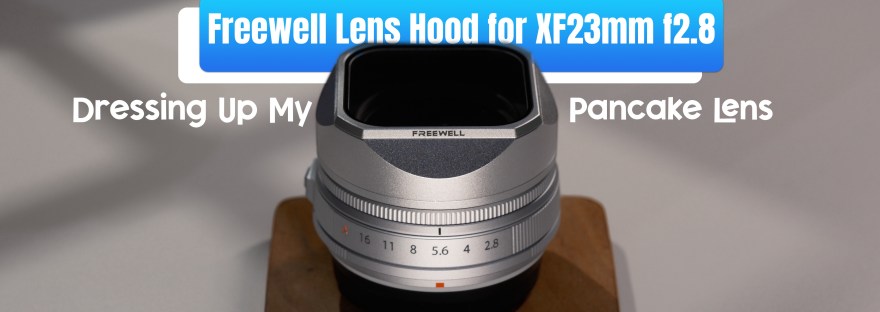
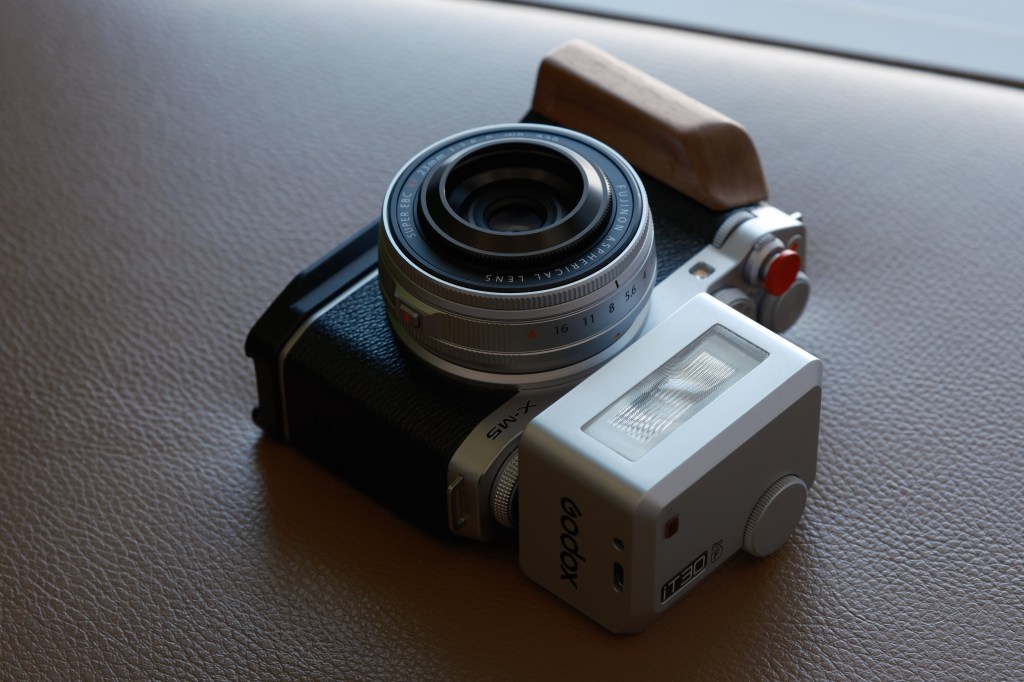
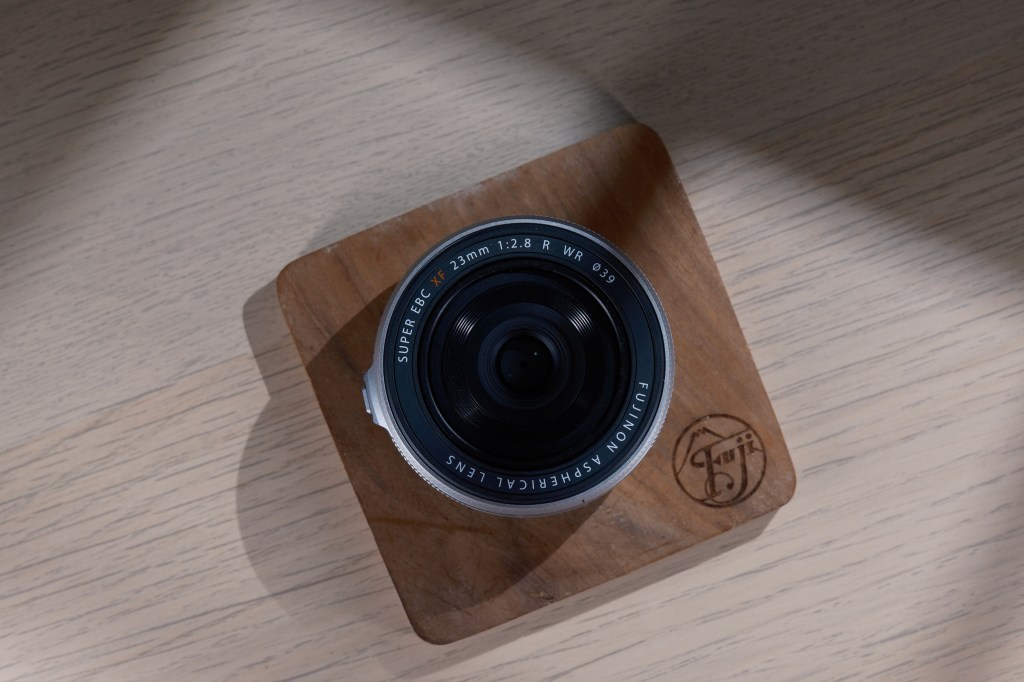
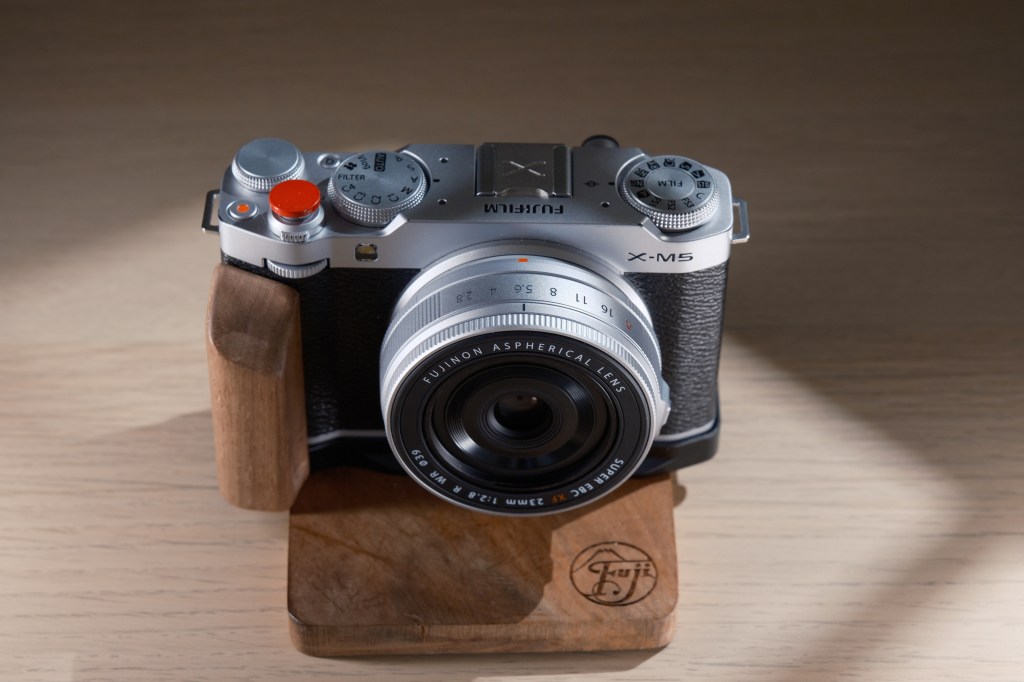
The Fujifilm XF23mm f2.8 R WR has quickly become a well-loved lens within the Fujifilm community. When it was first introduced, however, getting your hands on one wasn’t so straightforward. The lens was initially bundled exclusively with the Fujifilm X‑E5, which meant the only way to own it was by purchasing the camera kit.
For those who were patient enough to wait, the lens was eventually released as a standalone product in December 2025. Even then, availability has been limited. Here in Singapore, the demand still seems to outpace supply, and the lens often remains out of stock, even today.
Intro
Now, back to the main topic of this post.
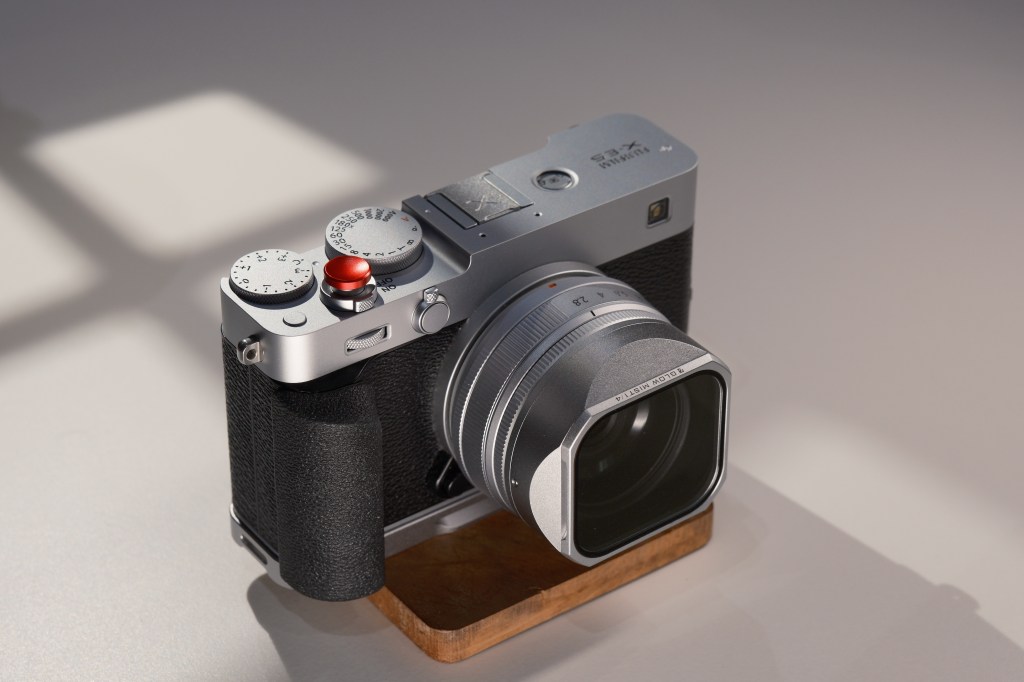
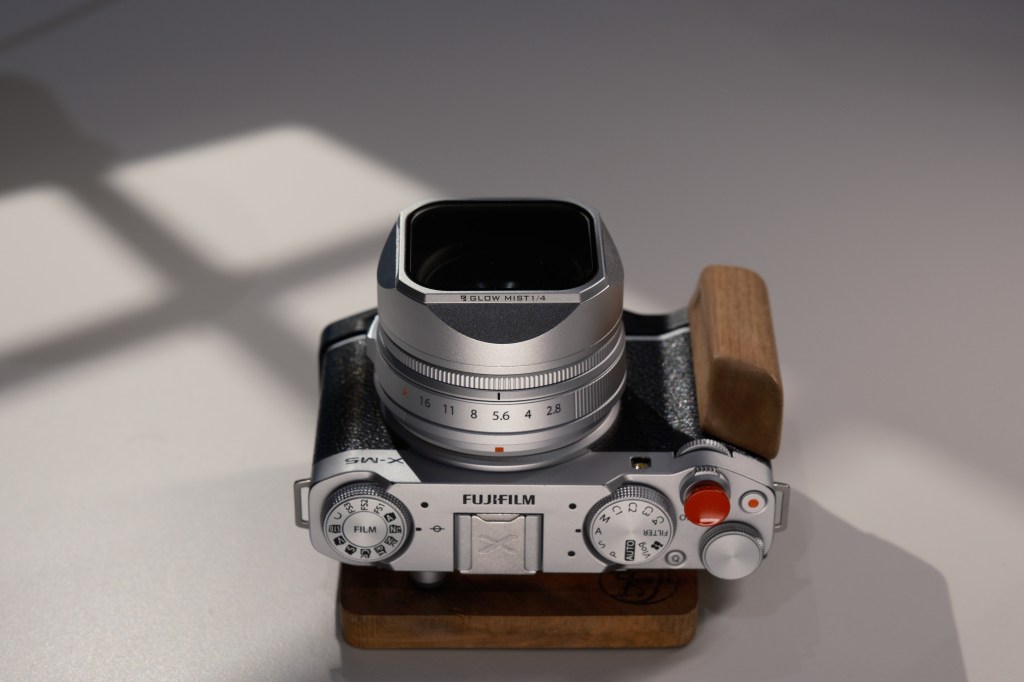
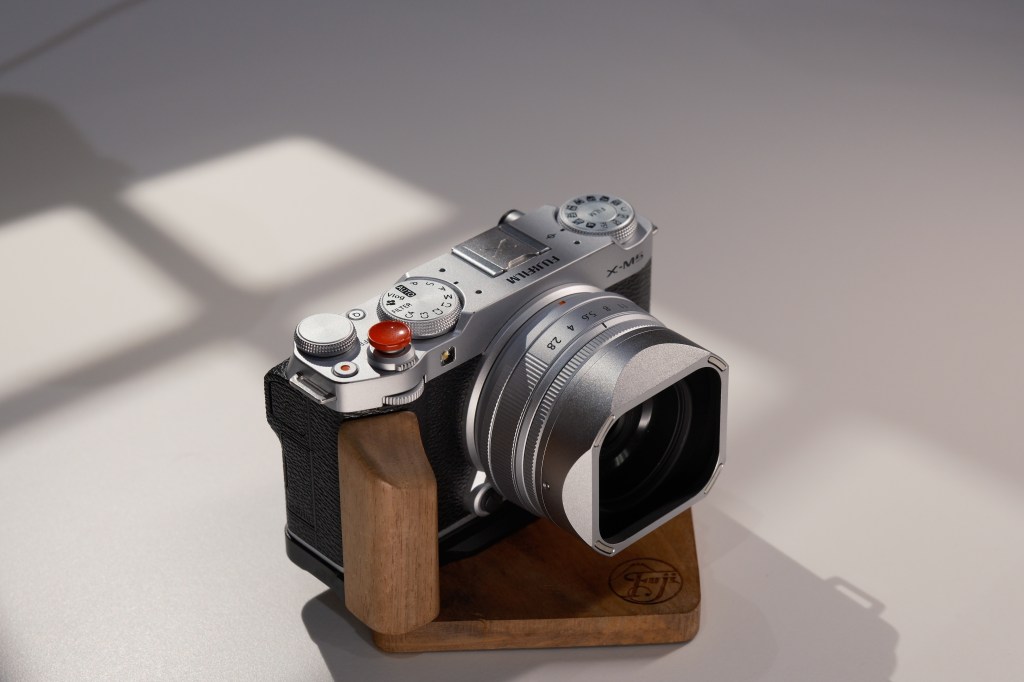
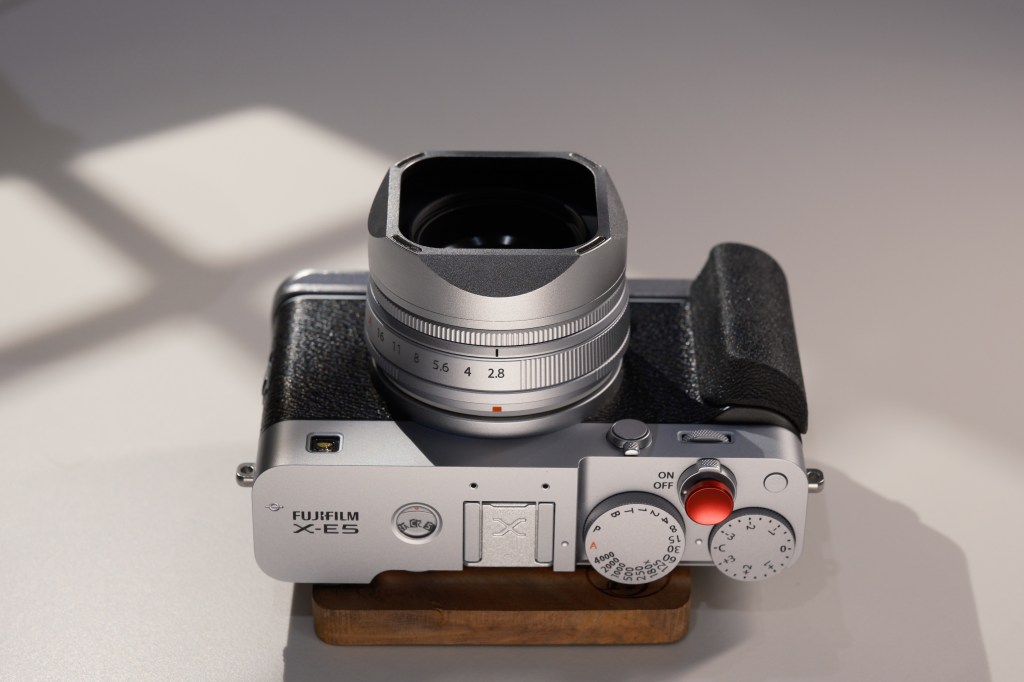
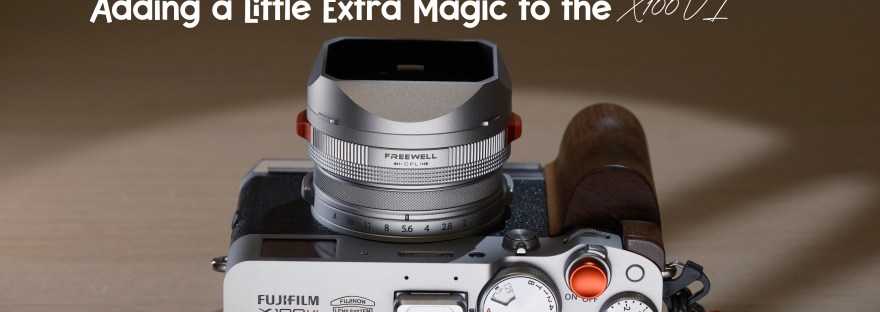
The team at Freewell seems to understand Fujifilm photographers quite well. If there’s one thing many of us want for our beloved pancake lenses, it’s a beautiful square lens hood, something that complements the minimalist aesthetic of the lens while adding functionality. And that’s exactly what they delivered.
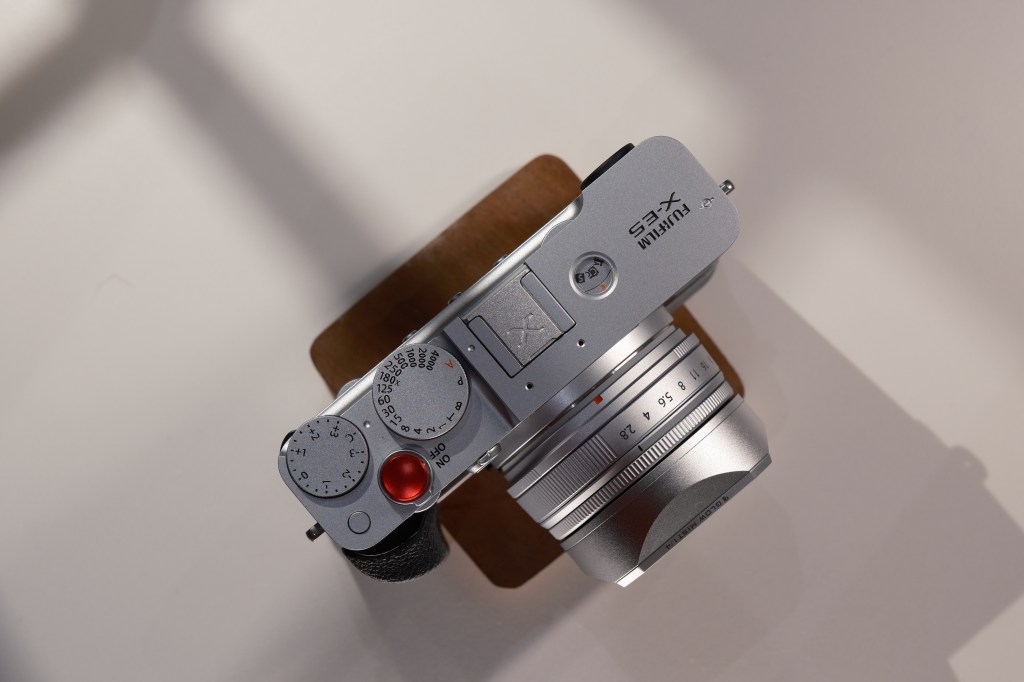
Not only did they design a square hood for the XF23mm f2.8, but they also sweetened the deal by including three magnetic filters as part of the package.
Before going any further, I would like to extend my thanks to the kind people at Freewell for sending this accessory over for review. That said, everything shared in this post reflects my genuine experience, and Freewell has no influence over the content of this review.
Design and Build Quality
When it comes to build quality, Freewell has always impressed me. My first experience with their products was through accessories made for the Fujifilm X100VI, and the positive impression continues here with this lens hood and the filters kit.


That said, there is one small disappointment, though thankfully it is nothing critical.
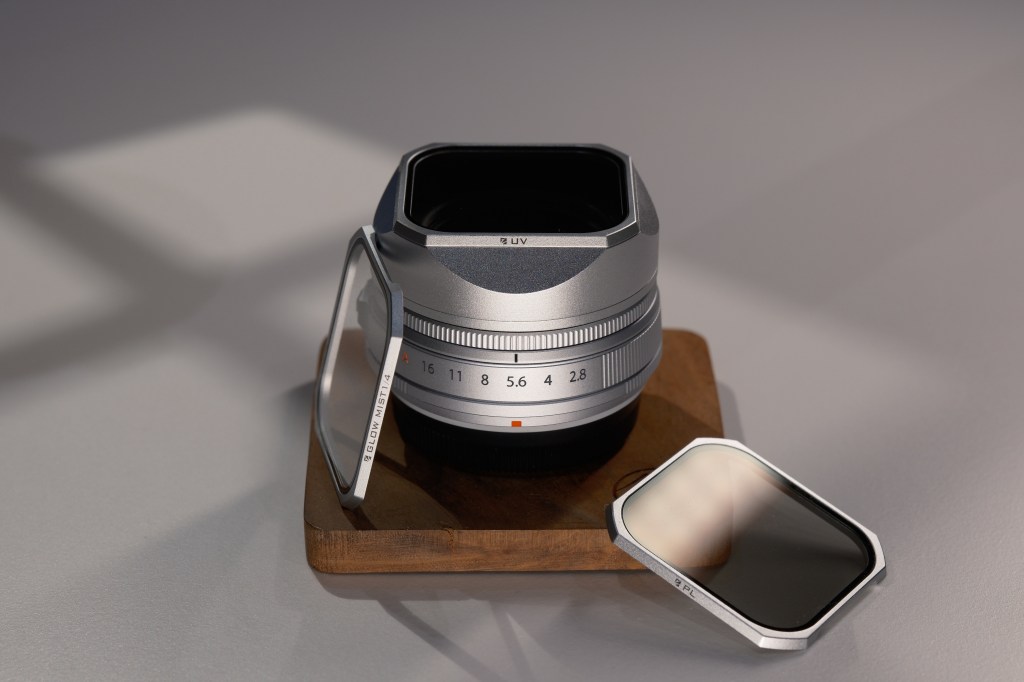
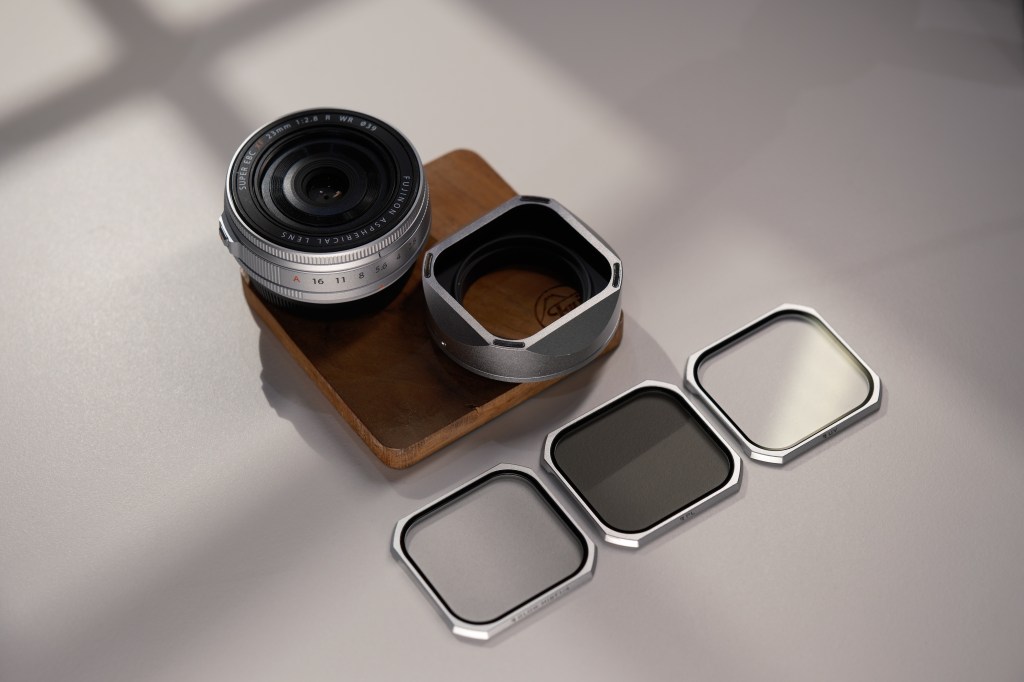
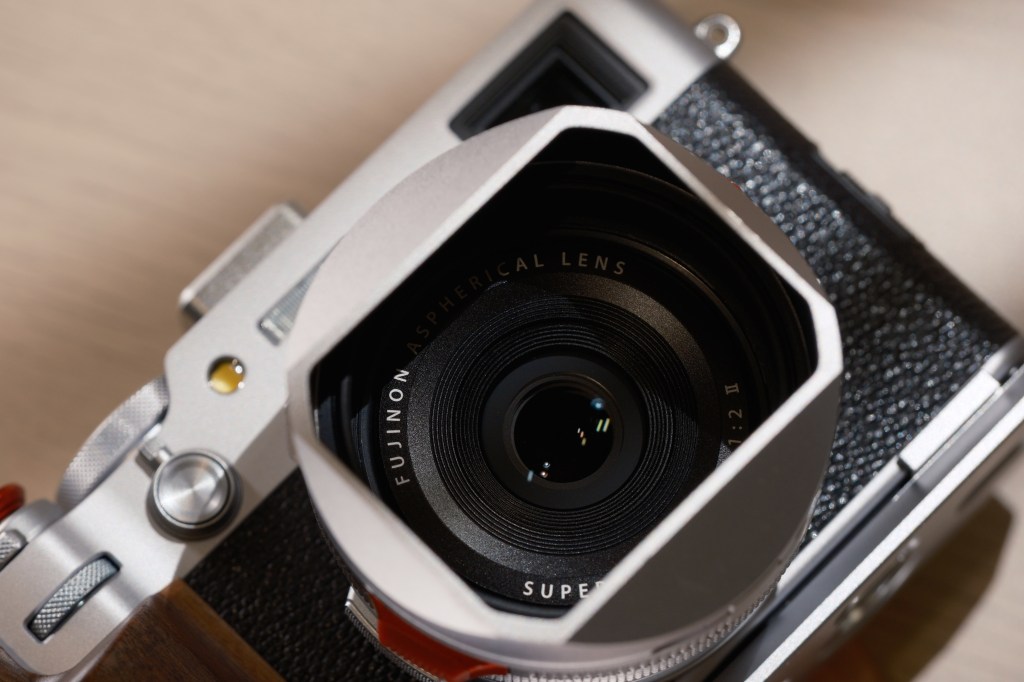
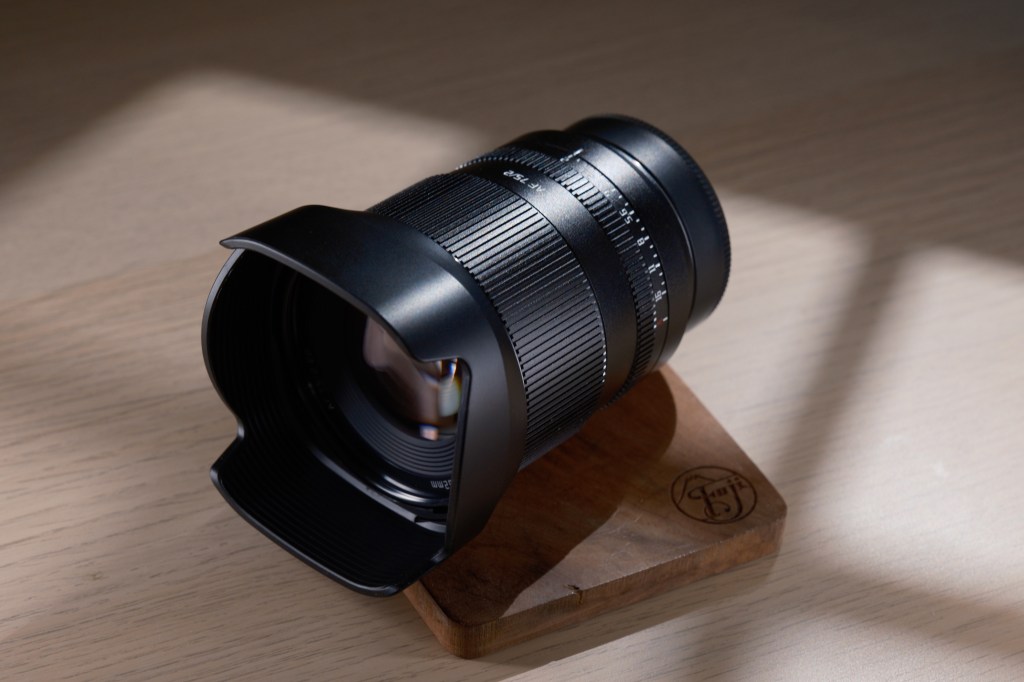
At first glance, the square lens hood may look similar to other square hoods available on the market. But if you look more closely, you’ll notice metal plates on each of the four corners at the front of the hood. These are not merely decorative elements; they are magnets for snapping the filters.
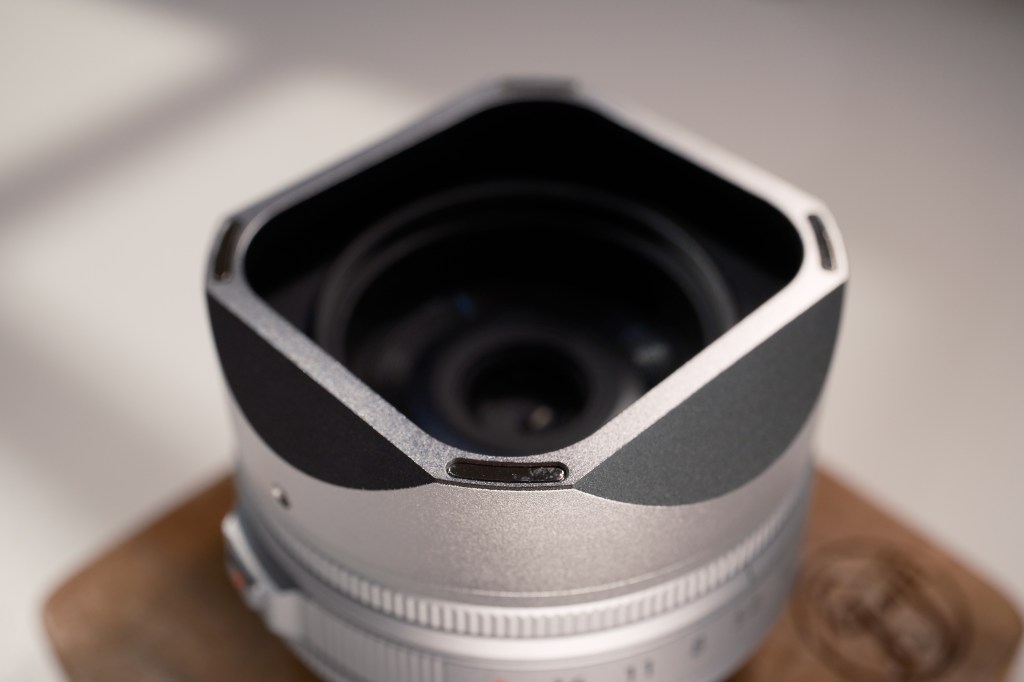
The magnets allow the included filters to snap onto the hood effortlessly. It’s a simple idea, but one that feels incredibly smart and efficient in practice.
Lens hood
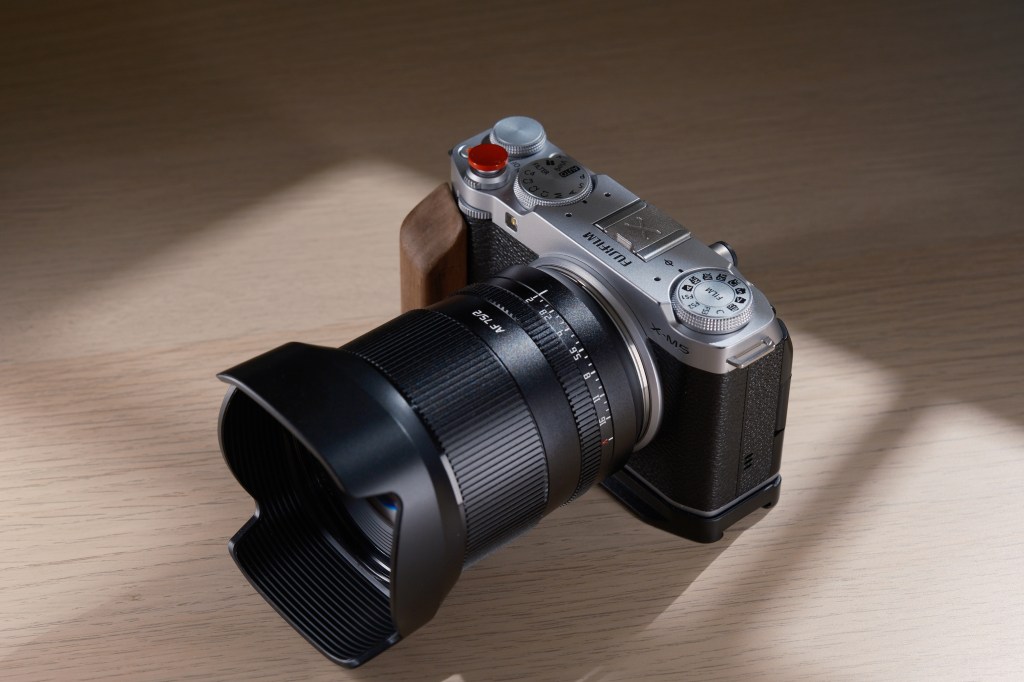
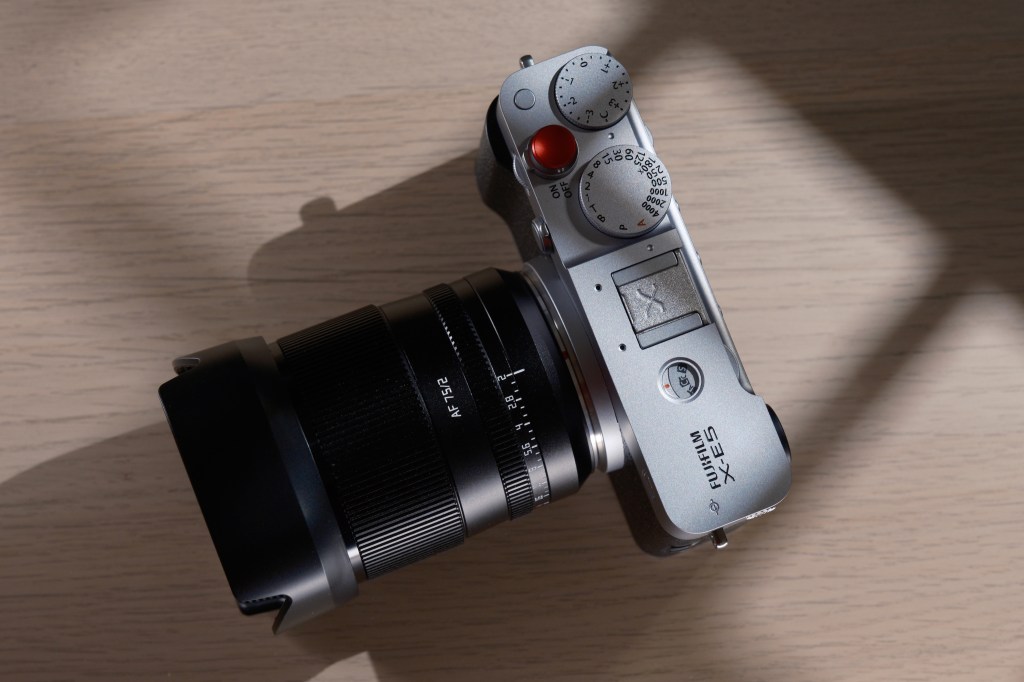
Taking a closer look, you may notice that the silver finish of the hood is slightly darker than the silver tone of the XF23mm f2.8 lens. That said, the difference is quite subtle. Unless you’re examining it closely, it’s difficult to notice at first glance or from a distance.


Another design detail worth mentioning is the shade depth. Compared to some square hoods that extend further outward, this one has a slightly shorter hood profile. Fortunately, this does not seem to affect image quality or lens performance.


Visually, however, the proportions may feel just a little different if you’re used to deeper square hoods. If you use long enough, you might not even notice that anymore.
Filters
Freewell is well known for its filters, and it’s clear that they have applied that expertise here.
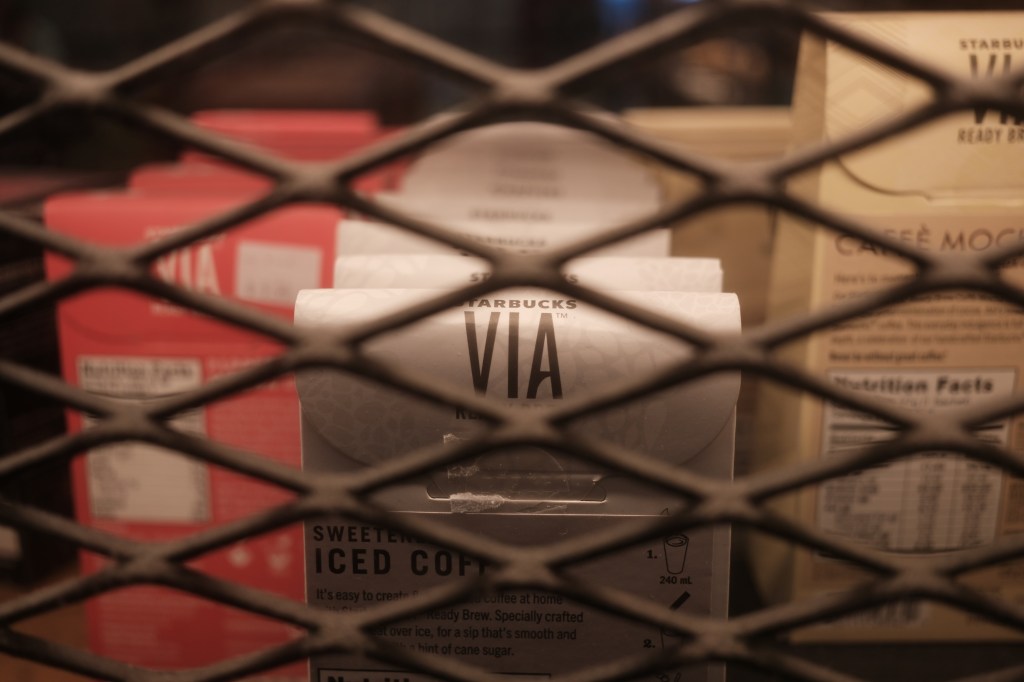
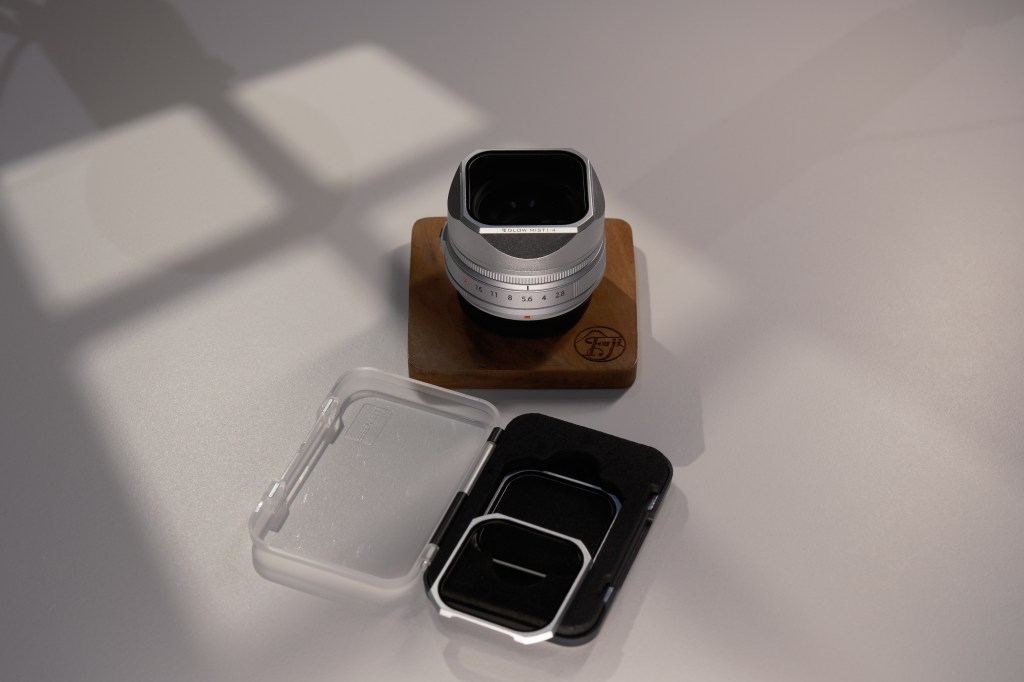
Thanks to the magnetic mounting system, attaching or removing filters is incredibly easy. The filters snap onto the hood quickly and securely, making them a natural companion to the lens hood. But it is not easily shifted or removed by accident. The filter remains intact on the lens hood even when I just leave it in the camera bag.
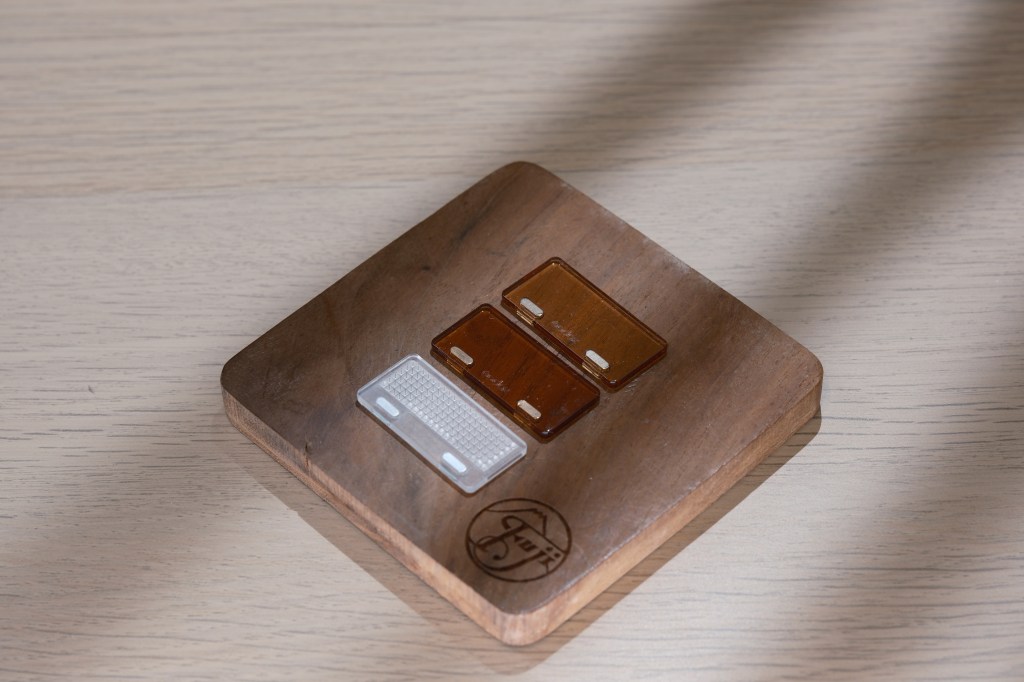
The kit includes three filters:
- UV Filter
- CPL (Circular Polarizer)
- Black Glow Mist 1/4
Together, they form a practical set that covers most day-to-day shooting needs.


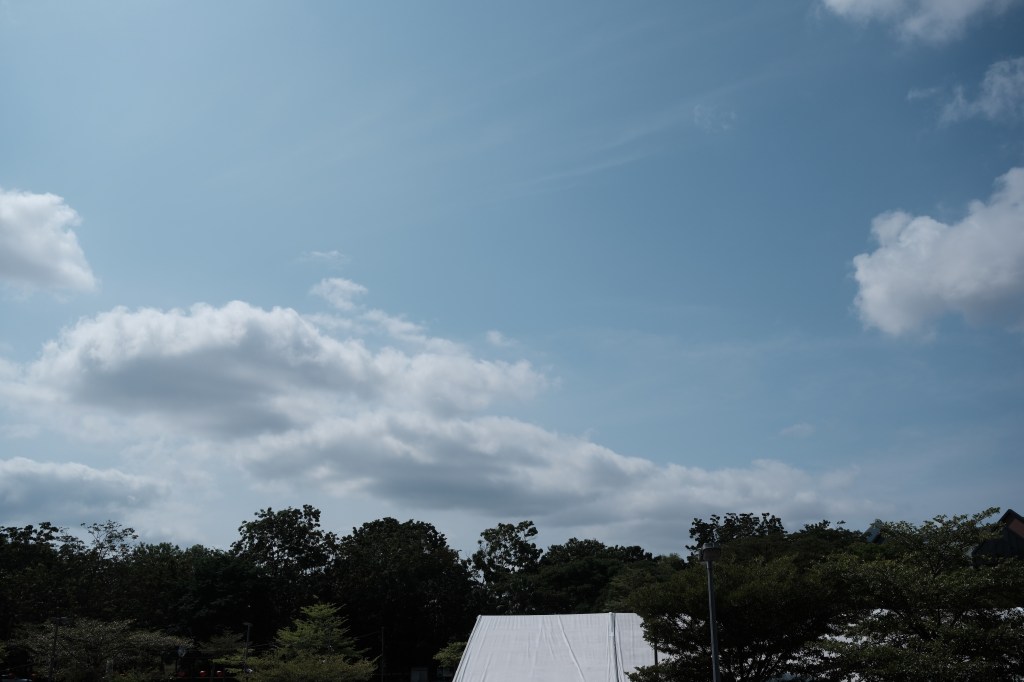
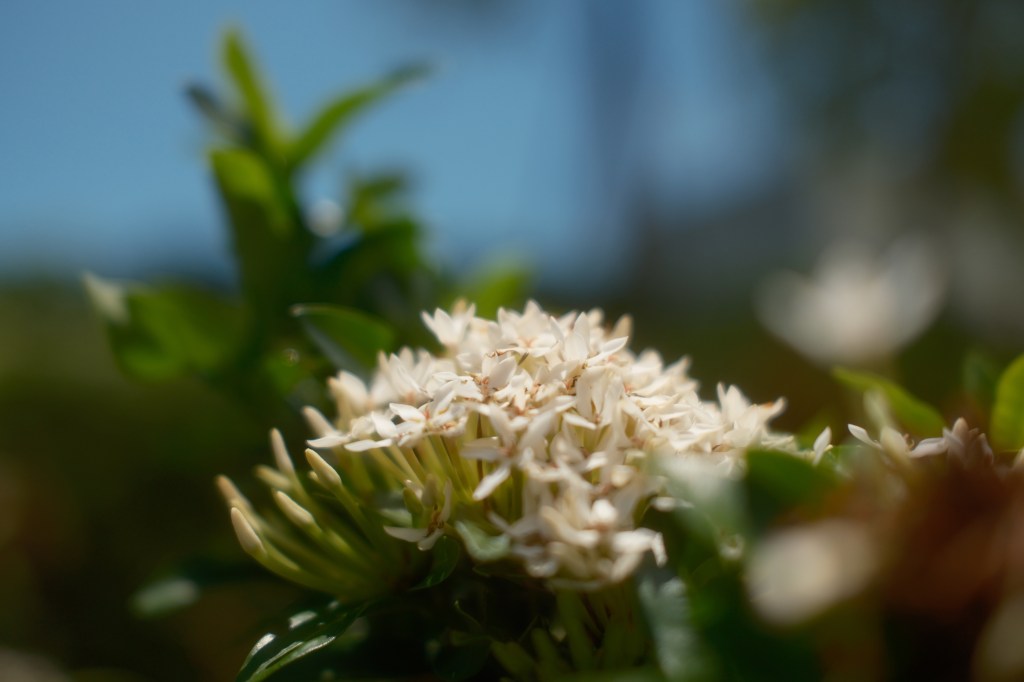
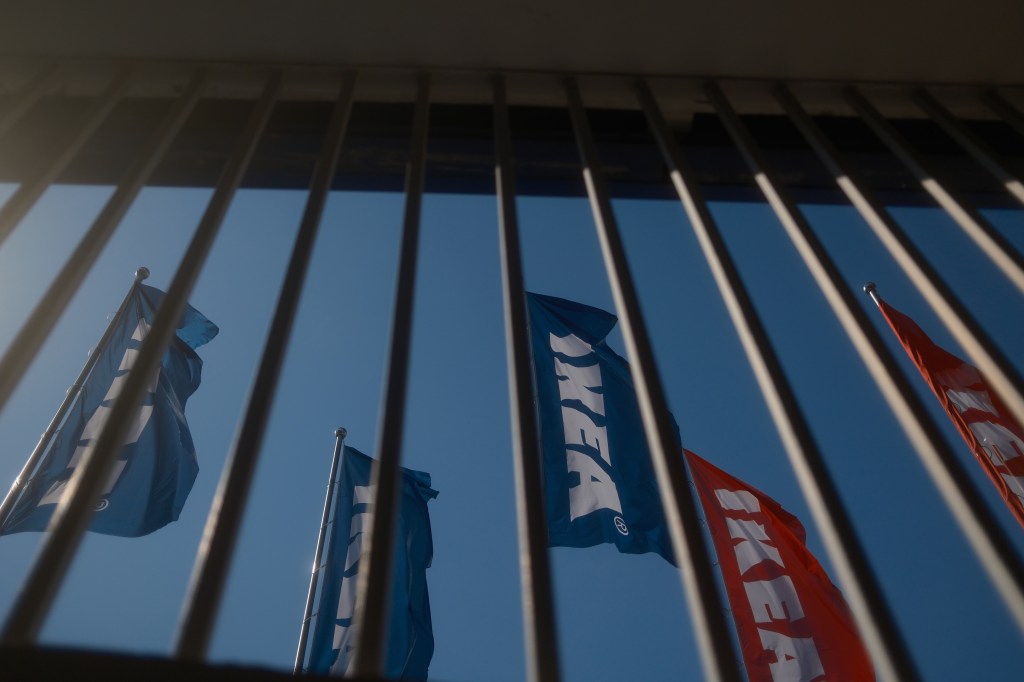
Personally, my favorite remains the Black Glow Mist 1/4 filter, a filter I already enjoyed using with my X100VI setup. If you notice that I seem a little biased toward using it more than the others… well, you’re probably right. Please pardon my preference.
Freewell also includes a compact storage box, allowing you to keep the two unused filters safe while one remains attached to the hood. However, I wish to have a side-by-side storage compartment for the filters rather than stacking one on top of the others. Making it a little challenge to switch among the filters. This is the disappointment I mentioned earlier.

Price Point
At $100 USD, the bundle feels like a fairly sweet deal. If you were to purchase a square hood and three separate filters individually, the total cost would likely end up significantly higher. Having everything packaged together certainly makes the value proposition more attractive.

Left: UV, Center: CPL, Right: Black Glow Mist 1/4

Who is this for?
Of course, this accessory is designed primarily for photographers using the Fujifilm XF23mm f2.8.

Interestingly, Freewell also notes that the hood can be used with the Fujifilm XF27mm f2.8, since both lenses share similar physical dimensions.
However, there is a small caveat. The fit on the 27mm lens isn’t quite as snug. Because the XF27mm has shallower front threads, a slight gap may appear when mounting the hood. It’s still usable, but it’s not a perfect fit compared to how it sits on the XF23mm.
Others
Nothing is perfect in this world. In this case, these 3 filters might not be what some photographers are looking for. I do agree, but it does meet my day-to-day usage. I hope Freewell will release more creative filters for us to expand the shooting experience even further.

Conclusion
Overall, this square lens hood is a great aesthetic and functional upgrade for the XF23mm f2.8. It enhances the visual appeal of the lens while also providing the flexibility of quick magnetic filters to elevate your shooting experience.


I am glad to see Freewell stepping in with thoughtful accessories like this. It’s a small addition, but one that genuinely enriches the experience of shooting with this compact pancake lens.
And if this is any indication of what is to come, I am certainly looking forward to seeing more innovative accessories from Freewell in the near future.
Thank you for reading.
Disclaimer:
1. All the shots taken here are shot by me.
2. Most of the shots are straight out of the camera with some shots edited via In-Camera Raw Processing.
3. The opinions are based on my experience. If there is any mistake, please kindly drop me a message and I will gladly make the amendment.
4. I reserve ownership of these images, if you wish to use my images, please notify me.
If you like my works, please follow me on either one of the 2 Instagram accounts:
If you have a Facebook account, feel free to join Fujifanboys FB group.
If you like my content and you want to show some support and keep this blog alive, you can buy me a coffee here.








































































































































































 Alwin Kok