
We all know that 50mm is a very popular focal length among manufacturers, and many Chinese manufacturers are doing the same focal length with a slight difference in aperture value. To name a few that I have shared before: TTArtisan 50mm f0.95, Artralab 50mm f1.2, AstrHori 50mm f1.4 tilt, and even their released not all ago Brightin Star 50mm f1.4.
Intro
While I thought Brightin Star was focusing on producing more autofocus lenses, they decided to release this manual lens. So I guess there is still demand for manual lenses in the market.
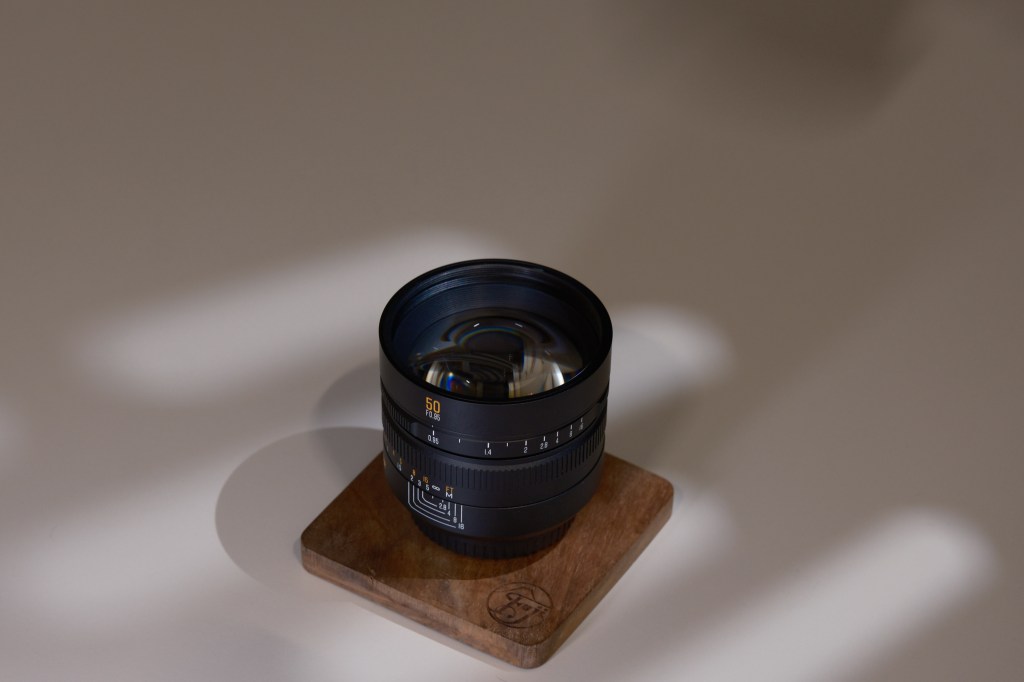
Before I proceed further, I appreciate the kind people in Brightin Star for their continuous support for sending me this lens for a sharing session opportunity. Having said that, Brightin Star has no influence on my opinion.
Design and Build Quality
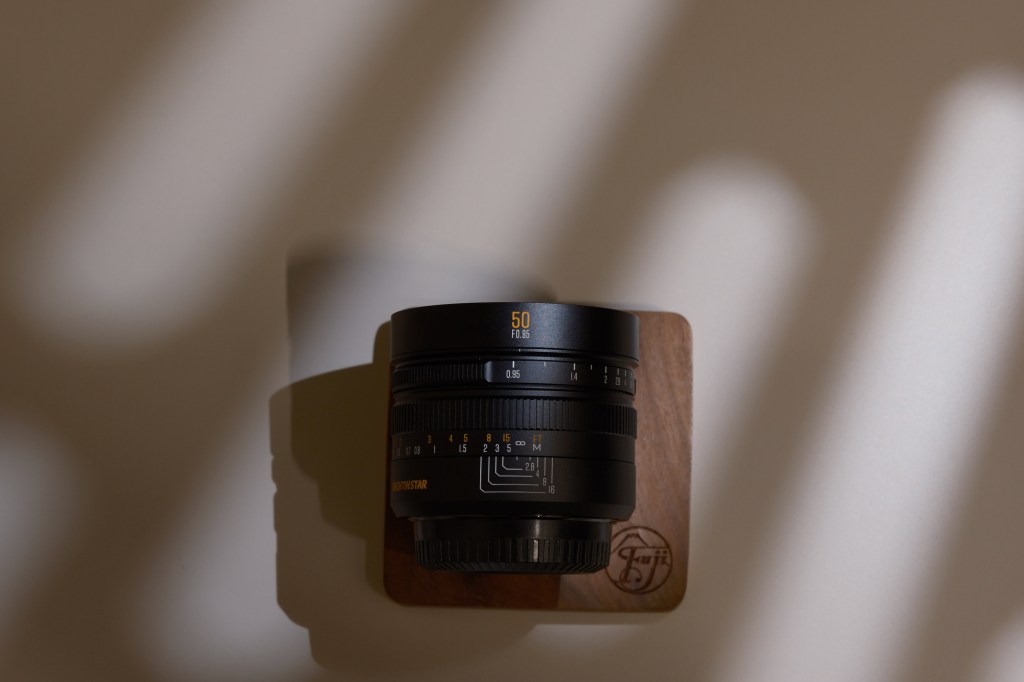
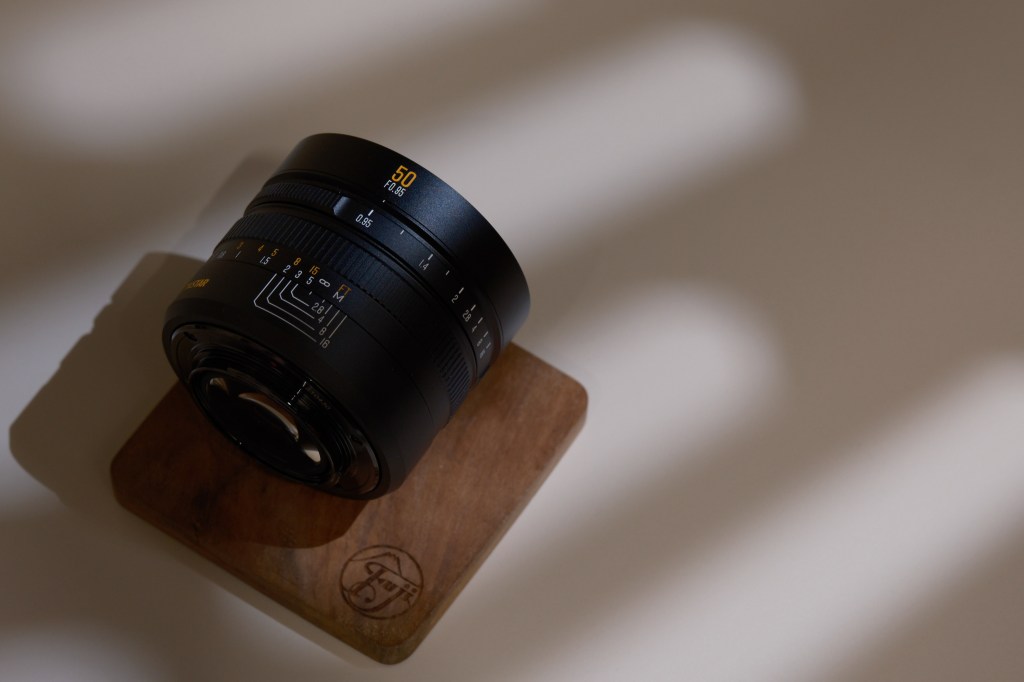
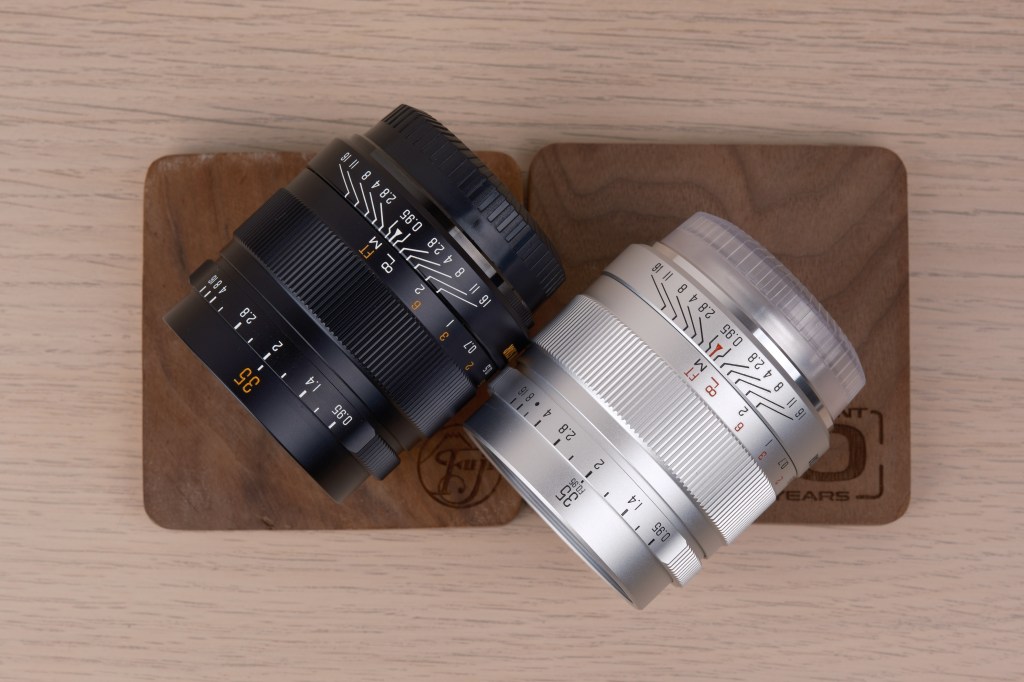
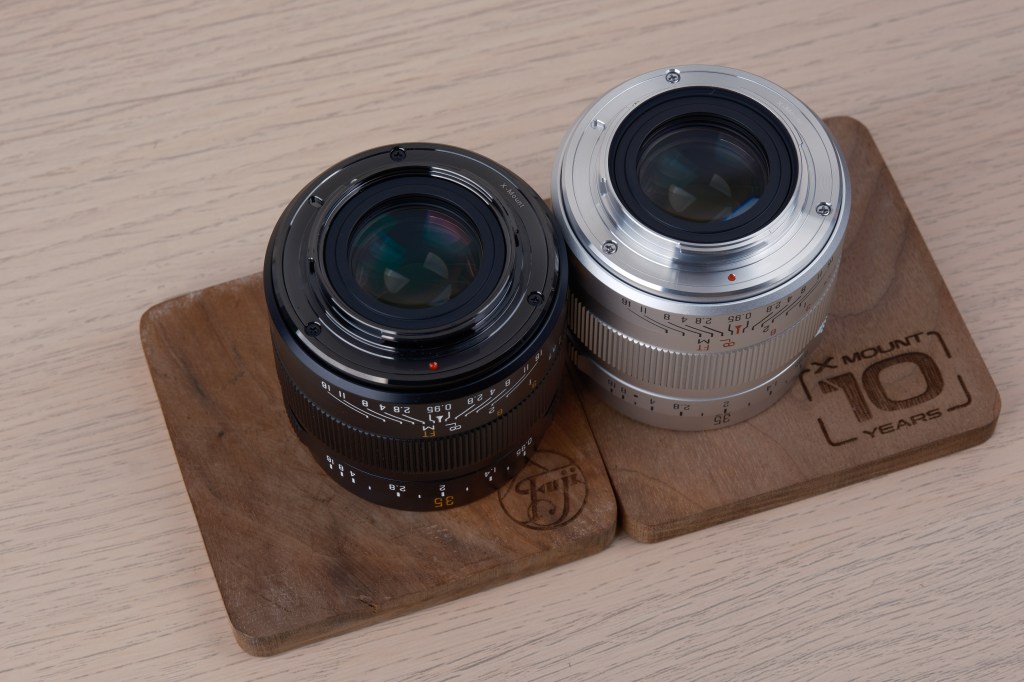
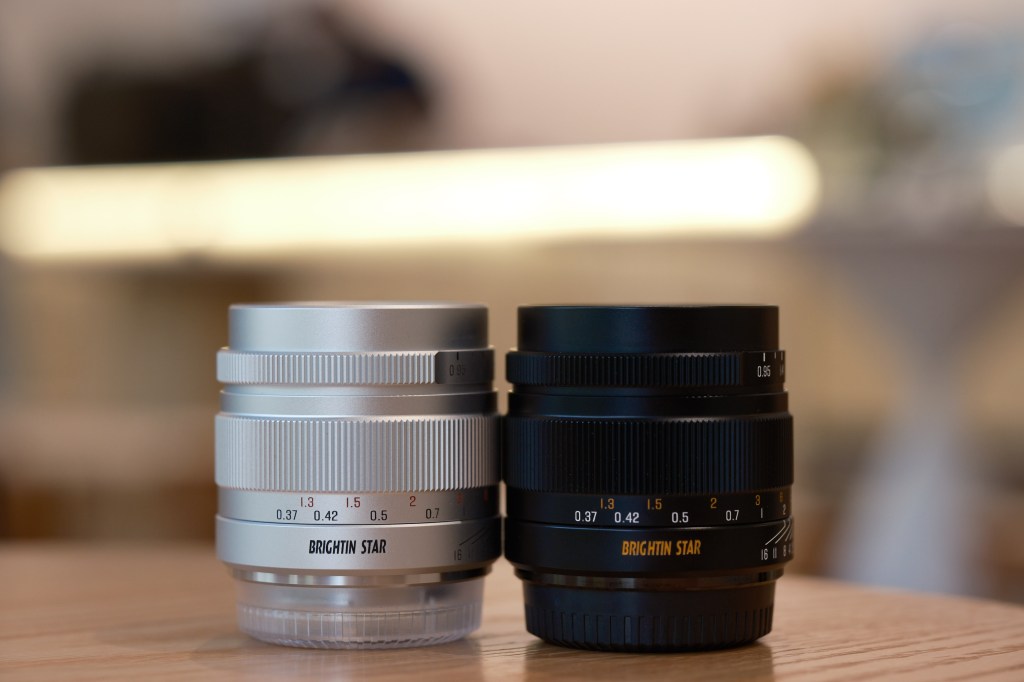
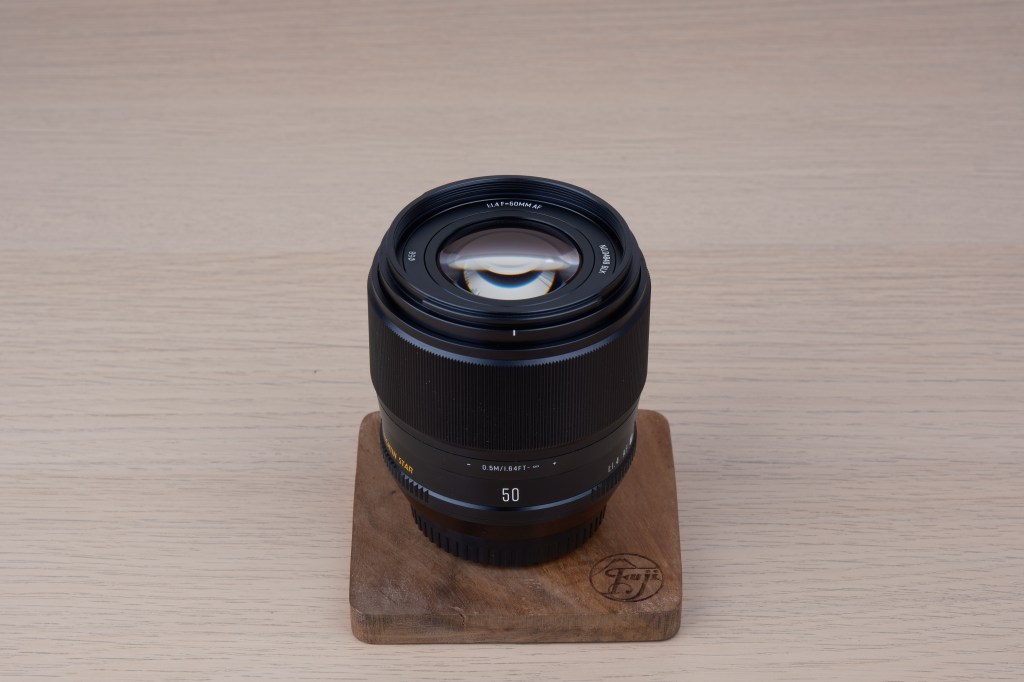
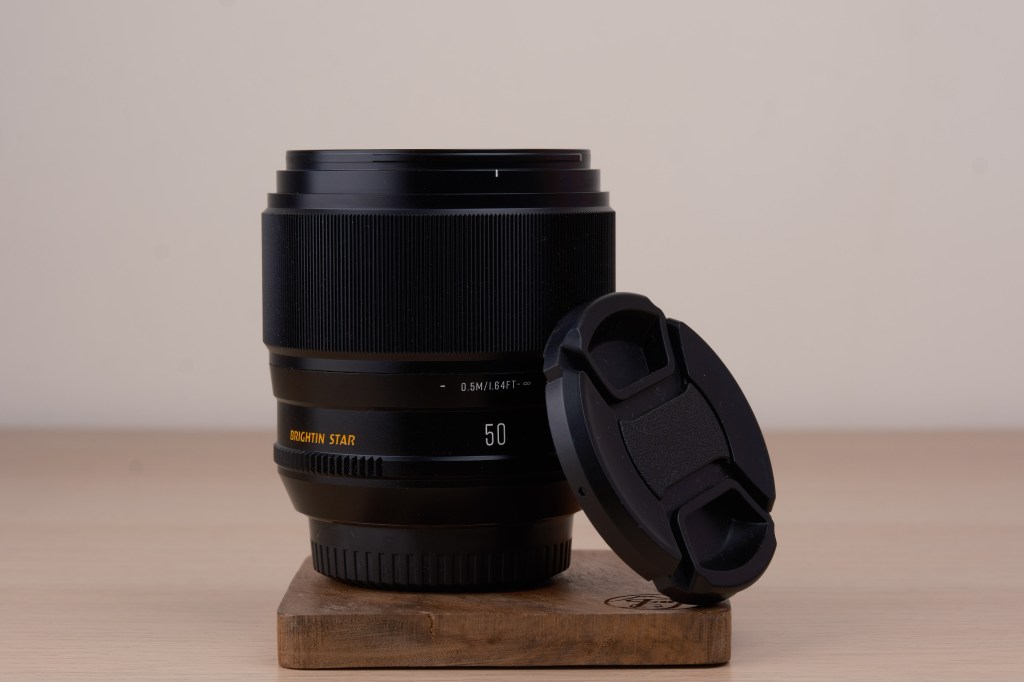
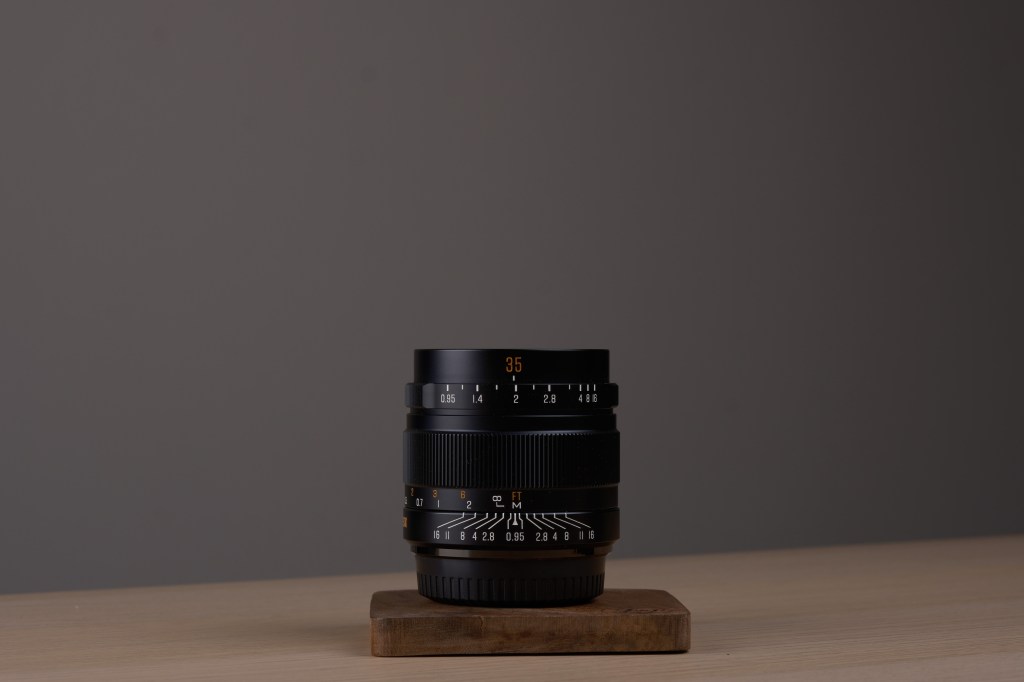
At first glance, the bold, bright yellow brand immediately grabs attention—a clever way to stand out in a crowd. Upon closer look, you’ll notice the lens body is made of metal with a matte finish, giving it a sleek, modern look that helps it stand apart from the rest.

Like all manual lenses, it features an aperture ring, and it’s clickable. I’ve had a great experience with this ring, as it provides a light and smooth tactile feedback when you adjust it to different aperture settings.



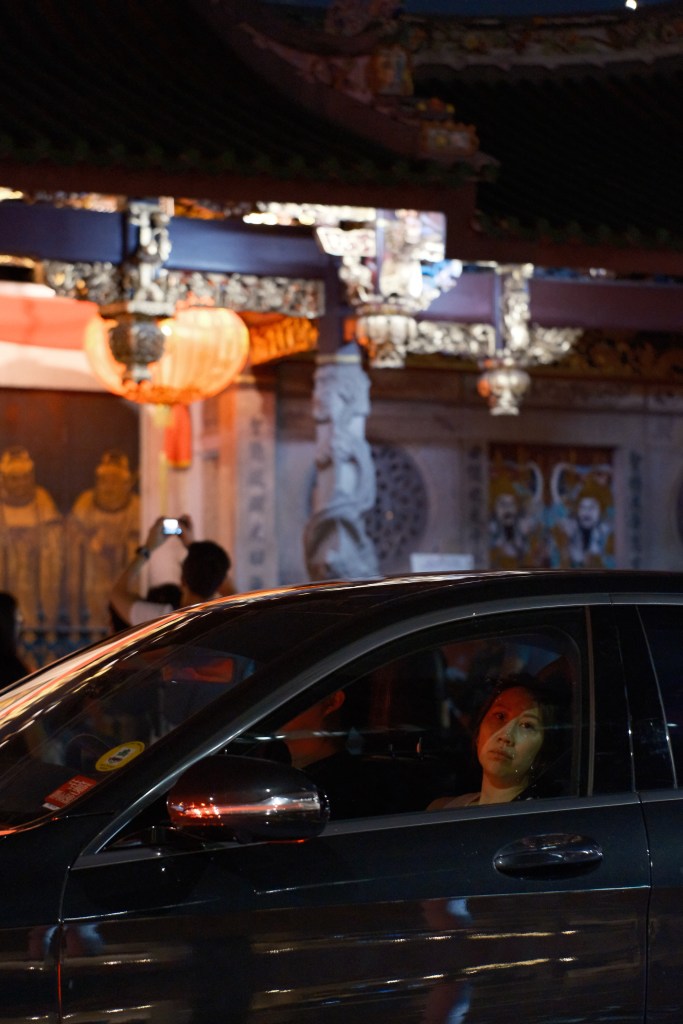
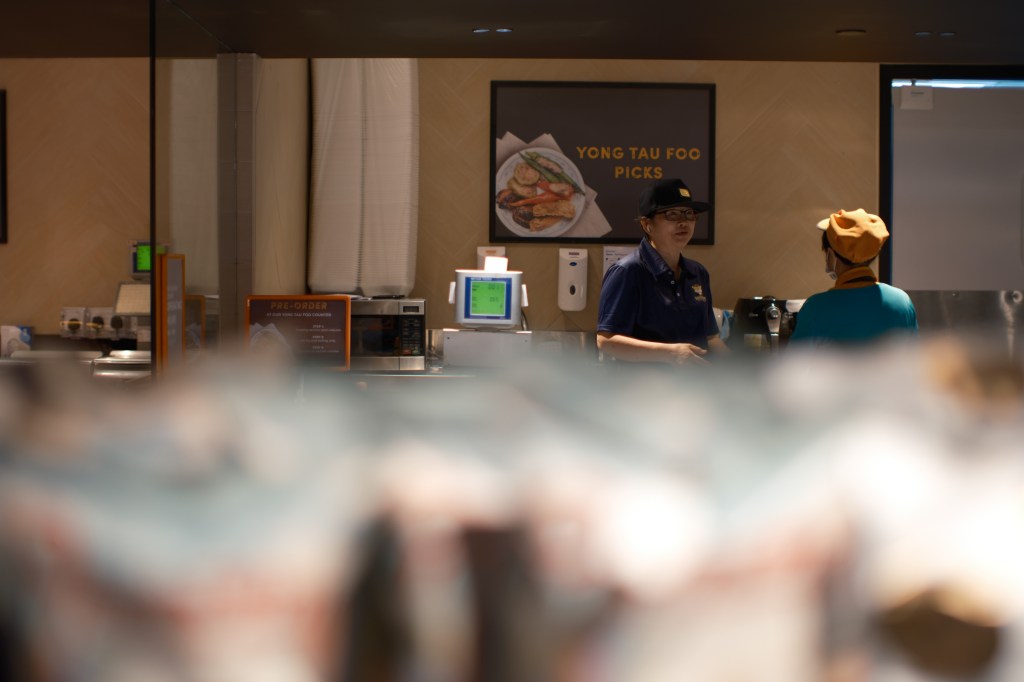
Right: Fuji X-T5 . Brightin Star 50mm f0.95 @ 50mm . f0.95. 1/280″ . ISO 125 . Nostalgic Negative
Weighing in at 443 grams, the lens feels surprisingly dense. You can definitely sense its weight, especially when paired with a smaller camera like the X-M5, where the unbalanced heft becomes more noticeable. And, by the way, it has a 62mm filter size.
Image Quality
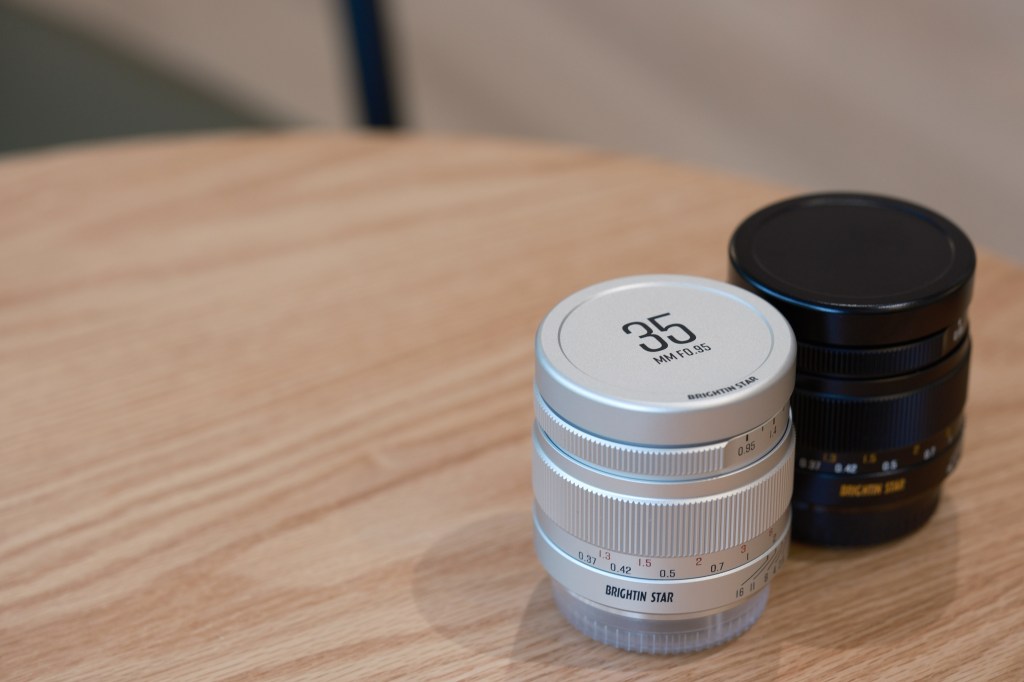
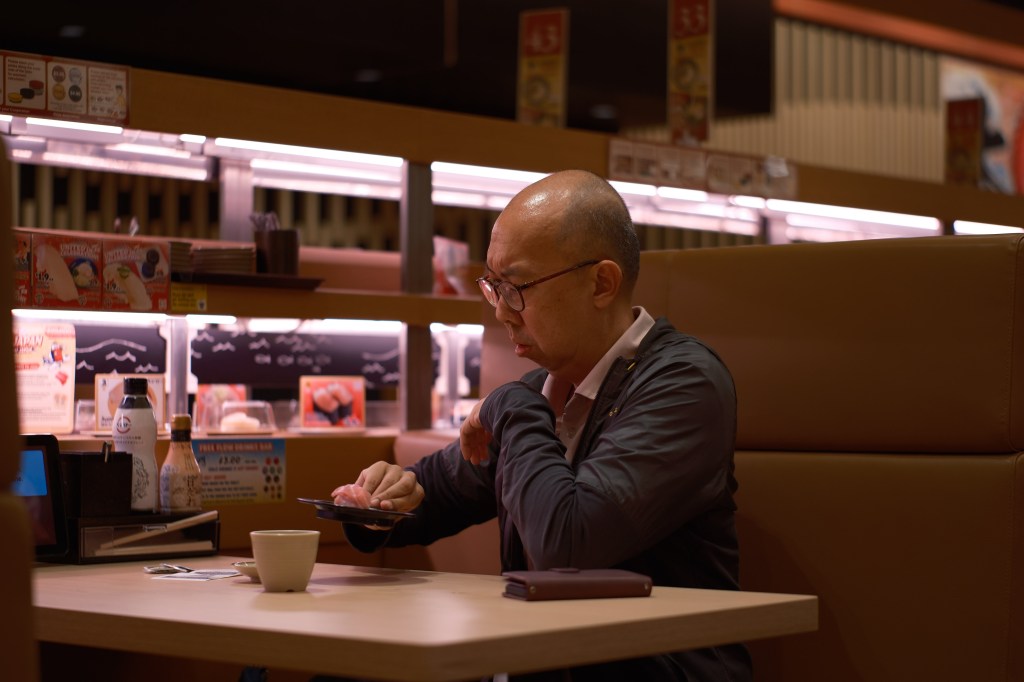
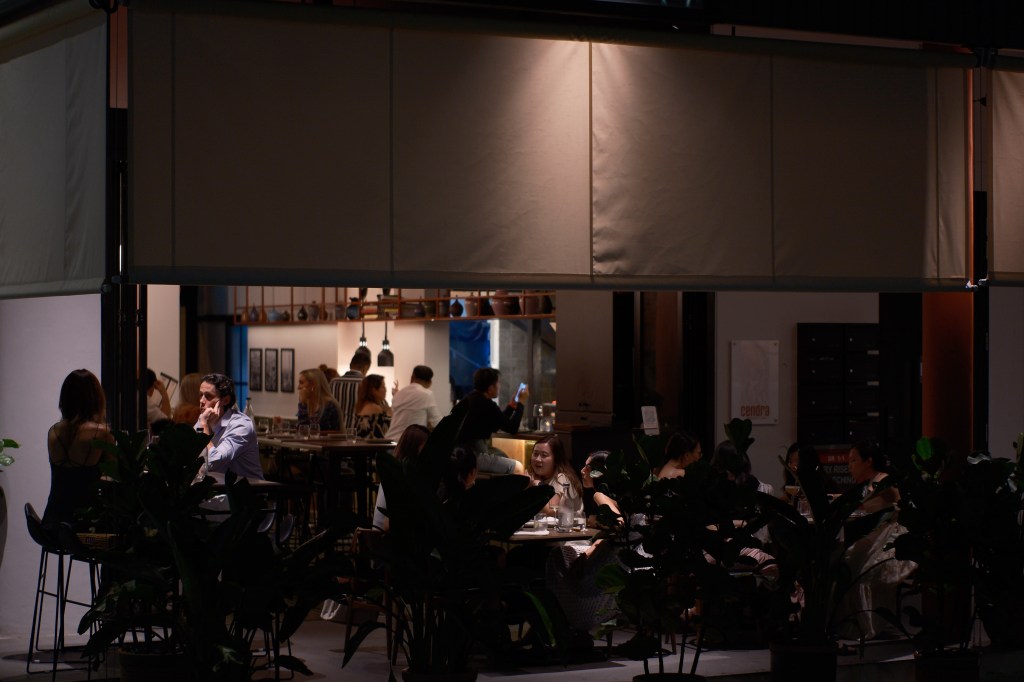
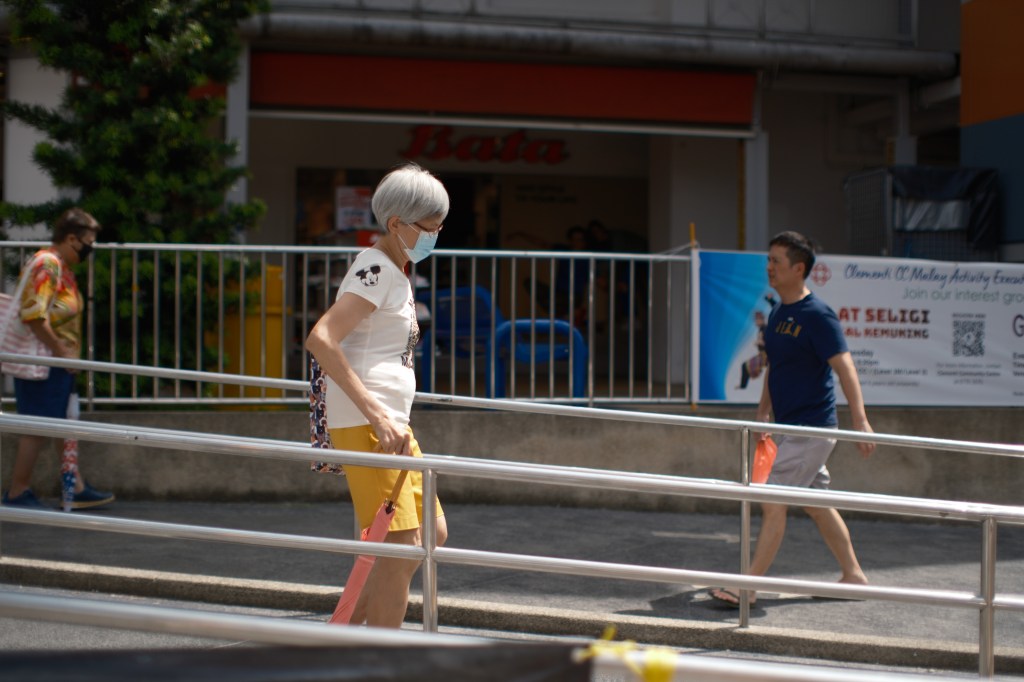
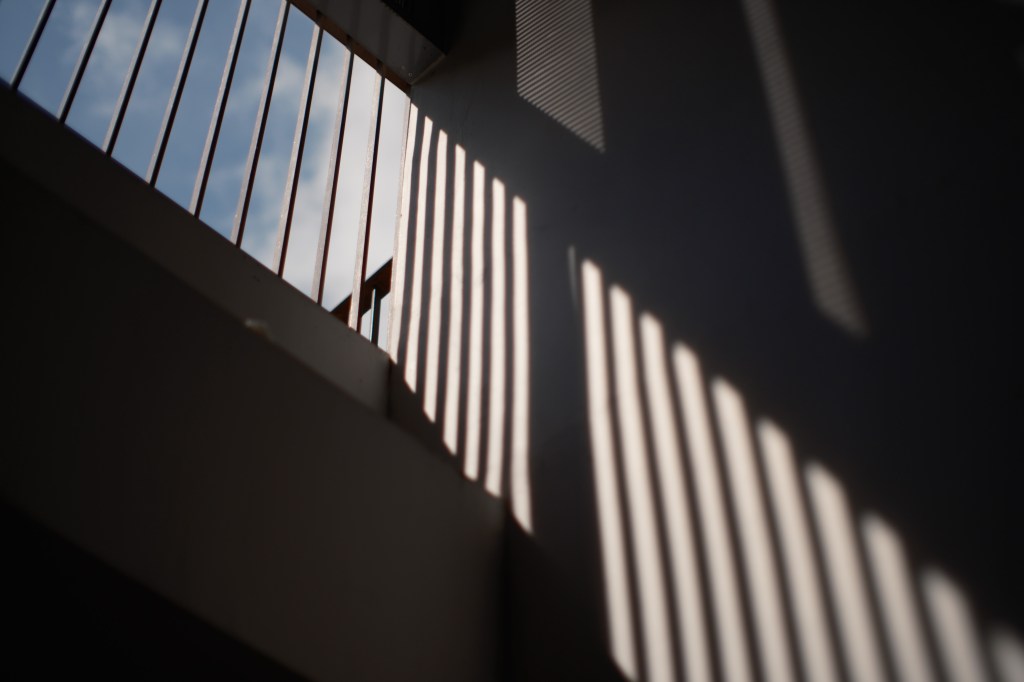
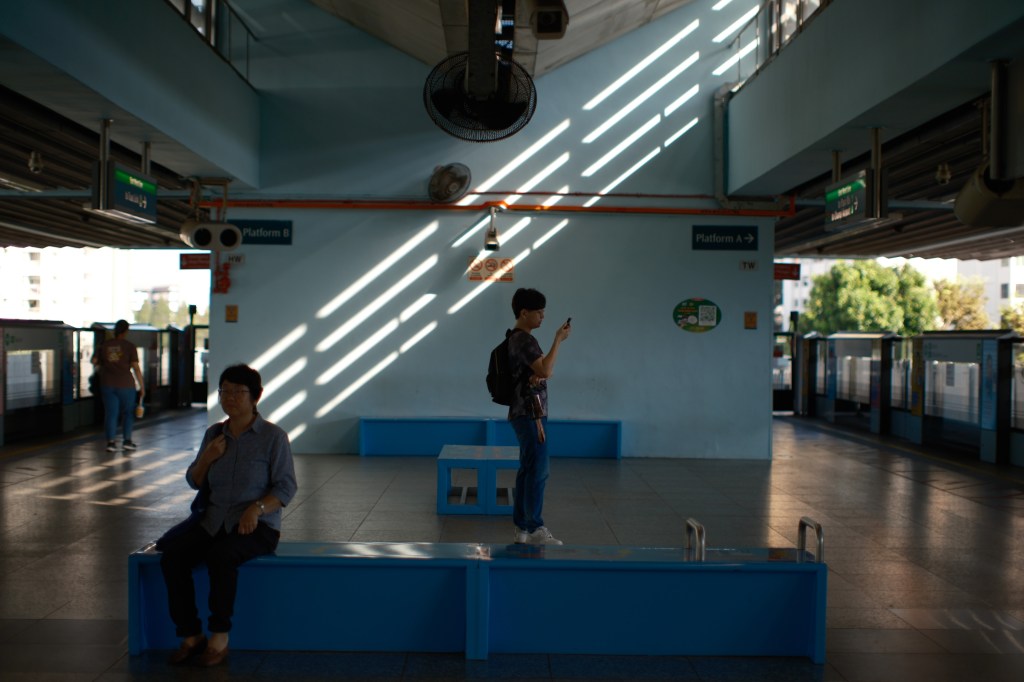
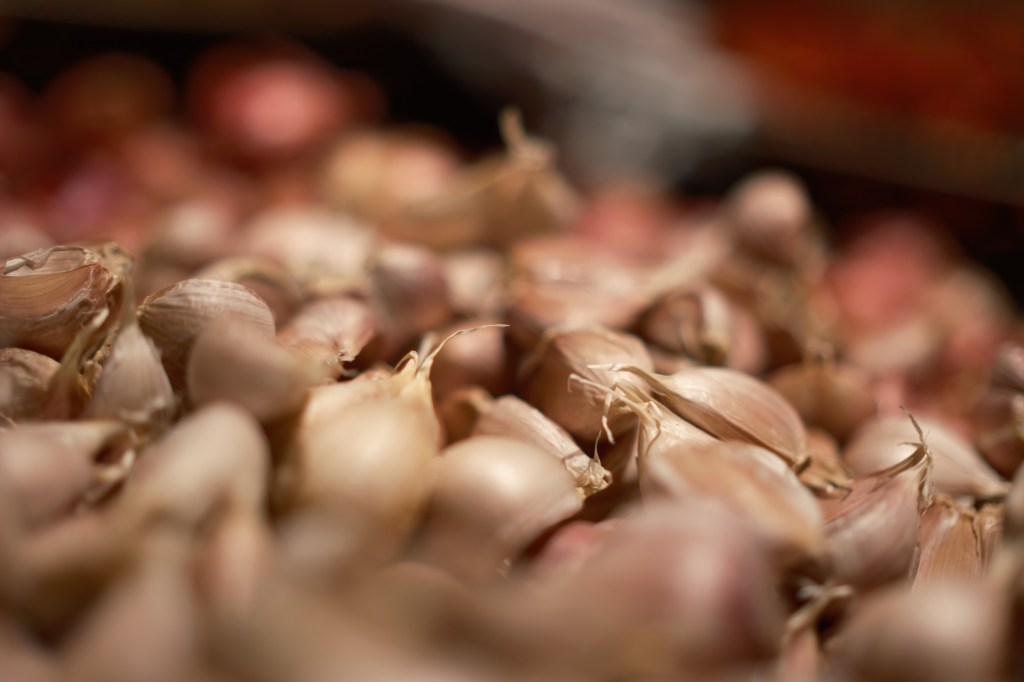
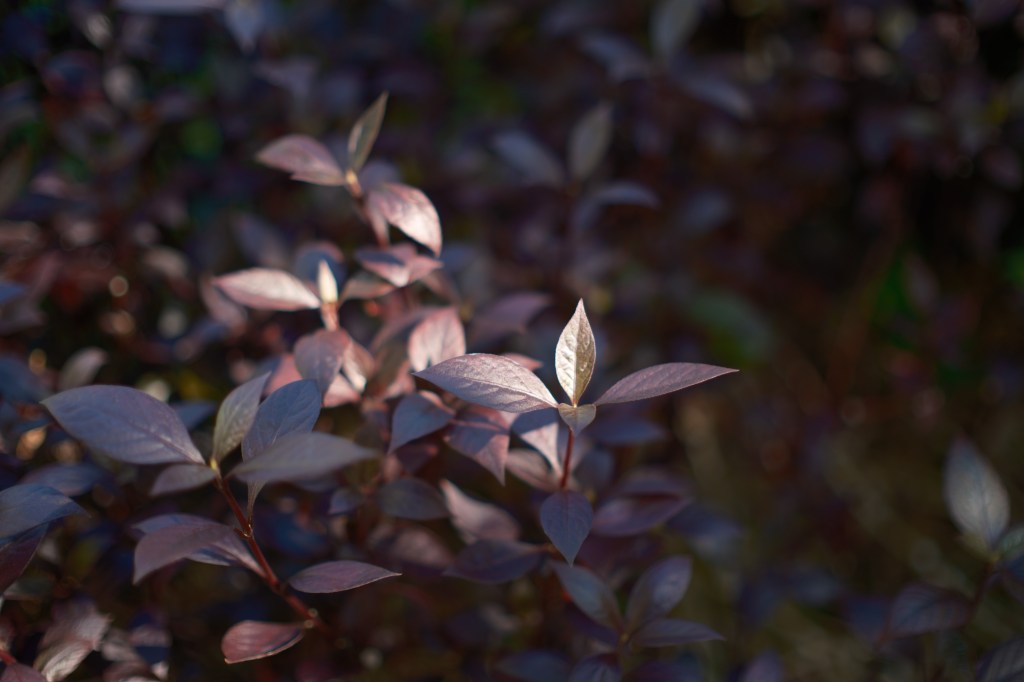
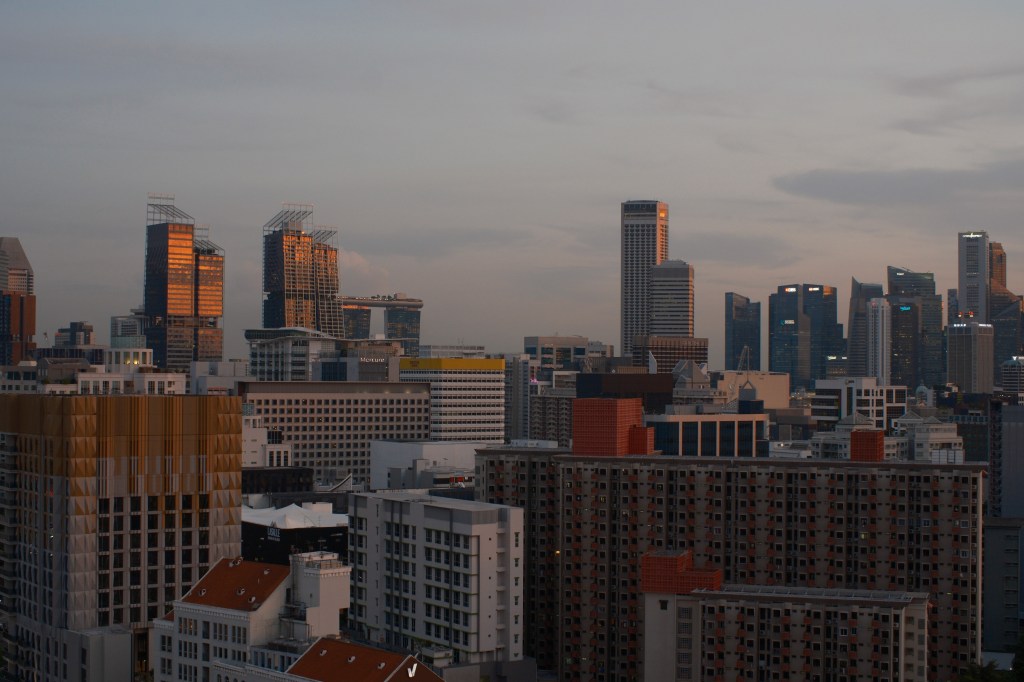
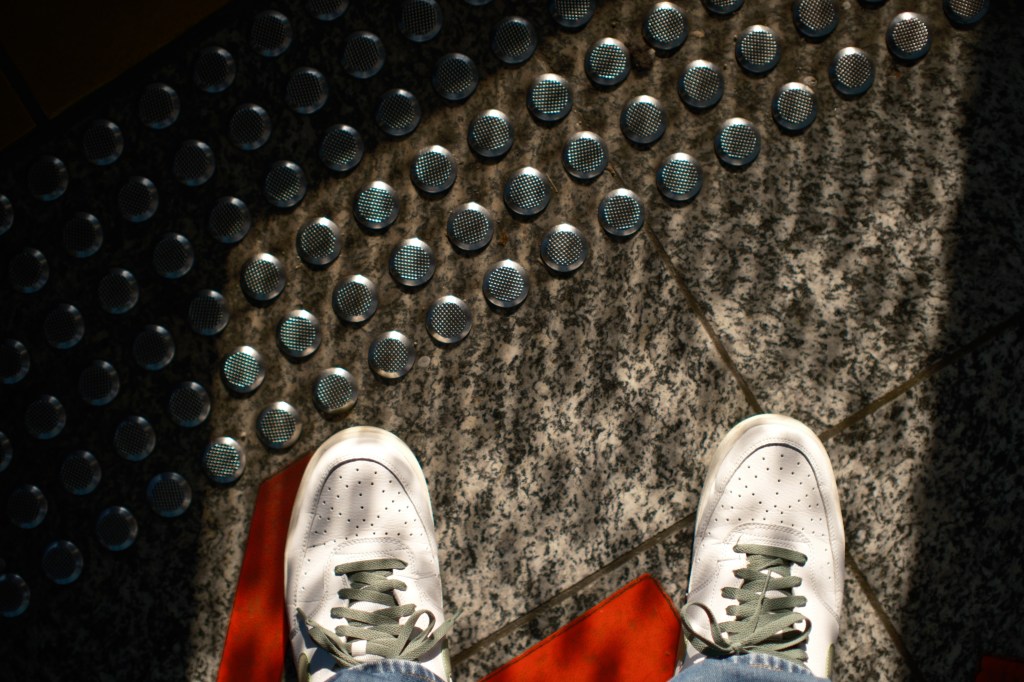
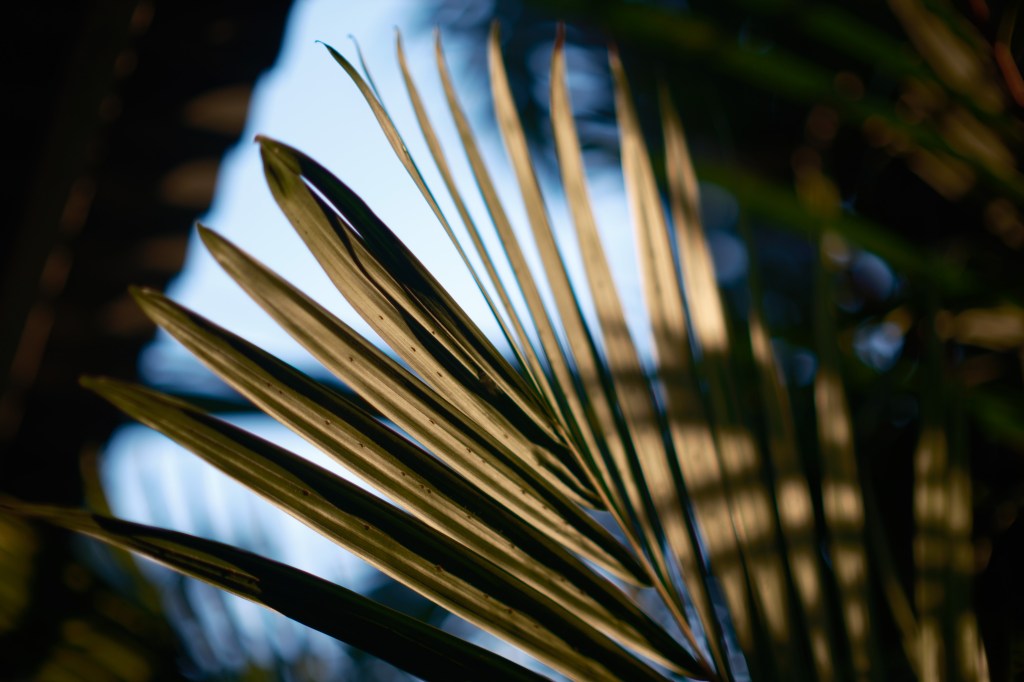
Like the Brightin Star 35mm f0.95, the image quality is soft and lacks contrast when shot wide open but slightly usable. Some photographers may appreciate this look, but it’s not quite to my taste. I find that stopping down to f2 or higher gives me better contrast and sharper results that is within my acceptance. Additionally, for the best optical performance, it’s ideal to center your subject, as the corners tend to be much softer.


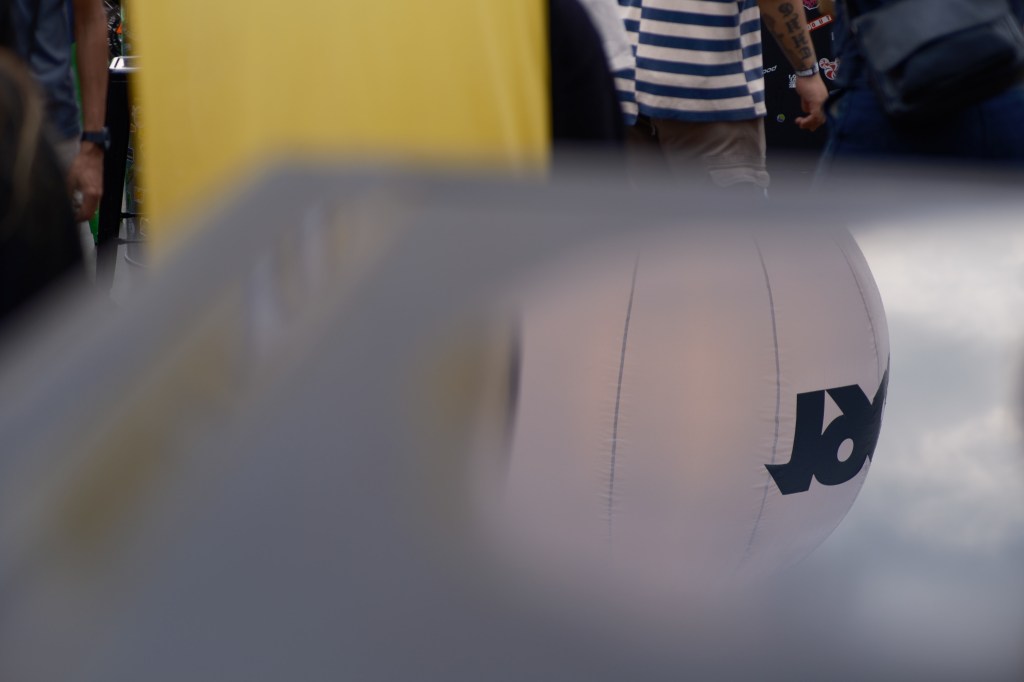
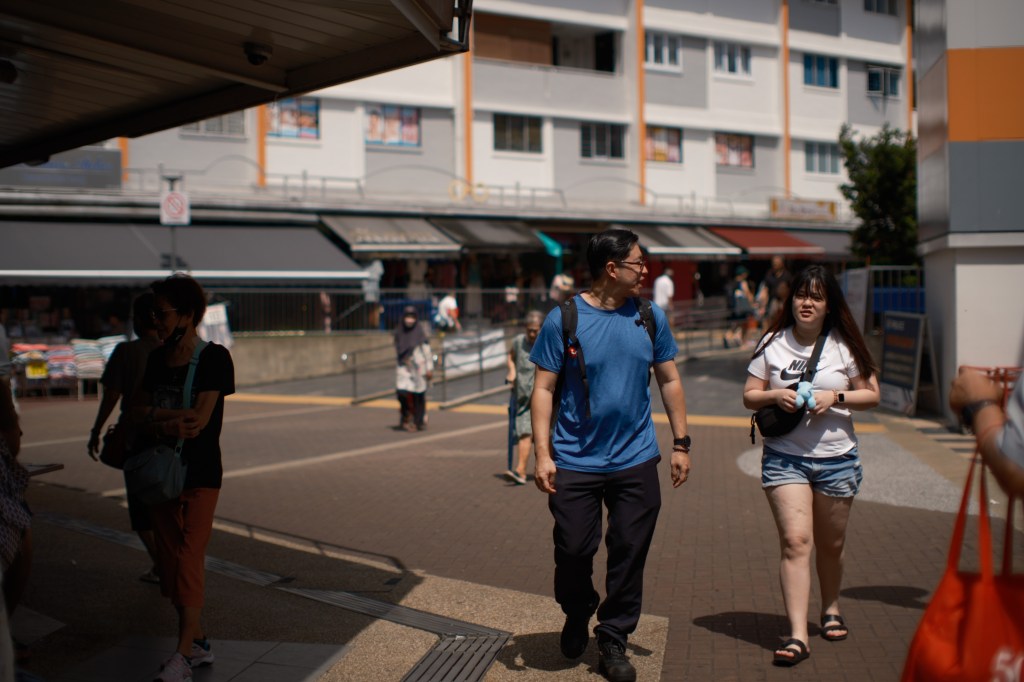
Right: Fuji X-T5 . Brightin Star 50mm f0.95 @ 50mm . f4. 1/600″ . ISO 125 . Nostalgic Negative
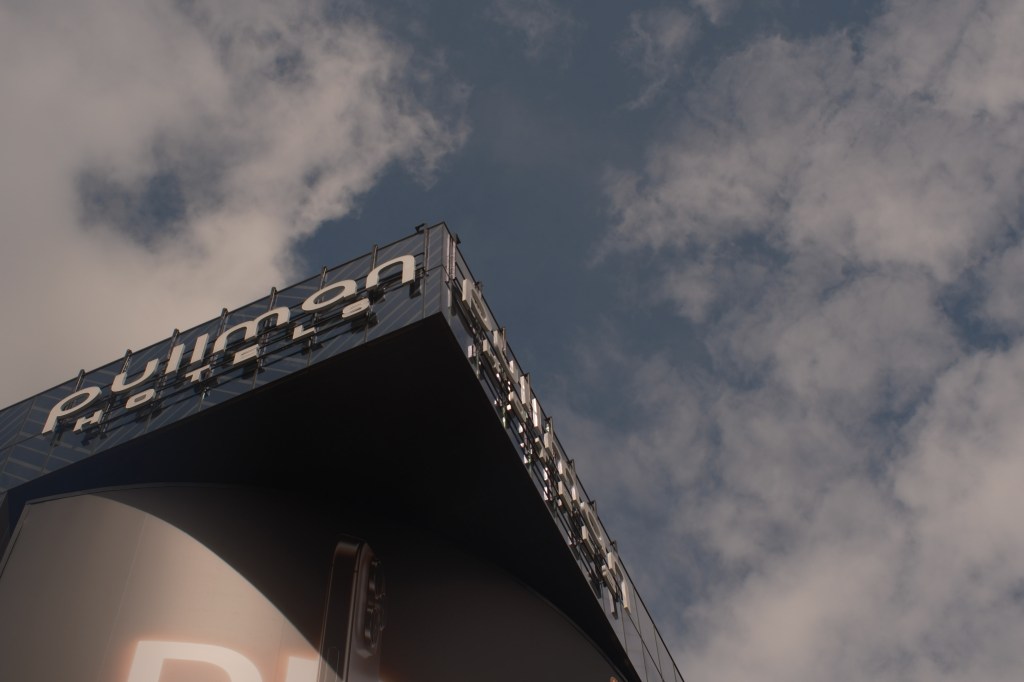
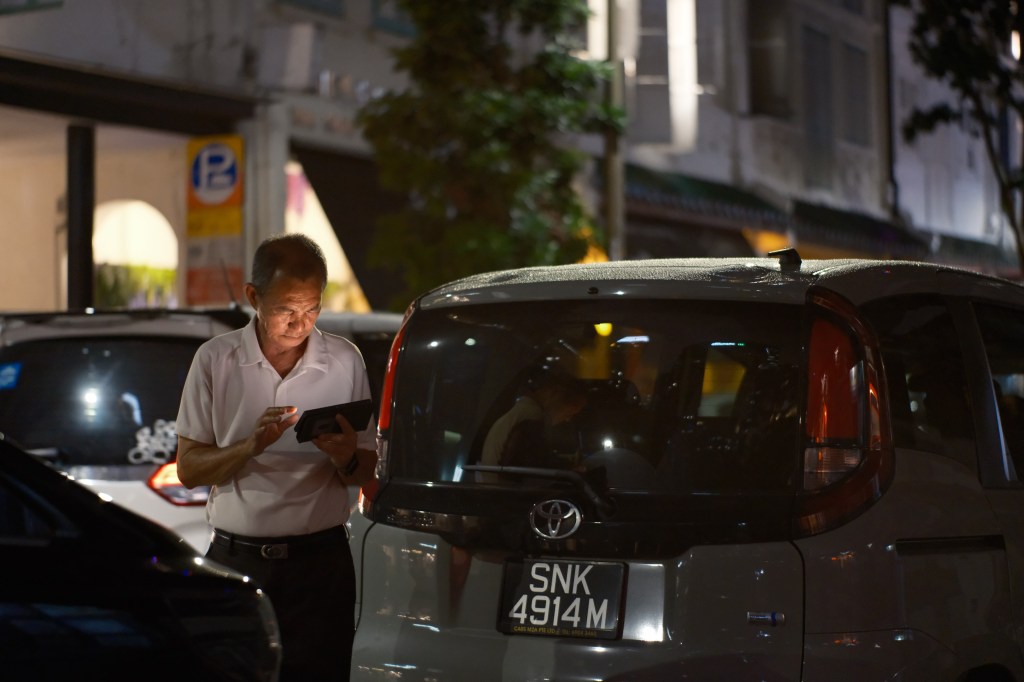
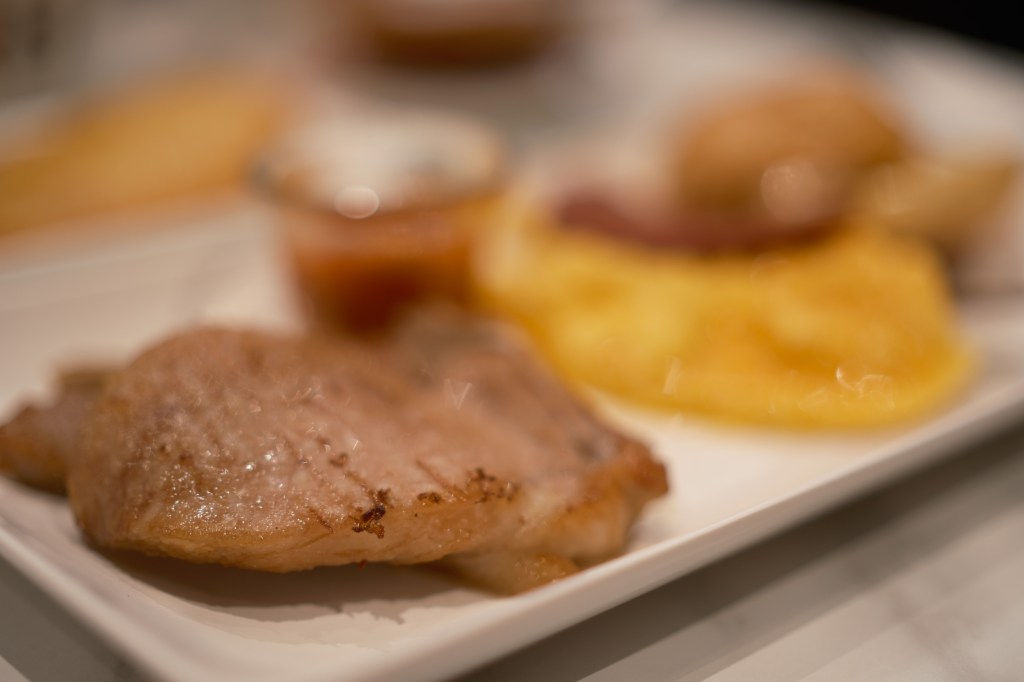
When it comes to background or foreground blur, I am not particularly fond of the rendering. It feels a bit busy to some (but very busy in my own opinion) and can be quite distractive from the main subject. One notable issue is barrel distortion, which becomes quite apparent when shooting wide open. If you’re particular about distortion, this could be a concern for you.



Right: Fuji X-T5 . Brightin Star 50mm f0.95 @ 50mm . f2.8. 1/80″ . ISO 500 . Nostalgic Negative
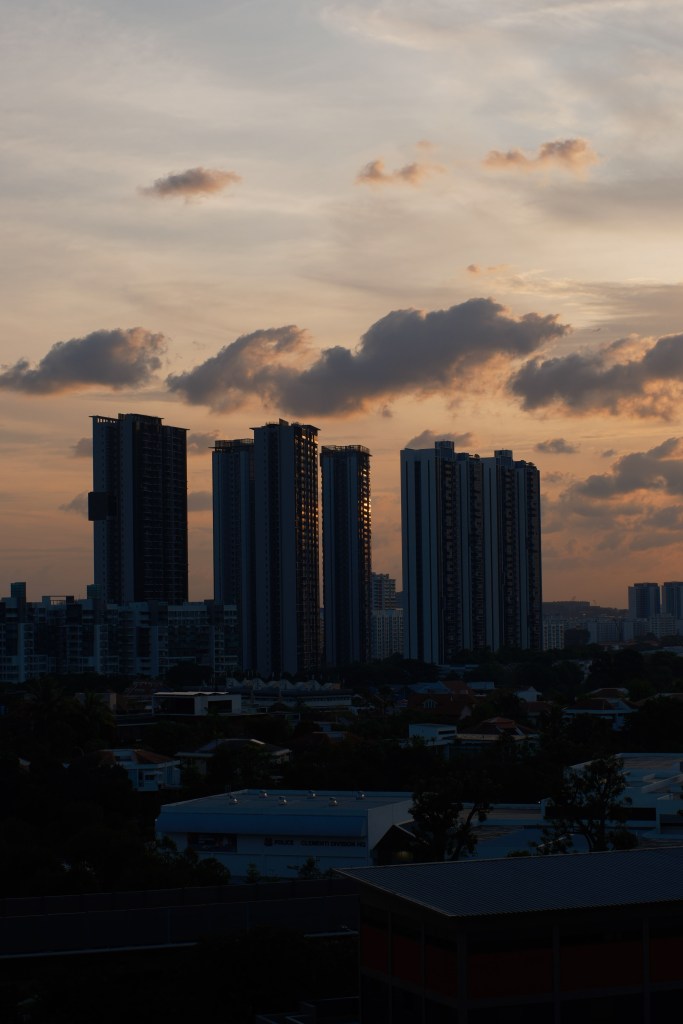
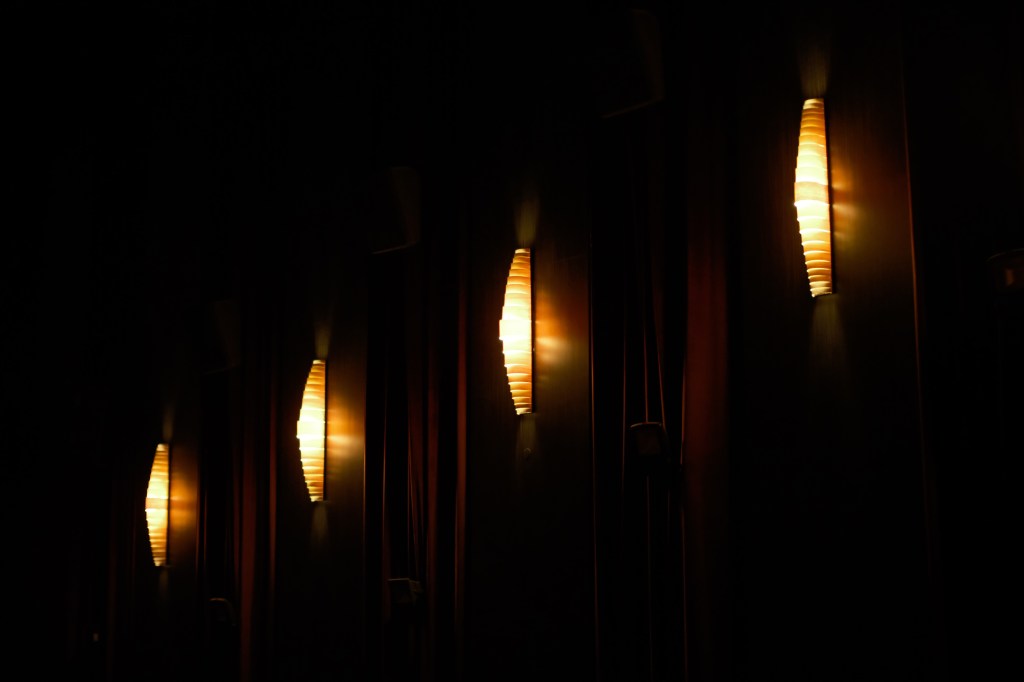
On the plus side, I didn’t notice any chromatic aberration in the shots I took. Vignetting is present at wide open, though it’s relatively mild.
As for the sun stars, the lines are visible but not as well-defined as I would have liked.

Focusing
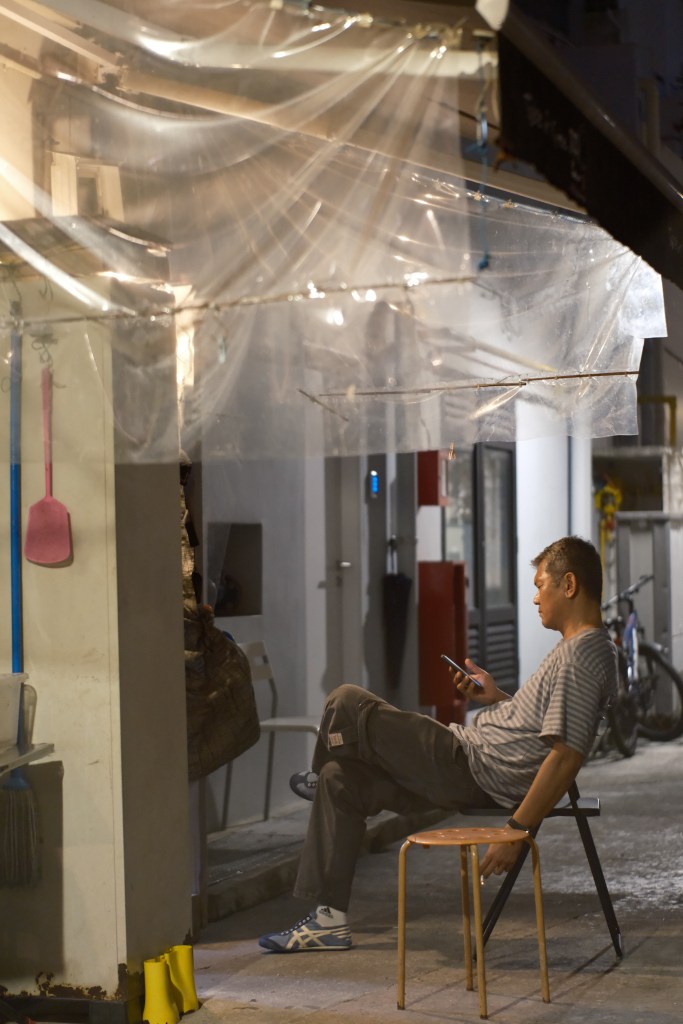
The focus ring is smooth, but I can feel slightly damp when I rotate. Nevertheless, it is an enjoyable experience.
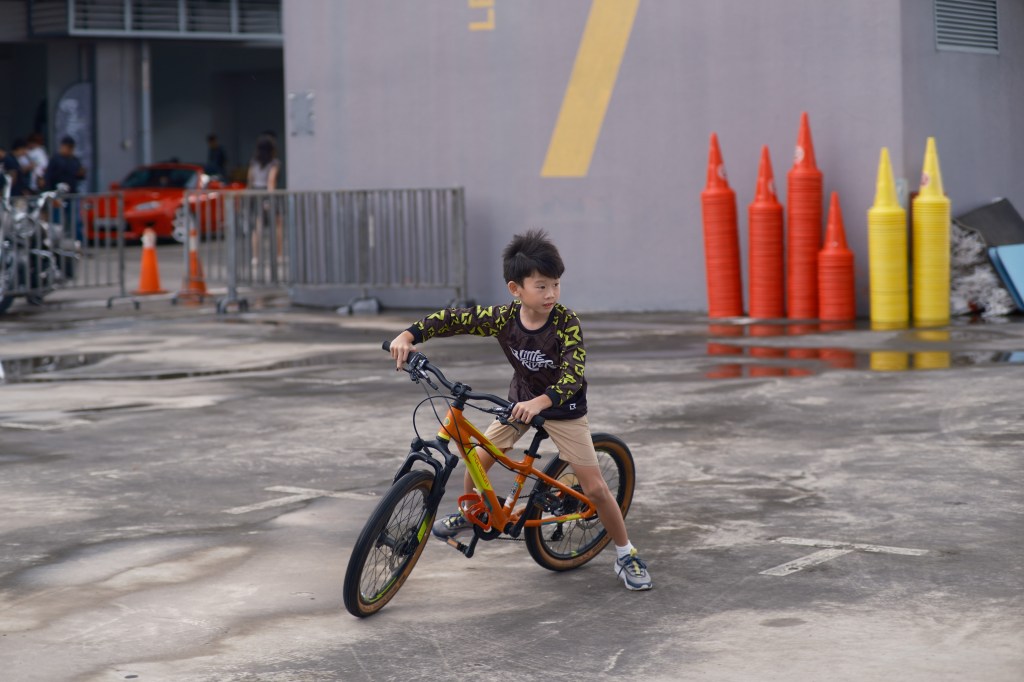


Right: Fuji X-T5 . Brightin Star 50mm f0.95 @ 50mm . f0.95. 1/500″ . ISO 125 . Nostalgic Negative
As for the focus range between MFD to infinity, the focus throw is approximately 90°. The focus throw is similar to Brightin Star 35mm f0.95, giving a fair amount of “traveling” for precise focusing.
Minimum Focus Distance (MFD)
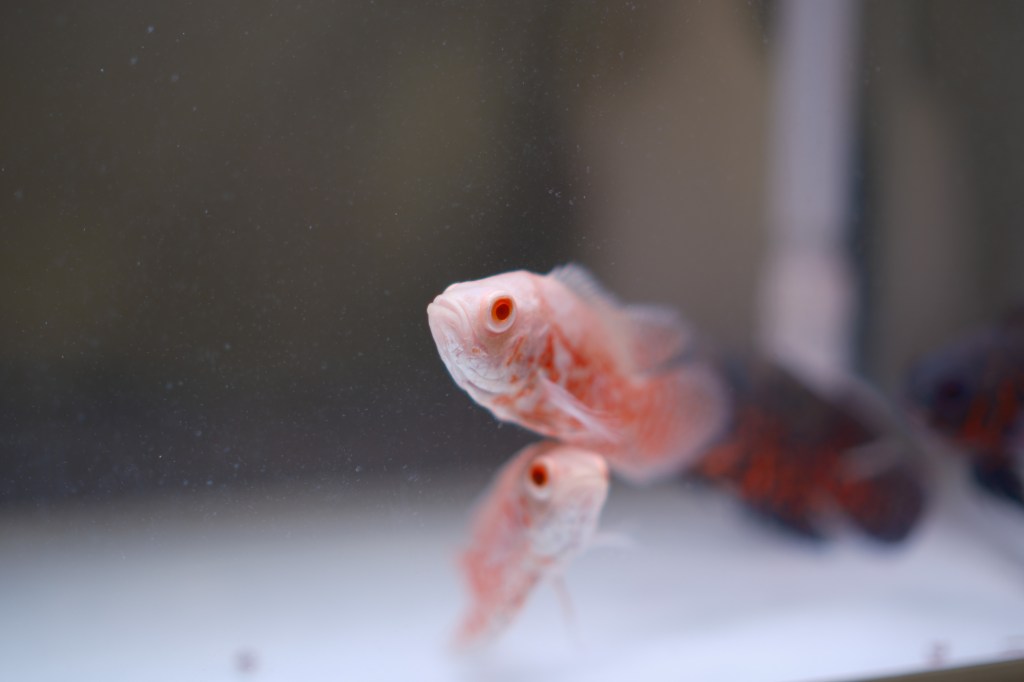
50cm minimum focus distance is decent, fair, and also similar to many other lenses of the same focal length. However, the softness and lack of contrast have elevated, even more obvious for wide-open shots.



Right: Fuji X-T5 . Brightin Star 50mm f0.95 @ 50mm . f0.95. 1/120″ . ISO 125 . Nostalgic Negative
Price Point
The introductory price is 199 USD, and then it will be priced at 219 USD thereafter. I have no idea how long this introductory price will last. But if you really like this lens, I think you can act quickly.




Right: Fuji X-T5 . Brightin Star 50mm f0.95 @ 50mm . f2. 1/80″ . ISO 250 . Nostalgic Negative
However, this is a very competitive price point. Because Meike 55mm f1.4 is selling very similarly at this price point, and Brightin Star 50mm f1.4 is trading at 239 USD. Both are autofocus lenses, and they have a pretty good IQ.
Others
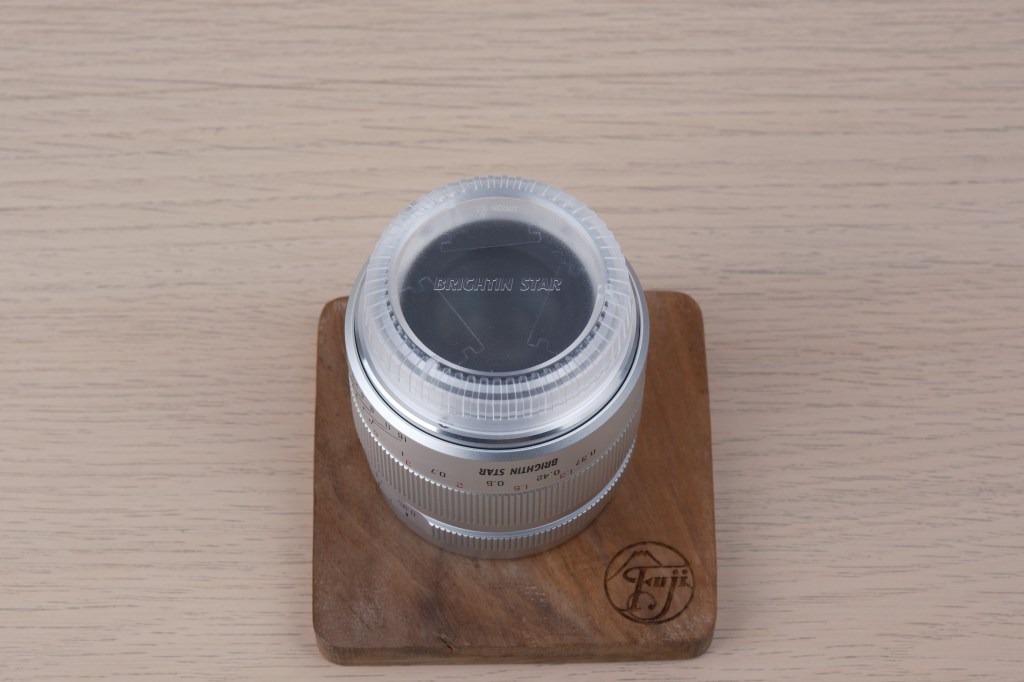
One standout feature of this lens is its built-in lens hood, a unique touch I haven’t encountered before. Typically, manual lens manufacturers rarely include a lens hood with the lens itself, but Brightin Star goes a step further by not only providing one, but also integrating it directly into the lens body. However, there is a small downside: the hood feels a bit flimsy. Hopefully, Brightin Star will refine this innovative design in future lenses.

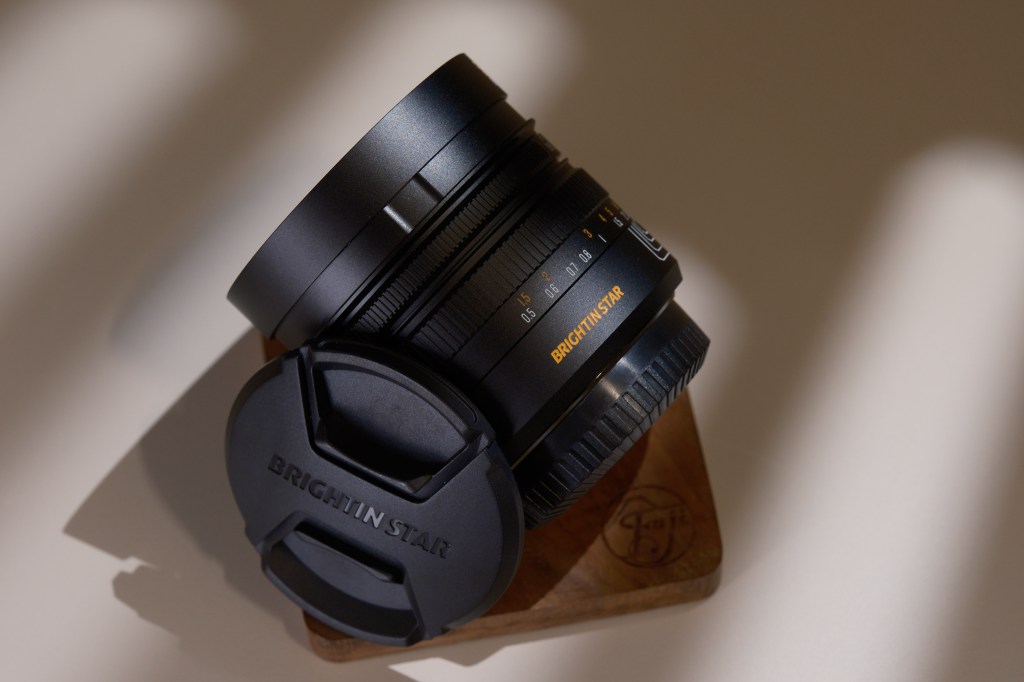
Like the 35mm f0.95, this lens doesn’t have an f5.6 option. Instead, it jumps from f/4 to f/8, skipping two full stops of light. However, this may not be a significant issue if you’re looking for a brighter lens.

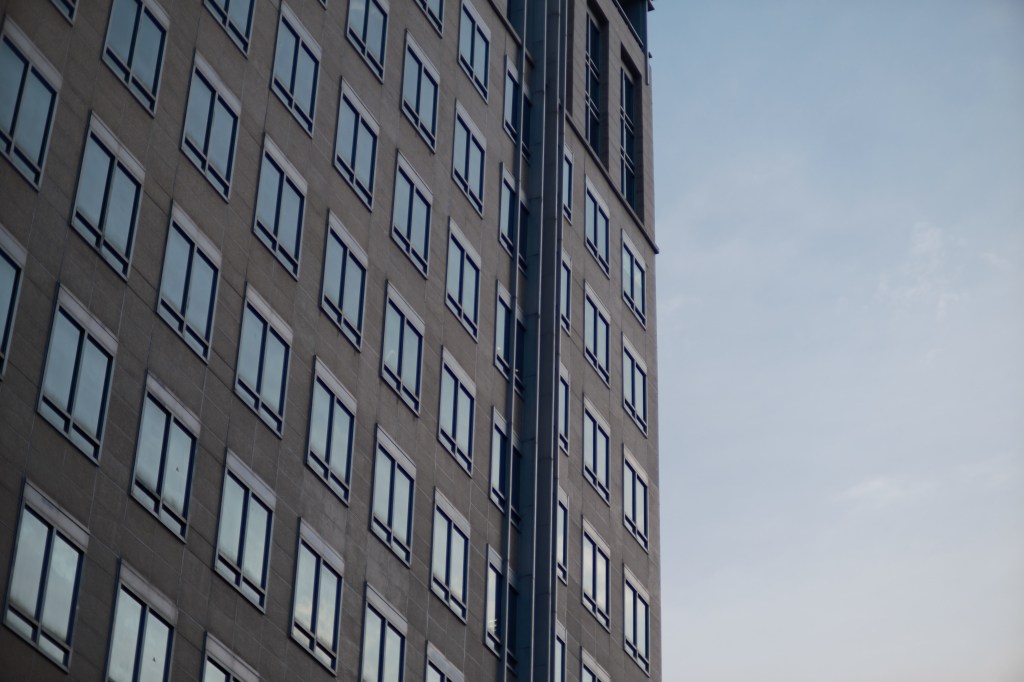

Right: Fuji X-M5 . Brightin Star 50mm f0.95 @ 50mm . f0.95. 1/3500″ . ISO 320 . Nostalgic Negative
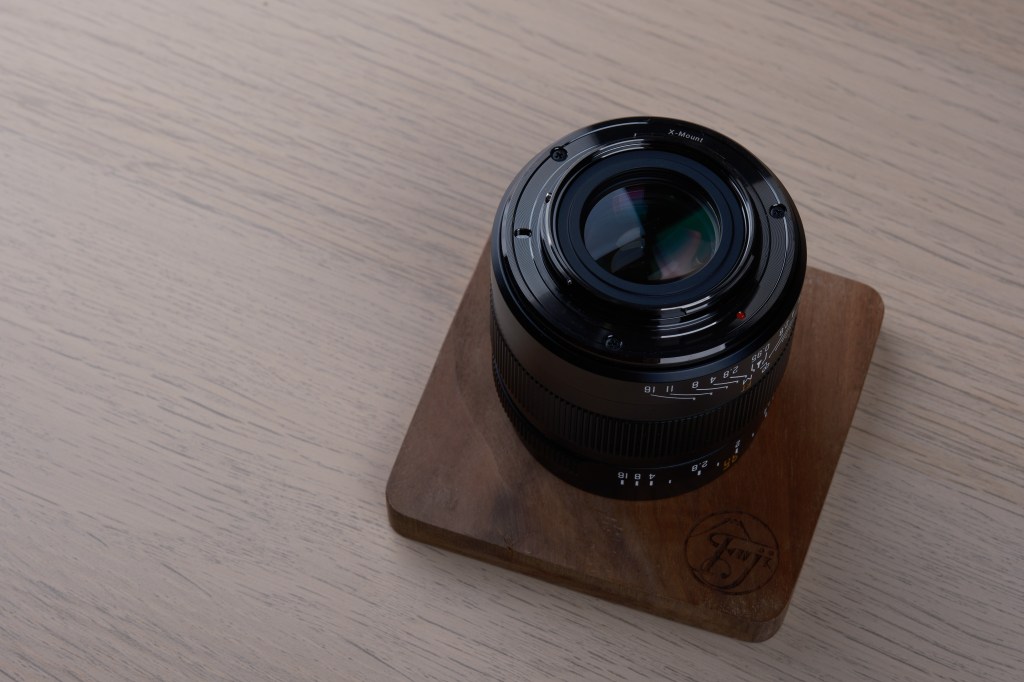
There’s one more distinctive feature that I haven’t fully tested yet: it’s the first time a Chinese manufacturer has added luminous paint to the numbers on the scale marks of APS-C lenses, making it possible for photographers to see the numbers in low-light conditions.
Who is this for?
If you are looking to experience manual handling experience, this 75mm (equivalent to 35mm format), is a nice-looking manual portrait lens for someone who is looking for one. When it comes to genres, it is suitable for most typical ones like street, documentation, product shots, etc.


Right: Fuji X-T5 . Brightin Star 50mm f0.95 @ 50mm . f0.95. 1/80″ . ISO 160 . Nostalgic Negative
Conclusion
I had a very positive impression of the Brightin Star 35mm f0.95, the 50mm f0.95 is no exceptional.


Right: Fuji X-T5 . Brightin Star 50mm f0.95 @ 50mm . f2. 1/80″ . ISO 160 . Nostalgic Negative
The Brightin Star 50mm f0.95 is a decent lens, but given its price, I might find it hard to recommend, especially for those looking for a portrait lens. There are several solid alternatives in a similar price range that offer autofocus. Unless you’re specifically attracted to its design, the unique lens hood, or you love its sibling, it may not be the best choice. On the bright side, the handling experience is quite enjoyable.
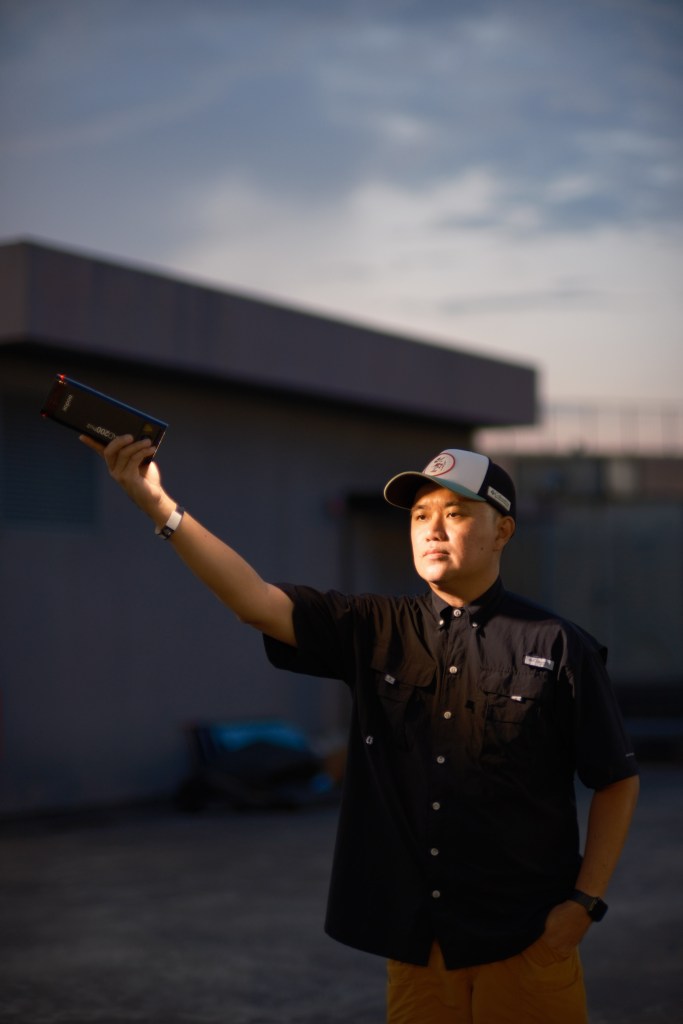
I’m hopeful that Brightin Star will continue to innovate and improve, and I’m particularly looking forward to seeing more autofocus lenses from them in the future.


Thank you for reading.
Disclaimer:
1. All the shots taken here are shot by me.
2. Most of the shots are straight out of the camera with some shots edited via In-Camera Raw Processing and Capture One.
3. The opinions are based on my experience. If there is any mistake, please kindly drop me a message and I will gladly make the amendment.
4. I reserve ownership of these images, if you wish to use my images, please notify me.
If you like my works, please follow me on either one of the 2 Instagram accounts:
If you have a Facebook account, feel free to join Fujifanboys FB group.
If you like my content and you want to show some support and keep this blog alive, you can buy me a coffee here.






















































 Alwin Kok