

Reviews

AstrHori 18mm f5.6 Shift Lens – Shift Happens

Tilt-shift lenses have always been a niche tool, designed for very specific kinds of photography, the kind most photographers never touch because, well, they used to cost a small fortune.
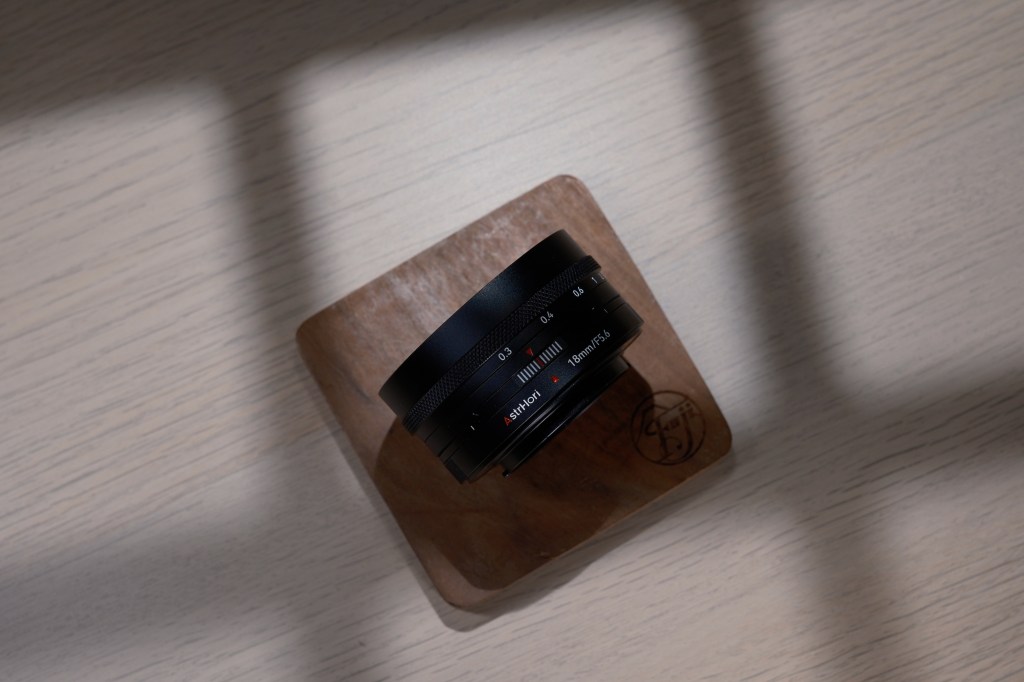
AstrHori 18mm f5.6 Shift Lens

But times have changed. With the rise of Chinese lens makers, we’re now seeing more affordable alternatives entering the market. These lenses bring once-exclusive creative tools into the hands of curious photographers who’ve always wanted to try tilt or shift lenses without breaking the bank.
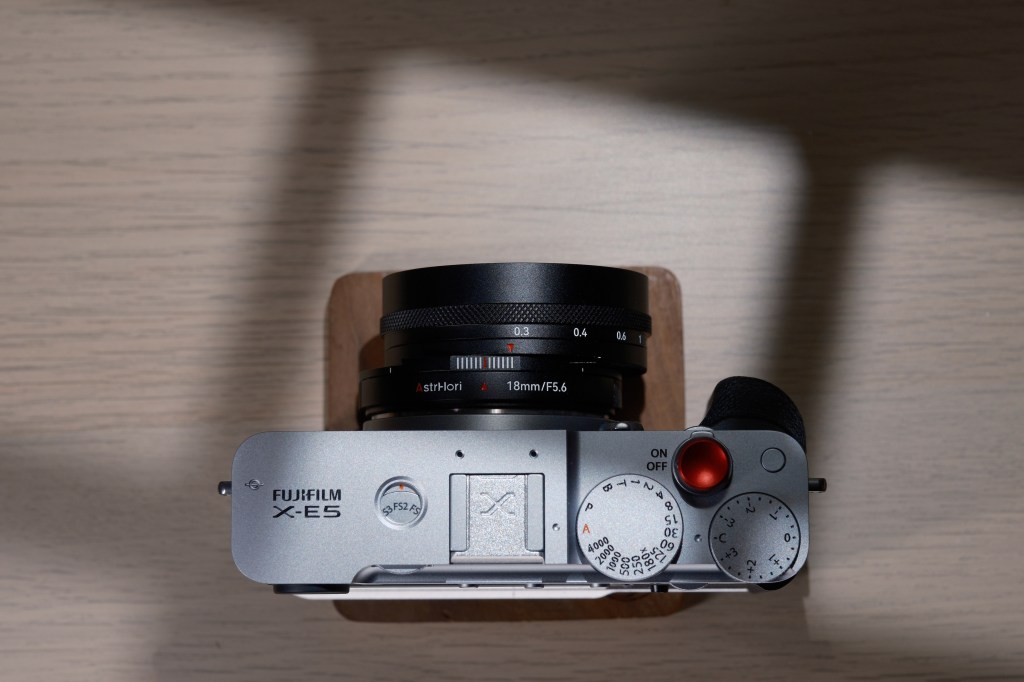
Fuji X-E5 with AstrHori 18mm f5.6 Shift Lens

Before proceeding further, I would like to express my gratitude to the team at AstrHori for providing me with this lens for review. Rest assured that the opinion is my own.

Intro

When it comes to shift lenses, options are still rare. As far as I know, only AstrHori and Laowa (Venus Optics)currently make them.

Fuji X-M5 with AstrHori 18mm f5.6 Shift Lens

Now, it’s worth noting the difference between tilt and shift:

Tilt lenses allow you to play with the plane of focus, creating dreamy miniature effects or selective focus shots.

Shift lenses, on the other hand, are all about correcting perspective distortion, like the converging lines you see in architectural photos, while keeping your camera level. They’re also great for stitching large, high-resolution panoramas from overlapping shots.

AstrHori 18mm f5.6 Shift Lens

Design and Build Quality

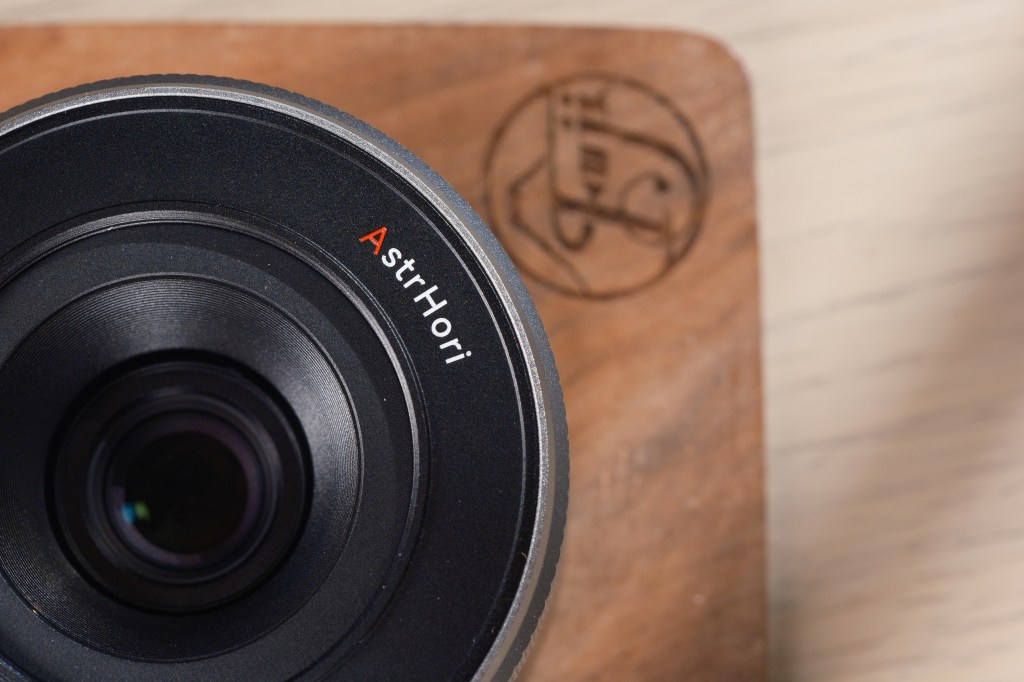
The AstrHori 18mm f/5.6 feels solid and well-built, with a full-metal construction. You’ll immediately notice the zigzag line around the body — that’s the part where the shifting happens.

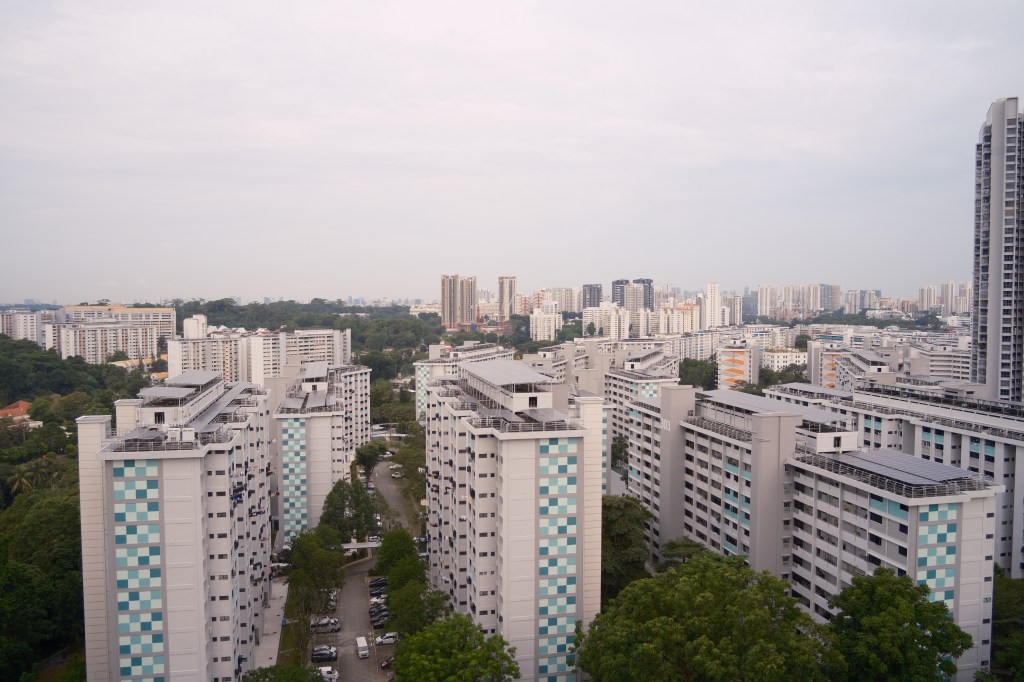
Fuji X-E5 . AstrHori 18mm f5.6 @ 18mm . f5.6 . 1/600″ . ISO 125 . Nostalgic Negative

The lens can also rotate, with a satisfying click at each stop. This makes it easy to align your shift direction, whether you’re shooting in landscape or portrait orientation.
At 170 grams, it’s about twice the weight of the Fujifilm XF23mm f2.8 (which is 90g), but still feels light and well-balanced in hand.

Image Quality

This lens has a fixed aperture of f5.6, meaning there’s no way to change it , similar to the Viltrox 28mm f4.5. While that may sound limiting, it simplifies the shooting experience and keeps the design compact.
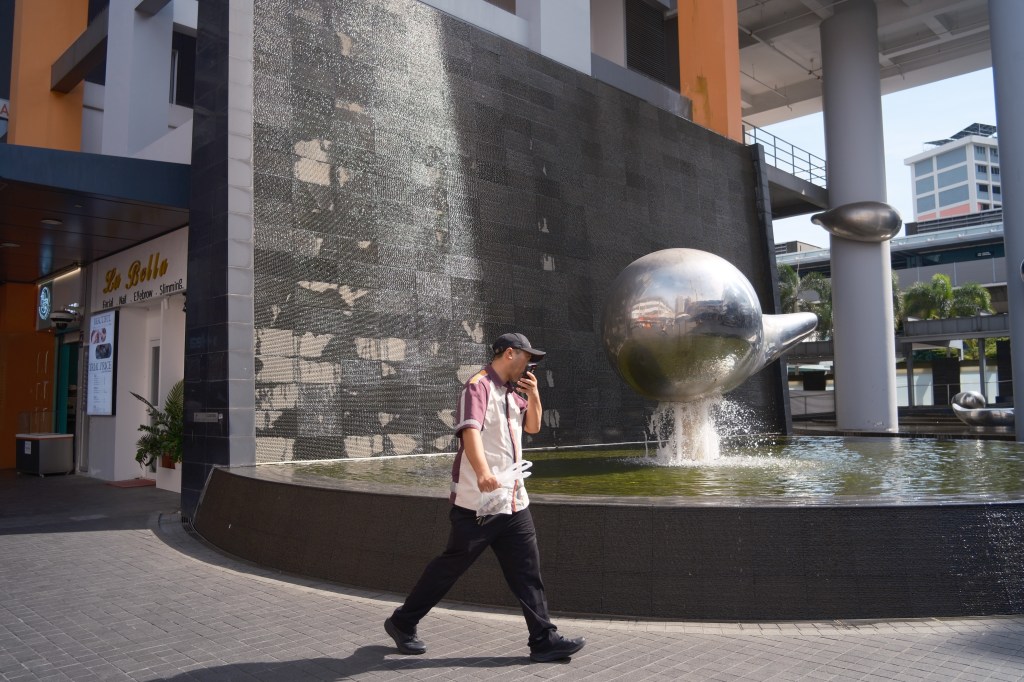
Fuji X-M5 . AstrHori 18mm f5.6 @ 18mm . f5.6 . 1/480″ . ISO 320 . Nostalgic Negative

For the image quality, I will break down the image performance into two parts: normal and shift shooting.

Normal shooting mode

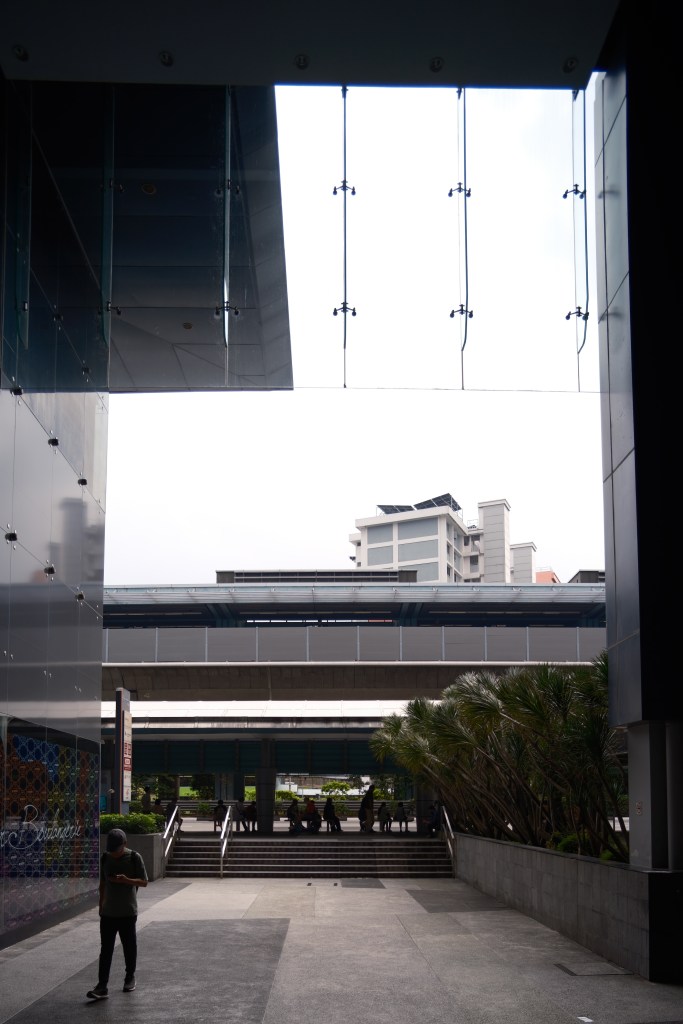
Image quality is surprisingly good, sharp enough with well-preserved contrast. Chromatic aberration is minimal, and vignetting is very well controlled, almost nonexistent.

Fuji X-E5 . AstrHori 18mm f5.6 @ 18mm . f5.6 . 1/180″ . ISO 125 . Nostalgic Negative

Shift shooting mode

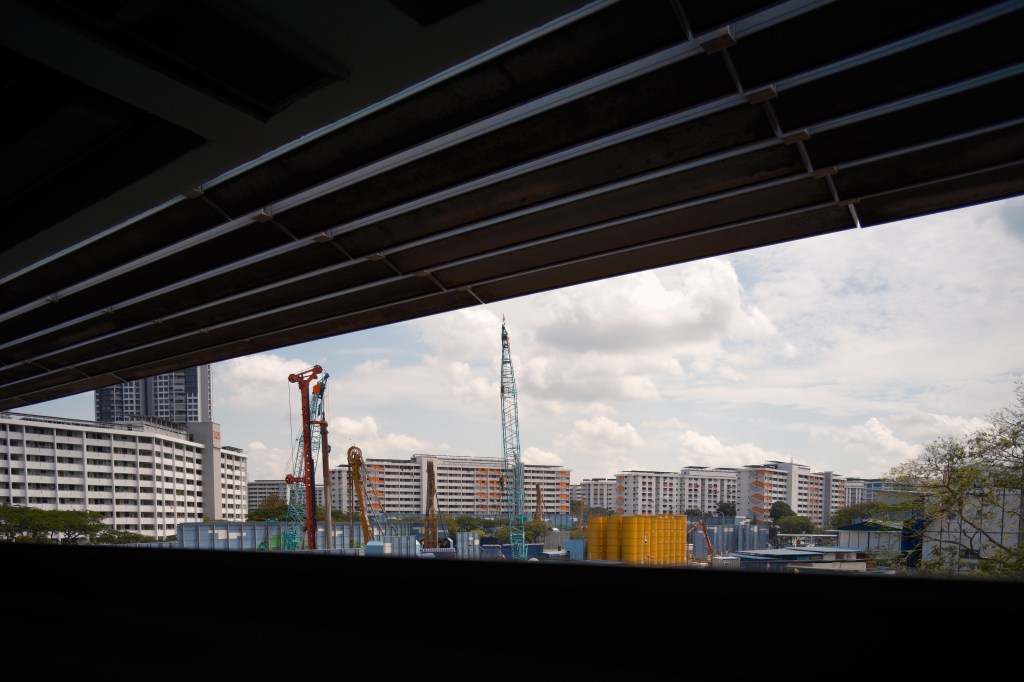
The AstrHori 18mm allows for a ±6mm shift range. Whether or not that’s a standard figure, it’s enough to make a noticeable difference. The perspective correction is clear and effective, with no visible loss in image quality.

Fuji X-E5 . AstrHori 18mm f5.6 @ 18mm . f5.6 . 1/1500″ . ISO 125 . Nostalgic Negative

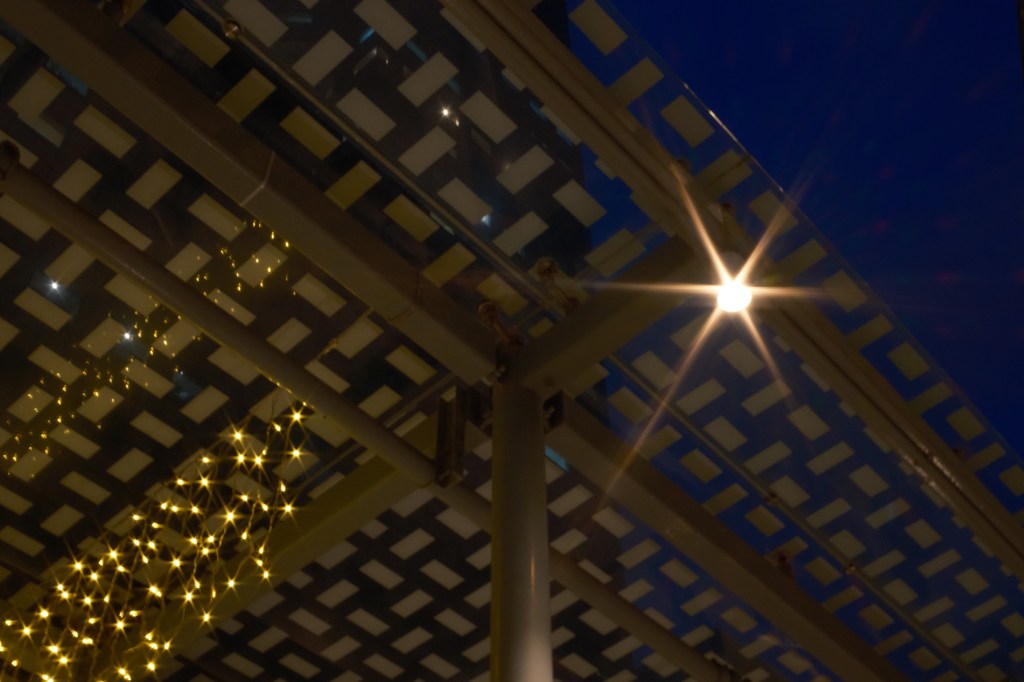
Since this lens does not come with a lens hood, we have to be mindful of the potential flare introduced into the photos.

Focusing

The focus throw spans about 170°, which gives you a good amount of precision for manual focusing. It’s smooth and consistent, exactly what you want for a lens like this.


Fuji X-M5 . AstrHori 18mm f5.6 @ 18mm . f5.6 . 1/125″ . ISO 2500 . Nostalgic Negative

Minimum Focus Distance (MFD)

With a minimum focus distance of 30cm, it’s not meant for close-up work. But that’s expected; this is a shift lens designed primarily for architecture and perspective correction, not macro photography.
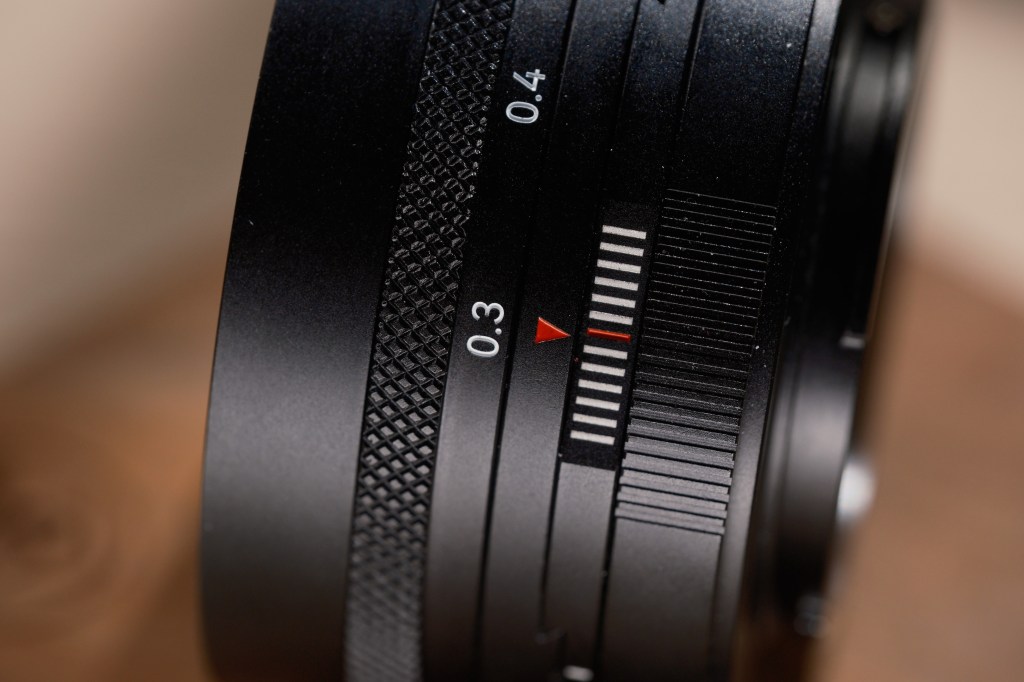

MFD at 30cm
Fuji X-E5 . AstrHori 18mm f5.6 @ 18mm . f5.6 . 1/80″ . ISO 2500 . Nostalgic Negative
Fuji X-M5 . AstrHori 18mm f5.6 @ 18mm . f5.6 . 1/125″ . ISO 320 . Nostalgic Negative

Price Point

At just USD 119, this lens is an absolute steal. It’s inexpensive enough to buy out of curiosity, experiment with, and maybe even surprise yourself with the results. For the price of a nice dinner, you can add a creative tool to your camera bag that might come in handy one day.

Fuji X-M5 . AstrHori 18mm f5.6 @ 18mm . f5.6 . 1/1100″ . ISO 320 . Classic Negative

Others

One thing to watch out for: be mindful of where your fingers rest when shifting the lens. The metal edges can be a little sharp, not enough to hurt, but enough to give you a surprise if you’re not paying attention. Hopefully, AstrHori smooths that out in the next version.

Sharp edges

The shift function works best when shooting upward or downward angles, like from the ground floor looking up at a building. If you’re shooting straight ahead, shifting mainly changes your framing rather than fixing distortion.


Fuji X-E5 . AstrHori 18mm f5.6 @ 18mm . f5.6 . 1/80″ . ISO 1000 . Nostalgic Negative

Who is this for?

While the primary audience is architectural photographers, the 28mm (full-frame equivalent) field of view and f5.6 aperture also make it a fun lens for street photography. And again, at USD 119, it’s an easy lens to buy as a gift, or just to satisfy your curiosity.


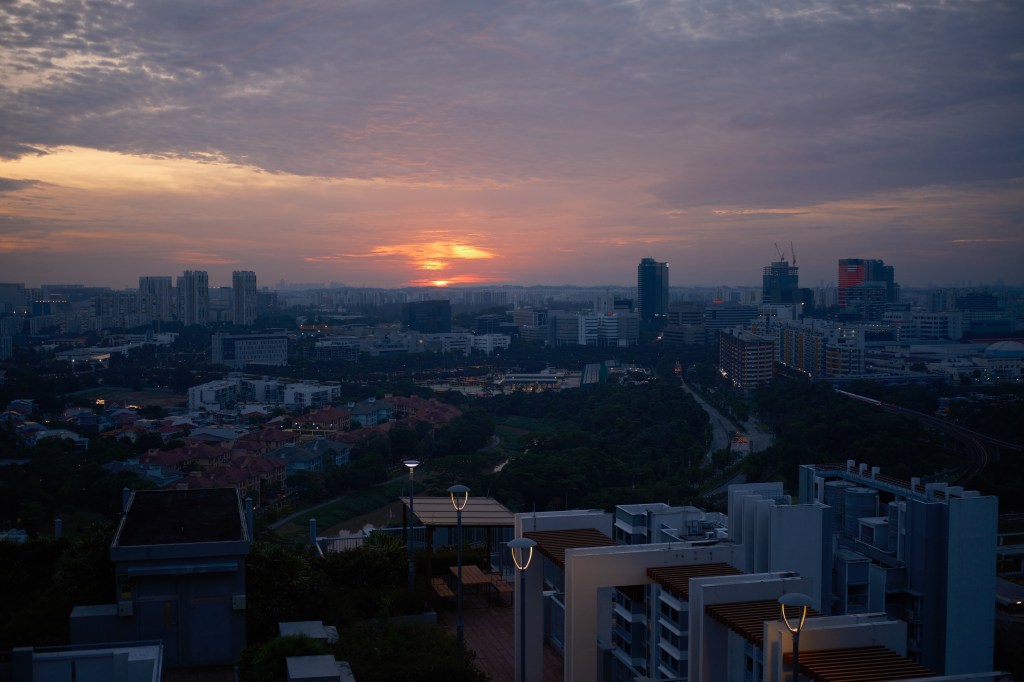
Fuji X-M5 . AstrHori 18mm f5.6 @ 18mm . f5.6 . 1/600″ . ISO 160 . Nostalgic Negative

Conclusion

Niche products like this are rare because most manufacturers won’t take the risk. So props to AstrHori for daring to do something different. The 18mm f5.6 Shift Lens is available in multiple mounts (E, L, and Z), opening up creative possibilities for photographers across systems.

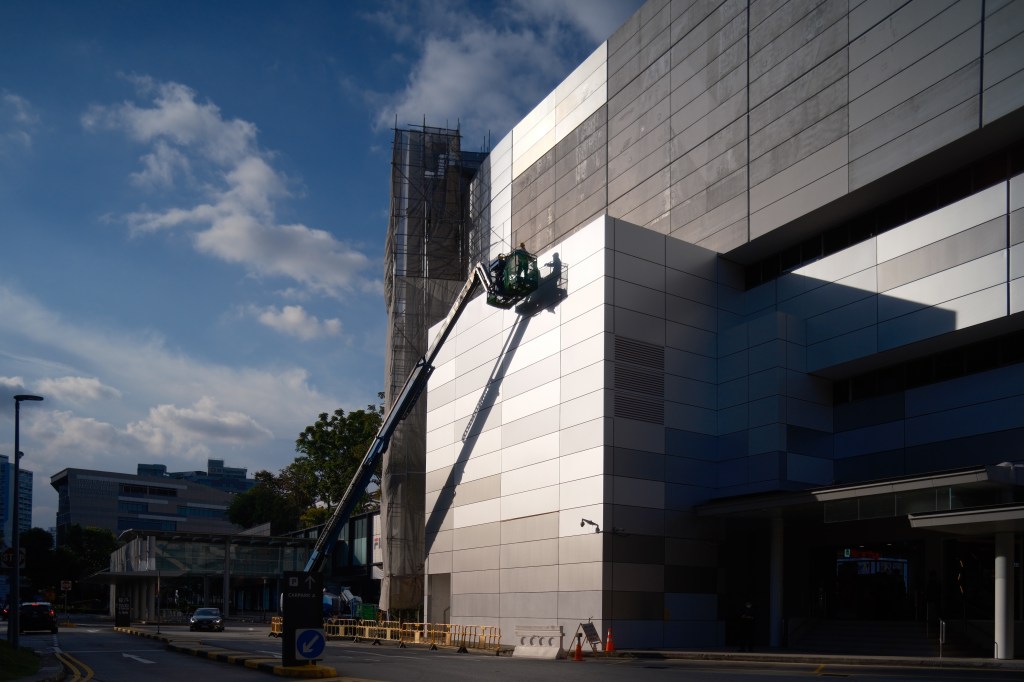
Fuji X-M5 . AstrHori 18mm f5.6 @ 18mm . f5.6 . 1/5″ . ISO 320 . Nostalgic Negative

It’s compact, affordable, and genuinely fun to use, proof that innovation doesn’t always have to come with a high price tag. Here’s hoping AstrHori keeps pushing boundaries with more unique releases, while continuing to refine their lineup of everyday lenses like the AstrHori 27mm f2.8.

Fuji X-E5 with AstrHori 18mm f5.6 shift lens

Thank you for reading.

Disclaimer:
1. All the shots taken here are shot by me.
2. Most of the shots are straight out of the camera with some shots edited via In-Camera Raw Processing.

3. The opinions are based on my experience. If there is any mistake, please kindly drop me a message and I will gladly make the amendment.
4. I reserve ownership of these images, if you wish to use my images, please notify me.
5. If you are interested in this lens and also wish to support me, this is the affilinate link to purchase.

If you like my works, please follow me on either one of the 2 Instagram accounts:

If you have a Facebook account, feel free to join Fujifanboys FB group.

If you like my content and you want to show some support and keep this blog alive, you can buy me a coffee here.

Reviews

AstrHori 27mm f2.8 – No Longer A Pancake

Suddenly, there seems to be another new hype for 27mm among third-party manufacturers. I have no idea why there are suddenly so many 27mm in the market again. If you are not familiar, Ulanzi and 7Artisans release the same 27mm f2.8 setup. (Just that Ulanzi only released it for the Sony E-mount.)

AstrHori 27mm f2.8
AstrHori 27mm f2.8

On a second note, you might realized that both 7Artisans and AstrHori shared very similar lens design with Jintu. You are not wrong. They are the same lens. Just rebranded. (However, we have no idea who rebranded from who. But does it matter?)

Intro

AstrHori 27mm f2.8 was announced back in November 2024. AstrHori isn’t a new player for this focal length, in fact, they had released two 27mm manual lenses before. So I suppose they have decided to go for an autofocus one after noticing some demands from the market.

AstrHori 27mm f2.8
AstrHori 27mm f2.8

Design and Build Quality

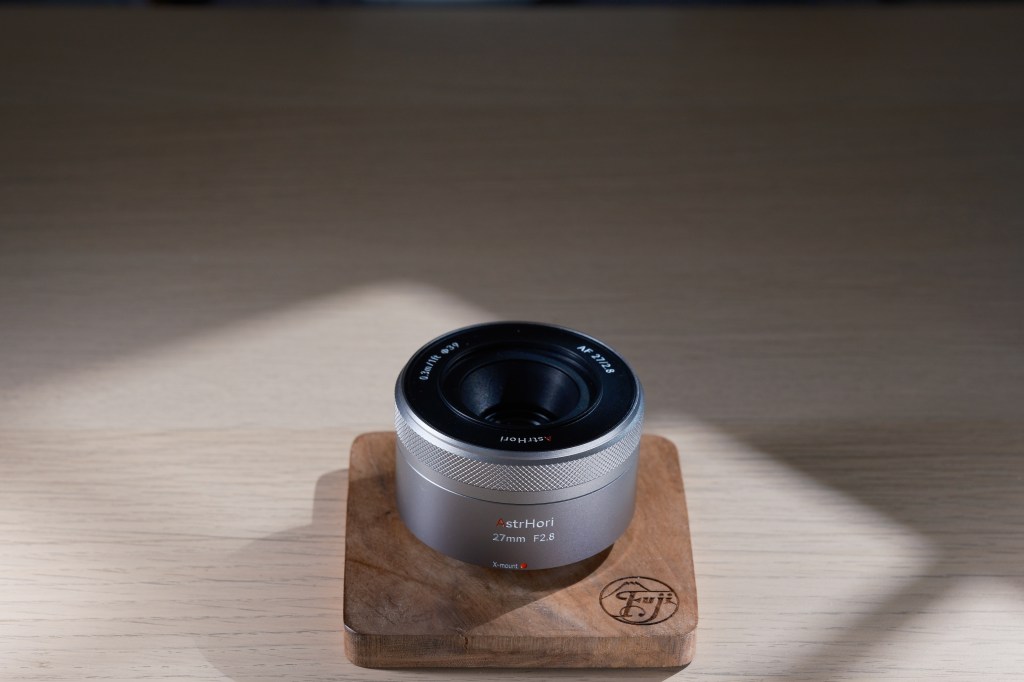
From the look, this lens is a simple, beautiful, and minimalistic. It comes with a simple textured manual focus ring for easy gripping. No lens hood is provided for the 39mm filter thread. It comes with 2 colors, black and titanium, which I think the later one do stand out a bit from the crowd.

Fuji X-M5 . AstrHori 27mm f2.8 @ 27mm . f2.8 . 1/680″ . ISO 320 . Classic Negative

When it comes to size, it is not the smallest 27mm lens in the market. In fact, it is not even the size of being a “pancake” lens. It is about 2x the size of the XF27mm f2.8. If in return, the

Fuji X-M5 . AstrHori 27mm f2.8 @ 27mm . f2.8 . 1/125″ . ISO 2500 . Classic Negative

The lens is metal-constructed, with decent built quality. At 165 grams, it is well-weighted and well-balanced on hand. If you are hoping this lens has a similar size to the XF27mm f2.8 WR, you might be disappointed as it is close to 2 times the thickness.

Image Quality

The image quality is noticeably better than that of TTArtisan’s offering. Not quite a fair comparison as the TTArtisan variant was released in 2022 and I believe the optical glass quality has improved over the years.

Fuji X-M5 . AstrHori 27mm f2.8 @ 27mm . f2.8 . 1/20″ . ISO 3200 . Classic Negative

While sharpness isn’t exceptional at wide open, it remains decent and perfectly usable. The lens also delivers pleasing contrast, and I didn’t encounter any significant chromatic aberration. Vignetting is present, but it can be corrected easily in post.

As for sunstars, they’re acceptable and considerably sharp or well-defined.

Fuji X-M5 . AstrHori 27mm f2.8 @ 27mm . f2.8 . 0.3″ . ISO 3200 . Nostalgic Negative
Fuji X-M5 . AstrHori 27mm f2.8 @ 27mm . f2.8 . 1/125″ . ISO 2500 . Nostalgic Negative

Focusing

The manual focus ring feels satisfying to use, with a textured surface that provides a smooth yet firm rotation.

Fuji X-M5 . AstrHori 27mm f2.8 @ 27mm . f2.8 . 1/125″ . ISO 800 . Nostalgic Negative

The autofocus speed isn’t particularly fast or snappy, but it delivers respectable performance and remains largely accurate. In my testing, the Stepper Motor (STM) handled low-light conditions without any noticeable issues, and most importantly, it is quite silent compared to other 27mm f2.8 variants.

Minimum Focus Distance (MFD)

On the bright side, the MFD is actually better (@30cm) than the XF27mm f2.8 WR and TTArtisan 27mm f2.8, at 34cm and 35cm respectively. Also, the good news is that the image quality remains the same.

Fuji X-M5 . AstrHori 27mm f2.8 @ 27mm . f2.8 . 1/125″ . ISO 800 . Nostalgic Negative

Price Point

Priced at 126 USD. It is probably the second cheapest 27mm autofocus lens on the market, the 7Artisans variant is now 110 USD. If every cent is considered in your budget, this is the most affordable 27mm lens to be considered.

Fuji X-T5 . AstrHori 27mm f2.8 @ 27mm . f2.8 . 1/80″ . ISO 400 . Nostalgic Negative

Others

Like most of the third-party manufacturers, it does come with a USB-C port for future firmware updates. But unlike most of them, the port is located right at the bottom of the lens barrel. The port does protected by a piece of rubber seal but it is not my most favourable one since the seal can be easily lost without being noticed.

Left to right: Viltrox 27mm f1.2, TTArtisan 27mm f2.8, XF27mm f2.8 WR, AstrHori 27mm f2.8

Oh yes, it comes with Sony E-mount and Nikon Z-mount too.

Who is this for?

The 40mm (full-frame equivalent) focal length tends to be a love-or-hate choice. This often comes down to two key factors: lens size and aperture. However, this particular lens isn’t designed to excel in either area. Instead, it’s aimed at photographers who want to experience the 40mm perspective without committing to a higher investment.

Fuji X-M5 . AstrHori 27mm f2.8 @ 27mm . f2.8 . 1/170″ . ISO 320 . Nostalgic Negative

Conclusion

Although this is a rebranded lens, its image quality is more than acceptable, with reliable sharpness and decent focusing speed. Considering the price point, there’s little to complain about.

Fuji X-T5 . AstrHori 27mm f2.8 @ 27mm . f5.6 . 1/220″ . ISO 640 . Nostalgic Negative

I’ve always admired AstrHori for producing unique and unconventional lenses that few other manufacturers attempt. That’s why I was surprised to see them release a focal length that’s already quite common in the market. Perhaps this is their way of balancing between offering distinctive, niche lenses and more conventional options.

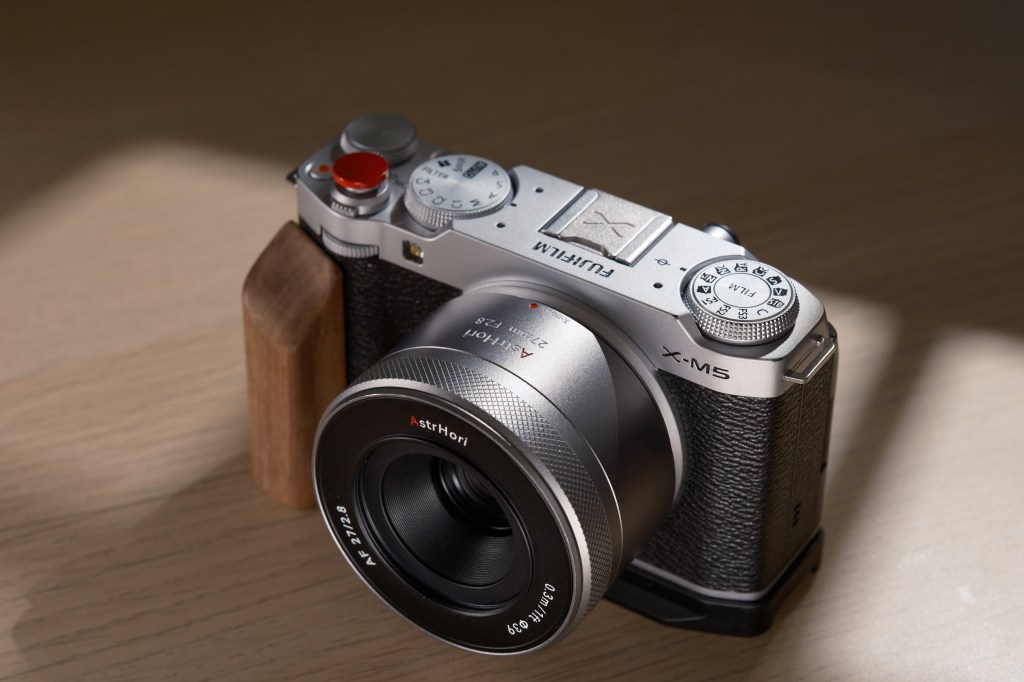
X-M5 with AstrHori 27mm f2.8
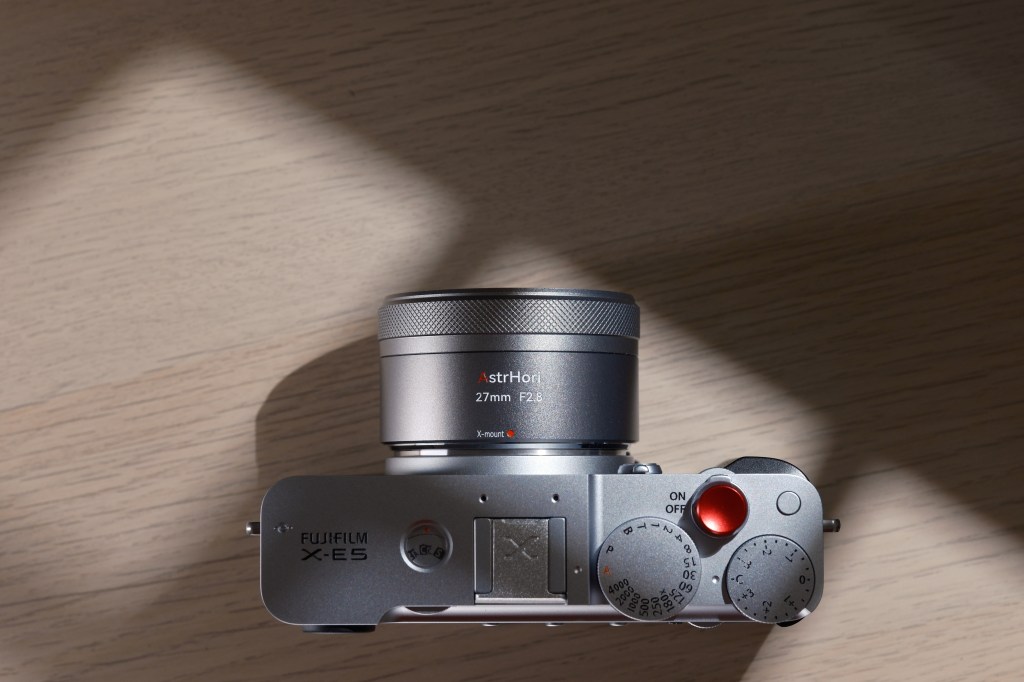
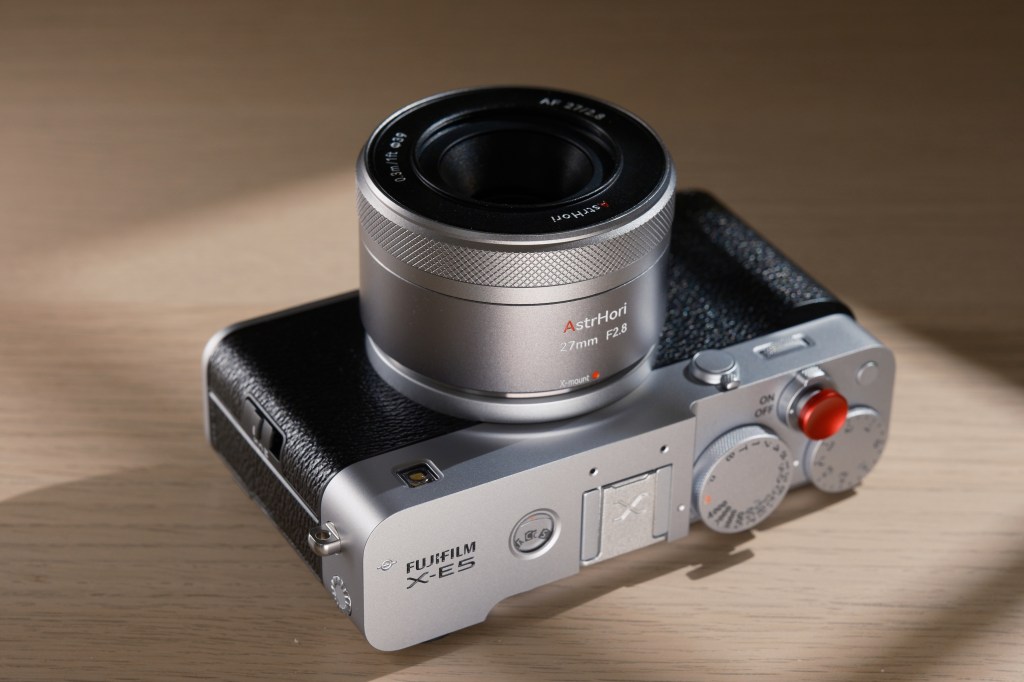
X-E5 with AstrHori 27mm f2.8

That said, I look forward to seeing Astrhori continue to grow, especially with more autofocus lenses in their lineup.

Thank you for reading.

Disclaimer:
1. All the shots taken here are shot by me.
2. Most of the shots are straight out of the camera with some shots edited via In-Camera Raw Processing.

3. The opinions are based on my experience. If there is any mistake, please kindly drop me a message and I will gladly make the amendment.
4. I reserve ownership of these images, if you wish to use my images, please notify me.
5. If you are interested in this lens and also wish to support me, this is the affilinate link to purchase.

If you like my works, please follow me on either one of the 2 Instagram accounts:

If you have a Facebook account, feel free to join Fujifanboys FB group.

If you like my content and you want to show some support and keep this blog alive, you can buy me a coffee here.
Reviews

AstrHori 50mm f1.4 Tilt – Tilting Around My World

The good people of AstrHori send me their 50mm f1.4 Tilt lens for review. I thank them for their kind support. It does help our Fuji community to have one more opportunity to learn about this lens.

AstrHori was founded in 2018 and it is one of the few manufacturers who is producing accessories and lenses for full-frame mount and also GFX GF mount. But this is not the story for today.

Before proceeding further, I would like to clarify that the lens has tilt capability only and is not what the packaging or the box suggests, i.e., TS (Tilt Shift). One interesting fact about this lens is that it is a full-frame lens but it is available in X-mount.

Intro

We have limited options when it comes to tilt lens (and tilt-shift lens is literally non-existence for the native mount). As far as I am aware, there are not many manufacturers producing tilt lenses. The first one is from TTArtisan 50mm f1.4 tilt and then followed by AstrHori 50mm f.14 tilt.

Fuji X-T5 . AstrHori 50mm f1.4 Tilt @ 50mm . f4 . 1/2700″ . ISO 125 . Nostalgic Negative – Tilt

AstrHori 50mm f1.4 tilt comes with various mounts such as RF mount, Z mount, E mount but it also comes in M43 and of course the X mount.

Design and Build Quality

The first thing you will notice about this lens is that it has a very unique lens design. This is unlike any other normal lens and also the tilt-shift lens you see in the market. Rather, it resembles much like the Lensbaby.

It weighs 340 grams, I can feel it is quite dense and solid metal built when holding it in my hand. I can say it has very impressive built quality.

Fuji X-T5 . AstrHori 50mm f1.4 Tilt @ 50mm . f1.4 . 1/80″ . ISO 400 . Nostalgic Negative

It has two mechanisms to perform the tilt effect. There is a lock near the rear lens mount where we have to rotate clockwise to unlock and allow the ball to rotate freely. After adjusting the ball to the desired position, lock it back and start shooting. Sounds easy in principle, but we need to spend some time getting familiar with its mechanism. There is also a zero-return line where we can return the lens to this position for normal mode.

AstrHori 50mm f1.4 Tilt – Zero-Return Line

When comes to the aperture ring, this 75mm (full frame equivalent) lens is smooth and clickless. Like other clickless aperture ring lenses, I miss the clicky one as it gives me a sense of satisfaction when changing the aperture value. But the texture on the aperture ring is comfortable to hold.

Oh yes, it comes with a nice 46mm filter size. Very good size for filter lovers. And for the lens cap, it’s a screw-on cap. Not the most convenient but it’s nostalgic!

Image Quality

Since this is the tilt lens, I will discuss the image quality in two different modes, normal mode, and tilt mode.

When comes to normal mode, the wide-open shots are usable but lacking of contrast. However, some softness, chromatic aberration, and glowing effects can be observed if shots are taken between 3 meters and the infinity focal range. Mild vignetting can be observed across all focal ranges at wide open. Of course, the image quality will improve when you choose an aperture value from f2.8 onwards.

Fuji X-T5 . AstrHori 50mm f1.4 Tilt @ 50mm . f1.4 . 1/80″ . ISO 500 . Nostalgic Negative

As for tilt mode, the result is very shallow, soft, and lack of contrast at wide-open and that is beyond my level of usability. In my opinion, aperture f4 or f5.6 achieve more usable results. Similar to the normal mode, softness, and chromatic aberration have the same characteristics at the same focal range.

Fuji X-T5 . AstrHori 50mm f1.4 Tilt @ 50mm . f1.4 . 1/170″ . ISO 125 . Nostalgic Negative

As for the sun star, it achieves a pretty good result.

Fuji X-T5 . AstrHori 50mm f1.4 Tilt @ 50mm . f16 . 1/125″ . ISO 125 . Nostalgic Negative

Focusing

The texture on the manual focus ring is the same as the aperture ring but it feels denier than the aperture ring when you rotate it. Having said that, it gives me a better-focusing control and also helps me to identify which ring am I. Also, it provides about 170° rotation from Minimum Focus Distance to Infinity.

Fuji X-T5 . AstrHori 50mm f1.4 Tilt @ 50mm . f1.4 . 1/14000″ . ISO 125 . Classic Negative – Tilt

Minimum Focus Distance (MFD)

Similar to most same focal length lenses, it comes with a 50cm MFD. Nothing to complain about because at least it is not more than 50cm.

Fuji X-T5 . AstrHori 50mm f1.4 Tilt @ 50mm . f1.4 . 1/80″ . ISO 160 . Nostalgic Negative

For shots taken at MFD and wide-open, it still has some softness and chromatic aberration, but maintains a good amount of sharpness and contrast.

Price Point

At 259 USD (199 USD on eBay), it belongs to the mid-tier price range one among the other manual lenses but given that it comes with 2 “types” of shooting experiences. I think it is still worth it.

Others

Like most modern manual lenses, you will get an off-focus shot at the infinity mark. With the help of focus-peaking, you can easily identify the right infinity shot.

Fuji X-T5 . AstrHori 50mm f1.4 Tilt @ 50mm . f1.4 . 1/300″ . ISO 125 . Nostalgic Negative

Who is this for?

Definitely, it is a good recommendation for photographers who want to try and explore shift lenses. And not forgetting that this 75mm (in full-frame equivalent) lens can be used for many other genres as well, especially portraits.

Fuji X-T5 . AstrHori 50mm f1.4 Tilt @ 50mm . f1.4 . 1/80″ . ISO 2500 . Nostalgic Negative

Conclusion

The tilt lens is niche but it comes in handy if you need one. Although it comes with a learning curve to use and understand how this shift lens works, I am sure you will be fine after getting hold of it.

And also, it is hard to come by to have a capable wide-open manual lens.

Thank you for reading.

Disclaimer:
1. All the shots taken here are shot by me.
2. Most of the shots are straight out of the camera with some shots edited via In-Camera Raw Processing and Capture One 2023.

3. The opinions are based on my experience. If there is any mistake, please kindly drop me a message and I will gladly make the amendment.
4. I reserve ownership of these images, if you wish to use my images, please notify me.

If you like my works, please follow me on either one of the 2 Instagram accounts:

https://www.instagram.com/alwinkok_

https://www.instagram.com/alwin.portraits

If you have a Facebook account, feel free to join Fujifanboys FB group.

If you like my content and you want to show some support and keep this blog alive, you can buy me a coffee here.