Before all else, I would like to thank Mr. Keitaro So, Divisional Head of Fujifilm for providing the loan for X-E4 and XF33mm F1.4. The units were loaned from Fujifilm Asia Pacific and had returned back to them.
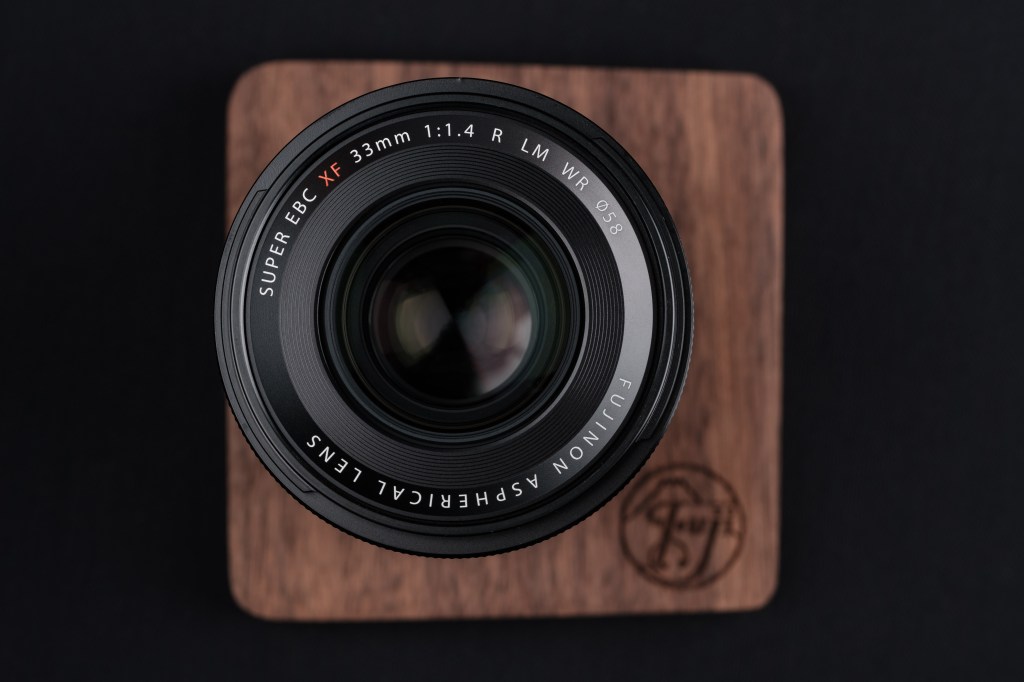
Fujifilm XF33mm F1.4Fujifilm XF33mm F1.4
Disclaimer: 1. All the shots taken here are shot by me. 2. Some of the shots are straight out of the camera while others are edited via In-Camera Raw Processing and Adobe Lightroom Classic. 3. I reserve ownership of these images, if you wish to use my images, please notify me.
XF35mm F1.4 is one of the “epic” lenses that Fujifilm ever created. On paper, it is not the perfect lens but to many photographers, it is much more than just perfect. I am one of them. XF33mm F1.4 is by no means to replace the magical characteristic of XF35mm F1.4. But I believe it will be the magical lens for the next decade.
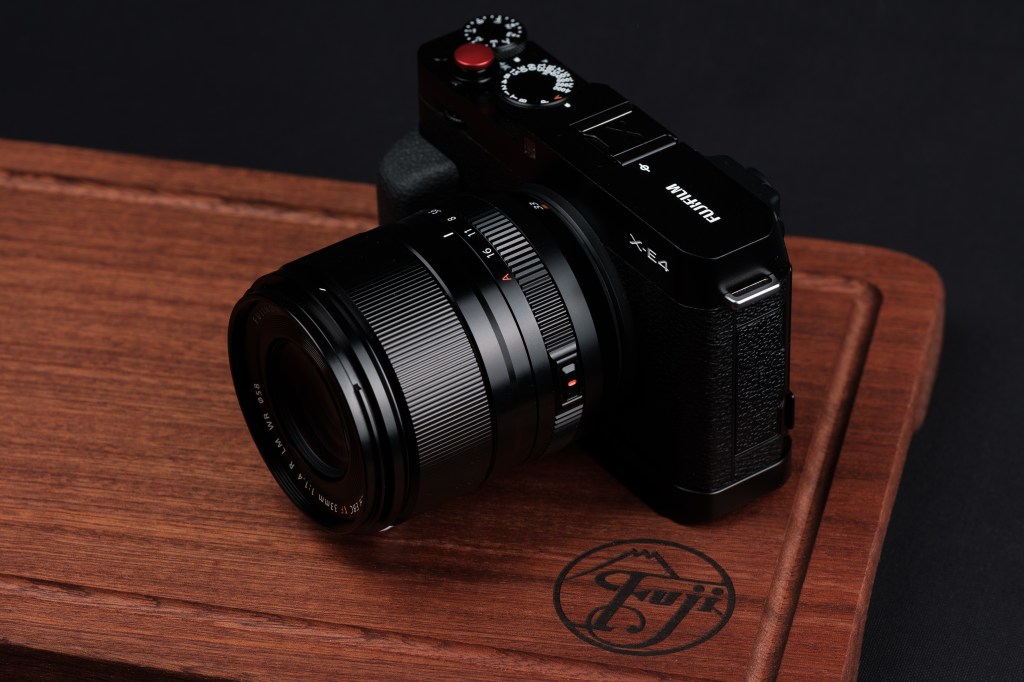
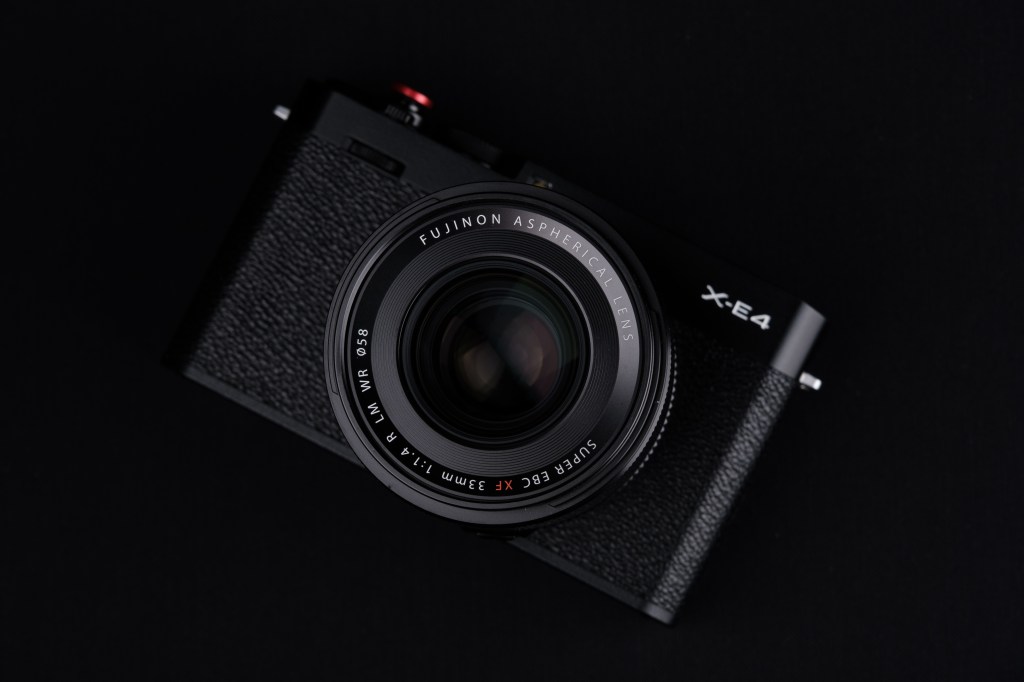
Fujifilm X-E4 with XF33mm F1.4Fujifilm X-E4 with XF33mm F1.4
In this review, I will discuss less technical and more on my personal experience with the lens itself. At the same time, as much as possible, I will try not to compare the XF33mm F1.4 with the XF35mm F1.4. It is not a fair comparison by any means. So I hope I can achieve a more independent review of this new lens.
One last thing before I start my review, here is my suggestion to all the X-E4 users. If you are interested to buy this lens after reading this review, I will recommend you to use an additional grip to have better overall balance when you equip this lens with your X-E4.
For a start, it is made in Philippines. But we should dismiss that the product is poorly produce if the product is made in other countries other than Japan. To be honest, this metal- built lens is fantastic and I can feel it is a great quality lens when I hold it in my hand. The manual focus ring has a gentle smooth rotation. The aperture ring has that same nice and gentle clicky feedback when you are rotating it. Like the newer lenses, it has also come with the “A” (Auto) position lock which locks the aperture ring and prevents any accidental movement. Also, it comes with a plastic hood instead of the metal square hood that XF35mm F1.4 has.
It comes with a 58mm filter size. The weight distribution throughout the lens is good and I can’t really tell it actually weighs 360 grams when I am holding it. There are some 3rd party lenses that are slightly lighter than this lens feel heavier.
Weather Resistant
Like all the new XF lenses, the XF33mm F1.4 also equips itself with the weather-resistant. This is a good direction from Fujifilm because it does help the photographer to have one thing to less worry about.
Fast, accurate, and silent are the 3 keywords that best describe this gem. It is probably one of the lenses that nail the subject so fast that I sometimes wonder if I have half-press the shutter. Even under dim light conditions, I did not notice the focusing speed slowing down at all.
I even test this lens with an X-E3 which has the previous generation X-Trans sensor. The lens performs is exactly the same as the one with X-E4. At least, I am not able to notice the difference in terms of speed.
The image quality coming out from this lens is absolutely stunning! The results coming out of this lens is incredibly crisp and sharp. Basically, I did not notice any flaw with these mind-blowing images.
The foreground and background blur fall off very smoothly, creamy, and gently. This is one of the nicest bokeh that I can recommend photographers to use this lens to shoot wide open. Besides that, I also hardly notice any distortion, vignetting, and obvious chromatic aberration.
This is one of my favorite parts because this is one of the features when I am looking for a lens. Its minimum focus distance (MFD) is 30 cm which is pretty impressive. I love to shoot close up for certain subjects and understanding the MFD of this lens will allow me to visualize what result I can achieve.
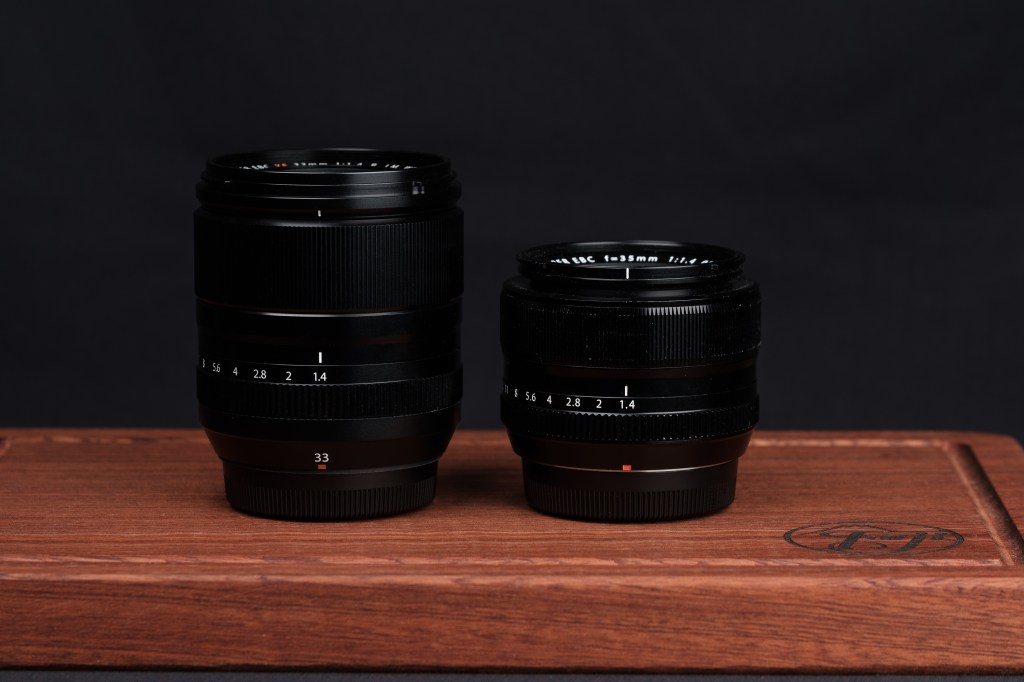
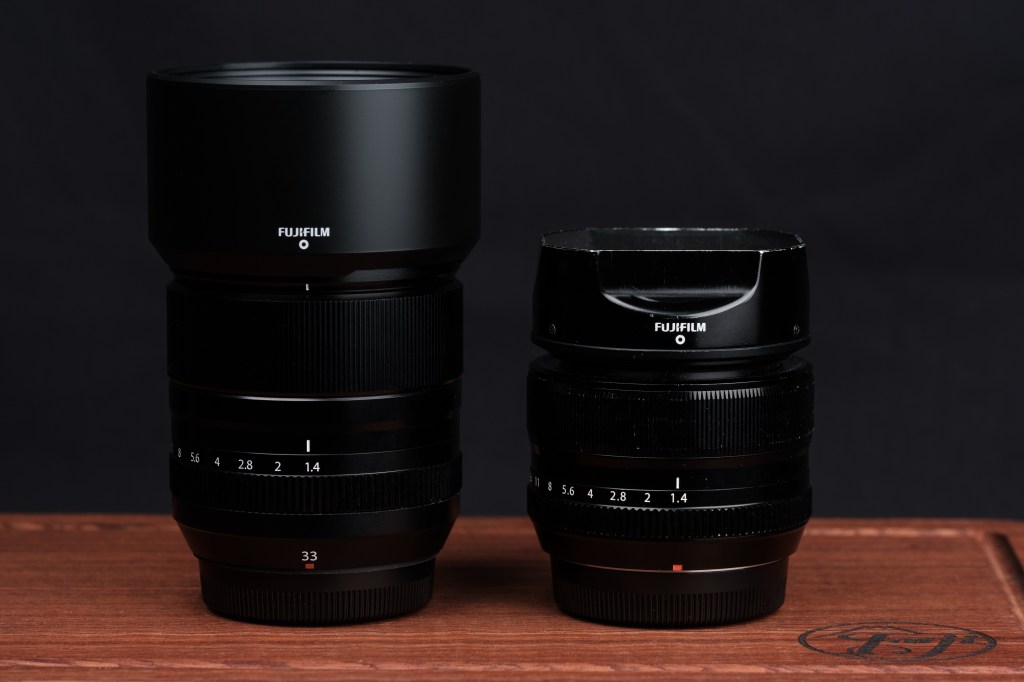
On photos, the XF 33mm F1.4 may look bigger than XF 35mm F1.4 but please do not deceive by its size. It is actually relatively small and compact when you look at it on its own. Nevertheless, the lens hood indeed makes the lens looks much taller than it is.
Fujifilm XF33mm F1.4 and Fujifilm XF35mm F1.4Fujifilm XF33mm F1.4 and Fujifilm XF35mm F1.4
Apart from that, XF35mm F1.4 is noisier, slower (depends on which camera body you are mounting with), and more retro style to me.
Who is this for?
XF35mm F1.4 is here to stay and will continue selling side by side with the XF33mm F1.4. Both lenses are fantastic and have their pro and con. As a wise photographer, you know what works best for you and your budget.
From my standpoint, if you do not own the XF35mm F1.4 and you are into street, documentary, and/or portrait photography, then the XF33mm F1.4 is a wiser choice to have. Its accuracy, fast focusing speed, and fantastic image quality are something that I think you will love it. Yes. it is more expensive but I think it is worth to be part of your arsenal.
If you own the XF35mm F1.4, it is really up to you if you want to sell it away and purchase this lens. Personally, I will keep my XF35mm F1.4 a little longer with me.
Conclusion
XF33mm F1.4 is really excellent and I am undoubtedly impressed by its optical and focusing performance. This lens also show how much effort are the engineers in Fujifilm had put in and raises the bar of what flagship APS-C lenses can be. If I have to point out the disadvantage of this lens, it will be the price of this lens. Like Mr Shinichiro Udono said in the X Summit, the XF33mm F1.4 should become Fujifilm new “epic” lens.
Before I begin, I would like to thank Mr. Keitaro So, Divisional Head of Fujifilm for providing the loan for GFX 50S II, GF 45mm, GF 50mm, GF 80mm, and GF 32-64mm. The units were loaned from Fujifilm Asia Pacific and had returned back to them by the time of releasing this review.
GFX 50S IIGFX 50S IIGFX 50S II
Disclaimer: 1. All the shots taken here are shot by me. 2. Some of the shots are straight out of the camera while others are edited via In-Camera Raw Processing and Adobe Lightroom Classic. 3. I reserve ownership of these images, if you wish to use my images, please notify me. 4. I have posted my preview photos in my previous post. You can see it here.
In my own words Allow me to start off with my conclusion to this review. GFX 50S II is set to be the cheapest medium format camera in the industry. Every camera does come with pros and cons and this camera sure has them too. Instead of making comments on why there is missing hardware or function in its gut, we have to really understand what really serves our needs, achieve our goal, and we have to ask ourselves if we can actually live with the cons.
GFX 50S II . GF 32-64mm F4 @ 64mm . f8 . 1/105″ . ISO 100 . Nostalgic NegGFX 50S II . GF 45mm F2.8 @ 45mm . f2.8 . 1/80″ . ISO 2000 . Nostalgic NegGFX 50S II . GF 32-64mm F4 @ 32mm . f8 . 1/105″ . ISO 200 . Nostalgic NegGFX 50S II . GF 32-64mm F4 @ 64mm . f4 . 1/1000″ . ISO 200 . Nostalgic Neg
I have had the opportunity to test out this beauty for merely 2 weeks. And in these 2 weeks of testing, I am flooded with stunning photos that this camera can give. This makes me believe that if you are someone who is looking for fantastic image quality but do not dare to tip your toe in the world of medium format because of the price, then this camera might be the one you are looking for. I am sure that you will be rewarded handsomely with the results from this medium format camera. If you are interested to find out why, please continue to read.
Left: GFX 50S II . GF 32-64mm F4 @ 64mm . f4 . 1/850″ . ISO 100 . Nostalgic Neg Right: GFX 50S II . GF 32-64mm F4 @ 64mm . f4 . 1/1600″ . ISO 200 . Nostalgic Neg
Introduction
Remember that GFX 50R was once the cheapest medium format camera? Now it is GFX 50S II. Fujifilm promise of making affordable medium format cameras and they still keep their promise. This also means there they are also creating more opportunities for more photographers to have a taste of what it is like to have the “more than full frame” experience.
GFX 50S II . GF 32-64mm F4 @ 64mm . f4 . 1/1300″ . ISO 100 . Nostalgic NegGFX 50S II . GF 32-64mm F4 @ 64mm . f32 . 1/125″ . ISO 320 . Nostalgic NegGFX 50S II . GF 32-64mm F4 @ 32mm . f4 . 1/500″ . ISO 200 . Nostalgic Neg
GFX 50S II . GF 32-64mm F4 @ 64mm . f4 . 1/170″ . ISO 200 . Nostalgic Neg
In this review, I am sharing more of my personal experience and not much on the technical side of this camera.
Design
It is actually the same as the GFX 100S. Every single bit of it is identical to its brother except for one thing. There is a label on the left of the camera to indicate it is a GFX 50S II. I quite like the look of it and I am happy that Fujifilm has brought the same look to the 50S II too.
GFX 50S II . GF 50mm F3.5 @ 50mm . f3.5 . 1/30″ . ISO 3200 . Nostalgic NegGFX 50S II . GF 80mm F1.7 @ 80mm . f1.7 . 1/450″ . ISO 200 . Nostalgic NegGFX 50S II . GF 32-64mm F4 @ 32mm . f4 . 1/90″ . ISO 3200 . Nostalgic NegGFX 50S II . GF 50mm F3.5 @ 50mm . f3.5 . 1/1500″ . ISO 200 . Nostalgic Neg
Handling
The weight and the build of this camera assure you that you are holding professional and quality workhorse gear. Although it weighs 900 grams, it comes with a comfortable handgrip. The grip is deep enough to allow you to hold the camera well and confidently with one hand. To be honest, I think the grip is even better than the DSLRs I had previously.
The Shutter
This is probably one of the most enjoyable and satisfying mechanical shutters I have experienced so far. When I click the shutter, I can feel the gentle mechanic shutter feedback it gives and also a sense of assurance that I have clicked the shutter. The shutter sound is actually considerably silent and hardly anyone else notices it when I shoot with it.
GFX 50S II . GF 50mm F3.5 @ 50mm . f3.5 . 1/340″ . ISO 100 . Classic ChromeGFX 50S II . GF 50mm F3.5 @ 50mm . f5.6 . 1/250″ . ISO 200 . Classic ChromeGFX 50S II . GF 50mm F3.5 @ 50mm . f3.5 . 1/125″ . ISO 2500 . Classic ChromeGFX 50S II . GF 50mm F3.5 @ 50mm . f5.6 . 1/125″ . ISO 400 . Classic Chrome
The Viewfinder & The LCD Screen
GFX 50S II is equipped with the 3.69M-dot OLED electronic viewfinder (EVF) with a magnification of 0.77x. Although it is not the best EVF I have tried, but it still gives me a comfortable viewing experience.
The LCD screen is my preferred kind of screen and this is one of the reasons why I do not upgrade my X-T3 to X-T4. I love and enjoy using this 3 ways tilted screen for my shooting. I am pleased that Fujifilm keeps this 3 ways tilted screen in their professional workhorse.
GFX 50S II . GF 80mm F1.7 @ 80mm . f1.7 . 1″ . ISO 3200 . Post-editedGFX 50S II . GF 50mm F3.5 @ 50mm . f3.5 . 1/320″ . ISO 1250 . Classic Chrome
GFX 50S II . GF 50mm F3.5 @ 50mm . f3.5 . 1/125″ . ISO 320 . Nostalgic Neg
Image Quality
This is really where the medium format sensor shines gloriously. My words might be over-exaggerating but this is my way of expressing how awesome it is. The bokeh really falls off nicely and renders smoothly. To be honest, the image result is quite distinguishable from other image sensor sizes.
GFX 50S II . GF 50mm F3.5 @ 50mm . f3.5 . 1/42″ . ISO 3200 . Nostalgic NegGFX 50S II . GF 50mm F3.5 @ 50mm . f3.5 . 1/100″ . ISO 3200 . Nostalgic Neg
Unless my photos happen to be slanted a little, I am not a person who loves to crop my photos. Nonetheless, this camera has a whopping 51 megapixels for me to experience the fun of cropping without sacrificing the details. The photos will speak for themselves. Frankly, I am stunned by the cropped results.
GFX 50S II . GF 50mm F3.5 @ 50mm . f3.5 . 1/125″ . ISO 200 . Classic ChromeGFX 50S II . GF 50mm F3.5 @ 50mm . f3.5 . 1/125″ . ISO 800 . Nostalgic Neg
GFX 50S II . GF 80mm F1.7 @ 80mm . f8 . 1/800″ . ISO 100 . Post-edited
Dynamic range is absolutely stunning and it can recover most of the data very well. Although the color might be off a little, I believe the professional should be able to recover the color back to the desired one easily.
GFX 50S II . GF 80mm F1.7 @ 80mm . f1.7 . 1/100″ . ISO 1000 . Post-editedGFX 50S II . GF 80mm F1.7 @ 80mm . f1.7 . 1/110″ . ISO 640 . Post-editedGFX 50S II . GF 80mm F1.7 @ 80mm . f1.7 . 1/80″ . ISO 500 . Post-editedGFX 50S II . GF 80mm F1.7 @ 80mm . f1.7 . 1/340″ . ISO 640 . Post-edited
Performance
Unlike the other medium format cameras I have played before, the focusing speed on this camera is incredibly fast and I have also experienced less hunting too. I think it has to do with the X-Processor 4 in its gut because I can hardly tell that I am shooting with a medium format camera.
But on a side note, I do experience somewhat slow focusing speed with the GF 80mm, probably unlike the other lenses, it lacks the Linear Motor (LM).
GFX 50S II . GF 50mm F3.5 @ 50mm . f4 . 1/150″ . ISO 100 . Nostalgic NegGFX 50S II . GF 50mm F3.5 @ 50mm . f3.5 . 1/27″ . ISO 3200 . Nostalgic NegGFX 50S II . GF 50mm F3.5 @ 50mm . f4 . 1/340″ . ISO 125 . Nostalgic Neg
When I first learned about the 50S II will be using the 4 years old 50S sensor (based on the year it went on sales), I give my disappointment. But on second thought, given that it is the cheapest medium format camera, the manufacturer has to reduce their cost somewhere. However, after using this camera, I dismiss my misconception that this sensor is “old” and “unusable”. Instead, this sensor still stays strong for at least another 5 to 10 years.
GFX 50S II . GF 32-64mm F4 @ 64mm . f4 . 1/125″ . ISO 320 . Nostalgic NegGFX 50S II . GF 32-64mm F4 @ 32mm . f5.6 . 1/200″ . ISO 200 . Nostalgic NegGFX 50S II . GF 80mm F1.7 @ 80mm . f1.7 . 1/4700″ . ISO 200 . Nostalgic Neg
GFX 50S II . GF 80mm F1.7 @ 80mm . f1.7 . 1/1300″ . ISO 200 . Nostalgic Neg
Since the 50S II uses the original 50S sensor, this also means that it comes with contrast detection only. Hence, it is missing the hybrid system with phase detection technology that most of the modern mirrorless camera has. Despite lacking phase detection, Fujifilm has actually reworked the algorithm and together with the new processing engine to improve the photographer’s overall shooting experience. In other words, the shooting experience is far better for 50S II than the 50S. In short, I have no problem shooting in most of the scenarios in my testing period.
IBIS
On paper, 50S II offers an incredible 6.5 stops of compensation. How does it translate into real-world usage? A successful 1-second handheld shot. Of course, it comes with a few tries before I manage to get a decent shot. This pretty much has become an achievement for me.
GFX 50S II . GF 50mm F3.5 @ 50mm . f6.4 . 1″ . ISO 100 . Nostalgic NegGFX 50S II . GF 50mm F3.5 @ 50mm . f9 . 0.8″ . ISO 100 . Classic Chrome
Feedback
Actually, I am struggling to say this but I do miss the retro dials that Fujifilm has in most of their X system cameras but they replace the dials with the top-panel status LCD. I am not saying it is bad because both of them serve their purposes well with useful information for individuals. But it is just me that I love those retro dials and I am going to miss them if I ever own one.
GFX 50S II . GF 45mm F2.8 @ 45mm . f5.6 . 1/900″ . ISO 200 . Nostalgic NegGFX 50S II . GF 32-64mm F4 @ 32mm . f8 . 14″ . ISO 100 . Nostalgic NegGFX 50S II . GF 45mm F2.8 @ 45mm . f11 . 1/280″ . ISO 100 . Nostalgic Neg
When I need to use the exposure compensation function, I need to press the exposure compensation button together with the rear command dial. This is different from the X-system I am using, where I can assign the exposure compensation function to the front command dial and use it straight away. It is a personal preference and personal habit and I hope that Fujifilm can allow users to have straight away access to the exposure compensation.
GFX 50S II . GF 45mm F2.8 @ 45mm . f2.8. 1/100″ . ISO 3200 . Nostalgic Neg
GFX 50S II . GF 45mm F2.8 @ 45mm . f5.6 . 1/125″ . ISO 2000 . Nostalgic Neg
GFX 50S II . GF 80mm F1.7 @ 80mm . f1.7 . 1/340″ . ISO 200 . Nostalgic Neg GFX 50S II . GF 80mm F1.7 @ 80mm . f2 . 1/125″ . ISO 1250 . Nostalgic Neg
Who is this for?
If you are thinking to purchase a full-frame camera but does not rely on fast burst rate for your shoot, you may consider this powerhouse in your next purchase. This camera is suitable for photographers who are looking to advance their image quality to the next level. Whether you are a landscape photographer, portrait photographer, documentary photographer, or travel photographer, by pairing with some decent GF lenses, I believe you can harness the power of GFX 50S II and enjoy every single moment of it.
GFX 50S II . GF 80mm F1.7 @ 80mm . f1.7 . 1/125″ . ISO 2500 . Post-editedGFX 50S II . GF 80mm F1.7 @ 80mm . f1.7 . 1/120″ . ISO 3200 . Post-editedGFX 50S II . GF 45mm F2.8 @ 80mm . f2.8 . 1/125″ . ISO 2500 . Post-editedGFX 50S II . GF 80mm F1.7 @ 80mm . f1.7 . 1/125″ . ISO 1250 . Post-editedGFX 50S II . GF 80mm F1.7 @ 80mm . f1.7 . 1/160″ . ISO 800 . Post-edited
If you are a commercial photographer, I believe you know what you need to deliver your jobs. So I leave it to you to decide.
Thank you for reading.
If you like my works, please follows me on either one of the 2 Instagram accounts:
It was a last minute arrangement with Mr. Keitaro So, Divisional Head of Fujifilm for providing the loan unit of GFX 50S II and 4 GF lenses (GF 45mm f2.8, 50mm f3.5, 80mm f1.7 and GF32-64mm f4). We discussed over the night and the gears are on my hands the very next day. I am very grateful to Mr. Keitaro So for the effort and time for this arrangement and support.
GFX 50S II . GF 45mm F2.8GFX 50S II . GF 45mm F2.8
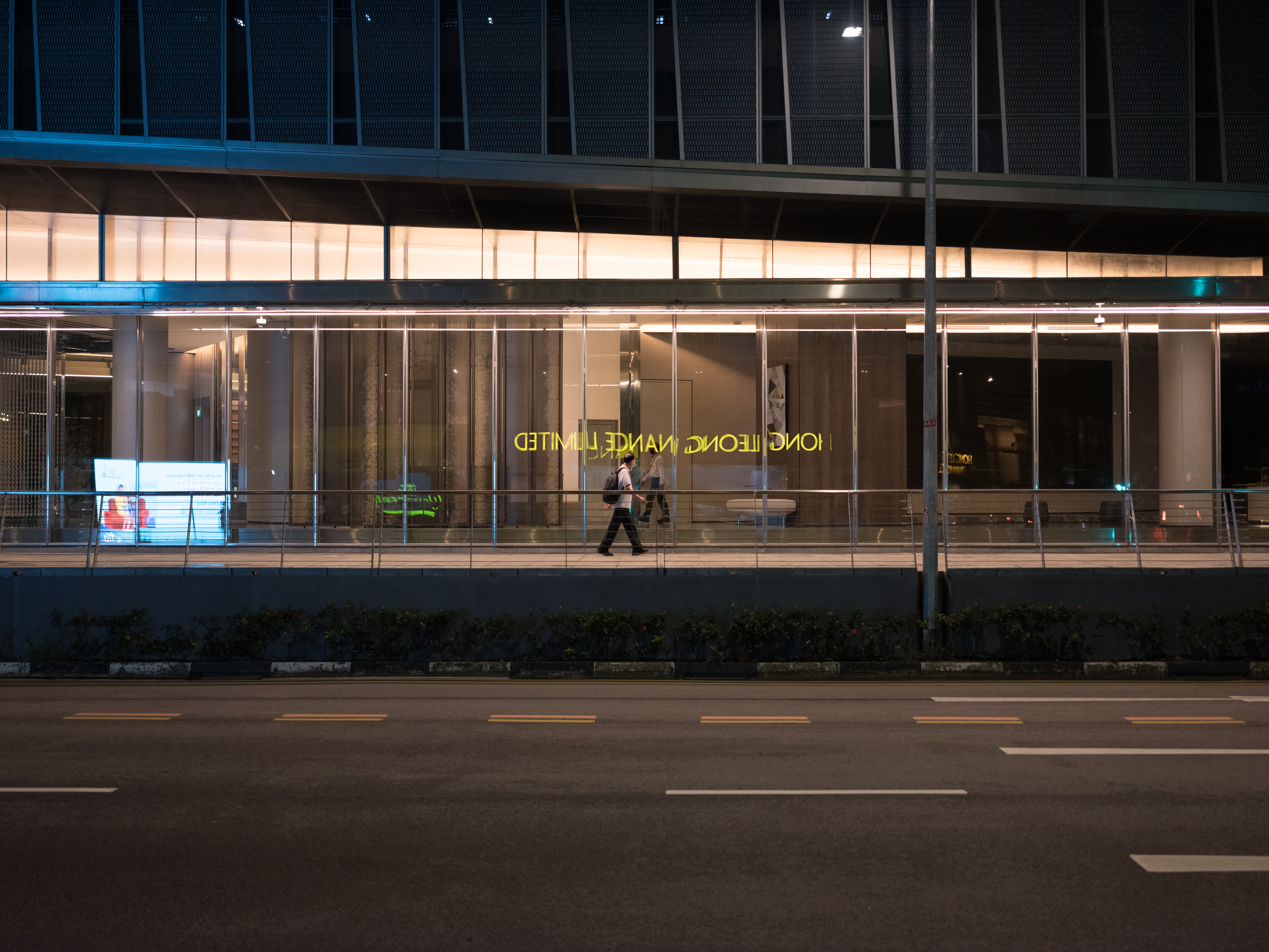
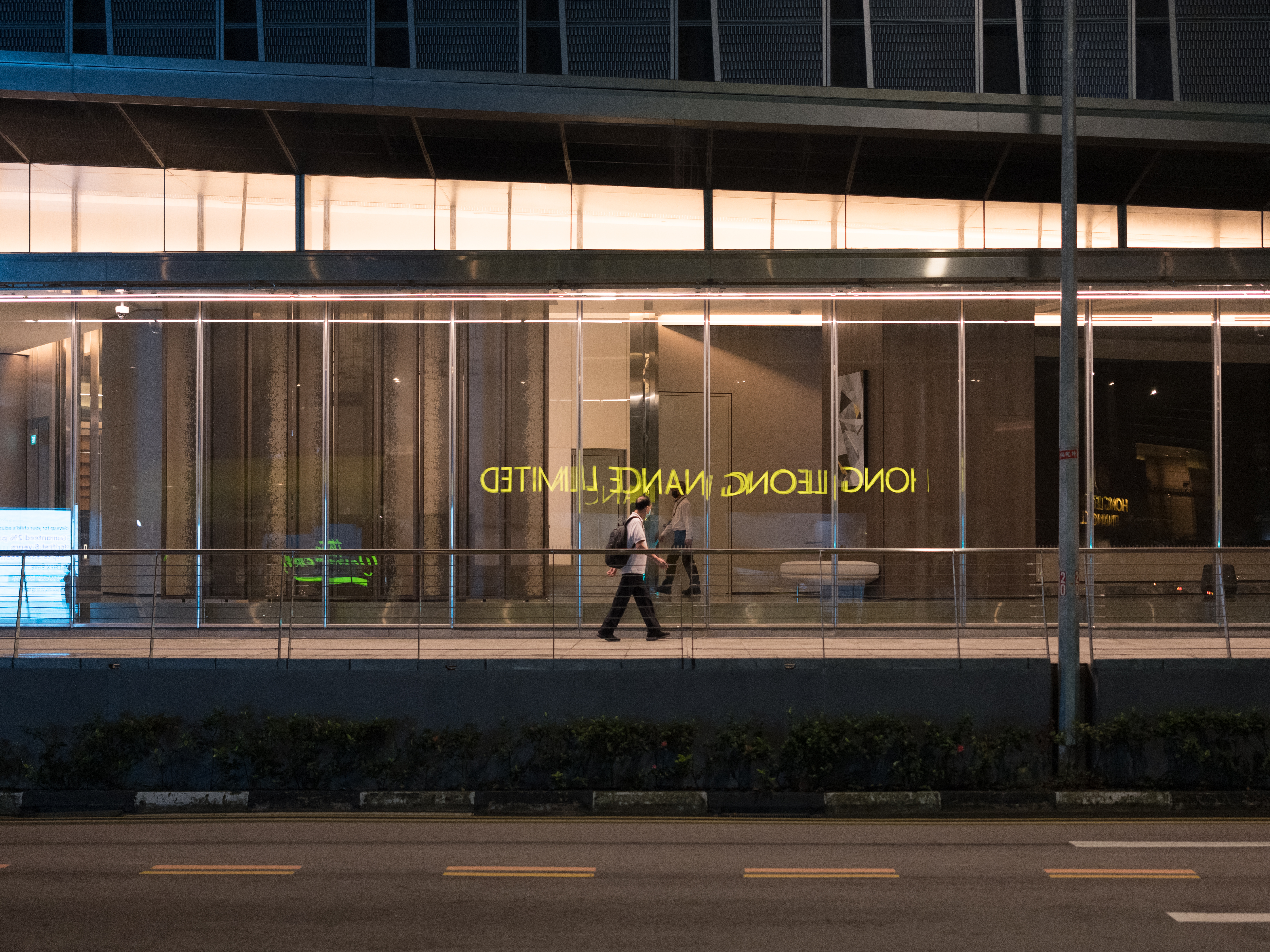
This is my first time holding the GFX camera and I happened to have a short staycation at Sofitel Singapore City Centre. So, I think this is a good opportunity for me to test out this large format camera.
GFX 50S II . GF 45mm F2.8
I will be sharing my full experience in another blog post and that will be available in a few weeks time. Meanwhile, I will not share too much about the details over here but photos!
Disclaimer: 1. All the shots taken here are shot by me. 2. All the shots are straight out of the camera with some shots are edited via In-Camera Raw Processing. 3. I reserve ownership of these images, if you wish to use my images, please notify me.
GFX 50S II . GF 45mm F2.8
GFX 50S II . GF 45mm F2.8
GFX 50S II . GF 80mm F1.7
GFX 50S II . GF 32-64mm F4GFX 50S II . GF 50mm F3.5
I think I can see the stars…
GFX 50S II . GF 50mm F3.5
Couples…
GFX 50S II . GF 50mm F3.5
GFX 50S II . GF 50mm F3.5
GFX 50S II . GF 50mm F3.5
GFX 50S II . GF 32-64mm F4GFX 50S II . GF 32-64mm F4
The Depth of Field is so impressive at F4.
GFX 50S II . GF 32-64mm F4
Flower on the pool…
GFX 50S II . GF 32-64mm F4
Can you see the man at work?
GFX 50S II . GF 32-64mm F4
GFX 50S II . GF 50mm F3.5GFX 50S II . GF 50mm F3.5
Morning sunrise…
GFX 50S II . GF 50mm F3.5
Breakfast at Racines.
GFX 50S II . GF 32-64mm F4GFX 50S II . GF 32-64mm F4
The only mini cooper I can afford.
GFX 50S II . GF 80mm F1.7
Thank you for reading.
If you need helps, you may direct message me in either one of the 2 Instagram accounts:
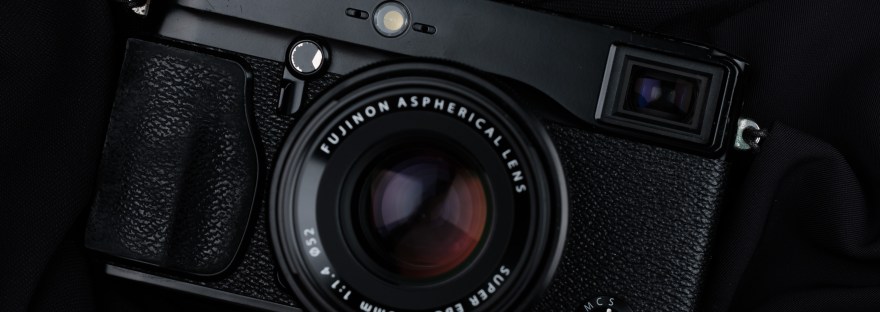
Since we are just a few months away from the year 2022, please allow me to jump into 2022 instead of 2021. First thing first, yes, you can still use it to shoot. A camera is a camera, it is still capable of doing what it is designed to do. What I cannot answer is whether it is still viable in the year 2022. I do not own the X-Pro1 but I managed to borrow it from a friend for about a month to have a total hands-on experience with this classic rangefinder every day. Why am I using X-Pro1? That’s because I come across friends asking me these questions many times:
Fuji X-Pro 1 . XF35mm F1.4
“I am on a budget and I am interested to start to learn photography, do you think X-Pro1 is worth getting it?”; or “Is X-Pro1 a usable camera as a second camera system?”.
Fuji X-Pro 1 . XF35mm F1.4
Unfortunately, I cannot share my opinion with my friends because I do not have one. Hence, I always recommend my friends to rent it from a camera rental store or borrow it from someone who has it for at least a week. And in this one week, he/she has to try to bring it with him/her and do some shoots every day. So that he/she can see what does this camera lacking for his/her shooting preferences.
But now, it is a whole new different story for me.
Disclaimer: 1. All the shots taken here are shot by me. 2. Most of the shots are slightly edited in Lightroom Classic to my preferences. Otherwise, the shots are straight out of the camera. 3. The opinions are based on my experience. If there is any mistake, please kindly drop me a message and I will gladly make the amendment. 4. I reserve ownership of these images, if you wish to use my images, please notify me.
A little of my Fuji history
My first interchangeable mirrorless camera was the X-T2 and then now X-T3 and X-E3. I have never held an X-Pro1 and shoot the outside world with it. That is why I am lacking experience with the first mirrorless camera from Fujifilm. How is the experience using it in the outside world? I was always told that the first generation was slow and sometimes the focusing can let one person frustrated, and the list goes on. I think this is a good opportunity for me to experience the good and the bad about this classic guy.
Before I start to share, I believe everyone is familiar with the X-Pro1. Thus, other than my experience, I will not share the technical specification.
Build Quality
When I hold this camera, the grip, the touch, and the weight of this camera give me a premium touch. I cannot believe this camera was made 10 years ago and the craftsmanship of this camera still looks amazing today. The dials and buttons feedbacks are great. I know some people do not like the ergonomic of the rangefinder-style camera but I quite like the ergonomic with it. Looking through the optical viewfinder is a joyful experience. It reminds me of the DSLR days but this experience is way better.
Fuji X-Pro1 . Fuji 35mm F1.4 @35mm . f2 . 1/125” . ISO 500 . Pro Neg HiFuji X-Pro1 . Fuji 35mm F1.4 @35mm . f2 . 1/125” . ISO 640 . Pro Neg HiFuji X-Pro1 . Fuji 35mm F1.4 @35mm . f4 . 1/1250” . ISO 1250 . Pro Neg HiFuji X-Pro1 . Fuji 35mm F1.4 @35mm . f16 . 1/125” . ISO 1600 . Pro Neg Hi
Shooting Experience …
For the shooting experience, I think it is good to split into 3 segments, the first is with the first generation Fuji lens and the second is with the Fuji newer generation lenses.
Fuji X-Pro1 . Fuji 35mm F1.4 @35mm . f2.8 . 1/1900” . ISO 200 . Pro Neg HiFuji X-Pro1 . Fuji 27mm F2.8 WR @27mm . f2.8 . 1/850” . ISO 200 . Pro Neg HiFuji X-Pro1 . Fuji 27mm F2.8 WR @27mm . f2.8 . 1/90” . ISO 3200 . Pro Neg HiFuji X-Pro1 . Fuji 27mm F2.8 WR @27mm . f2.8 . 1/450” . ISO 800 . Pro Neg Hi
i) With Classic Lens
I have one and only one classic lens and that is XF35mm F1.4. It is one of my most favourite lenses in my whole entire Fujifilm line-up. Needless to say, the combination of both XF35mm F1.4 and the X-Pro 1 is incredibly beautiful and it seems that they are a match made in heaven. From the moment I start to focus on an object, I finally know what do people meant by slow. The focusing really takes a longer time than the current newer Fuji cameras to lock onto the subject. There is some focus hunting. Sometimes I even encounter this during broad daylight, not to mention how bad it can be under challenging light conditions. Despite the worse, I still can bear with it and get the shot I want. Patience is the key.
Fuji X-Pro1 . Fuji 27mm F2.8 WR @27mm . f2.8 . 1/125” . ISO 800 . Pro Neg HiFuji X-Pro1 . Fuji 27mm F2.8 WR @27mm . f2.8 . 1/125” . ISO 1000 . Pro Neg HiFuji X-Pro1 . Fuji 35mm F1.4 @35mm . f2 . 1/125” . ISO 800 . Pro Neg HiFuji X-Pro1 . Fuji 27mm F2.8 WR @27mm . f2.8 . 1/1000” . ISO 400 . Pro Neg Hi
ii)With Newer Lenses
I have tried with a few newer generation lenses such as XF18mm F1.4, XF23mm F2, XF27mm F2.8 WR, and XF70-300mm F4-5.6. To my surprise, they do not give the same slow focus experience like the XF35mm F1.4 does. But rather, in my opinion, they do give a faster focusing lock and less focus hunting.
Image Quality
I have nothing to gripe about when comes to image quality. Coming out from the X-Trans first-generation CMOS sensor, the result is really impressive. From 100% viewing with the Lightroom Classic, the details are well preserved. Another surprise for me is that the dynamic range is decent too, it is capable of recovering quite an amount of details with the post-processing.
Fuji X-Pro1 . Fuji 27mm F2.8 WR @27mm . f2.8 . 1/280” . ISO 800 . Pro Neg HiFuji X-Pro1 . Fuji 27mm F2.8 WR @27mm . f2.8 . 1/55” . ISO 3200 . Pro Neg HiFuji X-Pro1 . Fuji 27mm F2.8 WR @27mm . f2.8 . 1/200” . ISO 800 . Pro Neg Hi
The Drawbacks:
I have a few drawbacks to share but these are based on my own preference and it may not be a drawback for you in your preference.
i) Front Command Dial
What I miss the most is the Front Command Dial and X-Pro 1 do not come with it. I usually use it for changing my exposure compensation and scroll through photos, etc, which I had gotten used to with the newer camera bodies.
Fuji X-Pro1 . Fuji 35mm F1.4 @35mm . f8 . 1/320” . ISO 200 . Pro Neg Hi
Fuji X-Pro1 . Fuji 23mm F2 @23mm . f2 . 1/20” . ISO 3200 . Pro Neg HiFuji X-Pro1 . Fuji 23mm F2 @23mm . f2 . 1/125” . ISO 1600 . Pro Neg Hi
Fuji X-Pro1 . Fuji 35mm F1.4 @35mm . f2.8 . 1/125” . ISO 320 . Pro Neg Hi
ii) Exposure Compensation Dial
In order to use the Front Command Dial, I set this exposure compensation dial to Custom (C). Unfortunately, this camera does not have the C in the dial.
iii) Using Fuji Remote App
Yes. This app gives me minor problems such as unstable network connectivity and file transfer connectivity. But it still comes in handy when I wish to transfer photos from camera to mobile phone and doing shooting via remote control. Since this camera does not come with Wi-Fi or Bluetooth module, that also means I need to go through the old-school way of file transferring.
I test the focus peaking with TTArtisan 17mm F1.4 and the result is awesome. There is no complaint about the image quality. The problem that I have is that I am too relying on the “Red” or “Blue” as my focus peaking highlight whereas X-Pro1 only comes with “High” and “Low” options. While it is not something that is not difficult to use, it is just personal preference.
v) The Menu System
The menu system from this rangefinder is not difficult to use, however, the current menu system is way better. I did use the old menu system before with my X10 but I am so used to the current menu that I feel a bit lost to use the old one. Again, this is about adaptability.
Fuji X-Pro1 . Fuji 27mm F2.8 WR @27mm . f5.6 . 1/3200” . ISO 400 . Post-editedFuji X-Pro1 . Fuji 35mm F1.4 @35mm . f2 . 1/125” . ISO 2500 . Pro Neg HiFuji X-Pro1 . Fuji 23mm F2 @23mm . f2 . 1/320” . ISO 640 . Pro Neg Hi
vi) The Little Focus Stick
Some people hate it, some people love it and I belong to the latter. In fact, I use it more often than the 4 directional buttons, also known as selector buttons. Whenever I try to navigate the menu system, my thumb will unknowingly move to where the focus stick position is. Then I only realize that this camera does not equip with it when I try to push the “stick”.
vii) The In-Camera Raw Processing
The newer lineup of Fujifilm cameras comes with a good suite of film simulations and basic editing tools to do some simple post-processing or fine-tune your photos, so you can share them with your family and friends immediately.
I love to use this function, especially when I can make some fine adjustments inside the camera during commuting or between breaks. However, the raw processor included in this first generation is rather slow. But if you want to do some simple post-processing in the camera, you can still do it.
It is a good camera with minor drawbacks. 16 megapixels (mp) is certainly enough for the magazine size print and more than enough for your social media sharing. I am totally fine with 16mp as I hardly crop my photos by a lot. So should I get one? Probably not the X-Pro 1. Don’t get me wrong. This camera is still capable of shooting amazing shots. Having said that, I might consider getting a used X-Pro2 instead of X-Pro 1. That is because X-Pro 2 at least eliminates my drawbacks. (Sorry for the disappointment.)
To answer both questions stated in my second paragraph. If you do not mind the drawbacks that I have mentioned, you can get one for your photography learning adventure or for a second camera system. I always prioritize great quality lenses first over the camera body. Hence, pick up one or two good primes lenses (or zoom lens if you prefer) together with this camera.
In My Own Words
The evolution of the technology in the camera industry has been improving from time to time. I always think of the longevity of the camera technologies one can optimize with. When I am purchasing a camera, I will weigh the cost and the longevity for myself. As this X-Pro1 is hitting its 10 years mark in 2022, this also means the technology inside its gut is 10 years old too. I’m not saying this camera cannot be used. But what I am suggesting is that if one person is to invest in a camera system, probably can consider cameras that launch in recent years. At least you can stop “chasing” after a newer camera when you get the more recent one. If brand new is not an option, you can also consider getting the pre-owned newer camera models at a better and affordable price point.
Thank you for reading.
If you need helps, you may direct message me in either one of the 2 Instagram accounts:
Recently, I have written a short review on the TTArtisan 7.5mm F2 lens and I have had this TTArtisan 50mm F1.2 with me for about 6 months now. So I think it should be nice to share my opinion with this lens as well.
I am no stranger to a 50mm (75mm in 35mm equivalent) focal length. My second prime lens from Fujifilm is an XF50mm F2 lens and I have been using it for quite a long time. And I have also had some hands-on experience with the XF50mm F1 lens before. The reason why I bought this lens is because I am very interested in the usability of the fast aperture it offers with just USD 98.
Disclaimer: 1. All the shots taken here are shot by me. 2. Some of the shots are slightly edited in Lightroom Classic to my preferences. Otherwise, the shots are straight out of the camera. 3. The opinions are based on my experience. If there is any mistake, please kindly drop me a message and I will gladly make the amendment. 4. I reserve ownership of these images, if you wish to use my images, please notify me.
TTartisan 50mm f1.2
About The Lens
The build quality is fantastic. Again it is TTArtisan quality standard for such a sturdy build. It is heavy (at 336 grams) for a manual lens like this and it seems to be common thing among the manual lens manufacturers. To give you some sensing about its weight. It is 68% heavier than Fuji 50mm F2 (200 grams), it is about 20.5% lighter than Fuji 56mm F1.2 (405 grams) and it is about 250% lighter than Fuji 50mm F1 (845 grams). Do you think the weight is acceptable for you?
The aperture ring rotates the opposite of the Fujifilm lenses. So take note of it when you are changing the aperture without looking at it. Apart from this, the aperture ring gives you a very satisfying clicky experience when you rotate it. Besides that, the manual focus ring also gives you nice rotating friction when you turning it. The full rotation from 0.5 meters to infinity focus is 180°.
Like most of the other TTartisan lenses, this lens does not come with any lens hood but it comes with screw-in lens caps. In my opinion, for a lens to be this cheap, they have to lower down the cost somewhere and this is where it is. By the way, this lens is not weather-resistant and I do not think it is necessary.
Fortunately, this lens comes with a common filter size of 52mm, and if you need a lens hood for this lens, I think it is easy to source for a third-party one.
At aperture F1.2, it does give you a good shallow depth of field, soft-focus feel but it is also easily prone to a small amount of chromatic aberration. It has 10 diaphragm blades which allow a creamy and nice fall-off between the subject and the background. But I prefer how the results look at F2 because it gives a good balance of the overall sharpness and blur background.
The Minimum Focus Distance (MFD) is 0.5 m, which in my opinion is not the closest I have experienced with for this focal length. In comparison, it is better than XF50mm F1 (MFD at 0.7 m) but not as good as XF50mm F2 (MFD at 0.39m). But does it really matter? It depends on individual usage, but nevertheless, it can separate the main subject with decent blur background.
Like all other 50mm lenses, this lens is also suitable for portrait shoots. I have tried both outdoors and studio shoots and I have no complaints about using this lens on both shoots. The sharpness and the details are well-preserved.
Fuji X-T3 . TTartisan 50mm F1.2 @50mm . f2 . 1/750” . ISO 160 . Classic Chrome (lens flare on the bottom left)
I cannot say I have 100% perfectly sharp focus on the models for all photos I have taken. I do have some missed focus shots which is probably a slight movement from the model or myself. Luckily, there is a focus peaking function in modern mirrorless systems which helps me reducing the focusing errors a lot.
If you are the type of street photographer who wishes to stay at a certain distance away from the subject (i.e. not to distract the person or you are not comfortable shooting close to the person), this focal length is really suitable for you.
Furthermore, when you get used to manual focusing, using this lens for the street shoot is actually a fun experience.
Before I give my suggestion, let me emphasize that this is not a lightweight manual lens. The weight of this lens is on par with most of the Fujifilm ultra-fast prime lenses (exclude XF35mm F1.4). But it is way cheaper than any of the Fujifilm ultra-fast prime lenses available on the market.
If you are a photographer who is curious about the full manual lenses and wish to have the experience of using them, you can choose to buy this or the TTArtisan 35mm F1.4 (although the latter is much lighter and more portable).
If you are a photographer who needs an ultra-fast prime lens like this focal length for the casual shoot (not limited to any genres) but on a tight budget, you may consider getting this lens to be part of your arsenals.
If you are a photographer who needs it for a paid assignment, I probably will not recommend this. Unless you know what you are doing, and if it is a statics work like studio photography, then I think you can give it a try and having your autofocus lens(es) standby with you. If the paid assignment is covering an event such as a wedding, then you cannot have my recommendation and I believe you know why.
This is TTArtisan’s second released APS-C lens and it does wow me with everything it can offers. The image quality is decent but it does have some lens flare if you are facing the sunlight.
Yes. it has its flaws but the image coming out from this piece of glass is fantastic and hence this is already exceeded my expectation for a USD 98 lens. For this price range, I cannot find any other manufacturers which are as good as this modern manual lens is.
First and foremost, I would like to thank TTArtisan for inviting me to review this lens and it is my privilege to do so. Nevertheless, you can rest assured that this review will not be biased and it is purely in my own opinion.
Disclaimer: 1. All the shots taken here are shot by me. 2. Some of the shots are slightly edited in Lightroom Classic to my preferences. Otherwise, the shots are straight out of the camera. 3. The opinions are based on my experience. If there is any mistake, please kindly drop me a message and I will gladly make the amendment. 4. I reserve ownership of these images, if you wish to use my images, please notify me.
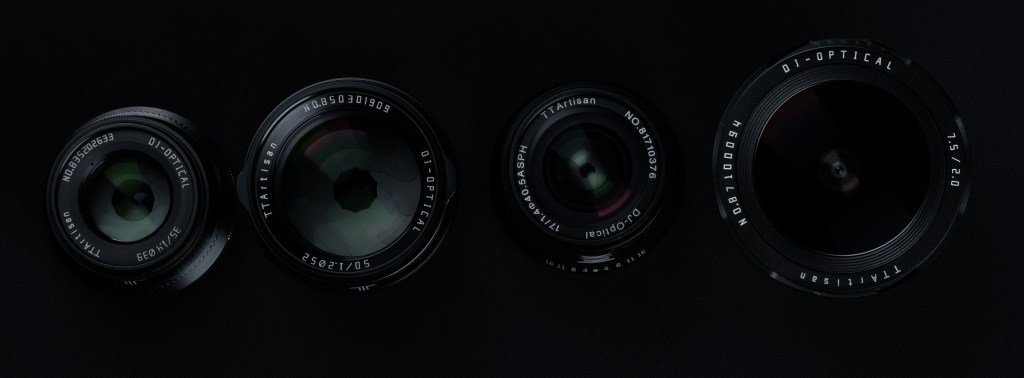
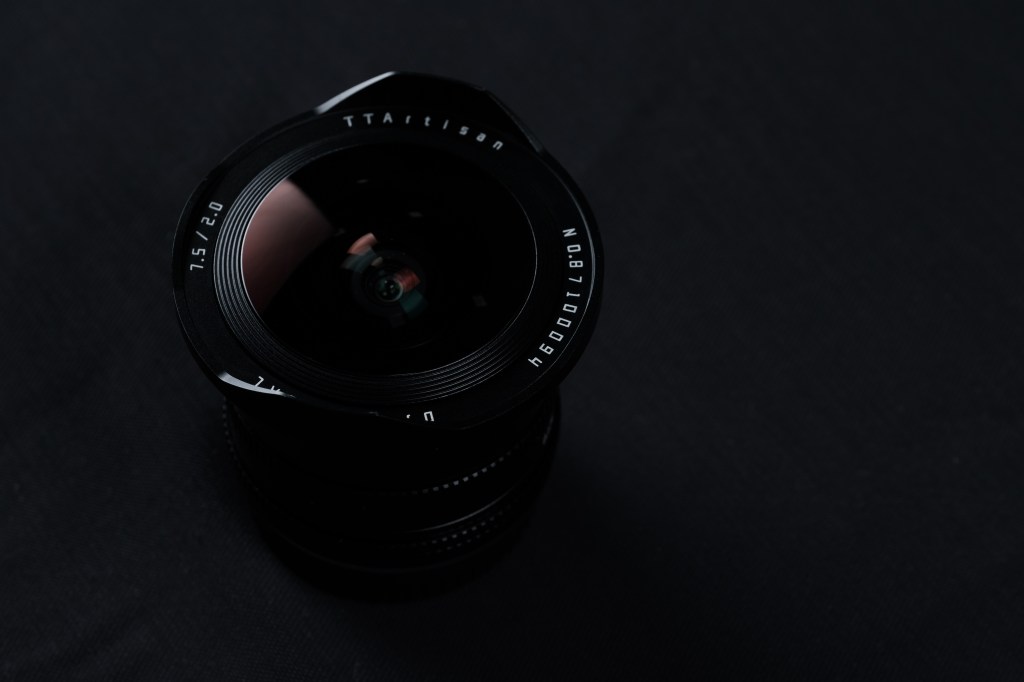
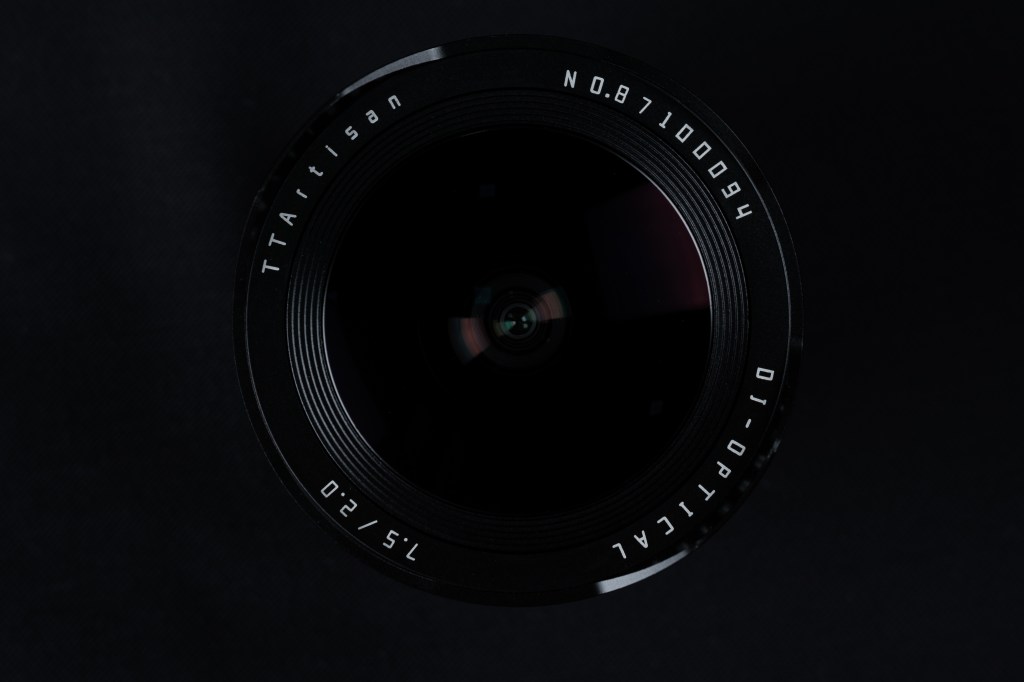
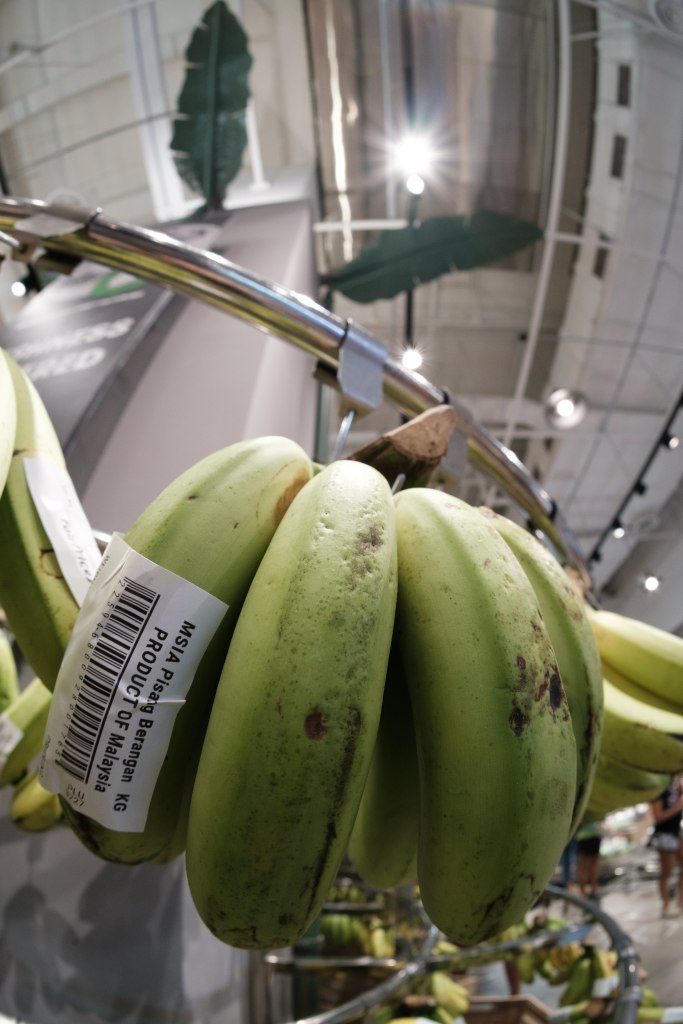
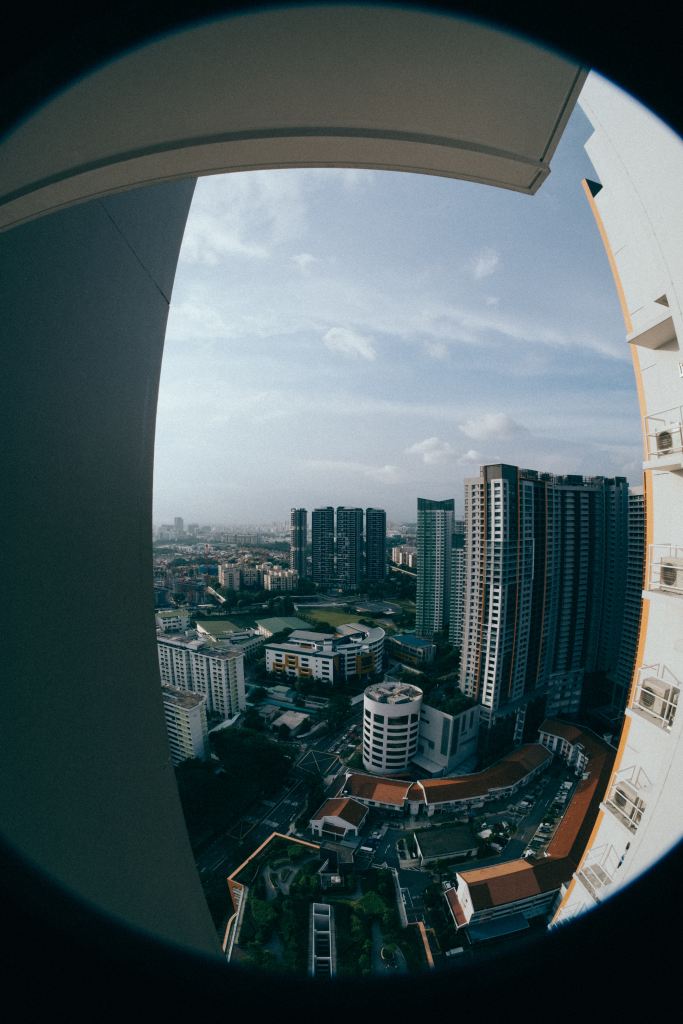
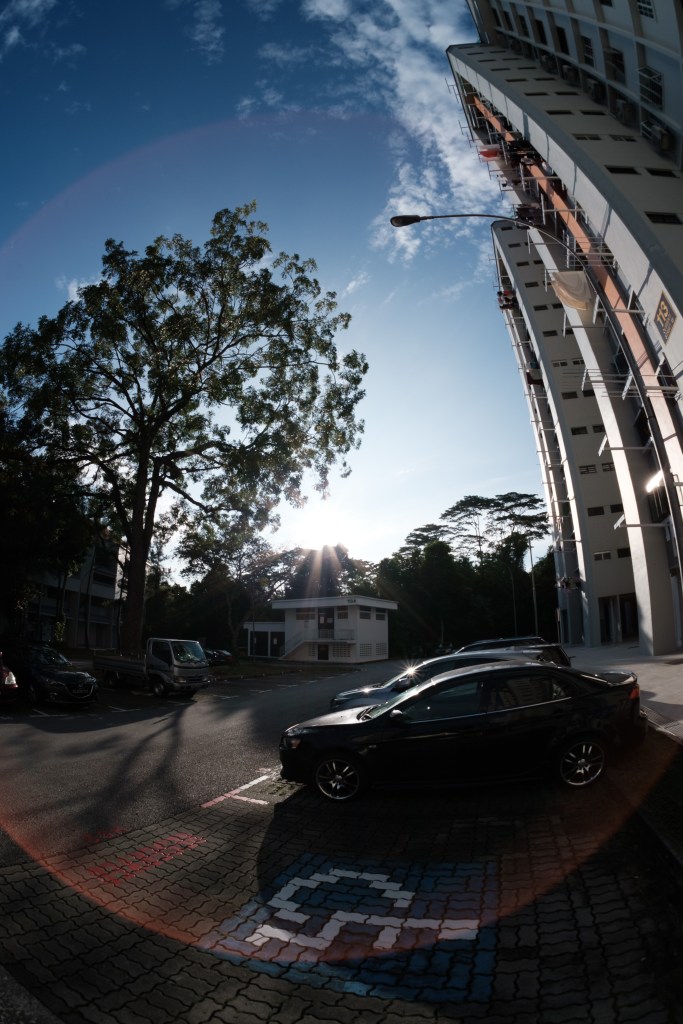
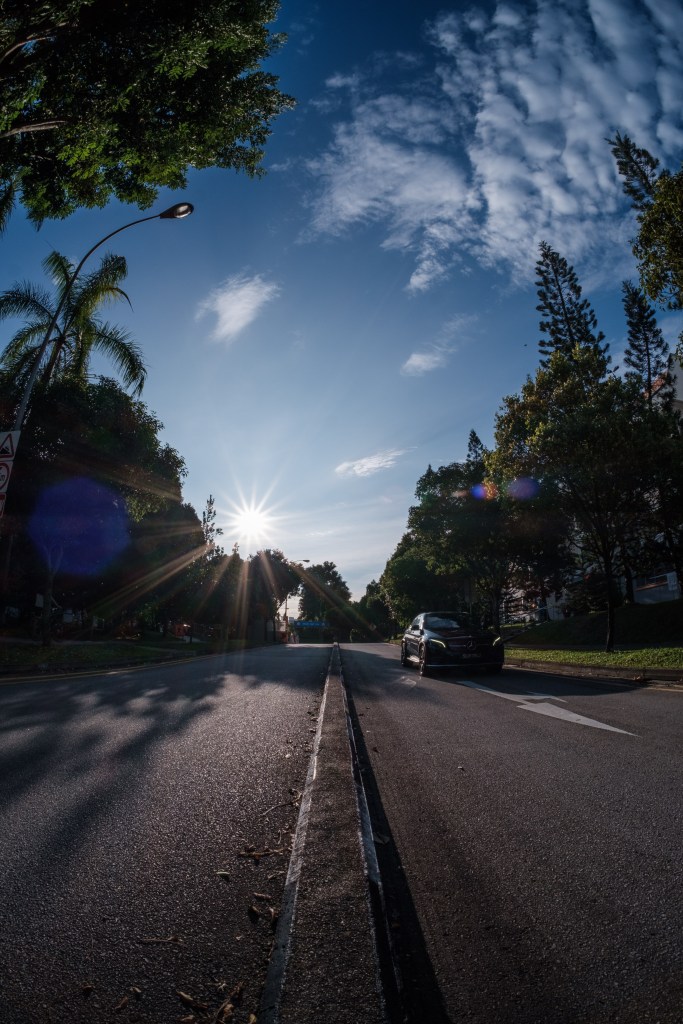
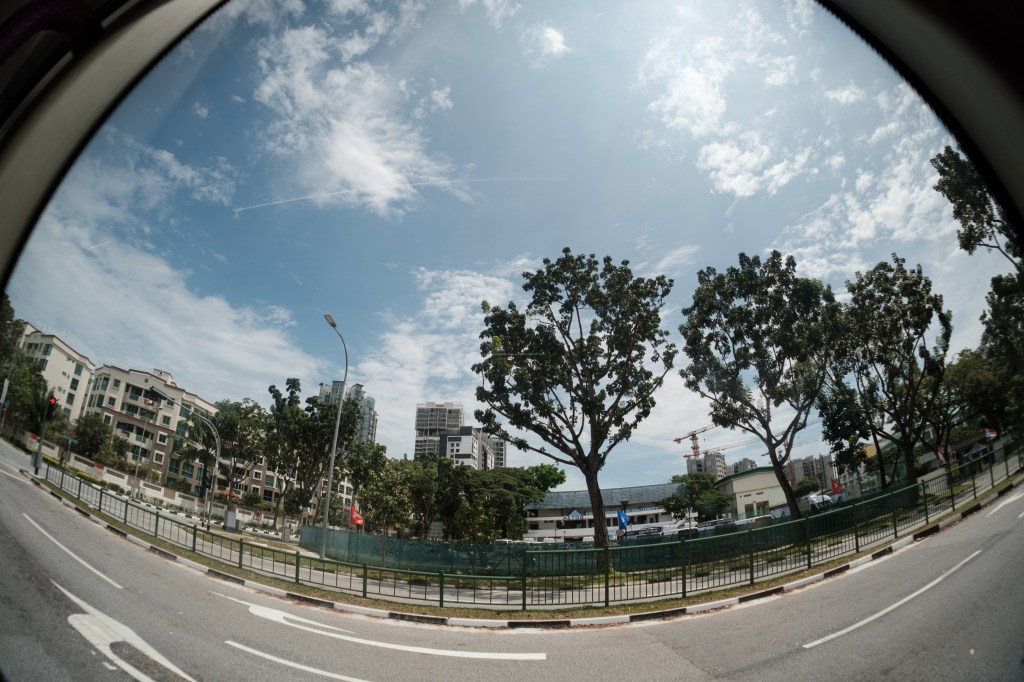
TTArtisan was established in 2019. Being a young company, TTArtisan has launched its 4th APS-C lens and they show no sign of slowing down. When I am preparing this lens review, they have just released their 5th lens, a 40mm F2.8 macro lens. What’s more? They are also planning to launch an auto-focus lens for Fujifilm! TTArtisan is definitely expanding aggressively and also giving the Fujifilm community more lens choices to choose from. Back to this lens, there are two “first” for this 7.5mm lens. The first ultra-wide creativity lens for the company and also the first F2 fisheye lens in the market.
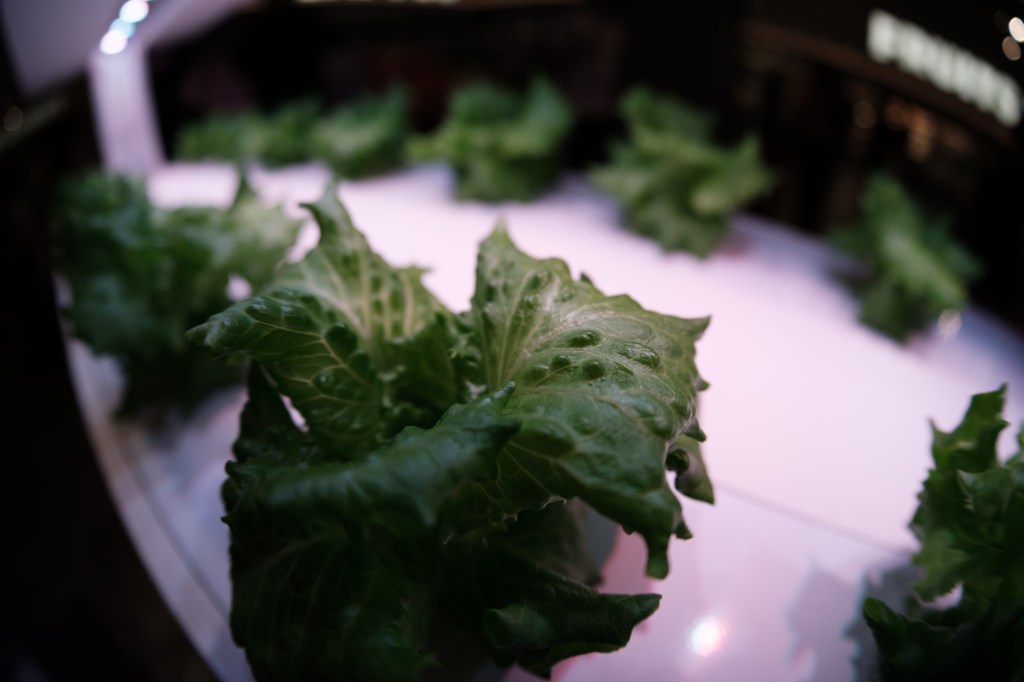
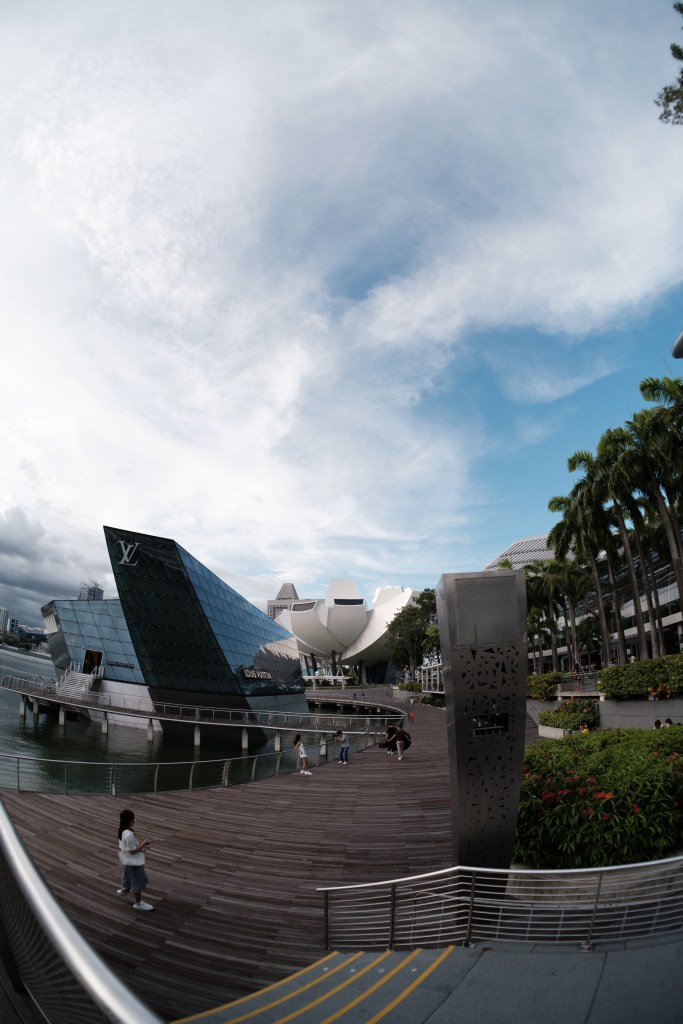
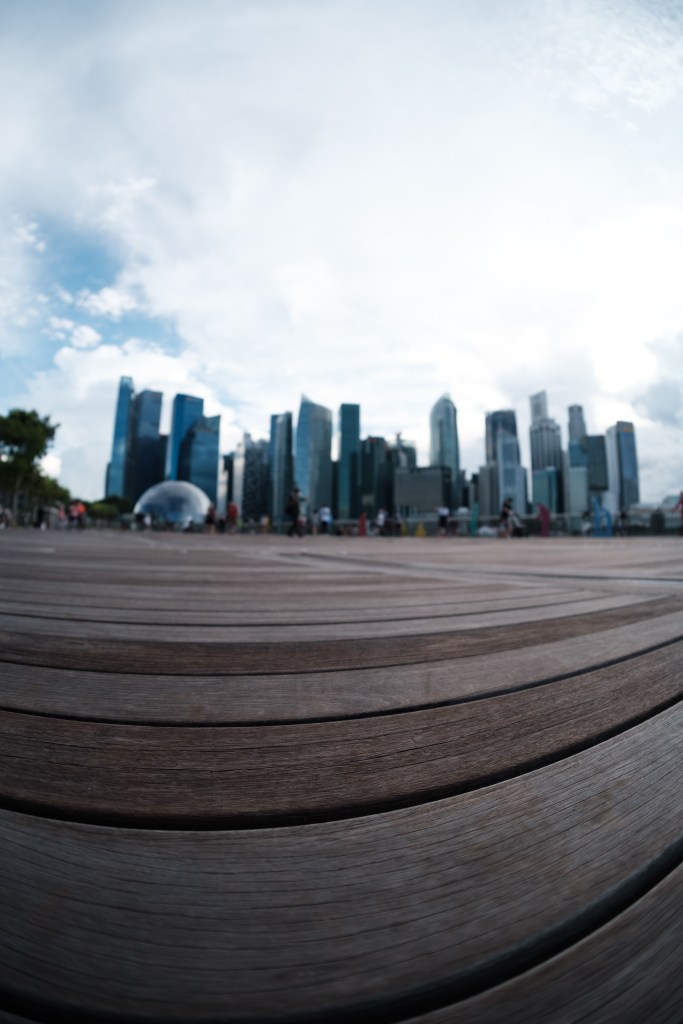
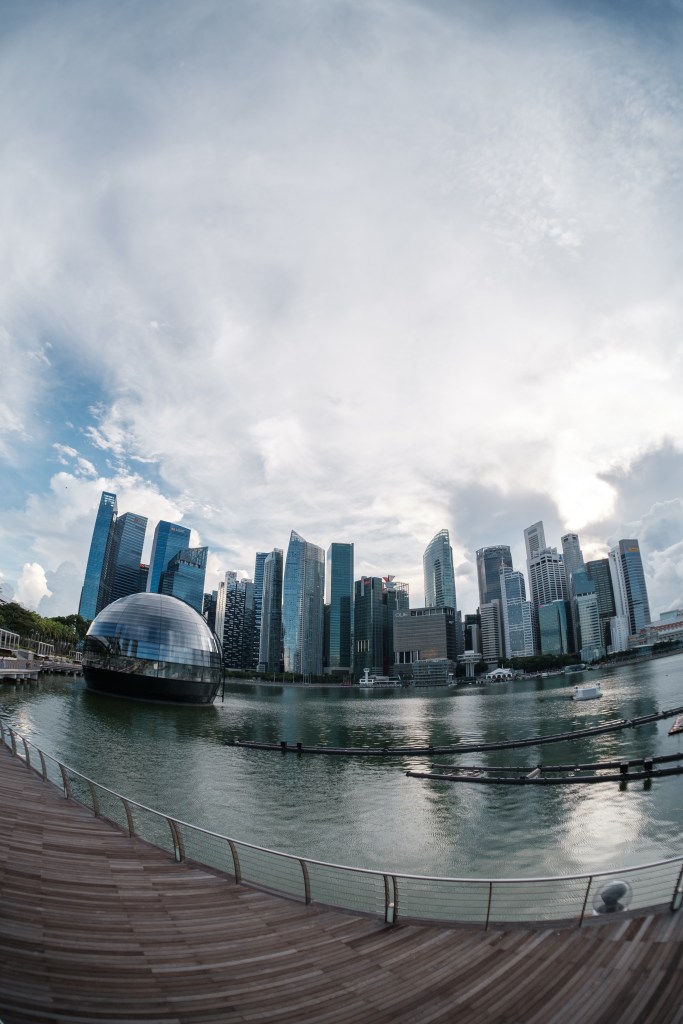
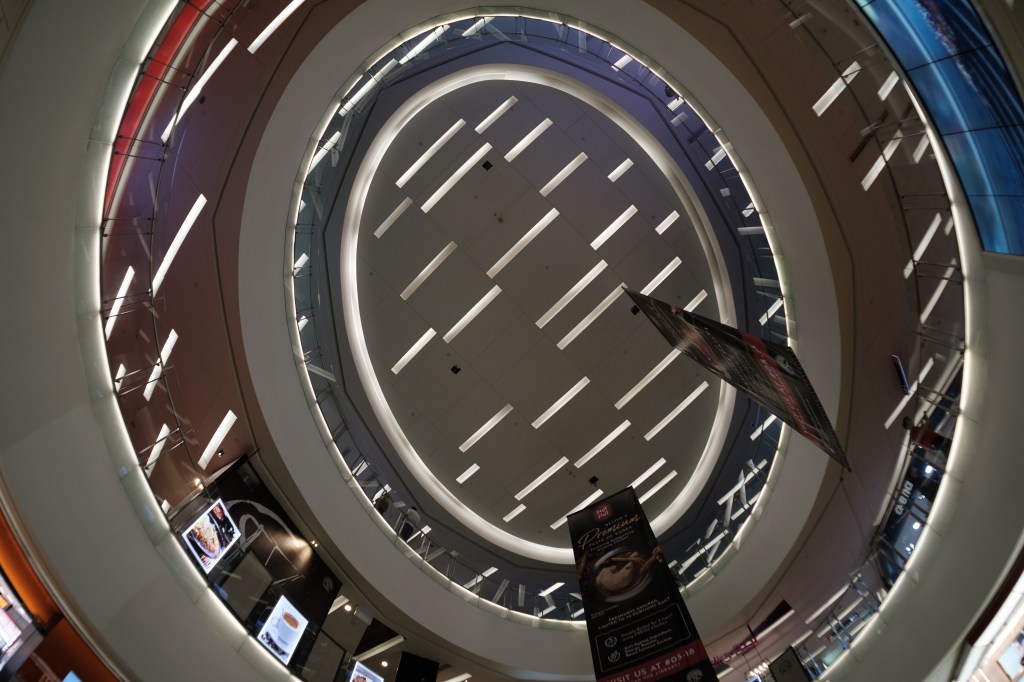
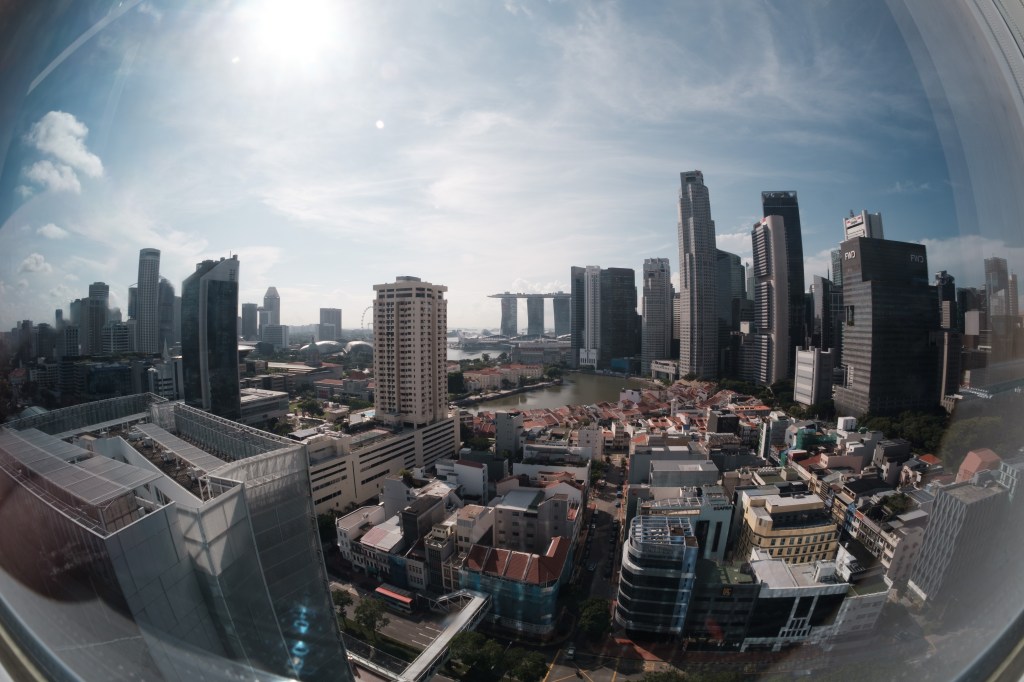
At 7.5mm focal length, it is 11.25mm (35mm equivalent) which also gives a 180° angle of view and this is a really wide perspective point of view. It is not an everyday lens to some people but I will be going to give it a try to be my everyday lens.
Build Quality
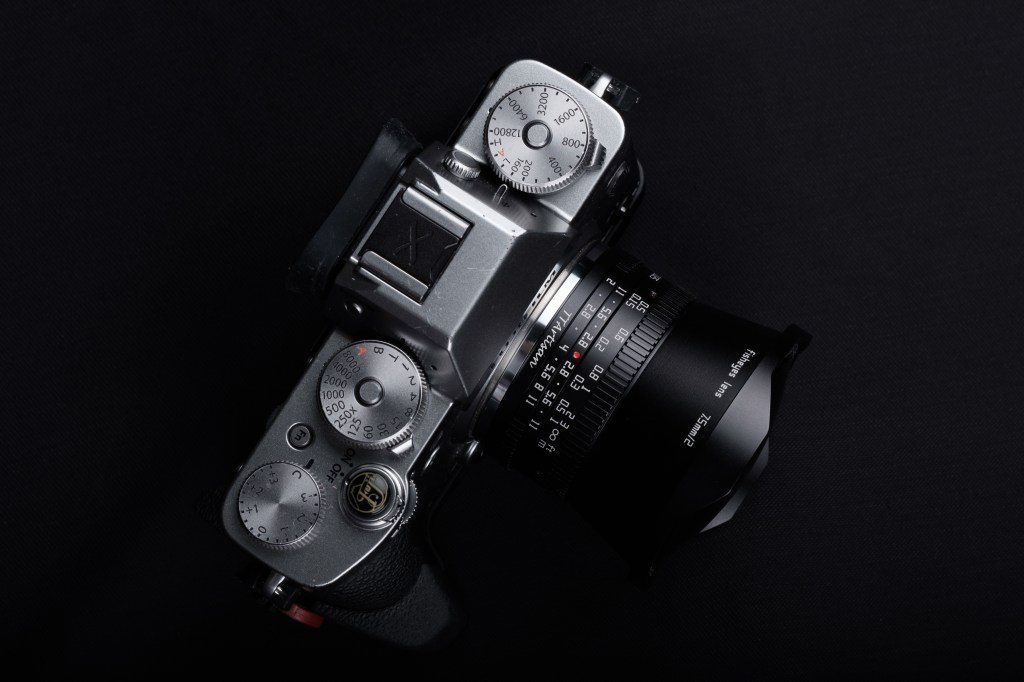
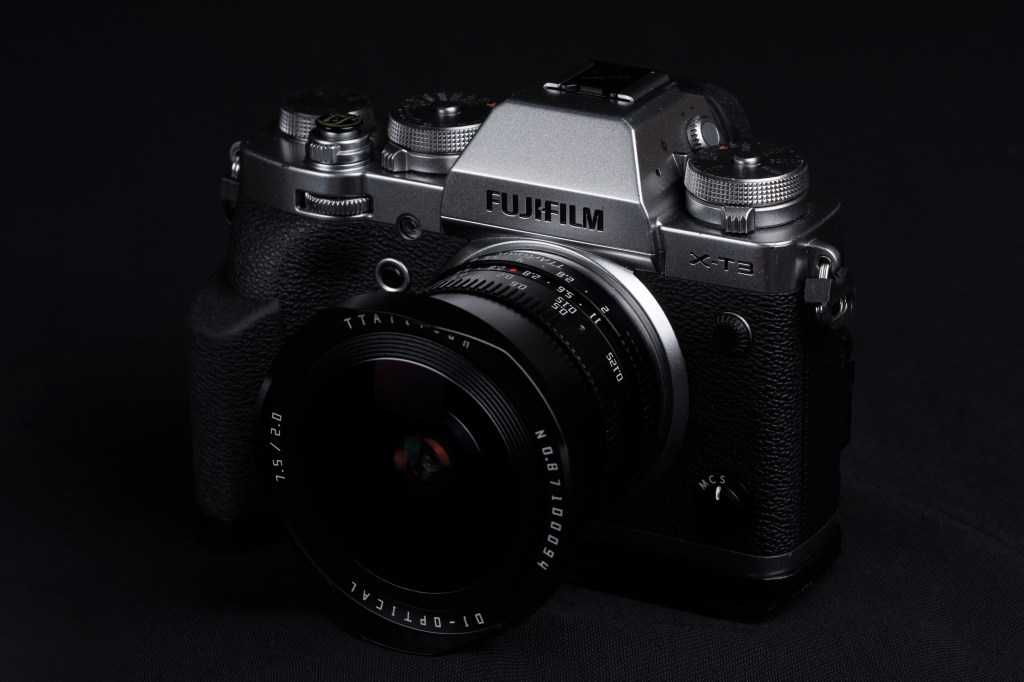
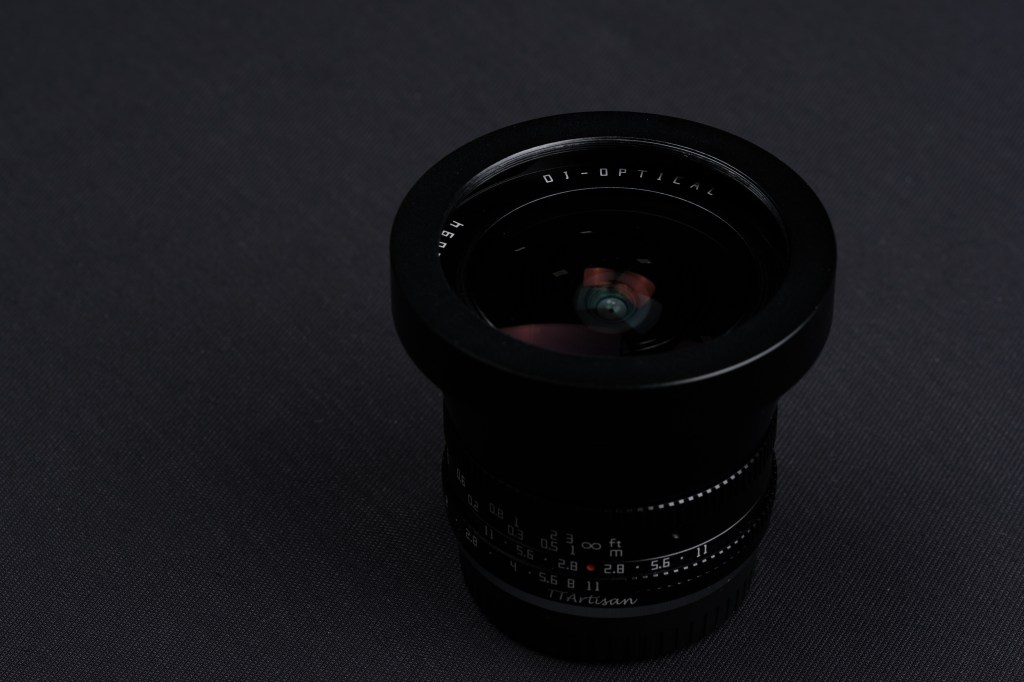
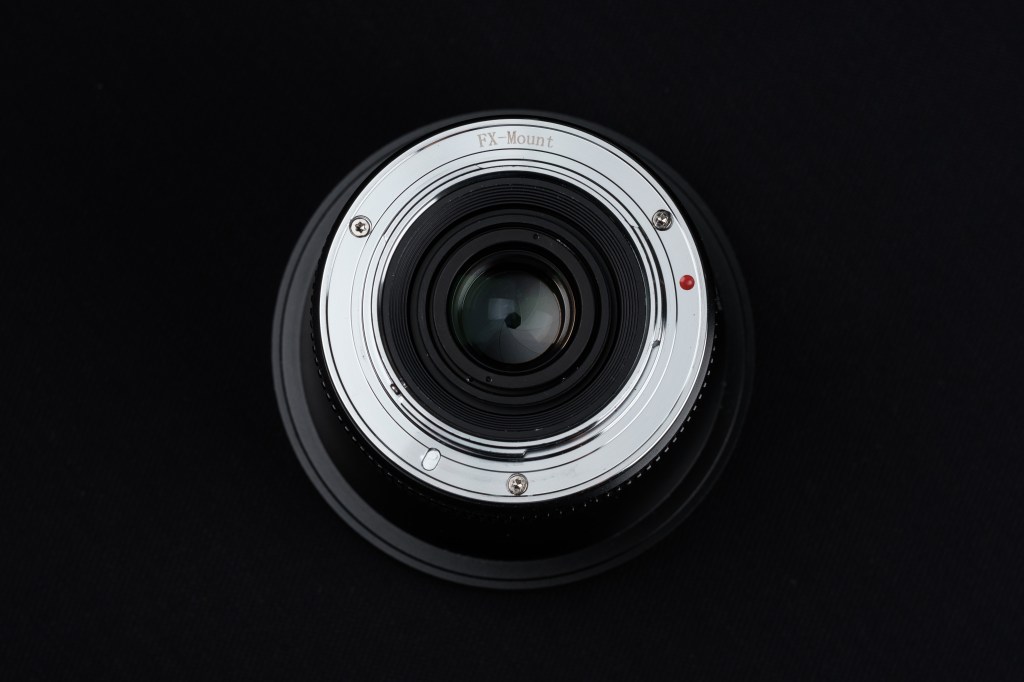
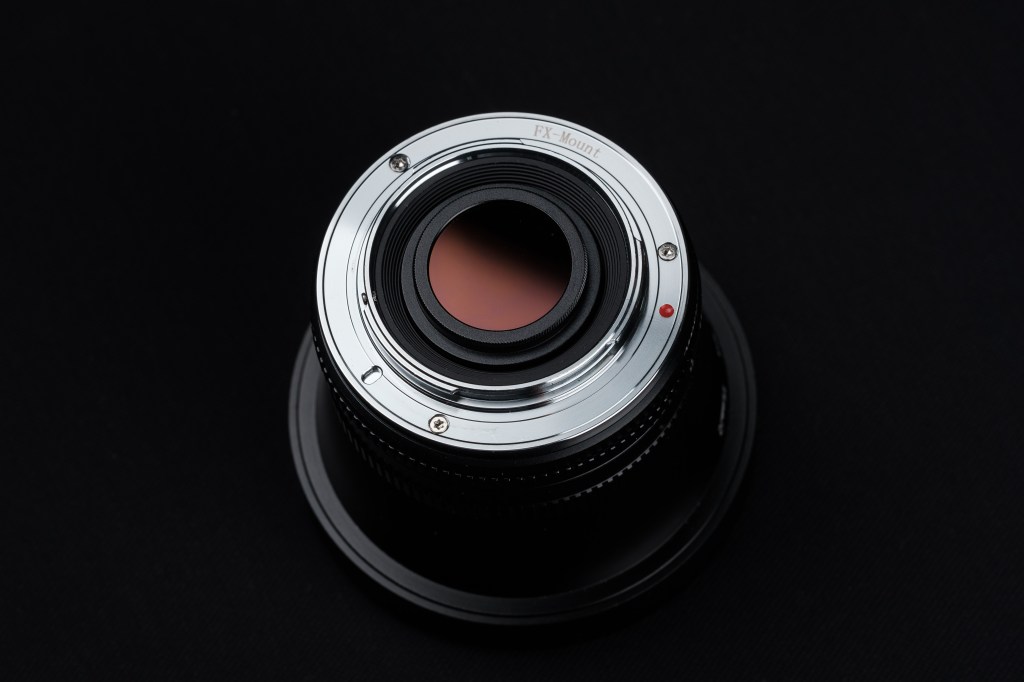
Like the other TTArtisan lenses, the build quality is awesome solid. The same sturdy built that never disappoints me. The aperture ring has a gentle and comfortable clicky feedback when you rotate it. The rotation of the manual focus ring from one end to the other is 180° but the process of rotating it is a pleasure. Like many other fisheye lenses, it comes with a built-in metal lens hood. And not forgetting that it comes with a metal bayonet too.
Having said that, this lens comes with a “cost” and that is the weight. It weighs 385 grams with a lens cap and 355 grams without a lens cap. If you have the Fuji 16mm F1.4 or the 18mm F1.4, that is the weight thereabout. When you hold this lens in your hands, you will know that you are holding a premium quality lens. By the way, like many other manual lenses, this lens is not weather resistant.
Fuji X-T3 with TTArtisan 7.5mm F2.Fuji X-T3 with TTArtisan 7.5mm F2.
Image Quality
At F2, the center of the photo is really good and usable. The contrast, sharpness, and preserving the details are impressive. However, corners of the photo can be soft but this is acceptable for a USD150 manual lens. Shooting at F5.6 will improve better on the sharpness and contrast. Surprisingly, this lens gives good chromatic aberration control. Only mild chromatic aberration is observed in my day-to-day experience. You might not even notice it unless doing pixel-peeping.
This lens comes with 7 diaphragm blades which also means that the bokeh renders normally. It is not the best bokehlicious result you can find in the market. But hey, this lens is not focusing on bokeh. On the other hand, it is capable of creating a nice sunburst effect.
There are two things that I think TTArtisan does right for this lens and they are just a sweet touch to provide a better user experience for the photographers.
Unscrewed lens cap. Unscrewed lens cap on the lens
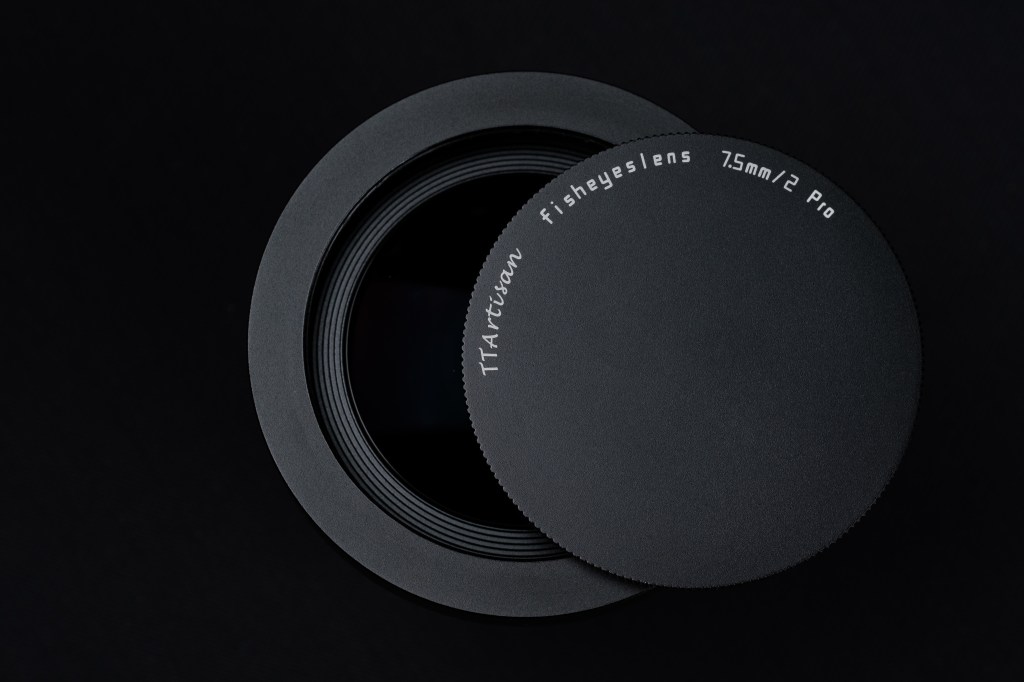
First is the lens cap. This lens cap is unique. You can remove the center of the lens cap by unscrewing the top while the lens cap still covering the lens. This approach allows you to shoot like circular fisheyes results. I suppose those who love to have this effect will love this gesture.
Fuji X-T3 . TTArtisan 7.5mm F2 @11.25mm . f5.6 . 1/480” . ISO 320 . Classic Chrome . with lens cap .
Fuji X-E3 . TTArtisan 7.5mm F2 @11.25mm . f5.6 . 1/125” . ISO 200 . Post-edited . with lens cap .
The second is about the filter. We know that it is not possible to place any filter in front of the protruding front lens. Nevertheless, TTArtisan does provide a screw-in type ND1000 filter and this ND filter will be screw in from the bayonet. This is really thoughtful especially for photographers who want to shoot landscapes with long exposure.
Bayonet without ND filter. Bayonet with ND filter.
Minimum Focus Distance
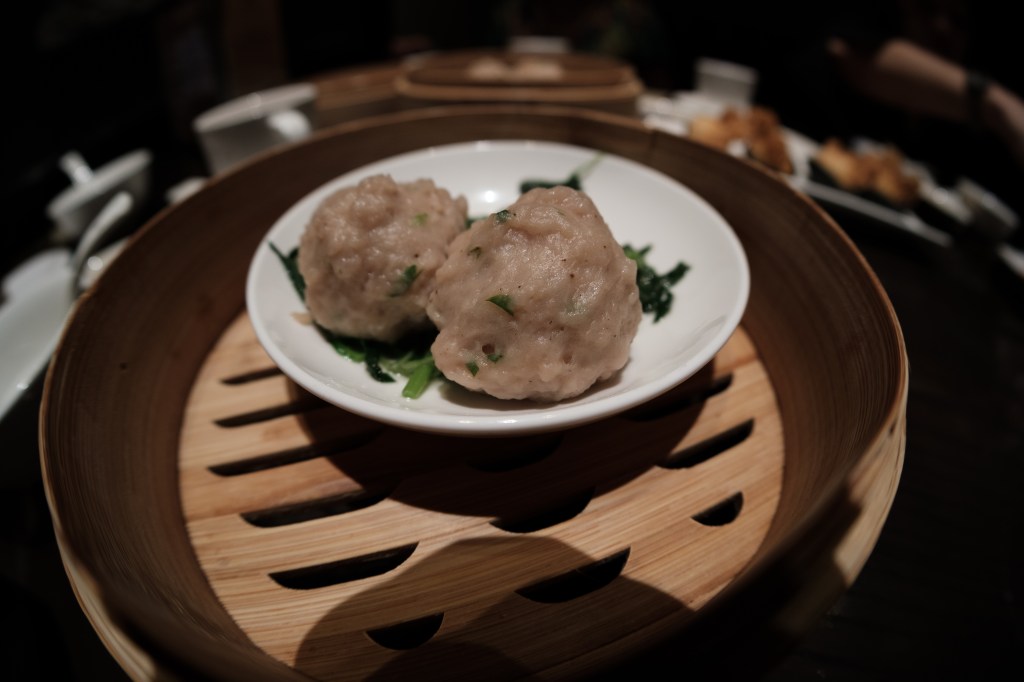
It has a Minimum Focus Distance (MFD) of 0.125m and I am impressed with the TTArtisan design team. Although it is not a true 1:1 macro kind of photography, it can shoot a subject really up close and allowing the photographers to use this capability upon their creativities (pardon me, I have close to zero creativity). For me, I love to photograph food and this MFD really makes the perspective another level of viewing pleasure. But do note that with such a short MFD, you might even capture the shadow of the lens hood under certain lighting conditions.
With such an ultrawide lens, it is easily prone to having lens flare and lens halo. Especially when you are pointing the camera towards the sun, you will receive it. I cannot say it is a bad or good thing to have the lens flare and lens halo effect. It is more towards individual preference. And in this case, I am accepting it and making it part of my photos.
There are two small issues but I feel that the readers should take note of and not panicking when observing the same issue.
For the first issue, assuming you are shooting a landscape shot, usually, you will rotate the manual focus ring to infinity. However, the result is not sharp. But what you can do is to turn it back a little to get the right in-focus shot. For my received lens, I feel that the best sharp result is achievable when I rotate the manual focus ring to between 0.5m to 1m.
I have asked this question to TTArtisan and they inform me that this might be due to the different focus peaks of the different cameras. I have also encountered this small issue with other manufacturers’ manual lenses too. So please do not panic. You can try to find the best result by exploring with the lens. My guess about why this could be a common issue is because when the manufacturers are manufacturing for various mounts and different mounts have different flange focus distances and thus having this issue.
For the second issue, it could be my problem. Whenever I equip the ND filter and shoot, I couldn’t get sharp images. I have tried it with all the focusing distance and am not able to find the sweet spot like I mentioned earlier. If there is any reader out there who knows how should correct this issue, please let me know.
After weeks of using this lens, it does impress me with its image and build quality. Using this lens on the street is a breeze and a fun experience to have. It makes the world looks more interesting through this fisheye lens.
I have tried other manufacturers’ manual lenses before and nothing comes close in terms of the image quality of the product. Most manual lenses often have some level of softness and lack of sharpness in the photos at wide open. Usually, I have to step down to at least 2 stops to have my preferred sharpness. But for this lens, I can use it wide open without any worry.
If you are a landscape photographer, astrophotography photographer, time-lapse photographer, and photographer who is looking to do creative portraits and creative streets, you may consider getting this lens as part of your arsenal of lenses. After all, it is not an expensive lens to try out with.
In 2012, Canon announced the EF 40mm F2.8 STM. It was one of the affordable and compact lenses in the whole EF lenses lineup. As this lens could allow my Canon 6D to be more compact and lightweight, I bought it without hesitation. I cannot say it has the best image quality that this brand can offer but it is one of the well-balanced between image quality and portability that I have at that point in time.
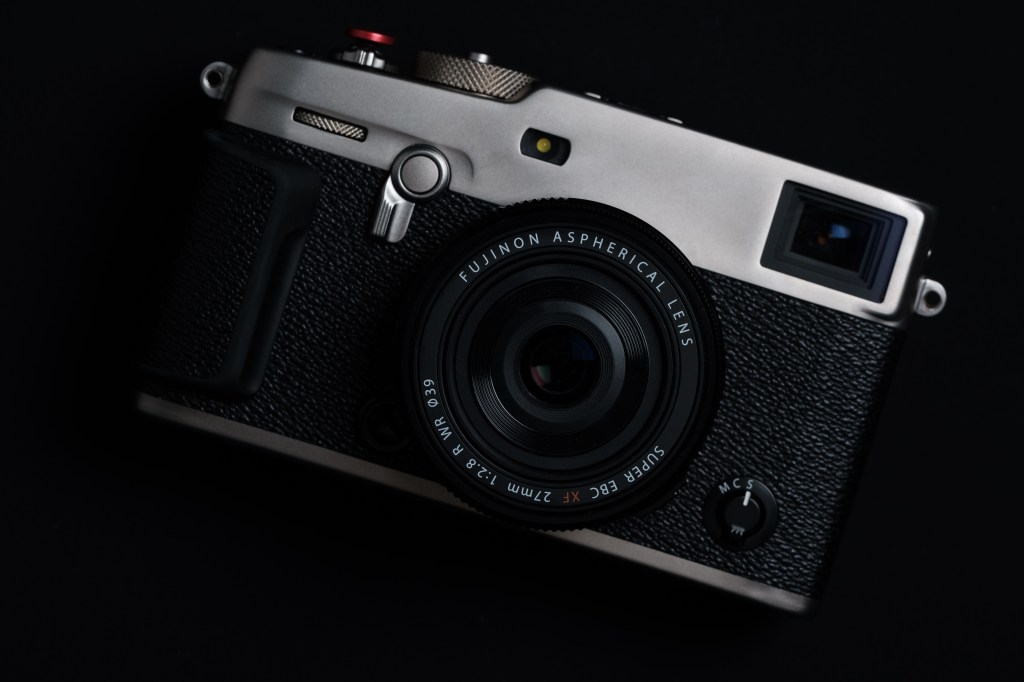
Fuji X-Pro3 . Fuji 27mm F2.8 WR
Why do I like pancake lenses?
It was all started in the mid-2000 when I am sourcing information on which camera system to be my first DSLR. Then I came to know about pancake lenses offered by Pentax. I had no idea why I have this fascination with the pancake lenses, such as 21mm F3.2 AL, 40mm F2.8 Limited, and 70mm F2.4 AL. If I am to give myself some explanations. The first reason could be probably the compactness these lenses can offer and the second reason was the engineering achievement. But after all the hypes and struggles that my inner self had, I decided to go with the majority, Canon. That’s because I have friends who are using the same brands and they have lenses that I did not own and vice versa. And so I thought it will be good to share the lenses if one ever need them. But eventually, this sharing “idea” rarely happened.
Fast forward to 2021, I have to thank Mr. Keitaro So (Divisional Head of Fujifilm) for giving me the opportunity to experience the “40mm” equivalent focal length again and it is called the XF27mm R WR lens. It is a minor upgrade lens from its predecessor with some exterior improvement while maintaining the same good optical glass. I have written it over here before in mid-February but not really in detail. So I feel that I need to give a proper personal opinion about this lens.
Months after it’s launched, I decided to get one myself. How does this 40mm focal length fits into my most favorite and commonly used focal lengths, 35mm and 50mm in the full-frame equivalent? To be honest, I have no idea how it will turn out to be. But I know I need to shoot more with this lens and my experiences will tell.
This is my 7th week of using this lens when I am writing this article. Basically, it is my to-go lens for any camera body I am using. These 7 weeks of experience may not be qualified as worthy experience to some. But they are just my thoughts.
Built Quality
It has the XF quality built standard and you can rest assured of this. The aperture ring has a smooth and satisfying clicky experience like most of the XF lenses.
Autofocus
In the day, the autofocus is fast and pretty accurate in nailing the shots. At night, it sometimes performs slightly slower than the day but usually still can get the subject in focus and also dependable on the environment’s available light source. Nevertheless, I have to say that I have an off-focus shot at night, which only happens once. The camera has indicated that it has focused ( green box shown) when I half-pressed the shutter button, the photo turns out to be off-focus and I do not even realize it when I preview it with the LCD screen. It is obvious and I believe I will notice the result if I preview it from the EVF. Fortunately, this is a one-off case.
The image quality is great for such a compact lens. I preview the images from Lightroom Classic at 100% and the details are decent and the sharpness is solid. No complaint about this. Another good thing about this lens is that I do not observe any chromatic aberrations (CA). Although CA can be easily corrected in post-processing, it is good to have this advantage because I can have 1 step lesser to handle.
Most of the new Fujifilm lenses are equipped with Weather Resistant (WR). Although I will not put any of my lenses under extremely harsh weather, this is definitely a welcome feature to have. XF 27mm WR is the second lens after XF 10-24mm WR to get updated with WR and keeping the same optic glass formula and quality. If Fujifilm is following this trend, I think they will continue to “WR” the other old lenses and extend their longevities.
What is the advantage and disadvantage with this lens?
I will just break down 3 advantages and 3 disadvantages (fair thing).
Let’s talk about the disadvantage first. It is the slowest prime lens among all the prime lenses Fujifilm is offering. Unless you have an In-Body Image Stabilization camera or tripod or steady hands, otherwise you might need to increase your ISO for certain low light conditions for your shots.
Another disadvantage is the Minimum Focusing Distance (MFD), it is sometimes difficult to achieve a close-up shot with the subject that I want. At 0.34m, it is not the best MFD experience among the prime lenses that I have.
The last disadvantage is that it is not really bokehlicious like other prime lenses. When I shoot at F2.8, sometimes it renders busy and messy background. The separation between the subject and the rest works but does not render smoothly. Worse still, it distracts the subject-in-focused from the viewers. Especially to me.
As for the advantage, obviously, it is compact and weighs only 84 grams. Mounting this lens onto any of the camera bodies has a very insignificant impact on the overall weight. I am not expecting anyone to complain that their hands are tired with this lens on their cameras.
Secondly, it does not attract any attention from anyone when I am doing street photography. I have tried using it and snap many shots in a busy wet market and no one takes a second look at what I am doing.
Another advantage is that I am using it as a “lens cap”. It means that I usually mount it on a camera body permanently when I am not in use (in this case, on an X-E3). To add on, I can quickly take it out from my dry cabinet and shoot if I spot some interesting moment or a beautiful sky. This is something like the X100V.
This lens is suitable for anyone who wants to reduce the overall package without compromising the image quality. Especially for people who love to travel light and as simple as possible and it can be easily kept inside a small bag.
But if you are looking for your first prime lens on a budget, this lens might not be a good option for you. Its predecessor should be a better option since they shared the same optic quality and it is cheaper in retail and even cheaper if you get it from the second-hand market. However, take note that the predecessor does not come with an aperture ring. Otherwise, XC 35mm F2 should be the best budget option. I always recommend this XC lens to people who want to learn to use a prime lens.
Last but not least, if you are willing to accept the disadvantages that I have listed in earlier paragraphs, I think you should be happy with this lens.
In Summary
40mm was a very popular focal length a few decades ago, with many popular film cameras like the Olympus Trip, Rollei 35, Leica Minilux and Bell and Howell / Canon Canonet 28, et cetera were equipped with this focal length. However, with the wider focal lengths made available to the market in the latter decades, the “40mm” focal length is no longer in the eyes of consumers and professionals. It is not as wide as today’s wide-angle standards (24mm, 28mm in 35mm format). Despite that, this is subjective to individuals’ opinions.
At 40mm, I do meet some challenges, especially framing from low angles and in confined spaces. If the environments allow, I can try to overcome these challenges by lowering down my camera further or step a little behind. On the other hand, sometimes I feel that this focal length is nice for landscape, just right for snapping food shots, and without a doubt, street photography.
After these 7 weeks of shooting, here are my thoughts: I can continue to use this lens alongside my XF23mm and XF35mm lenses. I can use them individually or side by side and that will depend on my mood to pick either one of them (or all three) for my street shooting therapy. I can say that it has become my 3rd favorite lens.
Disclaimer: 1. All the shots taken here were shot by me. 2. I reserve ownerships to these images, if you wish to use my images for whatever reasons, please notify me.
First of all, I would like to thank Mr. Keitaro So, Divisional Head of Fujifilm for providing the loan for X-S10 and XF18mm F1.4. The units were loaned from Fujifilm Asia Pacific and had returned back to them. All the shots shown here are taken by me and some shots are minor edit inside the X-S10.
Secondly, I would like to thank Syen Lim (@syen.lim) and Yi Xuen for helping out to test with this lens.
Thirdly, the original post can be found here. The reason why I repeat the same thing over here is that I can fine-tune my message putting across to the readers and edit some of the typo errors found in the original post.
XF18mm F1.4 is the fourth lens that comes with this aperture in Fujifilm lens line-up (XF16mm F1.4, XF23mm F1.4, XF35mm F1.4). It was announced under development back in Fujifilm X Summit held on 15 October 2020 and today it is here.
It has a field of view equivalent to 27mm in the 35mm film format. In this day and age, most of us should be very familiar with this field of view and use this focal length to shoot in our daily life. Yes. I am referring to our smartphones. Apple iPhone 12, Samsung Galaxy S21, Google Pixel 5 and Oppo Find X3 Pro, to name a few, share the common focal length with this lens. I suppose this lens is perfect for landscapes, portraits and general street and food shots.
So how does this lens sit inside the F1.4 family?
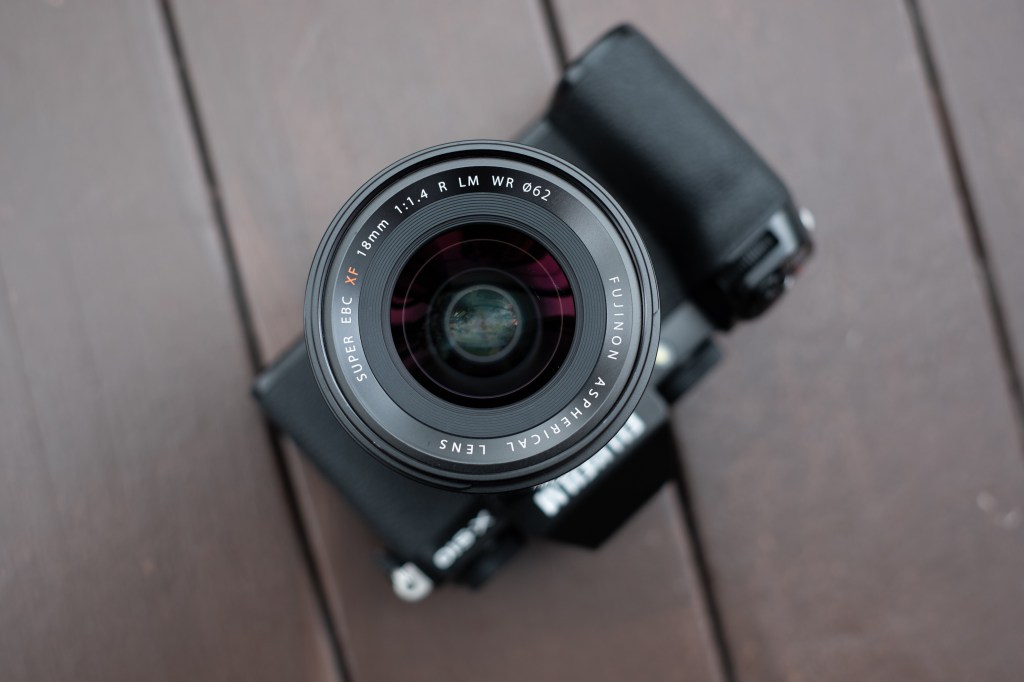
Fuji XF18mm F1.4
Build Quality
When I first hold this pre-production lens, I find the lens’ size and weight is somewhat familiar.
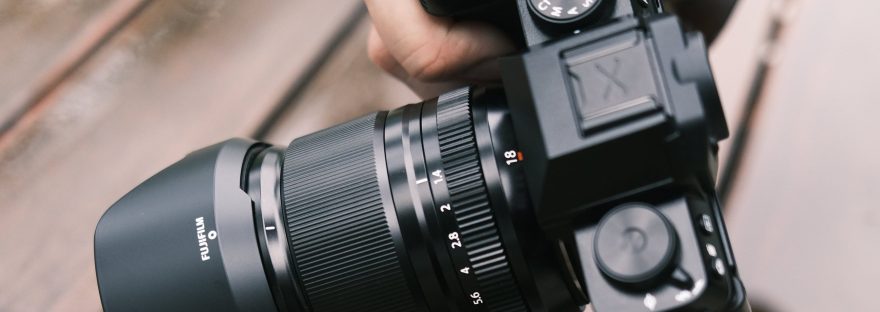
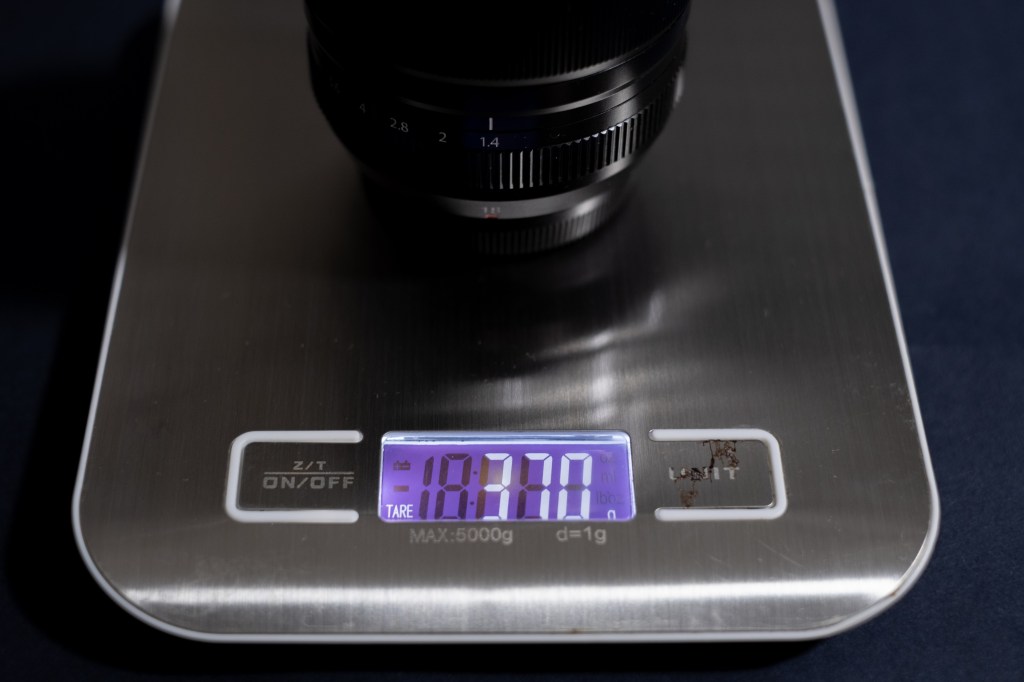
I pick up my XF16mm F1.4 and compare both of them. Indeed, they are very close to each other. XF18mm F1.4 is slightly taller but smaller filter size (@ 62mm) than XF16mm F1.4 (@ 67mm). And according to my not-so-accurate kitchen weighting scale, it weights 370 grams (slightly lighter than XF16mm F1.4 @ 375 grams).
There is this interesting button on the lens. This button helps to prevent photographer from accidentally turn the aperture ring to “A” (Auto Aperture). In order to use this “A”, you have to press the button and turn the aperture ring. If you notices, XF27mm WR also share this similar. A thoughtful engineering from Fujifilm.
The lens is well-constructed and built quality is awesome. The aperture ring is smooth and it has a good “click” satisfaction. Unsurprisingly, the lens hood is plastic. The lens barrel is not wide and large, so it fits well with most Fuji cameras.
Pairing this lens with X-S10 is comfortable. The weight is well-balanced throughout the lens and there is no sign of heavier front elements. WR is undeniably a welcome feature too.
To be frank, this is not my most frequently used focal length. 35mm and 50mm (in full frame equivalent) are my most used focal length and followed by 24mm. I wonder how I can optimize this lens as my daily street lens and portrait lens throughout this trial period.
Fuji X-S10 . Fuji XF18mm F1.4 R LM WR @27mm . f1.4 . 1/7500” . ISO 320 . Classic NegativeFuji X-S10 . Fuji XF18mm F1.4 R LM WR @27mm . f8 . 1/420” . ISO 320 . Classic NegativeFuji X-S10 . Fuji XF18mm F1.4 R LM WR @27mm . f5.6 . 1/1700” . ISO 320 . Classic NegativeFuji X-S10 . Fuji XF18mm F1.4 R LM WR @27mm . f5 . 1/1400” . ISO 320 . Classic Negative
Image Quality
The overall image quality is excellent and I couldn’t find anything to complain about. In my opinion, the photos taken at F1.4 are usable and the bokeh renders smoothly too. Of course, the bokeh is also comfy and pleasant to my eyes.
I also do not observe much chromatic aberration, maybe there is very little. Even if there is, it does not affect my photos a lot as it is easily remove in post. So I am not worry much about it.
Fuji X-S10 . Fuji XF18mm F1.4 R LM WR @27mm . f1.4 . 1/2” . ISO 160 . Classic Chrome
Fuji X-S10 . Fuji XF18mm F1.4 R LM WR @27mm . f5.6 . 1.6” . ISO 160 . Classic NegativeFuji X-S10 . Fuji XF18mm F1.4 R LM WR @27mm . f1.4 . 1/105” . ISO 320 . Classic Negative
Fuji X-S10 . Fuji XF18mm F1.4 R LM WR @27mm . f1.4 . 1/150” . ISO 320 . Classic Negative
Autofocus
Everyone’s expectation for autofocus speed is high and Fujifilm does not disappoint everyone with this lens. During the day, the focusing speed is real fast, it’s silent and it’s also confident in locking onto the subjects. For indoor environment, I do not experience any slow in focusing, it still silent. I do sometime experience miss focusing but it does focus right on my second attempt.
On the other hands, under extreme dim conditions, I can feel that the focus is slightly slower but not that terribly slow. Funnily enough, it does not hunt.
Fuji X-S10 . Fuji XF18mm F1.4 R LM WR @27mm . f8 . 1/28” . ISO 160 . Classic ChromeFuji X-S10 . Fuji XF18mm F1.4 R LM WR @27mm . f8 . 1/10” . ISO 320 . Classic Chrome
Fuji X-S10 . Fuji XF18mm F1.4 R LM WR @27mm . f1.4 . 1/25” . ISO 640 . Classic Chrome
Fuji X-S10 . Fuji XF18mm F1.4 R LM WR @27mm . f5.6 . 1/350” . ISO 320 . Classic Negative
Using it for streets
Yes. No doubt this lens is for street photography. This focal length is wide enough to cover mostly general street shots. I don’t have much complain using this lens for street shots. I think I adapt to this focal length very well.
One of the benefits of having this lens is with its fast aperture, it gives “brighter” shooting opportunity for night street. Especially for someone who like to take night street photos.
Fuji X-S10 . Fuji XF18mm F1.4 R LM WR @27mm . f5.6 . 1” . ISO 160 . Classic NegativeFuji X-S10 . Fuji XF18mm F1.4 R LM WR @27mm . f4 . 1/2400” . ISO 320 . Classic NegativeFuji X-S10 . Fuji XF18mm F1.4 R LM WR @27mm . f5.6 . 1/420” . ISO 320 . Classic NegativeFuji X-S10 . Fuji XF18mm F1.4 R LM WR @27mm . f5.6 . 1/1250” . ISO 320 . Classic ChromeFuji X-S10 . Fuji XF18mm F1.4 R LM WR @27mm . f1.4 . 1/10” . ISO 160 . Classic Chrome
Minimum Focus Distance & Magnification
This is one of the key features when I am looking for a lens and that’s because I love to take shots at its Minimum Focus Distance (MFD). Understanding the MFD will allow me to visualize what result can I achieve with this lens. I know it may not be a big concern for some people but it does concern me a lot.
In my trial period, I do not have the specification for this lens and hence, I does not have the exact MFD value. But I feel that it is not as close as what XF16mm F1.4 can achieve. If case you wonder, the MFD for XF16mm is 0.15m and I think for this XF18mm F1.4 is about 0.2m. But the result is actually not bad. (According to official statement, the MFD is indeed 0.2m and the magnification is at 0.15x.)
Fuji X-S10 . Fuji XF18mm F1.4 R LM WR @27mm . f1.4 . 1/250” . ISO 160 . Classic NegativeFuji X-S10 . Fuji XF18mm F1.4 R LM WR @27mm . f1.4 . 1/600” . ISO 160 . Classic NegativeFuji X-S10 . Fuji XF18mm F1.4 R LM WR @27mm . f1.4 . 1/15” . ISO 160 . Classic Chrome
Using it for portraits Undoubtedly, Fujifilm has a range of amazing portrait lenses to choose from. I know we are not lacking of choices but I still want to show how well does this lens performs as a “portrait” lens.
Fuji X-S10 . Fuji XF18mm F1.4 R LM WR @27mm . f1.4 . 1/8000” . ISO 160 . Classic Chrome
Fuji X-S10 . Fuji XF18mm F1.4 R LM WR @27mm . f1.4 . 1/8500” . ISO 320 . Classic NegativeFuji X-S10 . Fuji XF18mm F1.4 R LM WR @27mm . f1.4 . 1/1400” . ISO 320 . Classic NegativeFuji X-S10 . Fuji XF18mm F1.4 R LM WR @27mm . f1.4 . 1/150” . ISO 320 . Classic ChromeFuji X-S10 . Fuji XF18mm F1.4 R LM WR @27mm . f1.4 . 1/80” . ISO 320 . Classic ChromeFuji X-S10 . Fuji XF18mm F1.4 R LM WR @27mm . f1.4 . 1/60” . ISO 640 . Classic Chrome
Fuji X-S10 . Fuji XF18mm F1.4 R LM WR @27mm . f1.4 . 1/180” . ISO 320 . Classic Chrome
From my standpoint, the results produce from this lens is beyond above passing level. The separation between the subject and the background is clean and decent. Eyes are sharp. Skin tone is pleasant. Having say that, I think this lens is very useful for environmental portraits.
Conclusion
Fujifilm has never fail to amaze everyone with their lens line-up and once again Fujifilm has done a good job providing such a high quality product. This lens gives many potential buyers more lenses options to choose from but definitely a hard time deciding.
Who is this for? I believe there will be some XF18mm F2 photographers going to upgrade to the F1.4 variant but I also know that there are lots of XF18mm F2 photographers will still keep their current F2 lens with them. Because who don’t love compact, small, lightweight and easy to carry around lens for general purpose shoots. The way I see it, I think Fujifilm is not targeting this group of photographers but rather another group of photographers who do not mind about the size and weight but a fast and big aperture lens. Having said that, there is no comparison between the F1.4 and F2 variant of the 18mm lens because they are both designed for different needs and purposes.
(The official price was announced at USD 999 and will be available from late May 2021.)
Disclaimer: 1. All the shots taken here were shot by me. 2. I reserve ownerships to these images, if you wish to use my images for whatever reasons, please notify me and we can see how to works thing out.
Thank you for reading.
Fuji X-S10 . Fuji XF18mm F1.4 R LM WR @27mm . f1.4 . 1/1100” . ISO 320 . Classic Negative
Fuji X-S10 . Fuji XF18mm F1.4 R LM WR @27mm . f1.4 . 1/52” . ISO 320 . Classic Chrome
Fuji X-S10 . Fuji XF18mm F1.4 R LM WR @27mm . f1.4 . 1/800” . ISO 320 . Classic NegativeFuji X-S10 . Fuji XF18mm F1.4 R LM WR @27mm . f1.4 . 1/4700” . ISO 320 . Classic Chrome
First of all, I would like to thank Sony Singapore for providing the loan for Sony A7C, Sony FE 24-70mm F2.8 GM and Sony FE 85mm F1.8. The units were loaned and had returned back to them. All the shots shown here are taken by me and some shots were edited with minor adjustments with Lightroom Classic.
In this review, I will discuss less about the specifications and the hardware of this camera. What I will going to share is more towards my experience of using the Sony A7C. Before I start my review, I have to let everyone knows that I actually have a day with the Sony FE 24-105mm F4 OSS. That’s because the staff has prepare the wrong lens for me and they are responsive and replace it with the 24-70mm the following day. Let’s begins…
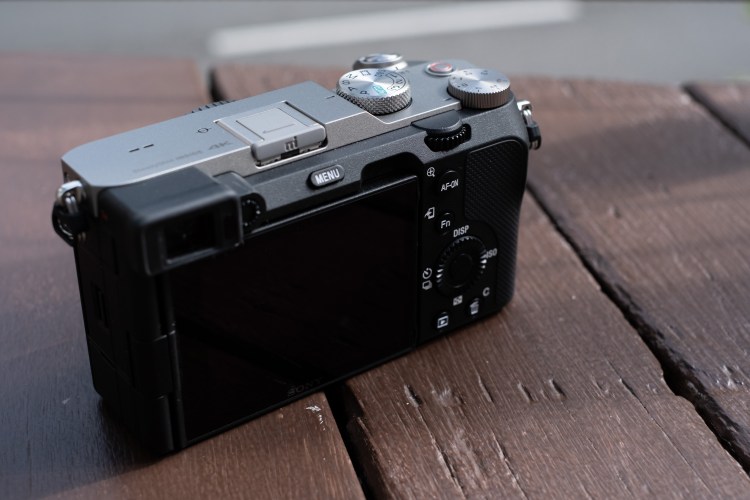
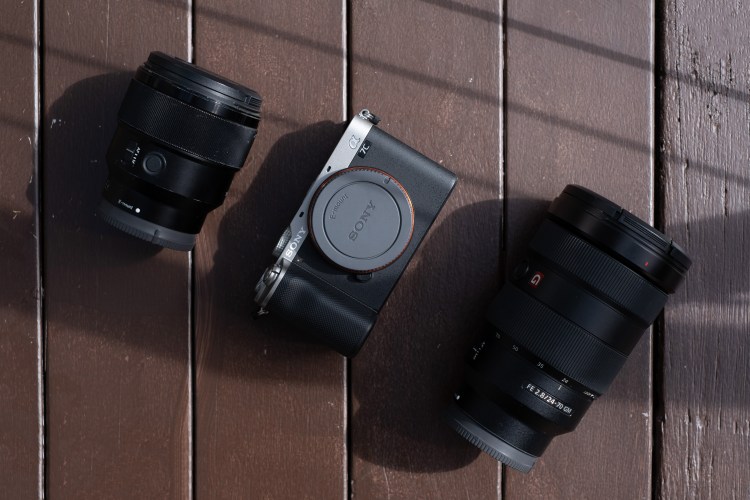
Sony A7C with articulating screenSony A7C – backSony FE 85mm F1.8 . Sony A7C . Sony FE 24-70mm F2.8 GM
Design
When I first unbox it, I am really surprise how compact and small is this rangefinder style camera is. It comes with a large and comfortable enough hand grip for me to hold onto the camera body. I quickly make a physical comparison with my Fujifilm X-E3. And wow! The Sony A7C is almost the same size as the Fujifilm X-E3 and yet it pack with a Full Frame sensor and an IBIS. I am impressed by how amazing Sony has put up lot of effort in designing this camera. For easy reference, I have create a reference table below.
Sony A7C
124 x 71 x 60 mm (4.88 x 2.8 x 2.36″)
Fujifilm X-E3
121 x 74 x 43 mm (4.78 x 2.91 x 1.68″)
Sony A7C . FE 24-105mm F4 F OSS @105mm . f/8 . 1/4000” . ISO 100Sony A7C . FE 24-105mm F4 F OSS @105mm . f/8 . 1/400” . ISO 100Sony A7C . FE 24-105mm F4 F OSS @105mm . f/4 . 1/500” . ISO 100Sony A7C . FE 24-105mm F4 F OSS @48mm . f/4 . 1/320” . ISO 100
It comes with a fully articulating screen. Because of the way how I photograph my subject, this is not my prefer screen. When I do low angle shoots with the screen flip out and adjusted to the low angle viewing mode, I seems to have some parallax error and the shots turn out to be not the way it intended to be.
But having say that, this articulating screen is probably the best way to benefits many people and their needs.
Built
This little compact camera has a magnesium alloy body and it feels great to hold on my hand. Some people commented that the silver finish make it looks plasticky and less premium. But I feel that its look is clean and sleek and it also doesn’t seems to spell cheap built quality too. The weight at 509 grams is feel just right too. I still feel the weight but not too heavy until it soar my wrist.
Sony A7C . FE 24-70mm F2.8 GM @70mm . f/5 . 1/640” . ISO 100Sony A7C . FE 24-70mm F2.8 GM @70mm . f/8 . 1/80” . ISO 160Sony A7C . FE 24-70mm F2.8 GM @70mm . f/5 . 1/2000” . ISO 100
Performance
Awesome, crisp and full of details are what best describe about the image quality. Despite being complain by many photographers about using the old sensor, the quality is not being compromise. The AF speed is pretty decent and fast. The eye-AF focusing is fantastic and literally lock to the subject very well. Noise at high ISO is well-controlled and clean. Basically, I think there is nothing much to complain about. Sony know this sensor still can perform well and very usable in the years to come. It also make sense by cutting down the cost to make it becoming one of the most appealing and cheapest full frame camera in the market.
I am surprise that the 5 stops IBIS performs reasonably well too. It helps to stabilize my shots well especially at night.
Sony A7C . FE 24-70mm F2.8 GM @35mm . f/2.8 . 1/40” . ISO 800Sony A7C . FE 85mm F1.8 @85mm . f/2 . 1/100” . ISO 250Sony A7C . FE 24-70mm F2.8 GM @35mm . f/2.8 . 1/40” . ISO 2500Sony A7C . FE 24-70mm F2.8 GM @52mm . f/2.8 . 1/10” . ISO 1600
Battery
The NP-FZ100 battery is stunning good. I manage to run through a full day with just one battery (approximate close to 1000 shots). Anyway I only receive one battery for the testing. If you are using it for travel and you get to charge it on a daily basis, then one battery is actually sufficient. But for a person like me who prefer to have redundancy or backup, two is the minimum.
Sony A7C . FE 24-70mm F2.8 GM @52mm . f/2.8 . 1/10” . ISO 1600Sony A7C . FE 85mm F1.8 @85mm . f/2 . 1/100” . ISO 2000Sony A7C . FE 85mm F1.8 GM @85mm . f/2 . 1/50” . ISO 3200
Best lenses to work with
Small lenses, such as compact prime lenses, are definitely the best options to pair with this camera. Throughout the course of using this camera for 2 weeks, I realize I do not like to use it with the 24-70mm F2.8 GM and I think that 24-105mm F4 lens is the “biggest” lens that you can pair with and still comfortable to hold.
Sony A7C . FE 85mm F1.8 GM @85mm . f/2.8 . 1/200” . ISO 100Sony A7C . FE 24-70mm F2.8 GM @69mm . f/2.8 . 1/80” . ISO 250Sony A7C . FE 85mm F1.8 GM @85mm . f/16 . 1/160” . ISO 100Sony A7C . FE 24-70mm F2.8 GM @70mm . f/2.8 . 1/80” . ISO 320
Feedback
The first thing I have to say is that I have a big hand. And basically I only need 3 fingers to hold camera, leaving my little finger dangling. I think an additional grip for my little finger to rest upon is sufficient. I hope Sony will include an additional base in the package for the next generation of A7C.
The second thing I hope the second generation of A7C will have a bigger EVF. It is a pain for me to view a small screen. I know the target audiences are basically vloggers but having a bigger EVF shouldn’t do much harm.
The third is the AF joystick. I hope Sony will implement the joystick as I believe many photographers would love to have it as it helps to improve the flow of selecting the AF points.
Sony A7C . FE 85mm F1.8 @85mm . f/2.8 . 1/160” . ISO 100Sony A7C . FE 85mm F1.8 @85mm . f/5 . 1/500” . ISO 100Sony A7C . FE 24-70mm F2.8 GM @24mm . f/16 . 1/80” . ISO 100
Who is this for?
Beside vloggers and travelers. With this competitive pricing and compact body size, it is attractive for people who want to start to use a full frame camera but do not wish to burn a hole in the pocket. Having said that, provided that the buyer is not planning to invest in bigger and pricier lenses in the near future.
Having said that, the suggested price of this A7C is even cheaper than the flagship X-T4. If you are a photographer who has this budget and wants to upgrade from a DSLR era, will you get a A7C or the X-T4? Looking at the starting price can be deceive as oftentimes consumers forget to include the lenses and accessories they intend to invest in. So before investing into a system, consider all the factors and most importantly, it makes you want to bring it out and shoot with it.
Sony A7C . FE 85mm F1.8 @85mm . f/7.1 . 1/160” . ISO 100Sony A7C . FE 85mm F1.8 @85mm . f/7.1 . 1/160” . ISO 100Sony A7C . FE 24-70mm F2.8 GM @70mm . f/8 . 1/4000” . ISO 100Sony A7C . FE 24-70mm F2.8 GM @24mm . f/2.8 . 1/160” . ISO 3200
Conclusion from a Fuji Fanboy
Overall, it is a great camera with awesome eye-AF capabilities. I have to highlight again the size of this camera also spells that it work comfortably with small lenses. The old menu system does need to spend some time to learn and familiar with it. But of course, you can customize the menu for your needs. The SD slot is allocated to another side of the camera, which is unusual but might be a good move to position the card away from the battery slot area.
With its IBIS in such a small compact size camera, I am looking for a day when Fujifilm will implement the IBIS in their future X-E series (the newly launch X-E4 is not an IBIS camera). I can see there is a healthy competition and it’s not about full frame versus APS-C but how technology can improve our photography experience further in the future.
Sony A7C . FE 24-70mm F2.8 GM @70mm . f/2.8 . 1/160” . ISO 500Sony A7C . FE 85mm F1.8 @85mm . f/2.8 . 1/250” . ISO 1600Sony A7C . FE 85mm F1.8 @85mm . f/2.8 . 1/250” . ISO 2000
Disclaimer: 1. All the shots taken here were shot by me. 2. I reserve ownerships to these images, if you wish to use my images for whatever reasons, please notify me and we can see how to works thing out.





























































































































































 Alwin Kok