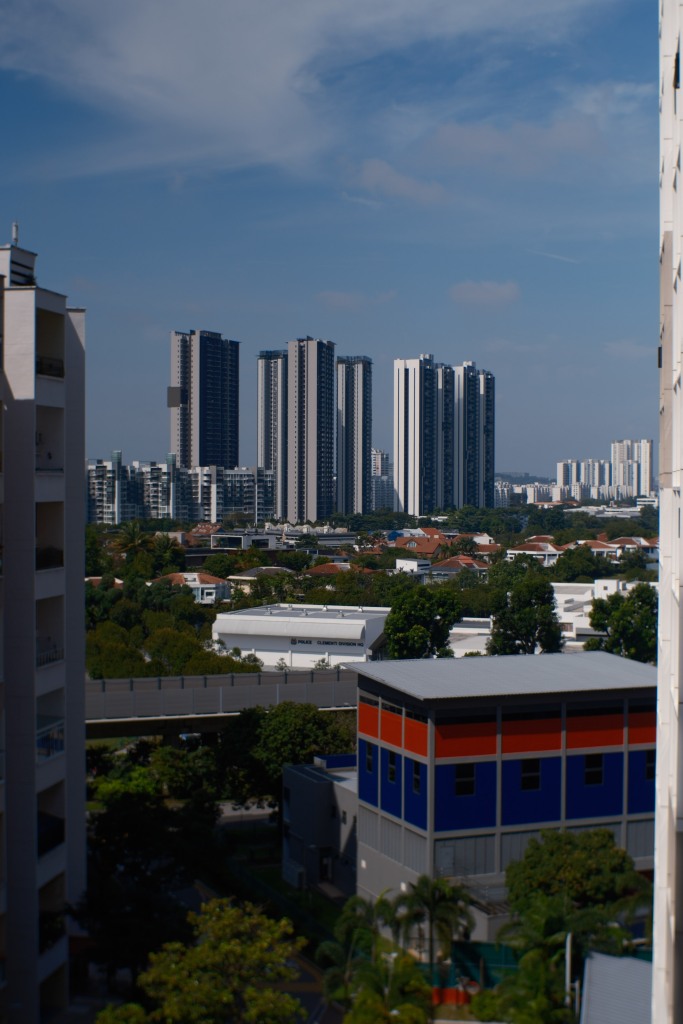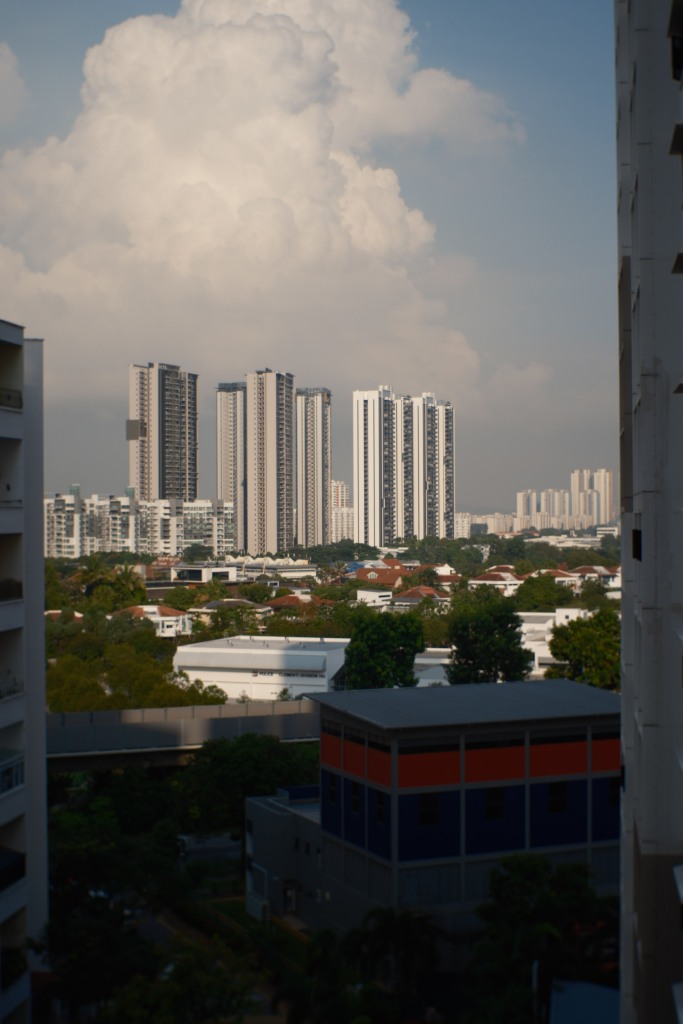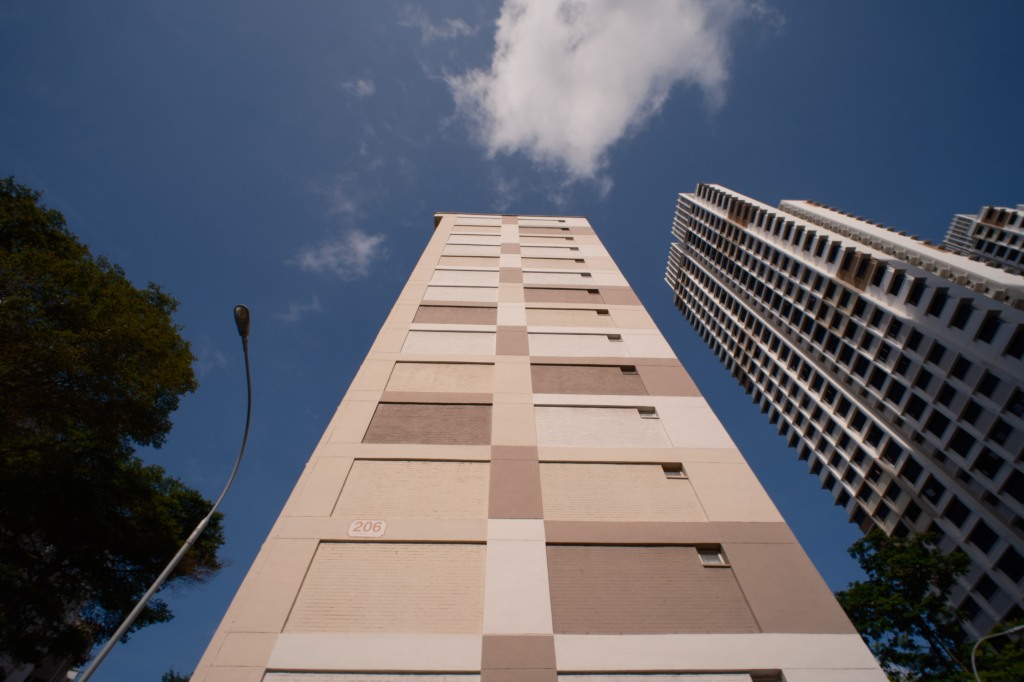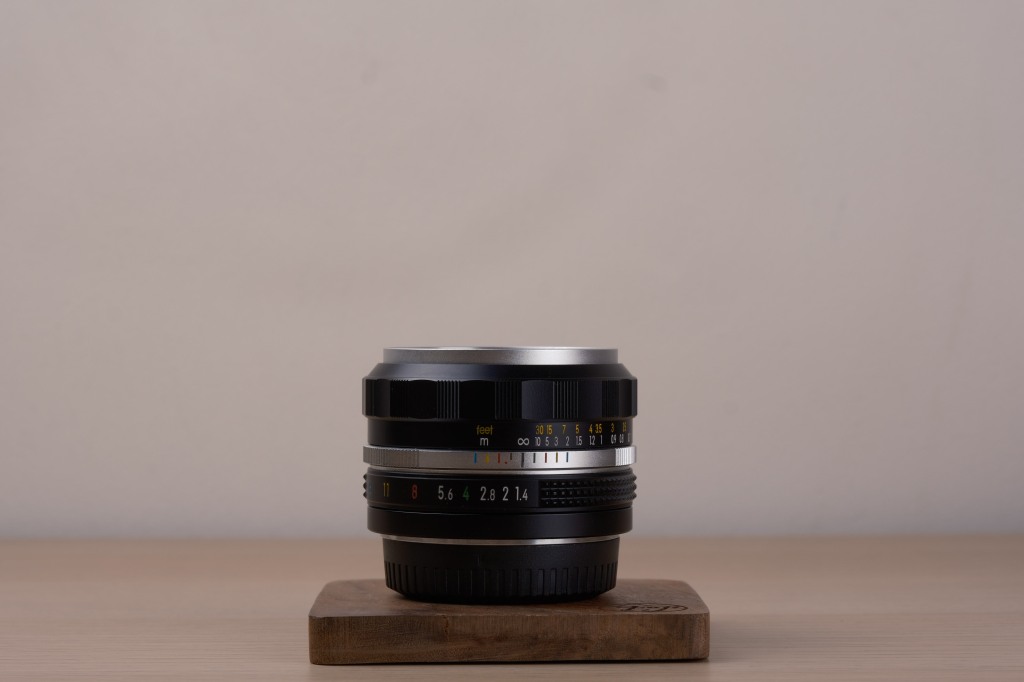

Reviews

Meike 55mm f1.4 – Checking All the Boxes?

I mentioned before that I do not have very good experience with Meike’s first autofocus lens. When I received this lens, I set myself a low expectation of this lens.

Sometimes, I wonder whether the manufacturers communicate with one another or they coincidentally have the same thoughts at the same time. This is the third portrait lens that are available to photographers in just the first half of 2024. Anyway, I feel there is a sudden strong competition with this focal length in this budget segment.

Meike 55mm f1.4 with lens hood

Intro

Meike 55mm f1.4 was announced in March 2024 and this is Meike’s second autofocus lens. I have reviewed their first X-Mount autofocus lens, the Meike 85mm f1.8, and I have my reservation with it after some testing. The announcement between the two lenses was about 1 year apart.

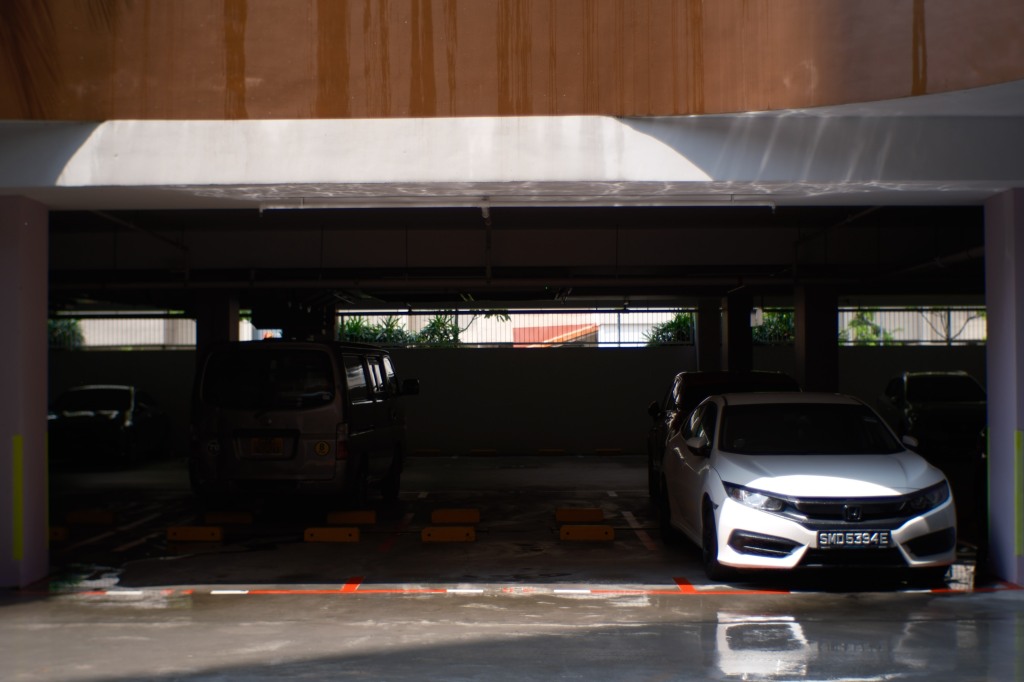
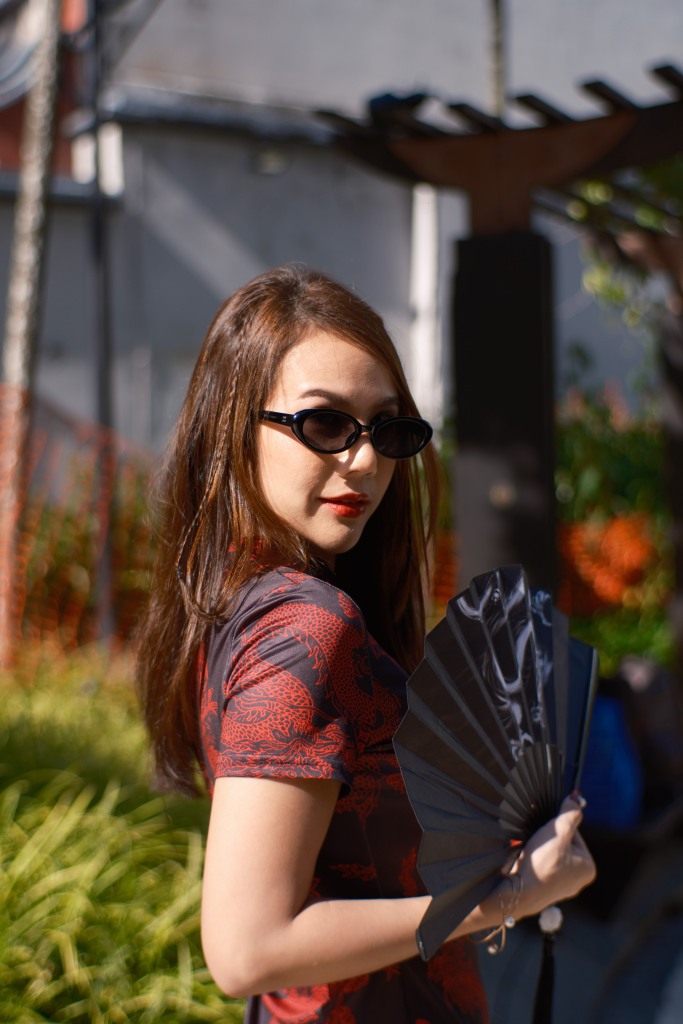
Fuji X-T5 . Meike 55mm f1.4 @ 55mm . f5.6 . 1/950″ . ISO 125 . Nostalgic Negative

Before I proceed further, I appreciate the good people from Meike for sending this lens for my review. I thank them for their continuous support.

Design and Build Quality

From the first impression, the lens design seems to take inspiration from the Canon L lens (the red line ring). Secondly, the plastic build quality feels so much better than the Meike 85mm f1.8 when I hold it in my hand. The lens comes in a matte finish, so it is fingerprint-magnet-free. It’s a huge improvement in my opinion.

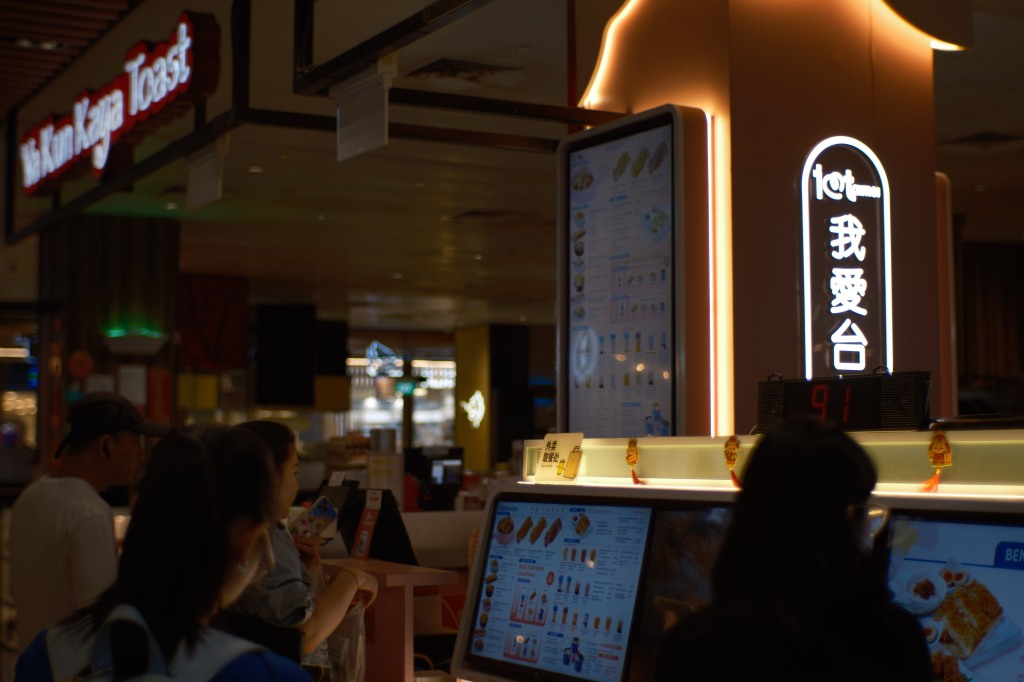
Fuji X-T5 . Meike 55mm f1.4 @ 55mm . f2.8 . 1/5000″ . ISO 125 . Nostalgic Negative

This 52mm filter-size lens is compact and lightweight. Only 286 grams. Oh yes, it comes with an aperture ring! Hooray! However, the ring is a little stiff compared to other lenses I have tested. At least it is clicky but the experience is not what I expected.

On the bright side, it comes with a lens hood too. As for the lens cap, it is the normal pinch-to-release lens cap but better than the ArtraLab 24mm and 35mm.

Image Quality

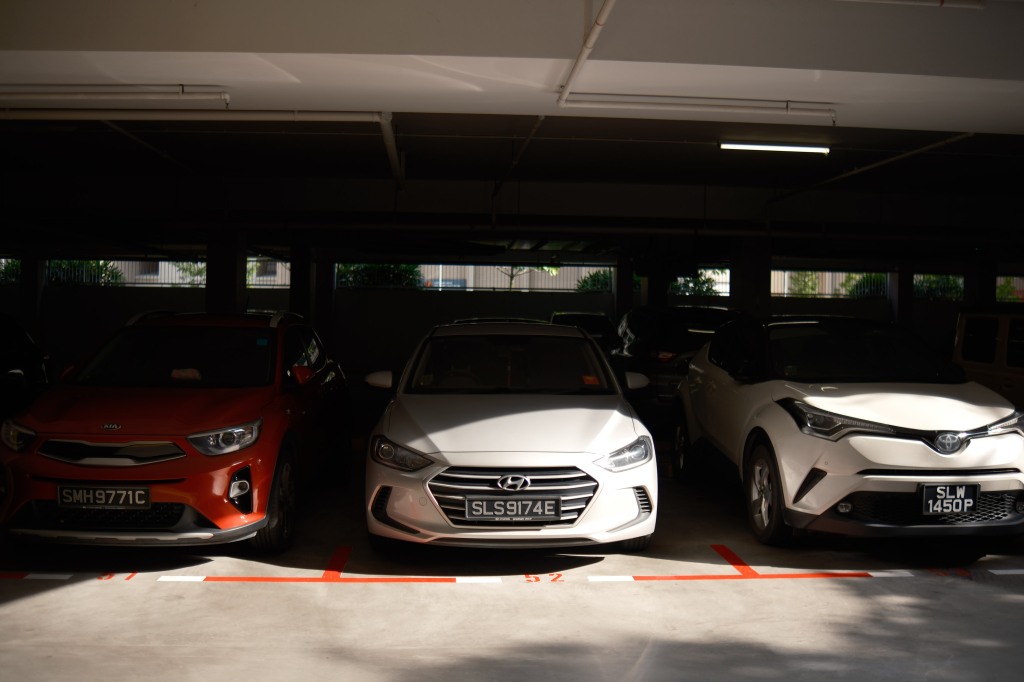
With my low expectations, Meike gives me a good surprise. The image quality at f1.4 is pretty good. Decently sharp and has good contrast. Although corner-to-corner sharpness is within passable to a fair standard, in general, it is fine if you do not pixel-peep.

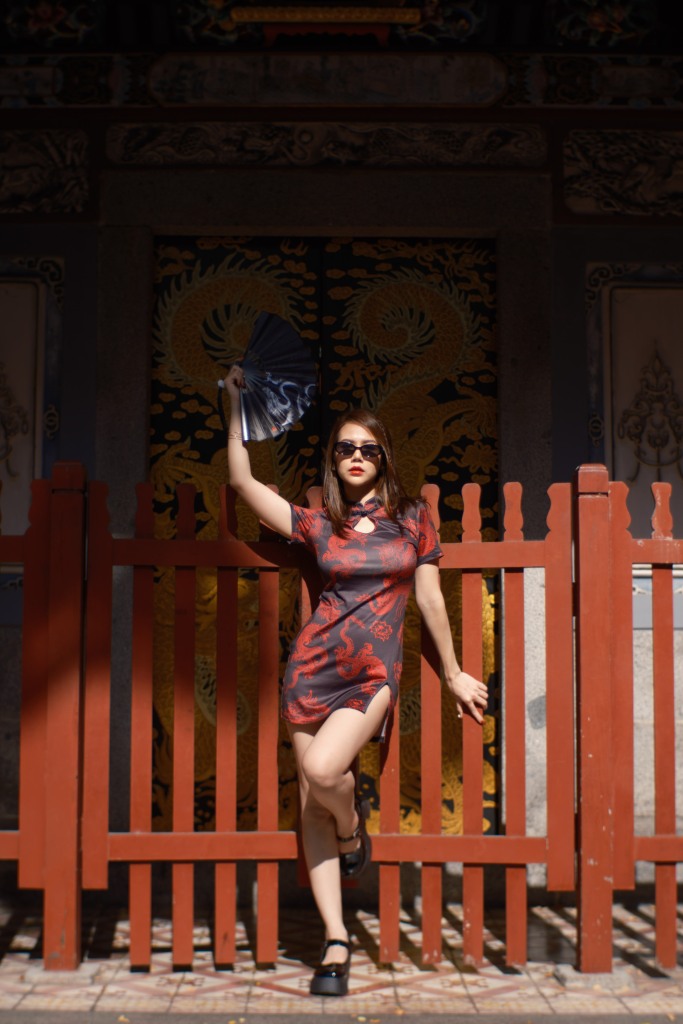
Fuji X-T5 . Meike 55mm f1.4 @ 55mm . f1.4 . 1/90″ . ISO 125 . Nostalgic Negative

I also think the optic glass of this lens resolves quite well with the new X-Trans CMOS 5 HR 40-megapixels sensor. Another good surprise for me.

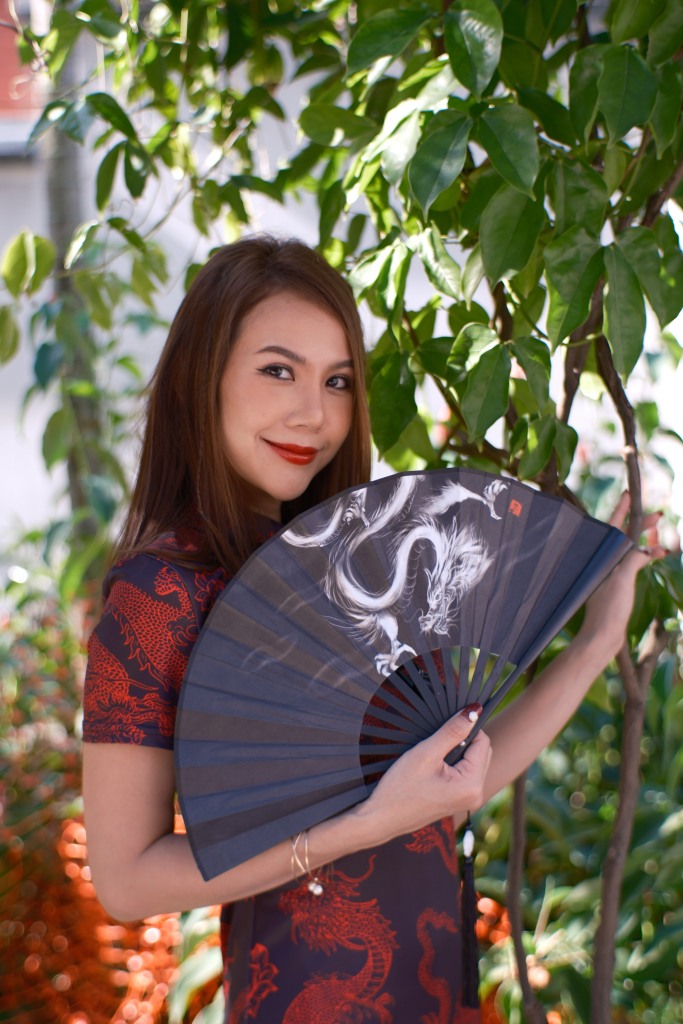
Fuji X-T5 . Meike 55mm f1.4 @ 55mm . f4 . 1/1600″ . ISO 125 . Nostalgic Negative

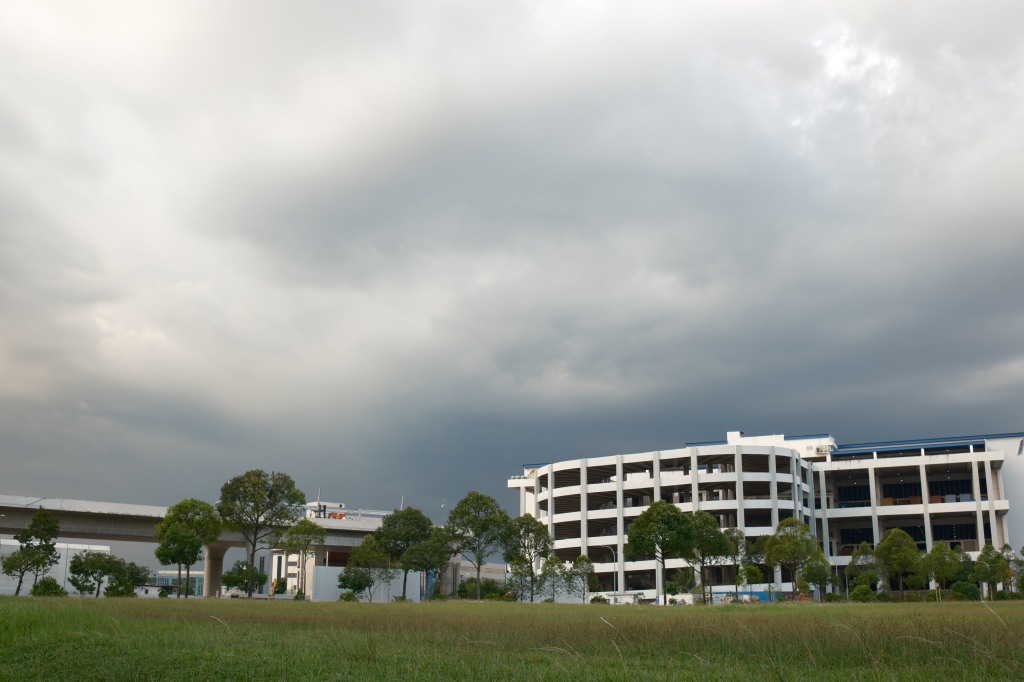
Chromatic aberration is decently well-controlled but you still can spot it if you pixel-peep. Vignetting can be observed too but not as heavy as I have expected.

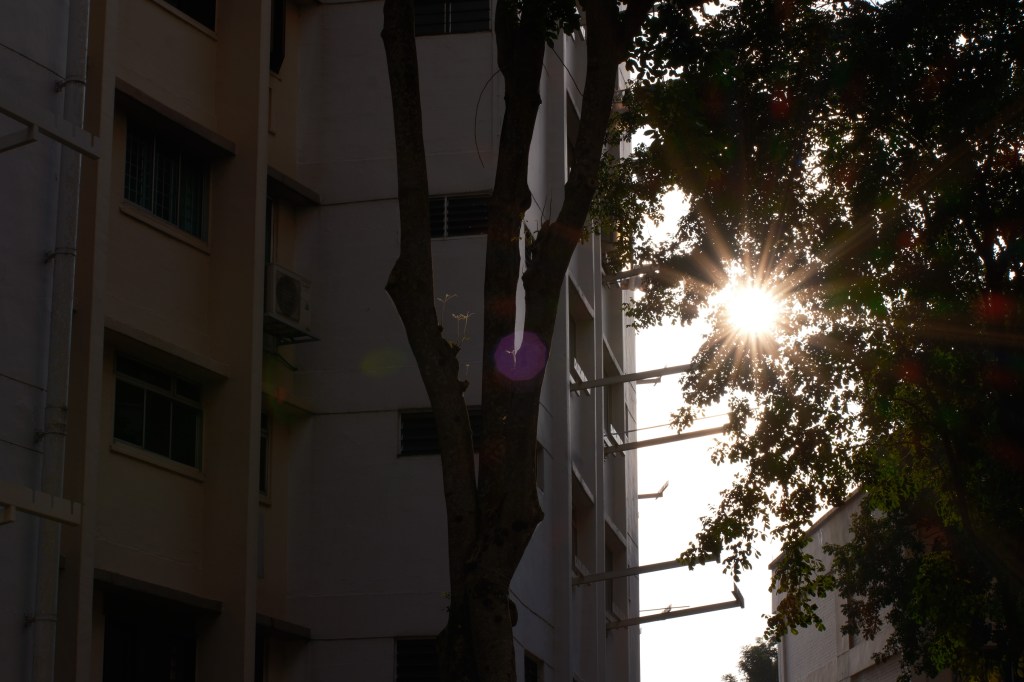
When it comes to sun effect, I think it is just fair. The lines are not clearly defined or sharp. Also, shooting directly facing the sun does come with some flares as well. So please be mindful if you dislike it.

Focusing

It comes with a Stepper Motor (STM) and the focusing speed is fast. The focusing response is pretty good from MFD to infinity. But it is still not as fast as the new generation lenses from Fujifilm like XF23mm f1.4 WR.

Fuji X-T5 . Meike 55mm f1.4 @ 55mm . f1.4 . 1/680″ . ISO 125 . Nostalgic Negative

However, I do notice that the lens is unable to focus on the subject, even in bright daylight. It seems to have this strange phenomenon, luckily, it happens rarely. I hope they will address the issue here.

One interesting thing to note here, it comes with an AF/MF switch. If you want to switch to manual mode to shoot, you have to switch the mode via the AF/MF switch on the lens and not on the focus mode selector on your camera. I hope they can give the photographer an option to choose where to change the focus mode freely. I hope they can implement it in future firmware updates. Nevertheless, it is not a big deal.

Meike 55mm f1.4

Minimum Focus Distance (MFD)

By now, we all know there is no perfect lens in the market. The lens should have compromise(s) and it is also depending on our acceptance. Well, for Meike 55mm f1.4, the shortcoming is the MFD.

Fuji X-T5 . Meike 55mm f1.4 @ 55mm . f1.4 . 1/3800″ . ISO 125 . Nostalgic Negative

At 61cm, it is not quite on par with today’s portrait lenses but not the worse. Here are some of the MFD of the portrait lenses I have tested before:

XF56mm f1.2 WR – 50cm

XF50mm f2 – 39cm

Yongnuo 50mm f1.8 – 45cm

Sigma 56mm f1.4 – 50cm

TTArtisan 56mm f1.8 – 50cm

Fuji X-T5 . Meike 55mm f1.4 @ 55mm . f2 . 1/80″ . ISO 320 . Nostalgic Negative

Why did I say not the worse? Because we have lenses that are even furthe, the classic XF56mm f1.2 and XF50mm f1. Both at 70cm. So this is something the Meike 55mm is slightly better.

Price Point

This lens comes at a very competitive price point of 199.99 USD. To name a few, TTArtisan 56mm f1.8 is priced at 158 USD and Viltrox 56mm f1.7 is priced at 169 USD in their own respective online stores.

With just 30-40 USD more, I can get aperture ring and a faster lens. So do you think it is a sweet deal?

Fuji X-T5 . Meike 55mm f1.4 @ 55mm . f1.4 . 1/6400″ . ISO 125 . Nostalgic Negative

Others

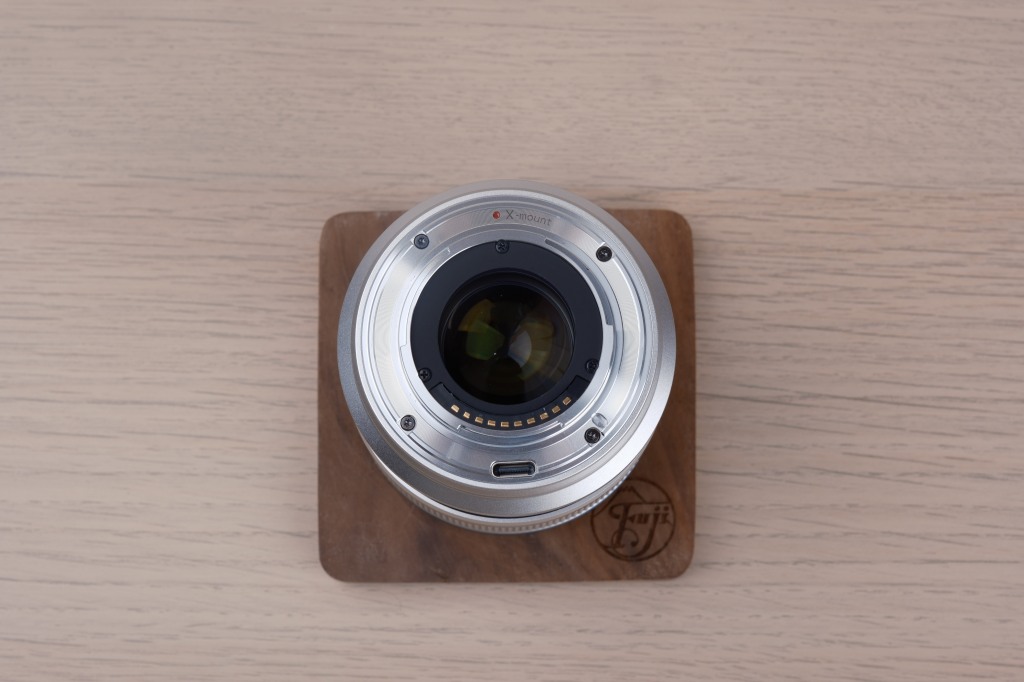
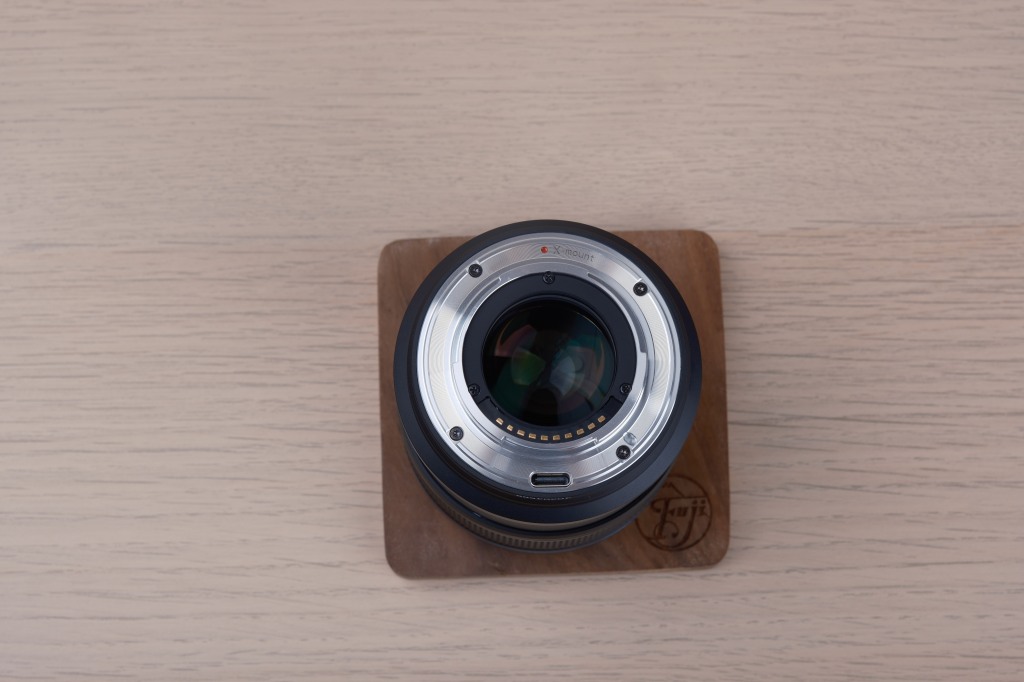
One good improvement that Meike do it right is having a few USB-C port for firmware upgrades. This is so much friendlier than the 85mm. Now I can have fewer cable management issues.

Meike 55mm f1.4

Also, I think this is also within expectation. This lens does not come with any weather sealing or weather resistance.

Who is this for?

Although it is 1mm shorter than the typical 56mm, this 82.5mm (in full frame equivalent) lens is still a portrait lens. It does not make any difference from the other portrait lens.

Fuji X-T5 . Meike 55mm f1.4 @ 55mm . f1.4 . 1/80″ . ISO 125 . Nostalgic Negative

With this price tag, I can recommend it to any photographers new to photography or exploring photography genres like portraits. But this lens can be used for street, documentary, and product shoots.

Conclusion

The market is flooded with many third-party portrait lenses, but what makes this lens stand out is the f1.4 fast lens, aperture ring, and price point. Even though the MFD is the only drawback I have with the lens, Meike has done well with the optic quality and the focusing speed.

Fuji X-T5 . Meike 55mm f1.4 @ 55mm . f1.4 . 1/250″ . ISO 320 . Nostalgic Negative

I feel that Meike makes a good move by penetrating the market differently and gives even more choices to the photographers in the budget segment.

Fuji X-T5 . Meike 55mm f1.4 @ 55mm . f1.4 . 1/2500″ . ISO 800 . Nostalgic Negative

All in all, I do love this lens a lot and I am excited to know that Meike is planning to release 16mm, 23mm, and 33mm. All are f1.4. (At least this is the understanding so far). I am looking forward to their arrival.

So does this lens check all the boxes? In my opinion, not all but it checks on the right boxes.

Meike 55mm f1.4 with lens cap

Thank you for reading.

Disclaimer:
1. All the shots taken here are shot by me.
2. Most of the shots are straight out of the camera with some shots edited via In-Camera Raw Processing.

3. The opinions are based on my experience. If there is any mistake, please kindly drop me a message and I will gladly make the amendment.
4. I reserve ownership of these images, if you wish to use my images, please notify me.

If you like my works, please follow me on either one of the 2 Instagram accounts:

https://www.instagram.com/alwinkok_

https://www.instagram.com/alwin.portraits

If you have a Facebook account, feel free to join Fujifanboys FB group.

If you like my content and you want to show some support and keep this blog alive, you can buy me a coffee here.
Event

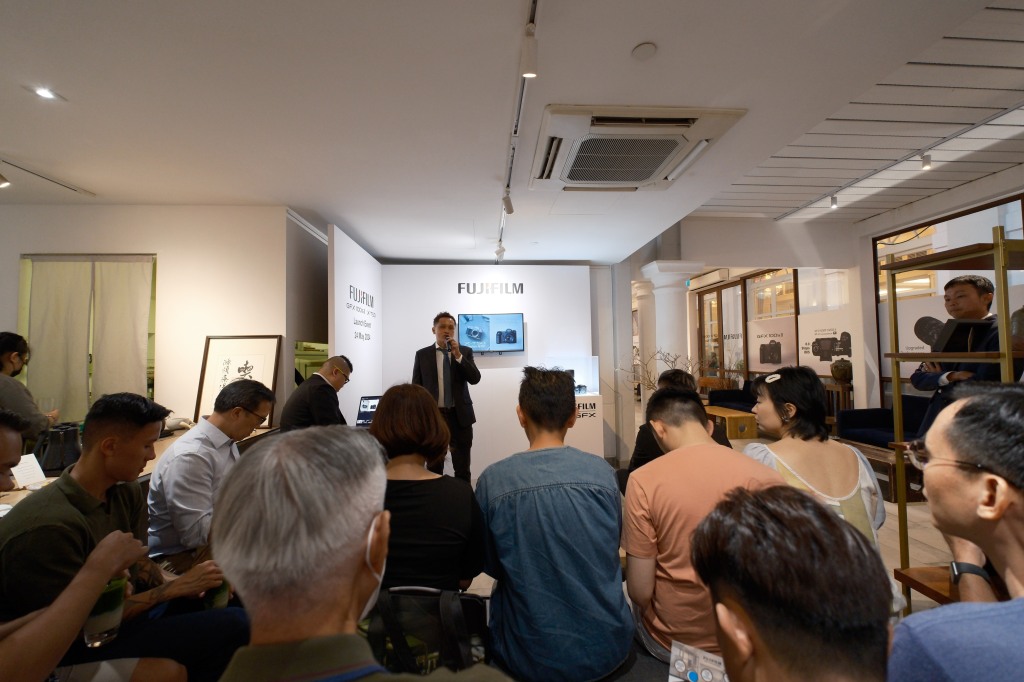
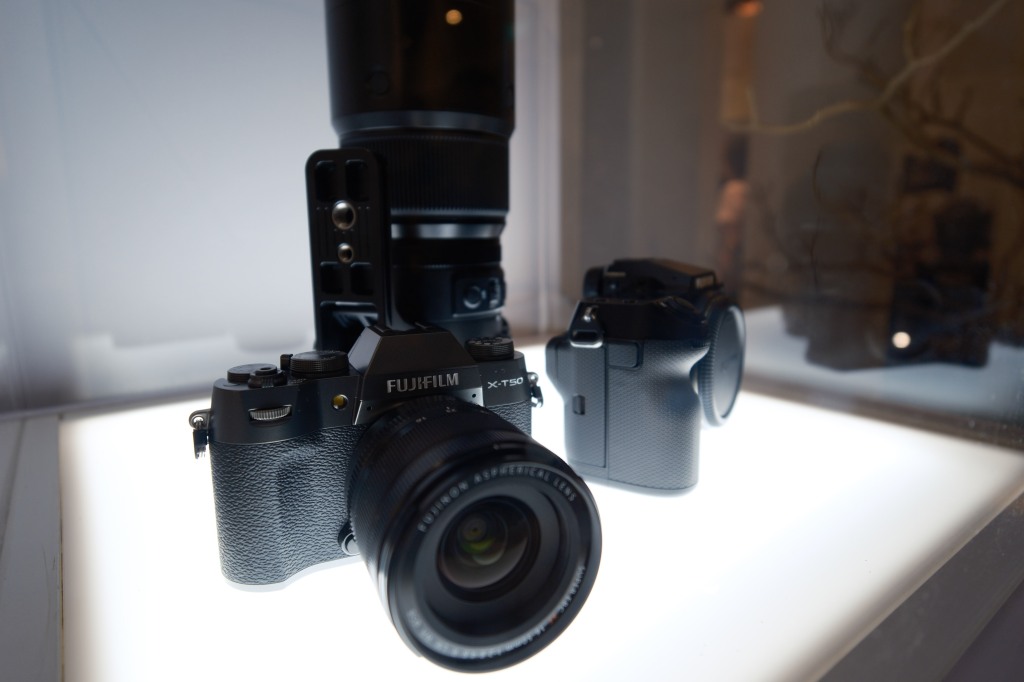
X-T50 and GFX100SII Launch Event – Singapore

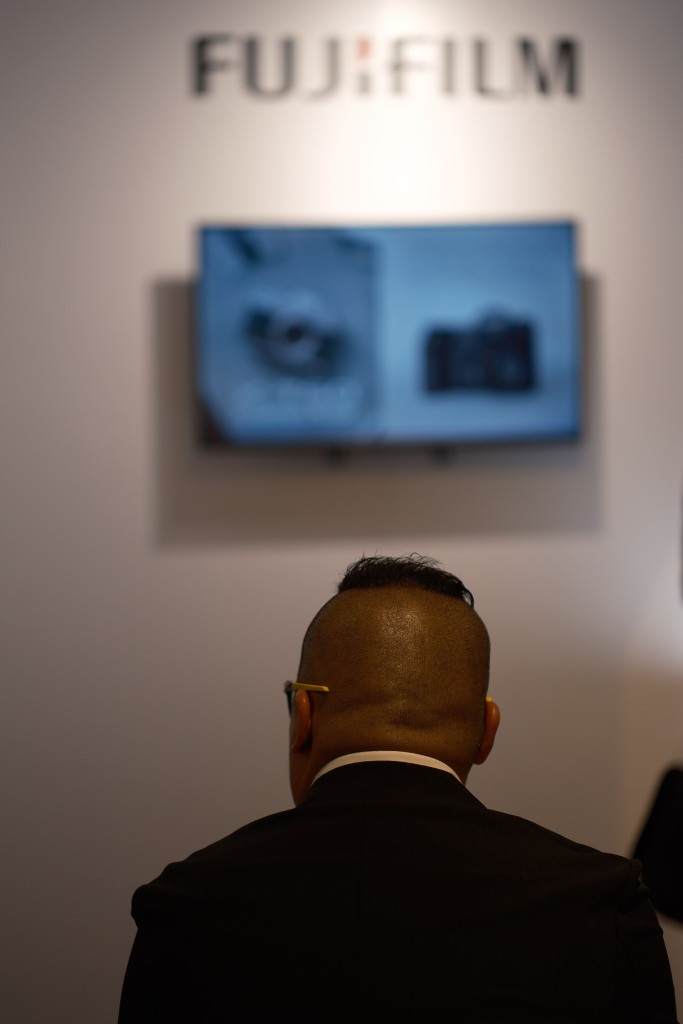
It has been almost a year since the previous event I attended. This X-T50 and GFX100S II launch event is unique, there is not one but four sessions were held on the same day. I managed to attend the last one. The event was held at Hvala @ Chijmes this time round. This is a nice place to catch up with friends as I have visited it several times. Do check it out if you are nearby.

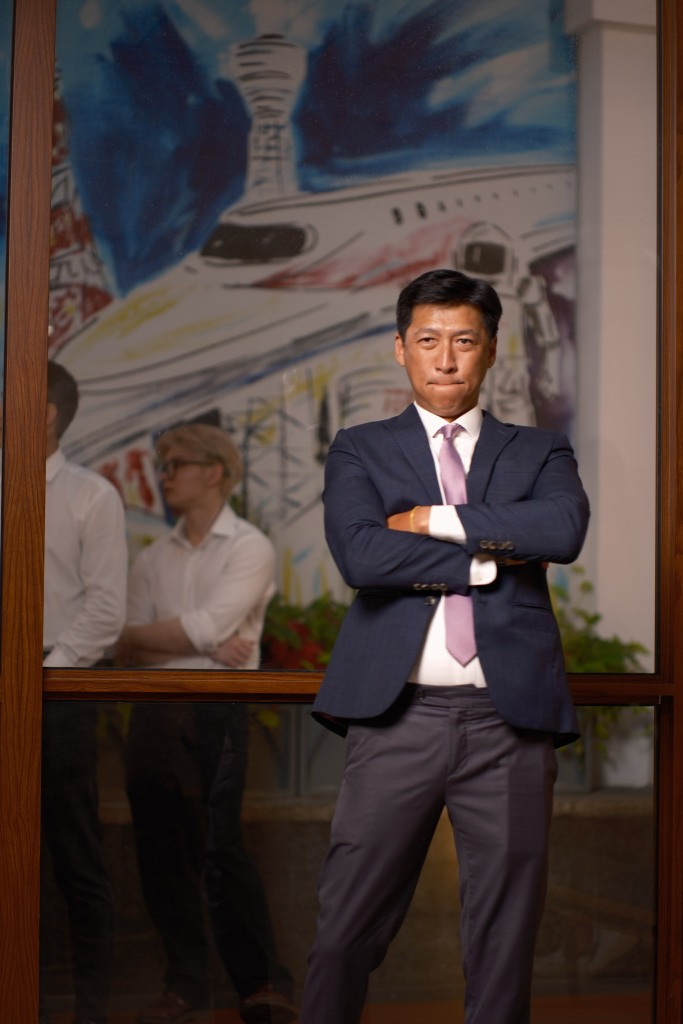
Guess who is that?
The event begins…
Leung from Fujifilm Singapore is giving a speech.
Product specialist, Jere, is sharing the new products.
Lee with the iconic Stamford Raffles pose.
Mindy took her turn to share her take on the X-T50 surroundings with her family and her.
Vance, the new X-Photographer, shares his experience with the GFX100S II.
The first look of GF500mm f5.6.
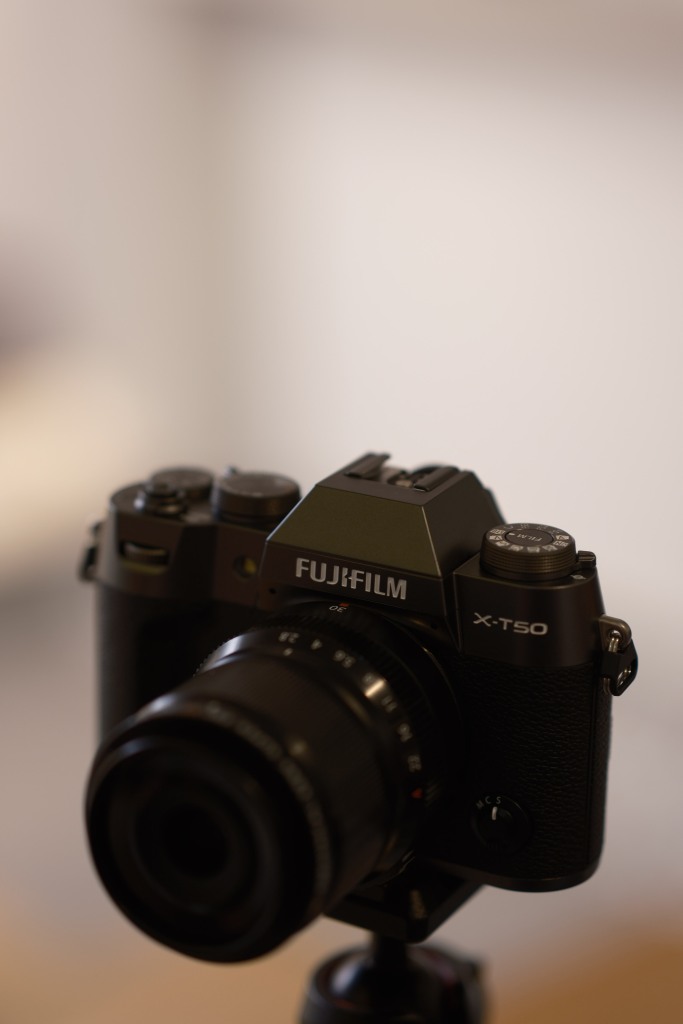
Fuji X-T50
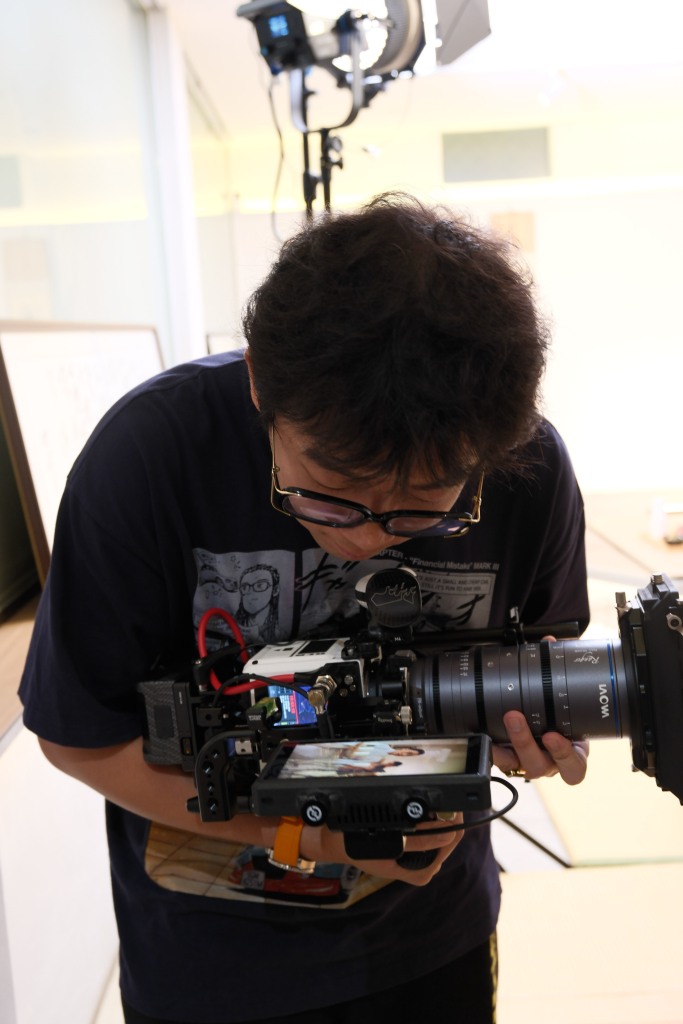
The big boy filming for reels and tik tok.
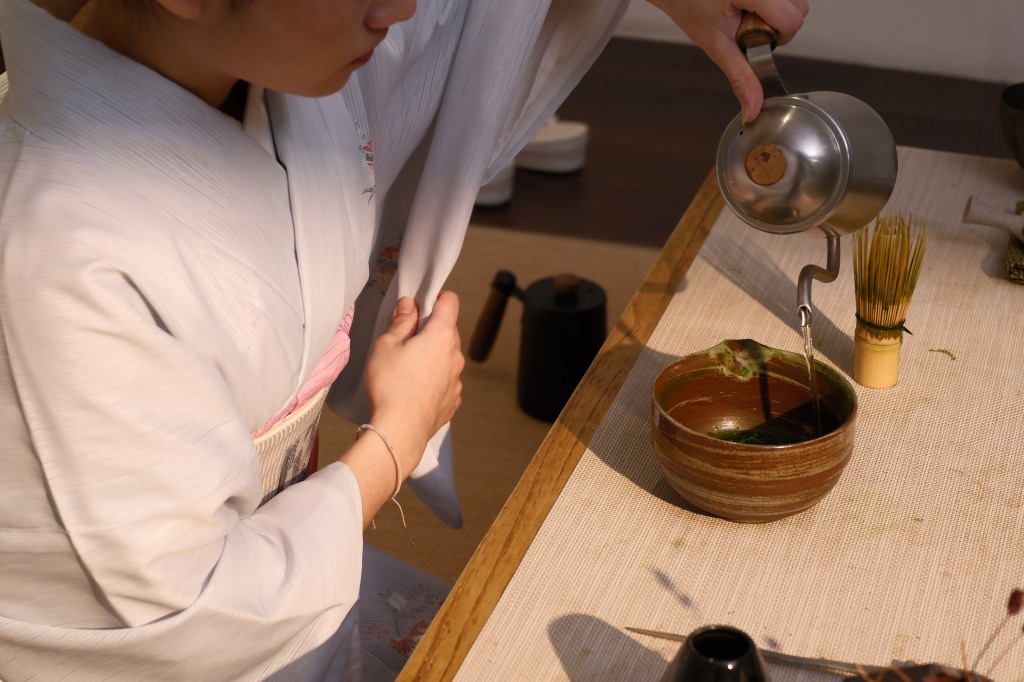
Chajin making matcha.
A close-up shot.
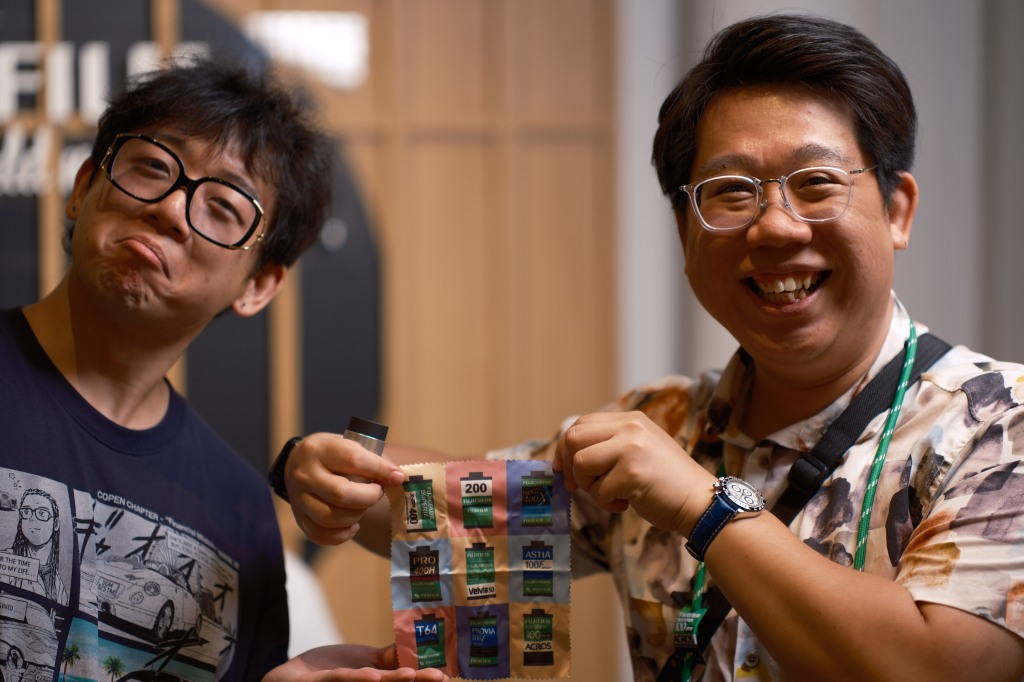
A gift from Fujifilm Singapore
Another gift from Fujifilm Singapore
Sample shot 1: X-T50 with XF16-50mm
Sample shot 2: X-T50 with XF16-50mm
Sample shot 5: X-T50 with XF16-50mm
Wefie before the end of the event.


Thank you for reading.

If you like my works, please follow me on either one of the 2 Instagram accounts:

https://www.instagram.com/alwinkok_

https://www.instagram.com/alwin.portraits

If you have a Facebook account, feel free to join Fujifanboys FB group.

If you like my content and you want to show some support and keep this blog alive, you can buy me a coffee here.

Reviews

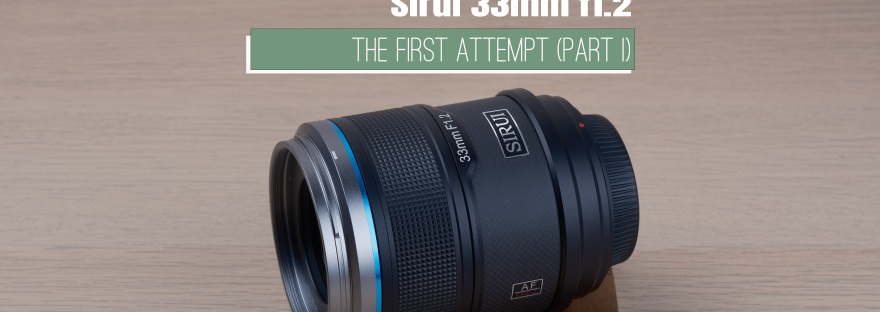
Sirui 33mm f1.2 – The First Attempt (Part I)

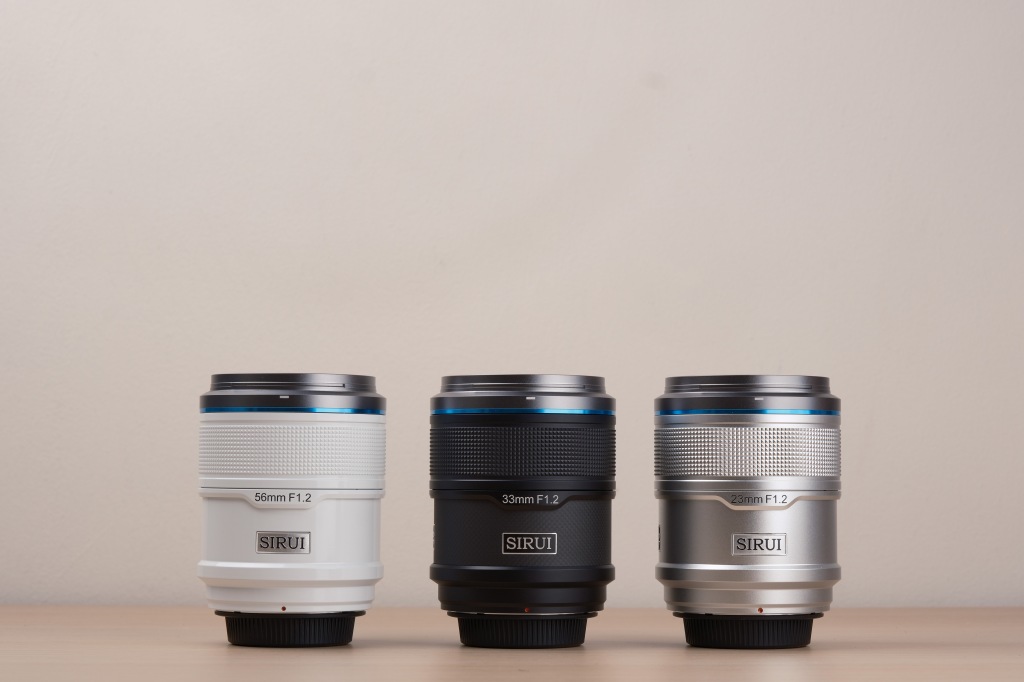
Sirui made a big move by launching the trinity prime lenses with 3 different color options for photographers, black, silver, and white. And what an even smarter move is to launch them via a crowdfunding platform. They call them the Sniper series.

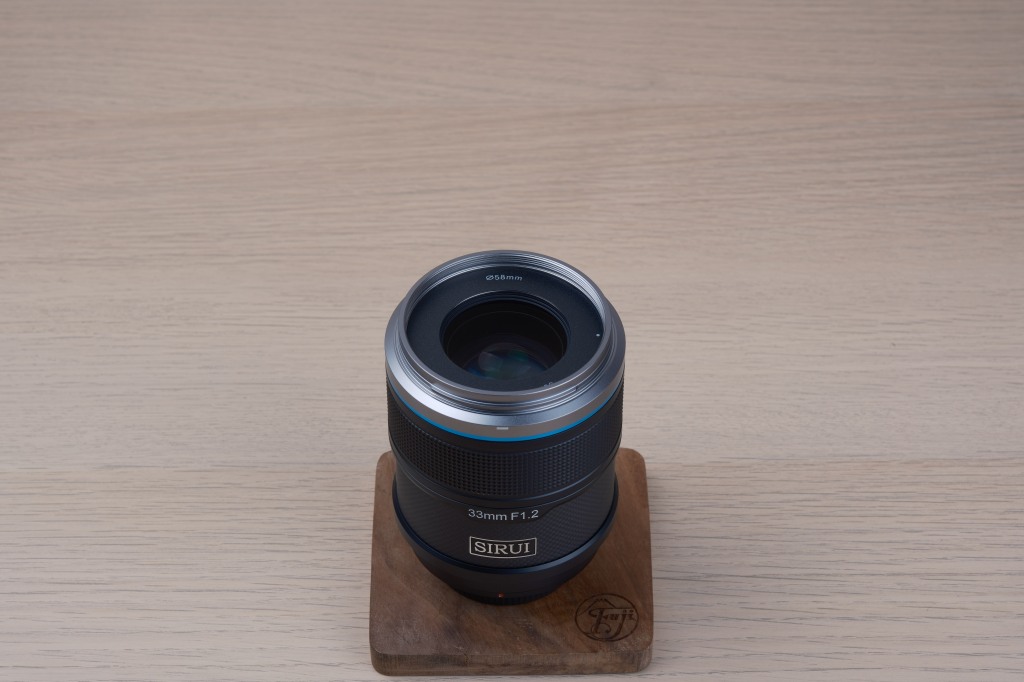
Sirui 33mm f1.2

Intro

Sirui has been in the photography industry since 2001. That’s a long established brand for over 2 decades. I came to know about this brand when I have searching for a tripod, what about you?

Although Sirui has been here for quite a long time, when it comes to photography lenses, they are still at the “young”/”early” stage. If I remember correctly, they launched their first lens, the 50mm f1.8 1.33x anamorphic lens, in 2019. So how does the Sirui 33mm actually perform?

Design and Build Quality

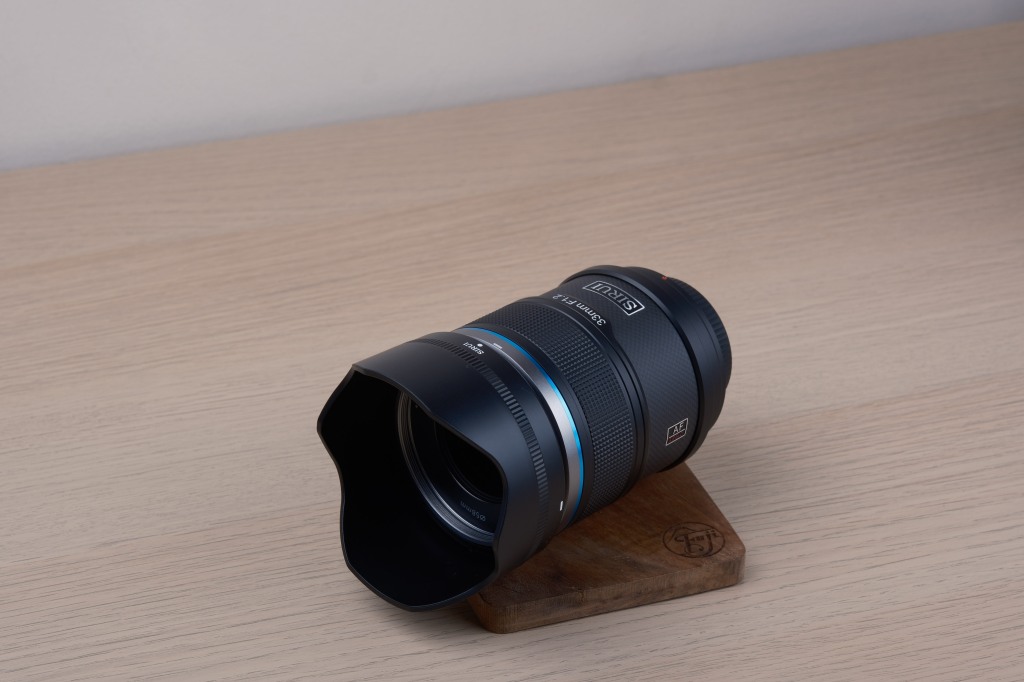
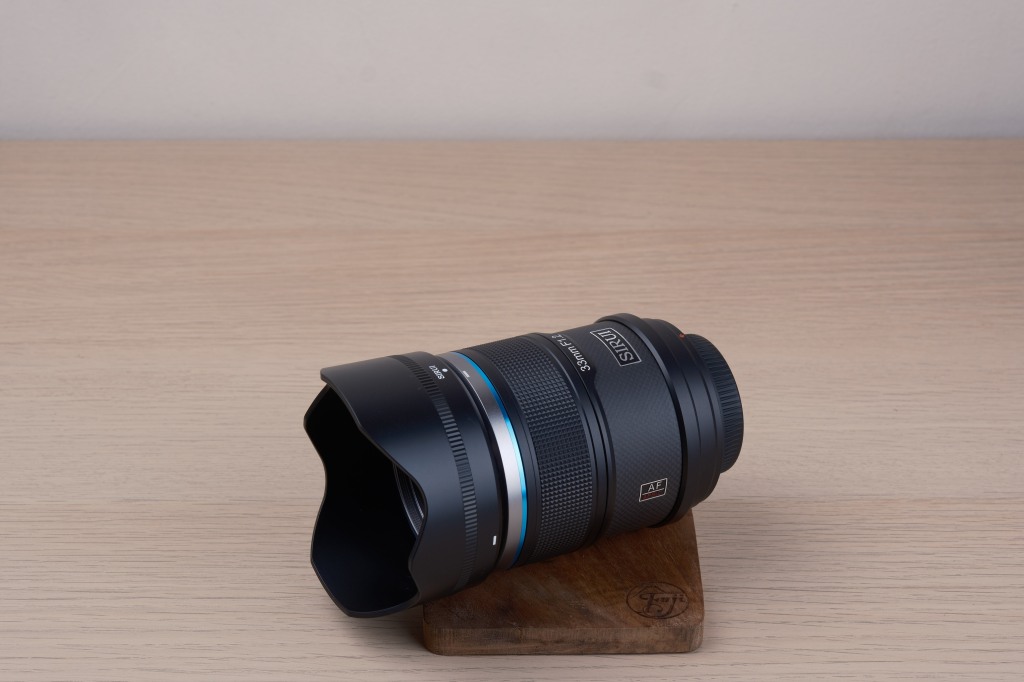
The plastic-constructed lens is considerably well-built. The black carbon fiber design is pretty nice looking too. At 400 grams, I can feel the weight when I hold it in my hands but lucky it is not bulky, otherwise, it will not be a pleasant experience.

As you can tell, this 58mm filter size lens does not come with any aperture ring. However, those who love to use the focus ring will be very happy because it has a very big surface area for the focus ring.

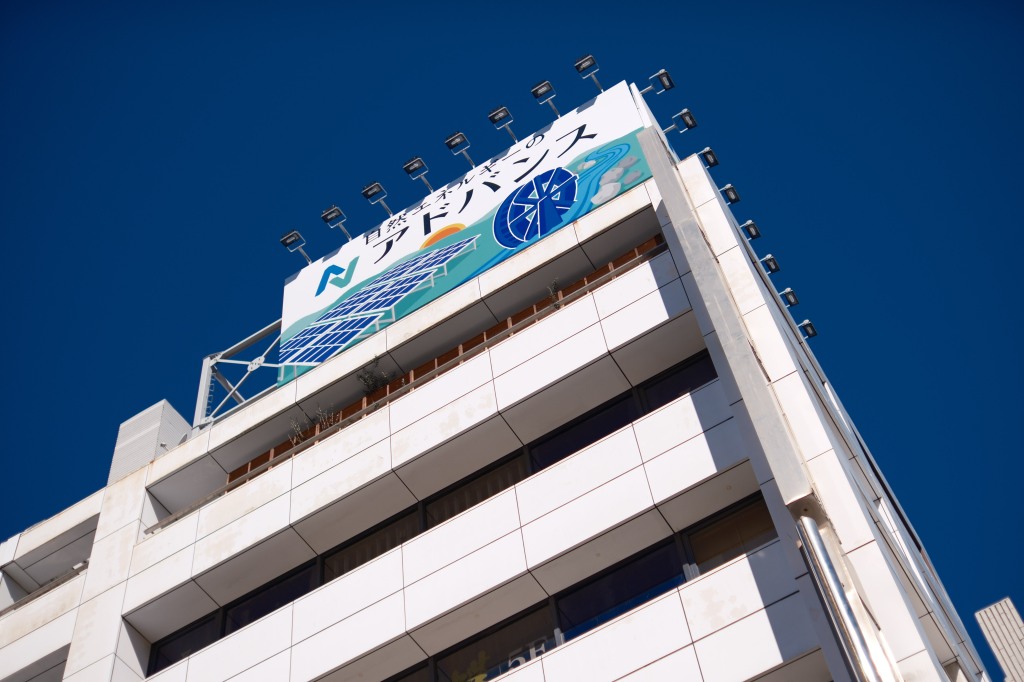
Fuji X-T5 . Sirui 33mm f1.2 @ 33mm . f1.2. 1/12000″ . ISO 125 . Nostalgic Negative

Also, unlike a typical manual ring, this one comes with a 360° rotation angle. As this is an electronic focus ring, I believe this benefits videographer.

The 50mm (in full frame equivalent) comes with a metal rear mount.

Image Quality

Somehow, I am a little disappointed with the optic. At f1.2, the image quality is soft, lacking some contrast and sharpness. Maybe it is the characteristic softness that some photographers love, but this is not my preference. Nonetheless, this experience is similar to those I tested with the typically manual focus lenses but slightly better.

For low-light and indoor situations, it is slightly better with shots taken at wide-open. But you still can see that softness if you pixel-peeped.

Fuji X-T5 . Sirui 33mm f1.2 @ 33mm . f4. 1/2500″ . ISO 125 . Nostalgic Negative

In my opinion, f2 is the sweet spot. The image quality definitely gets better from f2 onwards. Sharpness and contrast are great and better photos usability.

Chromatic aberration is pretty obvious at wide open but on the bright side, the vignetting is mild.

Fuji X-T5 . Sirui 33mm f1.2 @ 33mm . f2. 1/100″ . ISO 400 . Nostalgic Negative

I seldom share about background/foreground blur as the beauty of it is very subjective and personal. The same for bokeh. However, I feel that the blur rendering is somehow not as smooth as I expected from a f1.2. It seems to be forcefully rendered or at least not to my pleasing.

Focusing

Fuji X-T5 . Sirui 33mm f1.2 @ 33mm . f2. 1/150″ . ISO 125 . Nostalgic Negative

This lens comes with a Stepper Motor (STM), which is silent and pretty fast when there is sufficient contrast. However, be it during the day or under low-light situations, I sometimes experience some focus-pulling, and it takes a few times to get it focused. Also, shooting at wide-open sometimes does have focus pulling. Sometimes it will eventually focus-locked successfully, sometimes it will fail. I think this can be resolved with future firmware updates.

Fuji X-T5 . Sirui 33mm f1.2 @ 33mm . f1.2. 1/80″ . ISO 160 . Nostalgic Negative

The focusing speed between MFD and infinity is okay, and you can feel the difference when you compare it with the XF33mm f1.4.

Minimum Focus Distance (MFD)

At 40cm, this lens does not have the best MFD in my opinion. It is even worse than the Rokinon 35mm f1.2 (@38cm). For your information, XF35mm f1.4 is holding the record of 28cm. Luckily, the image quality doesn’t get any worse at wide-open at its MFD.

Fuji X-T5 . Sirui 33mm f1.2 @ 33mm . f1.2. 1/80″ . ISO 250 . Nostalgic Negative

Price Point

It is selling at 456.50 USD on the Sirui website. But if you are getting from B&H, it is 331.55 USD. If you are looking at 3 lens kit, it will be 1304.88 USD and 949.05 USD respectively.

Others

Like most manufacturers, the lens comes with a USB-C port for future firmware upgrades. At least it is not the micro USB found in Meike 85mm f1.8.

Sirui 33mm f1.2 – rear

Another good point to note is that it comes with a lens hood. The bad point is that the lens hood gives some sort of unpleasant sound that seems like it will break when I try to mount it front-facing. Keeping the lens hood is fine. Strange phenomenal.

Fuji X-T5 . Sirui 33mm f1.2 @ 33mm . f2.8. 1/350″ . ISO 125 . Nostalgic Negative

Also, the lens cap is thin, making it probably the worst experience I have had with any lenses tested this far. The pinch-to-release area is too narrow for big fingers to pinch and remove the cap without any some level of struggling.

Lastly, this lens does not come with any weather resistance or sealing. I do encounter some drizzling during my shoot, luckily it still works fine.

Who is this for?

This 50mm (in full frame equivalent) lens is a nice focal length that generally covers a lot of genres. Street and portraits are easily some of them.

If you have not owned this focal length before or want to give this focal length a try but do not wish to spend more money, then you may consider getting this lens. If you want a good Trinity lens setup to start your photography journey, this sniper series might be a good choice to kickstart with.

Fuji X-T5 . Sirui 33mm f1.2 @ 33mm . f1.2. 1/3800″ . ISO 125 . Nostalgic Negative

Conclusion

This Sniper series is Sirui’s first attempt in the APS-C world and this series really gets a lot of attention and successfully gets the lenses funded in the crowdfunding platform.

Fuji X-T5 . Sirui 33mm f1.2 @ 33mm . f2. 1/900″ . ISO 125 . Nostalgic Negative

In my opinion, this lens is considerably affordable as it comes with a fast but not-so-favorable f1.2 and pretty decent focusing performance. As I mentioned earlier, I think treating this lens as an f2 lens instead of an f1.2 lens will make me feel better. Then f1.2 is a “bonus” when I really need that big aperture, then it is there for me to use it.

Fuji X-T5 . Sirui 33mm f1.2 @ 33mm . f8. 30″ . ISO 125 . Nostalgic Negative . Crop: 65:24

There is room for improvement with this series, and I hope to see better image quality at wide-open, comes with an aperture ring and probably some form of weather protection.

And yes, this is the first of the 3 Sirui lenses I have reviewed. 2 more to go.

Thank you for reading.

Disclaimer:
1. All the shots taken here are shot by me.
2. Most of the shots are straight out of the camera with some shots edited via In-Camera Raw Processing and Capture One.

3. The opinions are based on my experience. If there is any mistake, please kindly drop me a message and I will gladly make the amendment.
4. I reserve ownership of these images, if you wish to use my images, please notify me.

If you like my works, please follow me on either one of the 2 Instagram accounts:

https://www.instagram.com/alwinkok_

https://www.instagram.com/alwin.portraits

If you have a Facebook account, feel free to join Fujifanboys FB group.

If you like my content and you want to show some support and keep this blog alive, you can buy me a coffee here.
Reviews

ArtraLab 35mm f1.4 – A Nod to Nostalgic Again

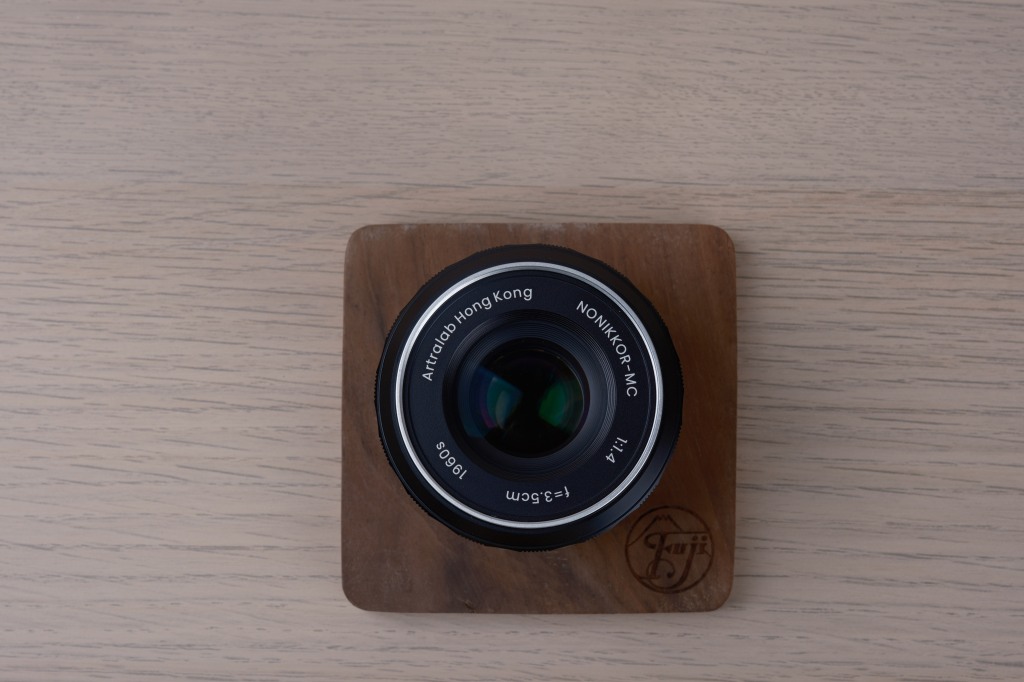
ArtraLab isn’t stopped at just releasing their 24mm f1.7 in Septemeber 2023. Just exacting one month later, they released another new lens in October 2023; the ArtaLab NONIKKOR-MC 35mm F1.4. 

ArtraLab 35mm f1.4

Intro

This is the second lens I have tested from the company. Besides the X-mount, this lens comes with E-mount, Z-mount, and L-mount. A little interesting fact about this lens is that it is a full-frame lens. Does this mean that the optical quality of the APS-C sensor should be better than those lenses designed specifically for APS-C?

Design and Build Quality

If I am correct, this lens comes with two designs. Basically, the difference between the two is the change of the focus ring. The first one has very identical design language to their 24mm f1.7 variant, which seems like just an upsize of it. The second one (the one I am reviewing), has a bit more distinguished design language. The focus ring is more of a “blocky rectangular tile-like” shape design.

Fuji X-T5 . ArtraLab 35mm f1.4 @ 35mm . f1.4. 1/4700″ . ISO 125 . Nostalgic Negative

Nonetheless, this lens is also heavily inspired by the 80’s Nikon lens design language. The 285-gram lens has the same good metal-built quality. Still has the attractive colorful aperture values that I love and it also comes with the same pleasant clicky aperture ring.

Fuji X-T5 . ArtraLab 35mm f1.4 @ 35mm . f1.4. 1/2700″ . ISO 125 . Nostalgic Negative

This lens comes with a 52mm filter size, which also shares the same filter size as the ArtraLab 24mm f1.7. Nice.

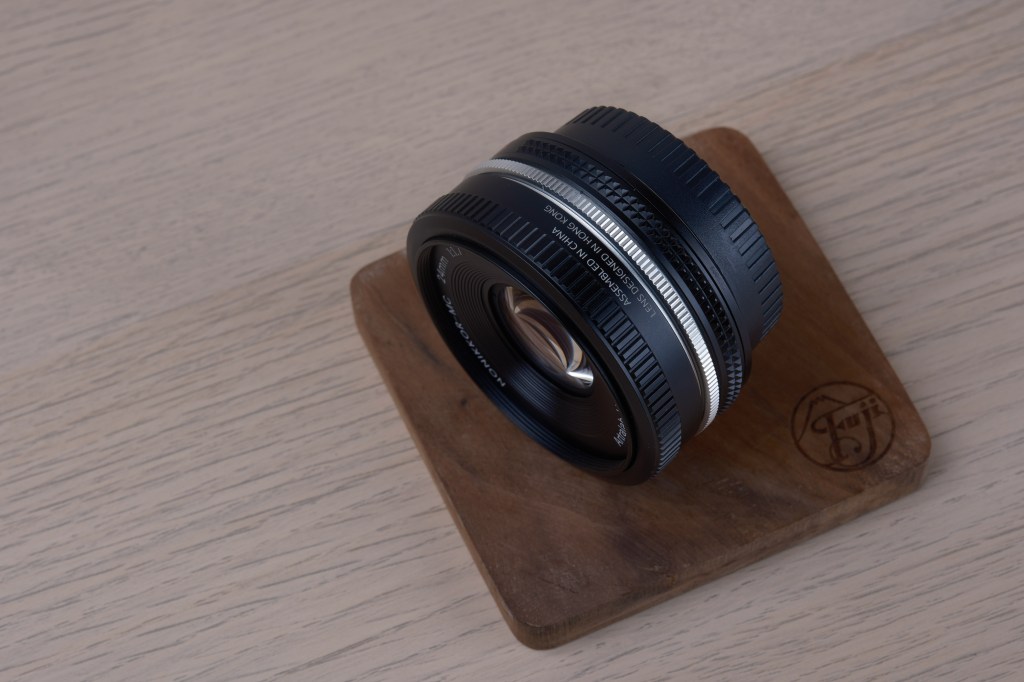
In case one wonders, the lens is designed in Hong Kong and assembled in China.

ArtraLab 35mm f1.4

Image Quality

I previously shared my positive thoughts on the ArtraLab 24mm f1.7, but unfortunately, my experience was not the same this time around. Firstly, the chromatic aberration coupled with softness was quite disturbing when using the lens at a wide open. It reminded me of the image quality issues that were prevalent 4-5 years ago.

Fuji X-T5 . ArtraLab 35mm f1.4 @ 35mm . f1.4. 1/80″ . ISO 500 . Nostalgic Negative

Although sharpness isn’t there at wide open, contrast isn’t that bad. The contrast is fair enough in my opinion. Image quality does improve from f2.8. For some reason, The glowing/blooming effect found in the ArtraLab 24mm f1.7 can be found with this lens but I feel it isn’t as strong as the one with 24mm. I thought it would be nice to share the same characteristic charm.

Anyway, to be fair, the optic of this lens is designed to be the same as the one found in the 80s. So I think this is why it behaves this way.

Fuji X-T5 . ArtraLab 35mm f1.4 @ 35mm . f1.4. 1/30″ . ISO 1000 . Nostalgic Negative

Vignetting is there but it is not that obvious. The sun star, surprisingly, is nice and the lines are well-defined.

Sunstar is pretty surprisingly good in my opinion. The lines are well-defined but it does come with ghosting as well.

Focusing

The focus ring is smooth and gentle but slightly heavier to rotate with my pinky finger (I managed to do it with the ArtraLab 24mm f1.7).

Fuji X-T5 . ArtraLab 35mm f1.4 @ 35mm . f1.4. 1/80″ . ISO 3200 . Nostalgic Negative

The rotation is approximately 180° from end to end. Personally, I prefer “long travel distance” as this will allow me to have better precision in manual focusing on the subject. This also greatly improves in nailing the shots at a higher success rate.

Minimum Focus Distance (MFD)

35cm MFD is pretty standard nowadays for this focal length. Nothing spectacular but the soft image is expected at f1.4.

Fuji X-T5 . ArtraLab 35mm f1.4 @ 35mm . f1.4. 1/5400″ . ISO 125 . Nostalgic Negative

Price Point

The price point is 527 USD. Is it expensive?

Here is a small table for some price sense,

TTArtisan 35mm f1.4 – 73 USD
7artisans Photoelectric 35mm f1.2  – 139 USD
Rokinon 35mm f1.2 – 379 USD
XF35mm f1.4 R – 599 USD
Voigtlander 35mm f/2 macro – 599 USD

Fuji X-T5 . ArtraLab 35mm f1.4 @ 35mm . f1.4. 1/8000″ . ISO 125 . Nostalgic Negative

For the price point, I can top up a bit more to have the legendary XF35mm f1.4. But if you are someone who really loves the 80’s Nikon design, the price is not important.

Others

Sadly, it does not come with any lens hood like most other manual lenses. I wish ArtraLab was willing to provide a metal lens hood to compliment the lens. Giving the photographer his/her choice. Also, weather resistance is not covered as well.

Speaking of lens breathing, this lens has pretty minimum lens breathing. I believe this benefits for videographers. Oh yes, the lens protrudes a little at the MFD, which is pretty normal for most of the manual lenses I have tested.

Who is this for?

This lens is definitely aimed at photographers who love retrospective lenses, this one should not be missed if you are accepting in the image quality. As for Genres, it can do the usual ones, especially street, and portraits.

Fuji X-T5 . ArtraLab 35mm f1.4 @ 35mm . f1.4. 1/1400″ . ISO 125 . Nostalgic Negative

Conclusion

I love the nostalgic lens design but not the image quality. Given the price point, I cannot accept to have this optical glass quality. But I am not stopping photographers who loves the 80s nostalgic charm from getting it.

Fuji X-T5 . ArtraLab 35mm f1.4 @ 35mm . f1.4. 1/2500″ . ISO 125 . Nostalgic Negative

Nonetheless, if I am to decide to have a lens from ArtraLab, the 27mm f1.7 will be my preferred one.

Left: ArtraLab 35mm f1.4
Right: ArtraLab 24mm f1.7

Thank you for reading.

Disclaimer:
1. All the shots taken here are shot by me.
2. Most of the shots are straight out of the camera with some shots edited via In-Camera Raw Processing and Capture One.

3. The opinions are based on my experience. If there is any mistake, please kindly drop me a message and I will gladly make the amendment.
4. I reserve ownership of these images, if you wish to use my images, please notify me.

If you like my works, please follow me on either one of the 2 Instagram accounts:

https://www.instagram.com/alwinkok_

https://www.instagram.com/alwin.portraits

If you have a Facebook account, feel free to join Fujifanboys FB group.

If you like my content and you want to show some support and keep this blog alive, you can buy me a coffee here.
Reviews

ArtraLab 24mm f1.7 – A Nod to Nostalgic

Artralab Nonikkor-MC 24MM F1.7 is probably one of the best-looking retro-designed lenses in recent years and pairs very well with the Fujifilm range of retro-designed cameras. It was announced sometime in September 2023 and gained much traction from manual lens lovers and enthusiasts. So how does it live up to?

ArtraLab 24mm f1.7

Intro

I was only aware of this company when they teased the internet about this lens last year. I had never heard about the company before, so I googled a bit about them. Here is some high-level information about the company: ArtraLab (Art Random Adventure), a Hong Kong-based company, was founded in 2018 by a group of passionate photographers, architects, fashion designers, and product designers.

Fuji X-T5 . ArtraLab 27mm f1.7 @ 24mm . f4. 1/5800″ . ISO 125 . Nostalgic Negative

Oh yes, this lens comes with an E-mount and Z-mount.

Design and Build Quality

At first look, I am attracted by the colorful print of the aperture and manual focus rings. The lens design takes a lot of inspiration from the 1980s Nikon lens designs. I love it.

Fuji X-T5 . ArtraLab 27mm f1.7 @ 24mm . f1.7. 1/1600″ . ISO 125 . Nostalgic Negative

When I hold the 210-gram lens, I can feel that the aluminum-constructed lens is very well-built and I did not feel any loose parts. Oh yes, it is made in China if someone ever wonders. I love the colorful aperture values on the aperture ring. Rotating the aperture ring is one of my most pleasing experiences because I love that satisfying clicky feedback. The focus is another pleasure to use (more on this later).

This compact lens comes with a small filter size of 52mm and comes with a typical plastic pinch-to-unlock lens cap.

Image Quality

The image quality coming out from this 36mm (in full frame equivalent) is pretty decent at wide-open but has a kind of characteristic softness. This softness is not totally soft and not to the extent that I am not acceptable. In fact, I like the charm of this softness.

Fuji X-T5 . ArtraLab 27mm f1.7 @ 24mm . f2. 1/3500″ . ISO 125 . Nostalgic Negative

Oh yes, it is not clinically sharp if you pixel-peep but it has good contrast and it is still acceptable for my day-to-day use.

Also, I get to see the glowing/blooming effect (very similar to the CineBloom filter from Moment) at wide-open but this effect will wear off from f2.8 onwards.

Fuji X-T5 . ArtraLab 27mm f1.7 @ 24mm . f1.7. 1/10,500″ . ISO 125 . Nostalgic Negative

Chromatic aberration is surprisingly in decent control as I did not observe any during my shoot. As for vignetting, it does have them at wide-open but not as heavy as I have expected.

Sun star is pretty pleasing in my opinion. The lines are fine but not clinically sharp. Also, ghosting can be observed as well.

Focusing

The sensitivity of this manual focus ring is probably one of my favorite ones to use. It rotates effortlessly like a breeze and I can even use my pinky finger to glide clockwise and anti-clockwise without any problem.

The rotation is approximately 180° from Minimum Focus Distance to Infinity. While it may seem “far” or “long travel distance”, in my opinion, this gives a very good amount of travel distance to have better precision on the focusing.

Minimum Focus Distance (MFD)

The MFD 23cm is nothing to shout about as it has the same MFD as most 23mm focal length lenses have.

Fuji X-T5 . ArtraLab 27mm f1.7 @ 24mm . f1.7. 1/80″ . ISO 125 . Nostalgic Negative

But having said that, unlike some manual lenses that suffer from image quality breakdown, the image quality is well-maintained at wide-open at MFD. At least, the sharpness isn’t any softer.

Price Point

At 386 USD, it is very close to the autofocus lens price points. For example Viltrox 23mm f1.4 at 299 USD, Sirui 23mm f1.2 at 330 USD and spend a bit more for XF23mm f2 at 449 USD. As for manual lenses, we have TTArtisan 23mm f1.4 is 99 USD, and 7Artisan 24mm f1.4 is 109 USD.

After sharing the price point, if you really like this lens, I guess the price is not a concern here.

Others

Like most manual lenses, it does not come with weather sealing or resistance, and the lens barrel will protrude a little when you are at the MFD. Also, it does not come with a lens hood which I feel is a little disappointing, given the premium that the photographer has spent.

Fuji X-T5 . ArtraLab 27mm f1.7 @ 24mm . f1.7. 1/240″ . ISO 125 . Nostalgic Negative

This lens does have very minimal lens breathing, so videographers should be less worried if they want to use this lens for their videography work.

Lastly, do take note of the change of white balance when you change the apertures. This is very common for most of the manual lenses that I have tested thus far.

Who is this for?

Unless you love the retrospective design of this lens, I won’t encourage anyone to get this lens at this price or at least I feel that paying a little more to get an autofocus lens is more worth it.

Having said that, there are quite several genres that can be covered with this focal length such as landscape/cityscape, street, environmental portrait, documentary, editorial, etc. It is a very versatile focal length

Conclusion

As my title suggests, this lens is all about being nostalgic and I am sure it gives a lot of reliving memories for all the 80s Nikon photographers. In my opinion, the company did well in launching this lens and I am glad that they did it. This gives 1 more option for the photographers to choose from.

Fuji X-T5 . ArtraLab 27mm f1.7 @ 24mm . f1.7. 1/80″ . ISO 320 . Nostalgic Negative

Also, as this lens is very close to 23mm, it is a very versatile focal length for me. For image quality, it has that charming blooming at wide-open. Rotating the manual ring is really a pleasure for me. Smooth and giving me a sense of satisfaction.

I like everything about the lens except for the price. Maybe someone finds it worth the value but I shall wait for a better deal.

Thank you for reading.

Disclaimer:
1. All the shots taken here are shot by me.
2. Most of the shots are straight out of the camera with some shots edited via In-Camera Raw Processing and Capture One.

3. The opinions are based on my experience. If there is any mistake, please kindly drop me a message and I will gladly make the amendment.
4. I reserve ownership of these images, if you wish to use my images, please notify me.

If you like my works, please follow me on either one of the 2 Instagram accounts:

https://www.instagram.com/alwinkok_

https://www.instagram.com/alwin.portraits

If you have a Facebook account, feel free to join Fujifanboys FB group.

If you like my content and you want to show some support and keep this blog alive, you can buy me a coffee here.

Reviews

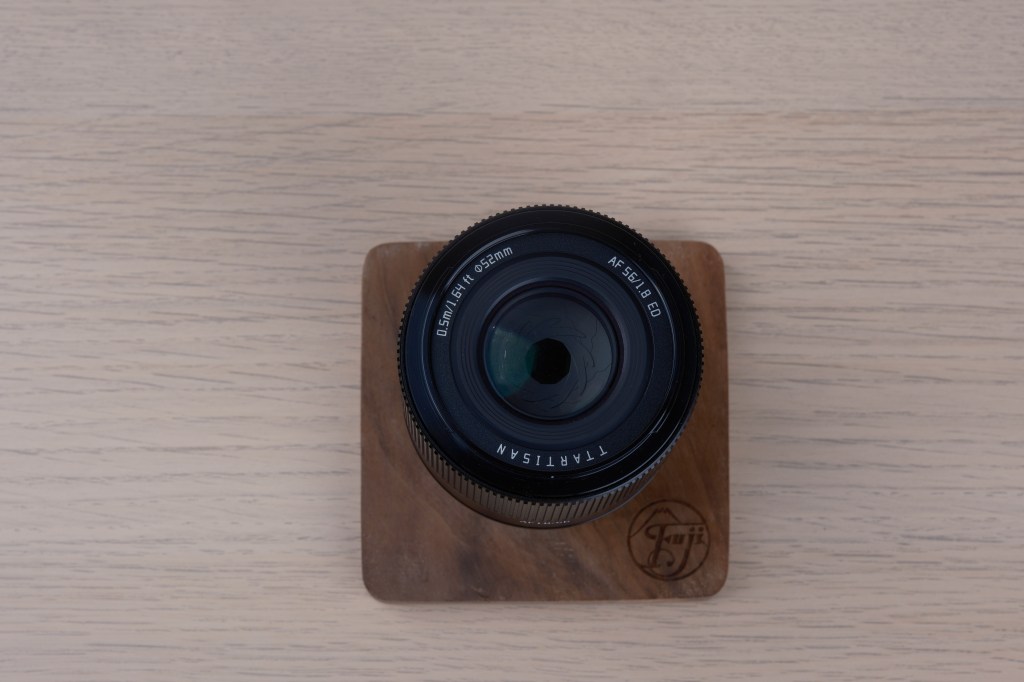
TTArtisan 56mm f1.8 – A Worthy Budget Portrait Lens

The TTArtisan 56mm f1.8 is my most anticipated lens since it is in the land of rumors. Why? Because TTArtisan is good at keeping very competitive pricing for their autofocus lenses without sacrificing much on the image quality. And this lens could be one that can give XF50mm f2 a run for its money.

Intro

TTArtisan 56mm f1.8

Both TTArtisan 27mm f2.8 and TTArtisan 35mm f1.8 are announced in 2022 and 2023 respectively. And today in 2024, it is TTArtisan’s first autofocus lens announcement and the third autofocus lens in the company’s portfolio.

I have been testing this gem for close to a month now and it is probably one of the longest times I have spent time testing.

To be honest, it has been a long time since I am so excited about testing a lens.

Before I proceed further, I would like to thank TTArtisan for sending this lens to me. I appreciate and am thankful for their support. Having said that, the review is truly my own opinion and TTArtisan has no influence on it.

Design and Build Quality

First off, the TTArtisan 56mm f1.8 shares a lot of similarities with the TTArtisan 35mm f1.8. It has the same design language, the same good metal built quality, and the same filter size (@ 52mm) too.

Since it’s the same design language, this also means that it only comes with a manual focus ring and lacks one of my favorite elements of a lens: an aperture ring. The manual focus ring comes with a smooth rotating experience and doesn’t feel any small “friction” for precision control.

It weighs 237 grams, 258 grams with it’s square hood and 275 grams with it’s squarehood and docking lens cap. Yes, it does come with a square hood! Sweet gesture!

Image Quality

I feel that the image quality set a higher benchmark for what we usually expect for this price point (later on this). At wide-open, it is not the sharpest, a little soft (depending on the photographer’s preference), and does not have the best contrast, but it is very usable. Or at least, it exceeds my expectations in this department.

Vignetting is there but not as heavy as I thought it could be compared with the TTArtisan 35mm f1.8. Chromatic aberration is barely noticeable in my eyes. That’s to say, you still can see it if you pixel peep. Nevertheless, I think the engineers in the TTArtisan do well in engineering this.

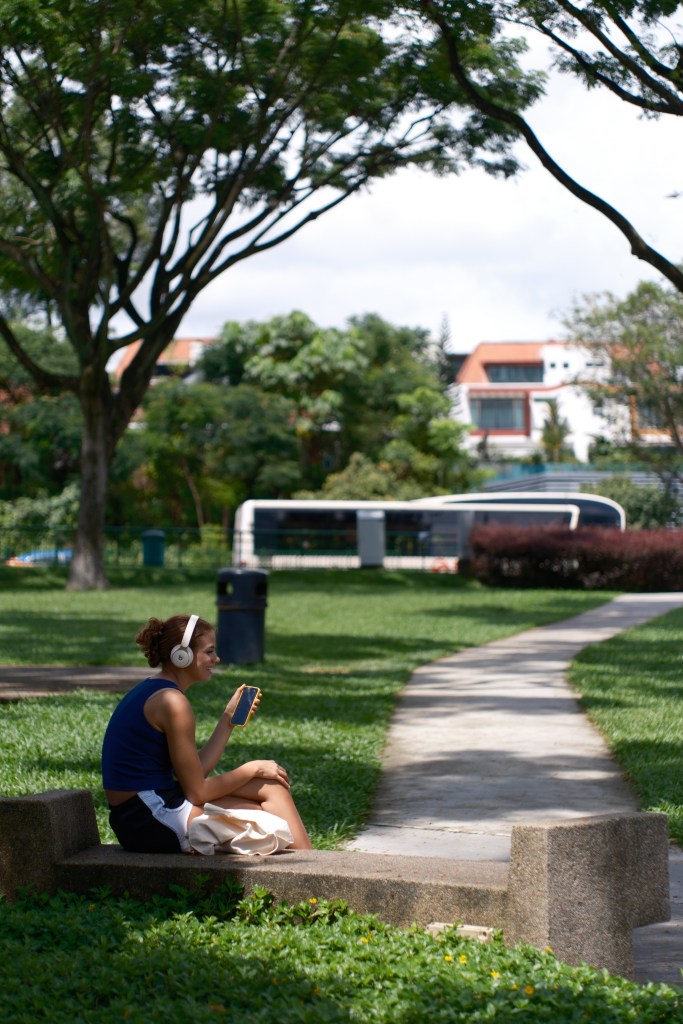
Fuji X-T5 . TTArtisan 56mm f1.8 @ 56mm . f2. 1/80″ . ISO 125 . Nostalgic Negative

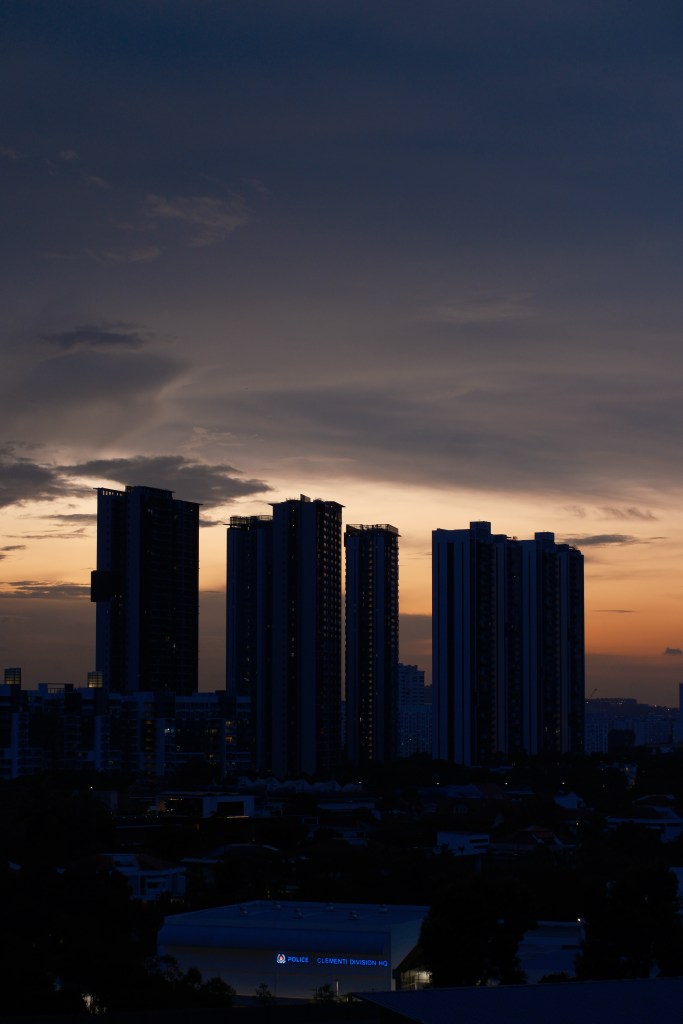
As for sun star effect, it is okay but it does come with some characteristic flares. Please be mindful if you do not like the characteristics of lens flares.

At f1.8, I do not expect to have a great separation between the subject with background/foreground but decent enough to blur the unwanted subject. Bokeh balls are fine as I do not see any onion or cat eye like bokeh. I seldom talk about bokeh but this one seems to be very pleasing to my eyes so I thought I should share it with every reader.

Fuji X-T5 . TTArtisan 56mm f1.8 @ 56mm . f16. 1/120″ . ISO 125 . Nostalgic Negative

Focusing

It comes with a Stepper Motor (STM) which performs pretty snappy in most situations. I do experience some back-focusing or off-focus shots. But that happens very rarely and it might happen due to my error.

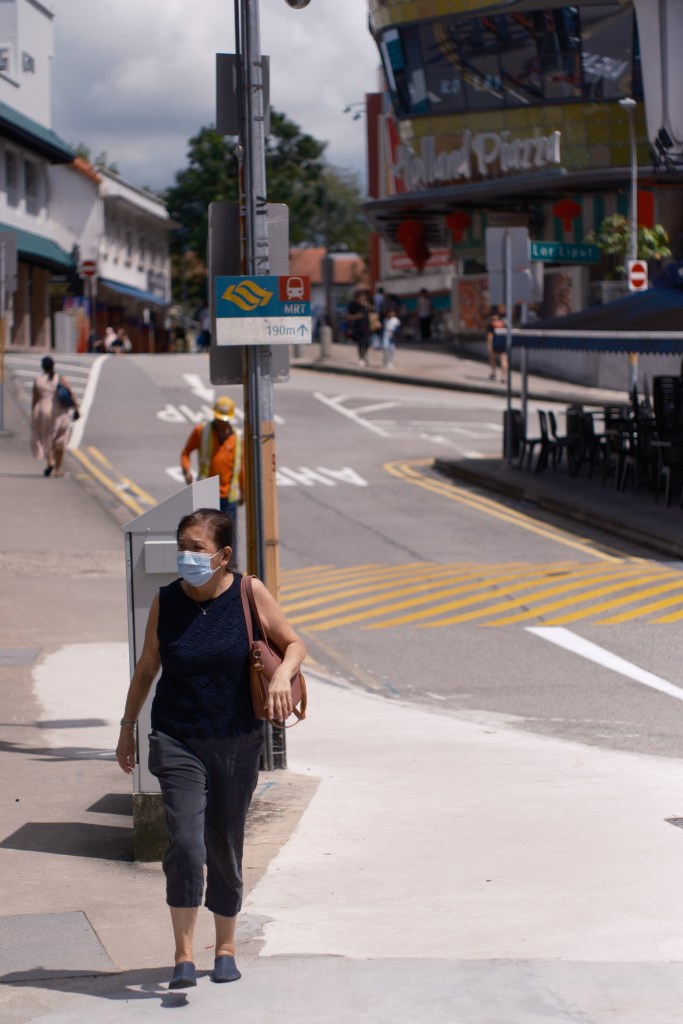
Fuji X-T5 . TTArtisan 56mm f1.8 @ 56mm . f1.8. 1/80″ . ISO 500 . Nostalgic Negative

The focusing speed between MFD and infinity is considerably fast under good lightning conditions but it isn’t really slow or struggling under low light conditions either. I could say it is not disappointing.

When comes to lens breathing, it is pretty far. While it does not affect me but I think it might likely impacts videographers.

Minimum Focus Distance (MFD)

The MFD is 50cm and I think it isn’t as close as other mid-range lenses like the XF50mm f2 (at 39cm) and Yongnuo 50mm f1.8 (at 45cm). But the MFD is the same as the XF56mm f1.2 WR.

Fuji X-T5 . TTArtisan 56mm f1.8 @ 56mm . f2.8. 1/320″ . ISO 320 . Nostalgic Negative

Price Point

TTArtisan is famous for its affordability and strikes a perfect balance between price and image quality. This 56mm f1.8 is the same too. At 158 USD, this is probably one of the cheapest autofocus portrait lens one can ask for.

Fuji X-T5 . TTArtisan 56mm f1.8 @ 56mm . f1.8. 1/55″ . ISO 3200 . Nostalgic Negative

Others

Similar to TTArtisan’s other autofocus lenses, this 56mm comes with a dock for future firmware updates and it does function as a rear lens cap as well.

Fuji X-T5 . TTArtisan 56mm f1.8 @ 56mm . f1.8. 1/90″ . ISO 125 . Nostalgic Negative

Also, this lens does not come with any form of weather and dust resistance.

Who is this for?

TTArtisan 56mm f1.8 is obviously targeting a certain genre of photographers and that is portrait photographers. To be more specific, beginners or photographers who are unsure if they want to shoot portraits with this focal length but do not want to break their piggy banks. And it can be a good gift to your photography friends.

Fuji X-T5 . TTArtisan 56mm f1.8 @ 56mm . f1.8. 1/80″ . ISO 125 . Nostalgic Negative

But I would like to extend this lens to other street photographers, journalists, documentary and travel photographers.

If you are using the XF50mm f2, I will suggest keeping what you have and continuing to use it. A small difference in the aperture value does not make a huge difference in the shooting experience and the end results.

Conclusion

TTArtisan 56mm f1.8 is by far one of my favorite budget autofocus lenses I have tested thus far. It is lightweight, has decent image quality and acceptable autofocus speed. Plus with this attractive price point, I can’t find any reason not to own it.

Fuji X-T5 . TTArtisan 56mm f1.8 @ 56mm . f1.8. 1/3200″ . ISO 125 . Nostalgic Negative

If you are fine without the aperture ring and lack of weather resistance, I highly recommend owning this lens first if you are interested in looking for a portrait lens.

TTArtisan has released two f1.8 lenses to complement each other. I wonder if will there be a “23mm f1.8” or similar focal length lens to complete the Trinity lenses in the affordable price range?

Oh yes. According to TTArtisan, this lens will be made available from 19 April 2024, 6pm (UTC/GMT +8).

TTArtisan 56mm f1.8 and TTArtisan 35mm f1.8

Thank you for reading.

Disclaimer:
1. All the shots taken here are shot by me.
2. Most of the shots are straight out of the camera with some shots edited via In-Camera Raw Processing.

3. The opinions are based on my experience. If there is any mistake, please kindly drop me a message and I will gladly make the amendment.
4. I reserve ownership of these images, if you wish to use my images, please notify me.

If you like my works, please follow me on either one of the 2 Instagram accounts:

https://www.instagram.com/alwinkok_

https://www.instagram.com/alwin.portraits

If you have a Facebook account, feel free to join Fujifanboys FB group.

If you like my content and you want to show some support and keep this blog alive, you can buy me a coffee here.

Reviews

Viltrox 13mm f1.4 – Viltrox’s First Ultrawide Lens for APS-C

Viltrox 13mm f1.4 was announced back in January 2022. The lens is well received with many positive feedbacks from many photographers. I also do remember it was a challenge to snap one for my use and eventually, I gave up on getting one during that period. Of course, I eventually managed to buy one from an online platform.

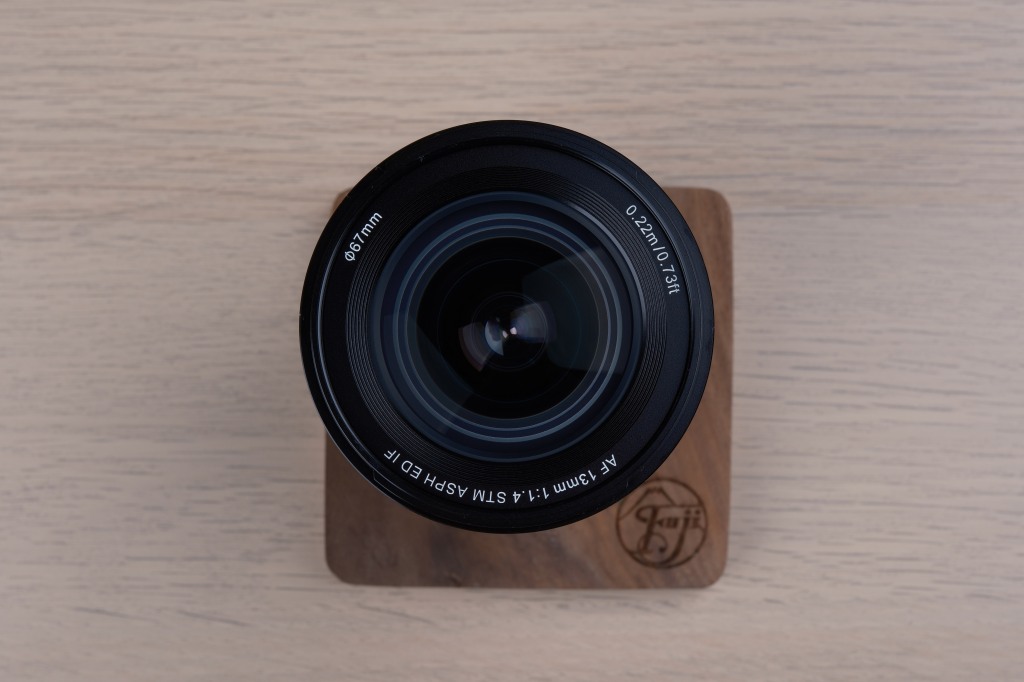
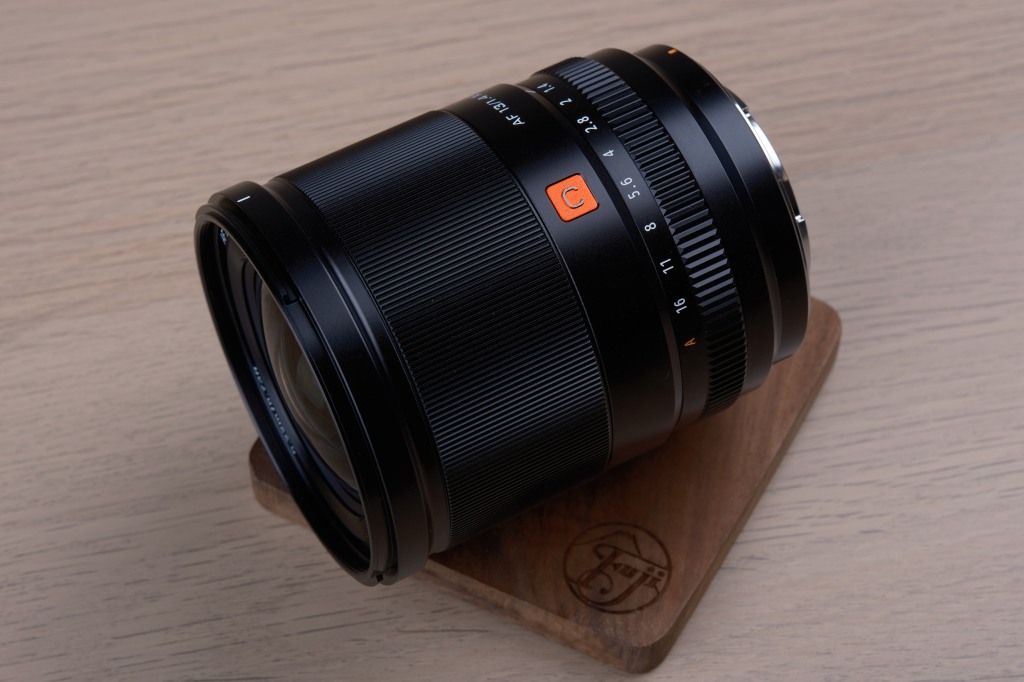
Viltrox 13mm f1.4

Intro

Viltrox is the first brand that Fujifilm photographers are exposed to the third-party autofocus lens and the rest is history. Today, Fujifilm photographers have always been their first customers. For example, Viltrox 75mm f1.2 Pro and Viltrox 27mm f1.2 Pro were launched in X-mount first before any other mounts.

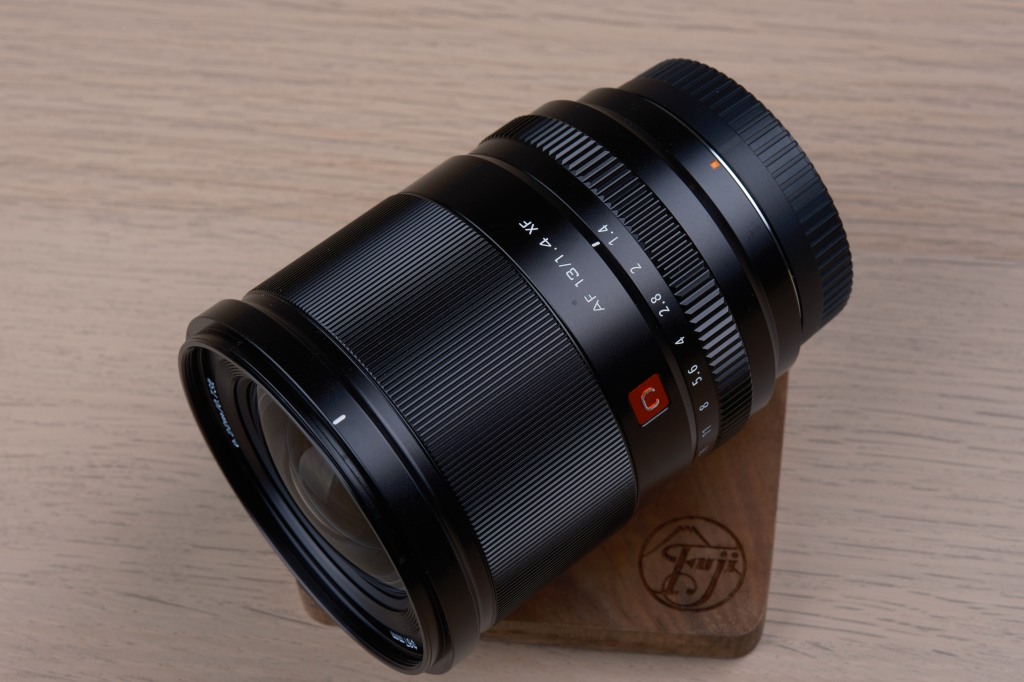
C stands for Consumer

Viltrox positions its first ultrawide lens uniquely. They are not aiming to be the widest autofocus lens but strike a good balance between “wide” and “fast”. 13mm (19.5mm in full frame equivalent) is not the widest ultrawide lens (XF8mm f3.5 is the widest prime lens in the market ) but it is definitely the fastest one yet (same aperture as XF16mm f1.4).

Fuji X-T5 .Viltrox 13mm f1.4 @ 13mm . f1.4 . 1/80″ . ISO 160 . Nostalgic Negative

I seldom set expectations for a China-made lens, but given the Viltrox improving records, I had a lot of expectations for this lens before getting one for myself. I hope it will fulfill the expectations I set for it.

At this point of writing, this lens comes with an X-mount and an E-mount.

Design and Build Quality

The metal-constructed lens body is great. In my opinion, it is as close as the pro lineup. It comes with a good clicky aperture ring but is not as tactile as the aperture ring found in the pro lineup.

Fuji X-T5 .Viltrox 13mm f1.4 @ 13mm . f5.6 . 1/105″ . ISO 125 . Nostalgic Negative

When holding it on hand, the 420 grams feel lighter as compared to the Viltrox 27mm (560 grams) and Viltrox 75mm (670 grams). I also appreciate that the filter size is 67mm which allows photographers to access various filters without having to pay for more expensive ones.

Fuji X-T5 .Viltrox 13mm f1.4 @ 13mm . f1.4 . 1/80″ . ISO 125 . Nostalgic Negative

Image Quality

Image quality is surprisingly great for an ultrawide lens. The results are pretty usable at wide-open. The contrast is good. Corner-to-corner sharpness is fine and the distortion is within my bearable range. As for overall sharpness, it does not give blazer sharpness as compared to the pro lineup but is not too far behind.

Fuji X-T5 .Viltrox 13mm f1.4 @ 13mm . f5.6 . 1/170″ . ISO 125 . Nostalgic Negative

Vignetting is visible at wide-open but acceptable in my opinion. It is not as heavy as I have expected. Chromatic aberration is pretty well-controlled in this lens.

Flares and ghosting are obviously visible from direct sunlight. So beware if you want to avoid these.

Fuji X-T5 .Viltrox 13mm f1.4 @ 13mm . f5.6 . 1/1250″ . ISO 125 . Nostalgic Negative

Focusing

From the Viltrox online store, it mentioned that the focusing system is Stepper Motor (STM) + Lead Screw. I have very shallow knowledge and probably it is my first time hearing of “Lead Screw”. So I do some Google study.

Fuji X-T5 .Viltrox 13mm f1.4 @ 13mm . f1.6 . 1/9000″ . ISO 125 . Nostalgic Negative

As far as I can find, there are two types of STM, Lead Screw type and Gear type. The lead screw is bulkier as compared to the gear type but faster and quieter. Gear type is usually found in compact lenses. However, both STMs produce smooth and quiet focusing movement which benefits the videographer.

I guess this is one of the reasons why this lens is big?

Fuji X-T5 .Viltrox 13mm f1.4 @ 13mm . f11 . 1/7″ . ISO 125 . Nostalgic Negative

Focus breathing is surprisingly very minimal. A good one for videographers who plan to use this lens for their work.

Focusing performance is great, I have only encountered very few focus-hunting throughout my trip to Japan. The focus speed from MFD to infinity and vice versa is pretty decent for an ultrawide lens. I have no complaint in this.

Fuji X-T5 .Viltrox 13mm f1.4 @ 13mm . f1.4 . 1/420″ . ISO 125 . Nostalgic Negative

Minimum Focus Distance (MFD)

This lens comes with an MFD of 22cm. While there isn’t any benchmark of the exact same focal length from other manufacturers. So I extract what other ultrawide lenses’ MFDs are:

XF16mm f1.4 – 15cm

XF8mm f3.5 – 18cm

Sigma 16mm f1.4 – 25cm

Meike 12mm f2 – 20cm

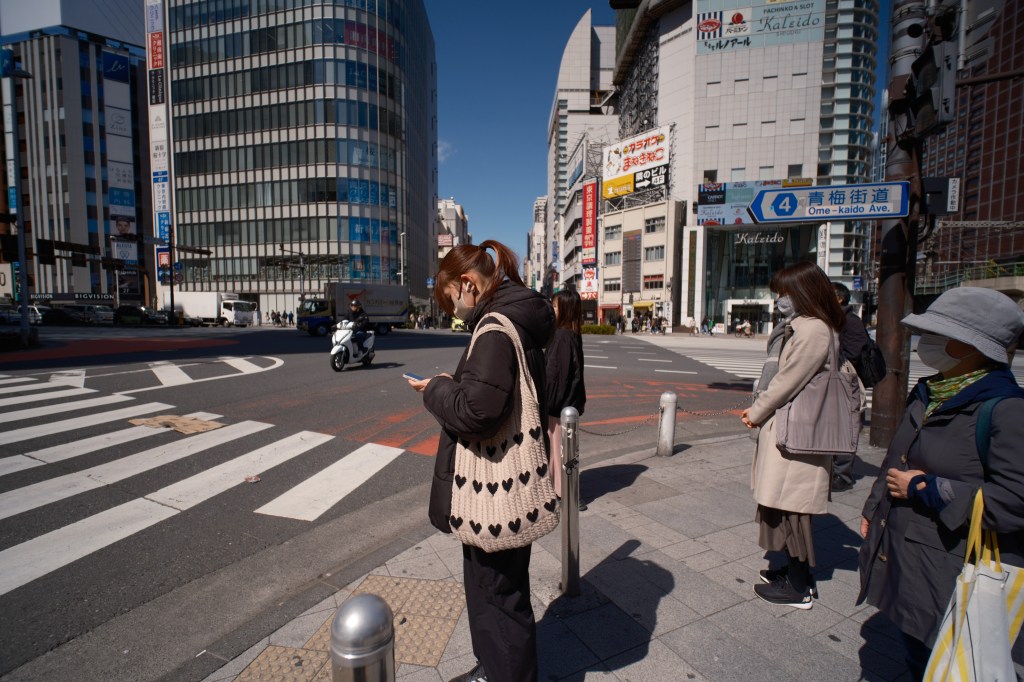
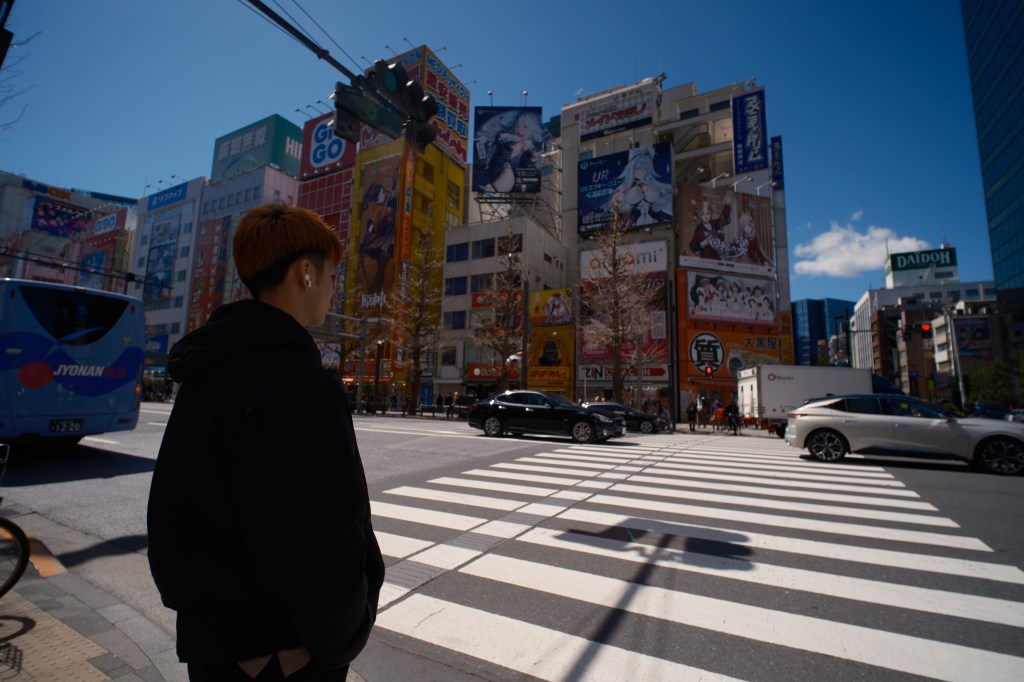
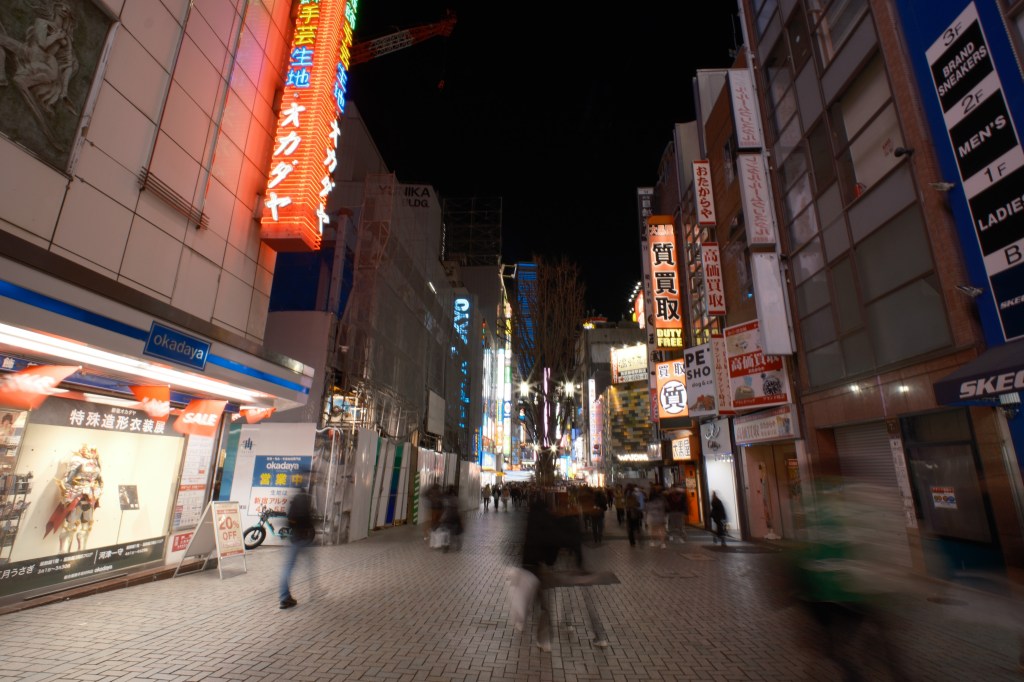
Meike 10mm f2 – 30cm

TTArtisan 10mm f2 – 25cm

Given some references I have picked up over here, I could say the MFD of the Viltrox 13mm is somewhat average. The good things is that the image quality at MFD still maintain a good quality and not experience some image breakdown like some other lenses.

Fuji X-T5 .Viltrox 13mm f1.4 @ 13mm . f1.4 . 1/80″ . ISO 125 . Nostalgic Negative

Price Point

In Viltrox online store, it is priced at 630 USD while it is priced at 459 USD in B&H. I think there aren’t any much prime lens competitors. There is only one I can recall and that’s Samyang 12mm f2 and it is priced at about 395 USD. Meanwhile, XF8mm f3.5 is priced at 799 USD.

Fuji X-T5 .Viltrox 13mm f1.4 @ 13mm . f1.4 . 1/2500″ . ISO 125 . Nostalgic Negative

Others

Like the other Viltrox AF lenses, it comes with a USB port for future firmware updates. In this case, it is a USB-C port.

Viltrox 13mm f1.4 – USB-C port

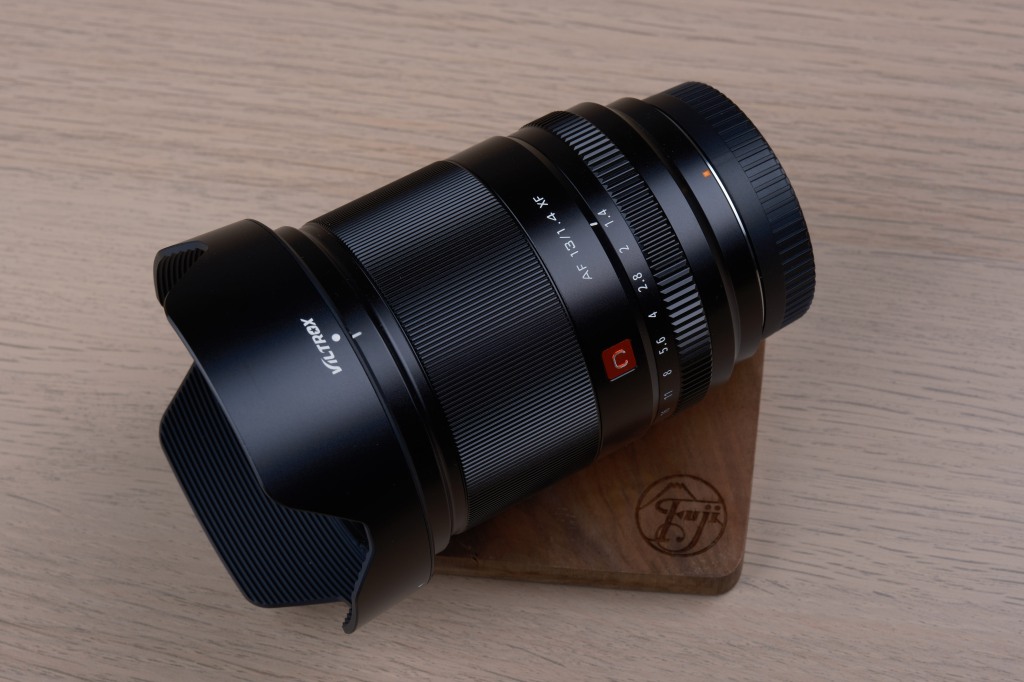
There is also one thing that sets this lens apart from the pro lineup and that is the lens hood. It comes with plastic quality instead of metal. If this is something you are looking forward to, you might be disappointed.

Who is this for?

Although I always choose prime over zoom lens for street lenses, I prefer a more zoom versatility for ultrawide lenses, for example, Sigma 10-18 f2.8 or Tamron 11-20 f2.8. The reason is that ultrawide focal length is a lot less used in my type of photo genre.

Fuji X-T5 .Viltrox 13mm f1.4 @ 13mm . f1.4 . 1/5800″ . ISO 125 . Nostalgic Negative

Putting my own preferences aside, this lens is suitable for architecture, astrography, cityscape, and landscape. Besides all these genres, this lens is up to your creativity to create.

Oh yes, it can be a good lens for vloggers too.

Conclusion

Although it is not part of the Viltrox “Pro” series category, in my opinion, it is quite on par with the “Pro” series lenses, especially in the image quality and overall performance.

Fuji X-T5 .Viltrox 13mm f1.4 @ 13mm . f1.4 . 1/160″ . ISO 125 . Nostalgic Negative

If you own both the Viltrox 27mm f1.2 and Viltrox 75mm f1.2 and you do not have an ultrawide lens, I think this lens is a good complement to form the “trinity” lenses from Viltrox. If you are just searching for a great ultrawide prime lens, then this could be it. Because this lens is worth considering.

Fuji X-T5 .Viltrox 13mm f1.4 @ 13mm . f5.6 . 1/340″ . ISO 125 . Nostalgic Negative
Fuji X-T5 .Viltrox 13mm f1.4 @ 13mm . f5.6 . 1/750″ . ISO 125 . Nostalgic Negative
Fuji X-T5 .Viltrox 13mm f1.4 @ 13mm . f8 . 1/200″ . ISO 125 . Nostalgic Negative

Thank you for reading.

Disclaimer:
1. All the shots taken here are shot by me.
2. Most of the shots are straight out of the camera with some shots edited via In-Camera Raw Processing and Lightroom.

3. The opinions are based on my experience. If there is any mistake, please kindly drop me a message and I will gladly make the amendment.
4. I reserve ownership of these images, if you wish to use my images, please notify me.
5. Some readers might have noticed that I shoot more at f5.6 and that is because I have never thought of sharing my opinion initially. Since it is my holiday, so I should shoot something that I am more comfortable with.

Reviews

TTArtisan 10mm f2 – The First Ultrawide Lens From TTArtisan

There are several manual ultrawide lenses in the market, 1 autofocus one from Viltrox and Samyang, and Fujifilm has 3 ultrawide in their lens lineup. Having said that, Fujifilm photographers do not lack any ultrawide lens options, and then TTArtisan added another lens to this category. But can it stand out from the others?

Intro

TTArtisan has been around in the market for quite some time. If you are a fan of TTArtisan, you will realize that TTArtisan has not tapped into the world of ultrawide focal length. The widest focal length they have for the APS-C world is TTArtisan 17mm f1.4 (excludes the TTArtisan 7.5mm f2 fisheye lens). With this 10mm (15mm in full-frame equivalent), they are now officially on this bandwagon.

This is the second lens of the same focal length I have tested. The first one is Meike 10mm f2. But I will not compare them in detail here. More on this later.

Before I proceed with the review, I would like to thank TTArtisan for sending this lens over and giving me ample amount of time to test this lens. Having said that, TTArtisan has no influence over my opinion. They read the review on the same day as all the readers.

Design and Build Quality

At first glance, it looks pretty compact for a f2 ultrawide lens. It also comes with TTArtisan manual lens design language. That’s to say, it is very recognizable. It weighs 332 grams and the weight is within my expectations for a manual, fully well-built metal-constructed lens. But I do agree that it seems to be heavy but I feel fine on hand.

Fuji X-T5 . TTArtisan 10mm f2 @ 10mm . f8 . 1/4″ . ISO 200 . Nostalgic Negative

As usual, it comes with a clicky aperture ring, which is very similar to most TTArtisan manual lenses. But it comes with a narrow aperture ring which is a little tricky for me to rotate with my big fingers.

More on the focus ring later.

Fuji X-T5 . TTArtisan 10mm f2 @ 10mm . f2 . 1/80″ . ISO 400 . Nostalgic Negative

At a closer look, it comes with a protruding lens but there is a built-in lens hood that helps to protect the front glass element and it comes with a rear metal bayonet too.

Image Quality

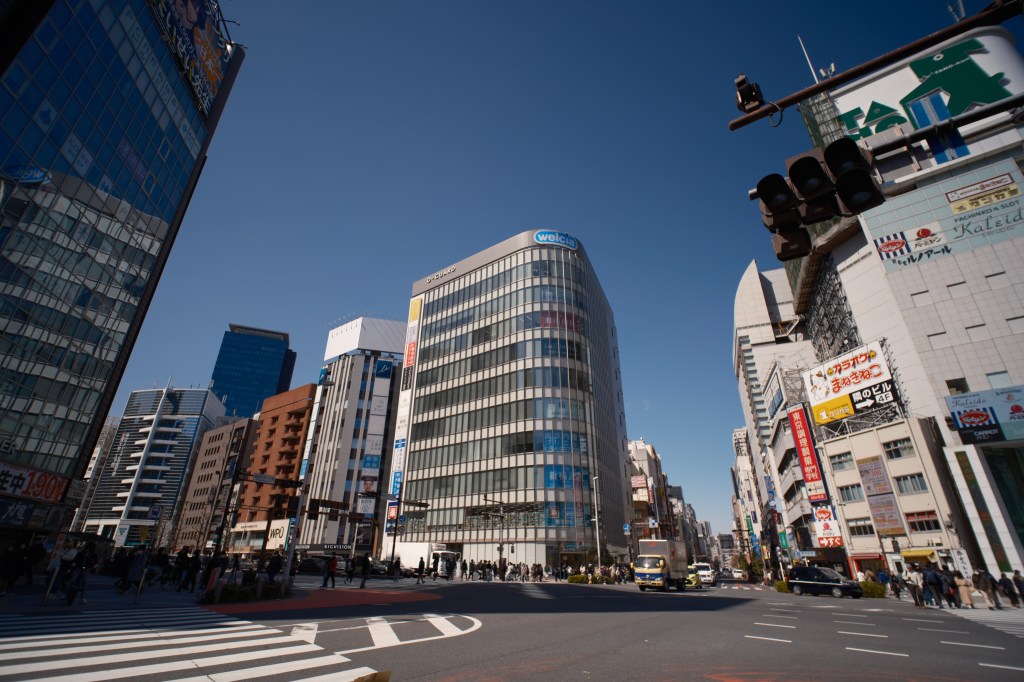
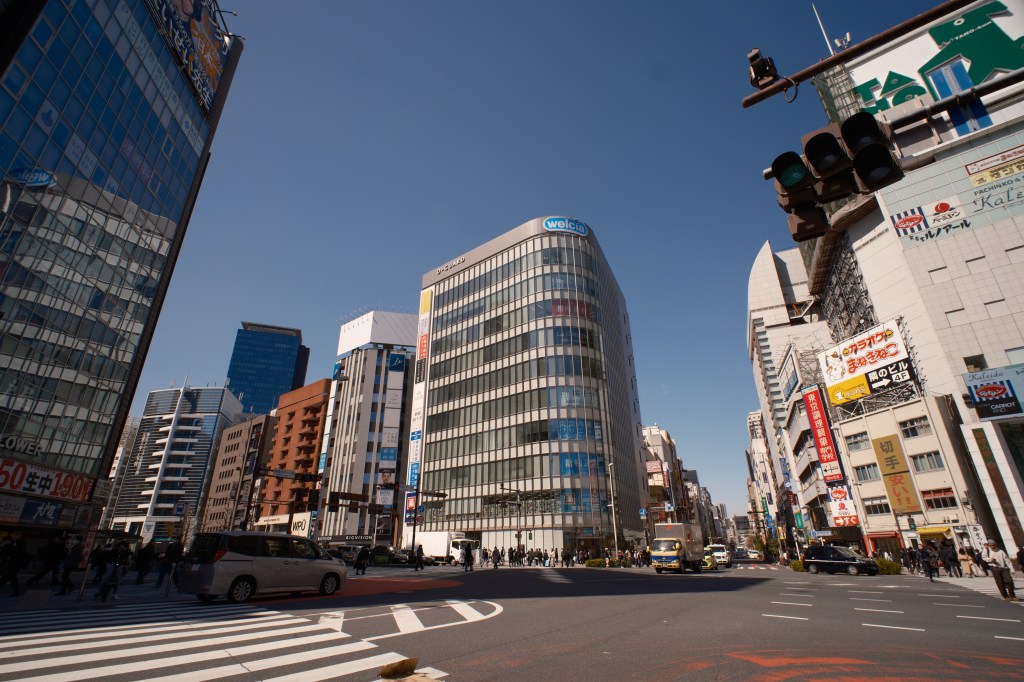
To my surprise, the image quality is pretty usable at wide-open. I am impressed by how much effort the engineers in TTArtisan have put in to improve the usability of the lens over the years. At f2, corner softness is there, and also a little lack of contrast. But it is fine if you do not pixel peep. Apart from that, slight heavy vignetting at the corners can be observed too but this is still acceptable for me since it is an ultra-wide lens.

Distortion is very minimal in my opinion. At least I think that the distortion control is pretty awesome here considering the price tag.

Chromatic aberration is very minimal and I am impressed and I think it is pretty well controlled. In my opinion, the sharpness and contrast at wide open is acceptable too.

Fuji X-T5 . TTArtisan 10mm f2 @ 10mm . f2 . 1/80″ . ISO 200 . Nostalgic Negative

Speaking of sun star, it does give fine decent lines but is not as crisp as some photographers want it to be. Circular flares can be observed as well.

Fuji X-T5 . TTArtisan 10mm f2 @ 10mm . f16 . 1/1100″ . ISO 125 . Nostalgic Negative
Fuji X-T5 . TTArtisan 10mm f2 @ 10mm . f16 . 1/105″ . ISO 125 . Nostalgic Negative

Focusing

The manual ring is smooth and has enough room for my forefinger and thumb to rotate approximately 110° from Minimum Focus Distance to Infinity. This gives an ample amount of travel distance to have better precision on the focusing.

Minimum Focus Distance (MFD)

For a ultra-wide lens, 25 cm MFD is not that close as I am expecting but it is good to have. After all, the main focus of using ultra-wide lens is not with close-up.

Price Point

TTArtisan is known for decent products at unbelievable prices and I think this definition still holds. At 159 USD, it is very affordable.

Just for some money sense, the XF8mm f3.5 is selling at 799.95 USD, Viltrox AF 13mm f1.4 is 459 USD, Rokinon 12mm f2 is 248 USD and the Meike 10mm f2 is 329 USD.

Others

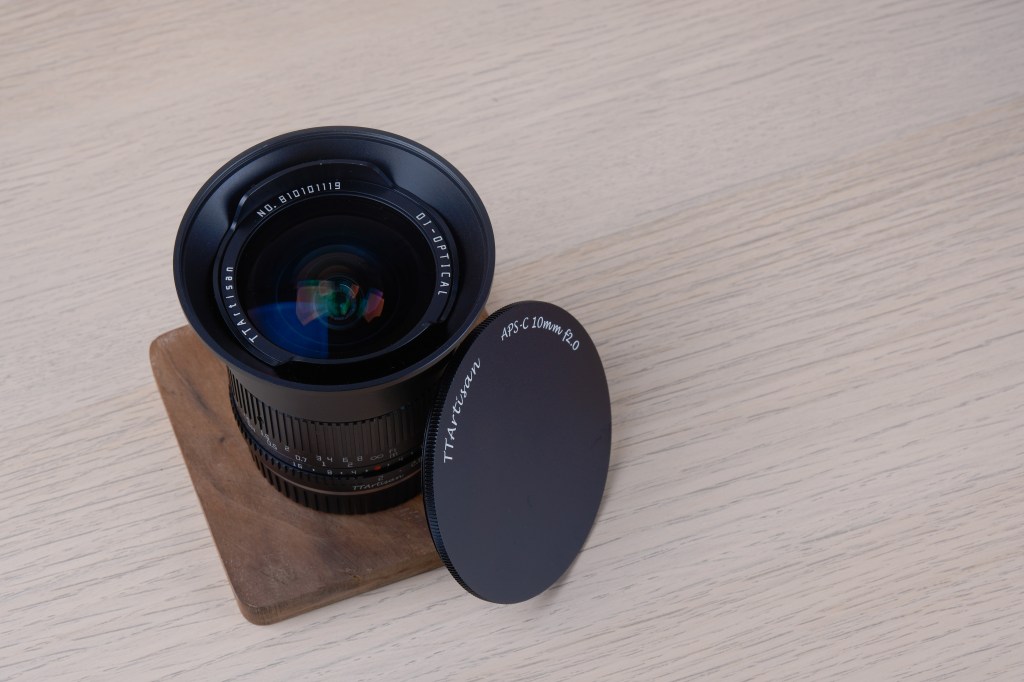
This lens comes with 2 types of lens caps: the first one is the typical TPU lens cover and the second one is the more interesting one. I love how creative the TTArtisan lens design team gives to their lenses. They adapt the same concept from the TTArtisan 7.5mm f2 and implement it into this.

With the filter holder, photographers can screw in the type of filters they want. From ND filter, graduated ND filter, circular polarizer filter, etc, as long as you have the 72mm filters, you can fit it in. Oh yes. If you include the filter holder, the overall weight of the lens will go to 374 grams.

I know there might be a concern about overall camera balancing after mounting a heavy lens. In my opinion, although it weighs over 300 grams, it still feels well-balanced when mounted with my X-T5 likely because it is a compact and shorter lens as compared to bigger ultrawide lenses in the market.

One minor thing to take note of, the color temperature changes as you change the aperture value. I have experienced this with most of the manual lenses and I think this is “common” among them. If you are talking with the raw format, I think there is nothing to worry about. For the straight-out-of-camera photographer, just be mindful.

Side by Side

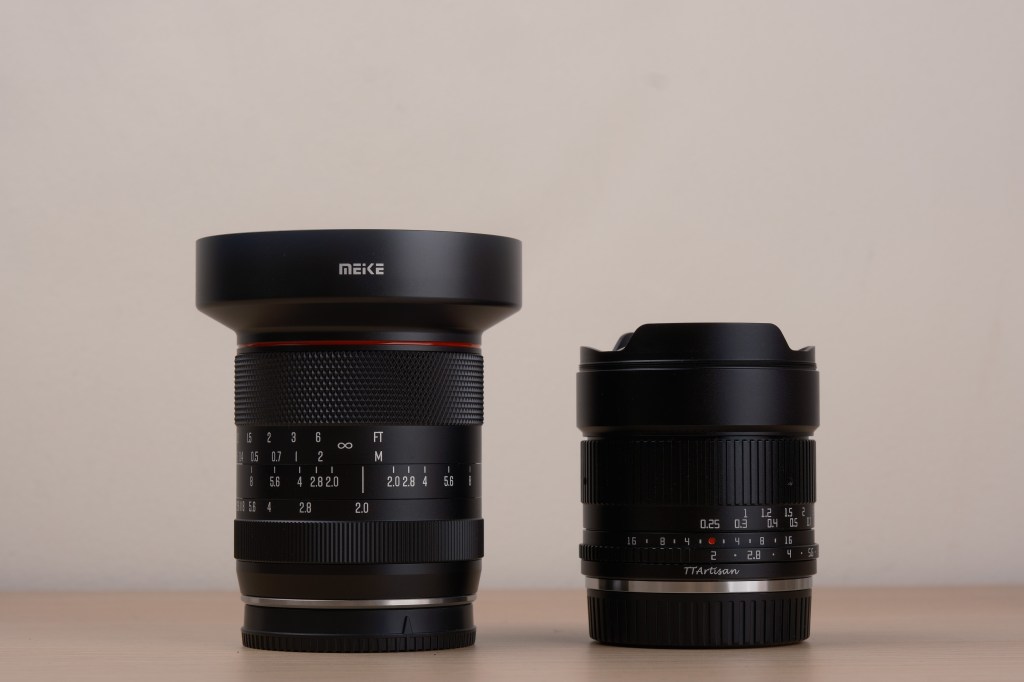
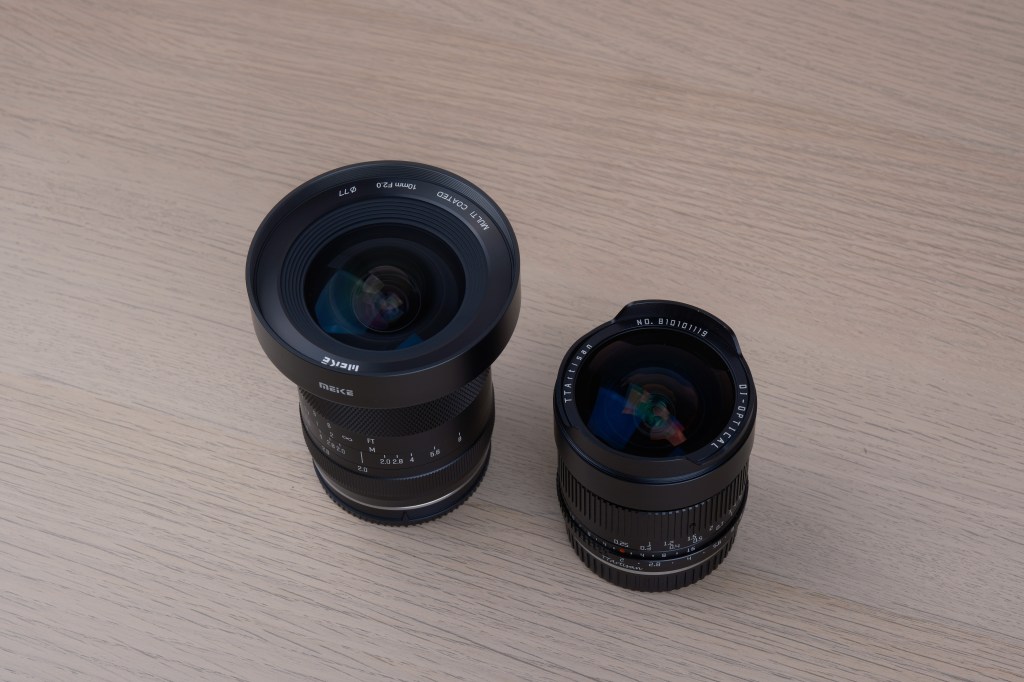
TTArtisan 10mm f2 was announced in January 2024 while the Meike 10mm f2 was announced in July 2022. They are approximately 17 months apart and we can see the obvious difference between the two.

As for optical wise, I will leave it for other day to talk about it.

Meike 10mm f2 and TTArtisan 10mm f2

Who is this for?

This lens is mainly for landscapes, architecture, cityscapes, and astrography photographers. On the other hand, I think whoever wants an ultrawide lens but does not intend to pay for expensive autofocus options, maybe you can consider keeping one. After all, it comes with an attractive price point. It is good to have one for the “just in case I need” scenario.

Fuji X-T5 . TTArtisan 10mm f2 @ 10mm . f2 . 1/6000″ . ISO 125 . Nostalgic Negative

Conclusion

In my view, this is a great entry level lens. Despite its weight, it is still a compact lens to bring along and easy to keep inside my OneMo sling bag. I am also impressed with the image quality, with very usable wide-open shots. Not forgetting that TTArtisan keeps such an attractive price point, I cannot find any reason for not keeping one in my arsenal.

Fuji X-T5 . TTArtisan 10mm f2 @ 10mm . f2 . 1/4000″ . ISO 125 . Nostalgic Negative

I hope TTArtisan will be the first Chinese third-party manufacturer ever to release an affordable ultrawide autofocus lens and this will become one step ahead of the competition. If this is true, it will shock the industry once again (like the TTArtisan 27mm f2.8) and also benefit many photographers.

Fuji X-T5 . TTArtisan 10mm f2 @ 10mm . f2.8 . 1/420″ . ISO 125 . Nostalgic Negative

Thank you for reading.

Disclaimer:
1. All the shots taken here are shot by me.
2. Most of the shots are straight out of the camera with some shots edited via In-Camera Raw Processing and Lightroom.

3. The opinions are based on my experience. If there is any mistake, please kindly drop me a message and I will gladly make the amendment.
4. I reserve ownership of these images, if you wish to use my images, please notify me.

If you like my works, please follow me on either one of the 2 Instagram accounts:

https://www.instagram.com/alwinkok_

https://www.instagram.com/alwin.portraits

If you have a Facebook account, feel free to join Fujifanboys FB group.

If you like my content and you want to show some support and keep this blog alive, you can buy me a coffee here.

Discussion

The Not So Serious Comparision: Sigma 23mm f1.4 VS XF23mm f1.4 WR

This is the 3rd of the abovementioned series. To be honest, I actually took the shots with both Sigma 23mm and XF23mm in October last year but it slipped my mind to share it. Recently, someone on the FB page asked about the comparison between these 2 lenses. From there, then I recall I had done that and started to dig around my hard drive.

Left: Sigma 23mm f1.4 Right: XF23mm f1.4 WR

Of course, like the past 2 posts, this comparison is not scientific, nothing technical or chart board to take reference and compare. All the photos are taken in my house.

The comparison is simple. Shoot at the respective lens’s Minimum Focus Distance (MFD), approximately 50cm and 100cm. Apertures range from wide-open, f2.8, and f4.

For a note, the MFD for the lenses are as of below:
Sigma 23mm – 25cm
XF23mm – 20cm

Remember do not take this comparison seriously. 

Shooting at Minimum Focus Distance

Shooting at approximately 50cm.

Shooting at approximately 100cm.

Conclusion

At MFD, XF23mm performs better in terms of sharpness at wide open and closer MFD. On the other hand, Sigma 23mm is a little bit softer at wide open but gets better from f2.8 and f4.

For 50cm and 100cm, the Sigma 23mm is a little bit softer at wide open as compared to the XF23mm. Otherwise, all other aperture values for Sigma 23mm are pretty on par with the XF23mm. If you don’t compare both directly, the Sigma 23mm is good.

In terms of value for money, I think Sigma is the better choice. You can save money on other lenses or accessories. If you are looking for the best of the best at this point, then the latest XF23mm will be your only choice in the market. What do you think?

Left: Sigma 23mm f1.4 Right: XF23mm f1.4 WR

Thank you for reading.

Disclaimer:
1. All the shots taken here are shot by me.
2. All shots are straight out of the camera.

3. The opinions are based on my experience. If there is any mistake, please kindly drop me a message and I will gladly make the amendment.
4. I reserve ownership of these images, if you wish to use my images, please notify me.

blob:https://alwinkok.wordpress.com/c7d326ae-6c2d-4d9c-9be5-a42bd3927f72

If you like my works, please follow me on either one of the 2 Instagram accounts:

https://www.instagram.com/alwinkok_

https://www.instagram.com/alwin.portraits

If you have a Facebook account, feel free to join Fujifanboys FB group.

If you like my content and you want to show some support and keep this blog alive, you can buy me a coffee here.
Reviews

Canon R5 with RF24-105mm f4 L – A Honest Review From A Fuji Fanboy

Canon R5 with RF24-105mm f4 L

I was a Canon user. Canon 30D was my first DSLR, which I got in 2006. Then followed by 50D (which I sold away within days), and then a 7D when it was released in November 2009. Eventually, I got my first full-frame 6D 3 years later in 2012. (I had my first Fuji interchangeable camera, X-T2 in September 2016)

In these 6 years with Canon, I have used a couple of times with 5D mk II, 1Ds mk II, 1Ds mk III, and 1D mk IV. Unfortunately, I did not own any of these cameras, they are from the people I worked with before. Thanks to their kindness and giving me exposure to these cameras and because of them, I also have the chance to appreciate the true power of the 1D series as compared to other Canon cameras.

Before I proceed further, I appreciate Canon and its marketing agency for hitting me up and asking me if I am interested in giving the R5 and the kit lens a try. I thank them for their support and for arranging for the loan units.

Due to their loaning policy, I can only be allowed to get 1 lens. So I decided to pair the R5 with the RF24-105mm f4 L. The reason is simple. I used to own the EF version of this zoom lens and I loved it a lot.
Canon R5 . RF24-105mm f4 @ 105mm . f5.6 . 1/125″ . ISO 250

Get Started

Canon R5 was released in July 2020 while the RF24-105mm f4 L was released in October 2018. The camera is reaching its 4th year which means that we should be expecting the successor of the Canon R5 to be released any time now. But I do not see any potential mark II version of the RF24-105mm f4 releasing soon.

Canon R5 . RF24-105mm f4 @ 105mm . f4 . 1/1250″ . ISO 100

When I first held the camera and lens, somehow it gave me a nostalgic feel. All my memories with Canon suddenly came back to me. The menu is still easy to navigate around. However, the only problem for me is to remap my muscle memory from Fuji to Canon. It takes me approximately 10 minutes to map all the controls that I need for my shoot but I do press the wrong buttons or scroll the wrong dials on the first 2 days. It indeed takes me a while to navigate at my fingertips.
Design, Build Quality, Handling & The Shutter…

Canon R5 and the RF24-105mm f4 have gone through design changes. Canon has facelifted the design of the RF series to be more modernized look. Physically they are much better looking than the DSLR cameras and lenses. The camera builds like a tank. It is rugged and heavy (738 grams versus my X-T5 at 557 grams). It also comes with a good deep enough grip for handling the camera, making me feel very secure when holding it. (By the way, I do not use any strap or sling on the camera.)

Canon R5 . RF24-105mm f4 @ 105mm . f4 . 1/500″ . ISO 100

Not a fair comparison but compared to most of my favorite prime lenses, the L lens is heavy too (at 695 grams). Combining both will be 1.25 kilograms.

If there are some photographer’s minds about the shutter sound, this one sounds very electronic/digital but much softer. If you have used a DSLR before, the shutter sound found in the R5 is very different from the DSLR. Honestly, I prefer the shutter sound from the DSLR.

Sensor, Processor and Performance

The camera has a 45-megapixel sensor with a Digic X processor. How good are they? In layman’s terms, it is very good. It has 100% autofocus sensor coverage (one of the benefits of being mirrorless) and this is something DLSR sensor cannot achieve. But is 45 MP is sufficient? I think it is more than sufficient for my purpose. I don’t do cropping most of the time, just mainly sharing via social media.

Canon R5 . RF24-105mm f4 @ 24mm . f8 . 1/640″ . ISO 100

Plus, I am impressed with the AF tracking system. It comes with more AF points, is snappy, and is sticky to the locked subject. It picks up an object with a very high accuracy rate, especially with the eye AF.

Another benefit of the full-frame is having good noise control and this is not disappointing.

Canon R5 . RF24-105mm f4 @ 24mm . f4 . 1/25″ . ISO 6400
Canon R5 . RF24-105mm f4 @ 105mm . f4 . 1/640″ . ISO 6400

Image Quality

The image quality is great and within my expectations from Canon and its full-frame sensor. Together with the L lens, sharpness, and contrast is great. The color is pretty much the same Canon color science that I have known since day 1. If you are someone who likes to pixel peep, Canon is great at preserving awesome details.

IBIS

R5 comes with 8-stops of image stabilization. It looks great in number and it seems that only high-end Canon cameras come with it. But can it help me to ditch the tripod or do some impromptu short long exposure shots?

Combined with the OIS of the L lens, I can manage to handle 0.8 seconds long exposure at most (shooting at 24mm). For a total weight of 1.433 kg, this is considerably impressive with my shaky hands.

Canon R5 . RF24-105mm f4 @ 24mm . f4 . 0.8″ . ISO 100

As such, I believe I can hold a longer shot with a smaller compact prime lens with this camera.

Battery Life

This camera comes with the LP-E6NH battery, which is an updated version of the older LP-E6N and is said to be between 14% to 20% more battery juice.

According to CIPA standards, it is about 490 shots under a single charge. This is under CIPA’s strict testing conditions. But in real life*, I can hit about 700 shots with 2 battery bars remaining. I think this is very impressive and I believe it can easily take about 1000 shots. In other words, if I bring this for traveling, I will bring an extra 1 more battery for standby.

Canon R5 . RF24-105mm f4 @ 50mm . f8 . 10″ . ISO 100

*I used the factory setting setup in this testing and I did not make any changes to the system.

Others

Although I love the benefits of what the electronic viewfinder (EVF) can bring, I still miss the good old optical viewfinder found in the DSLR. To be honest, the EVF is very good.

Oh yes, it comes with a flip screen, which is good for videography but this is not my favorite kind of flip screen. My preference is what Fuji X-T5 tilt-out screen. Alternatively, I think Canon can do something like what the Sony A1 and Panasonic LUMIX DC-S1 have done. I believe this will provide photographers with a better shooting experience.

Feedback

If there is ever a chance that Canon management stumbled upon this post, I just want to say I hope Canon should consider setting up another line of cameras: the retro rangefinder series.

Canon R5 . RF24-105mm f4 @ 105mm . f10 . 1/160″ . ISO 100

Given that Nikon has had quite a success with the Zf camera, I would love to see Canon releasing a rangefinder camera inspired by their F-1 and P series. Maybe should start with the inspiration from Canon Demi (like the Fuji X100 series fixed lens)?

If this happens, it is a chance for me to own a Canon product again.

Canon R5 . RF24-105mm f4 @ 93mm . f4 . 1/3200″ . ISO 100

I hope they can change the power on/off switch from the left side to the right. In this case, the camera can be operated with just the right hand. For now, it has to be 2 hands operation.

Who is this for?

If you are a DSLR Canon photographer and have yet to jump into the mirrorless world, I think this is a good upgrade and immerse yourself in the new technology that helps you with your photography experience.

Canon R5 . RF24-105mm f4 @ 70mm . f4 . 1/125″ . ISO 3200

Also, this camera and the L kit lens are a perfect match for travel photographers, event photographers, and any genre in between the two. Oh yes, for photographers who prefer to keep as few lenses as possible, this lens is a wise choice.

In my own words

It is an excellent, capable professional tool camera by all means. Autofocus performance is snappy, instantly locks on the subject confidently, and is sticky on the subject is something I hope Fujifilm can achieve. Having said that, it does not mean the Fujifilm X-H series autofocus performance is bad. If you compare them side by side, you will know what I mean.

Canon R5 with RF24-105mm f4 L

Pairing with RF24-105mm f4 L is a no-brainer. From a prime lens user’s point of view, this lens covers most of the focal lengths that I need but with a sacrifice of a few stops of light. It is all about what works best for you.

Am I coming back to Canon? The answer is no (probably not within this decade). I love them. They are great products and I do enjoy their cameras and the shooting experiences I had with them. They are part of my past photography experiences but for now, Fuji is still what I love the most.

Canon R5

Thank you for reading.

Disclaimer:
1. All the shots taken here are shot by me.
2. Most of the shots are straight out of the camera with a few shots edited via Lightroom Classic.

3. The opinions are based on my experience. If there is any mistake, please kindly drop me a message and I will gladly make the amendment.
4. I reserve ownership of these images, if you wish to use my images, please notify me.

If you like my works, please follow me on either one of the 2 Instagram accounts:

https://www.instagram.com/alwinkok_

https://www.instagram.com/alwin.portraits

If you have a Facebook account, feel free to join Fujifanboys FB group.

If you like my content and you want to show some support and keep this blog alive, you can buy me a coffee here.