


When comes to ultrawide zoom lenses, we have limited options to choose from other than. the Fujifilm lens line-up. Namely, XF8-16mm f2.8 and XF10-24mm f4.
And that has been this way for a while until this new Tamron 11-20mm f2.8. Will this lens be worth our eyes on it? Let’s find out.

Intro
Tamron introduced this 16.5mm to 30mm (in full-frame equivalent) for Sony for quite a while before Tamron makes it available to Fuji X-mount. This is an attractive focal length that does not has the widest nor it has the most tele focal length like the other 2 ultrawide lenses that Fuji is offering. But does it has its spot in the whole Fuji lens lineup (including third parties)?
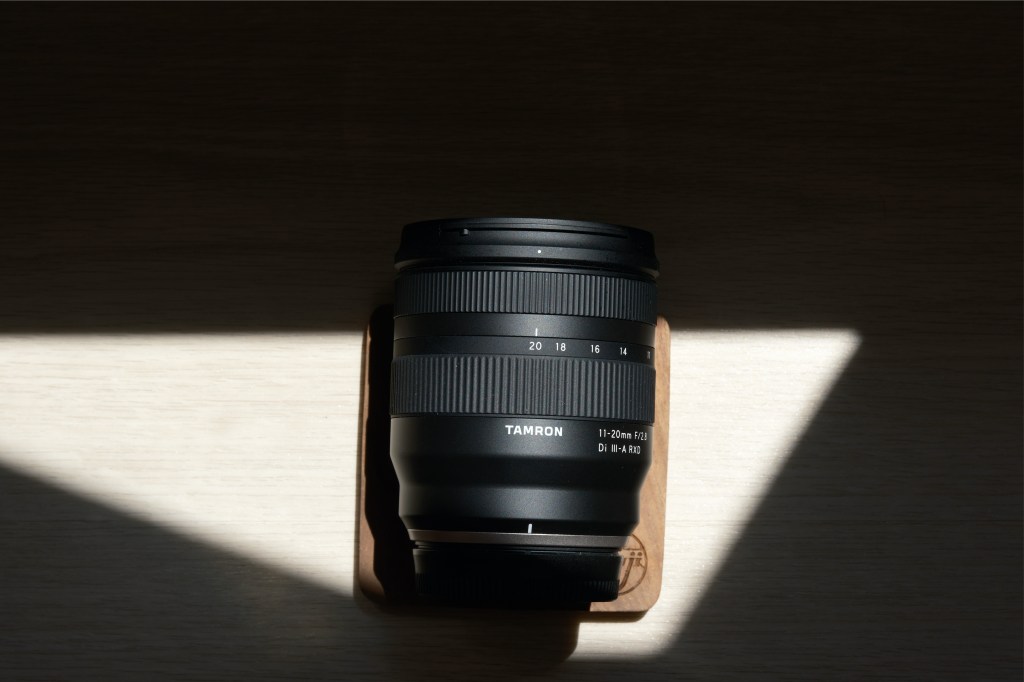

Right: Tamron 11-20mm f2.8 @11mm
If you just want to know my opinion, scroll all the way to the conclusion session.
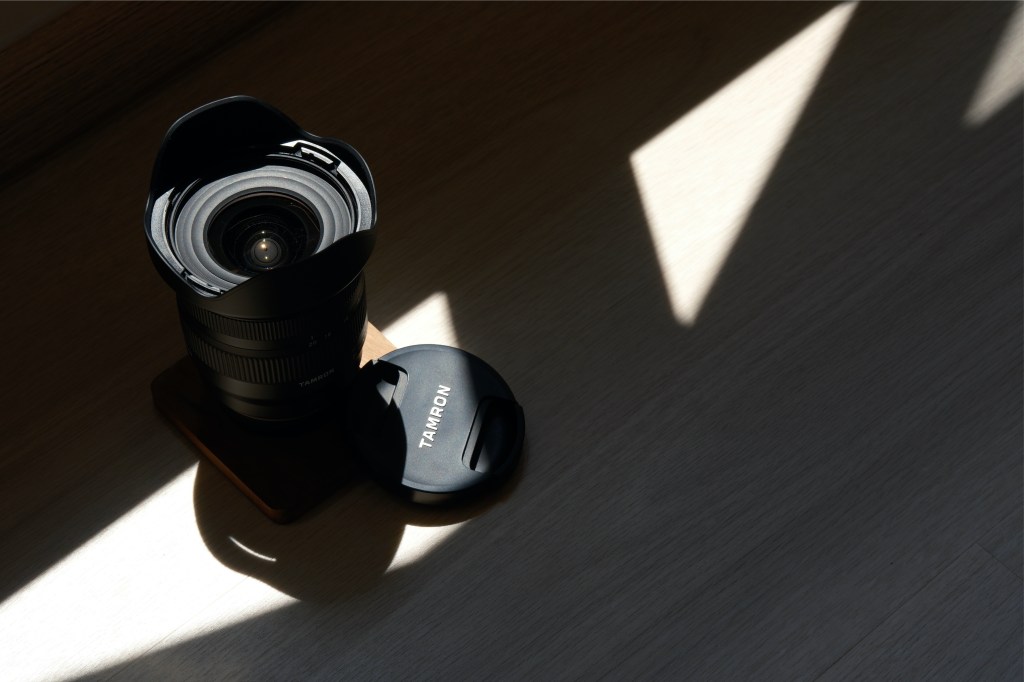
Before I continue further, I would like to special thanks to Cles Distribution of Tamron Singapore for allowing me to loan the Tamron 11-20mm f2.8 Di III-A RXD (Model AFB060X-700) for Fuji X-mount for this blog review. At the time of releasing this review, I have returned the loan unit to Cles Distribution.

Design and Build Quality
Right off the bat, you will notice that the lens starts at 20mm (which is at the tele end of the focal length) and not at 11mm. The lens will zoom externally but not be extended by a lot. That’s considered a good thing for an external zoom lens. So in short, 11mm is at the lens’ longest end.

One might wonder why this lens is designed differently and unlike the typical lenses that “starts” at the widest focal length and “ends” at the tele focal length. I guess that 20mm is closer to street photography focal lengths like 18mm and 23mm, where this focal length has a higher usability rate than 11mm. Or maybe I think too much and it is just engineering design to make it as compact as possible.
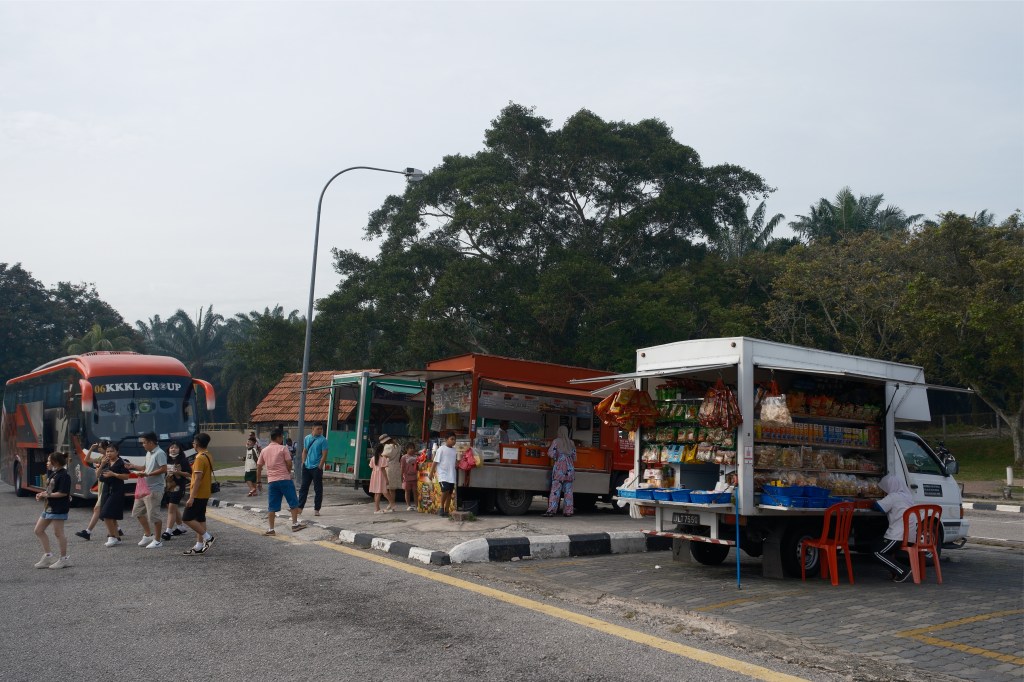
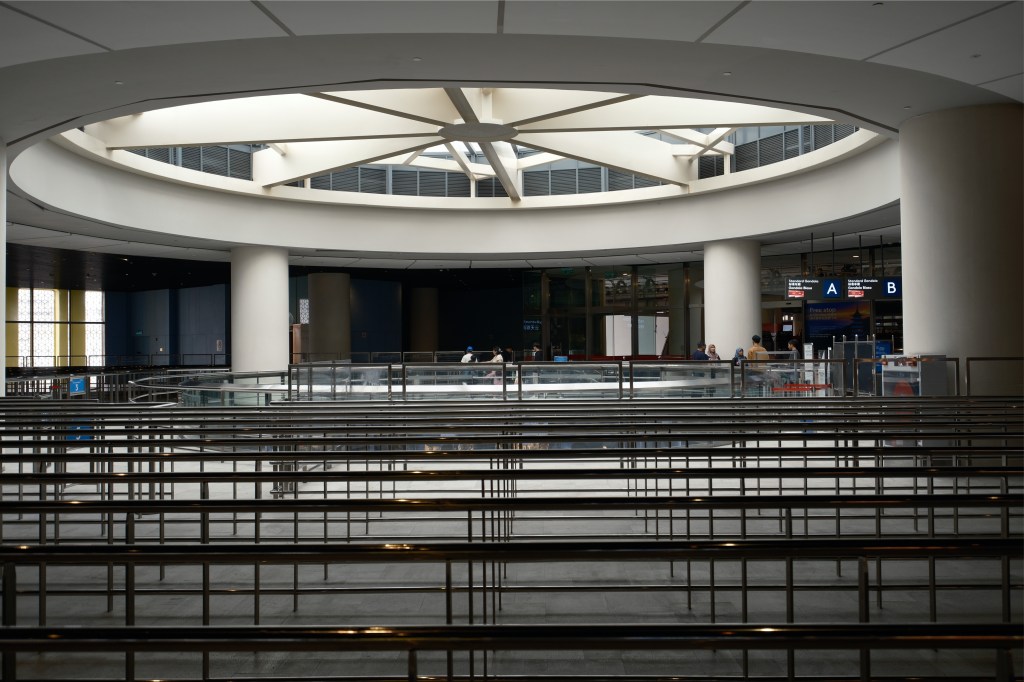
Right: Fuji X-T5 . Tamron 11-20mm f2.8 @ 20mm . f2.8. 1/105″ . ISO 125 . Nostalgic Negative
This lens has the same polycarbonate build quality with a metal rear mount bayonet as its other sibling lenses (Tamron 18-300mm and Tamron 17-70mm). This does not mean the lens is not good. It feels fine, sturdy and does not feels any loose end or anything bad.


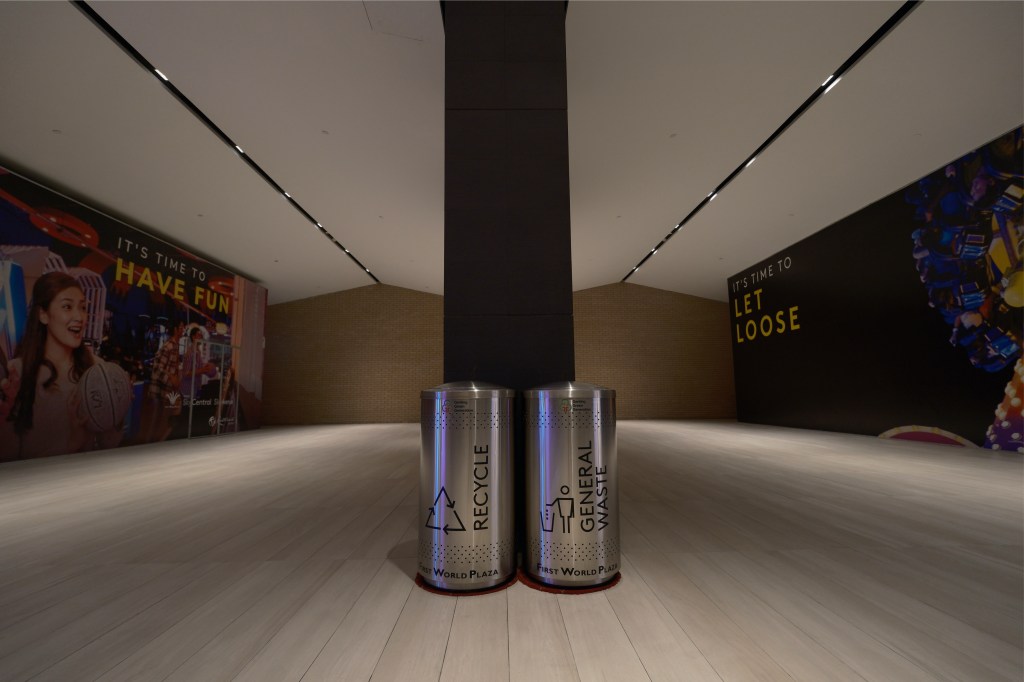
Right: Fuji X-T5 . Tamron 11-20mm f2.8 @ 11mm . f2.8. 1/30″ . ISO 500 . Nostalgic Negative
This 67mm filter-size lens weighs 335 grams. It does have weight when I hold it in my hand but not feel heavy. It also has a good balance with my X-T5 too. (Do you know that both Tamron 18-300mm and Tamron 17-70mm share the same filter size too?)
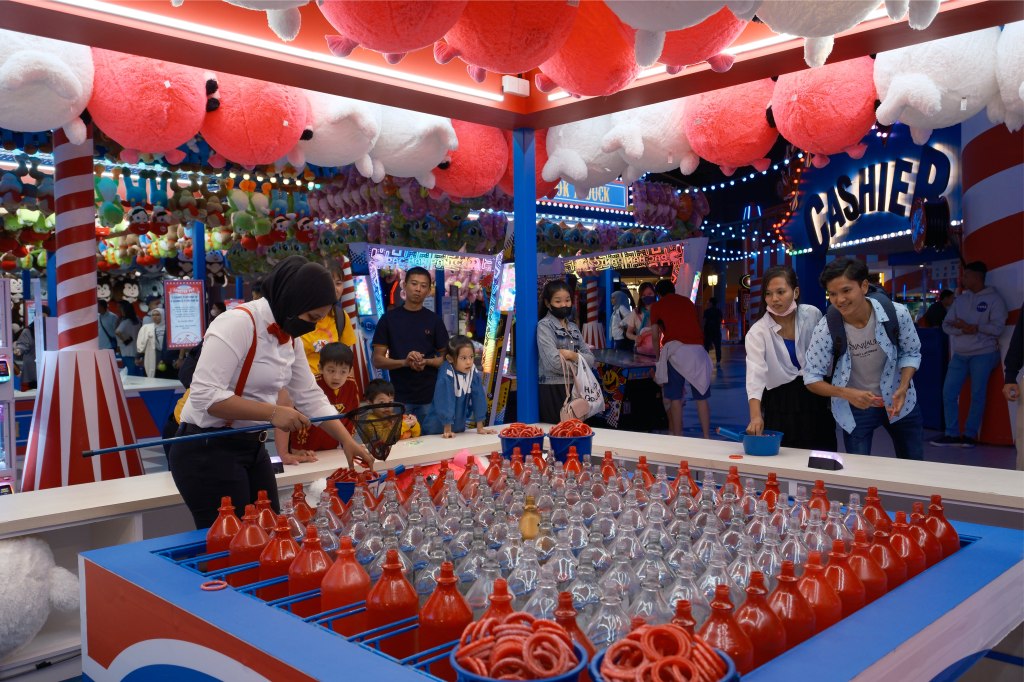

Right: Fuji X-T5 . Tamron 11-20mm f2.8 @ 11mm . f2.8. 1/100″ . ISO 1600 . Nostalgic Negative
Similar to other Tamron lenses, it also lacks an aperture ring. It may sound like a deal breaker to many photographers. But after a while, I have gotten used to controlling the aperture values via the front command dial.


Right: Fuji X-T5 . Tamron 11-20mm f2.8 @ 11mm . f2.8. 1/80″ . ISO 400 . Nostalgic Negative
Image Quality
The image quality is great. Or at least I am more than happy with the results it provides across all the focal ranges at wide open. For a zoom lens, the contrast and sharpness are great. If you are comparing it with a prime lens, it is not as superb as a prime lens. But who will compare the zoom lens with the prime lens?

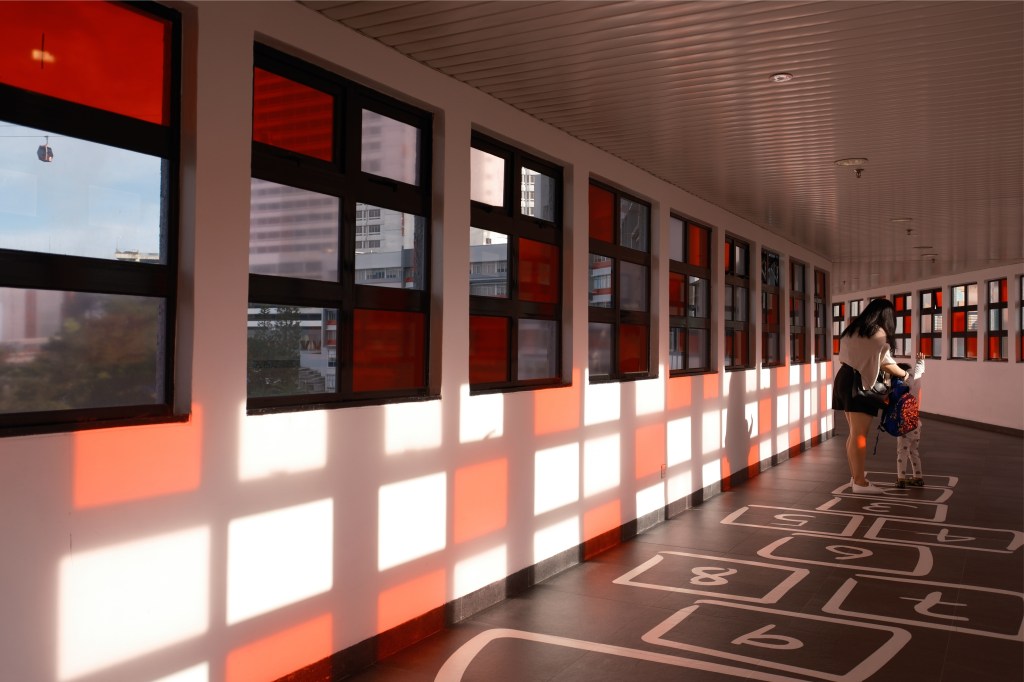
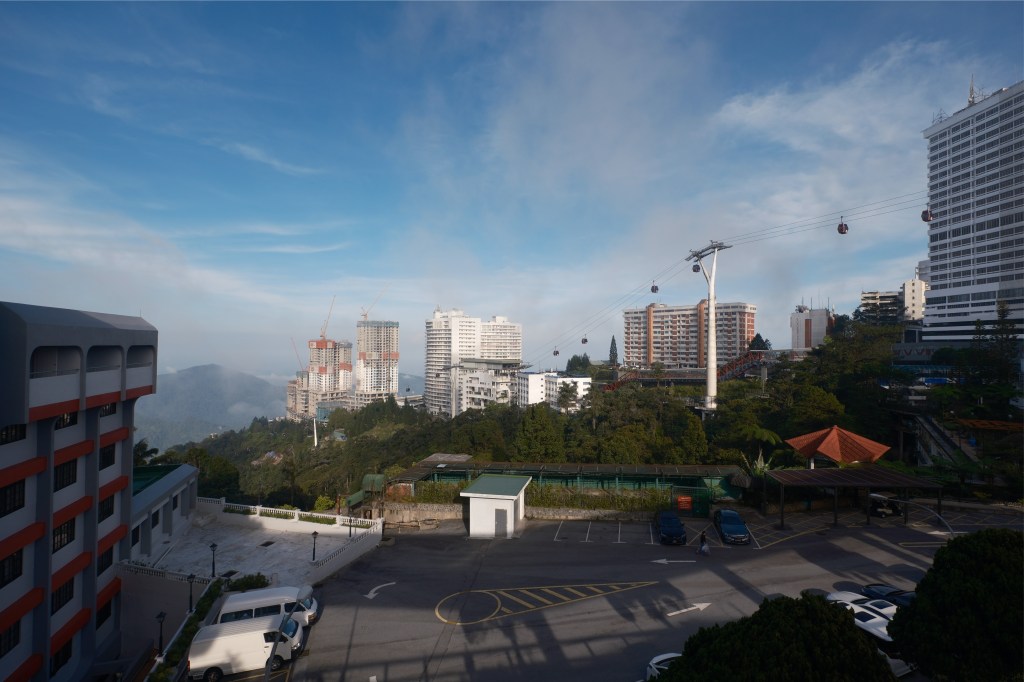
Right: Fuji X-T5 . Tamron 11-20mm f2.8 @ 11mm . f6.3. 1/220″ . ISO 125 . Nostalgic Negative
Vignetting is mild and it can be noticeable if one is to nitpick the photo. Chromatic aberration is well-controlled. Distortion control is pretty good here. While I am not sure if it is done through software or not, at least the results straight out of the camera are pretty decent for distortion.

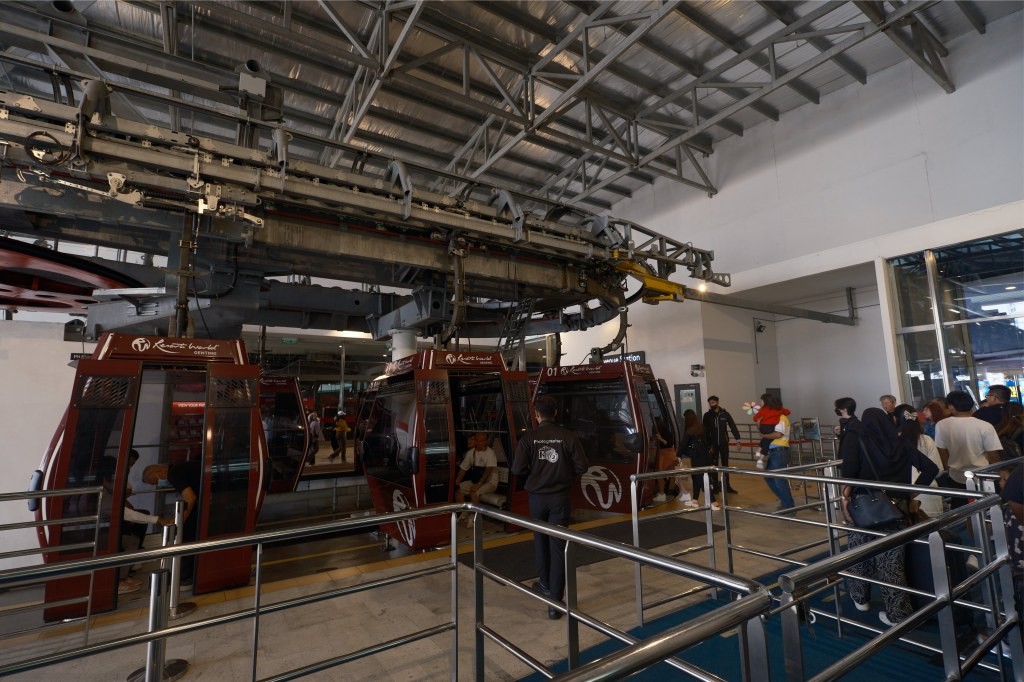
Right: Fuji X-T5 . Tamron 11-20mm f2.8 @ 11mm . f2.8. 1/80″ . ISO 400 . Nostalgic Negative
For transition between a focused subject and off-focused foreground/background, it is seamless and does not give messy or rough off/focused results.
As for the sun star, it gives very decent sun star results with nice sharp edges.


Right: Fuji X-T5 . Tamron 11-20mm f2.8 @ 20mm . f16. 1/85″ . ISO 125 . Nostalgic Negative
Focusing
Focusing speed is fast but not as snappy/instantly as Fujifilm’s new prime lenses. But I notice one phenomenon. If I focus on a darker area/spot, there is a chance the lens is unable to focus correctly or off-focused. But if I relocate my focus point to a brighter area/spot, it works and focuses fast.
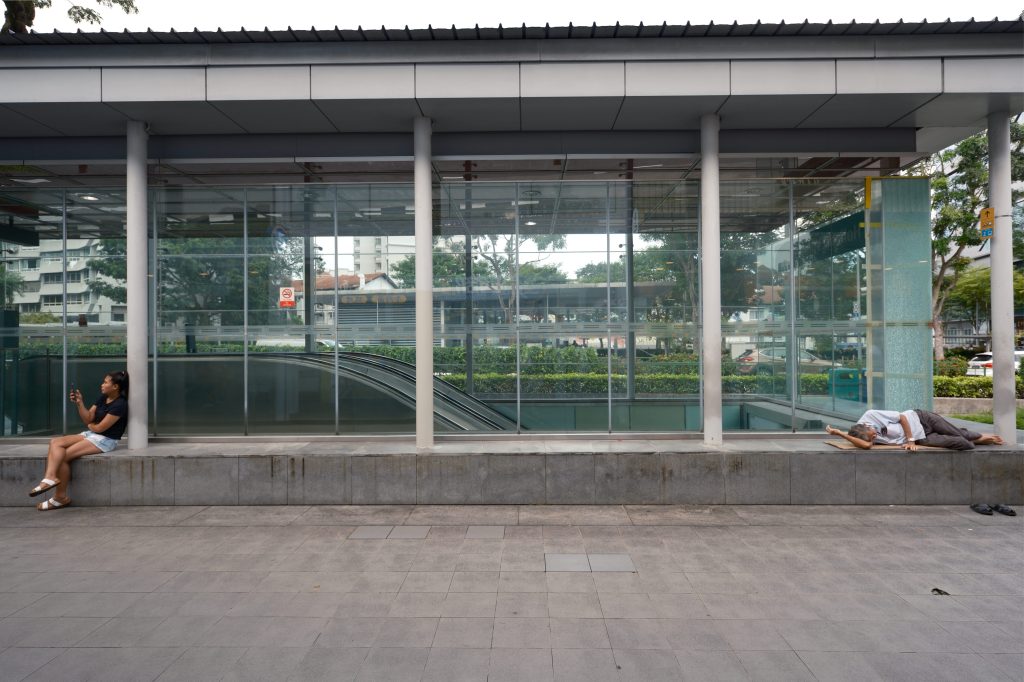

Right: Fuji X-T5 . Tamron 11-20mm f2.8 @ 11mm . f2.8. 1/120″ . ISO 125 . Nostalgic Negative
This phenomenon does not matter if it’s outdoor or indoor, daylight or low light environment. It’s a unique behavior that I observed thus far with this lens.



Right: Fuji X-T5 . Tamron 11-20mm f2.8 @ 11mm . f2.8. 1/80″ . ISO 400 . Nostalgic Negative
Putting that aside, this lens comes with RXD (Rapid eXtra-silent stepping Drive) stepper motor unit which allows it to focus silently. This is very good for street photographers and significantly better for videographers when they use this lens for video productions.
Minimum Focus Distance (MFD)
Tamron is doing a great job when comes to MFD. Both the Tamron 17-70mm and Tamron 18-300mm give very impressive MFD and this lens is no exception. The MFD is 15cm at 11mm and 24cm at 20mm.

In short, 11mm can give a very unique perspective/close-up of the subject. It brings new creative options for photographers to explore.


Rightt: Fuji X-T5 . Tamron 11-20mm f2.8 @ 20mm . f2.8. 1/80″ . ISO 1600 . Nostalgic Negative
As for 20mm, it can also capture very close to the subject but the wow factor is all on the 11mm.
Price Point
Given it is priced at 829 USD, I think it is a good price point. For instant, XF 8-16mm f2.8 and XF 10-24mm f4 are priced at 1499 USD and 999 USD respectively.


Right: Fuji X-T5 . Tamron 11-20mm f2.8 @ 11mm . f5.6. 1/350″ . ISO 125 . Nostalgic Negative
Others
While this lens does not come with weather resistance, it does come with Moisture-Resistant Construction and Fluorine Coating that offer additional protection when outdoor shooting.
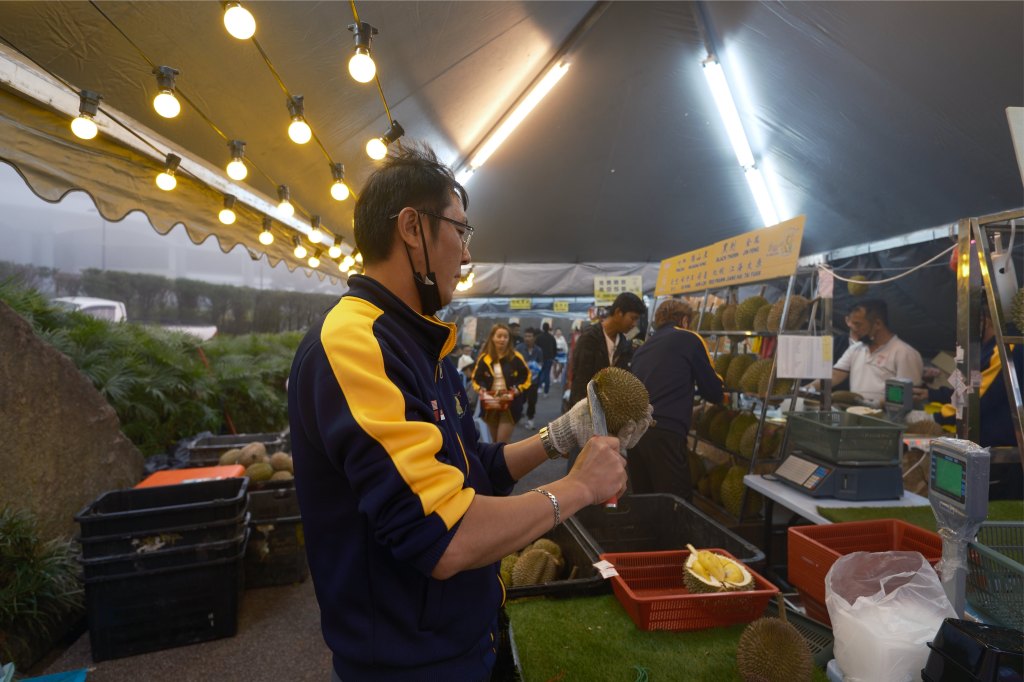
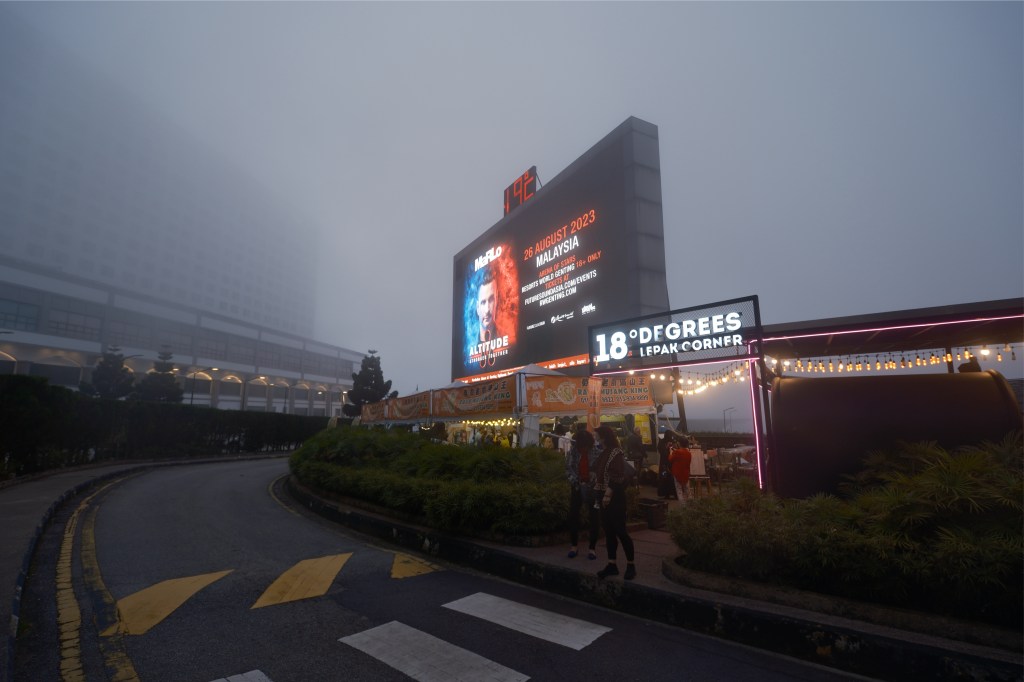
Right: Fuji X-T5 . Tamron 11-20mm f2.8 @ 11mm . f2.8. 1/80″ . ISO 125 . Nostalgic Negative
Who is this for?
I think it is pretty clear who is this for and what genre is suitable with this focal length.

Conclusion
Technically, Fujifilm gives a very clear option for photographers to choose from. If you have a reasonable budget on hand and don’t mind the bulky lens build, XF8-16mm is the choice. Otherwise, XF10-24mm is the best alternative with a reasonable price tag.
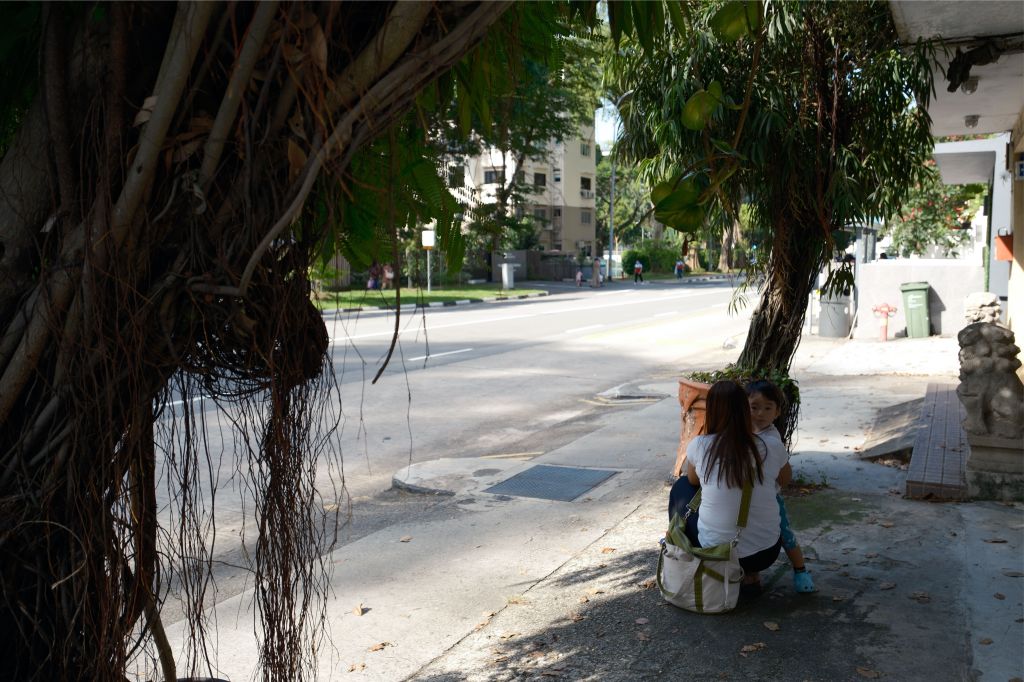
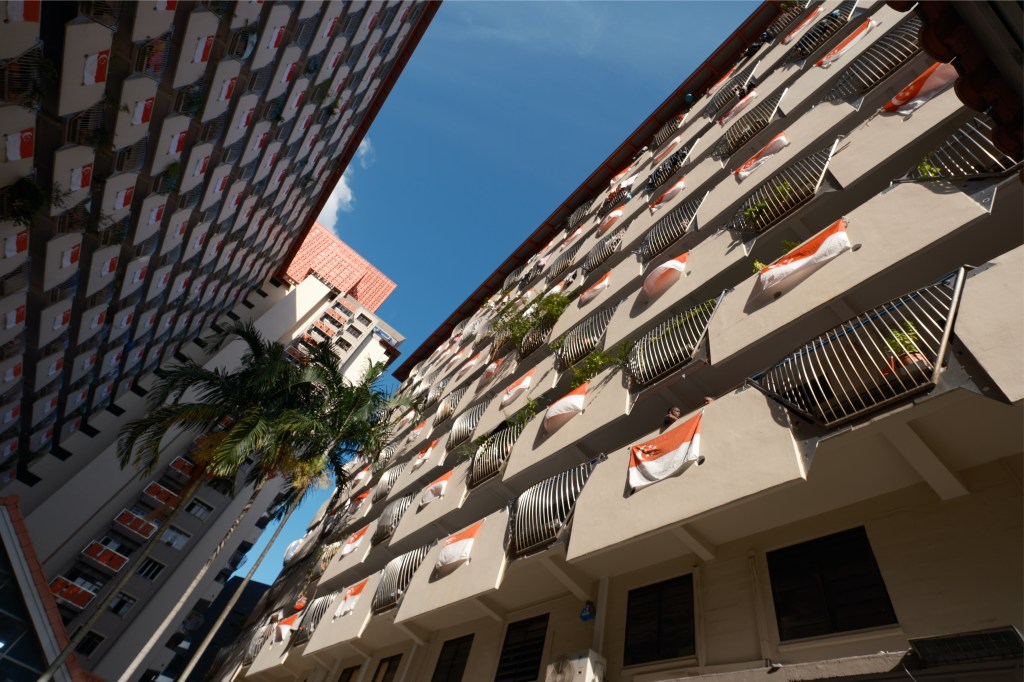
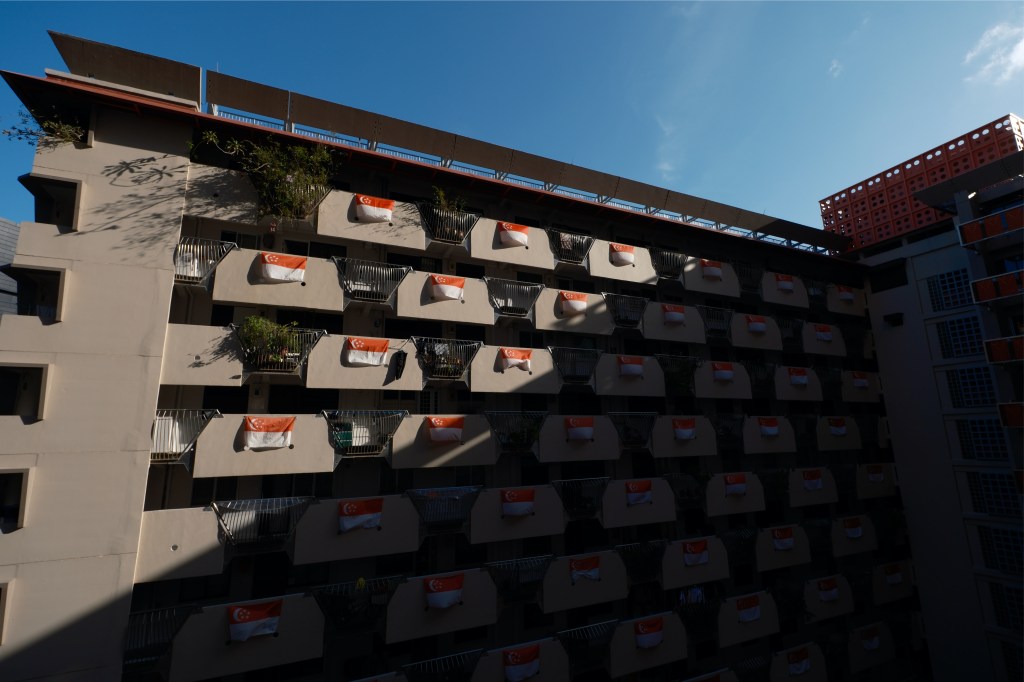
Right: Fuji X-T5 . Tamron 11-20mm f2.8 @ 11mm . f5.6. 1/550″ . ISO 125 . Nostalgic Negative
With the Tamron 11-20mm f2.8, Tamron steps-in in the right spot with the right price tag. It gives many Fujifilm photographers one of the best alternative options to choose from.

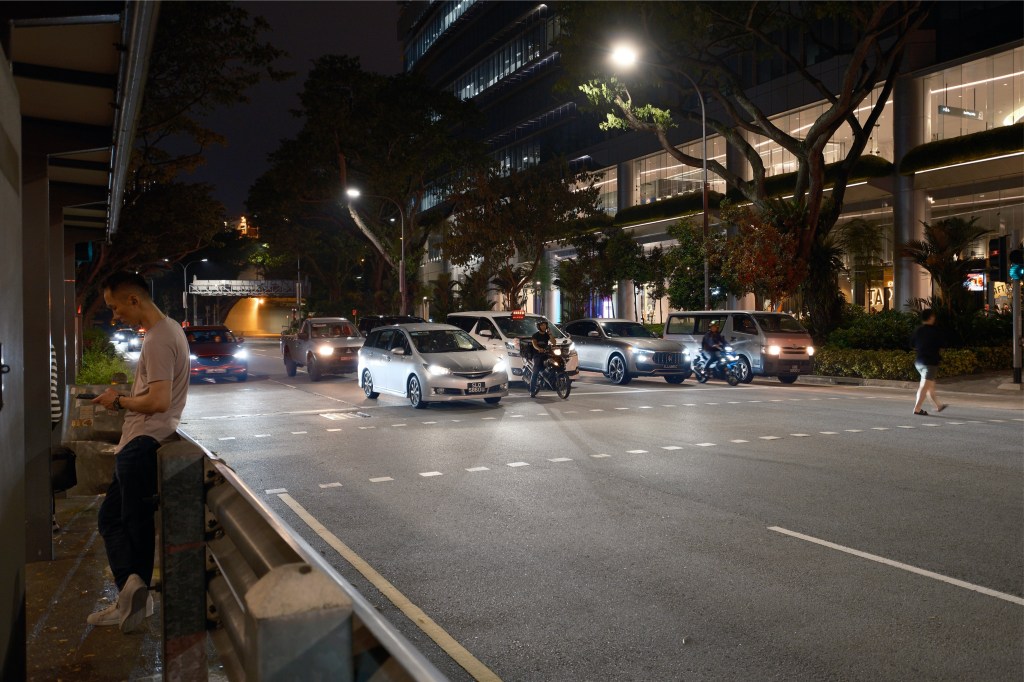
Right: Fuji X-T5 . Tamron 11-20mm f2.8 @ 20mm . f2.8. 1/15″ . ISO 400 . Nostalgic Negative
With decent image quality at wide open, decent weight and size, and decent build quality, this is the lens I will recommend for photographers who are looking for one with a bang for the buck.

Thank you for reading.
Disclaimer:
1. All the shots taken here are shot by me.
2. Most of the shots are straight out of the camera with some shots edited via In-Camera Raw Processing and Capture One 2023.
3. The opinions are based on my experience. If there is any mistake, please kindly drop me a message and I will gladly make the amendment.
4. I reserve ownership of these images, if you wish to use my images, please notify me.
If you like my works, please follow me on either one of the 2 Instagram accounts:
https://www.instagram.com/alwinkok_
https://www.instagram.com/alwin.portraits
If you have a Facebook account, feel free to join Fujifanboys FB group.
If you like my content and you want to show some support and keep this blog alive, you can buy me a coffee here.

 Alwin Kok
1 thought on “Tamron 11-20mm f2.8 – Ultrawide with Versatility”