
Reviews

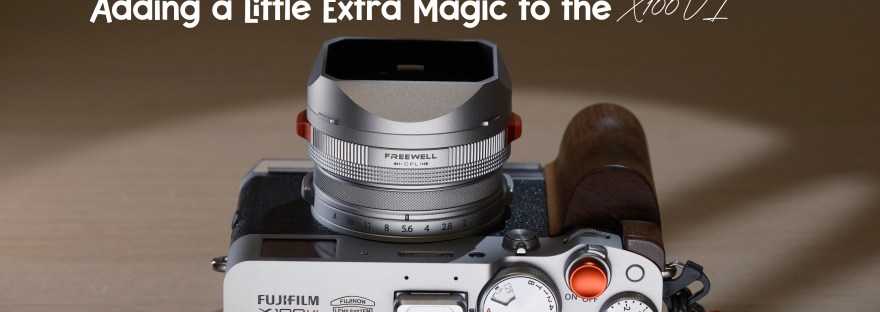
Freewell X100VI Accessories: Adding a Little Extra Magic to the X100VI

Every now and then, something interesting pops up in the world of camera accessories, small things that somehow make a big difference in your shooting experience. For us Fujifilm X100 users, those little tweaks often go a long way.

The Freewell X100VI Accessories

Recently, the good folks at Freewell reached out and asked if I’d like to try their new X100VI accessories. Of course, I said yes — any excuse to take my favorite walkabout camera, the X100VI, out for another spin is a good one.

Before I dive in, I want to thank Freewell for generously sending not one, but three X100VI accessories for me to test. That said, everything you’ll read here comes straight from my own honest experience, as always.

The lineup includes:

  1. Fuji X100VI Thumb Grip with Cold Shoe Mount
  2. Fuji X100VI L-Bracket Premium Grip
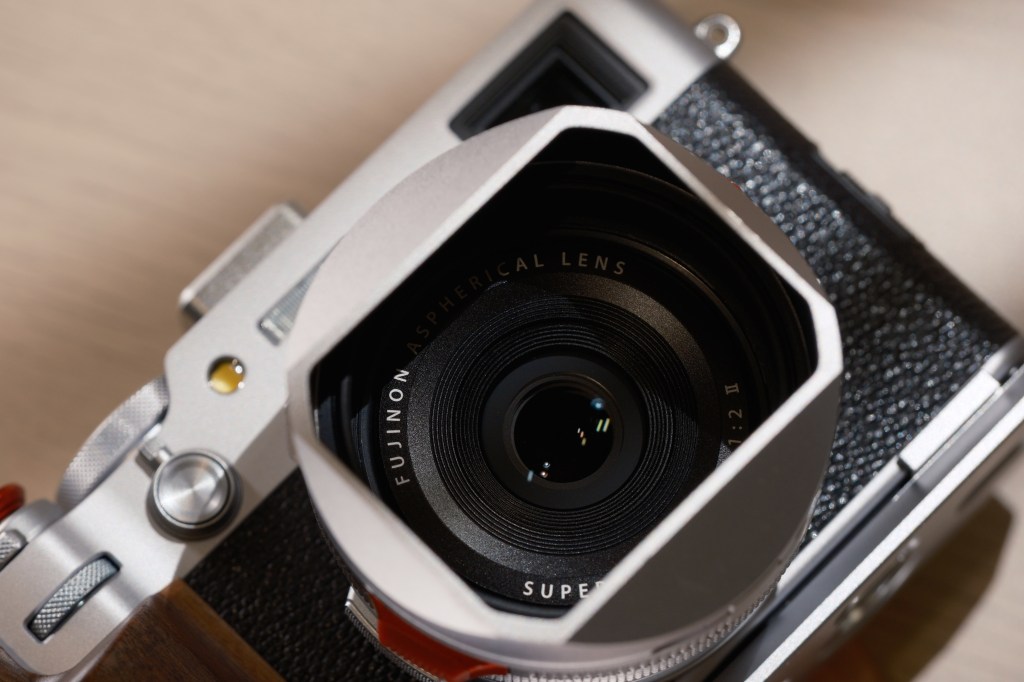
  3. Fuji X100VI Real Lens Hood

Let’s go through each of them in that order.

Design and Build Quality

All three accessories share the same metal construction, giving them a premium and sturdy feel right out of the box. They match the clean, minimalist aesthetic of the X100VI perfectly and add a touch of refinement to the camera’s already sleek design.

Thumb Grip

As simple as it sounds, the thumb grip does exactly what you hope it would, it provides a solid resting spot for your thumb, making the camera much more comfortable to hold for longer periods.

Thumb Grip with Cold Shoe Mount

It doesn’t drastically change how the camera handles, but it adds just enough stability to make a noticeable difference.

Oh yes, the thumbgrip comes with a cold shoe mount if you ever need to use it for microphone or LED video light.

L Bracket Grip

At first glance, I wasn’t too impressed with the grip’s design. The top curve section where the small extended extra wood looked… odd. I couldn’t quite figure out why they designed it that way.

Then I attached it to the camera, and I was completely wrong.

L-Bracket Premium Grip

The curve contour actually makes it surprisingly comfortable, providing a natural resting point for my middle finger. The grip is also deep enough for a firm hold, and the wooden section feels fantastic in hand. You can tell the difference in material quality right away, it’s smooth, solid, and premium.

Base of the L-Bracket Premium Grip

And here’s a nice touch: it comes with a red shutter button, it’s a small detail that really adds to the X100’s charm.

Real Lens Hood

Now, the name “Real Lens Hood” caught my attention. Why “real”? I still don’t know, but the design itself speaks volumes.

The hood feels light yet premium, with a metal body that matches the X100VI’s build. Unfortunately, the lens cap is made of plastic, and not the best kind. It’s a small letdown compared to the rest of the build. Oh, and it even has an NFC tag built in, scan it for product info and support materials (though oddly, my iPhone couldn’t detect it, but my Android did).

Flippable Square Lens Hood with Filter
Flippable Square Lens Hood without Filter

That said, the hood comes with some neat tricks. It features a flippable design, letting you change filters without removing the hood entirely, a small but genuinely smart idea.

Two red rubber-tipped tabs make rotating filters smooth and easy, especially when you’re using Freewell’s included 49mm hybrid filter (a Circular Polarizer combined with a 1/4 Black Mist filter).

Rubber-tipped tab

CPL and Black Mist Filter

This hybrid filter is one of my favorite surprises in the kit. The CPL (Circular Polarizer) helps reduce glare and reflections on water, glass, and foliage while boosting color and contrast. You can control the effect by rotating the filter, that’s where the red tabs really shine.

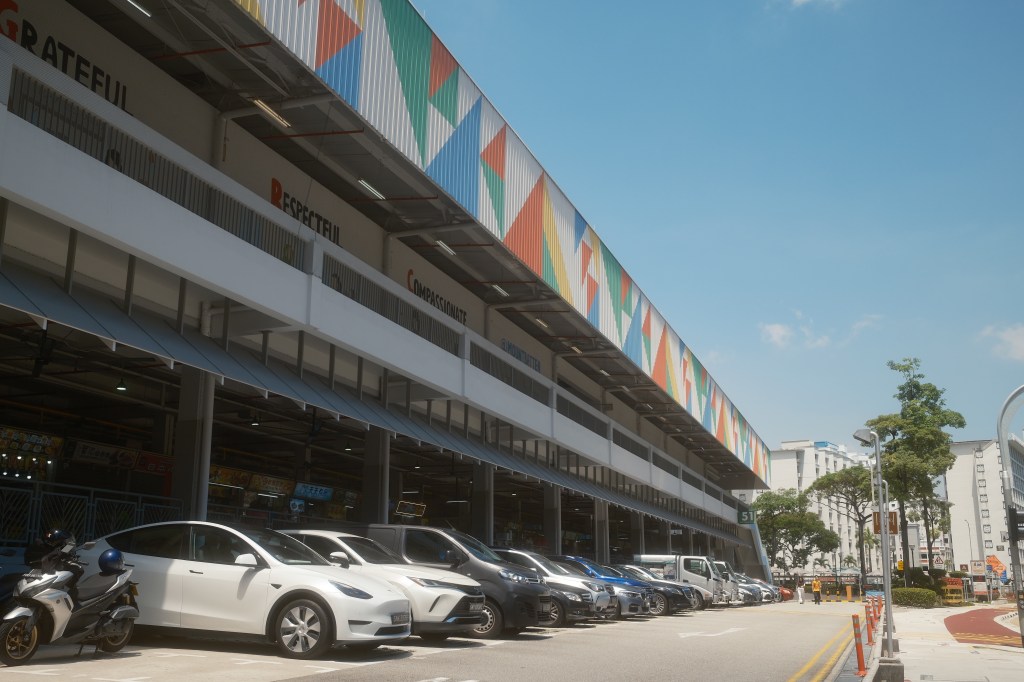
The 1/4 Black Mist effect adds a gentle bloom to highlights and a soft cinematic glow around light sources. It also slightly reduces contrast in low light, giving your shots a moody, filmic atmosphere.
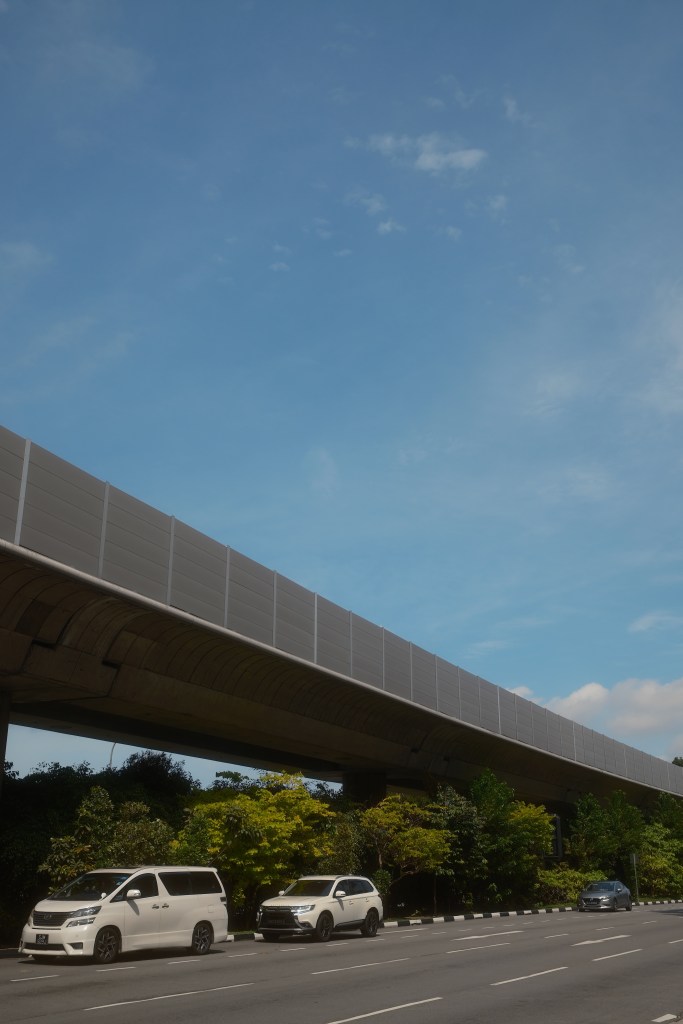
Among the usual 1/8, 1/4, and 1/2 mist options, I personally find 1/4 to be the perfect balance, noticeable but not overdone. It’s one of those filters that might take a bit of experimenting to fully appreciate, but once you get the hang of it, it adds real character to your images.


Price Point

Here’s the breakdown:

1. Fuji X100VI Thumb Grip with Cold Shoe Mount – 40 USD

2. Fuji X100VI L Bracket Premium Grip – 80 USD

3. Fuji X100VI Real Lens Hood – 130 USD

Considering the quality and usability, these prices feel reasonable, especially if you’re looking to give your X100VI setup a premium touch without going overboard.
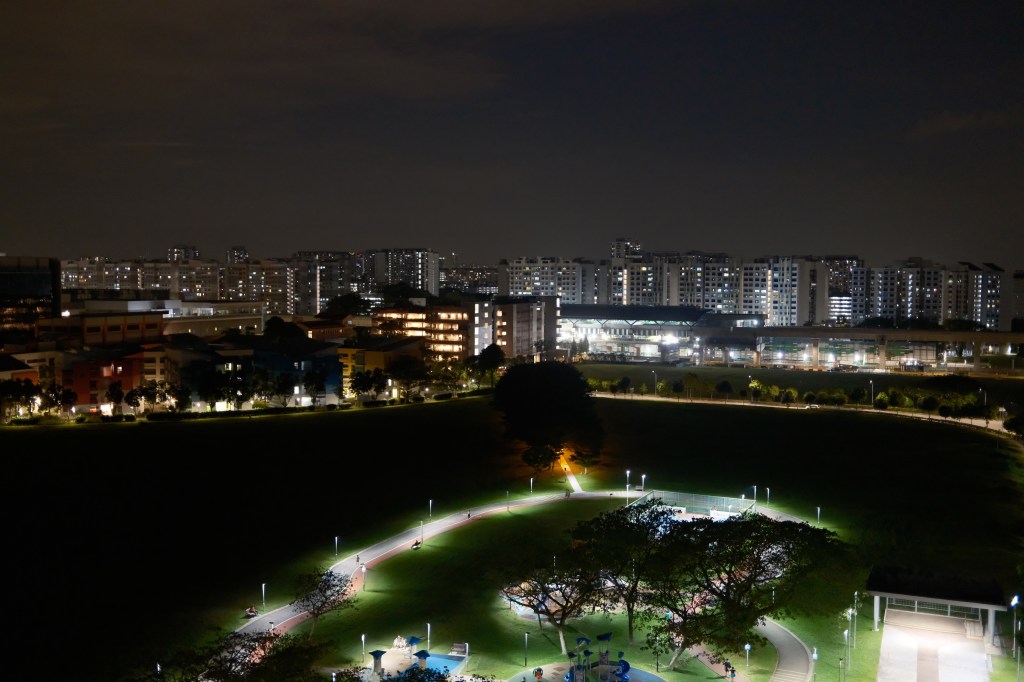
Who is this for?

If you’re looking to enhance your X100VI experience, in handling, comfort, and overall shooting enjoyment, this is a solid trio to consider.

If you only want one accessory, I’d recommend the Real Lens Hood. It not only looks stylish with its square profile but also lets you swap filters easily without removing the hood, perfect for photographers who love working with filters.
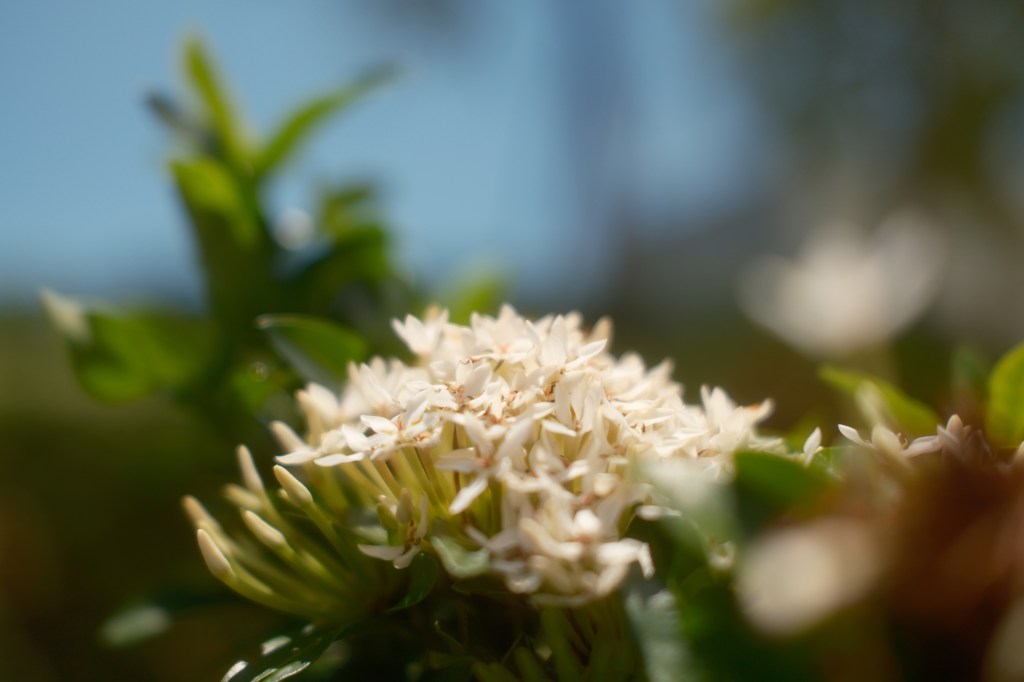
Just note that it extends a little beyond the lens, both in width and length, but it adds function and flair at the same time.

Conclusion

Freewell has been around since 2012, earning a reputation for crafting innovative filters and camera accessories, from their popular magnetic filter systems to gear for photographers, drone pilots, action cam users, and now, X100 enthusiasts.
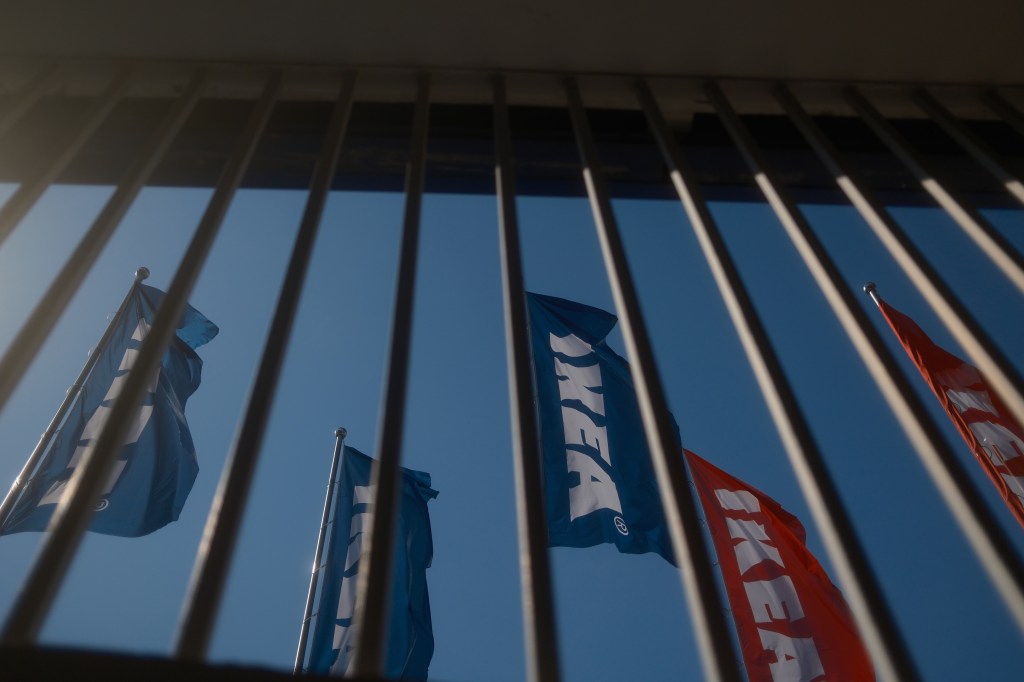
This was my first hands-on experience with Freewell products, and honestly, I’m impressed. The accessories feel high-quality, thoughtfully designed, and genuinely enhance the user experience.

They’ve turned my everyday X100VI into something that feels even more refined, and that’s exactly what good accessories should do.

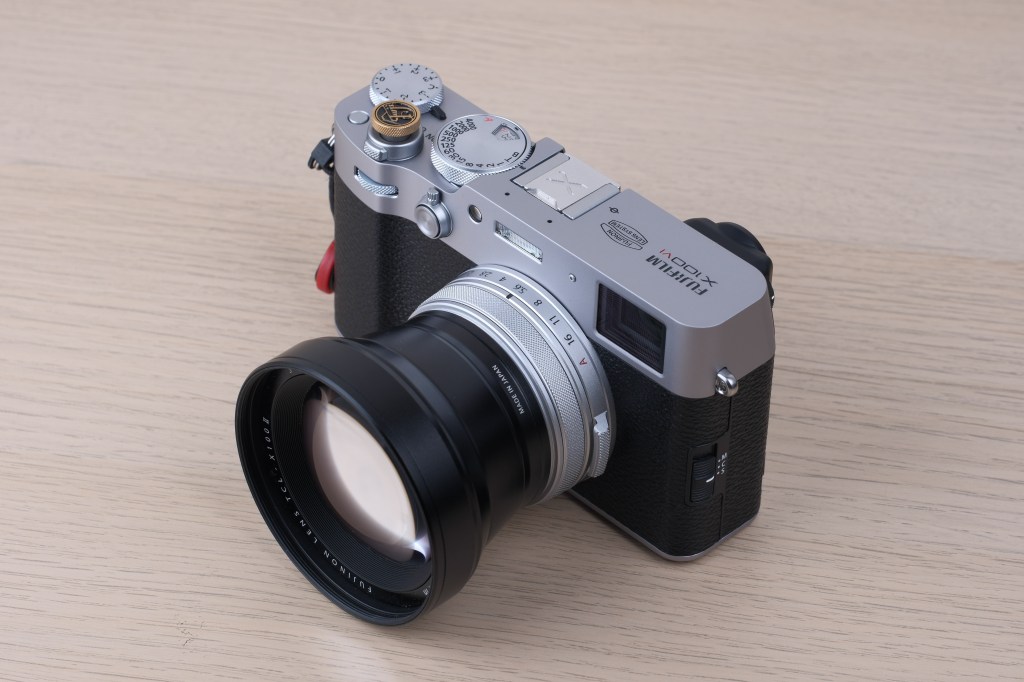
X100VI with Freewell Accessories

Thank you for reading. 

Disclaimer:
1. All the shots taken here are shot by me.
2. Most of the shots are straight out of the camera with some shots edited via In-Camera Raw Processing.

3. The opinions are based on my experience. If there is any mistake, please kindly drop me a message and I will gladly make the amendment.
4. I reserve ownership of these images, if you wish to use my images, please notify me.

If you like my works, please follow me on either one of the 2 Instagram accounts:

If you have a Facebook account, feel free to join Fujifanboys FB group.

If you like my content and you want to show some support and keep this blog alive, you can buy me a coffee here.

Reviews

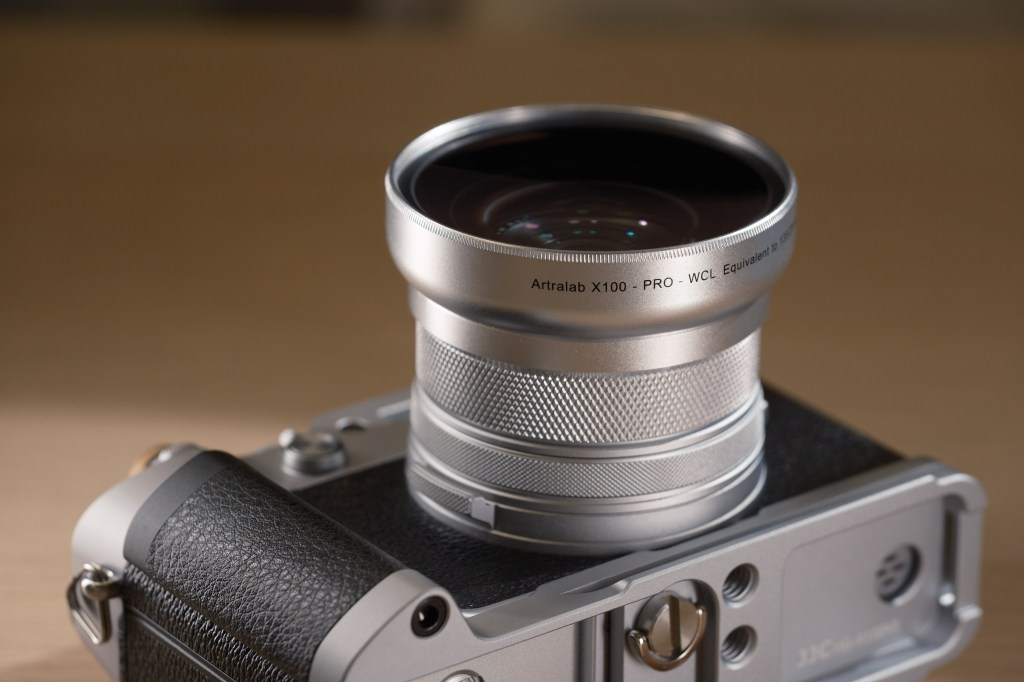
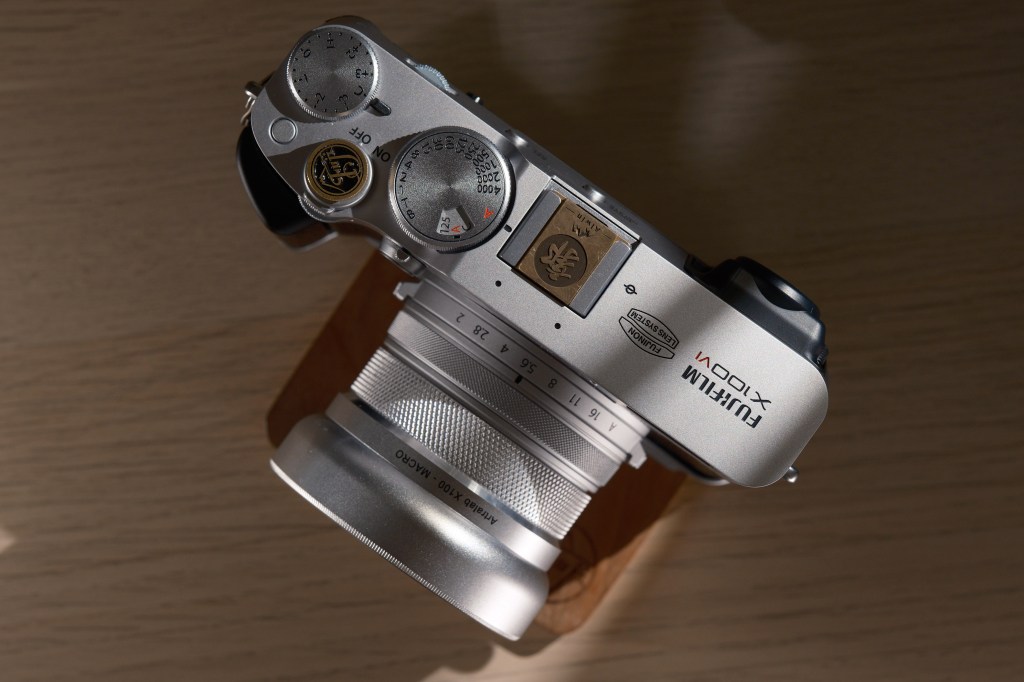
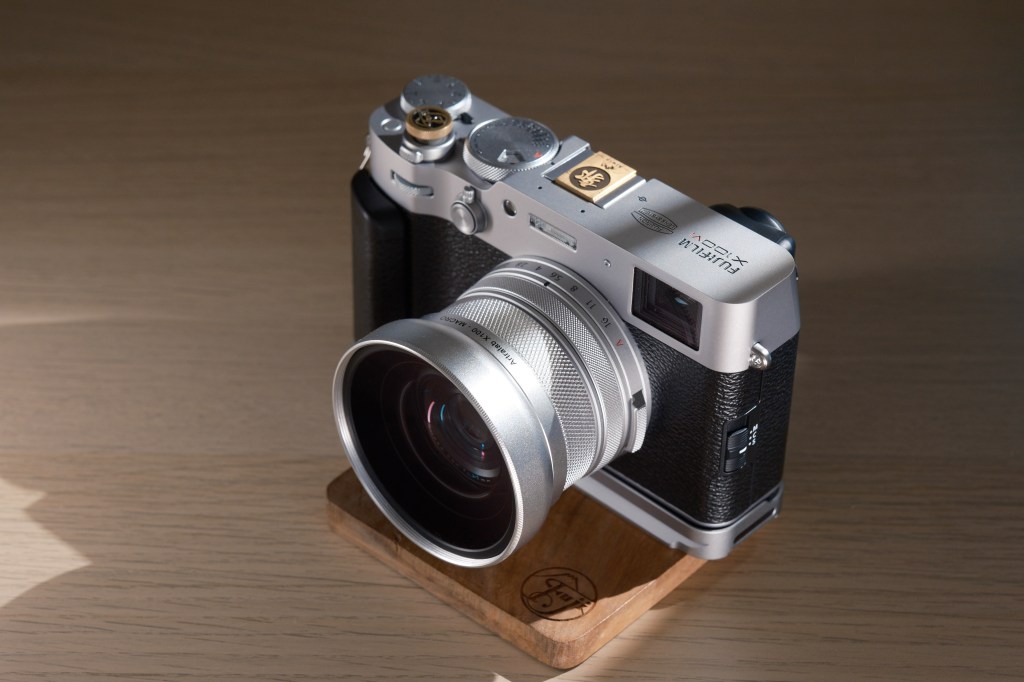
Artralab X100 Pro WCL + Marco 25mm Wide Conversion Lens – Not The Usual Conversion Lens

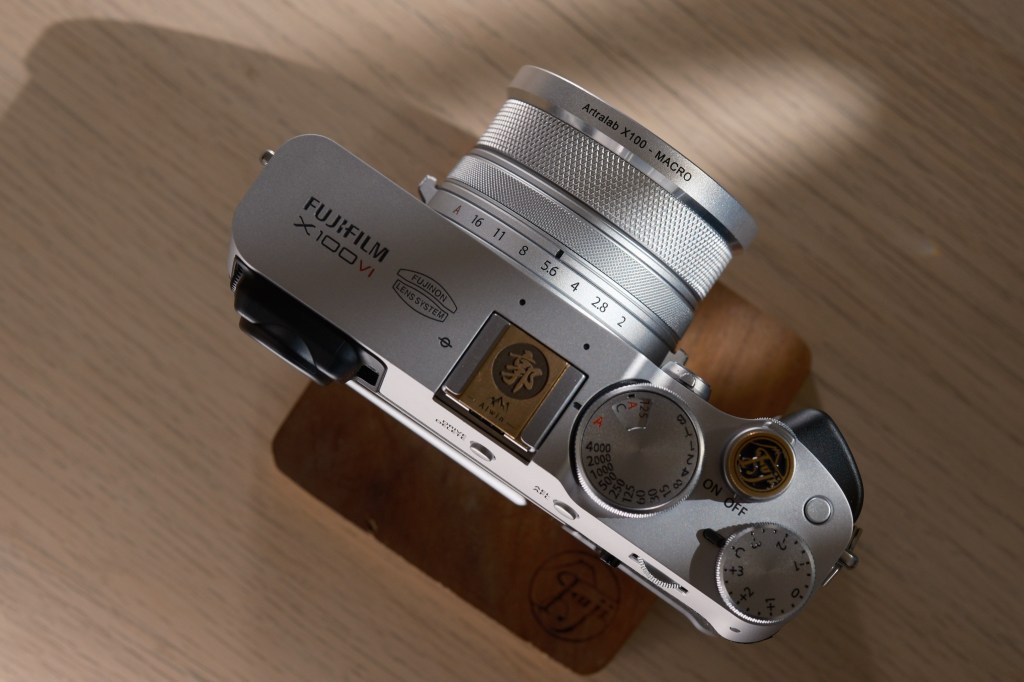
The Artralab X100 Pro WCL + Macro 25mm Wide Conversion Lens was officially announced in June 2025. As its name implies, it’s a professional-grade wide conversion lens.

This isn’t Artralab’s first venture into X100 conversion lenses; they previously released two under the “FUNKYFRAME” label: a 16mm wide and a 60mm tele conversion lens.

Intro

The X100 series, as many of us know, features a fixed lens with a 35mm equivalent focal length in full-frame terms. Its fixed-lens design is part of its charm, photographers appreciate its simplicity and the pure shooting experience it offers. However, this also means the system is somewhat limited in flexibility. That said, we’ve all had those moments when we wished for a wider perspective or a bit more telephoto reach.

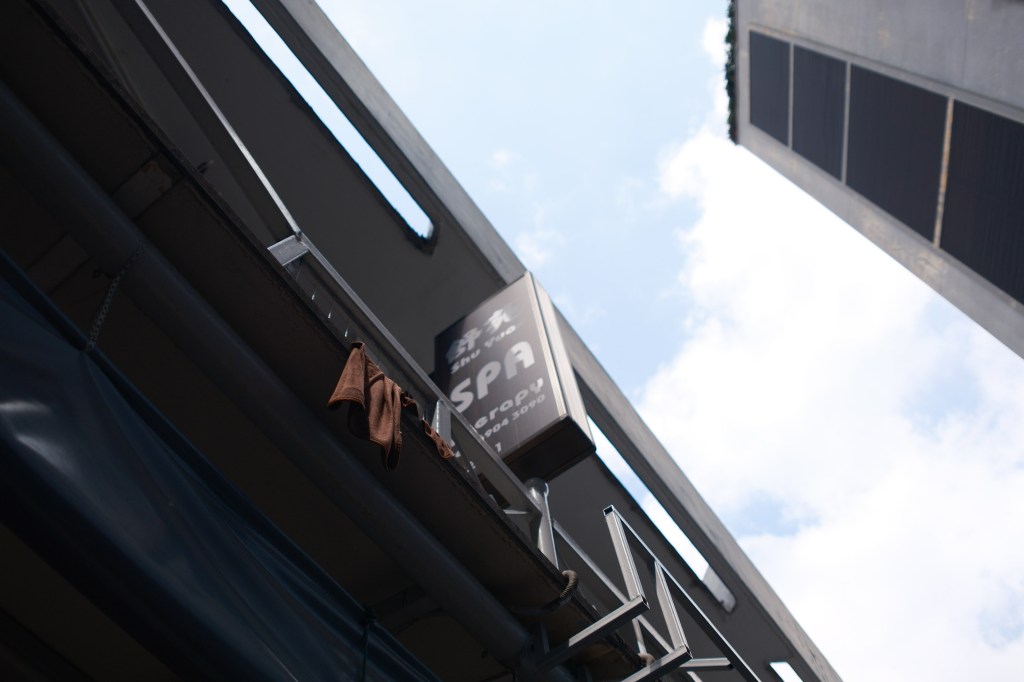
Fuji X100VI . ArtraLab X100 Pro WCL + Marco 25mm @ 17mm . f2. 1/5400″ . ISO 250 . Nostalgic Negative

Fujifilm clearly recognized this limitation, which is why they introduced the WCL (28mm) and TCL (50mm) not long after the launch of the X100S. These two conversion lenses added much-needed versatility to the X100 ecosystem.

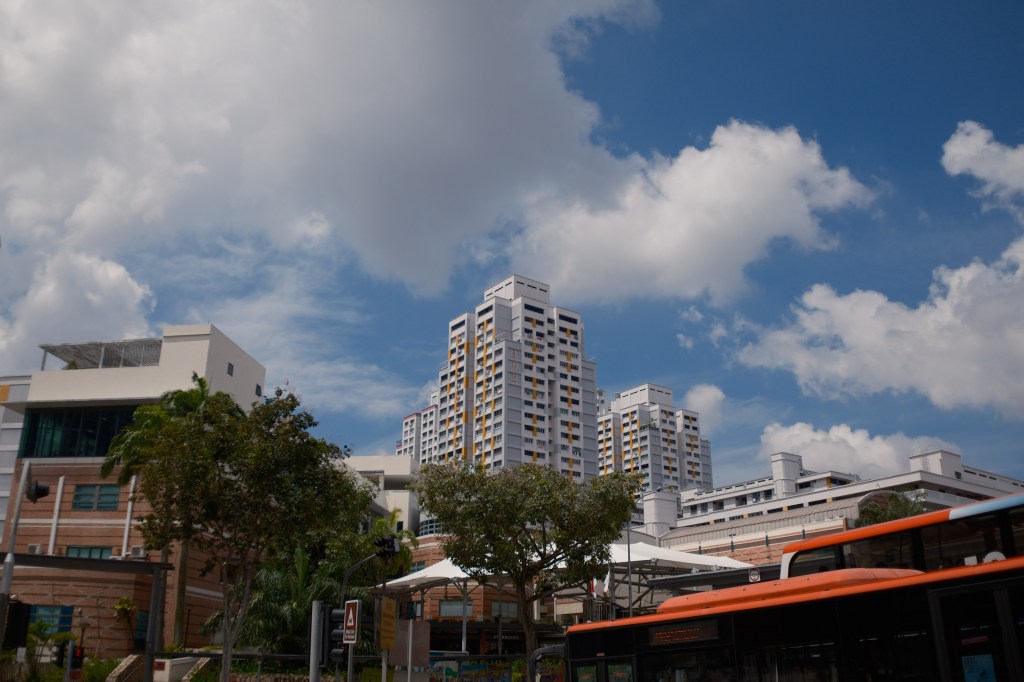
Fuji X100VI . ArtraLab X100 Pro WCL + Marco 25mm @ 17mm . f2. 1/1700″ . ISO 125 . Nostalgic Negative

Fourteen years on, very few manufacturers have released dedicated conversion lenses for the X100 series. While some have produced generic options, they aren’t specifically designed for the X100. As far as I know, only Freewell and Neewer have ventured into making conversion lenses for this X100 ecosystem.

Design and Build Quality

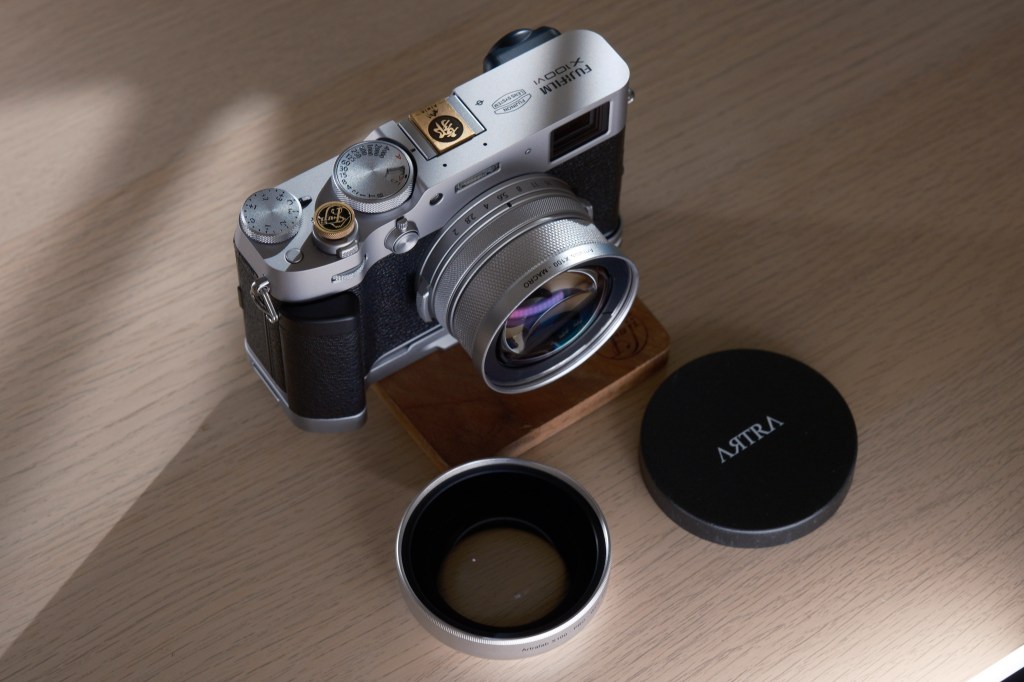
Weighing in at 190 grams, this conversion lens is a bit heavier than Fujifilm’s WCL II, which comes in at 150 grams. The handling feels solid, thanks to its full metal construction that gives off a premium impression. However, the silver finish is glossier than that of the Fujifilm X100VI and has a slightly different tone.

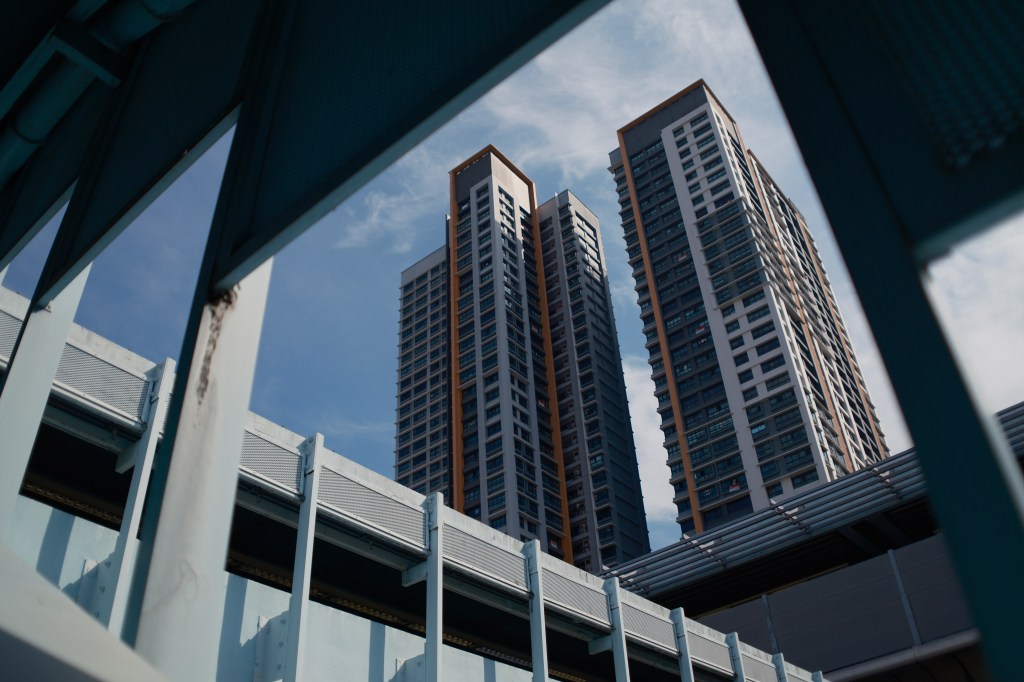
Fuji X100VI . ArtraLab X100 Pro WCL + Marco 25mm @ 17mm . f2. 1/80″ . ISO 320 . Nostalgic Negative

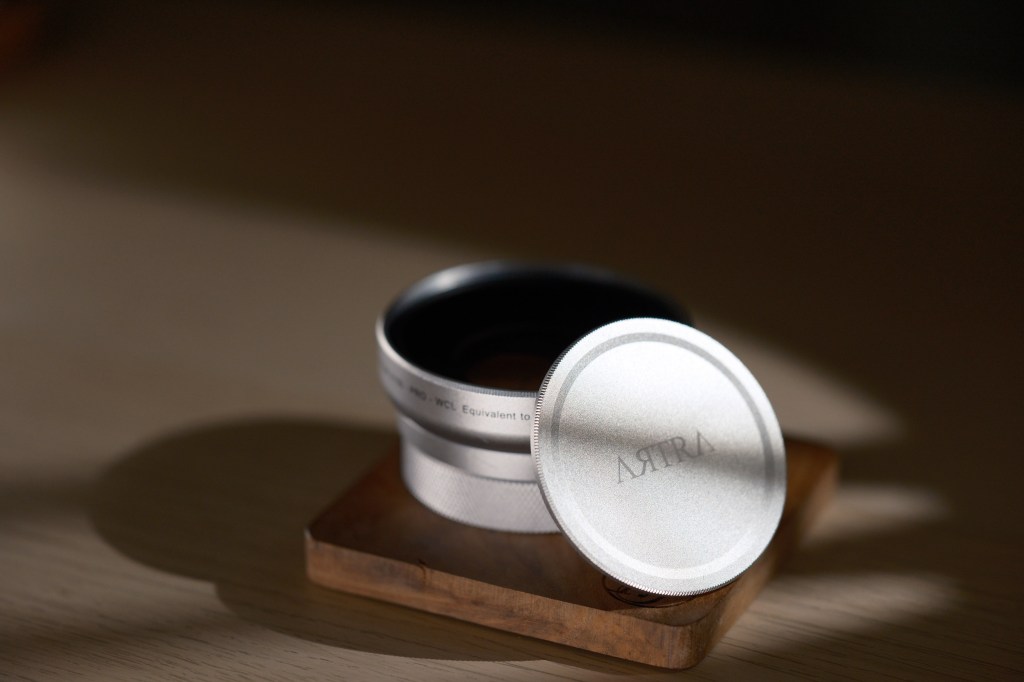
It includes a metal rear screw cap and a rubber front lens cap. However, I do wish it came with a metal front cap as well, it would have elevated the overall shooting experience.

Artralab X100 Pro WCL + Marco 25mm with rear lens cap

Image Quality

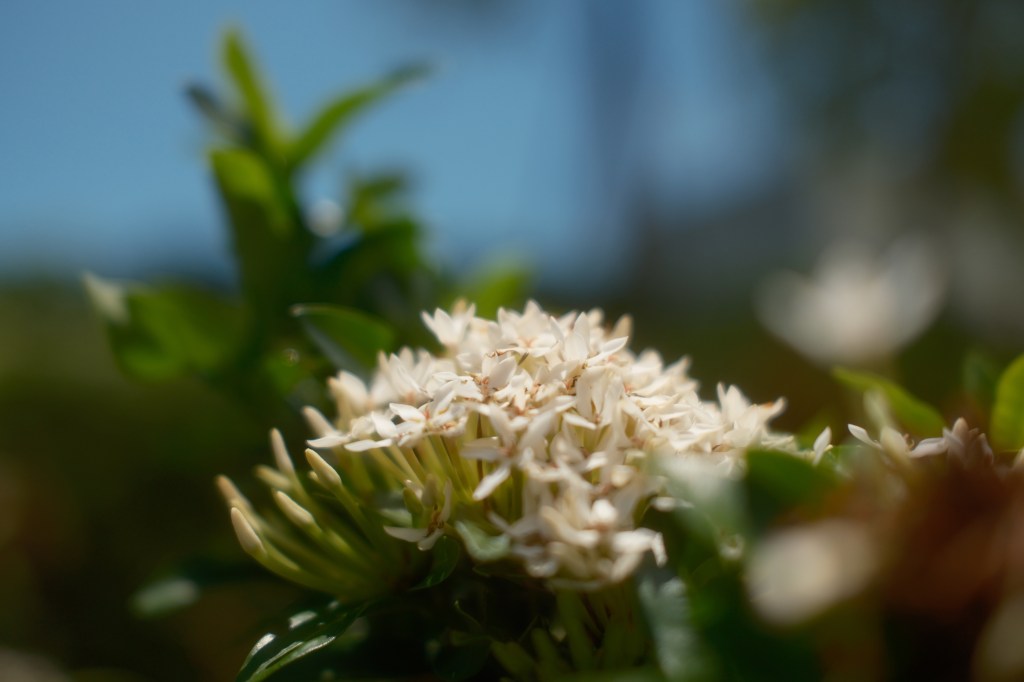
When shot wide open, the image quality holds up well. If you’re particular about sharpness, you’ll notice it’s slightly softer compared to using the X100 without the WCL attached. For casual photography and social media sharing, though, it’s more than adequate. That said, the image corners do exhibit a bit of softness.

Fuji X100VI . ArtraLab X100 Pro WCL + Marco 25mm @ 17mm . f5.6. 1/3500″ . ISO 250 . Nostalgic Negative

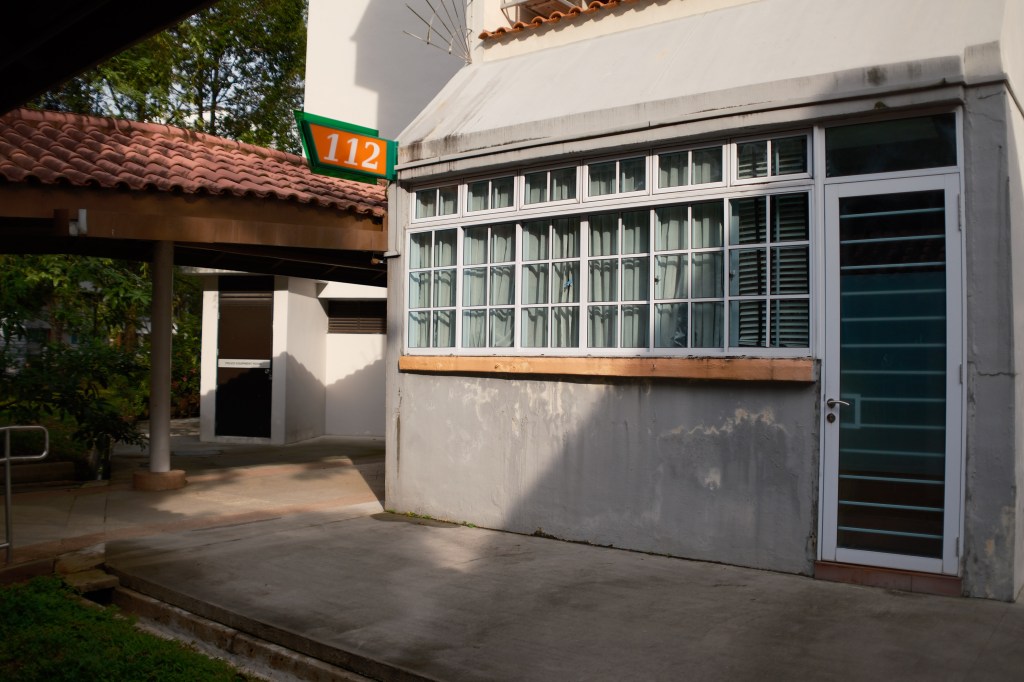
Chromatic aberration isn’t particularly noticeable to my eyes, but vignetting is a bit more apparent. I don’t usually bring up distortion, but in this case, there is some present, it can be quite noticeable, especially when photographing straight lines.

Fuji X100VI . ArtraLab X100 Pro WCL + Marco 25mm @ 17mm . f16. 1/350″ . ISO 250 . Nostalgic Negative

Focusing

In terms of focusing, the speed remains unaffected after attaching the conversion lens. Throughout my testing, I didn’t experience any missed or out-of-focus shots.

Fuji X100VI . ArtraLab X100 Pro WCL + Marco 25mm @ 17mm . f2. 1/900″ . ISO 125 . Nostalgic Negative
Fuji X100VI . ArtraLab X100 Pro WCL + Marco 25mm @ 17mm . f2. 1/1100″ . ISO 250 . Nostalgic Negative

Minimum Focus Distance (MFD)

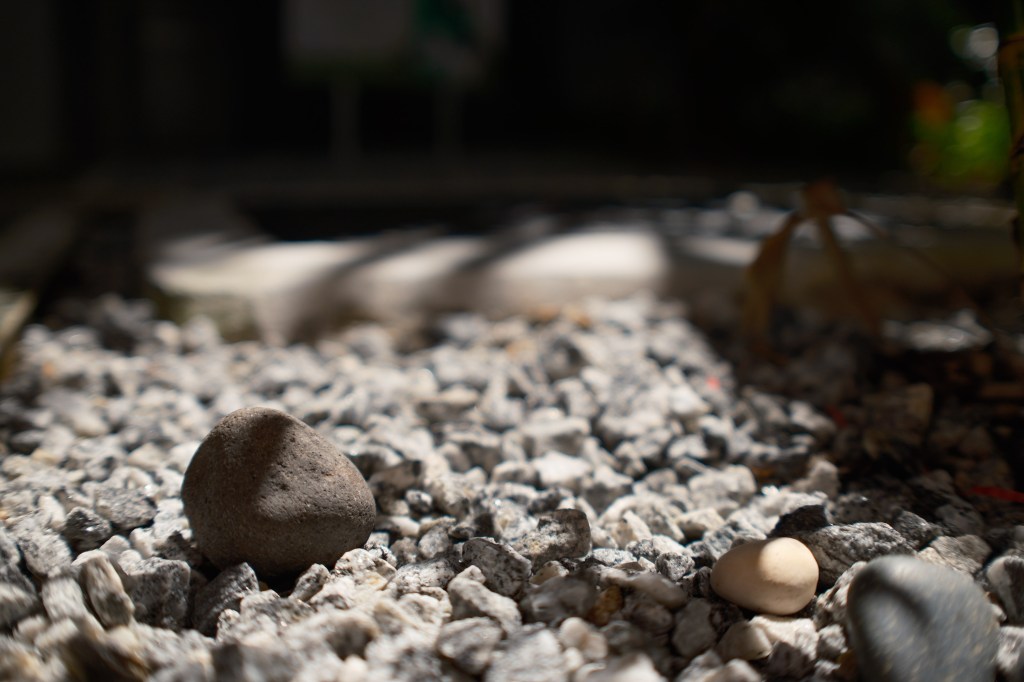
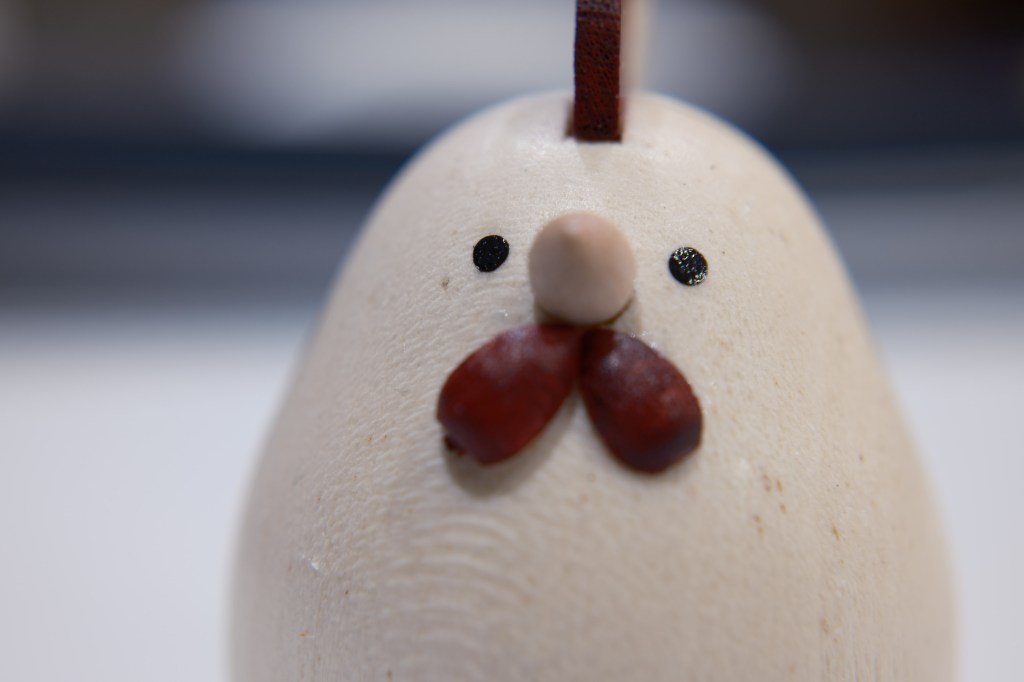
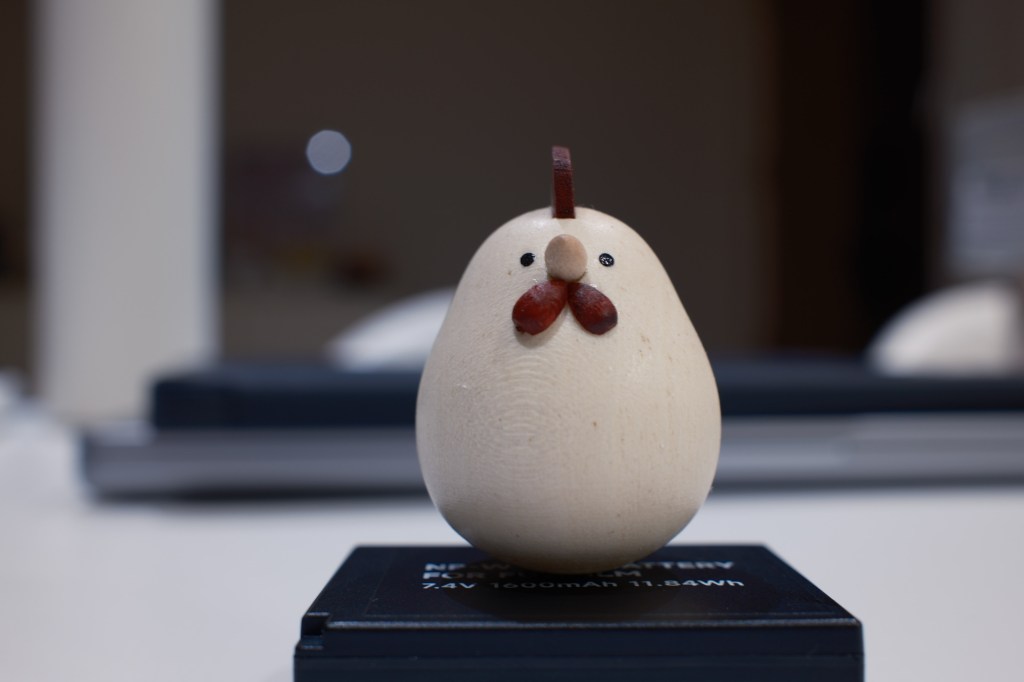
What makes this conversion lens particularly interesting is its second feature, as the name suggests, it includes a macro lens. Unfortunately, there’s no official specification on its minimum focusing distance, but it does allow for fairly decent close-up shots. It lets the X100VI focus closer than its original 10cm MFD. However, just to note, the macro lens is strictly for close-up subjects, it can’t be used for general shooting.

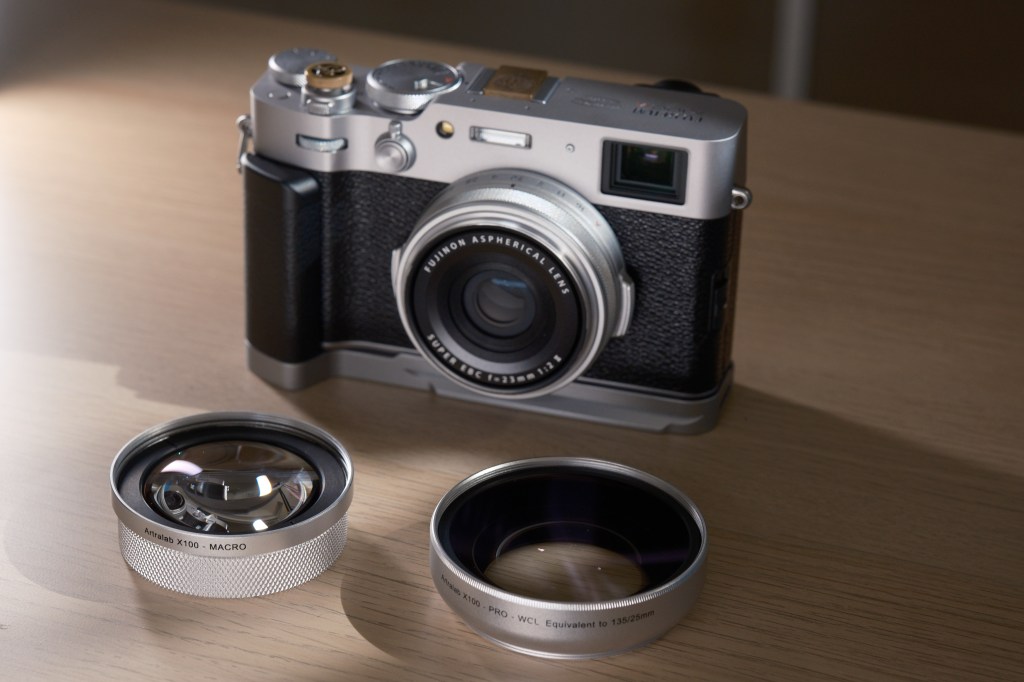
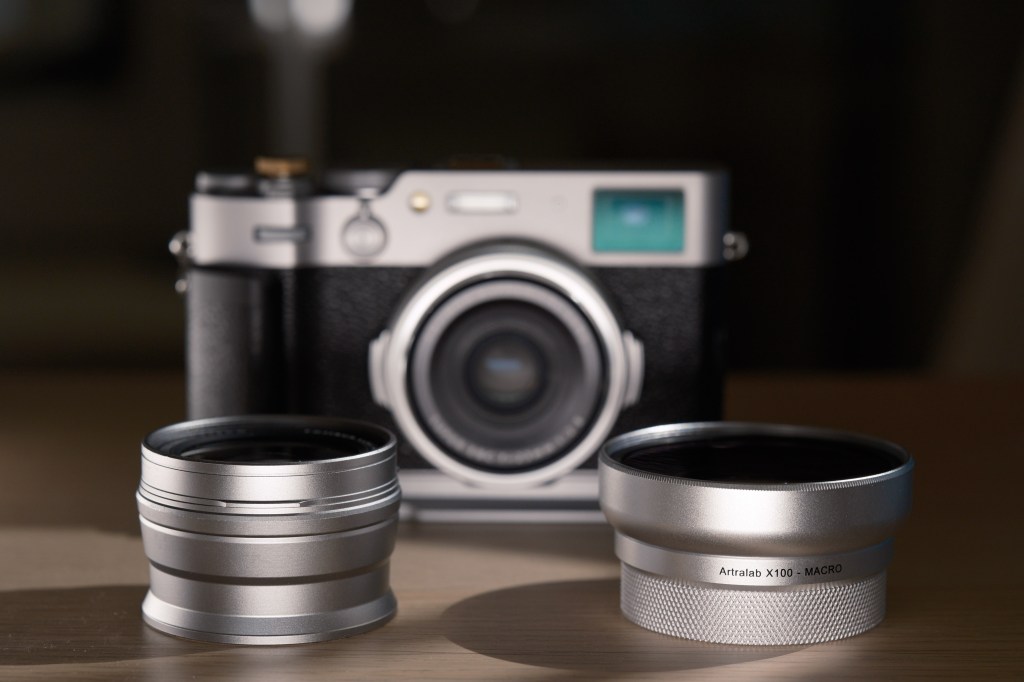
Left: Marco optic component
Right: Wide conversion optic component

If you want to shoot macro using the entire WCL setup, that’s also possible, though it won’t allow you to get as close as when using the dedicated macro lens alone.

Anyway, photos are the best way to describe how close it is.

Price Point

Priced at 138 USD, it’s not exactly expensive, and it’s certainly much more affordable than the Fujifilm WCL II, which costs 349 USD. Given that it offers two functions in one, could it be considered a good bargain?

Fuji X100VI . ArtraLab X100 Pro WCL + Marco 25mm @ 17mm . f2. 1/4400″ . ISO 250 . Nostalgic Negative

Others

Unlike the Fujifilm WCL-X100 II, the EXIF file still indicates 23mm instead of 17mm (APS-C format). Personally, this is not a deal breaker for me.

Fuji X100VI . ArtraLab X100 Pro WCL + Marco 25mm @ 17mm . f2. 1/3200″ . ISO 125 . Classic Negative

Who is this for?

If you’re an X100 user looking to add a bit more versatility, this could be a worthwhile option. It offers a slightly wider focal length compared to the X100 WCL II at a significantly lower price, though there is a small trade-off in image quality.

Fuji X100VI . ArtraLab X100 Pro WCL + Marco 25mm @ 17mm . f2. 1/125″ . ISO 250 . Nostalgic Negative

Conclusion

This is an intriguing and innovative product from Artralab. It is a good alternative optical replacement for the X100 WCL II, it certainly provides photographers with an additional option to consider.

Left: Fujifilm 28mm WCL
Right: Artralab X100 Pro WCL + Marco 25mm
Left: Fujifilm 28mm WCL
Right: Artralab X100 Pro WCL + Marco 25mm

I’m curious whether Artralab will eventually launch a pro version of the TCL. If they do, I’m eager to see what innovative features or solutions they might bring to the table.

Thank you for reading.

Disclaimer:
1. All the shots taken here were taken by me.
2. Most shots are straight out of the camera, with some edited via In-Camera Raw Processing.

3. The opinions are based on my experience. If there is any mistake, please kindly message me, and I will gladly make the amendment.
4. I reserve ownership of these images. If you wish to use my images, please notify me.

If you like my works, please follow me on either one of the 2 Instagram accounts:

If you have a Facebook account, feel free to join Fujifanboys FB group.

If you like my content and you want to show some support and keep this blog alive, you can buy me a coffee here.
Reviews

Fujifilm X100VI – A subtle Upgrade. A Big Improvement

It’s been four years since I’ve had my X100V in hand. Specifically, I first picked up this gem on 27 February 2020, and time has truly flown by. While this camera has been a faithful companion, my fully occupied full-time work and remaining time spent testing out other lenses has given me little time to devote to it. However, whenever I do get the chance, I ensure that the moments spent with it are of the highest quality.

Fujifilm X100VI

Intro

The X100V successor was announced on the 20 February 2024 X-summit Tokyo. But before the announcement, Fujifilm had already teased us with 2 teasers. So it is not much of a surprise and those who know already expected what camera is coming up for the announcement. So what remains unknown are the guts of the camera.

Fujifilm X100VI
Fujifilm X100VI

Design and Build Quality

The build quality is premium, which has always been the case since the X100 era. You can tell by holding the camera and feeling how nicely the camera is engineered and crafted.

Fuji X100VI . 23mm f2 @ 23mm . f5.6 . 1/900″ . ISO 250 . Reala Ace

As for design, it is pretty much the same as its predecessor, X100V, which is also very similar to each iteration.

This is exactly what Masazumi Imai San intention is. He wants other people to identify the camera as an “X100” camera but cannot tell which generation this X100 camera is from as far as 3 meters away.

Fuji X100VI . 23mm f2 @ 23mm . f2 . 1/5800″ . ISO 250 . Reala Ace

On paper, the X100VI is actually 2mm thicker than its predecessor. Because it is now 2mm thicker, he also designed the handgrip to be 0.5 mm deeper than the X100V, which he deemed that this is the best comfort grip for this 521 grams gear.

The first is the noticeable color change for the viewfinder selector. It has changed from red to silver/black color that goes according to the silver/black or of the camera.

Fuji X100VI . 23mm f2 @ 23mm . f2 . 1/80″ . ISO 320 . Reala Ace

From the back, the “drive/delete” button has shifted more closer for easier reachability for the right thumb. I do not have problem reaching the button back then but Fujifilm might have considered photographers who have smaller hands.

Lastly is the tripod mount. It has shifted away from the center and a few millimeters towards the edge of the front camera.

Handling & The Shutter

The handling of the camera is identical to the X100V, it is great in my opinion. Unfortunately (or fortunately to some?), I did not feel any different from the deeper 0.5mm handgrip. For photographers who prefer a deeper grip will have to purchase an additional hand grip.

Fuji X100VI . 23mm f2 @ 23mm . f5.6 . 1/280″ . ISO 125 . Reala Ace

Speaking of leaf shutter, it still stay with the camera and it is part of the X100 tradition.

Sensor and Processor

X-Trans CMOS sensor 5 HR and the X-Processor 5 are the core of the X100VI. If you follow Fujifilm, this is the third camera using this setup (according to the announcement date). In short, no need to explain further how capable is this 40-megapixel sensor and the processor that handles it.

Fuji X100VI . 23mm f2 @ 23mm . f2 . 1/1900″ . ISO 250 . Reala Ace

I have also shared my experiences with the sensor on both X-H2 and X-T5.

Image Quality

Surprise surprise. Fujifilm is using back the same lens from X100V which is a re-designed lens from the predecessors like the X100F, X100T, X100S, and the OG X100. Since Fujifilm is using back the optic from X100V, does this mean that Fujifilm has already well-planned way before launching X100V?

Fuji X100VI . 23mm f2 @ 23mm . f2 . 1/600″ . ISO 250 . Reala Ace

Combined with the latest generation sensor and processor, the image quality is still great. It has met my expectations. The sharpness and contrast are fantastic and well-balanced across the frame. Chromatic aberration is nowhere to be found and I am not expecting that to happen. A little vignetting can be seen, but it is not affecting me at all. Probably already been processed for jpeg but nonetheless, I am pleased with the results.

Pairing up with Wide Conversion Lens and Tele Conversion Lens is good and surprisingly still maintains the same image quality. At least I do not see any drop in image quality.

It comes with a 10cm minimum focus distance. This pretty much helps the photographer to have the option to get closer to the subject if he/she needs it.

Fuji X100VI . 23mm f2 @ 23mm . f5 . 1/15″ . ISO 160 . Reala Ace

Performance

It shares the same “snappy” with occasionally focus pulling like its predecessor but it does not happen frequently. The focus hunting does come when there is a lack of contrast or low light condition and I think it is acceptable for my usage. Overall, it doesn’t impact my X100 series shooting experience.

The eye-AF tracking performs identically to the other cameras that use X-Processor 5.

IBIS

It is a marvel of engineering for Fujifilm engineers to be able to pack a 5-axis IBIS system that is capable of providing up to 6 stops. Impressive work there.

Fuji X100VI . 23mm f2 @ 23mm . f2 . 0.6″ . ISO 125 . Reala Ace

As for practicality, it can help to support up to x seconds handheld for my shaky hands. What do you think?

Fuji X100VI . 23mm f2 @ 23mm . f2 . 0.7″ . ISO 125 . Reala Ace

For me, I can hold the camera as slowly as 0.6 seconds with one hand and still achieve a very decent success hit rate.

Battery Life

It is using back the same NP-W126S battery. My first thought was that the battery was not going to last. I was wrong. The battery life is improved. Though not by a margin, it is slightly better than the predecessors. I think it has to do with the new X-Trans 5 processor that makes the battery life even more efficient.

In my test, I can take approximately 450 shots on average with some photos transferred to the phone. While it is slightly lower than X-T50, it is still not an issue for me. Just bring more batteries. My way of shooting is simply to turn on, shoot, and turn off.

Feedback

The battery is what most people are concerned about for this model and since NP-W235 is missing, I hope to see the successor of X100VI have the NP-W235 instead of NP-W126S. Meanwhile, we will just need to bring an extra battery or two and put it inside our pockets.

Fuji X100VI . 23mm f2 @ 23mm . f2 . 1/80″ . ISO 500 . Reala Ace

Fujifilm chose to keep the 4-stop built-in ND filter in this generation. What I hope to that Fujifilm will make one more built-in ND filter and allow photographers to choose between 4 stops and 8 stops (for example only) for their shoot. Probably even better for a videographer?

Price Point

At 1599 USD, it is pretty expensive and is 200 USD more than its predecessor. But with all the newest technologies from Fujifilm packed into this compact package, I think I can accept it.

Others

After 5 generations of the X100 series, this is the first that is made outside of Japan. Does that mean the build quality is no longer on par with the predecessors?

Fujifilm X100VI with WCL and TCL

If Fujifilm did not inform us about where it is made from, I think everyone assumes this generation is still made in Japan. It is so hard to differentiate by just physical touch. This is not the first product that Fujifilm made outside of Japan and I believe Fujifilm does set a certain standard for the other country makers to follow the protocol and quality control set by Fujifilm. If someone is having this concern, I think don’t worry about it.

Who is this for?

This camera can be for everyone and anyone. From a hobbyist to a professional photographer, a parent who wants to capture every moment of his/her kids, a person who loves to have a memorable gathering or someone who just wants to have a camera with a “one lens fits all” concept, or even travelers.

Fuji X100VI . 23mm f2 @ 23mm . f2 . 1/15″ . ISO 3200 . Reala Ace

In my own words

X100 series is a unique product and it holds a special place in my heart. In my opinion, it is still one of the best “Every Day Camera” options. If I have ever had difficulty in deciding what lens to bring out to pair with my X-T5, then the X100 camera will be the only choice. I do not need to think, just grab it and go.

Fuji X100VI . 23mm f2 @ 23mm . f5.6 . 1/120″ . ISO 250 . Reala Ace

X100 VI is the latest and it is the best X100 series yet. No doubt getting one might be a problem now. But if you pick it up from the retail dealer (not scalpers), spend a good time with it. Give yourself a good time admiring its look, hold it up, and feel it. Then power up, click the shutters, and snap some shots. Listen to the shutter “clicks” when you press down the shutters. It gives a good serene experience in return. A good camera to slow down my pace and wander the street through the viewfinder.

Fuji X100VI . 23mm f2 @ 23mm . f5.6 . 1/2500″ . ISO 250 . Reala Ace

Conclusion

As my title suggests, it may seem like a minor upgrade but it turns out to be a great improvement over the X100V. I love it and I hope I can spend more time with it in the future. I also understand that it is totally a challenge to take one from official retailers but I urge potential buyers not to buy from scalpers. I hope serious photographers will get one on their hands.

Fuji X100VI . 23mm f2 @ 23mm . f5.6 . 1/2500″ . ISO 250 . Reala Ace

Thank you for reading. 

If you like my works, please follows me on either one of the 2 Instagram accounts:

https://www.instagram.com/alwinkok_

https://www.instagram.com/alwin.portraits

Disclaimer:
1. All the shots taken here are shot by me. 
2. All of the shots
 are straight out of the camera with some edited via In-Camera Raw Processing.
3. The photos are resized to 30% of the original size except for cropped ones. If you wish to see the original file, contact me and I will be happy to share it with you.
4. I reserve ownership of these images, if you wish to use my images, please notify me.
5. The opinions are based on my experience. If there is any mistake, please kindly drop me a message and I will gladly make the amendment.

If you like my content and you want to show some support, you can buy me a coffee here.
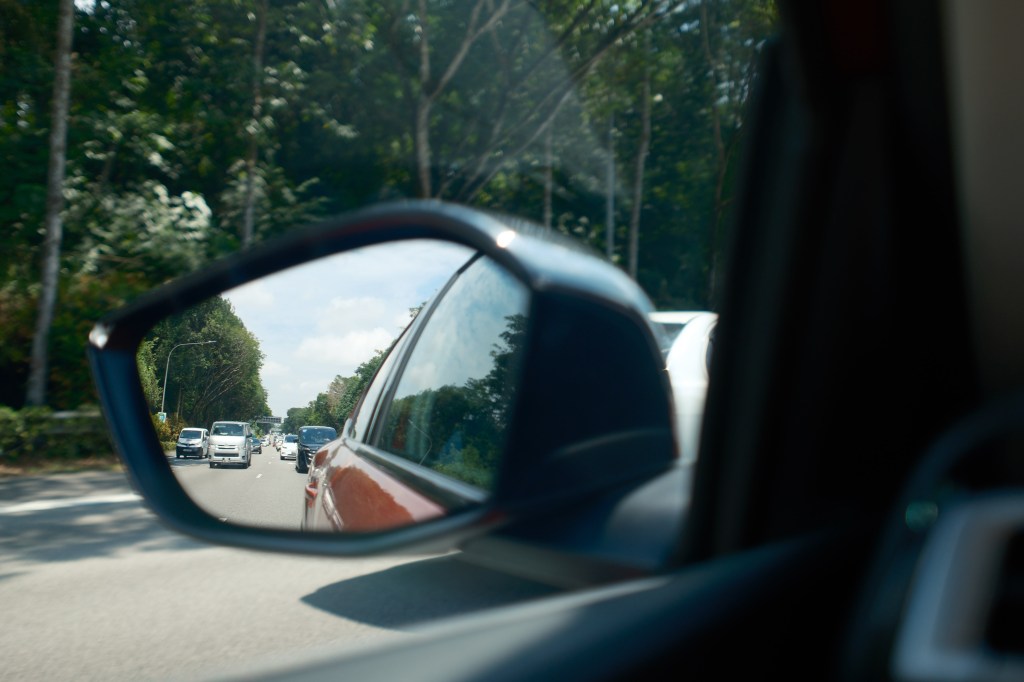
Uncategorized

My First X100

X100 was announced back in Photokina 2010. Lots of praise from the media and online reviewers. Fujifilm nailed the design of the retro-style enthusiast rangefinder camera with traditional analogue control dials. It was a great hit and instantly built up a large pool of fans base. I am one of them but…  Here’s the “but”… As a student, the price tag scared me off. 

One year later, they announced the X10, a younger brother of X100, and it fulfilled my dream of having my first Fujifilm camera. Like I mentioned in my earlier post, it was a fun camera and I love the film simulations. Despite that, it did not spark much joy for me. 

Occasionally, I went to the retailer stores to play with the X100. I love the build quality, it was good to hold it in my hands and I was blown away by the hybrid viewfinder. On the other hand, the focusing system was not snappy enough, the shooting menu was not as good as what it is today and the images seem to be soft at F2. For the price tag, I have to give it a miss. 

Almost 3 years later, X100S had arrived at the shore and I still had not made the purchase. In fact, I wasn’t shooting a lot during those years and I still can count how much time I had actually brought my camera out for a click. It was my low point, it had become a hassle to bring the camera out and slowly I lost my passion for shooting.I still read up the reviews, tested it with a few clicks at the retail stores and nothing more beyond these two points.    

Another 3 years later, X-T2 caught my attention unknowingly. I knew there was a X-T1 but it was X-T2 that captured my interest. It sounds crazy but it really ignited my passion towards photography again. I even placed a pre-order for it and I got my first Fuji prime lens, XF 23mm F2, to go with it. From that day forward, I had been using the 23mm on most occasions. The versatility of 23mm is just great for street, travel and documentary, isn’t it?

In 2019, when I got my XF 35mm F1.4, things had changed a little in my path. I became obsessed with this lens as it gave me some sort of characteristic feel in my images. It boosted my passion for shooting even more. To be honest, I have left out the XF 23mm since then. The 35mm lens made me keen to bring my camera even on my working days. However, due to my working environment, I have to carry my heavy loaded bag for meetings almost everywhere in Singapore. The overall size of the camera and lens may be compact but it is not that small when I want to put it inside the office bag. This is where I started to miss the Fujifilm compact camera series. the X100, X70 and XF10.
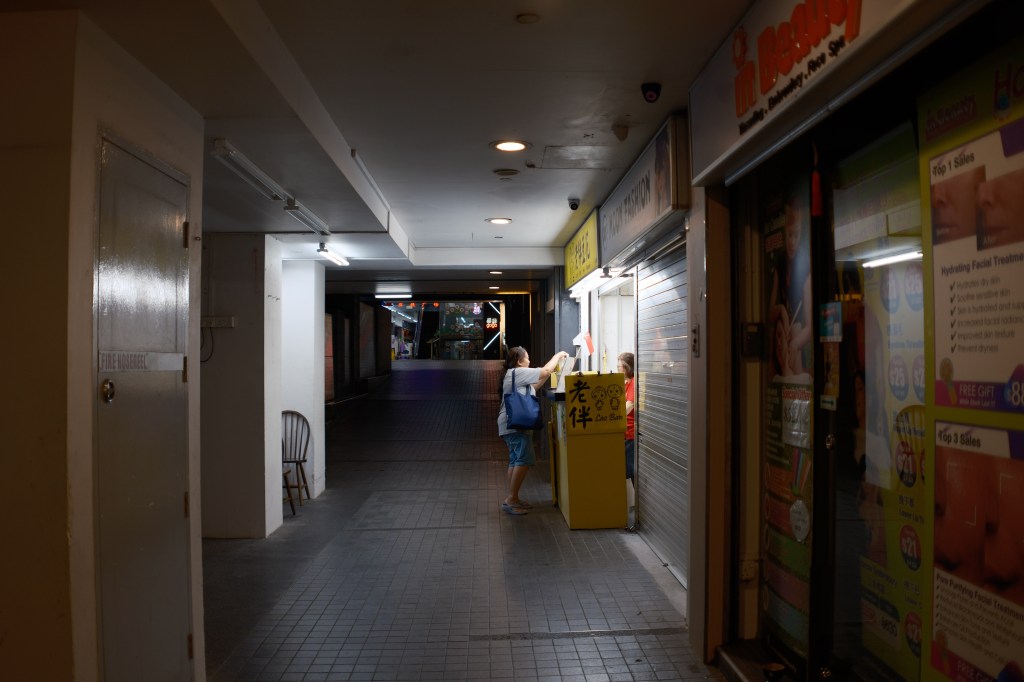
So, what compact camera does Fujifilm have to offer? 

XF10, X70 and X100.

First of all, X70 had stopped production without a successor, not many retailers were selling it and even those retailers that were still selling it, would not recommend me to get it. XF10 was a “cut-down” version of X70, I tried and I was disappointed with the poor autofocusing and laggy interface, so I skipped. With this elimination method, that’s left with X100F. But it was 2019 already and X100F was in its third year cycle, which also meant that it may have a new successor in the pipeline. No one but Fujifilm knows when it will be announced. Since I am not an impatient person, I waited. 

After two months of waiting, the successor had finally said hello to the world. I happened to have the opportunity to try out the successor and I must say I love it. It’s that kind of first love. Beauteous, aesthetic, elegant, ravishing…. This is what I am waiting for. This is not two months of waiting but a good 10 years. This is the sexy camera that I have been waiting for since 2010! 

To tell everyone how much I love this X100V, I immediately brought it out to shoot with the packaging hand carried along. The photos presented over here are my virgin shots with it.

Sidetrack 1: This successor, which is the fifth X100 series, is also my fifth Fujifilm camera. Not sure it is coincidently or fate. Since there are lots of reviews on the web, I will not discuss the technical term or review this X100V in this blog.

Sidetrack 2: This X100V is initially planned to be my weekday camera, I was happy to have it with me and snap some interesting shots while I commute to my destinations.  But now it has become more than just a weekday camera, it’s my everyday camera. 

Disclaimer:
1. All the shots taken here were shot by me.
2. I reserve ownerships to these images
, if you wish to use my images for whatever reasons, please notify me and we can see how to works thing out.

  1. Unknown's avatar
  2. Unknown's avatar
  3. Unknown's avatar
  4. Unknown's avatar
  5. Unknown's avatar