

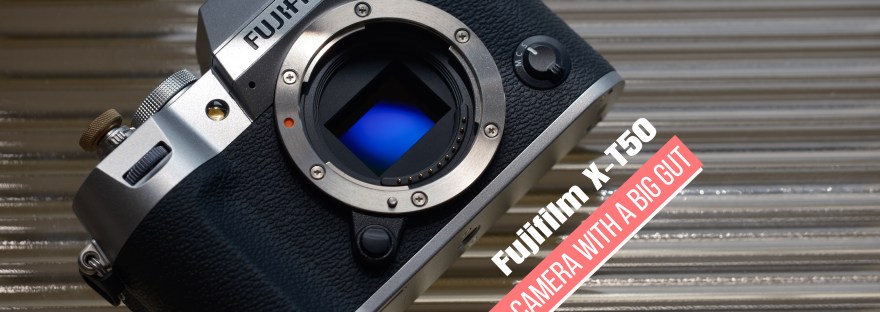
Many are aware that the X-T30II, released in 2021, is not a true successor to the 2019 X-T30, and there have been no indications of a potential upgrade in this mid-range category during these years. At one juncture, I even considered the possibility of this series being discontinued.


Now, the much-anticipated X-T50 has finally arrived. Does it represent a significant improvement over the X-T30?
Intro
X-T50 is the fifth iteration of the X-T double-digit series. It was announced at the X Summit Sydney 2024 in May.

X-T(xx) series has always been the little brother of the X-T(x) series. They share something similar, but also something different to set them apart. This is no different for this generation. But the gap is sort of getting closer.


Right: Fuji X-T50 . Meike 55mm f1.4 @ 55mm . f1.4 . 1/3000″ . ISO 250 . Reala Ace
Before continuing, I want to extend my thanks to Ms. Carmen, Marketing Manager at Fujifilm Singapore, for lending the X-T50 for review. As of the publication of this review, the camera unit has been returned to Fujifilm Singapore.
Design, Build Quality, Handling & The Shutter…
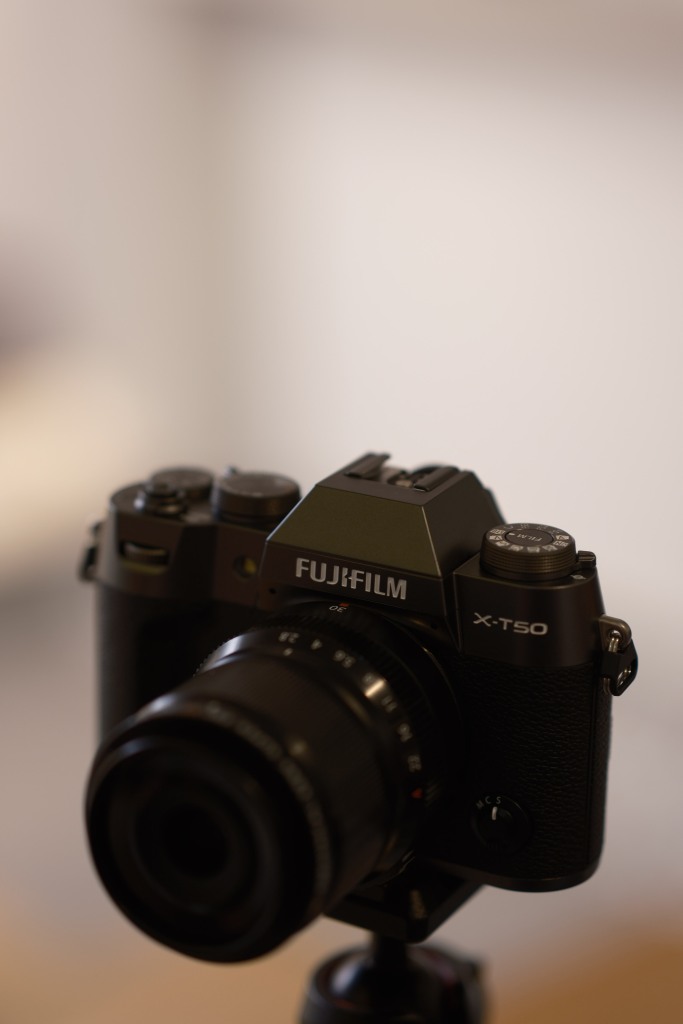
X-T50 still gives a nostalgic feel like its predecessors but takes a different camera design approach. The camera is more rounded now and has a deeper hand grip design. Some photographers might dislike it, but I love this design.

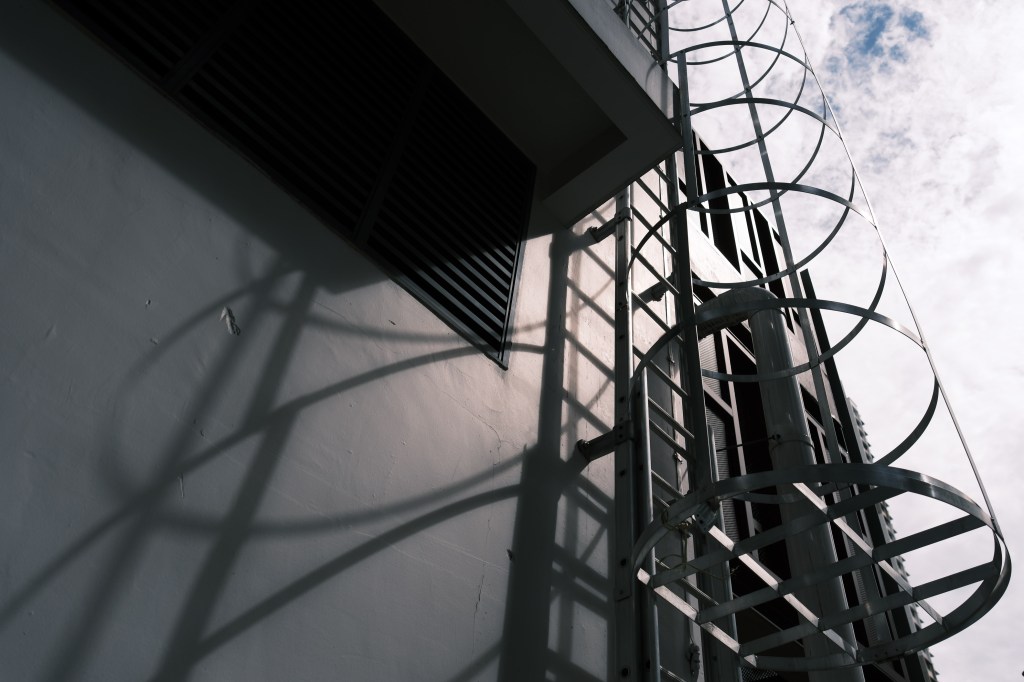

Right: Fuji X-T50 . Sigma 10-18mm f2.8 @ 18mm . f2.8 . 1/100″ . ISO 125 . Classic Negative
With the deeper hand grip design, the ergonomic handling is way better than its predecessors. I remember I felt that I always needed an additional hand grip to make myself feel more secure in those days. Just to let you know, my little pinky still hanging out but the handling now feels more secure with this X-T50.
Having said that, mounting bigger lenses like XF70-300mm or XF56mm f1.2 WR still has the common problem of heavier lenses over the camera body which makes the balancing of the camera handling experience off. I suggest getting an additional hand grip for better balancing. If you are using compact lightweight lenses, it handles perfectly fine.



Right: Fuji X-T50 . Meike 55mm f1.4 @ 55mm . f1.4 . 1/80″ . ISO 250 . Reala Ace
It has a 2-way tilt screen (like the X100V/VI) with 1.84 million dot resolution and a 2.36 million dot electronic viewfinder (EVF). A little disappointed with the EVF as it still uses the same resolution as the X-T30II but is still usable. On the bright side, it has improved 3-inch screen resolution from 1.04 million dot resolution.
(In comparison to X-T5, it is 3-way tilt 3-inch screen with 1.84 million dot resolution and 3.69 million dot resolution EVF.)



Right: Fuji X-T50 . XF30mm f2.8 @ 30mm . f3.2 . 1/3000″ . ISO 125 . Reala Ace
As compared to X-T5, the mechanical shutter seems to be “heavier” in the X-T50. Probably due to the size of the camera body, I can feel the shutter movement more than the X-T5. It is not a deal breaker for me but just my observation.
Sensor and Processor
The X-T50 comes with the X-Trans CMOS sensor 5 HR and the X-Processor 5, which shares similarities with X-H2, X-T5, and X100VI. I think I do not need to explain how good is it with this combination.


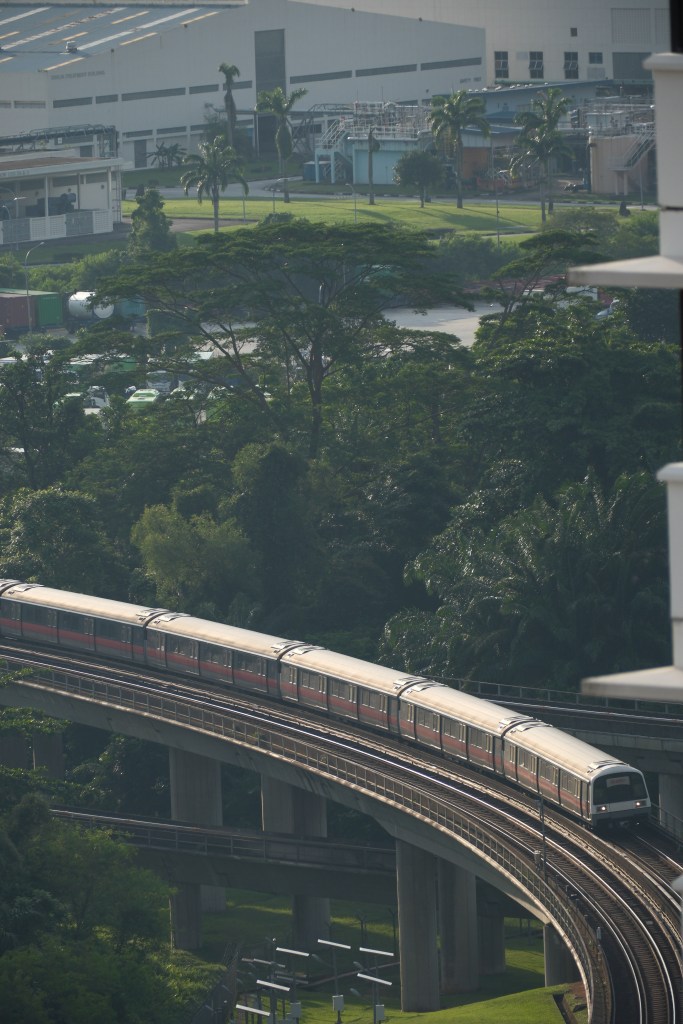
Right: Fuji X-T50 . XF70-300mm f4-5.6 @ 300mm . f7.1 . 1/2000″ . ISO 640 . Reala Ace
Image Quality
While the image quality is subjective to the lenses I have mounted on, it is the same as what I have expected from the X-Trans CMOS sensor 5 HR and the X-Processor 5.


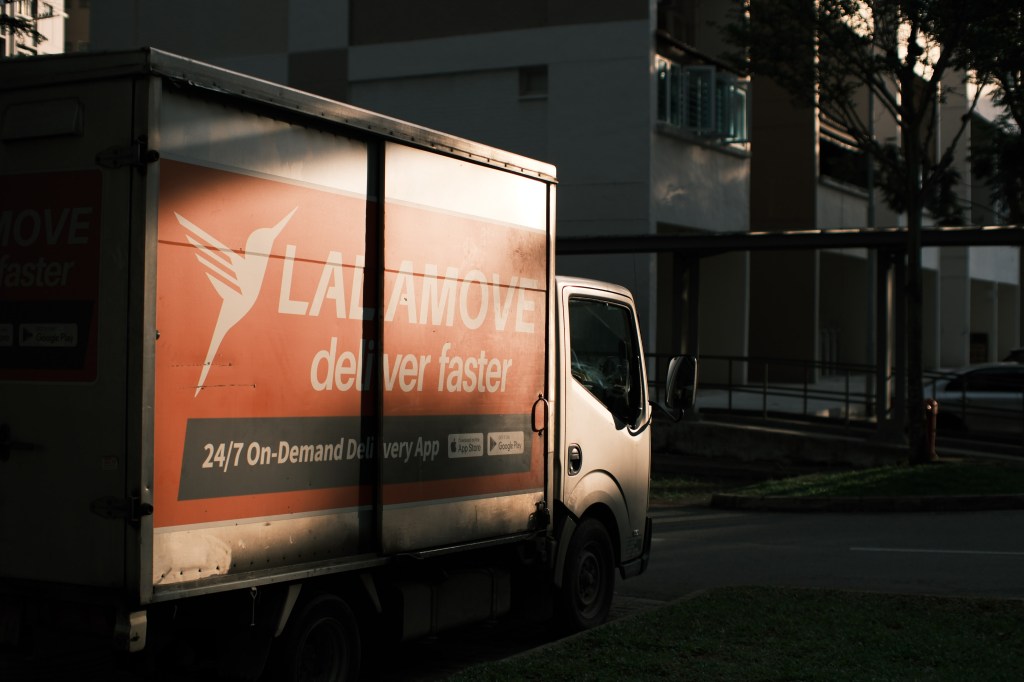
Right: Fuji X-T50 . Brightin Star 35mm f0.95 @ 35mm . f2 . 1/6000″ . ISO 250 . Classic Negative
The image quality is exceptionally great if you pair up with the new generation of Fuji lenses. In short, you will not be disappointed with the results.
Performance
In general, the performance is pretty close to its elder sibling. The tracking system behaved the same. I have no issue with eye-AF tracking, train tracking, and bike training during my test. They pick up and lock up as they should be.


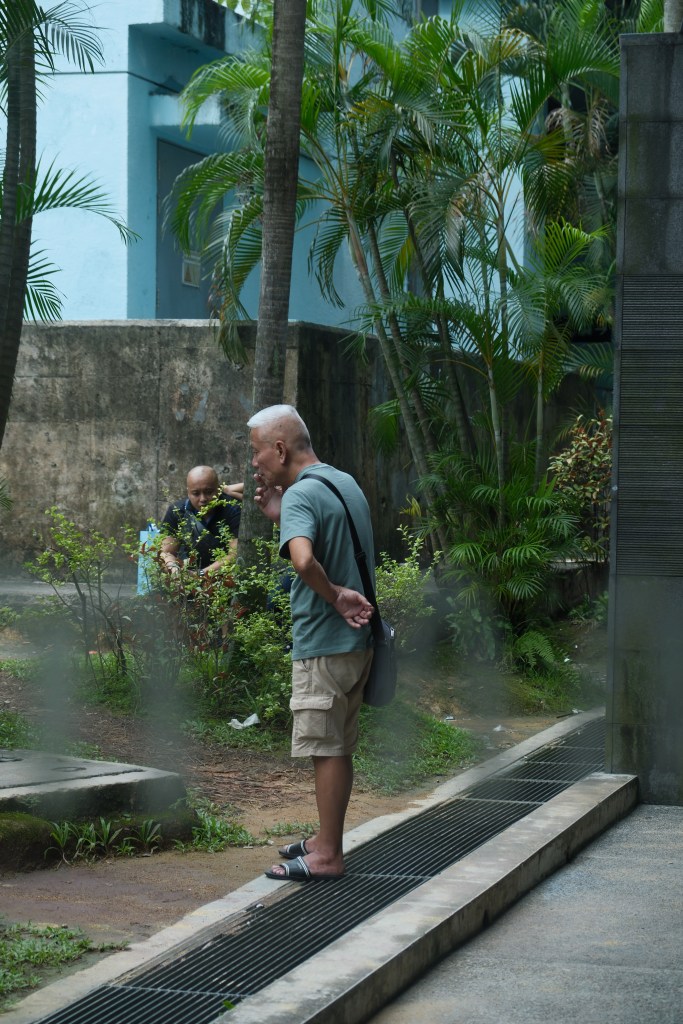
Right: Fuji X-T50 . XF18-55mm f2.8-4 @ 55mm . f4 . 1/160″ . ISO 250 . Reala Ace
IBIS
Not surprised that Fujifilm implemented the IBIS but what surprised me is that Fujifilm did not skim down on the IBIS compensation. The IBIS in the X-T50 shares the same 7-stops of compensation like the latest X-H2S, X-H2, X-T5 and X-S20.

In layman’s terms, the IBIS works very well. If you read about it in my other reviews. It can achieve similar results with a similar lens setup. In my daily life, I do not encounter any blurred results unless it is intended.
Battery Life
While it still uses the NP-W126S battery instead of the bigger NP-W235 battery, I managed to squeeze about 550 shots on average. (In my test, I switch on the camera to shoot, switch off when not in use, and transfer about 50 photos.) According to CIPA, it is about 305 shots.

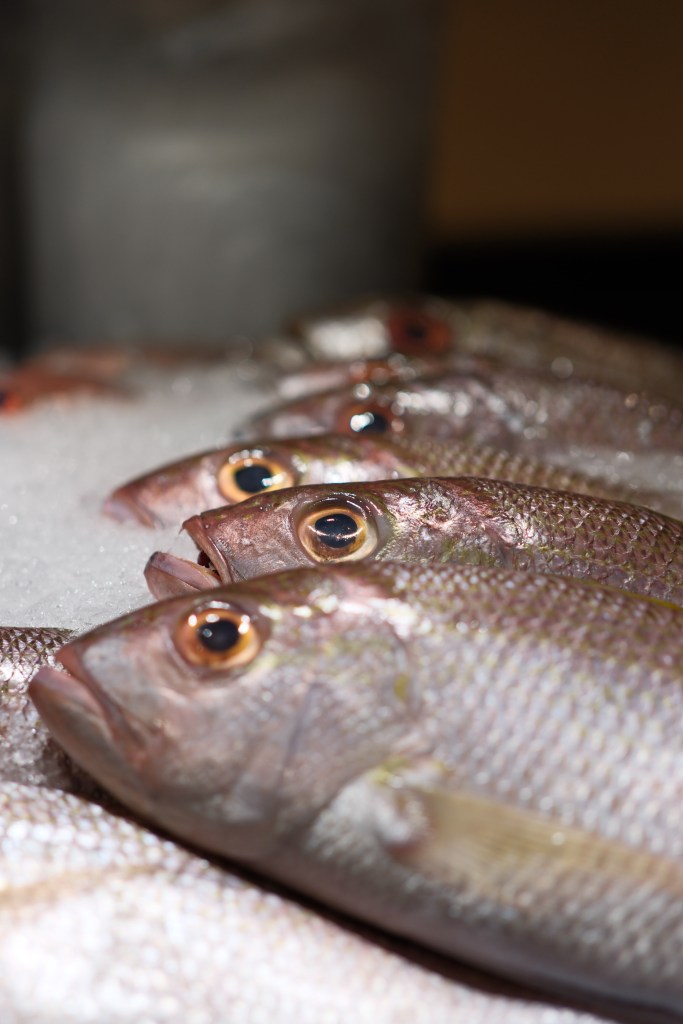

Right: Fuji X-T50 . Yongnuo 50mm f1.8 @ 50mm . f1.8 . 1/200″ . ISO 250 . Reala Ace
I understand that it is not an impressive number based on today’s standards. But battery is always not an issue in my opinion. The batteries are not bulky or difficult to keep inside my camera bag so I always bring 3 – 4 batteries everywhere I go.
Feedback
40 megapixels provides ample resolution, especially for RAW files, which is substantial. Looking ahead, I hope Fujifilm considers offering photographers the option to choose between small, medium, and large resolution settings for RAW files, similar to what they currently offer for JPEGs.

Price Point
At $1399 USD, it competes in a price range where other brands offer cameras with larger sensors, which is worth considering.
However, I always advise photographers to thoroughly research their purchase because they’re investing in a system, not just a brand. Consider not only the initial camera cost but also the investment in lenses and their availability. It’s important to focus on what lenses are currently available from both the manufacturer and third-party suppliers, rather than relying on future promises or aspirations.



Right: Fuji X-T50 . Yongnuo 50mm f1.8 @ 50mm . f1.8 . 1/100″ . ISO 250 . Reala Ace
The X mount system has evolved significantly, offering a wide range of lens options today, including a variety of third-party offerings.
Others
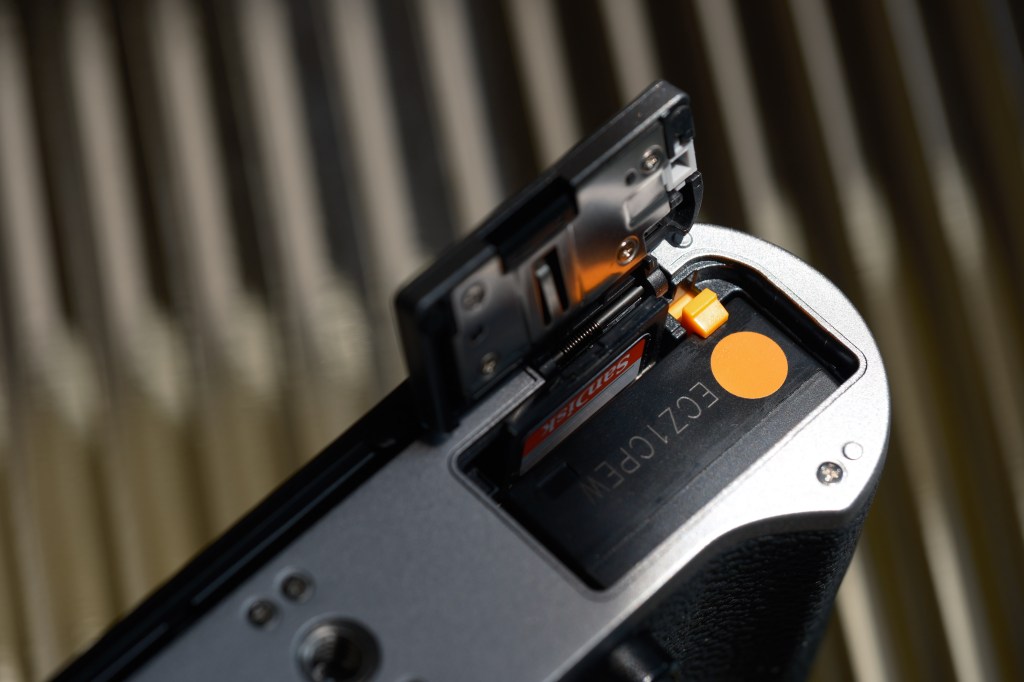
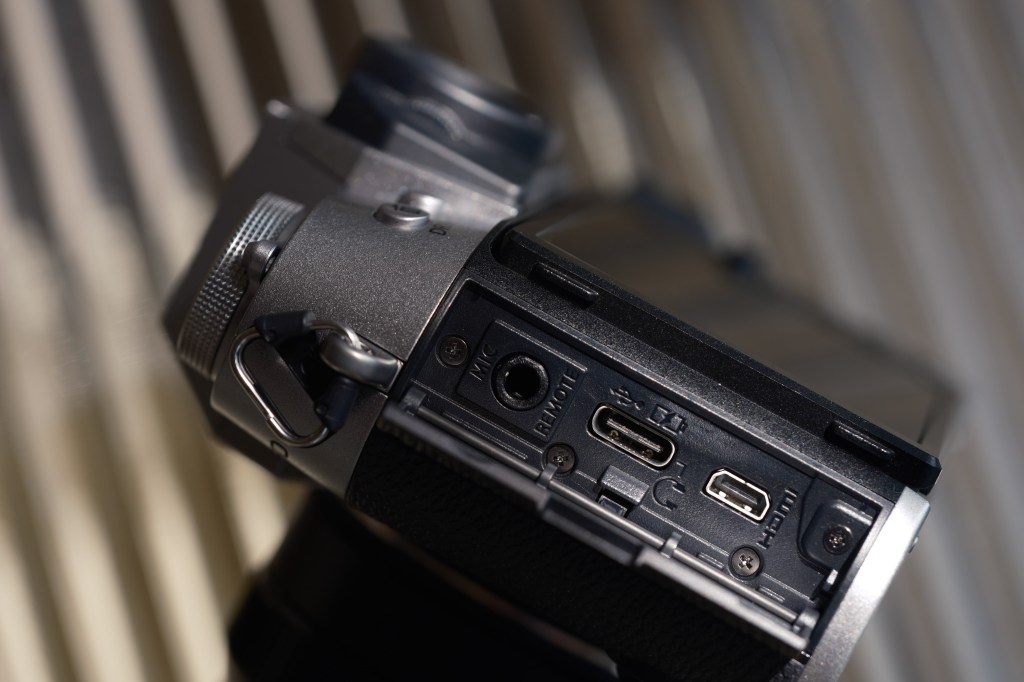
There are a few more things that set the X-T50 and X-T5 apart and here are some of them. The first one is a single SD card slot against dual. The second one is X-T50 comes with a pop-up flash while X-T5 doesn’t has one. The last one is the mechanical shutter, where X-T50 can only go as fast as 1/4000s whereas 1/8000s on X-T5.
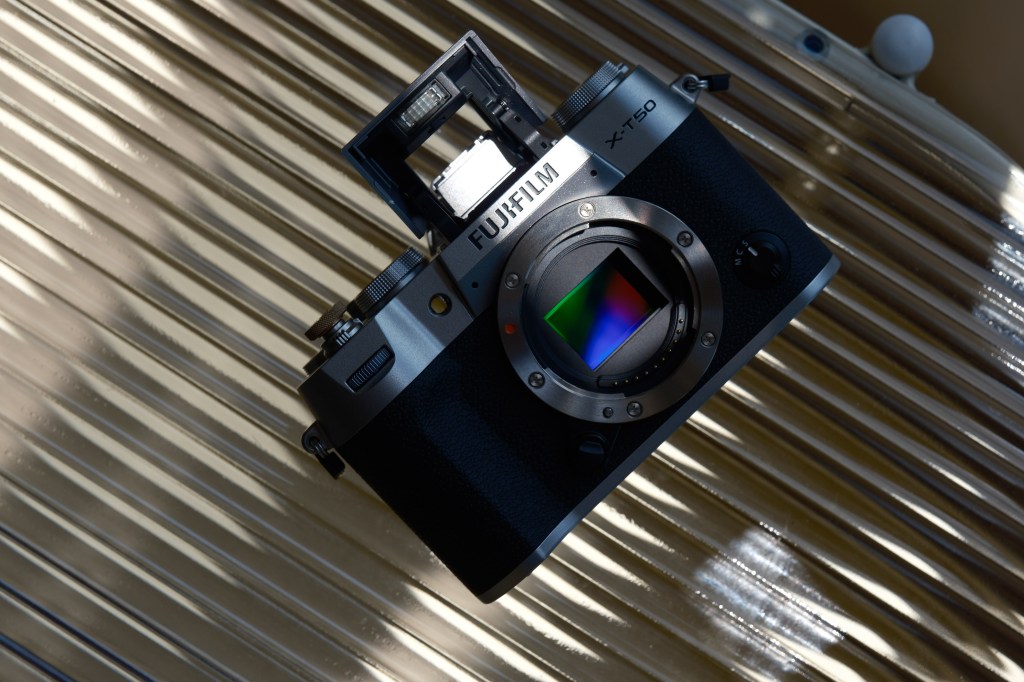
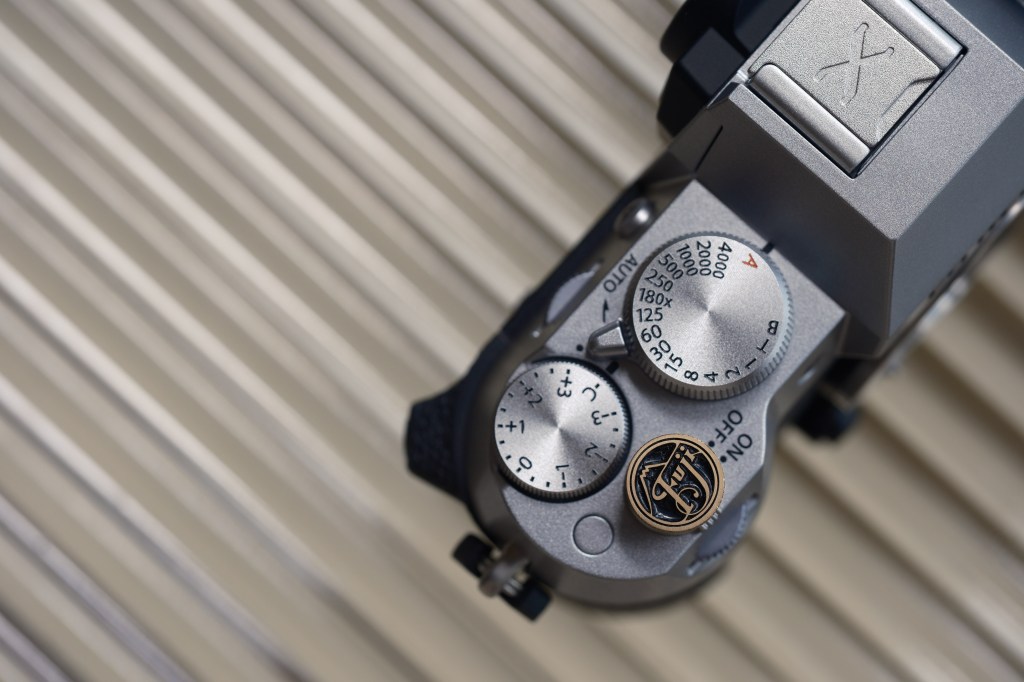
There is one very bold change that I did not mention earlier and it is the Drive mode dial. It has been replaced by the new Film Simulation dial. While I am not sure if everyone loves this new change, I enjoy using it. It gives me an instantaneous switch of film simulations at ease.
I know we can switch film simulations via the “Q” function, but switching the film simulations via the dial is an enjoyable process.
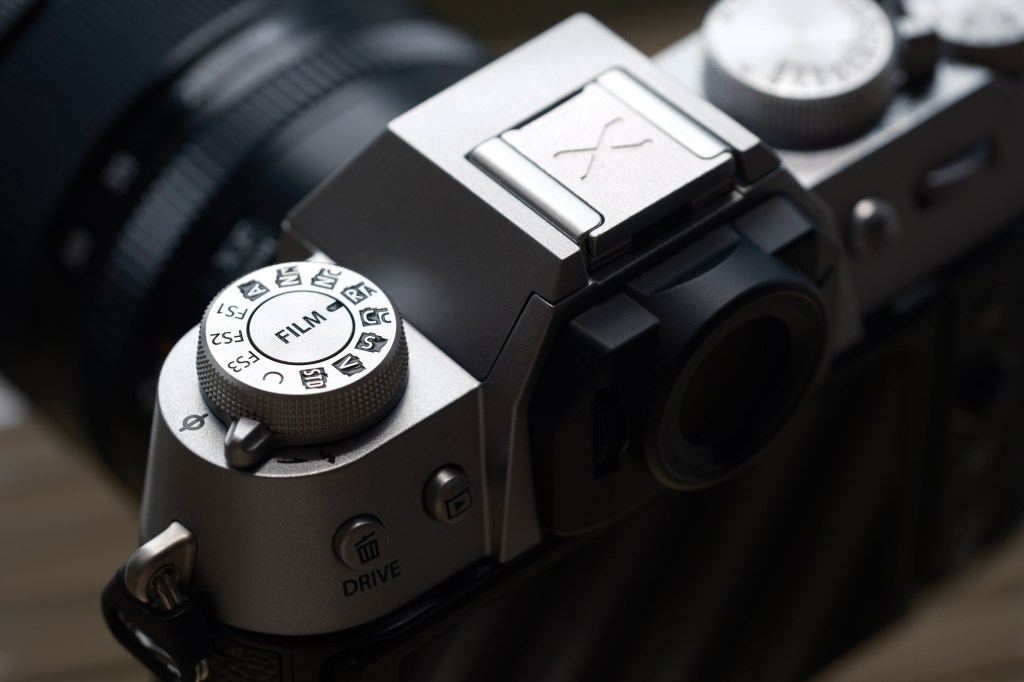
The dial also has three additional custom/programmable FS positions, allowing you to assign to Pro Negative, Eterna, standard Monochrome, and Sepia film simulations. For “C” function, basically allows you to control the film simulations via the “Q” function and also allows you to use your customized film simulations.
One small feature that further endears me to the camera is its design: the “play” button is noticeably more prominent than the “delete” button. This not only makes it easier to distinguish between the two but also enhances the satisfaction of pressing the buttons.
Lastly, it does not come with the 4 ways selector buttons.
Who is this for?
It is a good mid-range camera. If you are holding on to the first three generations of this series (X-T10, X-T20 and X-T30), I think X-T50 is a good upgrade. No doubt it is priced higher than the predecessors, but I think it is a good investment for years to come. Oh yes, you can continue to use the same NP-W126S battery.



Right: Fuji X-T50 . XF18-55mm f2.8-4 @ 55mm . f4 . 1/125″ . ISO 125 . Reala Ace
If you are new to photography and want to use Fujifilm as your camera, the X-T50 is a good camera to allow you to explore. Although the X-T30II is still in the available in the market, I believe that the X-T50 is a better investment to choose from.
Conclusion
I initially believed it might share the same configuration as the X-S20, but that assumption proved incorrect. Fujifilm has not compromised on the internals; instead, they’ve maximized the potential of this sensor and processor, offering more photographers the opportunity to experience it.


In my view, the X-T50 stands out as a capable mid-range camera for photography. Its compact size and only weighs slightly over 440 grams makes it ideally suited for use with compact to mid-size lenses, which, in my opinion, generally fulfills the needs of most photographers.

Thank you for reading.
If you like my works, please follows me on either one of the 2 Instagram accounts:
https://www.instagram.com/alwinkok_
https://www.instagram.com/alwin.portraits
Disclaimer:
1. All the shots taken here are shot by me.
2. All of the shots are straight out of the camera with some edited via In-Camera Raw Processing.
3. The photos are resized to 30% of the original size except for cropped ones. If you wish to see the original file, contact me and I will be happy to share it with you.
4. I reserve ownership of these images, if you wish to use my images, please notify me.
5. The opinions are based on my experience. If there is any mistake, please kindly drop me a message and I will gladly make the amendment.
If you like my content and you want to show some support, you can buy me a coffee here.


















 Alwin Kok