


The XF18-55mm f/2.8-4 is undeniably one of the most standout lenses in Fujifilm’s X-mount lineup. Even Chris and Jordan of Petapixel agreed too. It is also my very first lens with my very first X-Mount camera.
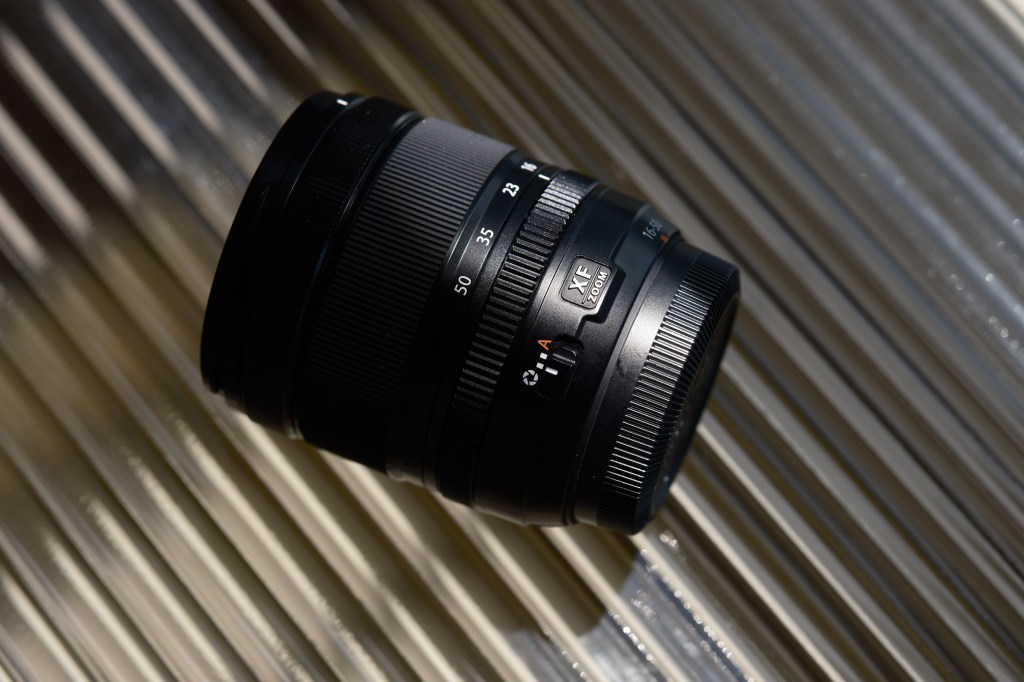
So Fujifilm has given us it’s successor: XF16-50mm f2.8-4.8 R LM WR. Do you think it is a worthy one?
Intro
The long-waited premium kit lens was announced together with the X-T50 at the X-Summit Sydney 2024. The focal lengths (in full frame equivalent) is 24mm to 75mm and it is no stranger to us. This focal length was first ever introduce to us in 2013 in a form of XC16-5mm f3.5-5.6 OIS (version II was updated in 2015).

As stated in the name of this lens, the aperture value is variable throughout the lens. This means it’s maximum aperture is f2.8 at 16mm and f4.8 at 50mm.
Before I dive in further, I want to extend my thanks to Ms. Carmen, Marketing Manager at Fujifilm Singapore, for lending the XF16-50mm for review. As of the publication of this review, the lens unit has been returned to Fujifilm Singapore.
Design and Build Quality
When I first saw this lens at the launch event, I was impressed by its size. Visually, it is very similar to the XF18-55mm in size. In terms of built quality, it is the same as the new generation XF lenses. Solid and well-built.
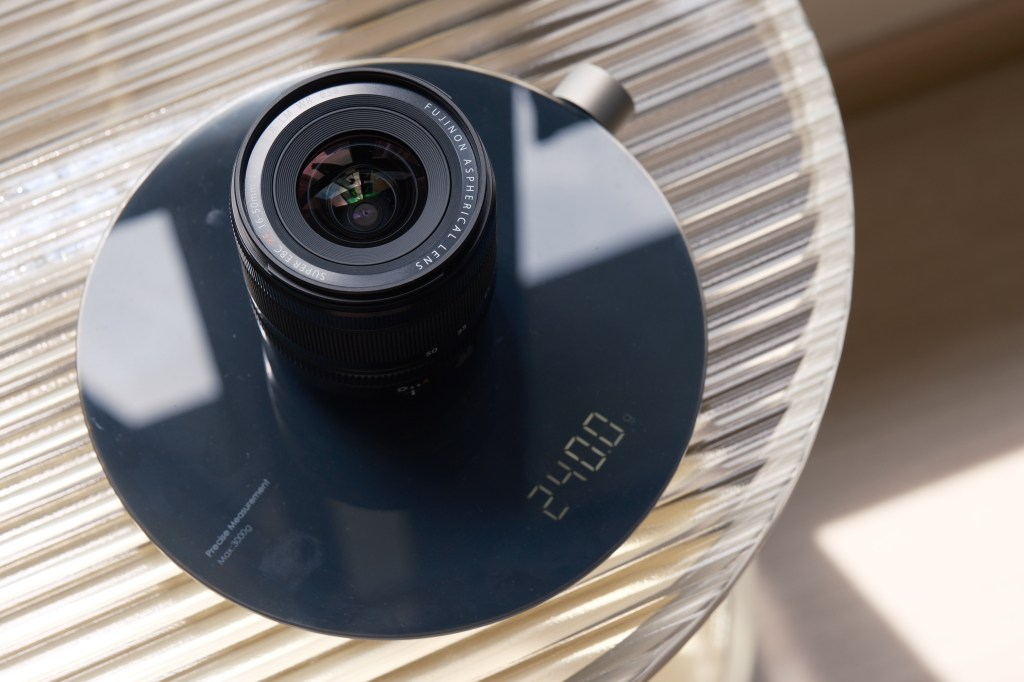
At 240 grams, it feels light on the hand, and due to its compact size, it is easy to hold too. Here comes the first thing that I like about the lens. It is internal zoom, which means it does not protrude when I zoom in and also does not feel “lost balance” when I use the lens at tele. Fujifilm has developed several internal zoom lenses, such as the XF8-16mm f2.8, XF18-120mm f4, and XF150-600mm f5.6-8. Another benefit of having internal zoom is for videographers but I am not about the small aperture value at 50mm.

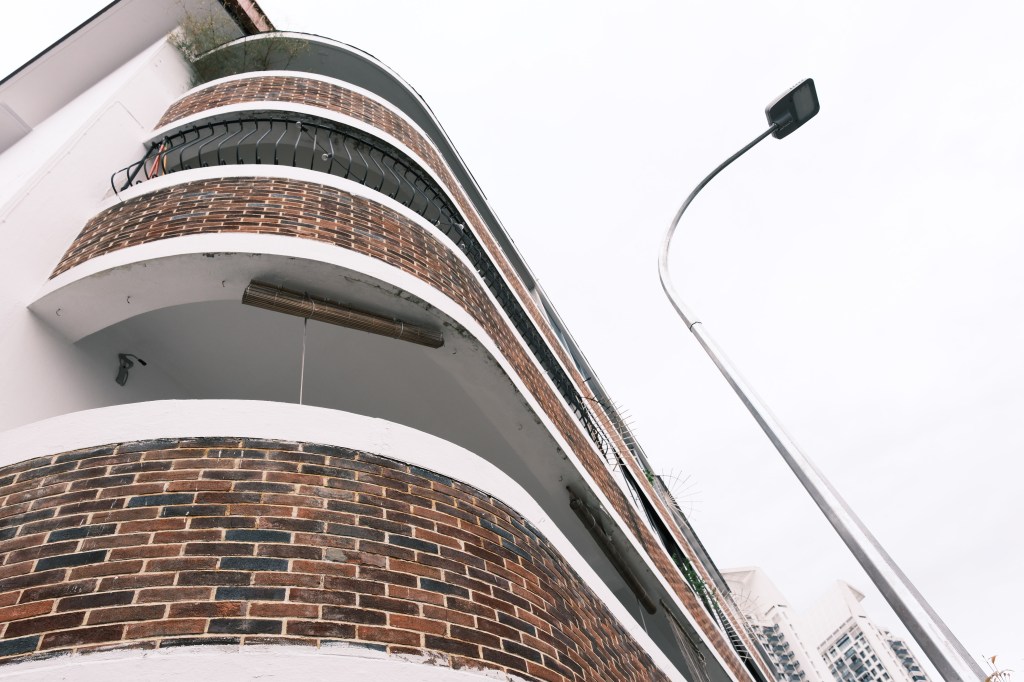

Right: Fuji X-T50 . XF16-50mm f2.8-4.8 @ 16mm . f2.8 . 1/80″ . ISO 2000 . Reala Ace
It comes with an Aperture Mode Switch, which allows the photographer to choose if he/she wants to control the aperture by himself/herself or leave it to the camera to decide for you.
A little bit more about the aperture ring. Unlike Fujifilm prime lenses, it does not have aperture values labeled on the ring. It is simply a “controller” that continues to rotate regardless of whether it has reached its maximum or minimum aperture value, in either direction (clockwise or counterclockwise). The aperture ring is clicky and less stiff than the one on the prime lenses. Anyway, you need to take note of the aperture value before you shoot as you might accidentally rotate the aperture ring without noticing.


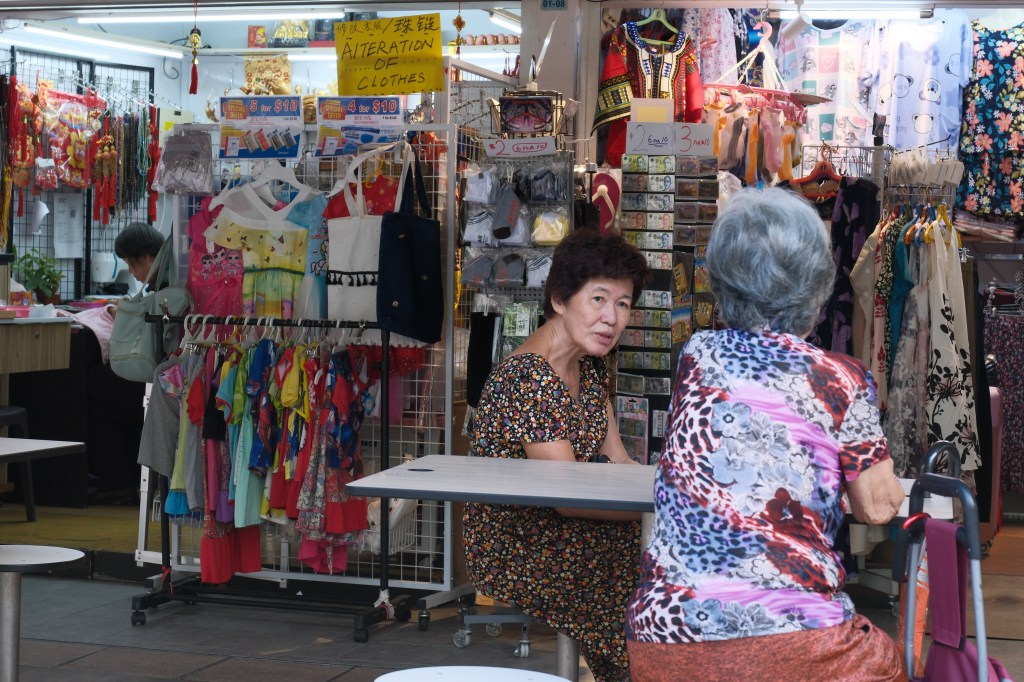
Right: Fuji X-T50 . XF16-50mm f2.8-4.8 @ 50mm . f4.8 . 1/80″ . ISO 640 . Reala Ace
So yes… Did I mention it’s a 58mm filter size?
Image Quality
This lens is designed to resolve the X-Trans CMOS sensor 5 HR and I think Fujifilm keep their promise.
As a zoom lens, the image quality from this lens is pretty great. It has good sharpness and contrast across all focal lengths. Vignetting is well-controlled and chromatic aberration is nowhere to be seen. This is what I have expected from Fujifilm.


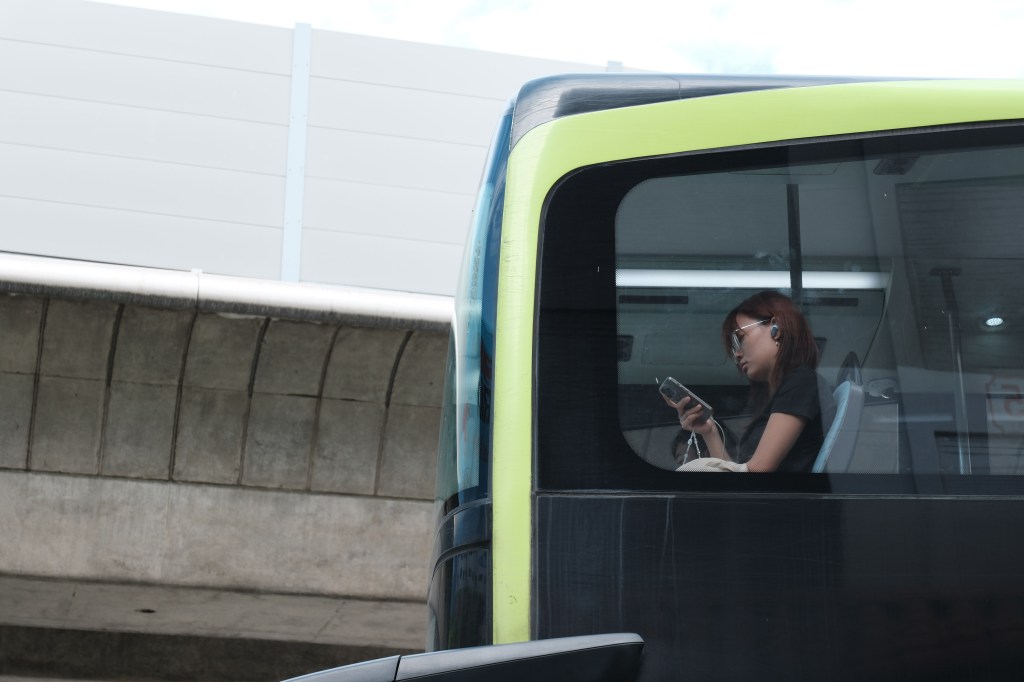
Right: Fuji X-T50 . XF16-50mm f2.8-4.8 @ 50mm . f4.8 . 1/150″ . ISO 250 . Reala Ace
However, the rendering of the background/off focus blur varies as you zoom. That’s because it is a variable apertures lens. But it is still able to give a good amount of separation between the off-focus and subject. This is normal for a variable zoom lens as oppose to prime lens.
As for sun star, it is there if you need it in your shot but the result is not the finest one out there in the market.
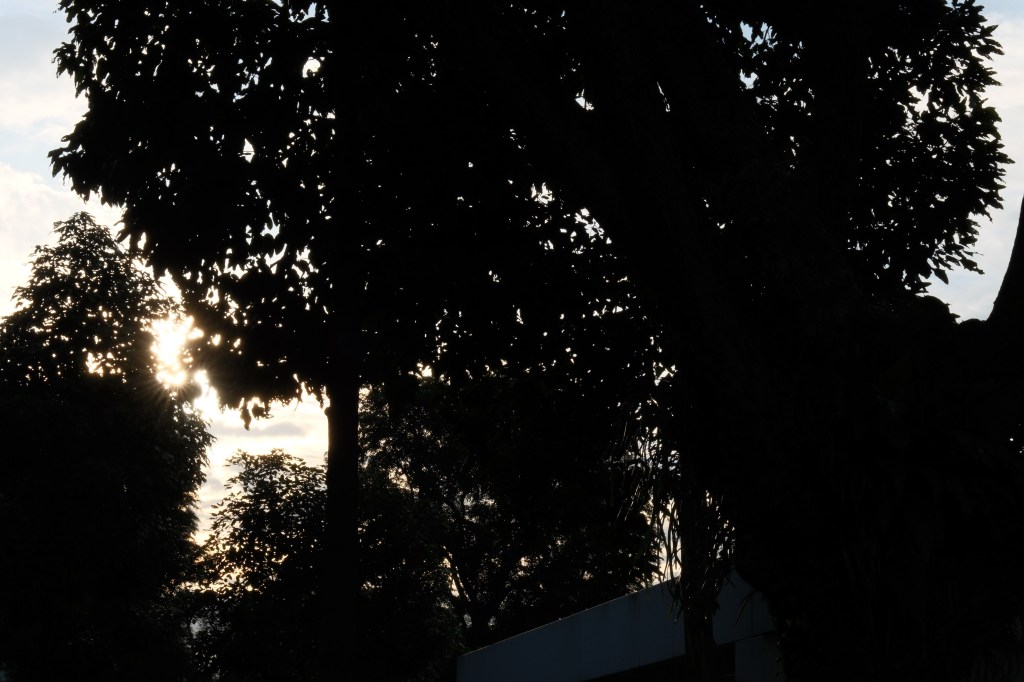
Focusing
Since it comes with a Linear Motor, I am not expecting a poor autofocus performance from this. I was not disappointed. Although it is not as instantaneously focused and locked onto the subject as fast as the prime lenses, it is still pretty decent for a zoom lens. The autofocus is snappy across all focal lengths. Even when it is under a low-light situation, it’s performance is slightly poor but still very good for day-to-day use.


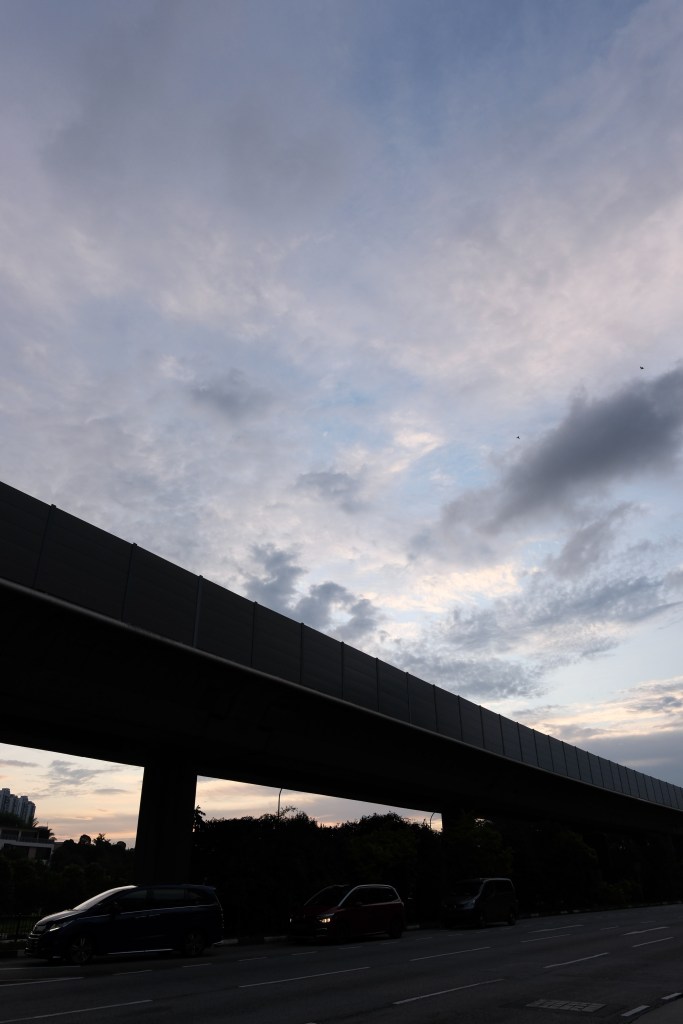
Right: Fuji X-T50 . XF16-50mm f2.8-4.8 @ 16mm . f5 . 1/210″ . ISO 250 . Reala Ace
Minimum Focus Distance (MFD)
What I like about this lens is the MFD. It comes with a fixed 24cm. Meaning the MFD does not change when you change your focal length. This also means that this lens is capable of shooting at a close-up of an object. It is even closer than Sigma 18-50mm at 50mm (which is at 30cm).


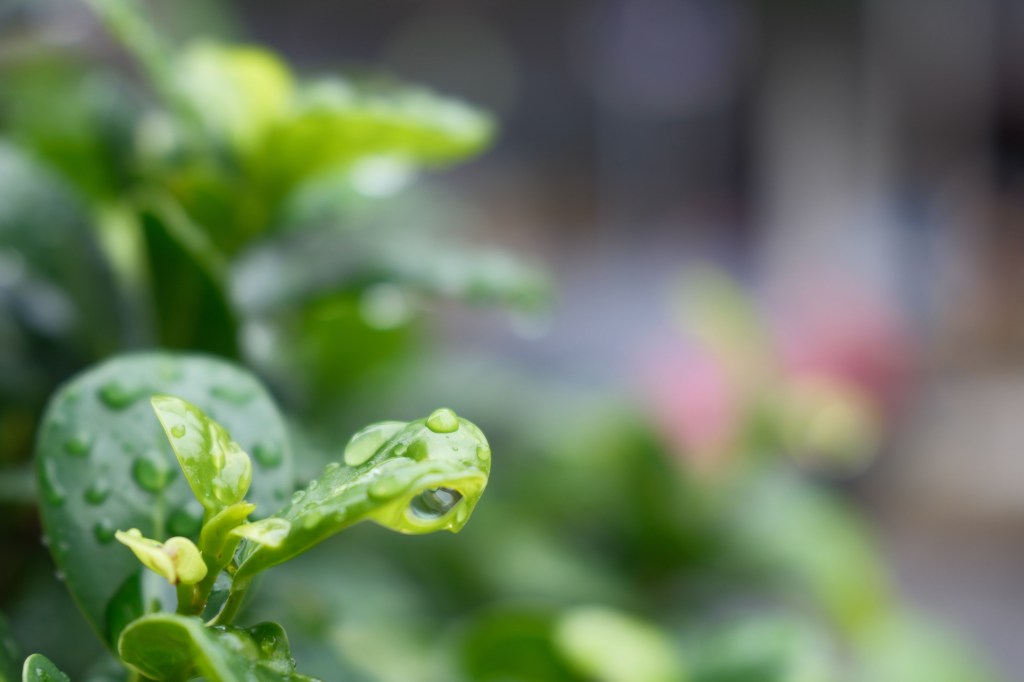
Right: Fuji X-T50 . XF16-50mm f2.8-4.8 @ 50mm . f4.8 . 1/80″ . ISO 200 . Reala Ace
However, the lens optics do exhibit some loss in image quality, leading to softer and less contrasty results. But it looks fine if you don’t pixel-peeping.
Price Point
It is priced the same as the XF18-55mm (currently not in stock in B&H) at 699 USD. Do you think the price is steep? I think it is a little steep for a kit lens but on second thought, it is a premium one. That’s probably explain why.
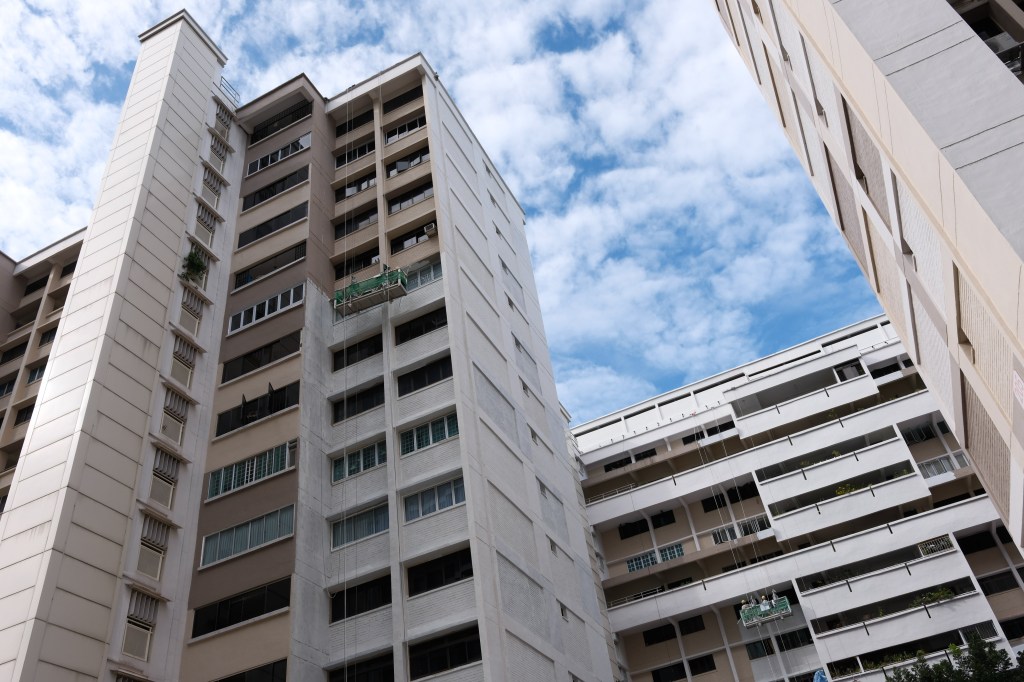
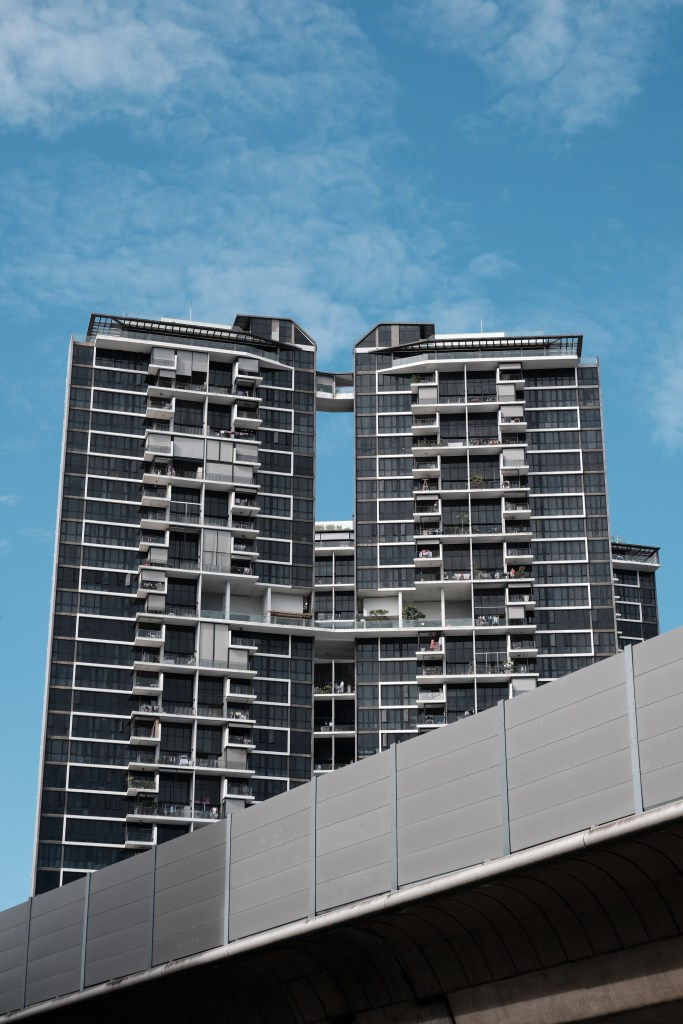

Right: Fuji X-T50 . XF16-50mm f2.8-4.8 @ 33.3mm . f3.8 . 1/900″ . ISO 250 . Reala Ace
As of this point in time, the lens is only available as a kit lens (at least in Singapore).
Others
Like most new generation Fujifilm lenses, it does come with weather-resistant.
Another point to note is that this lens does not come with an Optical Image Stabilization (OIS). Is it important? Yes and no.
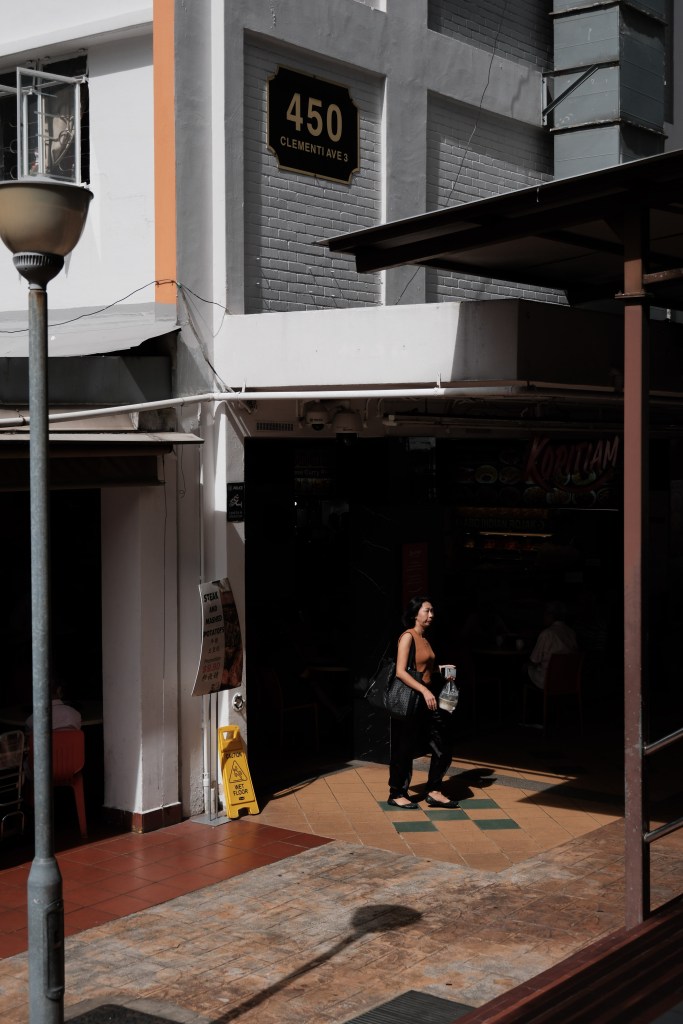

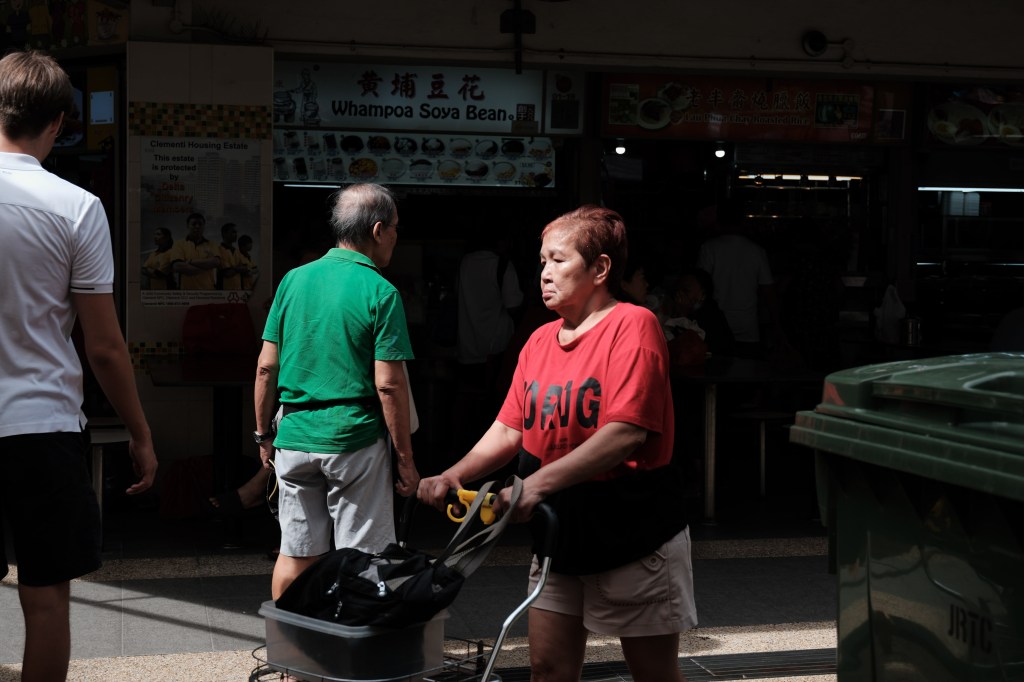
Right: Fuji X-T50 . XF16-50mm f2.8-4.8 @ 36.3mm . f4 . 1/640″ . ISO 250 . Reala Ace
Yes if your camera is not equipped with In-Body Image Stabilization (IBIS). Unless you are fine with higher ISO under low-light situations, you might struggle to take steady shots at 50mm due to low shutter speed.
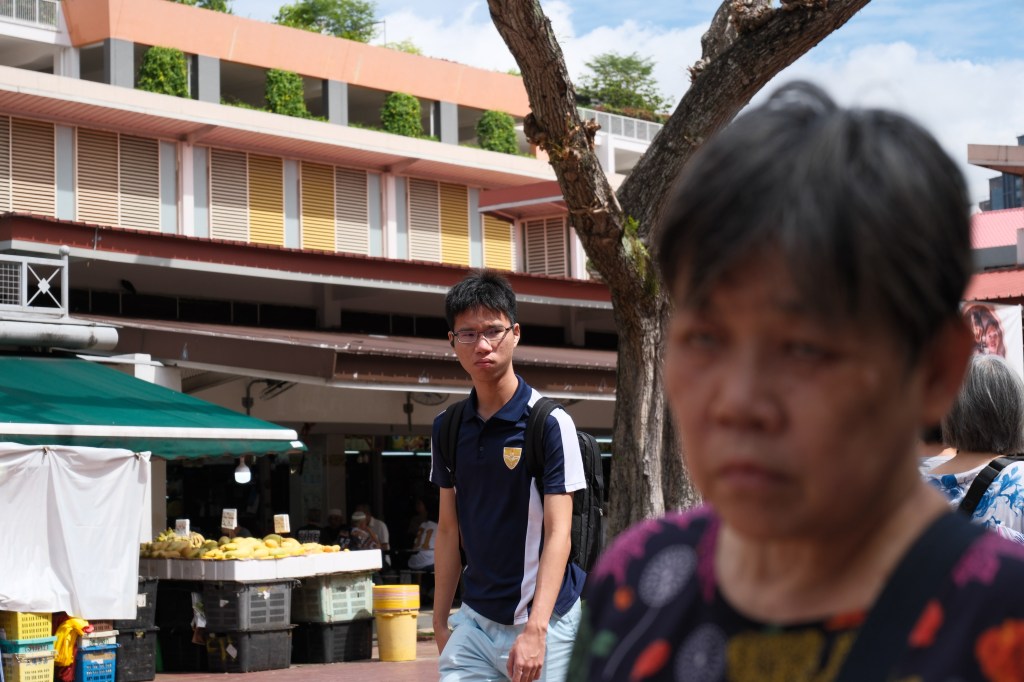

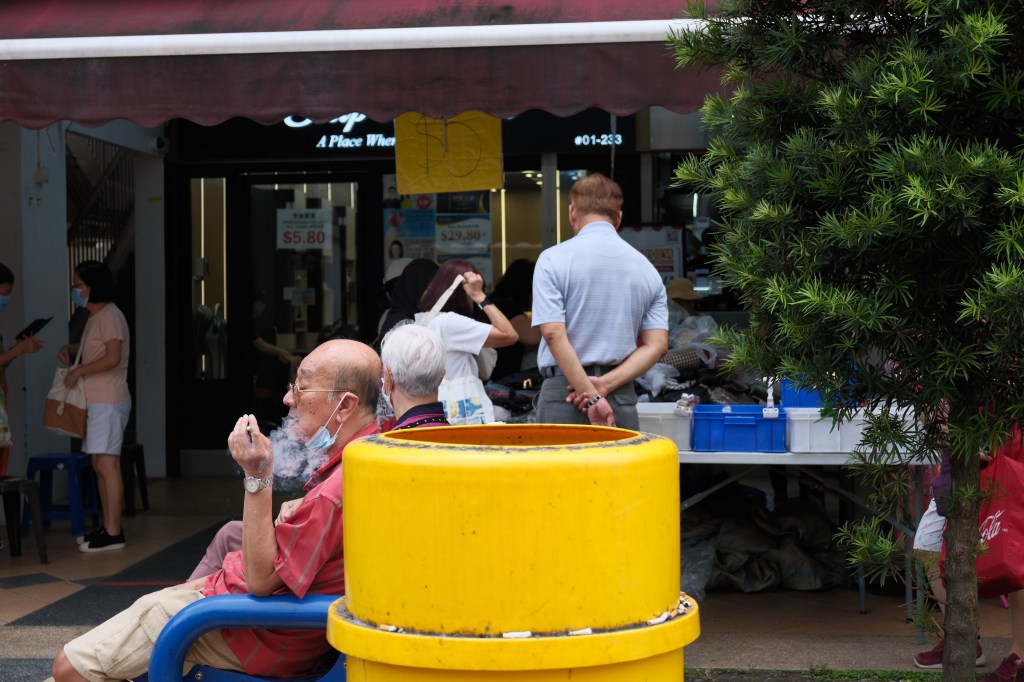
Right: Fuji X-T50 . XF16-50mm f2.8-4.8 @ 35.3mm . f3.9 . 1/400″ . ISO 250 . Reala Ace
No, if your camera is already equipped with the IBIS like the X-H2S, X-H2, X-T5, X-S20, etc., then the IBIS will help out for steady shots at low shutter speed.
Who is this for?
This is a good lens for a beginner to pick up and it is a very versatile lens that covers most genres. It’s also beneficial for photographers to identify their most frequently used focal length before delving into more specific options.


Right: Fuji X-T50 . XF16-50mm f2.8-4.8 @ 50mm . f4.8 . 0.8″ . ISO 800 . Reala Ace
Also, it is good for travelers who prefer to keep their setup as light as possible and as minimal as possible; like pairing up with the new camera, X-T50.
Conclusion
It is a small and also an all-propose lens. During my testing period, it is delightful to use together with the X-T50. However, is it timed correctly for its launch? I’m uncertain. Nowadays, there are plenty of third-party lenses available, such as the Sigma 18-50mm and Tamron 17-70mm. The XF16-50mm might face tough competition in winning over photographers’ favor.



Right: Fuji X-T50 . XF16-50mm f2.8-4.8 @ 50mm . f5.6 . 1/80″ . ISO 400 . Reala Ace
Having said that, I am not saying it is a bad lens to pick up. I would advise photographers who are interested to visit a camera store and try it out before deciding which lens suits them best. The XF16-50mm is a good replacement for the XF18-55mm but it doesn’t hold the same place in my affection that the XF18-55mm does.

Thank you for reading.
Disclaimer:
1. All the shots taken here are shot by me.
2. Most of the shots are straight out of the camera with some shots edited via In-Camera Raw Processing.
3. The opinions are based on my experience. If there is any mistake, please kindly drop me a message and I will gladly make the amendment.
4. I reserve ownership of these images, if you wish to use my images, please notify me.
If you like my works, please follow me on either one of the 2 Instagram accounts:
https://www.instagram.com/alwinkok_
https://www.instagram.com/alwin.portraits
If you have a Facebook account, feel free to join Fujifanboys FB group.
If you like my content and you want to show some support and keep this blog alive, you can buy me a coffee here.

 Alwin Kok