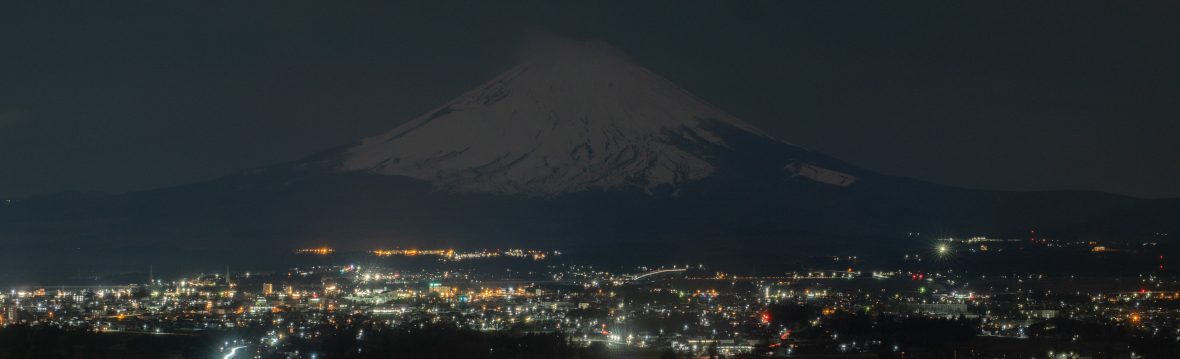
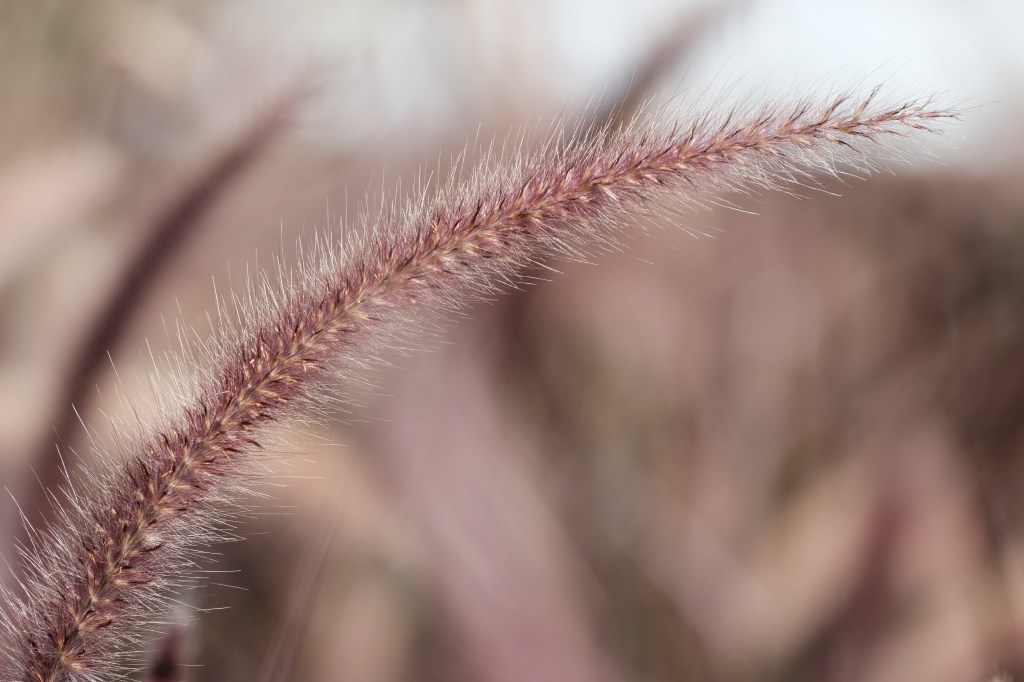
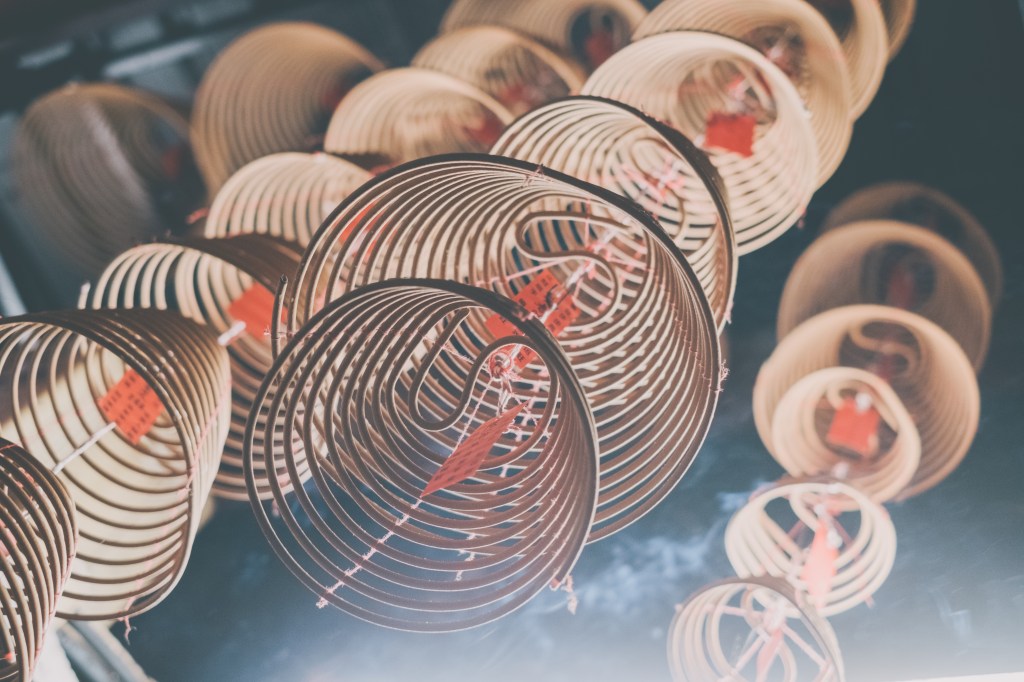
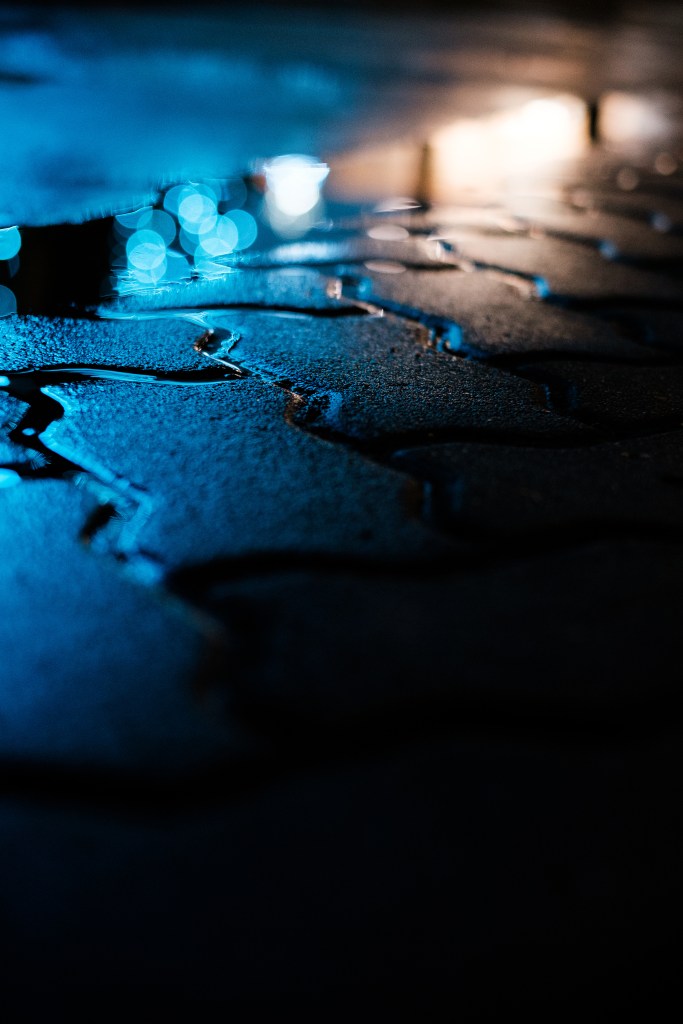
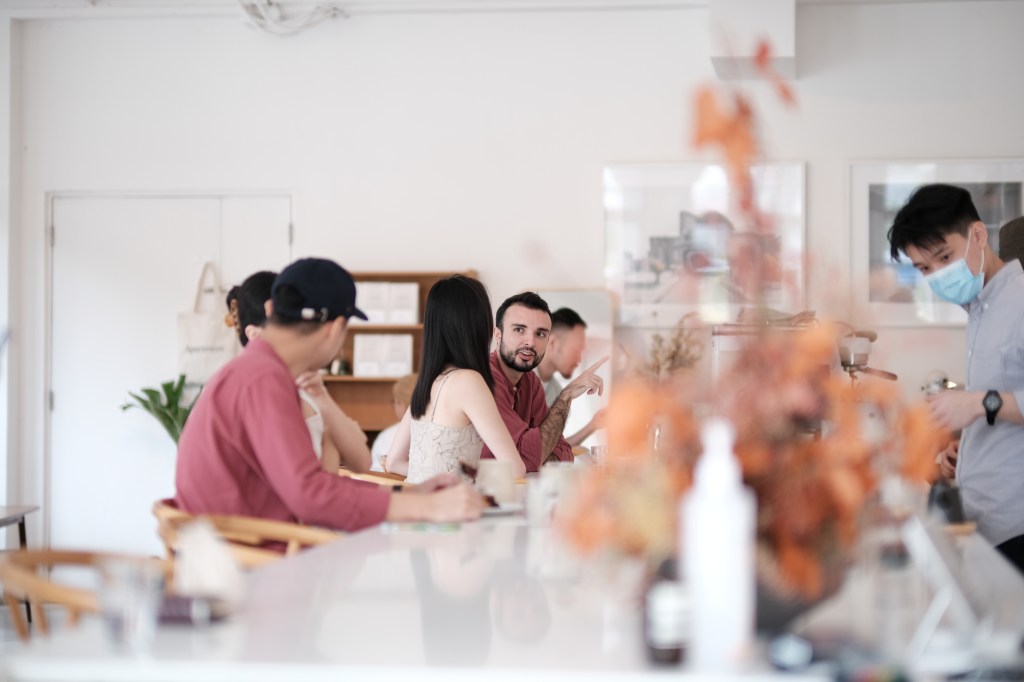
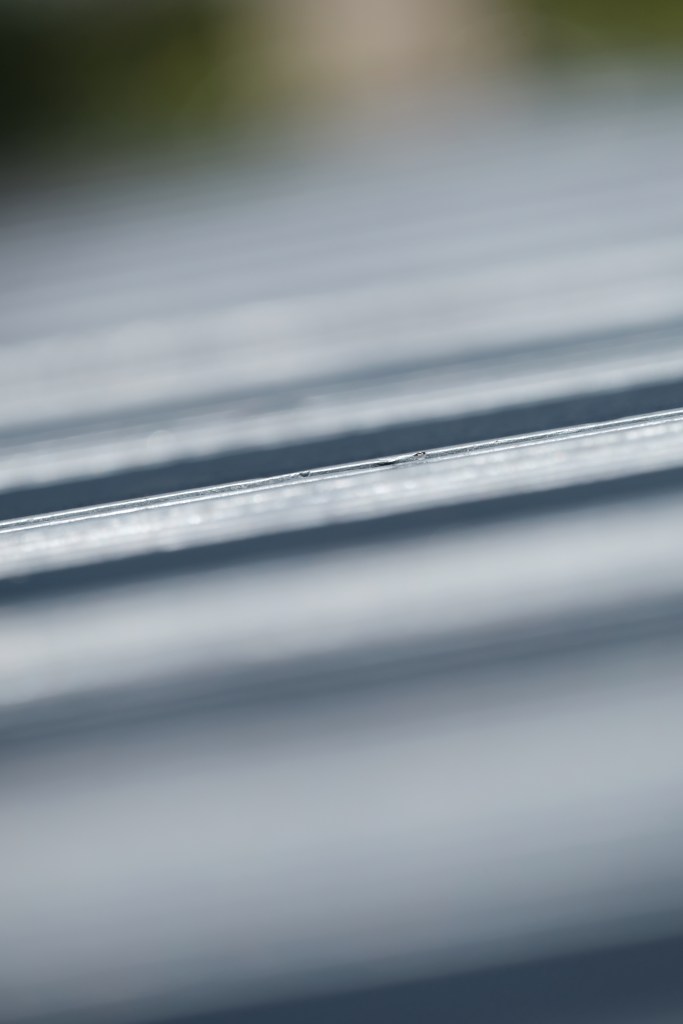
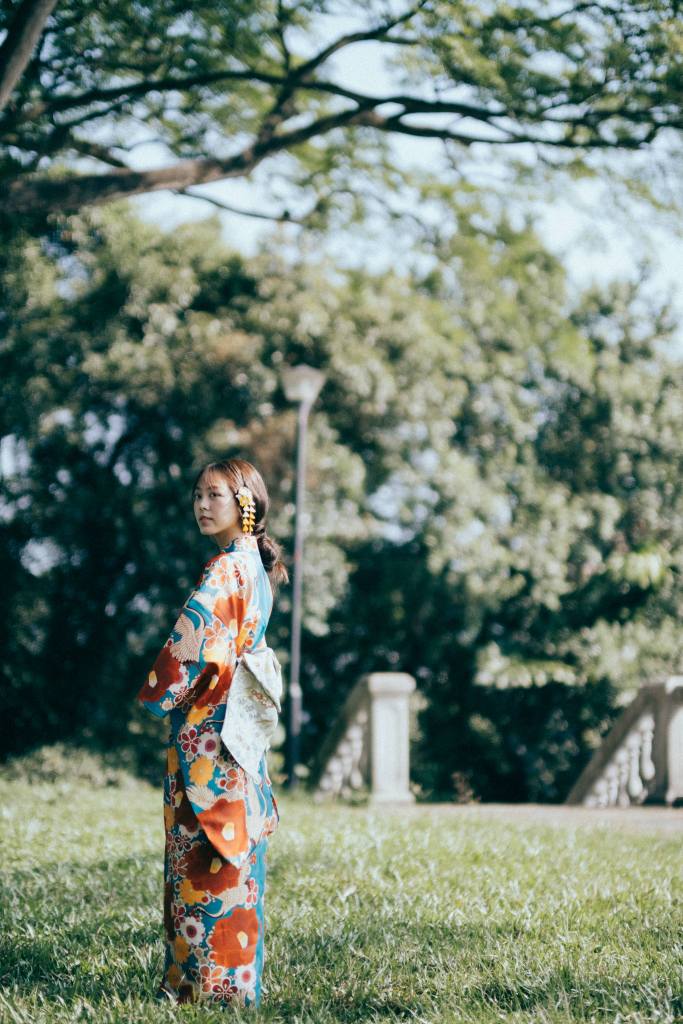
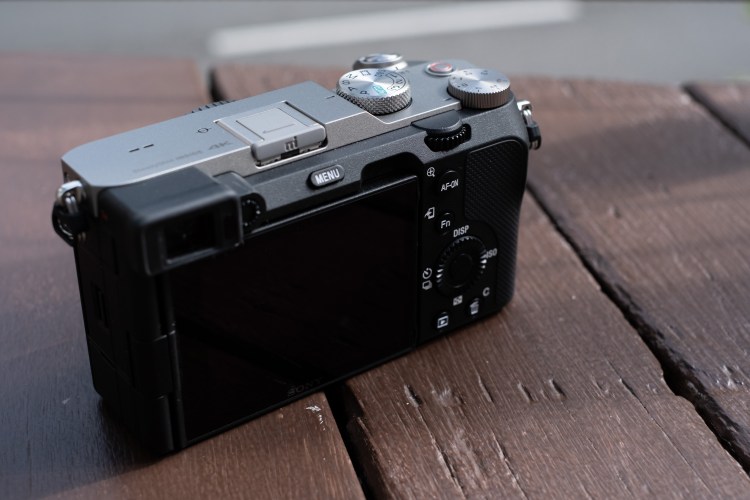
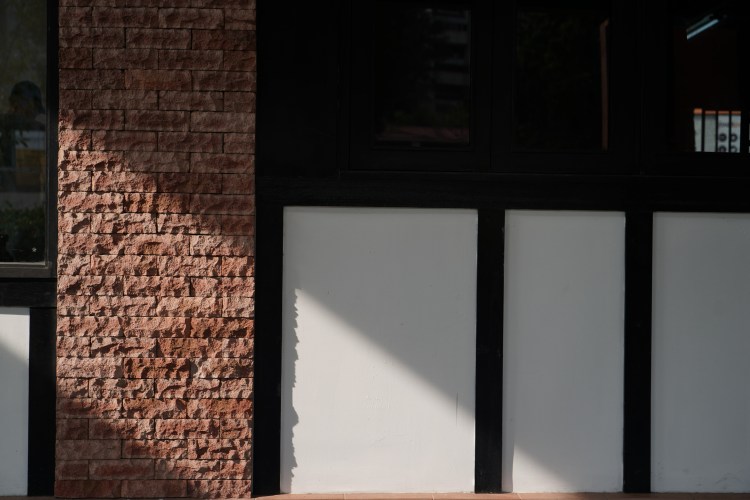
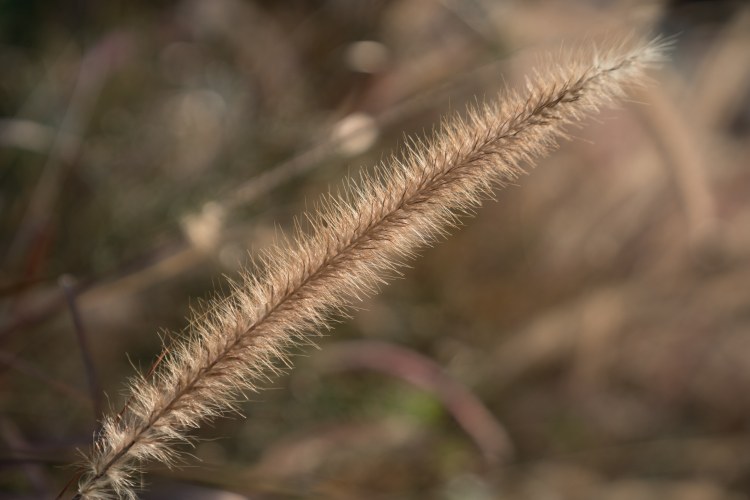
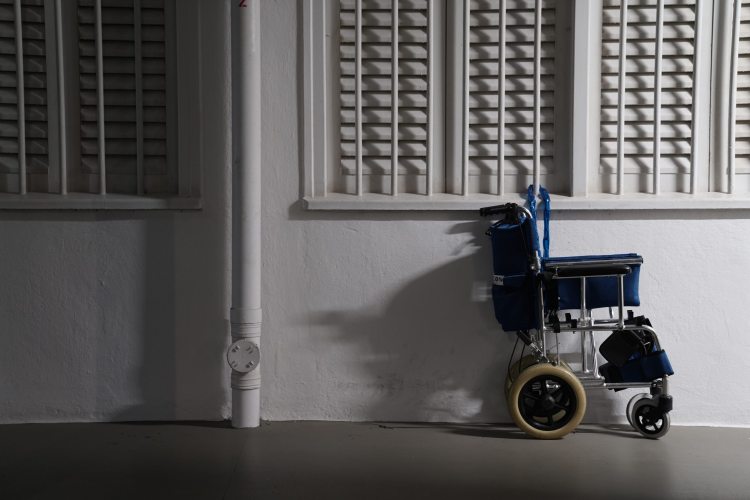
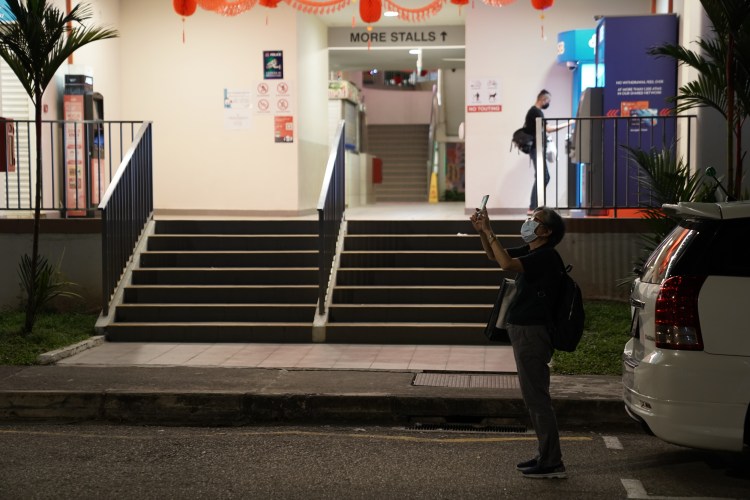
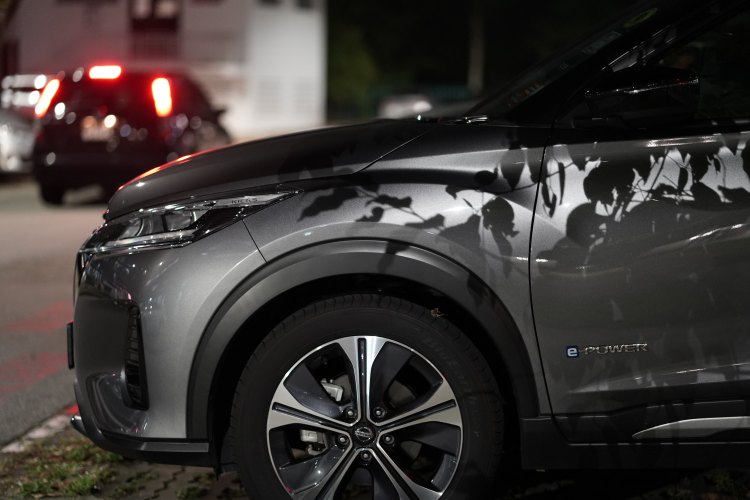
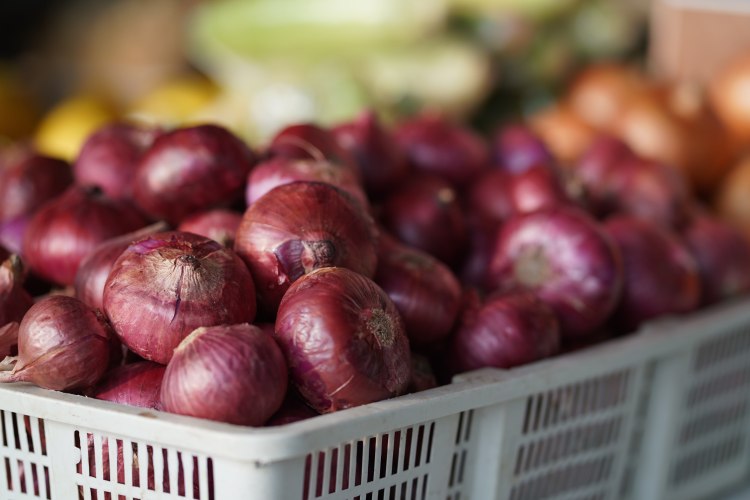
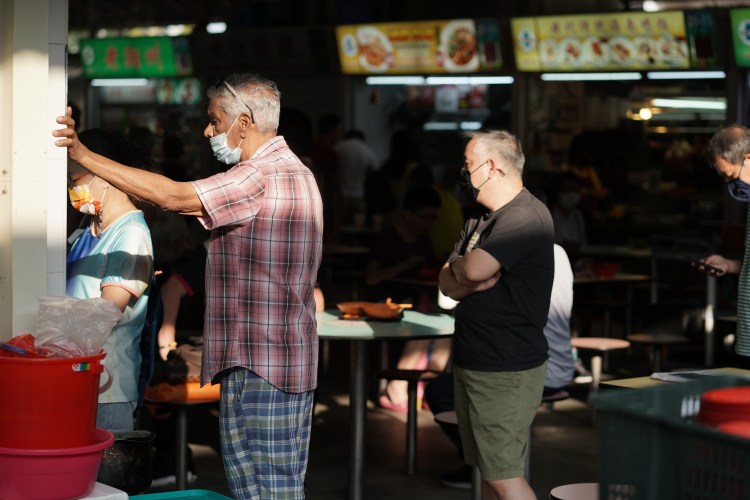
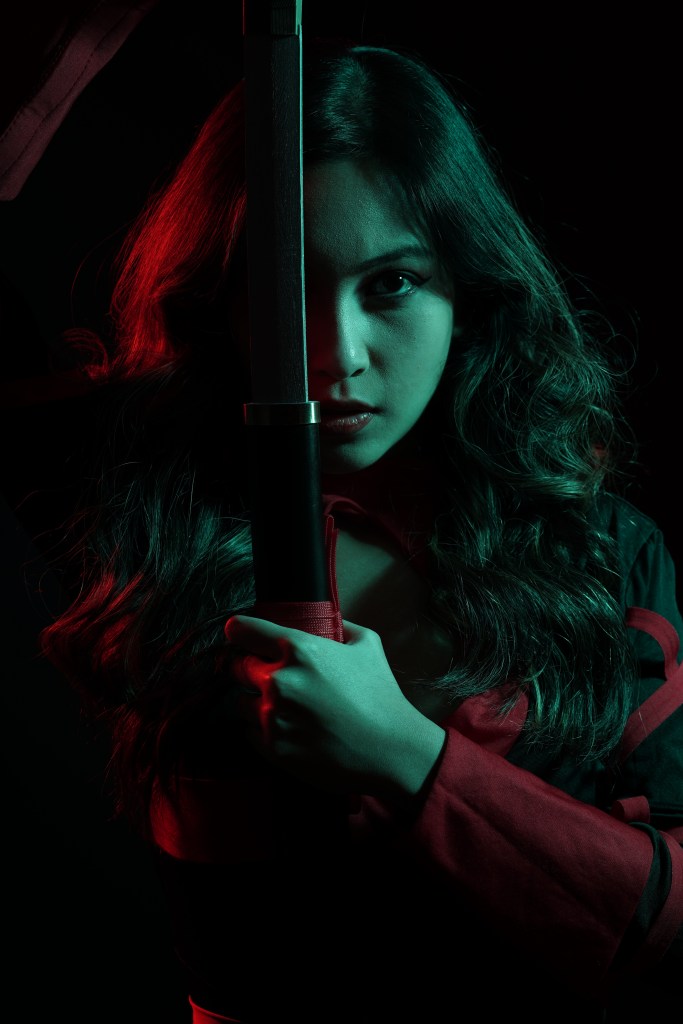
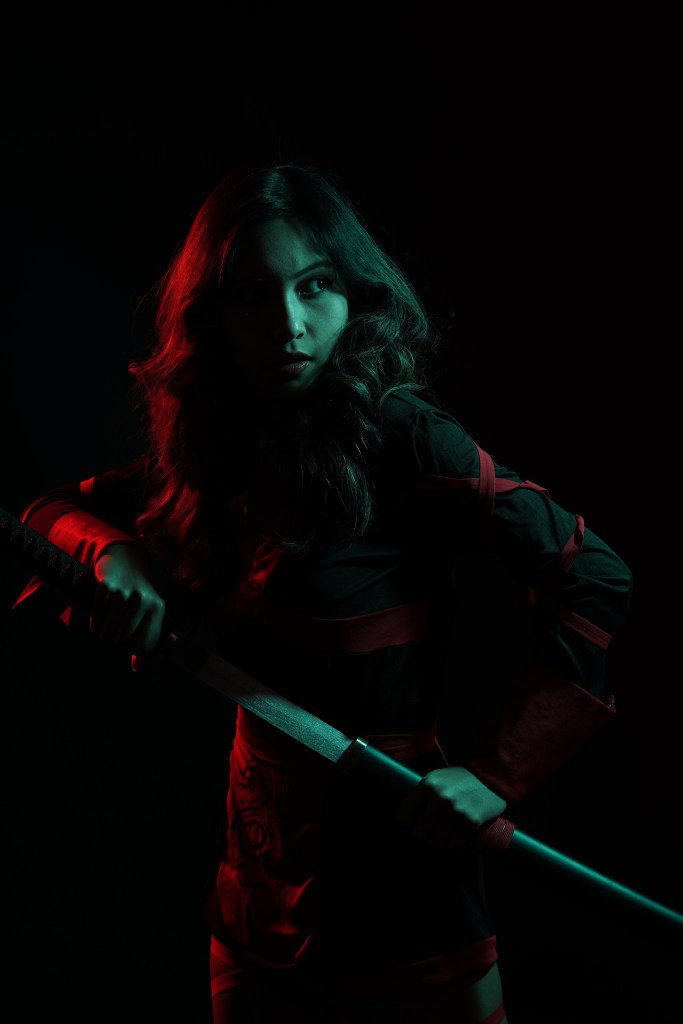
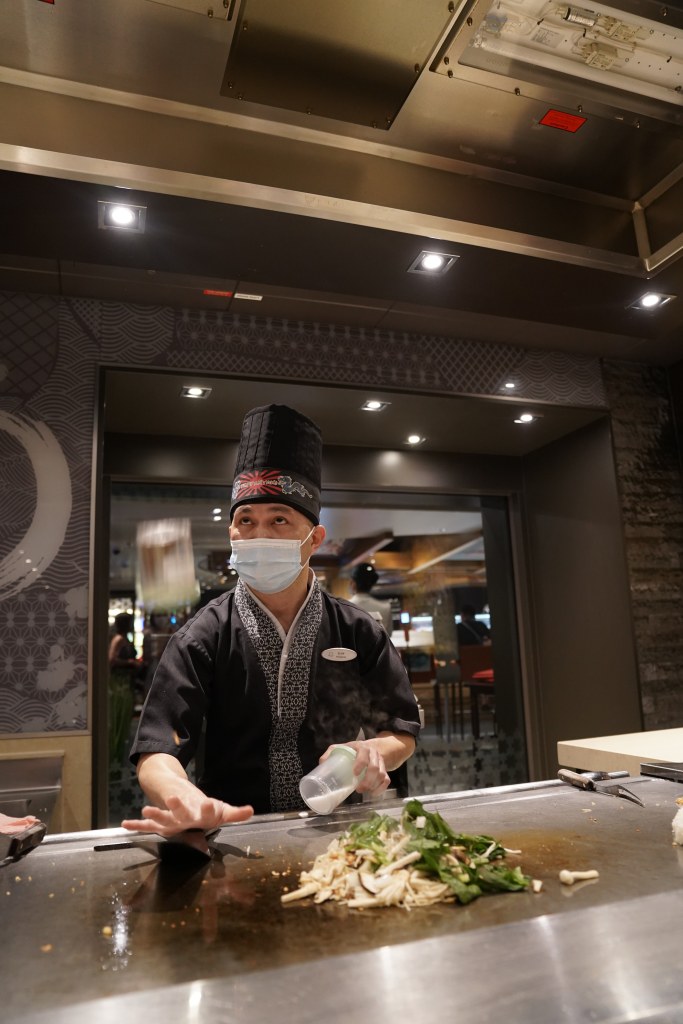
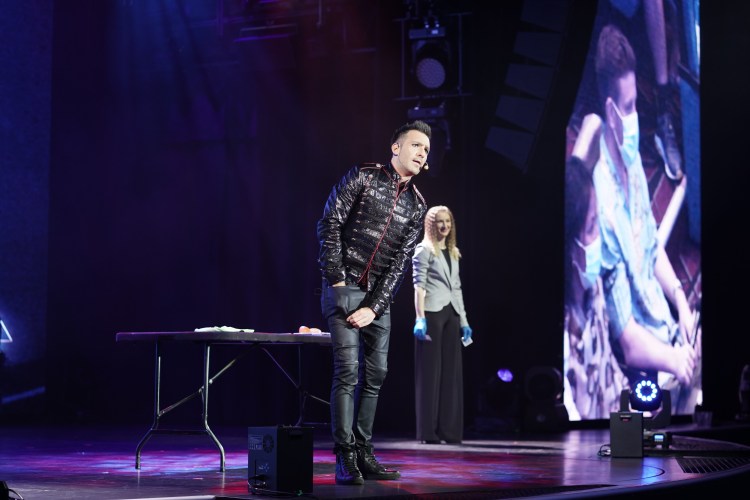
Bokeh is derived from a Japanese word “ぼけ” (Boke). In case someone don’t know, it is referring to the out-of-focus blur background/foreground created. It is often used to separate unwanted thing from the subject you wish to present in your photos. Japanese photographers also often use “Tama bokeh” means round/ball bubbly bokeh and “Mae bokeh” means bokeh that is in front of the image.
Fuji X-E4 . Fuji XF70-300mm F4-5.6 R LM OIS WR @300mm . f6.4 . 1/500” . ISO 320 . Classic ChromeFuji X-E3 . Fuji XF35mm F1.4 R @35mm . f2 . 1/80” . ISO 2000 . Edited in post
Side note: In 2021, camera sensor in the smartphone is not as big as what digital camera sensor has (or at least the size of M43 or APS-C). Hence, smartphone manufacturers use computational imaging and Artificial Intelligence (AI) to create or mimic bokeh result and sometime we get to see weird results from the shots. There is still a huge step for the manufacturers to achieve the results from the bigger camera sensor but that future should be very near. I believe we will get to see amazing piece of tech in the next decade. And implementing 1 inch sensor in the flagship smartphones in the beginning of this era. I am eager to see a M43 or APS-C size sensor to be equipped in the smartphones somedays.
Side note 2: Over here, this is just a discussion over bokeh and there is no involvement in specific brands and lenses. The photos show here is for illustration purpose.
Fuji X-T3 . Fuji XF35mm F1.4 R @35mm . f2 . 1/80” . ISO 3200 . Classic Chrome
Back to the story. Recently, I have a discussion with photographers of mainly enthusiastic hobbyists and commercial professionals about the art of bokeh. It is a nice session and bring up lots of perspectives and opinions among the rest. Below are my views of the art of bokeh.
Fuji X-T2 . Fuji XF18-55mm F2.4-4 R LM OIS @48.2mm . f4 . 1/8000” . ISO 200 . Classic Chrome
In my opinion, the objective of the bokeh is to allow the main subject being separated background/foreground and get notice by the viewers immediately (otherwise, some creative shots taking advantage of the bokeh). However, if the bokeh steals the limelight or distracts the viewer from the main subject (if that is intentional), i think this is consider failing its objective. So balancing the art of bokeh and the subject is important. The best is having the smooth transition of sharp subject to blurring background with a nice fade off / melting effect. With this, I believe our eyes are more comfortable and stay more focus on the right subject.
Fuji X-T3 . Fuji XF35mm F1.4 R @35mm . f4.5 . 1/80” . ISO 640 . Classic ChromeFuji X-E4 . Fuji XF50mm F1 R WR @50mm . f1 . 1/400” . ISO 160 . Classic Chrome
Having a large aperture lens and setting it to the largest aperture (f stop) value does not mean you are going to have a smooth decent sharp subject & bokeh relationship. It might results in busy or nervous bokeh causing distraction. In some situations, stopping down the f stop a little might helps to improve the overall photo result. Other elements such as the number of blades, the optical glass elements configuration and the distance from the subject and background also play a role in achieving the balance. Not forgetting that available light source is one of the more important elements to consider too.
Fuji X-E3 . Fuji XF55-200mm F3.5-4.8 R LM OIS @200mm . f5.6 . 1/1100” . ISO 200 . Classic Chrome
So what I think is we need to understand how the lens can achieve the balance between the bokeh and the subject and we definitely need to experience the lens more by shooting more with it. I do believe there is no horrible lens in today’s technology, every lens can also achieve the balance within its own capability.
Fuji X-T3 . Fuji XF50mm F1 R WR @50mm . f1 . 1/1400” . ISO 160 . Edited in post.
Fuji X-T3 . Fuji XF50mm F1 R WR @50mm . f1 . 1/550” . ISO 160 . Edited in post.
As of today, I am still learning to find the balance. There is no right or wrong answer to the art of bokeh. It is just individual preference and taste. And I guess this is where I find interesting in photography.
Disclaimer: 1. All the shots taken here were shot by me. 2. I reserve ownerships to these images, if you wish to use my images for whatever reasons, please notify me and we can see how to works thing out.
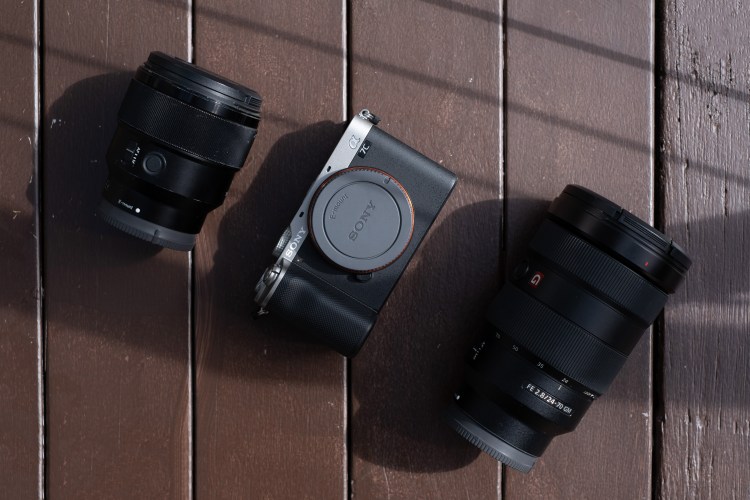
First of all, I would like to thank Sony Singapore for providing the loan for Sony A7C, Sony FE 24-70mm F2.8 GM and Sony FE 85mm F1.8. The units were loaned and had returned back to them. All the shots shown here are taken by me and some shots were edited with minor adjustments with Lightroom Classic.
In this review, I will discuss less about the specifications and the hardware of this camera. What I will going to share is more towards my experience of using the Sony A7C. Before I start my review, I have to let everyone knows that I actually have a day with the Sony FE 24-105mm F4 OSS. That’s because the staff has prepare the wrong lens for me and they are responsive and replace it with the 24-70mm the following day. Let’s begins…
Sony A7C with articulating screenSony A7C – backSony FE 85mm F1.8 . Sony A7C . Sony FE 24-70mm F2.8 GM
Design
When I first unbox it, I am really surprise how compact and small is this rangefinder style camera is. It comes with a large and comfortable enough hand grip for me to hold onto the camera body. I quickly make a physical comparison with my Fujifilm X-E3. And wow! The Sony A7C is almost the same size as the Fujifilm X-E3 and yet it pack with a Full Frame sensor and an IBIS. I am impressed by how amazing Sony has put up lot of effort in designing this camera. For easy reference, I have create a reference table below.
Sony A7C
124 x 71 x 60 mm (4.88 x 2.8 x 2.36″)
Fujifilm X-E3
121 x 74 x 43 mm (4.78 x 2.91 x 1.68″)
Sony A7C . FE 24-105mm F4 F OSS @105mm . f/8 . 1/4000” . ISO 100Sony A7C . FE 24-105mm F4 F OSS @105mm . f/8 . 1/400” . ISO 100Sony A7C . FE 24-105mm F4 F OSS @105mm . f/4 . 1/500” . ISO 100Sony A7C . FE 24-105mm F4 F OSS @48mm . f/4 . 1/320” . ISO 100
It comes with a fully articulating screen. Because of the way how I photograph my subject, this is not my prefer screen. When I do low angle shoots with the screen flip out and adjusted to the low angle viewing mode, I seems to have some parallax error and the shots turn out to be not the way it intended to be.
But having say that, this articulating screen is probably the best way to benefits many people and their needs.
Built
This little compact camera has a magnesium alloy body and it feels great to hold on my hand. Some people commented that the silver finish make it looks plasticky and less premium. But I feel that its look is clean and sleek and it also doesn’t seems to spell cheap built quality too. The weight at 509 grams is feel just right too. I still feel the weight but not too heavy until it soar my wrist.
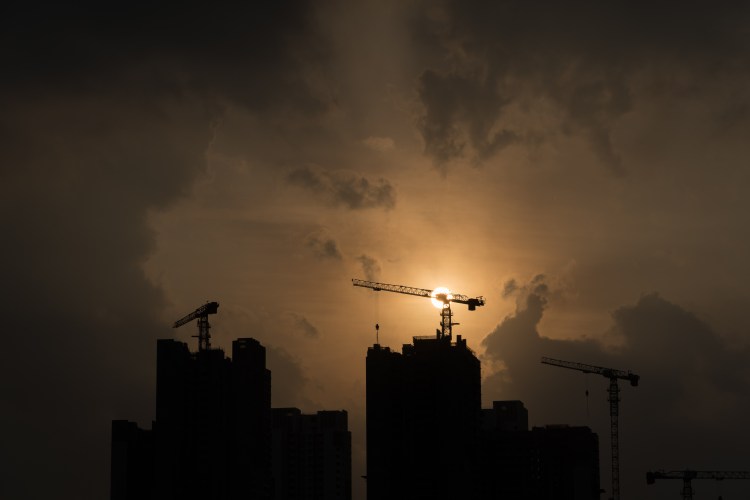
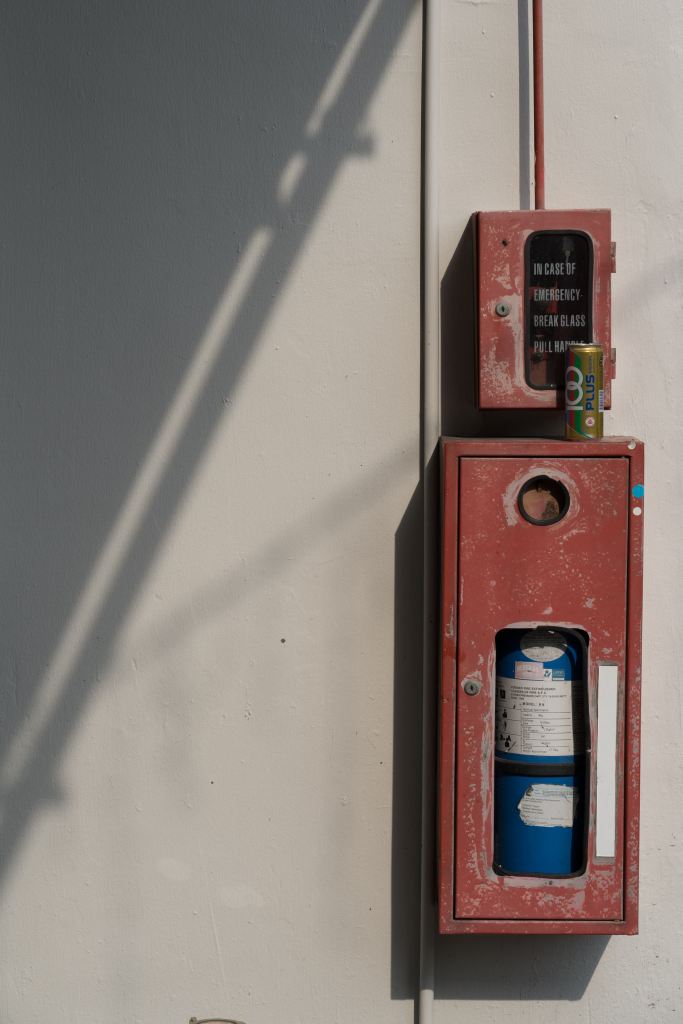
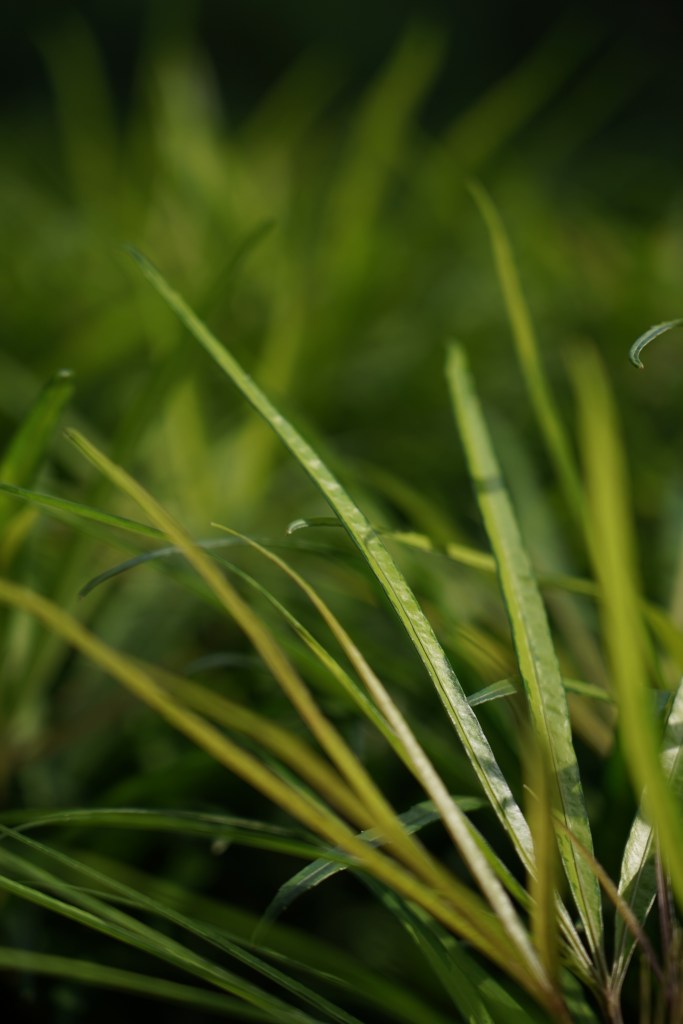
Sony A7C . FE 24-70mm F2.8 GM @70mm . f/5 . 1/640” . ISO 100Sony A7C . FE 24-70mm F2.8 GM @70mm . f/8 . 1/80” . ISO 160Sony A7C . FE 24-70mm F2.8 GM @70mm . f/5 . 1/2000” . ISO 100
Performance
Awesome, crisp and full of details are what best describe about the image quality. Despite being complain by many photographers about using the old sensor, the quality is not being compromise. The AF speed is pretty decent and fast. The eye-AF focusing is fantastic and literally lock to the subject very well. Noise at high ISO is well-controlled and clean. Basically, I think there is nothing much to complain about. Sony know this sensor still can perform well and very usable in the years to come. It also make sense by cutting down the cost to make it becoming one of the most appealing and cheapest full frame camera in the market.
I am surprise that the 5 stops IBIS performs reasonably well too. It helps to stabilize my shots well especially at night.
Sony A7C . FE 24-70mm F2.8 GM @35mm . f/2.8 . 1/40” . ISO 800Sony A7C . FE 85mm F1.8 @85mm . f/2 . 1/100” . ISO 250Sony A7C . FE 24-70mm F2.8 GM @35mm . f/2.8 . 1/40” . ISO 2500Sony A7C . FE 24-70mm F2.8 GM @52mm . f/2.8 . 1/10” . ISO 1600
Battery
The NP-FZ100 battery is stunning good. I manage to run through a full day with just one battery (approximate close to 1000 shots). Anyway I only receive one battery for the testing. If you are using it for travel and you get to charge it on a daily basis, then one battery is actually sufficient. But for a person like me who prefer to have redundancy or backup, two is the minimum.
Sony A7C . FE 24-70mm F2.8 GM @52mm . f/2.8 . 1/10” . ISO 1600Sony A7C . FE 85mm F1.8 @85mm . f/2 . 1/100” . ISO 2000Sony A7C . FE 85mm F1.8 GM @85mm . f/2 . 1/50” . ISO 3200
Best lenses to work with
Small lenses, such as compact prime lenses, are definitely the best options to pair with this camera. Throughout the course of using this camera for 2 weeks, I realize I do not like to use it with the 24-70mm F2.8 GM and I think that 24-105mm F4 lens is the “biggest” lens that you can pair with and still comfortable to hold.
Sony A7C . FE 85mm F1.8 GM @85mm . f/2.8 . 1/200” . ISO 100Sony A7C . FE 24-70mm F2.8 GM @69mm . f/2.8 . 1/80” . ISO 250Sony A7C . FE 85mm F1.8 GM @85mm . f/16 . 1/160” . ISO 100Sony A7C . FE 24-70mm F2.8 GM @70mm . f/2.8 . 1/80” . ISO 320
Feedback
The first thing I have to say is that I have a big hand. And basically I only need 3 fingers to hold camera, leaving my little finger dangling. I think an additional grip for my little finger to rest upon is sufficient. I hope Sony will include an additional base in the package for the next generation of A7C.
The second thing I hope the second generation of A7C will have a bigger EVF. It is a pain for me to view a small screen. I know the target audiences are basically vloggers but having a bigger EVF shouldn’t do much harm.
The third is the AF joystick. I hope Sony will implement the joystick as I believe many photographers would love to have it as it helps to improve the flow of selecting the AF points.
Sony A7C . FE 85mm F1.8 @85mm . f/2.8 . 1/160” . ISO 100Sony A7C . FE 85mm F1.8 @85mm . f/5 . 1/500” . ISO 100Sony A7C . FE 24-70mm F2.8 GM @24mm . f/16 . 1/80” . ISO 100
Who is this for?
Beside vloggers and travelers. With this competitive pricing and compact body size, it is attractive for people who want to start to use a full frame camera but do not wish to burn a hole in the pocket. Having said that, provided that the buyer is not planning to invest in bigger and pricier lenses in the near future.
Having said that, the suggested price of this A7C is even cheaper than the flagship X-T4. If you are a photographer who has this budget and wants to upgrade from a DSLR era, will you get a A7C or the X-T4? Looking at the starting price can be deceive as oftentimes consumers forget to include the lenses and accessories they intend to invest in. So before investing into a system, consider all the factors and most importantly, it makes you want to bring it out and shoot with it.
Sony A7C . FE 85mm F1.8 @85mm . f/7.1 . 1/160” . ISO 100Sony A7C . FE 85mm F1.8 @85mm . f/7.1 . 1/160” . ISO 100Sony A7C . FE 24-70mm F2.8 GM @70mm . f/8 . 1/4000” . ISO 100Sony A7C . FE 24-70mm F2.8 GM @24mm . f/2.8 . 1/160” . ISO 3200
Conclusion from a Fuji Fanboy
Overall, it is a great camera with awesome eye-AF capabilities. I have to highlight again the size of this camera also spells that it work comfortably with small lenses. The old menu system does need to spend some time to learn and familiar with it. But of course, you can customize the menu for your needs. The SD slot is allocated to another side of the camera, which is unusual but might be a good move to position the card away from the battery slot area.
With its IBIS in such a small compact size camera, I am looking for a day when Fujifilm will implement the IBIS in their future X-E series (the newly launch X-E4 is not an IBIS camera). I can see there is a healthy competition and it’s not about full frame versus APS-C but how technology can improve our photography experience further in the future.
Sony A7C . FE 24-70mm F2.8 GM @70mm . f/2.8 . 1/160” . ISO 500Sony A7C . FE 85mm F1.8 @85mm . f/2.8 . 1/250” . ISO 1600Sony A7C . FE 85mm F1.8 @85mm . f/2.8 . 1/250” . ISO 2000
Disclaimer: 1. All the shots taken here were shot by me. 2. I reserve ownerships to these images, if you wish to use my images for whatever reasons, please notify me and we can see how to works thing out.