

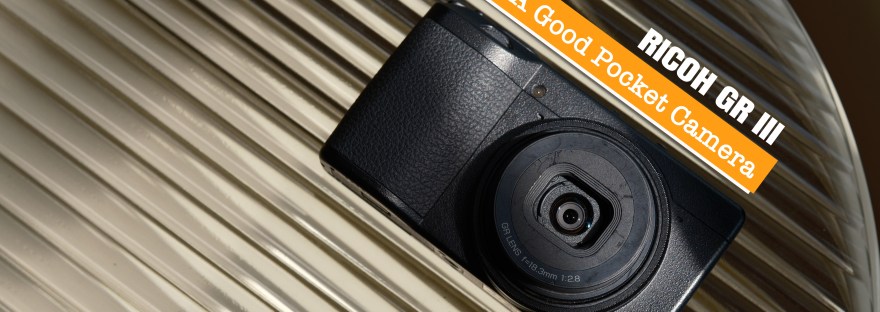

Ricoh GR3 came out in March 2019, which marked its 5th year in the market. Today it is still going strong and I was told that the camera has been put out-of-stock from the moment it was put up onto the store shelf. What exactly is the charm behind this 5-year-old camera? Why is it still going strong? How can it win my heart from my lovely Fujifilm X100V?

Intro
I once had the Ricoh GX100. I love the compact camera and practically good focal length. I also love the idea of using AAA batteries as an alternative solution if I run out of batteries and a removable electronic viewfinder. How amazing and innovative it was in 2007.


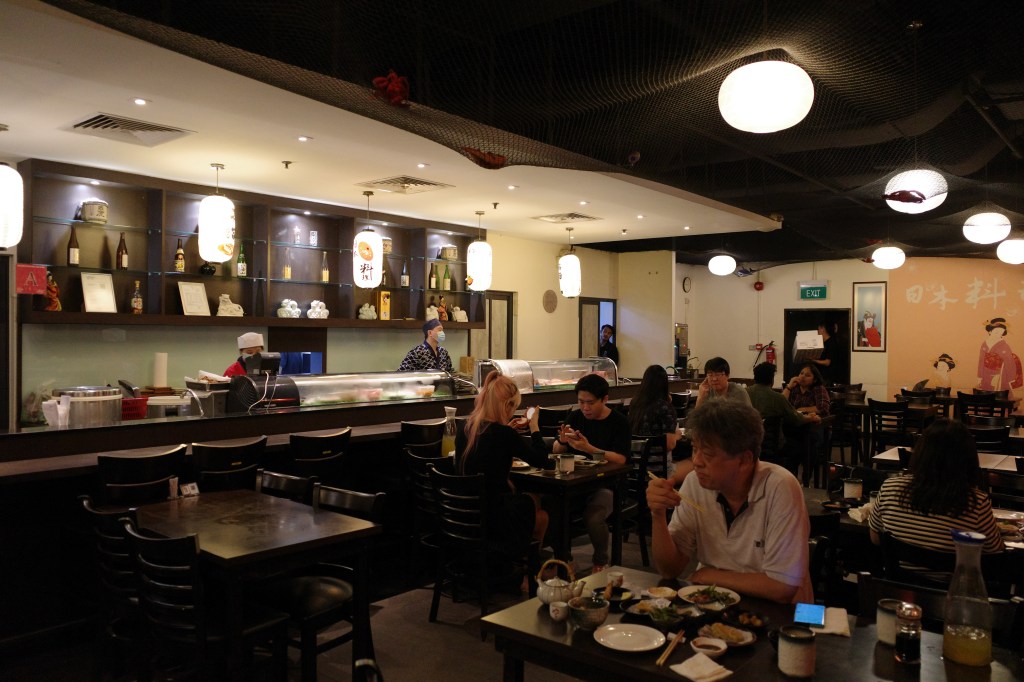
Right: Ricoh GR III . 18mm f2.8 @ f2.8 . 1/80″ . ISO 2500
Before I proceed, I would like to thank the good people from Audio & Photo Distributor for sending me this GR3 for my review. I appreciate their kindness and support. Having said that, they have zero influence on my review.
Design, Build Quality & Handling…
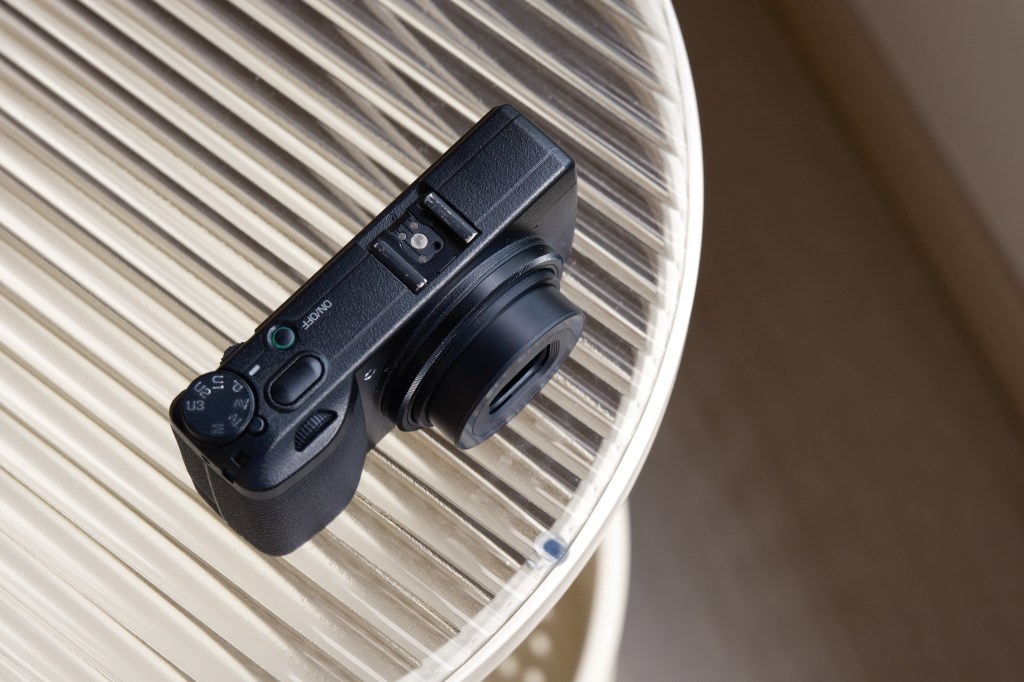
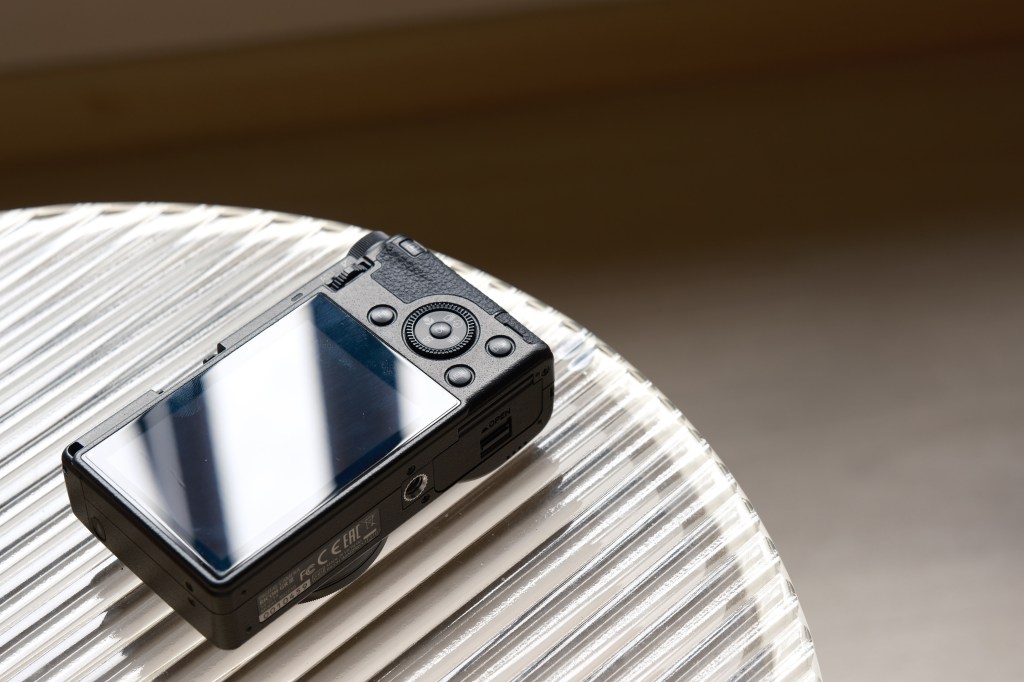
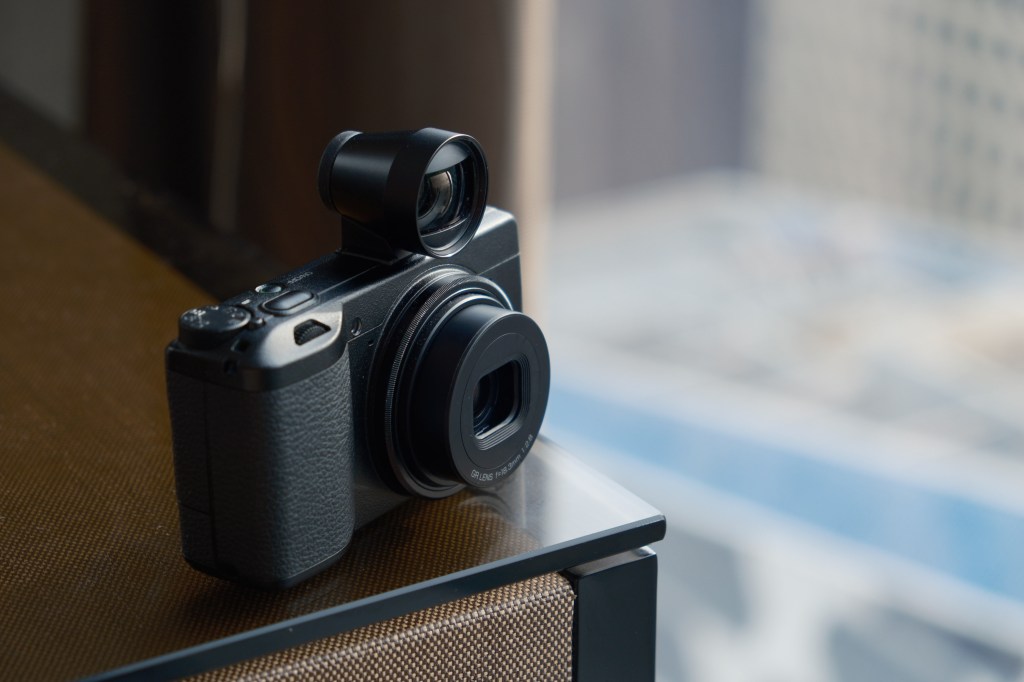
The first thing before I hold the GR3, I admire how compact, sleek, and well-built the camera is. The metal-constructed camera gives a very premium experience when held on hand.
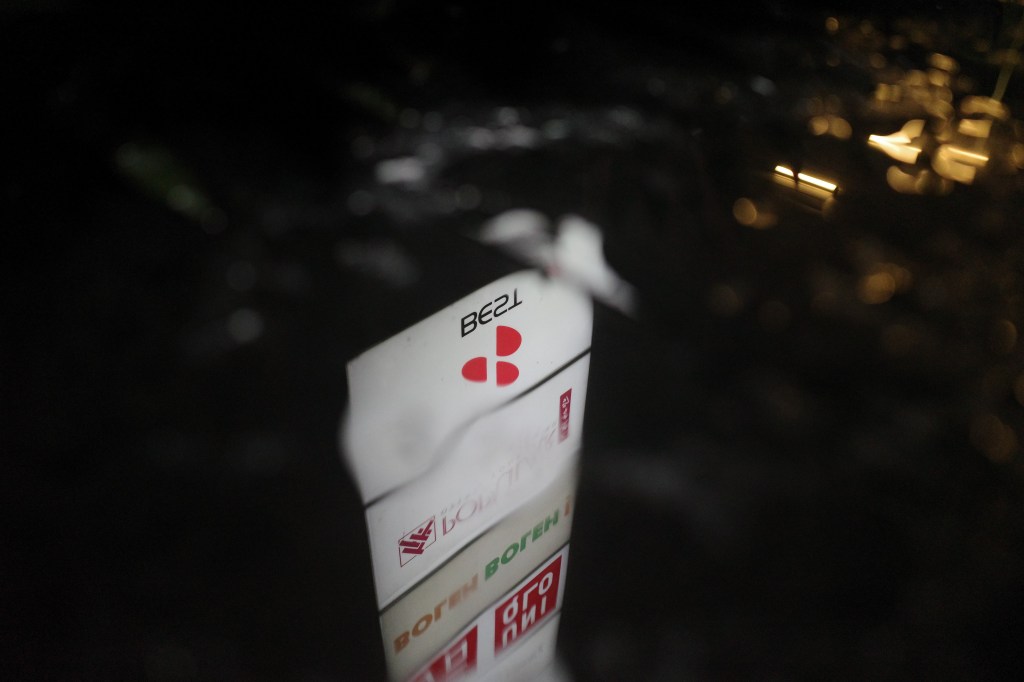

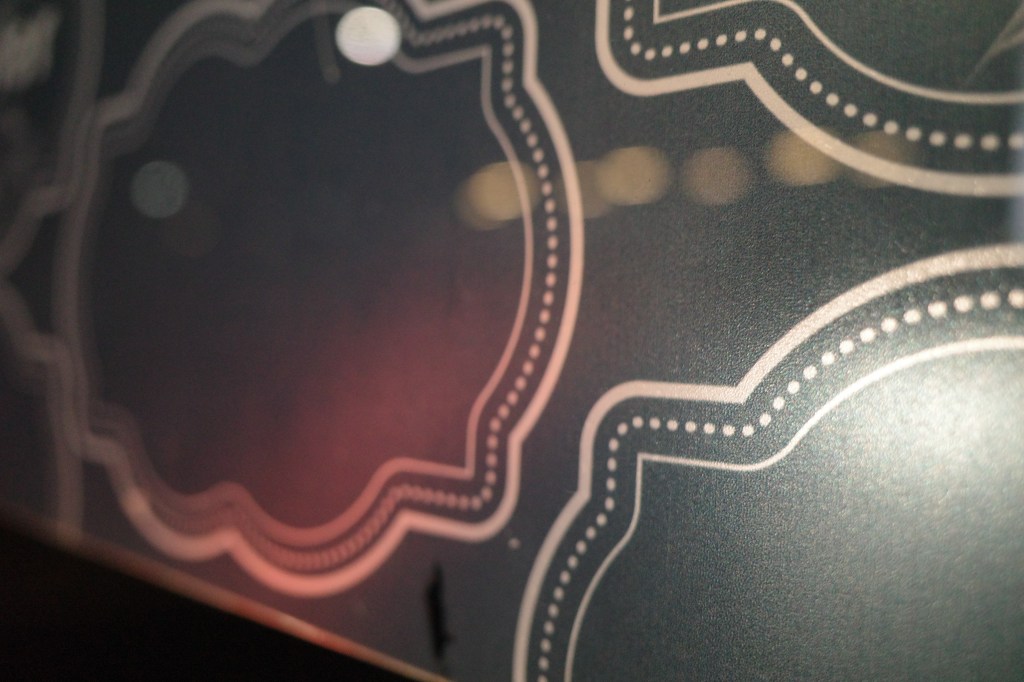
Right: Ricoh GR III . 18mm f2.8 @ f2.8 . 1/80″ . ISO 4000
There is a textured grip that helps to improve the handling of the camera, which does help my big hand to grip slightly better somehow. At 257 grams, it is a lightweight camera. Basically, it is not a burden to carry around.
Sensor and Processor


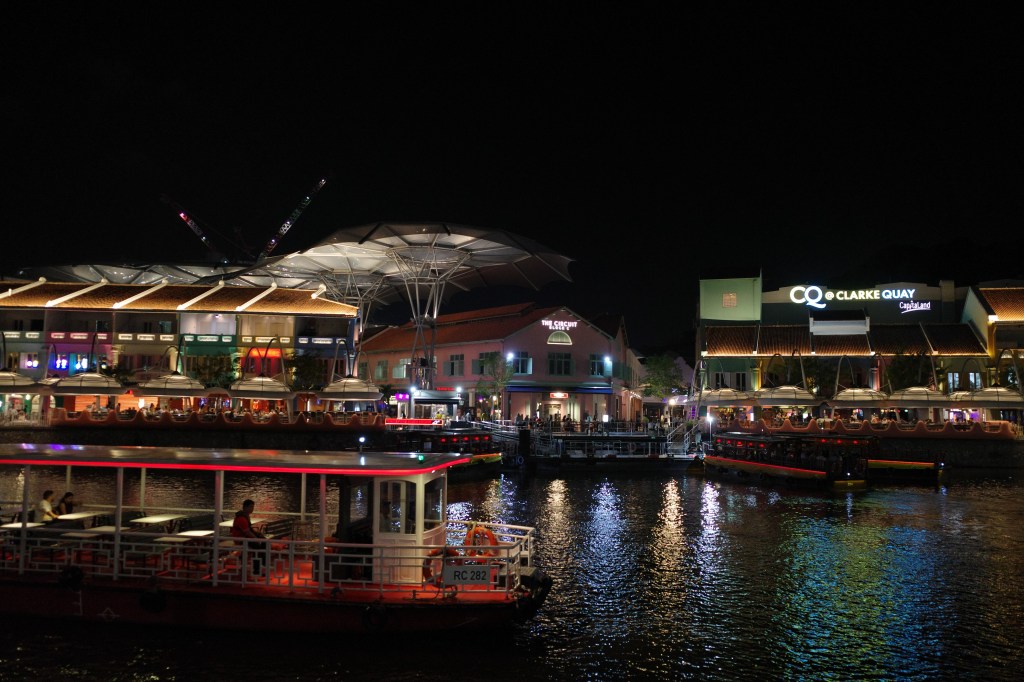
Right: Ricoh GR III . 18mm f2.8 @ f2.8 . 1/80″ . ISO 2000
The 24.2 megapixels together with the GR Engine 6 is what the core of this GR3 is. Is 24 megapixels sufficient? My answer is yes. Today, I am using Fuji X-T5, a 40-megapixel camera, and I am underutilized it. That’s because I hardly print and do cropping. Even my beloved Fuji X-T3 is more than sufficient megapixels for my printing needs. Hence, 24 megapixels is more than enough. This is my opinion.
Typically, I shoot Raw with Jpeg and the processor handles well with minimum lag. But it does hold up a little if I shoot in burst mode. For clarity, I am using Sandisk Extreme Pro.
Oh yes, the camera is capable of shooting at a maximum ISO of 102400.
Image Quality
The image quality is awesome. The 18mm (28mm in full frame equivalent) is decently sharp and has good contrast at wide-open. It also preserved a very good amount of details. This is something I am surprised about. Vignetting is pretty minimal and I cannot identify the chromatic aberration, it seems to be close to none.


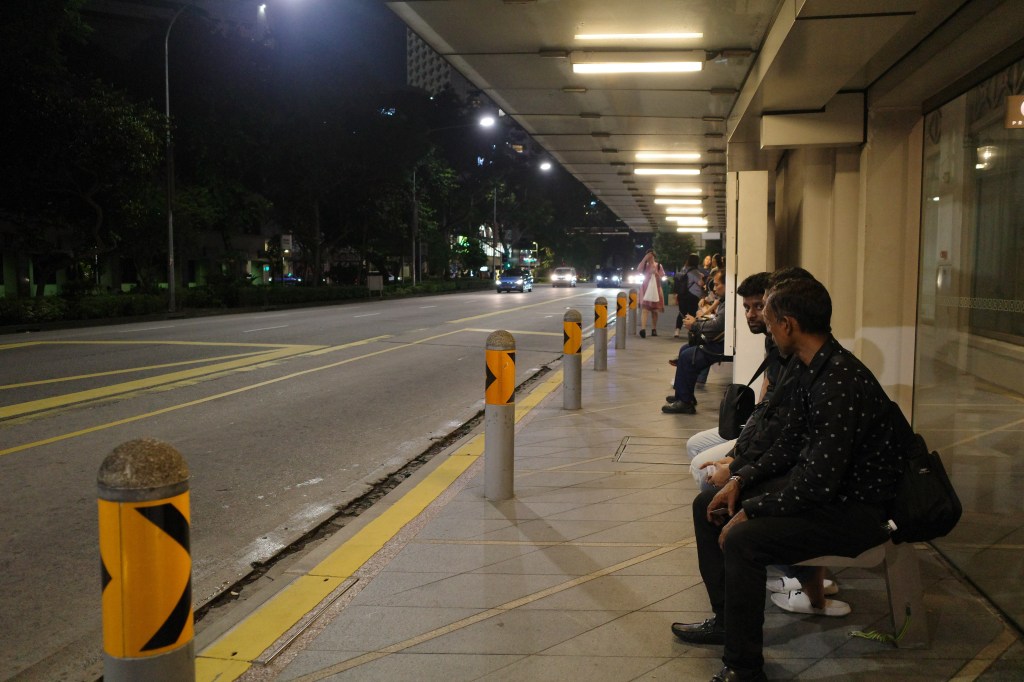
Right: Ricoh GR III . 18mm f2.8 @ f2.8 . 1/80″ . ISO 3200
The transition from focused subject to blurred background/foreground is okay. It is not the smoothest but not the most harsh that I have seen. No complaint here.
Performance
On an average day, the focusing speed is fine. Not blazing fast or unexpectedly slow. Just fine for a compact camera.



Right: Ricoh GR III . 18mm f2.8 @ f2.8 . 1/80″ . ISO 2000
But when it comes to low-light situations, focusing tends to be a little challenging. I get to see more push-pull focusing before it locks onto the subject successfully. if I remember correctly, I have encountered missed focus twice in my testing period.
There are some focus options like zone focus, pinpoint focus, snap focus mode, and Full Press Snap for the photographers to explore and find one that suits them the best.
IBIS
GR3 comes with Sensor-shift shake reduction which is capable of up to 4 stops. How does it perform in my real-world environment? The slowest shutter speed that I can achieve is 1/13 seconds. Anything slower cannot counter my shaky hand.



Right: Ricoh GR III . 18mm f2.8 @ f2.8 . 1/80″ . ISO 640
Battery Life
According to CIPA standards, it is tested to be approximately 200 shots. During my test, I have an average of 275 shots. For my usage behavior*, it seems to be not too far off from the CIPA standard.

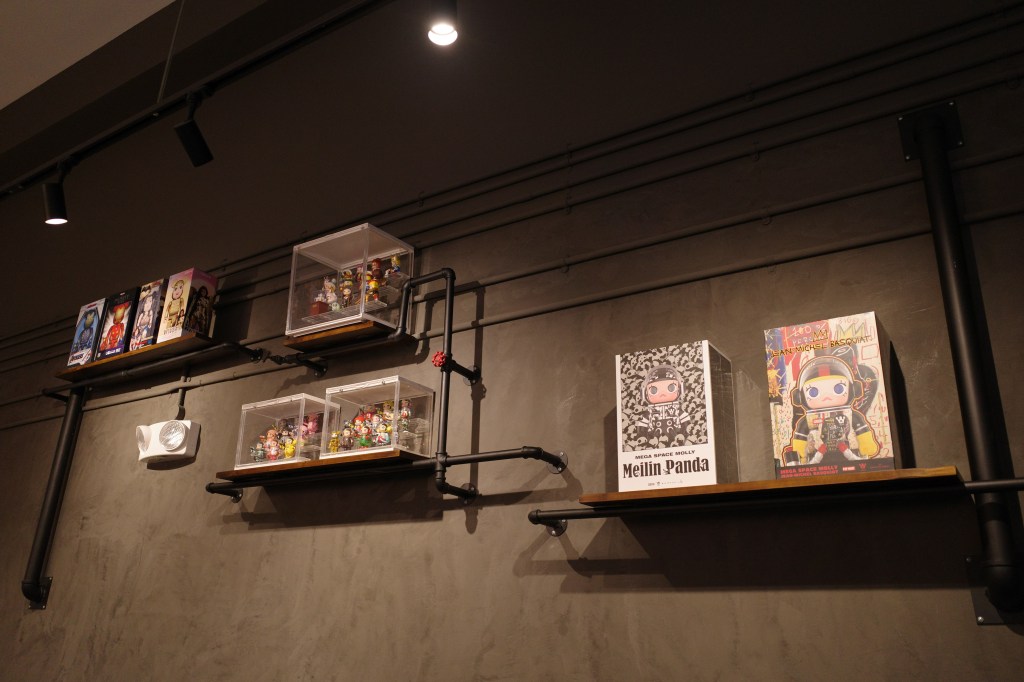

Right: Ricoh GR III . 18mm f2.8 @ f2.8 . 1/80″ . ISO 1250
*In most situations, I will power on the camera to shoot and power off when not in use.
Wishlist
All GR series have the standard 28mm focal length with an f2.8 and I hope one day this will change to have a brighter aperture value like f2. Just a hope.
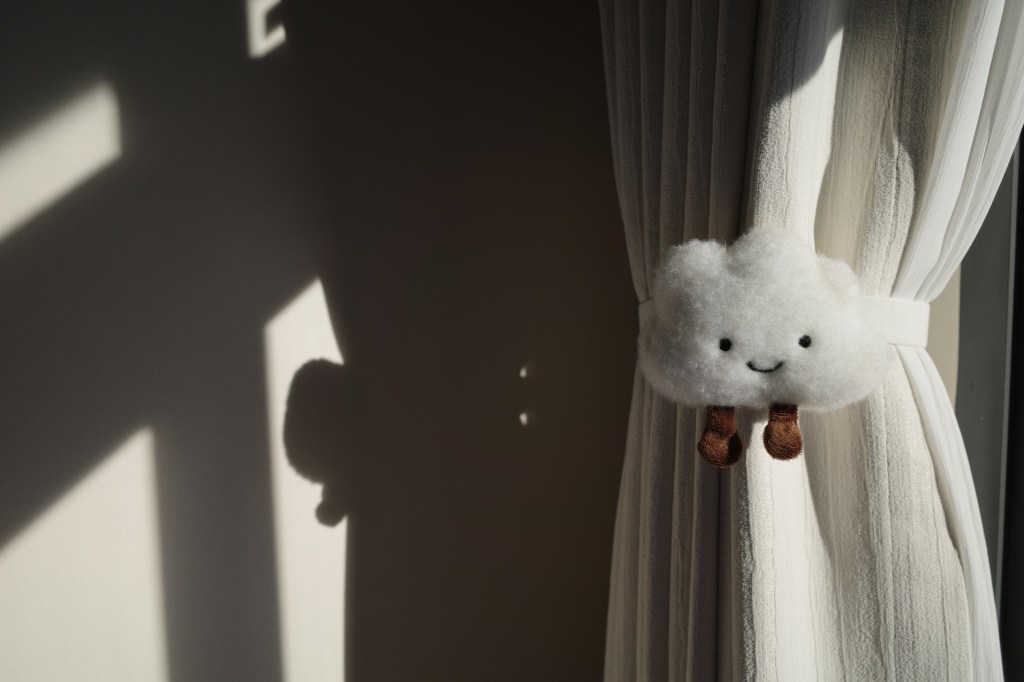
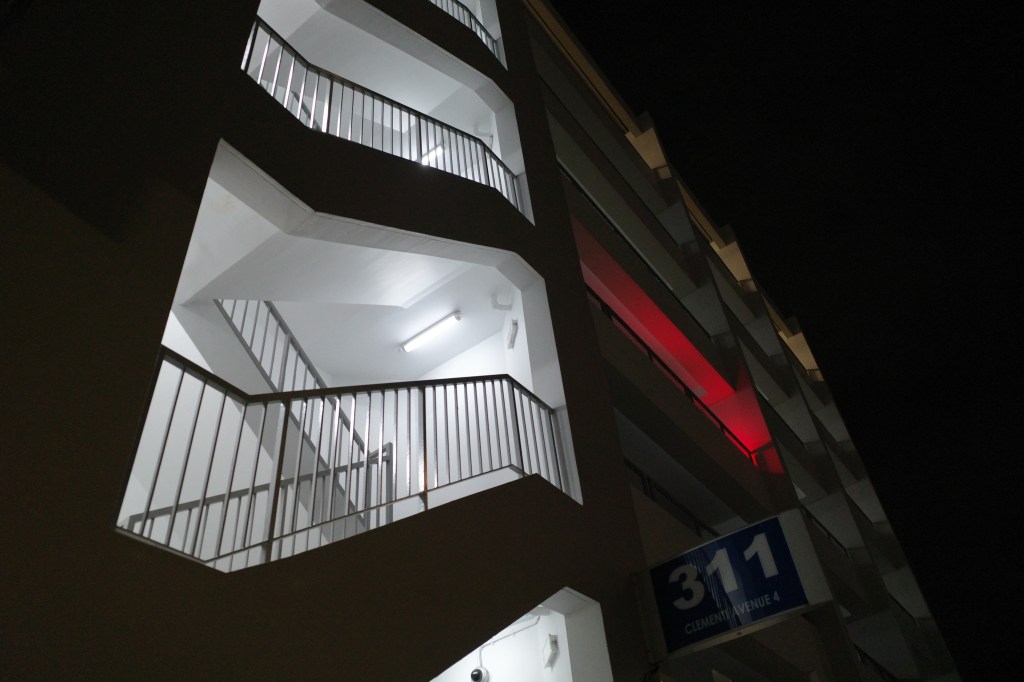

Right: Ricoh GR III . 18mm f2.8 @ f2.8 . 1/80″ . ISO 1250
Secondly, I think it might be too much to ask for an EVF, so I hope to have a flip screen like the X100V. A flip screen is helpful when I can shoot at waist level and it is a little challenging to do waist-level shots without one.
I think it is also more forgivable to compromise if the camera is slightly thicker but has a flip screen that flushes well with the camera body.
Price Point
966.95 USD price tag stated on the B&H website and I cannot say it is affordable but still cheaper than the X100V (yes, V, not VI). Of course, it is not an apple-to-apple comparison. For direct competition, the Fujifilm X70 was priced at 699.95 USD at launch but it was discontinued.
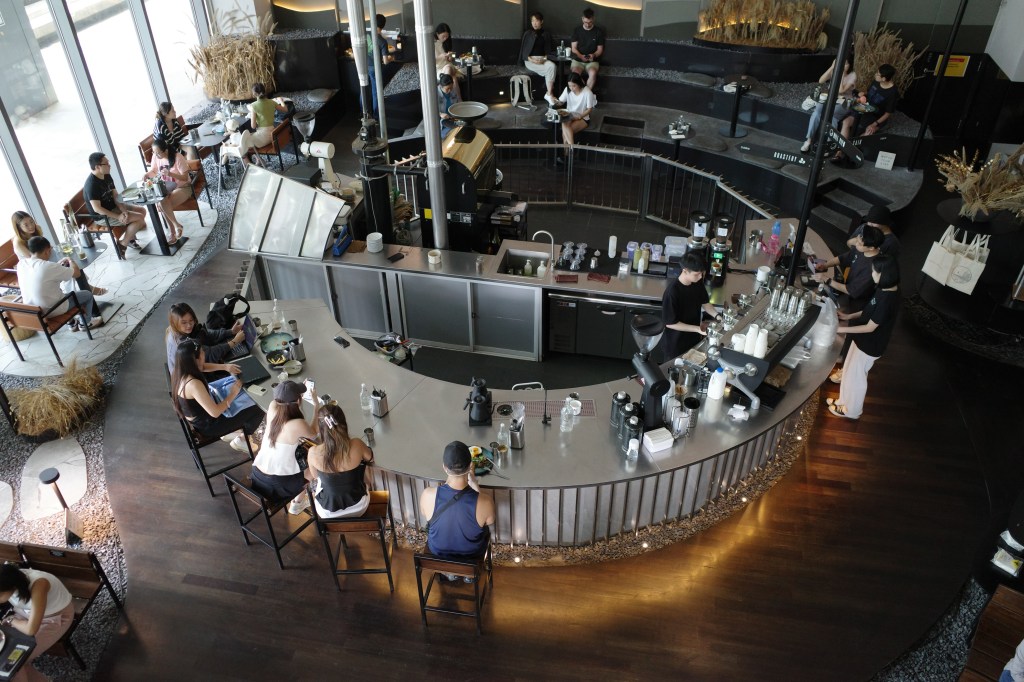


Right: Ricoh GR III . 18mm f2.8 @ f2.8 . 1/80″ . ISO 1250
Others
Like all modern cameras, the GR3 also comes with a USB-C port for charging too. What I like about this camera is that it has a lock button that prevents the photographer from accidentally changing the mode dial.

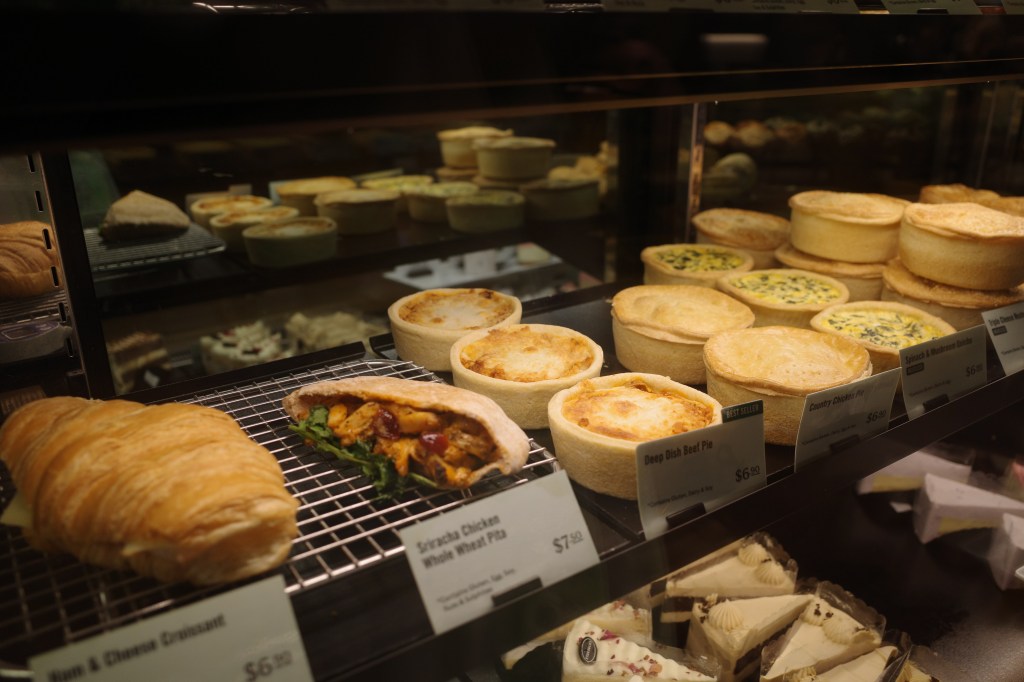

Right: Ricoh GR III . 18mm f2.8 @ f2.8 . 1/400″ . ISO 200
Unlike most cameras, it does come with a small 2GB internal storage which is capable to store an average of 31 shots consist of RAW plus Jpeg.
Lastly, it comes with built-in Neutral Density filter which is capable of providing two stops of exposures. It is very accessible and it comes in handy if one needs one.
Who is this for?
It’s a pocketable camera and it is suitable to be an “Every Day Camera” for any photographer. From casual photographers to professionals, it is a tool ready to capture the moments right from the pocket.


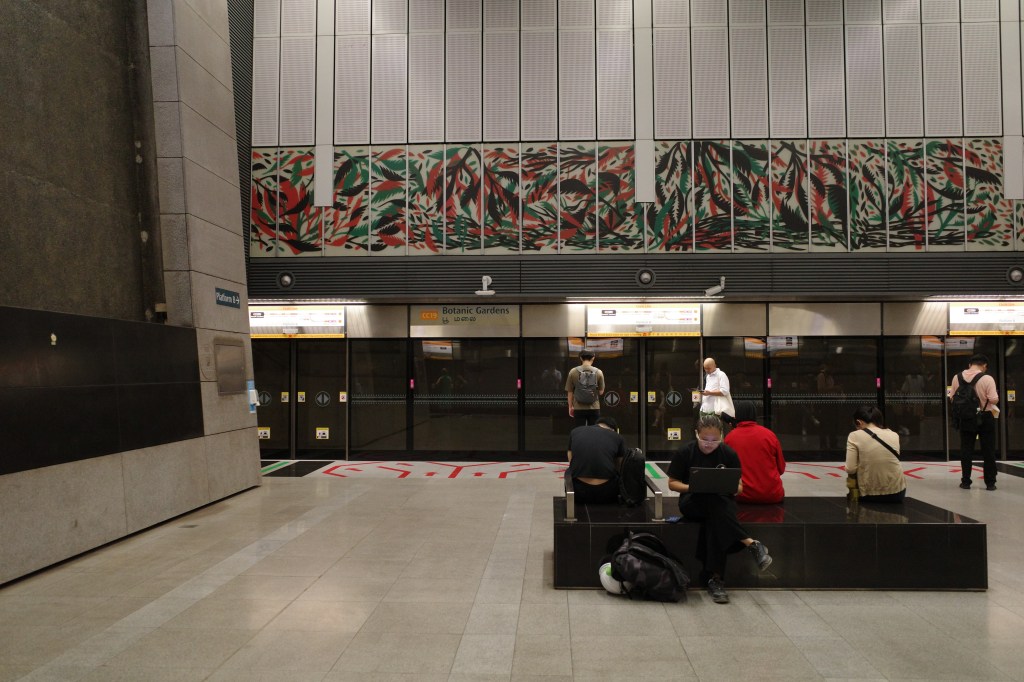
Right: Ricoh GR III . 18mm f2.8 @ f2.8 . 1/80″ . ISO 1600
Conclusion
In these few weeks of shooting with it, I love my experience with this camera. Although I do have some reservations about this camera like the autofocus system and f2.8 lens, I am okay with accepting it because it is so pocketable and it is already 5 years old. I still love my X100V because it still gives me a strong nostalgic vibe. Both cameras target different groups of photographers.


Right: Ricoh GR III . 18mm f2.8 @ f2.8 . 1/800″ . ISO 100
This experience allows me to understand why Fujifilm X70 photographers love their X70 a little bit more. It may not have the best autofocus system but it gives a very satisfying result. What it aims to be is a pocketable camera, making it easier for anyone to use and it did them right. Also, it is a very low-profile camera that is suitable for everyone to use for day-to-day causal street shoots, family gatherings, and many others.
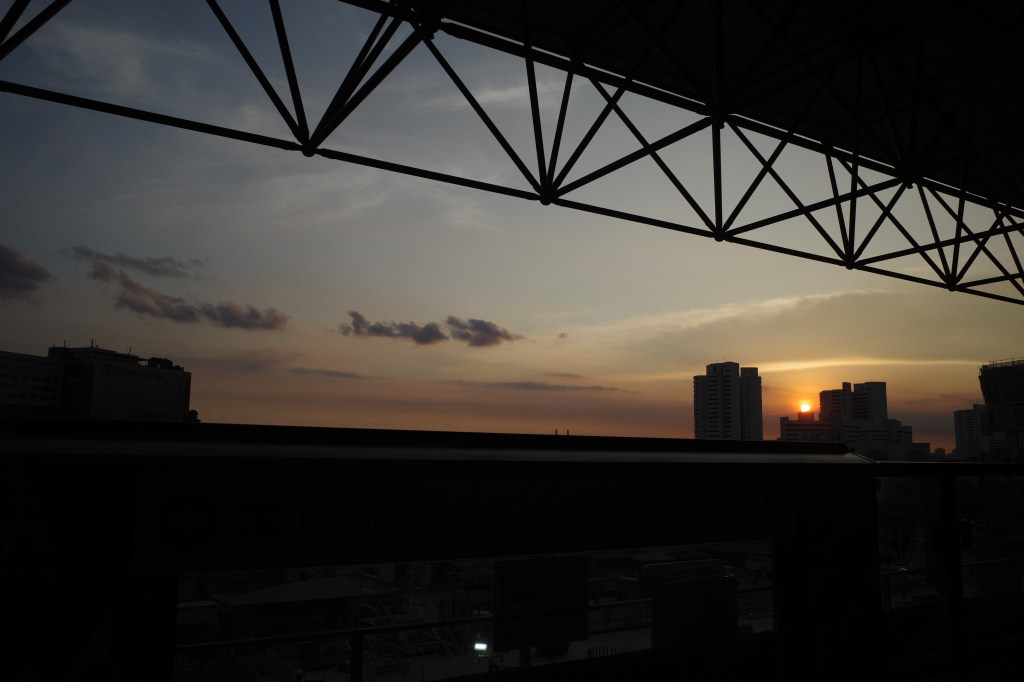
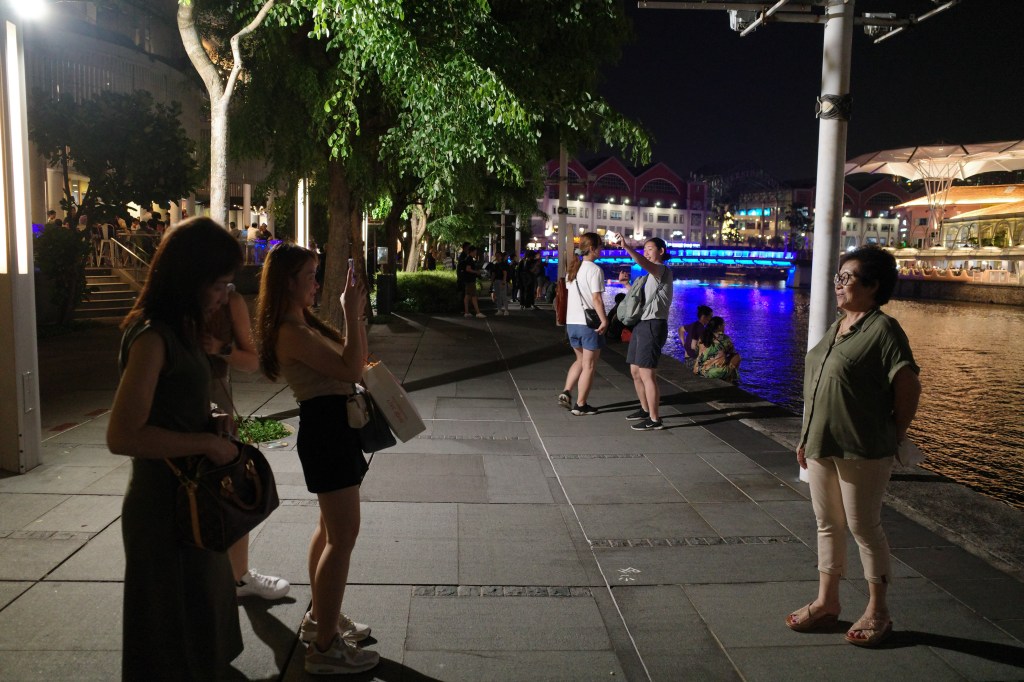

Right: Ricoh GR III . 18mm f2.8 @ f2.8 . 1/80″ . ISO 2000
Although the battery comes in a small capacity, I have had no issue using it for the past weeks. If battery is an issue for you, get one more extra. The battery is so small that I am sure it can be kept in your bag somewhere.
While no one knows when the successor of the GR3 will arrive, Ricoh has released a new updated GR3 and GR3x, the GR3 HDF and GR3x HDF. Anyway, I am looking forward to seeing good improvement in every aspect.
Thank you for reading.
Disclaimer:
1. All the shots taken here are shot by me.
2. Most of the shots are straight out of the camera with some shots edited via In-Camera Raw Processing.
3. The opinions are based on my experience. If there is any mistake, please kindly drop me a message and I will gladly make the amendment.
4. I reserve ownership of these images, if you wish to use my images, please notify me.
If you like my works, please follow me on either one of the 2 Instagram accounts:
https://www.instagram.com/alwinkok_
https://www.instagram.com/alwin.portraits
If you have a Facebook account, feel free to join Fujifanboys FB group.
If you like my content and you want to show some support and keep this blog alive, you can buy me a coffee here.
 Alwin Kok