
Reviews

GFX 50S II: A Taste of “More Than Full Frame”

Before I begin, I would like to thank Mr. Keitaro So, Divisional Head of Fujifilm for providing the loan for GFX 50S II, GF 45mm, GF 50mm, GF 80mm, and GF 32-64mm. The units were loaned from Fujifilm Asia Pacific and had returned back to them by the time of releasing this review.

GFX 50S II
GFX 50S II
GFX 50S II

Disclaimer:
1. All the shots taken here are shot by me.
2. Some of the shots
 are straight out of the camera while others are edited via In-Camera Raw Processing and Adobe Lightroom Classic.
3. I reserve ownership of these images, if you wish to use my images, please notify me.
4. I have posted my preview photos in my previous post. You can see it here.

In my own words
Allow me to start off with my conclusion to this review. GFX 50S II is set to be the cheapest medium format camera in the industry. Every camera does come with pros and cons and this camera sure has them too. Instead of making comments on why there is missing hardware or function in its gut, we have to really understand what really serves our needs, achieve our goal, and we have to ask ourselves if we can actually live with the cons.

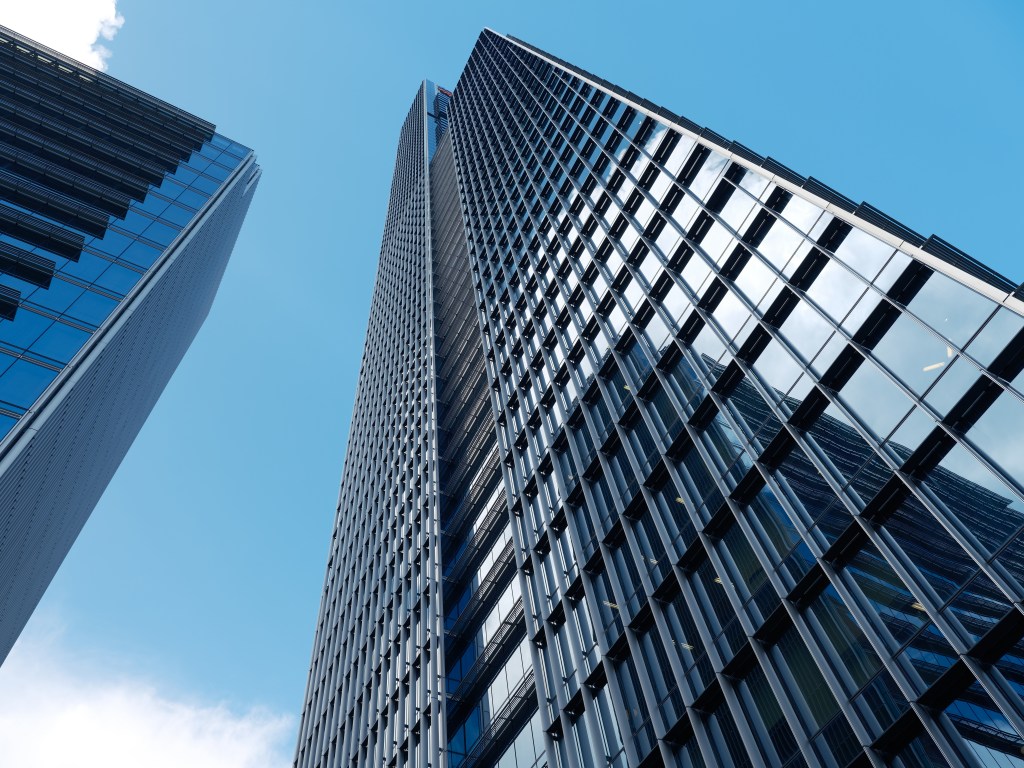
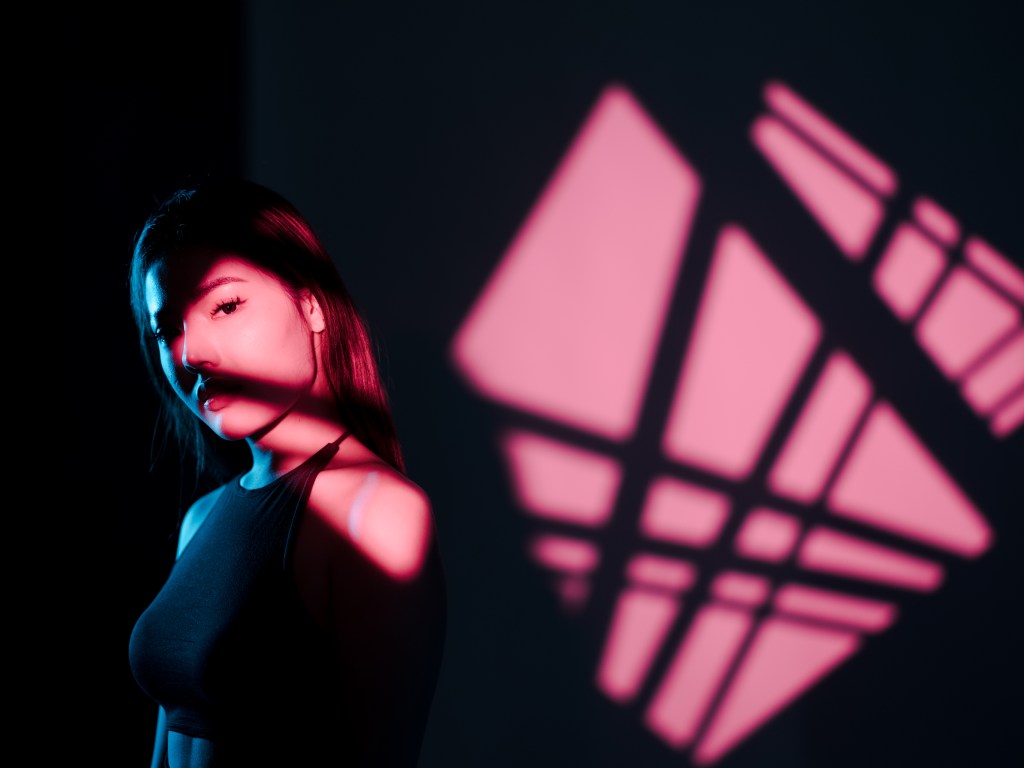
GFX 50S II . GF 32-64mm F4 @ 64mm . f8 . 1/105″ . ISO 100 . Nostalgic Neg
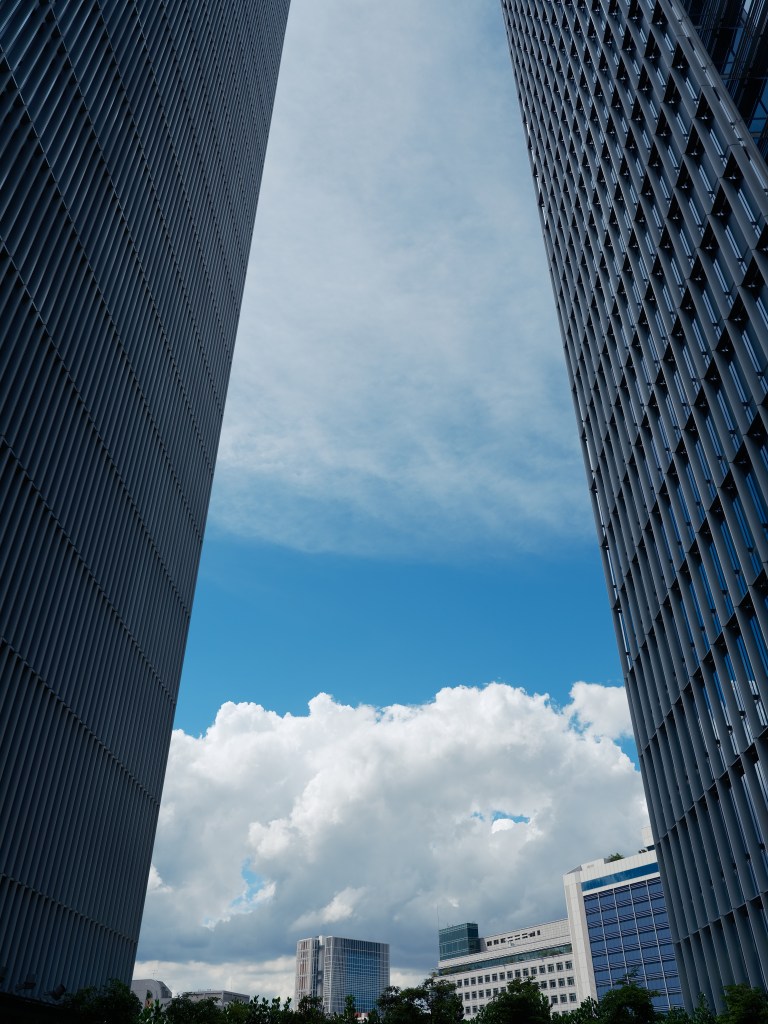
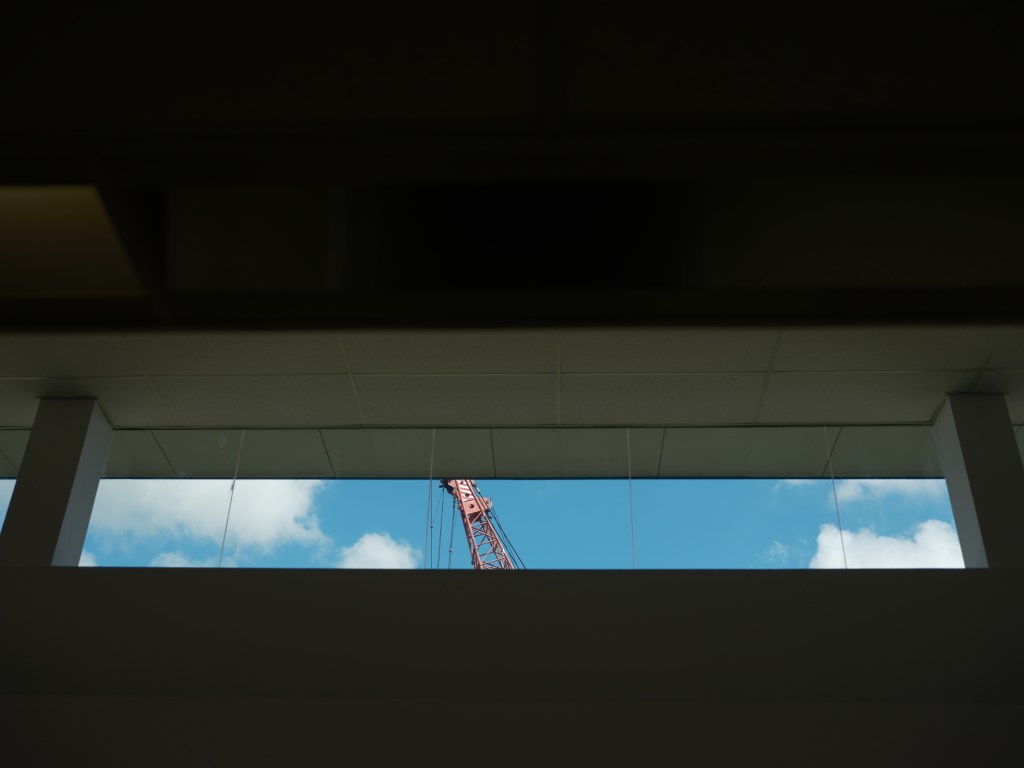
GFX 50S II . GF 45mm F2.8 @ 45mm . f2.8 . 1/80″ . ISO 2000 . Nostalgic Neg
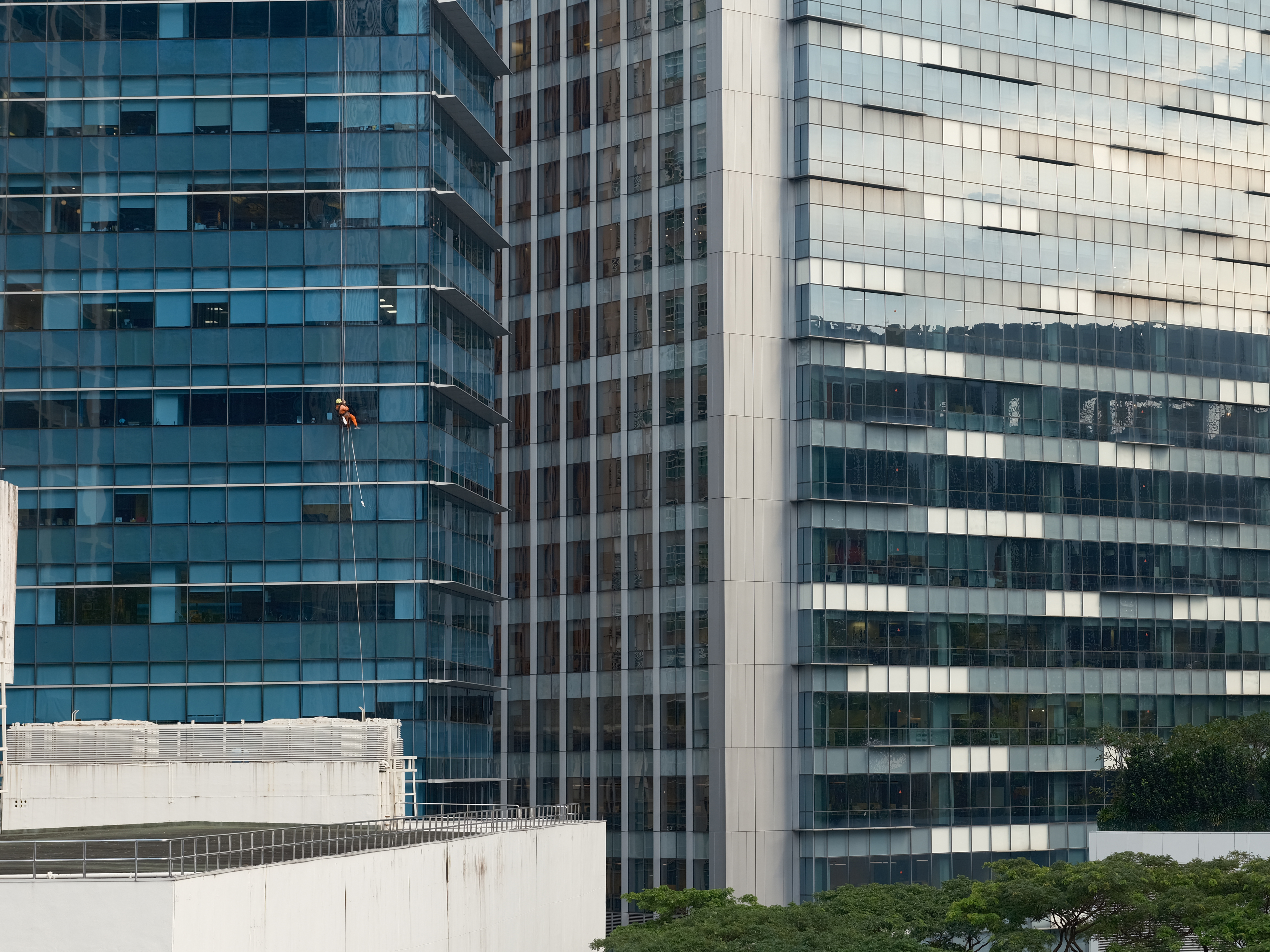

GFX 50S II . GF 32-64mm F4 @ 32mm . f8 . 1/105″ . ISO 200 . Nostalgic Neg
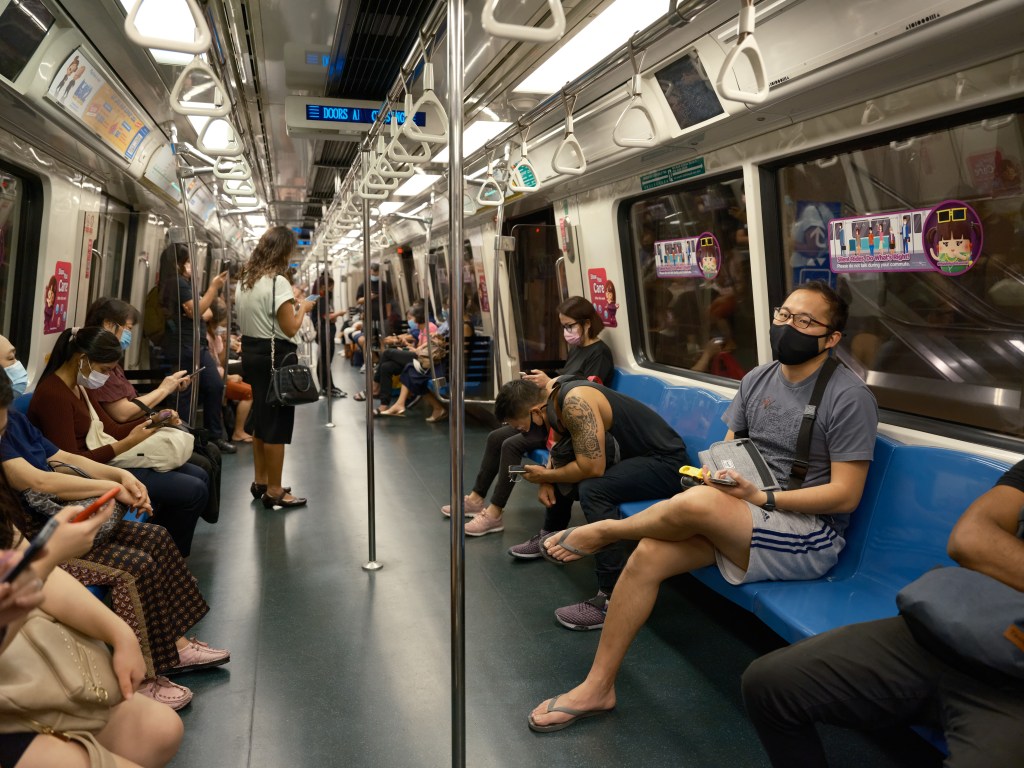
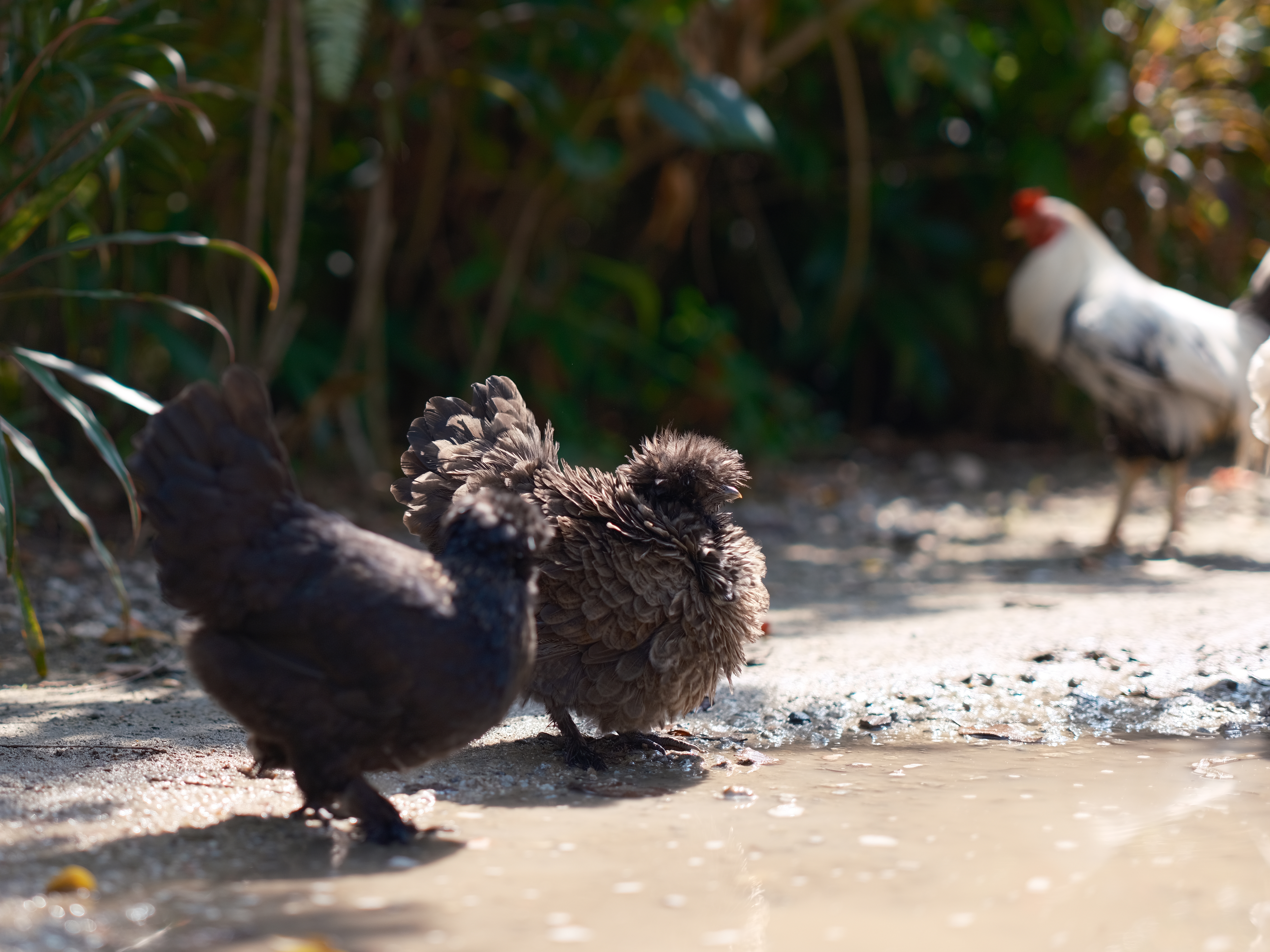
GFX 50S II . GF 32-64mm F4 @ 64mm . f4 . 1/1000″ . ISO 200 . Nostalgic Neg

I have had the opportunity to test out this beauty for merely 2 weeks. And in these 2 weeks of testing, I am flooded with stunning photos that this camera can give. This makes me believe that if you are someone who is looking for fantastic image quality but do not dare to tip your toe in the world of medium format because of the price, then this camera might be the one you are looking for. I am sure that you will be rewarded handsomely with the results from this medium format camera. If you are interested to find out why, please continue to read.

Left: GFX 50S II . GF 32-64mm F4 @ 64mm . f4 . 1/850″ . ISO 100 . Nostalgic Neg
Right: GFX 50S II . GF 32-64mm F4 @ 64mm . f4 . 1/1600″ . ISO 200 . Nostalgic Neg

Introduction

Remember that GFX 50R was once the cheapest medium format camera? Now it is GFX 50S II. Fujifilm promise of making affordable medium format cameras and they still keep their promise. This also means there they are also creating more opportunities for more photographers to have a taste of what it is like to have the “more than full frame” experience.
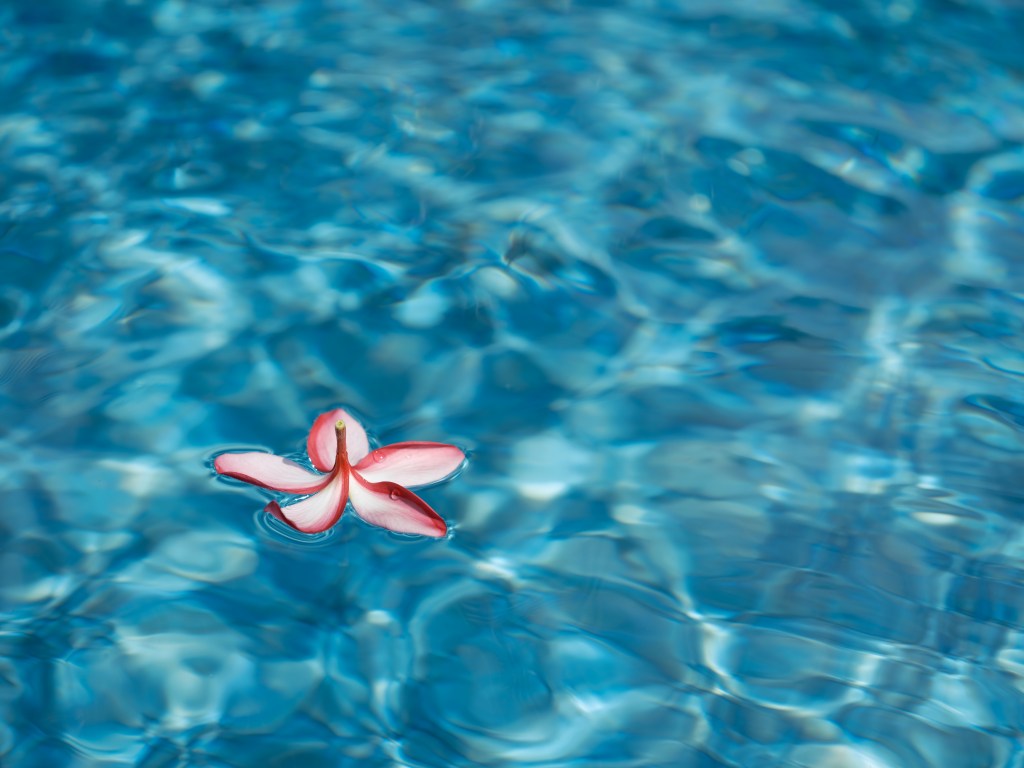
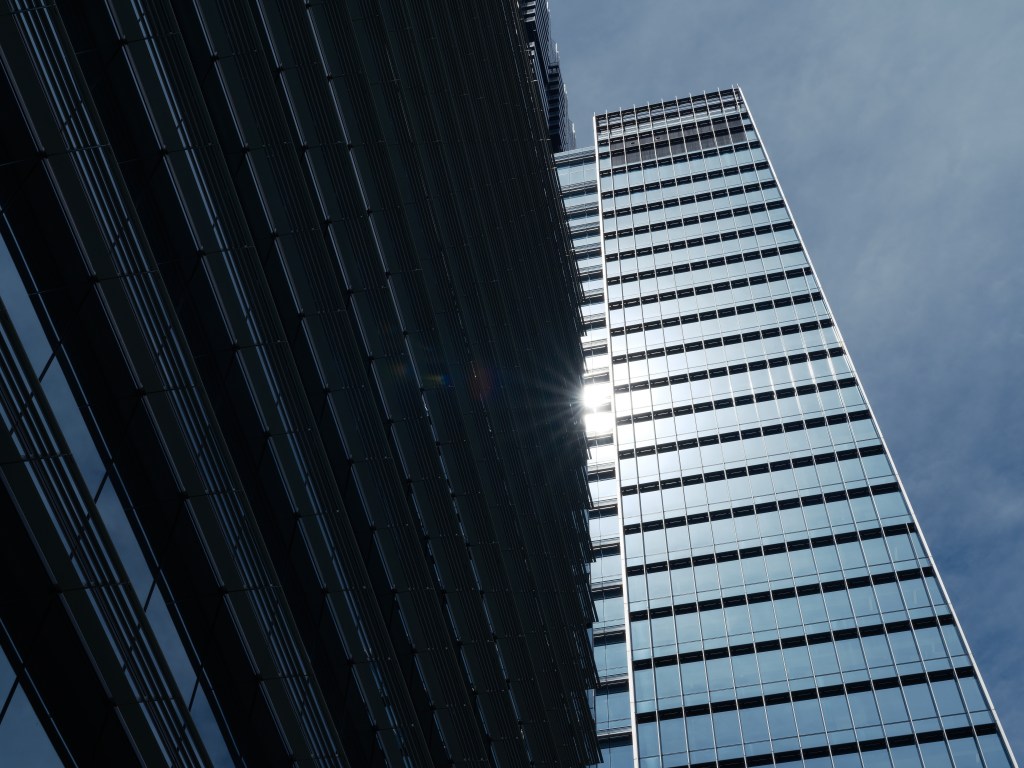
GFX 50S II . GF 32-64mm F4 @ 64mm . f4 . 1/1300″ . ISO 100 . Nostalgic Neg
GFX 50S II . GF 32-64mm F4 @ 64mm . f32 . 1/125″ . ISO 320 . Nostalgic Neg
GFX 50S II . GF 32-64mm F4 @ 32mm . f4 . 1/500″ . ISO 200 . Nostalgic Neg
GFX 50S II . GF 32-64mm F4 @ 64mm . f4 . 1/170″ . ISO 200 . Nostalgic Neg

In this review, I am sharing more of my personal experience and not much on the technical side of this camera.

Design

It is actually the same as the GFX 100S. Every single bit of it is identical to its brother except for one thing. There is a label on the left of the camera to indicate it is a GFX 50S II. I quite like the look of it and I am happy that Fujifilm has brought the same look to the 50S II too.

GFX 50S II . GF 50mm F3.5 @ 50mm . f3.5 . 1/30″ . ISO 3200 . Nostalgic Neg
GFX 50S II . GF 80mm F1.7 @ 80mm . f1.7 . 1/450″ . ISO 200 . Nostalgic Neg
GFX 50S II . GF 32-64mm F4 @ 32mm . f4 . 1/90″ . ISO 3200 . Nostalgic Neg
GFX 50S II . GF 50mm F3.5 @ 50mm . f3.5 . 1/1500″ . ISO 200 . Nostalgic Neg

Handling

The weight and the build of this camera assure you that you are holding professional and quality workhorse gear. Although it weighs 900 grams, it comes with a comfortable handgrip. The grip is deep enough to allow you to hold the camera well and confidently with one hand. To be honest, I think the grip is even better than the DSLRs I had previously.

The Shutter

This is probably one of the most enjoyable and satisfying mechanical shutters I have experienced so far. When I click the shutter, I can feel the gentle mechanic shutter feedback it gives and also a sense of assurance that I have clicked the shutter. The shutter sound is actually considerably silent and hardly anyone else notices it when I shoot with it.

GFX 50S II . GF 50mm F3.5 @ 50mm . f3.5 . 1/340″ . ISO 100 . Classic Chrome
GFX 50S II . GF 50mm F3.5 @ 50mm . f5.6 . 1/250″ . ISO 200 . Classic Chrome
GFX 50S II . GF 50mm F3.5 @ 50mm . f3.5 . 1/125″ . ISO 2500 . Classic Chrome
GFX 50S II . GF 50mm F3.5 @ 50mm . f5.6 . 1/125″ . ISO 400 . Classic Chrome

The Viewfinder & The LCD Screen

GFX 50S II is equipped with the 3.69M-dot OLED electronic viewfinder (EVF) with a magnification of 0.77x. Although it is not the best EVF I have tried, but it still gives me a comfortable viewing experience.

The LCD screen is my preferred kind of screen and this is one of the reasons why I do not upgrade my X-T3 to X-T4. I love and enjoy using this 3 ways tilted screen for my shooting. I am pleased that Fujifilm keeps this 3 ways tilted screen in their professional workhorse.
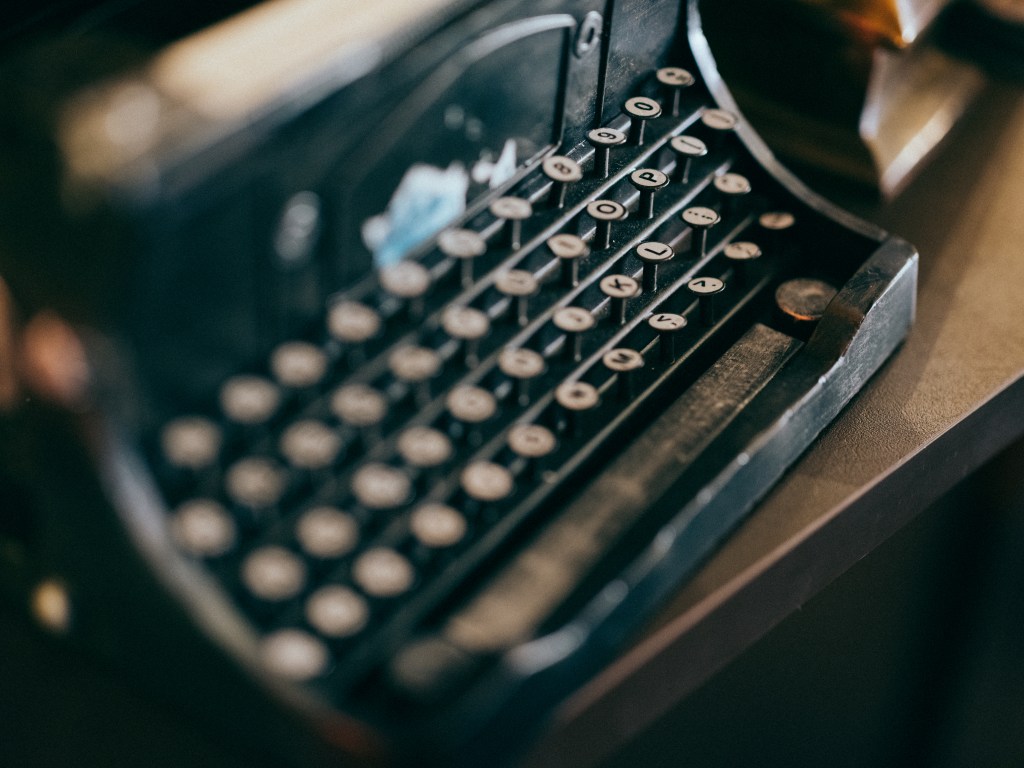
GFX 50S II . GF 80mm F1.7 @ 80mm . f1.7 . 1″ . ISO 3200 . Post-edited
GFX 50S II . GF 50mm F3.5 @ 50mm . f3.5 . 1/320″ . ISO 1250 . Classic Chrome
GFX 50S II . GF 50mm F3.5 @ 50mm . f3.5 . 1/125″ . ISO 320 . Nostalgic Neg

Image Quality

This is really where the medium format sensor shines gloriously. My words might be over-exaggerating but this is my way of expressing how awesome it is. The bokeh really falls off nicely and renders smoothly. To be honest, the image result is quite distinguishable from other image sensor sizes.
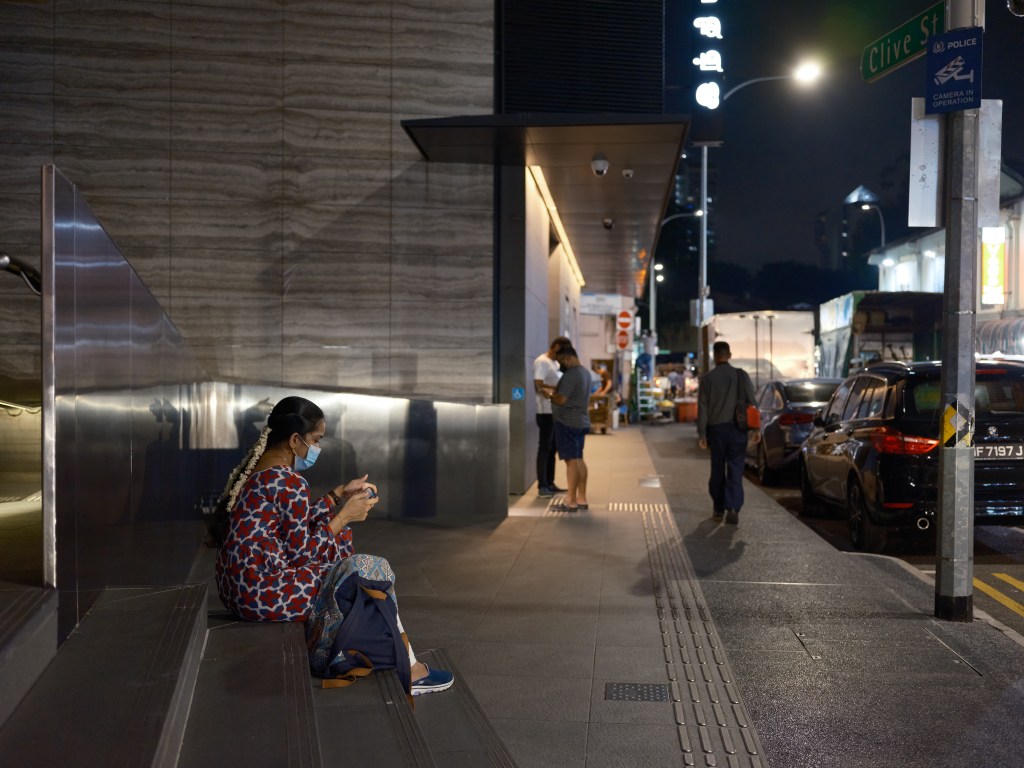
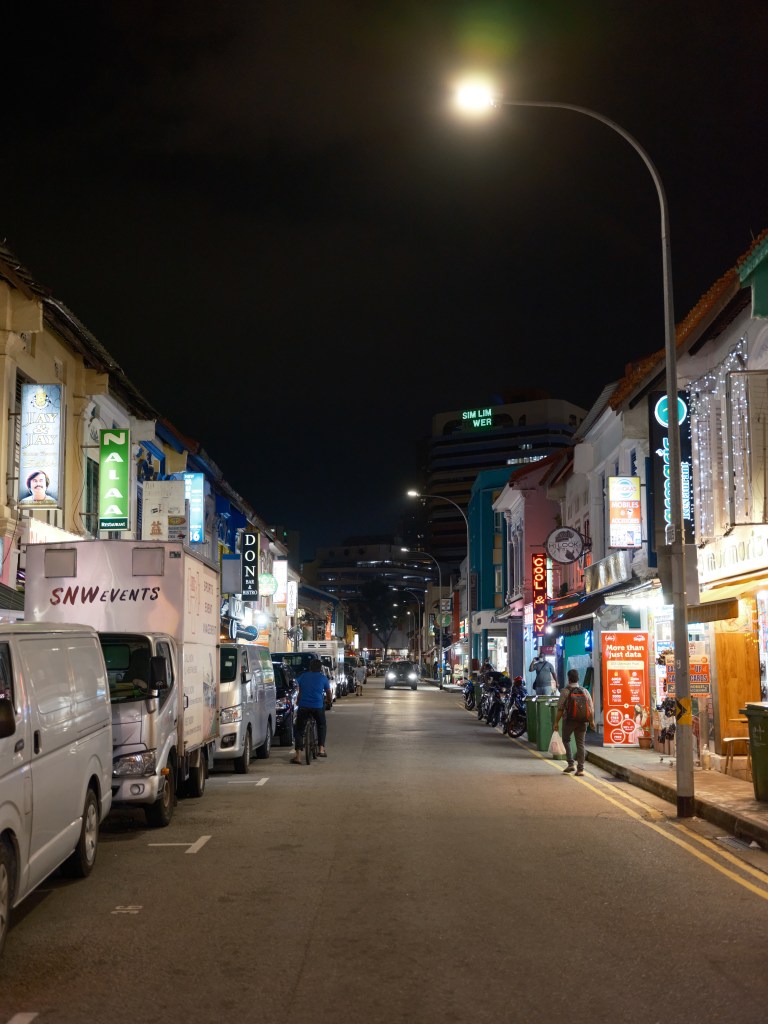
GFX 50S II . GF 50mm F3.5 @ 50mm . f3.5 . 1/42″ . ISO 3200 . Nostalgic Neg
GFX 50S II . GF 50mm F3.5 @ 50mm . f3.5 . 1/100″ . ISO 3200 . Nostalgic Neg

Unless my photos happen to be slanted a little, I am not a person who loves to crop my photos. Nonetheless, this camera has a whopping 51 megapixels for me to experience the fun of cropping without sacrificing the details. The photos will speak for themselves. Frankly, I am stunned by the cropped results.

GFX 50S II . GF 50mm F3.5 @ 50mm . f3.5 . 1/125″ . ISO 200 . Classic Chrome
GFX 50S II . GF 50mm F3.5 @ 50mm . f3.5 . 1/125″ . ISO 800 . Nostalgic Neg
GFX 50S II . GF 80mm F1.7 @ 80mm . f8 . 1/800″ . ISO 100 . Post-edited

Dynamic range is absolutely stunning and it can recover most of the data very well. Although the color might be off a little, I believe the professional should be able to recover the color back to the desired one easily.

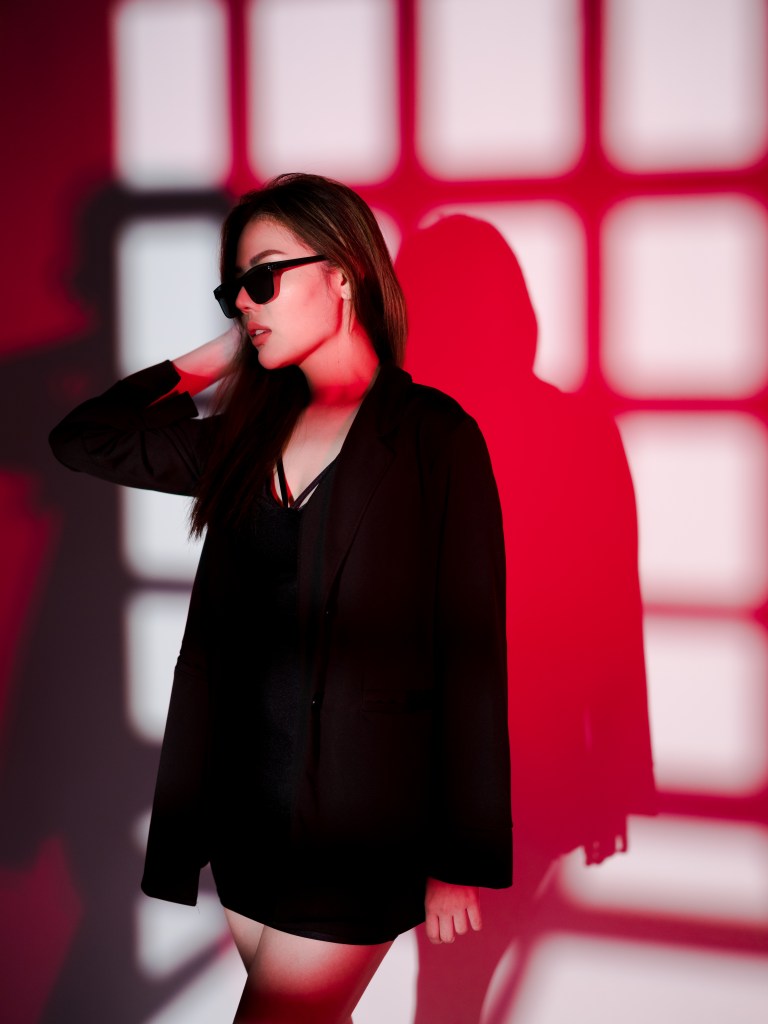
GFX 50S II . GF 80mm F1.7 @ 80mm . f1.7 . 1/100″ . ISO 1000 . Post-edited
GFX 50S II . GF 80mm F1.7 @ 80mm . f1.7 . 1/110″ . ISO 640 . Post-edited
GFX 50S II . GF 80mm F1.7 @ 80mm . f1.7 . 1/80″ . ISO 500 . Post-edited
GFX 50S II . GF 80mm F1.7 @ 80mm . f1.7 . 1/340″ . ISO 640 . Post-edited

Performance

Unlike the other medium format cameras I have played before, the focusing speed on this camera is incredibly fast and I have also experienced less hunting too. I think it has to do with the X-Processor 4 in its gut because I can hardly tell that I am shooting with a medium format camera.

But on a side note, I do experience somewhat slow focusing speed with the GF 80mm, probably unlike the other lenses, it lacks the Linear Motor (LM).

GFX 50S II . GF 50mm F3.5 @ 50mm . f4 . 1/150″ . ISO 100 . Nostalgic Neg
GFX 50S II . GF 50mm F3.5 @ 50mm . f3.5 . 1/27″ . ISO 3200 . Nostalgic Neg
GFX 50S II . GF 50mm F3.5 @ 50mm . f4 . 1/340″ . ISO 125 . Nostalgic Neg

When I first learned about the 50S II will be using the 4 years old 50S sensor (based on the year it went on sales), I give my disappointment. But on second thought, given that it is the cheapest medium format camera, the manufacturer has to reduce their cost somewhere. However, after using this camera, I dismiss my misconception that this sensor is “old” and “unusable”. Instead, this sensor still stays strong for at least another 5 to 10 years.
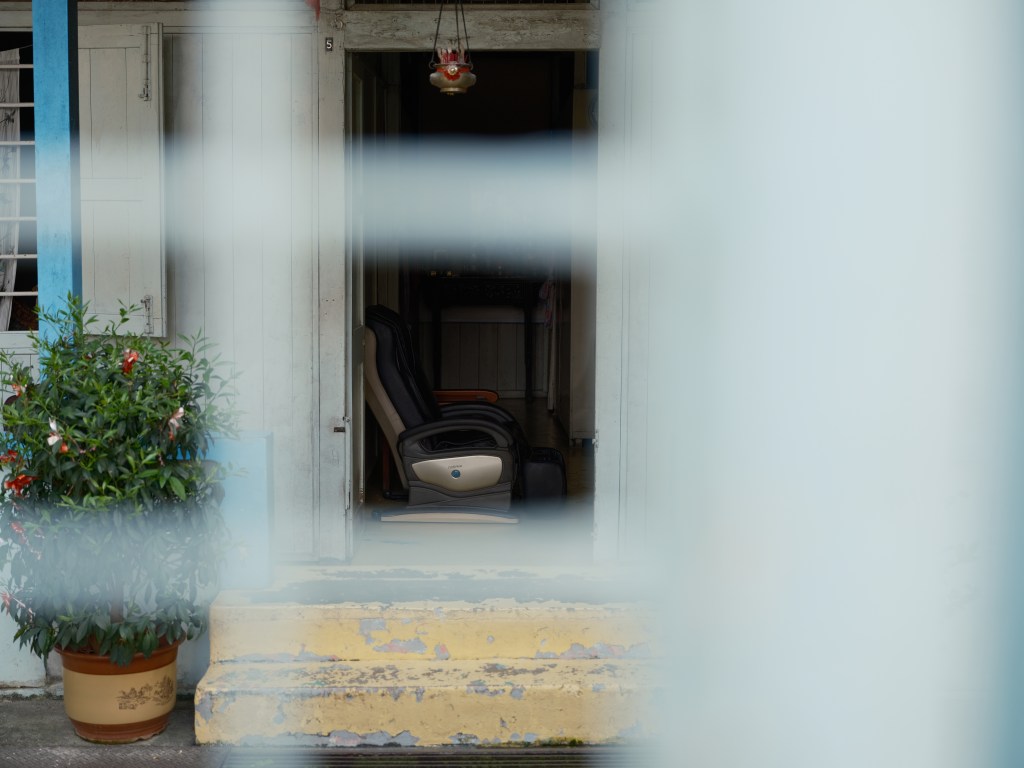
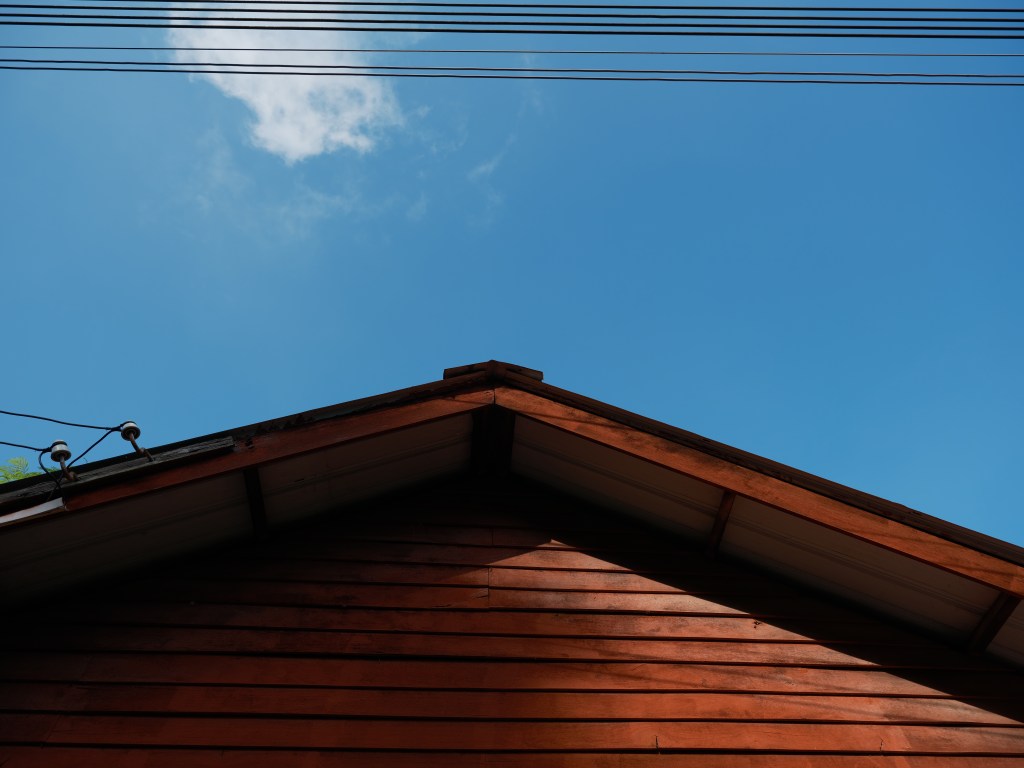
GFX 50S II . GF 32-64mm F4 @ 64mm . f4 . 1/125″ . ISO 320 . Nostalgic Neg
GFX 50S II . GF 32-64mm F4 @ 32mm . f5.6 . 1/200″ . ISO 200 . Nostalgic Neg
GFX 50S II . GF 80mm F1.7 @ 80mm . f1.7 . 1/4700″ . ISO 200 . Nostalgic Neg
GFX 50S II . GF 80mm F1.7 @ 80mm . f1.7 . 1/1300″ . ISO 200 . Nostalgic Neg

Since the 50S II uses the original 50S sensor, this also means that it comes with contrast detection only. Hence, it is missing the hybrid system with phase detection technology that most of the modern mirrorless camera has. Despite lacking phase detection, Fujifilm has actually reworked the algorithm and together with the new processing engine to improve the photographer’s overall shooting experience. In other words, the shooting experience is far better for 50S II than the 50S. In short, I have no problem shooting in most of the scenarios in my testing period.

IBIS

On paper, 50S II offers an incredible 6.5 stops of compensation. How does it translate into real-world usage? A successful 1-second handheld shot. Of course, it comes with a few tries before I manage to get a decent shot. This pretty much has become an achievement for me.
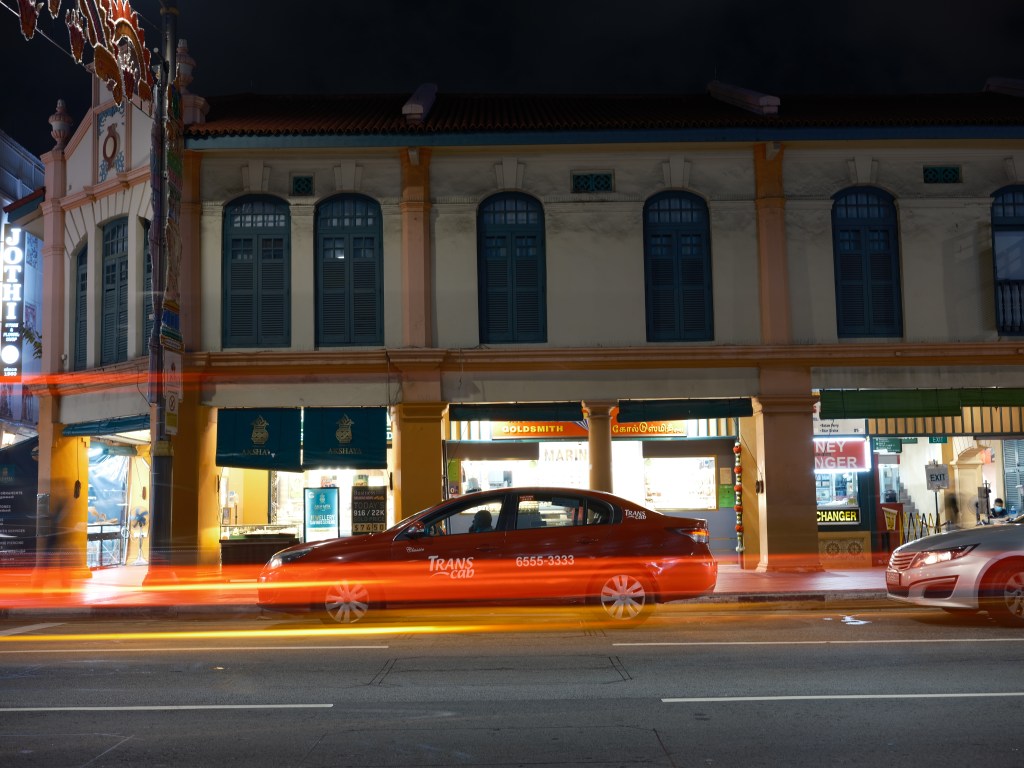
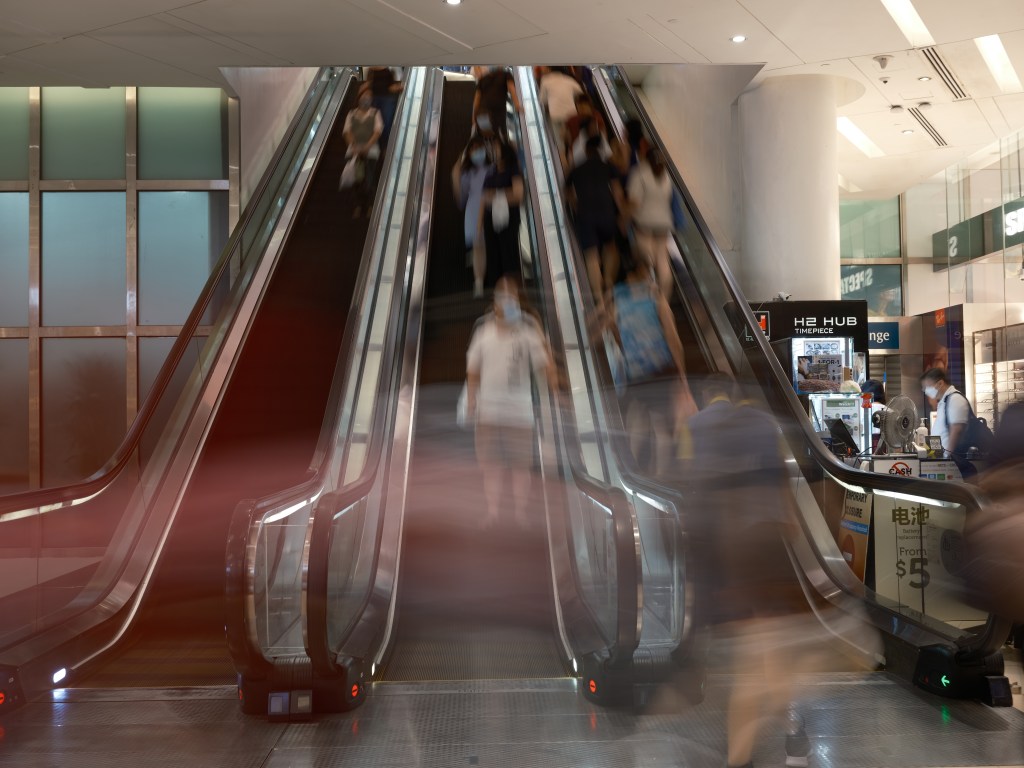
GFX 50S II . GF 50mm F3.5 @ 50mm . f6.4 . 1″ . ISO 100 . Nostalgic Neg
GFX 50S II . GF 50mm F3.5 @ 50mm . f9 . 0.8″ . ISO 100 . Classic Chrome

Feedback

Actually, I am struggling to say this but I do miss the retro dials that Fujifilm has in most of their X system cameras but they replace the dials with the top-panel status LCD. I am not saying it is bad because both of them serve their purposes well with useful information for individuals. But it is just me that I love those retro dials and I am going to miss them if I ever own one.

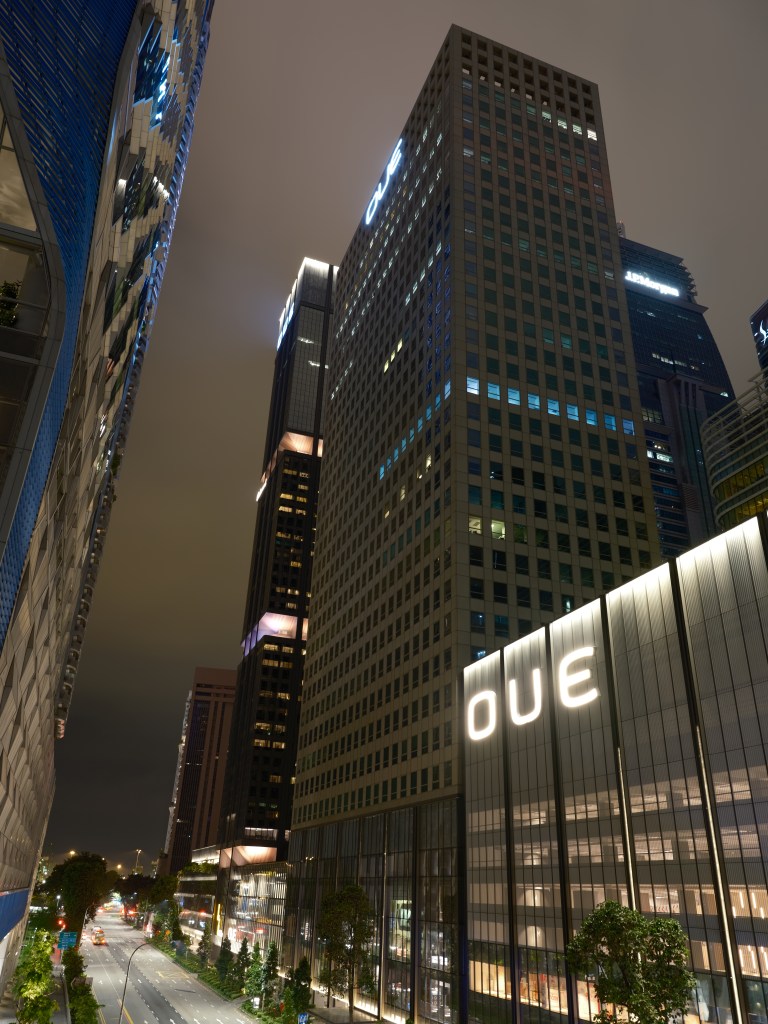
GFX 50S II . GF 45mm F2.8 @ 45mm . f5.6 . 1/900″ . ISO 200 . Nostalgic Neg
GFX 50S II . GF 32-64mm F4 @ 32mm . f8 . 14″ . ISO 100 . Nostalgic Neg
GFX 50S II . GF 45mm F2.8 @ 45mm . f11 . 1/280″ . ISO 100 . Nostalgic Neg

When I need to use the exposure compensation function, I need to press the exposure compensation button together with the rear command dial. This is different from the X-system I am using, where I can assign the exposure compensation function to the front command dial and use it straight away. It is a personal preference and personal habit and I hope that Fujifilm can allow users to have straight away access to the exposure compensation.

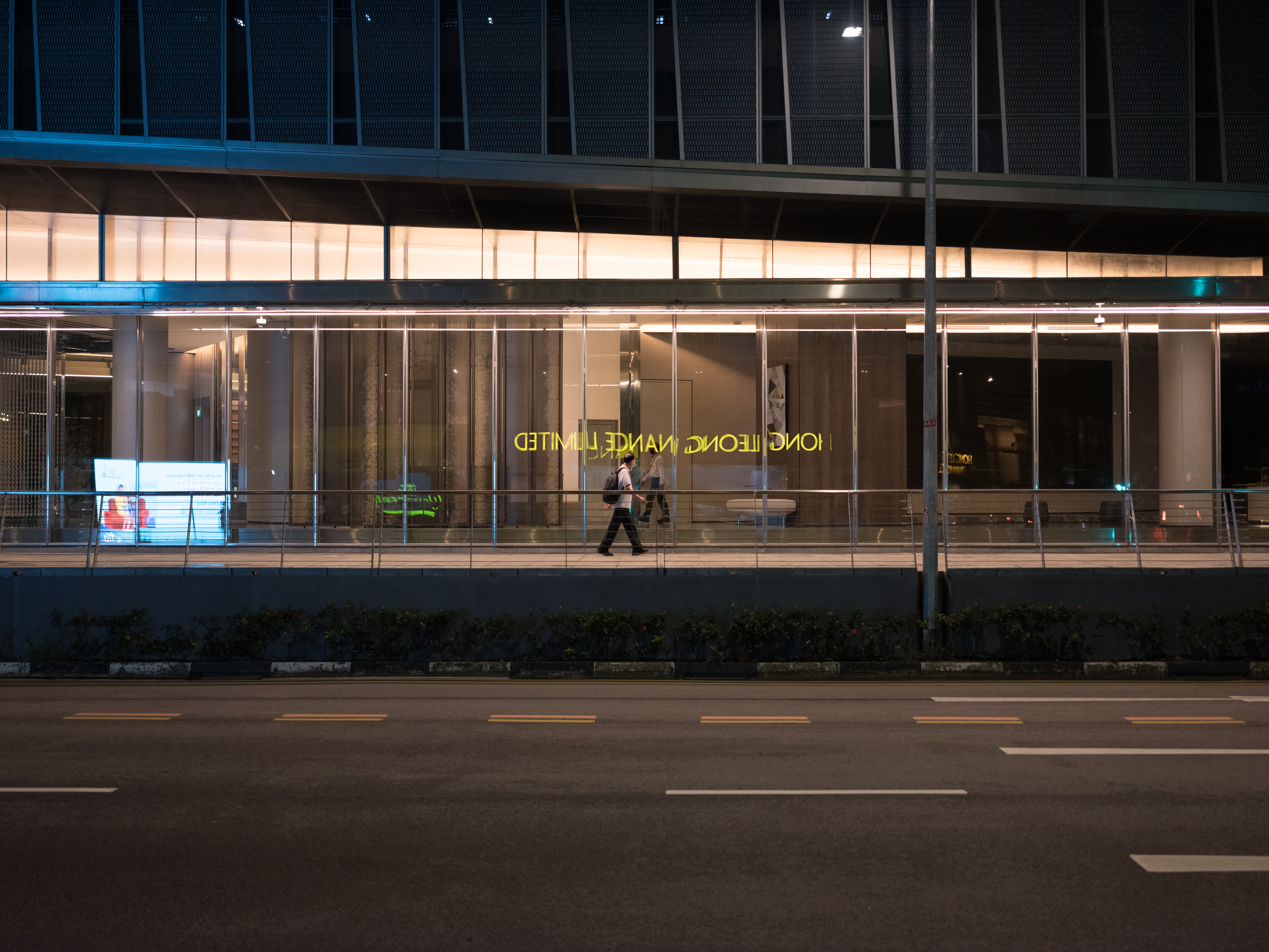
GFX 50S II . GF 45mm F2.8 @ 45mm . f2.8. 1/100″ . ISO 3200 . Nostalgic Neg
GFX 50S II . GF 45mm F2.8 @ 45mm . f5.6 . 1/125″ . ISO 2000 . Nostalgic Neg

GFX 50S II . GF 80mm F1.7 @ 80mm . f1.7 . 1/340″ . ISO 200 . Nostalgic Neg
GFX 50S II . GF 80mm F1.7 @ 80mm . f2 . 1/125″ . ISO 1250 . Nostalgic Neg

Who is this for?

If you are thinking to purchase a full-frame camera but does not rely on fast burst rate for your shoot, you may consider this powerhouse in your next purchase. This camera is suitable for photographers who are looking to advance their image quality to the next level. Whether you are a landscape photographer, portrait photographer, documentary photographer, or travel photographer, by pairing with some decent GF lenses, I believe you can harness the power of GFX 50S II and enjoy every single moment of it.


GFX 50S II . GF 80mm F1.7 @ 80mm . f1.7 . 1/125″ . ISO 2500 . Post-edited
GFX 50S II . GF 80mm F1.7 @ 80mm . f1.7 . 1/120″ . ISO 3200 . Post-edited
GFX 50S II . GF 45mm F2.8 @ 80mm . f2.8 . 1/125″ . ISO 2500 . Post-edited
GFX 50S II . GF 80mm F1.7 @ 80mm . f1.7 . 1/125″ . ISO 1250 . Post-edited
GFX 50S II . GF 80mm F1.7 @ 80mm . f1.7 . 1/160″ . ISO 800 . Post-edited

If you are a commercial photographer, I believe you know what you need to deliver your jobs. So I leave it to you to decide.

Thank you for reading.

If you like my works, please follows me on either one of the 2 Instagram accounts:

https://www.instagram.com/alwinkok_

https://www.instagram.com/alwin.portraits

street

The First Photowalk Since CB Phase 2 (HA)

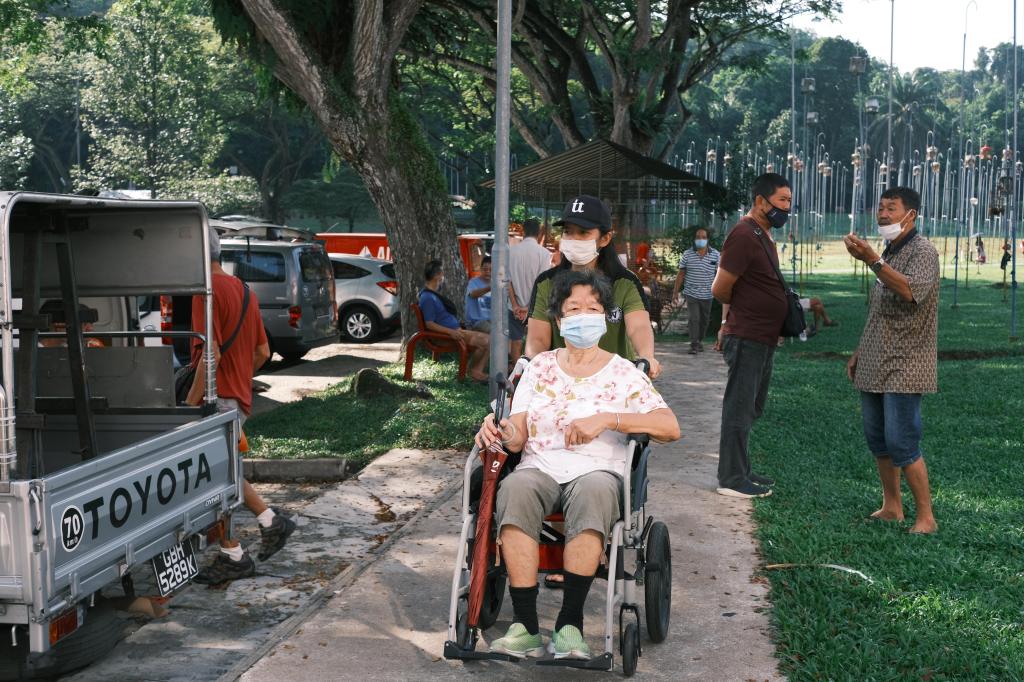
Circuit Breaker Phase 2 (Heightened Alert) started on 16 May 2021 and lasted for a month. As we are now moving into Phase 2 of re-opening, we started out with a small group of gangs for a small photowalk in the morning at the Kebun Baru Birdsinging club and the neighbourhood around it.

I also take this opportunity to play with my XF27mm WR lens, XF 70-300mm with an X-Pro3. I have to thanks my neighbor (Mr. Ivan Loh) for lending me this wonderful and sexy camera body.

Fuji X-Pro 3 . Fuji 27mm F2.8 R WR @27mm . f2.8 . 1/320” . ISO 160 . Classic Negative
Fuji X-Pro 3 . Fuji 27mm F2.8 R WR @27mm . f2.8 . 1/280” . ISO 160 . Classic Negative
Fuji X-Pro 3 . Fuji 27mm F2.8 R WR @27mm . f2.8 . 1/300” . ISO 160 . Classic Negative

A new friend who is using Olympus at the moment. Planning to jump over to Fujifilm.

Fuji X-Pro 3 . Fuji 27mm F2.8 R WR @27mm . f5 . 1/2400” . ISO 160 . Classic Negative
Fuji X-Pro 3 . Fuji 70-300mm F4 R LM OIS WR @240mm . f5.6 . 1/200” . ISO 1250 . Classic Negative
Fuji X-Pro 3 . Fuji 70-300mm F4 R LM OIS WR @300mm . f5.6 . 1/200” . ISO 640 . Classic Negative
Fuji X-Pro 3 . Fuji 27mm F2.8 R WR @27mm . f2.8 . 1/320” . ISO 160 . Classic Negative

Manage to have 2 starbursts. Can you see it?

Fuji X-Pro 3 . Fuji 27mm F2.8 R WR @27mm . f8 . 1/640” . ISO 160 . Classic Negative
Fuji X-Pro 3 . Fuji 27mm F2.8 R WR @27mm . f5 . 1/420” . ISO 160 . Classic Negative

The usual you shoot him, I shoot you shot.

Fuji X-Pro 3 . Fuji 70-300mm F4 R LM OIS WR @278mm . f5.6 . 1/200” . ISO 320 . Classic Negative

Fuji X-Pro 3 . Fuji 27mm F2.8 R WR @27mm . f5 . 1/350” . ISO 160 . Classic Negative
Fuji X-Pro 3 . Fuji 27mm F2.8 R WR @27mm . f5 . 1/1400” . ISO 160 . Classic Negative
Fuji X-Pro 3 . Fuji 27mm F2.8 R WR @27mm . f5.6 . 1/200” . ISO 160 . Classic Negative
Fuji X-Pro 3 . Fuji 27mm F2.8 R WR @27mm . f5.6 . 1/1700” . ISO 160 . Classic Negative

Thank you for viewing.

For more of my photos, do follow me below:
https://www.instagram.com/alwinkok_
https://www.instagram.com/alwin.portraits

Disclaimer:
1. All the shots taken here were shot by me.
2. I reserve ownerships to these images
, if you wish to use my images for whatever reasons, please notify me and we can see how to works thing out.

Uncategorized

Budget & Camera

Lenses

Buying camera is never an easy task to being with. Of course, if budget is not an issue, you can purchase what you want off the shelf from the store immediately. But there are still a group of people who are more cautious about money spending, especially for the young one, be it a student or a young workforce.

Continue from my previous post, my friend had replied to me he want to use it for mainly for travel and causal family and friend shoot during weekends when there is a gathering or two. So he also further asked me to help him to recommend him what camera, lenses and accessories he should prioritize within the given budget with his usage. He So after understanding what he wants, I had work out some camera models & lenses from various brands and accessories. Over here, it’s all about Fujifilm. So I shared with you what I had shared with him.

With a budget of SGD2000, I have a few models for him to try out. These are based on suggested retail prices, street price should be slightly cheaper. (Due to Circuit Breaker, I am not able to get the street price.)

  1. X-T30 with XC 15-45mm (SGD 1549) + XC 35mm F2 (SGD 299) = SGD 1848.
  2. X-E3 with XF 18-55mm (SGD 1399) + XC 35mm F2 (SGD 299) = SGD 1698.
  3. X-T200 with XC 15-45mm (SGD 1148) + XC 35mm F2 (SGD 299) = SGD 1447.

Talk about camera body, X-T200 is the newest among this 3 choices but I will advise to get X-T30, given that it is using the latest sensor and processor. The longevity of the camera should last longer. X-T200, on the other hand, has bigger flip LCD screen for selfie and vlogger to use. Auto focus is not as fast as X-T30, probably similar to X-E3. Unless you love to selfie, X-T30 is my recommendation.

Usually I do not recommend XC 15-45mm lens but it seems that XC 16-50mm MK II is no longer available in Fujifilm Singapore. If I have to choose between these two XC lenses, I prefers XF 16-50mm over XC 15-45mm. Wait a minute, isn’t 15mm (22.5mm in full frame equivalent) is wider than 16 (24mm in full frame equivalent). Yes, it is wider and definitely helpful when you need that wide to cover some shots especially on landscape sceneries and group photos. The reason of not recommending is not because it has poor optic quality but because it is using power zoom lens which in my opinion is much slower than manually zooming.

XF 18-55mm is my most preferred choice among all 3 choices. This is my first and only zoom lens from Fujifilm. To me, it is the standard of what premium kit lens should be. As most of the time, even for for travel, I use prime lens, unless situation does not allow me to do so, I will use this XF 18-55mm.

If you notice, I also included XC 35mm F2 inside all the 3 packages. This XC lens features plastic barrel but the optic quality is the same as XF 35mm F2. Of course it is lack of aperture control but I think it is okay. It is Fujifilm’s fifty nifty lens. It is the cheapest prime that I will definitely recommend to newcomers if they are entering to Fujifilm’s playground.

“XC class lenses can be viewed as Fuji’s budget oriented X-Mount lenses. There are currently only two XC lenses, both feature plastic barrels and lack the aperture rings often found on their XF R siblings. XC lenses also feature slower apertures but still feature ED and ASP elements to ensure consistent and high image quality. Often found bundled with Fujifilm’s lower priced mirrorless cameras, both the current XC lenses are under $400 and can be identified by the inclusion of ‘XC’ in the lens model designation.”

From Shutter Muse
Lenses

How about accessories?


First and foremost: Filters
I used to mount filters a lot and I always believe that they help to protect the front piece of glass. Just like “screen protector” logic to mobile phone. But I was wrong. I dropped one of the lens (not fuji) without the lens hood before and it actually scratched the front glass. Conclusion: no matter how, hood over filter. Always mount hood. Unless you want do special effect with certain filters, then it’s okay. By the way, getting cheap filters might also degrade the image quality.

Second item: Battery
This is important. For me, I have tons of spare batteries. Currently about 9 batteries in used with 3 brand new in box. I always bring 2-3 spare batteries with me for shoot and about 6 spare batteries for travel. That shows how afraid I am of losing batteries to shoot. It is not an excuse that not able to shoot certain things when I want to and the reason is because I forgot to bring extra battery. Depending on the retail shops, they might give you a spare battery as a free gift. So I think getting an extra one more battery should be sufficient for starter, which mean 3 batteries in total.

Third item: Cleaning kit
Basic cleaning kit is important. Typically getting a package that includes a decent blower, wipes, pen brush and microfibre cloth is good to start with.

Fourth item: Dry cabinet
If you do not intend to expand your lens collection so fast and so soon, you may consider to get a reasonable size digital dry cabinet. A 30 litre size is selling approximately SGD89 in Singapore. If on a budget, a dry box is doing fine with silica gel.

Fifth item: Tripod
Cheap tripod does the function of being a tripod but usually it is not stable and weak when exposed to outdoor environment. I do not recommend getting it. Tripod is not really essential unless you want to explore long exposure landscape photography. If you do, purchase a good one. But you are on budget, save up on some money to get it. This is something you shouldn’t save money on or you might be regret.

Last but not least: Memory Card
Never ever invest in cheap memory card. Why? Why do you want to take the risk of having problem with your memory card? What if your photos are corrupted because of the cheap memory card? In my opinion, it does not worth the risk at all. The price of getting decent brand memory card is reasonable nowadays and I don’t see why we need to take risk in getting a cheap one.

The above are the general idea of what I have shared with my friend. I hope the tips are helpful in your adventure of getting your first camera.

Lenses

On the other hand, I have also compiled as list between USA, Singapore and Hong Kong for your info. The price list is based on May 2020.

Camera and lens descriptionAdorama (US)
(USD)
B&H (US)
(USD)
Singapore
(SGD)
Hong Kong
(HKD)
X-T30 w/ XF 18-55$1,299.00$1,299.00$1,999.00$6,290.00
X-T30 w/ XC 15-45$999.00$999.00$1,549.00NA
X-T30 w/ XF 23f2NA$1,348.00NANA
X-T30 Body$899.00$899.00$1,399.00$4,350.00
X-T20 w/ XF 18-55$899.00NANA$5,050.00
X-T20 w/ XC 15-45NANANA$3,890.00
X-T20 BodyNANANA$3,220.00
X-E3 w/ XF 18-55$799.00$799.00$1,399.00$4,540.00
X-E3 w/ XF 23f2$749.00$1,052.50$1,299.00$4,680.00
X-E3 Body$499.00$499.00$999.00$2,520.00
X-T200 w/ XC 15-45$699.00$699.95$1,148.00$4,580.00
X-T200$599.00$599.95NA$3,890.00
X-A7 w/ XC 15-45$499.00$499.00$849.00$3,680.00
XC 35mm F2$199.00$199.00$299.00$1,380.00
XF 35mm F2$399.00$399.00$699.00$2,290.00
Table comparison

Disclaimer:

1. All the shots taken here were shot by me.

2. I reserve ownerships to these images, if you wish to use my images for whatever reasons, please notify me and we can see how to works thing out.

Uncategorized

Which camera suits you?

My Fuji family members.

Every now and then, there will be some friends asking me about what camera to get. A gear that is able to get beautiful shot of their lovely subjects. I am glad they approached me to help them with making their decisions. I hope I can assist them to understand what they need before spending unnecessary money on an equipment.

My friend contacted me early last week. He said he saw my post in Instagram showing so many camera bodies and asked if I still keeping all my old Fuji cameras. After some causal talk, he started to ask me what camera should he buy if he want to invest in one of them.

And then, I started to throw him some questions so that I can understand what is his intension for willing to spend money on a camera whereas nowadays mobile phone also produce very pleasant results. After some sharing of tips and pointers, he decided to think over it. Notably I decided to share what are my questions over here and hope newcomers can do some considerations. Over here, I am not sharing about technical skills and knowledge but rather understanding what is your needs and wants before getting an equipment.

“There is no rush to get the camera. Take your time considering it and don’t forget to ask questions when you are in doubt.”

1. What is your purpose of having a camera?

If you are thinking of learning photography, then you have to ask yourself what is the reason to make you want to learn?

Photography is about forever learning and improving. Upon reaching the limit that you think you can’t proceed further with the current gears, you expand with additional one to continue to achieve it. It’s a passion that you have to continue to grow at your own pace. Patience to learn is one of the critical key components.

Let me share with you about an example:
About a decade ago, I had a friend who got a camera for a reason. He wanted to learn to shoot portraits so that he had more opportunities with shooting models. Thanks to the recommendation by the salesperson, he spent a lot of moneys on getting a camera body, together with flash and many lenses. Many months later, he asked me where can he sell all his gears. Out of curiosity, I asked him what was his reason selling them? He said he cannot achieved what was deem to be his expected results, also claimed he had to spend a lot of time doing learning how to shoot and process the photos. And so, he decided to call it a day.

If you wish to take beautiful shots for travel, daily lifestyle, etc., then you have to ask yourself this question: can your mobile phone do the job?

If your answer is you want better image quality, does not mind the hassle of bringing the camera out and also the hassle of transferring your photos from a camera to your phone (or maybe transfer to a laptop first) to post photos on social medias. I have no objection with your reason because you are clear of why you need a camera.

My Fuji family members from another view.

2. What is your budget?

Having a budget in mind is always important. It will set you a target of what you can buy within that given amount. When I first started to learn photography, I actually overspent the budget that I had. I spent exactly the budget on the camera, without knowing that I need to get accessories such as dry cabinet. Luckily, the camera did come with some starter kits like extra batteries, not so useful cleaning kit and an unstable tripod. So I had to spend more to for a dry cabinet.

My point here is that it is always better to give some allowance to the budget you set for. I think 20% allowance is a good spot. For example: if you have a $1000 budget, keeping $200 aside for unexpected purchase.    

3. Are you looking at brand new or second hand market?

This is pretty straight forward. If you are looking for brand new, you can get advice from your photography friend on which good reputation shops you should get your camera from. If you are in Singapore or coming to Singapore for a holiday, you can also drop me an email or DM me in Instagram, I can share the information with you which my preferred shops.

As for second hand market, this is tricky for an inexperience person as you need some knowledge to spot the condition of the camera. For example: certain sellers tend to sell at a lower price than the market offers and we need to know why are they willing to let go at a much lower price tag.

Nonetheless, this might be a good option if you are unsure if you want to pursue this hobby further. If you are no longer interested, then selling off in the second hand market should be able to recover most of the money spend.

Fujifilm X100V with various lenses.

4. Is there any camera brand preference?

This is an importance question. You have to love the brand and the camera you are buying. If you are getting a camera brand that you do not like then it will be in a funny situation.

If you do not have any brand preference, I will suggest you to go and try the cameras out in the shops. After all, you have set your budget, identifying which camera within your budget is a simple task. If you are still uncertain with the camera and if your friend has the same camera you want, you can try to borrow from him or rent from camera rental store. Please try out the camera with at least one full week. If trying out for a few days or over a weekends, you might not have sufficient user experience with the camera. So I think a week or more is a preferred option. After all, it is not a small amount of money that you are going to invest.

But if you do have brand preference, narrowing down to that specific brand and models is a simpler task.

5. Interchangeable lens or no?

Interchangeable lens always give you the flexibility to upgrade lens or camera body as time goes by. Able to change lens give you more varieties of lens to suit your needs to explore more. For example, you are interested to go into sports or birding photography, you can purchase a telephoto lens to meet your needs. Or you are into macro photography, you can purchase a macro lens.

But if you are a causal shooter, does not intend to invest more and only bring out for family occasion and travel during holiday. Maybe a non-interchangeable, powerful enough camera should meet your requirement.

Of course, if you are into learning photography, either one is fine. But I believe an interchangeable camera is definitely the better choice as it does not limit your learning within that lens.  

Fujifilm X100V and X-Pro 2.

6. As a starter, what lens should you get? (For interchangeable camera)

If on a tight budget, having a kit lens and one prime lens should be a good starting point. A typical kit lens provide you a sufficient focal length coverage from wide to mid-tele zoom range and it covers most common usage and versatility. On the other hand, a prime lens give you a good learning experience of using a fixed focus length lens and it also does provide faster speed for low light situation.

7. What should I spend on the remaining budget?

With the remaining 20% budget, you can spend on extra batteries and memory cards. Usually camera shop does run some promotions and giving out extra batteries and memory cards but no harm getting another one set extra.

Not forgetting about cleaning kits such as a good microfiber cloth (but I use chamois leather) and blower to blow off dust.

As for dry cabinet, if you still have budget, you get consider getting one. Otherwise, I think getting a dry box with silicon gels do helps too.  If you still have budget remains, keep it for future use.

One last pointer, there is no rush to get the camera. Take your time considering it and don’t forget to ask questions when you are in doubt.

Thank you for reading.

Fujifilm X-T2 with various lenses.

Disclaimer:

1. All the shots taken here were shot by me.

2. I reserve ownerships to these images, if you wish to use my images for whatever reasons, please notify me and we can see how to works thing out.