If you’re familiar with TTArtisan, you’ll know they’re more than just a lens manufacturer; they also create a range of camera accessories. TTArtisan has consistently explored ways to make photography more enjoyable, adaptable, and practical through thoughtful accessory design.
M01 Camera FlashLeft to right: Single Color LED, M01 Camera Flash, Full color RGB LEDLeft to right: Single Color LED, M01 Camera Flash, Full color RGB LED
This time, they’re launching not one but two new accessories: the M01 and the J01. One serves as the primary accessory, while the other is designed to complement it.
Before I proceed further, I would like to thank the good people at TTArtisan for sending this beauty to me. Having said that,my thoughts and experiences shared in this post remain completely unbiased.
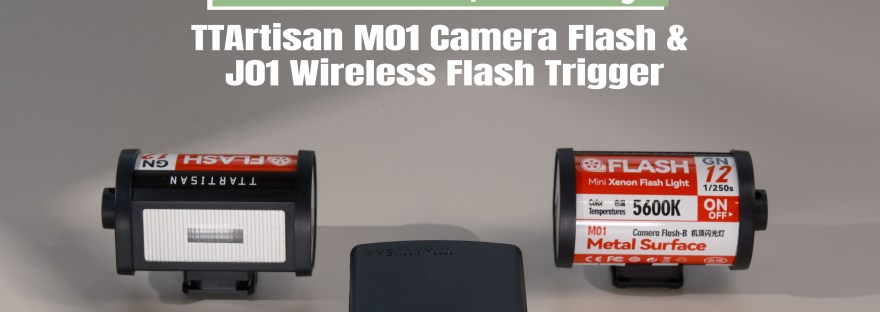
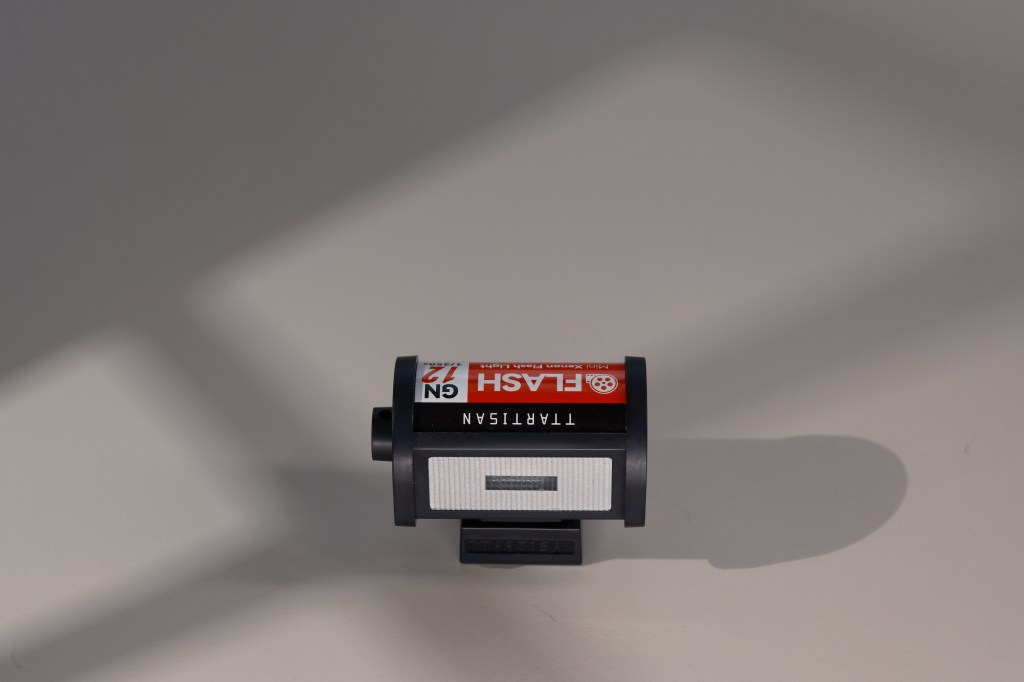
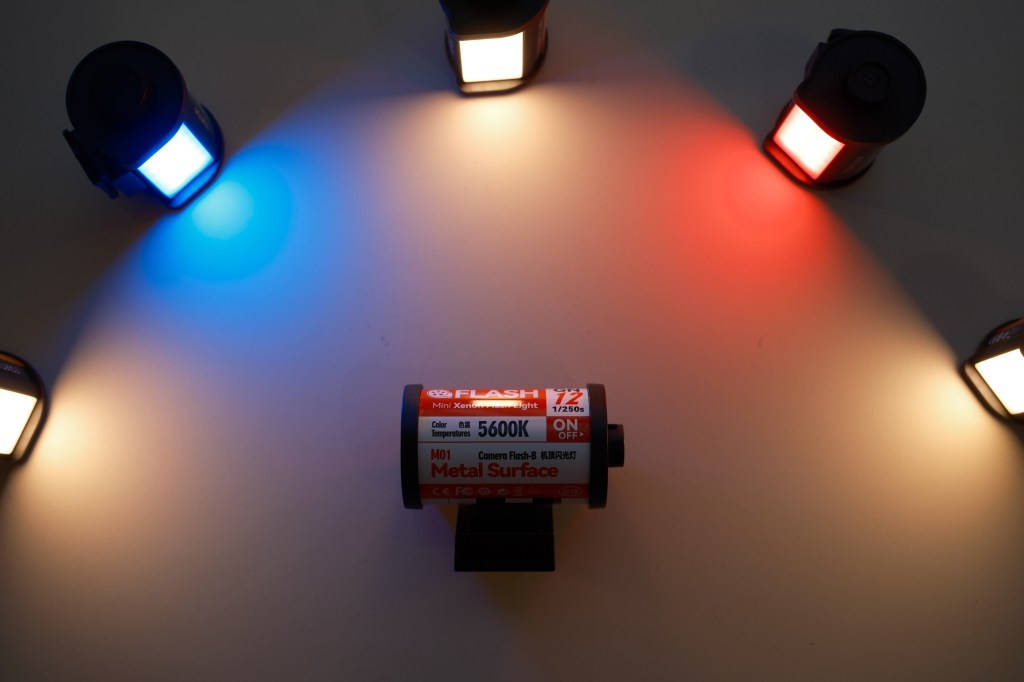
M01 Let’s talk about the M01 camera flash. Like the other two light accessories TTArtisan released earlier, it comes packaged in a film canister-style case, which is a nice touch. It’s a bit larger than the previous ones, but still small enough to fit in your pocket. Unlike those earlier lights, though, this isn’t an LED or multi-LED light; it’s a proper xenon flash. However, it doesn’t have a magnetic mount this time, which is a bit of a letdown, but understandable because of the hot shoe.
Single Color LED, M01 Camera Flash, Full color RGB LED
The M01 is super lightweight, coming in at just 35 grams. It’s made of plastic, but it doesn’t feel cheap. There’s just one button that controls both power and flash intensity—simple and straightforward. The flash has a Guide Number (GN) of 12, and a color temperature of 5600K with a margin of about ±200K. You get four power levels: 1/8, 1/4, 1/2, and full power (1/1), with recycle times of continuous, 2, 3, and 4 seconds, respectively. Given its compactness, I am impressed with the recycling times.
Using the M01 is easy. Just slide it into the hot shoe of any compatible camera (whether it’s Fuji, Nikon, Canon, Sony, OM System, Leica, or Ricoh) turn both the camera and flash on, enable flash in the settings (if needed), and you’re good to go.
X-M5 with M01 Camera FlashX-M5 with M01 Camera Flash
Since it’s a manual flash and not TTL (Through-The-Lens), getting the right exposure might take a bit of trial and error. That said, it is rated for around 800 flashes per charge, which is pretty solid. In my testing, even at the lowest power (1/8), it was strong enough for close-up shots, so 800 flashes should be more than enough for casual use. Oh yes, the maximum sync speed is at 1/250s.
If you want another way to trigger the flash, that’s where the J01 comes in.
J01
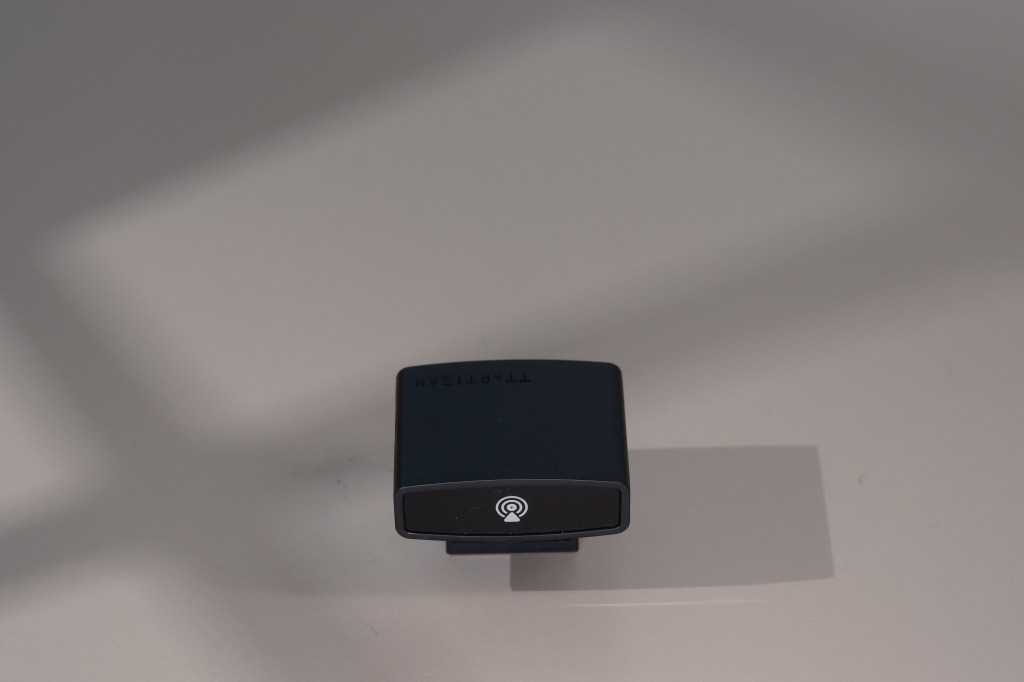
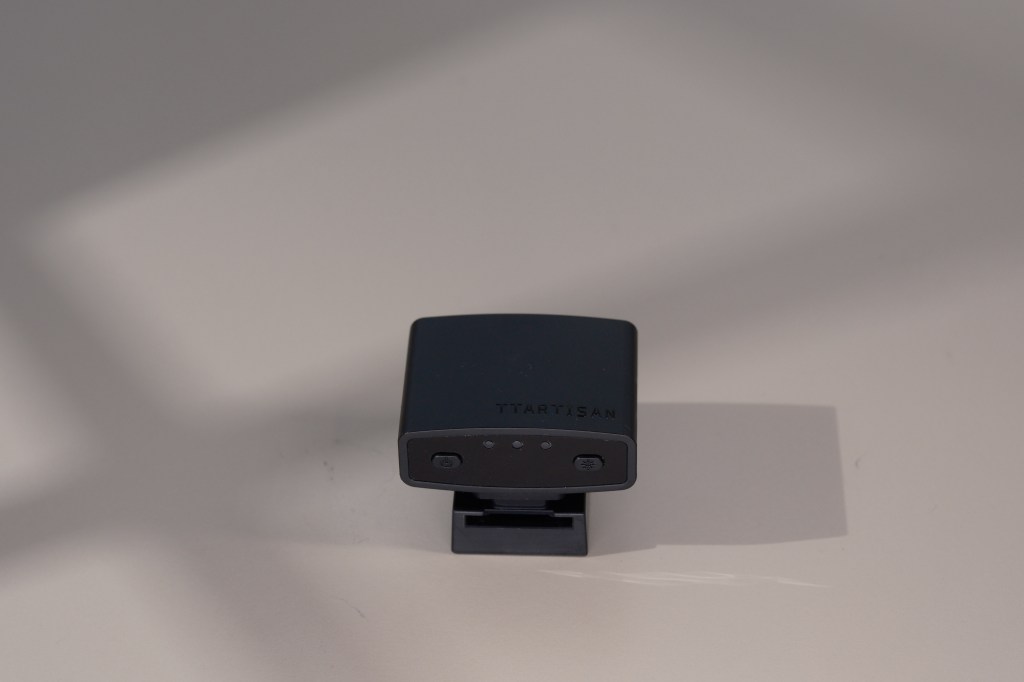
This is a new kind of accessory from TTArtisan, a lightweight plastic flash trigger designed specifically for the M01. It weighs 18 grams, about half the weight of the M01.
Left: J01 Wireless Trigger – Front Right: J01 Wireless Trigger – Back
The good news is that it can trigger multiple M01 flashes at once, not just one M01. As for controls, it has two buttons. One for the power on/off switch and the other for testing the flash.
Like the M01, the wireless trigger works with most cameras that have a standard hot shoe mount.
What’s great is that there’s no need to pair it manually with the M01. Just turn on both devices, and they’ll connect automatically. Keep in mind, though, that the recommended working range is up to 3 meters for reliable performance.
X-M5 with J01 Wireless TriggerX-M5 with J01 Wireless Trigger
Others
Both accessories have a USB-C port for charging, which is super convenient! The M01 has a 350mAh battery, while the J01 has a 200mAh battery. This makes sense, considering the size of the J01.
M01 Camera FlashM01 Camera FlashM01 Camera Flash
Price Point
M01 is priced at 29 USD, and J01 is priced at 10 USD.
Conclusion
Both the M01 and J01 are simple, easy to use, and compact enough to carry in your pocket. They’re probably one of the most affordable ways to start exploring the art of flash photography.
X-M5 with Brightin Star 50mm f1.4 and M01 Camera Flash
X-M5 with Brightin Star 50mm f1.4 and M01 Camera Flash
With their attractive price point, I can’t help but think how well they pair with cameras that lack a built-in flash, like the upcoming Ricoh GR IV (not the Fuji X-Half), without putting a dent in your wallet. They also make great gifts for photographer friends.
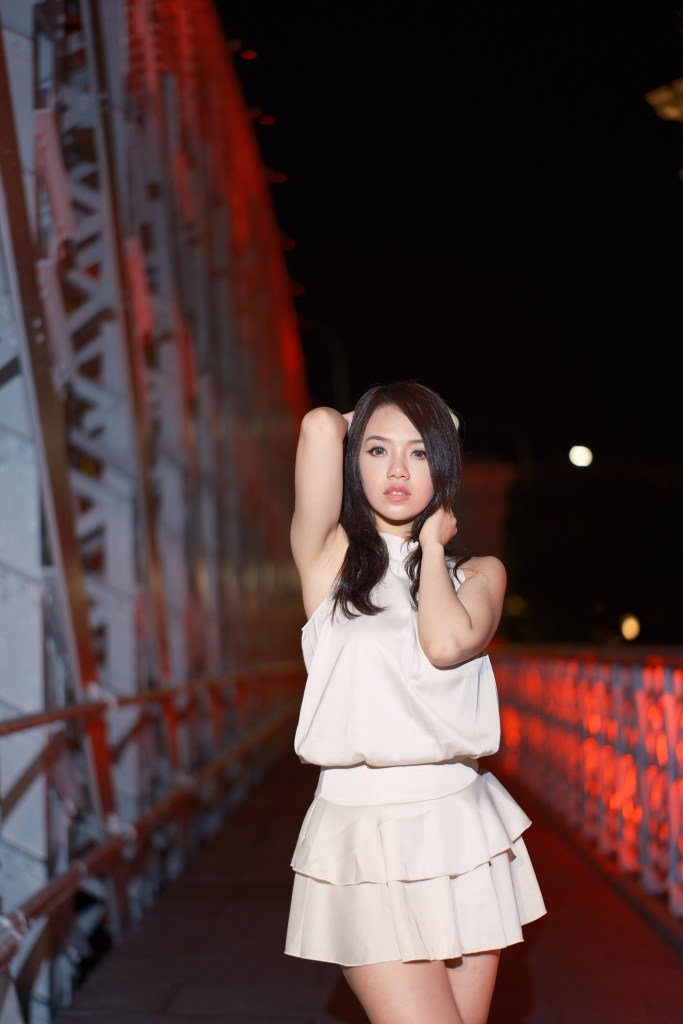
X-M5 with TTArtisan 23mm f1.8 and M01 Camera Flash & J01 Wireless Trigger
X-M5 with Brightin Star 50mm f1.4 and M01 Camera Flash & J01 Wireless Trigger
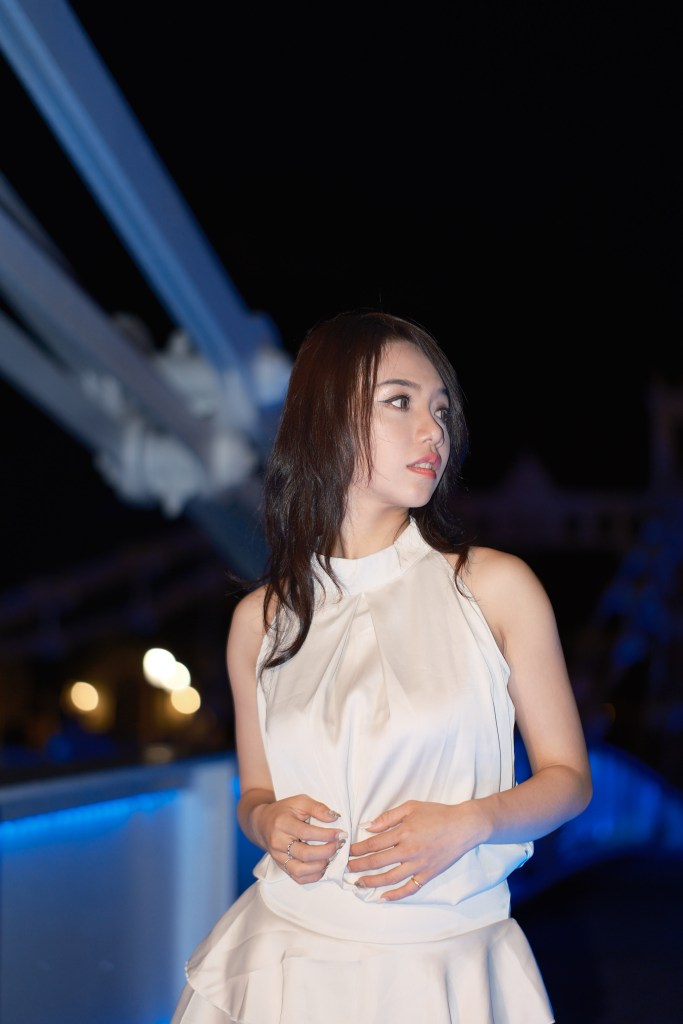
X-M5 with TTArtisan 23mm f1.8 and M01 Camera Flash
So far, I’ve really liked what TTArtisan has been putting out, and I can’t help but wonder what exciting accessory they’ll come up with next.
Thank you for reading.
Disclaimer: 1. All the shots taken here are shot by me. 2. Most of the shots are straight out of the camera with some shots edited via In-Camera Raw Processing. 3. The opinions are based on my experience. If there is any mistake, please kindly drop me a message and I will gladly make the amendment. 4. I reserve ownership of these images, if you wish to use my images, please notify me.
If you like my works, please follow me on either one of the 2 Instagram accounts:
I was a Canon user. Canon 30D was my first DSLR, which I got in 2006. Then followed by 50D (which I sold away within days), and then a 7D when it was released in November 2009. Eventually, I got my first full-frame 6D 3 years later in 2012. (I had my first Fuji interchangeable camera, X-T2 in September 2016)
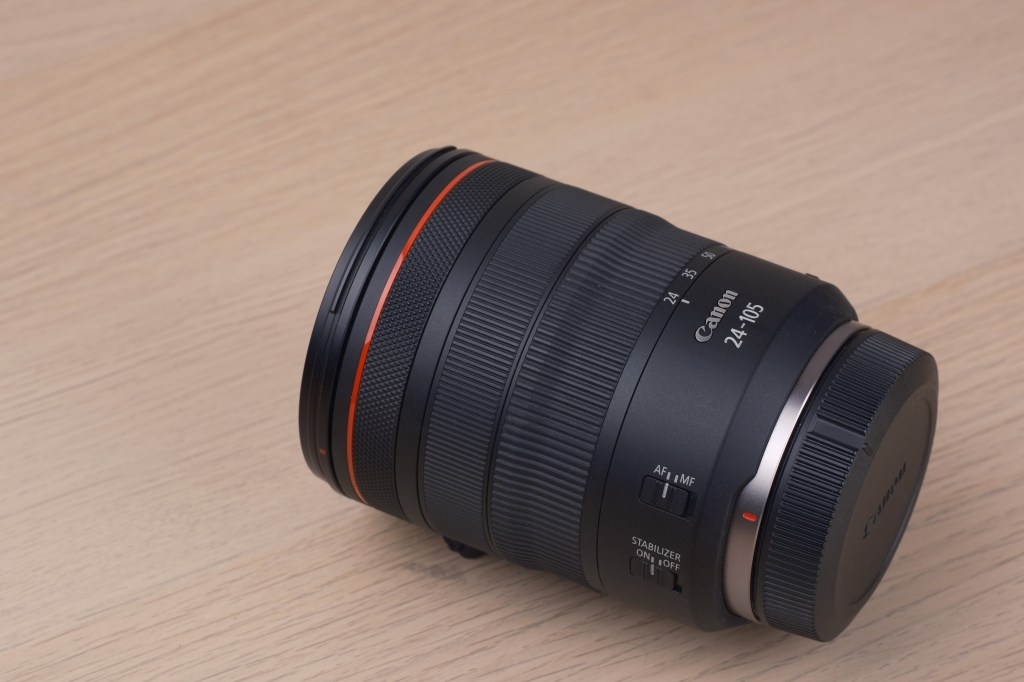
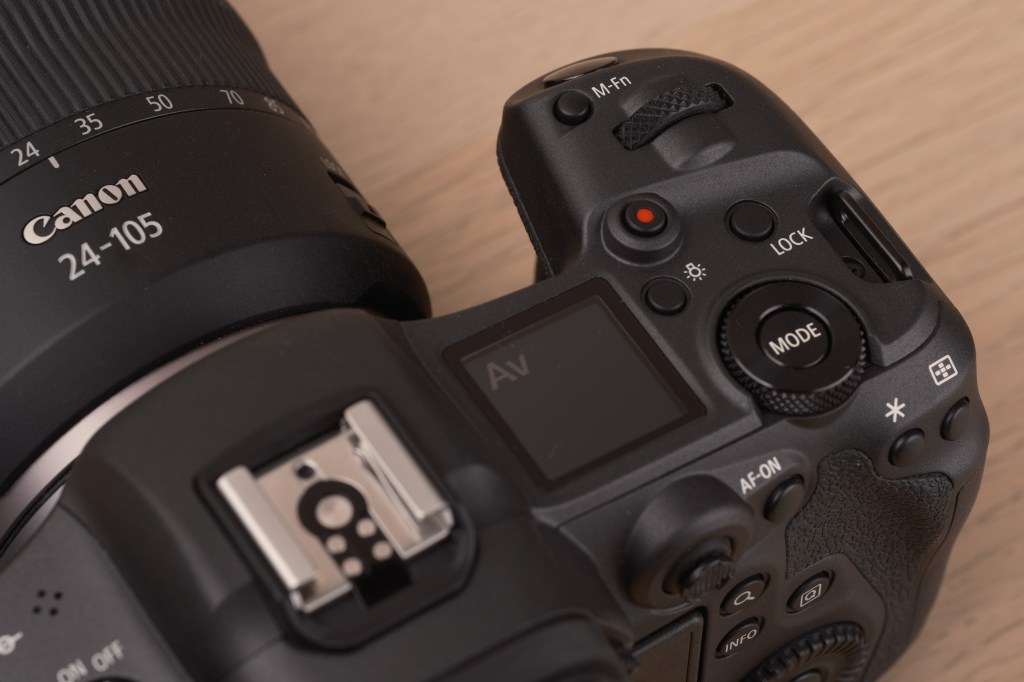
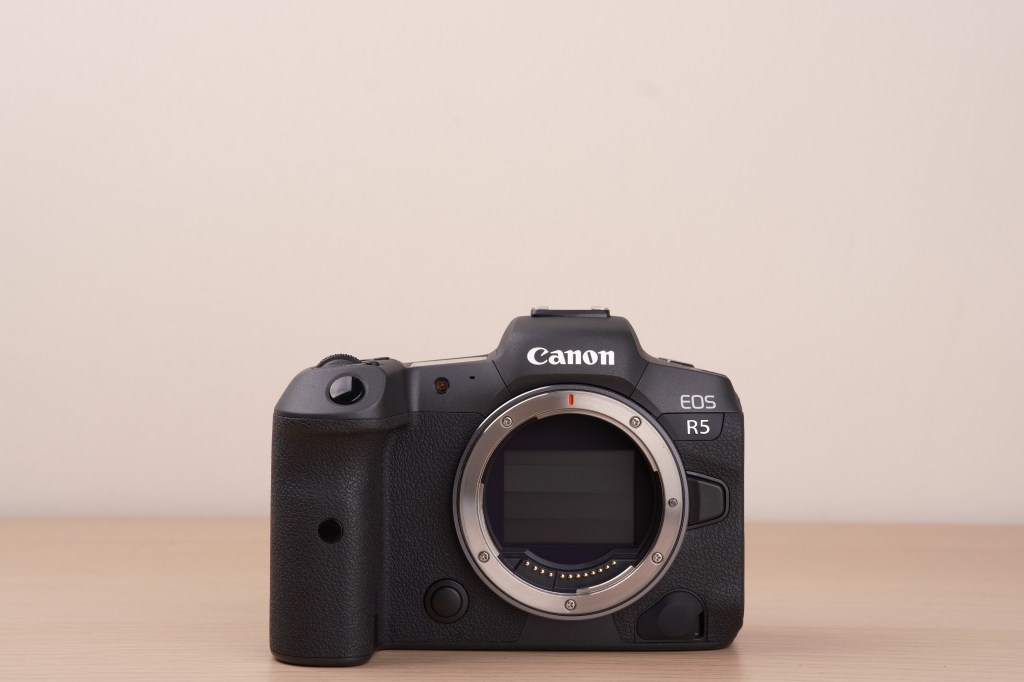
Left: Canon R5 body Right: RF24-105mm f4 L
In these 6 years with Canon, I have used a couple of times with 5D mk II, 1Ds mk II, 1Ds mk III, and 1D mk IV. Unfortunately, I did not own any of these cameras, they are from the people I worked with before. Thanks to their kindness and giving me exposure to these cameras and because of them, I also have the chance to appreciate the true power of the 1D series as compared to other Canon cameras.
Before I proceed further, I appreciate Canon and its marketing agency for hitting me up and asking me if I am interested in giving the R5 and the kit lens a try. I thank them for their support and for arranging for the loan units.
Due to their loaning policy, I can only be allowed to get 1 lens. So I decided to pair the R5 with the RF24-105mm f4 L. The reason is simple. I used to own the EF version of this zoom lens and I loved it a lot.
Canon R5 was released in July 2020 while the RF24-105mm f4 L was released in October 2018. The camera is reaching its 4th year which means that we should be expecting the successor of the Canon R5 to be released any time now. But I do not see any potential mark II version of the RF24-105mm f4 releasing soon.
When I first held the camera and lens, somehow it gave me a nostalgic feel. All my memories with Canon suddenly came back to me. The menu is still easy to navigate around. However, the only problem for me is to remap my muscle memory from Fuji to Canon. It takes me approximately 10 minutes to map all the controls that I need for my shoot but I do press the wrong buttons or scroll the wrong dials on the first 2 days. It indeed takes me a while to navigate at my fingertips.
Canon R5 and the RF24-105mm f4 have gone through design changes. Canon has facelifted the design of the RF series to be more modernized look. Physically they are much better looking than the DSLR cameras and lenses. The camera builds like a tank. It is rugged and heavy (738 grams versus my X-T5 at 557 grams). It also comes with a good deep enough grip for handling the camera, making me feel very secure when holding it. (By the way, I do not use any strap or sling on the camera.)
Not a fair comparison but compared to most of my favorite prime lenses, the L lens is heavy too (at 695 grams). Combining both will be 1.25 kilograms.
If there are some photographer’s minds about the shutter sound, this one sounds very electronic/digital but much softer. If you have used a DSLR before, the shutter sound found in the R5 is very different from the DSLR. Honestly, I prefer the shutter sound from the DSLR.
The camera has a 45-megapixel sensor with a Digic X processor. How good are they? In layman’s terms, it is very good. It has 100% autofocus sensor coverage (one of the benefits of being mirrorless) and this is something DLSR sensor cannot achieve. But is 45 MP is sufficient? I think it is more than sufficient for my purpose. I don’t do cropping most of the time, just mainly sharing via social media.
Plus, I am impressed with the AF tracking system. It comes with more AF points, is snappy, and is sticky to the locked subject. It picks up an object with a very high accuracy rate, especially with the eye AF.
Another benefit of the full-frame is having good noise control and this is not disappointing.
The image quality is great and within my expectations from Canon and its full-frame sensor. Together with the L lens, sharpness, and contrast is great. The color is pretty much the same Canon color science that I have known since day 1. If you are someone who likes to pixel peep, Canon is great at preserving awesome details.
R5 comes with 8-stops of image stabilization. It looks great in number and it seems that only high-end Canon cameras come with it. But can it help me to ditch the tripod or do some impromptu short long exposure shots?
Combined with the OIS of the L lens, I can manage to handle 0.8 seconds long exposure at most (shooting at 24mm). For a total weight of 1.433 kg, this is considerably impressive with my shaky hands.
According to CIPA standards, it is about 490 shots under a single charge. This is under CIPA’s strict testing conditions. But in real life*, I can hit about 700 shots with 2 battery bars remaining. I think this is very impressive and I believe it can easily take about 1000 shots. In other words, if I bring this for traveling, I will bring an extra 1 more battery for standby.
*I used the factory setting setup in this testing and I did not make any changes to the system.
Others
Although I love the benefits of what the electronic viewfinder (EVF) can bring, I still miss the good old optical viewfinder found in the DSLR. To be honest, the EVF is very good.
Oh yes, it comes with a flip screen, which is good for videography but this is not my favorite kind of flip screen. My preference is what Fuji X-T5 tilt-out screen. Alternatively, I think Canon can do something like what the Sony A1 and Panasonic LUMIX DC-S1 have done. I believe this will provide photographers with a better shooting experience.
Feedback
If there is ever a chance that Canon management stumbled upon this post, I just want to say I hope Canon should consider setting up another line of cameras: the retro rangefinder series.
Given that Nikon has had quite a success with the Zf camera, I would love to see Canon releasing a rangefinder camera inspired by their F-1 and P series. Maybe should start with the inspiration from Canon Demi (like the Fuji X100 series fixed lens)?
If this happens, it is a chance for me to own a Canon product again.
I hope they can change the power on/off switch from the left side to the right. In this case, the camera can be operated with just the right hand. For now, it has to be 2 hands operation.
Who is this for?
If you are a DSLR Canon photographer and have yet to jump into the mirrorless world, I think this is a good upgrade and immerse yourself in the new technology that helps you with your photography experience.
Also, this camera and the L kit lens are a perfect match for travel photographers, event photographers, and any genre in between the two. Oh yes, for photographers who prefer to keep as few lenses as possible, this lens is a wise choice.
It is an excellent, capable professional tool camera by all means. Autofocus performance is snappy, instantly locks on the subject confidently, and is sticky on the subject is something I hope Fujifilm can achieve. Having said that, it does not mean the Fujifilm X-H series autofocus performance is bad. If you compare them side by side, you will know what I mean.
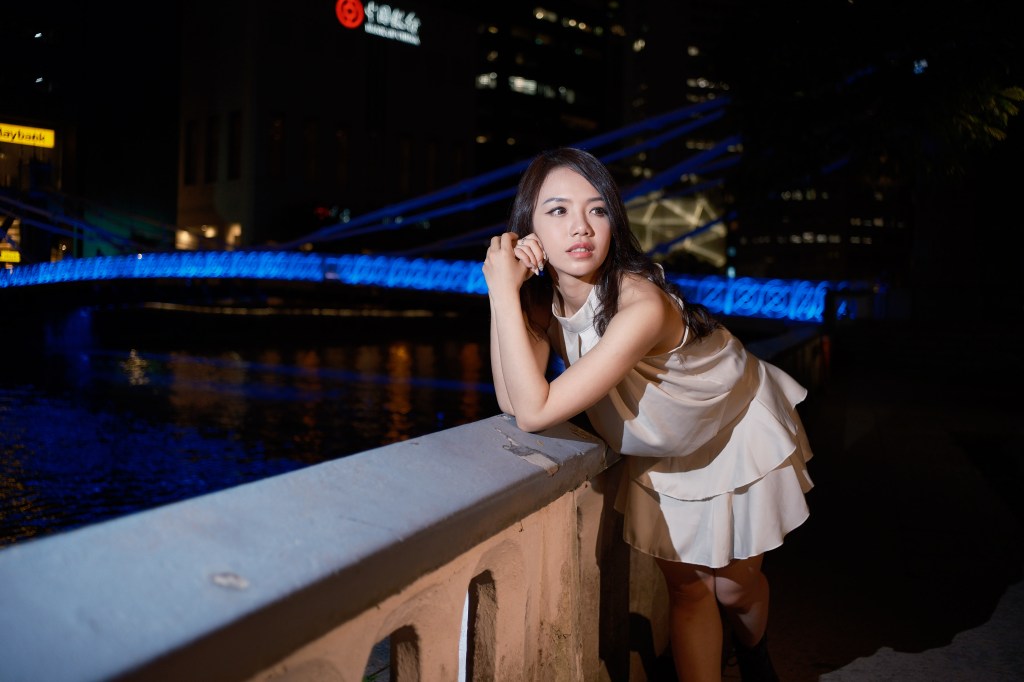
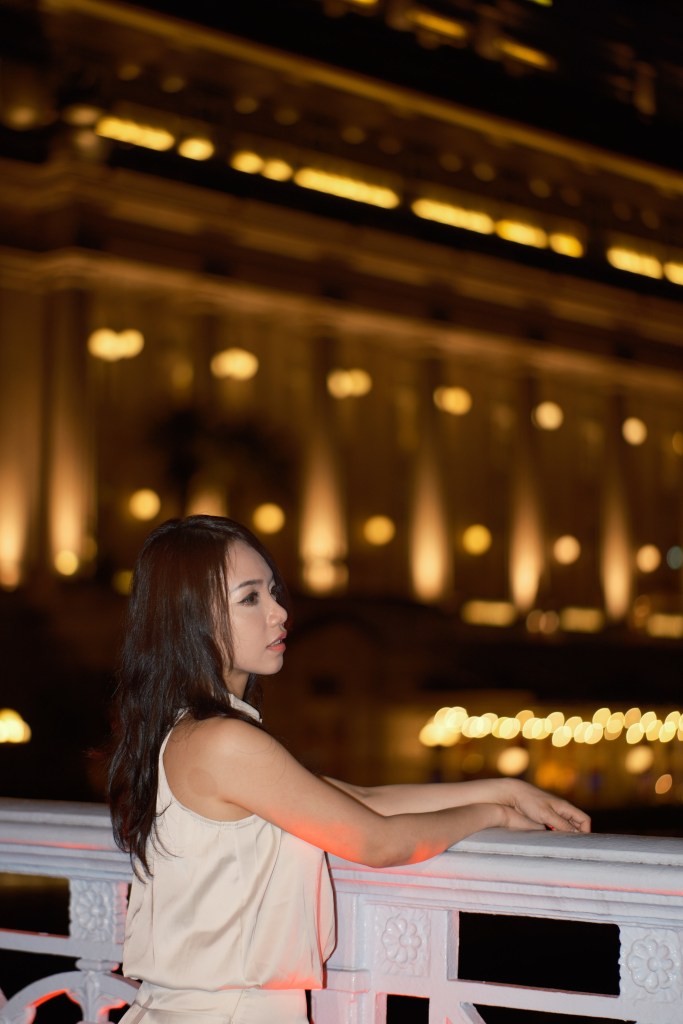
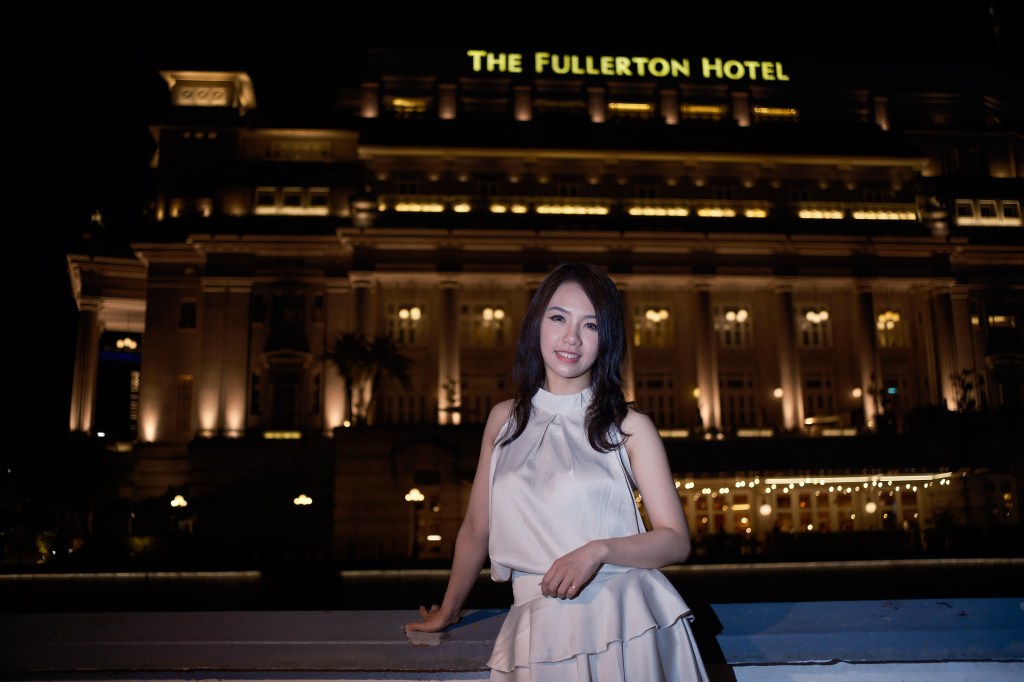
Canon R5 with RF24-105mm f4 L
Pairing with RF24-105mm f4 L is a no-brainer. From a prime lens user’s point of view, this lens covers most of the focal lengths that I need but with a sacrifice of a few stops of light. It is all about what works best for you.
Canon R5
Am I coming back to Canon? The answer is no (probably not within this decade). I love them. They are great products and I do enjoy their cameras and the shooting experiences I had with them. They are part of my past photography experiences but for now, Fuji is still what I love the most.
Canon R5
Thank you for reading.
Disclaimer: 1. All the shots taken here are shot by me. 2. Most of the shots are straight out of the camera with a few shots edited via Lightroom Classic. 3. The opinions are based on my experience. If there is any mistake, please kindly drop me a message and I will gladly make the amendment. 4. I reserve ownership of these images, if you wish to use my images, please notify me.
If you like my works, please follow me on either one of the 2 Instagram accounts:


























 Alwin Kok